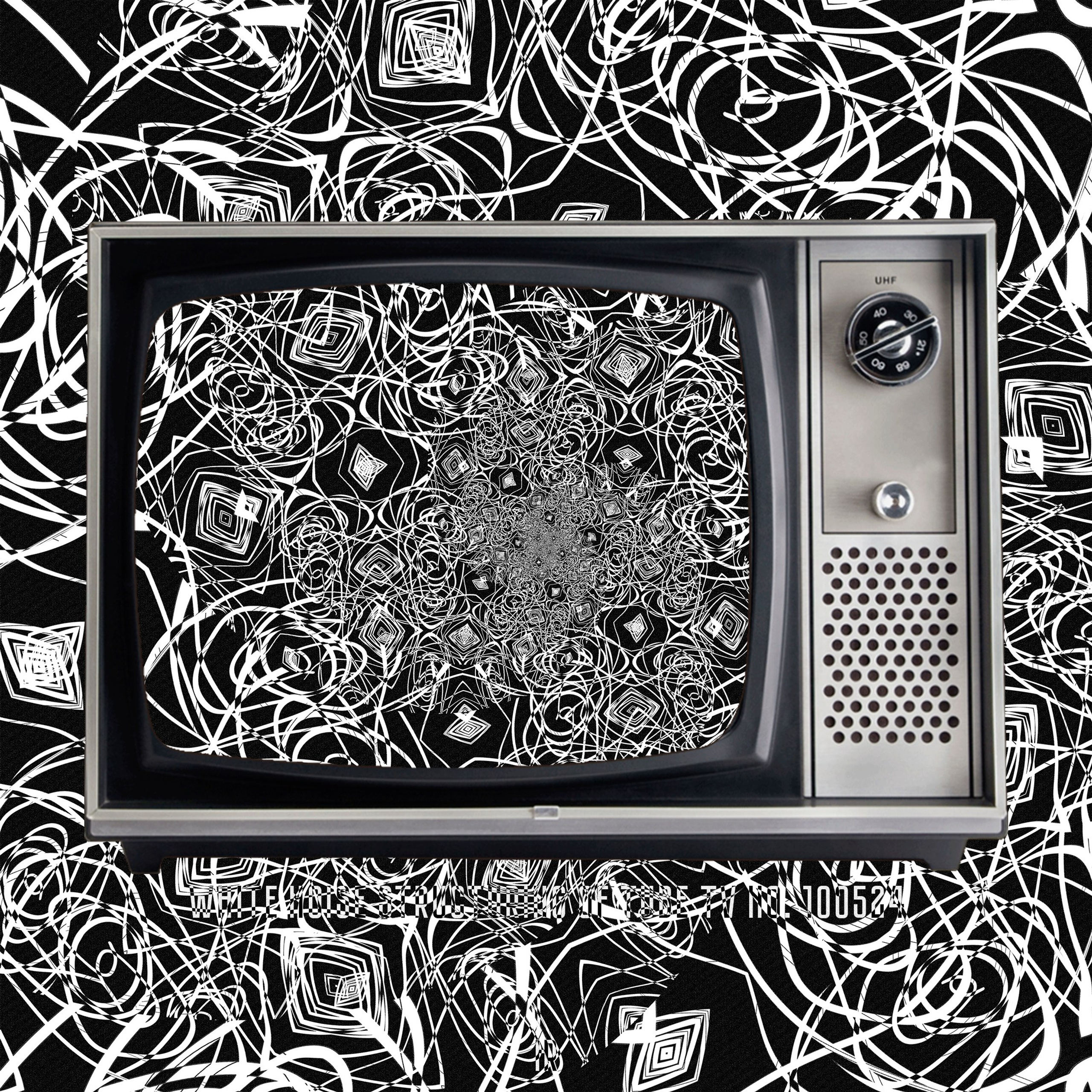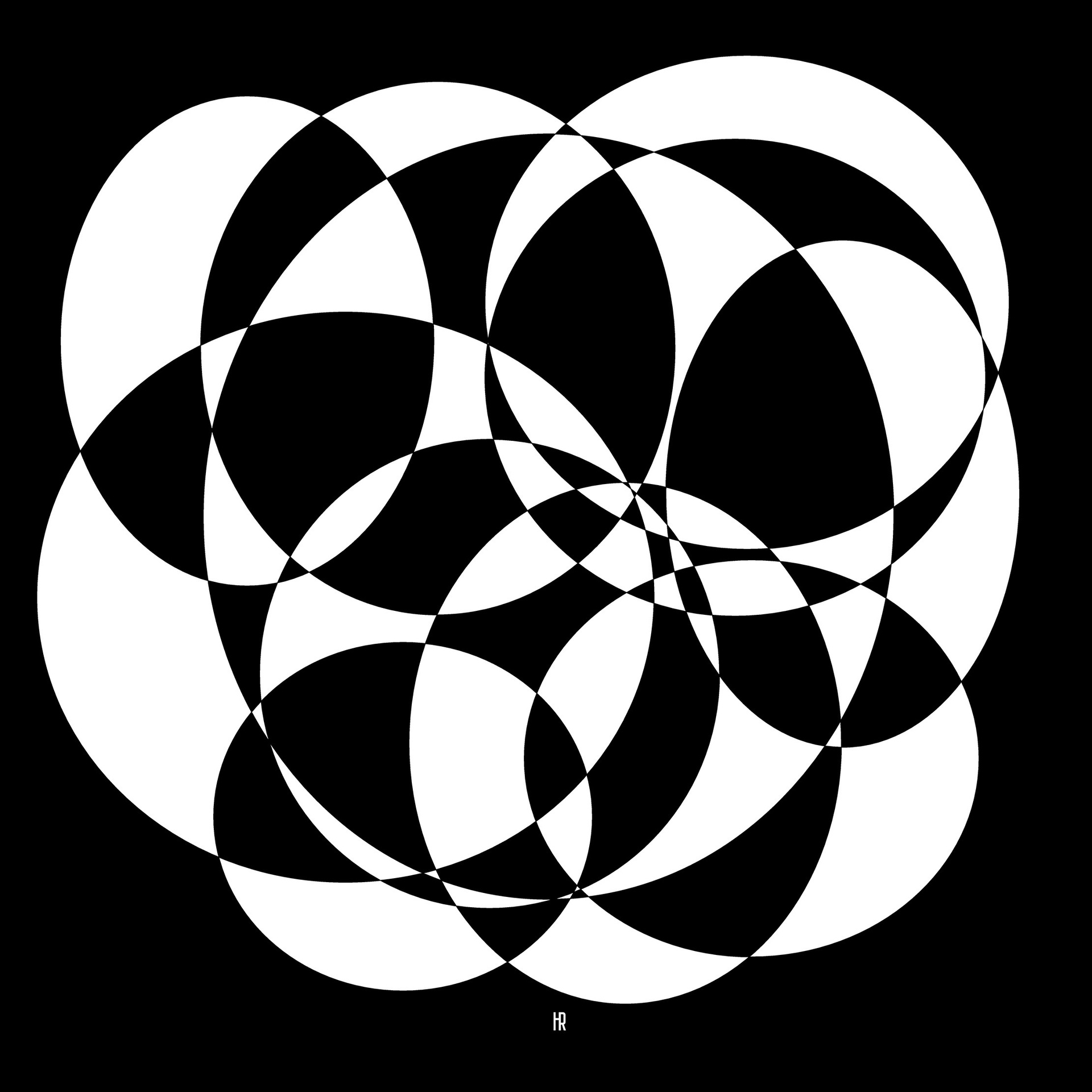
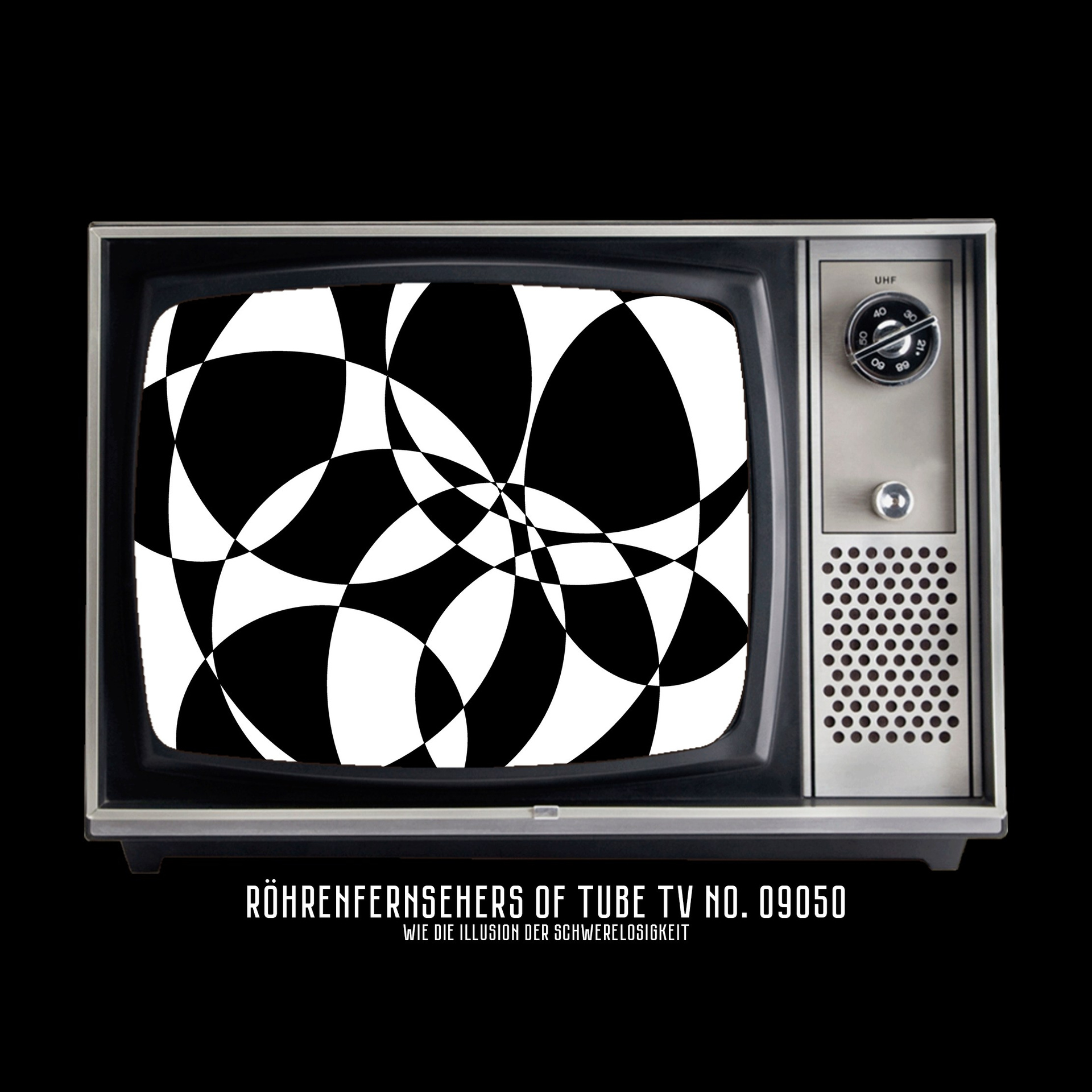
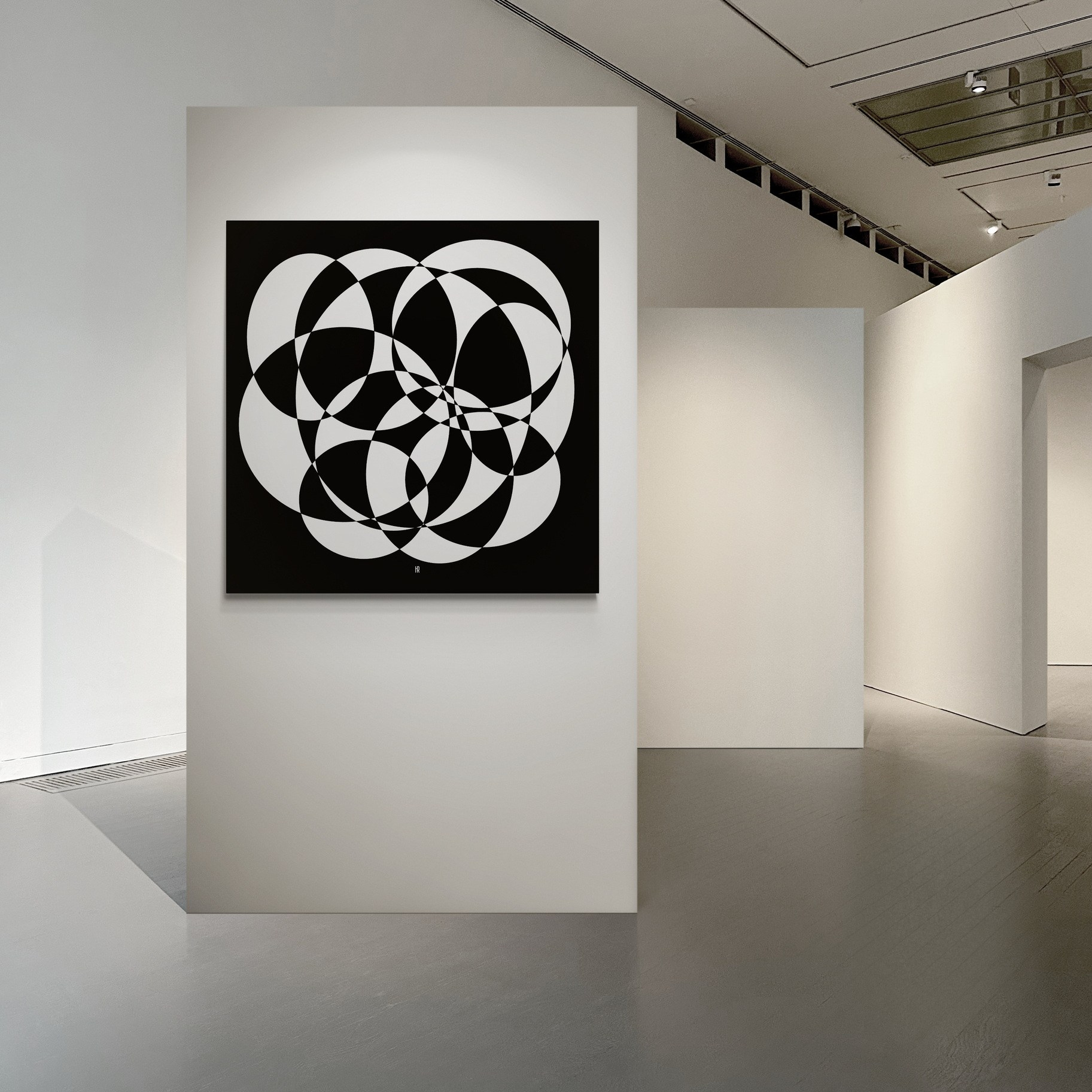
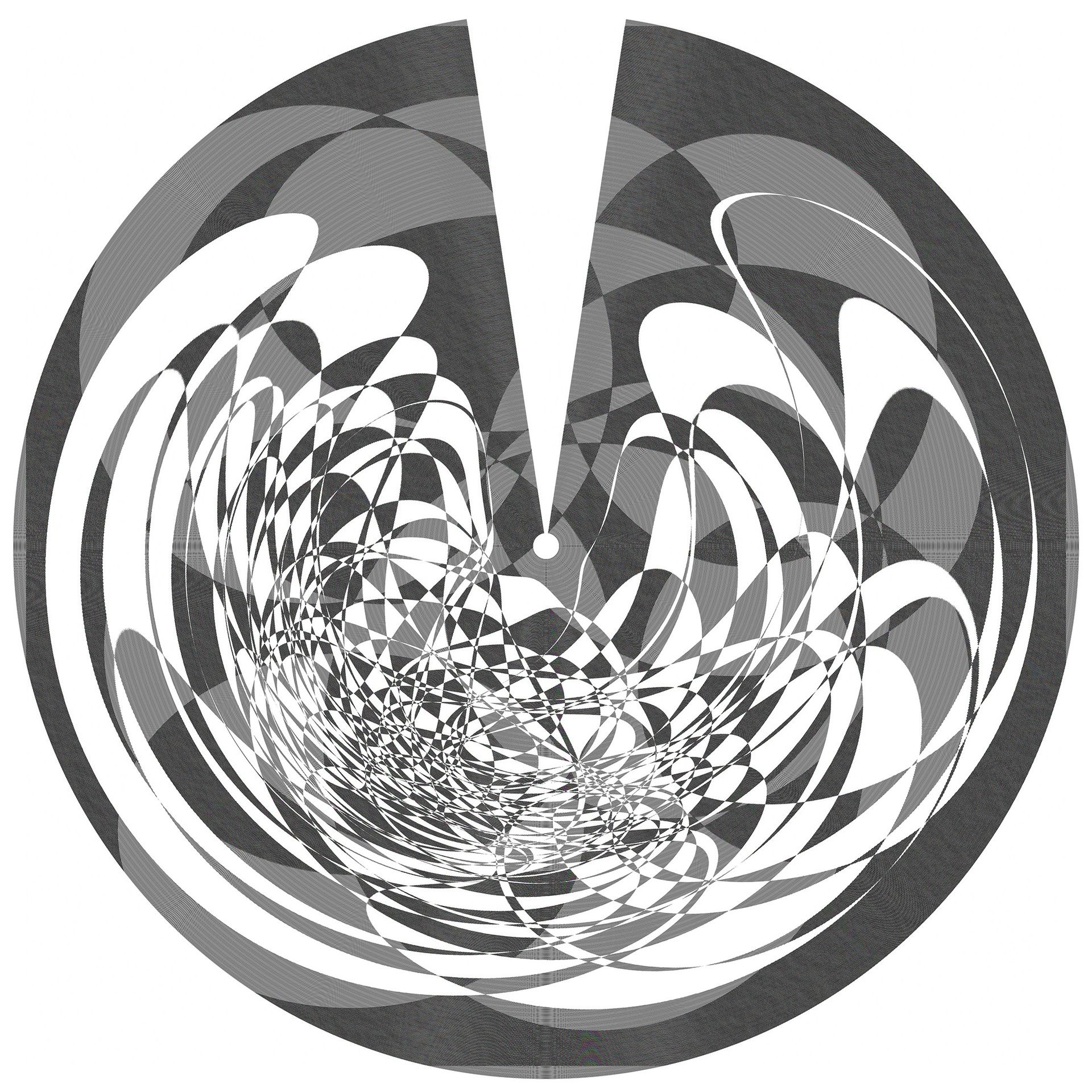
This work, titled “The Illusion of a Tube Television’s Weightlessness through an Assessment of Its Visual Component, ” explores perception through the lens of Fluxus, an artistic movement known for its anarchic spirit and opposition to traditional art forms.
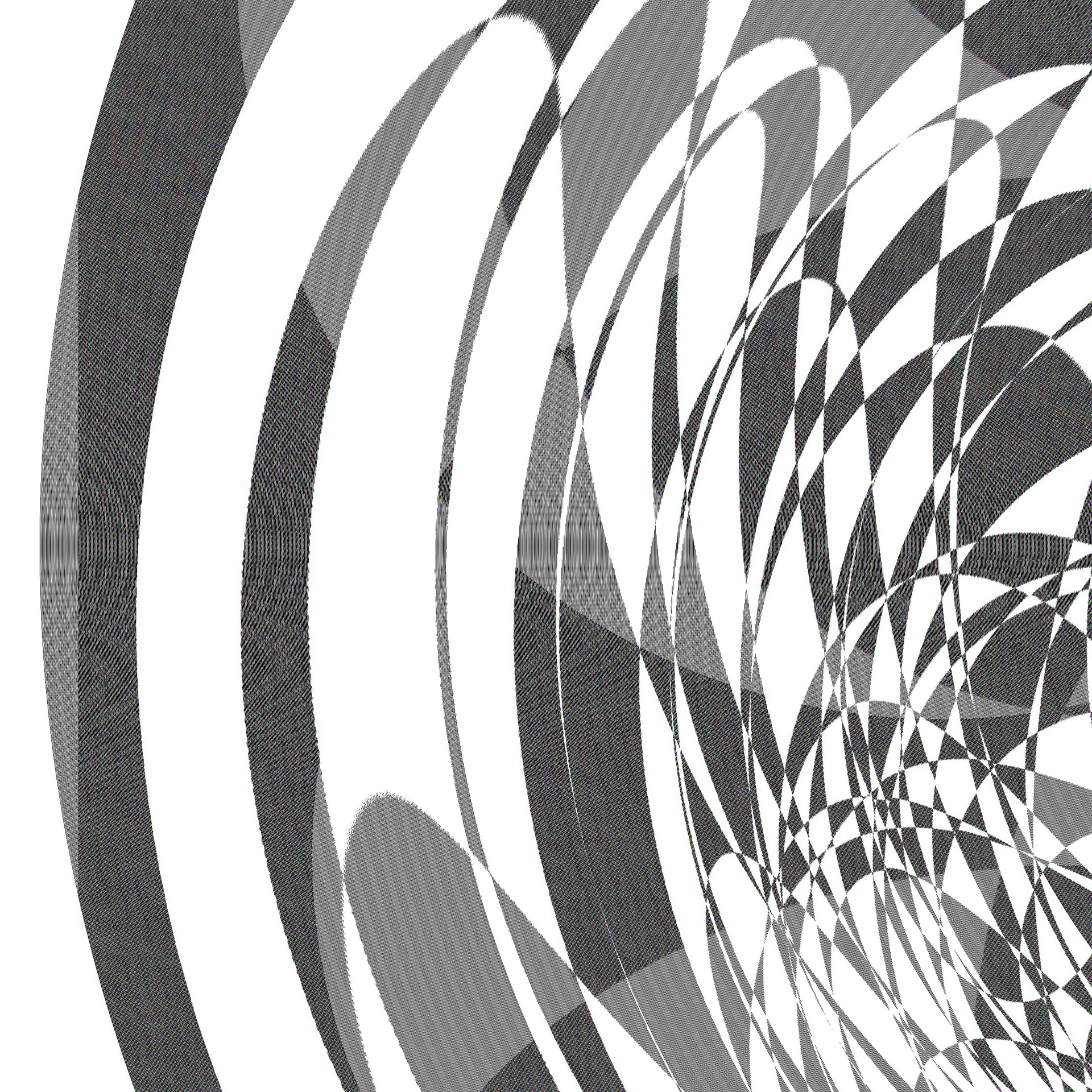
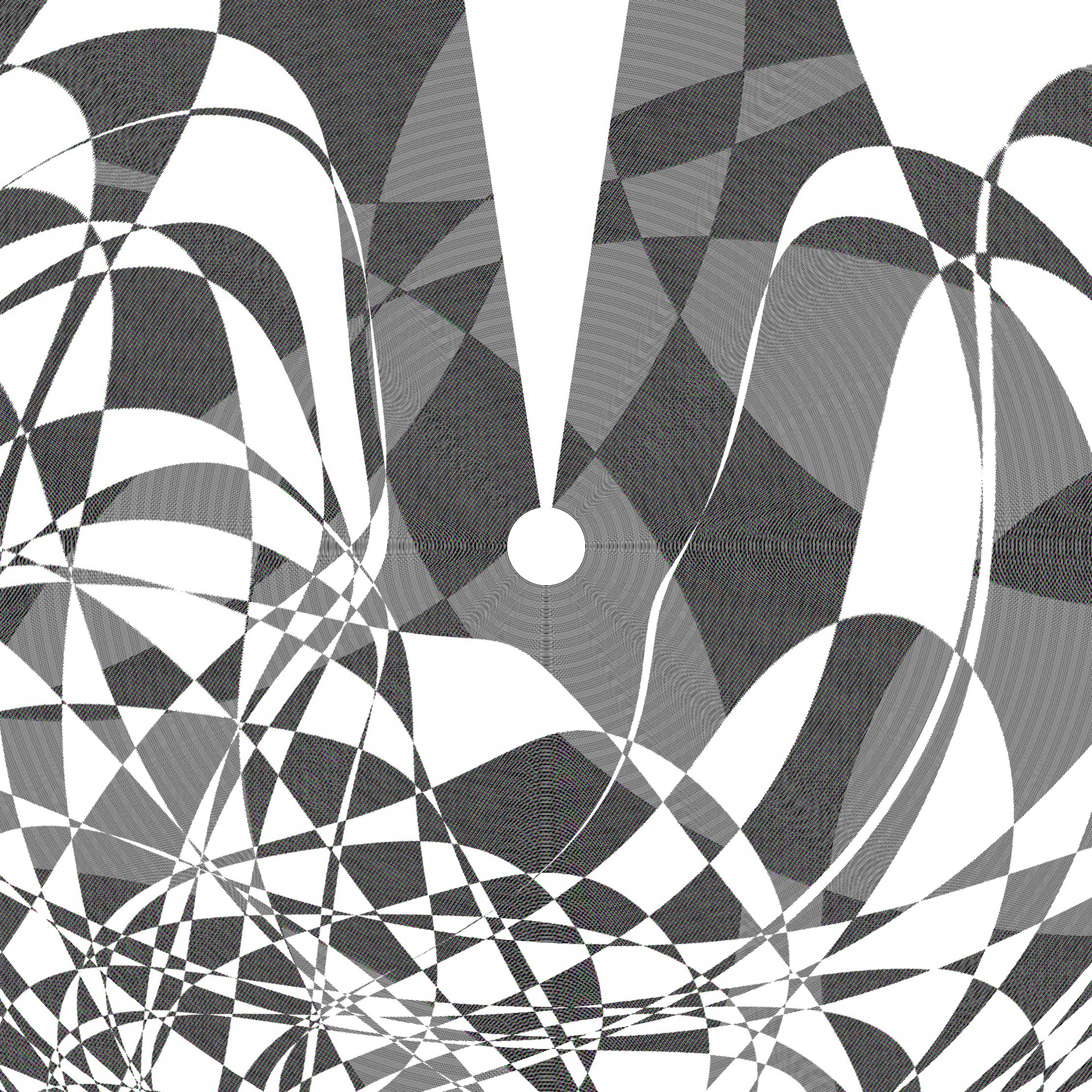
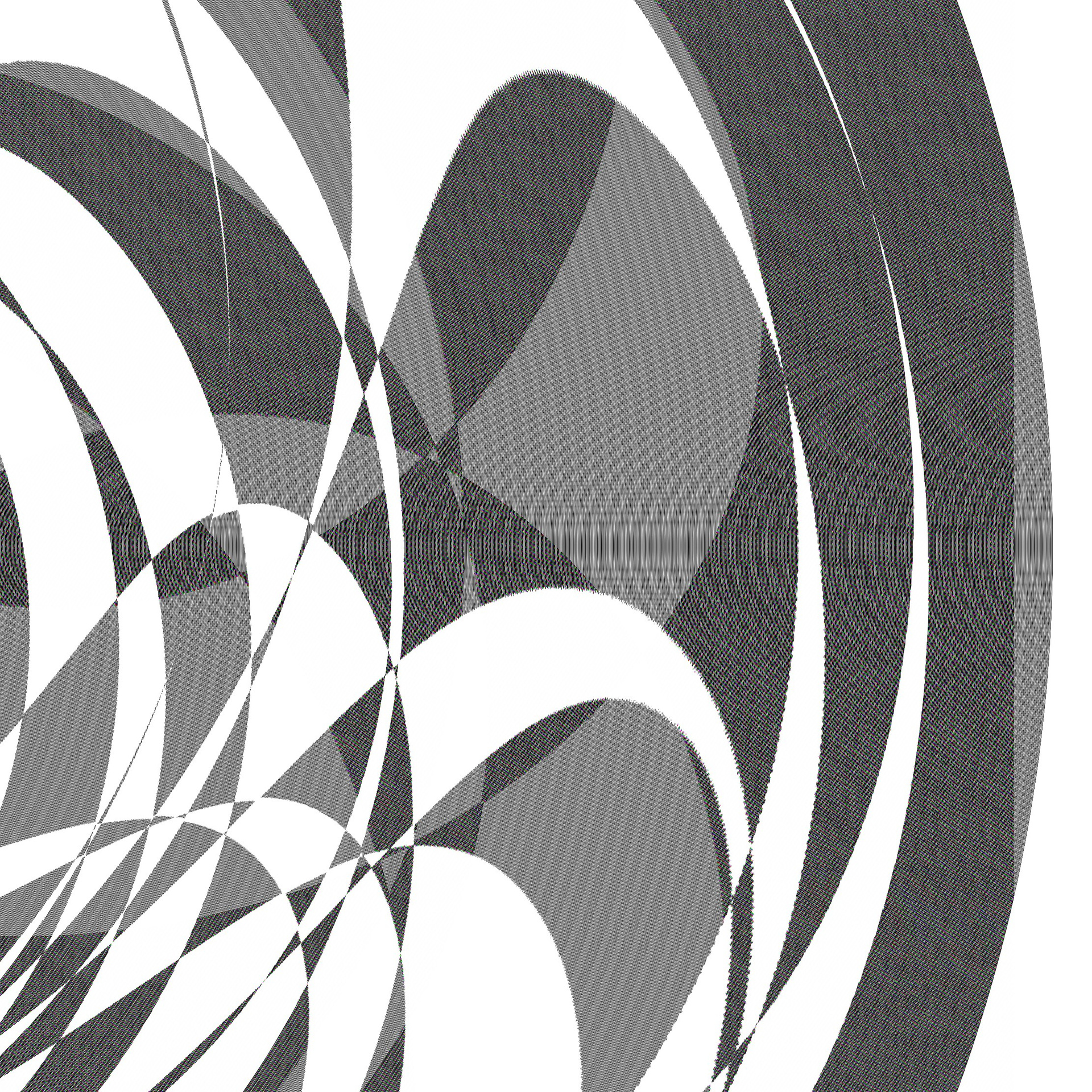
The composition consists of alternating black and white rounded forms that overlap, creating dynamism and layers. These intersecting circles can be read as symbols of the many possibilities of perception, including the perception of television itself—an object that seems to disappear into its own visual information, slipping out of physical reality.
The work illustrates the idea that art should not be static or unambiguous; it should provoke questions and blur the boundaries between art and life. The title refers to old tube televisions, significant objects of the twentieth century that are now becoming mere memories. The visual illusion arising where forms intersect gives viewers a sense of impermanence and change, reflecting the Fluxus philosophy of continual transformation and the rejection of traditional conventions.
The work plays with oppositions and paradoxes: black and white, heavy and light, material and immaterial. Such play is characteristic of this movement, which sought to disrupt familiar concepts and encourage viewers to reassess their perception of reality.
Works from the “Abstractionism of a Tube TV” series
And I also have a magnet 📺🧲 Shall we see what happens?
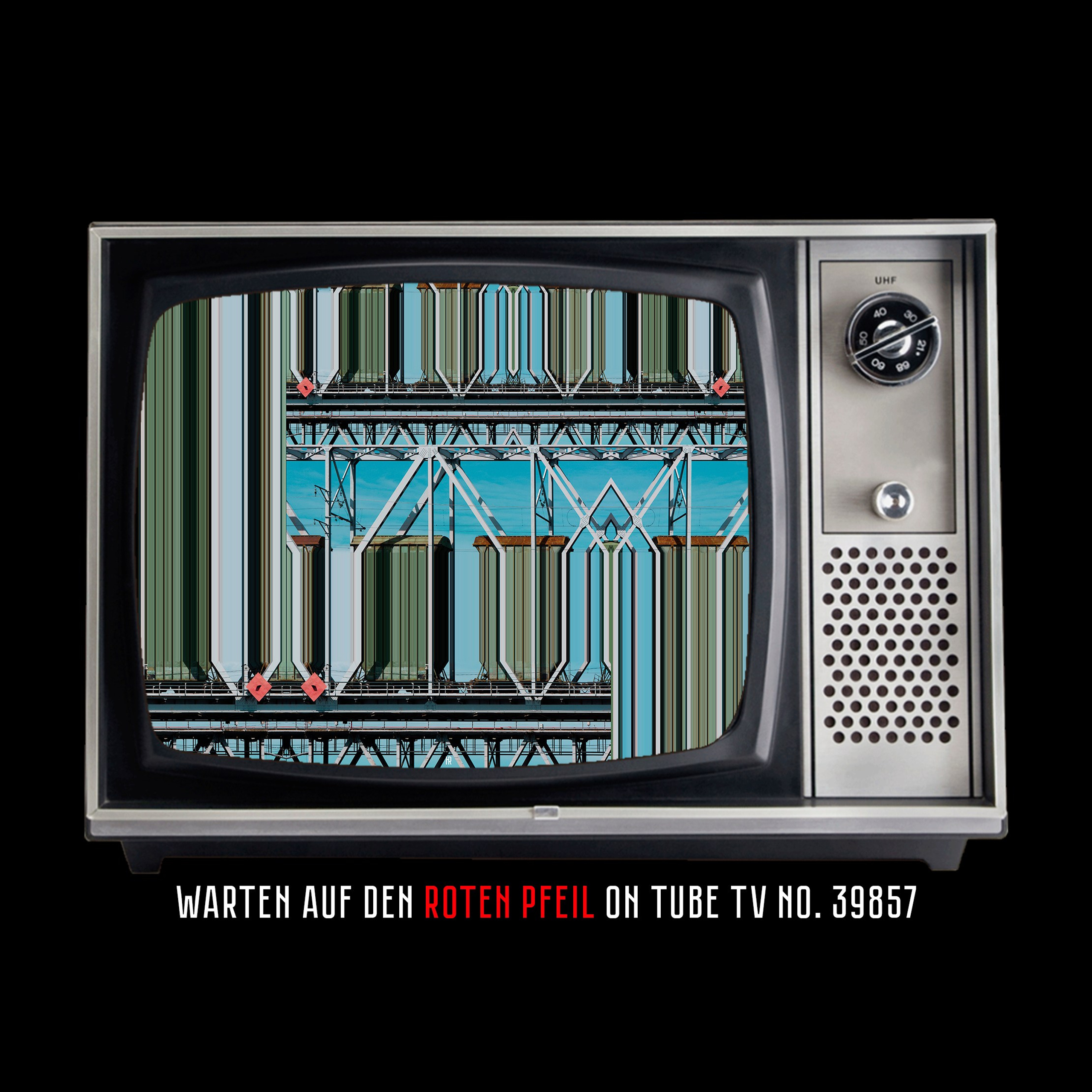
Red Arrow
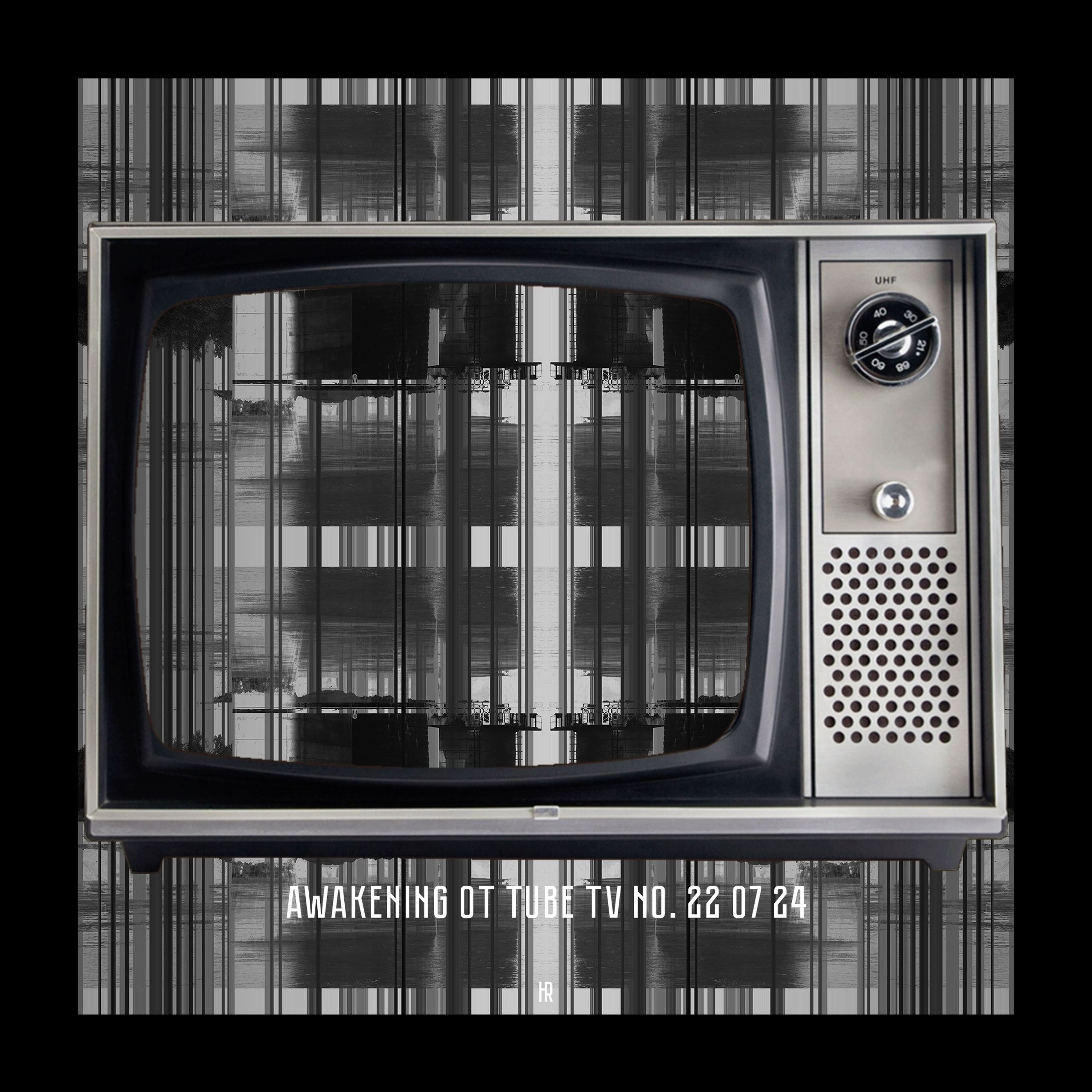
Transfiguration

What Does It Take to Brew Good Tea—or Perhaps Take a Photograph?

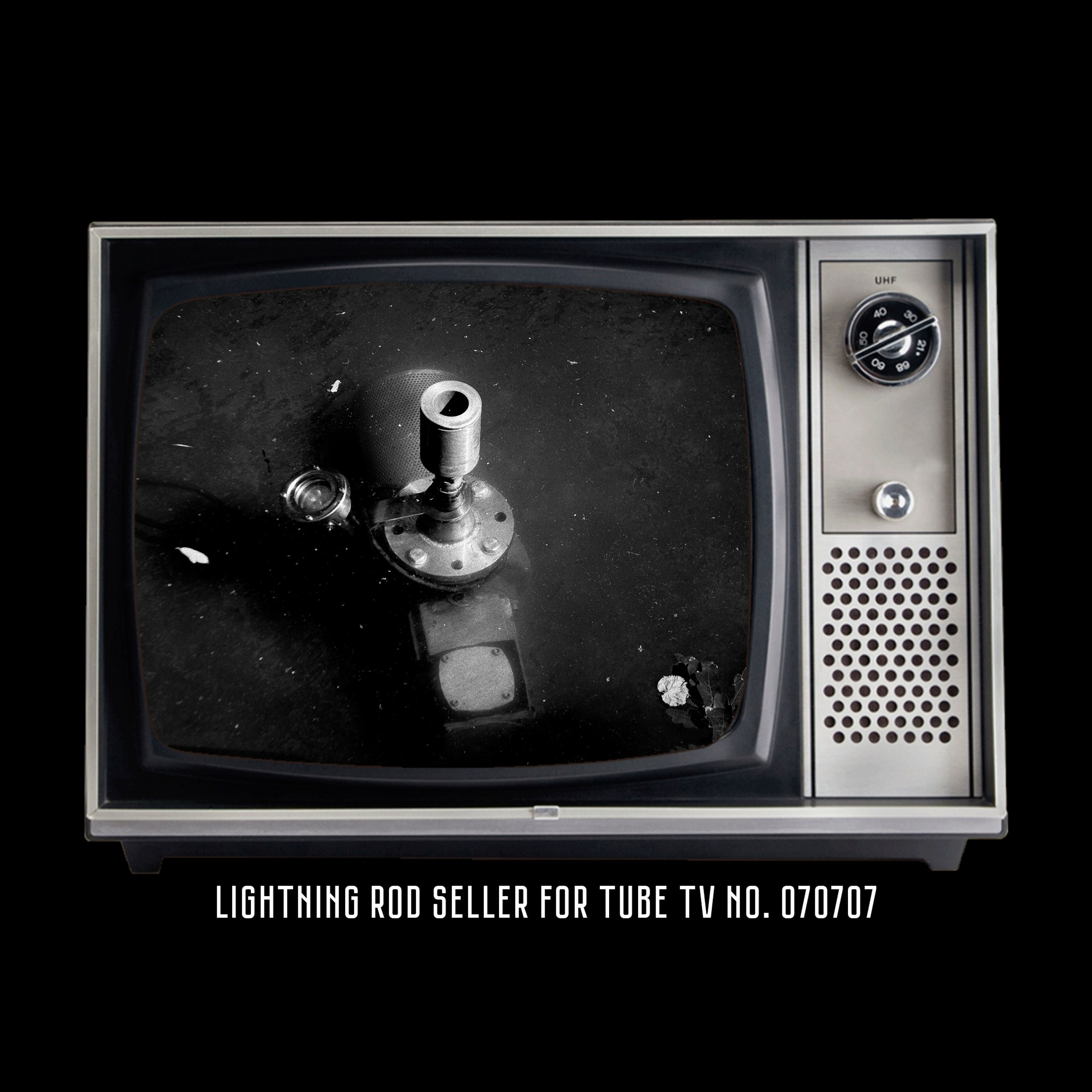


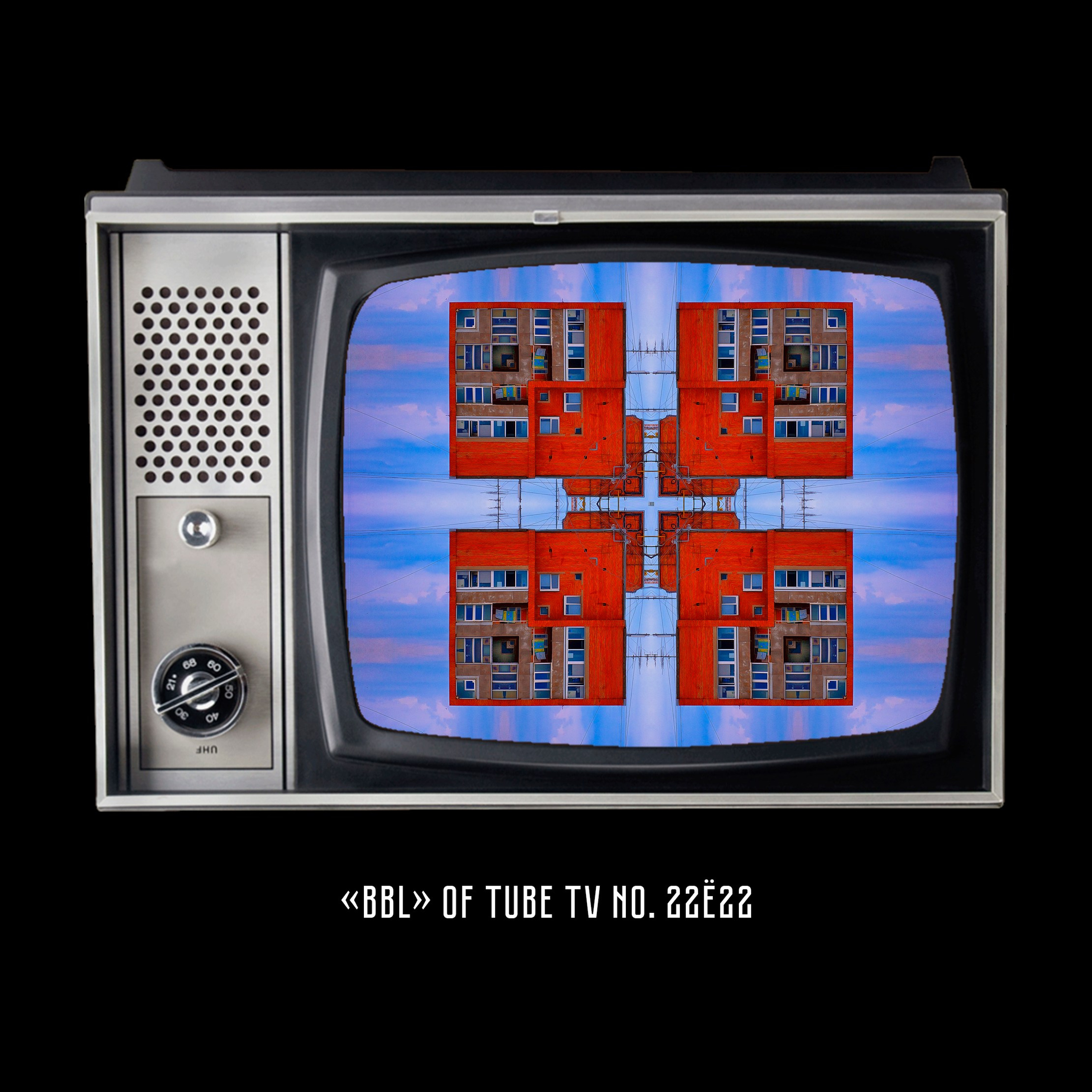
Concrete Orbit
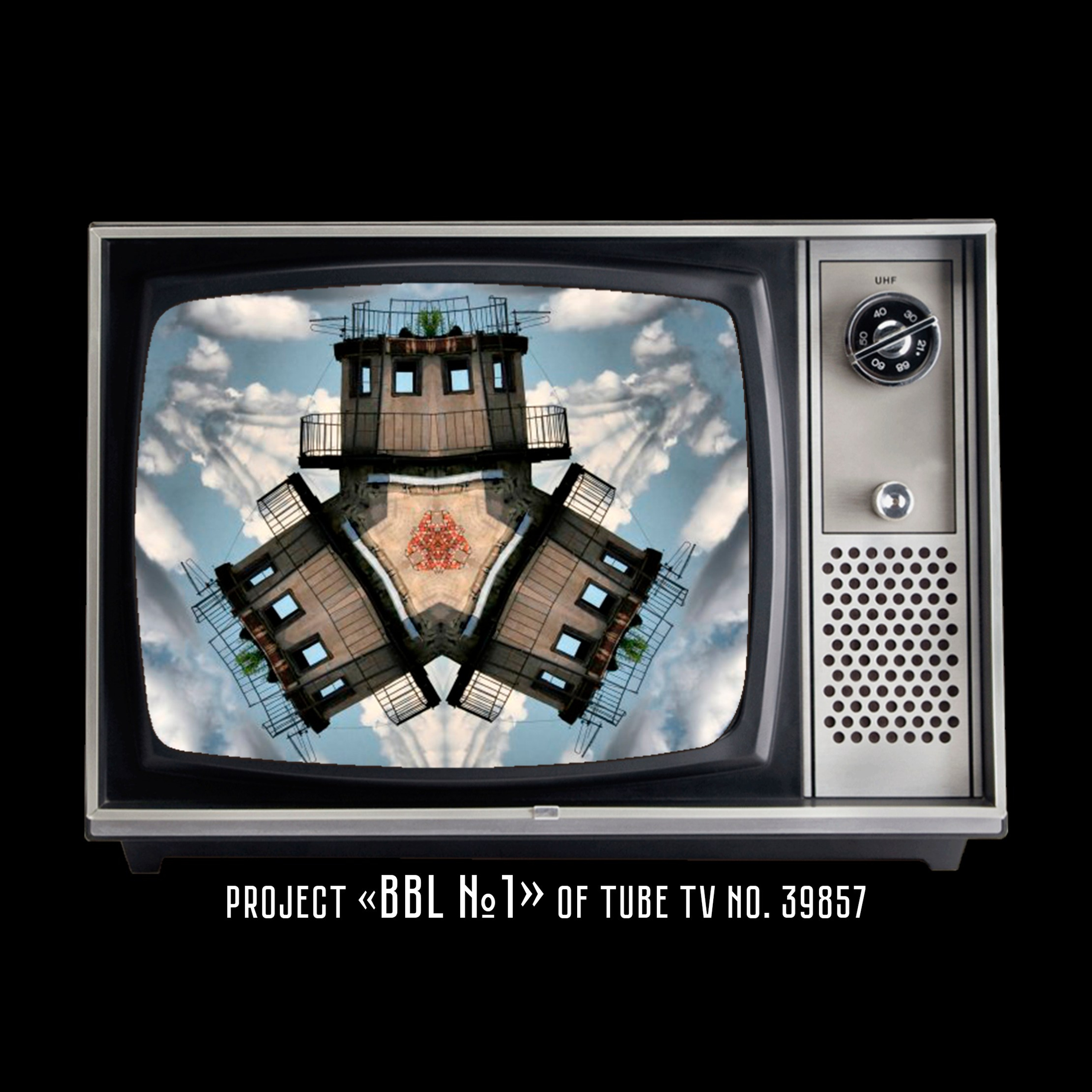
“cheLOVEinik”—The Age of Pioneers

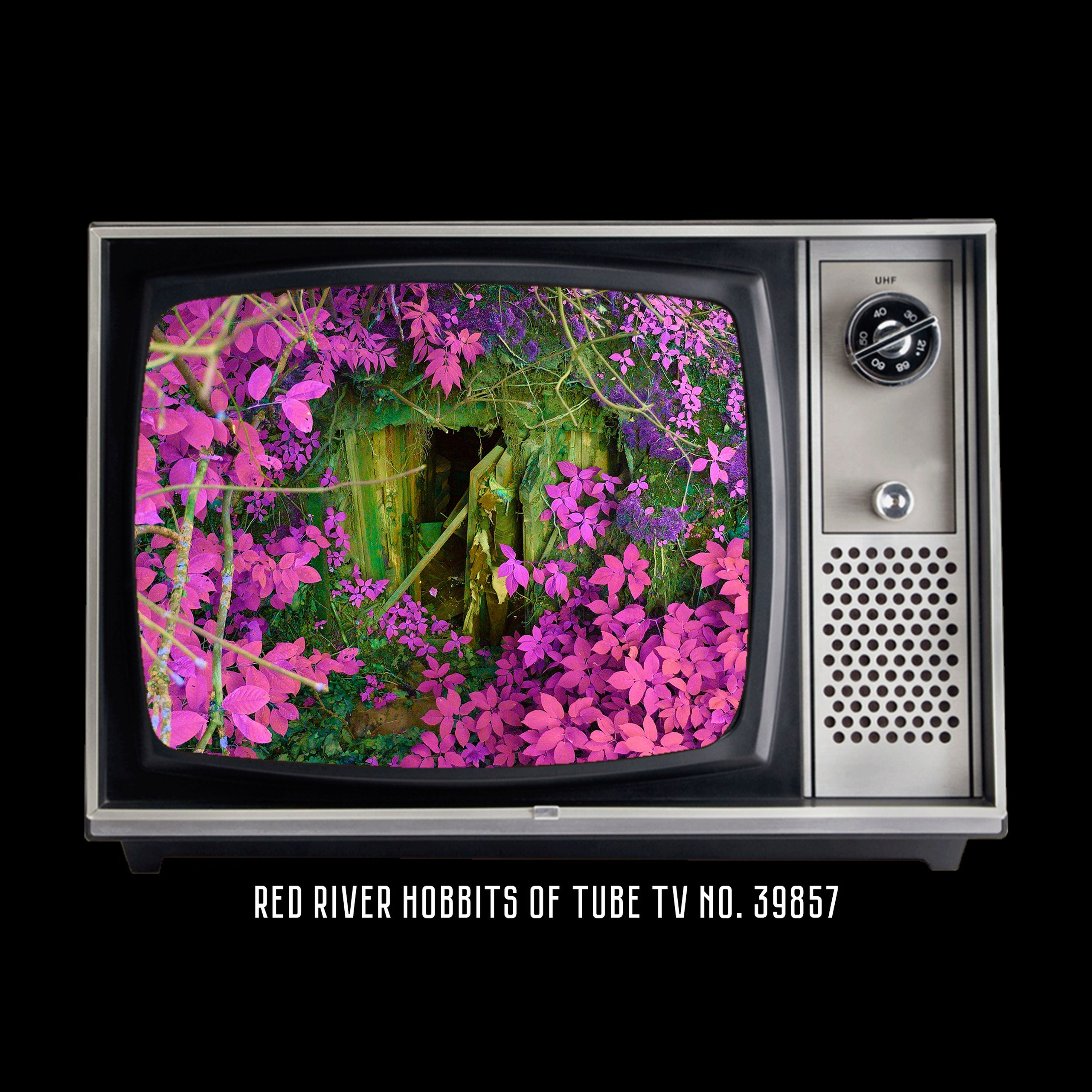
Inhabitants of the Red River
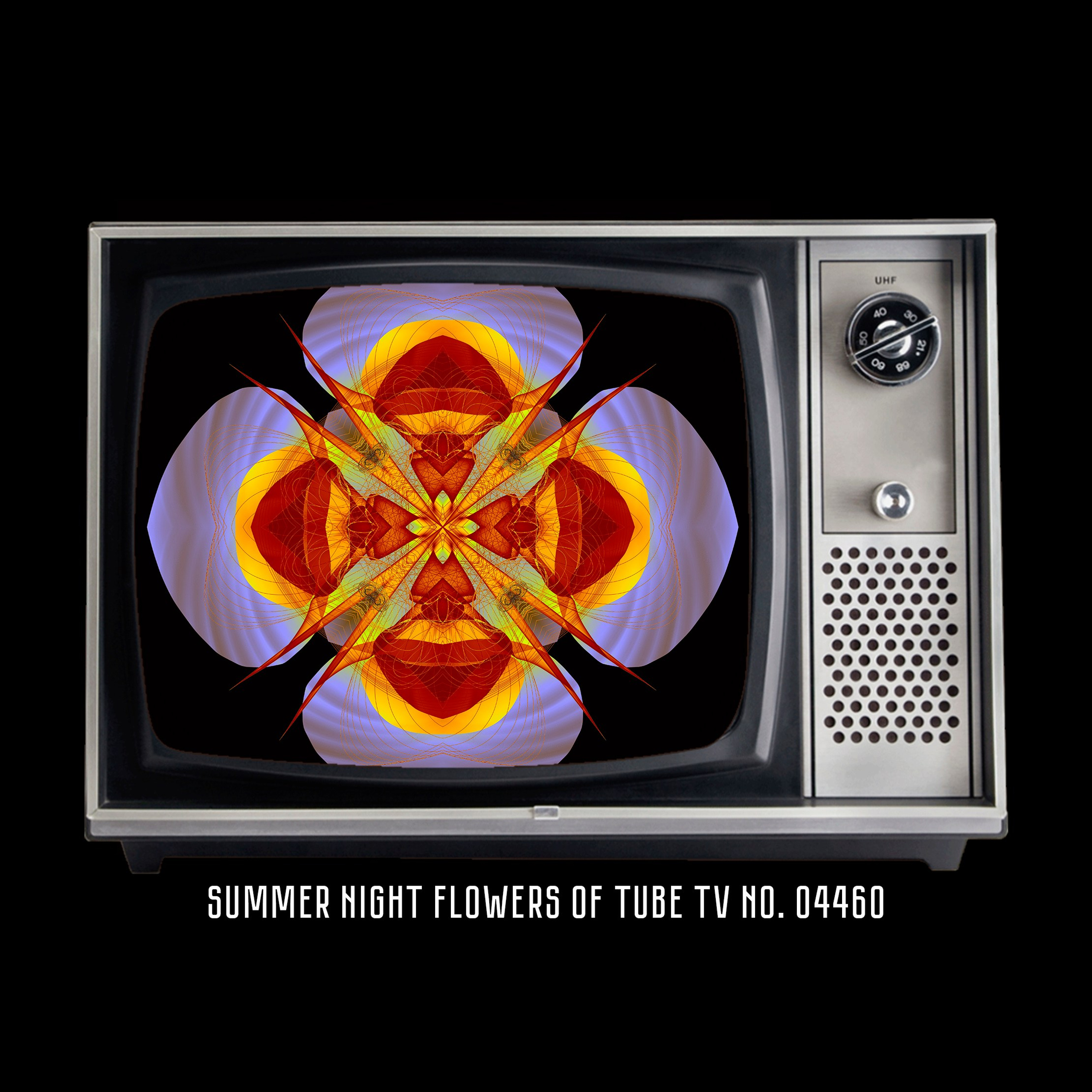
Blooming

Sweltering Heat
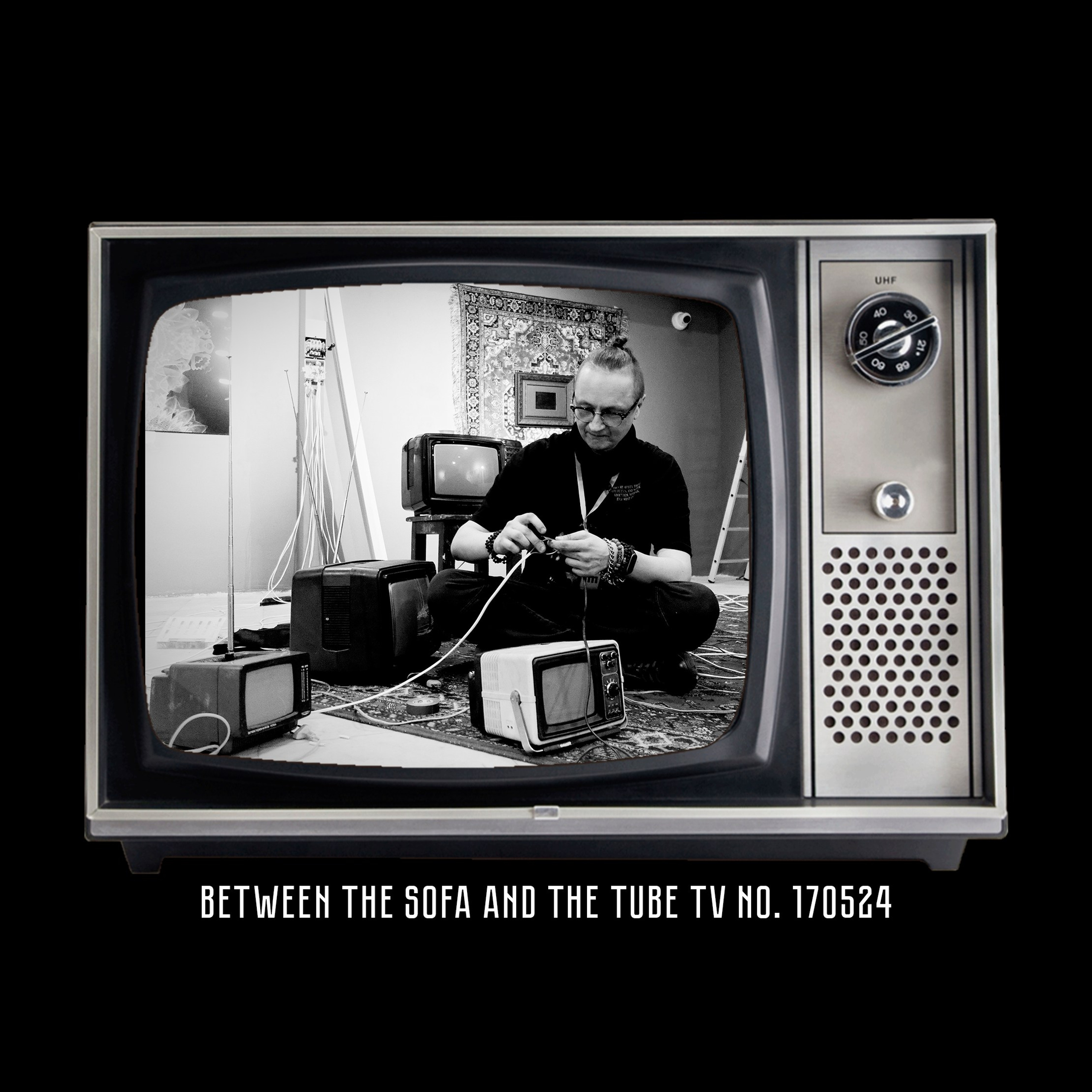
Between the Sofa and the Television