
Expedition to Tibet
April 2025
Chrono-chamber “Buratino” and Roerich
Transformation of vision
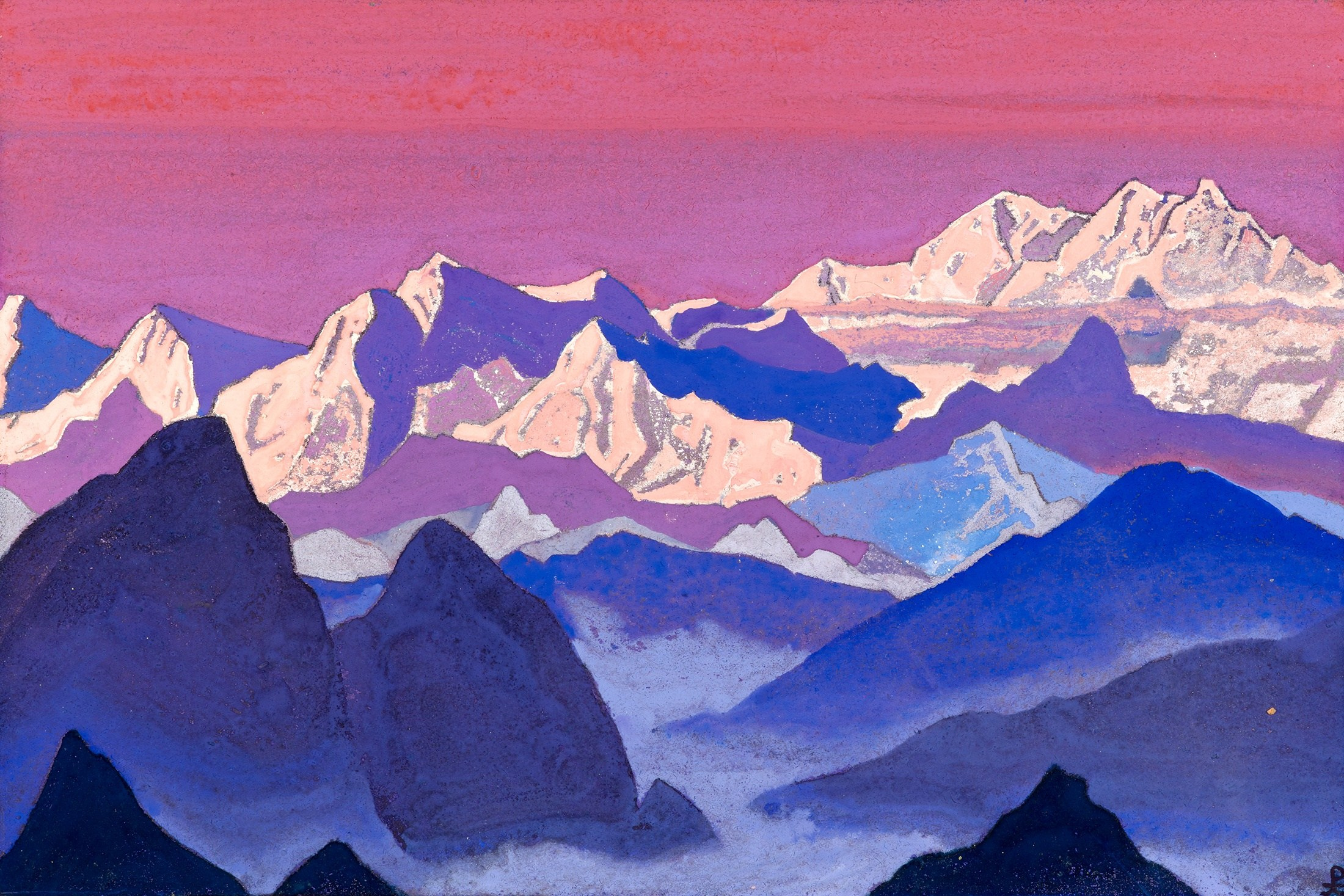
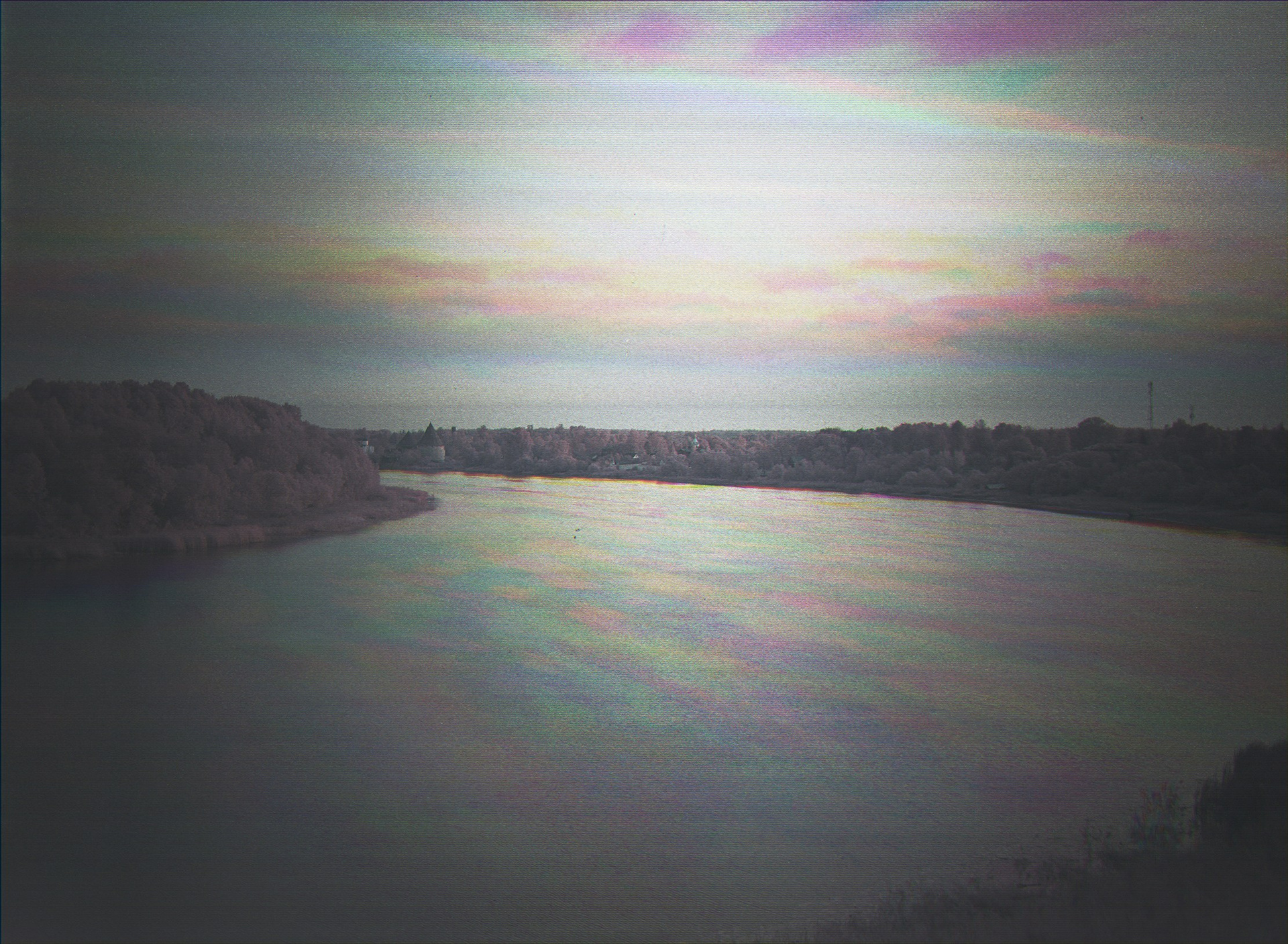
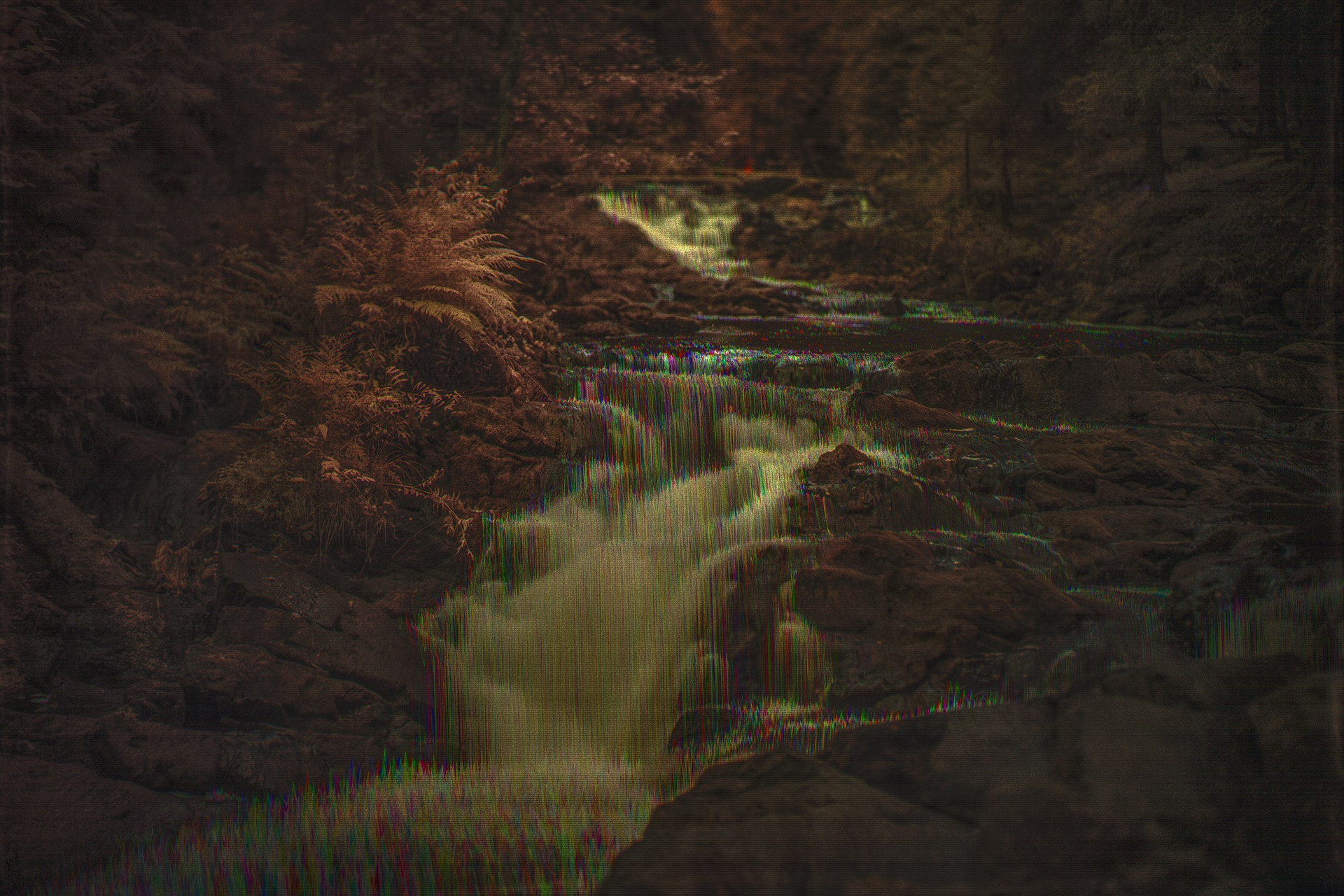
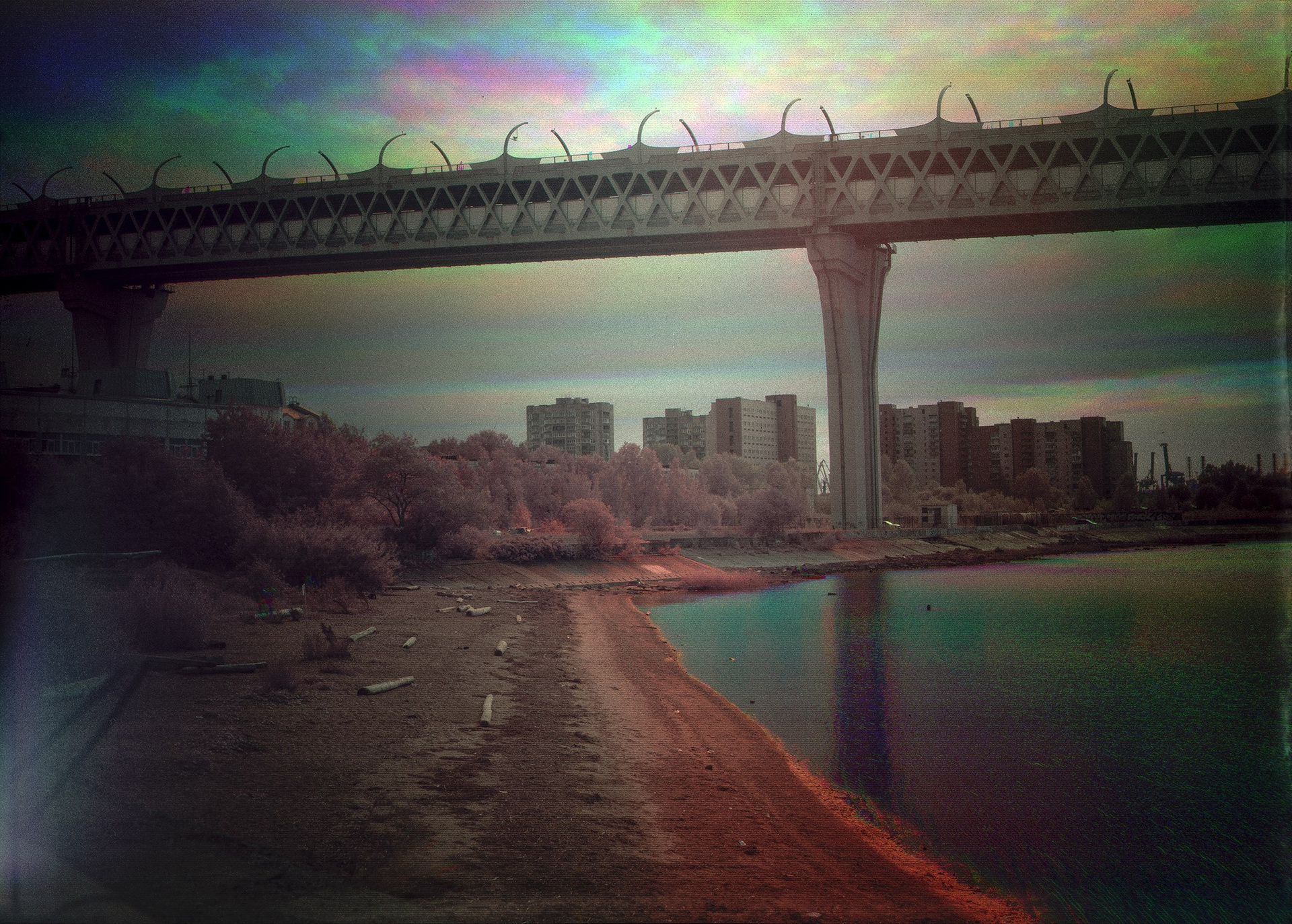
In the history of 20th-century art, Nicholas Roerich occupies a special place as an artist who revealed to the viewer the Himalayan expanses not only as geography, but also as a metaphysical landscape. His Himalayan series of paintings is painted in radiant spectra of violet, azure, and ruby-red hues, where the mountains are transformed into steps of the spirit leading to other heights. Today, at the beginning of the 21st century, the Astigmatism Research Institute project and the astigmatic chrono-camera “Buratino” created within its depths unexpectedly enter into a dialogue with this legacy. “Buratino” is not just a camera, but a device for recording time, memory, and light. At the heart of his method is the principle of three-color photography, inherited from Prokudin-Gorsky: three separate filters capture the red, green, and blue spectra, and then superimpose them into a single image. But if for Prokudin-Gorsky this was a documentary technique, for Buratino it is a way to reveal the crack between the real and the metaphysical. In the photographs taken by Buratino, the viewer sees not the familiar urban and natural landscape, but a shift in perception. Multi-story buildings crumble into greenish-violet layers, the sky breaks through with rainbow spectral noises, the sun loses its physical halo and becomes a white disk outside of time. Ruins turn into ancient altars, and the sea horizon acquires the character of a prophetic sign. These optical shifts create the same aura of detachment and “out-of-bodyness” as in Roerich’s canvases. Comparing it with Roerich’s “Himalayas, ” the kinship becomes obvious: Buratino seems to see the world as Roerich himself did—in the spectra of the spirit, and not in the tonal nuances of realistic perspective. Where the artist used pigments and brushes to create the vibration of color, the chrono-camera captures the optical drift of light through filters, creating an equally vibrant matter of the image. One could say that if Roerich intuitively painted the world through the eyes of future optics, then “Buratino” finally returns his visions to photographic reality. The photographs of “Buratino” are not so much “copies” of places as metaphysical mirrors, in which landscapes acquire the same symbolic density as in Roerich’s paintings. Thus, the project of recreating Roerich’s views with the help of “Buratino” not only continues the line of Prokudin-Gorsky but also connects it with Roerich’s prophetic vision. This is a new archeology of light, where each photograph becomes a testimony not only to the topography of a place, but also to the memory of how it was seen and experienced.
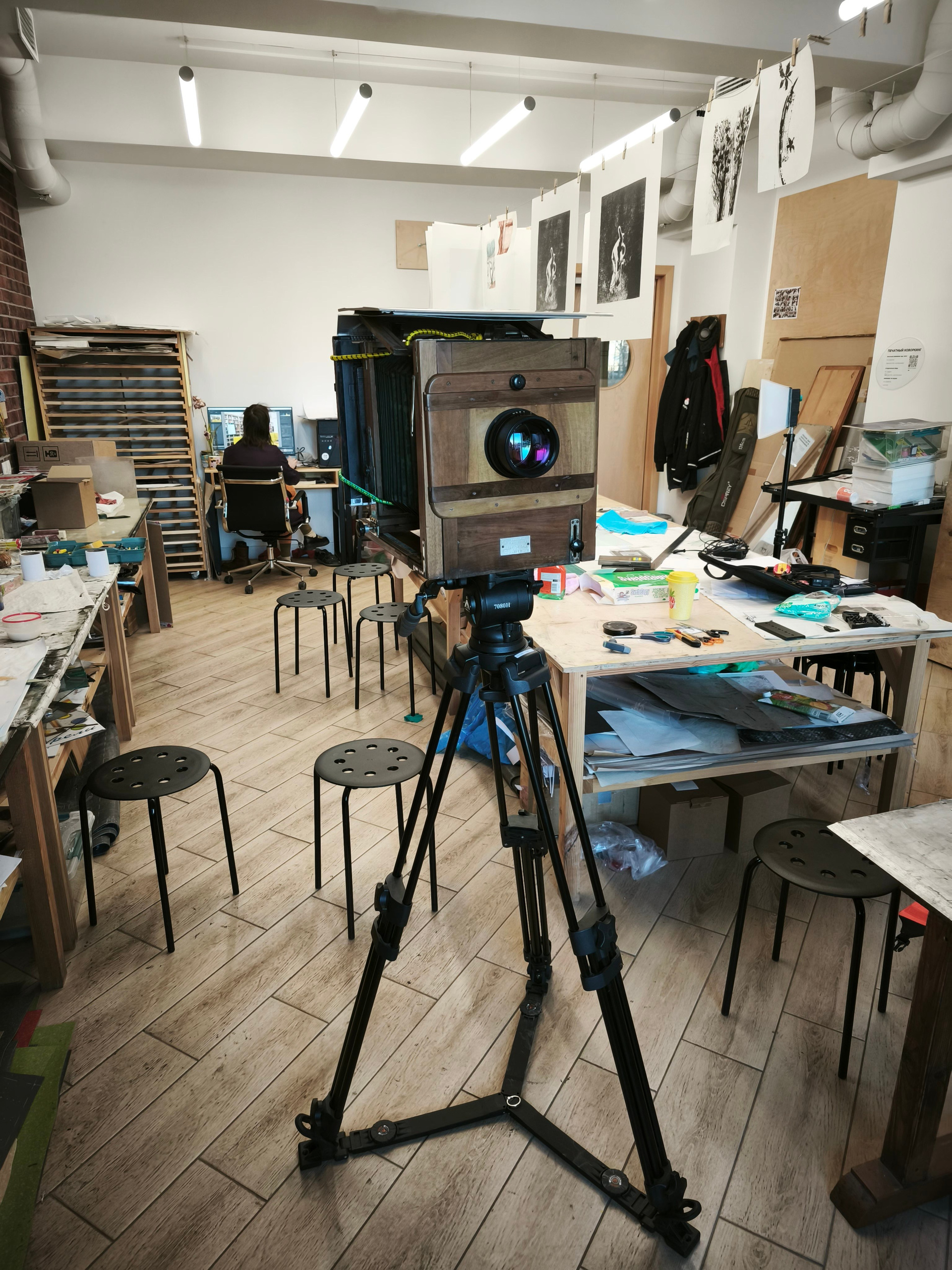
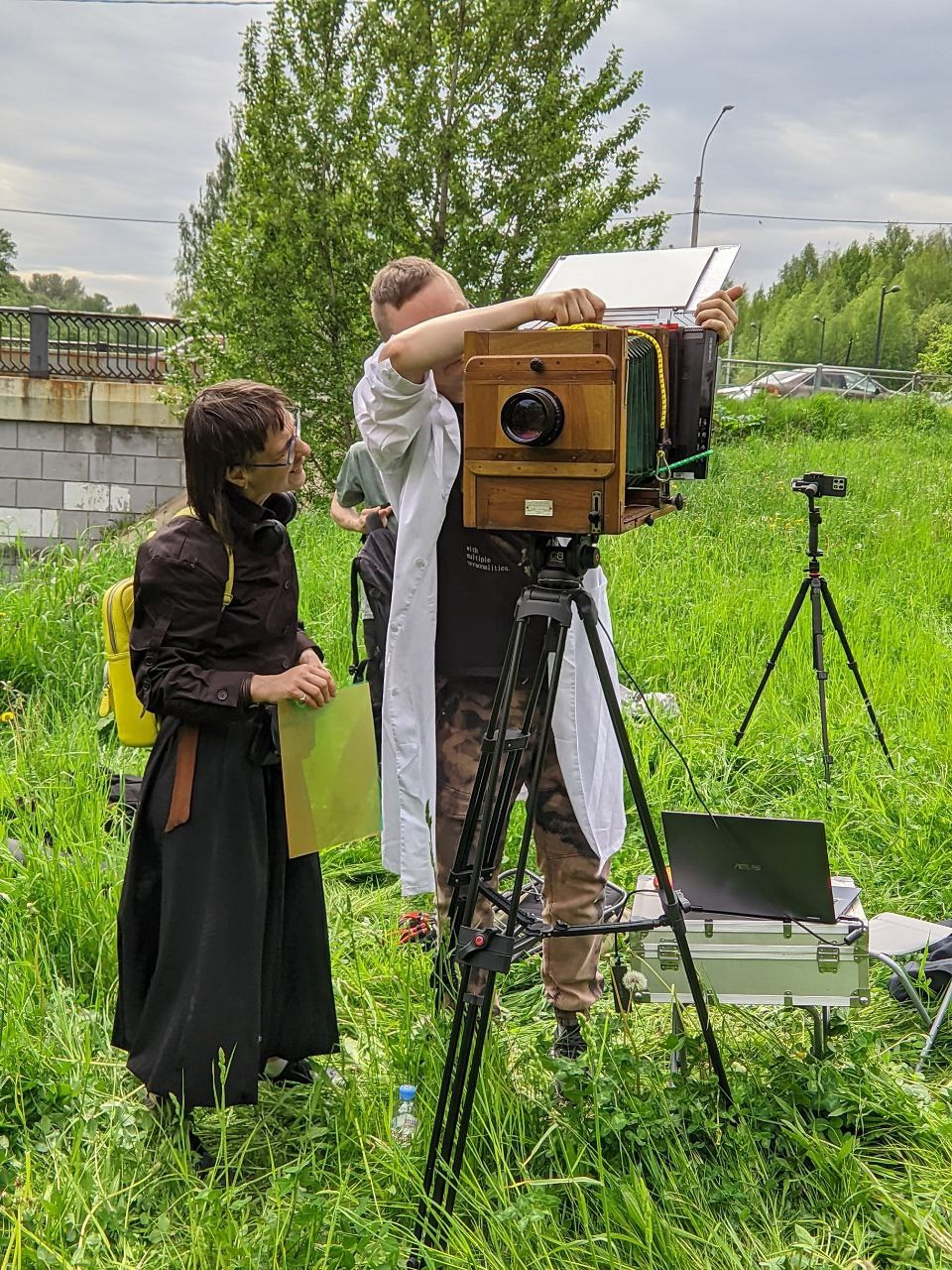
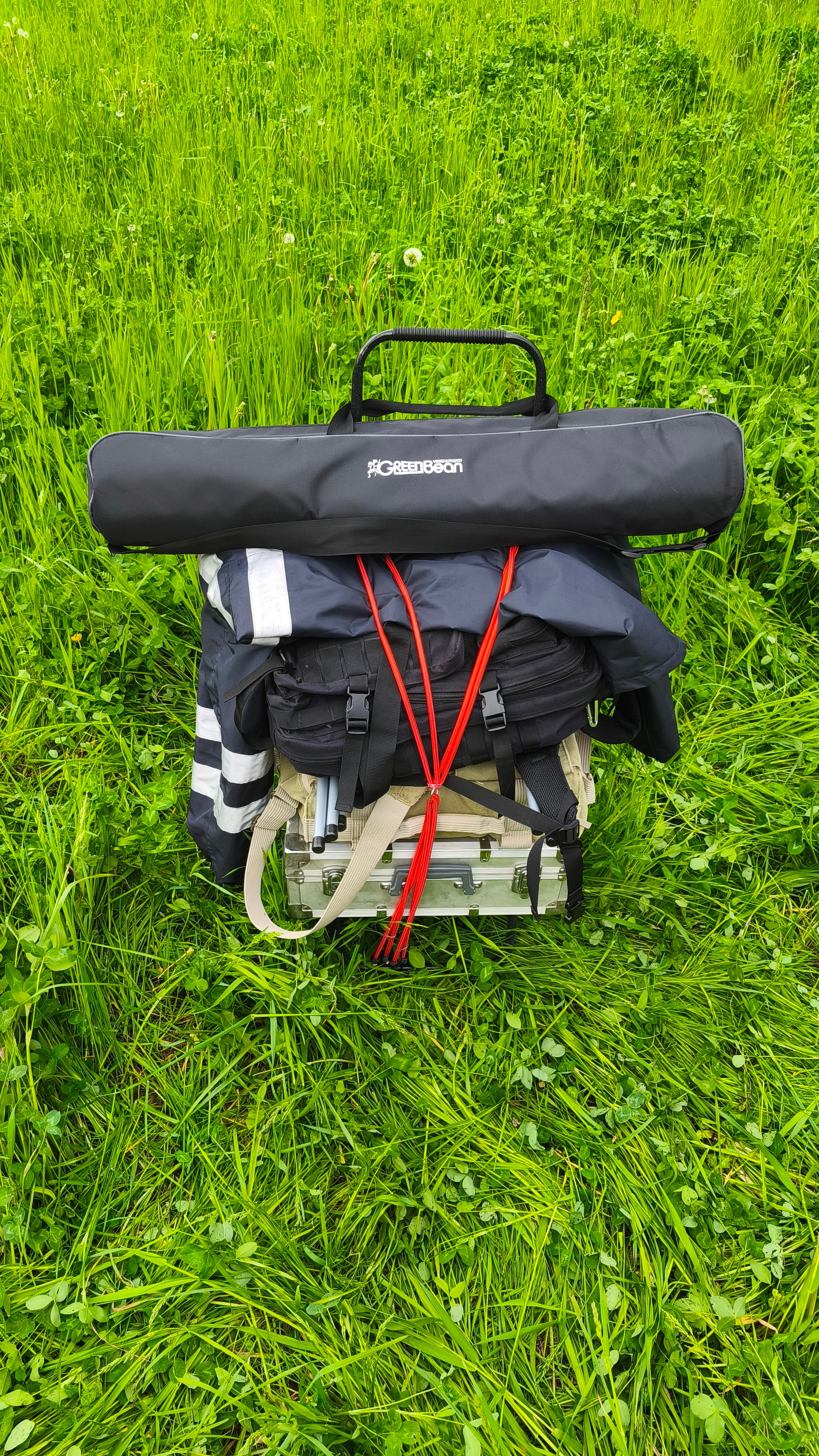
Examples of chronophotographs taken with the Buratino
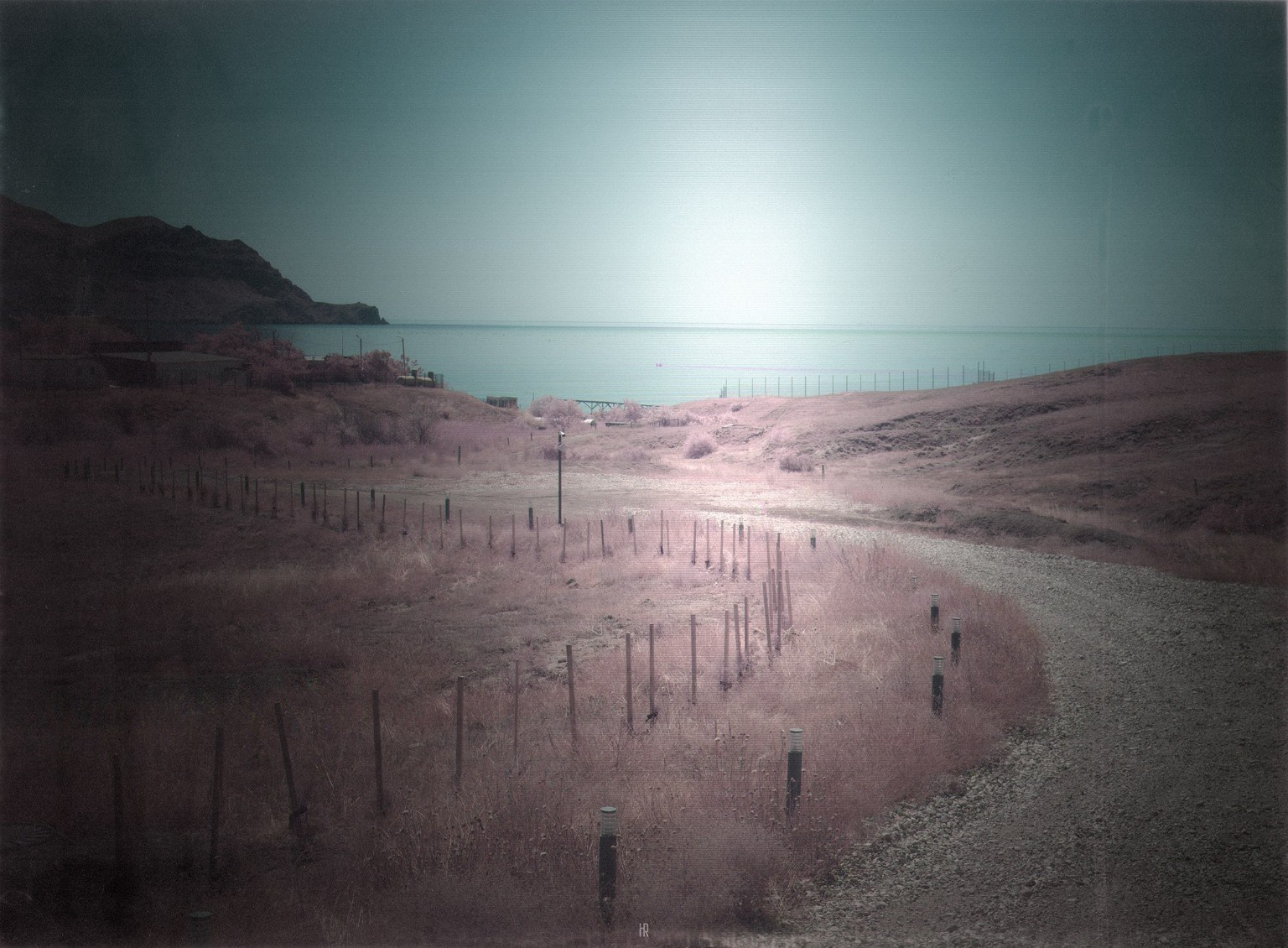
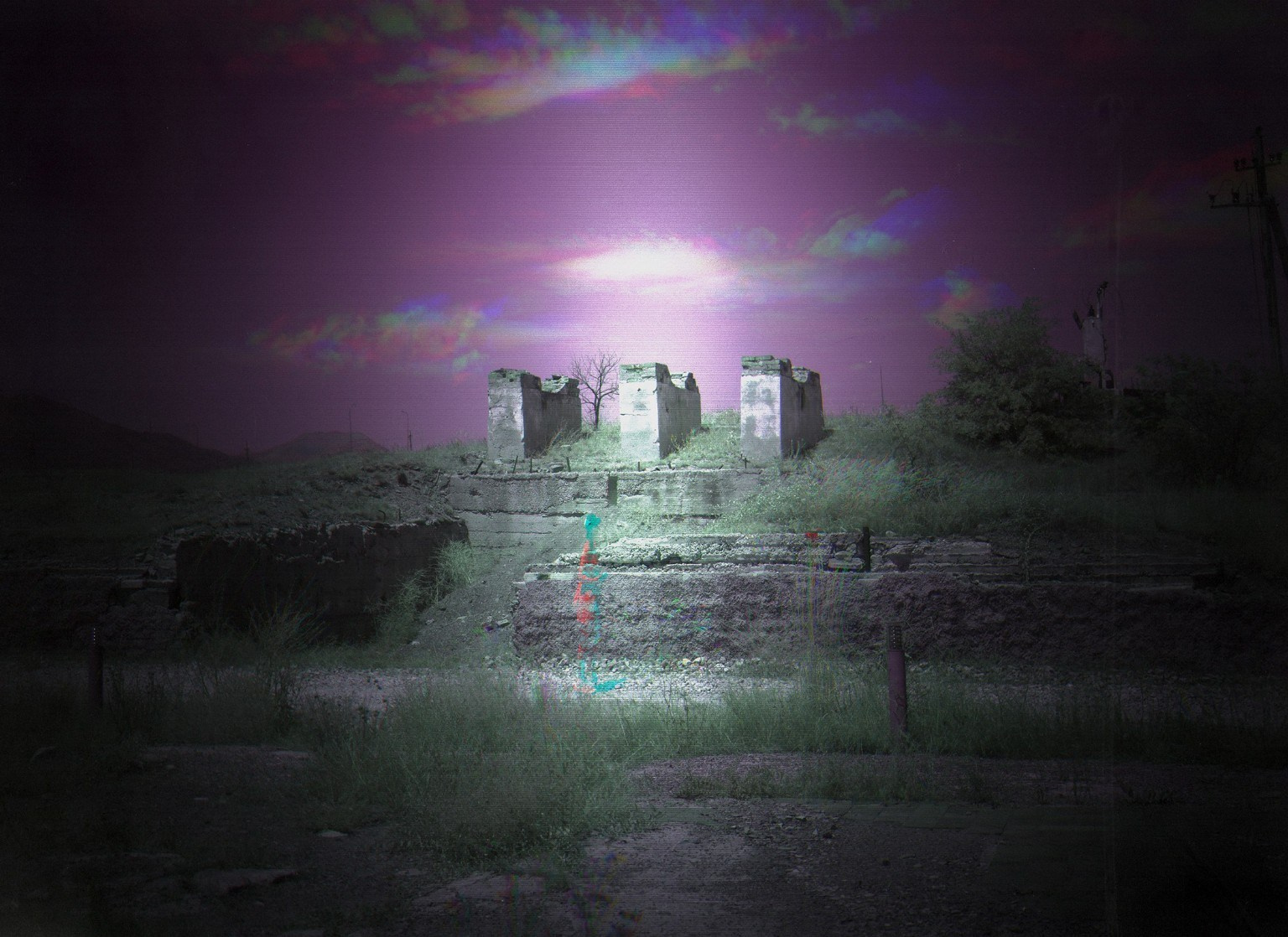
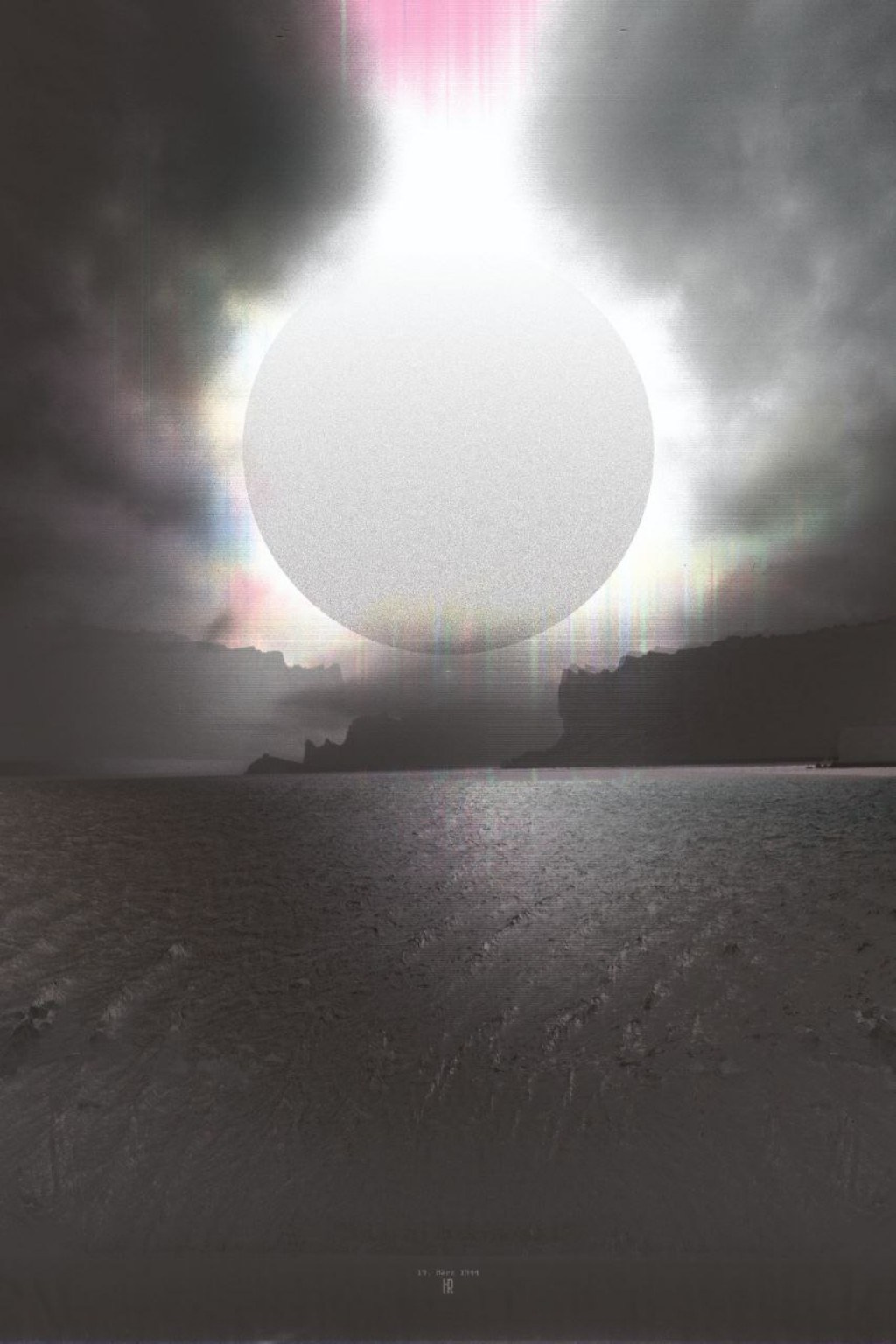
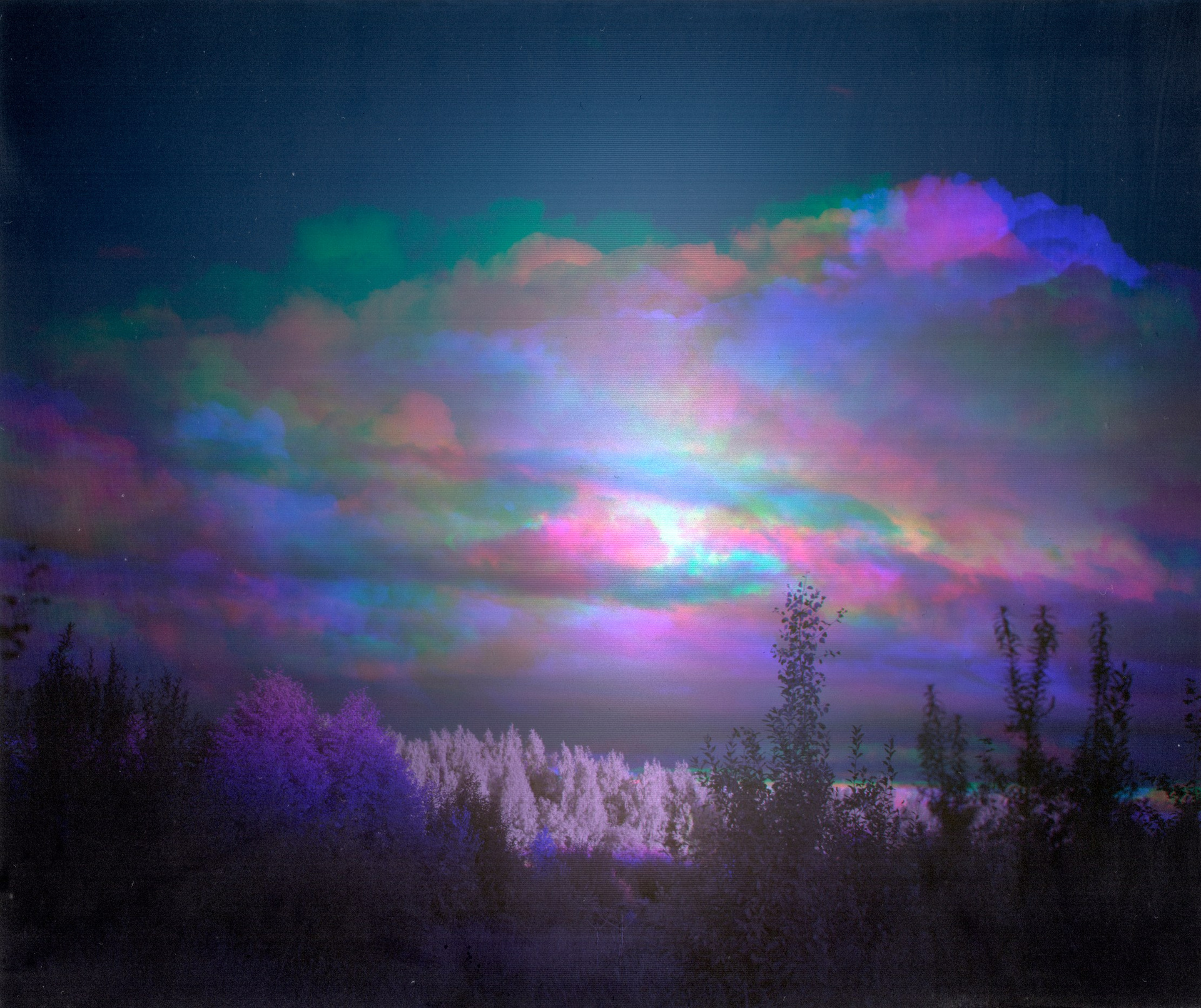
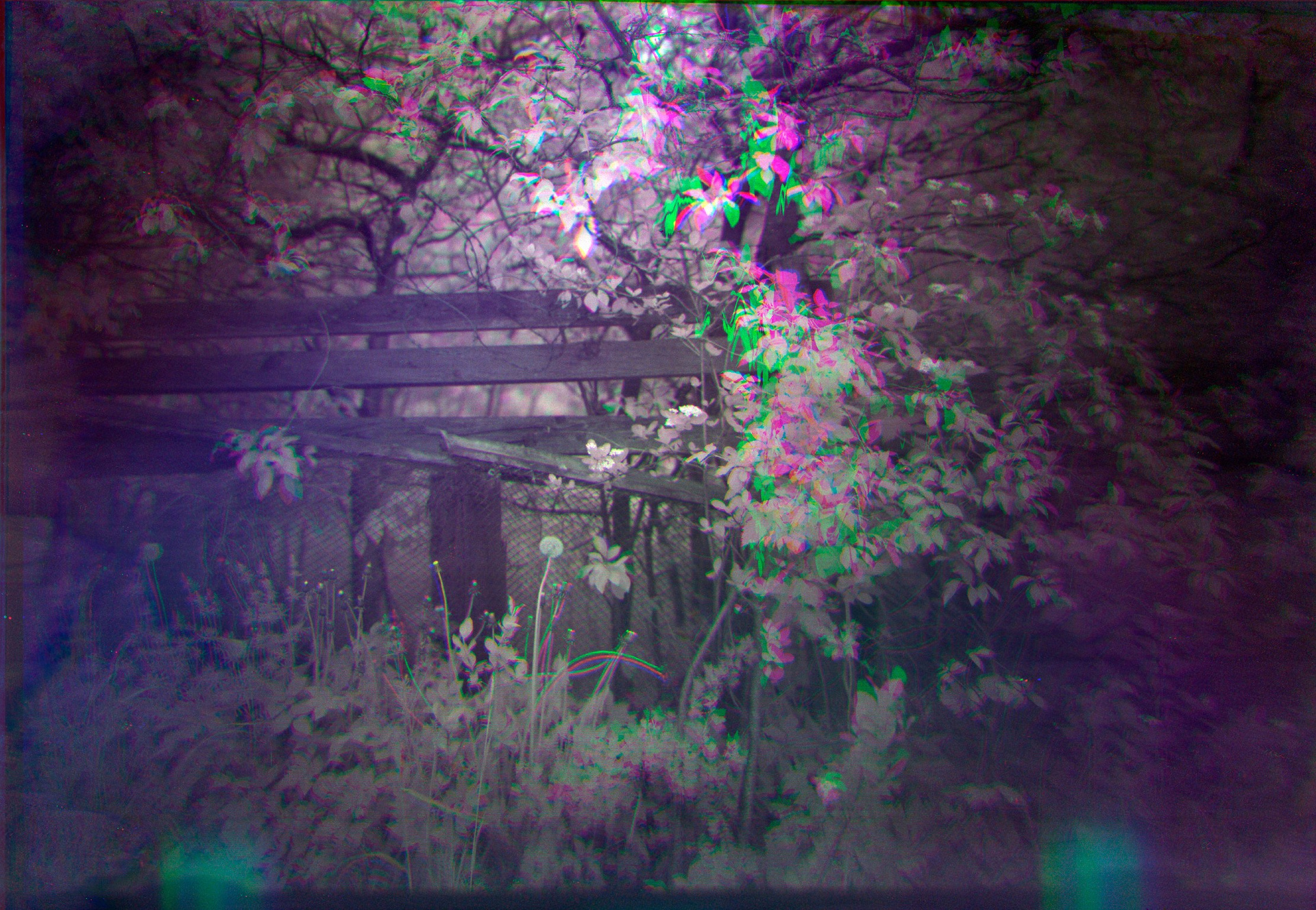
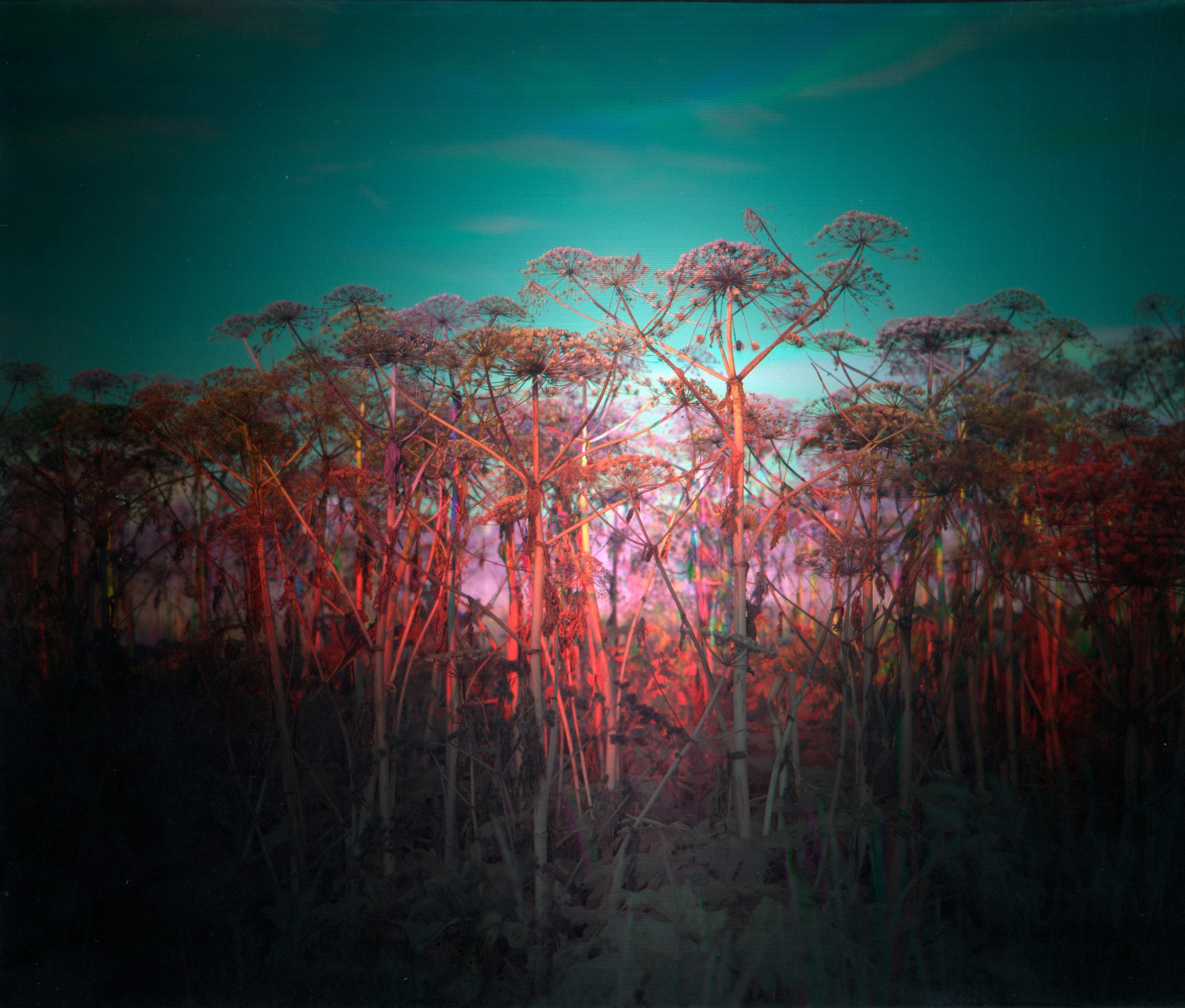
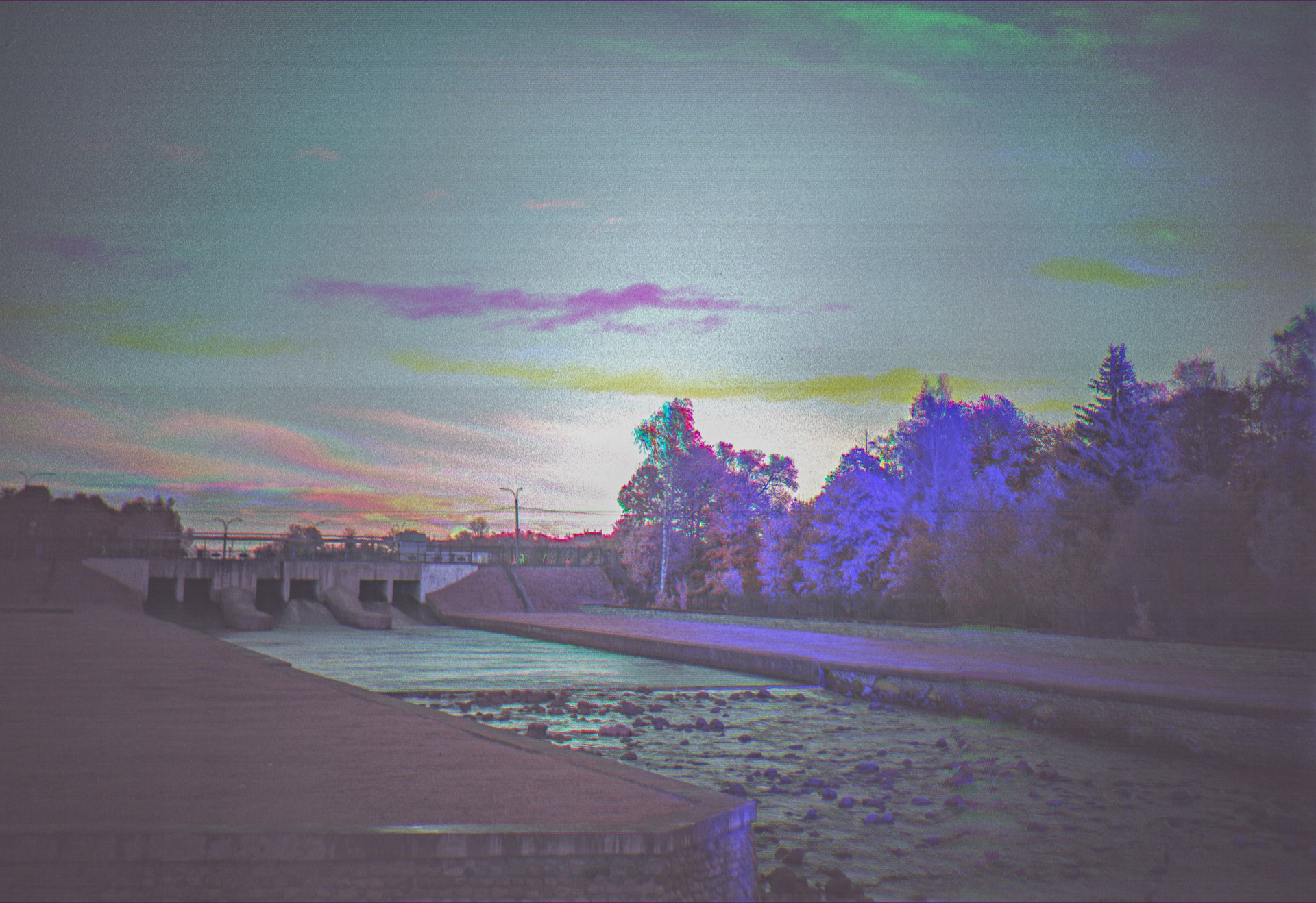
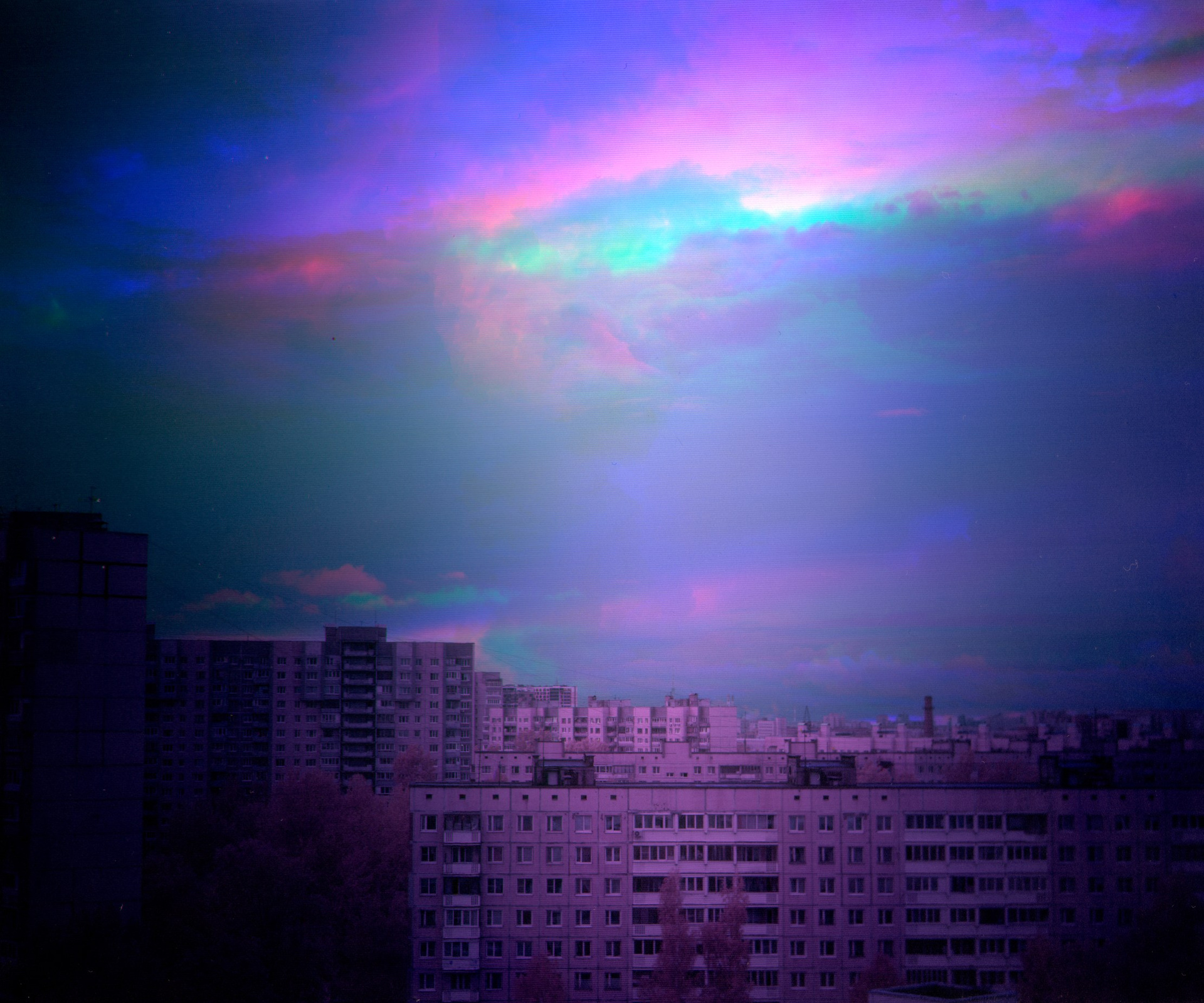
When Nicholas Roerich painted his Himalayan canvases, he captured not only the visible landscape, but also the invisible aura of space—its spiritual radiation. The color transitions from purple to ultramarine in his paintings testify to his desire to go beyond the limits of human vision, to touch the energy of the world hidden behind the veil of the ordinary. Today, this artistic intuition finds technical embodiment in the “Buratino” chrono-camera. Equipped with infrared vision, the camera reveals a layer of reality inaccessible to the eye, but akin to Roerich’s intuition. The “Buratino” camera is an instrument that makes Roerich’s metaphysics itself visible. His striving for supervision, for spiritual enlightenment through landscape, finds its technical equivalent here. If Roerich anticipated this optics with his brush, then “Buratino” realizes it—through the eyes of an infrared chrono-watcher. And so, looking at the images of “Buratino, ” we seem to see Roerich’s paintings painted anew: not in paint, but in the spectra of light and time.
Expedition plan in the footsteps of Roerich
A three-week itinerary through Tibet designed to allow you to see the landscapes Nicholas Roerich saw and, like him, capture them—whether with a brush, a camera, in a journal, or on film. This itinerary is inspired by his expedition of 1925–1928, particularly the period in Tibet, and includes the sites where he painted his most famous works.
Duration: 22 days (3 weeks and 1 day)
1. Lhasa, arrival
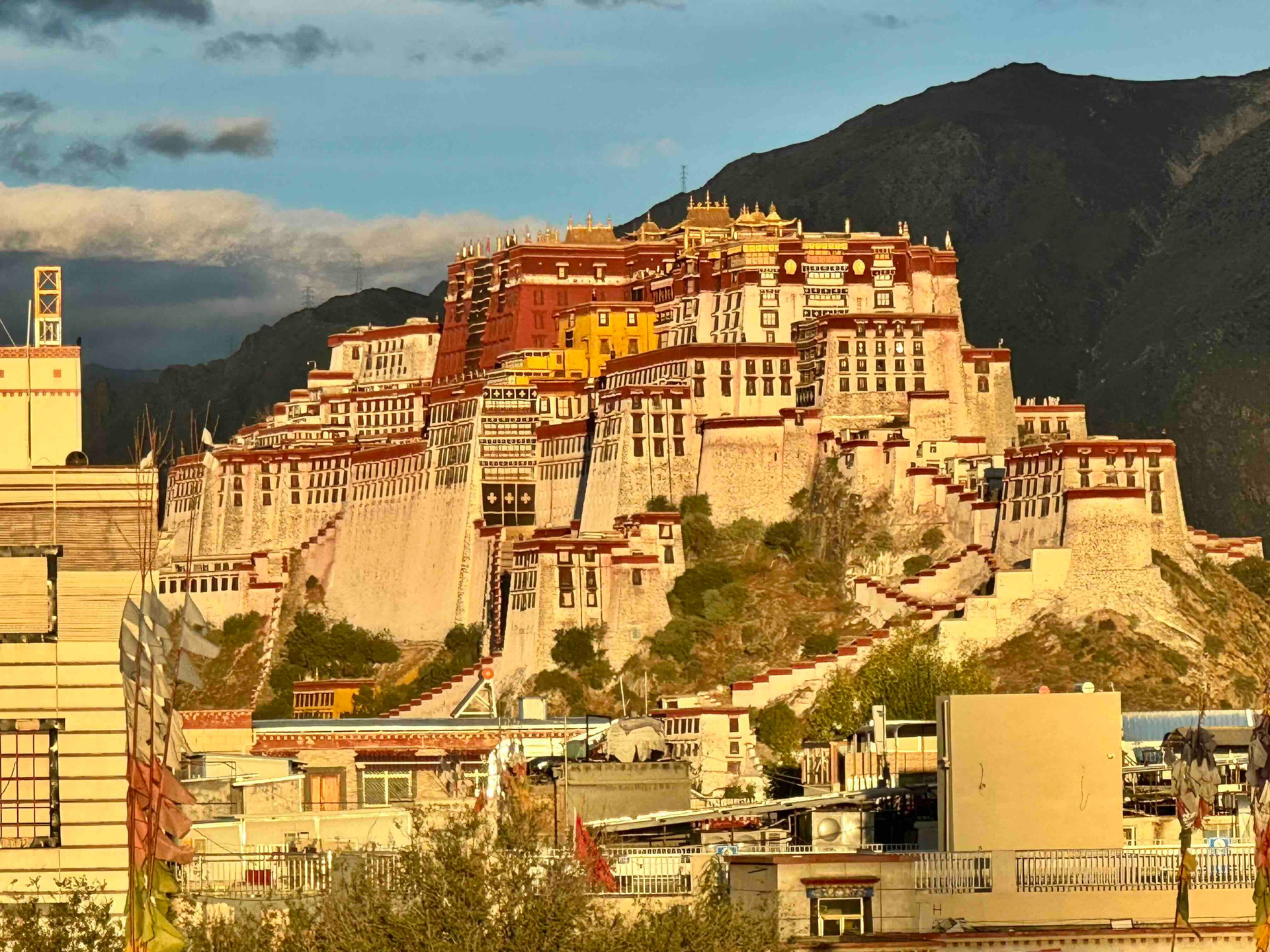
2. Lhasa, acclimatization, Potala Palace, Barkhor Street
3. Lhasa, acclimatization, Drepnuk Monastery, Sera Monastery
4. Lhasa — Nagchu — registration of travel documents — Damshung
5. Damshung — Nagenla Pass — Lake Namtso — Bagon (northern shore of Lake Namtso)
6. Bagon — Lake Siling Tso — Damshung — Qiangtang Plateau
7. Nyima — Lake Dangrayum Tso — Wenbu Nancun 8. Wenbu Nancun — Lake Zhari Namco — Mendong Gompa (Coqen)
9. Mendong Gompa (Coqen) — Dagajia Hot Springs (The Grand Prismatic Spring) — Saga
10. Saga — Lake Manasarovar — Mount Kailash — Darchen
11. Mount Kailash
12. Mount Kailash
13. Darchen — Lake Gongzhucuo — Saga
14. Saga — Lake Pekyutso — Everest
15. Everest (all day, base camp)
16. Everest — Gawu La Pass — Tingri
17. Everest — Khumbu Glacier “penitent monks”
18. Shelkar (Shelkar)
19. Tingri (rest, Shelkar)
20. Shigatse — Karola Glacier — Yamjo-Yumtso Lake (Yamjyum-Tso) — Lhasa
21. Lhasa, Jokhang Monastery, Yaowang Viewpoint
22. Departure from Lhasa
What will we see?
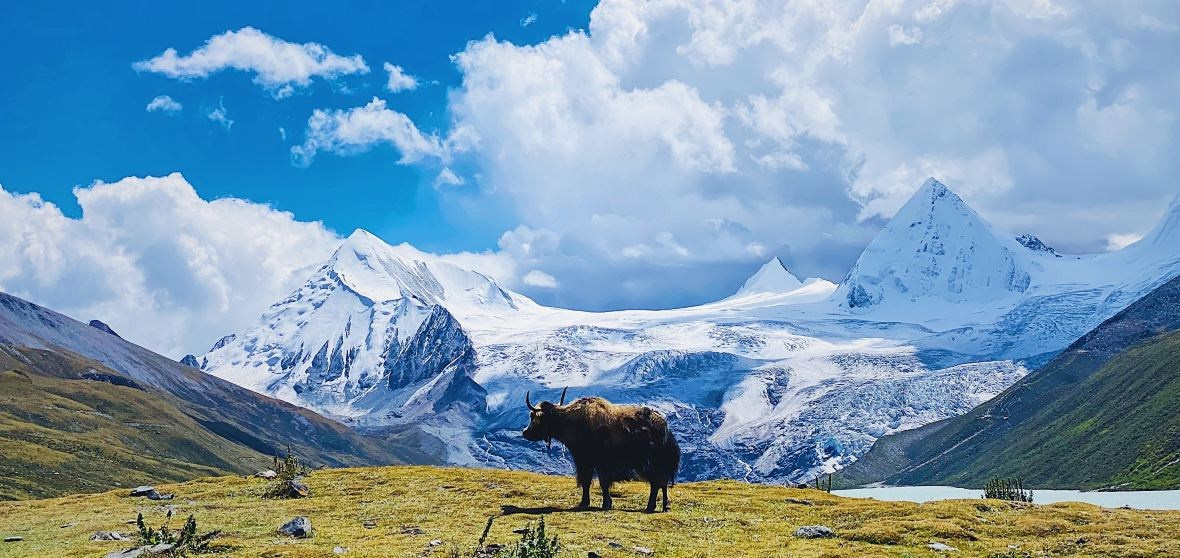
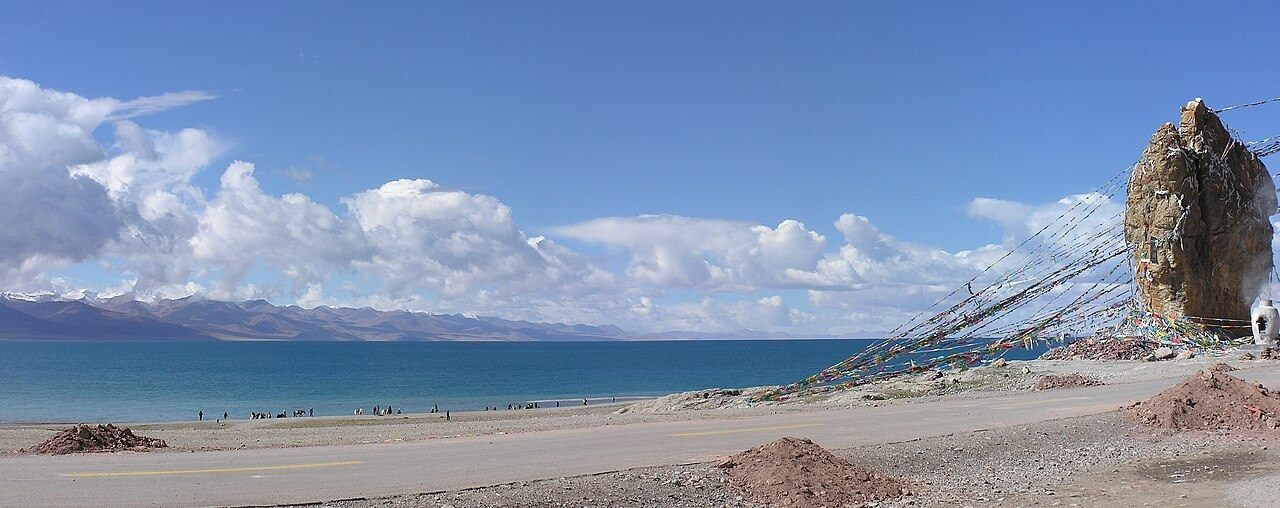
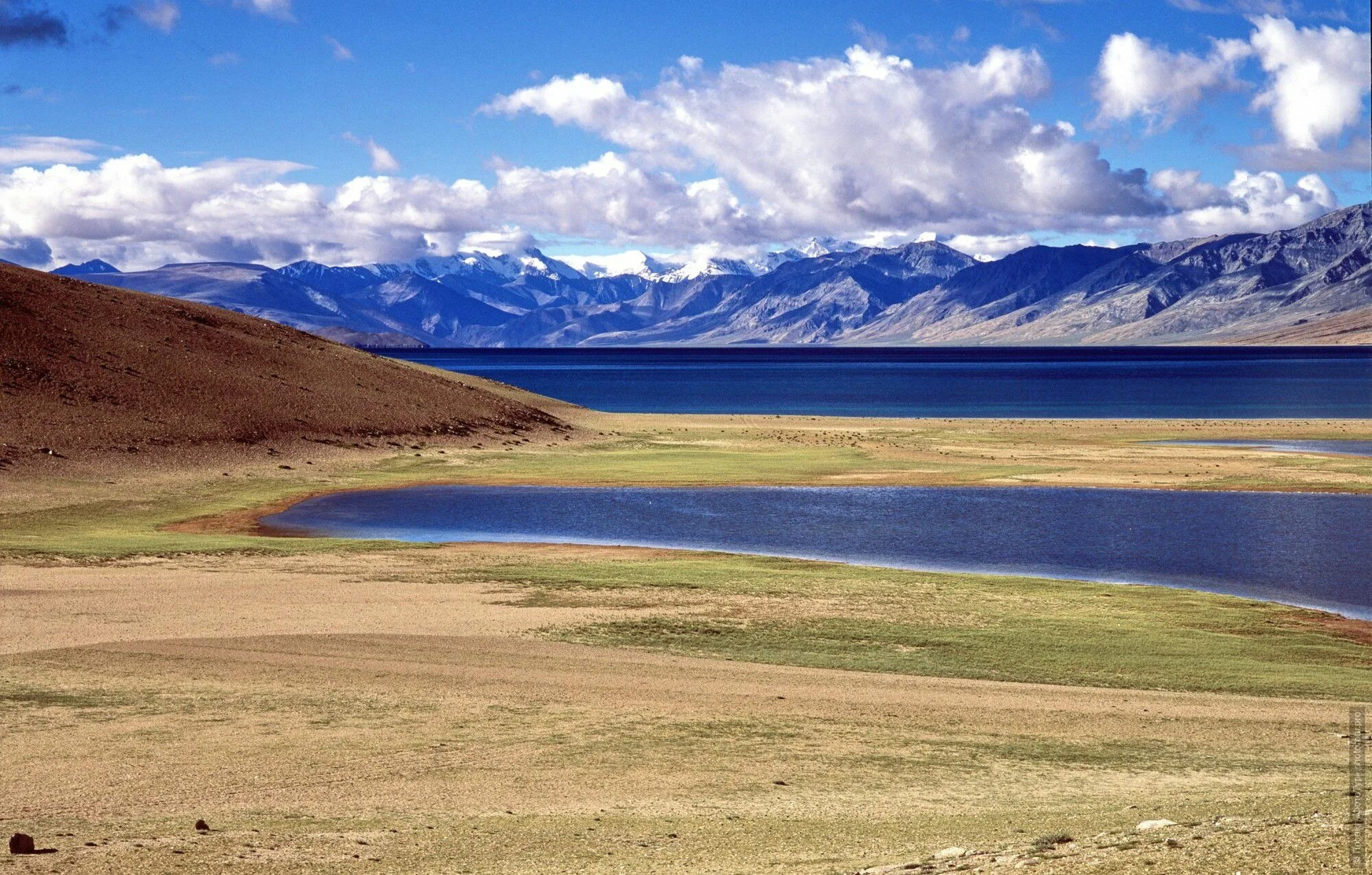
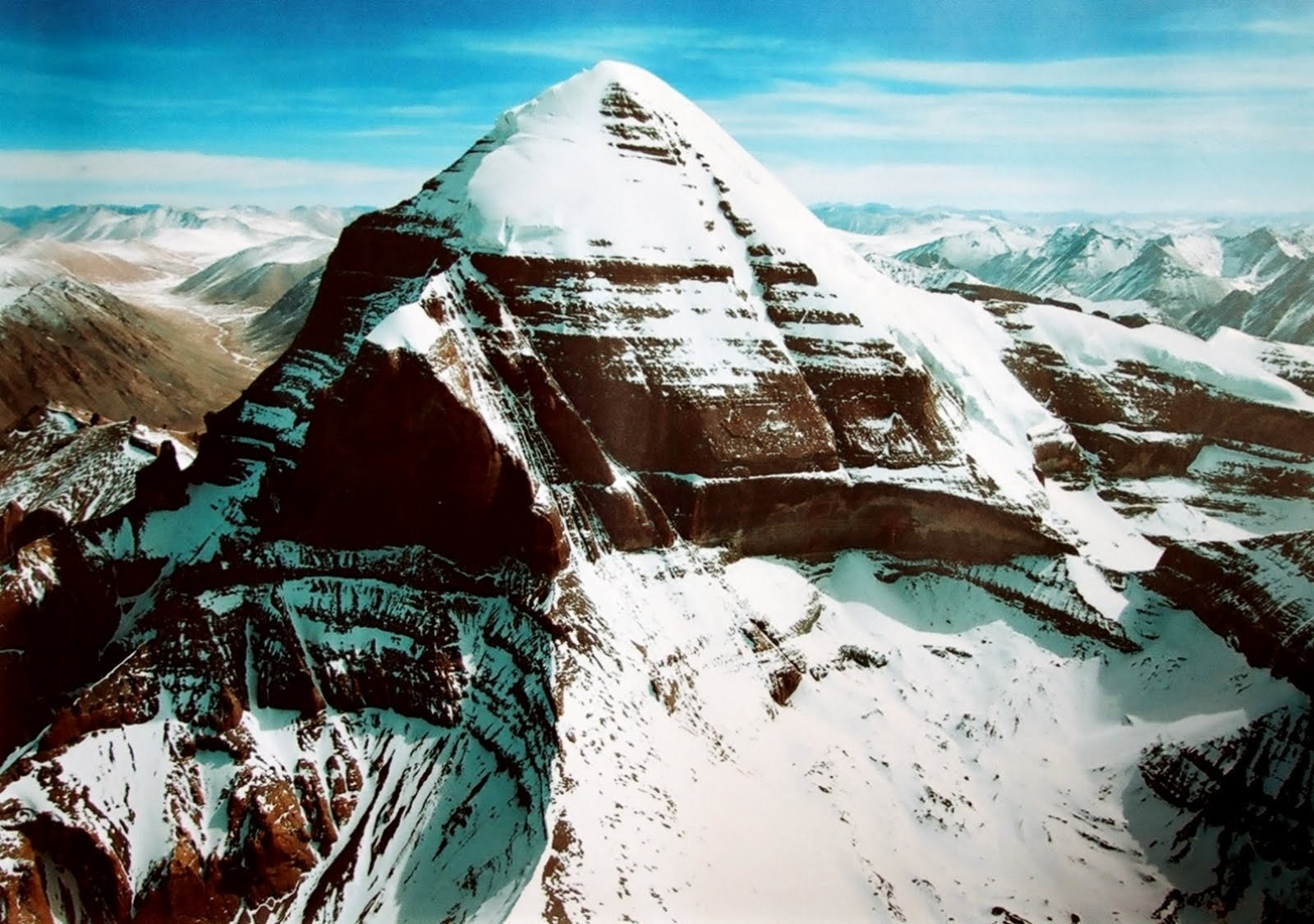
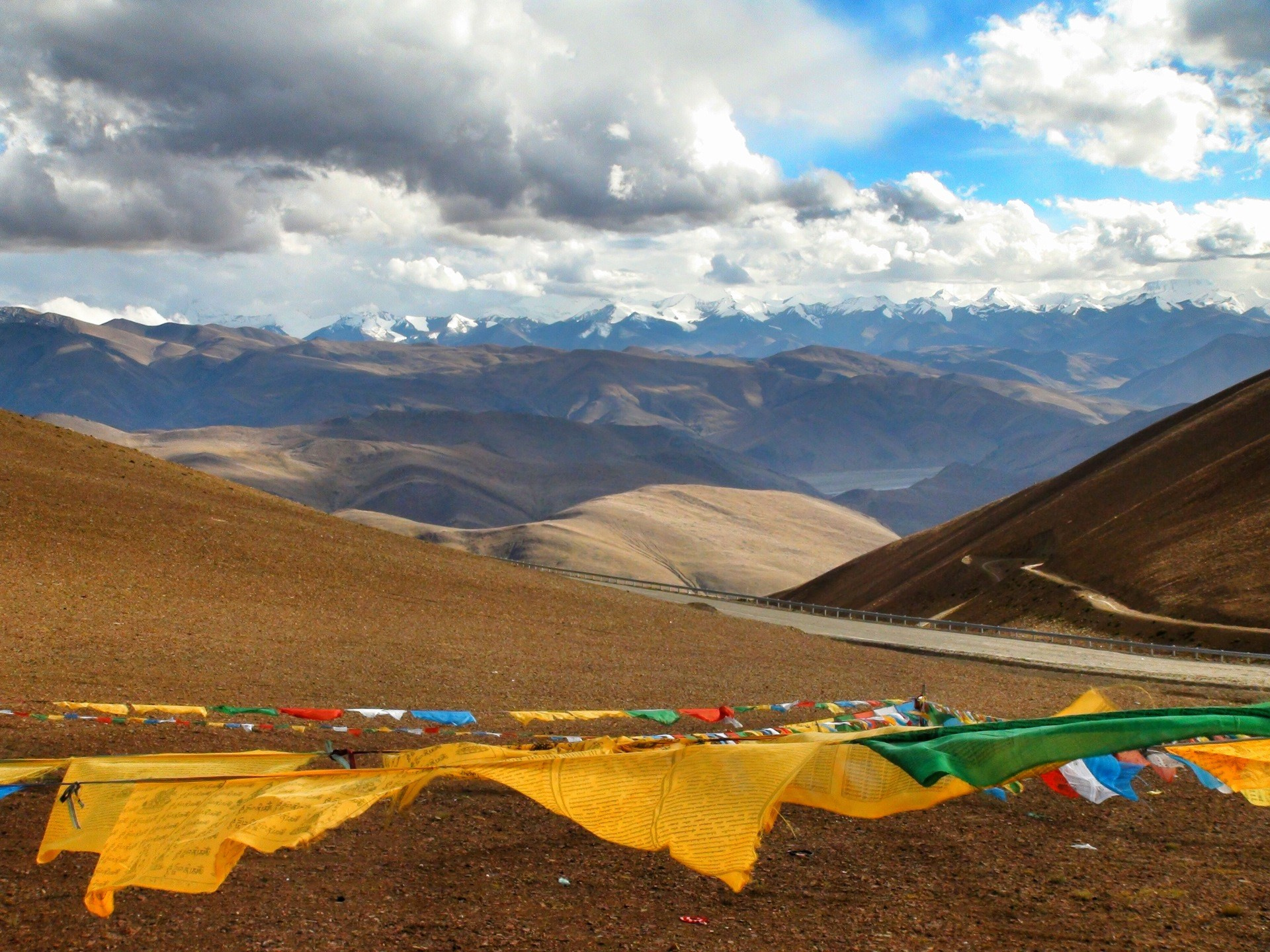
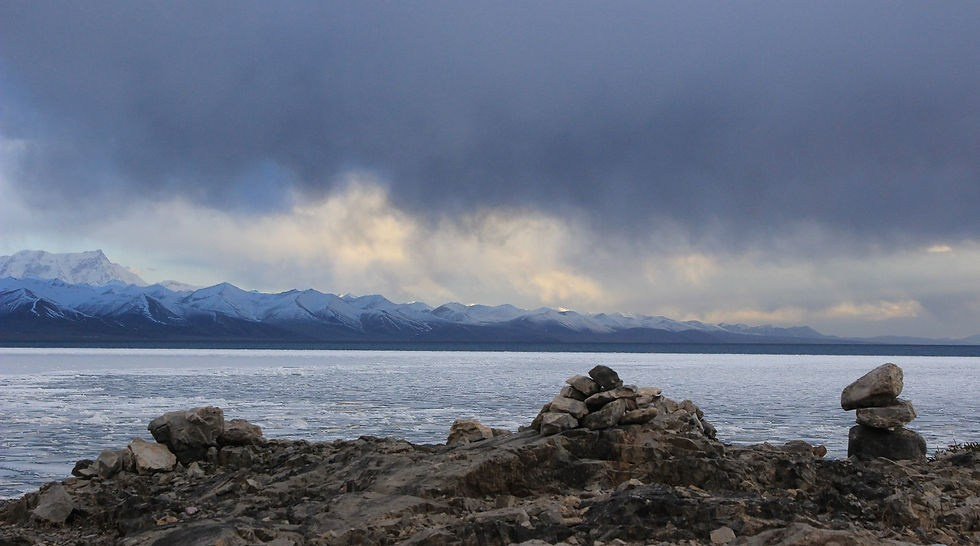
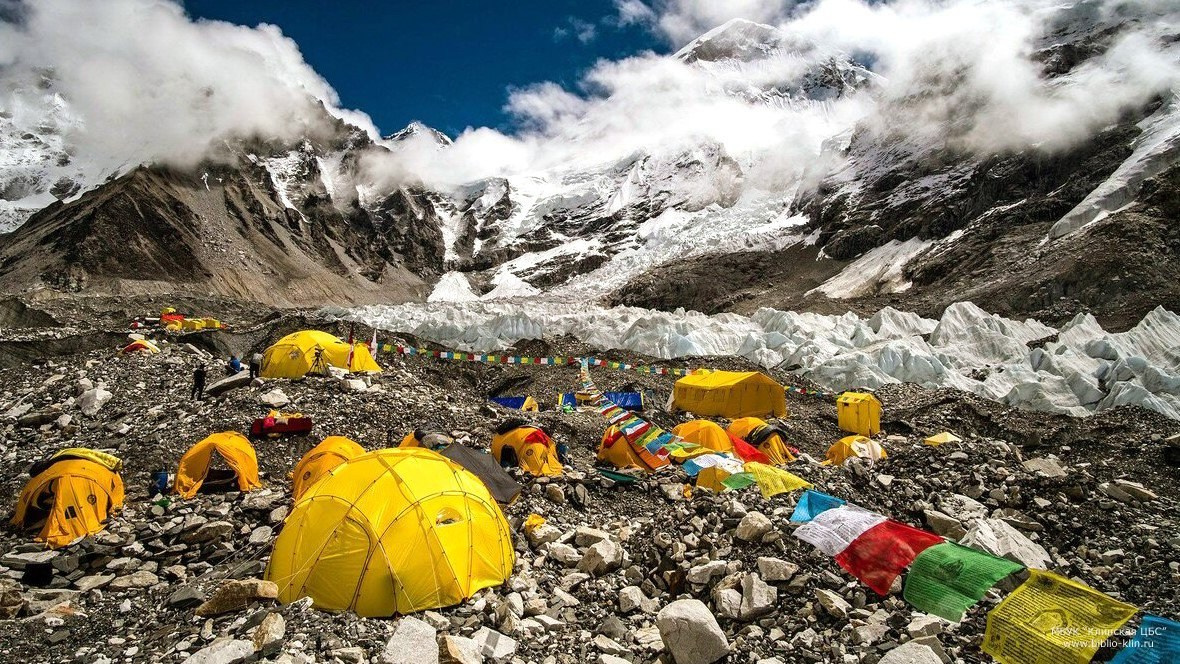
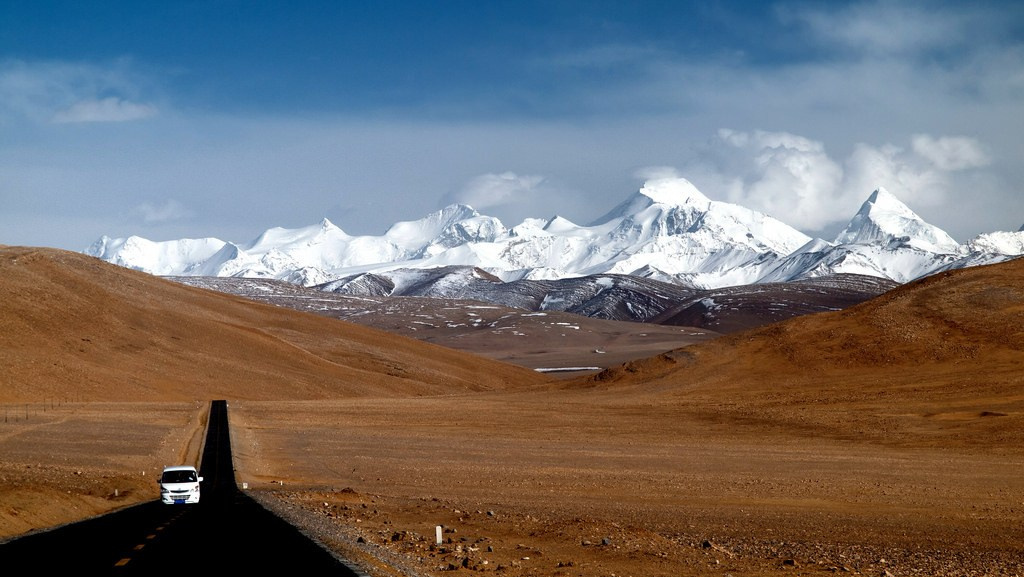
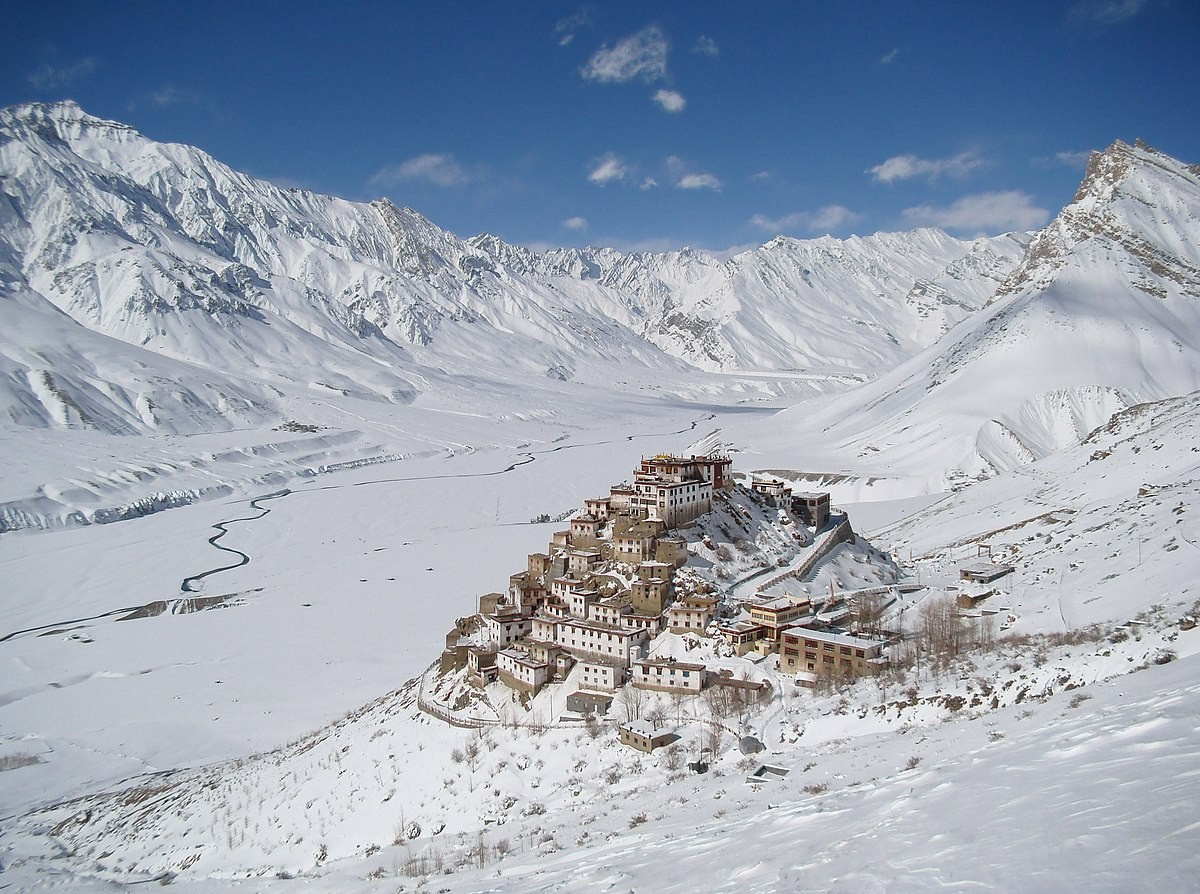
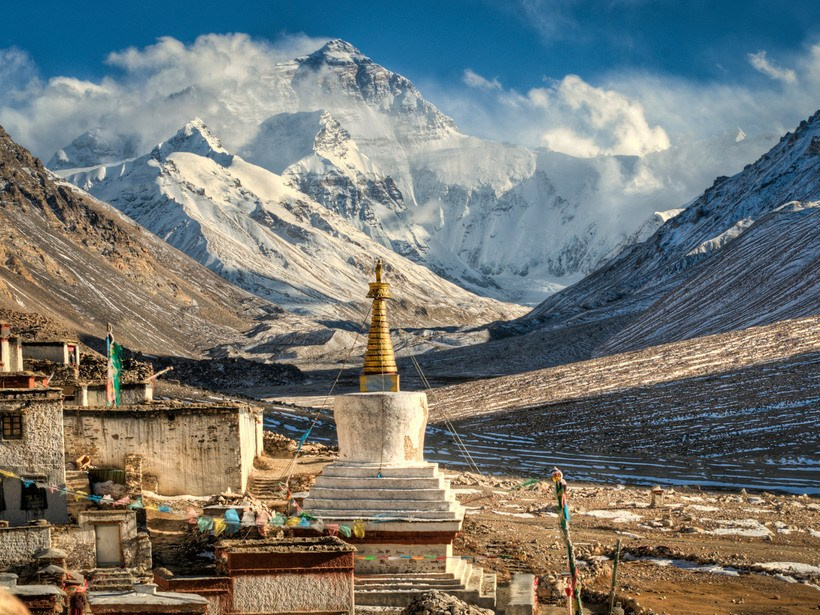
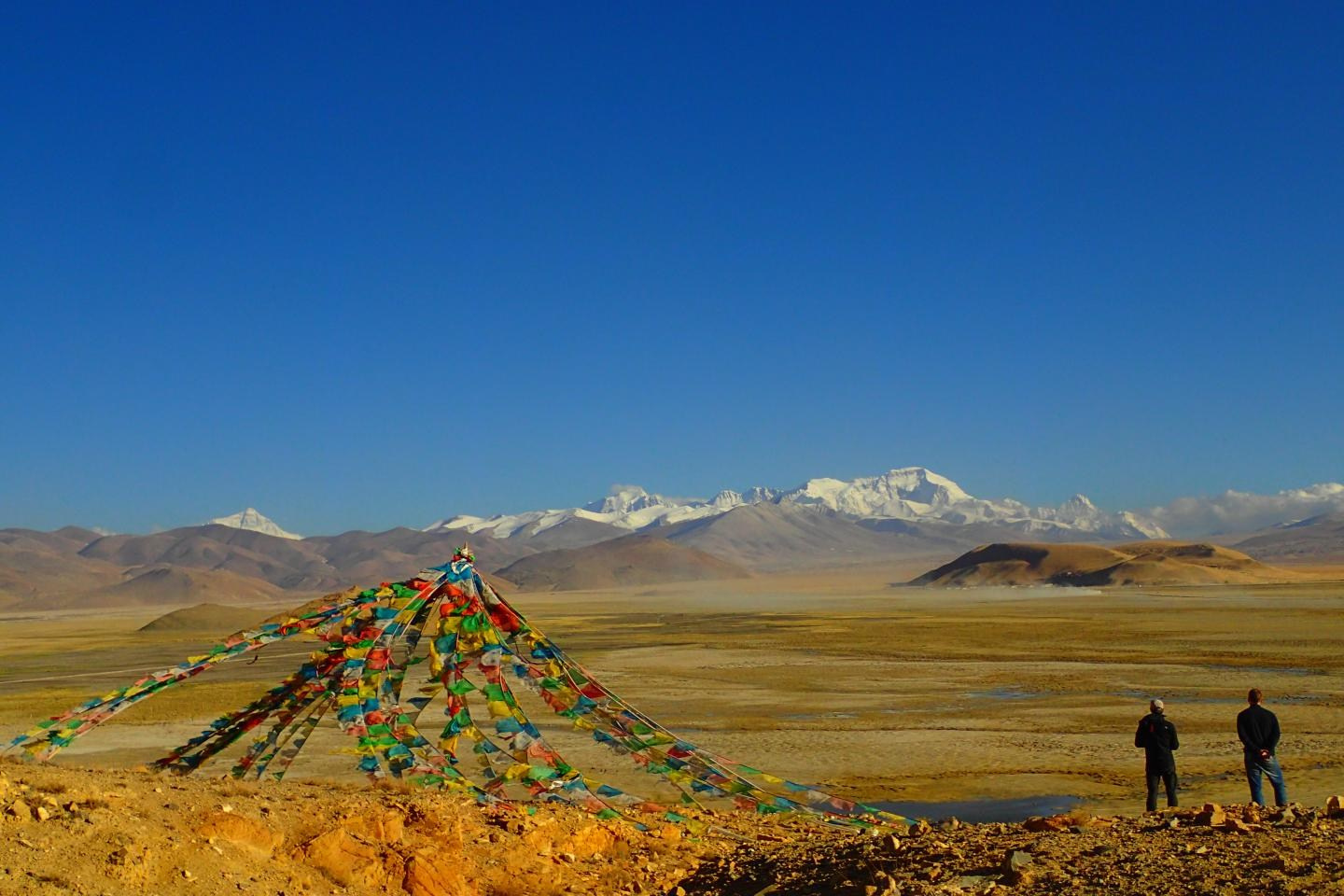
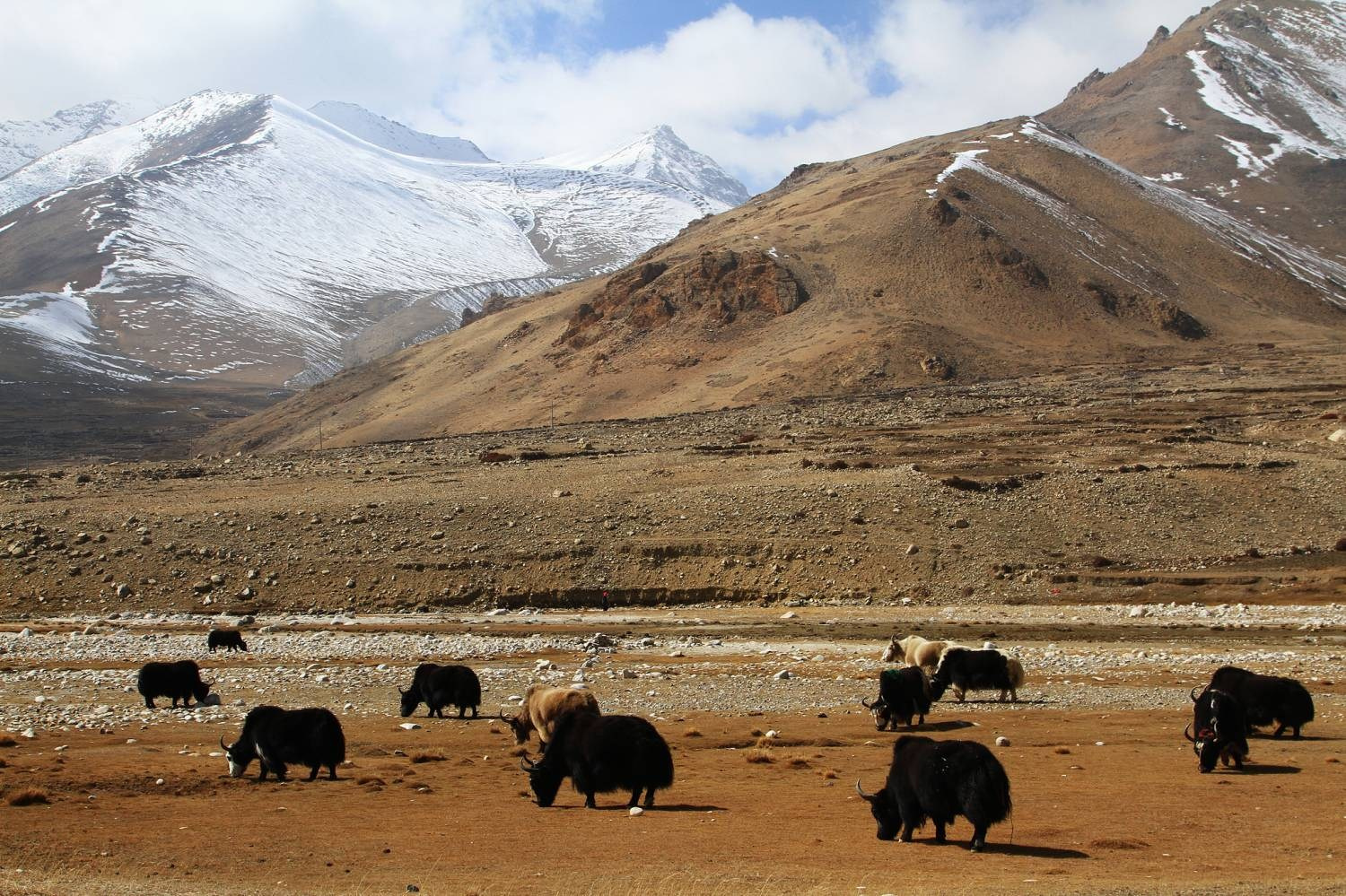
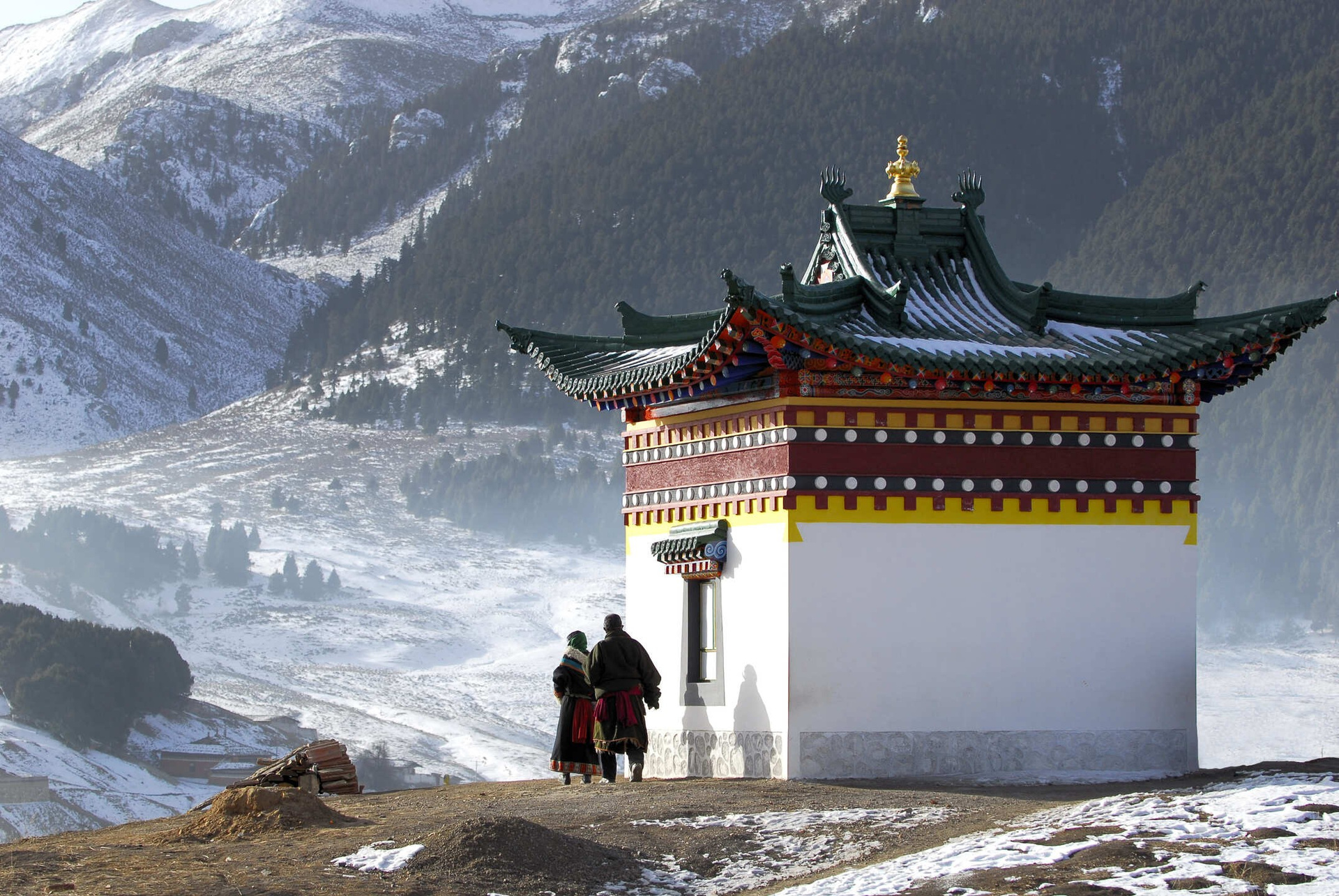
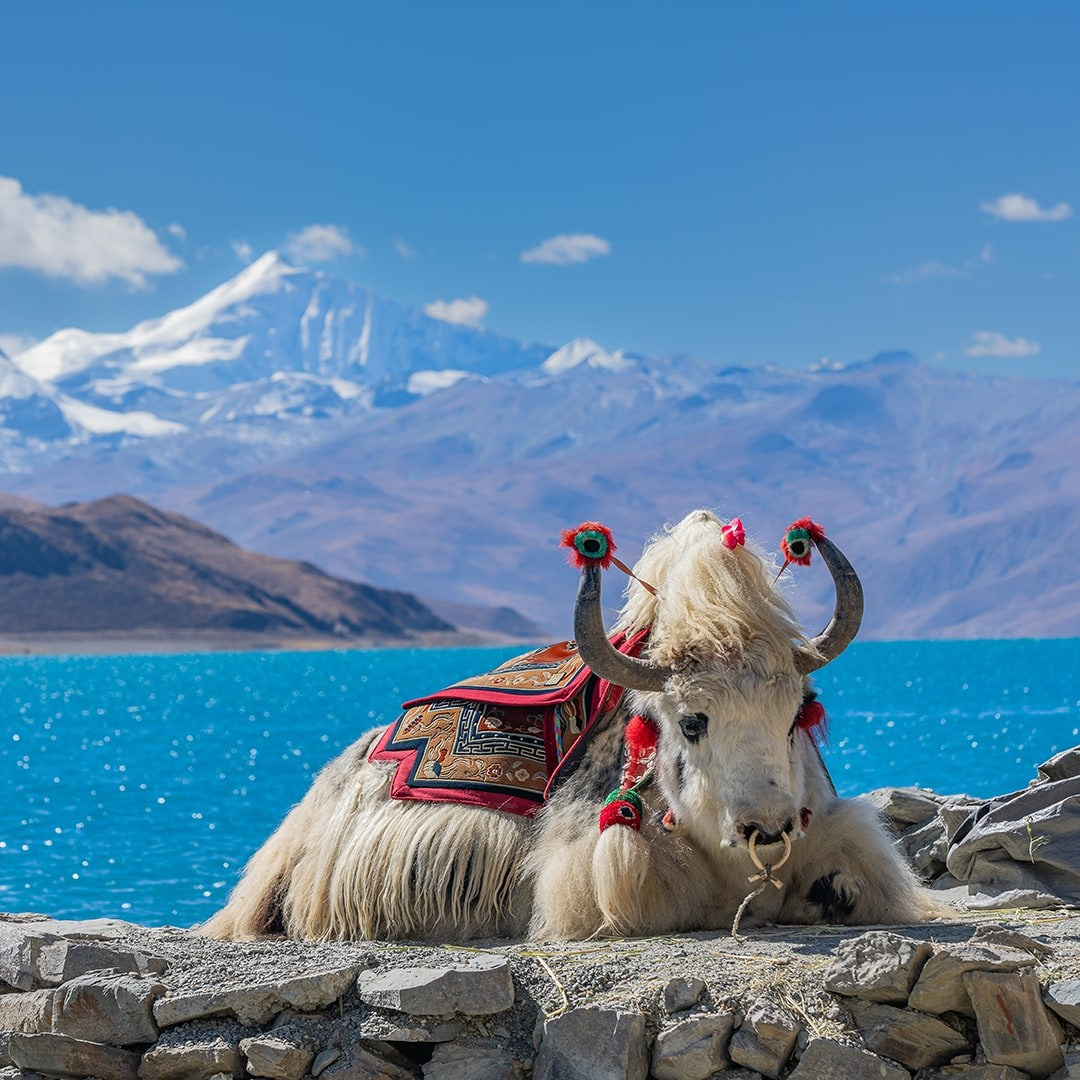
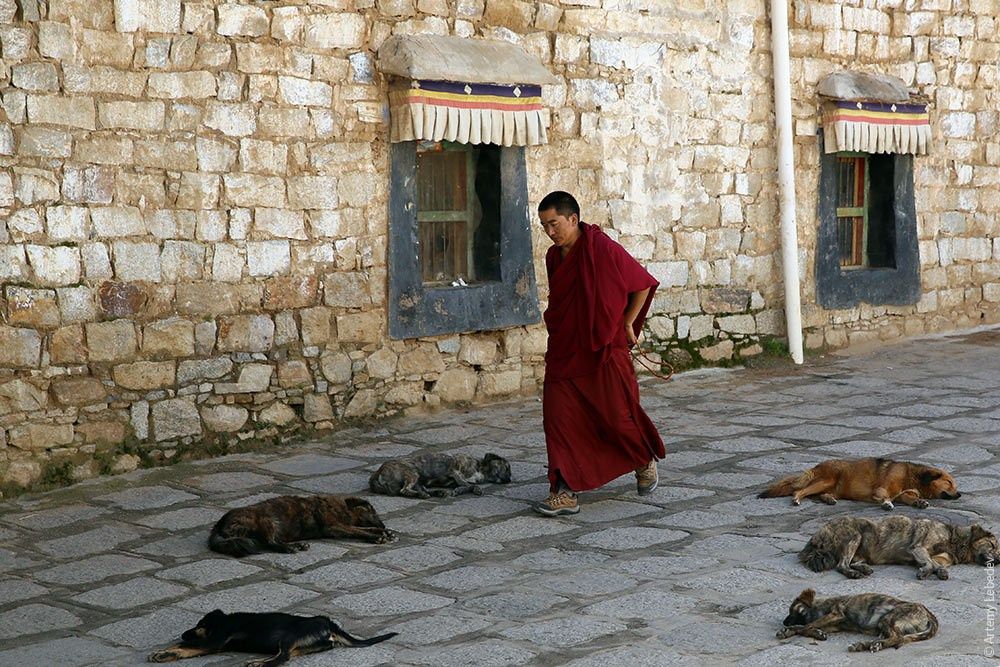
Would you like to take part in the expedition?
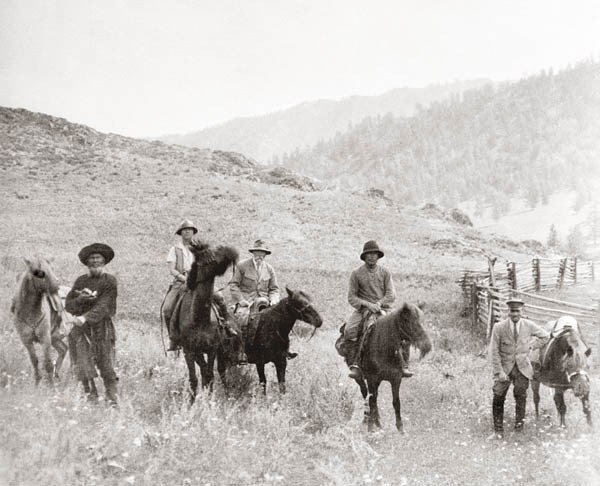
What will we do on the expedition?
This expedition is not a journey or tourism. It is a study of vision.
We will follow Nicholas Roerich’s route through Tibet—along the same roads, through the same passes and lakes where, almost a hundred years ago, he sought the points of contact between man and mountains, spirit and matter, light and memory.
Along with Buratino, other experimental instruments from the institute will also go out into the field:
The Fluxus Camera is an open-type camera, using the elements of space itself as a sensitive emulsion: dust, water, light, the fabric of air. Each photograph is created not by us, but by the environment. It is a photograph taken by a place.
The Flame Aura Camera is a device for recording invisible processes: entropy flows, thermal signatures, residual fields, and the auras of sacred points. It allows one to see what usually eludes one—the slow movements of time within the landscape.
We will:
— document Sources of Visual Pleasure (SVP)
— explore monasteries, passes, glaciers, and sacred lakes
— work with long-term exposures and field experiments
— create flame mandalas as temporary energetic drawings of space
— film a documentary about the route, cameras, and the act of seeing itself
— keep drift diaries and mapping of perception
And, of course, to do simple human things: stop, be silent, bask in the sun, and drink tea brewed with the water of the great Tibetan lakes. Because any research begins not with technique, but with presence. This expedition is an attempt to continue the conversation with Roerich in the language of the 21st century. If he painted light with paint, we will try to record it with time.
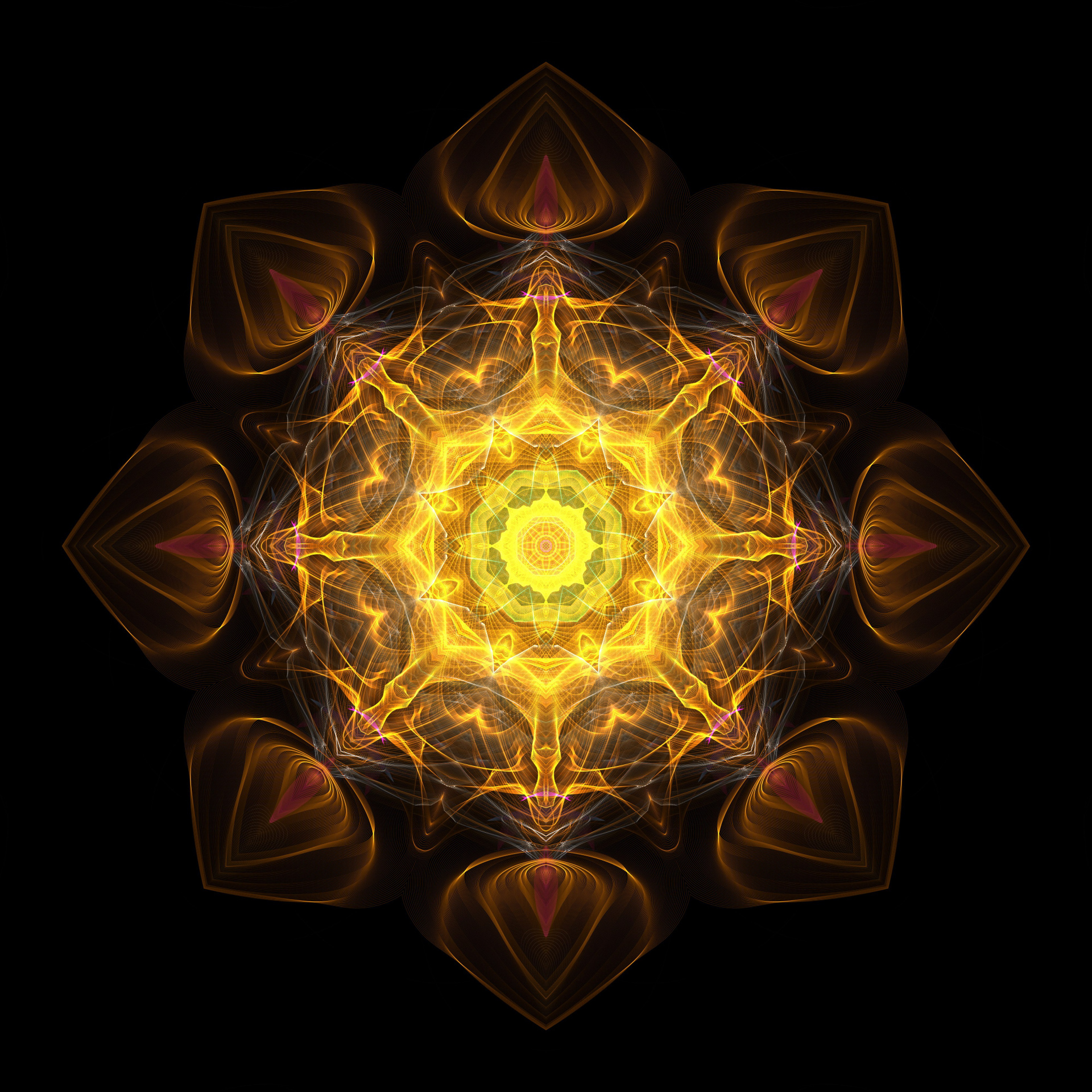
Flame Mandala
During the expedition to Tibet, we will create mandalas using the original Flame Mandala technology. This technique combines three principles: spontaneous drawing (doodling), kaleidoscopic symmetry, and the use of “fire brushes” — algorithmic streams of light that form complex fractal structures. The mandala is born from a free gesture, but then goes through a system of reflections and transformations, turning into a visual model of energy. Each Flame Mandala is not an illustration, but a recording of the state of space and consciousness at a specific moment in time. In 2022, a series of such works was presented at the artist’s solo exhibition at the Erarta Museum of Contemporary Art. During the Tibetan expedition, the technology will be used as a tool for visual meditation and artistic exploration of the landscape, and participants will be able to become part of this process.
Take part in the expedition
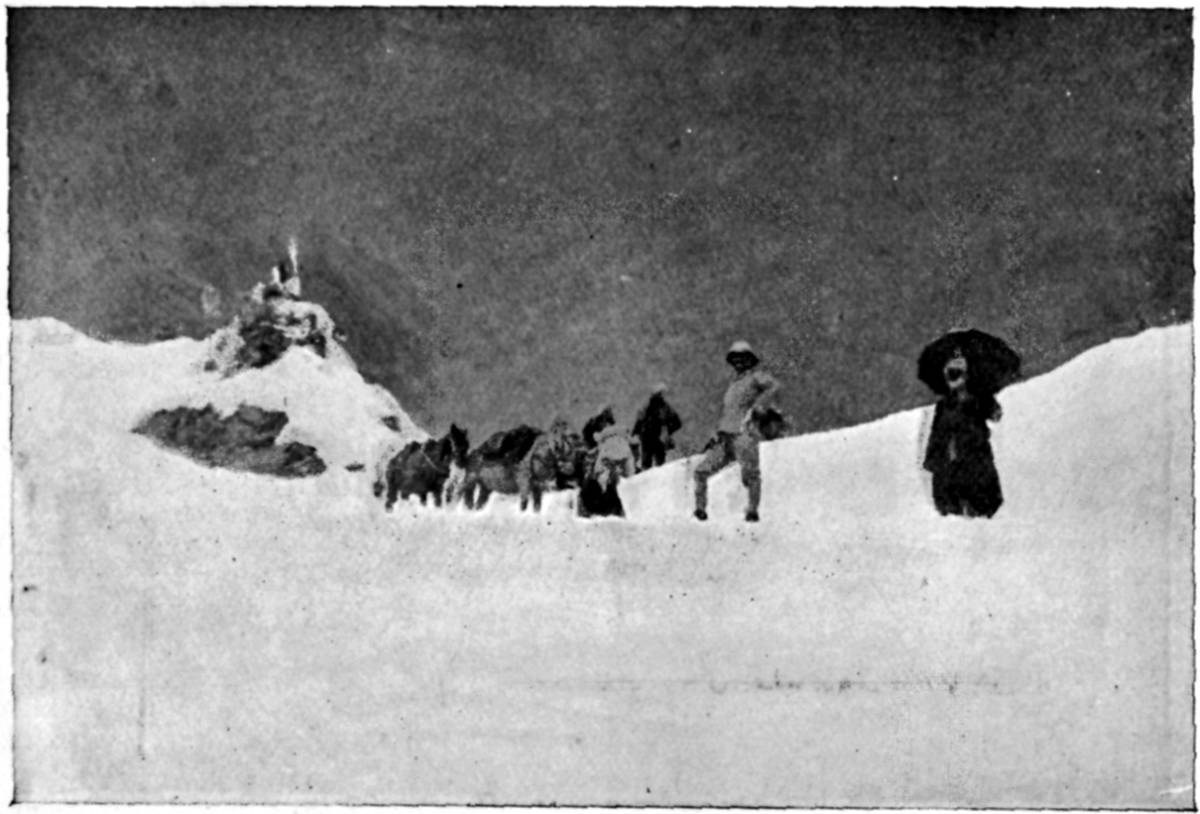
This expedition is not an observation from the sidelines. You cannot “ride along as a spectator.” You can only enter. We are retracing Nicholas Roerich’s route through Tibet—through passes, monasteries, glaciers, and sacred lakes, working with the experimental cameras of the Astigmatism Research Institute, creating images, mandalas, field research, sound, and a documentary film. This is not tourism or an excursion. It is a collaborative artistic research practice.
What does it mean to become a member?
An expedition participant is not a guest. You become part of the team:
— travel the route with us
— be present when the Buratino, Fluxus, and Flame Aura Cameras are in operation
— participate in drifts, observations, and recording of Sources of Visual Pleasure
— help create mandalas and conduct field experiments
— be involved in the documentary filmmaking process
— share with us the daily life, the road, the silence, the tea, and the wind of Tibet
This is not an experience to “look at”, but to live.
Who is this for?
For artists, photographers, researchers, practitioners of reality, for those who value not the consumption of impressions, but a change in perception. For people ready for heights, slowness, attention, and true presence. If you share the idea that the camera can be a philosophical tool, and the journey a form of art, you are on the same path with us.
Conditions of participation
Participation fee: 7000 Euro (excluding airfare to Lhasa)
The fee includes:
— Route organization and logistics
— Expedition team work
— Access to equipment and research facilities
— Participation in the artistic and filming program
— Accommodation and travel along the route
Expedition start: mid-April 2026
The number of seats is limited—we are maintaining an intimate format so that everyone remains a full participant in the process.
Why is this important?
By supporting the expedition, you’re not simply joining the journey. You’re helping the project itself survive. This trip is an independent artistic initiative. It’s only made possible by those who are willing to be part of it. You essentially become a co-author of the research. If you resonate with us, please write to us. Perhaps this journey is already waiting for you.