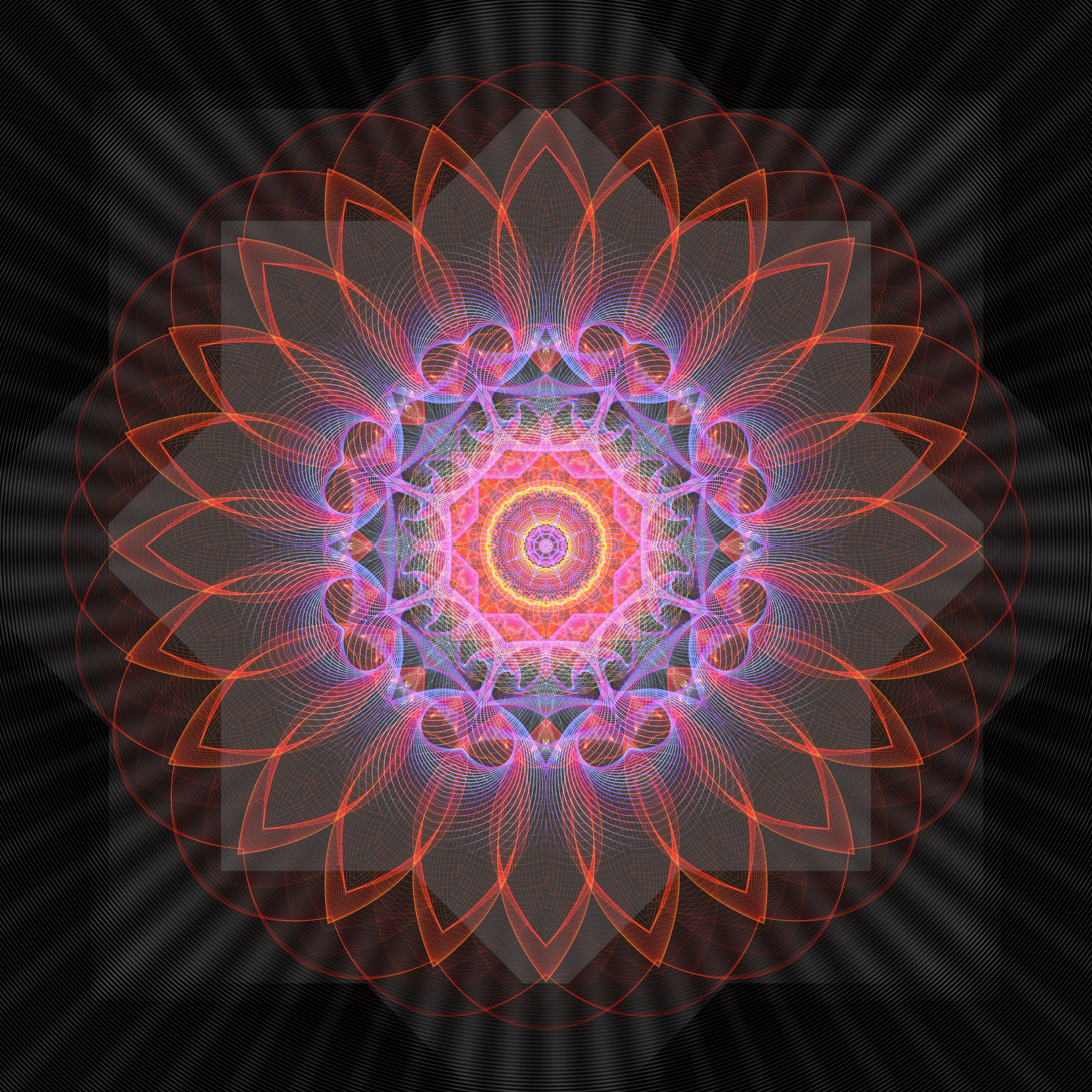
Fluxus Camera NZ–No. 01
Technical Specifications:
- Colour: natural (beautiful)
- Camera type: not compact
- Effective sensor resolution: 64.76 megapixels
- Sensor size: 210 × 297 mm (ISO 216)
- Flash: none
- Warranty: 222 years
🖬 Operating Instructions
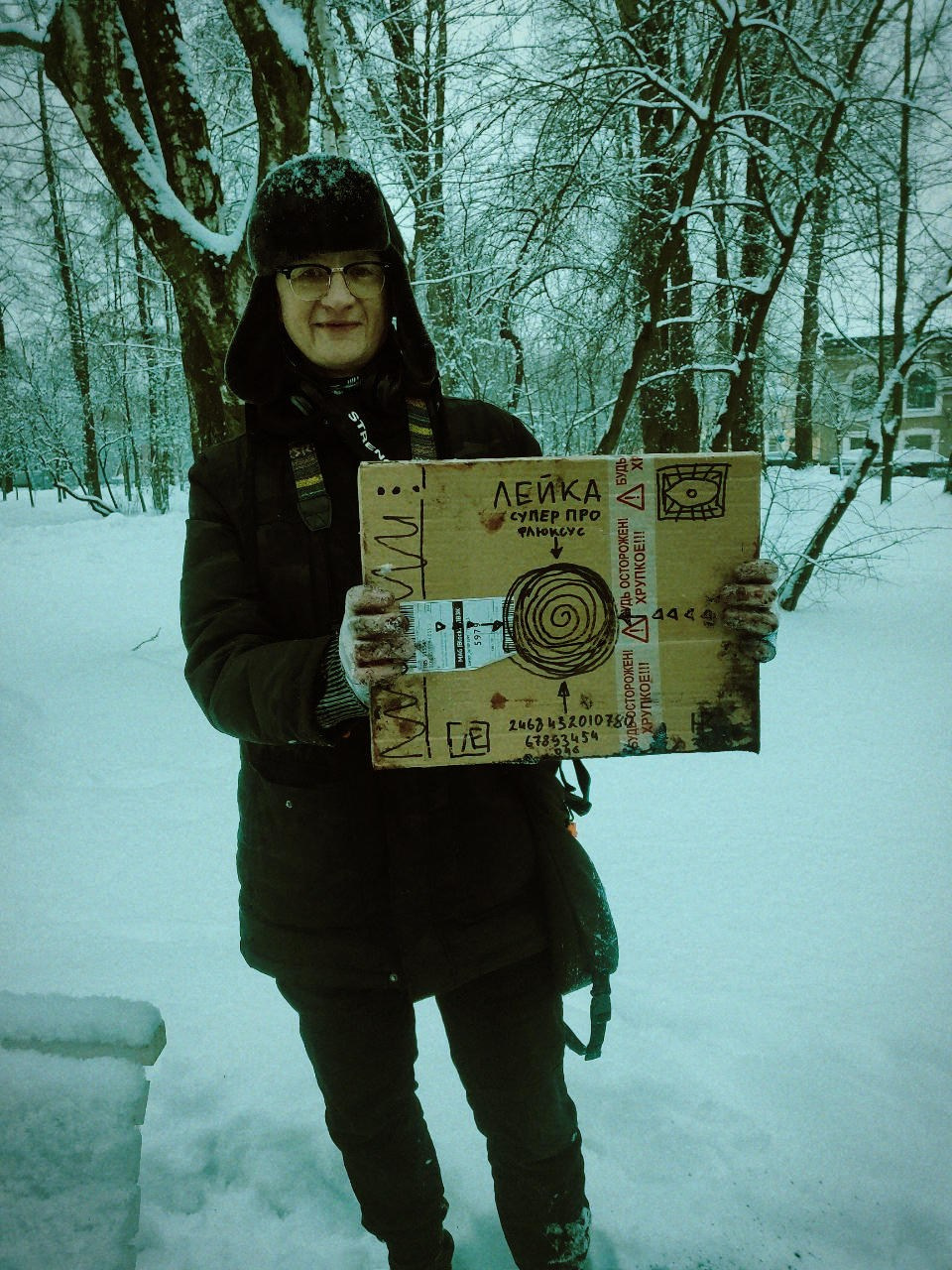
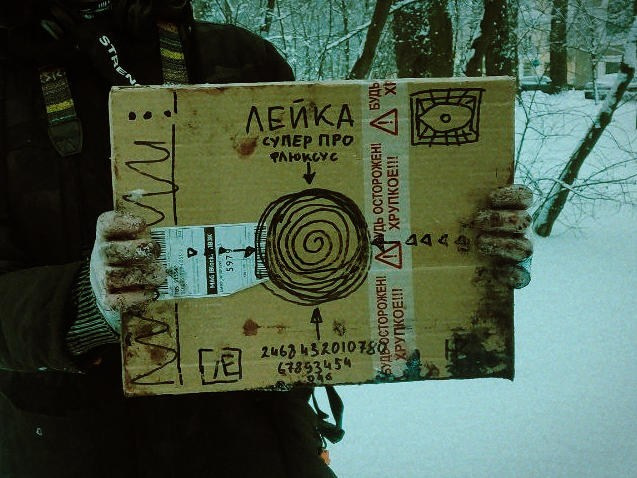
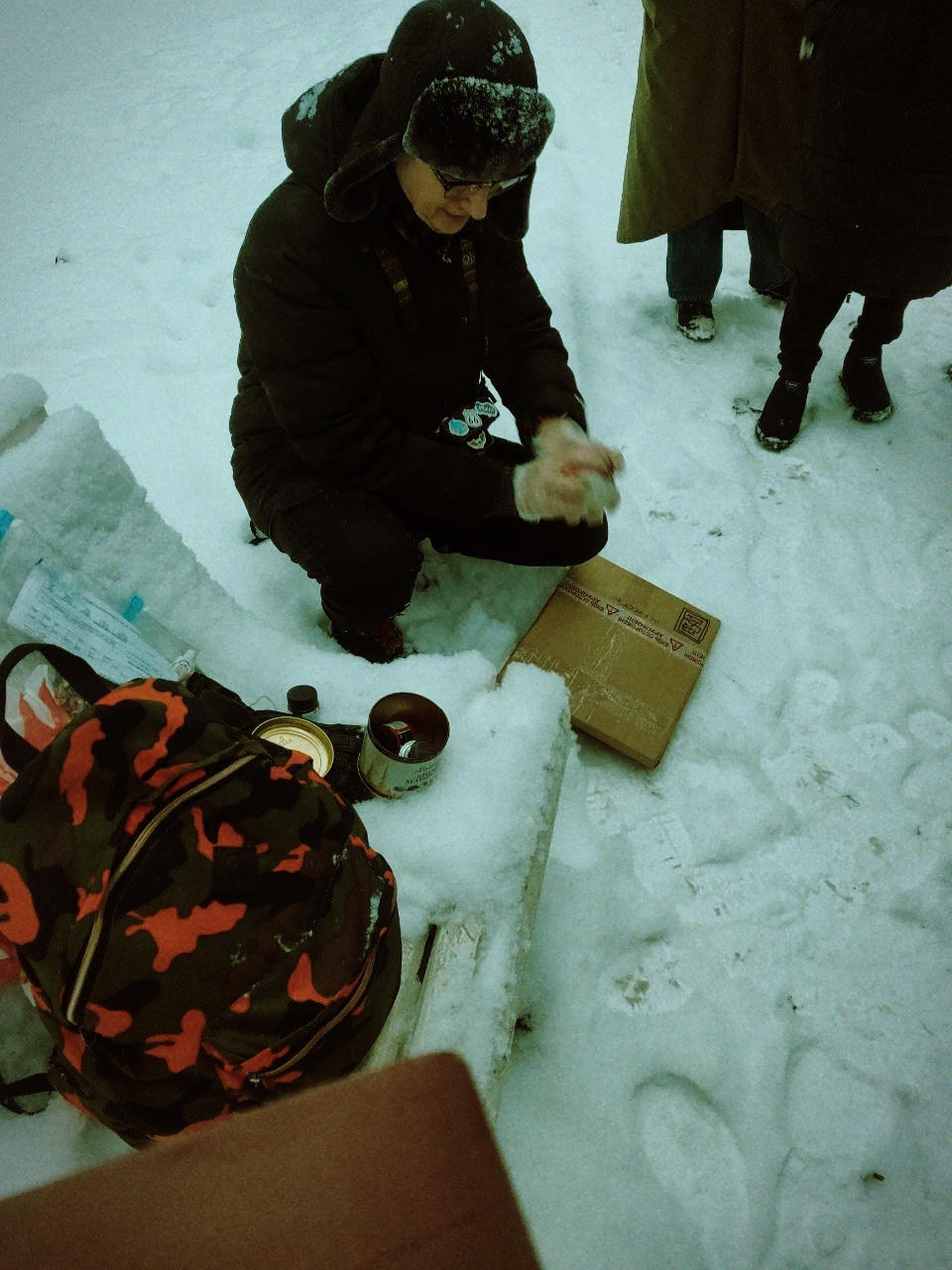
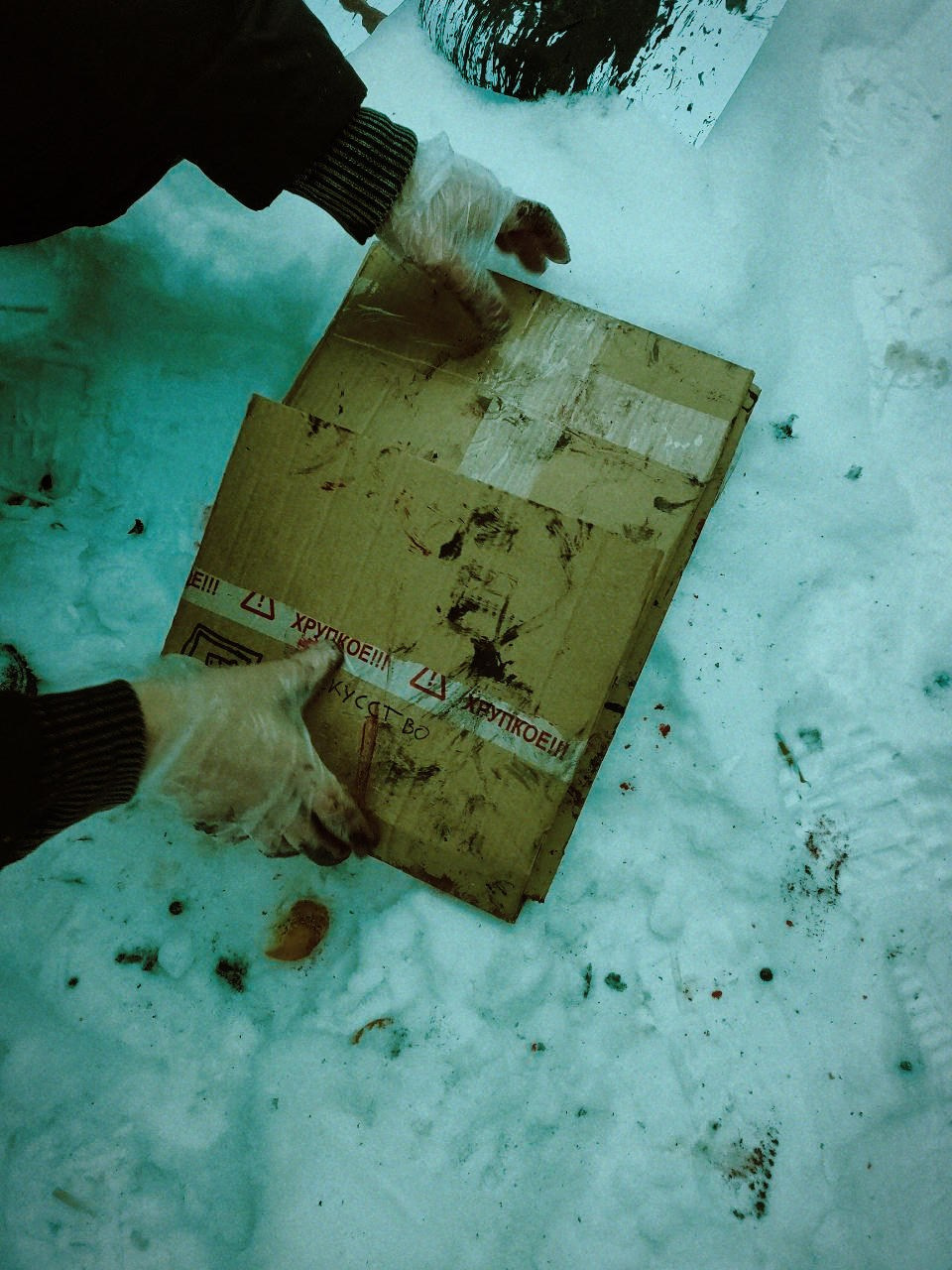
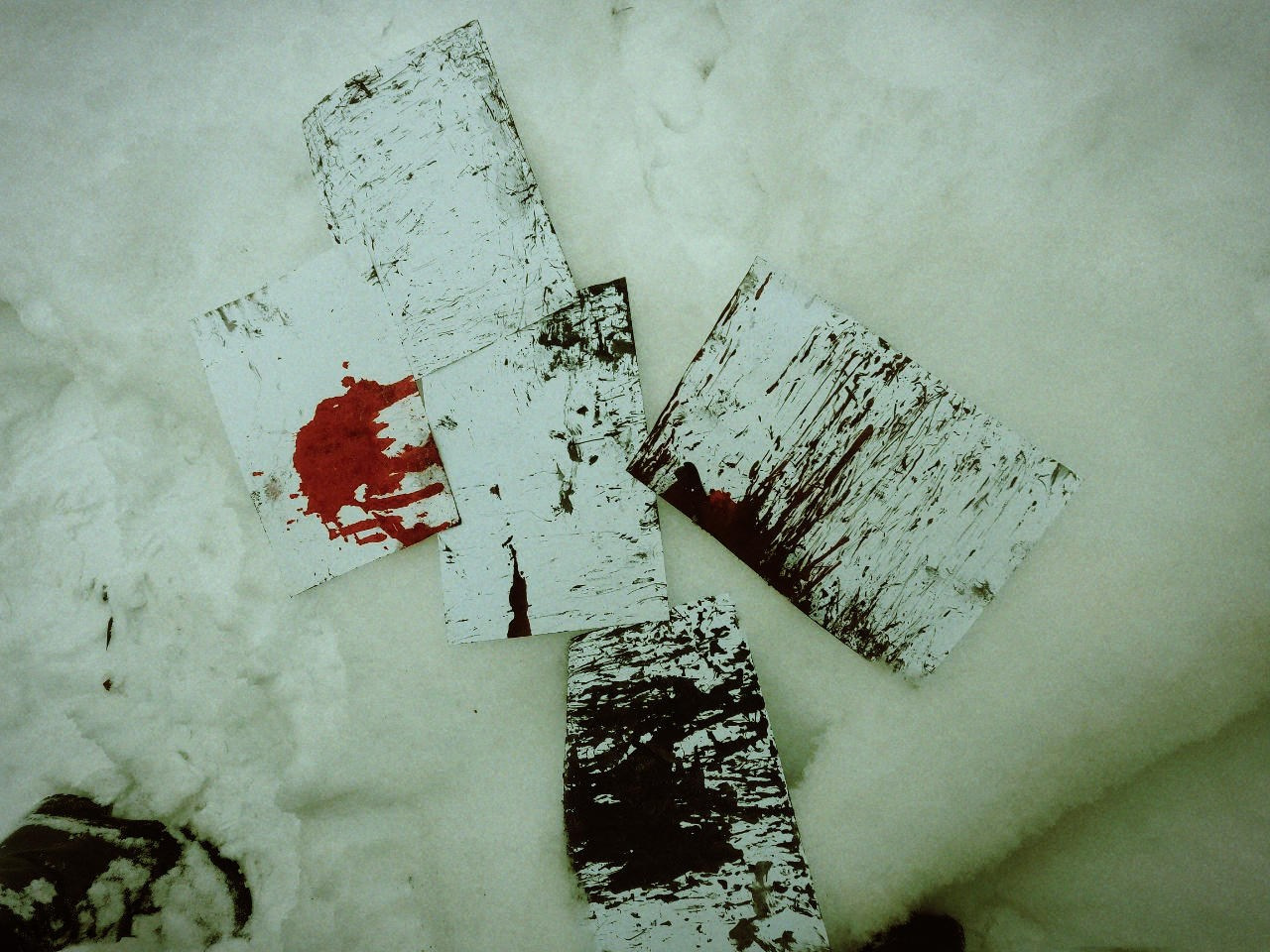
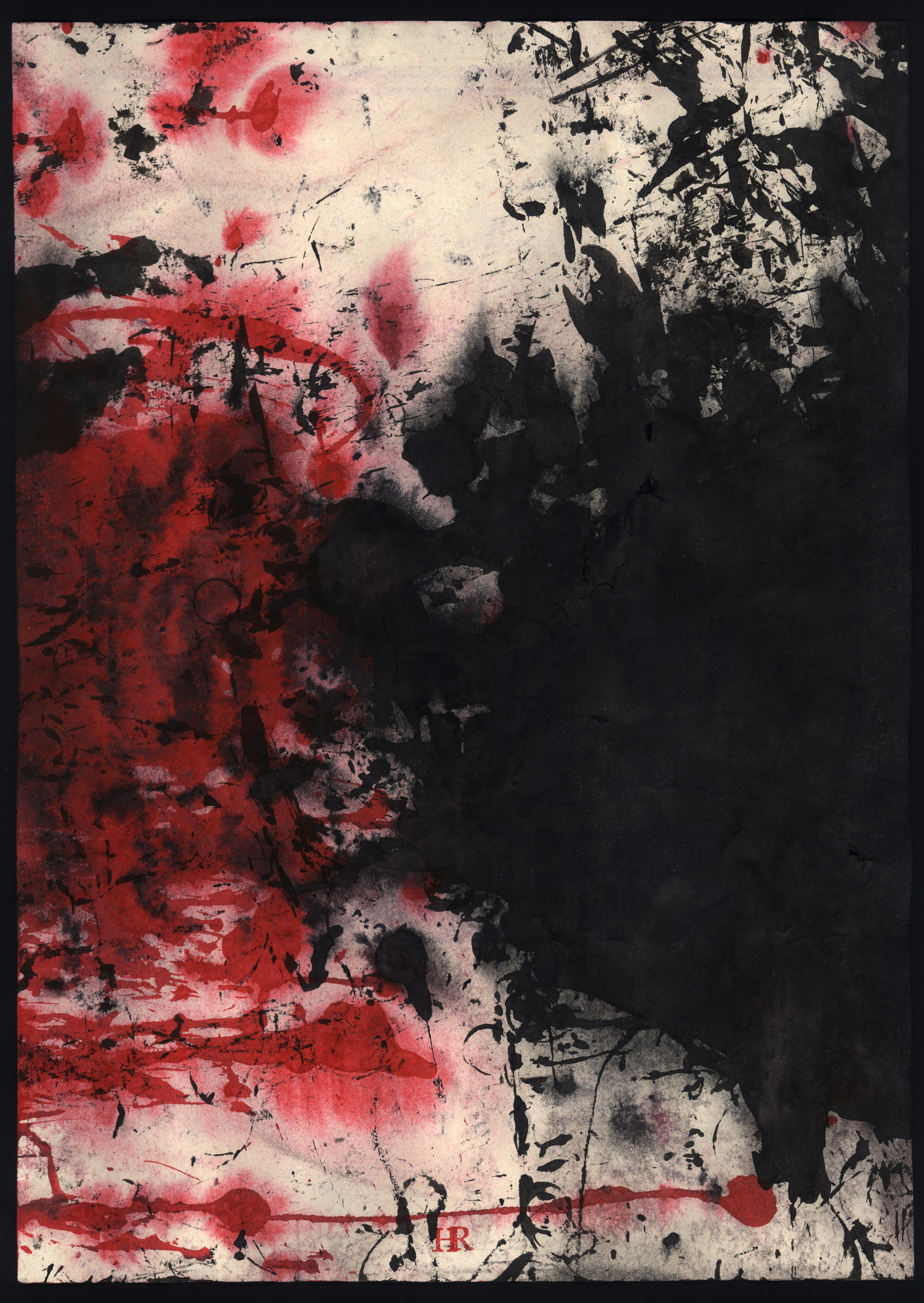
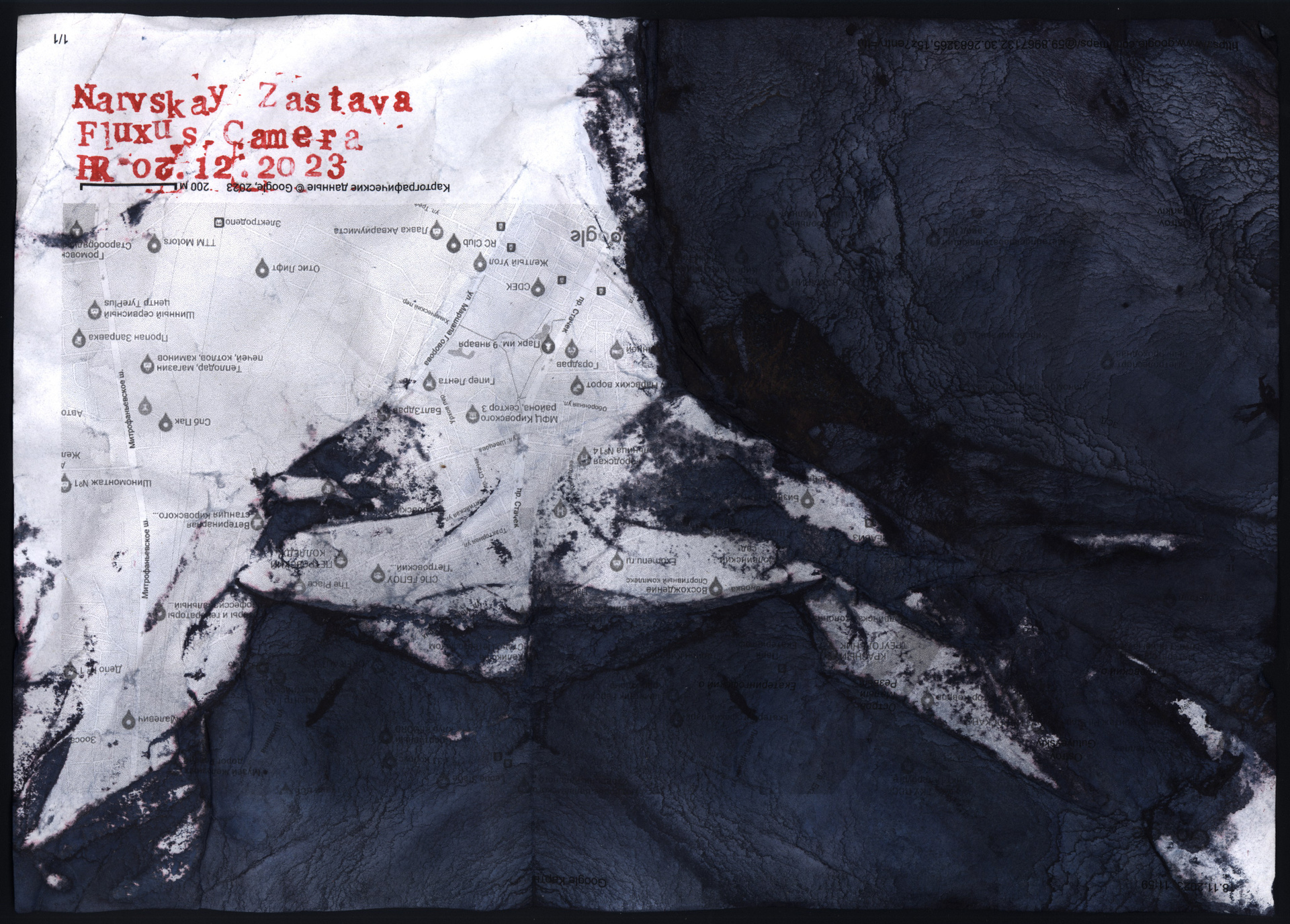
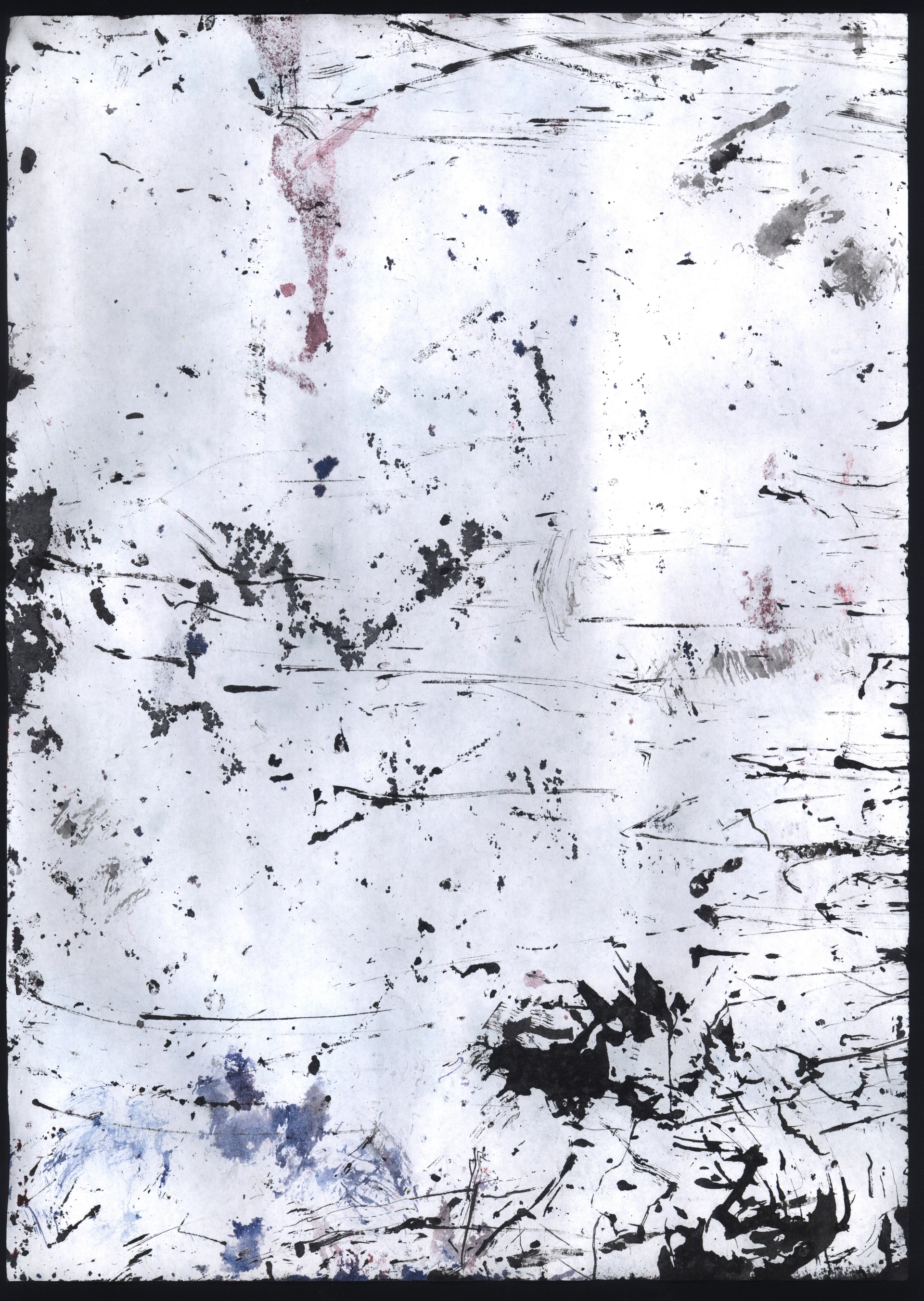
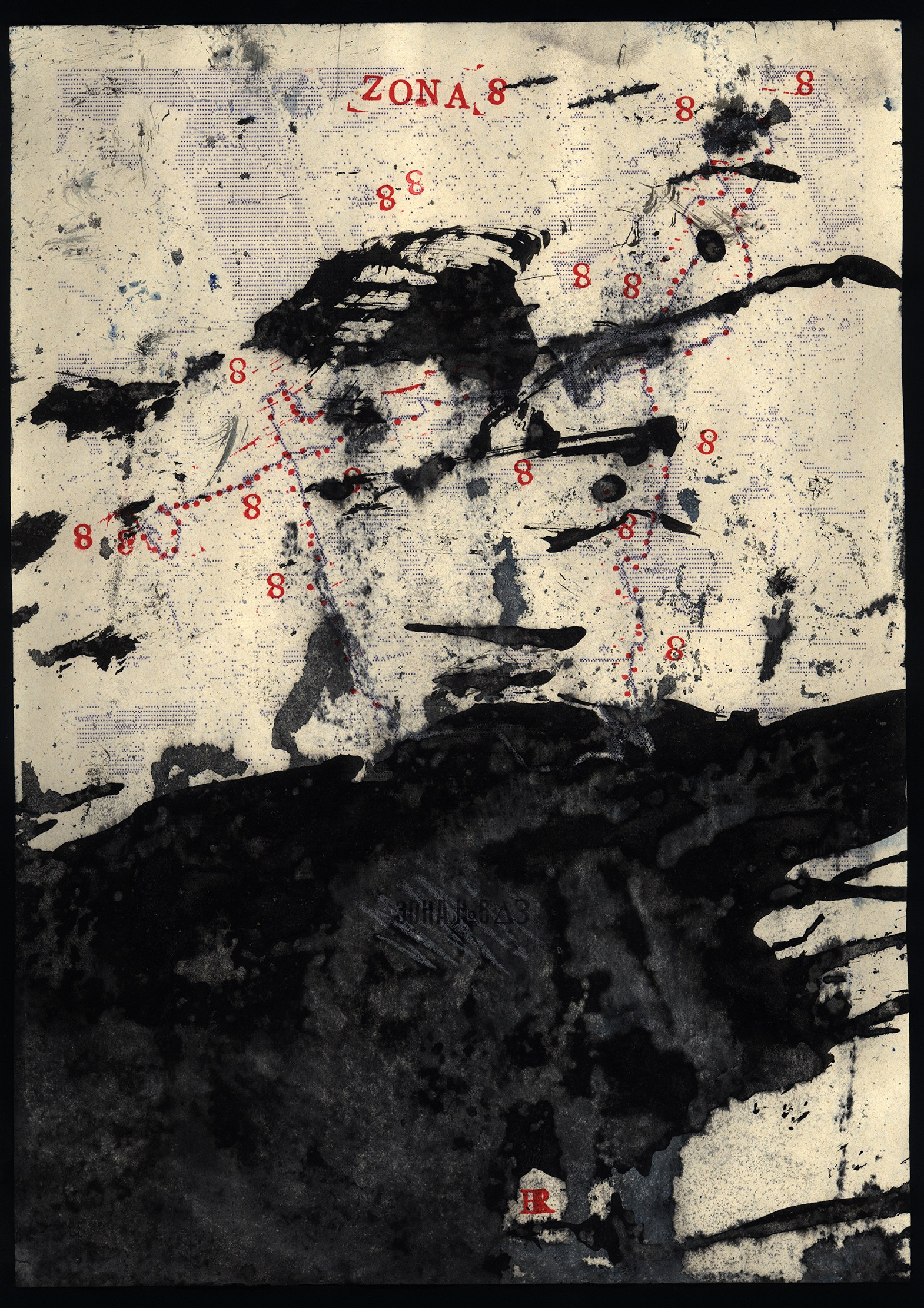
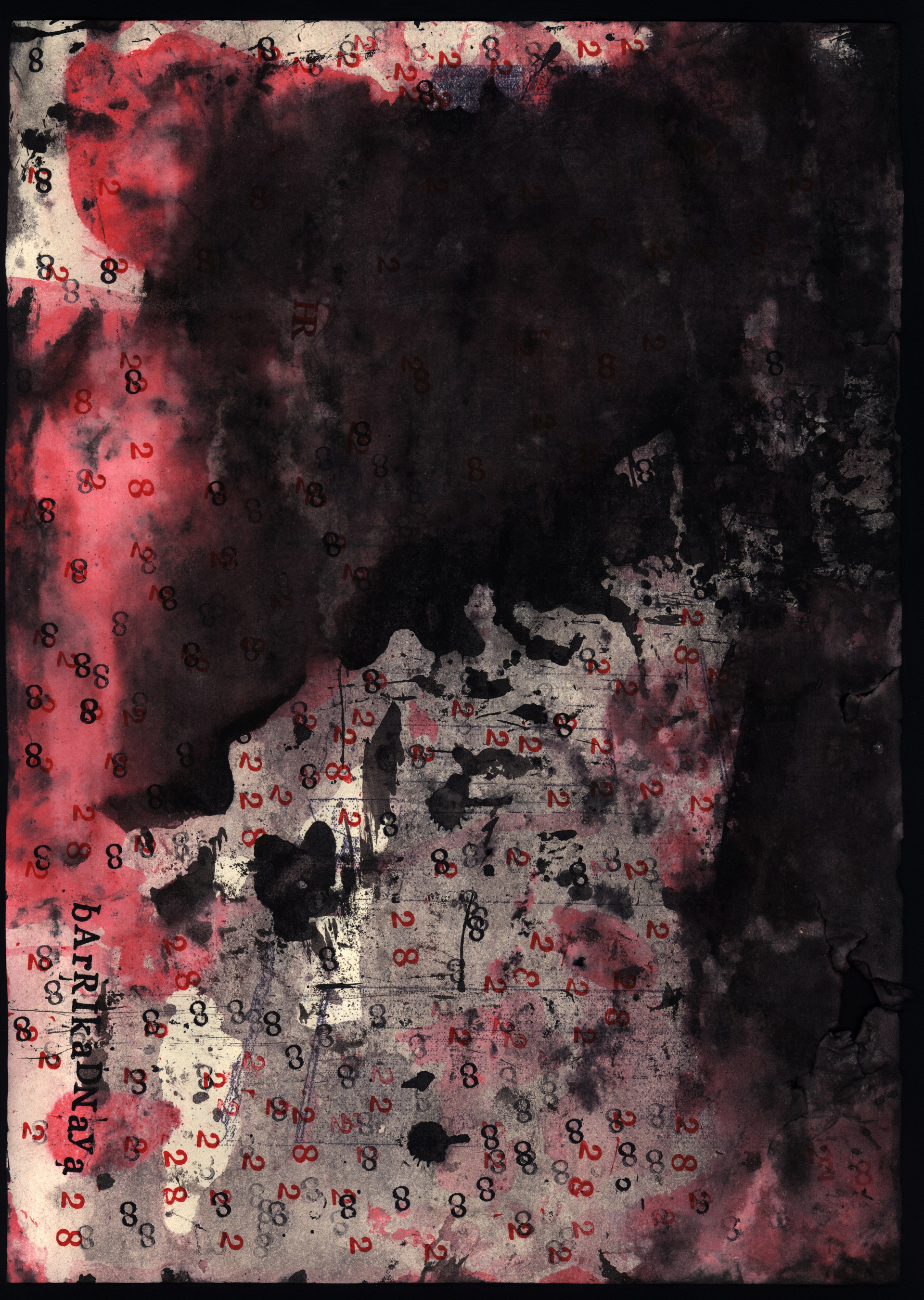
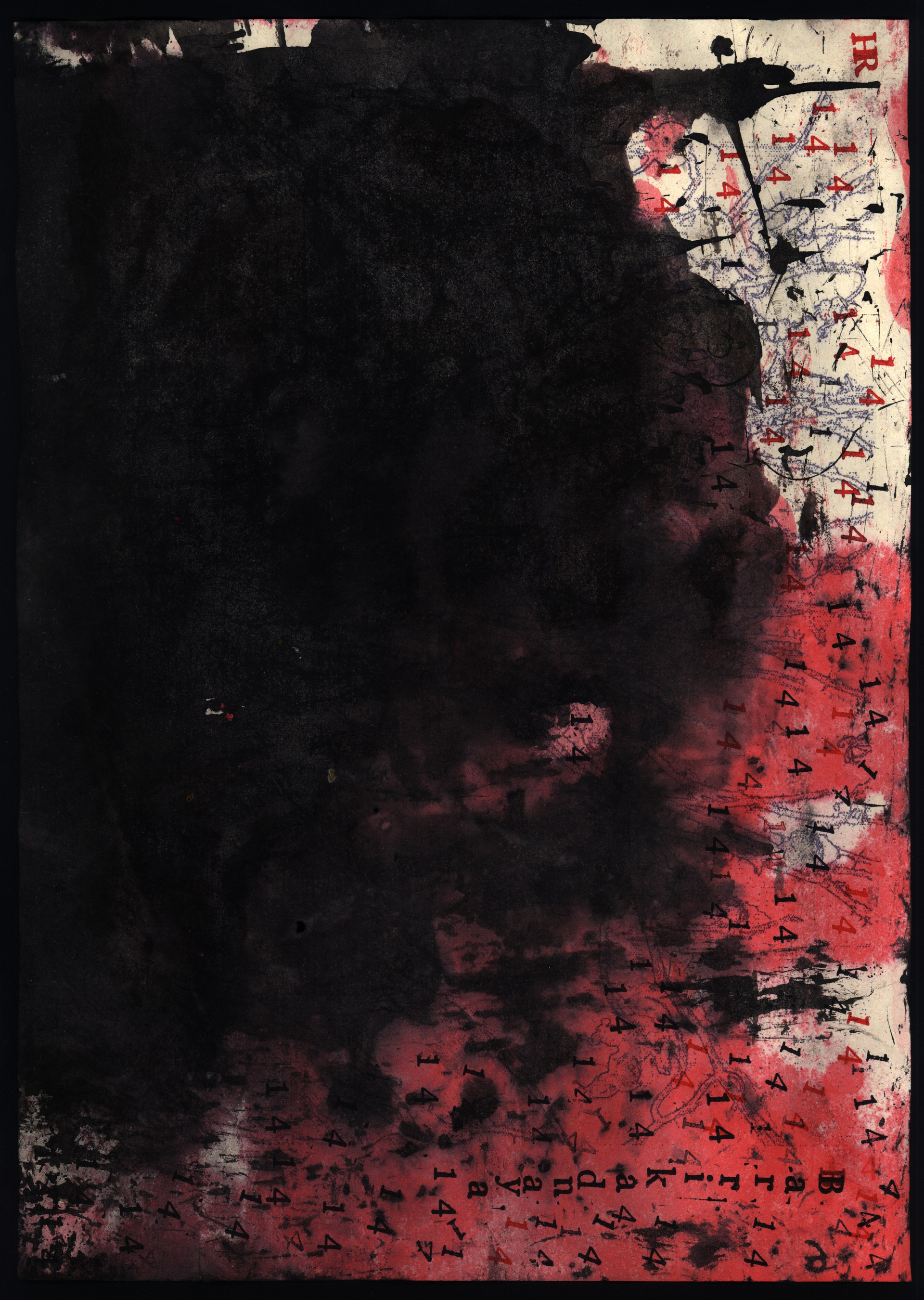
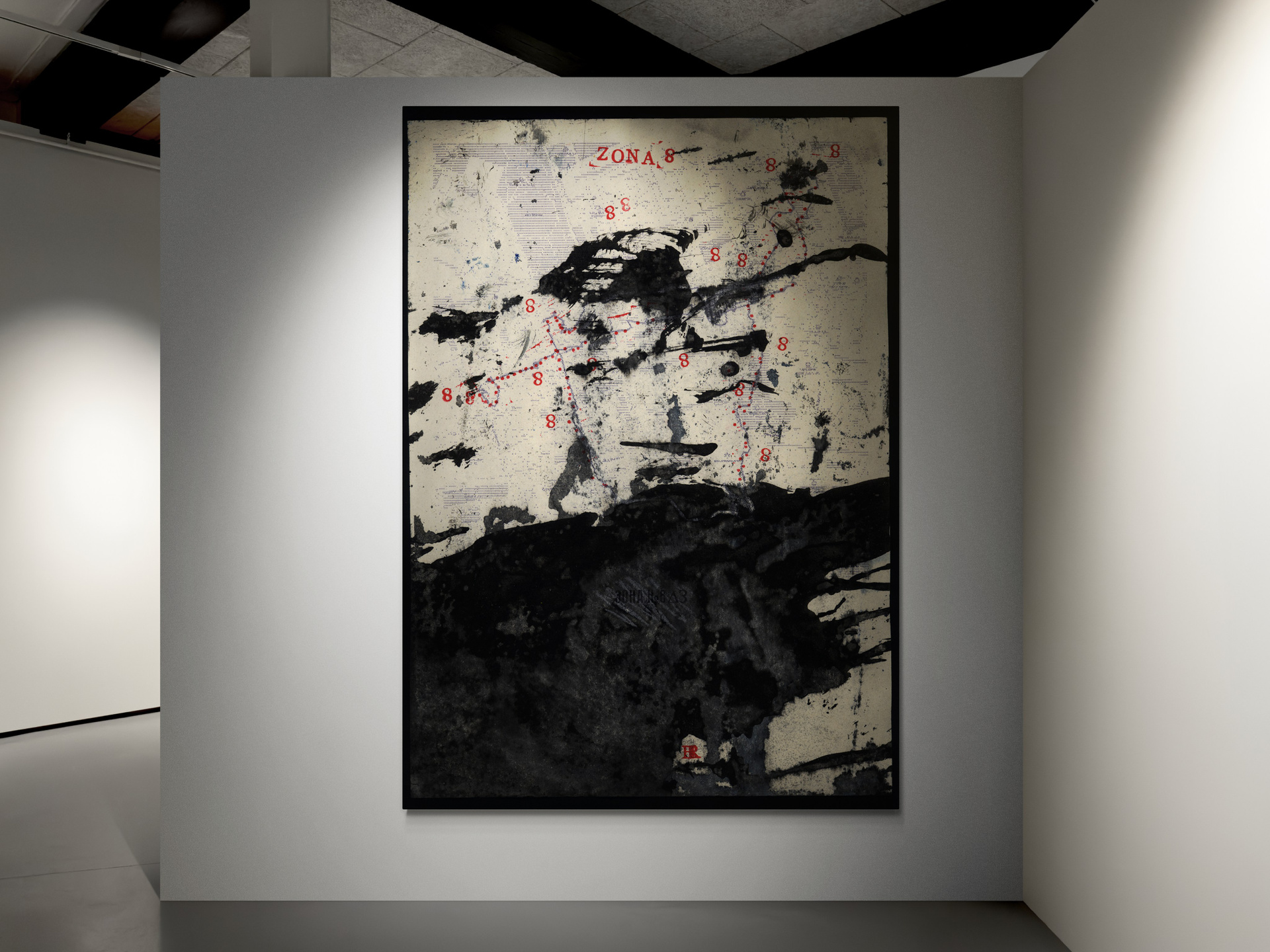
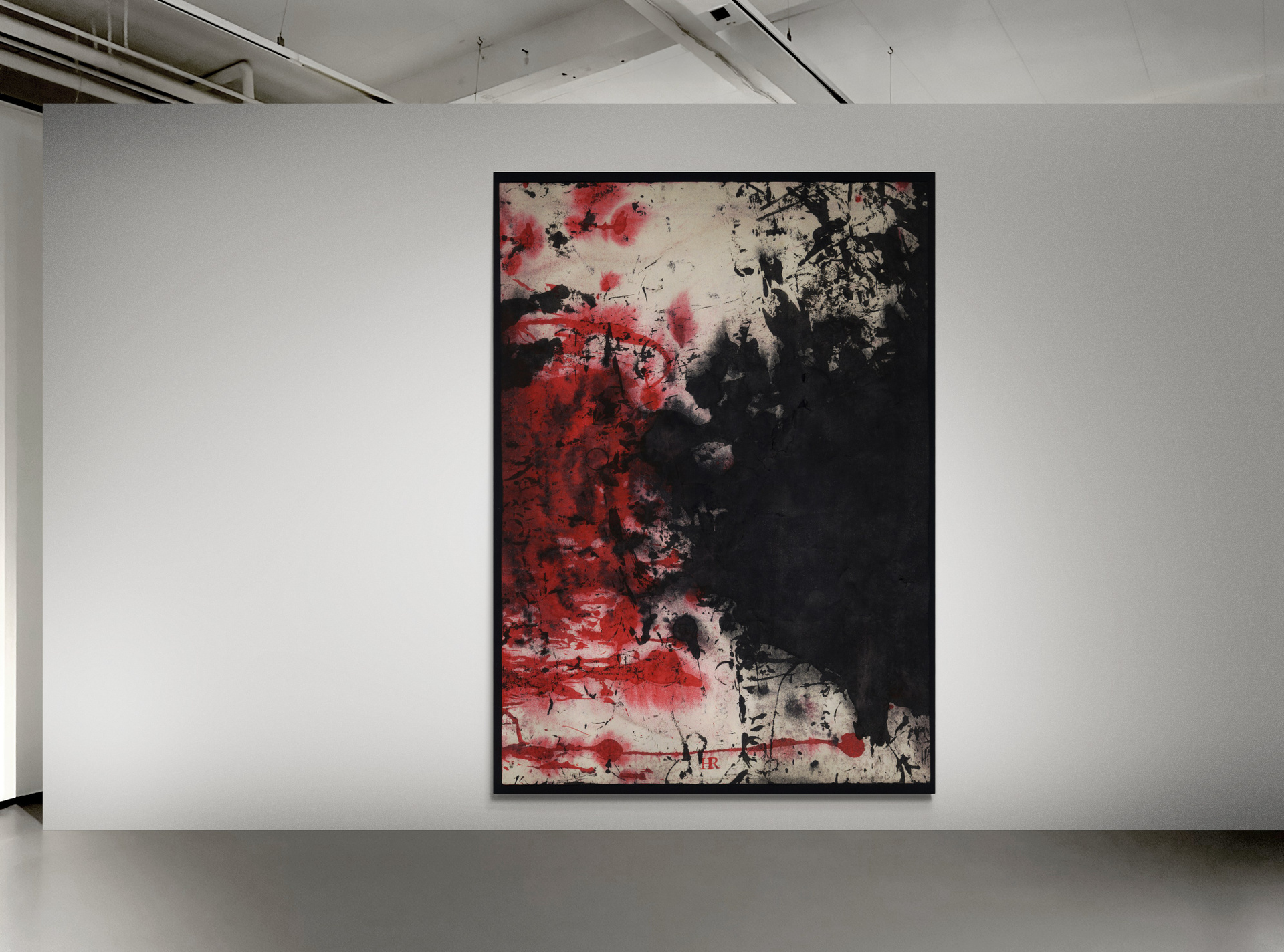
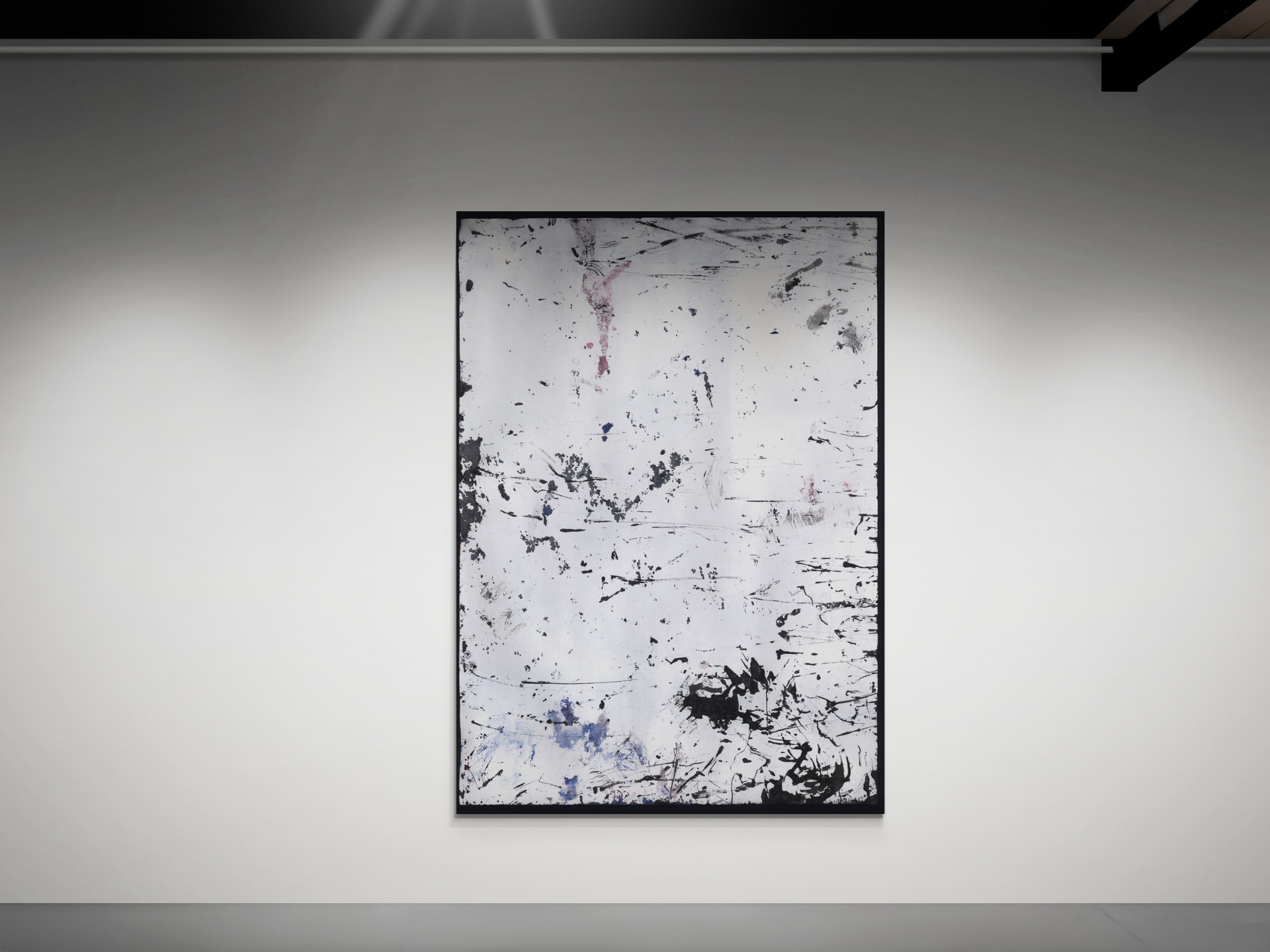
Instructions for Ritual Image-Making
Act No. 1
Preparing the Photographic Emulsion
Walk clockwise around the perimeter of the shooting location, collecting small objects in container A. Move deeper into the location, spiralling anticlockwise towards the centre, and collect small objects in container B.
If you are experiencing a creative block, consult the instructions for finding and ritually photographing Sources of Visual Pleasure (IVN).
Act No. 2
Capturing the Image
- Remove the camera from its transport bag.
- Place it on a horizontal surface, lens facing down.
- Open the film compartment.
- Place the film inside.
- Add black ink to container A.
- Add red ink to container B.
- Shake containers A and B.
- Place their contents inside the camera.
- Aim at the Source of Visual Pleasure you wish to capture.
- Shake while visualising the IVN and monitoring the level of Entropy.
- Rotate anticlockwise to create panoramic images.
- To repeat the act of capturing, start again at step 4 and repeat as many times as needed.
- Do not remove the film from the camera before beginning the act of developing.
Act No. 3
Developing
- Return to cheLOVEinik by metro.
- The act of developing is recommended during a waxing moon, between 22:00 and midnight.
- Warm the cast-iron bathtub with developer from the red-marked tap.
- Sing a mantra and monitor the entropy of the space.
- Place a sheet of DIBOND in the bath, with its green side facing the act of developing.
- Pour developer over the sheet.
- Put on cellophane gloves.
- Remove all the film from the Fluxus Camera and place it on the DIBOND sheet.
- Pour on developer. If entropy is low, use Developer No. 22.
- Separate the film using a UniCredit Bank gold card.
- Use hydrogen peroxide for exposure compensation.
- Use Nescafe Classic powder to create a sepia effect.
- Place the separated and developed film on fibreboard sheets, secure it at the top with a paper clip, and begin the act of drying, which will continue until the star called the Sun rises to your east.
Act No. 4
Photographic Enlargement
- Important: the entire act of enlargement must be performed standing up.
- Turn anticlockwise while burning incense and reciting a mantra. Use the Tambourine of the Upper World to complete the composition.
- Use the Agfa DuoScan T1200 enlarger with the settings from The Alchemy of Ritual Photographic Enlargement.
- Switch on the enlarger.
- Start the computer.
- Put on black cotton gloves.
- Carefully remove dust from the enlarger glass using the Cloth of God and Mr Muscle.
- Measure the entropy of the space and play suitable music to adjust it.
- Place the film inside the enlarger.
- Close the lid.
- Use TIFF format.
- Both sides of the film matter in Fluxus Photography. Mark the first side A and the other B for subsequent audio playback.
- Enjoy the result.
Act No. 5
Printing and Display
- Perform the act of acrylic face-mounting on the result.
- The resulting IVN must be at least 666 centimetres high.
- Check the entropy of the IVN and of the exhibition space.
- Convert each IVN into sound.
- Hang the works, strictly following these rules devised by a neural network:
- Photographs must hang upside down, with captions facing down.
- Do not place photographs of fish on the same wall.
- Each photograph must be attached to the wall using nails of different colours.
- No photograph may have a frame decorated with flowers.
- If there is only one photograph on a wall, it must be gigantic.
- If there are no walls, all photographs must hang from the ceiling.
- Exhibited photographs must not depict only triangular objects.
- No photograph may depict a person in an elephant costume.
- Photographs must not be arranged on the wall in a heart shape.
- The photographs must not all be hung in alphabetical order.
- Every wall must have photographs with different subjects.
- Photographs must hang at a height above the floor.
- No people may appear in the photographs.
- Illuminate the IVN, not… (using “SV” will lower the IVN’s entropy).
- Switch on the sound. Each photograph must sound separately.
- Switch on the lights. The lighting must change every day.
- Enjoy the result alone.
- Think about felt.
- Think about fat.
- Crash in an aeroplane.
- Invite viewers to enjoy your IVNs.
Professor Ya. R. Balaboba
Senior Research Fellow in Scientific Art History and Creative Crisis at the Russian Academy of Arts; member of the Union of Artists of the USSR (1984).
Born on December 29, 1904, in Leningrad.
In 1956, he successfully defended his candidate dissertation, The Surrealist Painting of Eugène Denis, at the Higher Courses in Art History of the Institute of Art History. In 1967, he defended his doctoral dissertation, A History of Russian Art in the Second Half of the 22nd Century.
Author and co-author of more than 100 published scientific works and four inventions.
Psychonaut