Flame Mandala of a Tube TV
Sacred relics of the “Carpet Believers” sect
During the Second World War, when a German aircraft was shot down over Crimea, one of those on board was Joseph Beuys, who would later become a celebrated artist. Local Tatars rescued Beuys, wrapping him in a carpet bearing a mandala woven by the “Carpet Believers”. Within this carpet, Beuys experienced more than rescue: he came into contact with the mandala’s sacred energy. This encounter profoundly influenced his later life and work, setting him on the path of an artist who creates art as a meditative and spiritual act.

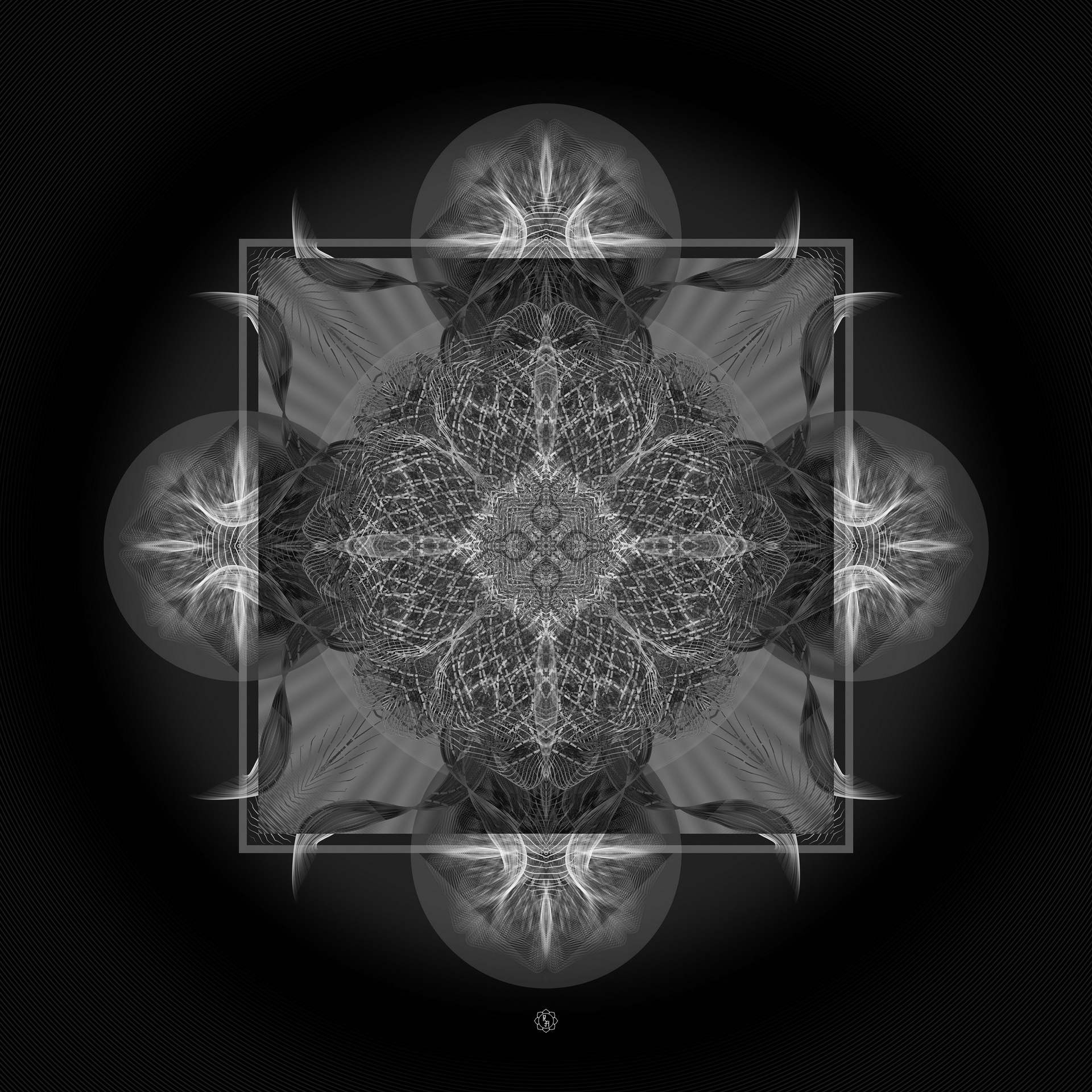
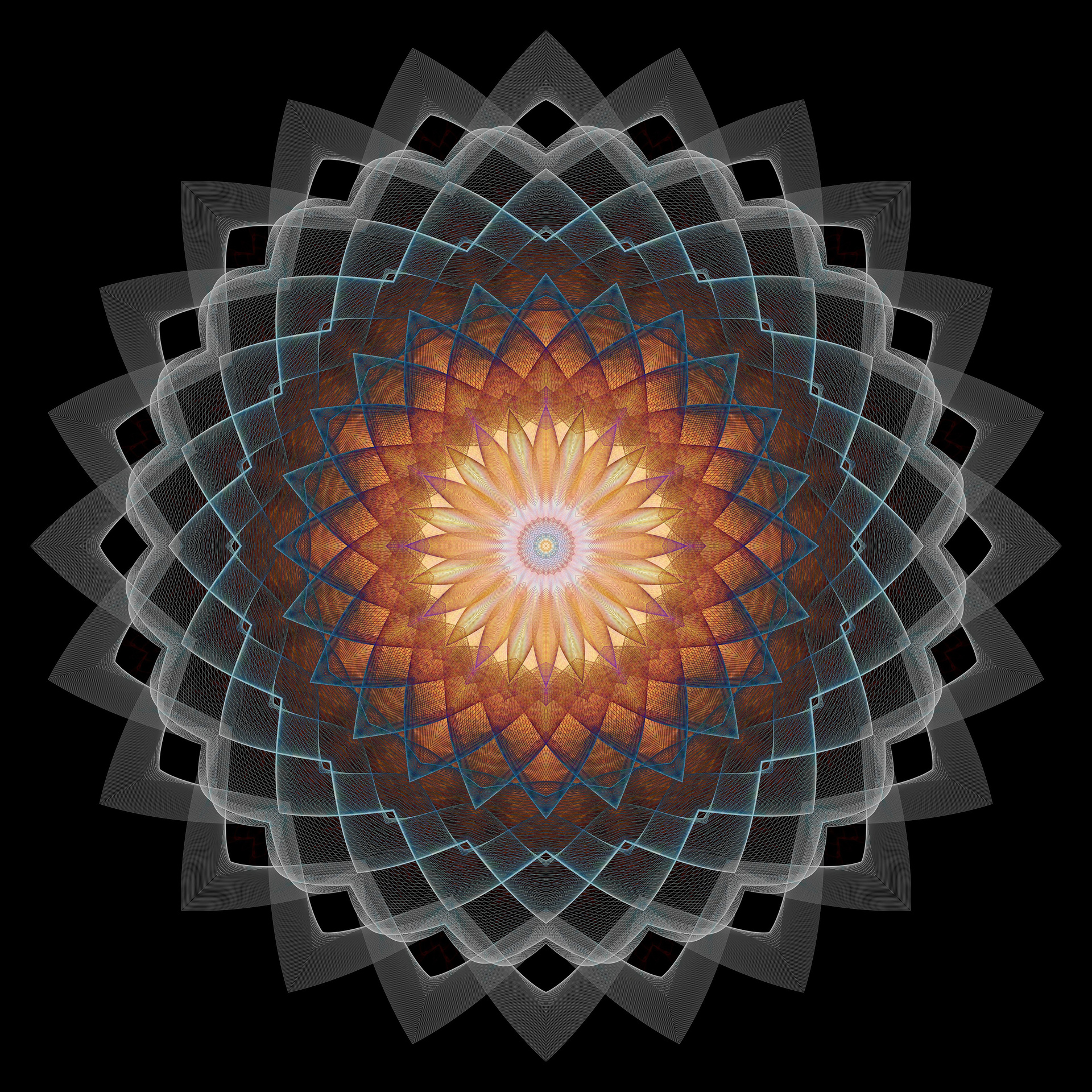
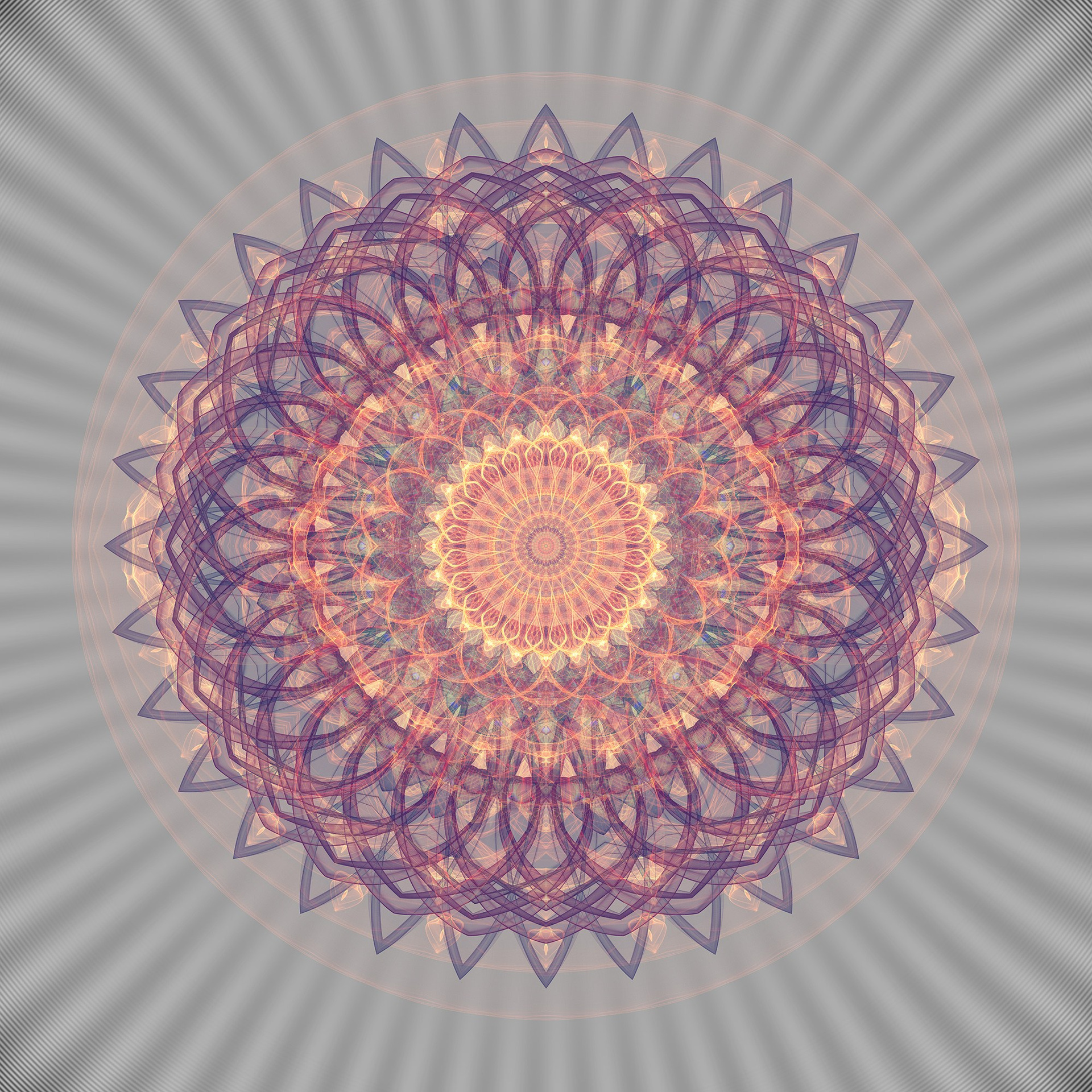
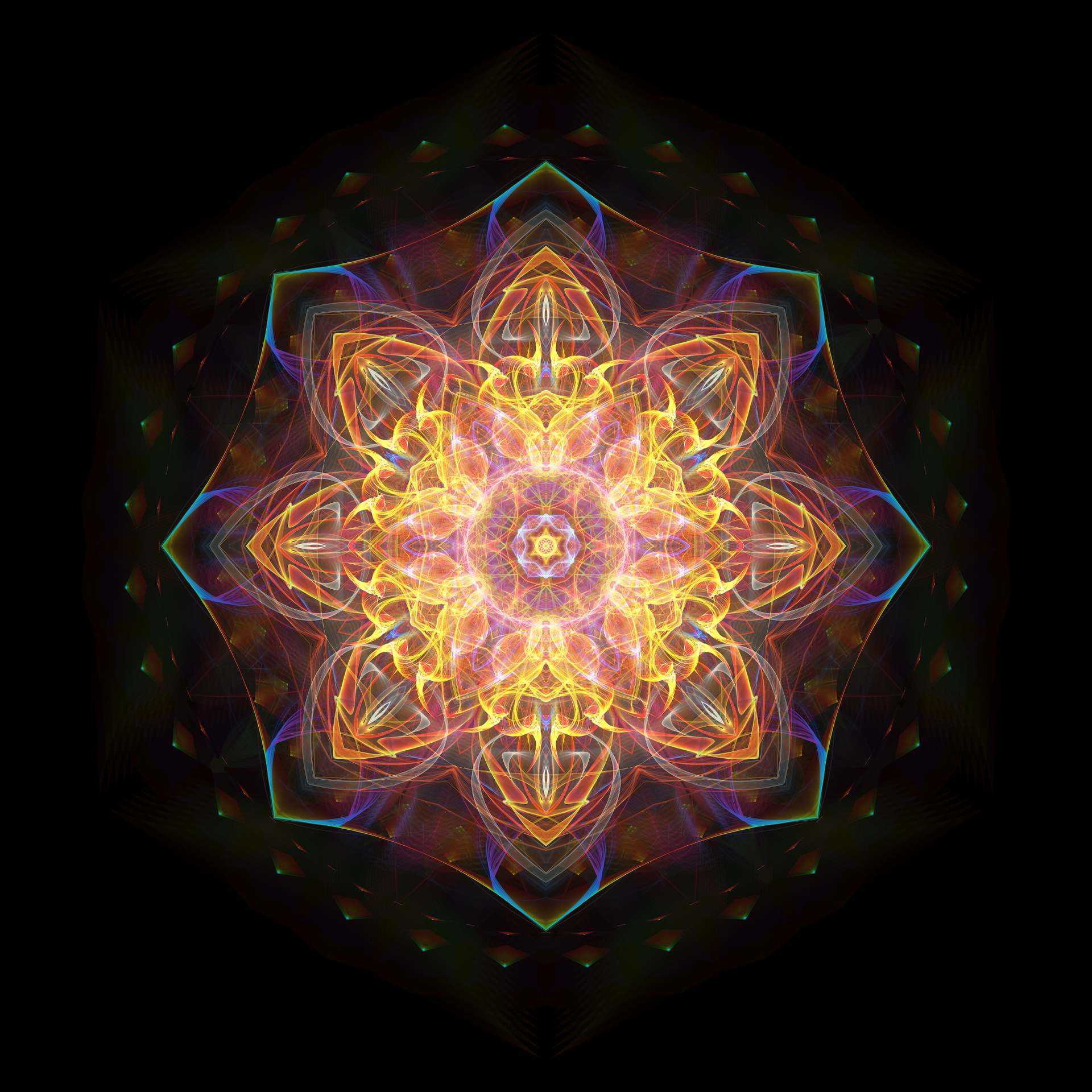
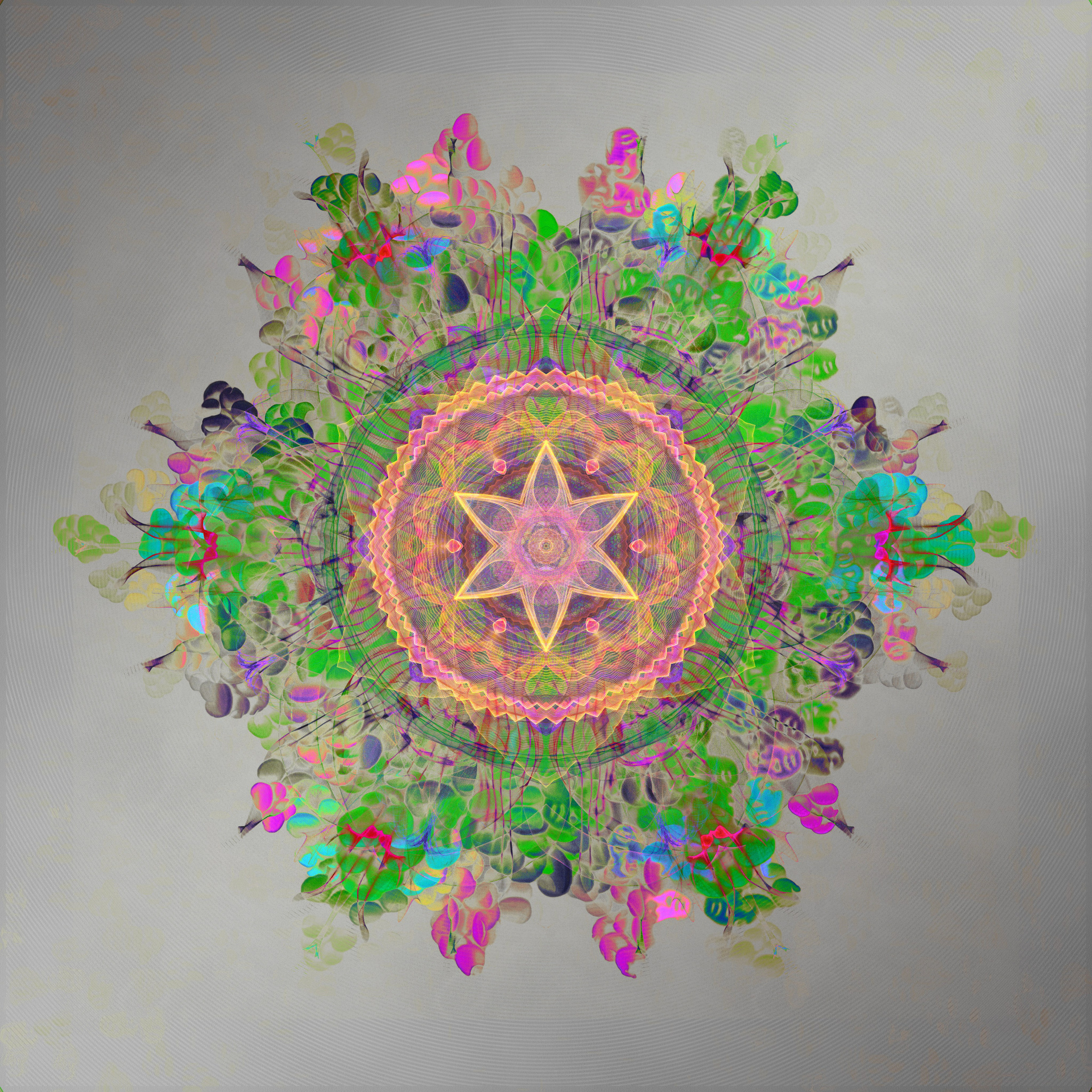

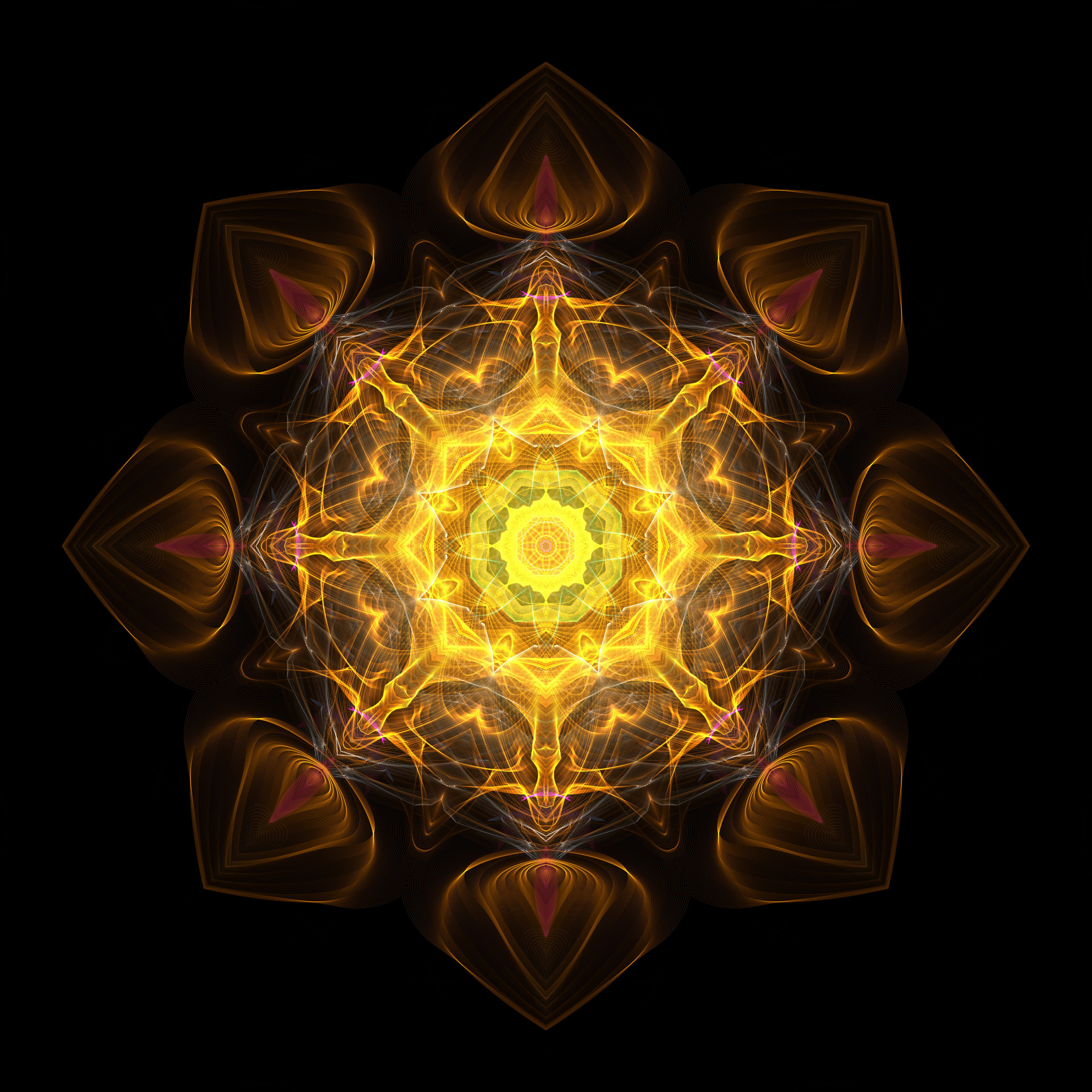

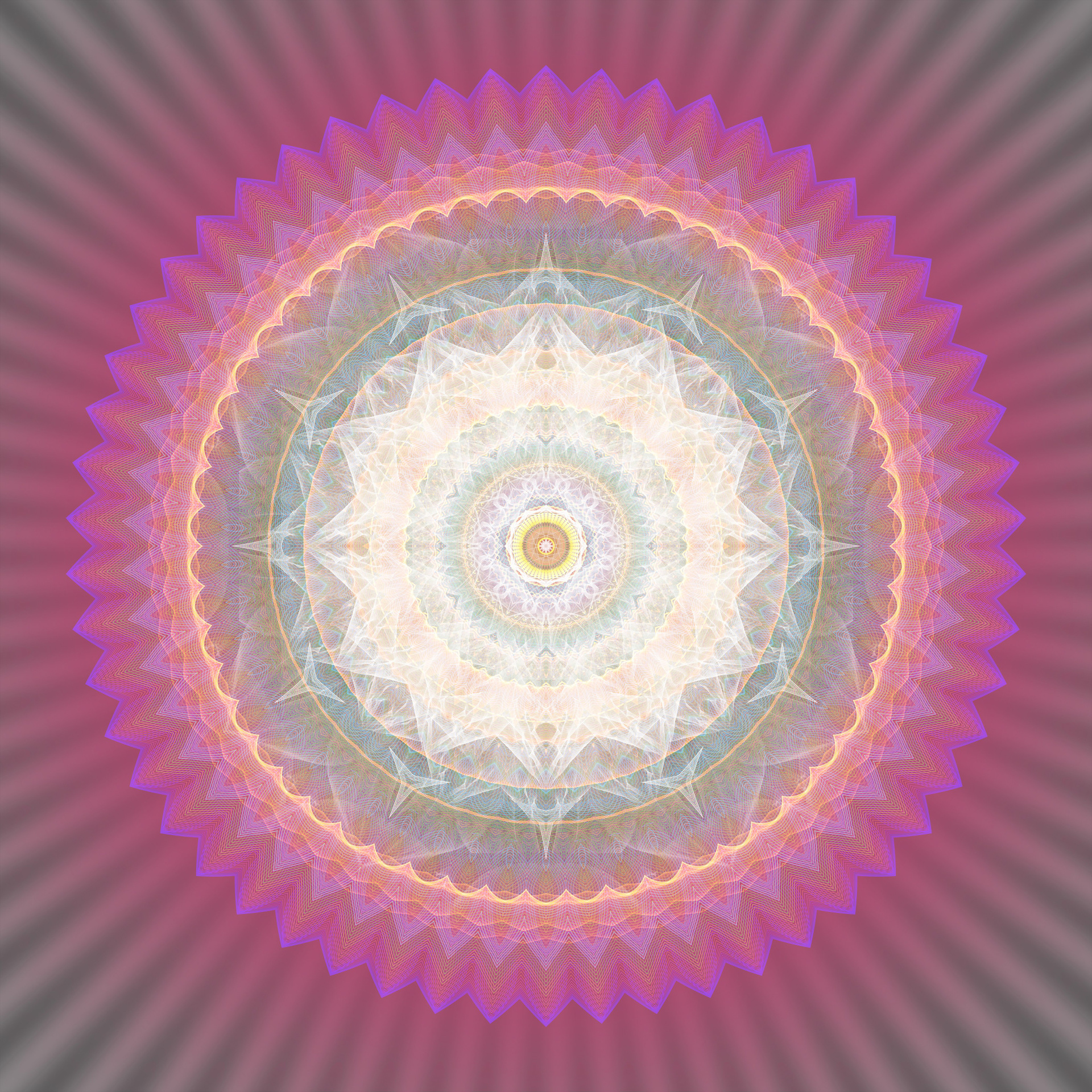
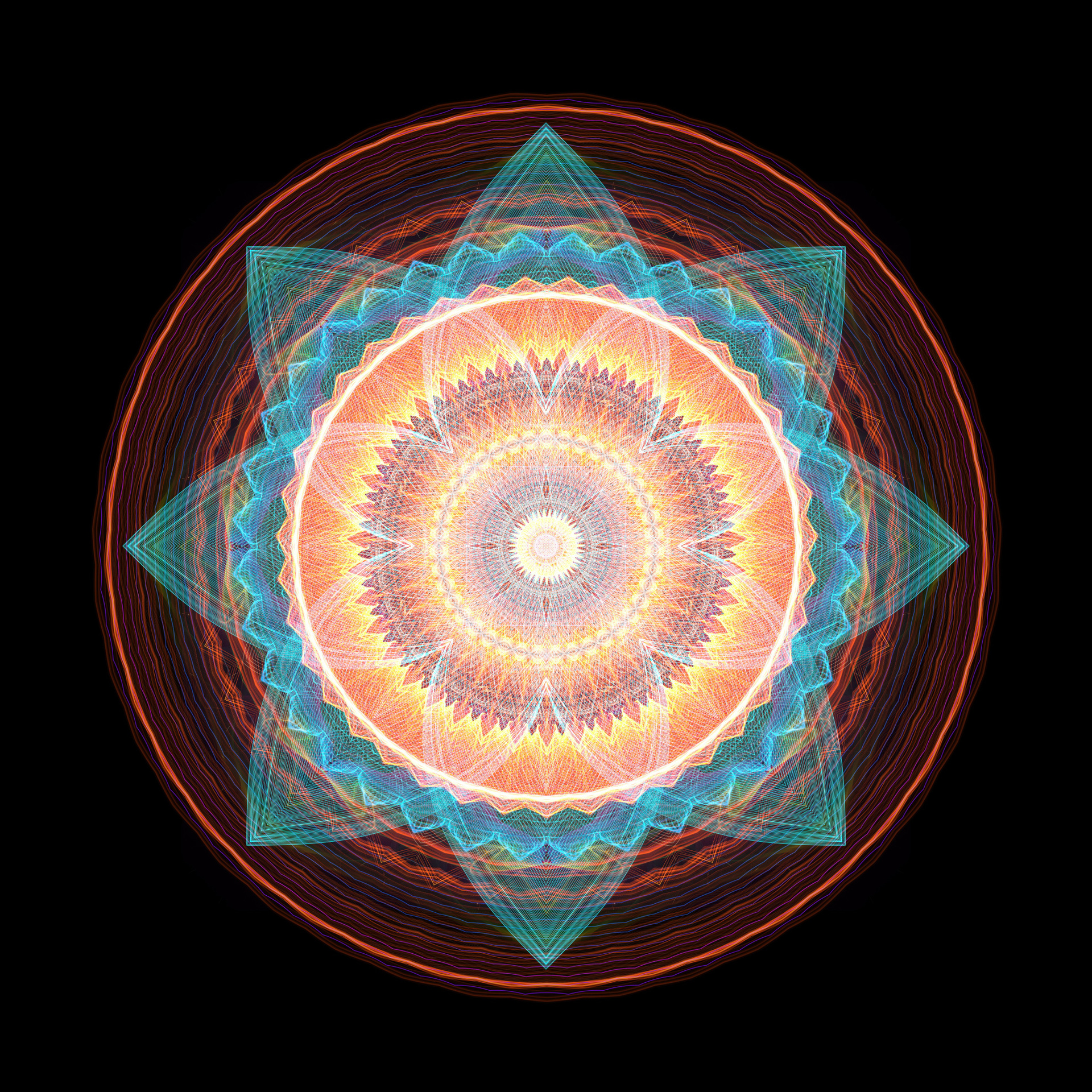

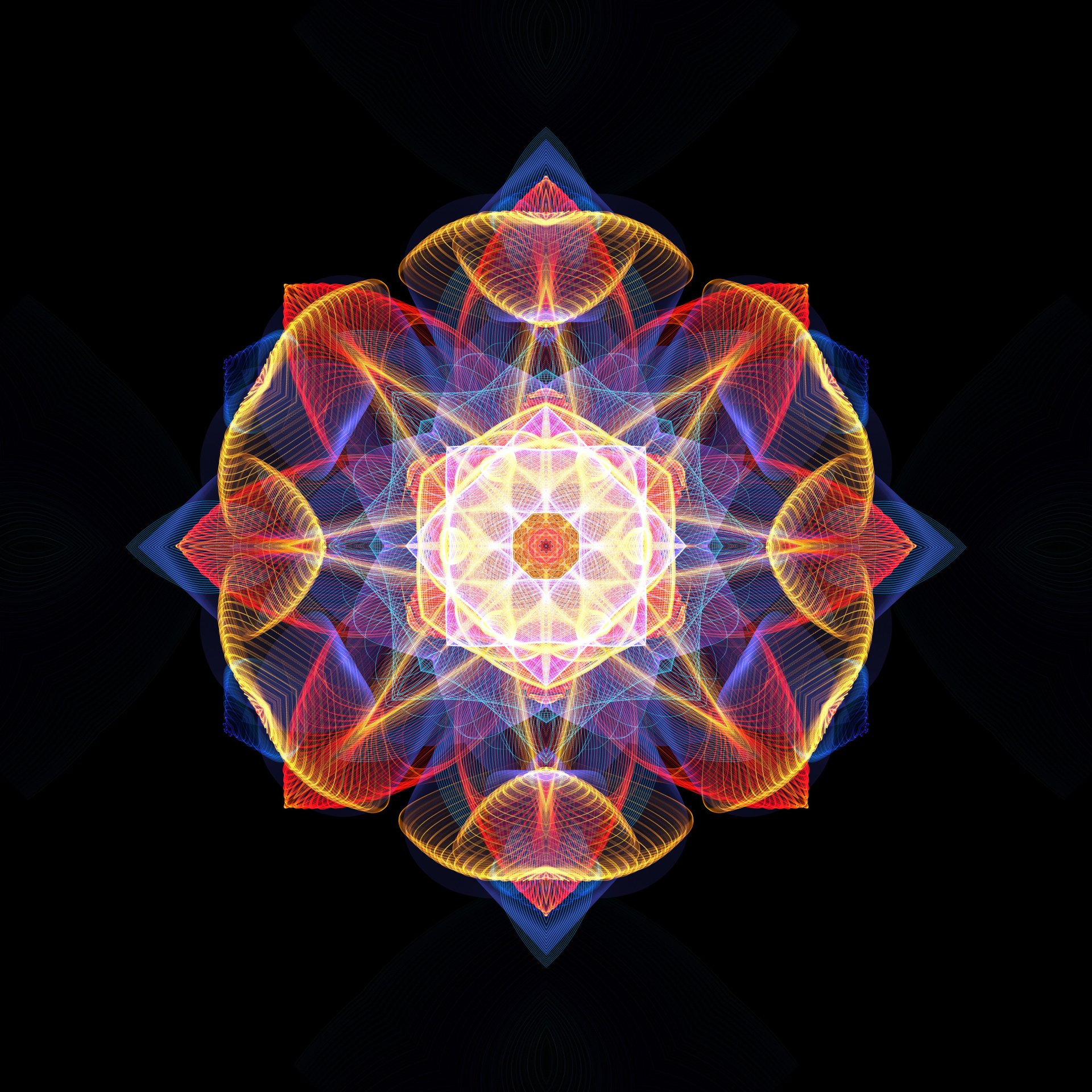
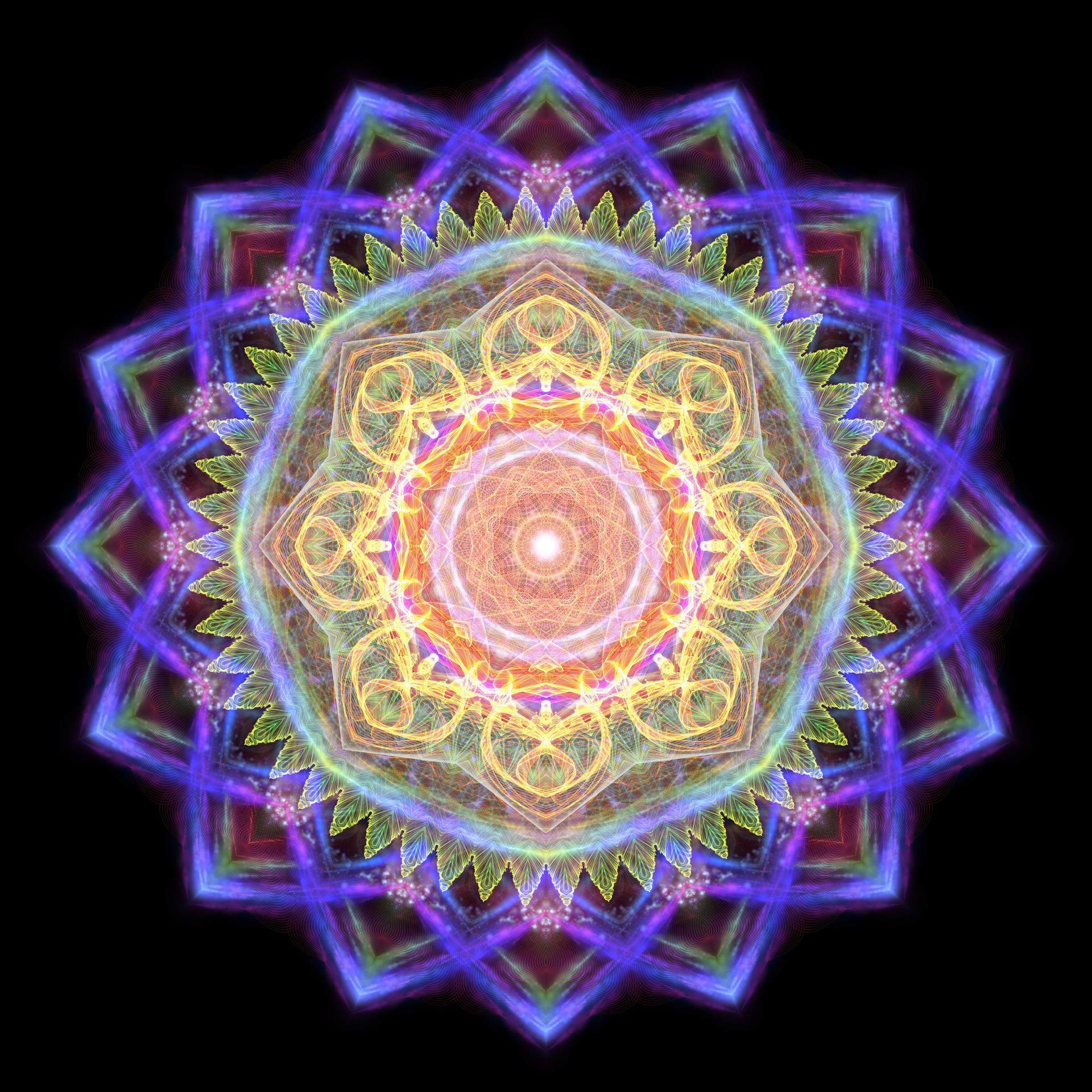

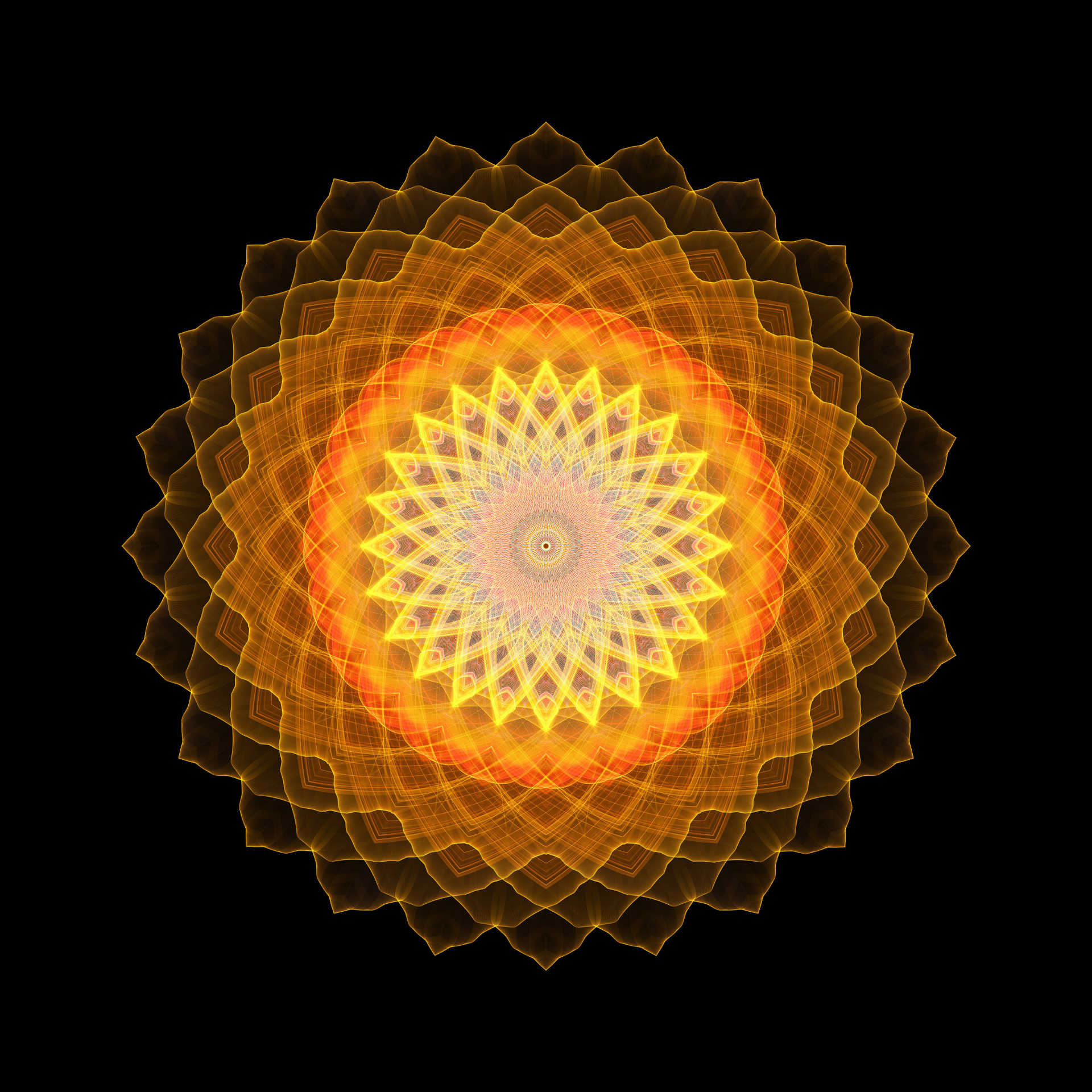
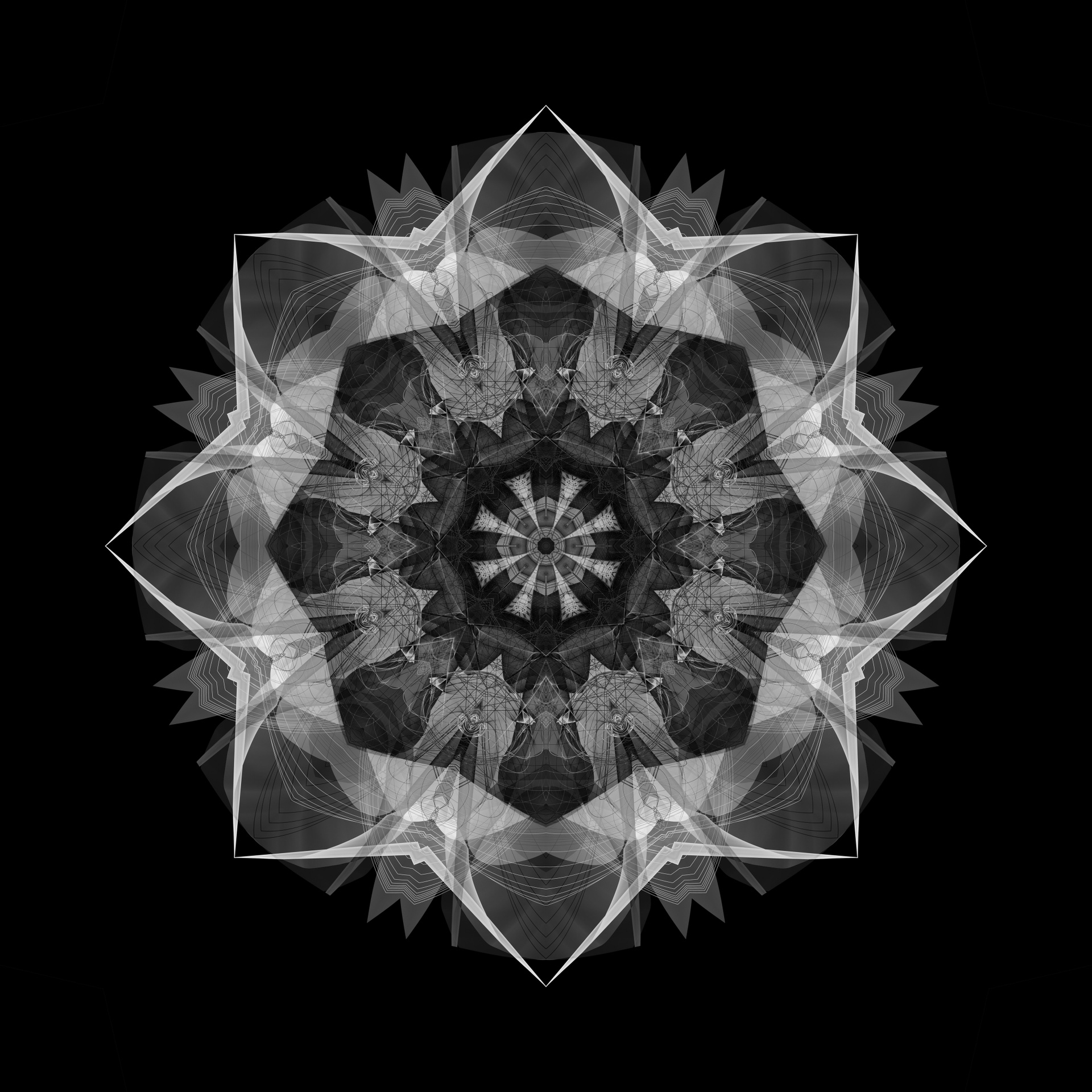



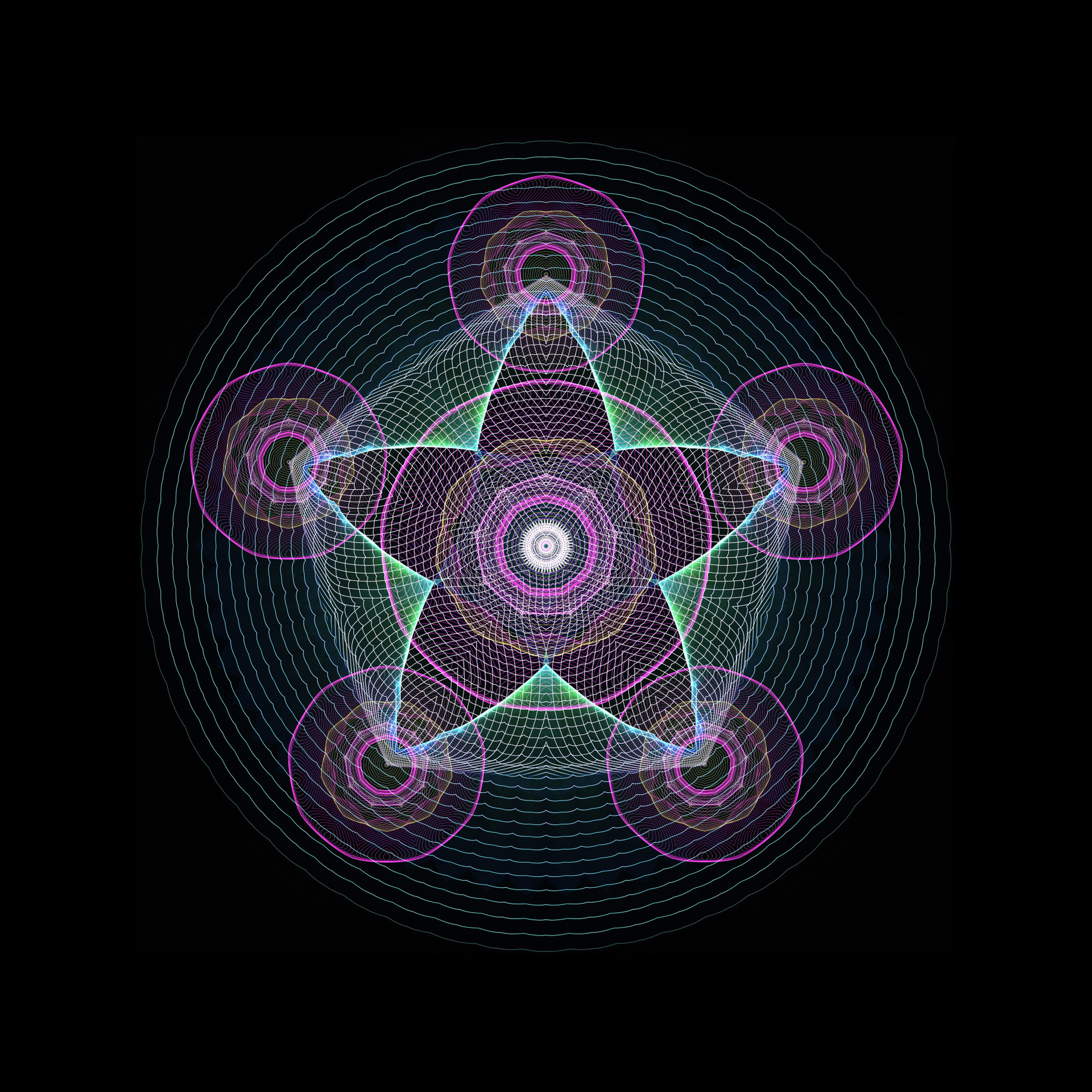

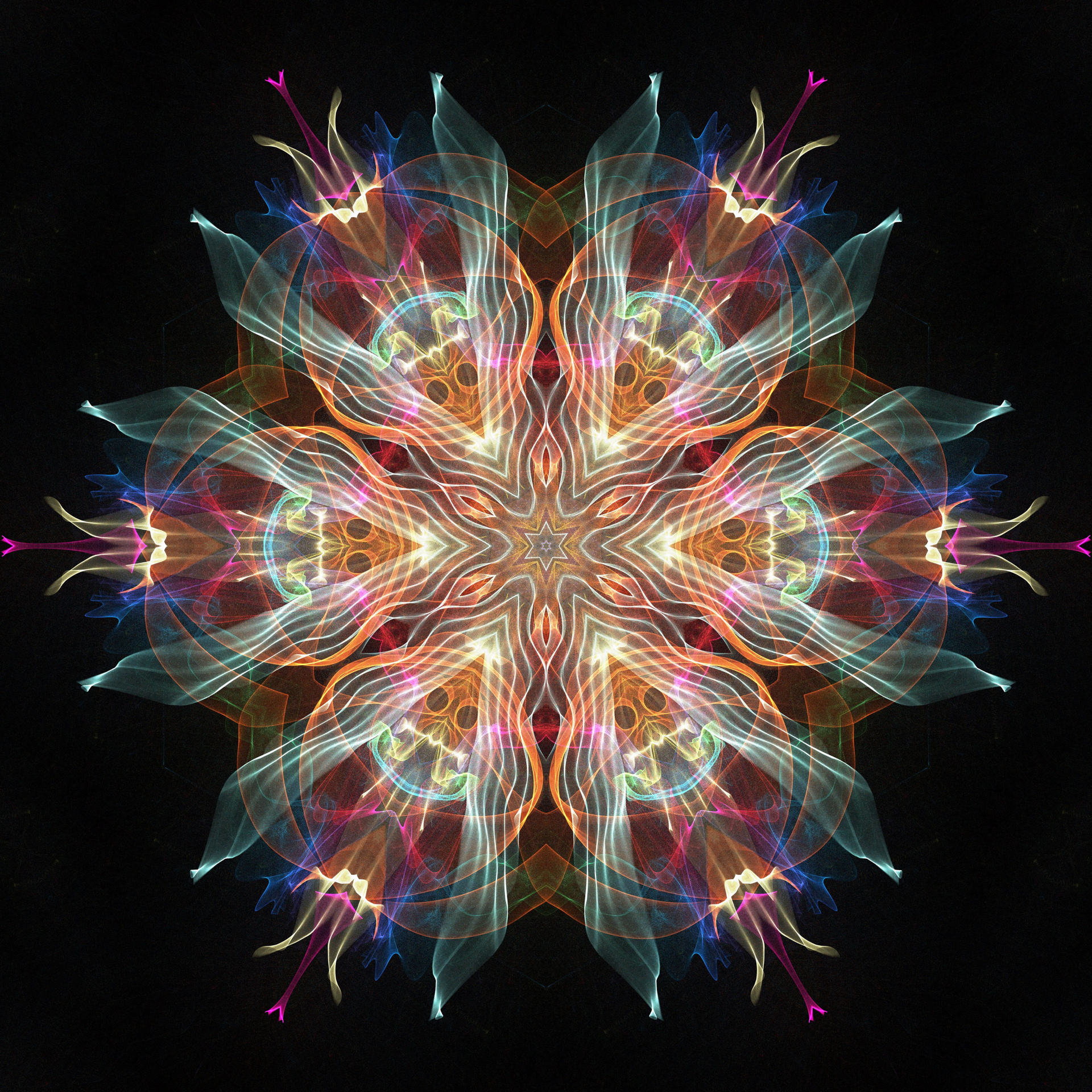

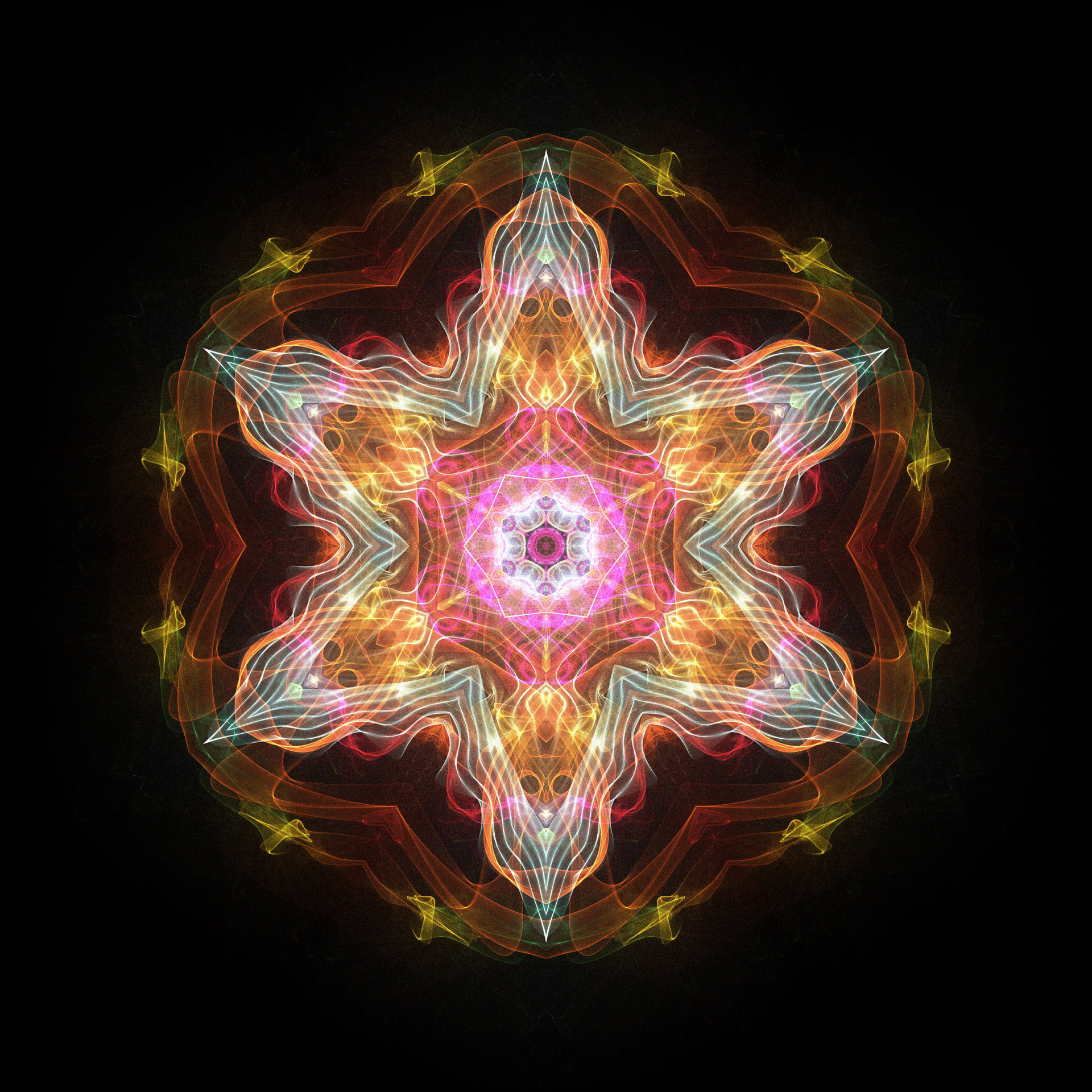
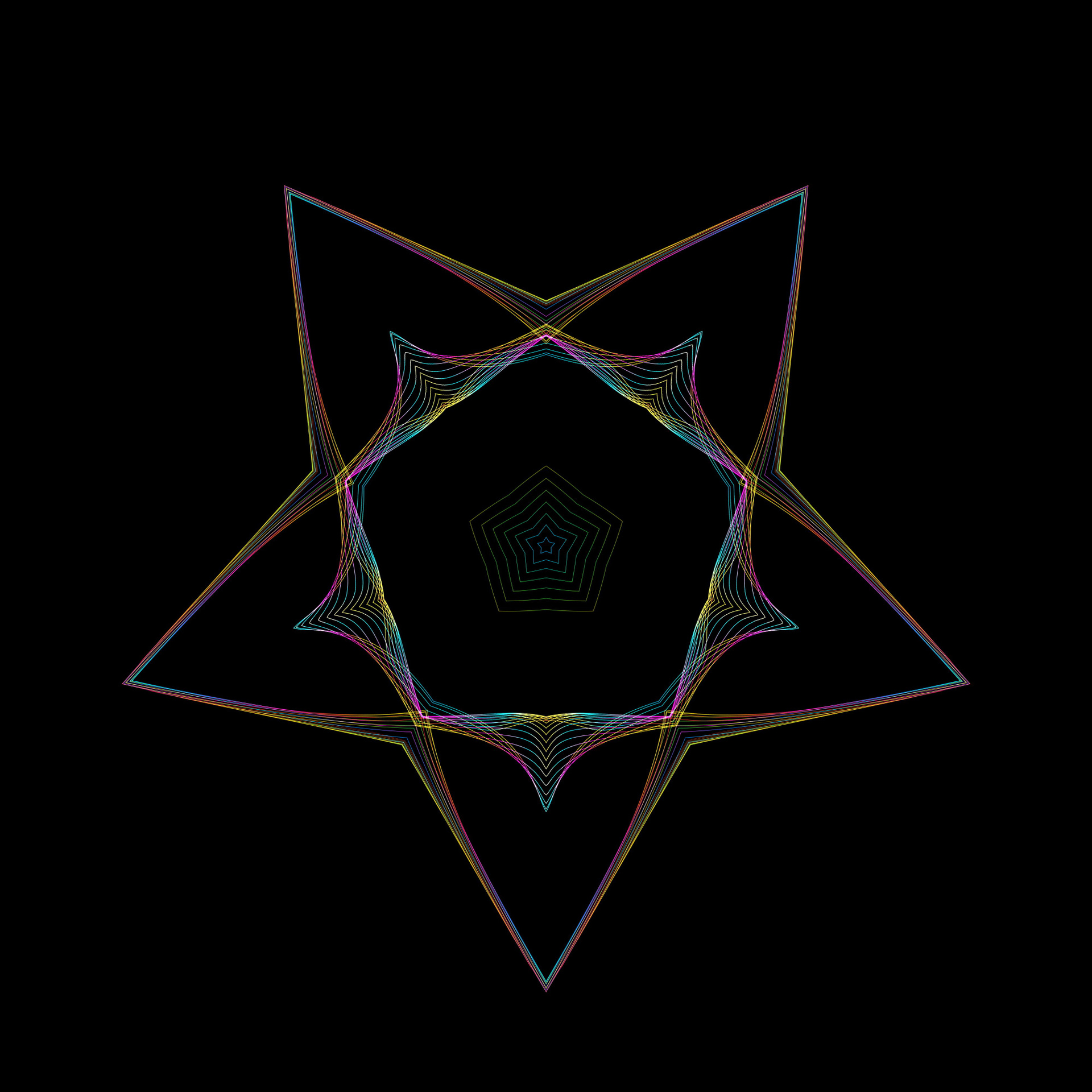
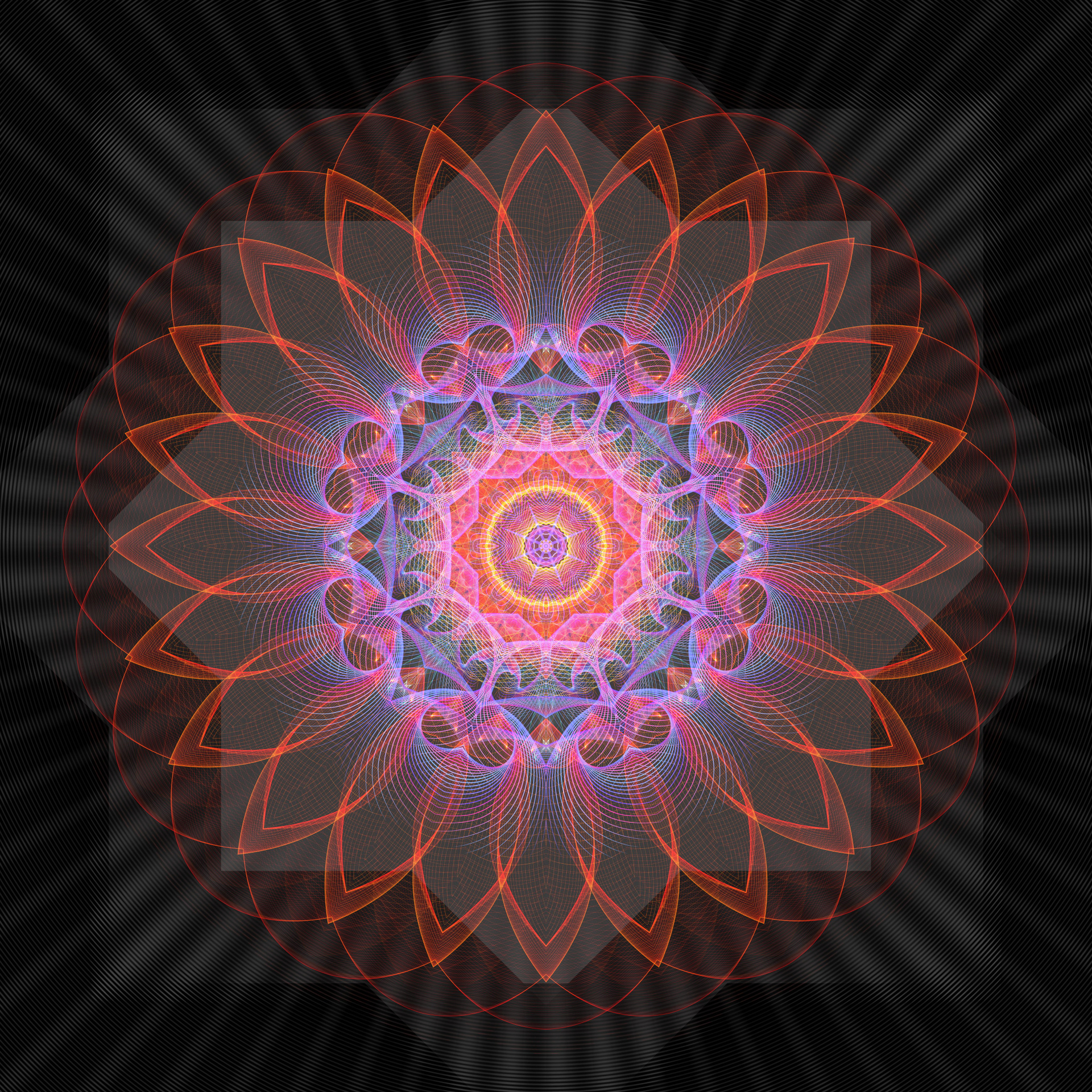

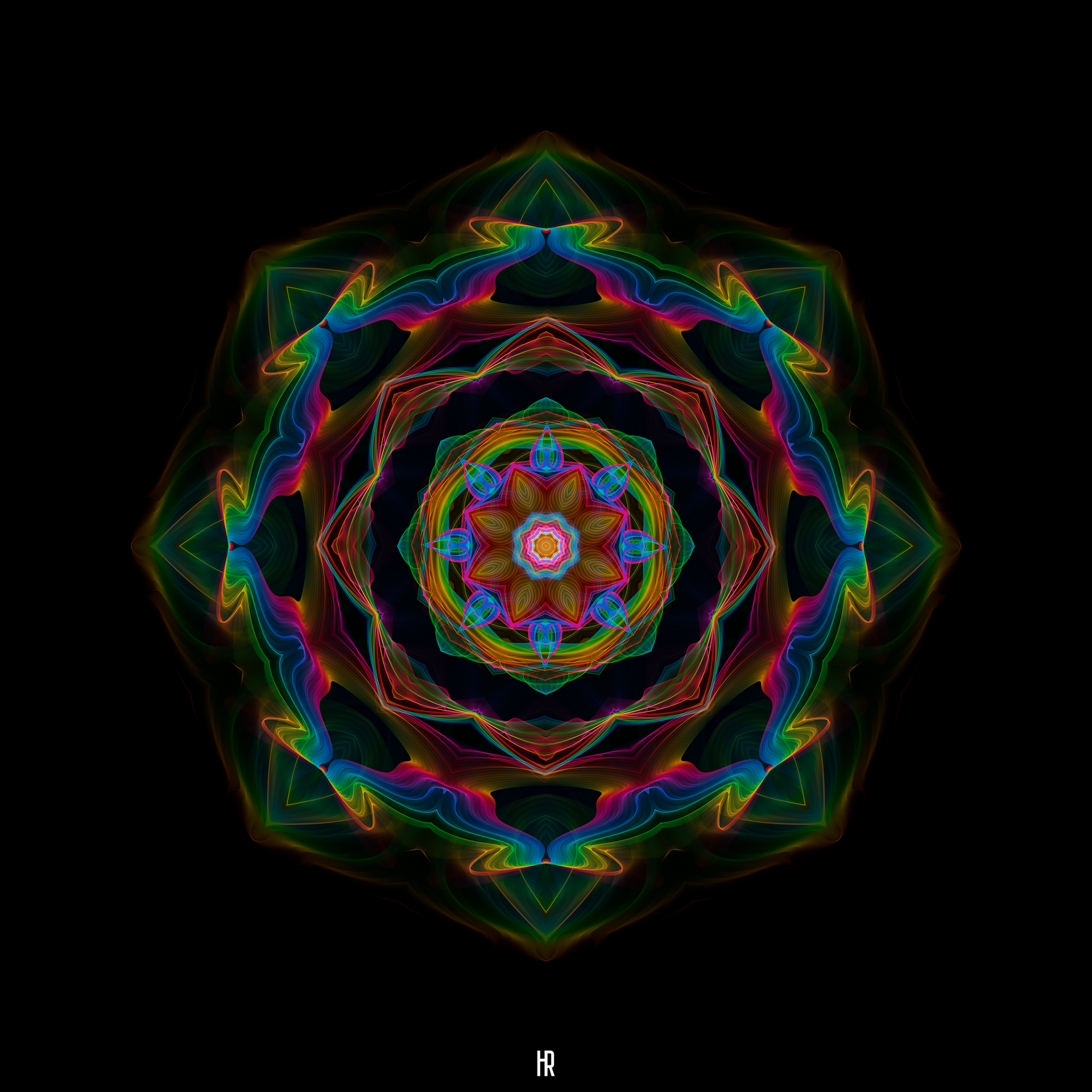
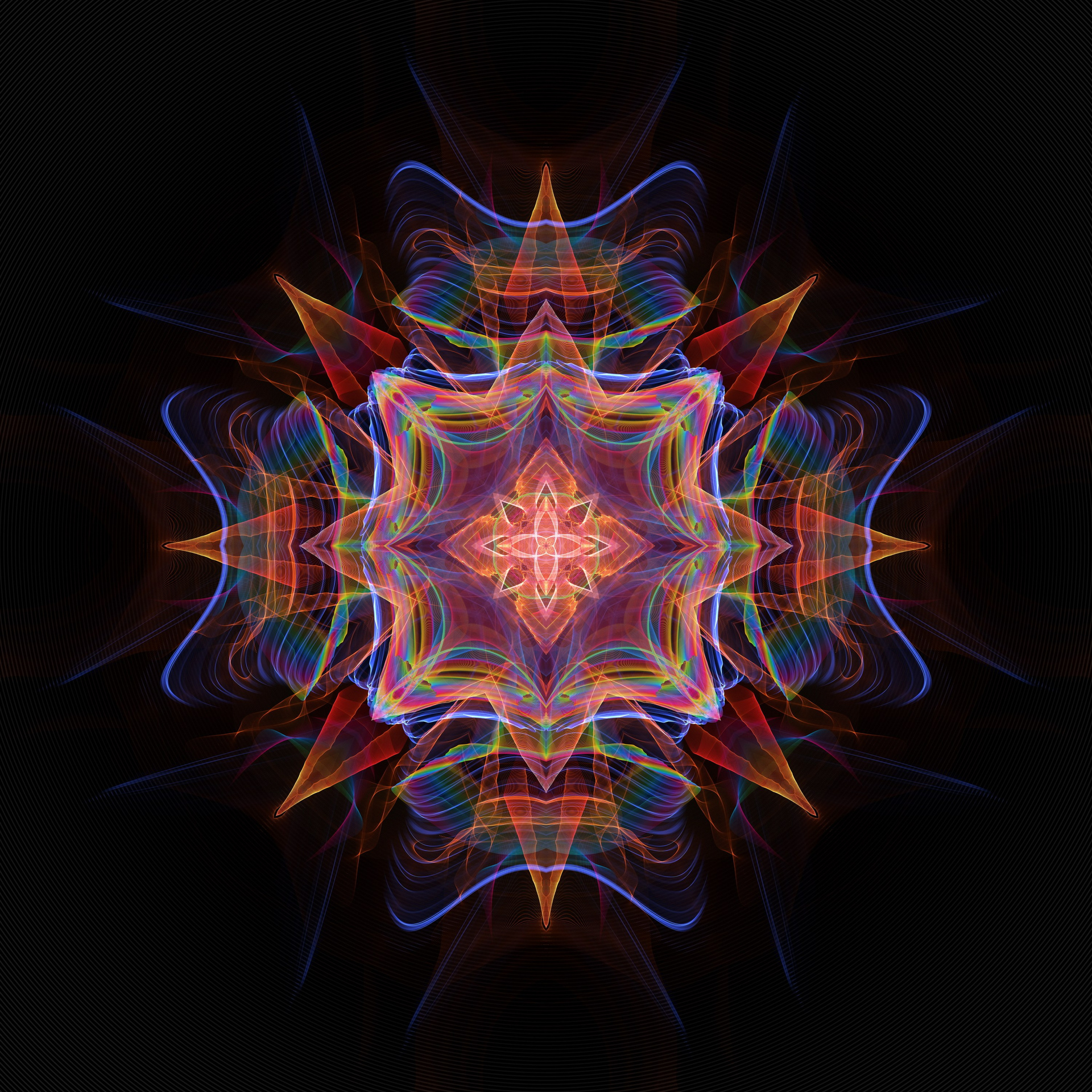
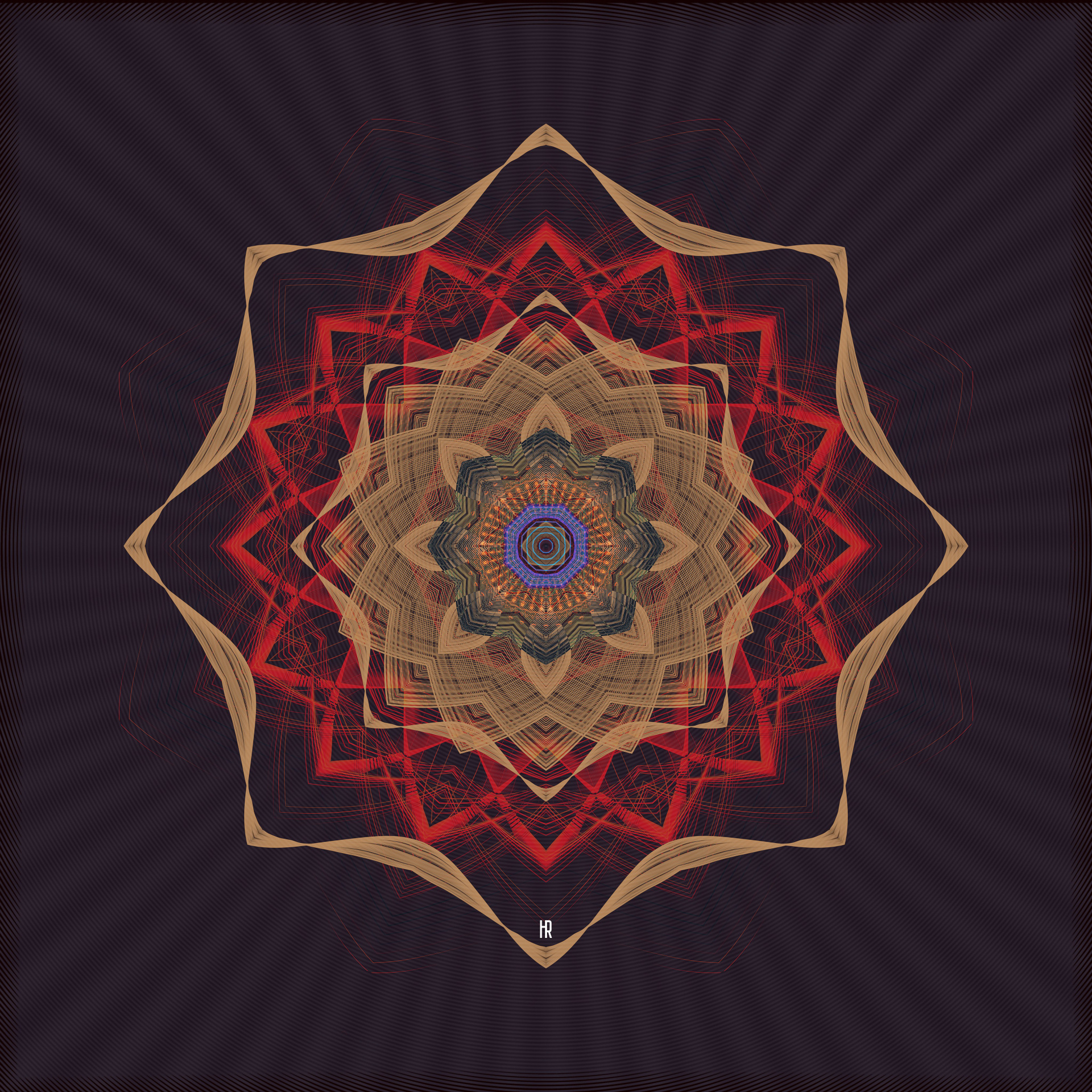
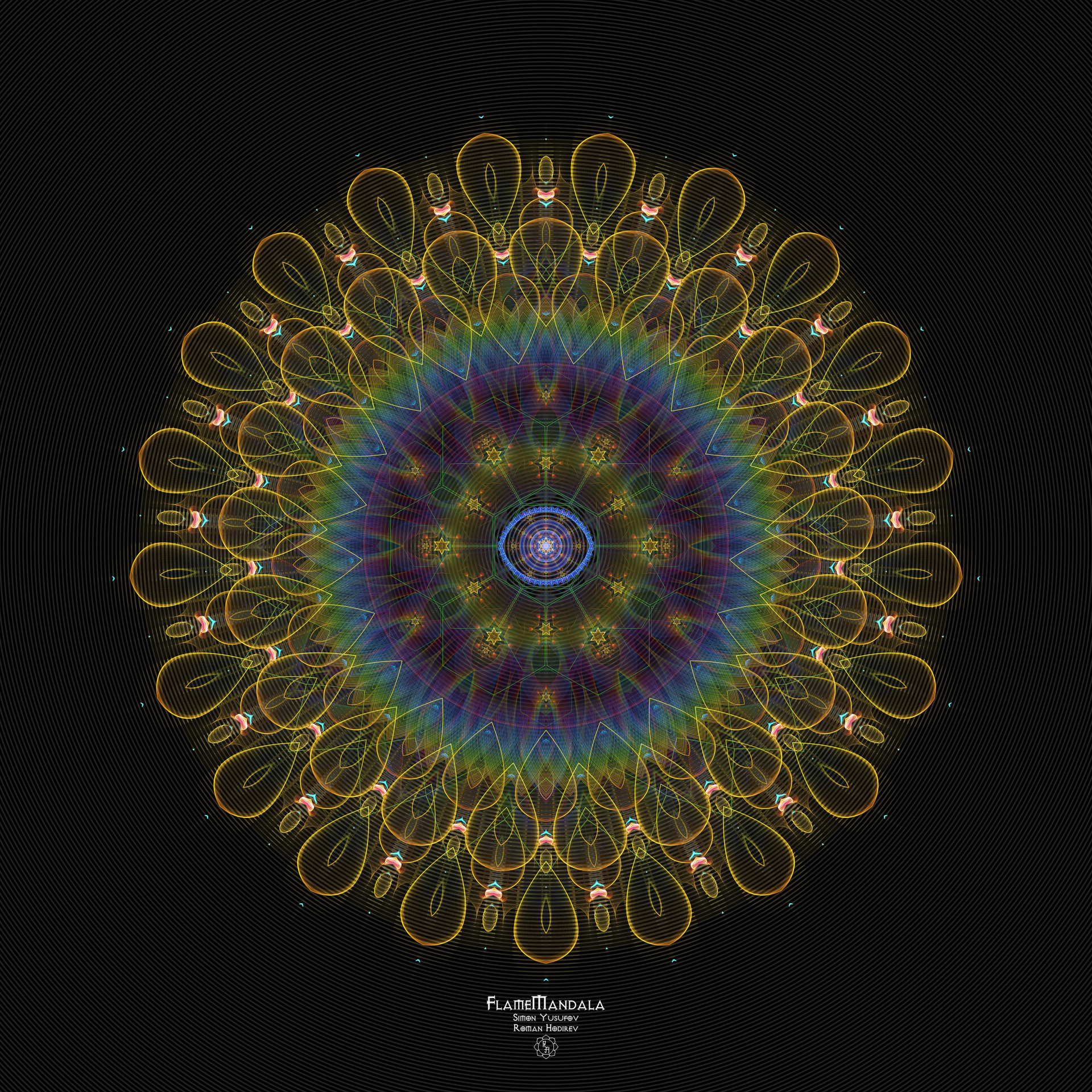
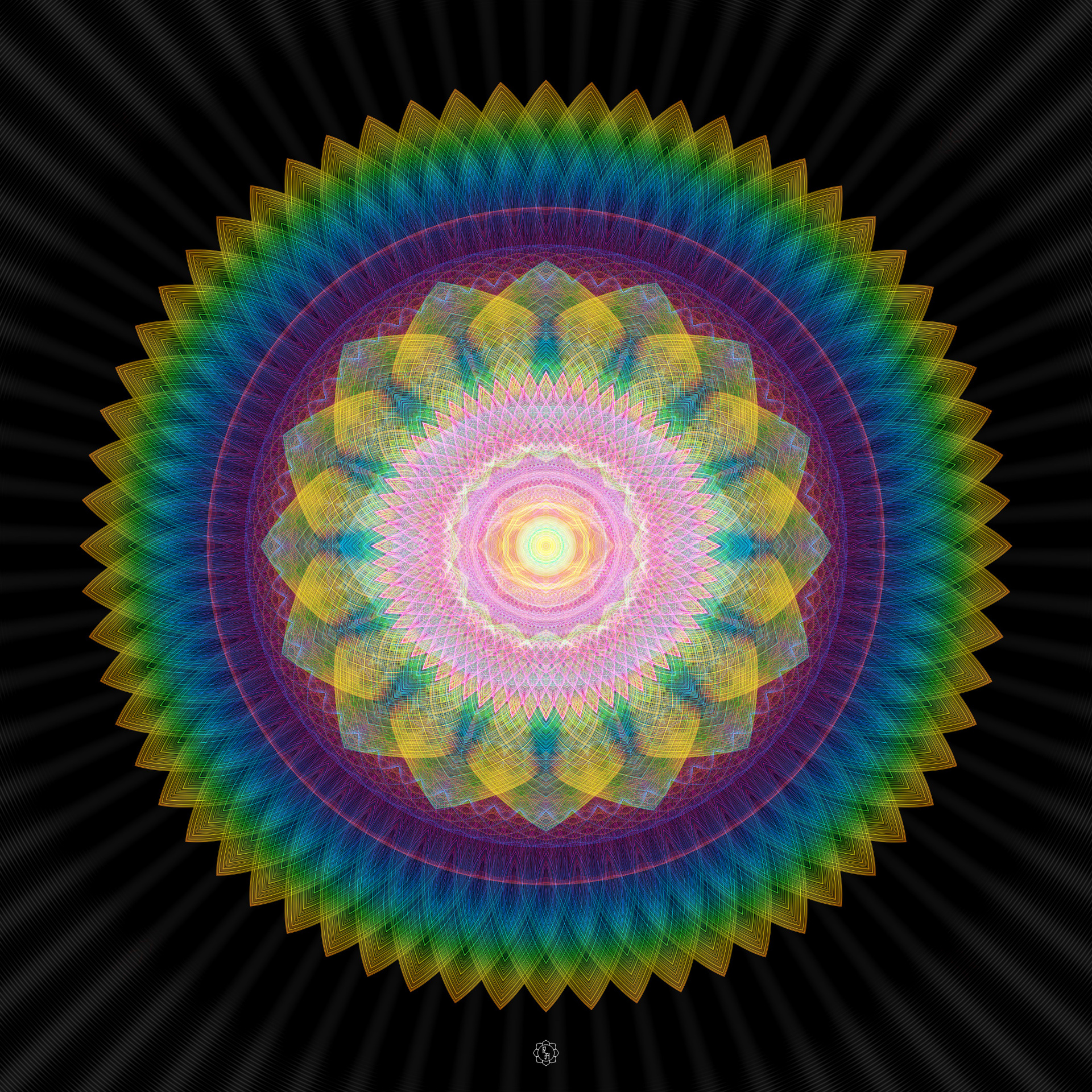
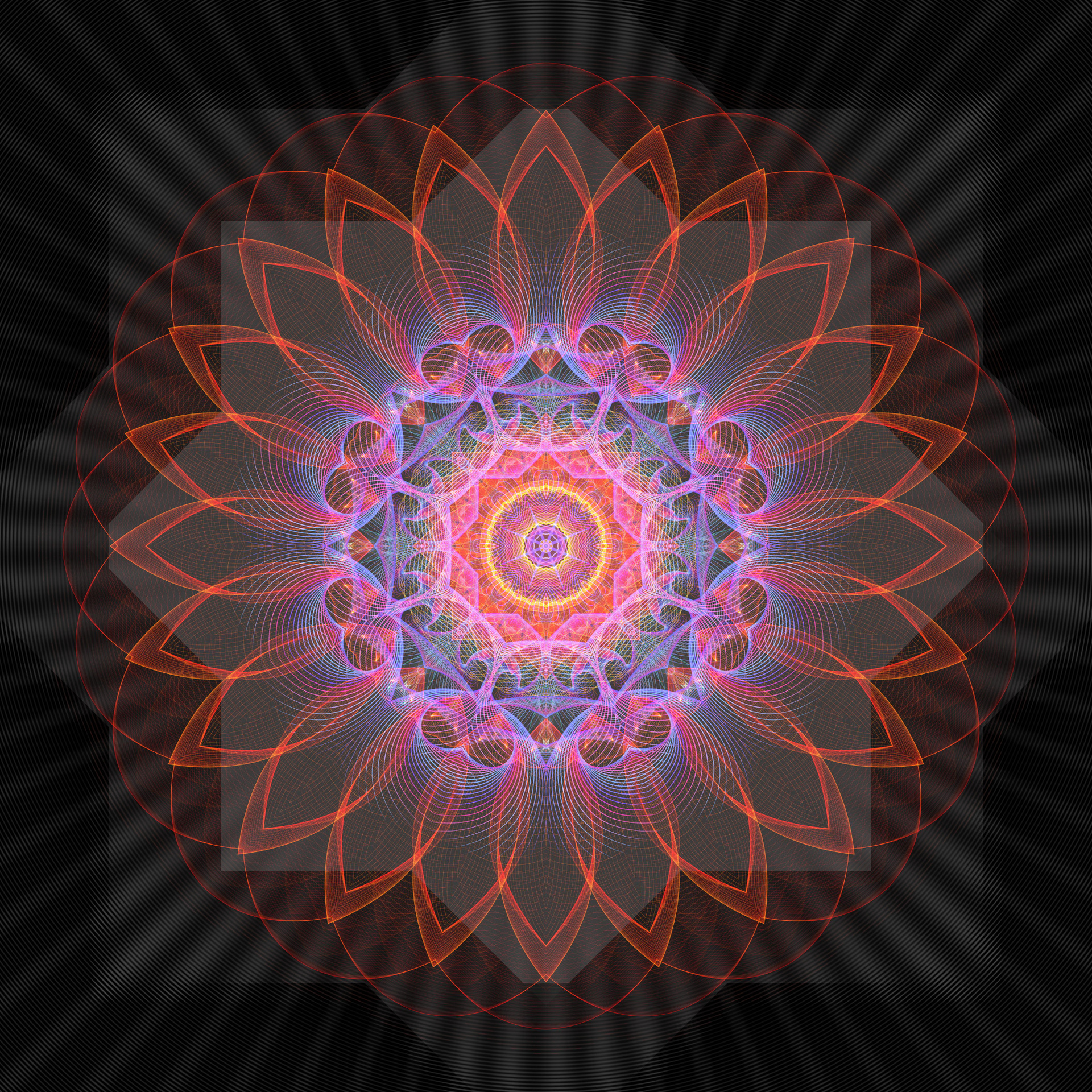
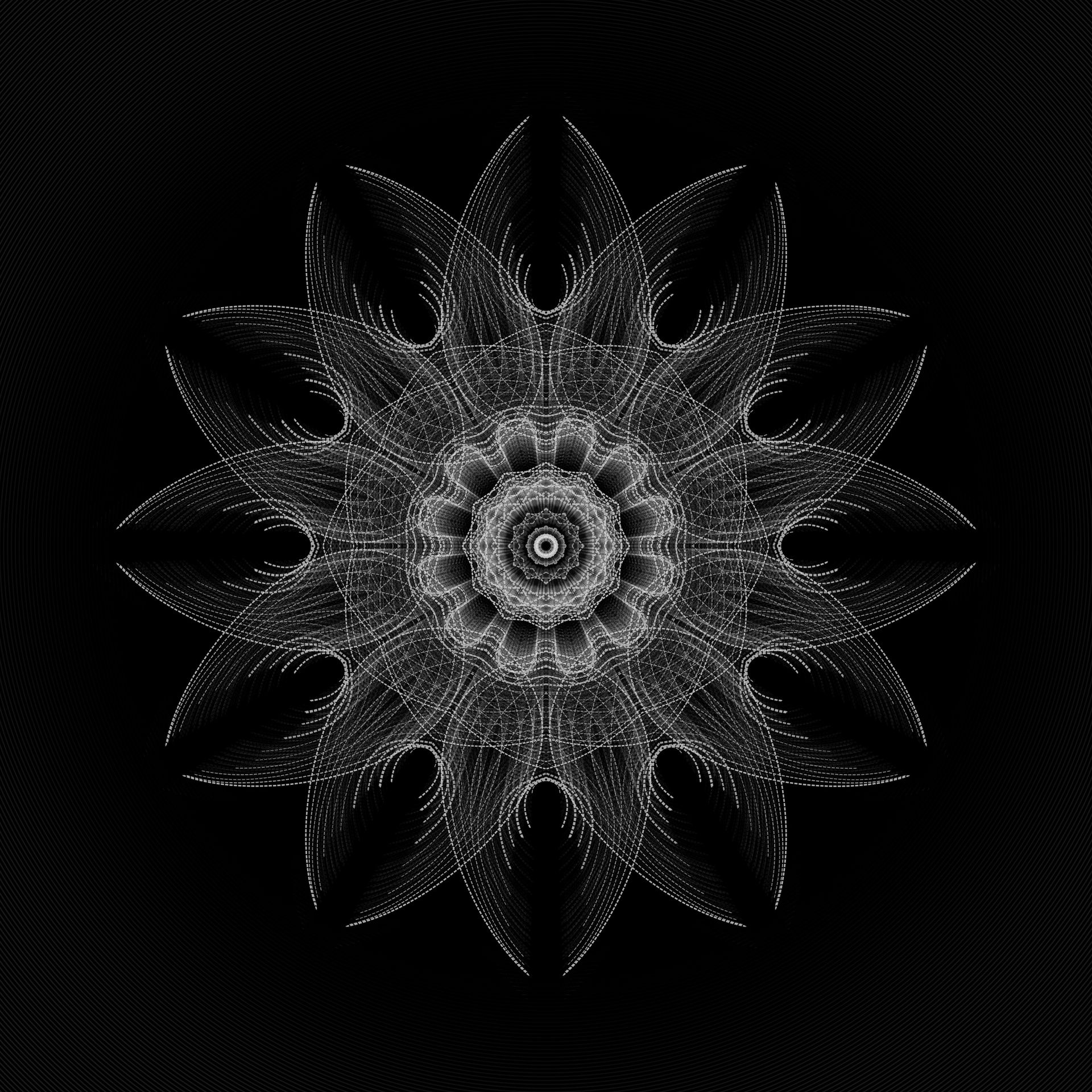
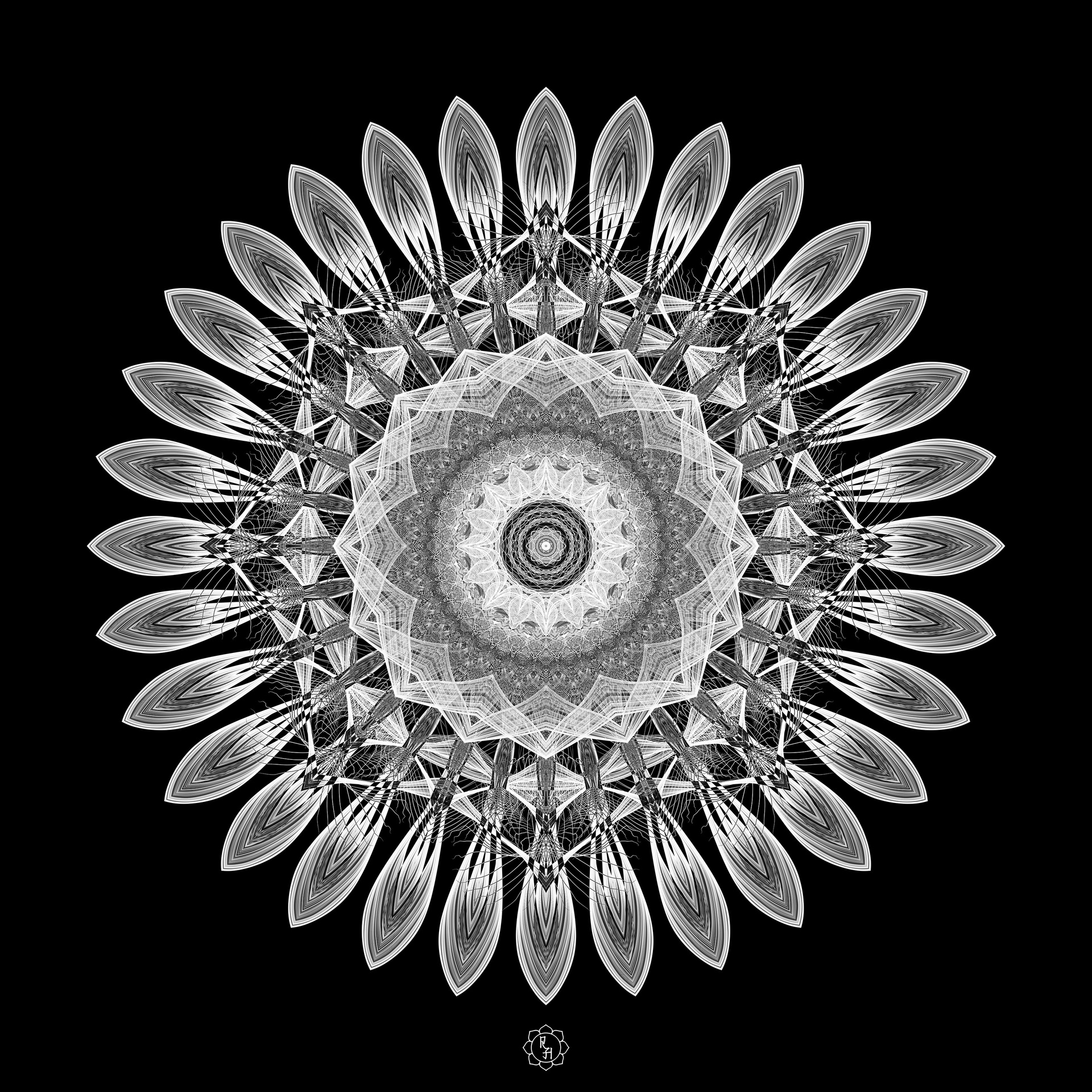
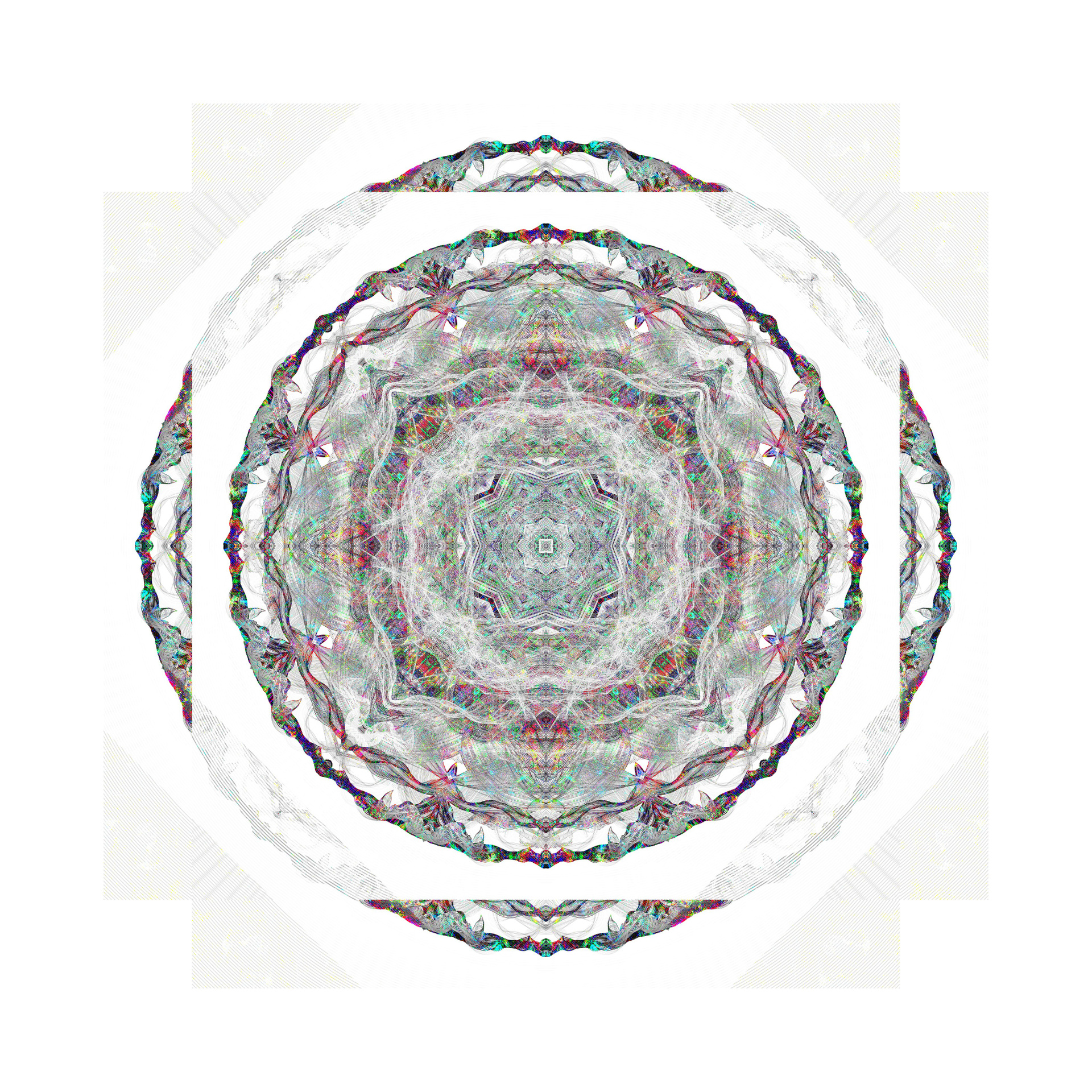
In distant Tibet there was a secret sect of “Carpet Believers”, known for their ancient rituals and their ability to transform carpets into sacred objects. They believed that every carpet was a hidden mandala, a mediator between the earthly and stellar worlds. Through these mandalas, the Carpet Believers contacted extraterrestrial civilisations, filling the world with the wisdom of distant stars.
In the 1930s, when the persecution of mystical and esoteric teachings began in the USSR under Stalin, the Carpet Believers found themselves under threat. Their sacred mandalas could be destroyed as relics of the past and “undesirable” beliefs. They devised an ingenious plan: to incorporate their sacred symbols into the patterns of Soviet carpets mass-produced in textile factories.
Disguised as ordinary ornaments, they concealed mandalas and ancient signs. Thanks to this ruse, their teaching survived, and the carpets became spiritual artefacts spreading cosmic wisdom throughout the USSR.
The Carpet Believers’ carpets filled the post-war USSR with elusive messages of ancient wisdom, conveyed through geometric patterns and symbols. Outwardly, these were ordinary carpets, but anyone who looked closely could find secret messages from other worlds.
You too?