
Drifts
Guy Debord’s theory of the dérive is a way of exploring the urban environment in which movement follows inner impulses and aesthetic inclinations rather than logical routes or goals. At its heart is the idea that urban spaces are full of hidden meanings and emotions that can only be revealed through unstructured, intuitive exploration, free from familiar constraints.
***
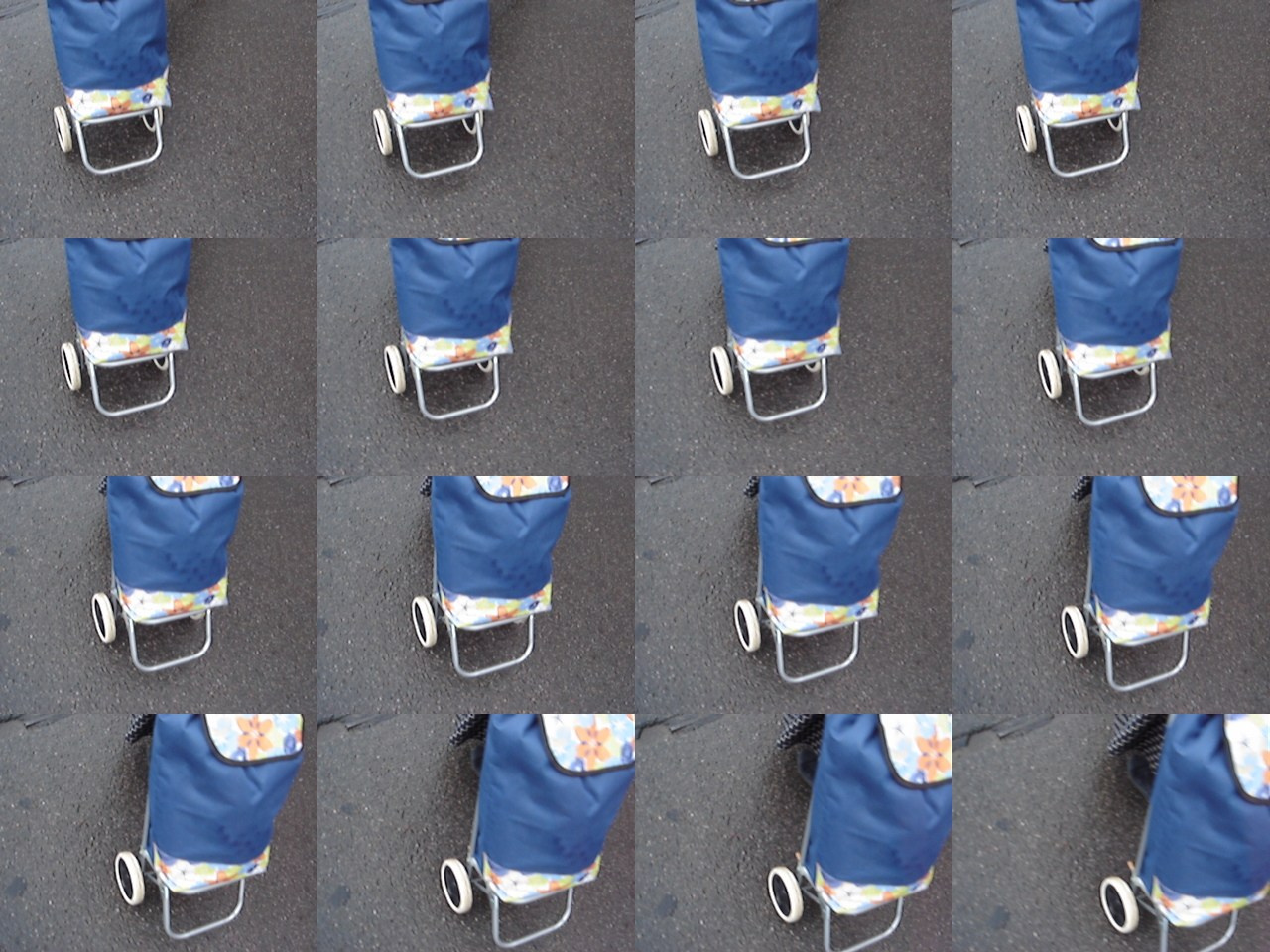
Drift No. 29 042 025
darkness → ripples → rhythm → colour → silence → symbol
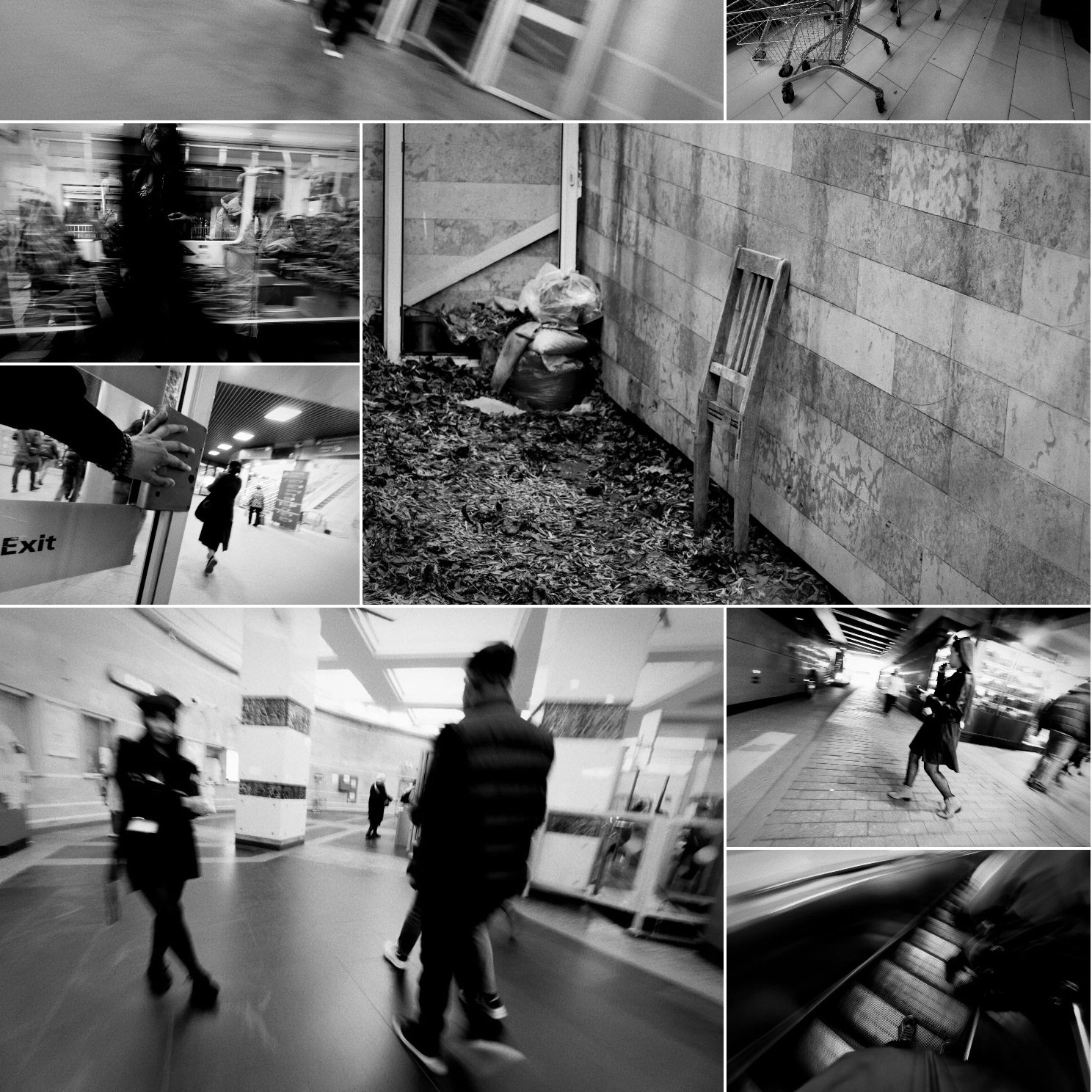
Drift No. 22 042 025
Today’s walk to get medicine became an eight-layered ritual of meaning leaking away. Movement without resistance. Wandering by inertia. Pharmacology as psychogeography.
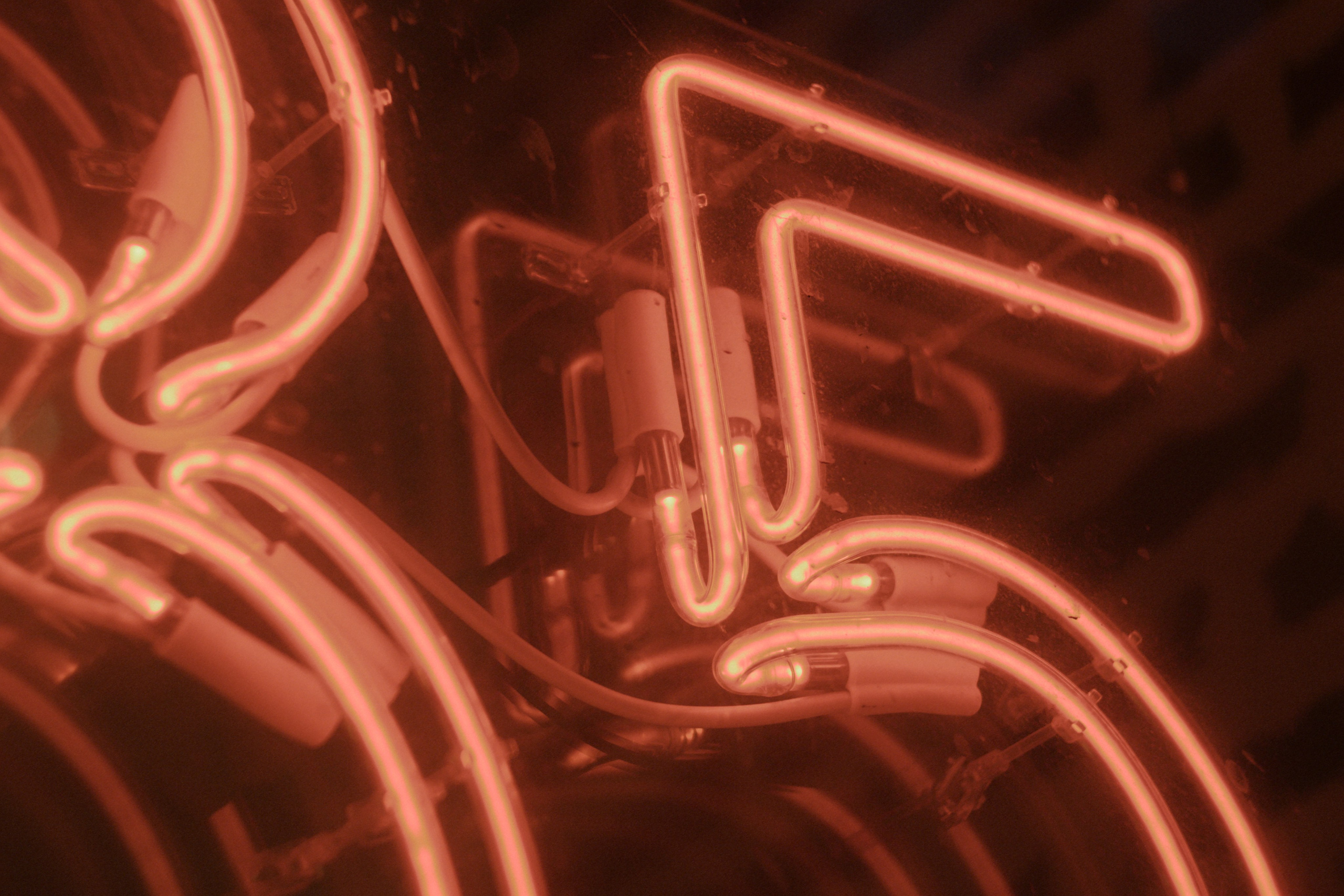
Drift No. 27012025
This is a visual narrative about dehumanisation, about the loss of authentic experience in a world of signs and commodities—or perhaps simply about the colour of this evening and cherry pie… Carcasses in the shop window evoke the sacrifice demanded by consumption; mannequins, the standardisation of the human being. The scales weigh not only meat, but the worth of an individual. And at the end, an empty table beside the warm neon glow. Who remains, apart from reflections?

Drift in the MEZHDU (“BETWEEN”) Space No. 12102024
An exploration of hidden, unobvious worlds nestled between streets, courtyards and parks. This situational practice takes participants on a journey through unnoticed, sacred locations concealed between streets and buildings.
The ELECTRO ⚡️ Drift, dedicated to finding and analysing “Sources of Visual Pleasure” in Block No. 4, brought together six participants and a meta-curator to explore the urban environment. The event’s central symbol was Hexagram 29, “Xi Kan”, associated with repeated danger—a key motif for reflection and visual investigation.