New series
SOURCES OF VISUAL PLEASURE IN INTERMEDIATE STATES
Sources of Visual Pleasure in Intermediate States is an artistic research project by Roman Hodirev and the Astigmatism Research Institute, devoted to recording liminal spaces: territories of transition, uncertainty and inner drift.
The series began with a search for borderland spaces, places where nature meets infrastructure and a familiar landscape suddenly feels foreign. Gradually, however, it became clear that the artist’s gaze was itself in an intermediate state. His former sense of beauty had been exhausted; a new one had yet to be discovered.
Hodirev photographed everything that made him stop: a marsh beneath power lines, fields, pink thickets, an overturned fly, a sleeping scooter, discarded plywood and a reflection of grass. These images do not form a catalogue of beautiful places. They preserve the course of a search, from confidence in a familiar landscape to an awareness of what might previously have gone unnoticed.
By changing distance, viewpoint and optics, from a wide view of a space to the concentrated gaze of old lenses, the artist tests not only the camera’s capabilities but his own ability to see. A Source of Visual Pleasure can be found anywhere. The series is about the moment when you do not yet know what a new beauty looks like, but are already learning to recognise it.
Works in the series:
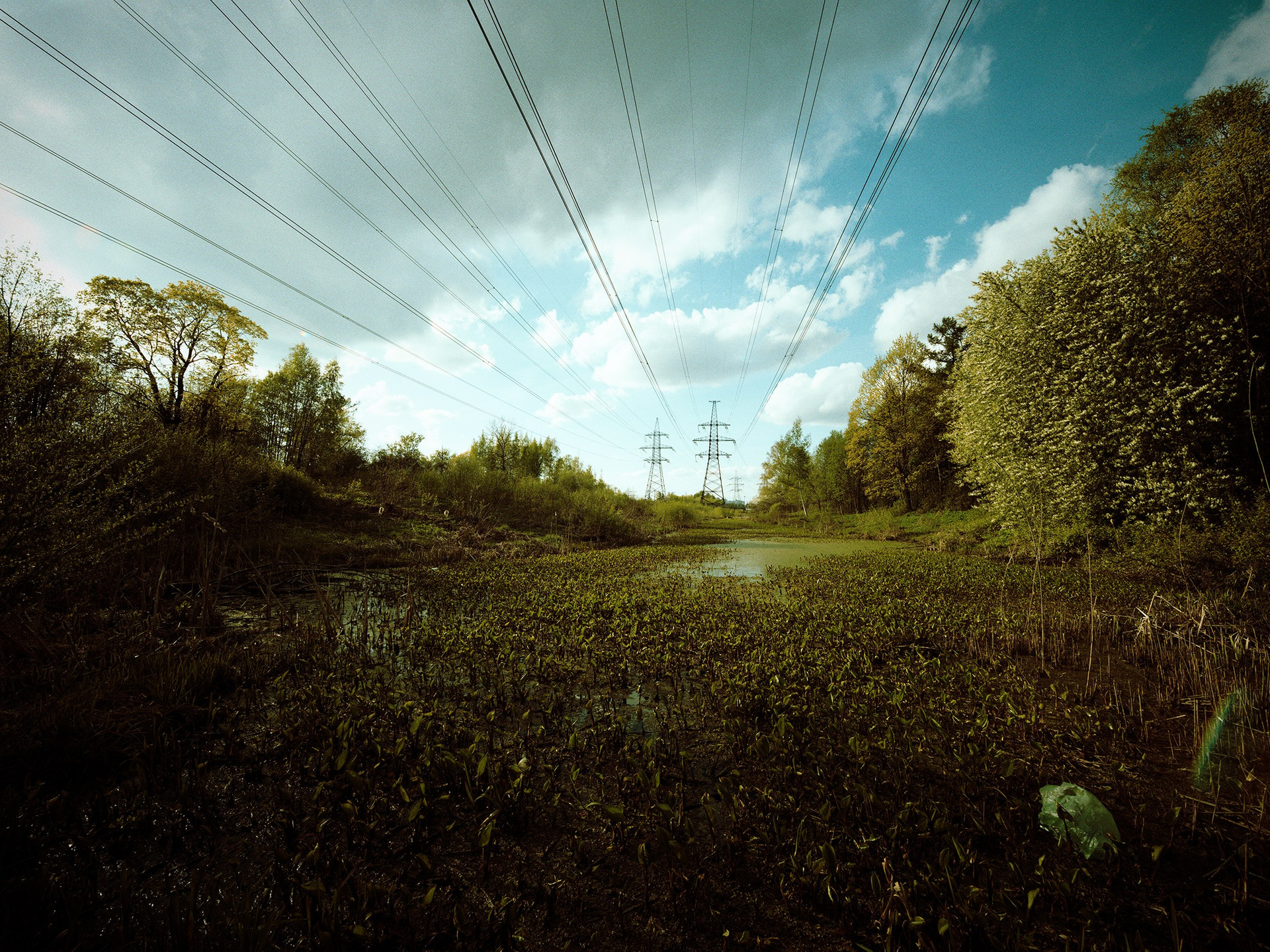
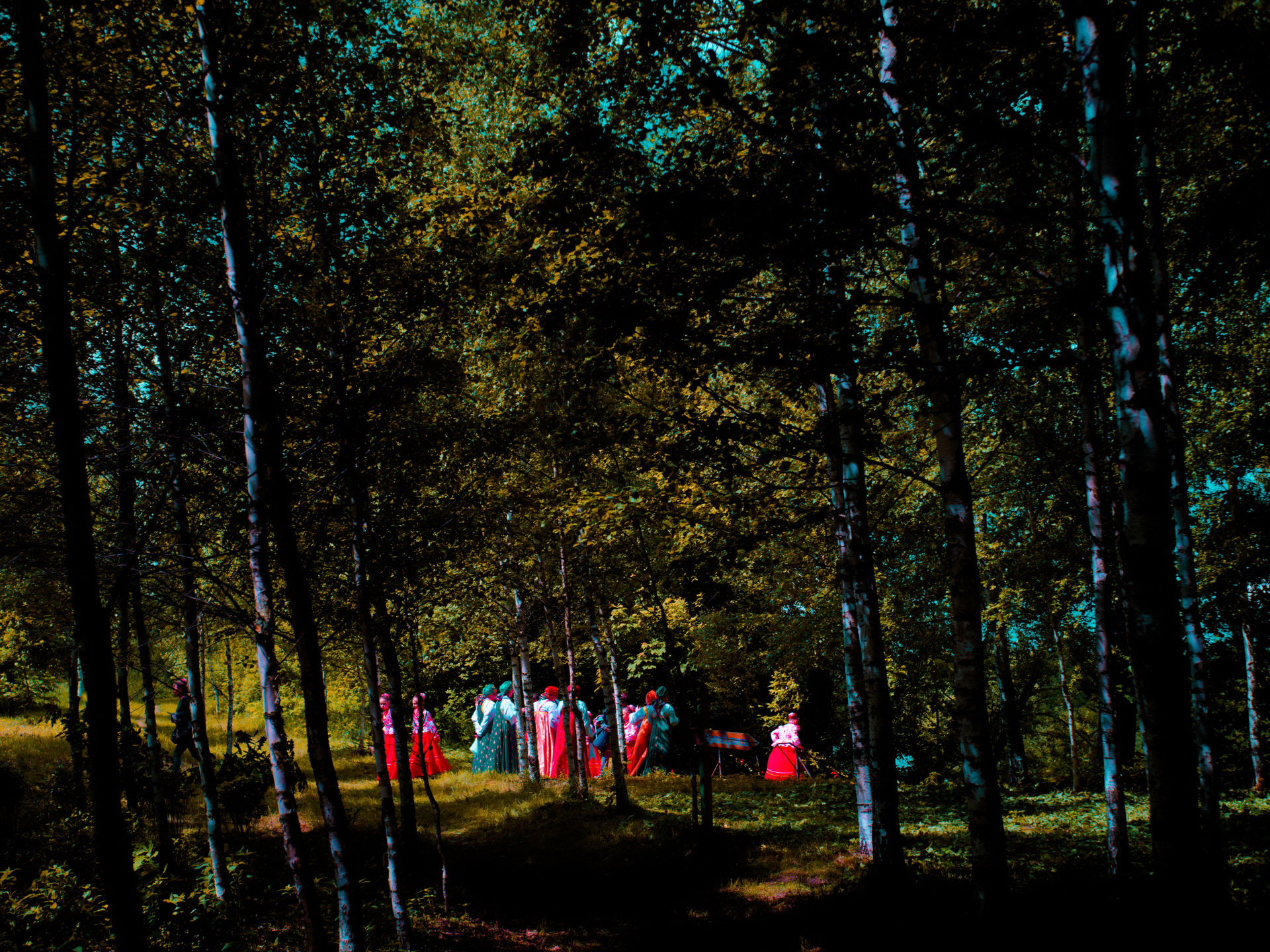
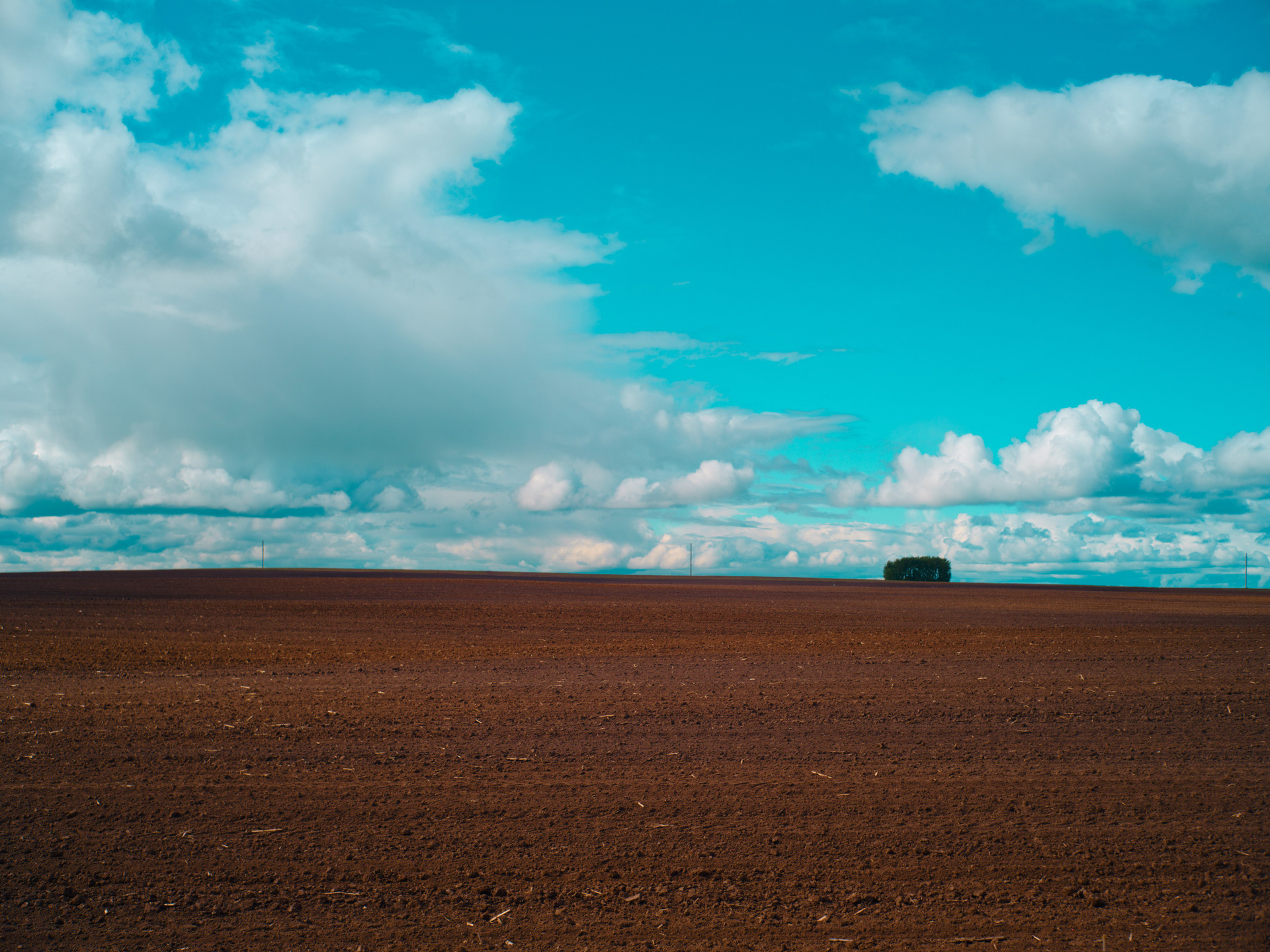
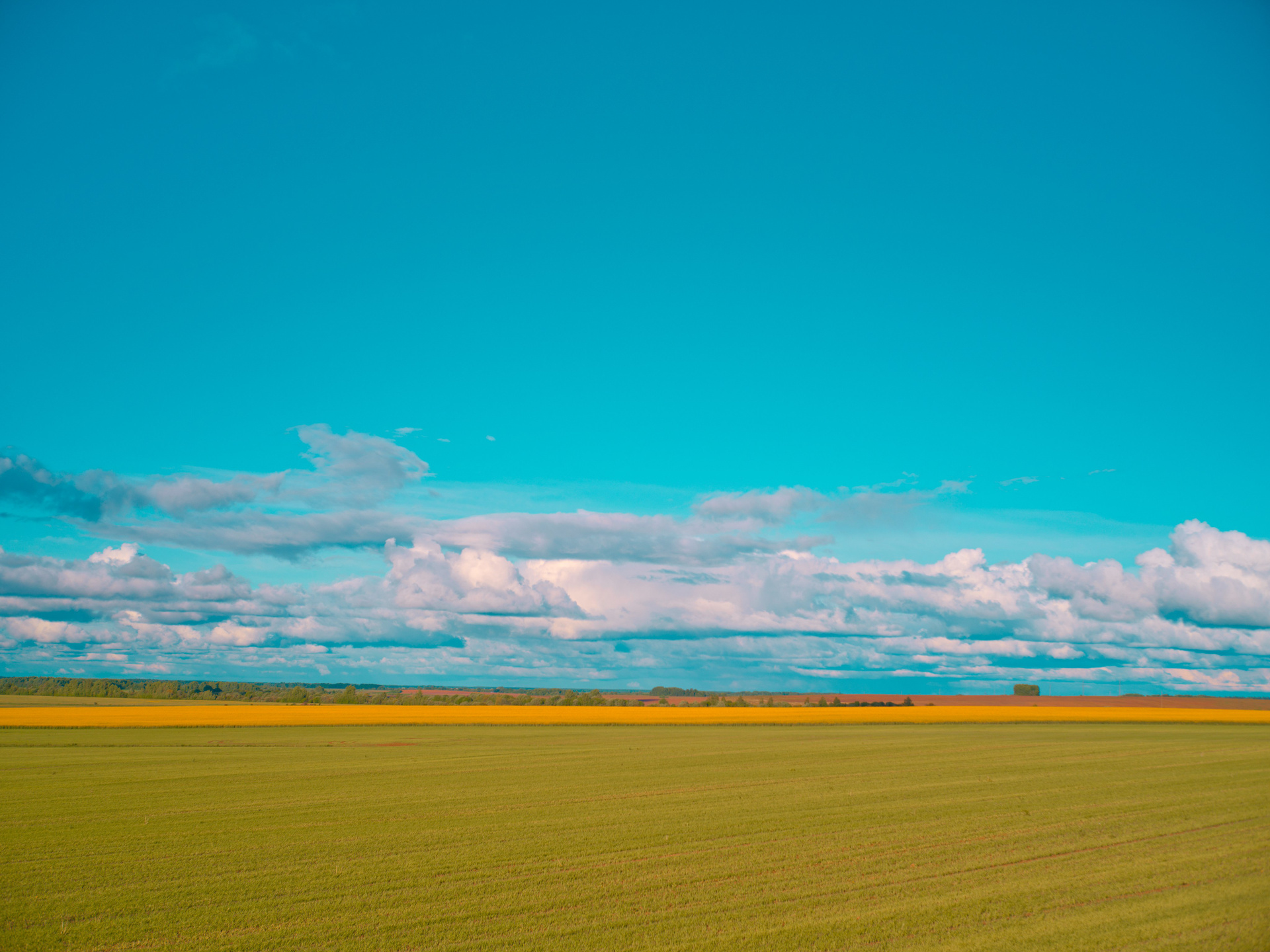
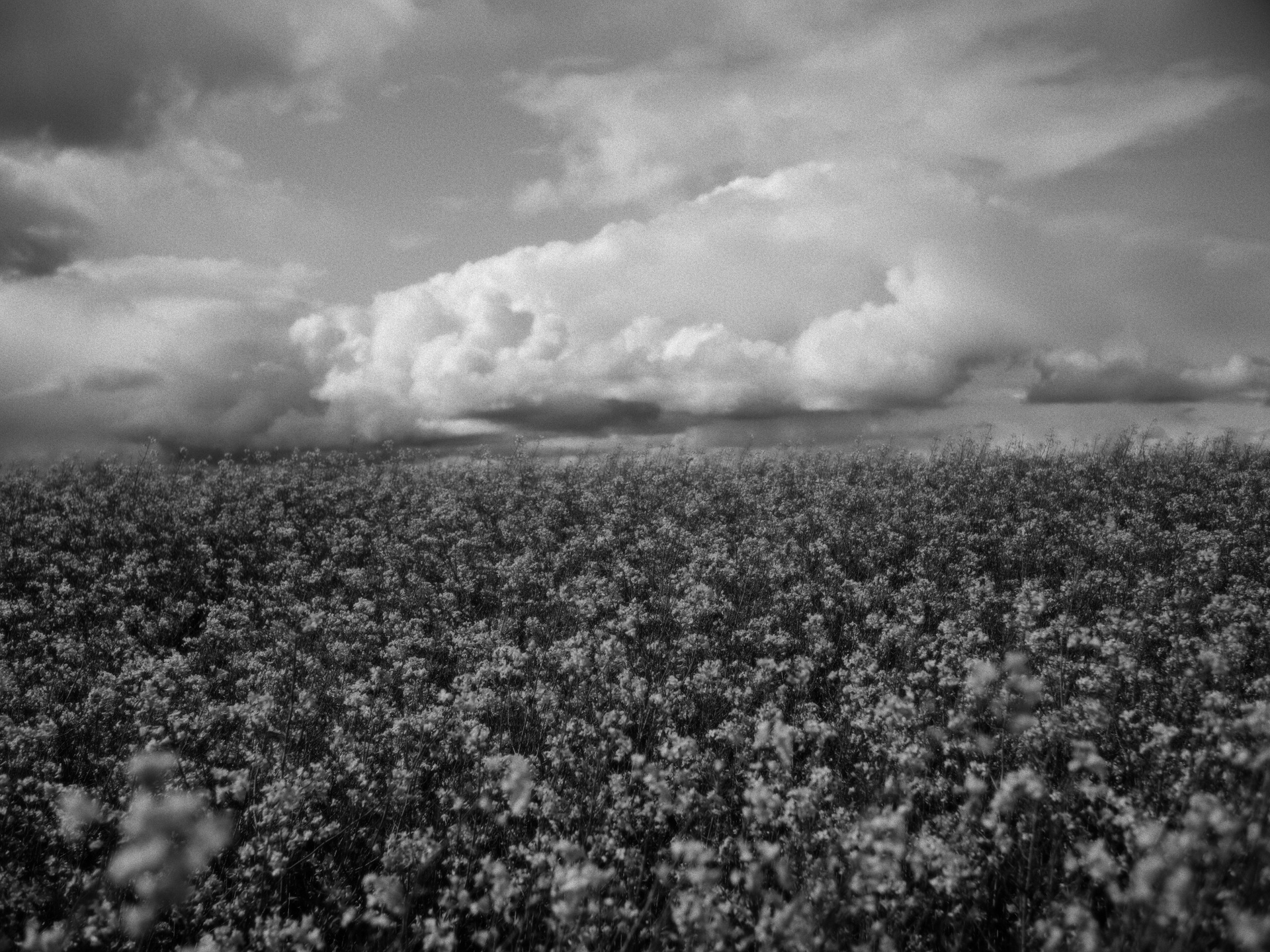
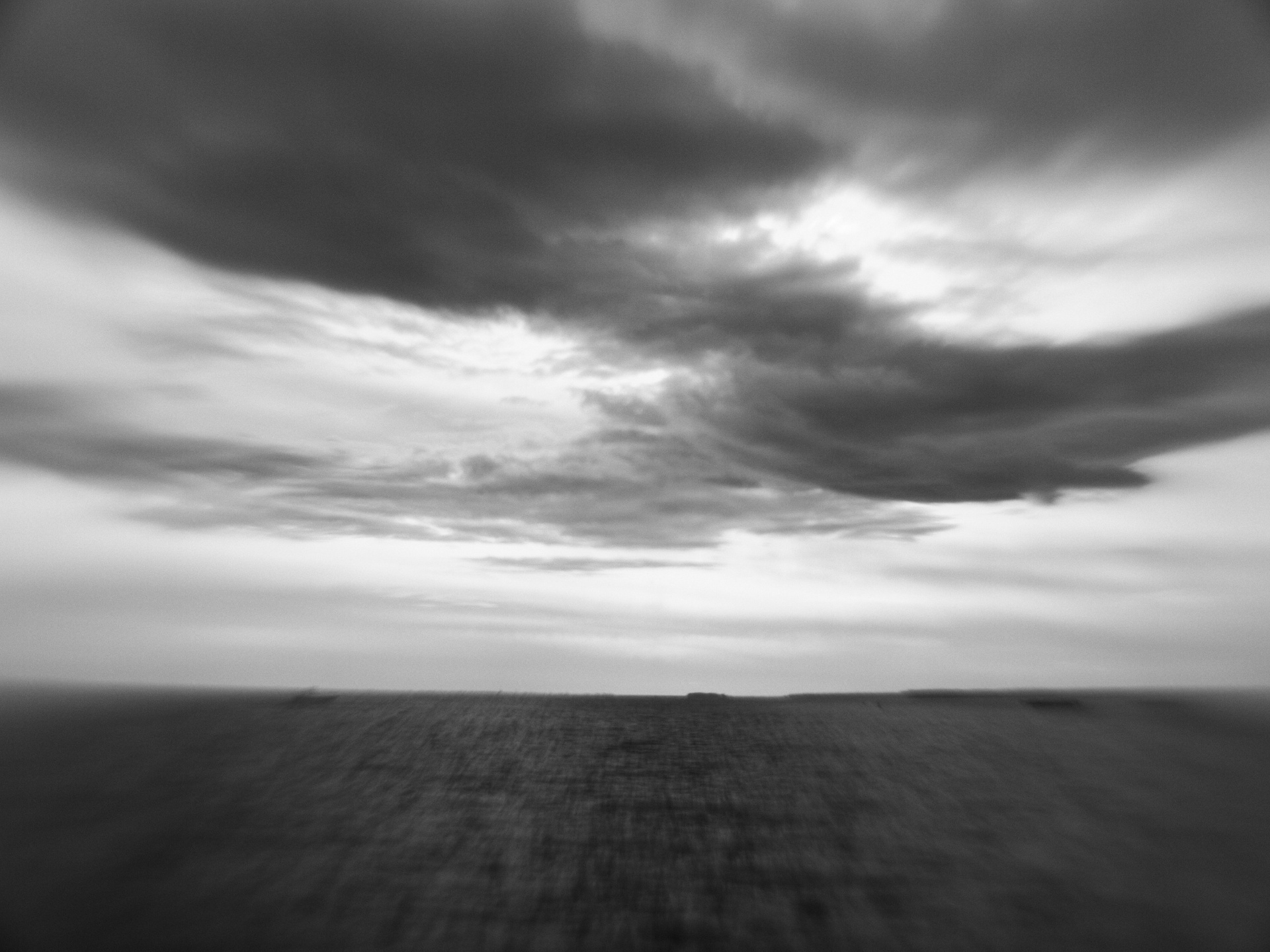
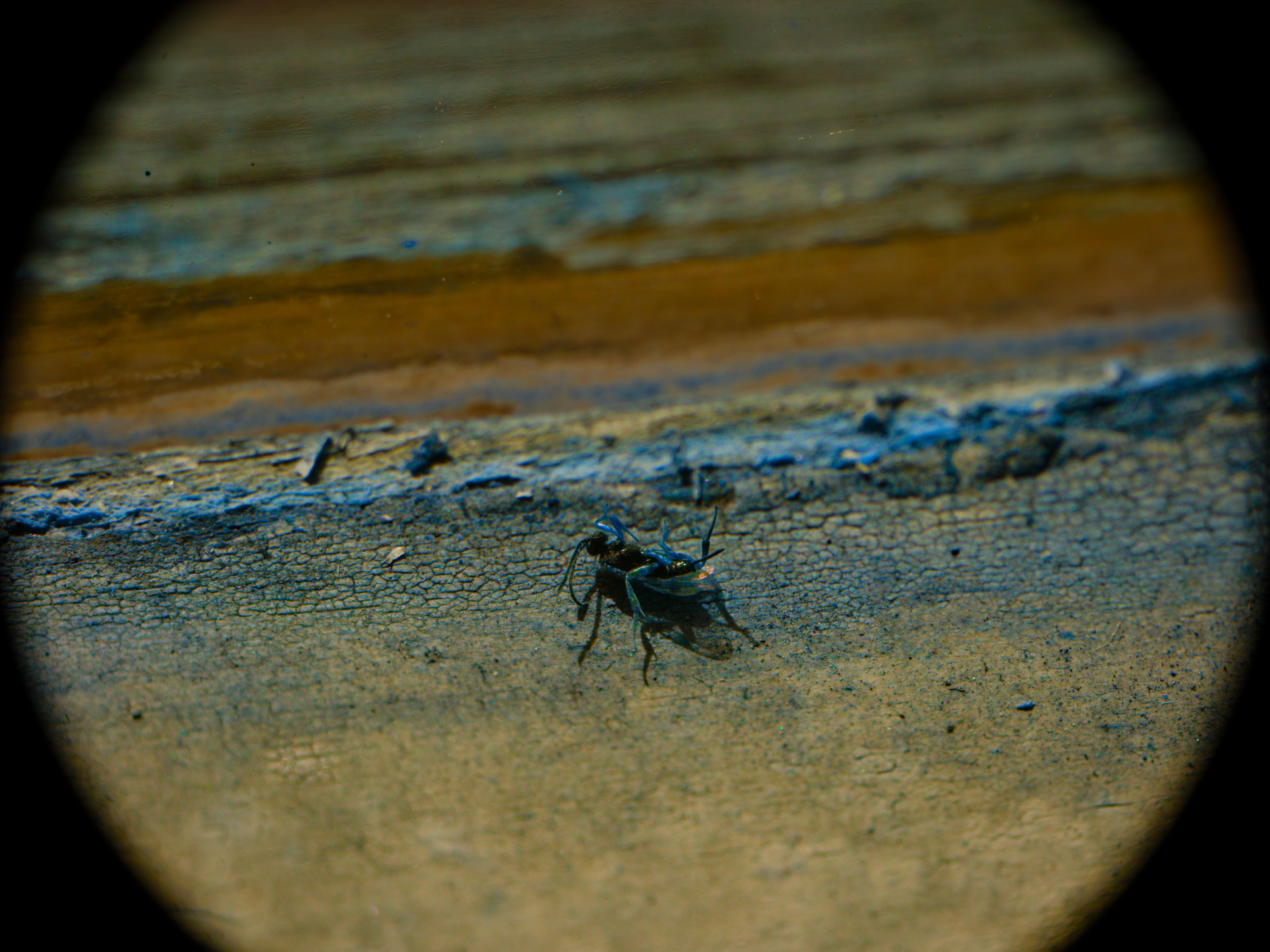
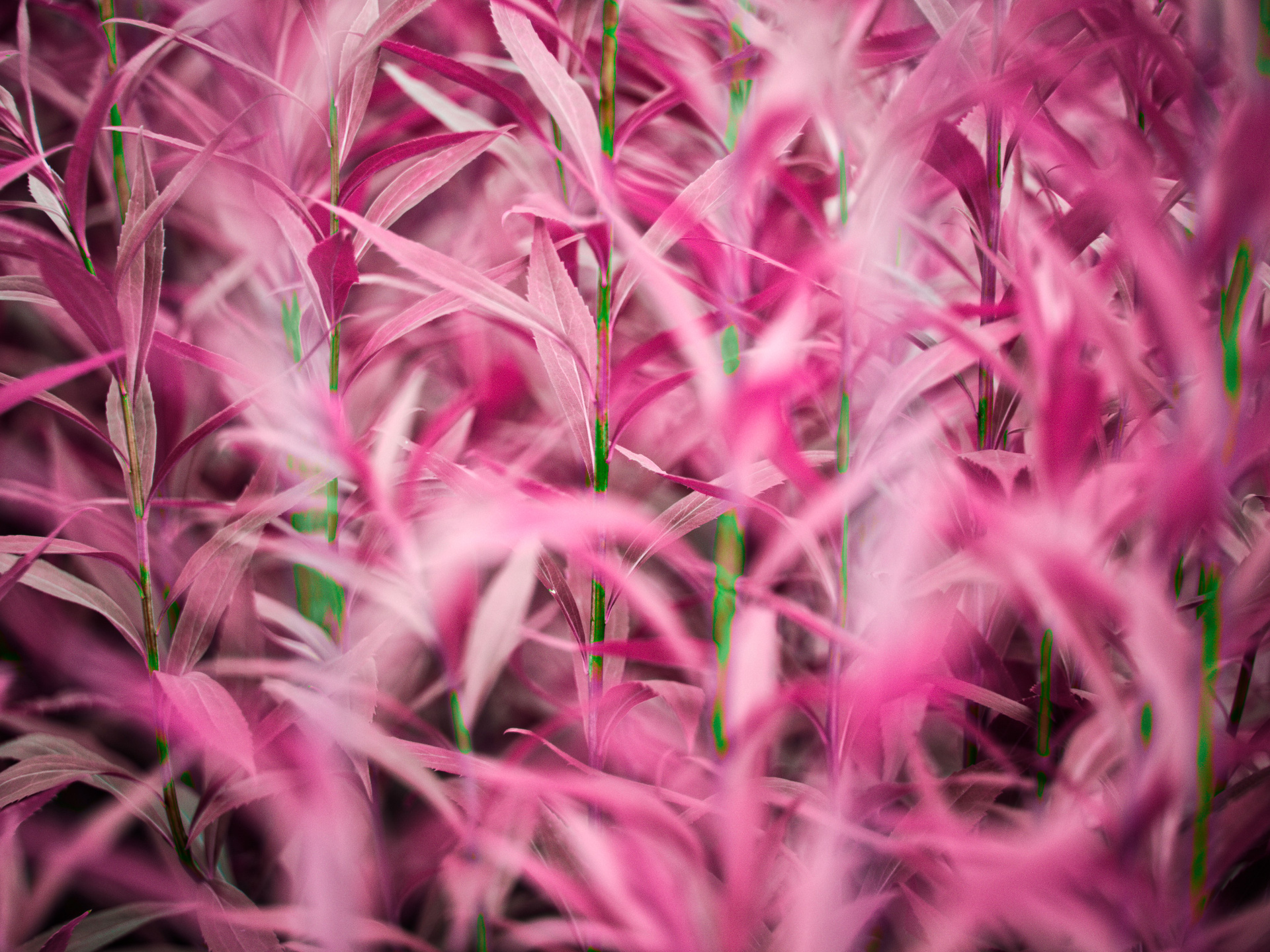
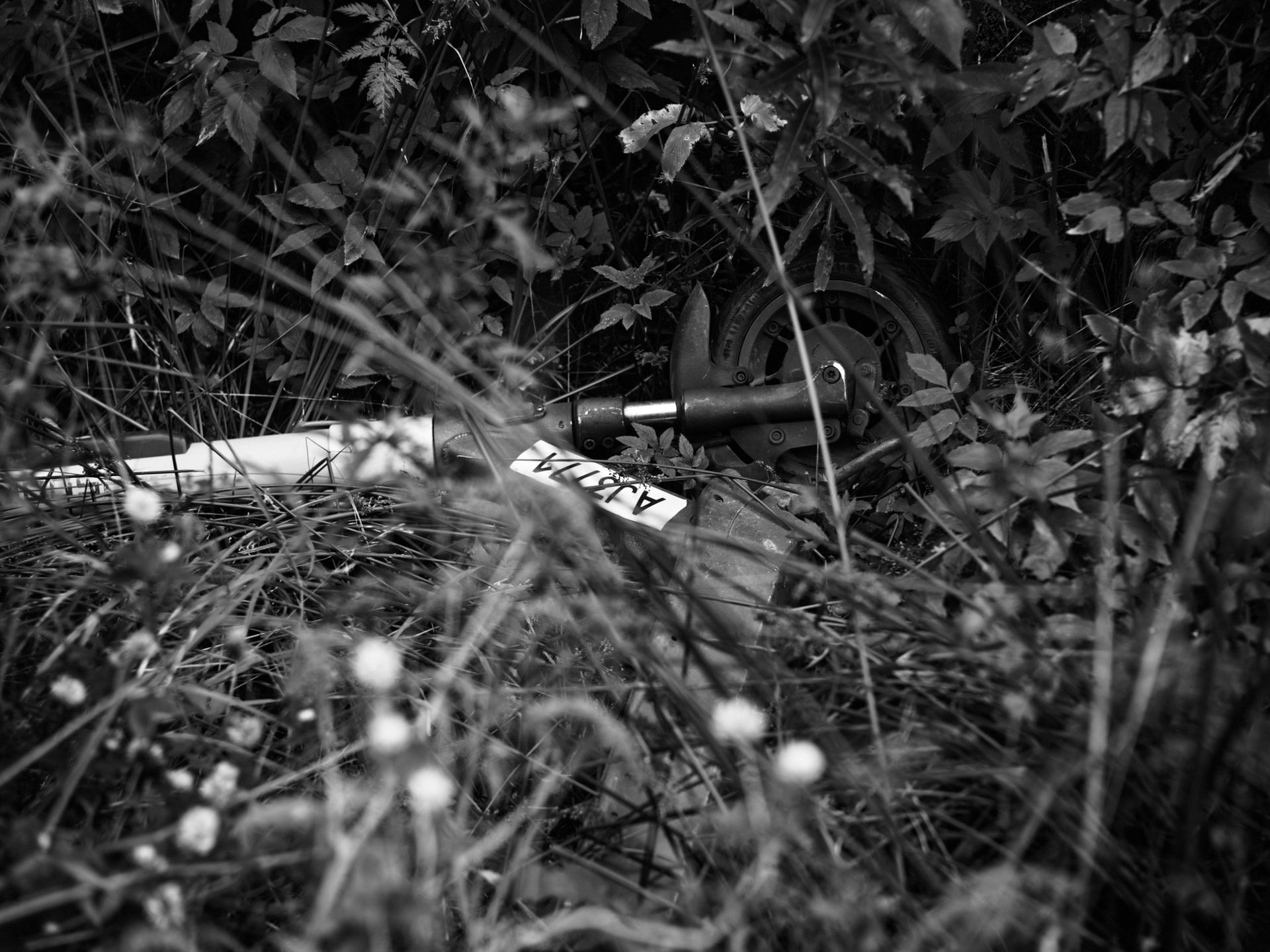
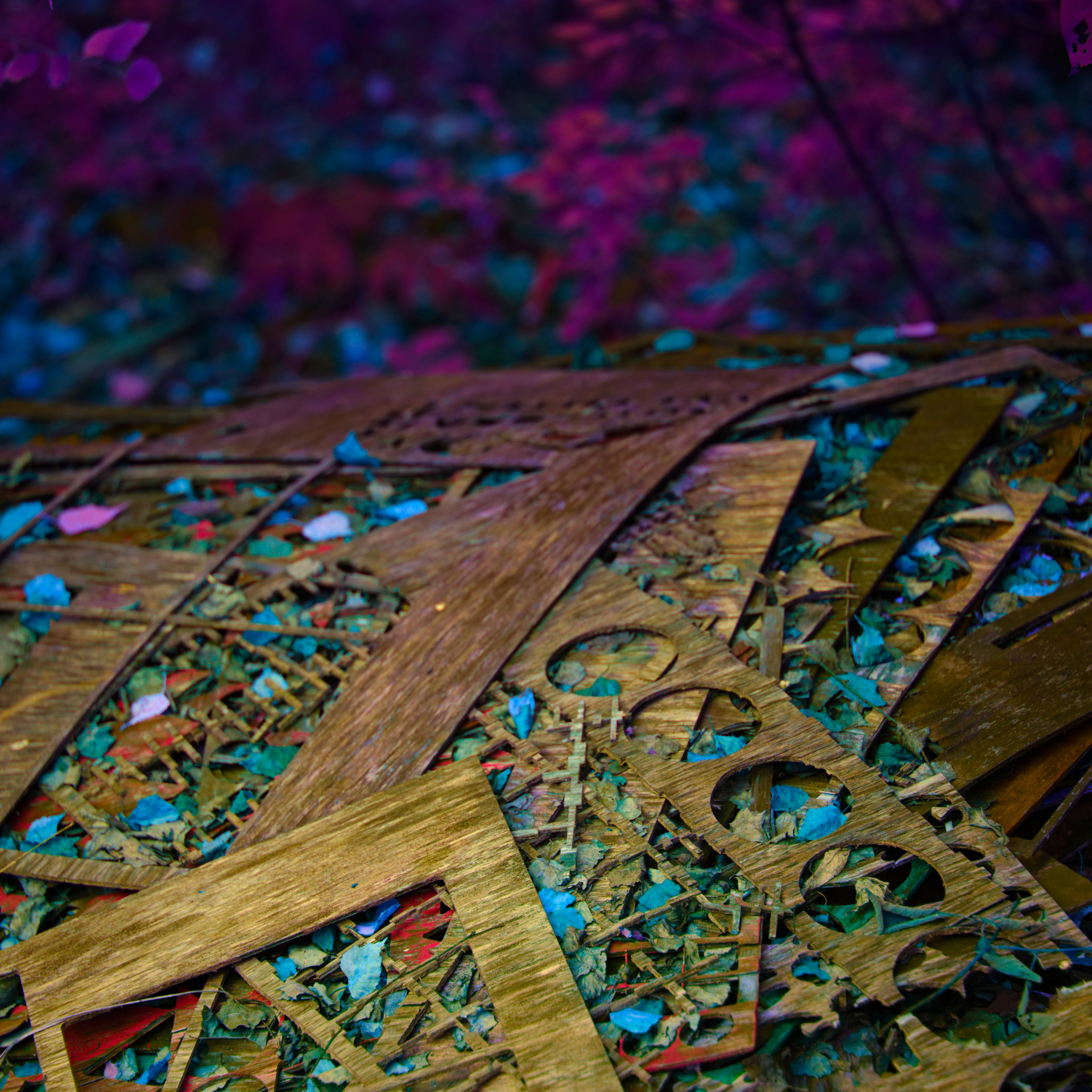
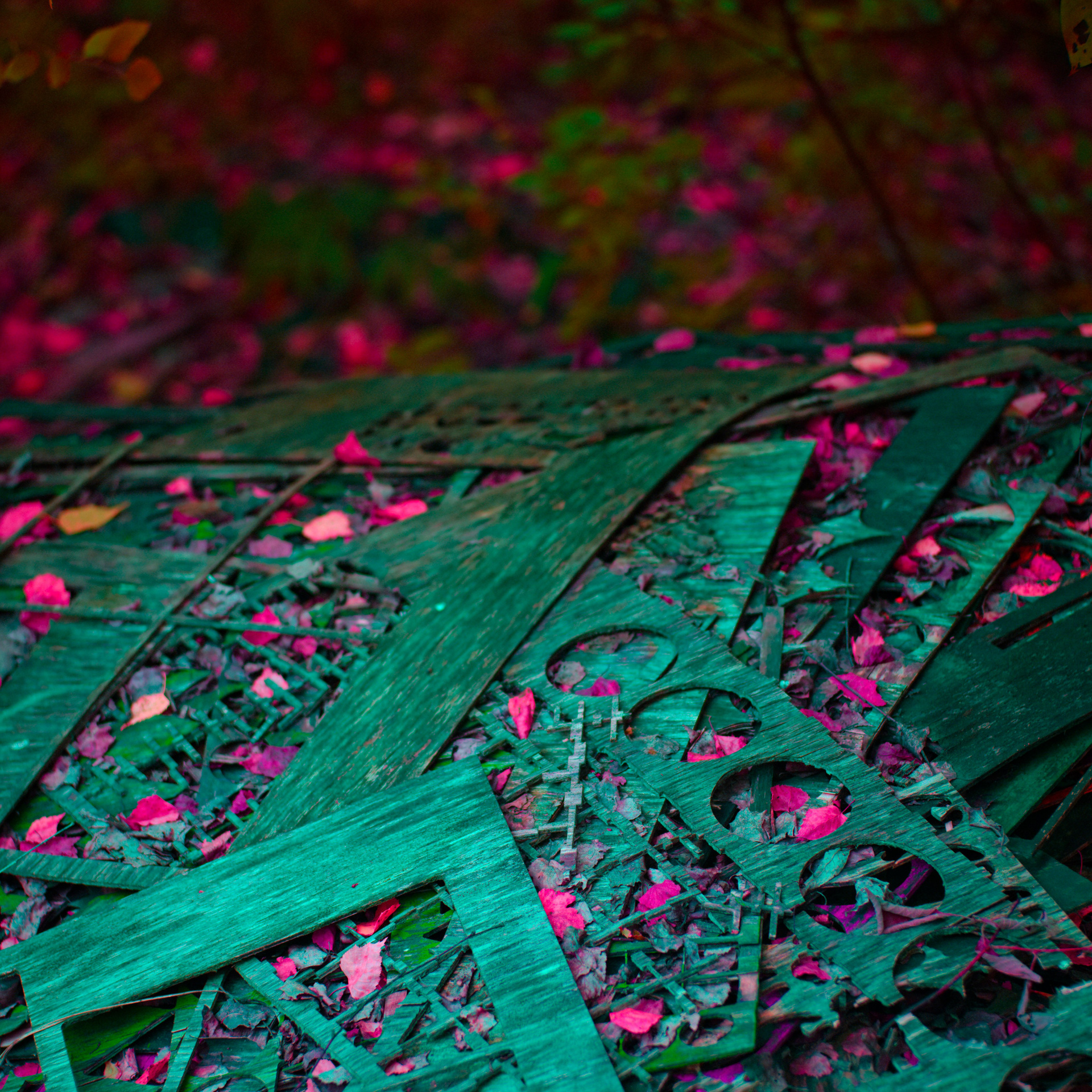
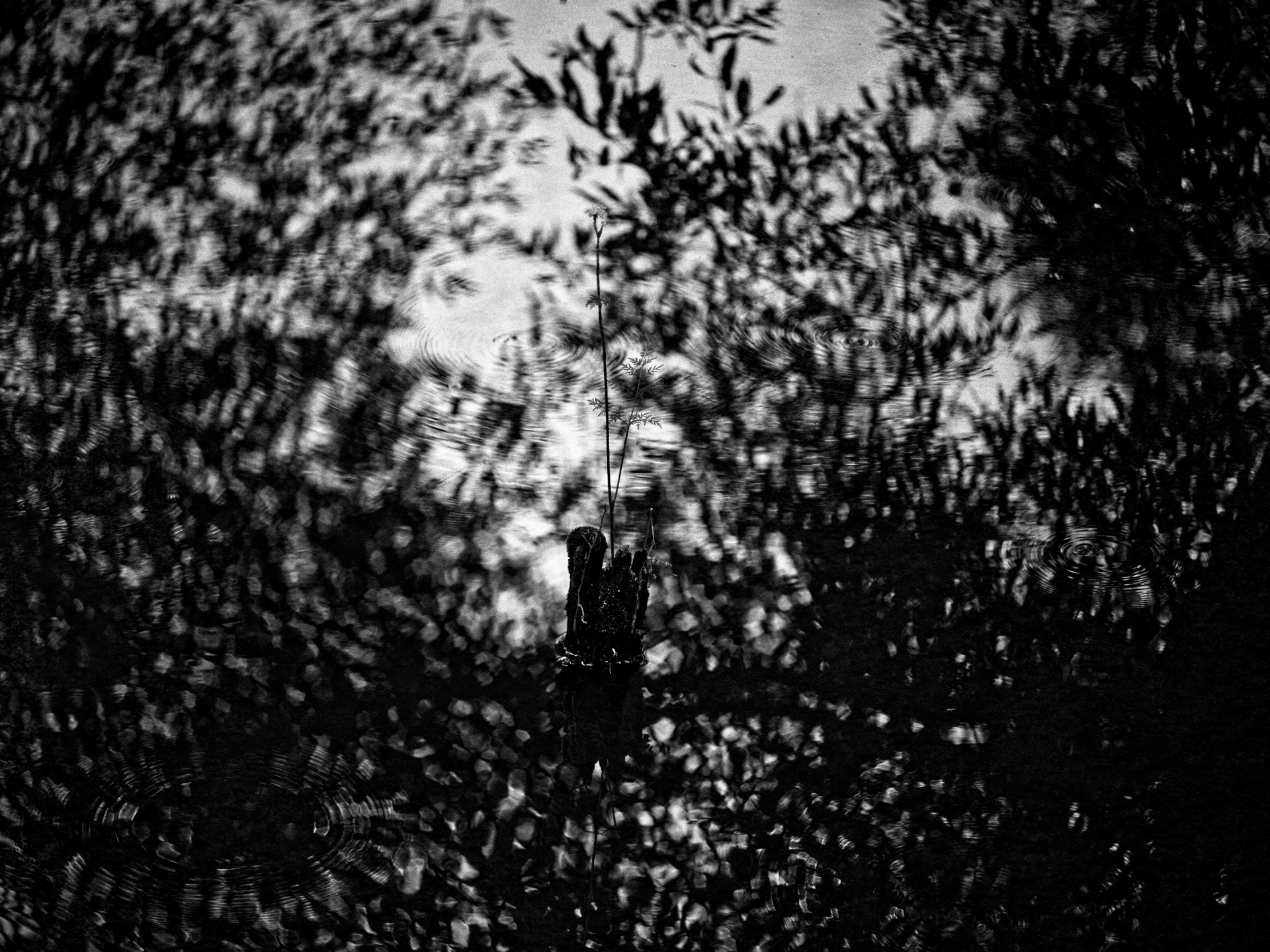
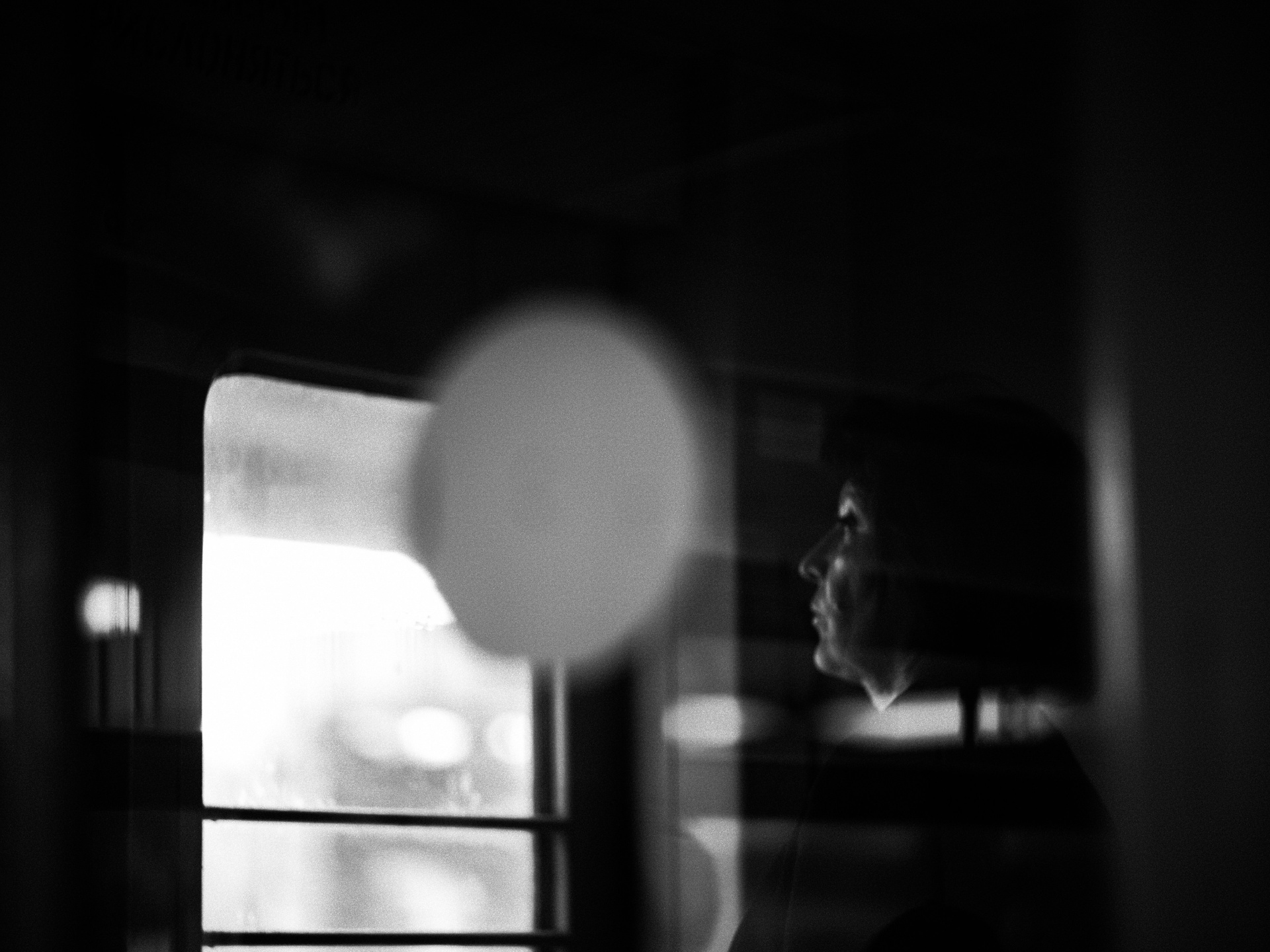
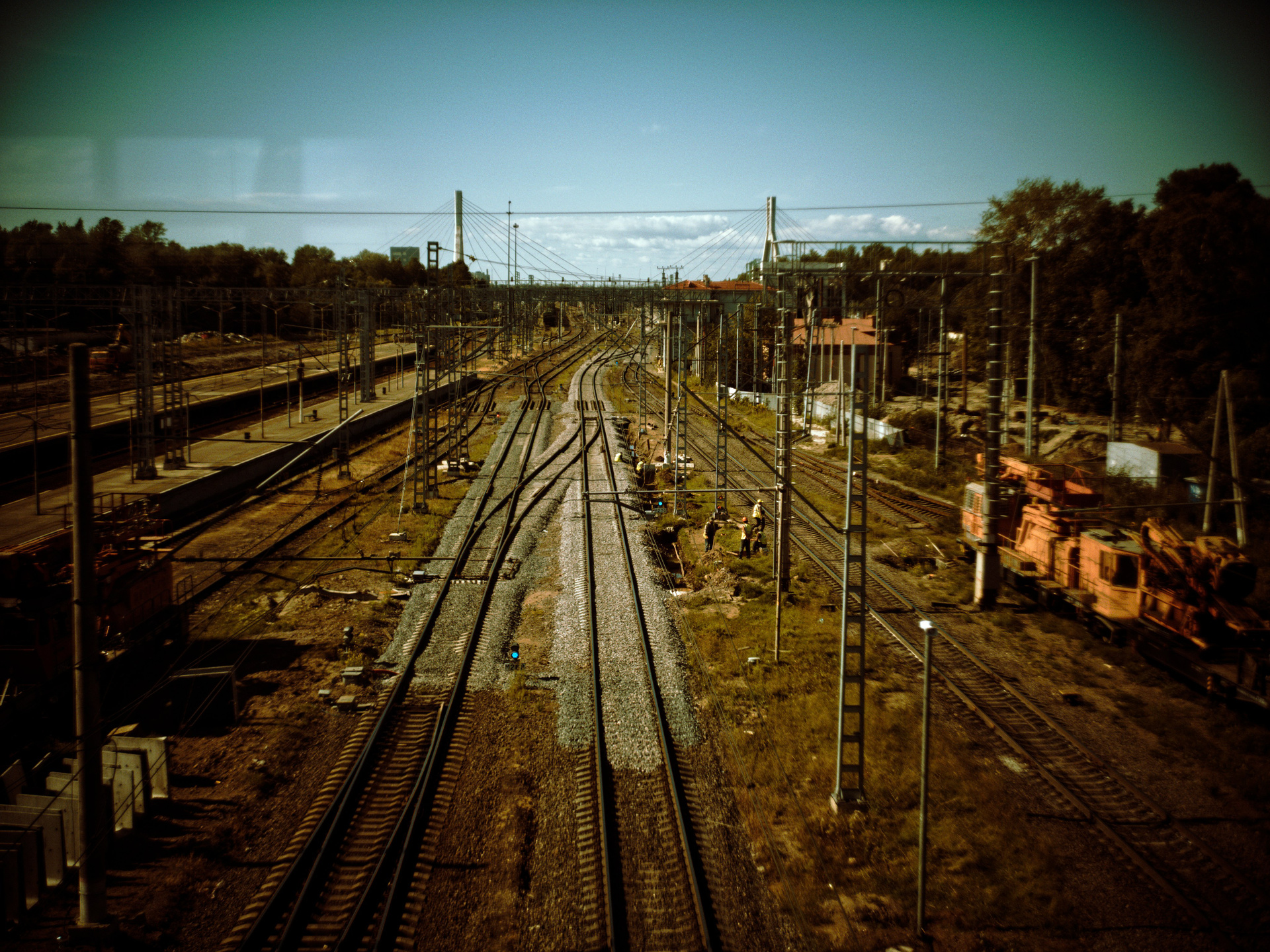
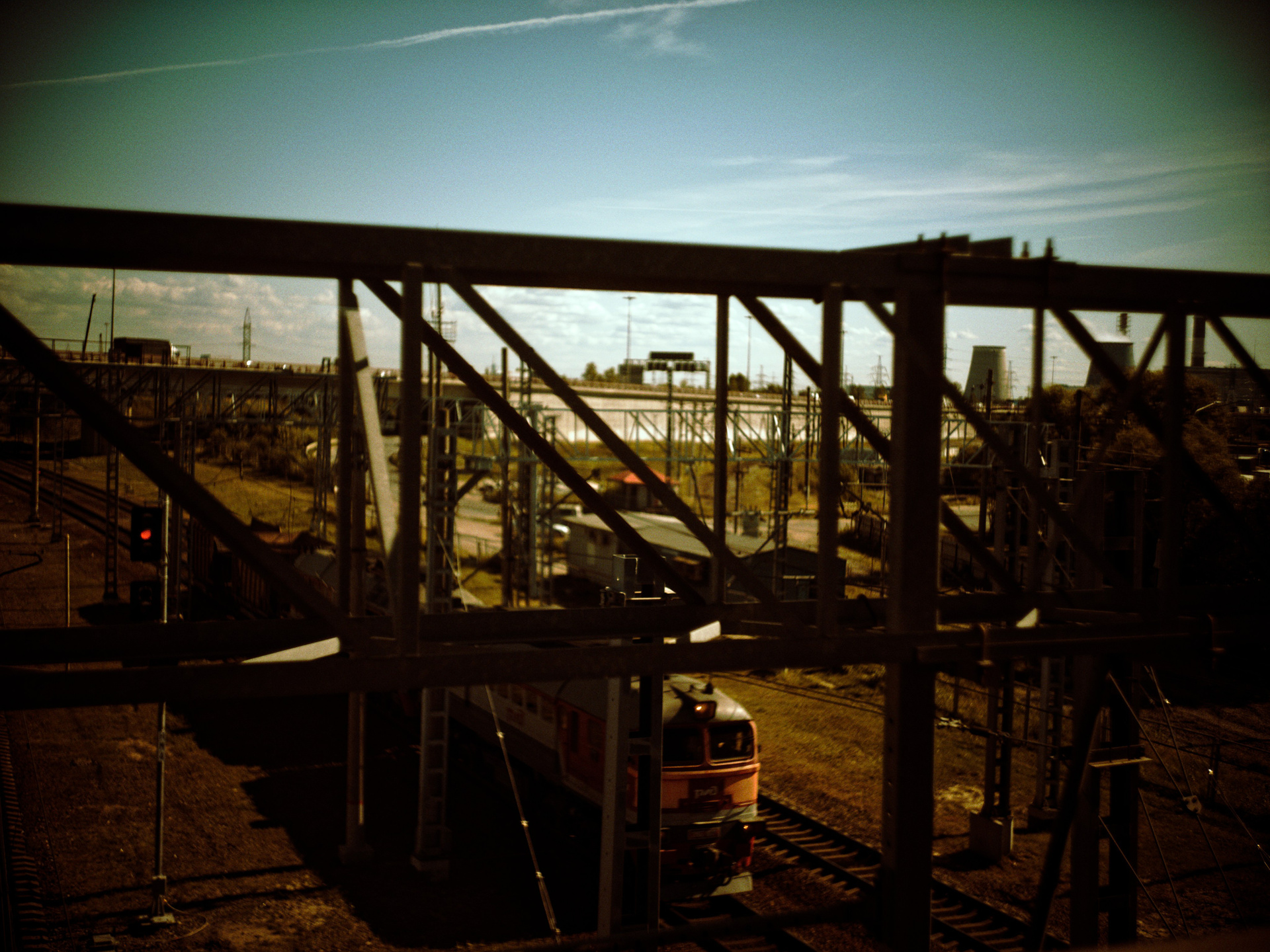
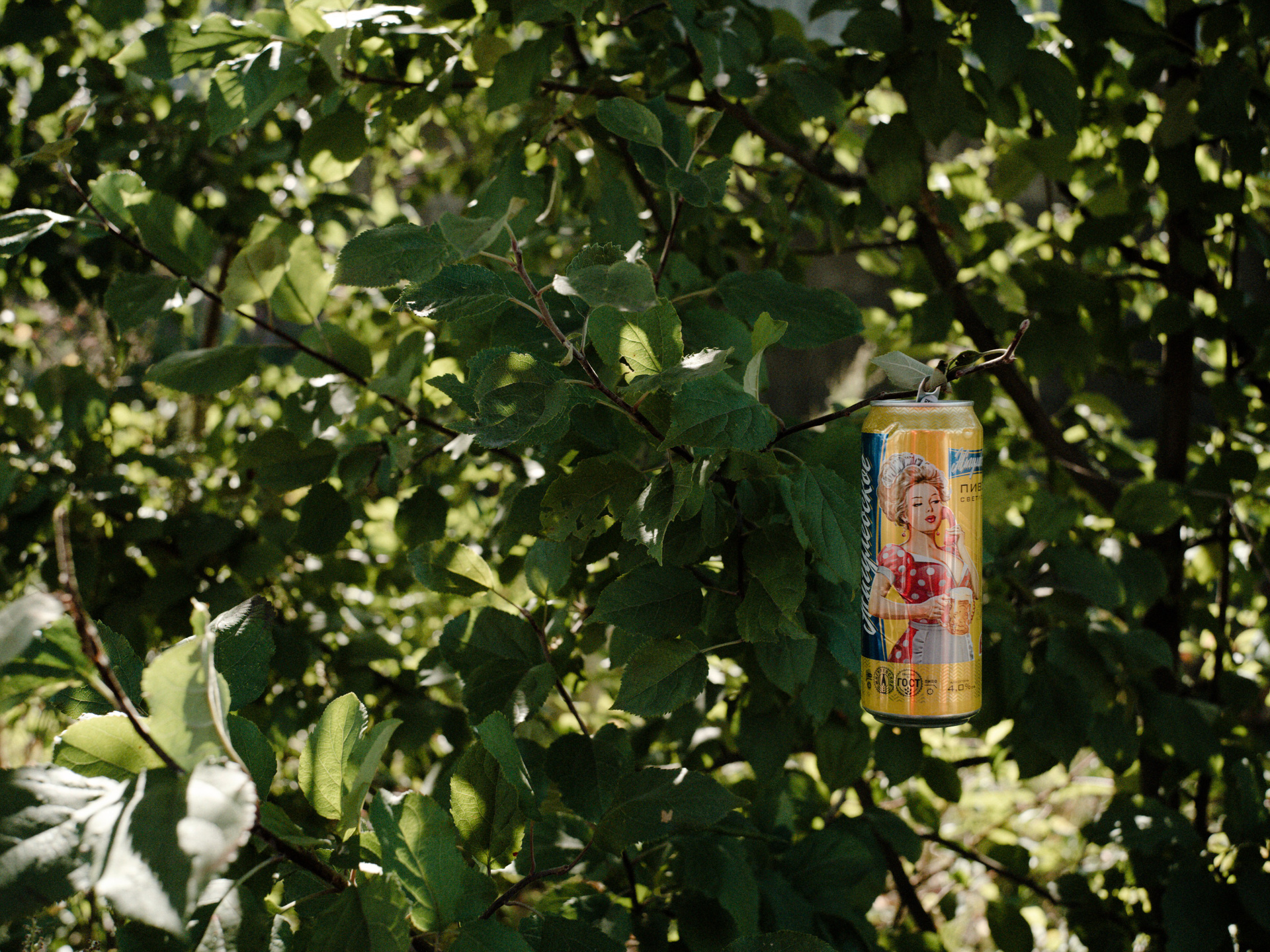
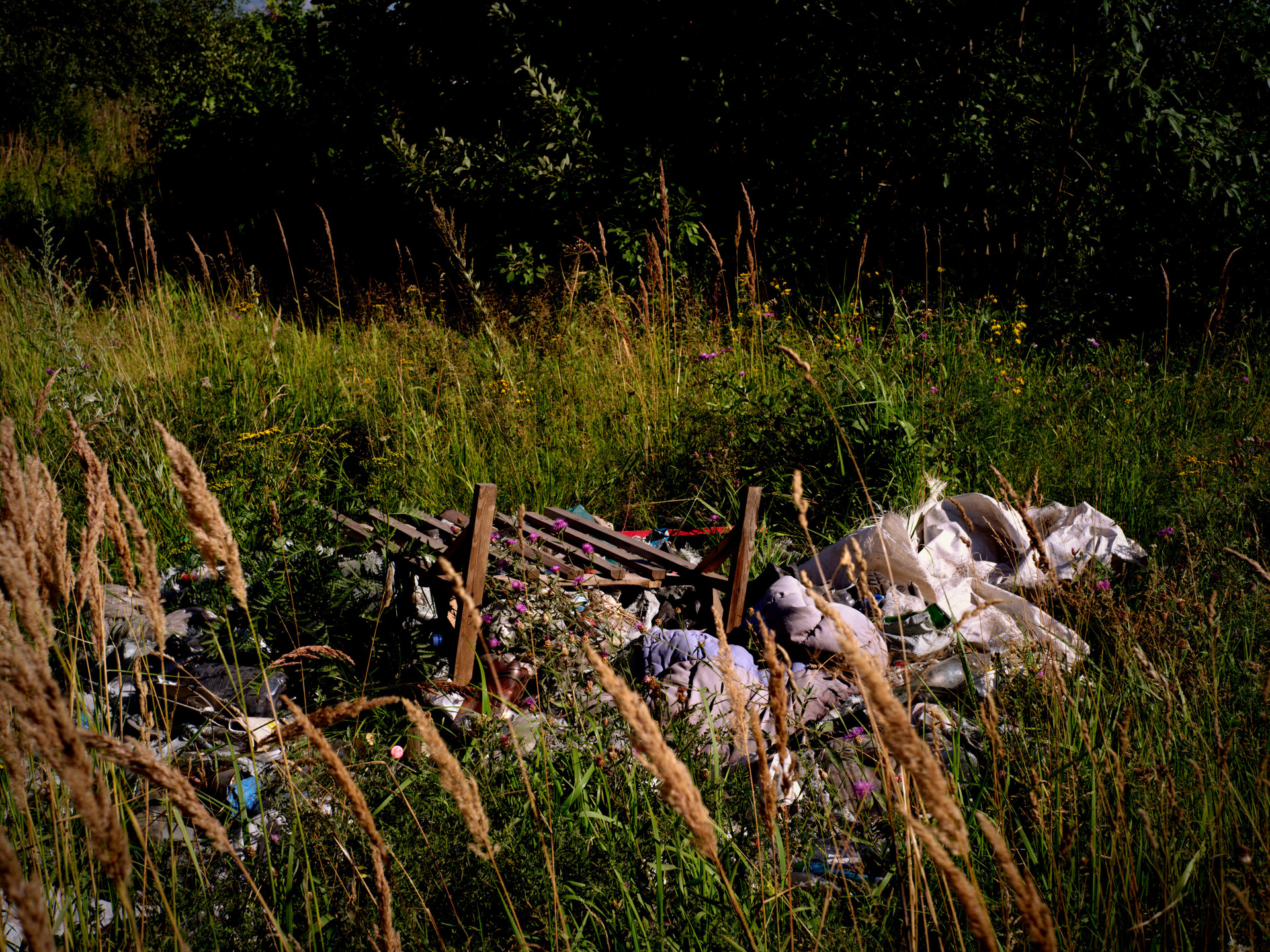
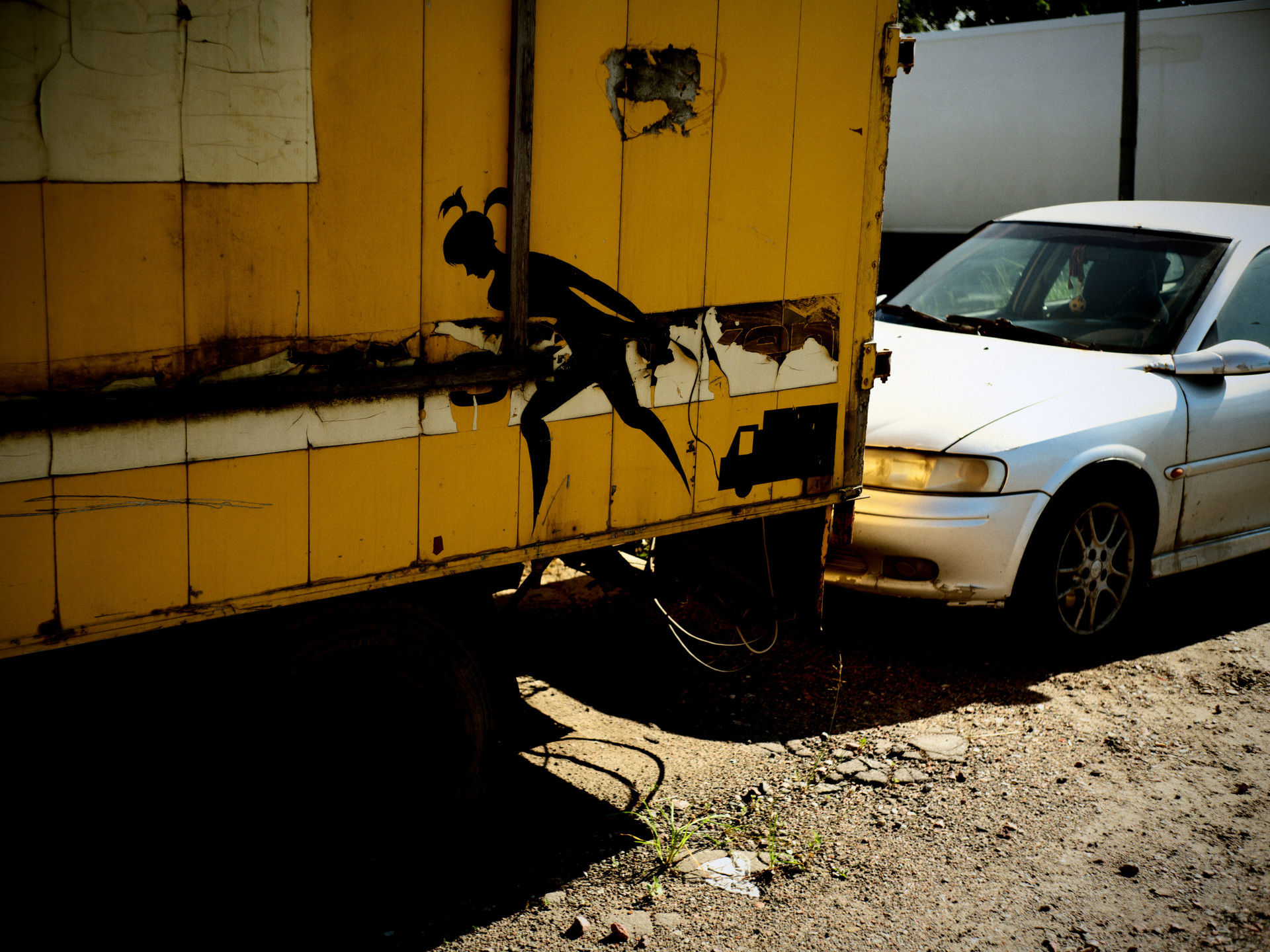
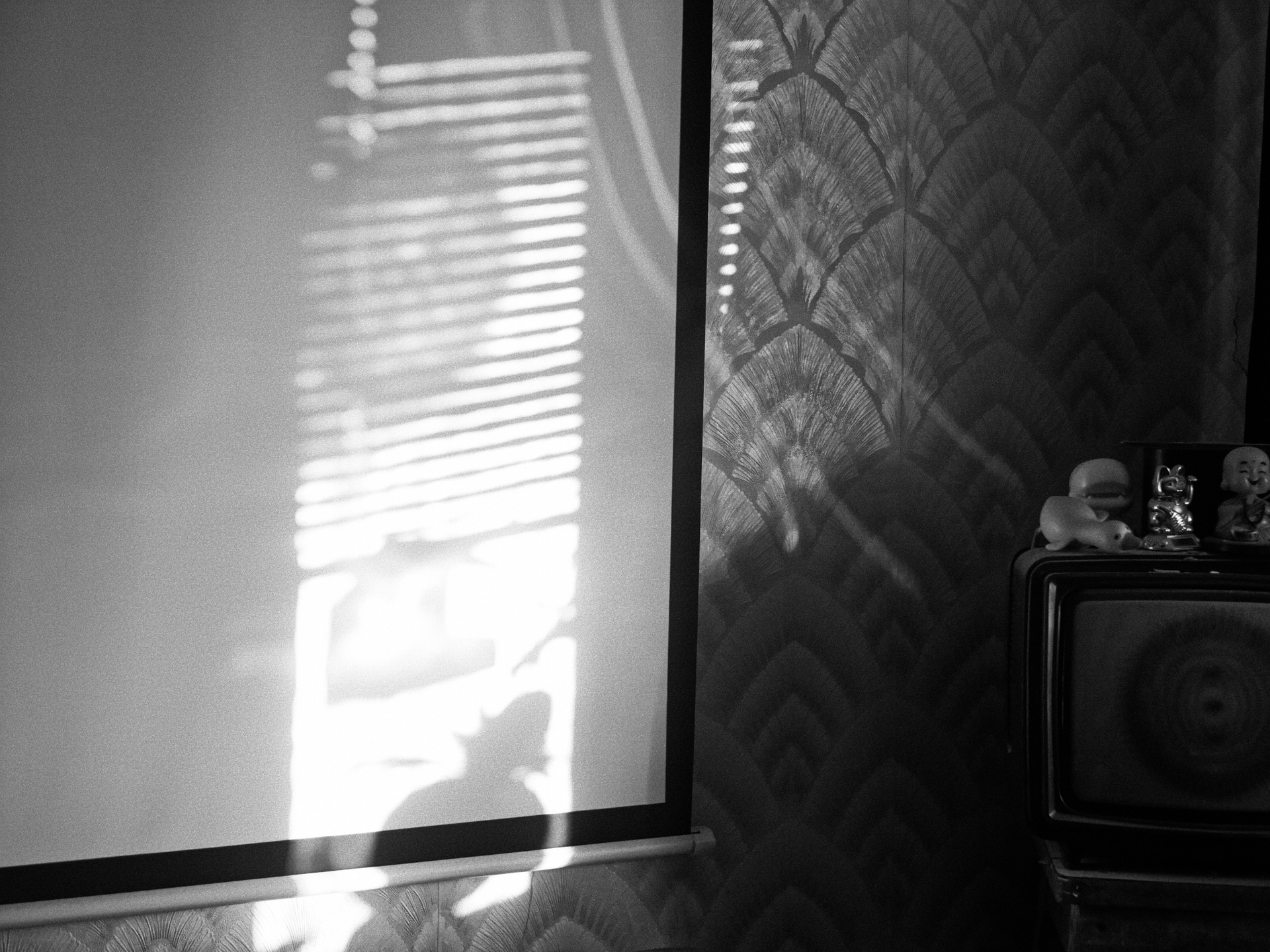

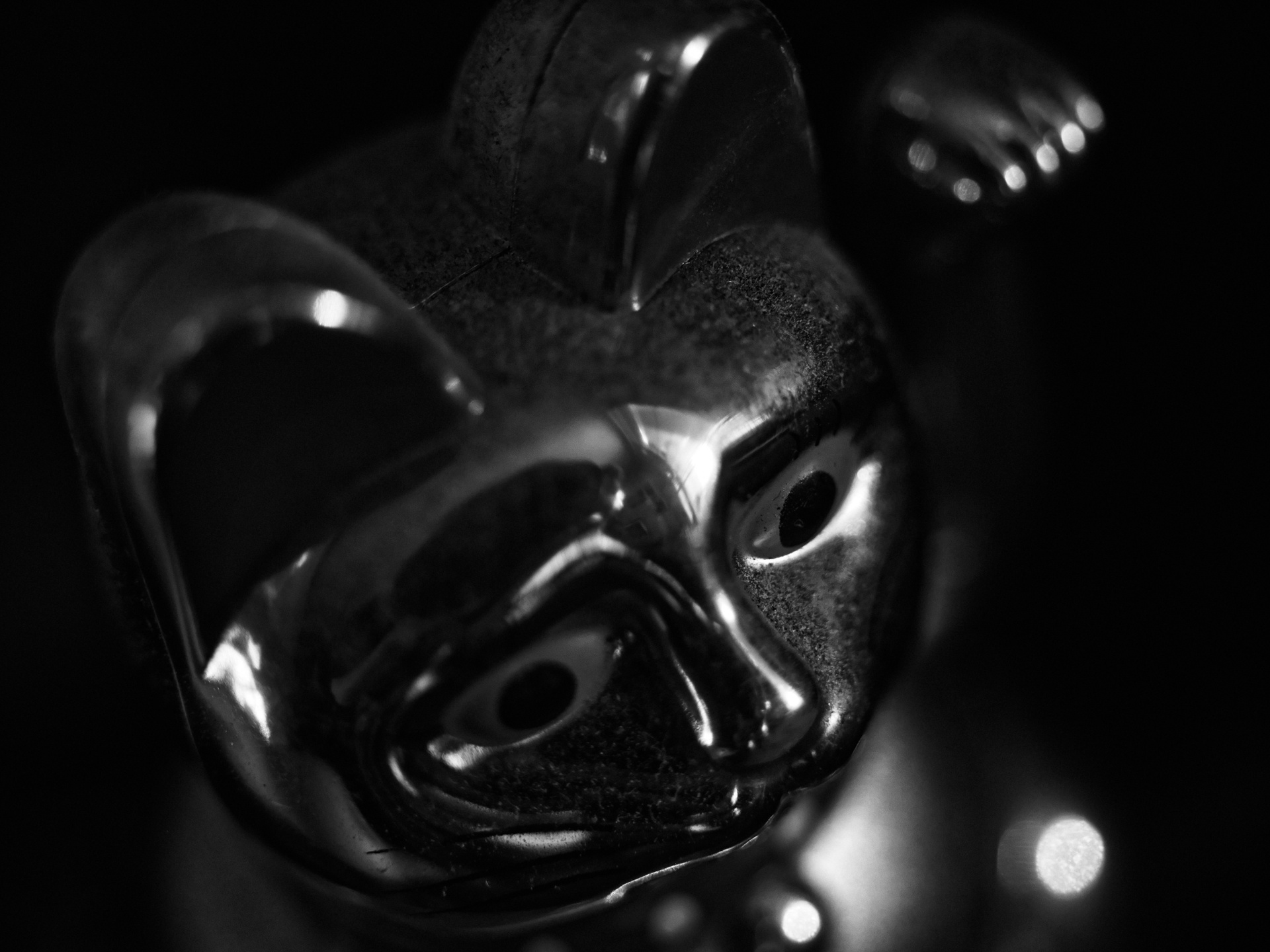
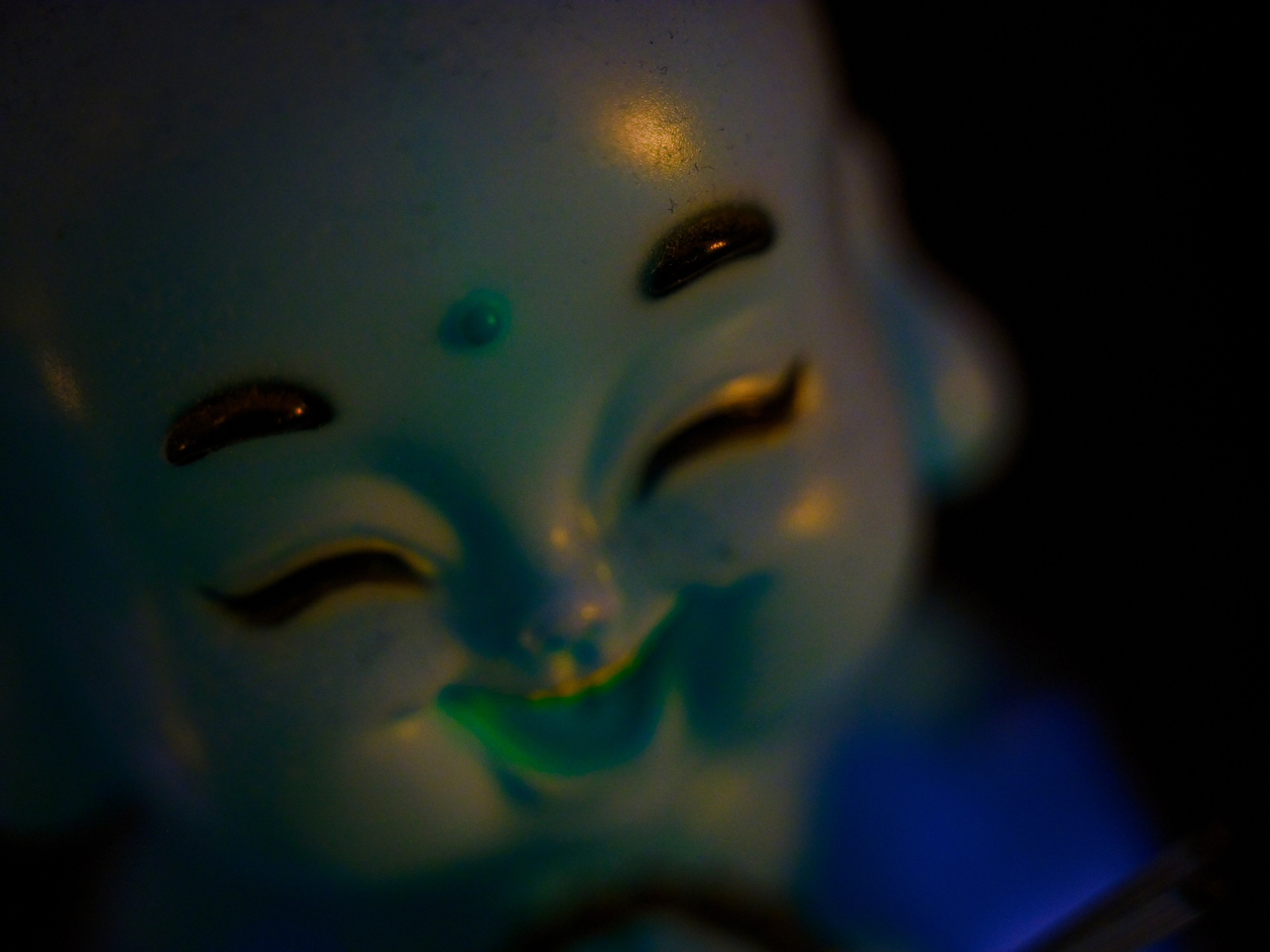
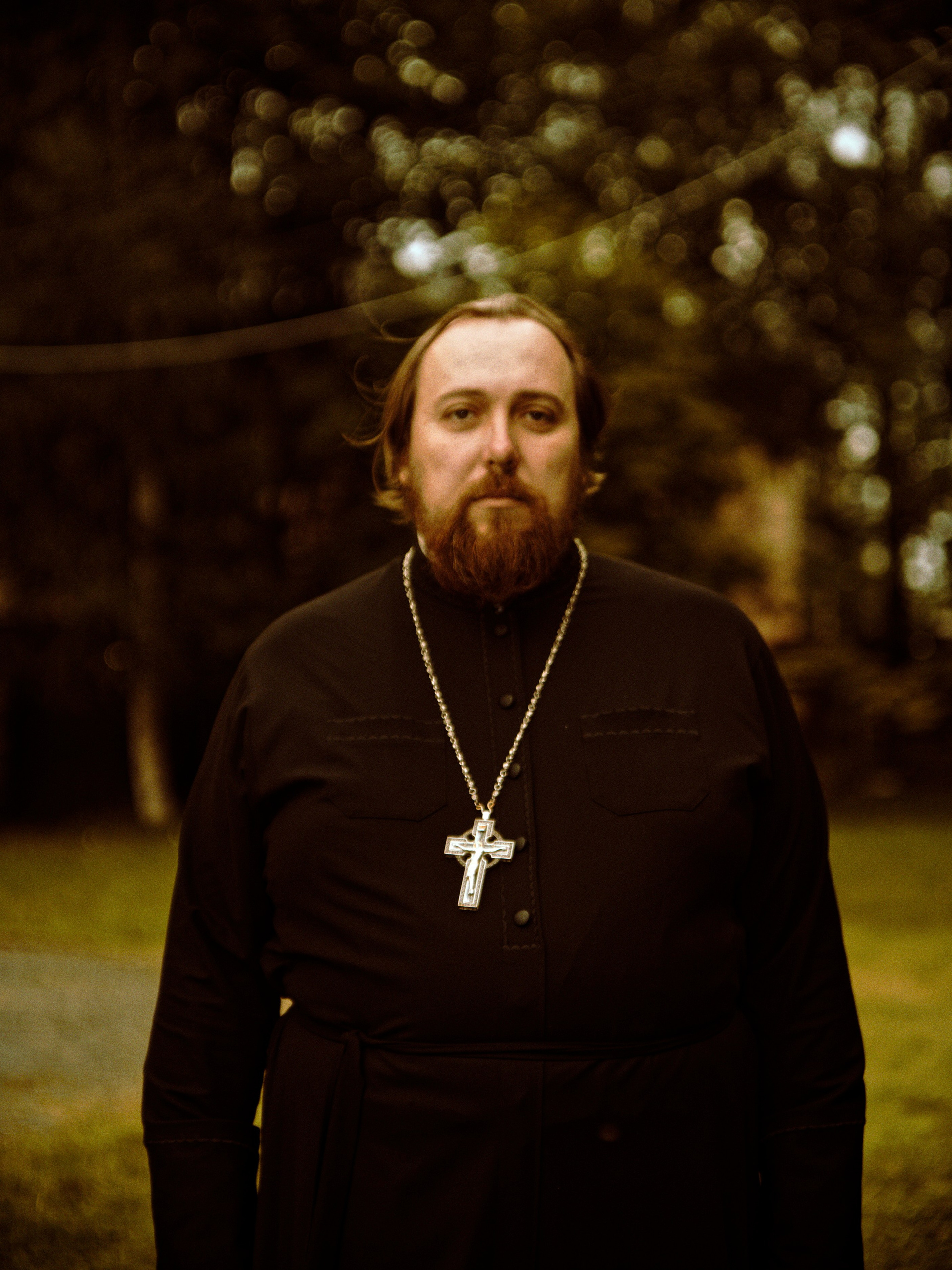
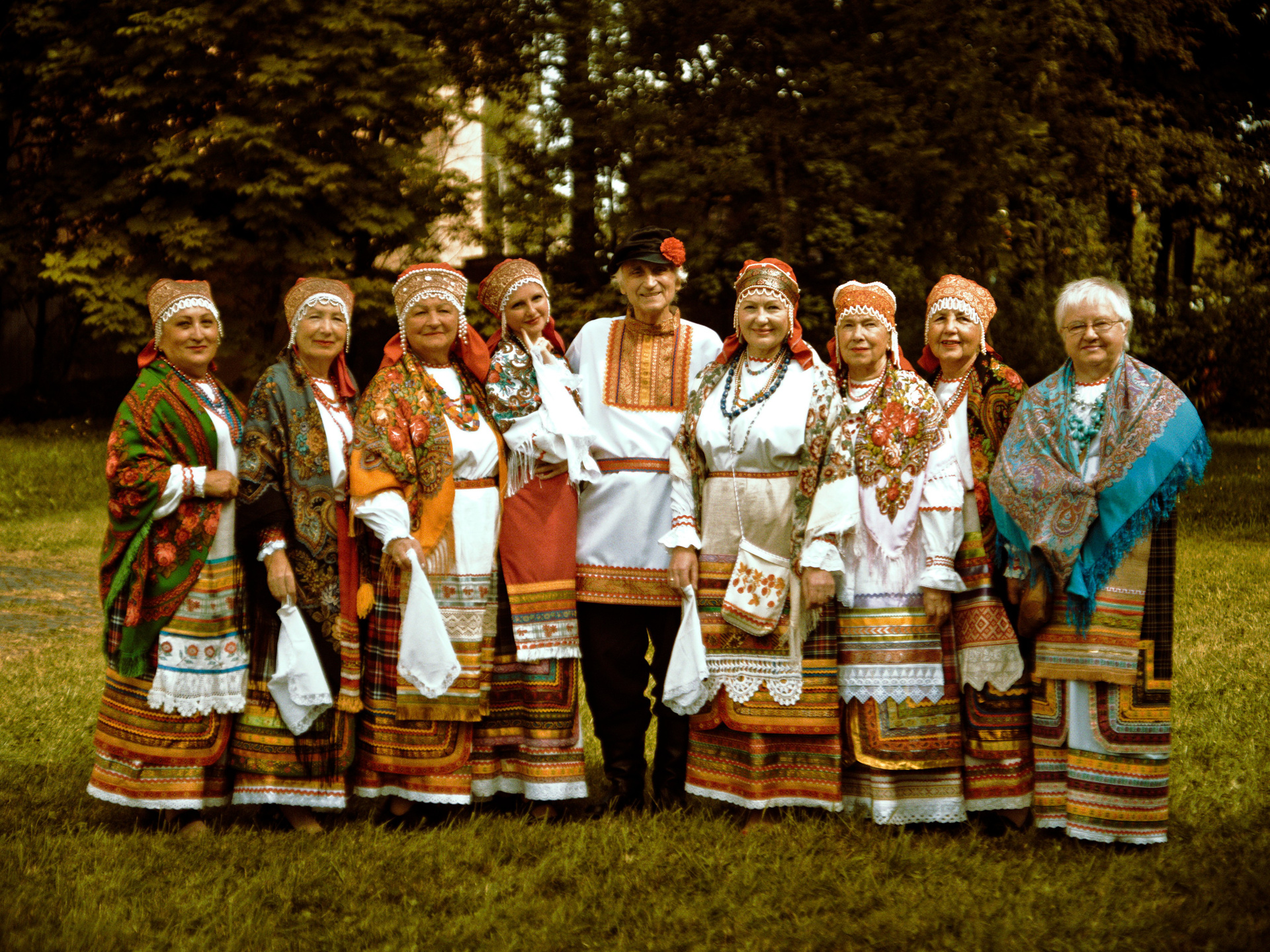
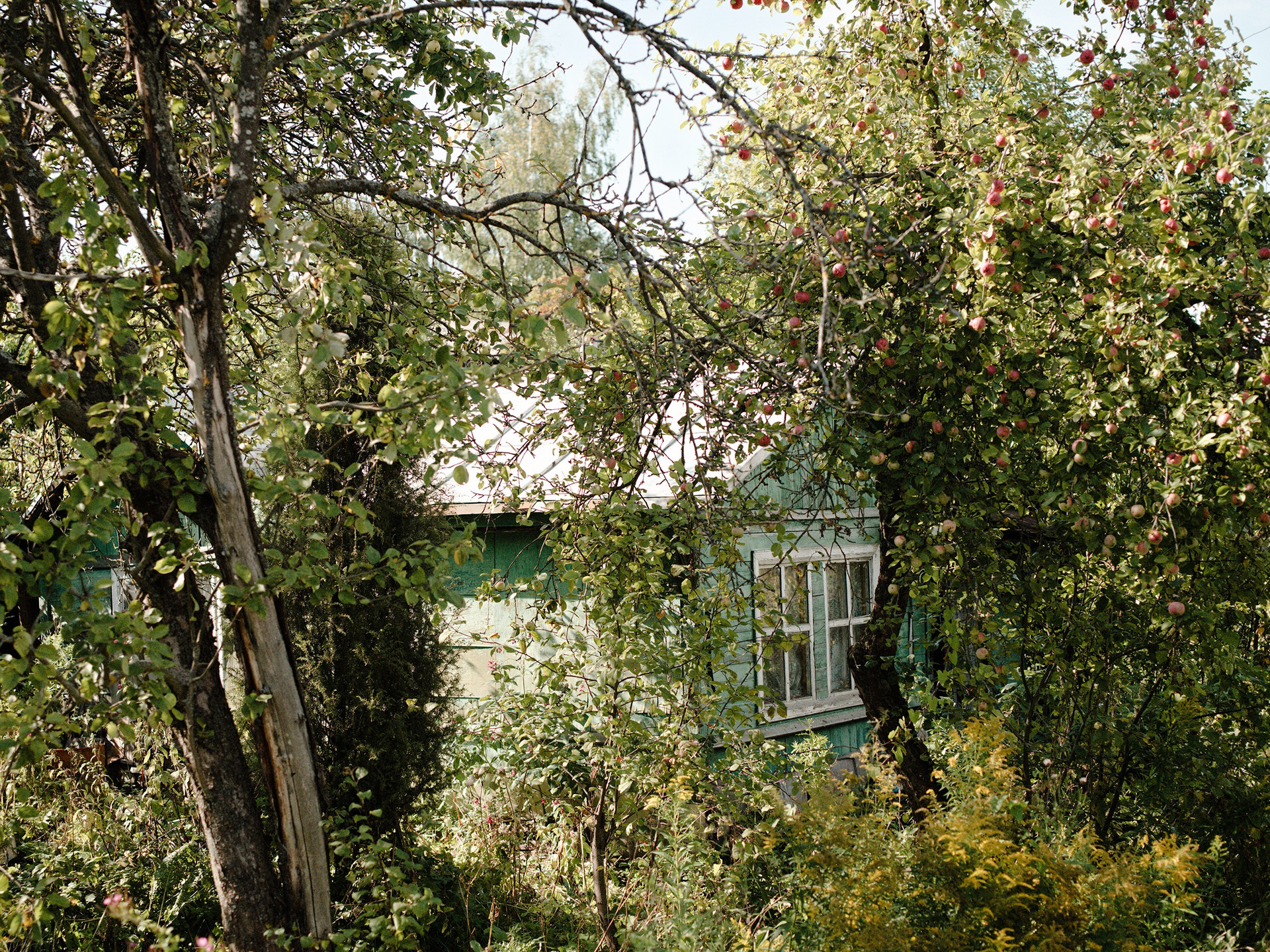
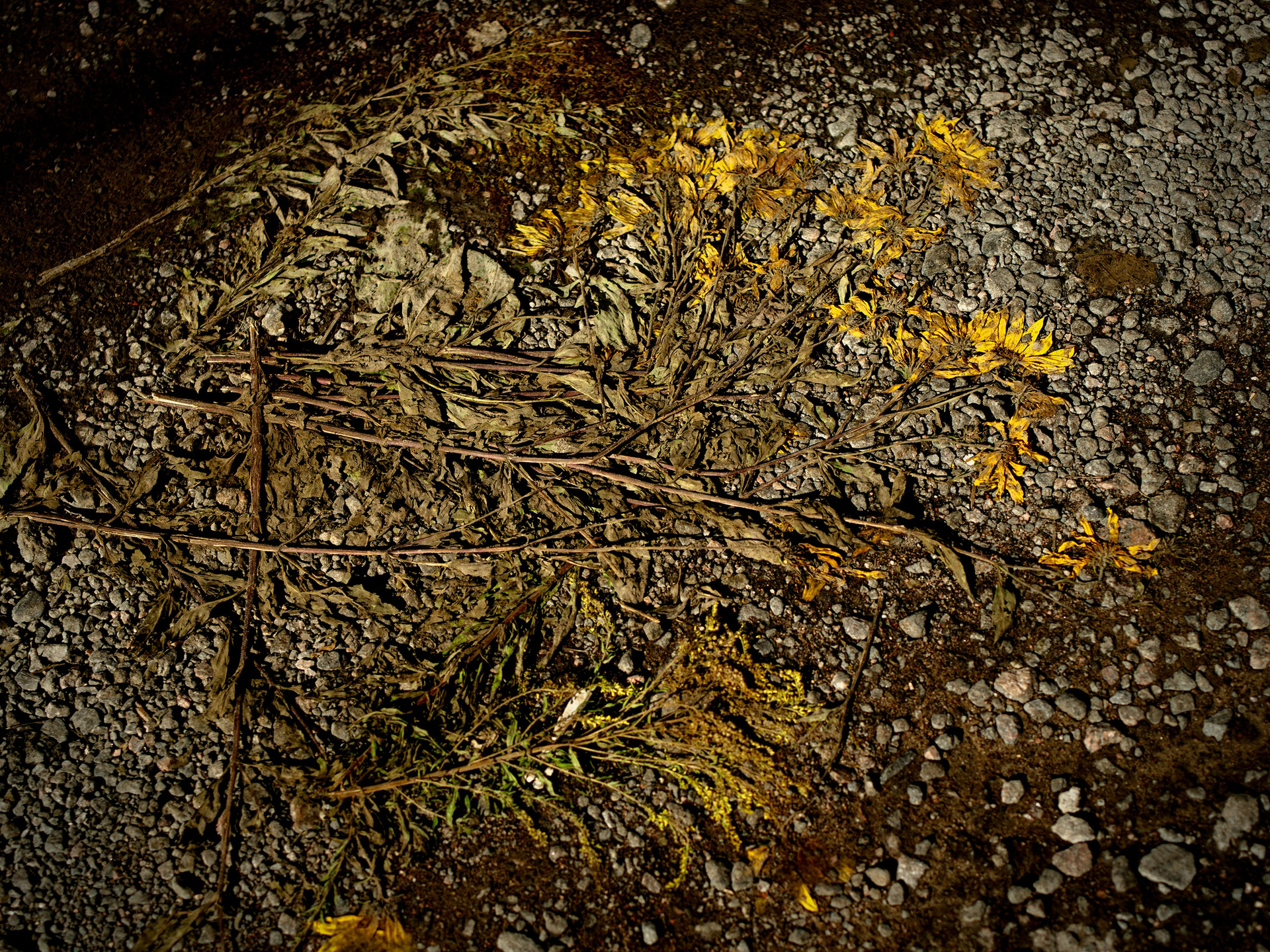
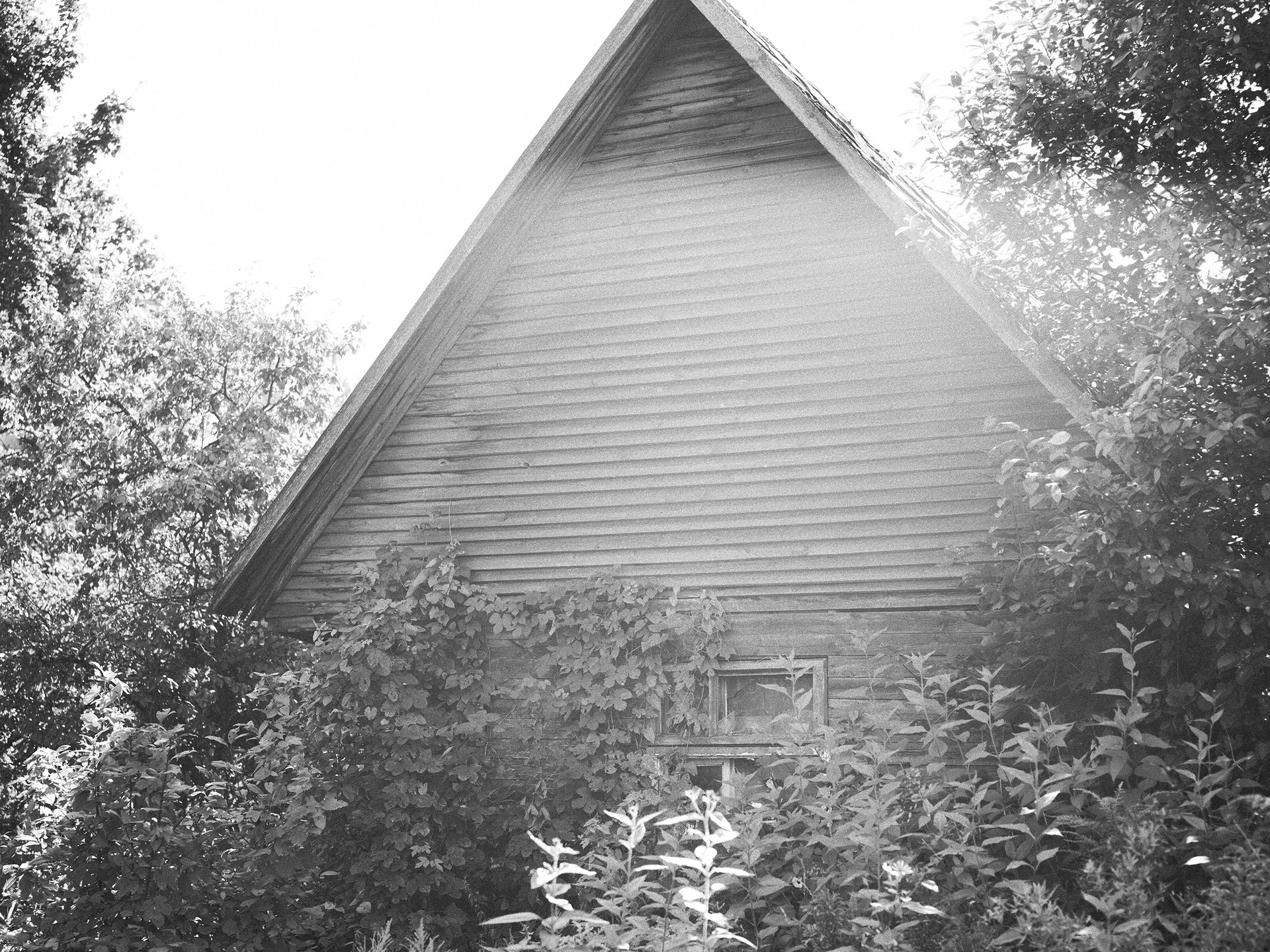
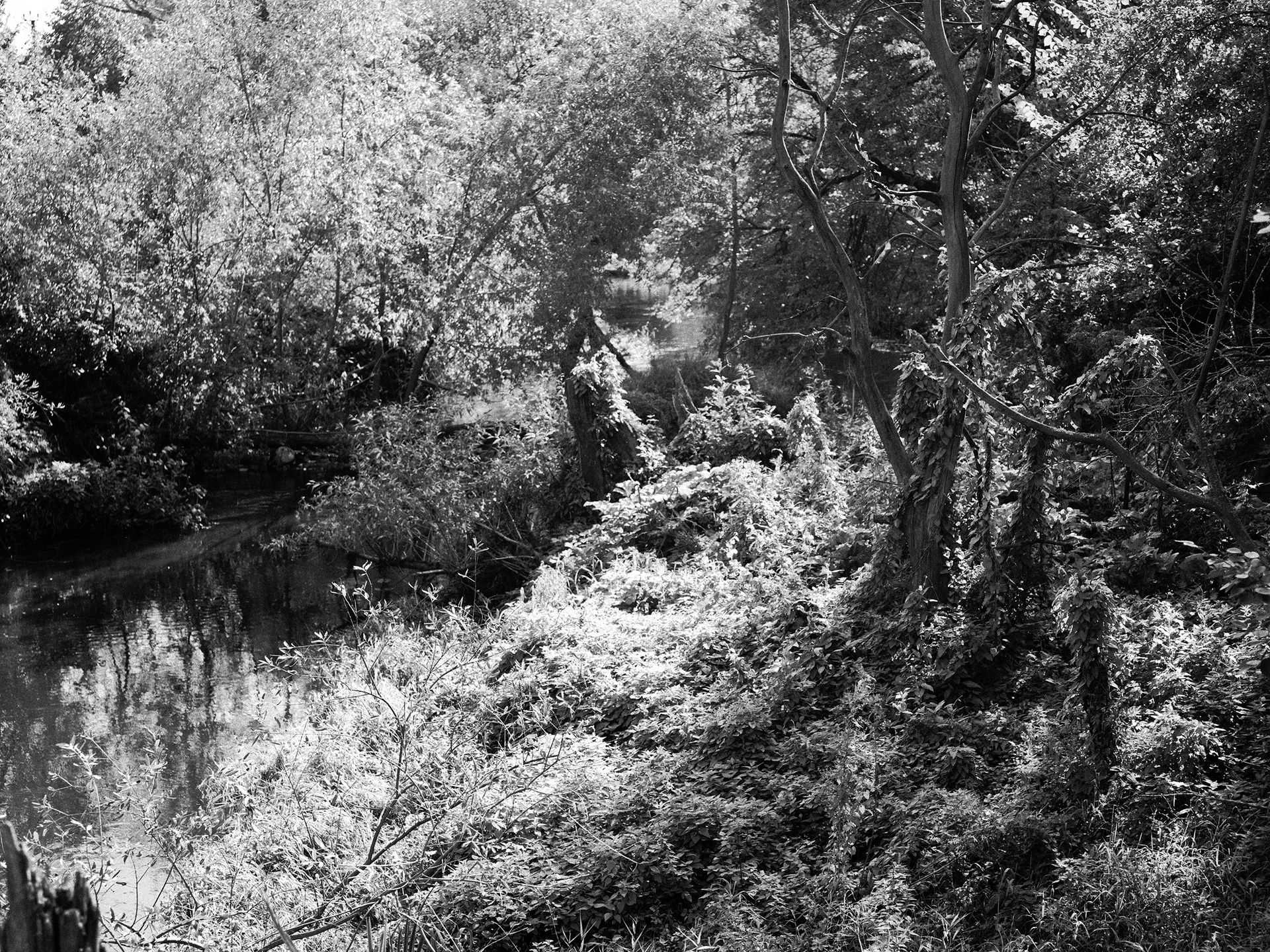
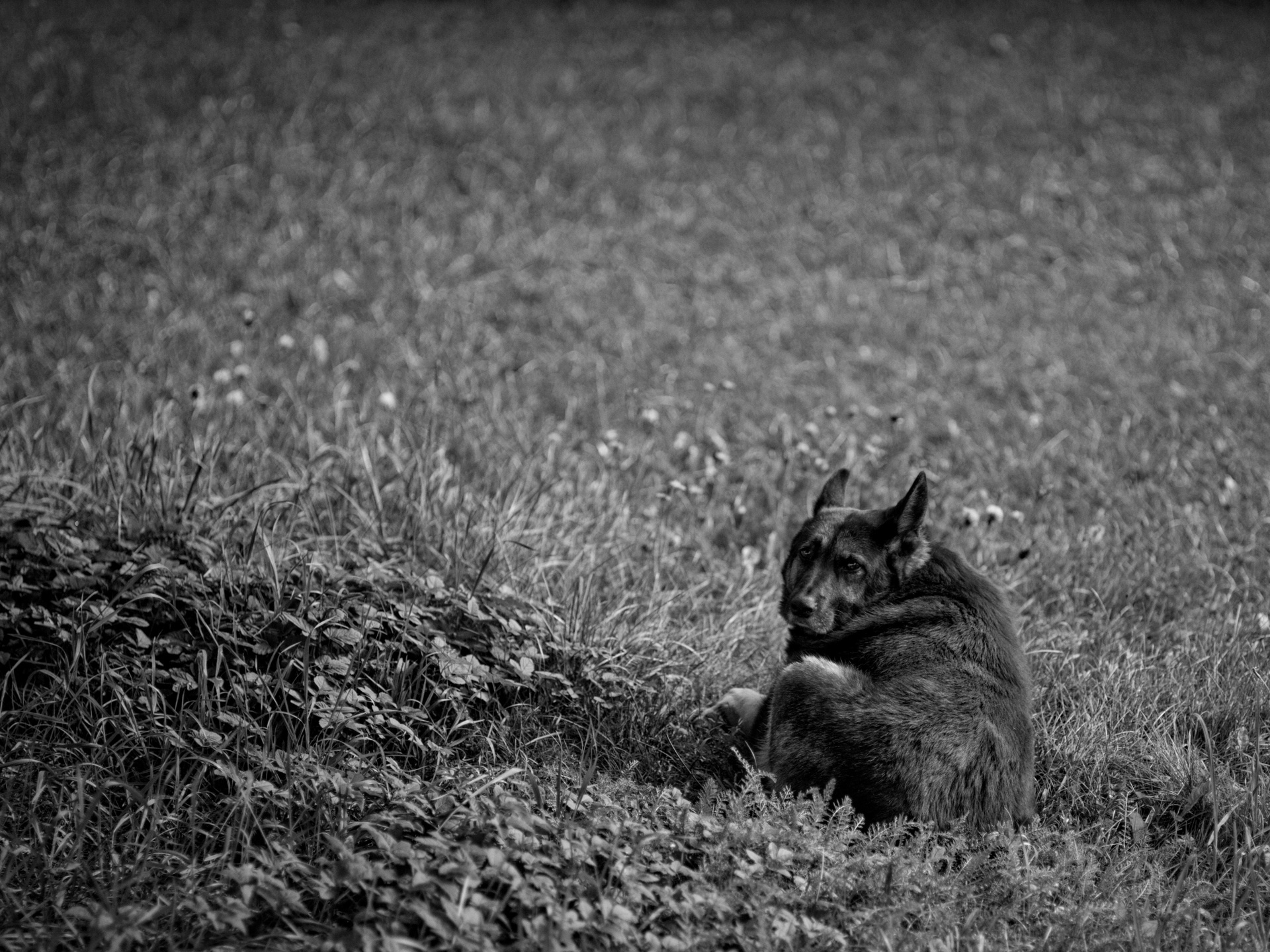
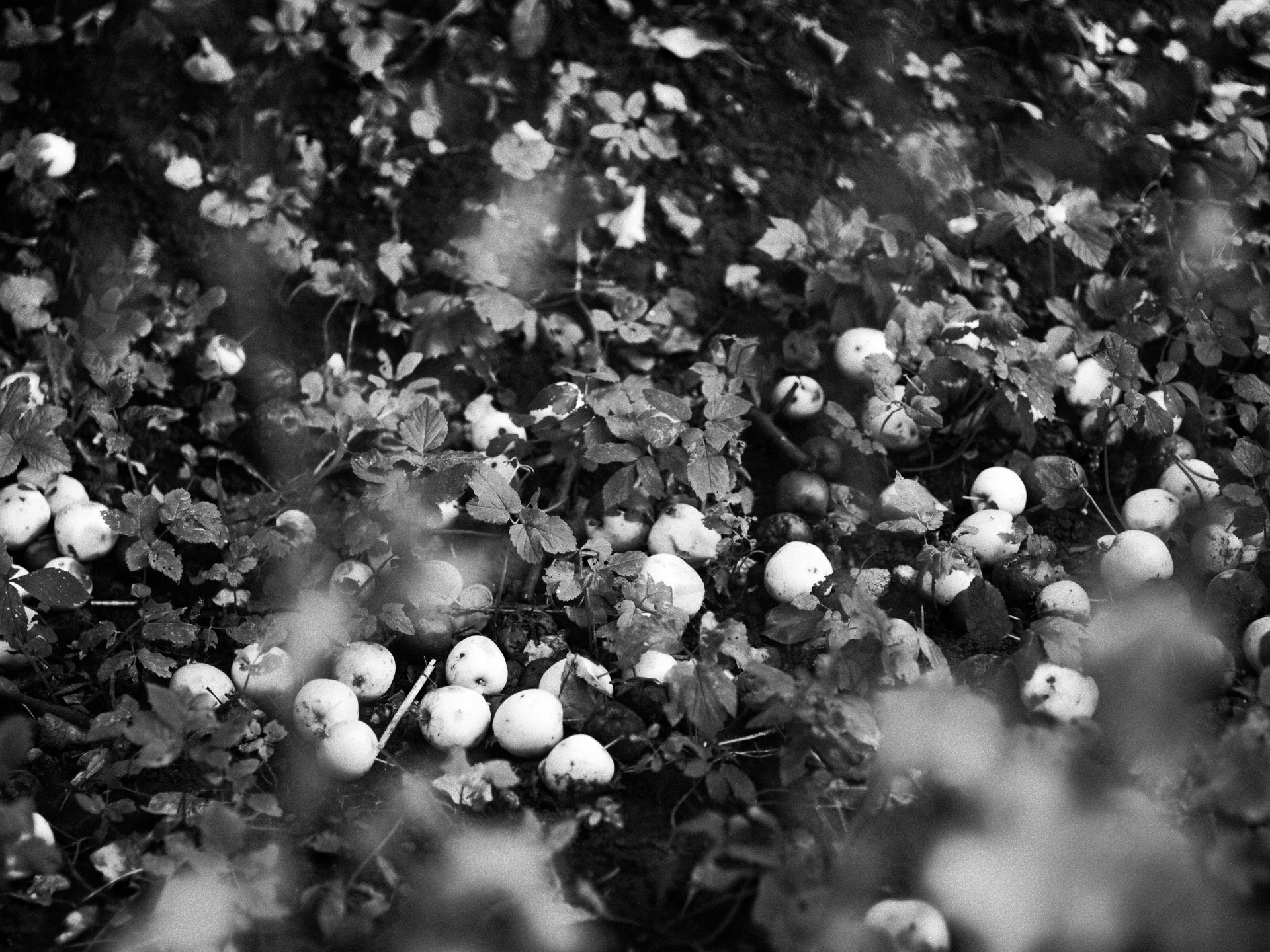
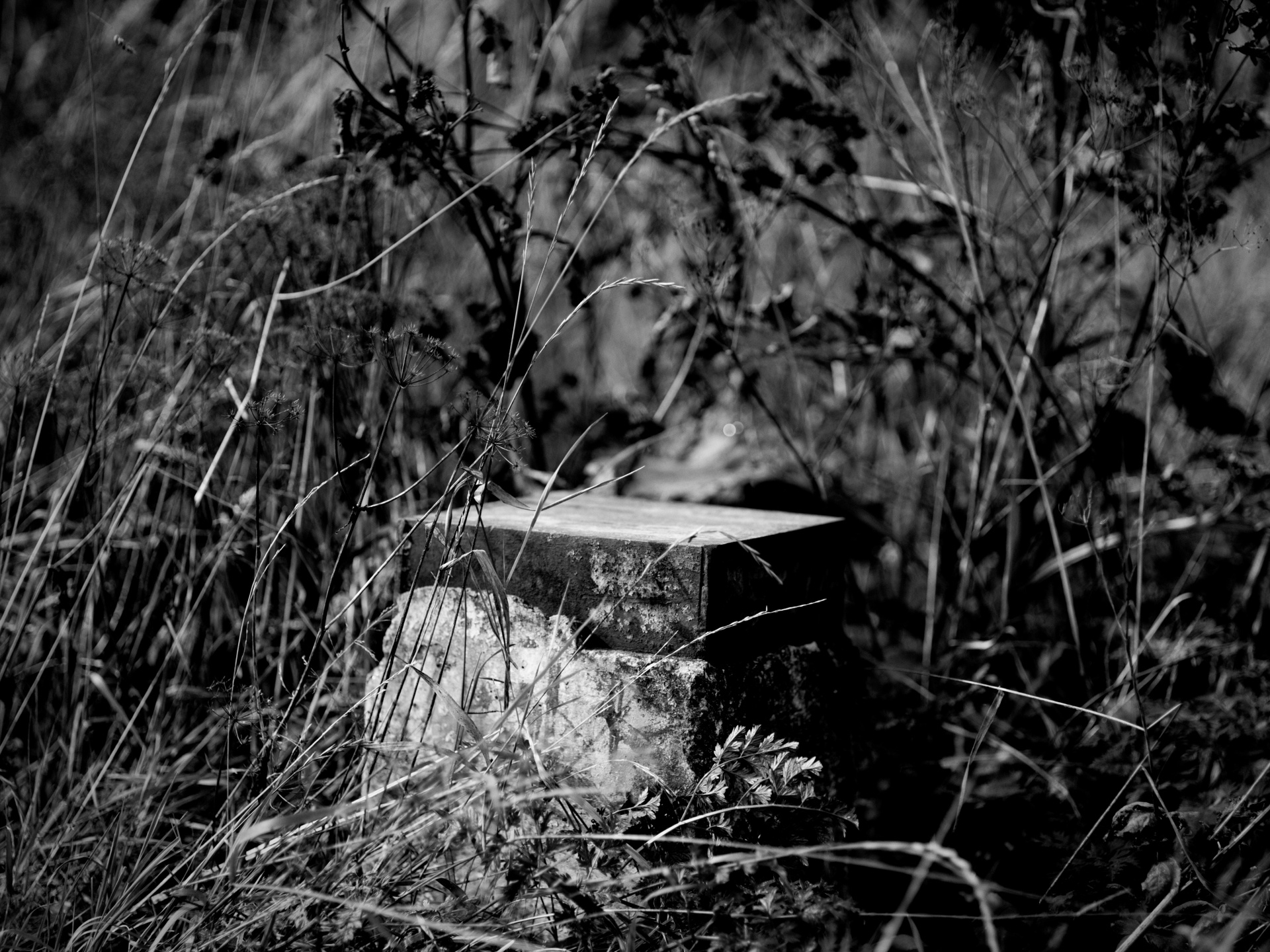
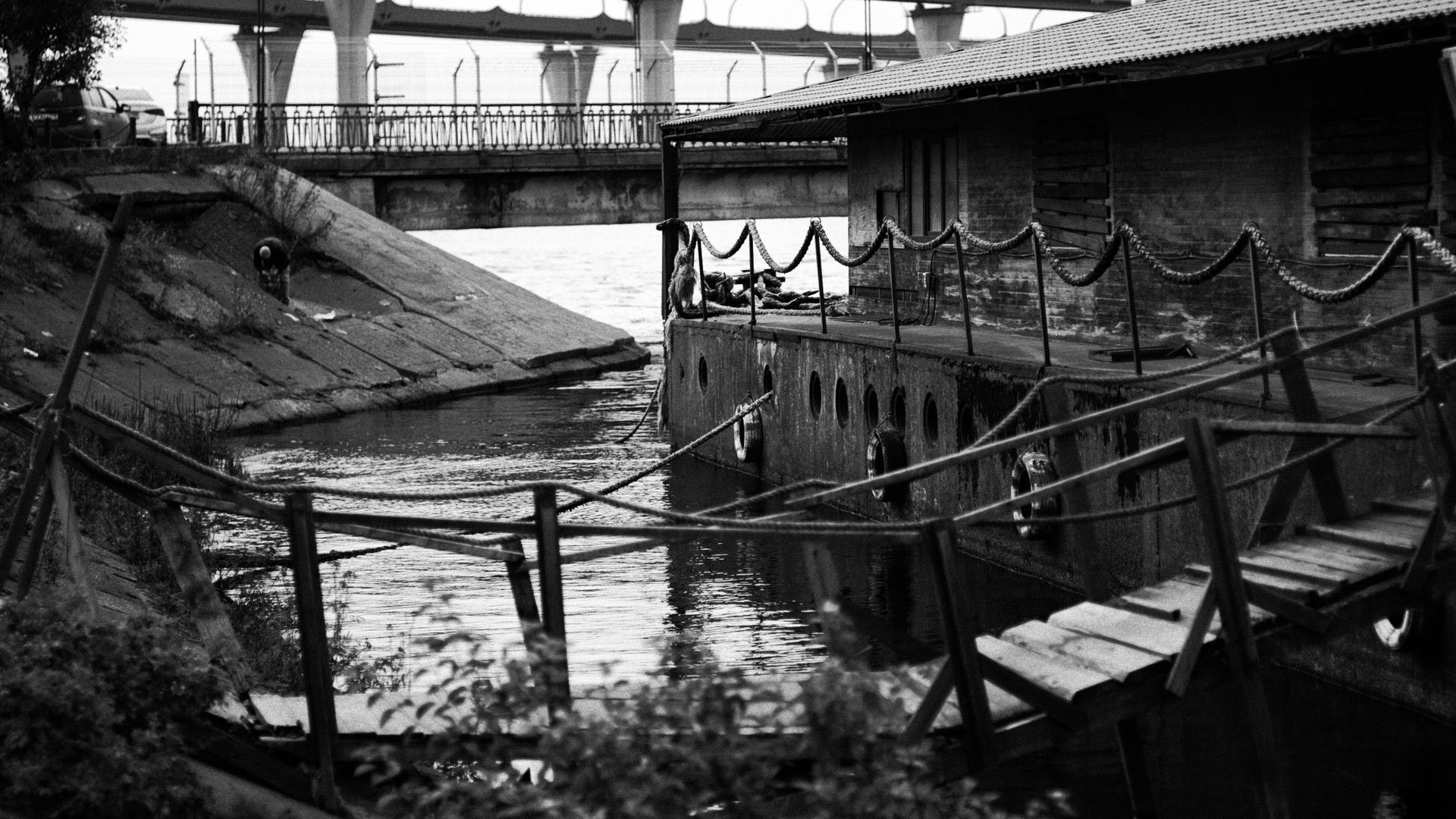
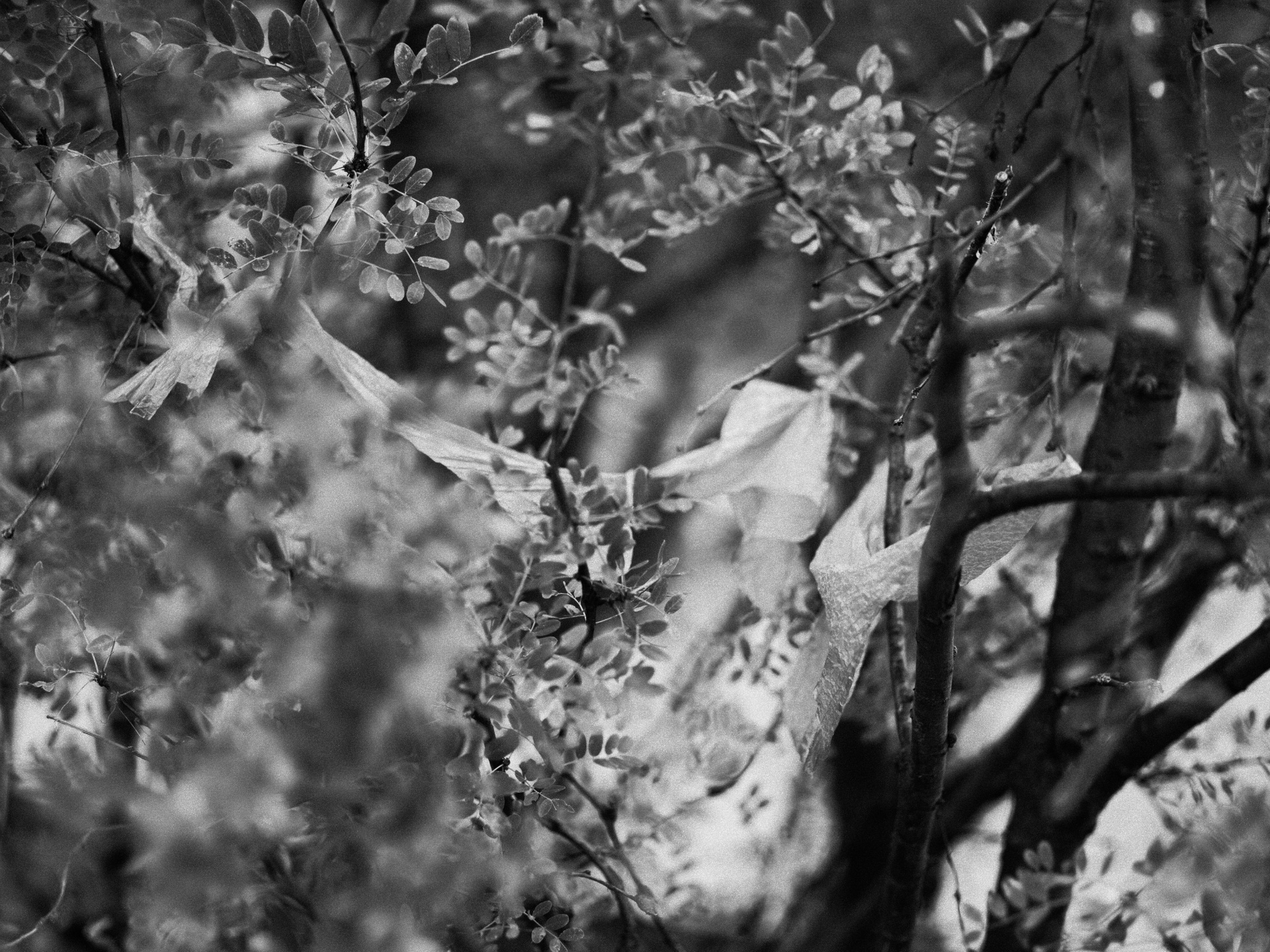
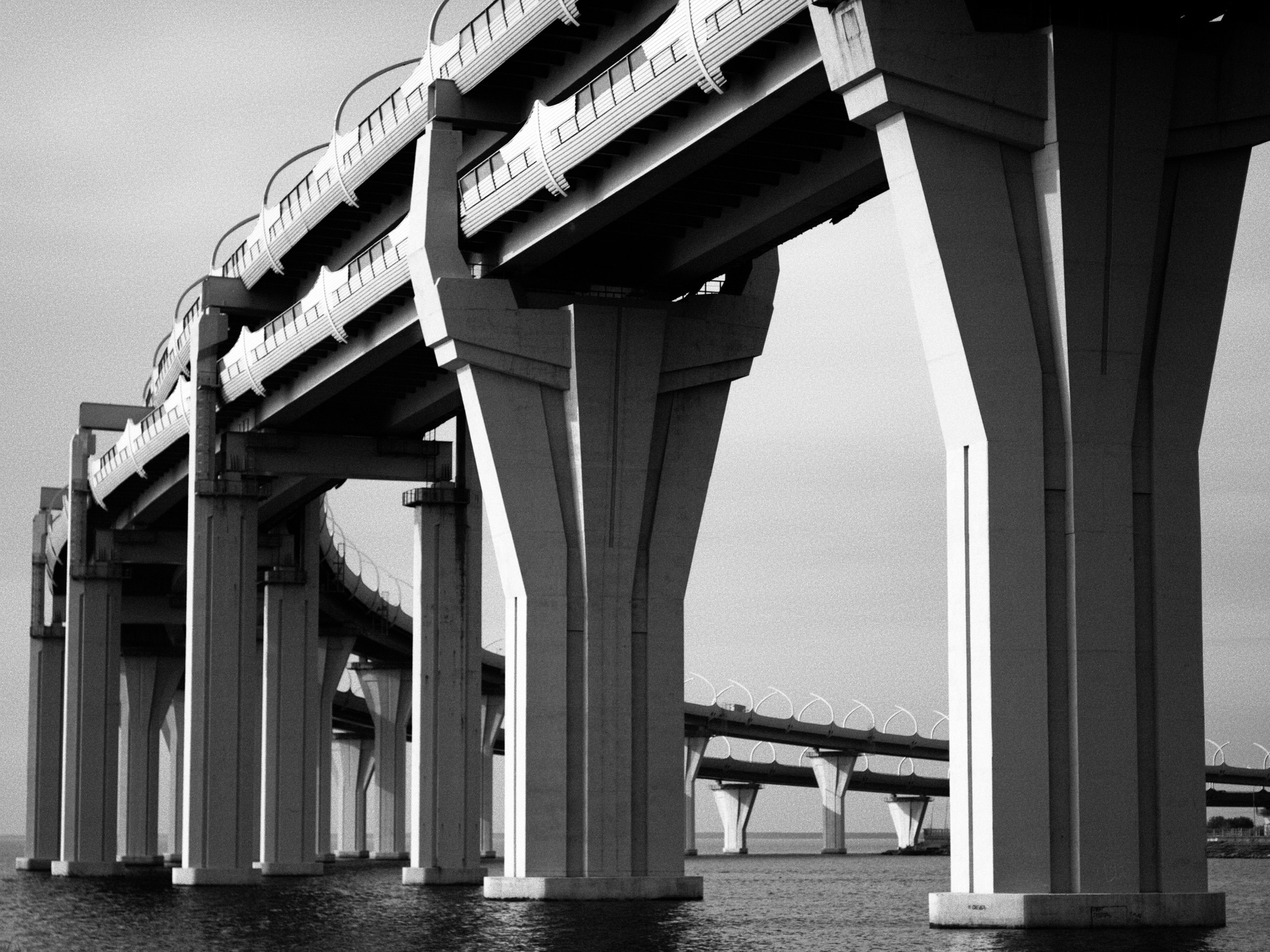
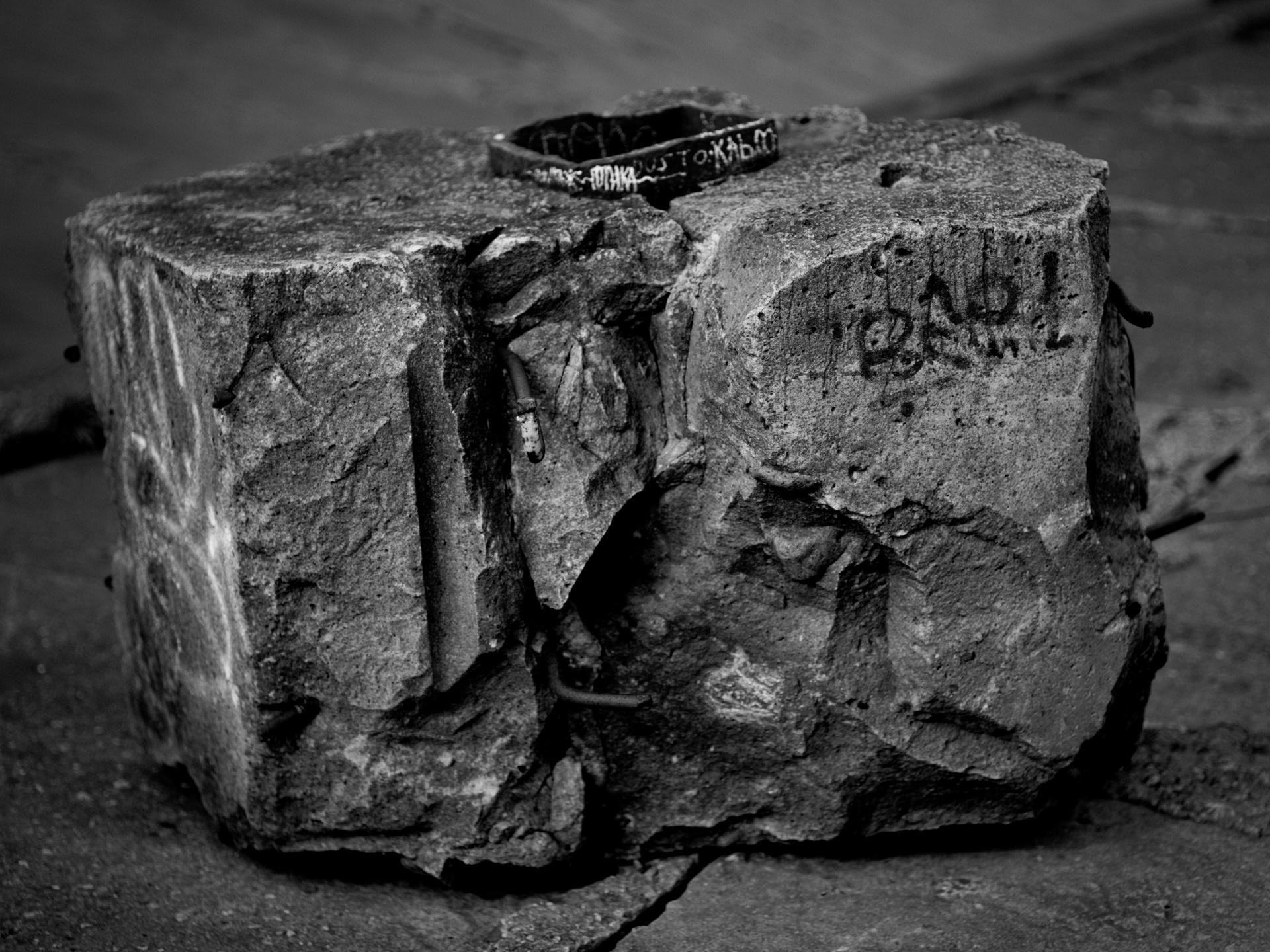
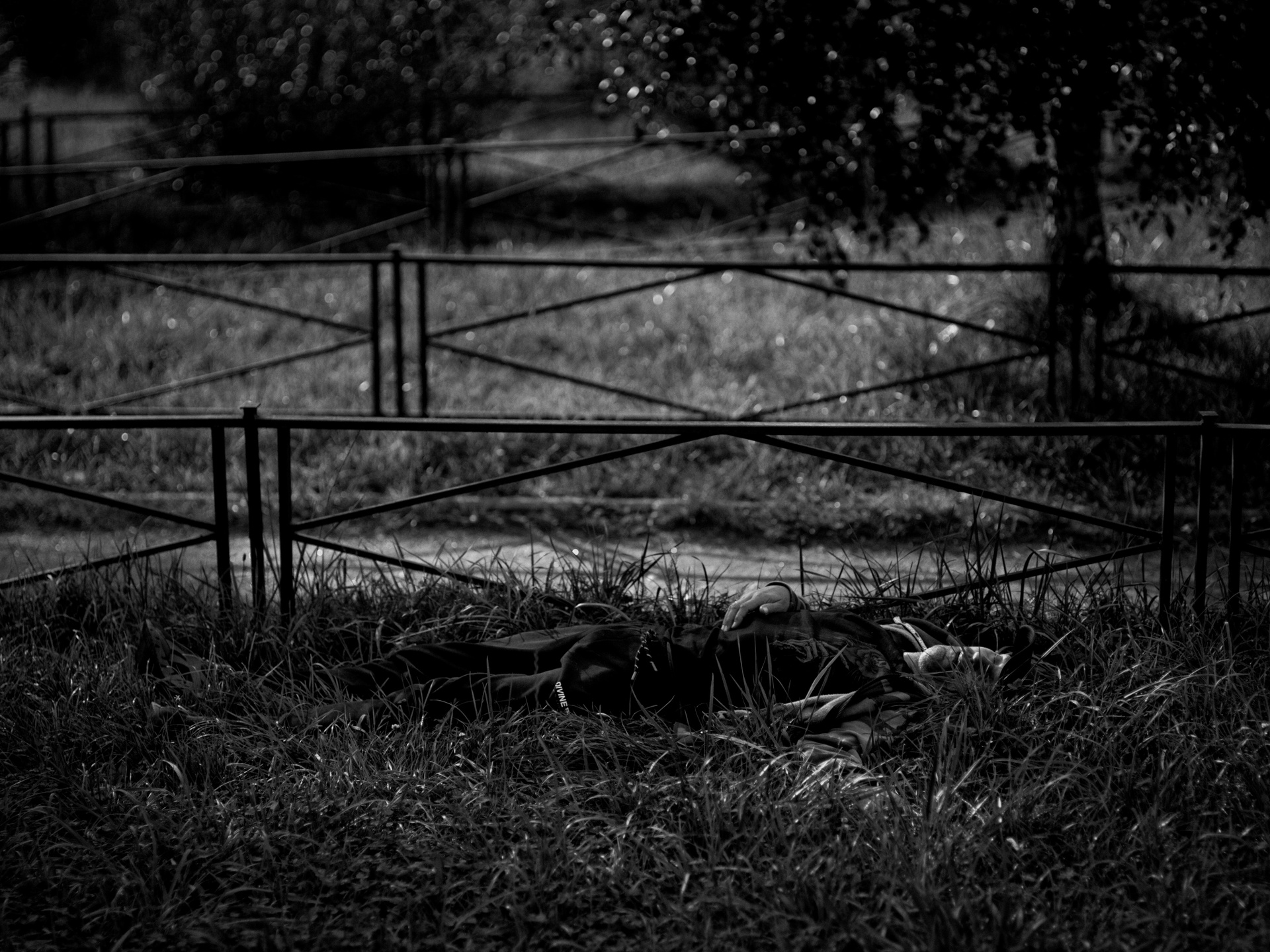
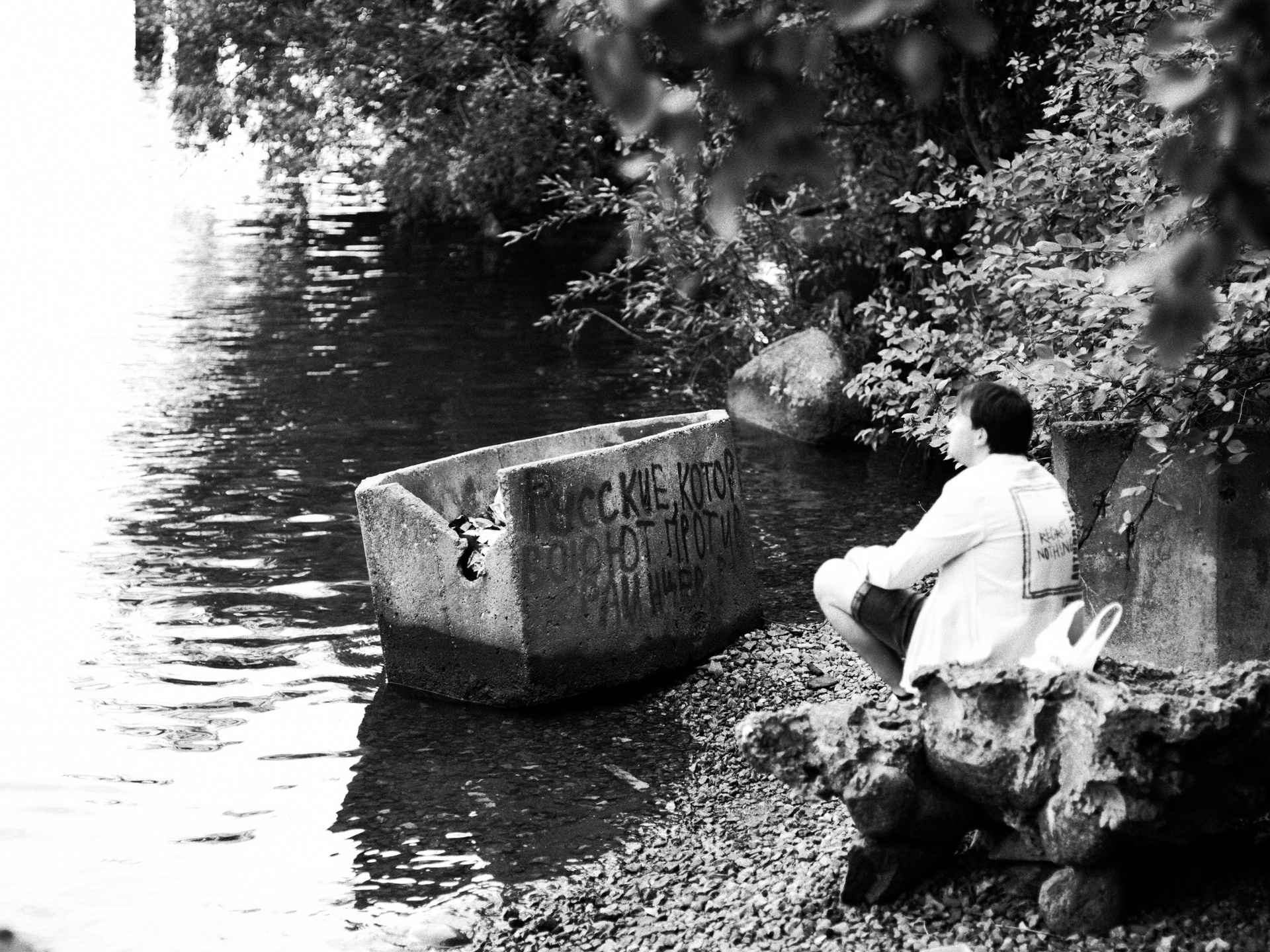
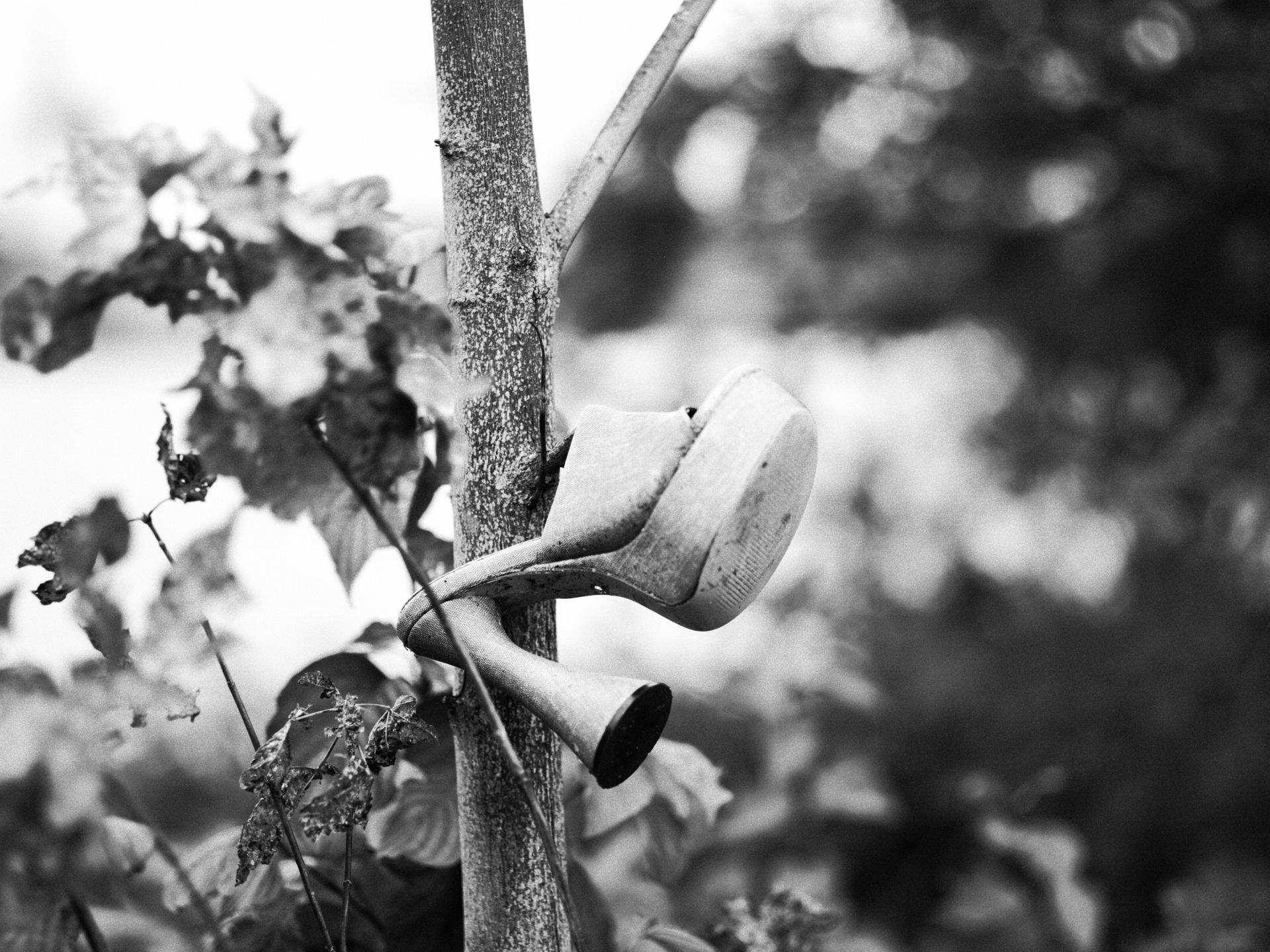
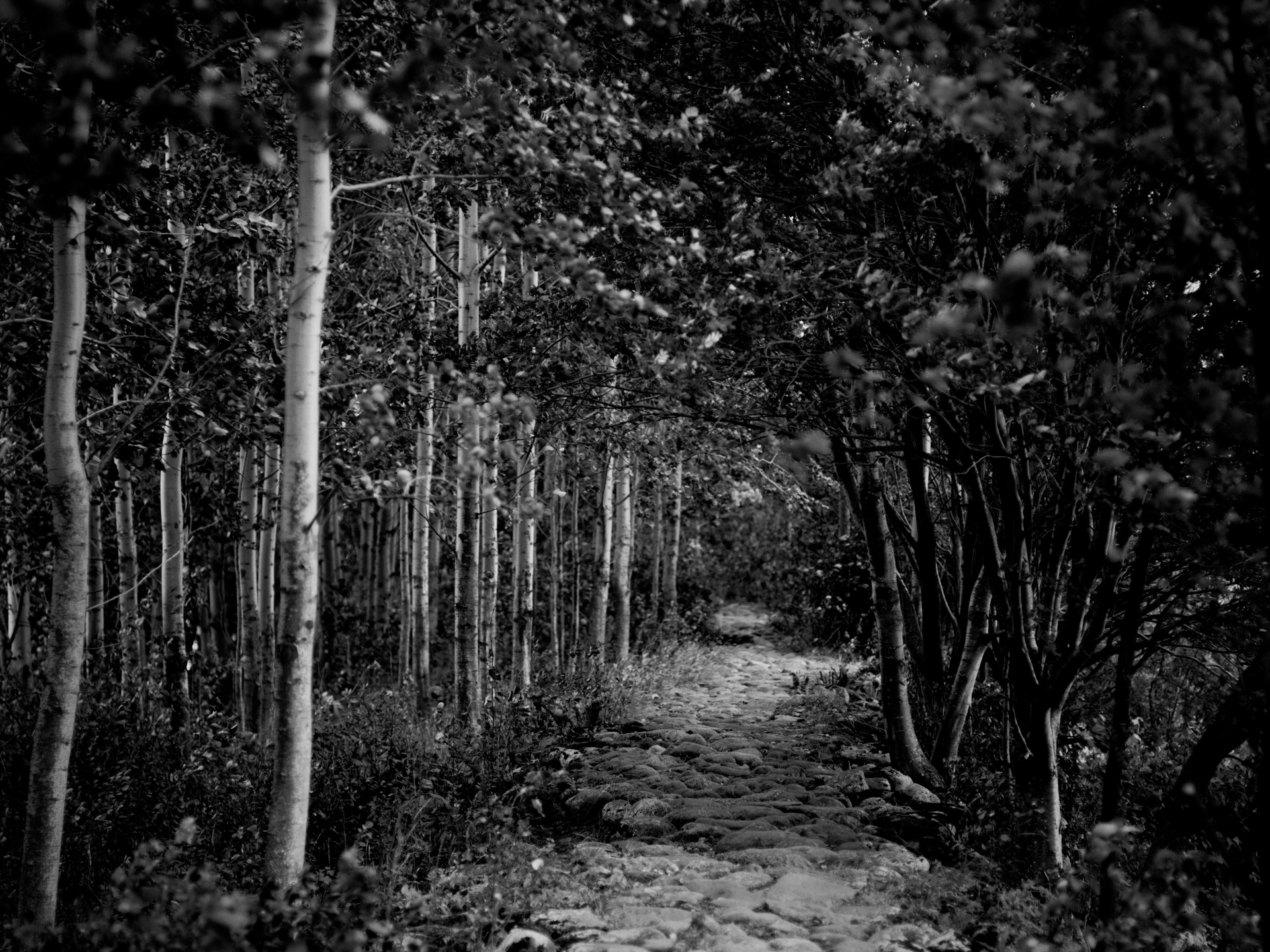
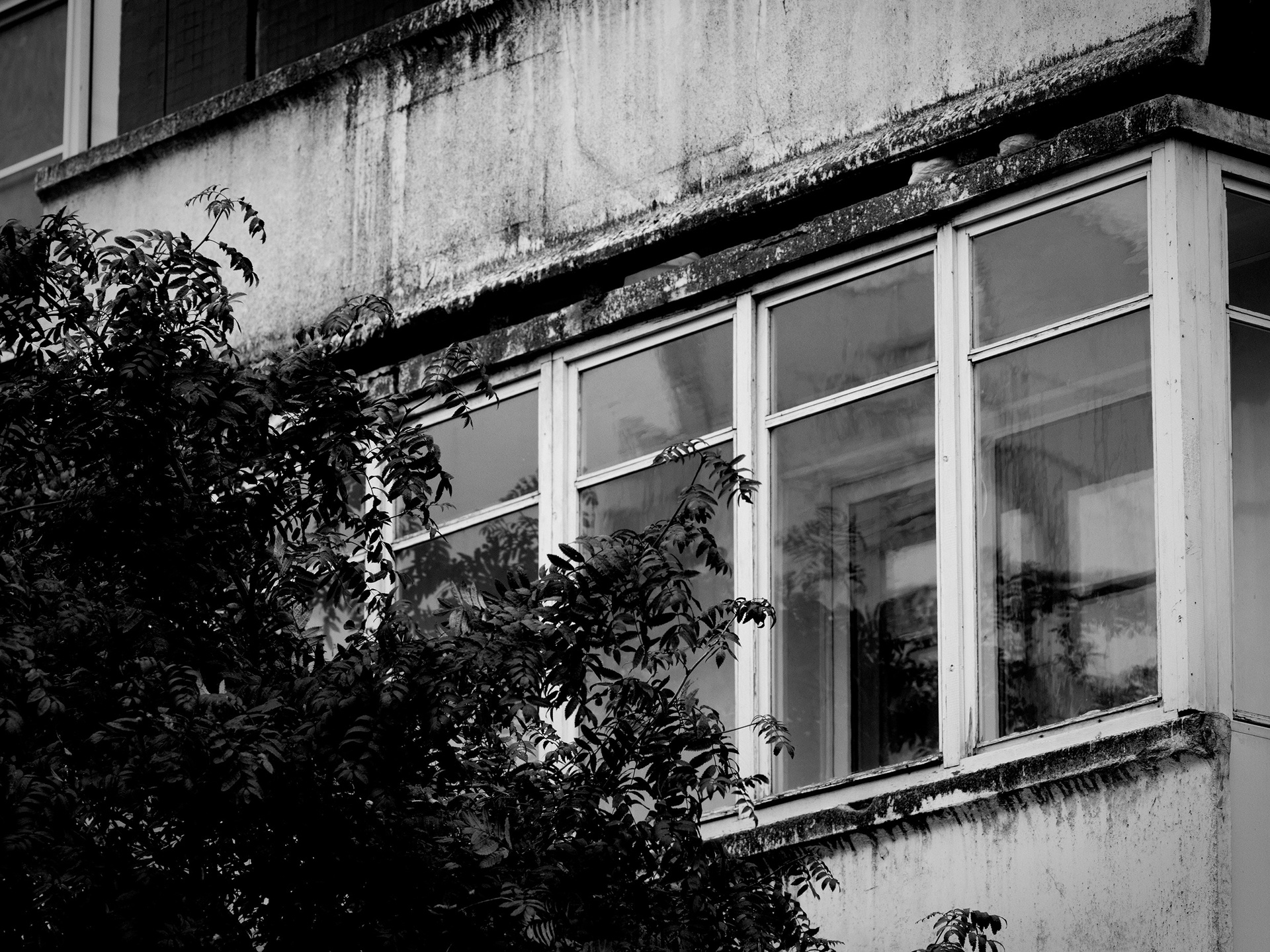
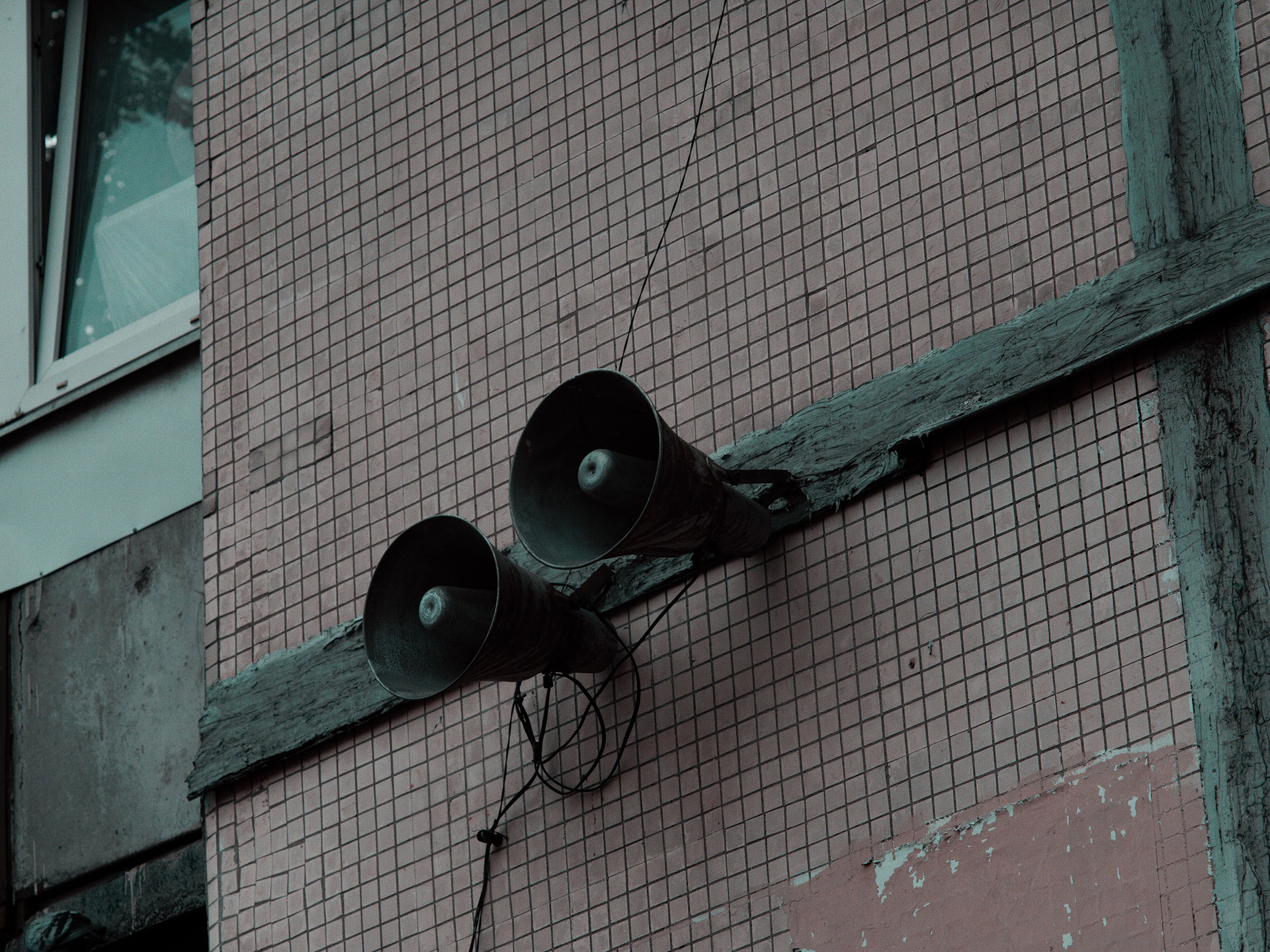
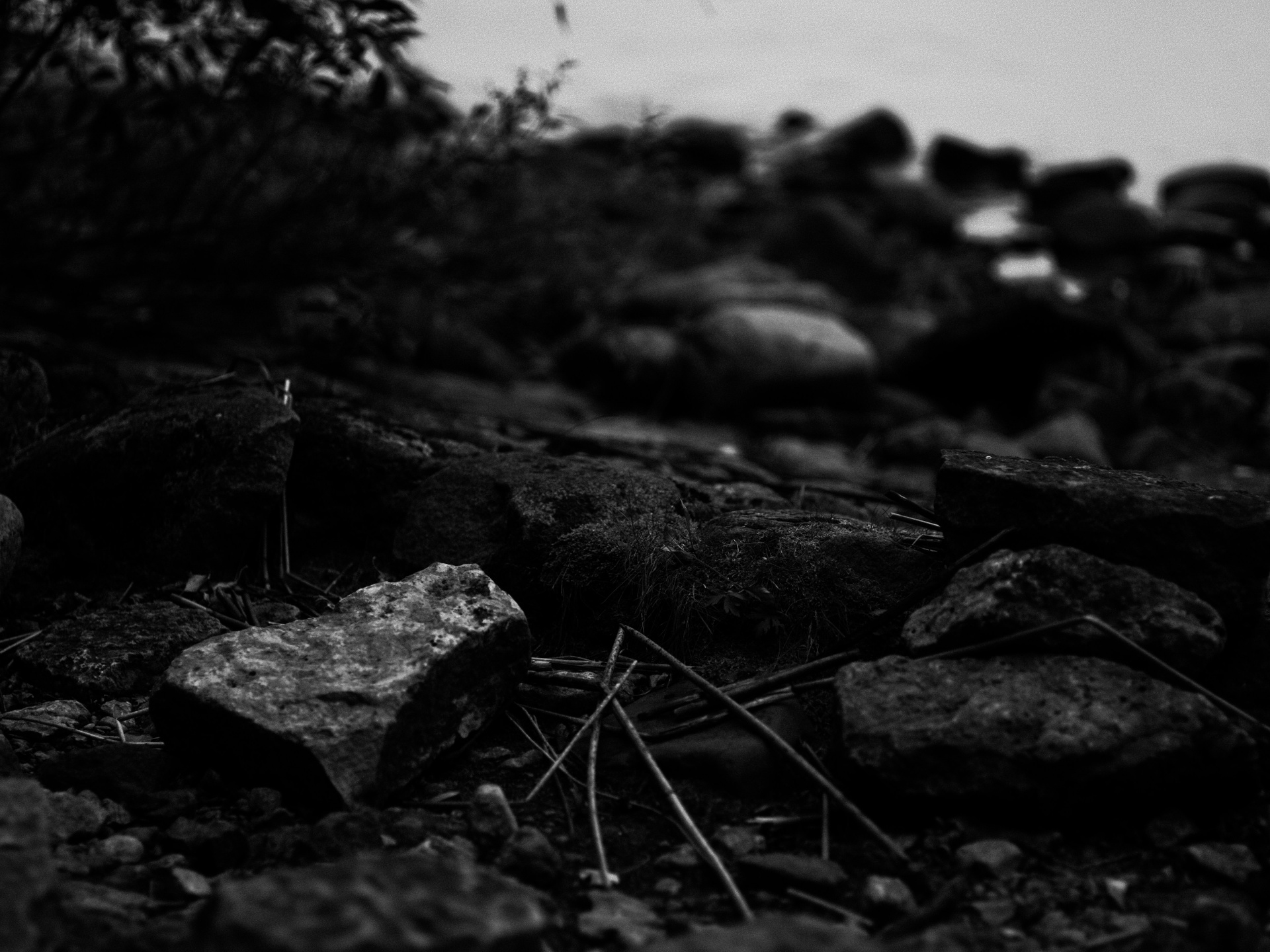
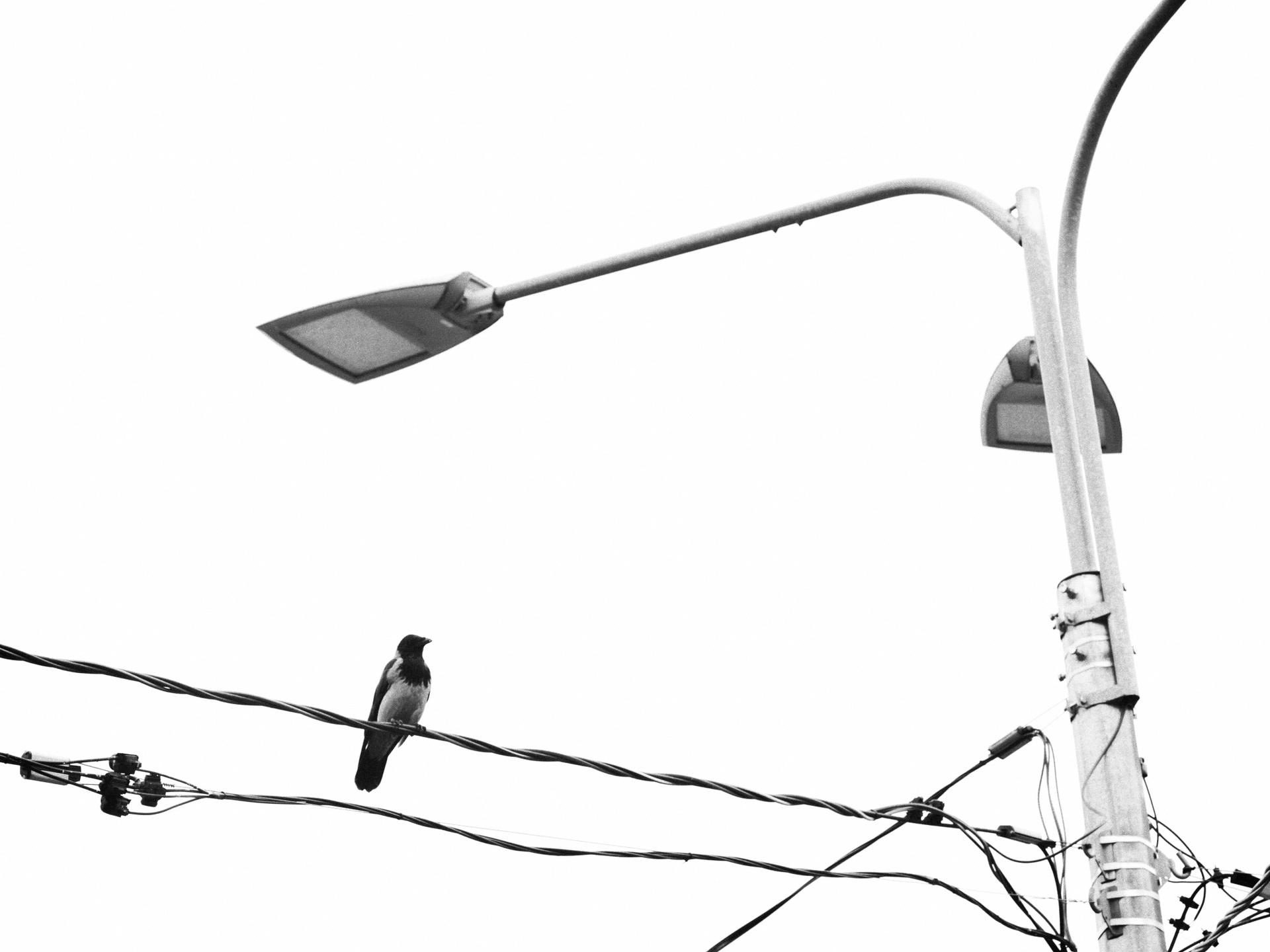
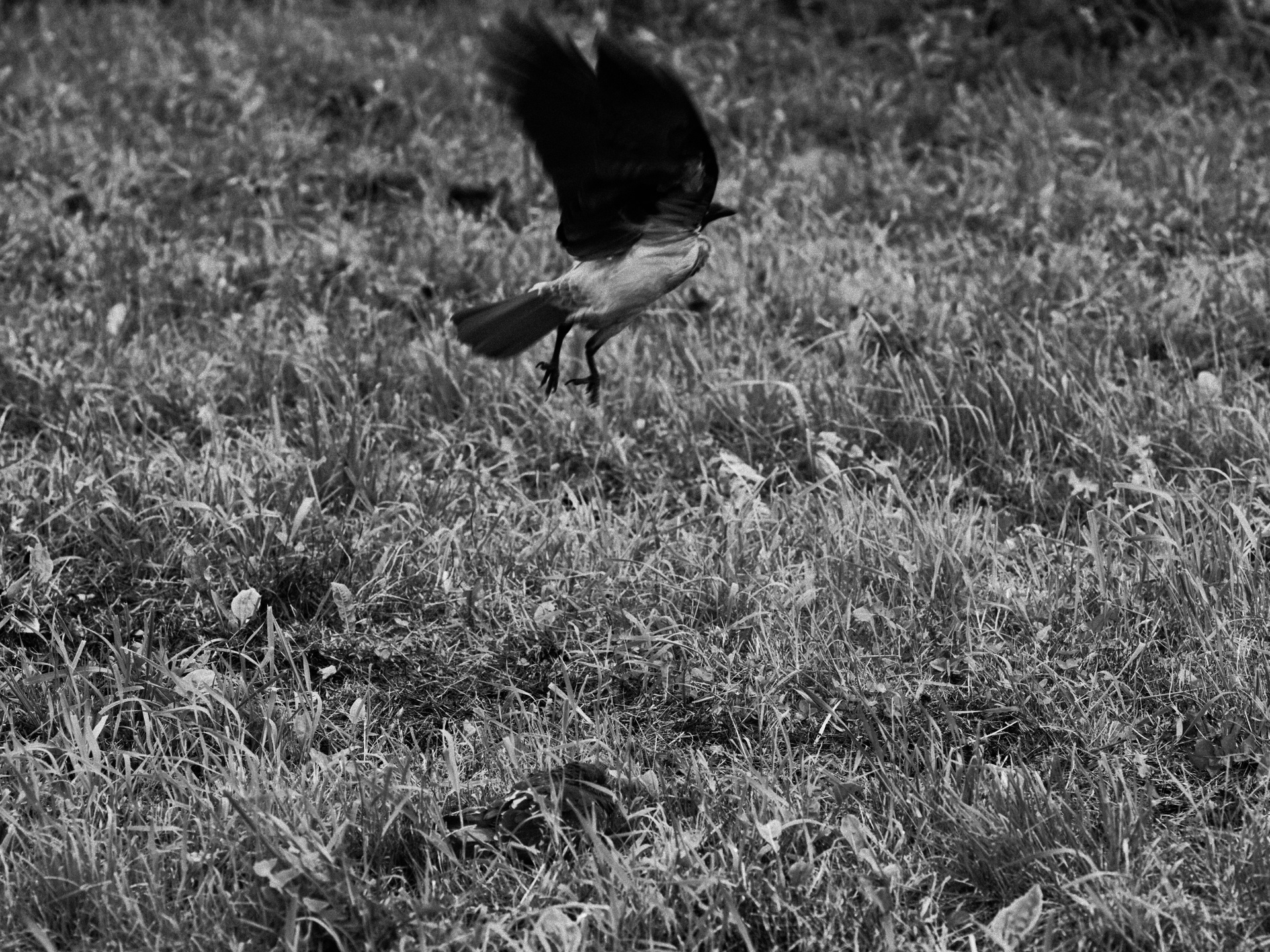
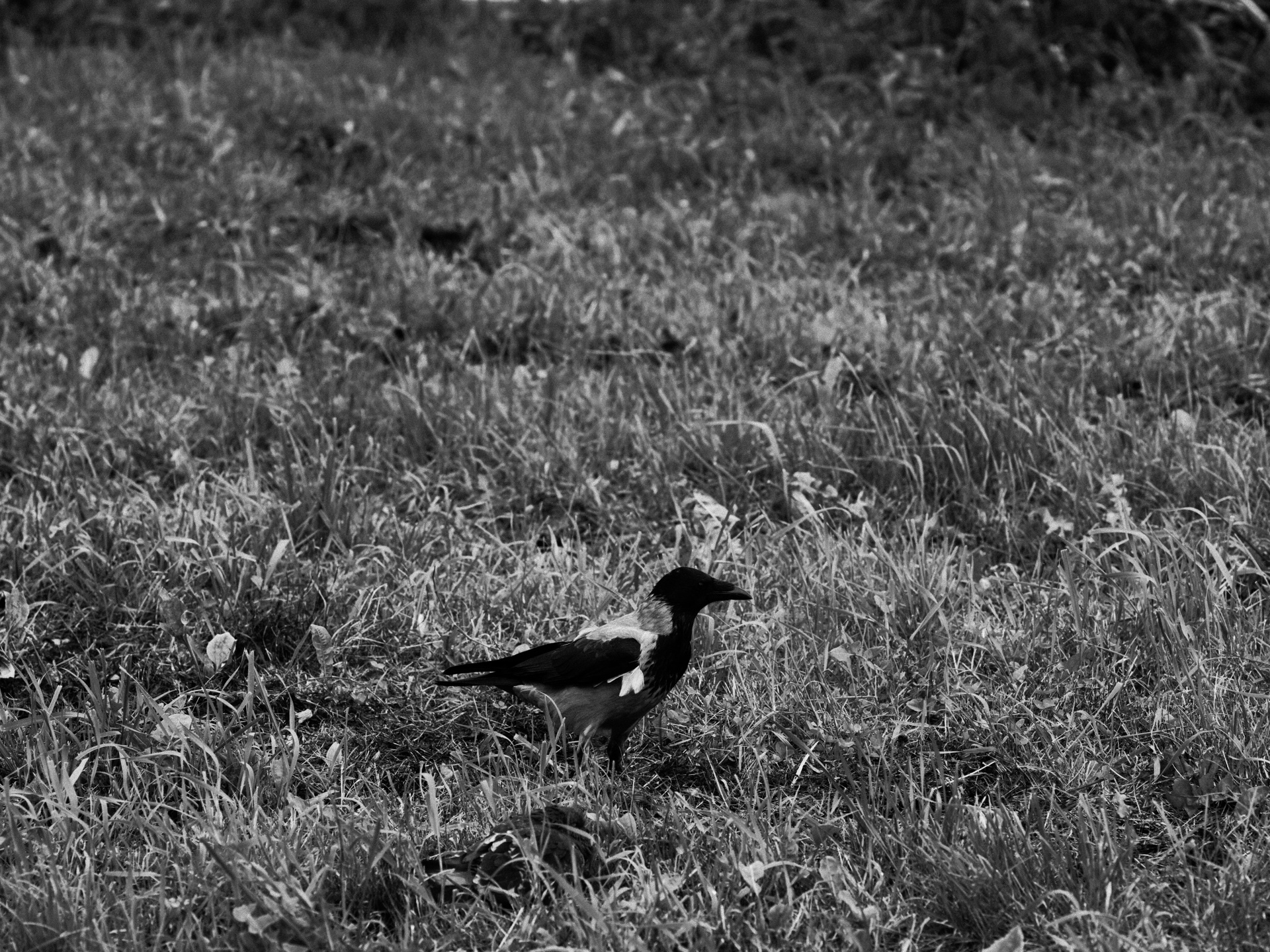
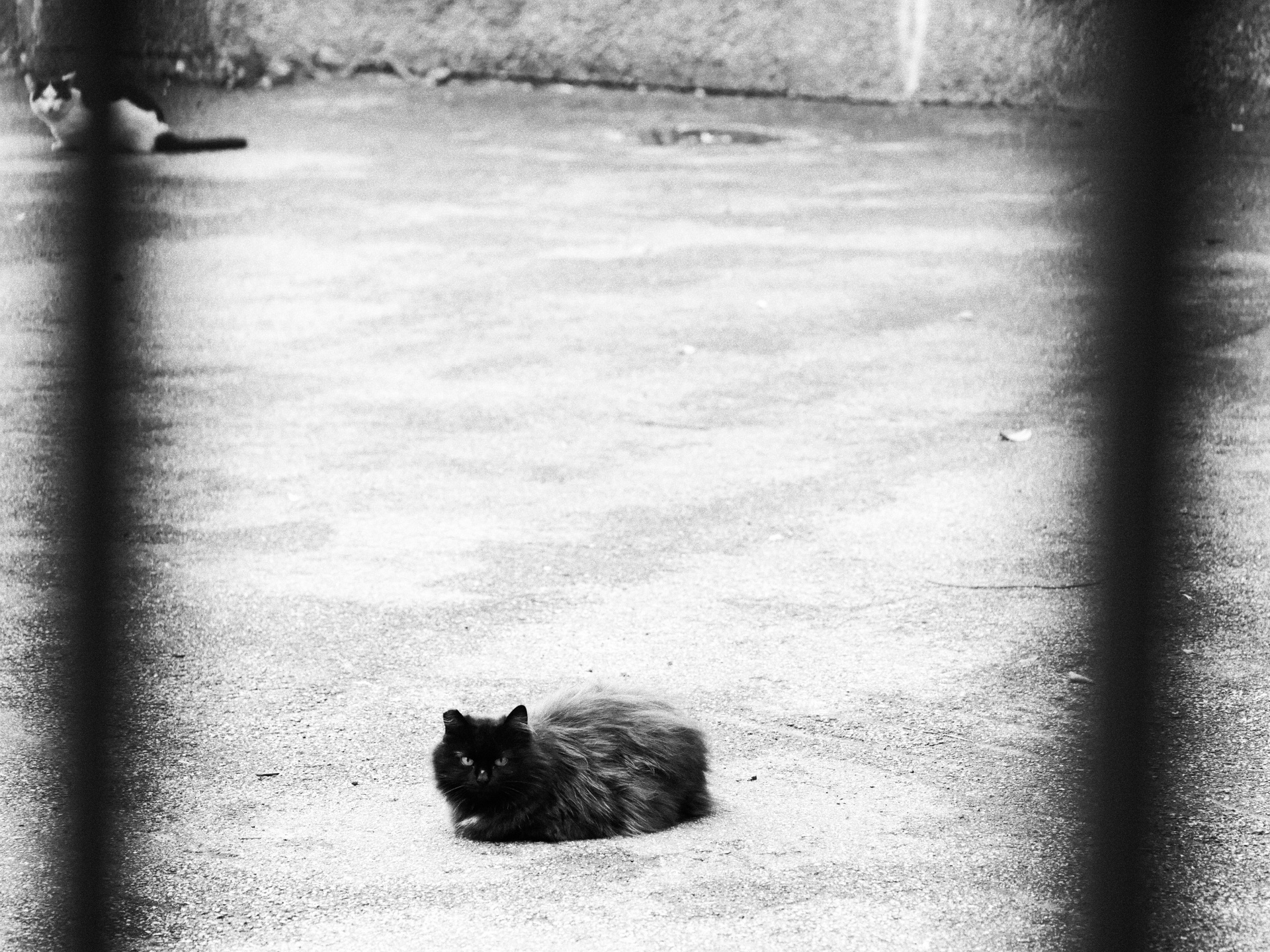
The series began with an exploration of liminal spaces: marshes beneath power lines, forest clearings and outskirts where nature and infrastructure coexist, changing how each is perceived. In the first work, There May Be Crocodiles Here, a familiar landscape appears as a territory about which we know nothing yet. Gradually, however, it is not only the place in front of the camera that proves to be in an intermediate state. The artist’s gaze is there too.
That summer, HE noticed that he no longer recognised beauty as he once had. He went out with his camera, but familiar ideas about what was worth photographing no longer helped. New sources of visual pleasure had not yet taken shape; he did not even know where to look for them. Photography became a way of moving through this uncertainty: looking, lingering, trying again.
The search unfolded against a background of changes in his life. A separation, caring for his grandmother and her move into a care home altered the familiar rhythm of his days. Watching clouds, walking with a camera and talking about what he had seen and experienced helped him understand what was happening. These conversations included dialogues with an artificial interlocutor, part of a private space HE calls the couch. His outward drift through forests, fields and urban outskirts coincided with an inward transition: his former life was changing, while a clear image of the next one had yet to emerge.
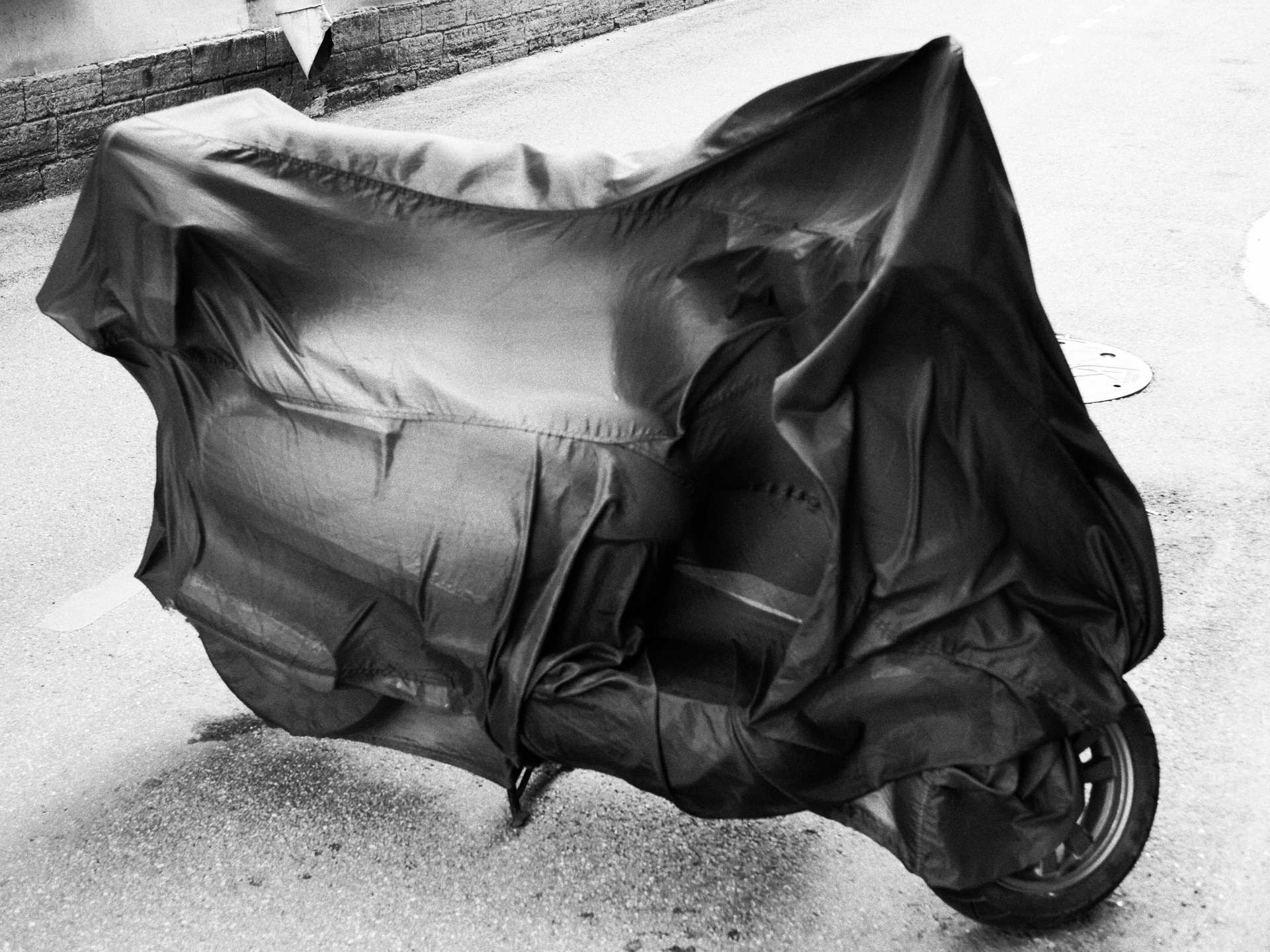
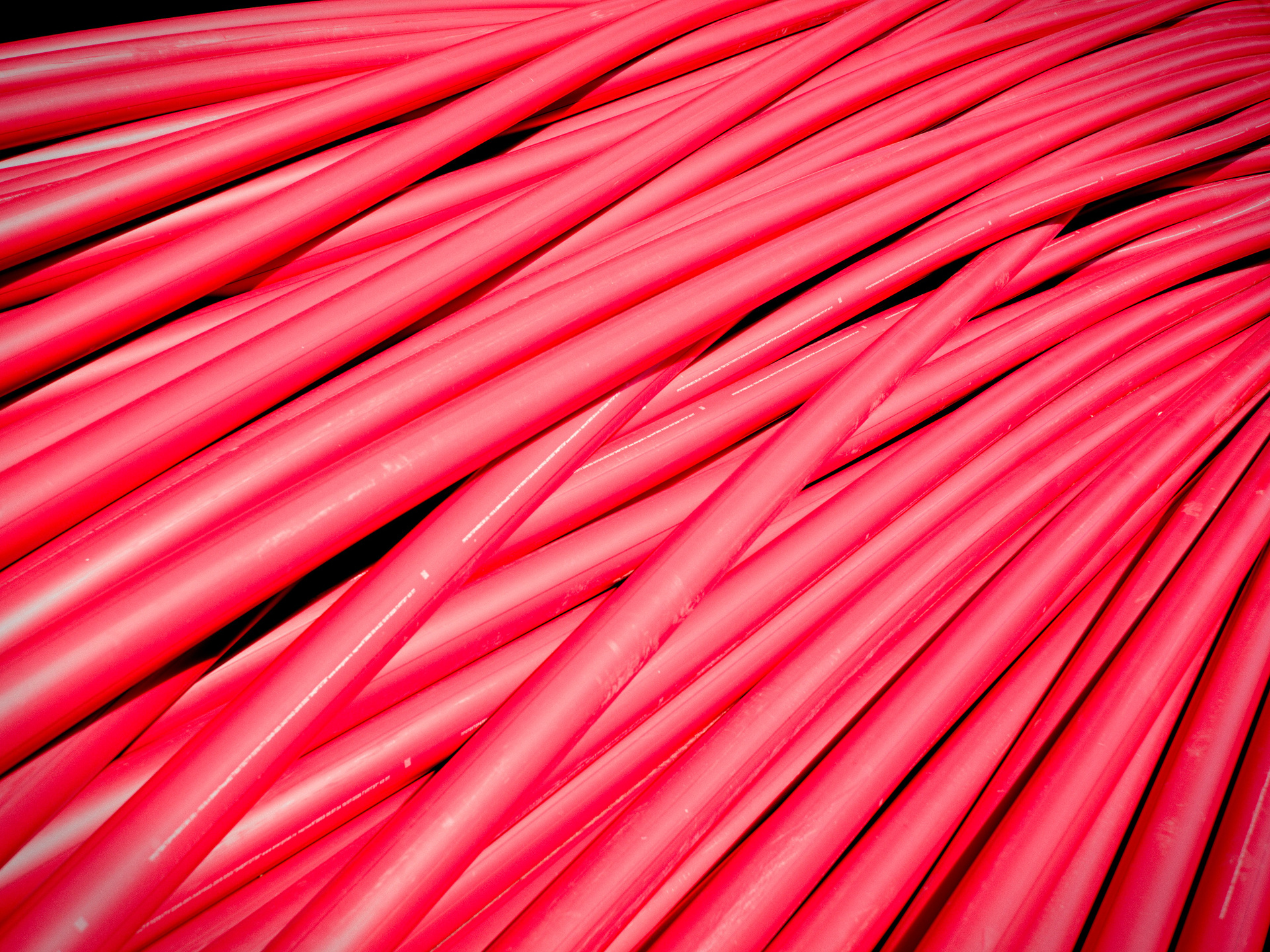
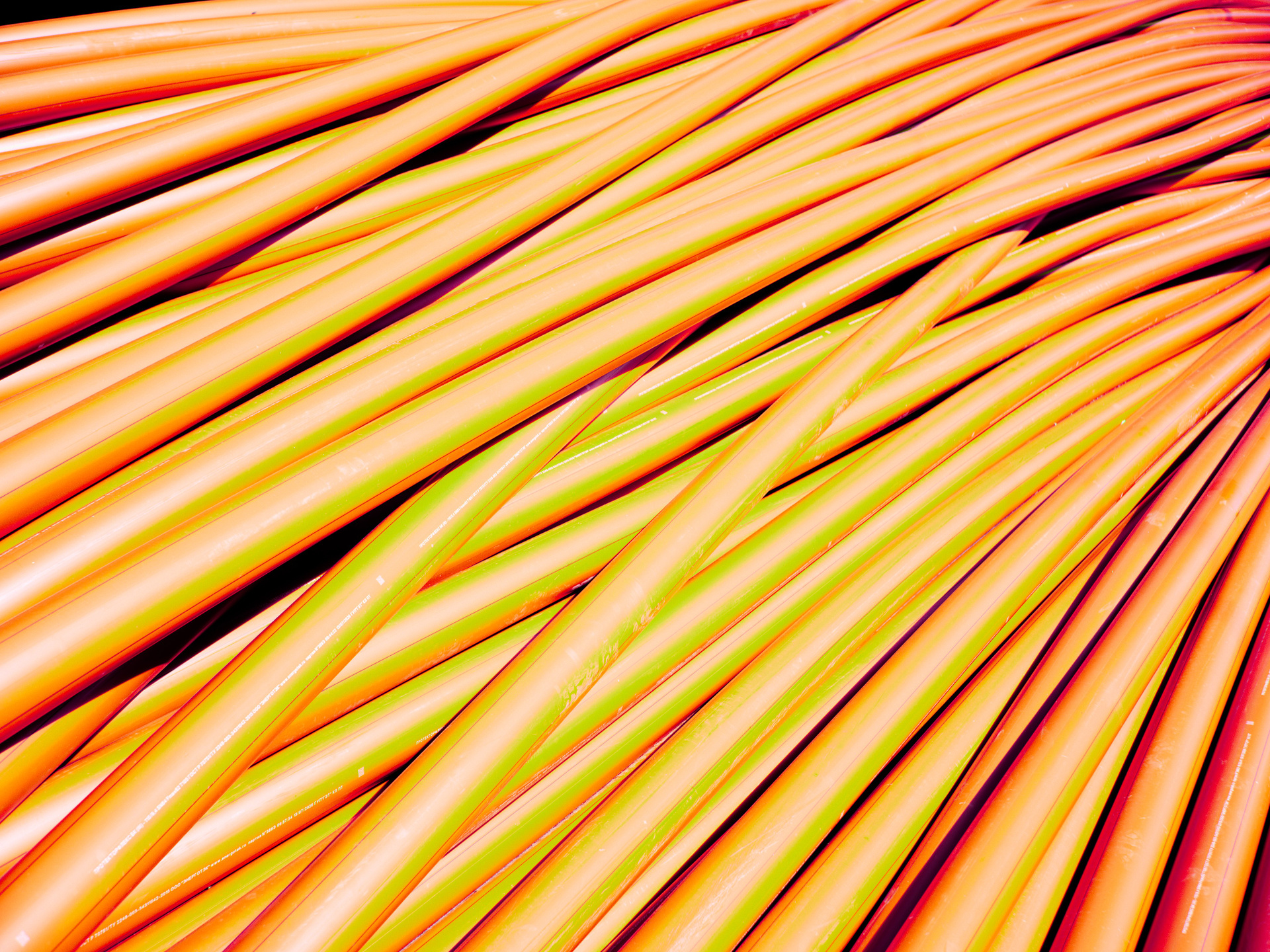
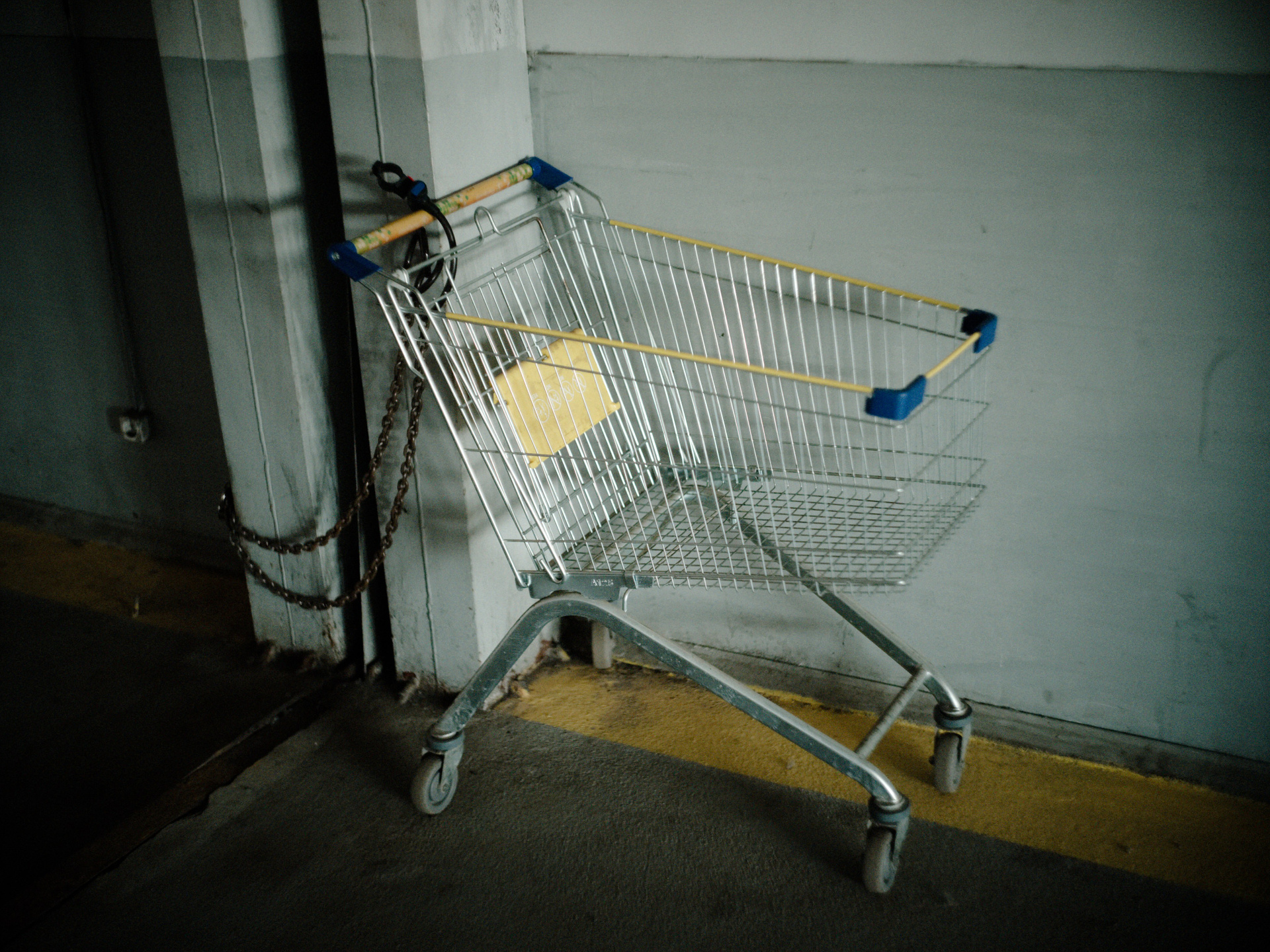
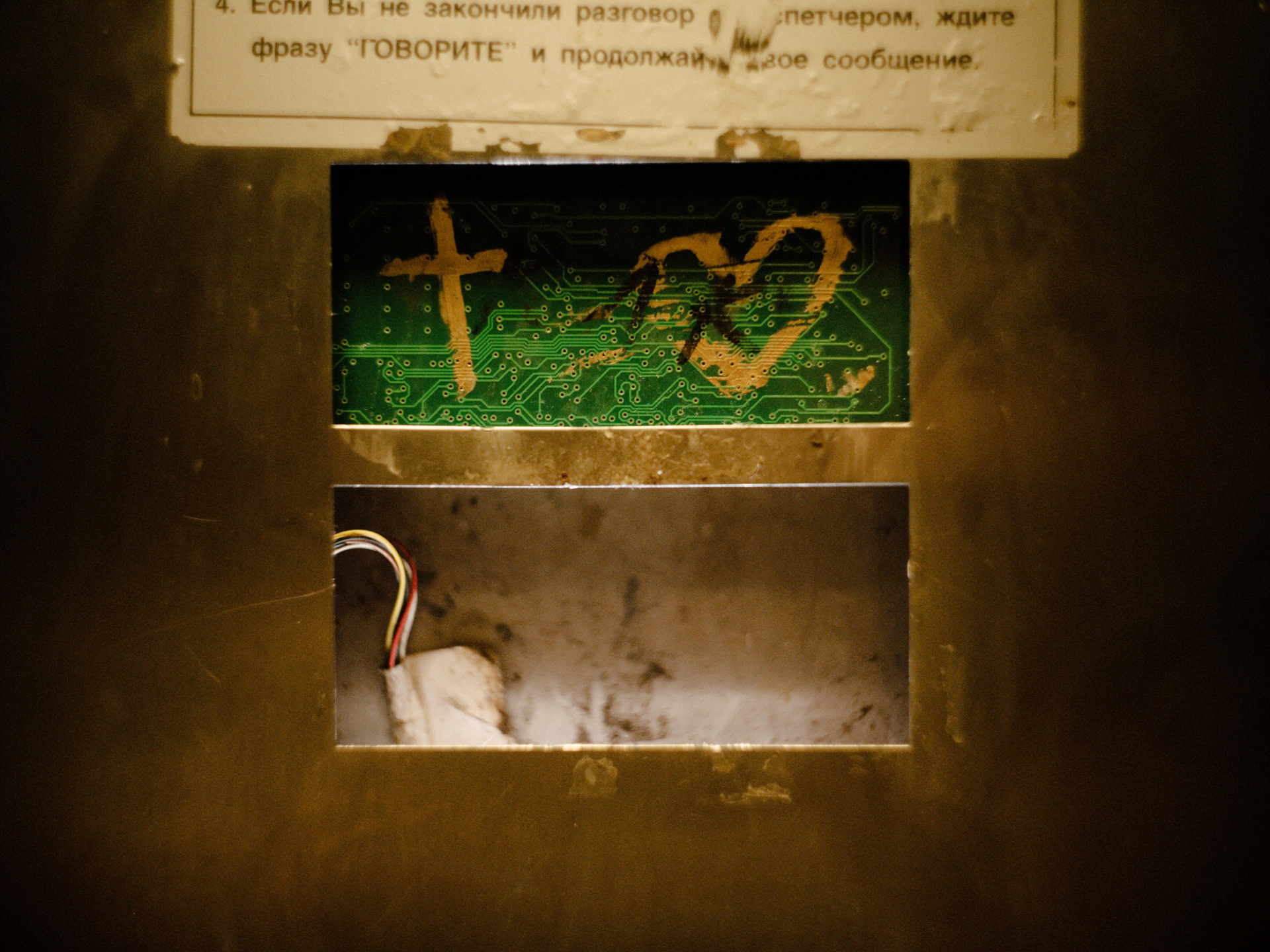
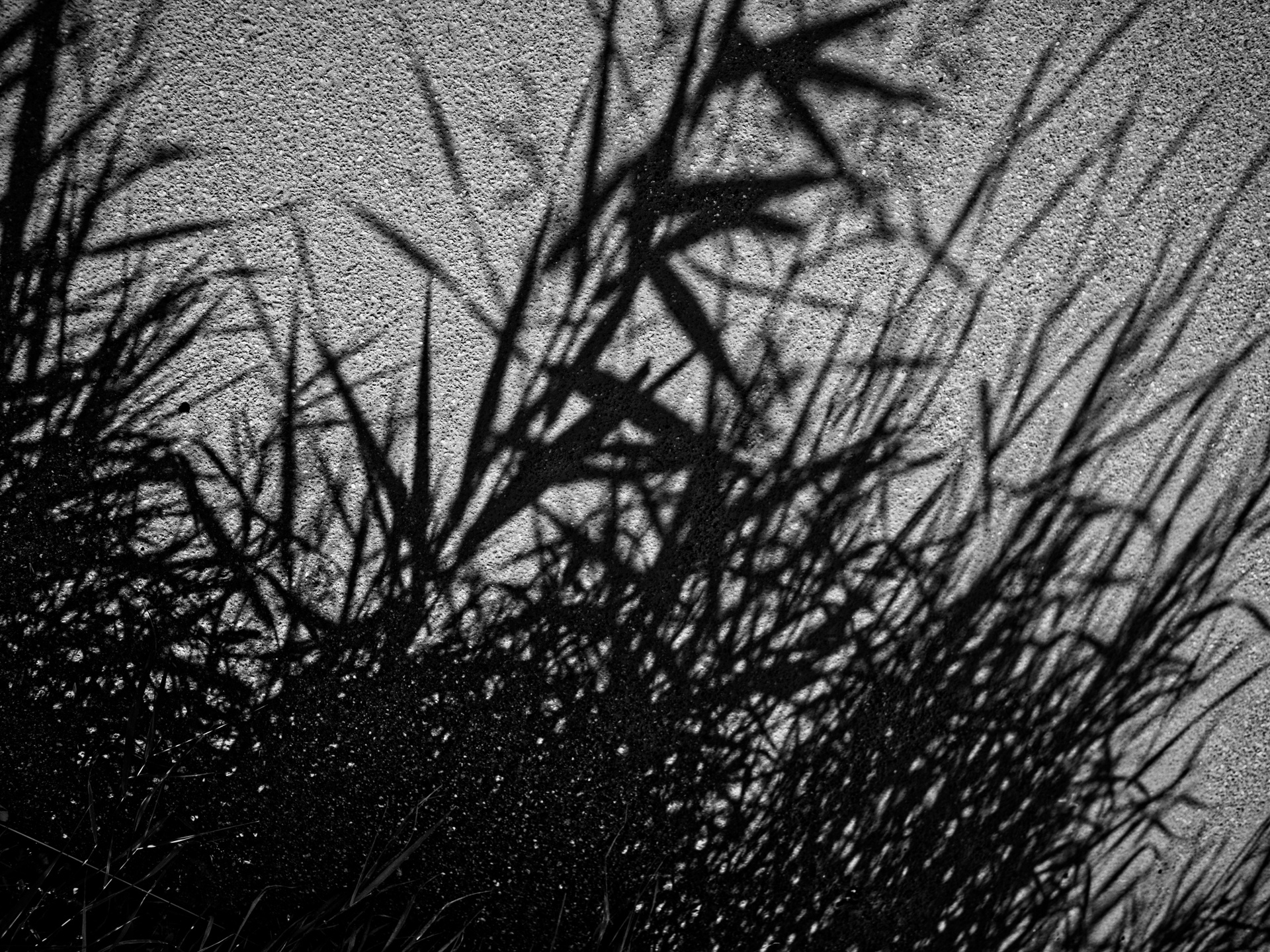
This explains the series’ open structure. After the marshy landscape come women among trees, fields and sky, a surface resembling Jupiter with an overturned fly, and pink thickets. Attention then pauses on a sleeping scooter, discarded plywood, a tree growing from a stump in water, a wrapped motorcycle, a chained trolley, a reflection of grass, rubbish and graffiti. The subjects do not follow a single idea of beauty. Every frame poses the question anew: what exactly made me stop and look here?
The way of photographing changes too. With a Fujifilm GFX 100S, Hodirev experiments with a wide-angle TTArtisan and lenses by Pentax and Fujifilm. Optics alter scale, distance and the relationships between objects within the frame. Experimenting with lenses becomes part of the search: sometimes beauty emerges in a space as a whole, sometimes in a small form that might have gone unnoticed.
A Source of Visual Pleasure in this series is not necessarily a beautiful object. It emerges from the encounter between a place, light, optics and the state of the person looking. It cannot be designated in advance or reached by following a ready-made route. The photographs therefore preserve not only discoveries, but also the process of doubt, shifting interests and a gradual adjustment to a new way of seeing.
It is easy for an artist to believe that a new brush, canvas, camera or lens will make their work more beautiful. Yet, on picking up a new tool, they encounter the world with the same inner gaze: the gaze of someone moving from the past into the future through the space of Bardo. The tool helps them see differently. Beauty begins where the person looking changes.
***