Ф4
A4
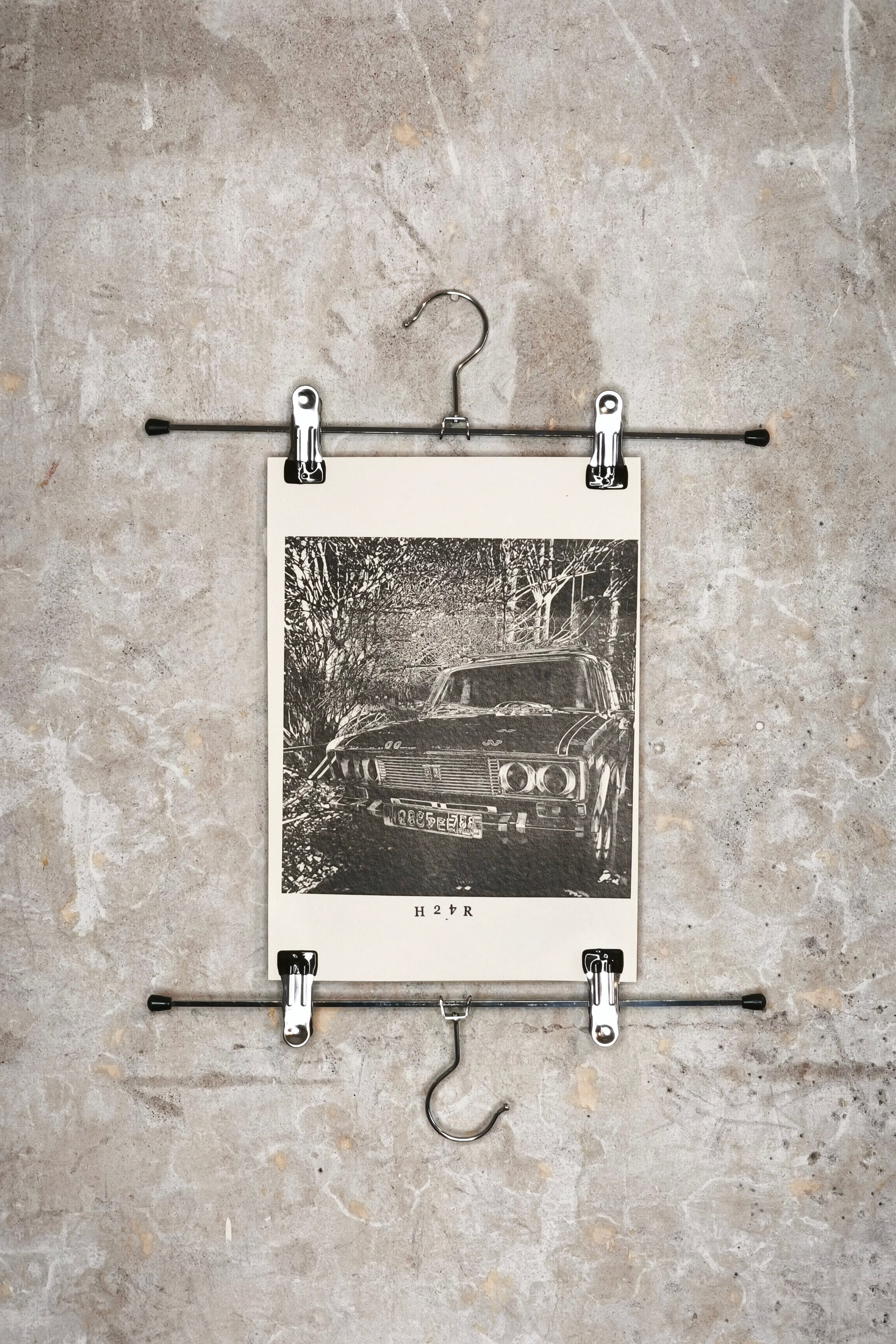
This series began in 2022 with an old printer that, according to legend, had previously lived somewhere in the depths of the FSB and came to me in exchange for a bottle of brandy.
At the time, familiar white office paper suddenly disappeared from Saint Petersburg. What remained was yellowish, almost brown. The printer was far from perfect too: black-and-white, crude, and very limited in its capabilities.
The Beauty of Limitation
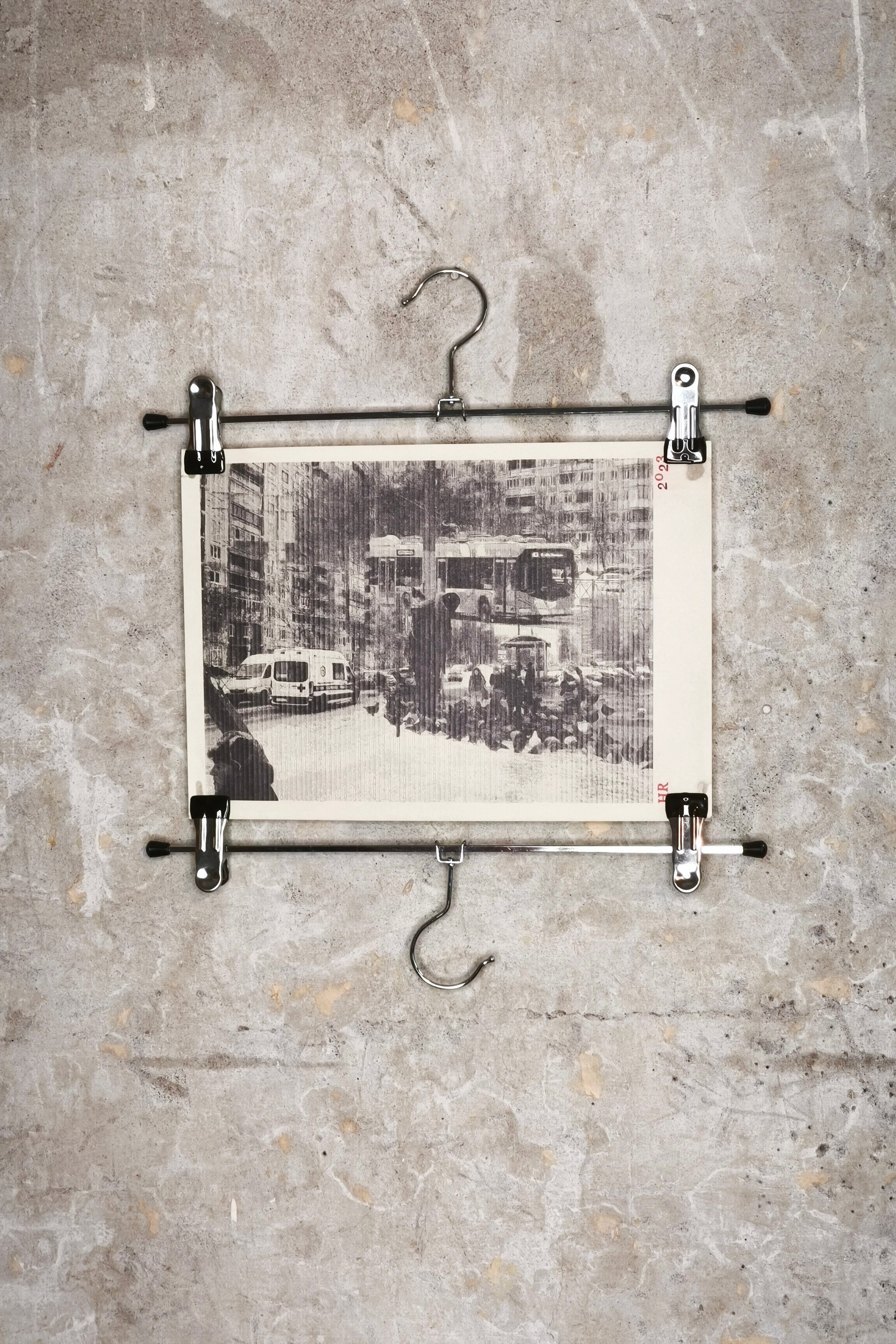
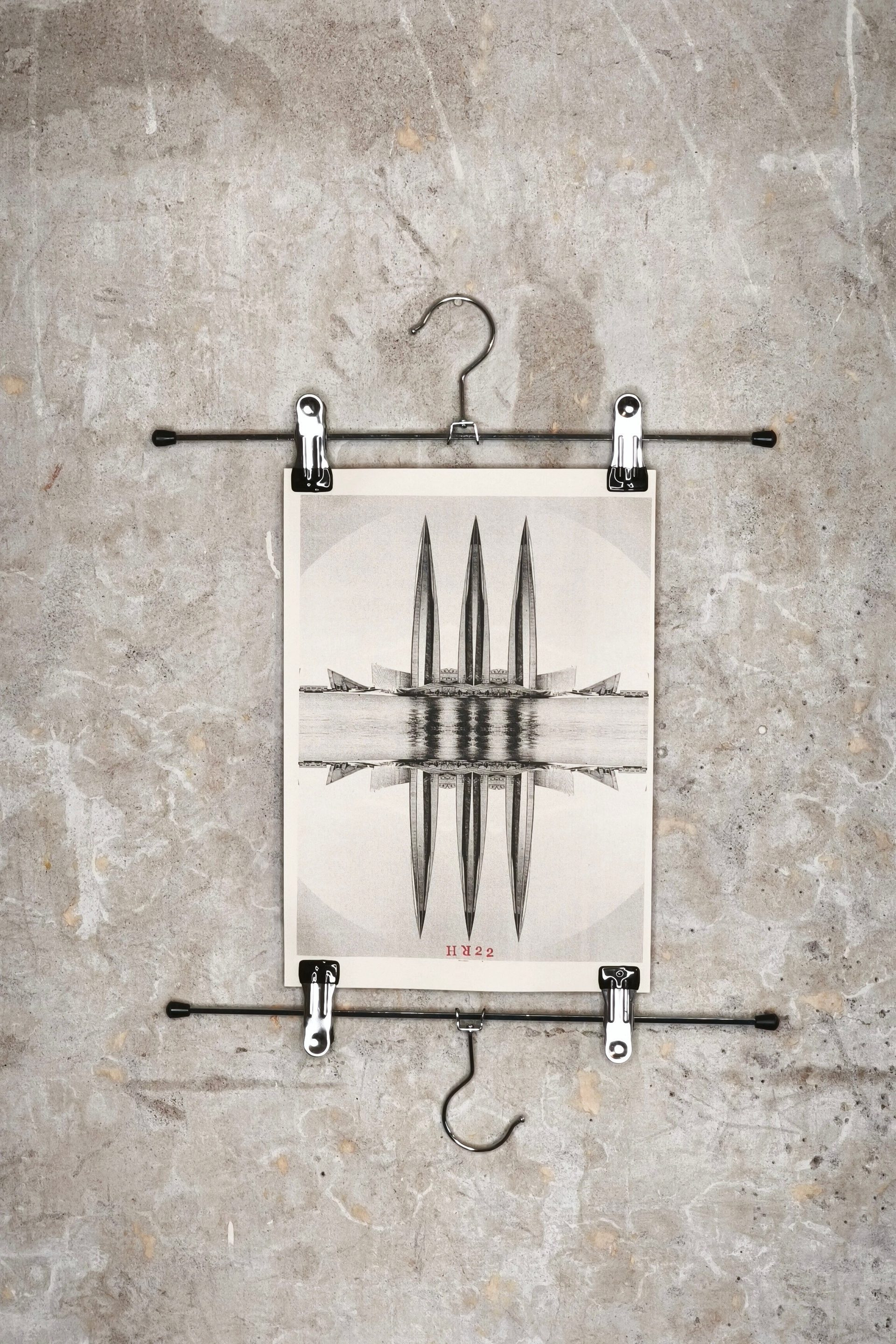
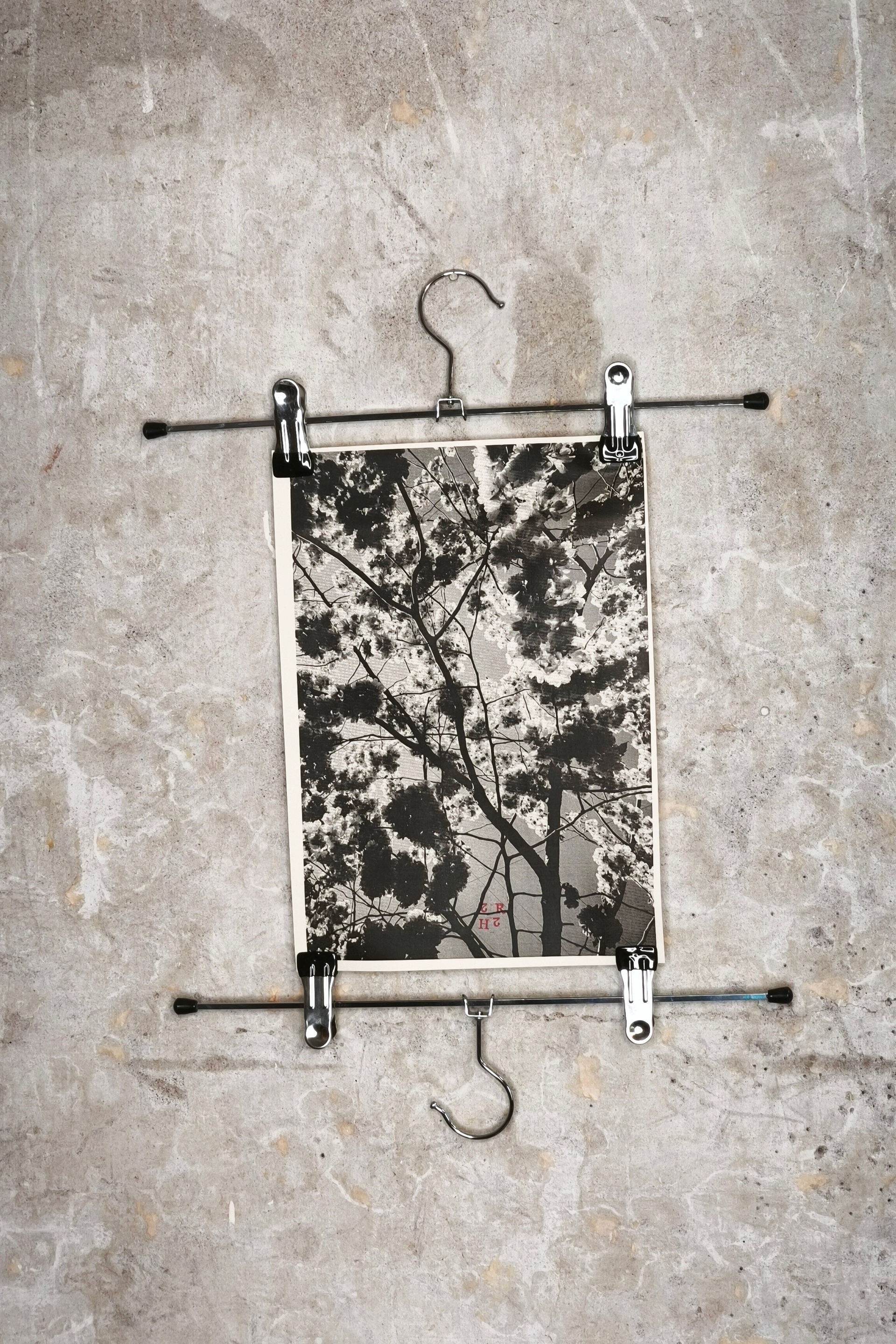
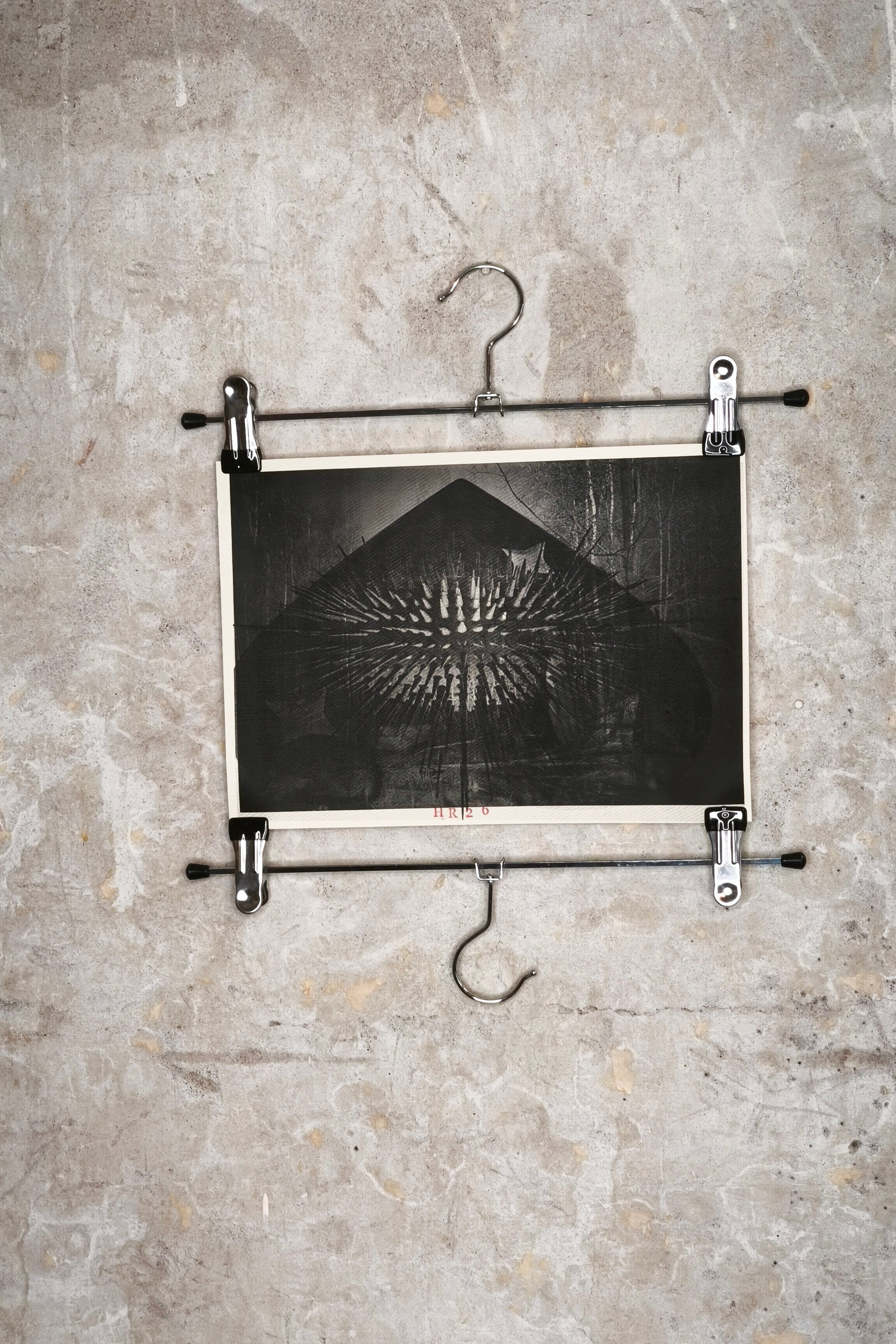
The A4 project begins with an almost anecdotal story. In 2022, the artist needed an ordinary office printer to work on Fluxo Selfie Machine. According to the project’s internal legend, the machine had previously resided somewhere in the depths of the FSB and was acquired almost according to the rules of late-Soviet barter: for a bottle of brandy. A machine designed to produce documents found itself in an art laboratory.
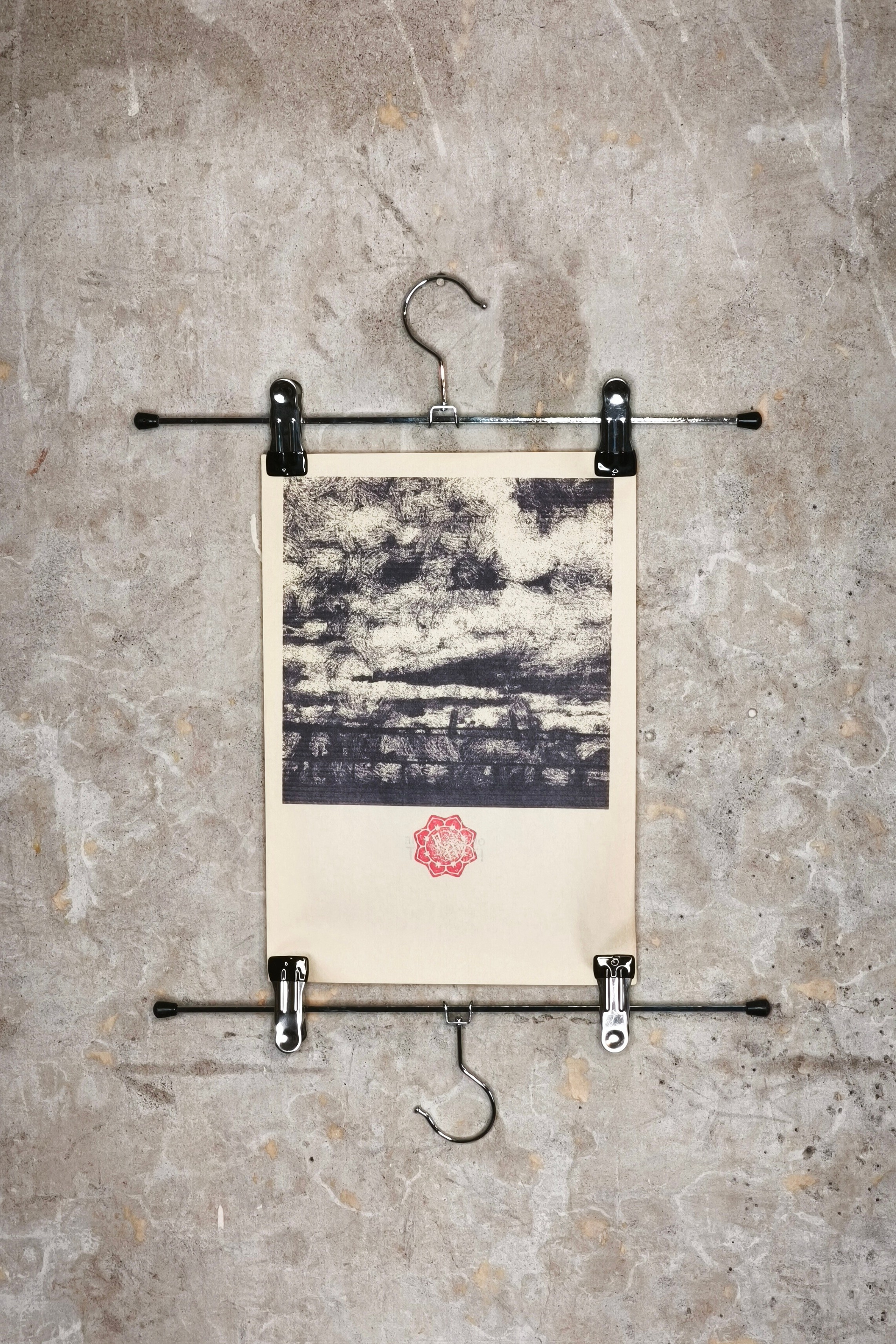
Around the same time, familiar white office paper disappeared from the artist’s everyday life. In its place came paper of a different shade: yellowish, brownish, as though it had already aged despite having just been manufactured. In the normal logic of printing, these are shortcomings: the wrong colour, a poor medium, a poor machine, an imperfect print. Yet the project’s first form emerges precisely from this combination of things that are “wrong”.
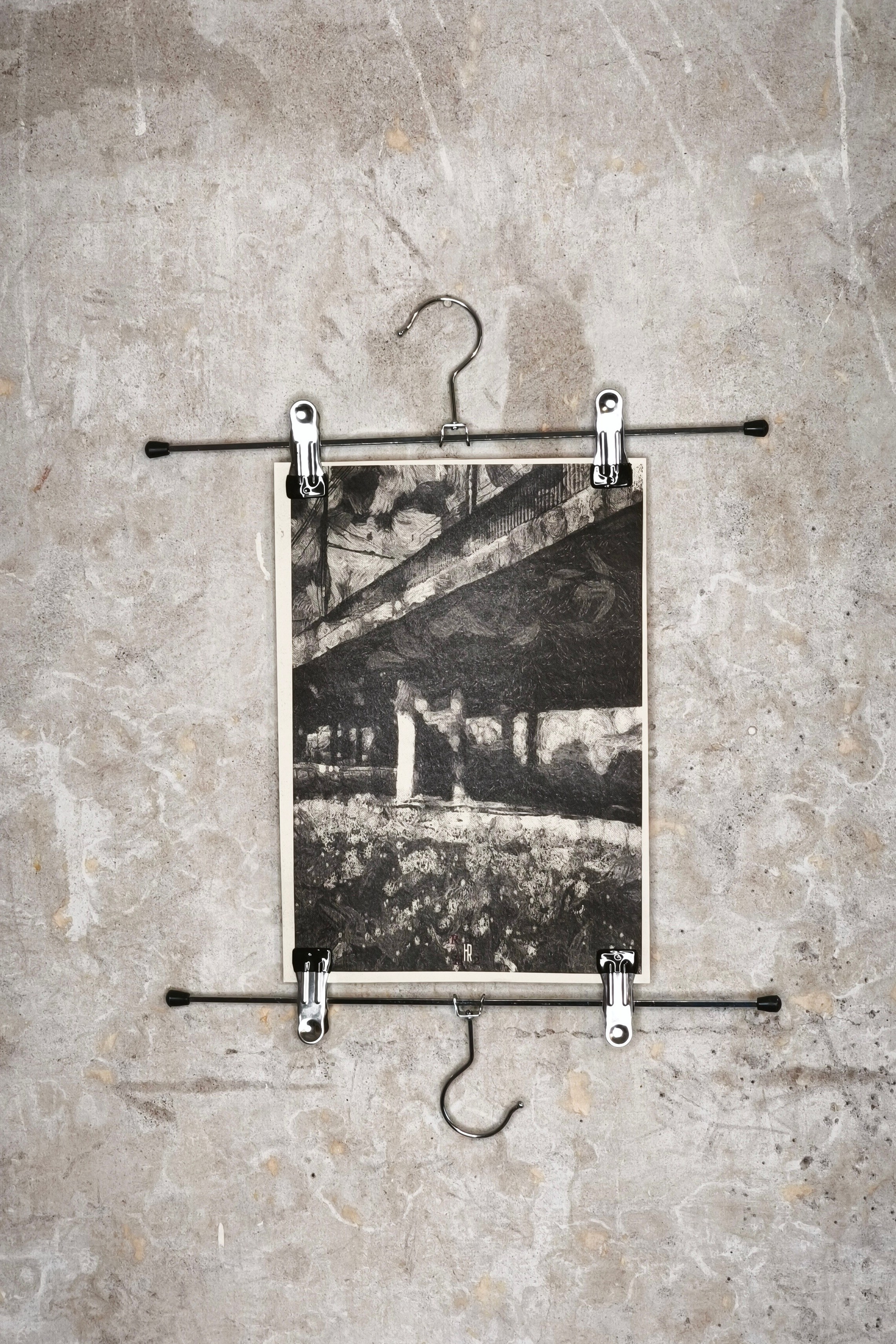
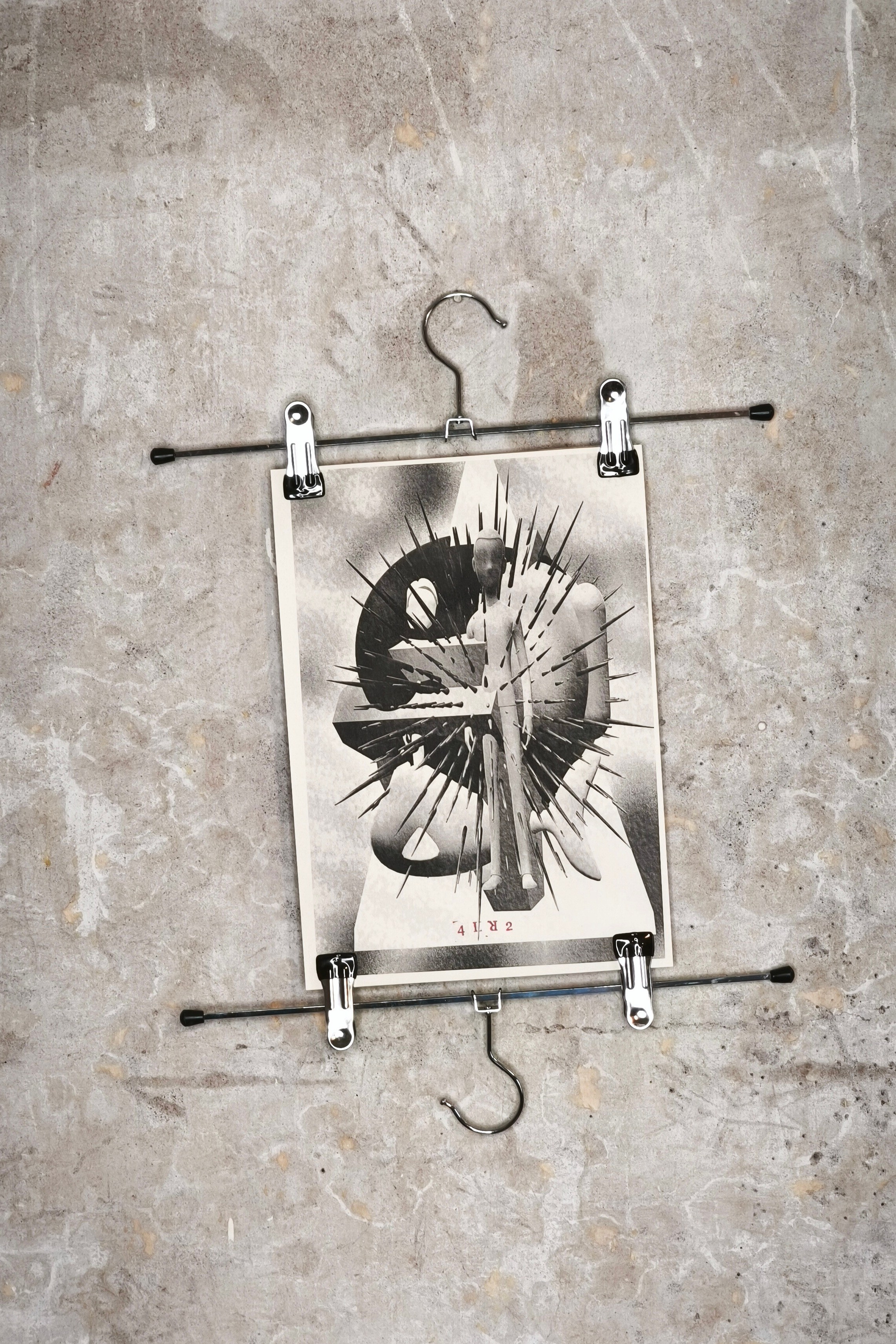
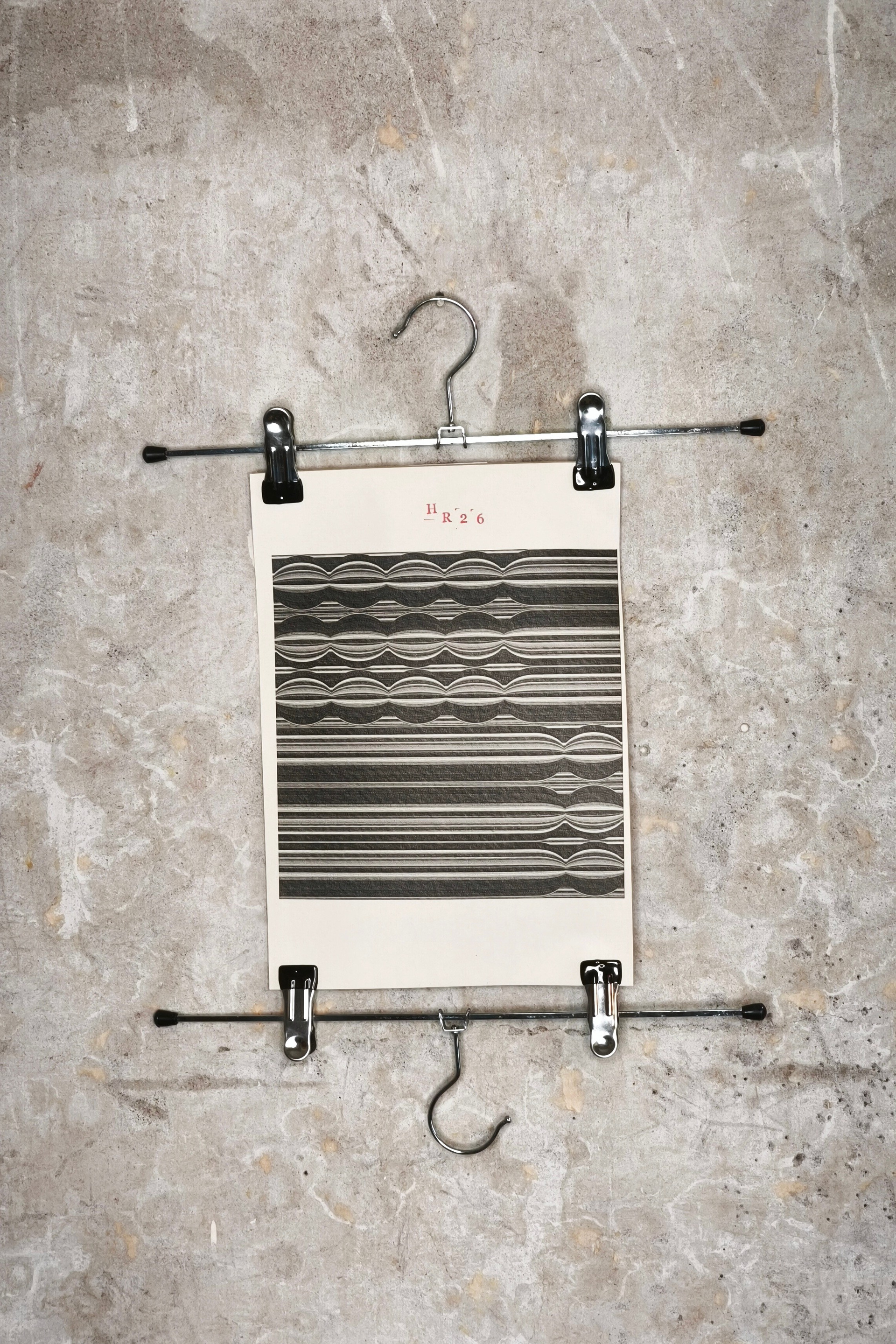
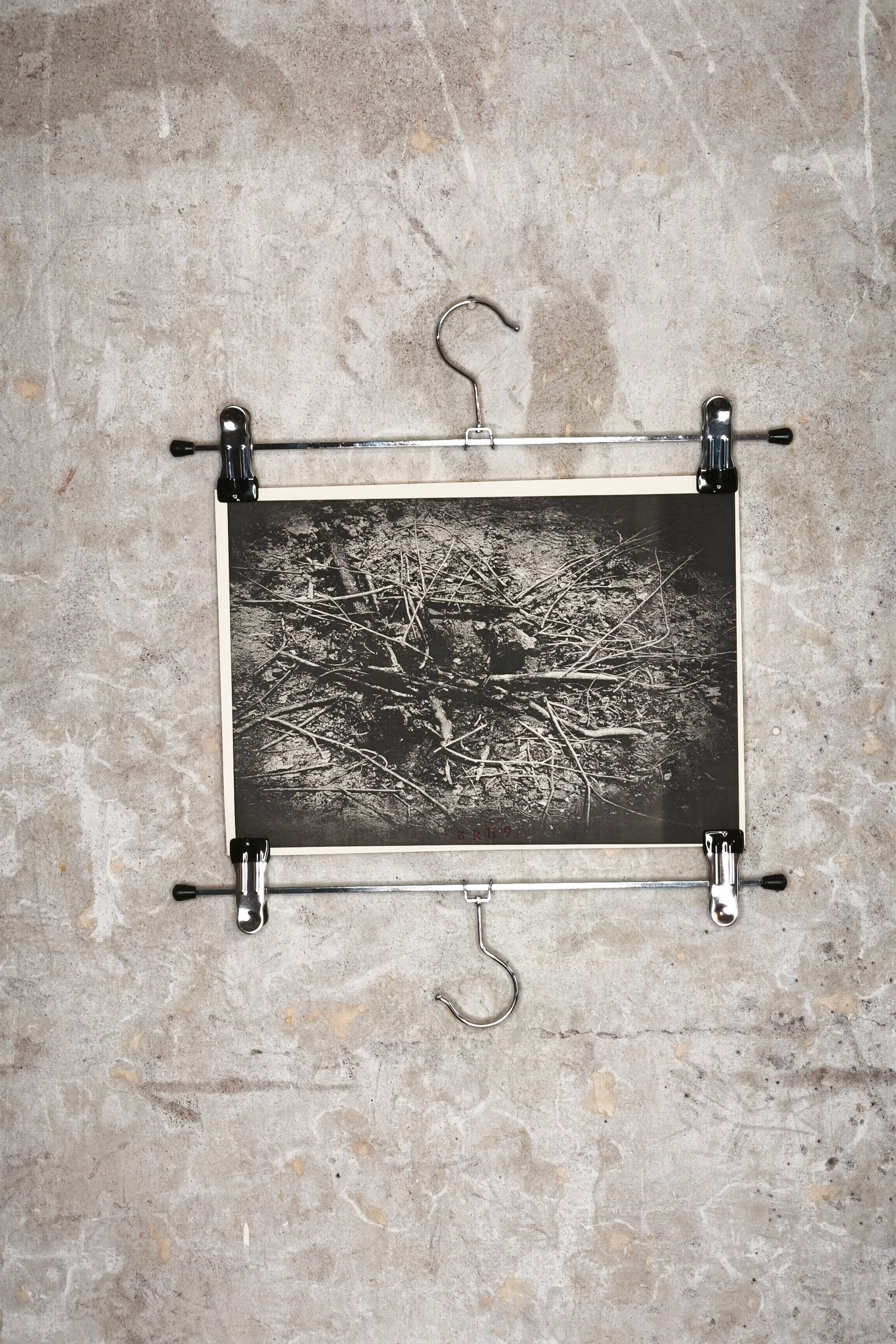
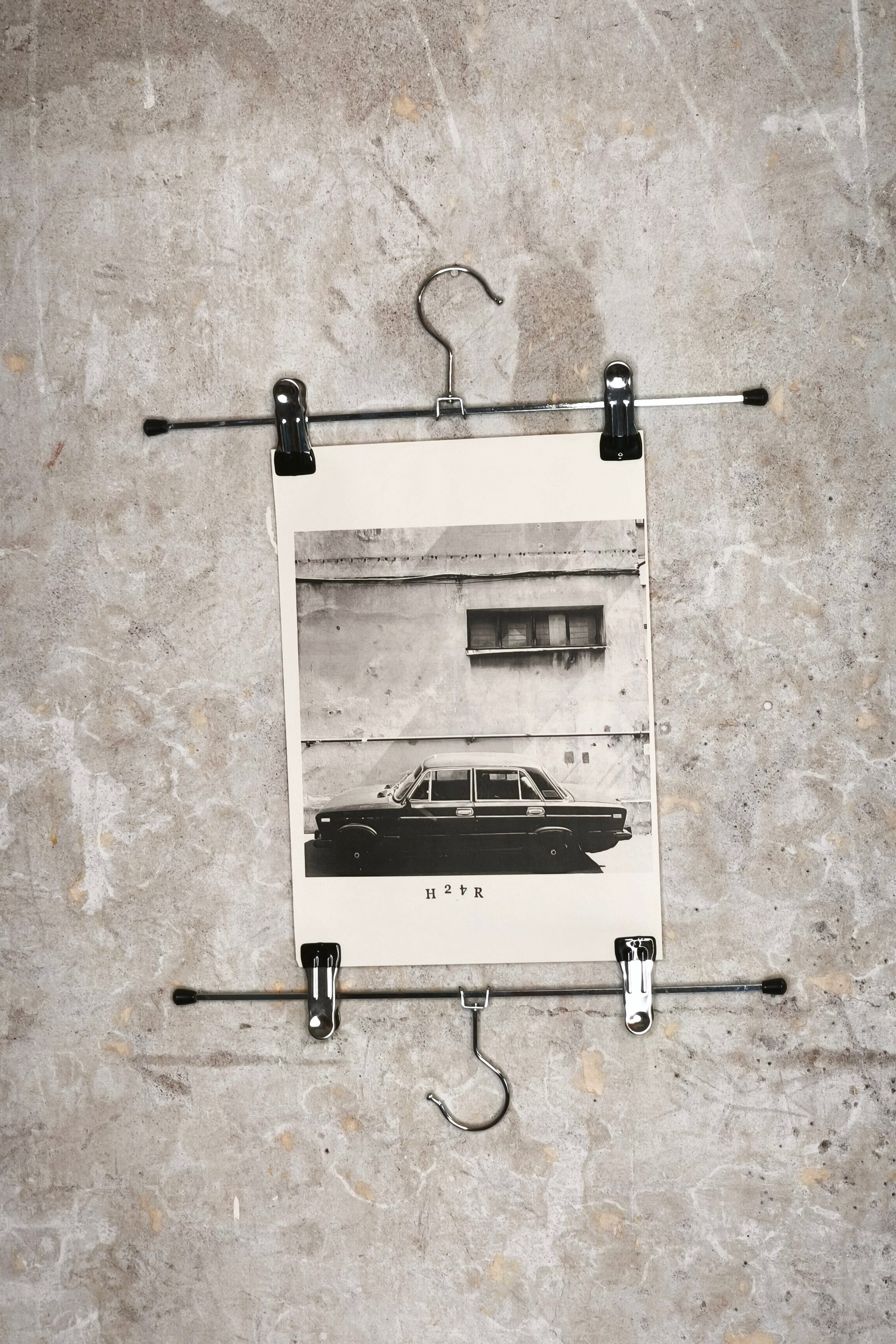
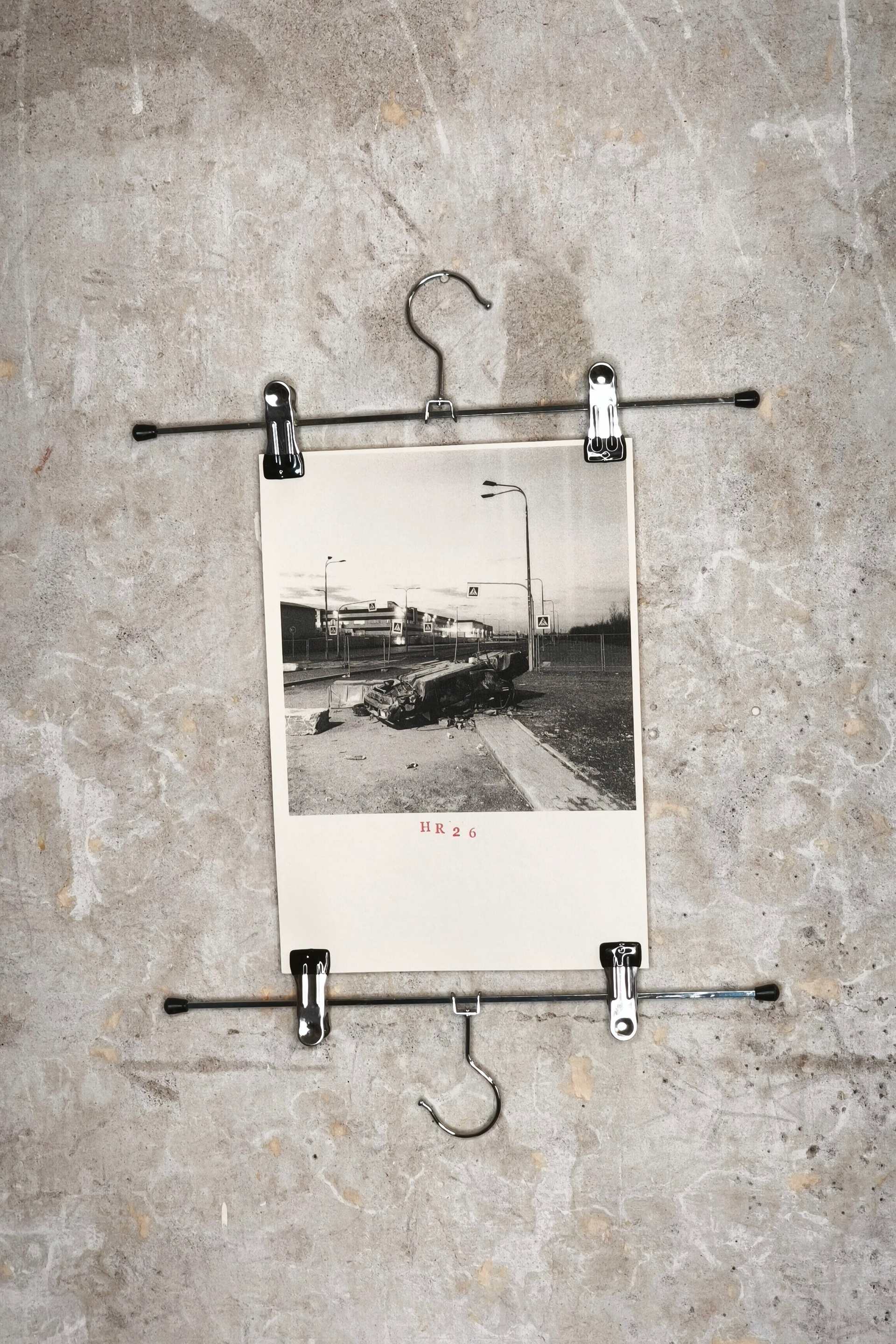
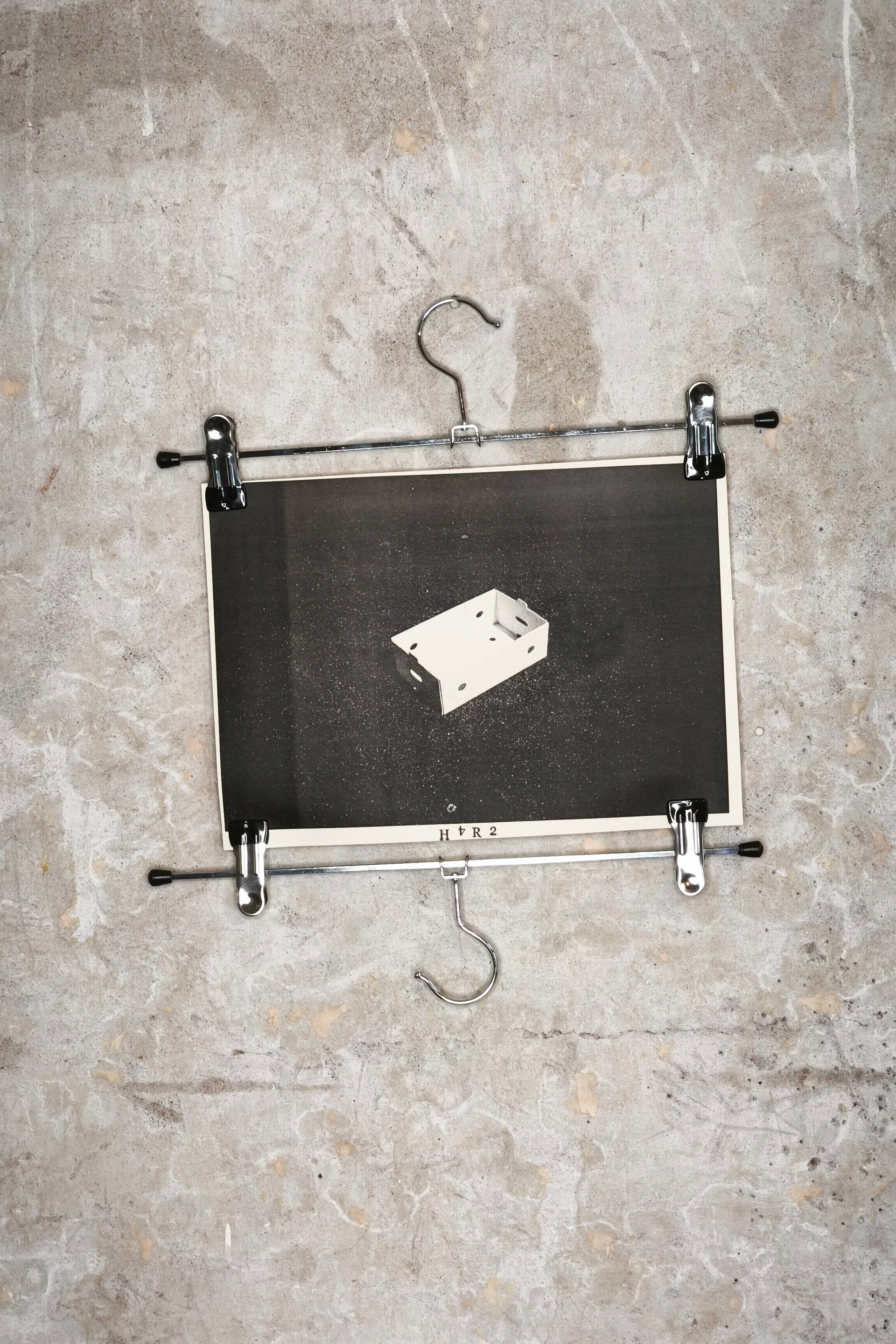
A black-and-white photograph, passed through an old printer and deposited on this paper, unexpectedly acquires a quality that could never have been designed in advance.
A4 begins at the moment of recognising beauty in an error.
This is why technology here is not a neutral instrument. The printer does more than transfer an image onto a surface: it interprets it within the limits of its own capabilities. It loses half-tones. Coarsens the image. Creates noise. Refuses to reproduce the photograph as it existed before printing.
In the terminology of the Institute of Astigmatism, this is an almost ideal device: a machine with limited vision.
It does not correct the image but distorts it, and through this distortion allows us to see something absent from the original.
One of A4's central questions emerges: can limitation be a way of discovering beauty rather than an obstacle to it?
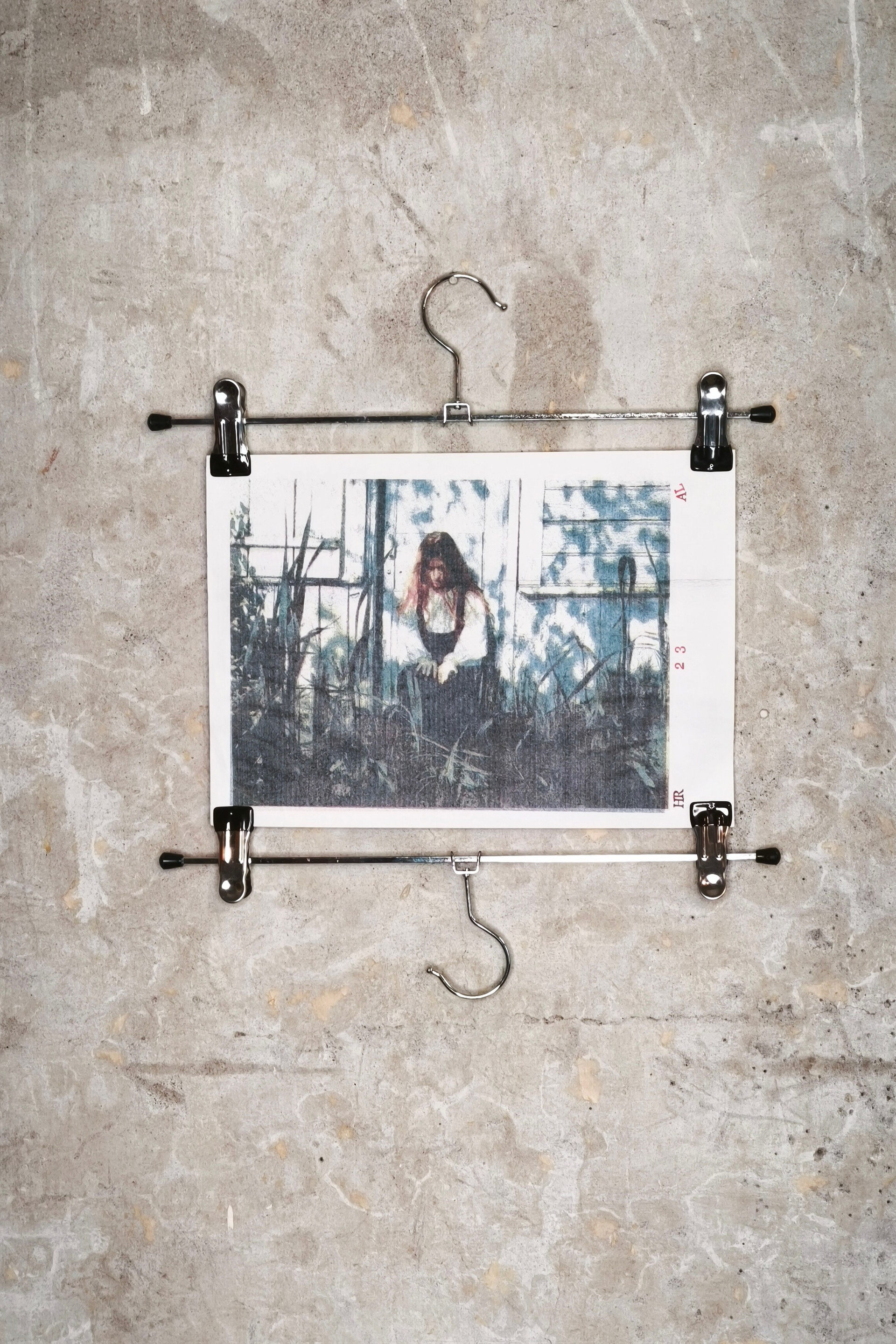
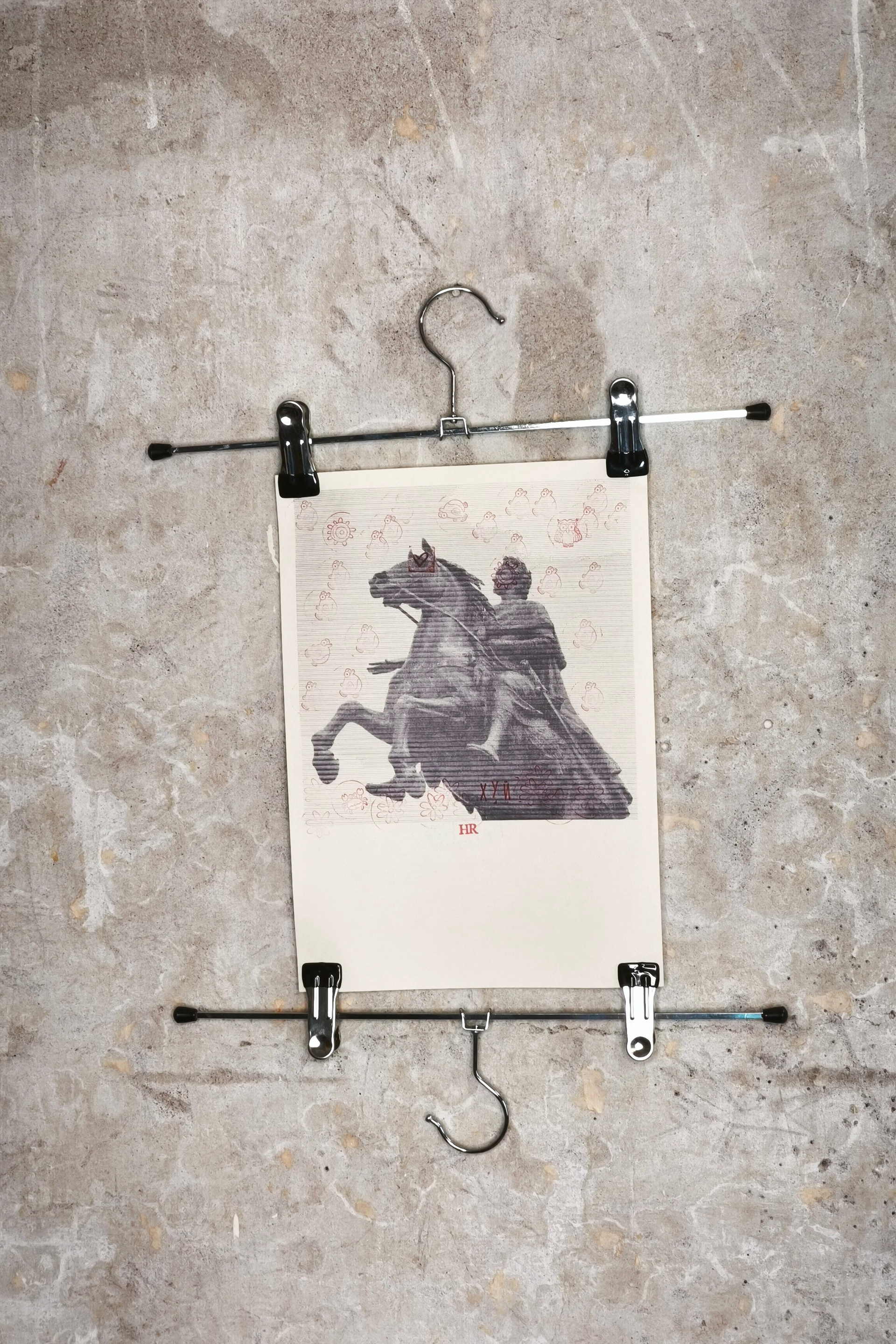
Gradually, the experiment moves beyond a single printer and a single type of paper. Another machine from the Institute’s laboratory enters the process: an old dot-matrix printer from the 1980s. Through tracing paper, successive passes and a technically almost absurd procedure, a colour image of a young woman emerges. Colour here no longer belongs to photography in the ordinary sense. It seems to break through a device never intended to produce such an image.
Printing becomes an event rather than a reproduction.
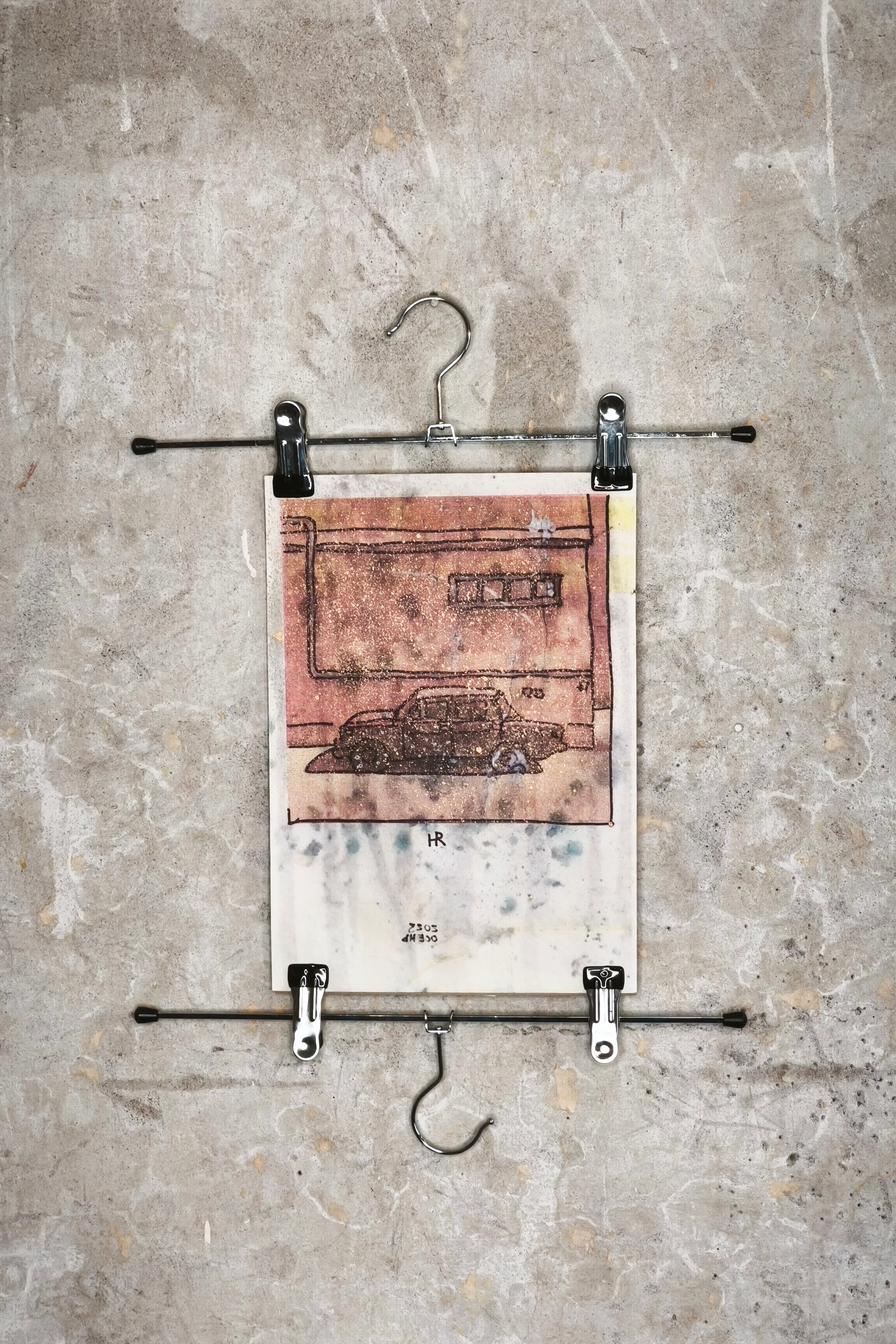
This gives the project another freedom: if an image no longer has to exist on photographic paper intended for it, almost anything can become its medium.
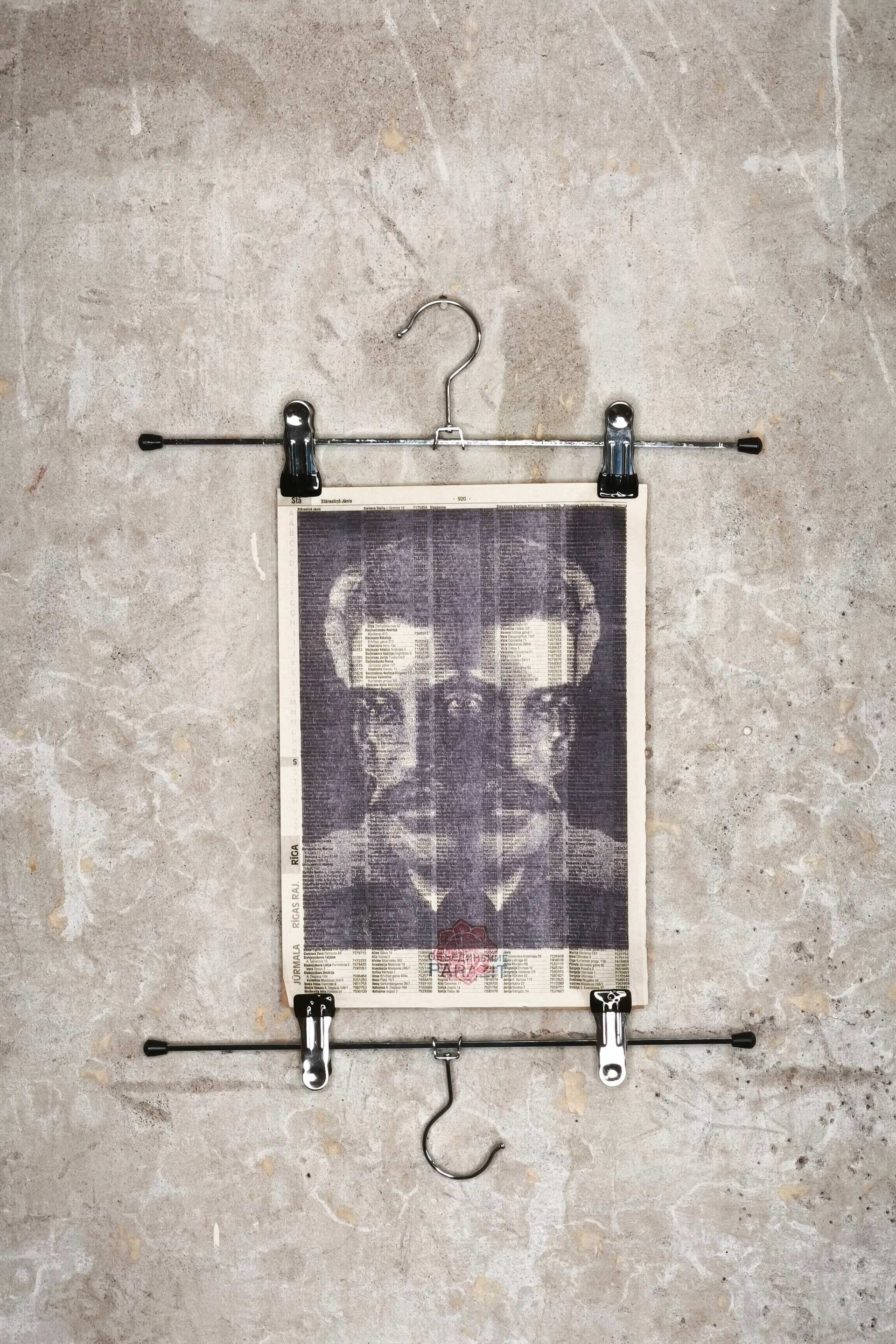
A telephone directory. Tracing paper. An office sheet. An existing text.
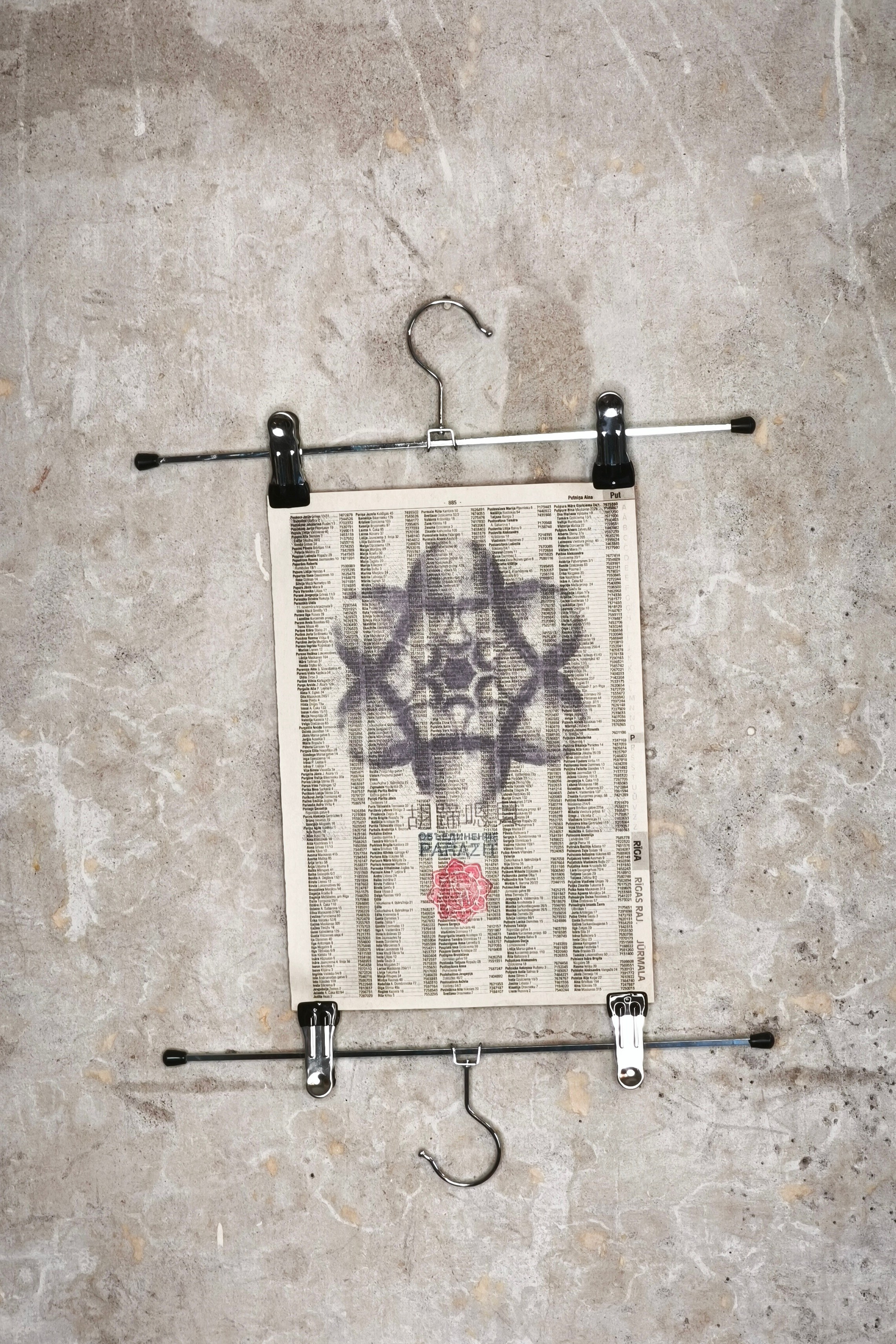
In the works featuring Stalin and Putin, the image enters directly into the structure of a Latvian telephone directory. The printed photograph encounters the alphabet, surnames, telephone numbers, pages and the mechanics of a catalogue. Almost accidental yet extraordinarily precise coincidences emerge: the image appears where the directory’s typographic structure seems to summon it—“ПУ”, a page, a name, a fragment of someone else’s classification system.
The photograph ceases to be on the paper.
It begins to happen within the paper.
This is a fundamental distinction.
In A4, material does not serve as a backing for the image. It has a biography of its own and enters into conflict, dialogue or a temporary alliance with the image. Paper preserves the history of its manufacture; the telephone directory, the history of a disappearing form of communication; the printer, the history of an administrative machine. The photograph brings yet another time into this system.
As a result, a single sheet becomes a small archaeological object in which several non-coinciding realities coexist.
The method of display also plays a special role. The sheets are not given the classical museum distance of frames, mounts and glass. Held by metal clips and hangers, they remain physical sheets of paper: light, vulnerable and potentially replaceable.
They simultaneously resemble laboratory specimens, photographs from an improvised darkroom, documents, drying laundry and material evidence of an unknown event.
Here a paradox arises.
The most widespread format of modern paper civilisation—A4, the format of applications, contracts, instructions, minutes and reports—becomes a space for an entirely individual experience.
The standard becomes unique.
The bureaucratic becomes poetic.
The defect becomes expressive.
Poor printing becomes a way of seeing.
This is why A4 cannot be reduced to the aesthetics of old technology or nostalgia for the analogue age. The old printer is interesting here for something other than its age. Its value lies in resistance. Unlike contemporary means of image production, which seek to make transmission as seamless as possible, it leaves a broad space for error between the original and the result.
It is precisely in this space that the work emerges.
Today, when an image can be cleaned, improved, enlarged, reconstructed or synthesised almost instantly, A4 proposes a movement in the opposite direction. Instead of eliminating imperfection, the project preserves it as evidence of the image’s origins.
Artificial intelligence can reproduce yellowish paper.
It can imitate dot-matrix printing.
It can create a perfect photograph of a bad printer printing a bad photograph.
But here lies a fundamental boundary.
One can reproduce the appearance of a trace, but one cannot retroactively create its biography.
One can simulate a defect, but not the circumstances that gave rise to it.
In this sense, A4 explores not only a new beauty but also a new authenticity. Authenticity no longer necessarily resides in a flawless image or the mastery of its reproduction. Sometimes it lies in a chain of accidents: a particular machine, a particular sheet of paper, a technical impossibility, a found directory, a paper-feed error, an unexpected coincidence between text and image.
Beauty here is not created out of nothing.
It is discovered.
Perhaps this is the project’s central experiment.
A4 explores the moment when an image stops striving for perfection and begins to bear witness to the world it has passed through.
Not beauty in spite of imperfection.
Beauty that arose because of it.