cheLOVEinik
The project consists of several parts united by a single meaning—or, more precisely, an attempt to find meaning: to fall in love with the space around you by seeking sources of pleasure in ordinary things.
Space and our own consciousness often conceal them from view.
Yet moving meditatively through the surrounding reality allows us to discover them among the interwoven patterns of space.
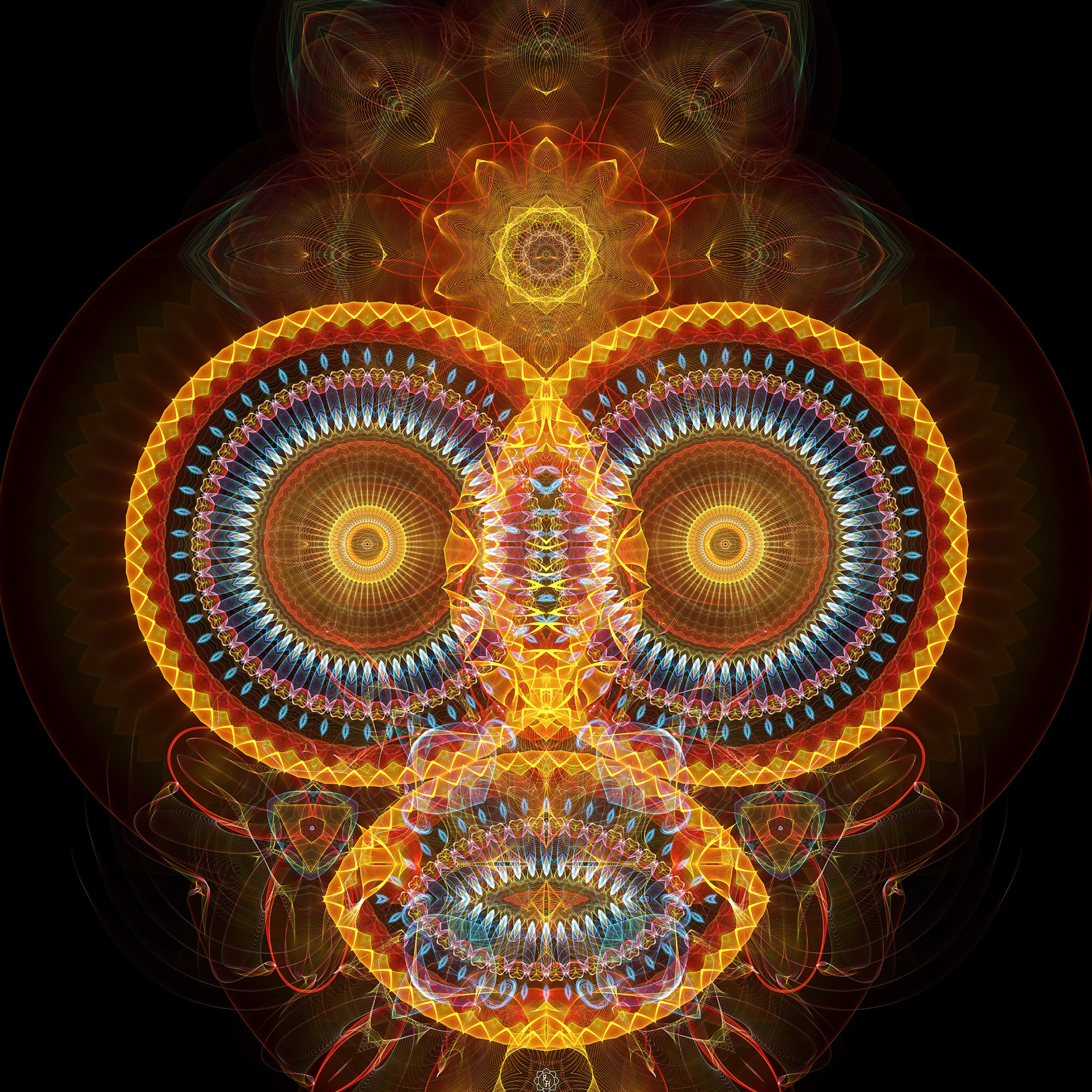
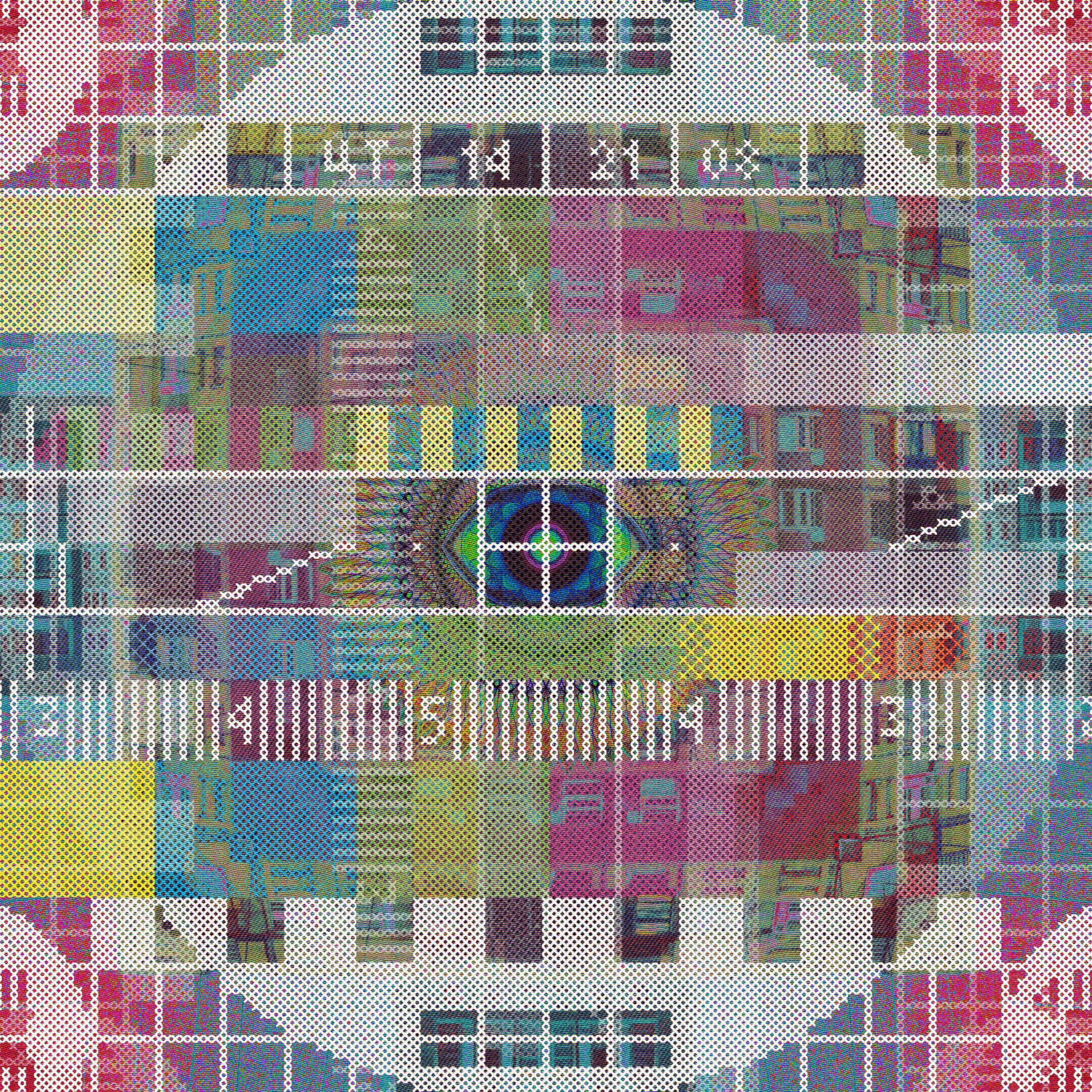
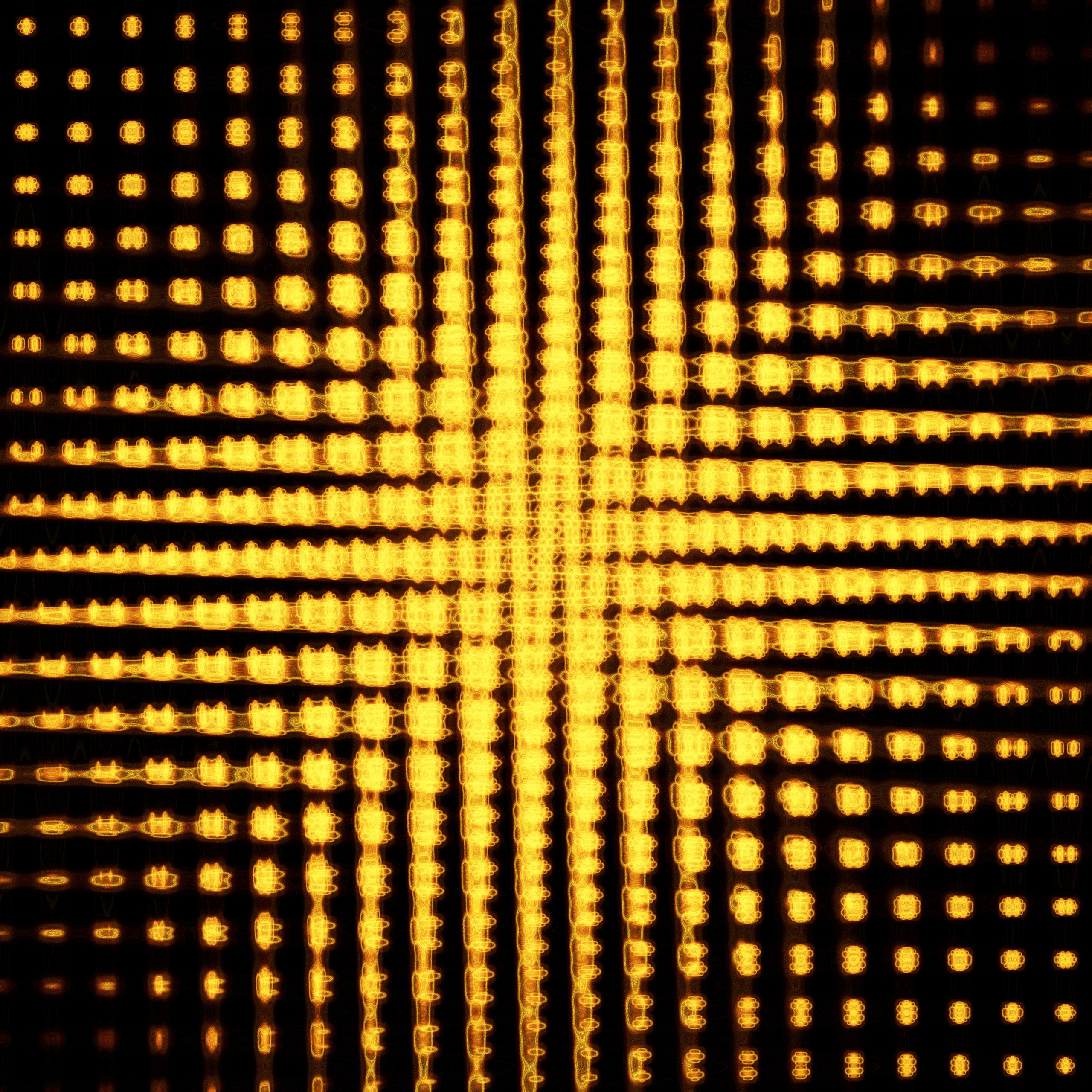
Yellow Submarine is a work from the cheLOVEinik series, created in 2021 and surfacing before you today. The northern city enclosed me in the concrete body of its yellow submarine. I sat inside, growing grey, sailing towards an unknown point in space through an ocean of disposable masks, watching the madness of the world through the periscope of a television. Combining Op Art and concrete Brutalism, the work creates a striking aesthetic spectacle, immersing the viewer in the mysterious depths of an ocean of time through which an endless yellow monster sails. Is there still a human being inside?
From the curator
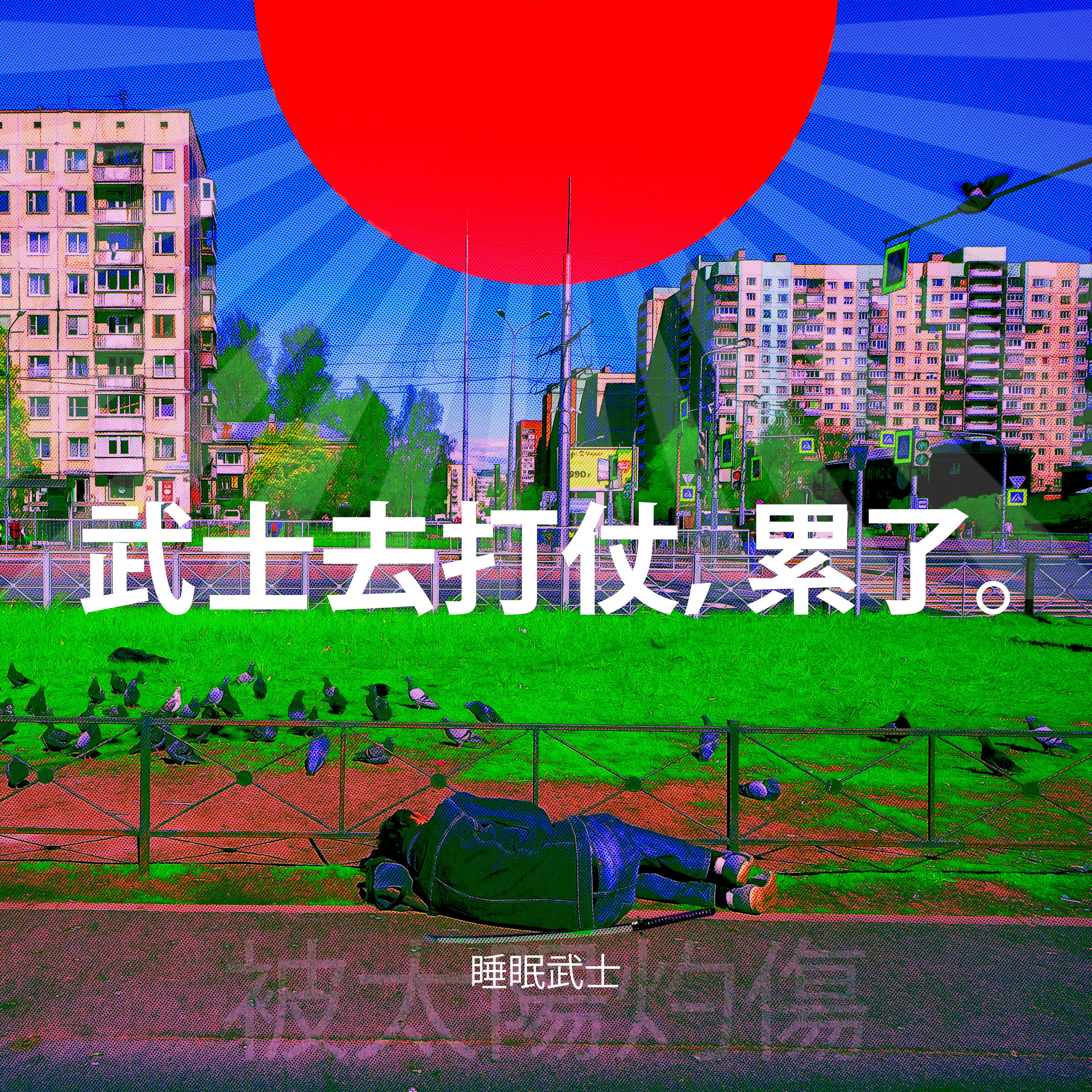
Begun in November 2020, cheLOVEinik is an artistic exploration of the architecture of concrete cities—places where love can emerge and grow. Inspired by this feeling, the artist created more than twenty works, including video art and installations. These works depict bright, glowing, colourful apartment blocks floating in the sky, symbolising love and hope penetrating the grey routine of everyday life and urban architecture. These “Sources of Visual Pleasure” offer a glimpse into the mystery of their inhabitants.
cheLOVEinik has received recognition from leading contemporary art institutions, including the Erarta Museum and the Kuryokhin Centre for Contemporary Art, and was also recognised by the Siyanie Foundation. The artist plans to expand the geographical scope of the research.
Overall, cheLOVEinik offers a fresh and original perspective on urban space, embodying the idea that love can transform any place and make it magical and beautiful.


At first, Professor B’s consciousness was immersed in sleep…
CheLOVEinik is not a city where people live next to one another. It is not a city where every apartment has its own neighbours. It is not a building with apartments that could be turned into a dormitory or a hotel. CheLOVEinik is a place where many people—or even one person—live. Yet it is not housing itself; it is merely a dwelling for a human being, and the people here are not its owners. They have no right to live as they please, although they may wish to. Their behaviour must not differ from that of animals. And so these people are not the owners of the city. They are merely guests in an enormous house. And a city where many people live is one of its rooms. That is all. Anyone who wishes may live in the house. A human dwelling, then, is a place for a human being to live. This is what distinguishes human dwellings from animal dwellings. But to use it, something must be done, and that something is called a “city”. CheLOVEinik is a city because people live here. And also because they have a place to gather and communicate, as well as places to relax—such as theatres, museums and cinemas. All places where people can live but have no homes are called “dormitories”. These are places people come to eat or spend the night. For example, a dormitory is the place where pupils come to school and live for several days. But dormitories are not cities, because people have nowhere to live there. There are always people in a dormitory, but they do not live at home. Besides, you do not have to go to a dormitory to eat or sleep. At school, too, you can eat and sleep in the same place—during breaks and after lessons. But there are always people there. Although there is no place to live. So what distinguishes a city from a dormitory? In a city, people live in houses, although in a dormitory they may live in rooms. And every house in the city (and every dormitory) is the property of the city. Each house belongs to all its residents. In a dormitory, however, people live in rooms, and each room belongs to just one person. Because it is a one-room dormitory. Cities have streets where people live. If you do not live in a city, you can choose the street you will walk along. But you cannot go to a street where people already live, or walk along a street chosen by others. Then you will be walking along a street you do not like…
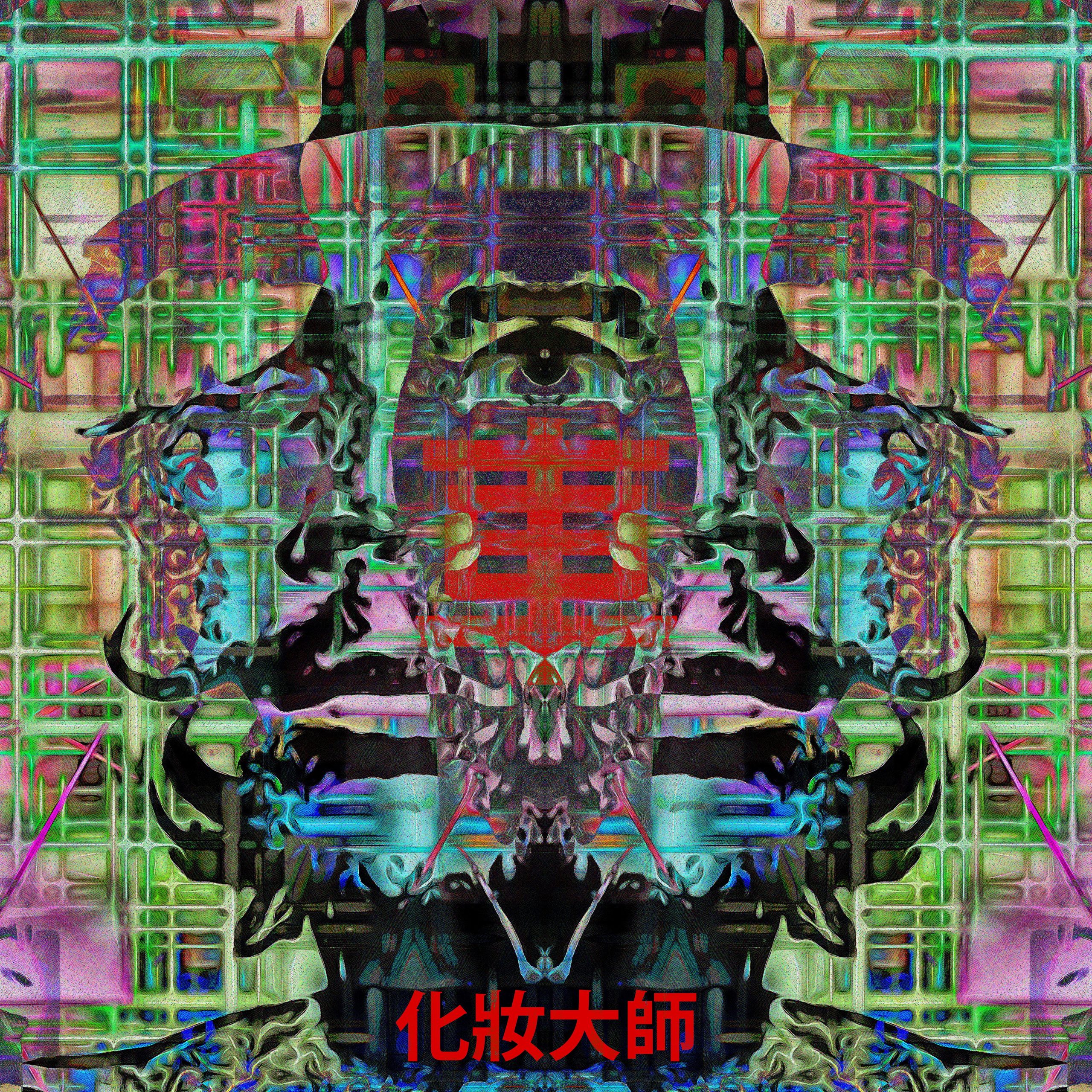
Roman Hodirev’s CheLOVEinik series is more than a collection of images. The artist is unafraid of experimentation and invites us to join him. In these works, he brings together several genres: Surrealism, Expressionism and Cubism. The paintings in the CheLOVEinik series have a distinctive world of their own, so captivating that even when we see one on a wall, we feel disoriented and cannot immediately find our bearings. It seems that something unusual and unexpected is about to happen in this world.