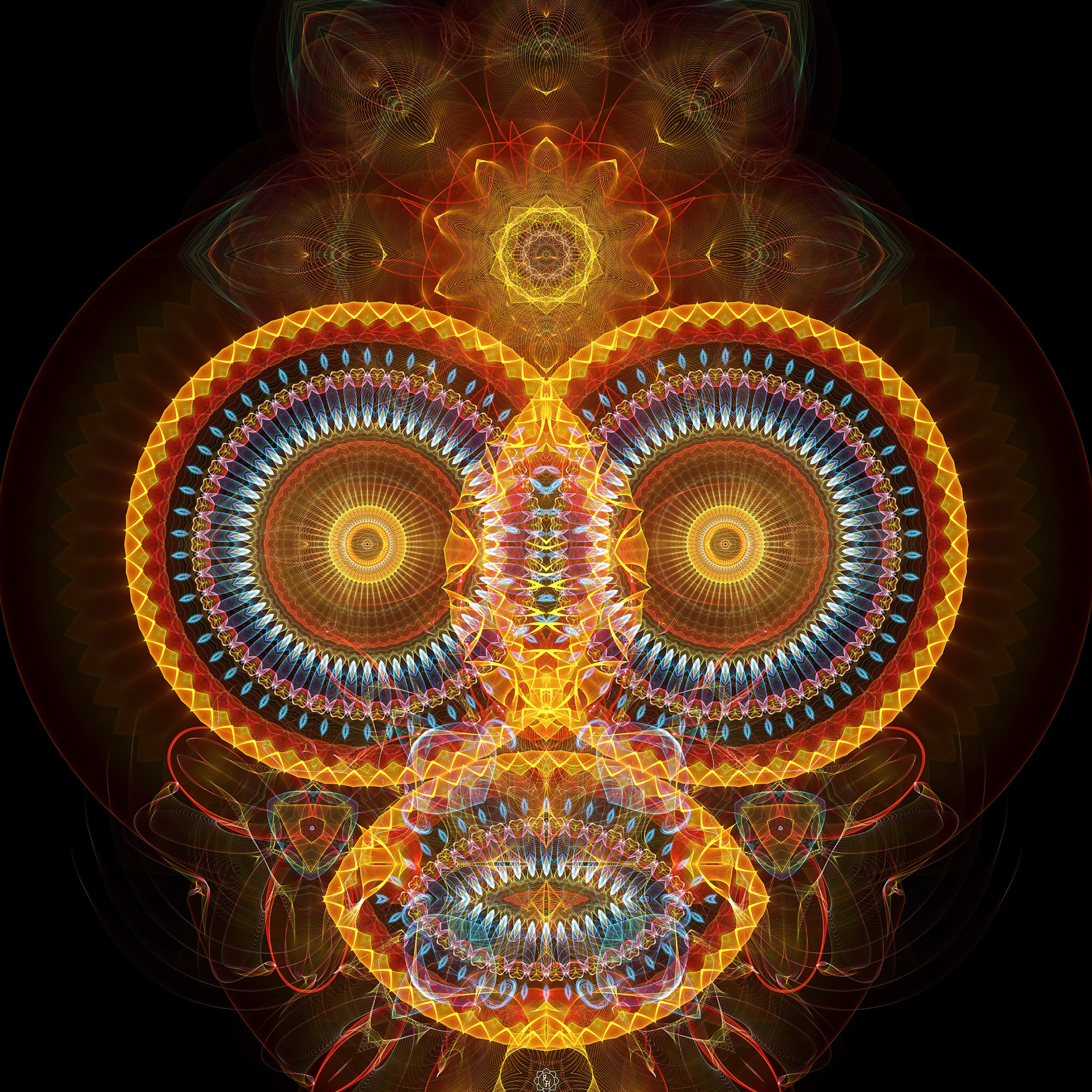
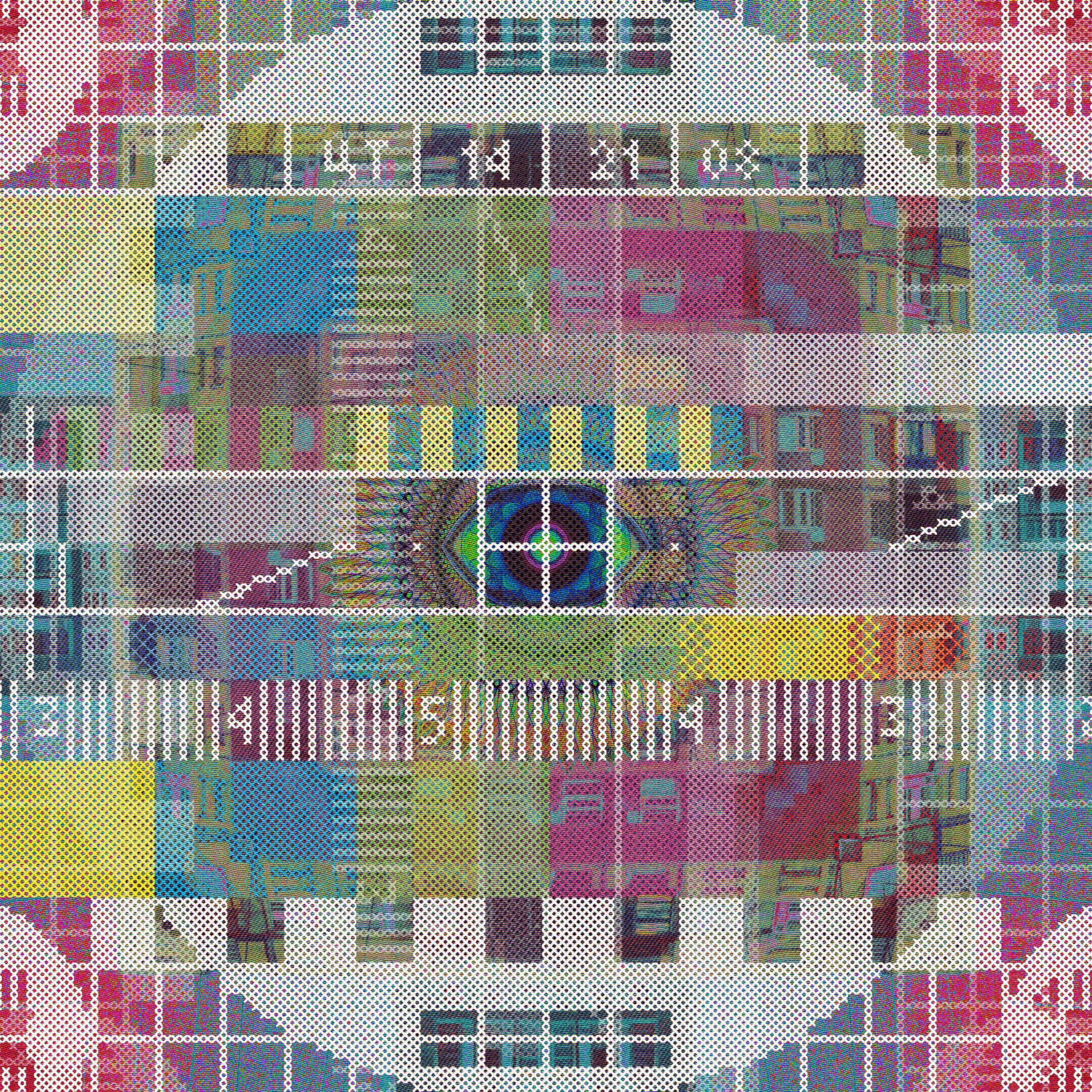
Fluxus Selfie Maschine — a device for recording reality through the eyes of a CRT television.
This interactive installation combines retro technology with contemporary media. A VHS camera captures the viewer’s image and transmits it to a screen, where a handheld scanner creates a glitch effect. The resulting image is printed by a laser printer standing on a white stool. Every stage, from capture to printing, turns interaction with technology into a performance. Accidental visual distortions reveal the spontaneous, artistic imperfection of technology, which can itself become art. The project offers a way of recording a moment by transforming reality into a material artefact.
***
“When I was little, I believed the television was looking at me. Back then, it was looking at the Buddha in Nam June Paik’s work.
During my childhood, television showed the congress of the Komsomol Central Committee, and sometimes a test chart. I ran naked in front of the television, and my grandmother scolded me, saying the whole congress was watching. I felt ashamed.”
H.R.


Fluxus Selfie Maschine consists of:
- A VHS video camera
- A white stool from Pushkinskaya 10
- A laser printer
- ECO paper
- An operator for the handheld scanner and computer
- A handheld scanner
- A computer
- A selfie source (HUMAN)
- A place
- Electricity
- Air
- Gravity
Fluxus Selfie Maschine is an installation in which retro technology and contemporary media interact in a playful ritual of recording reality. At its centre is a VHS camera that broadcasts an image onto a screen, turning it into a digital-analogue selfie. The process reconsiders the relationship between people and technology: technology no longer merely serves a person, but becomes a full participant in the artistic act.
The camera captures a person’s image, creating a retro broadcast on the screen: a recollection of the time when televisions watched their viewers, producing the illusion of two-way communication. The next stage of the performance is to scan the image directly from the screen with a handheld scanner. This adds glitches, random noise that recalls the imperfections of technology and the intervention of time.
Meanwhile, a laser print on ECO paper establishes a link with material reality. The printer on a white stool from Pushkinskaya 10 is a wink from the television to the viewer: an entirely ordinary household object becomes part of the artistic process. The glitch-distorted image takes material form on paper, creating an artefact of the moment.
Fluxus Selfie Maschine embodies spontaneity, playful interaction and performativity, making every act of image capture unique. The viewer becomes an active participant, while the process becomes a continuous improvisation in which every step, from the camera’s gaze to the print, transforms the digital and analogue worlds into an artistic event.
Professor Ya. R. Balaboba