DÉCOLLAGE
Décollage (from the French for “unsticking”) is an artistic technique that reverses collage: instead of combining disparate parts of existing images, the artist removes parts of the original images. Examples include the Surrealist technique of étrécissements and the cut-up method. A related technique is the torn poster (English: lacerated poster): several posters are layered on top of one another, and the upper layers are torn to reveal those beneath according to the artist’s intention.
Décollage was developed by artists associated with Nouveau Réalisme, who used it alongside assemblage. Its popularity peaked in the 1960s.
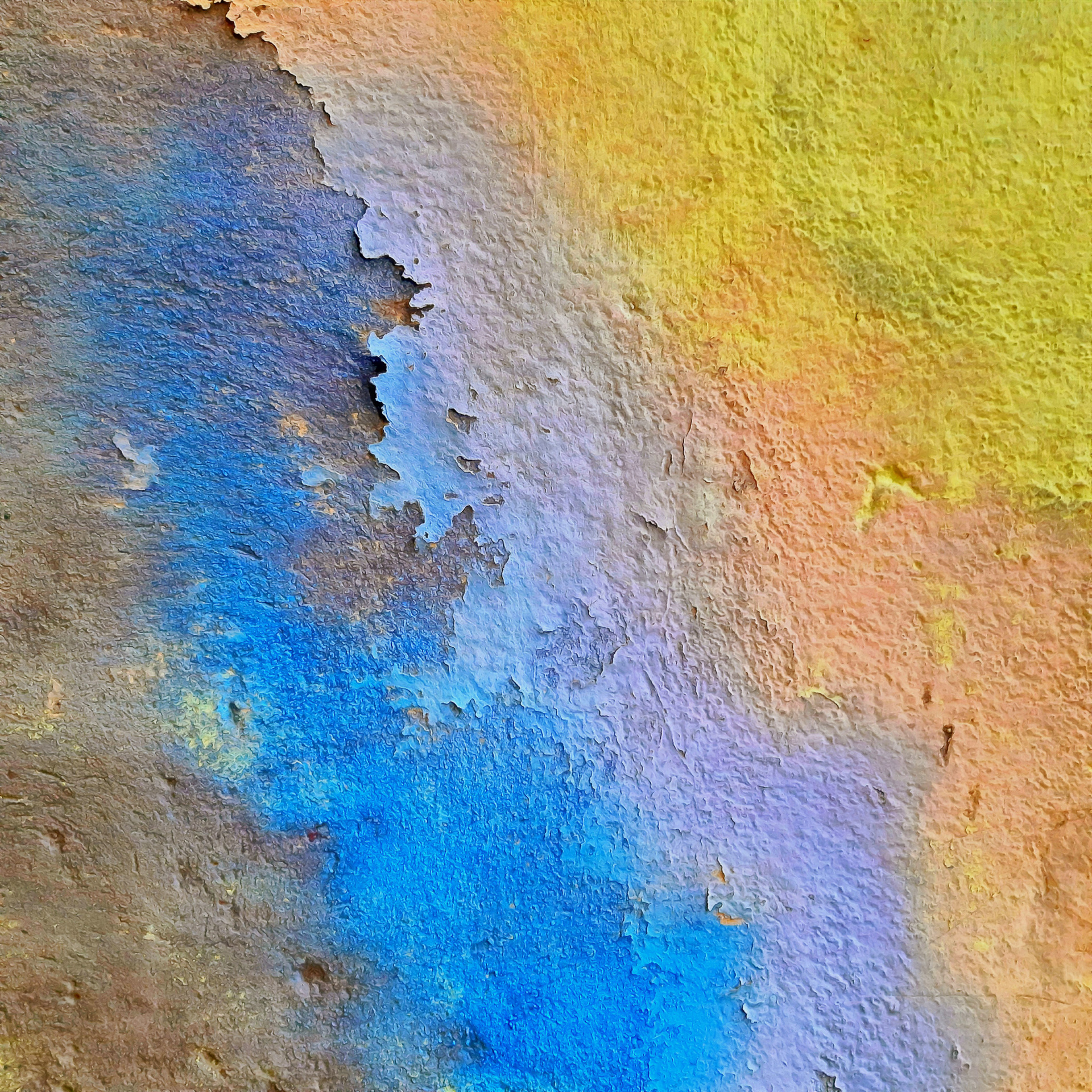
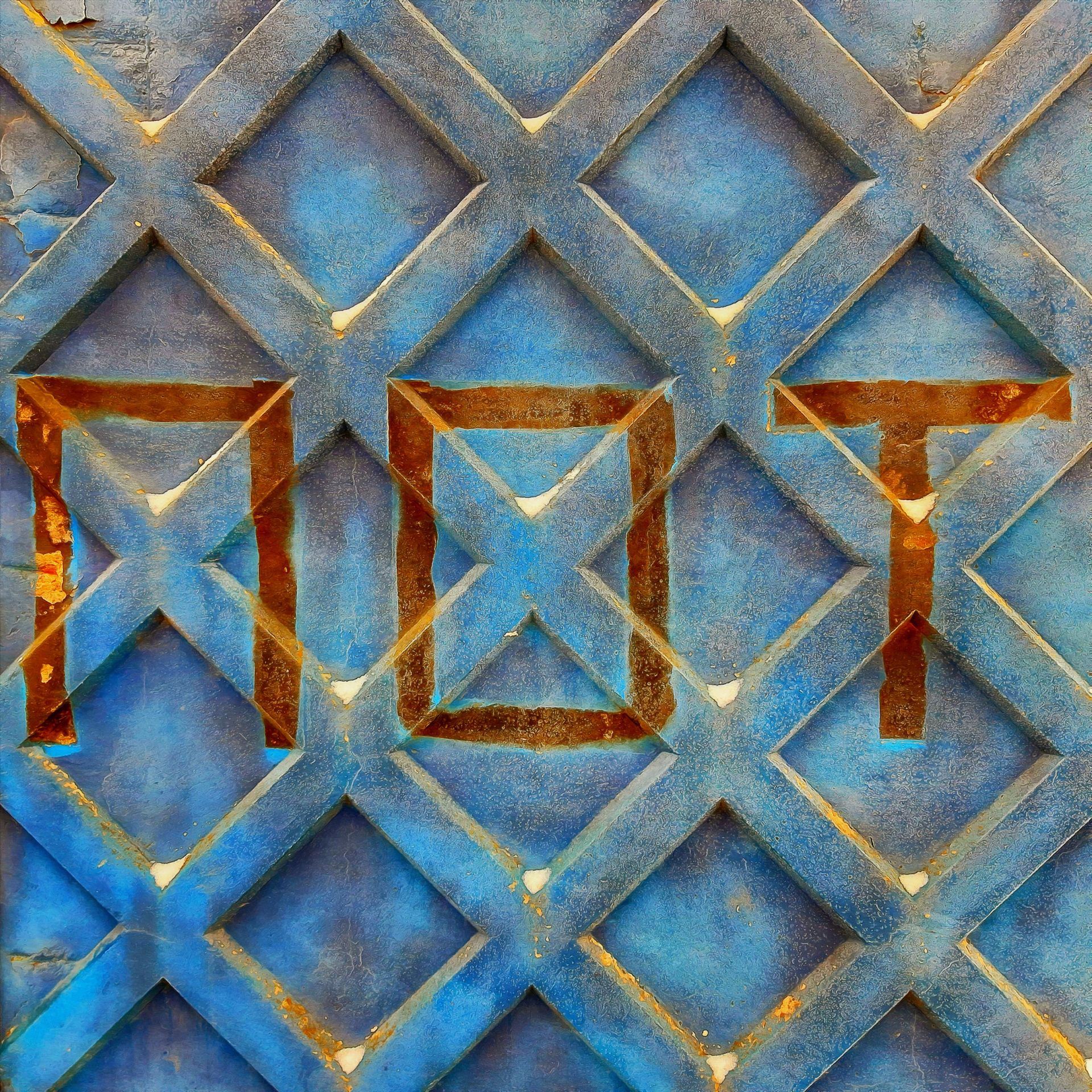
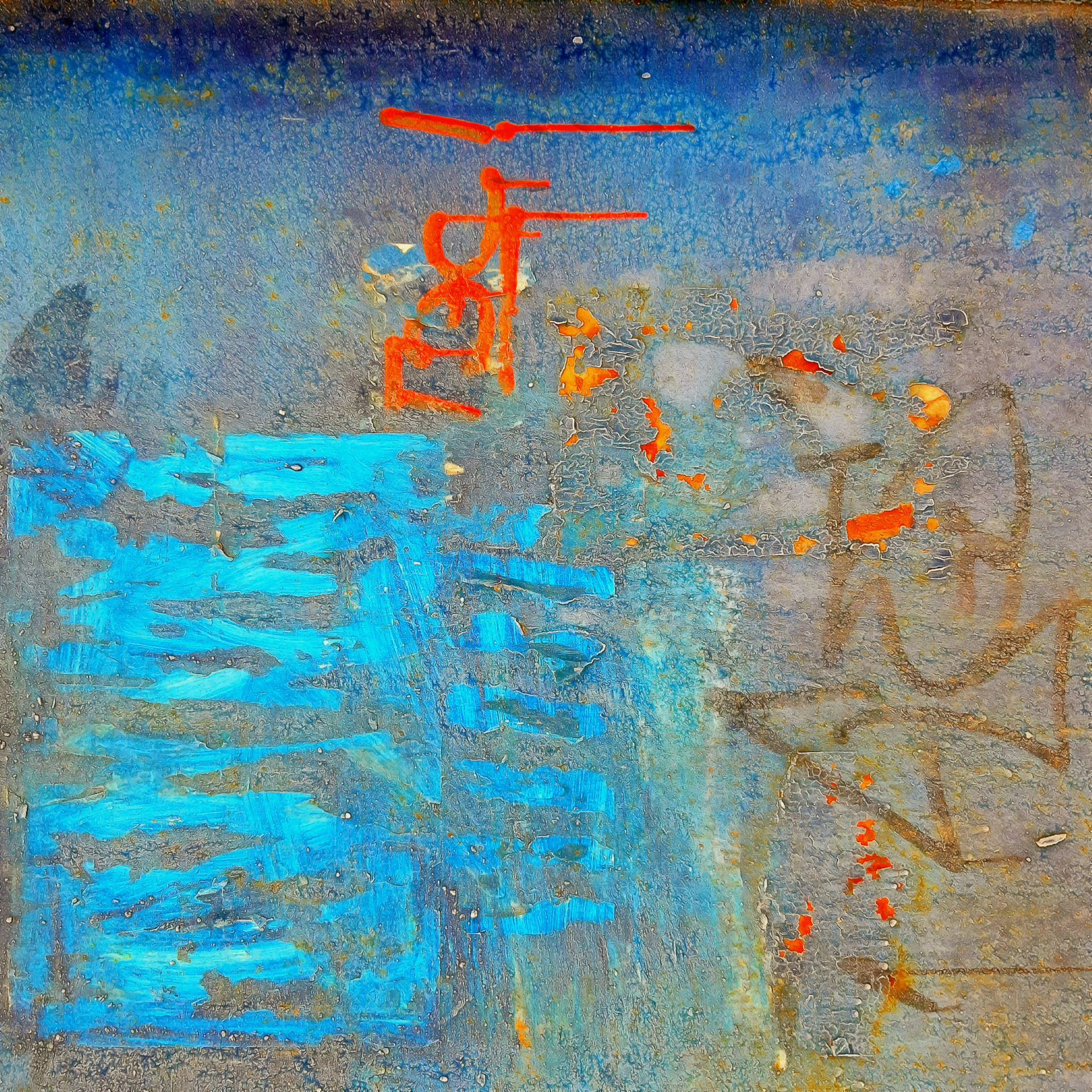
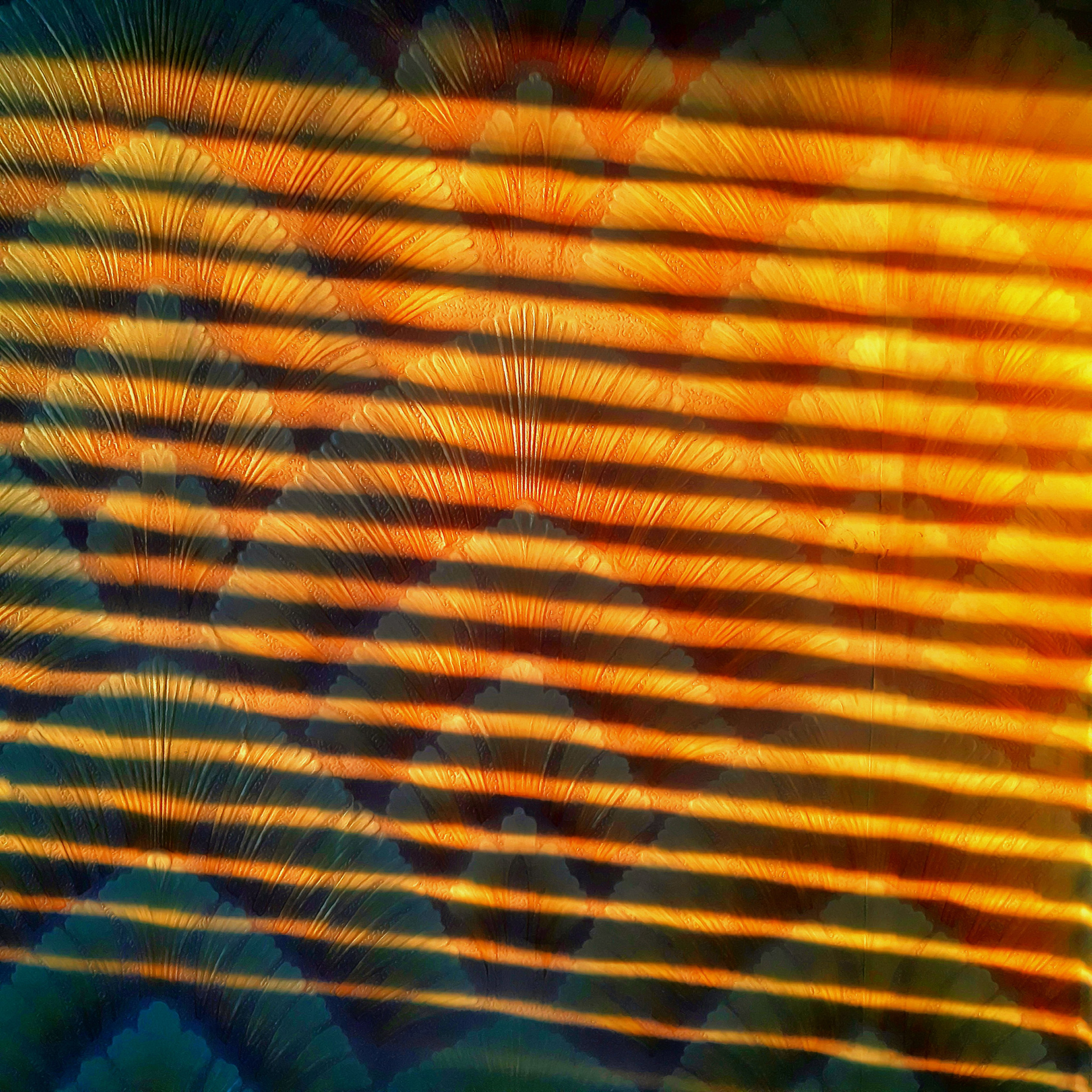
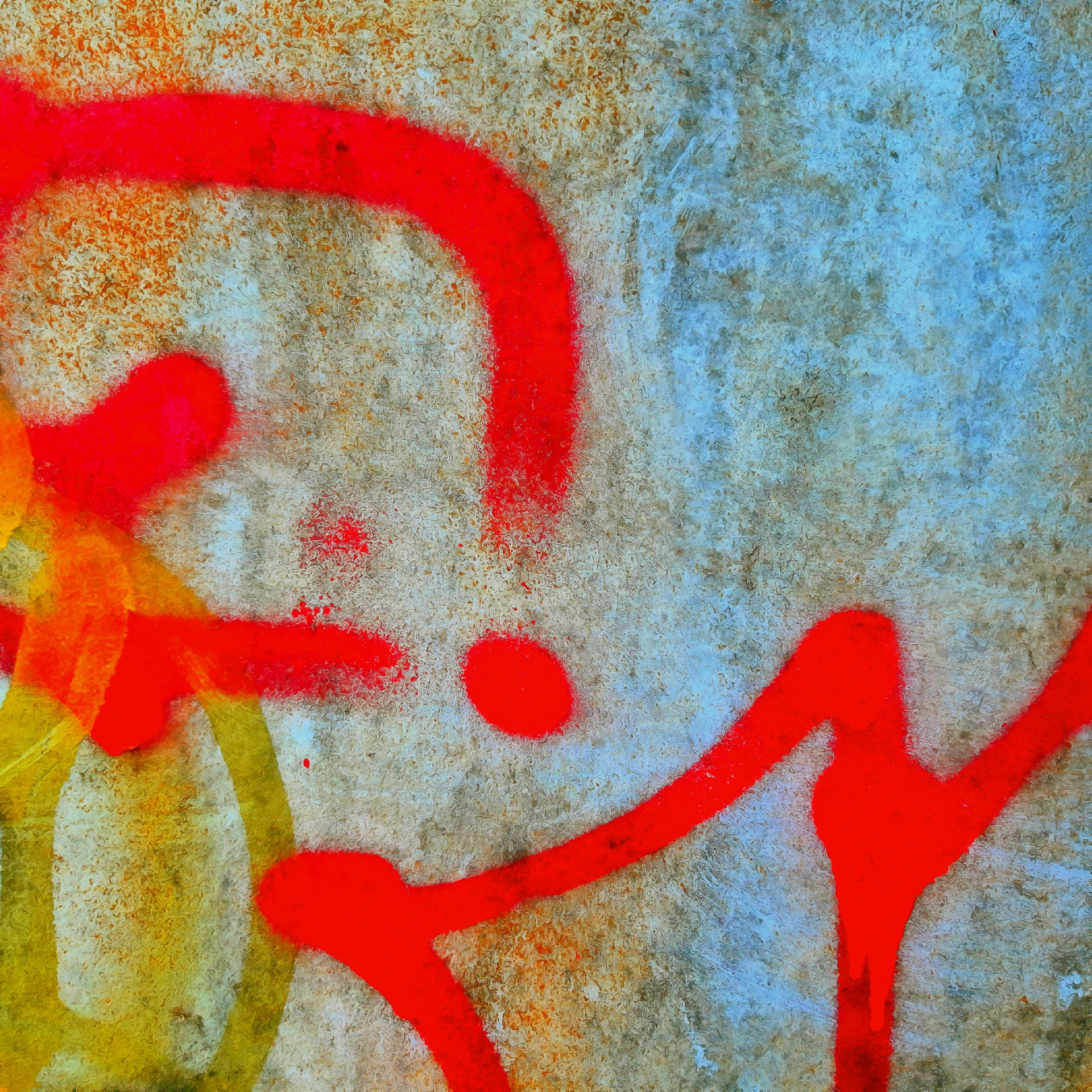
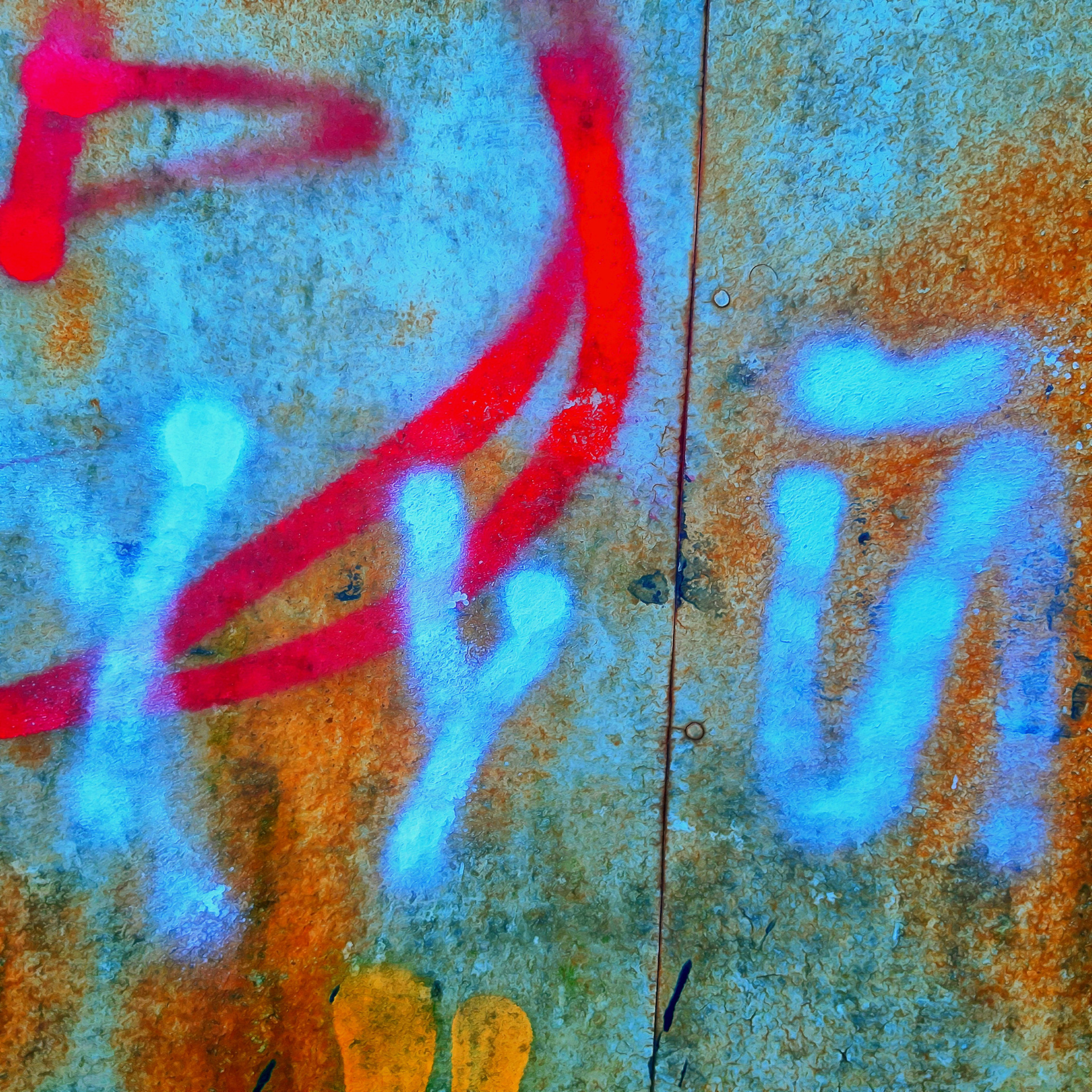
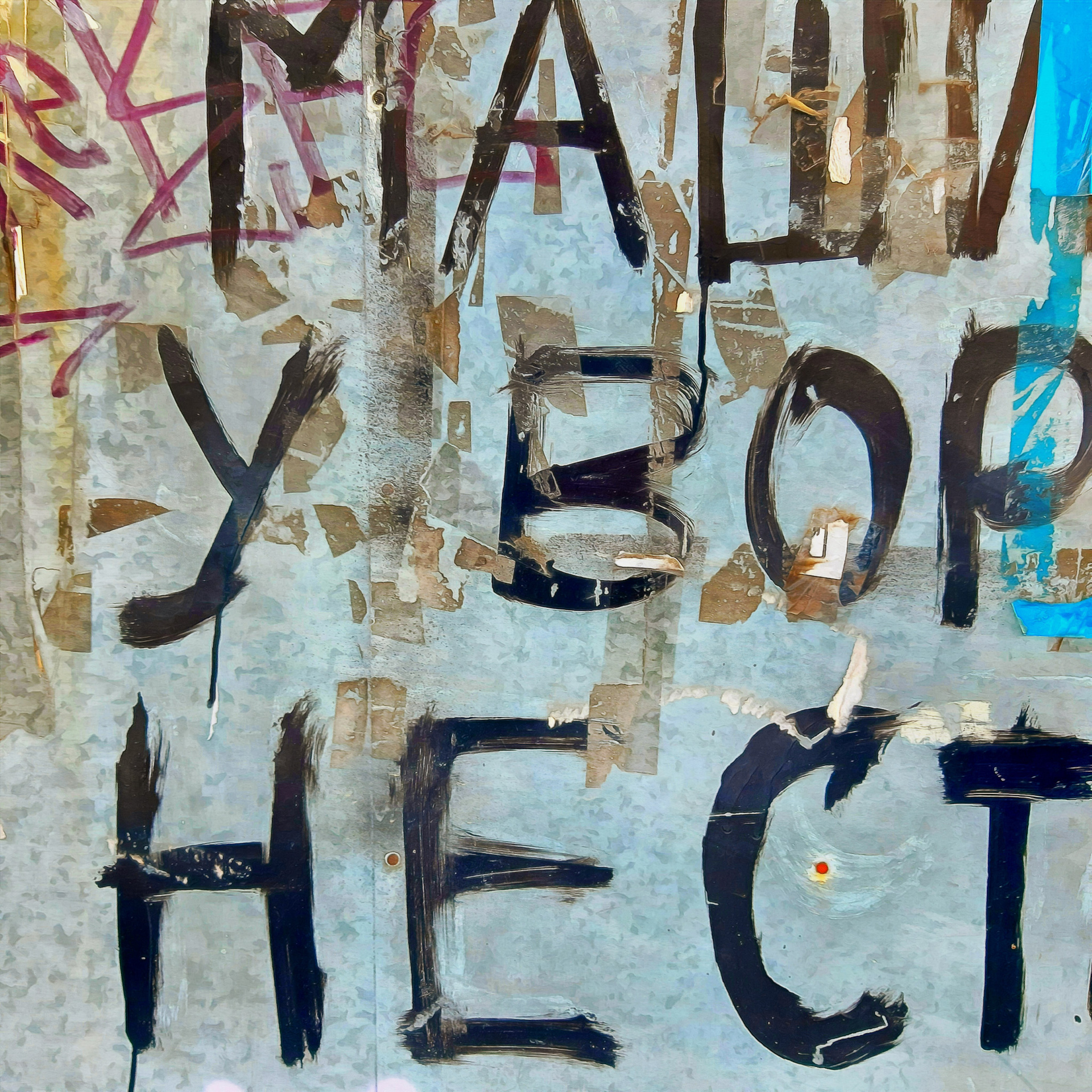
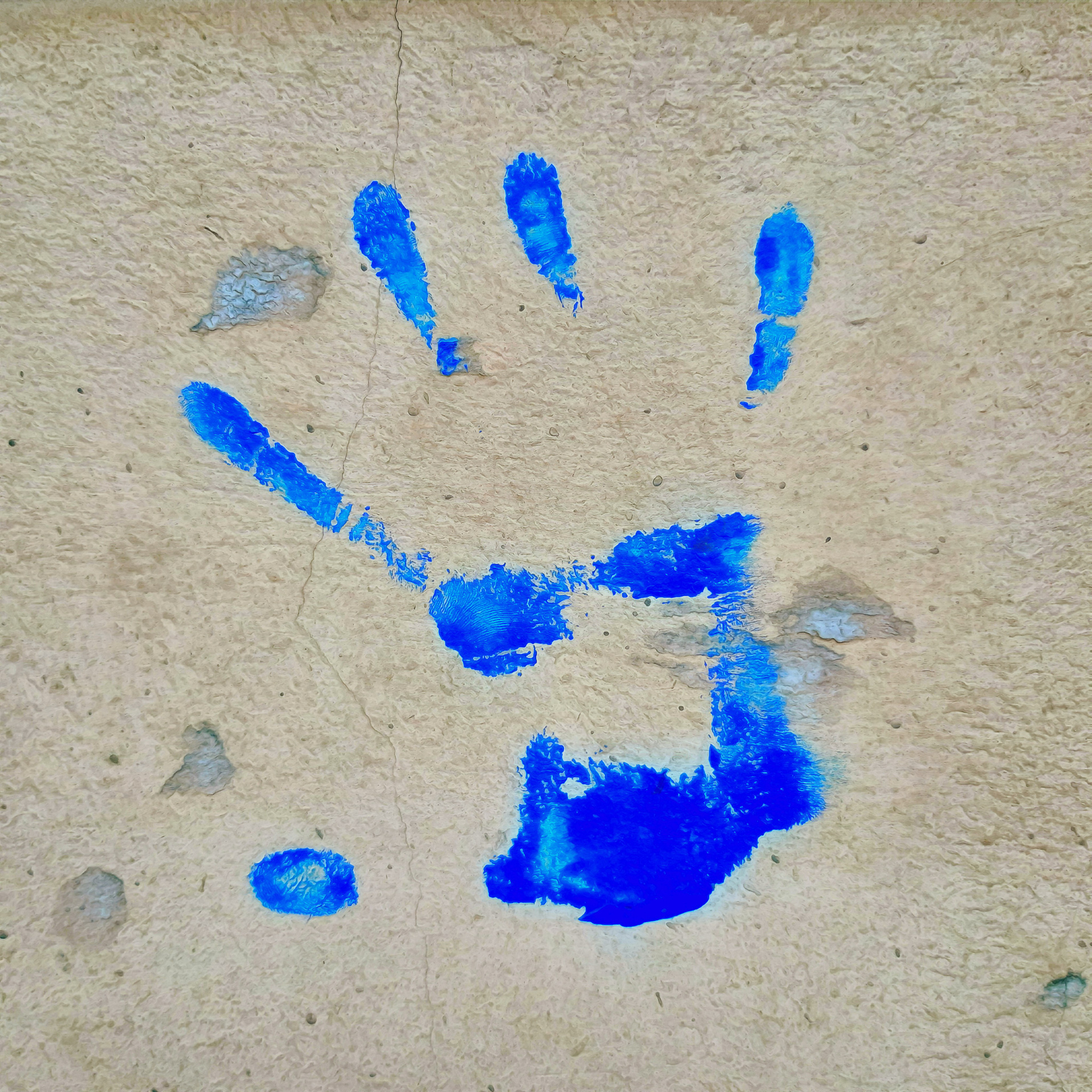
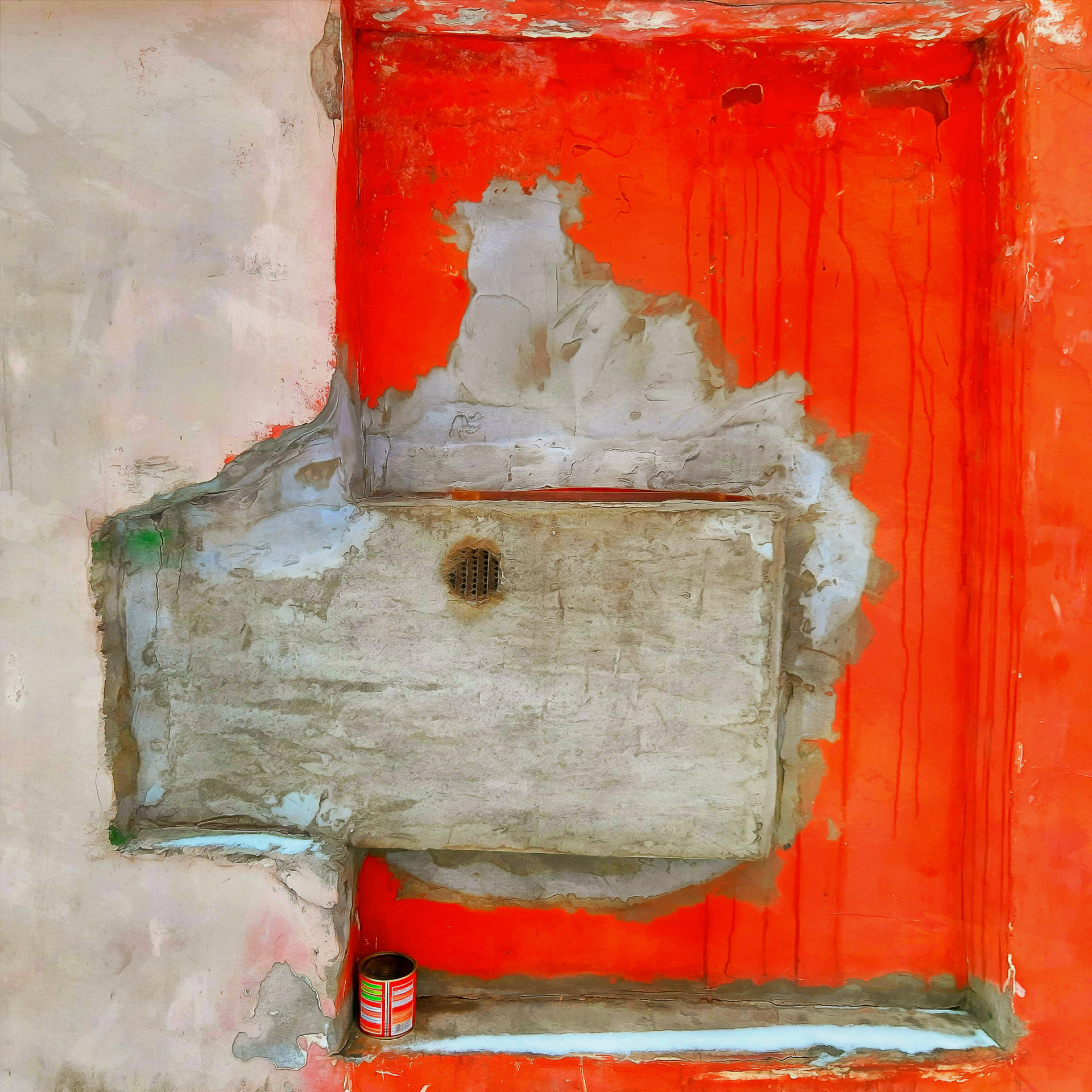
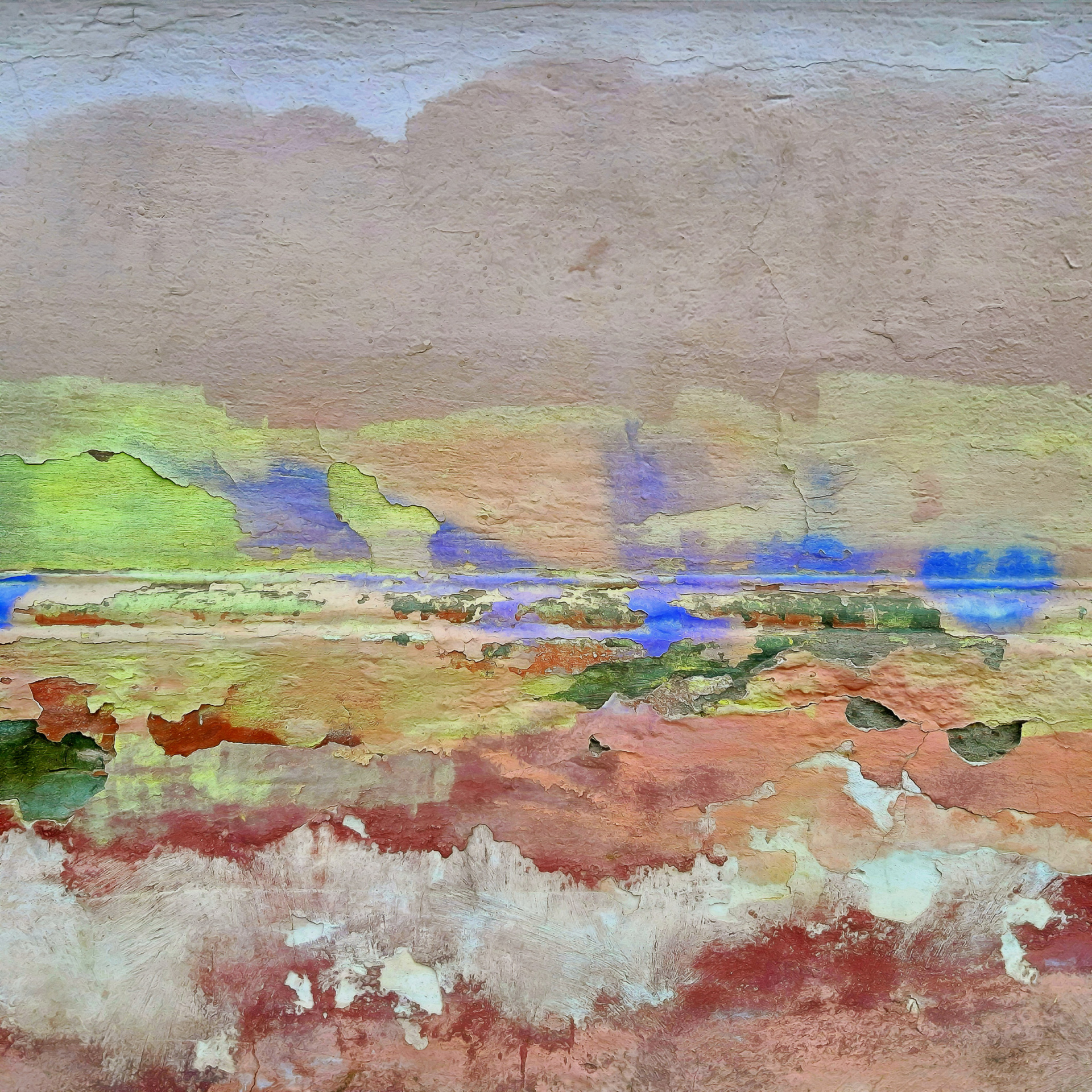
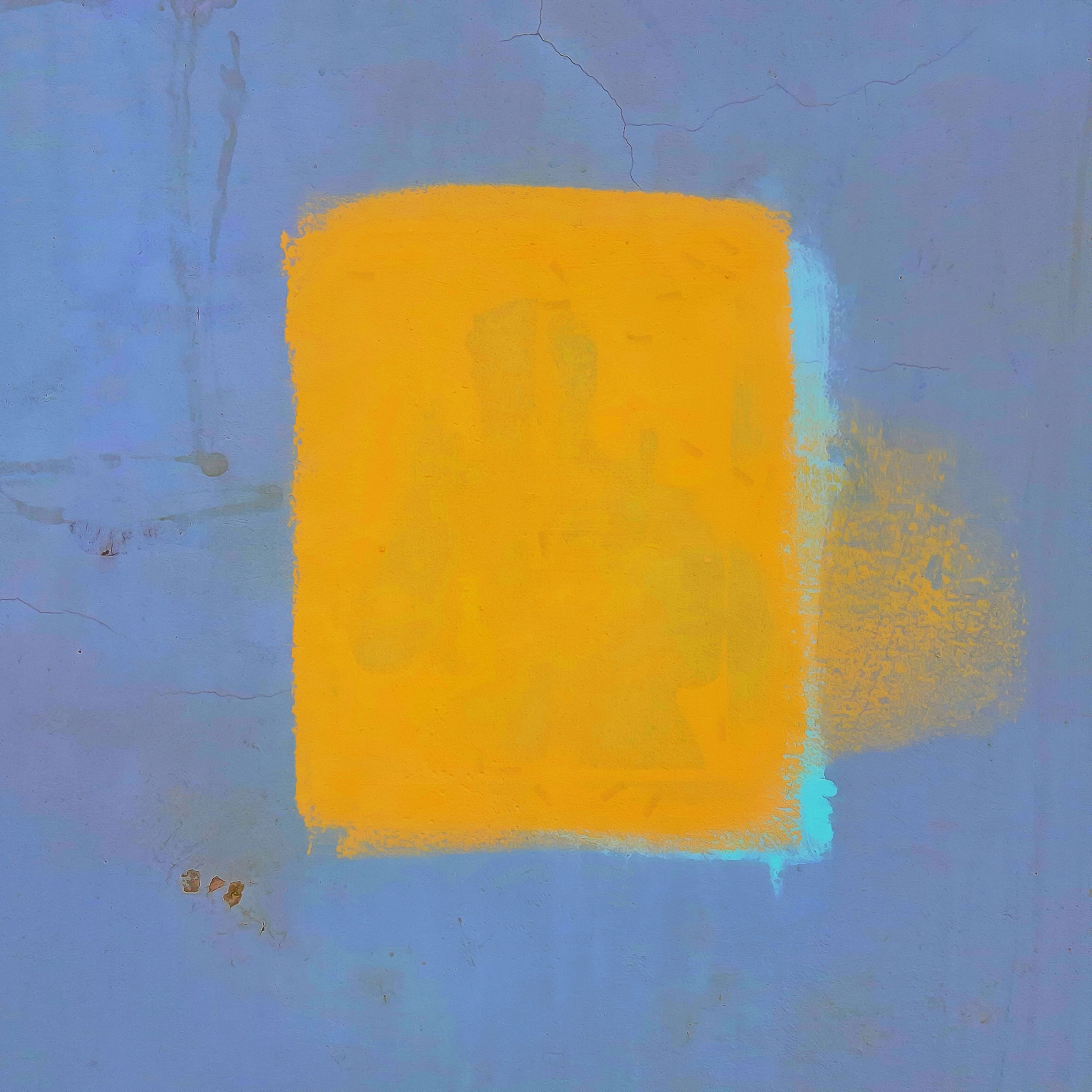
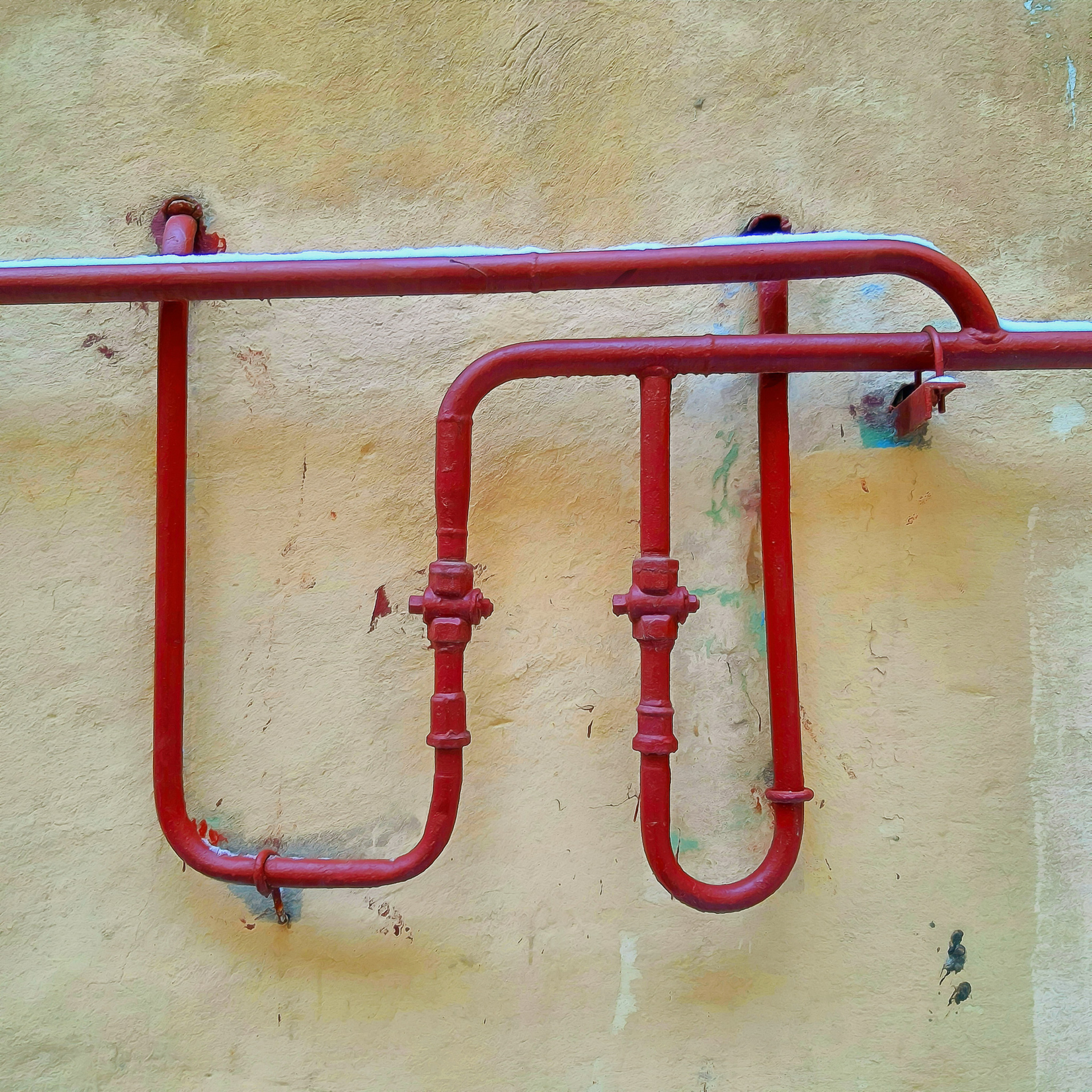
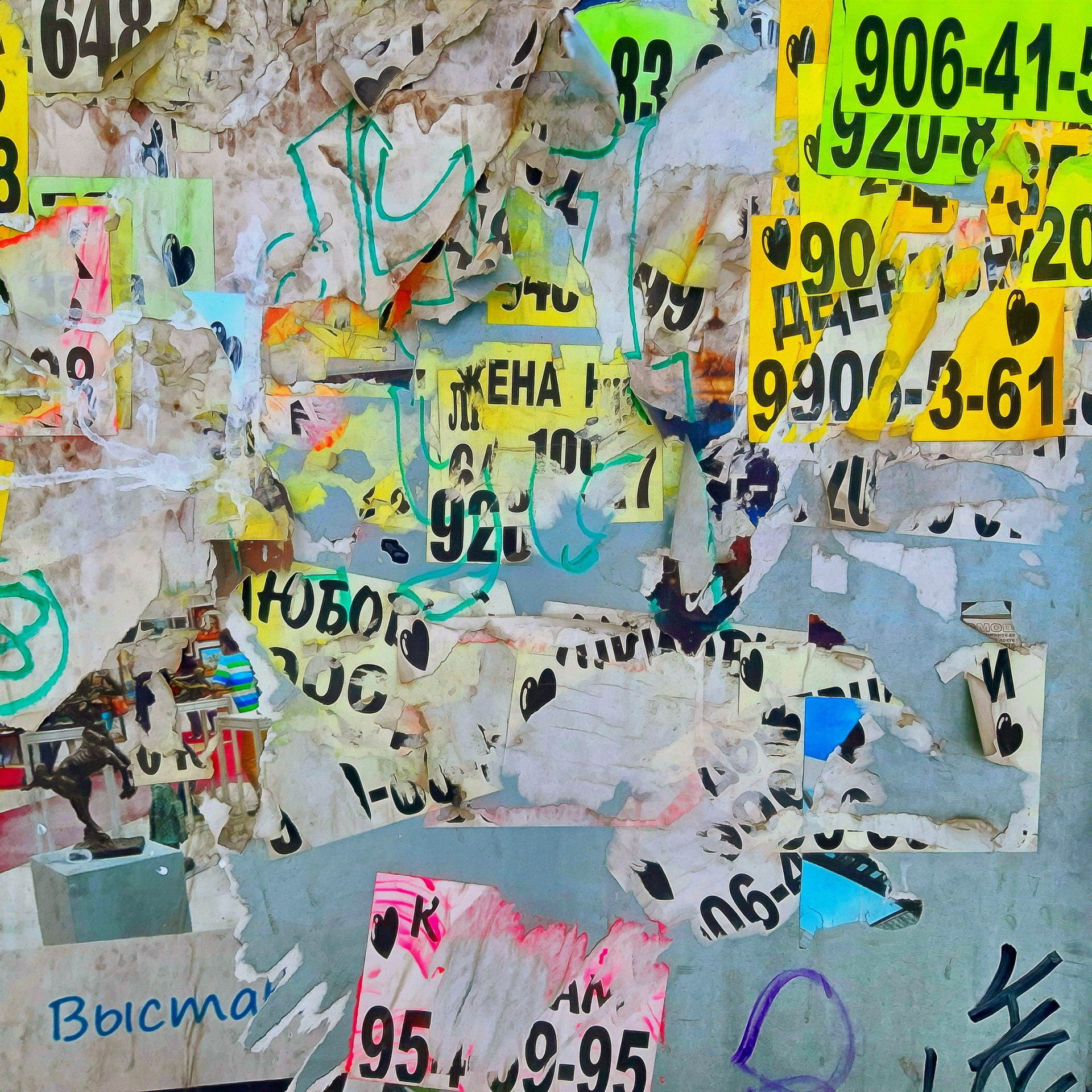
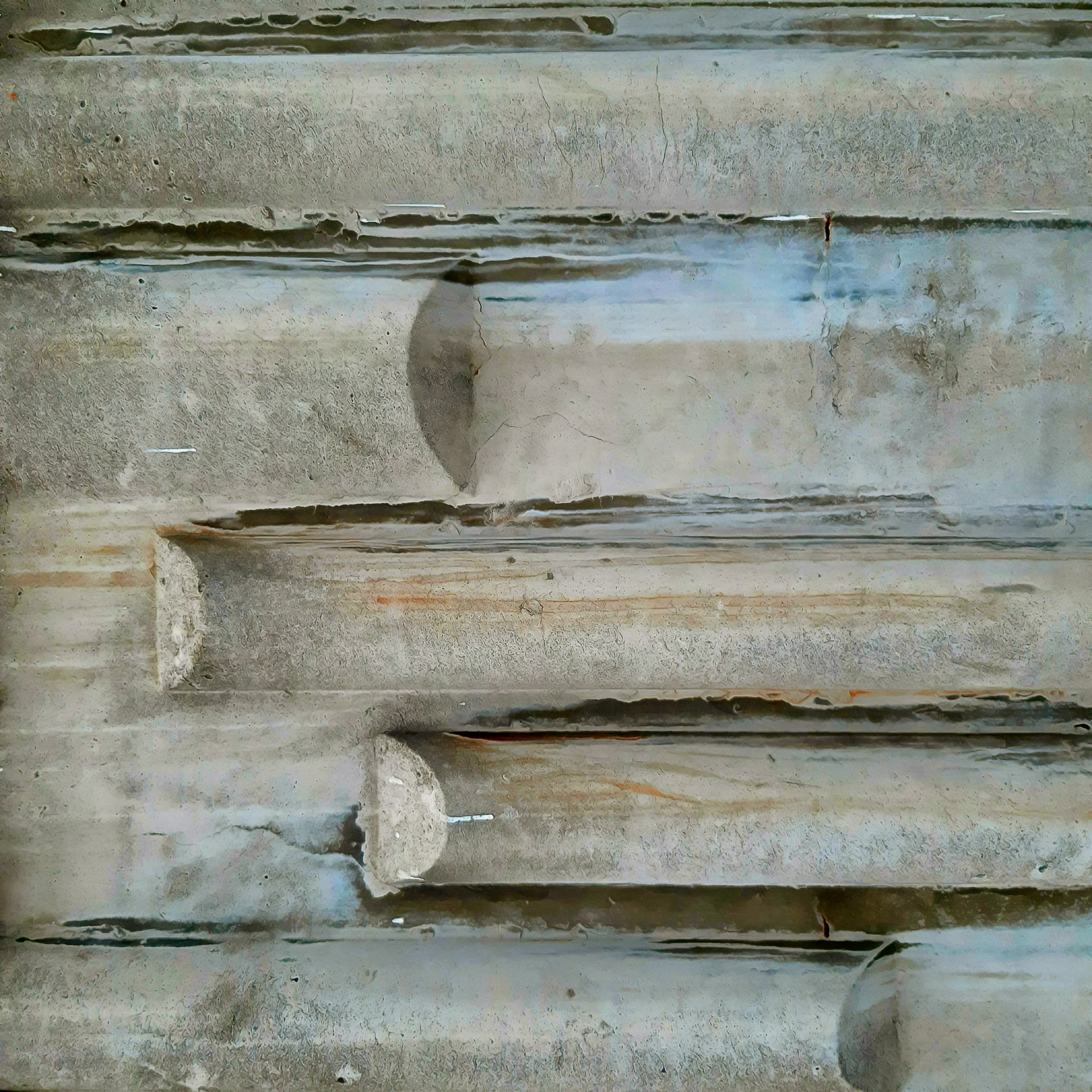
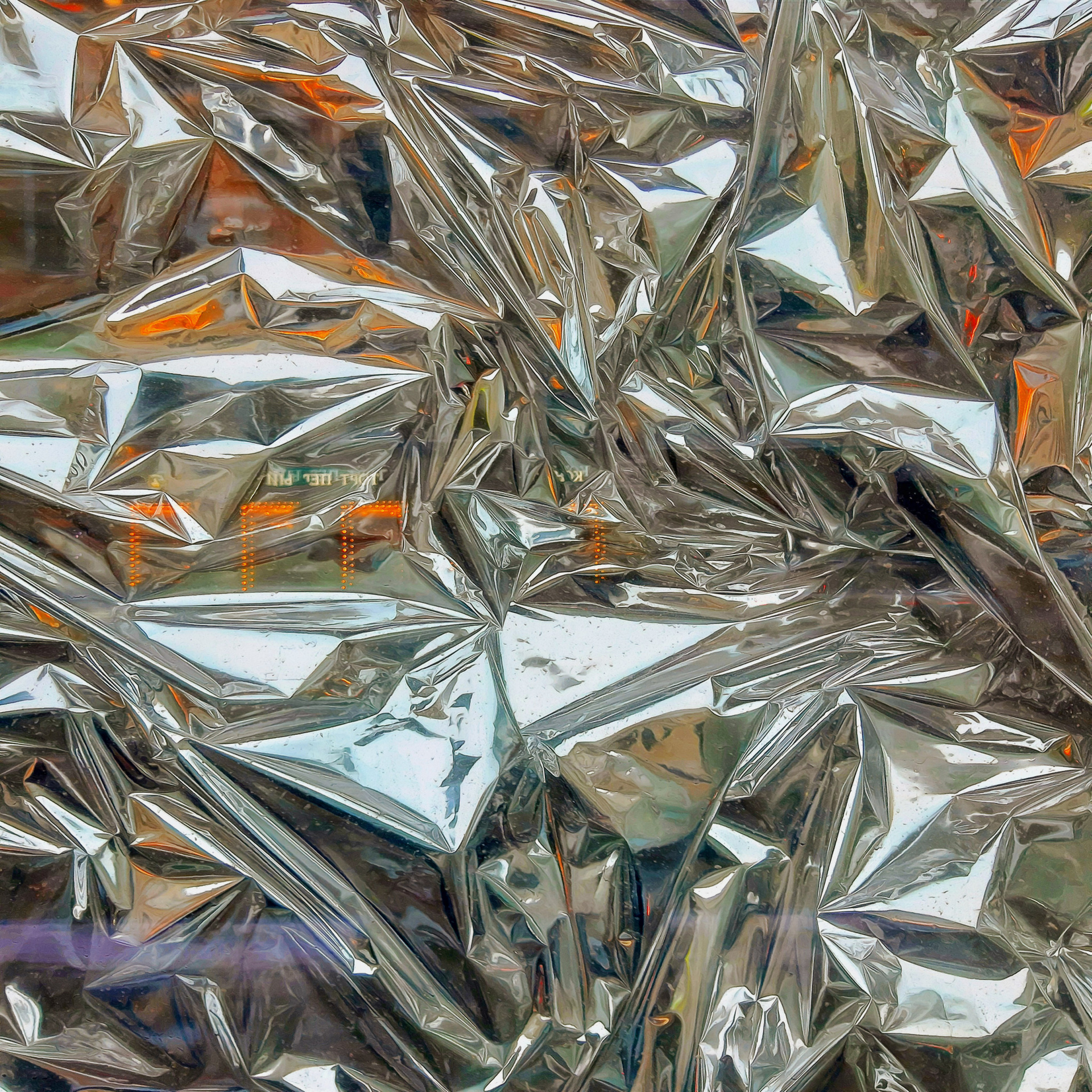
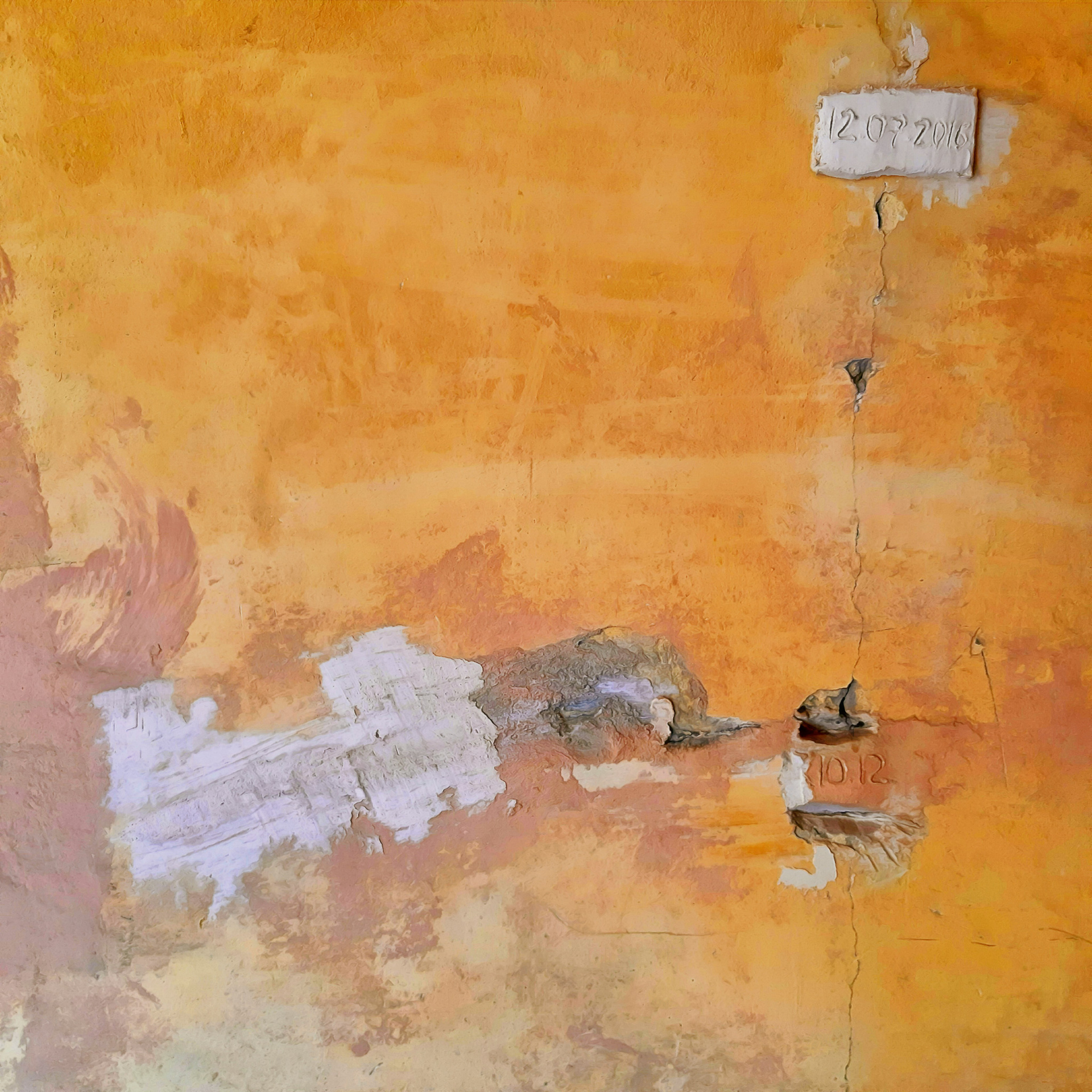
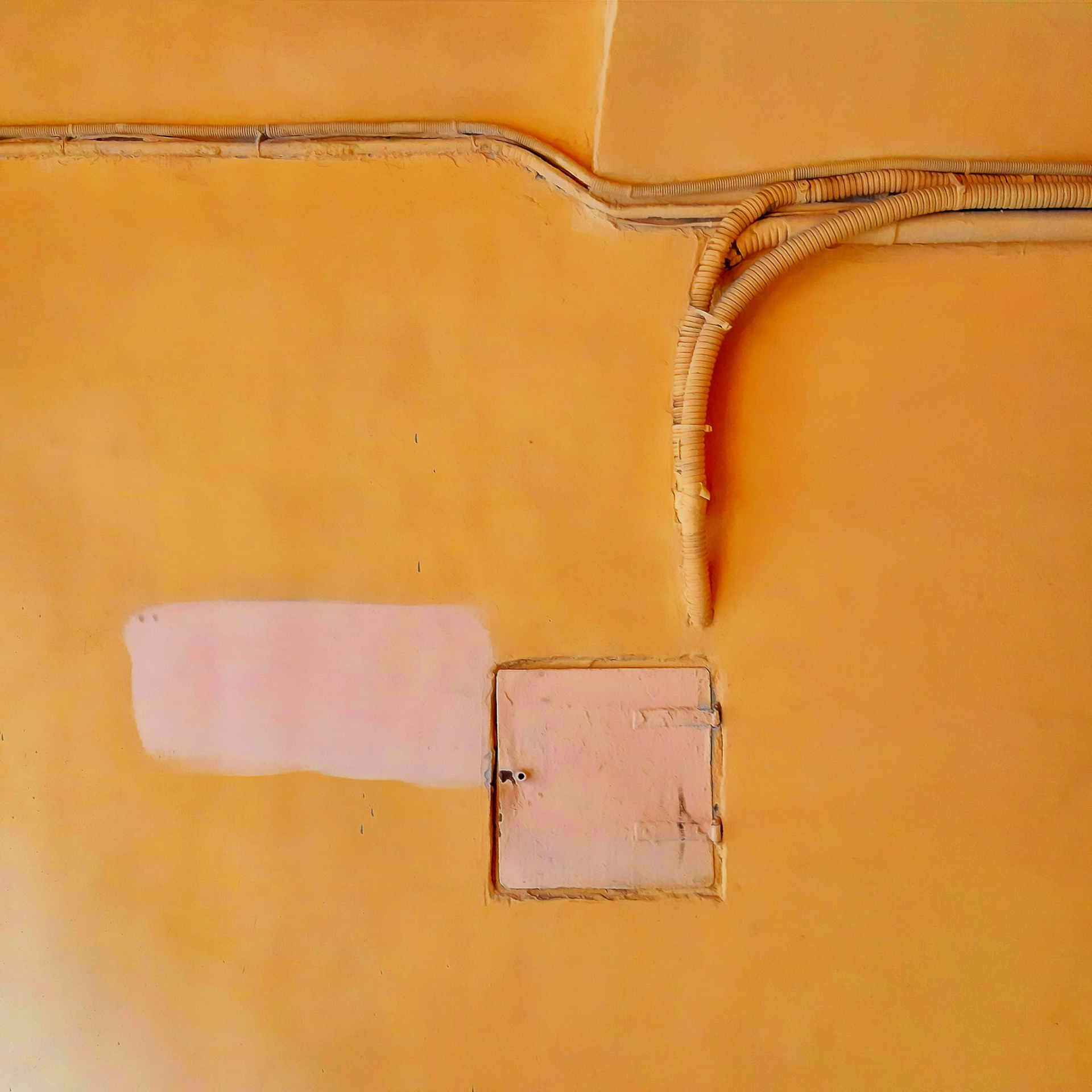
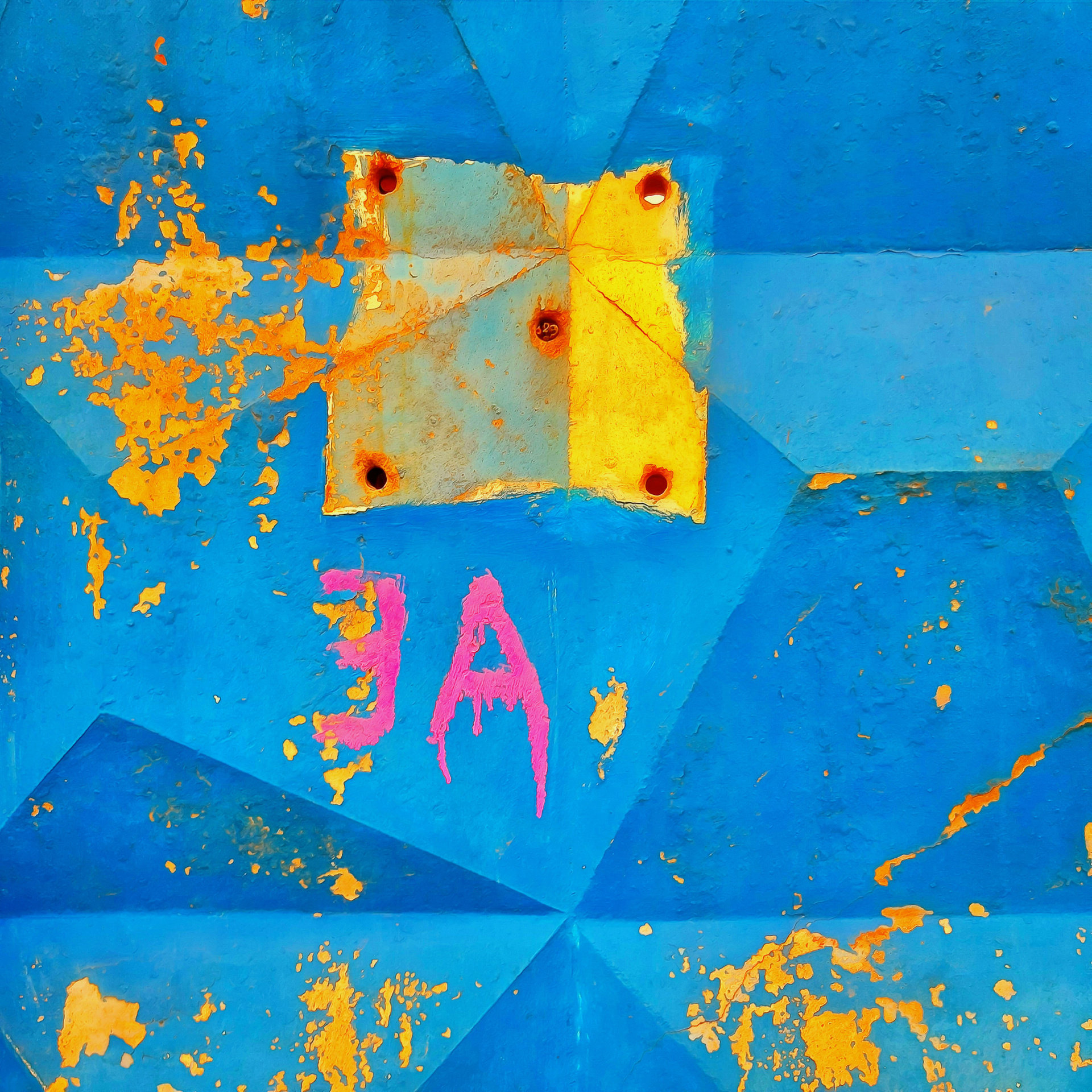
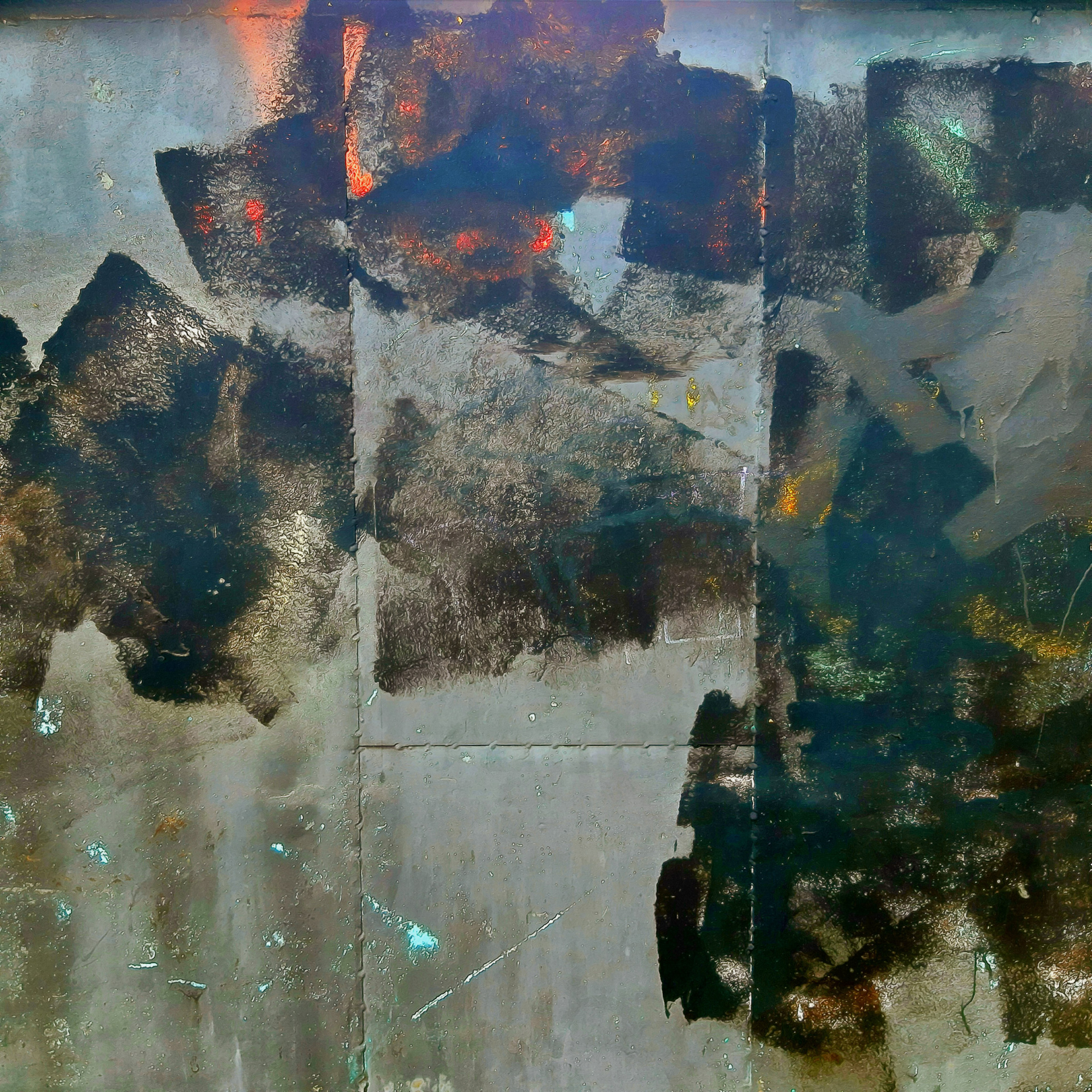
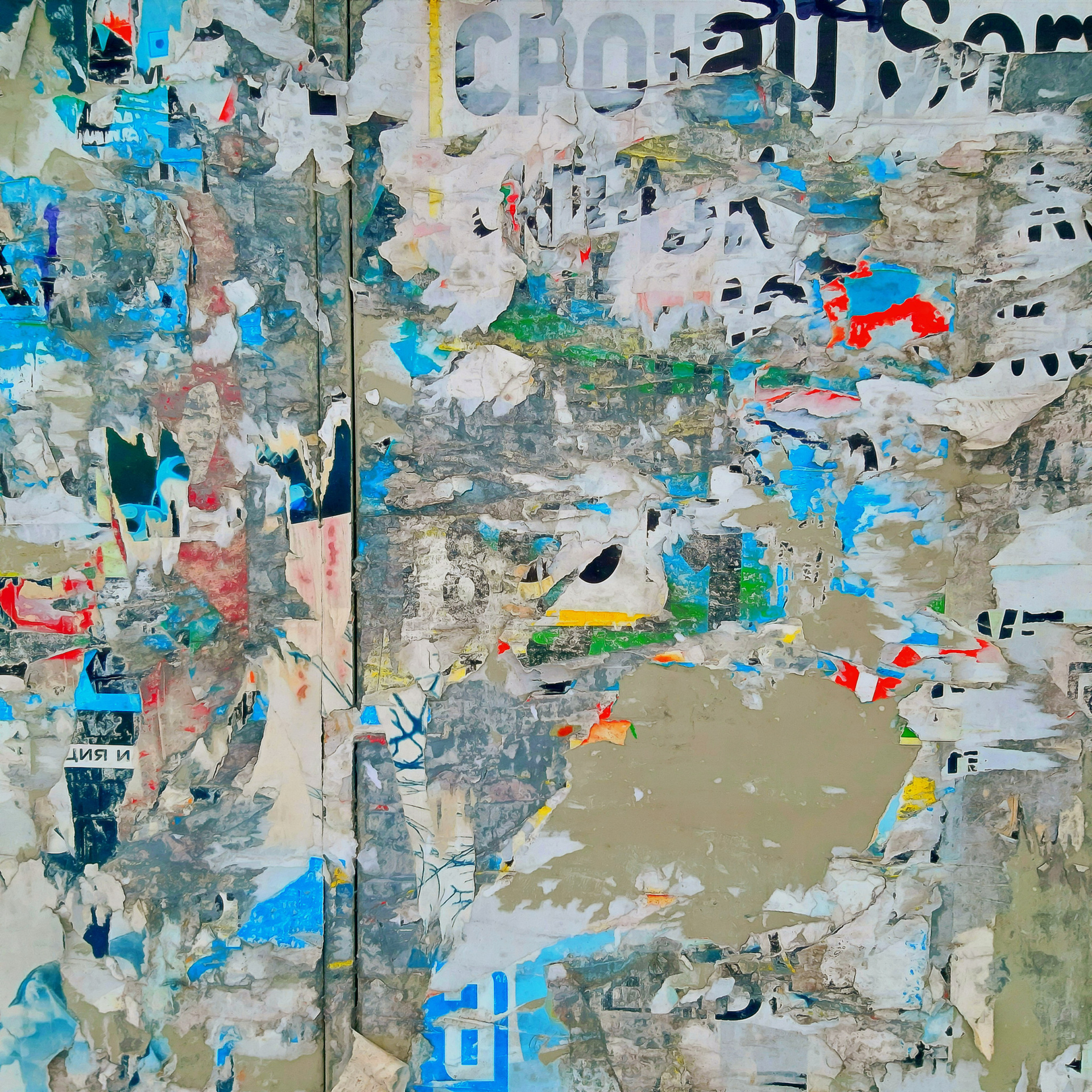
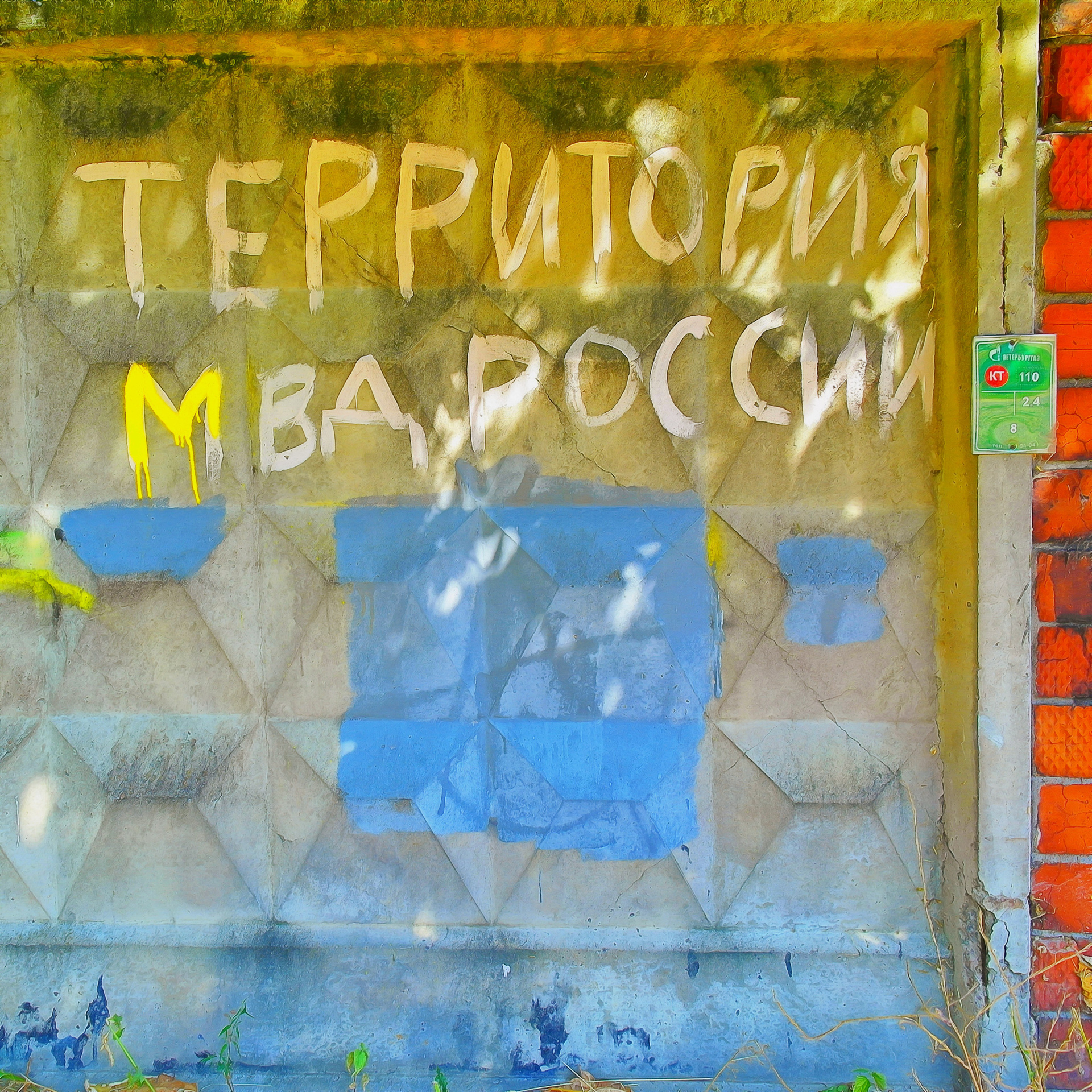
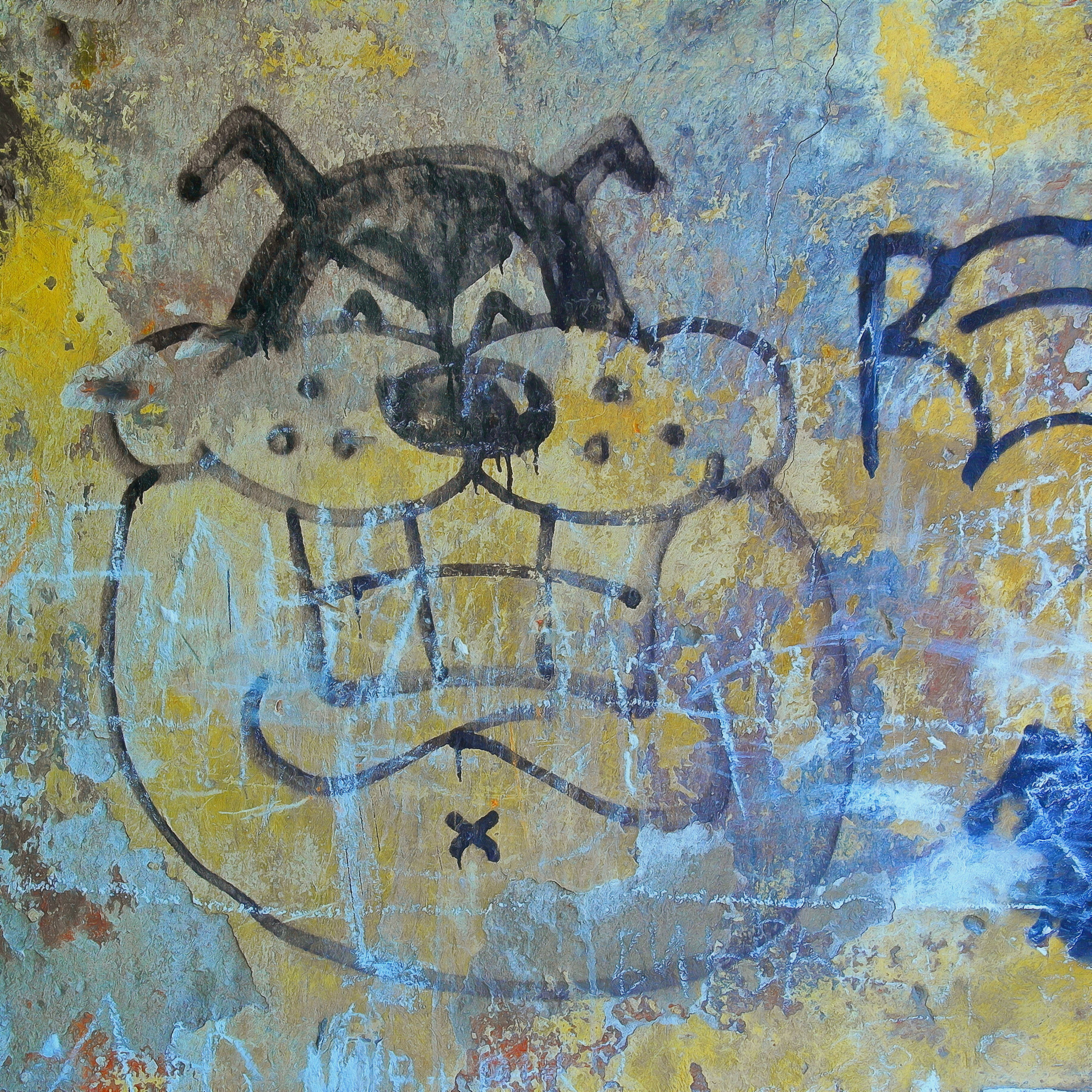
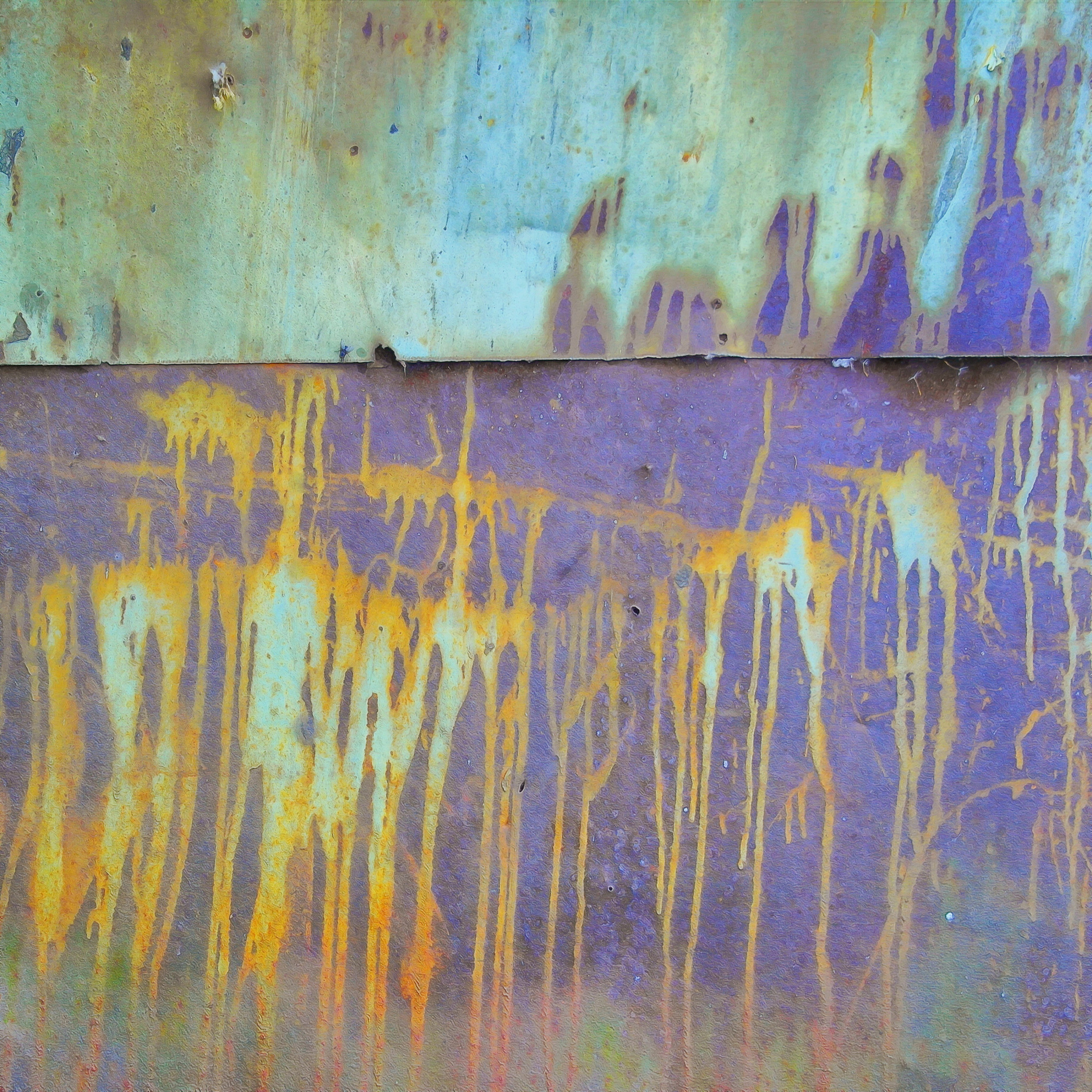
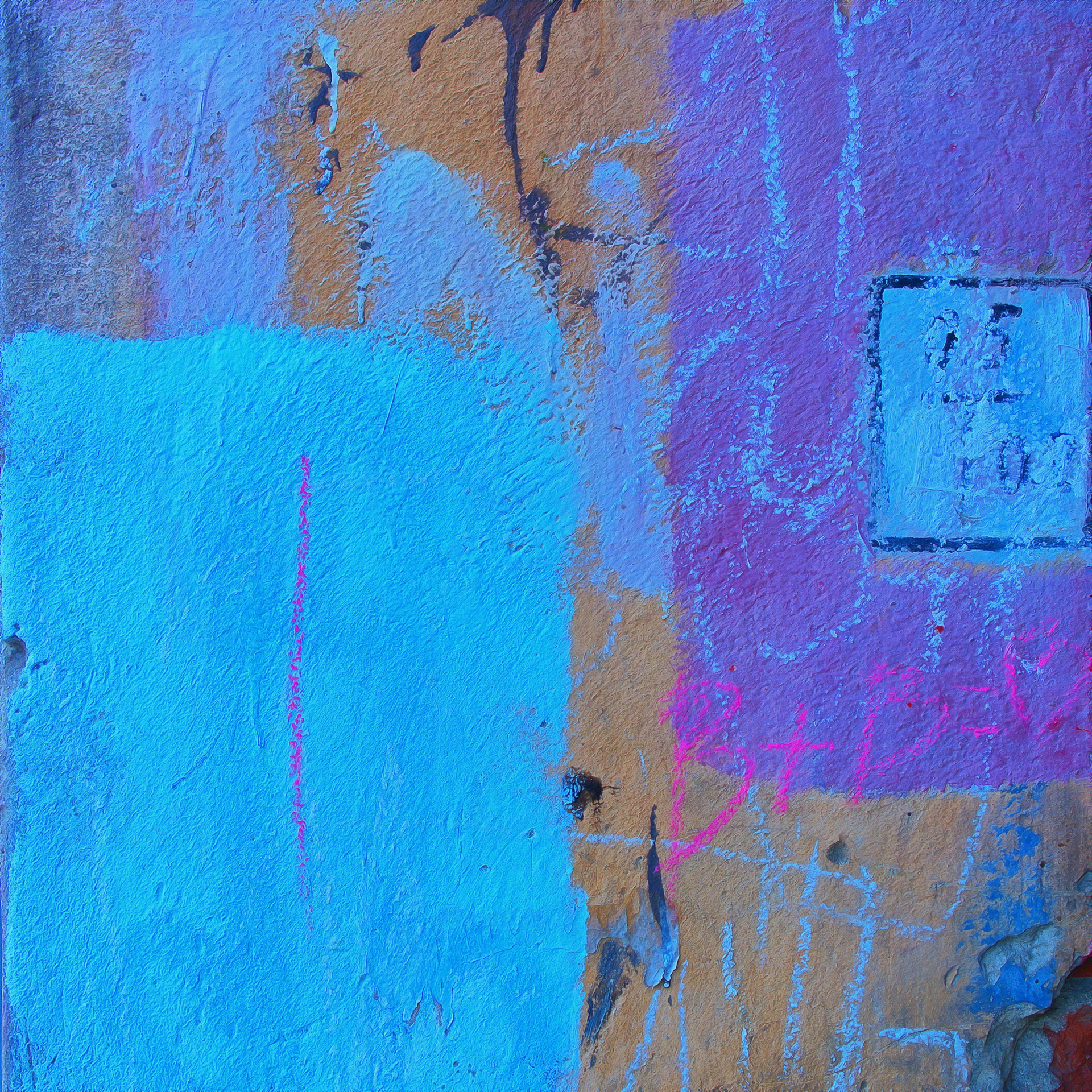
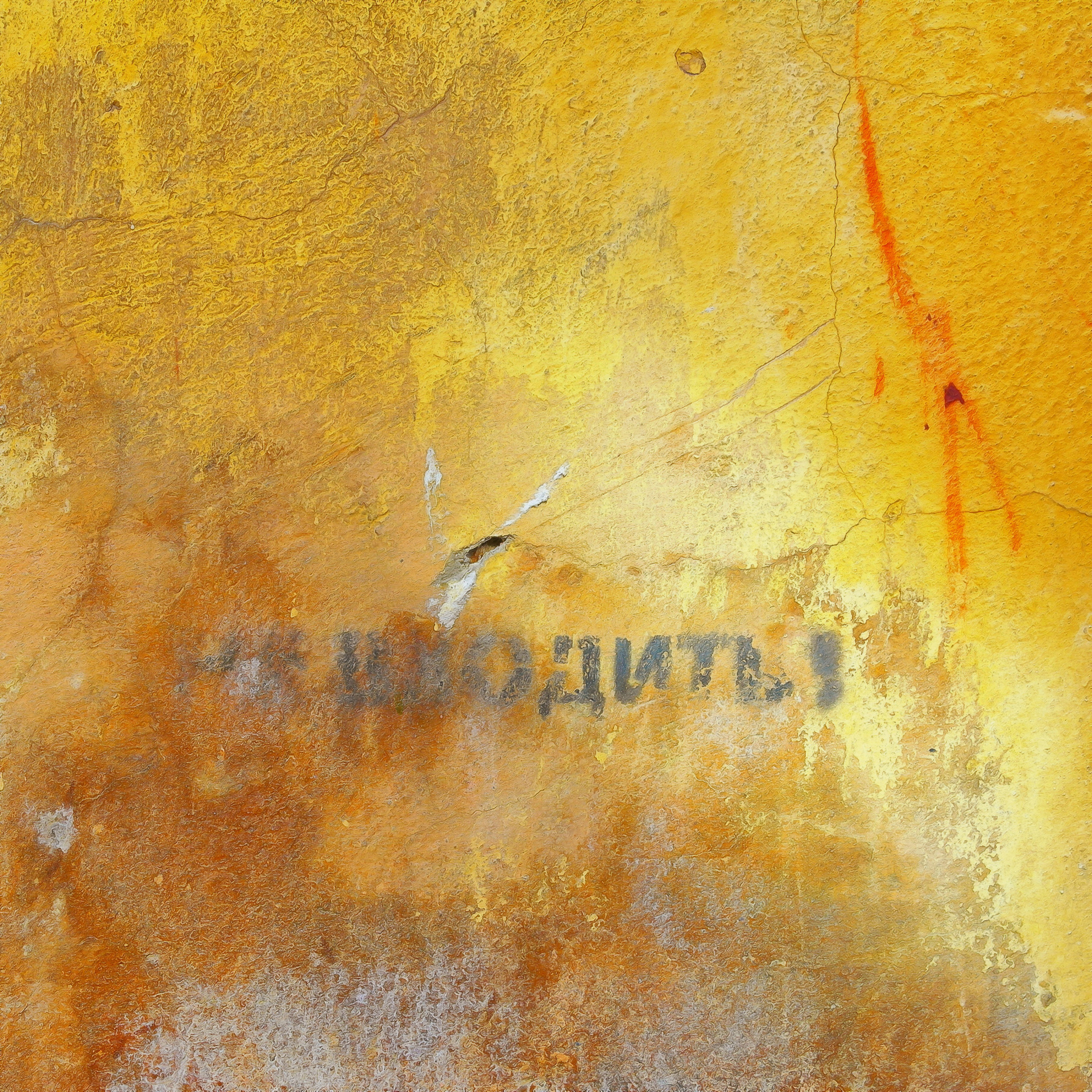

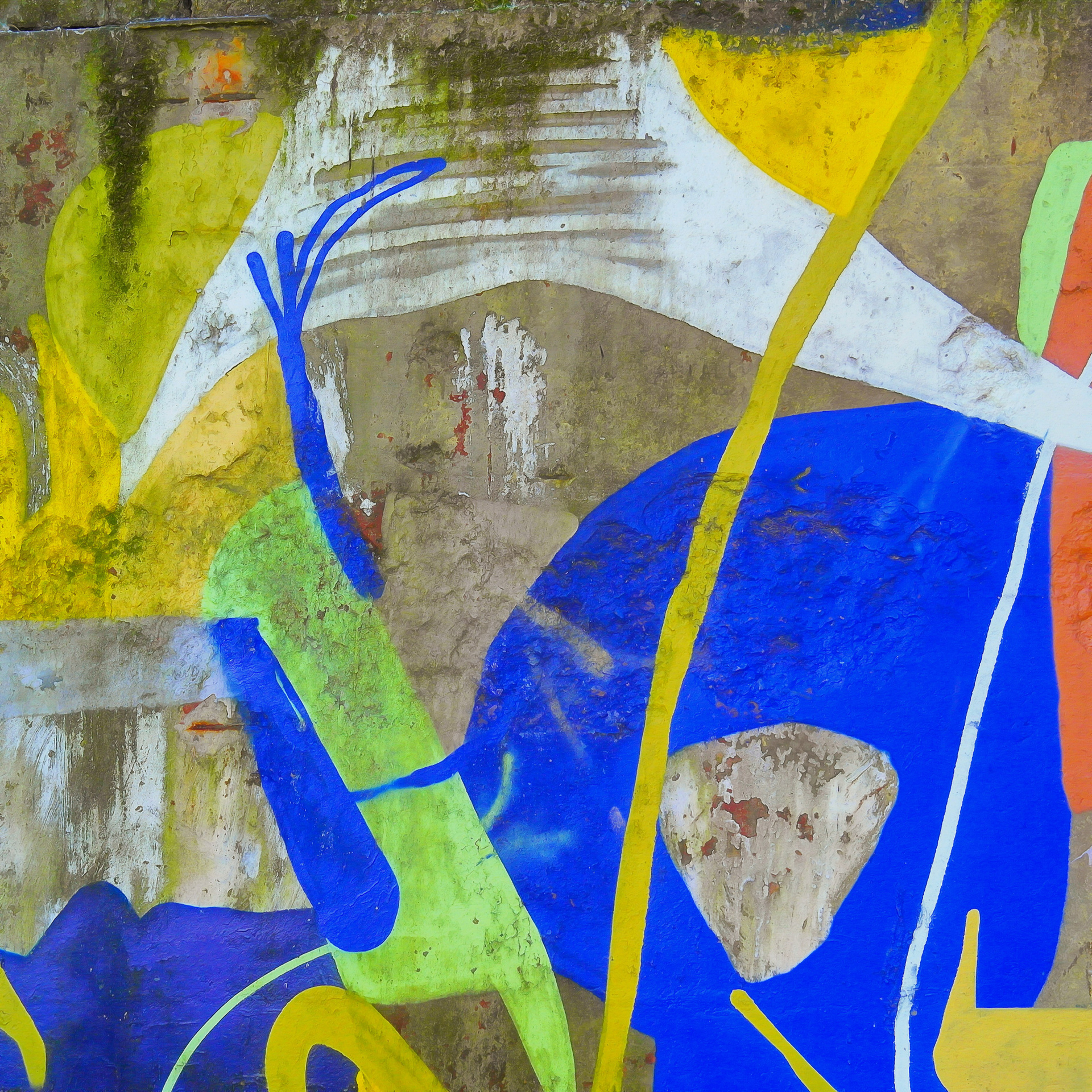
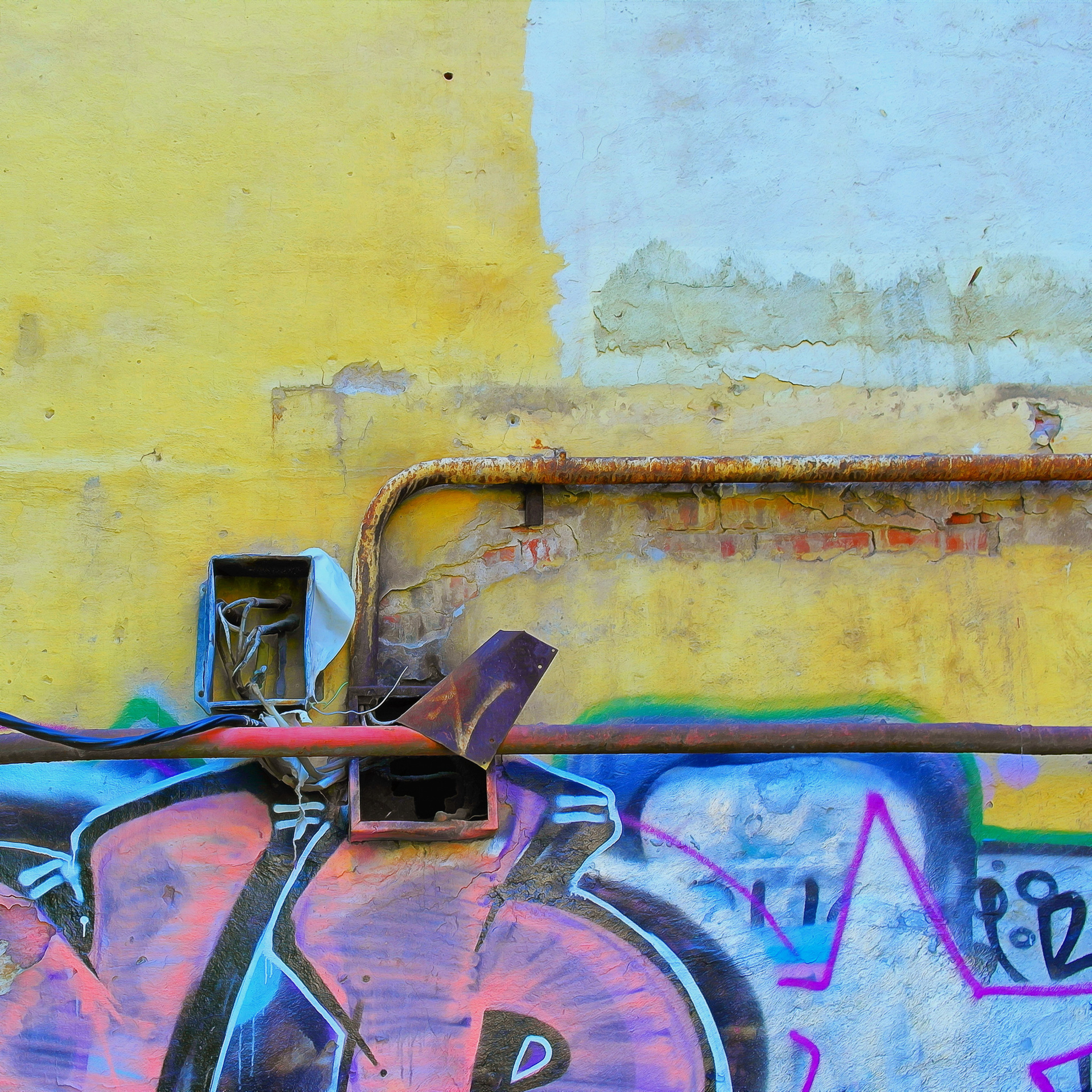
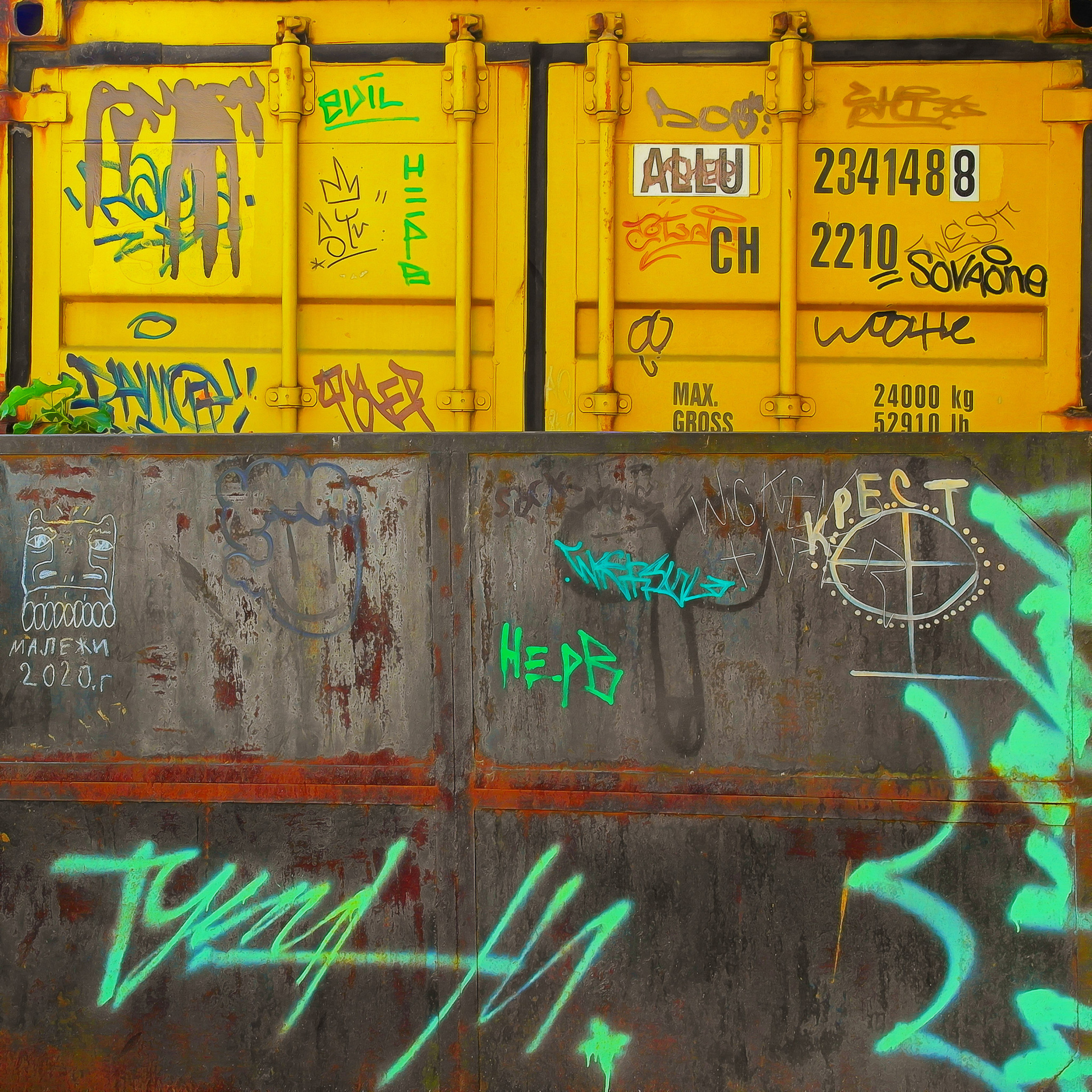
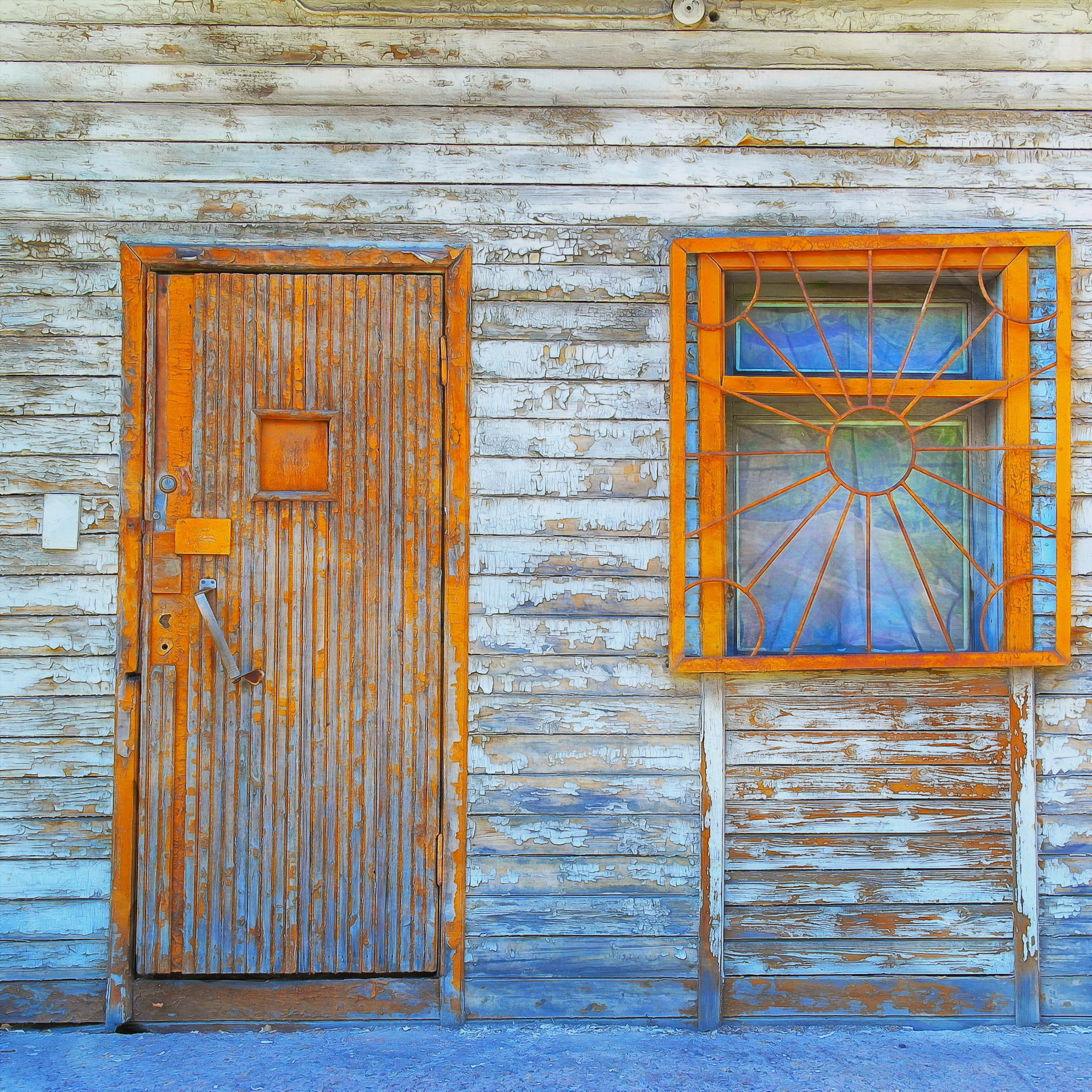
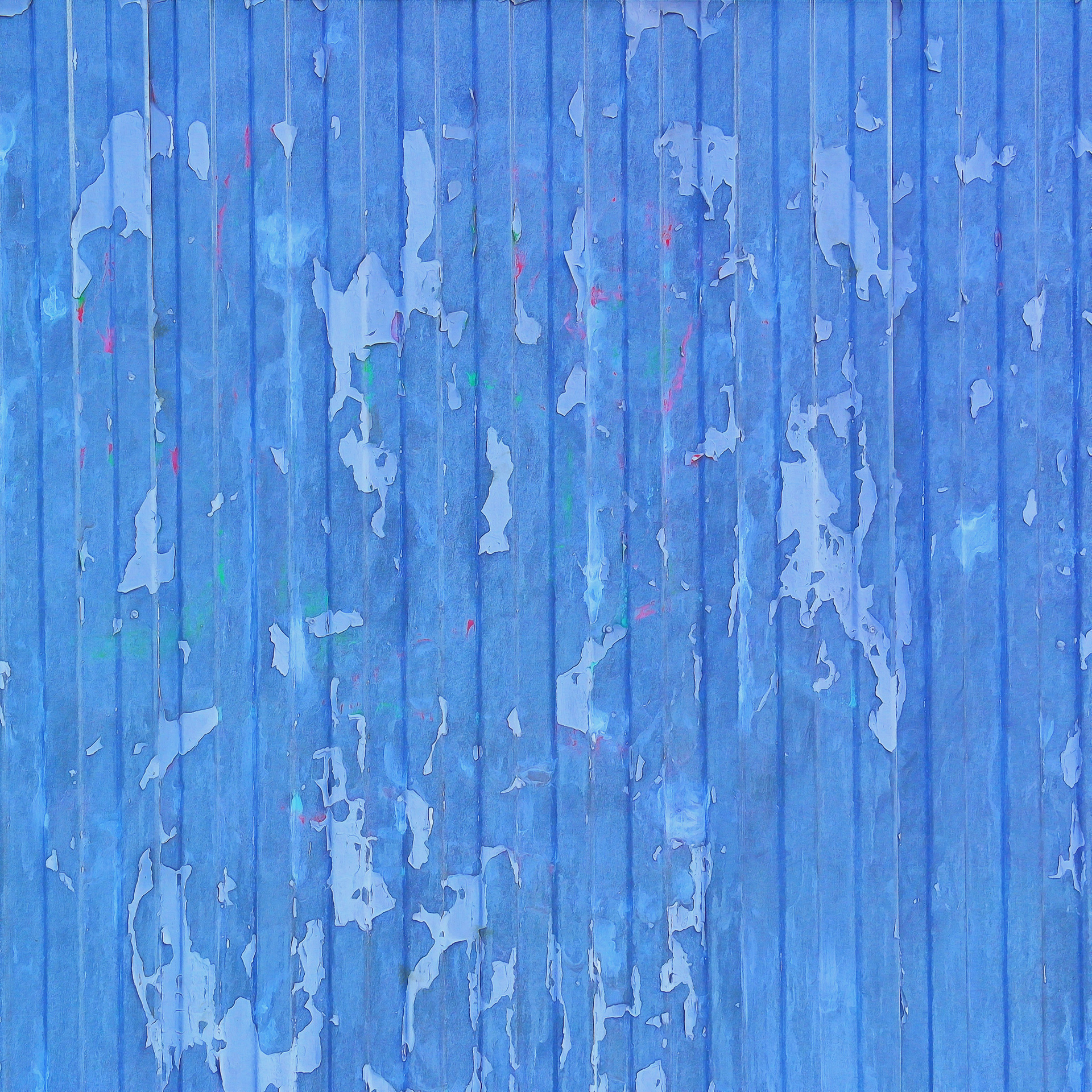
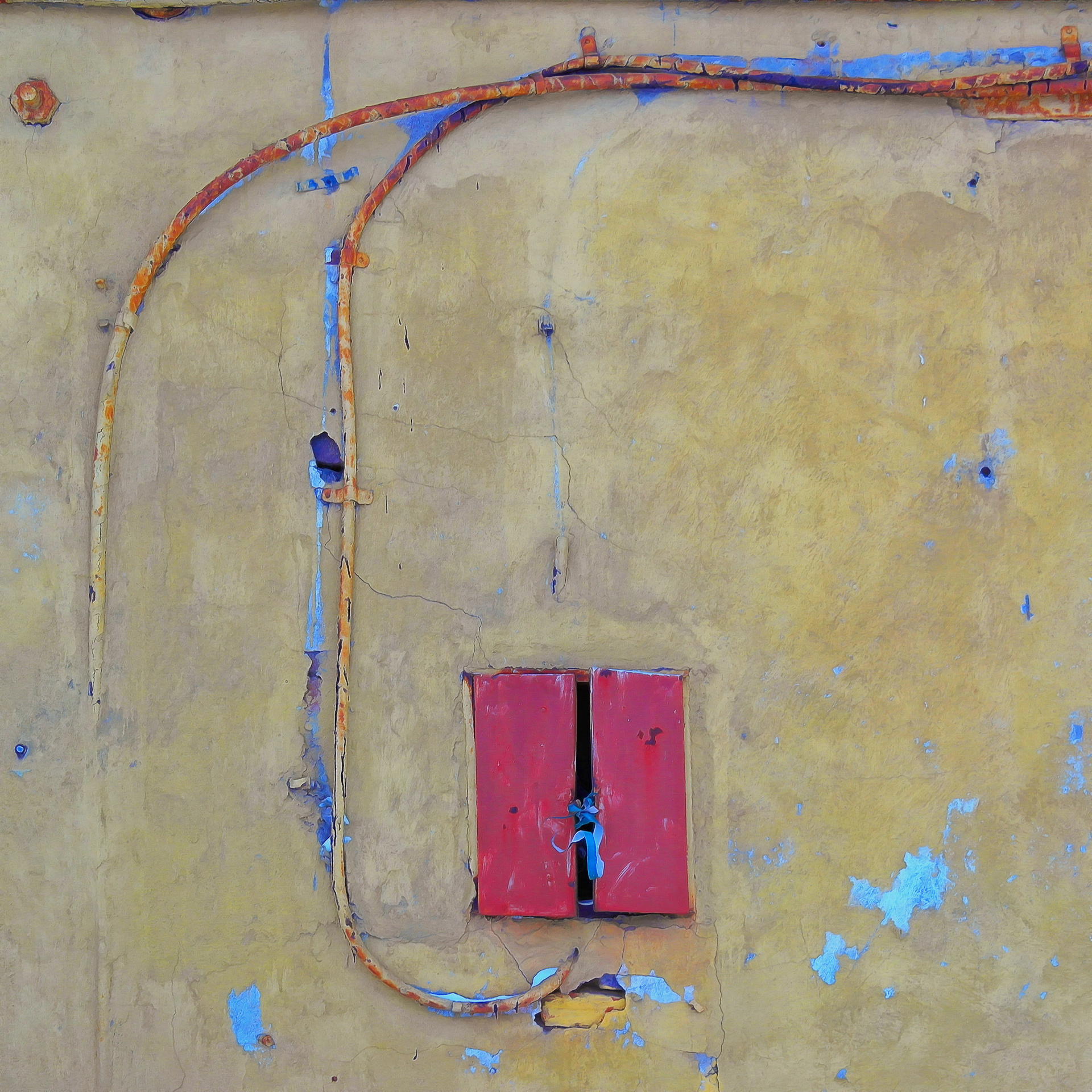
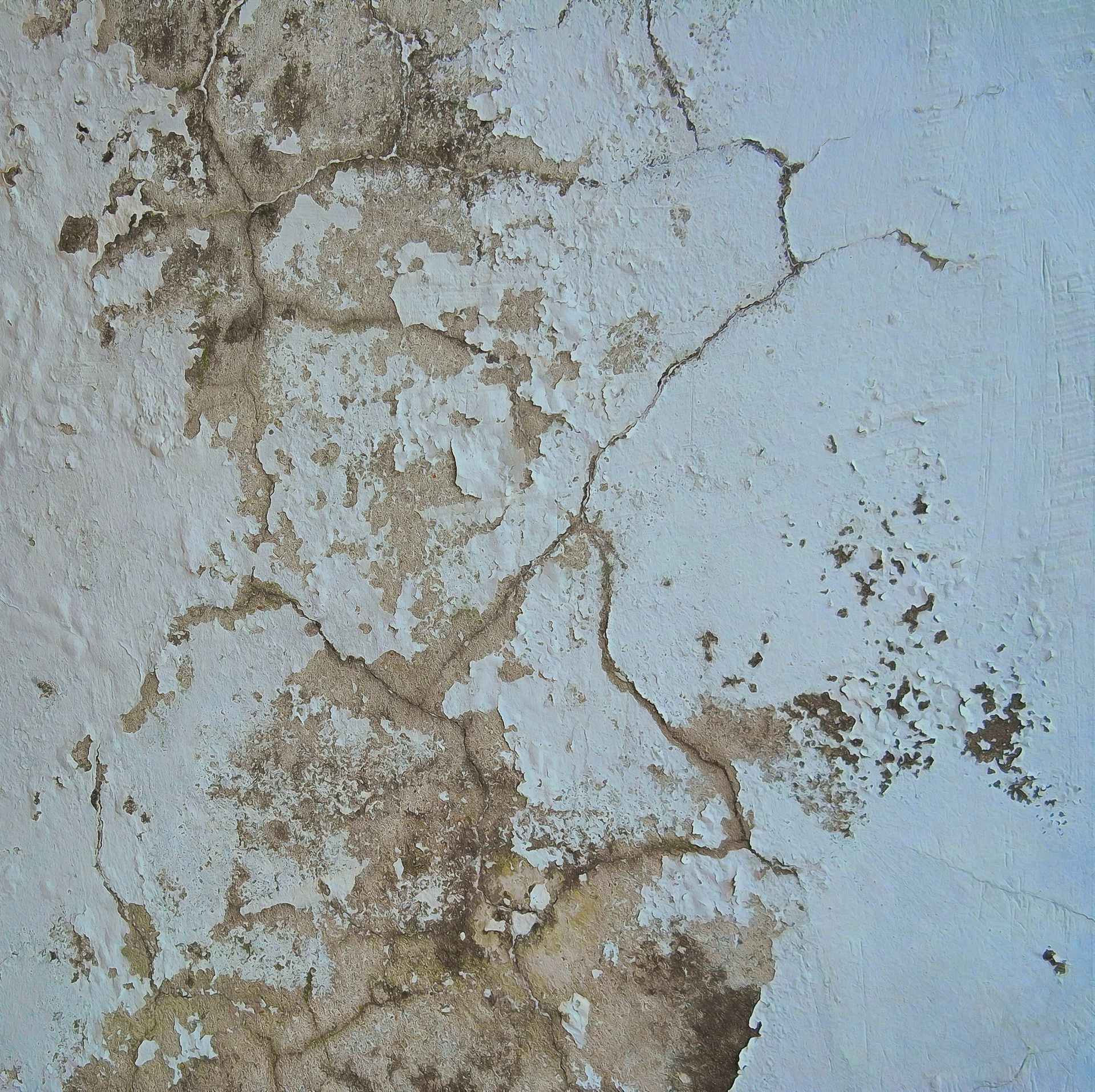
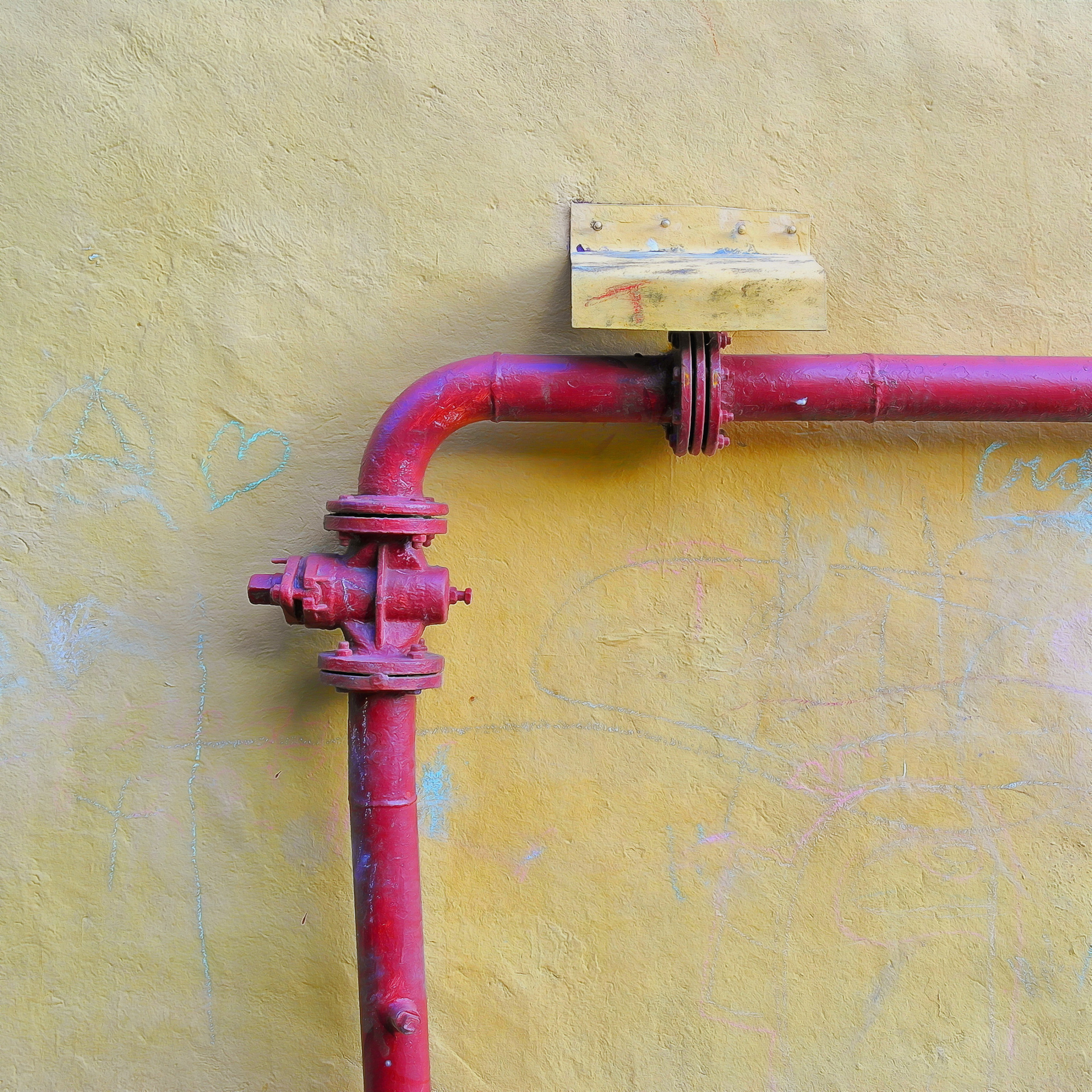
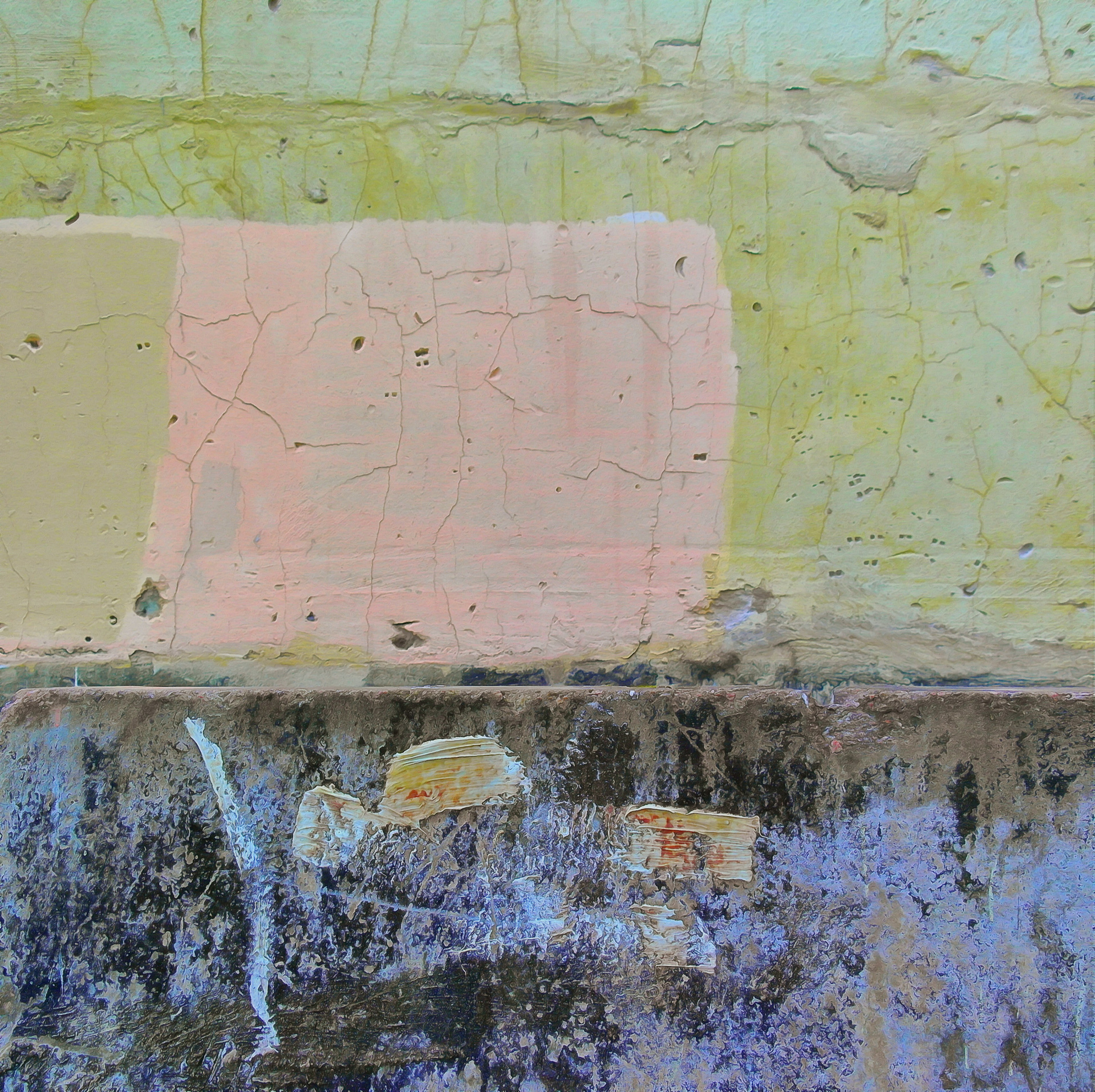
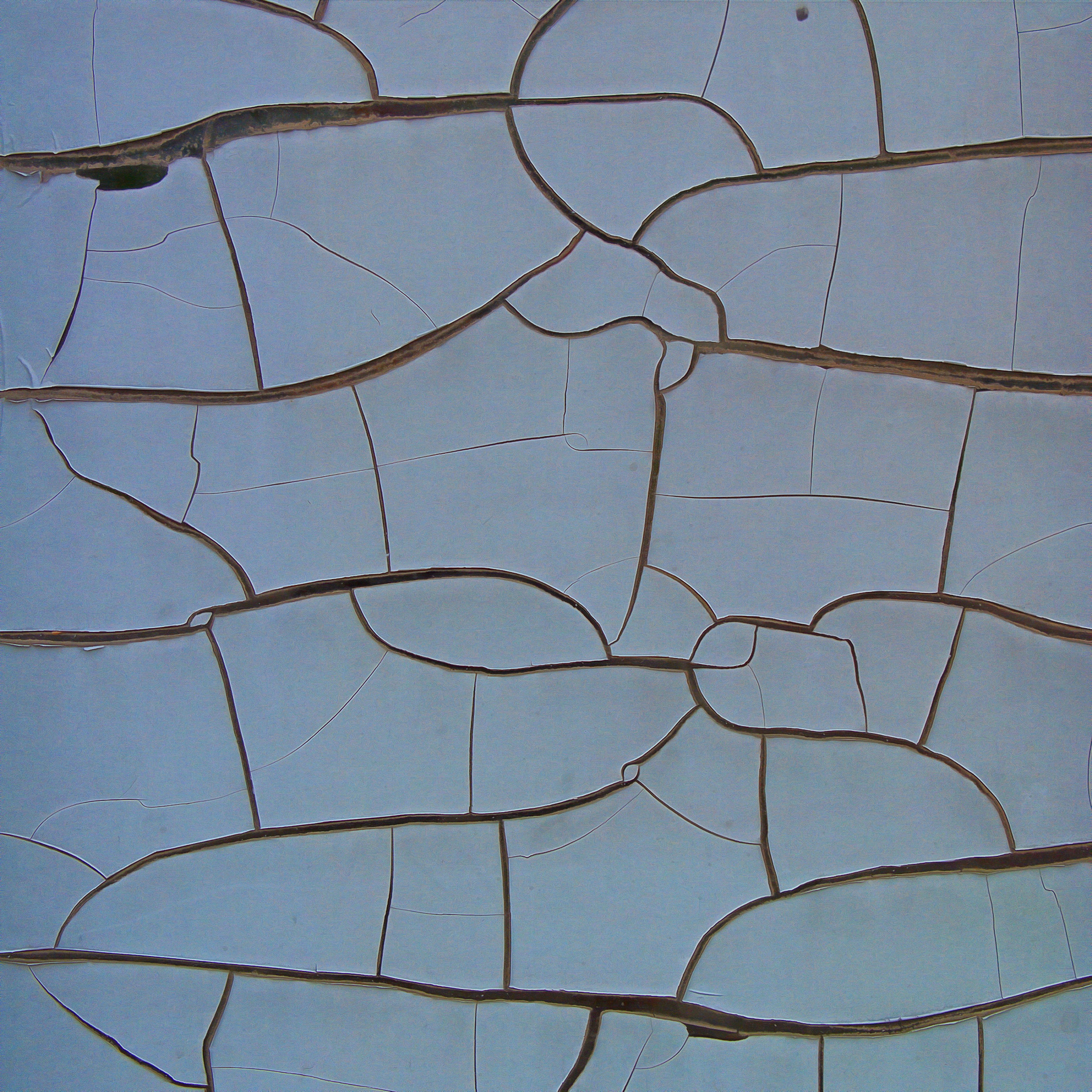
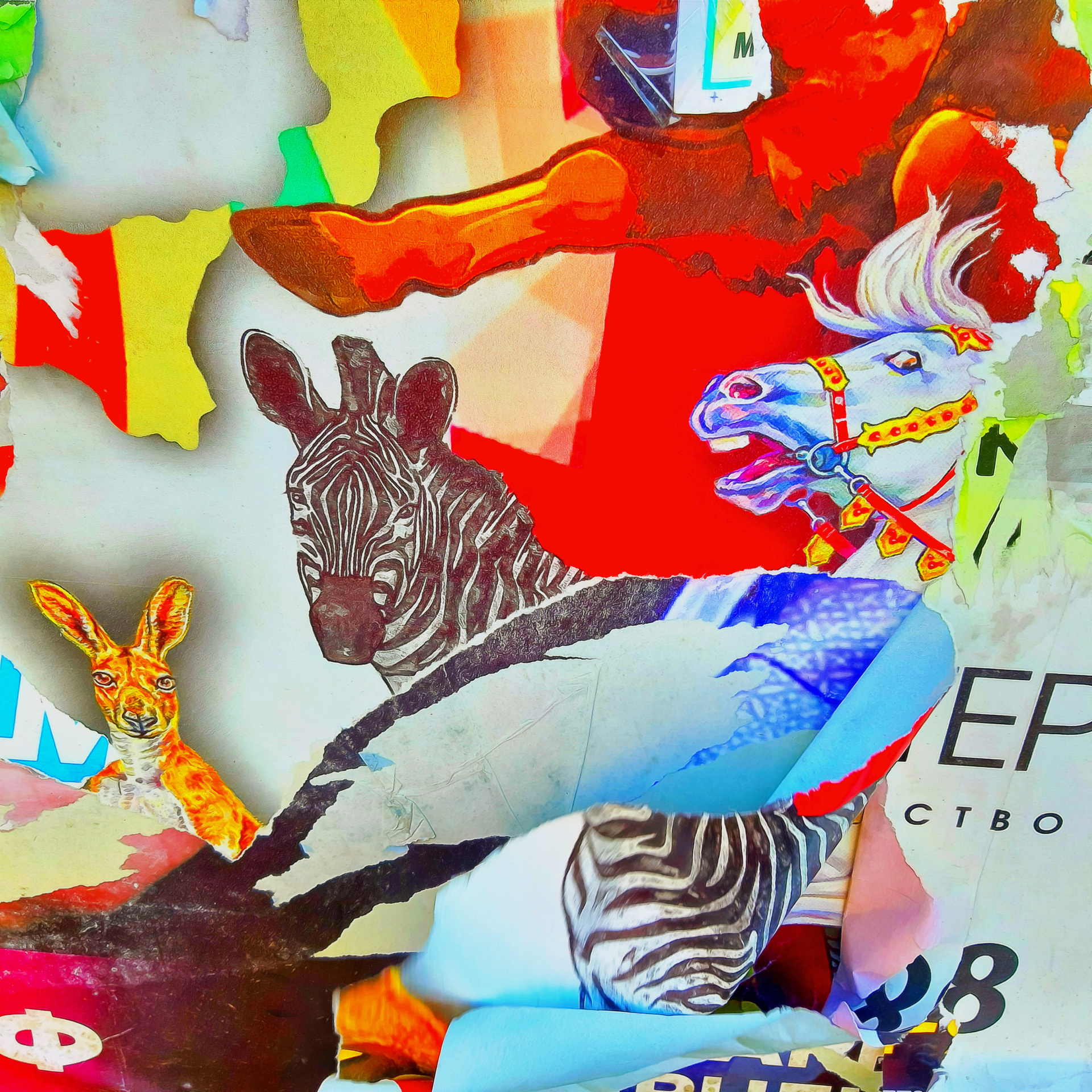
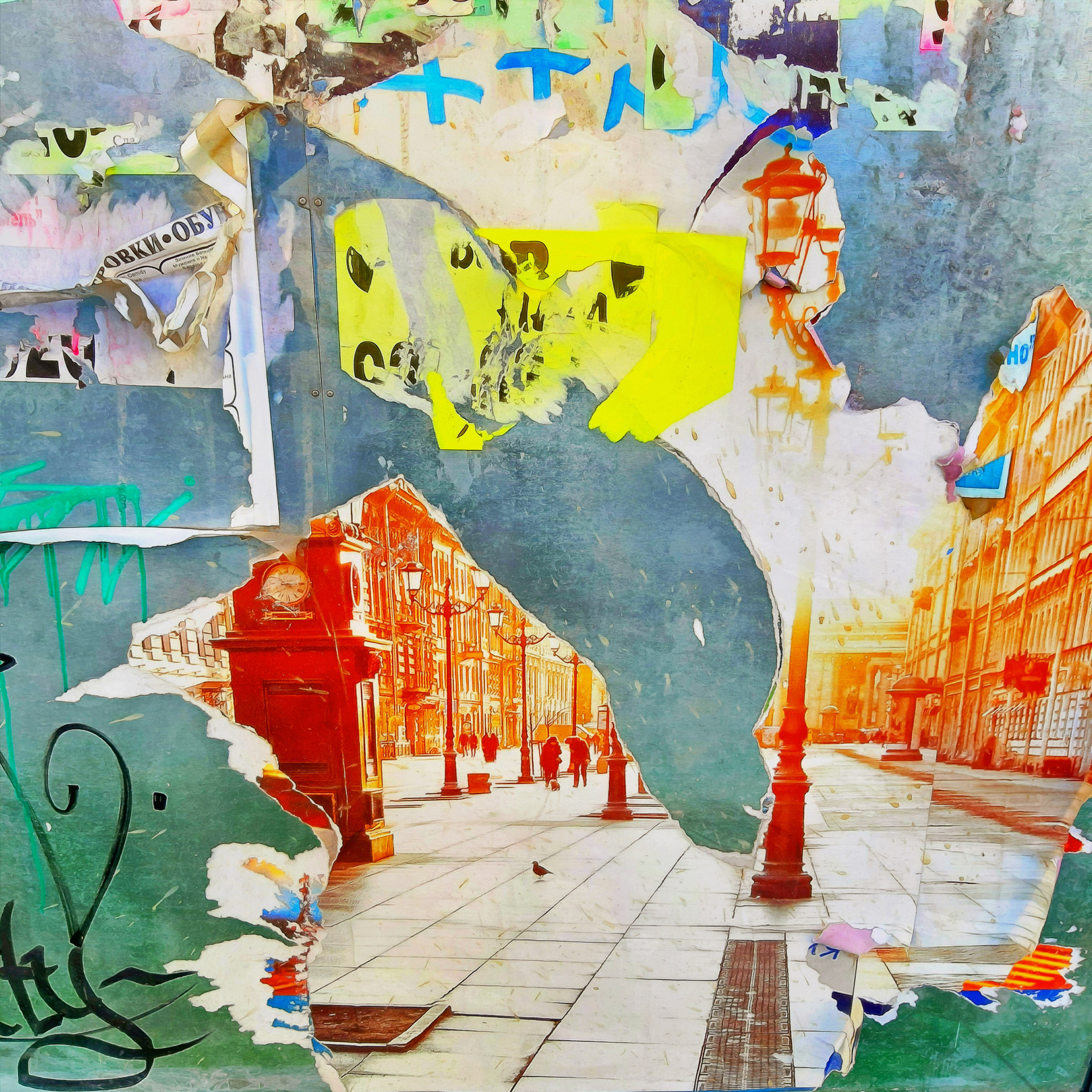
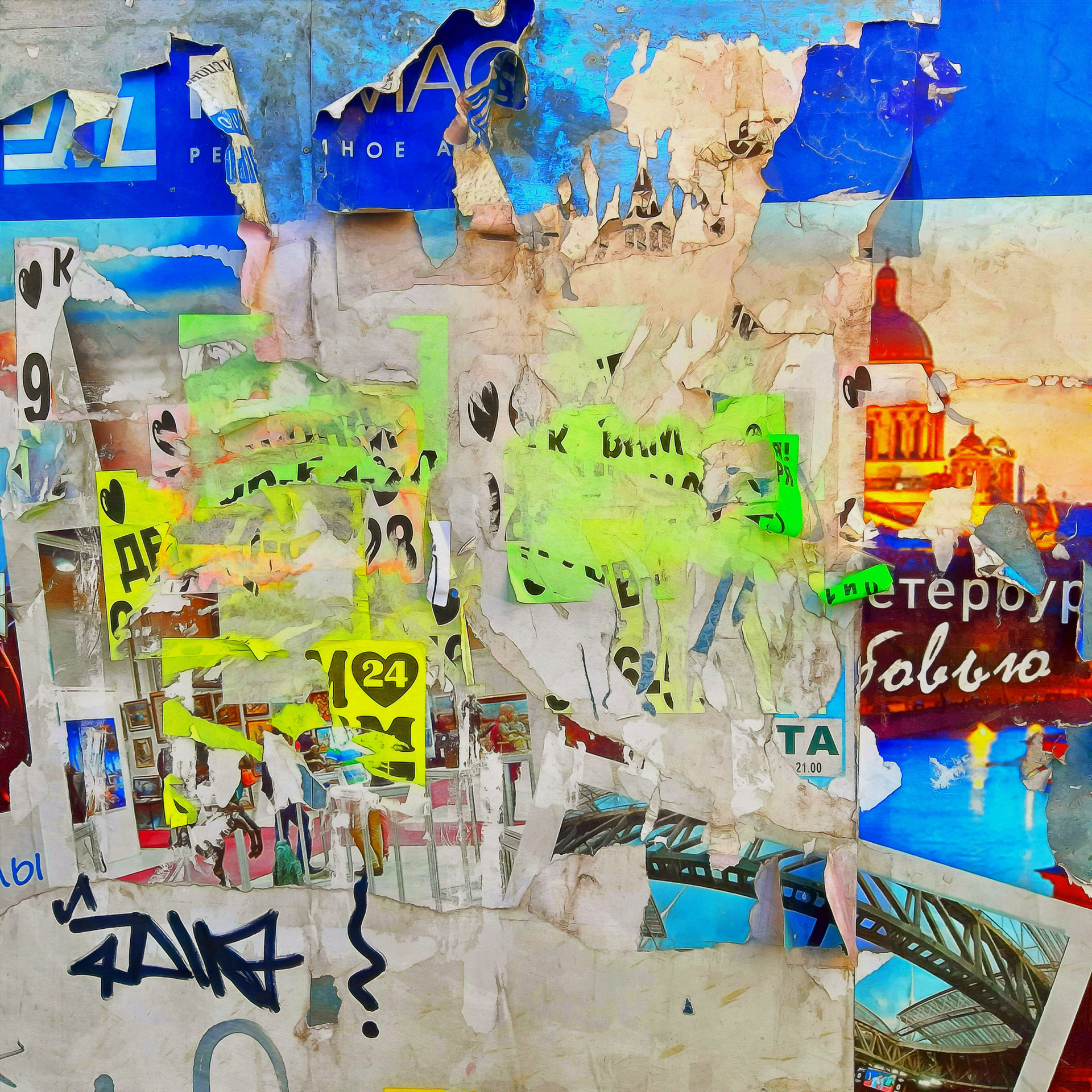
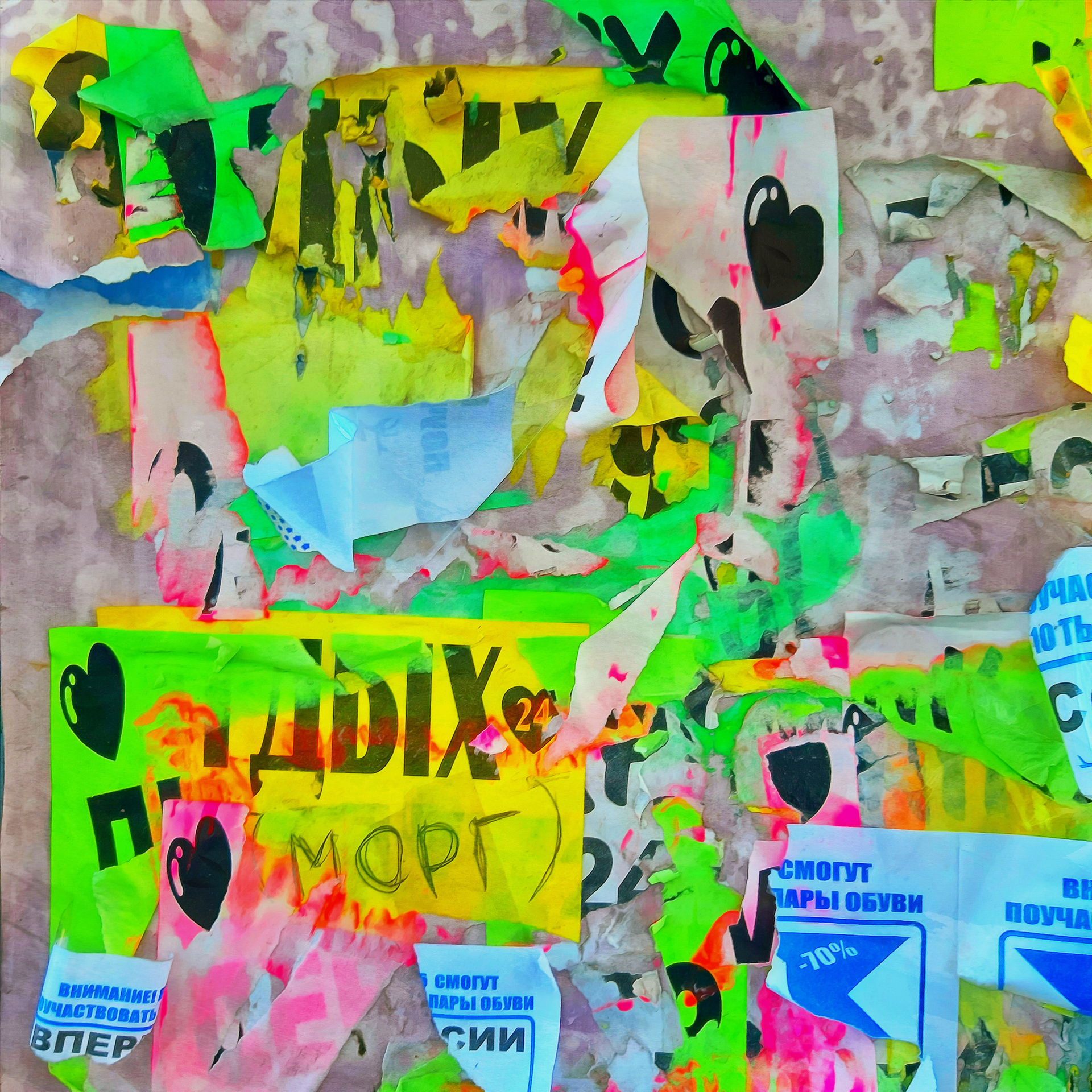
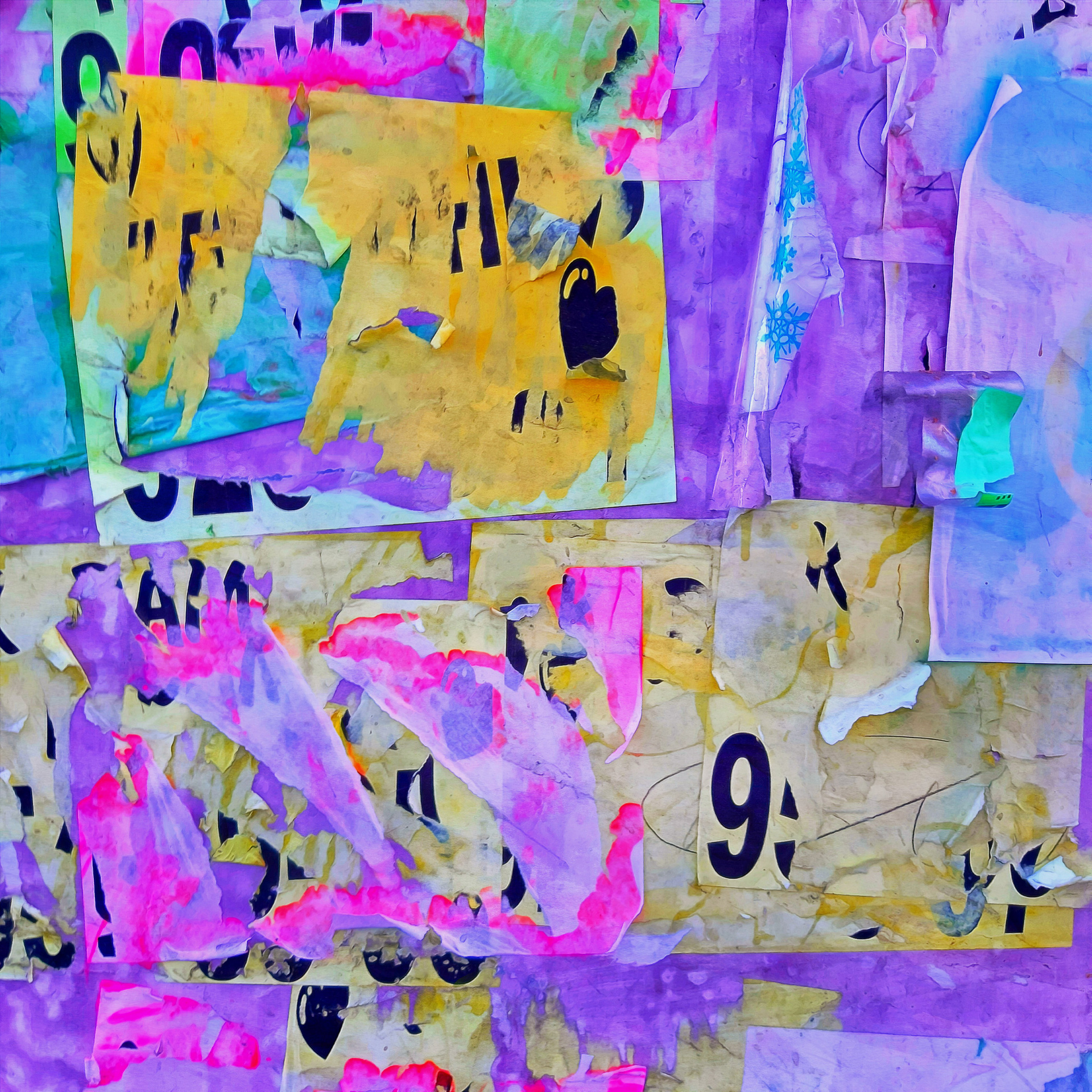
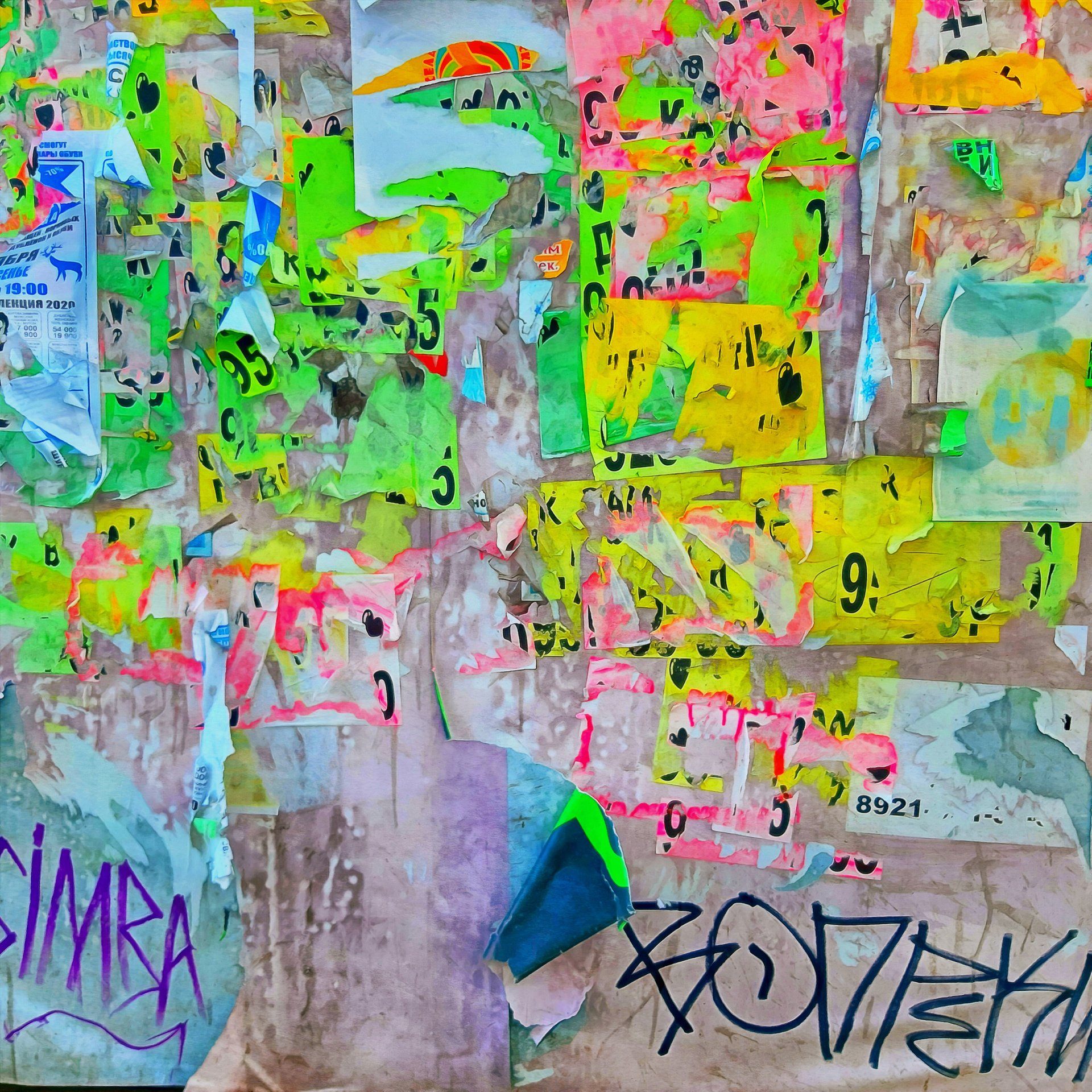
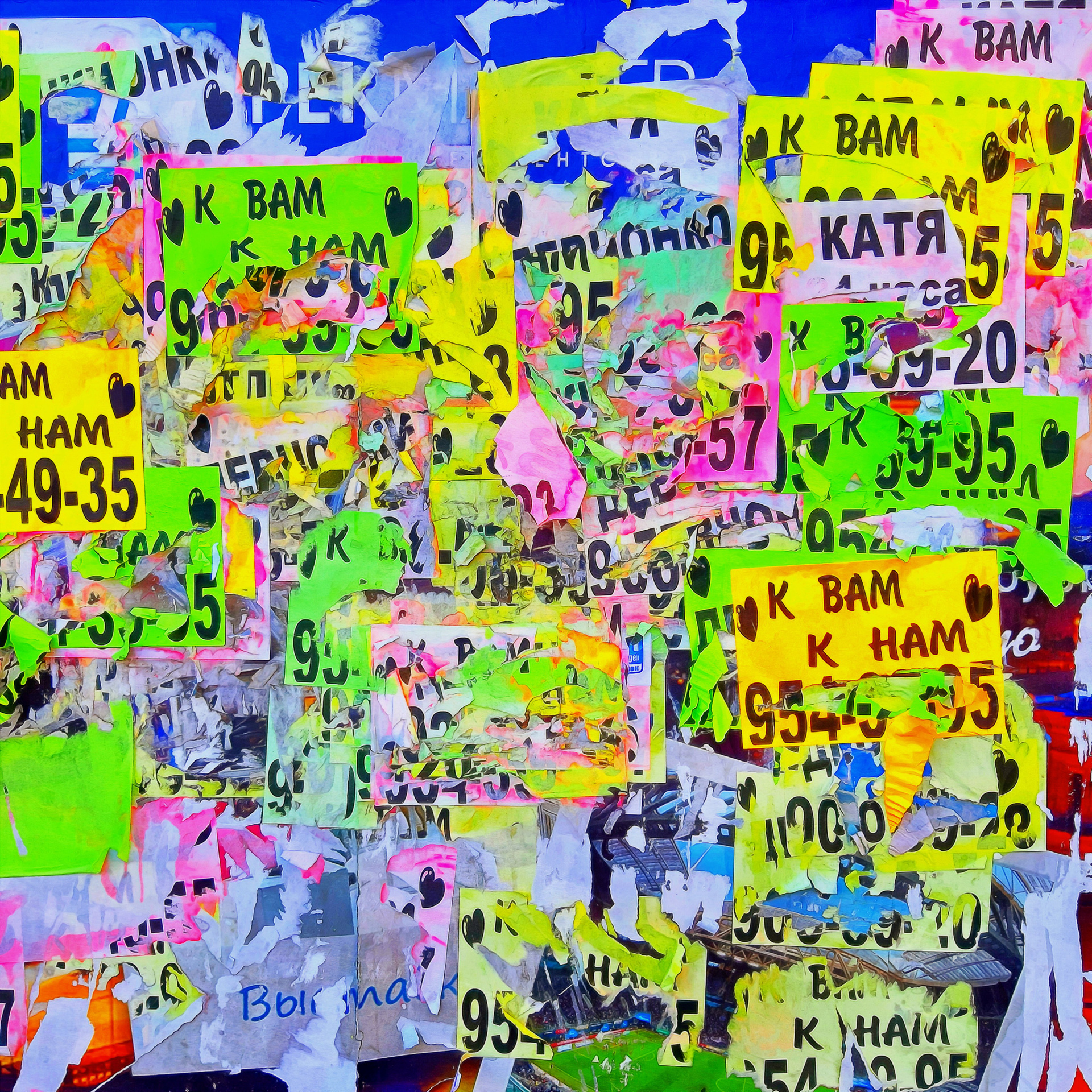
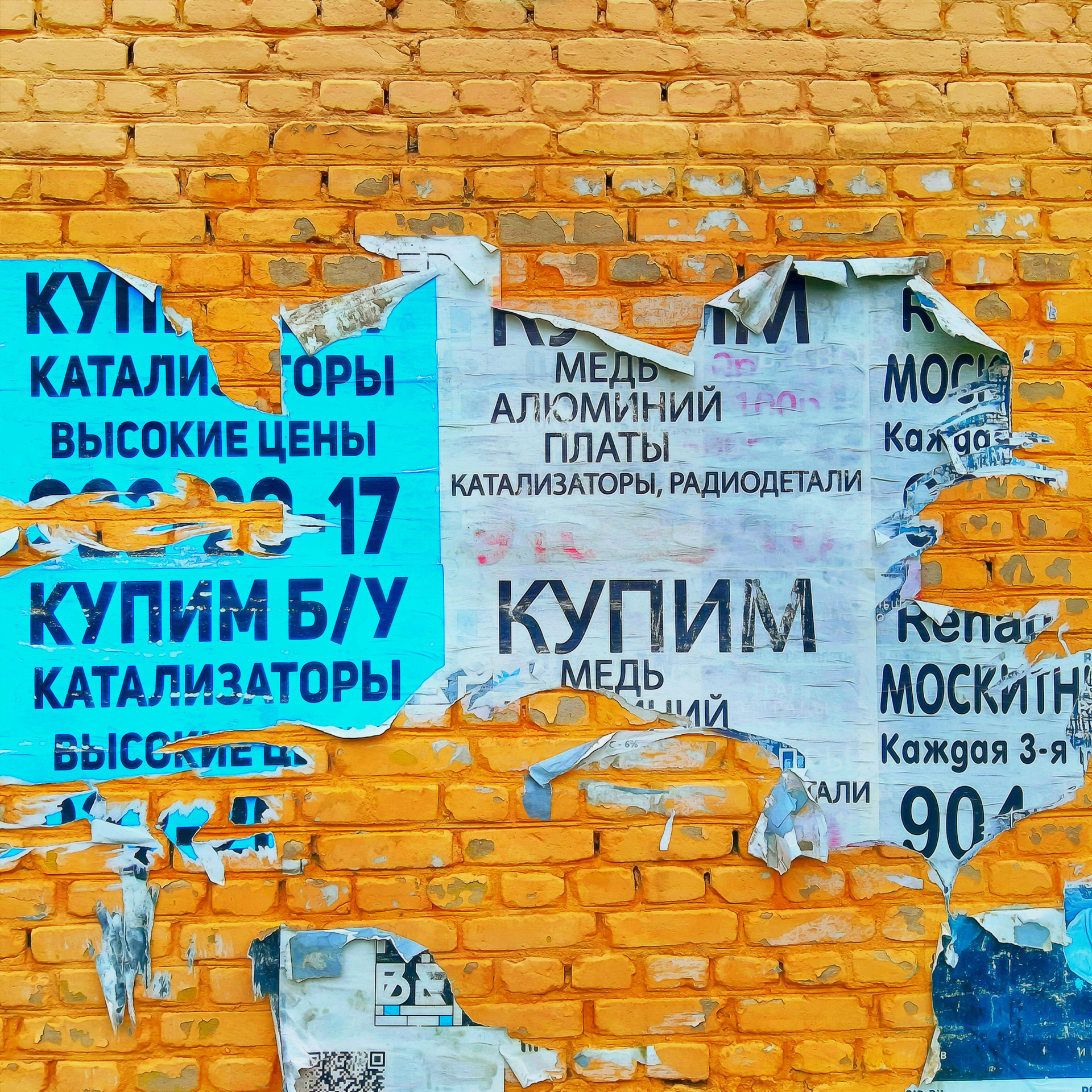
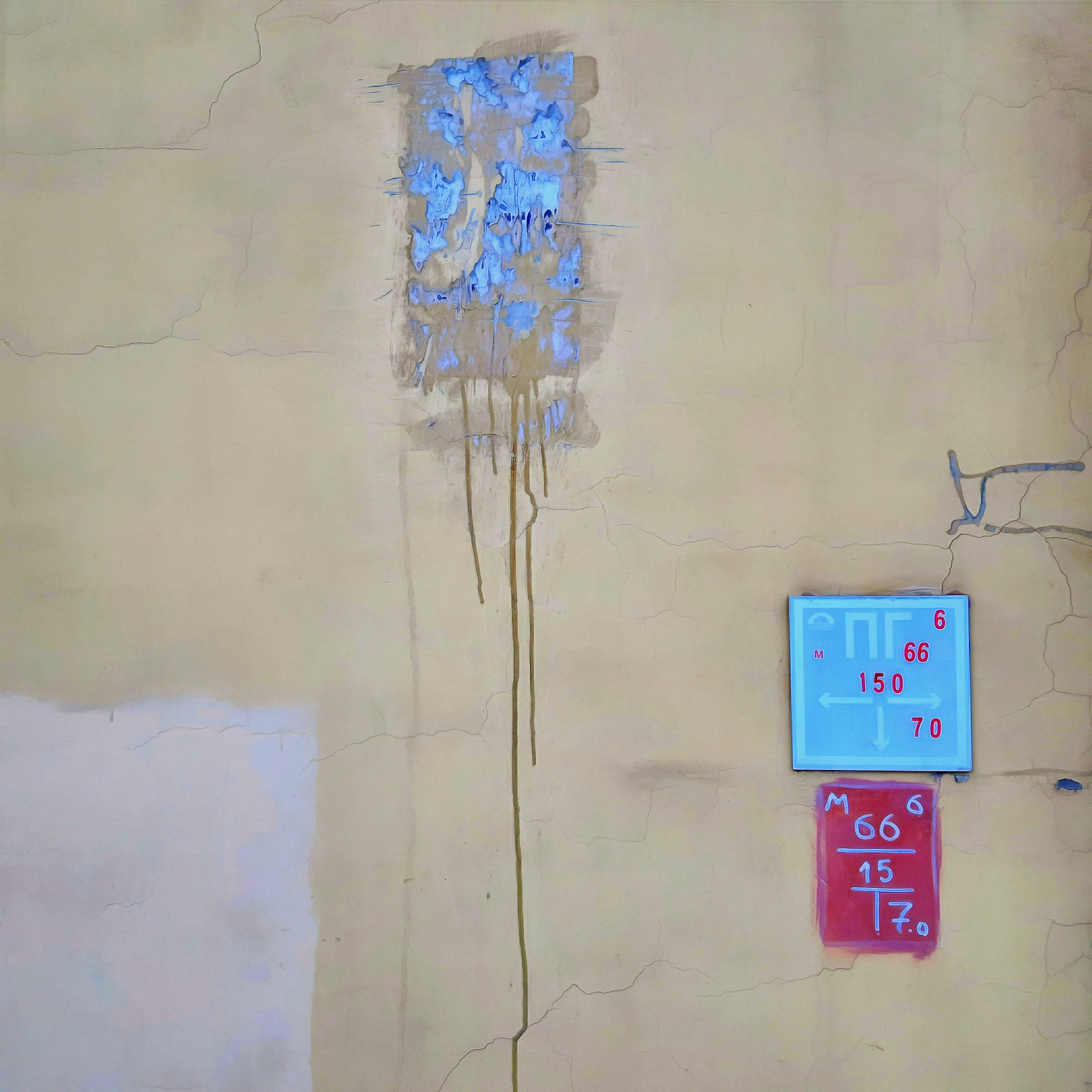
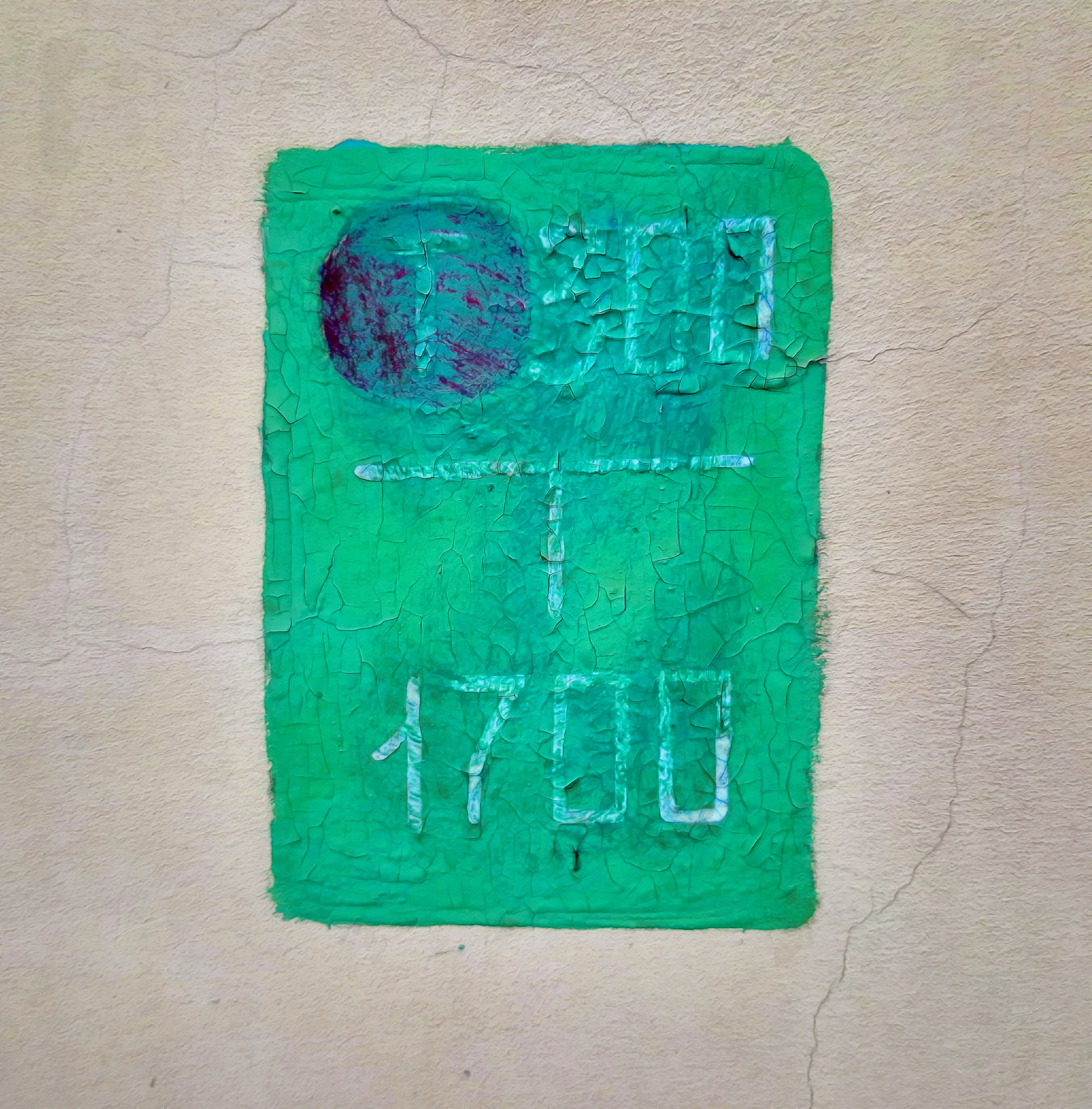
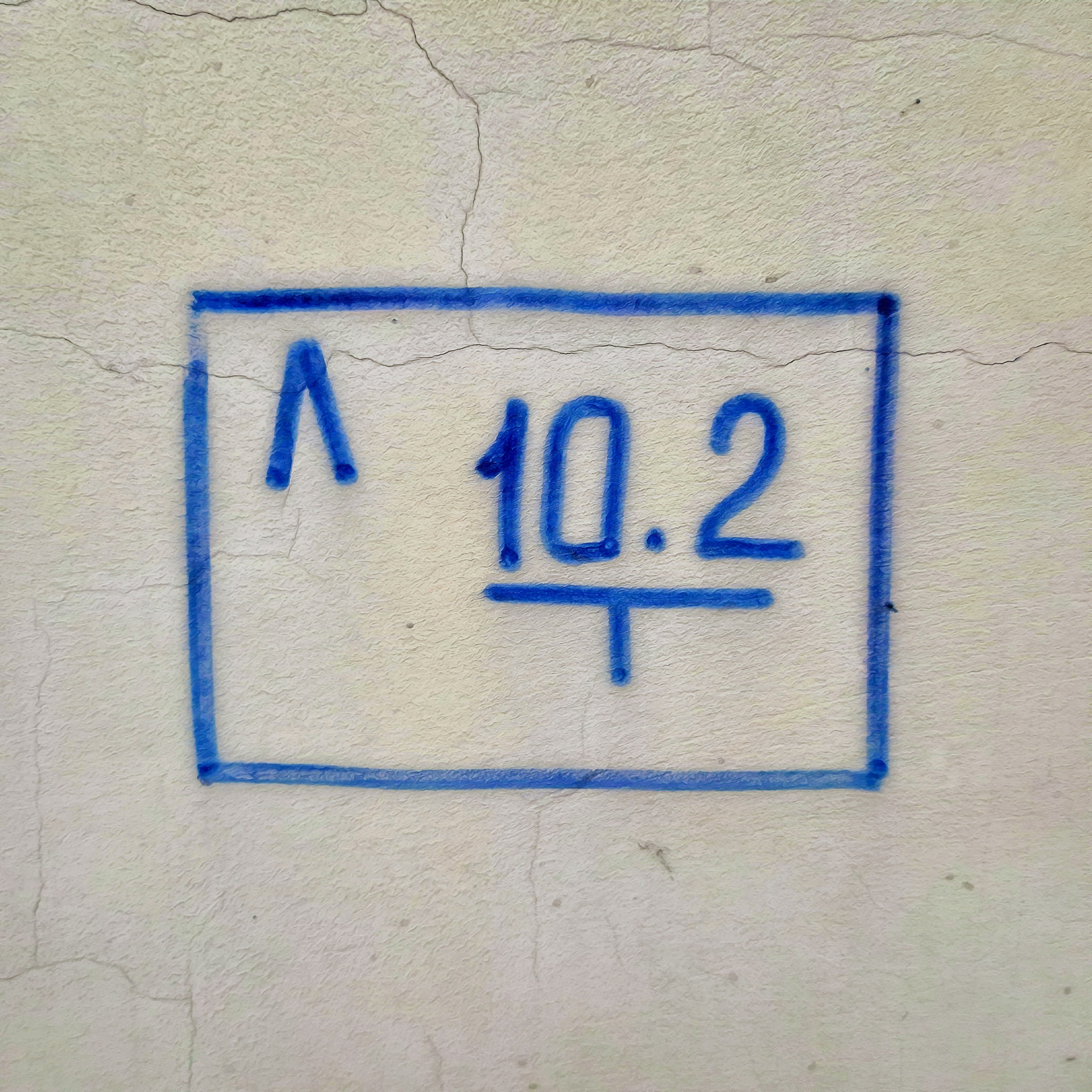
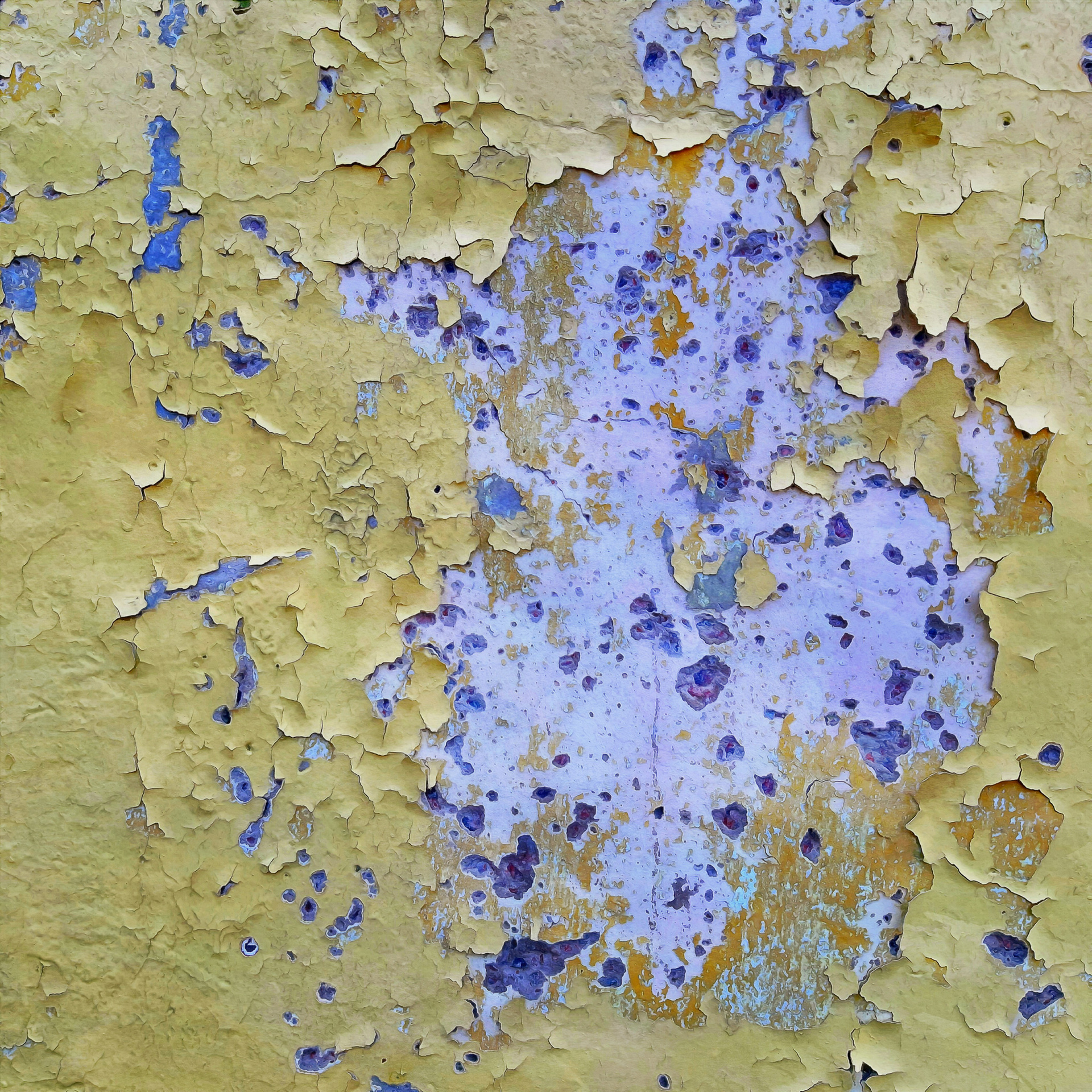
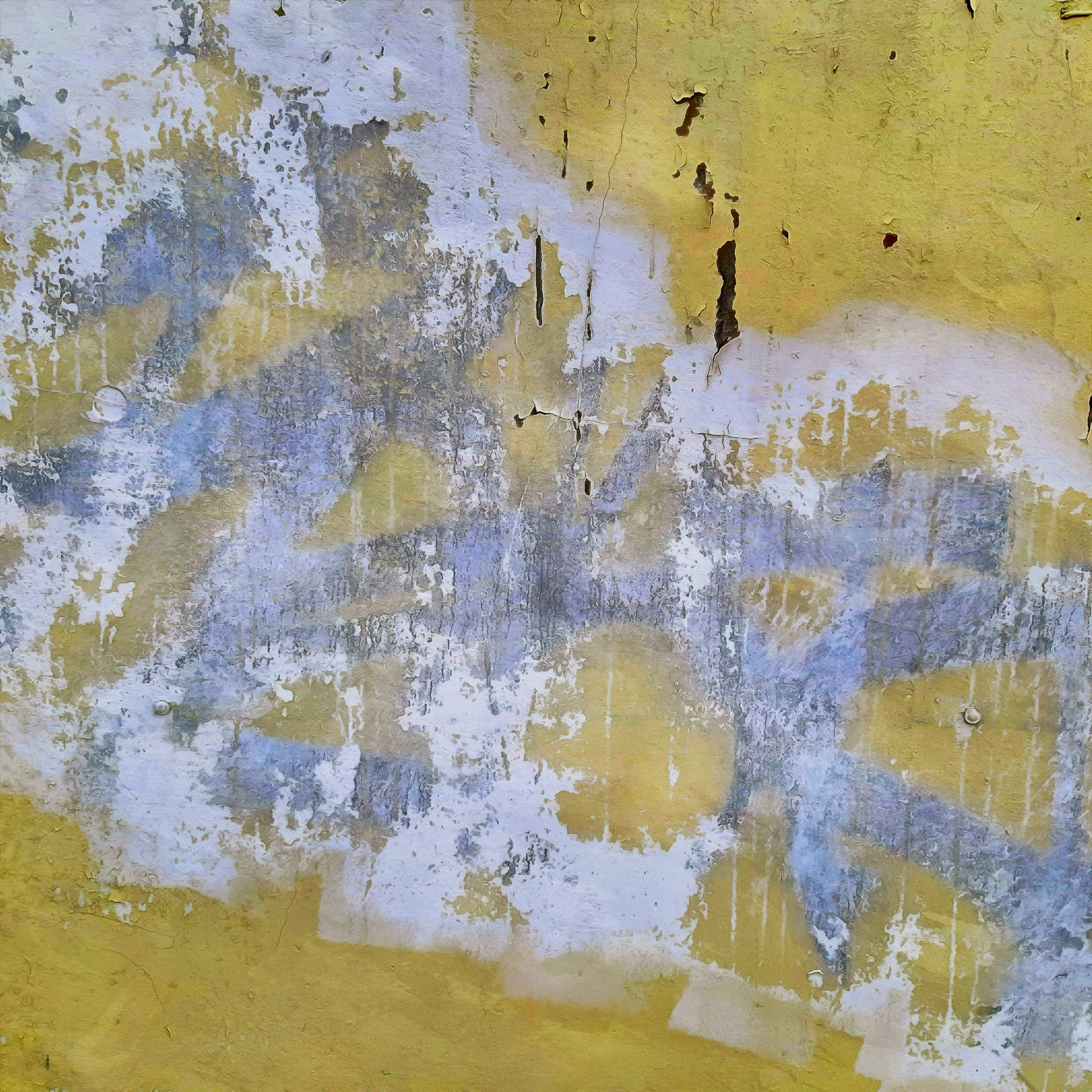
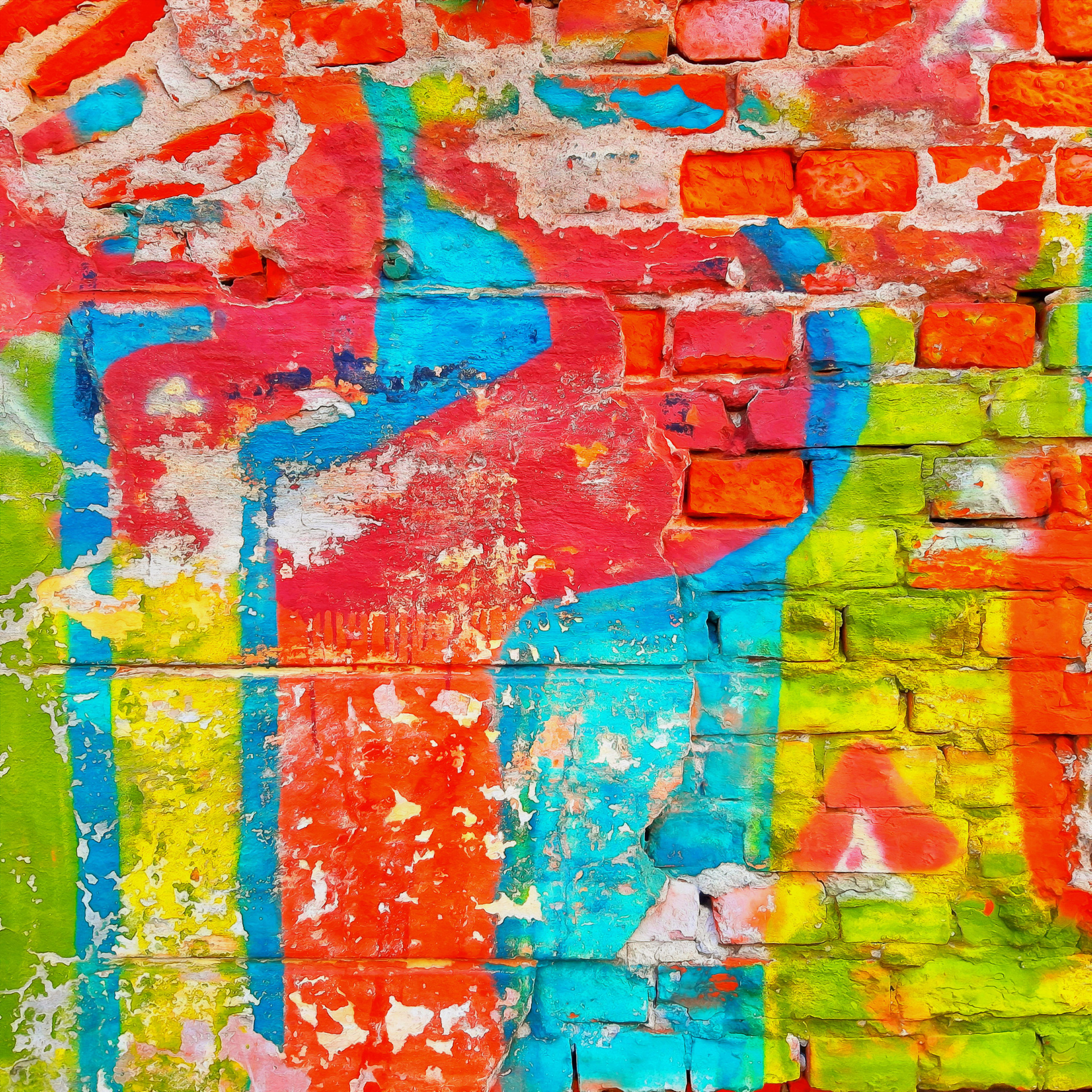
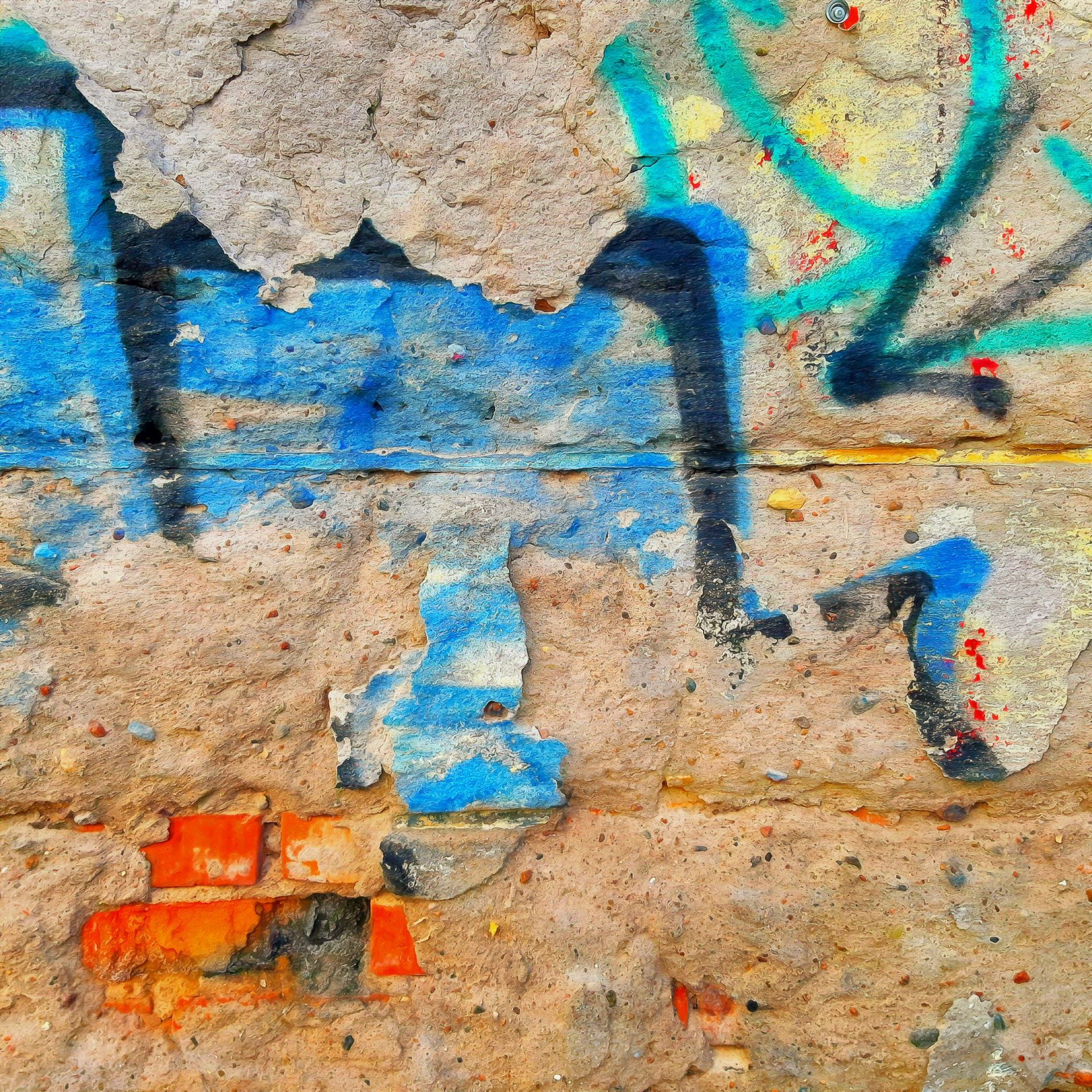
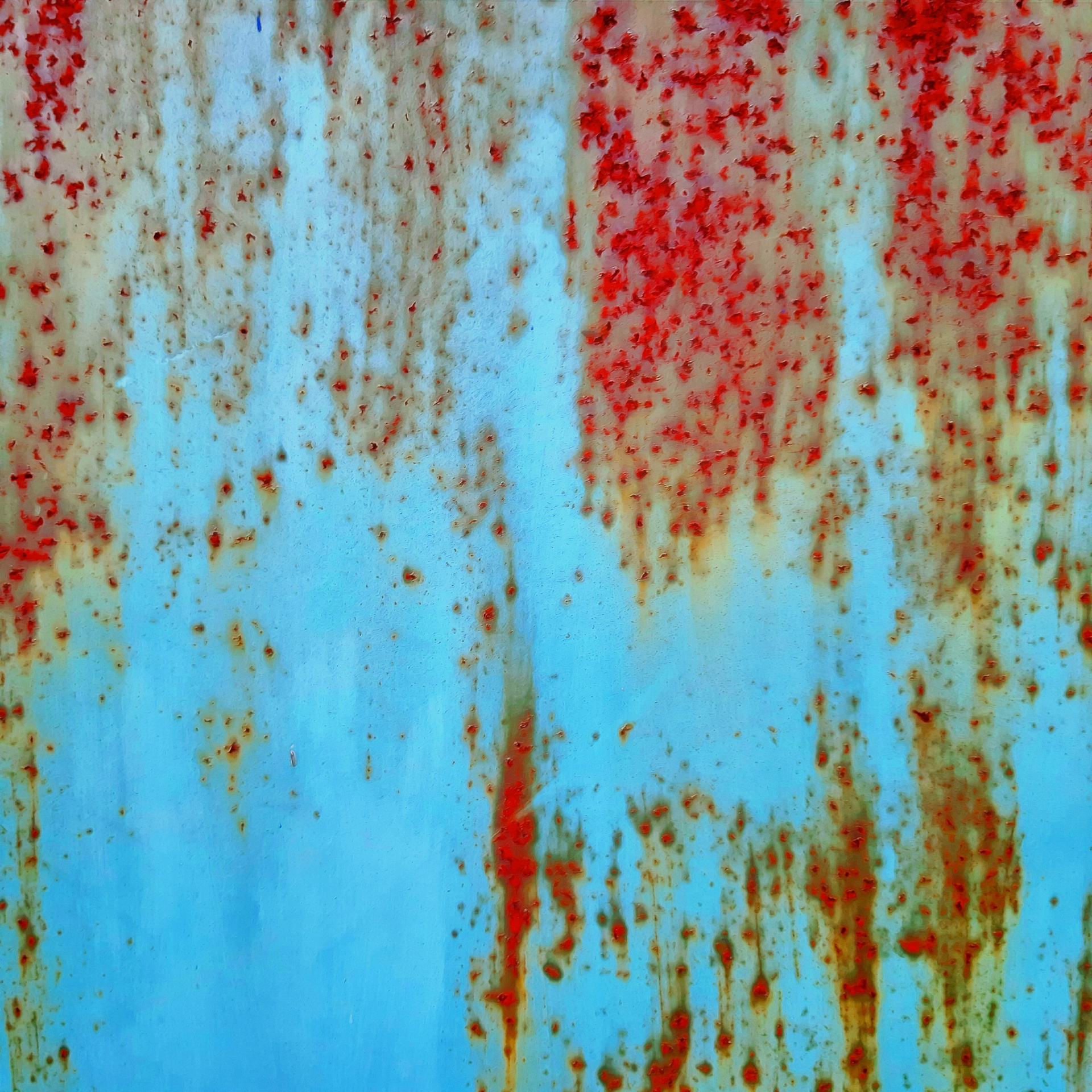
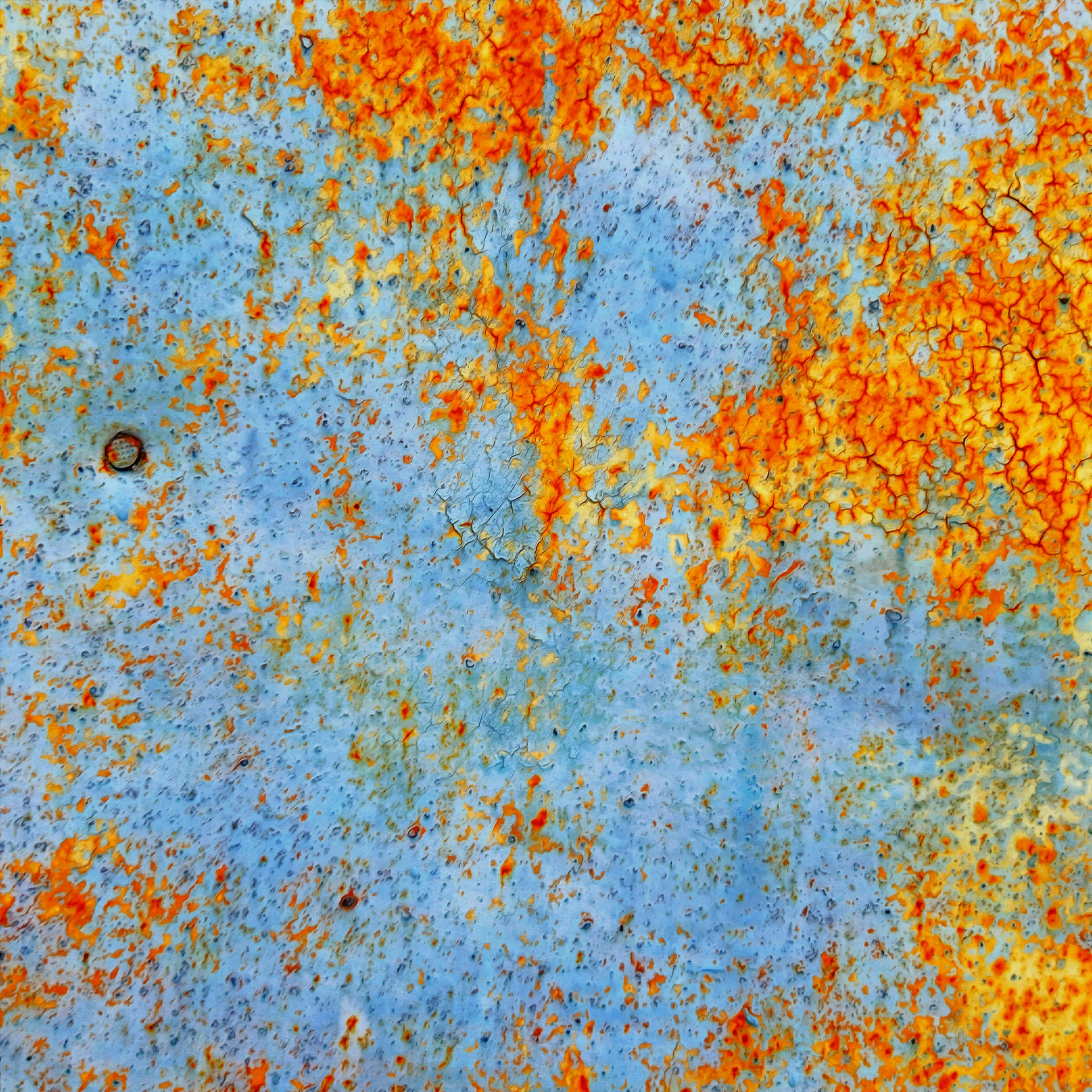
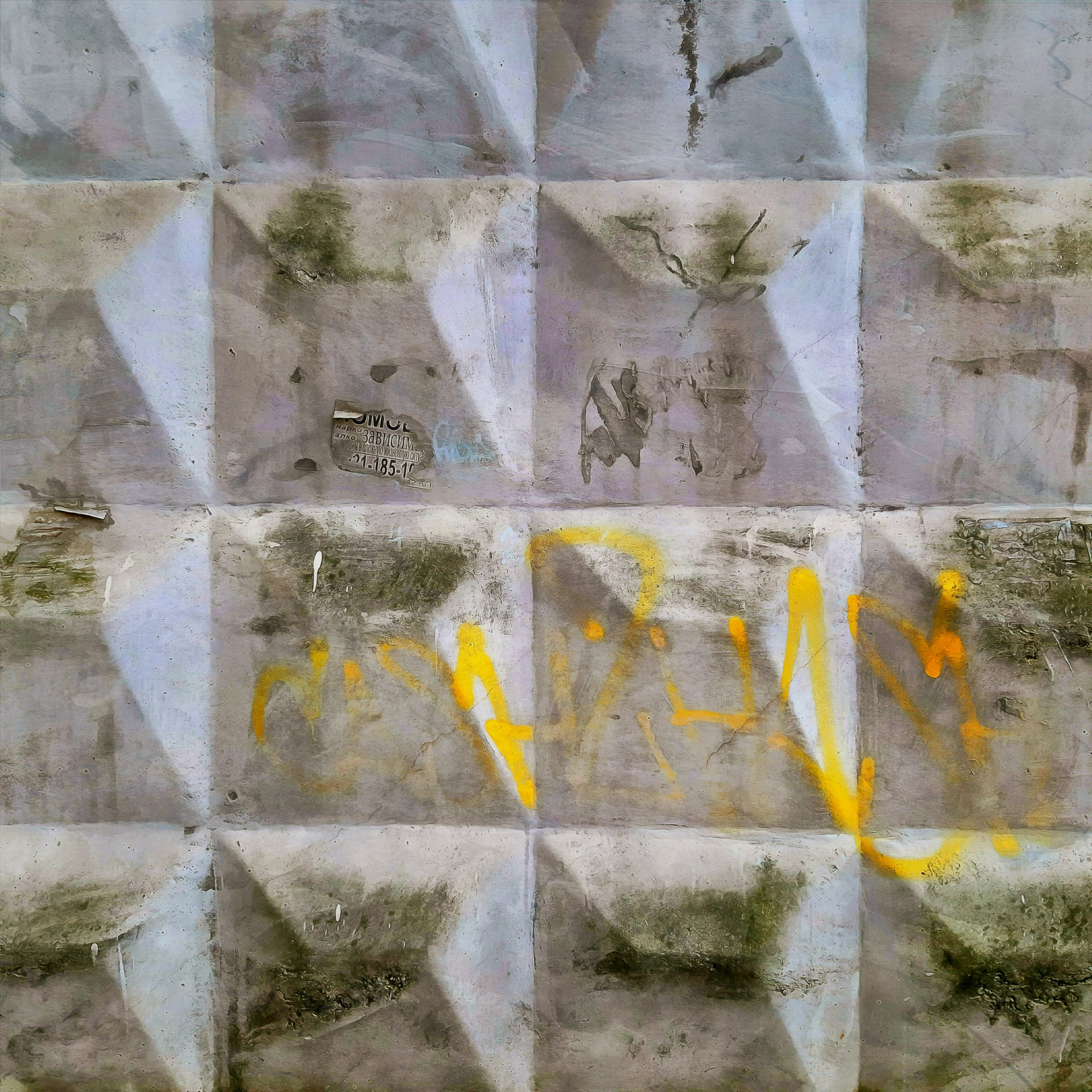
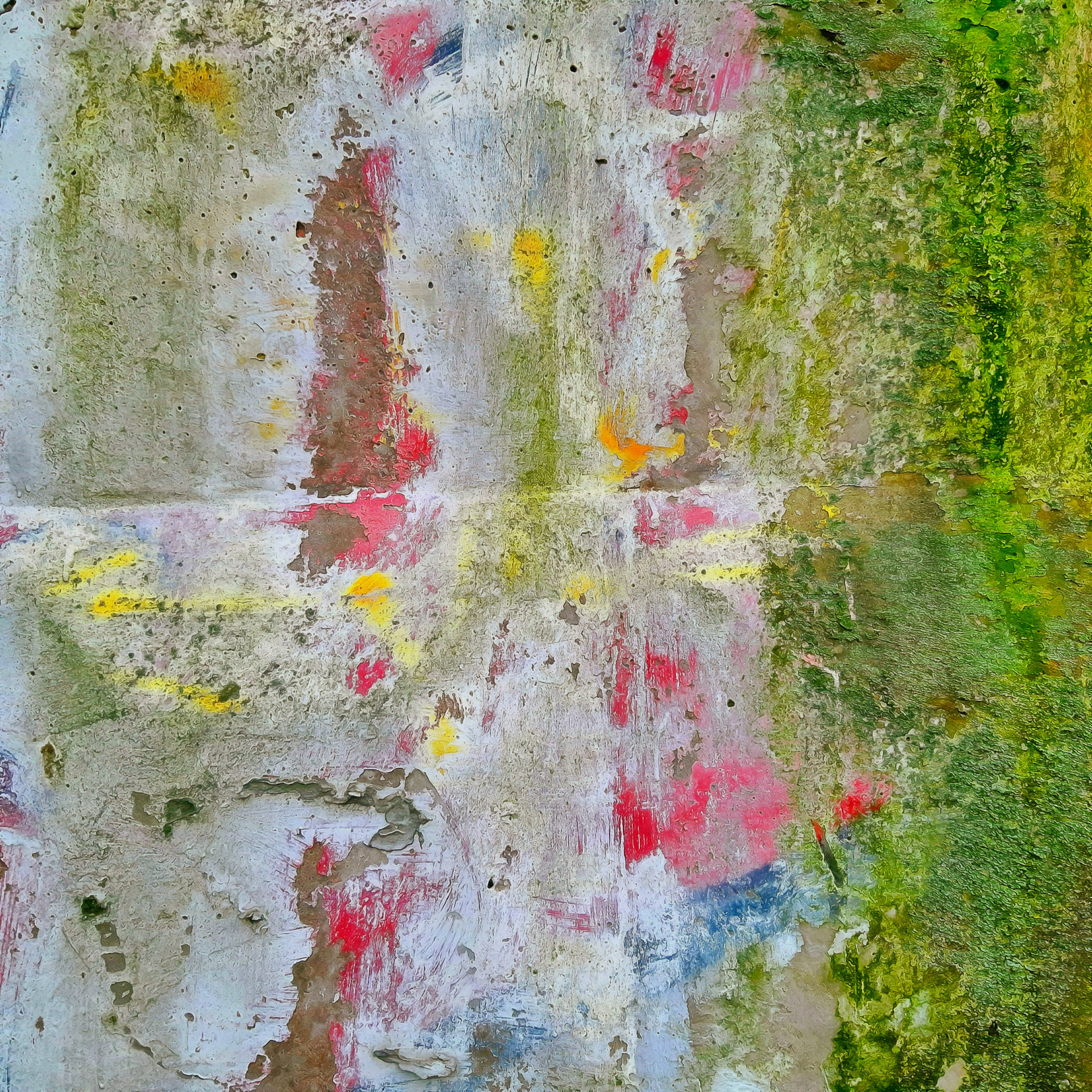
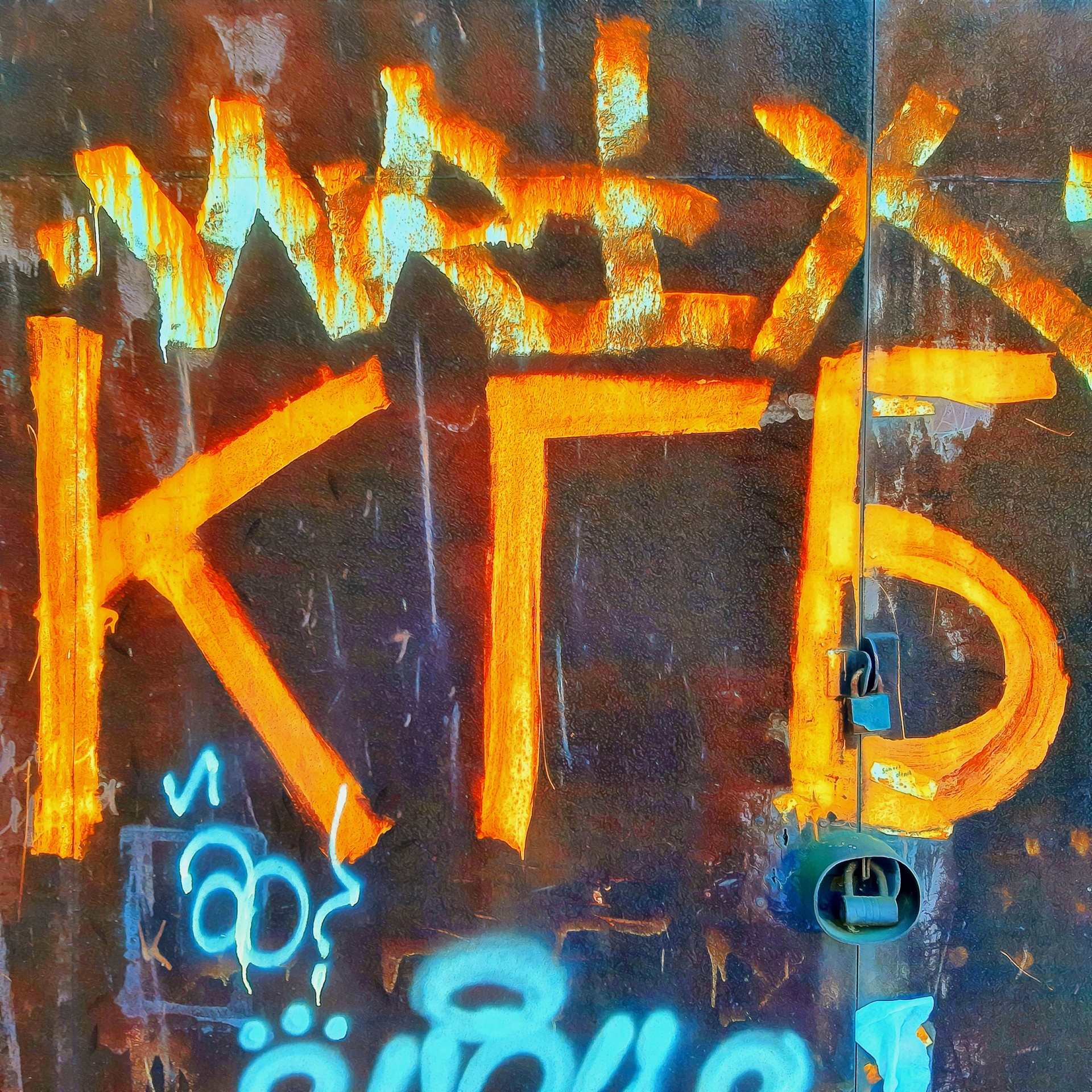
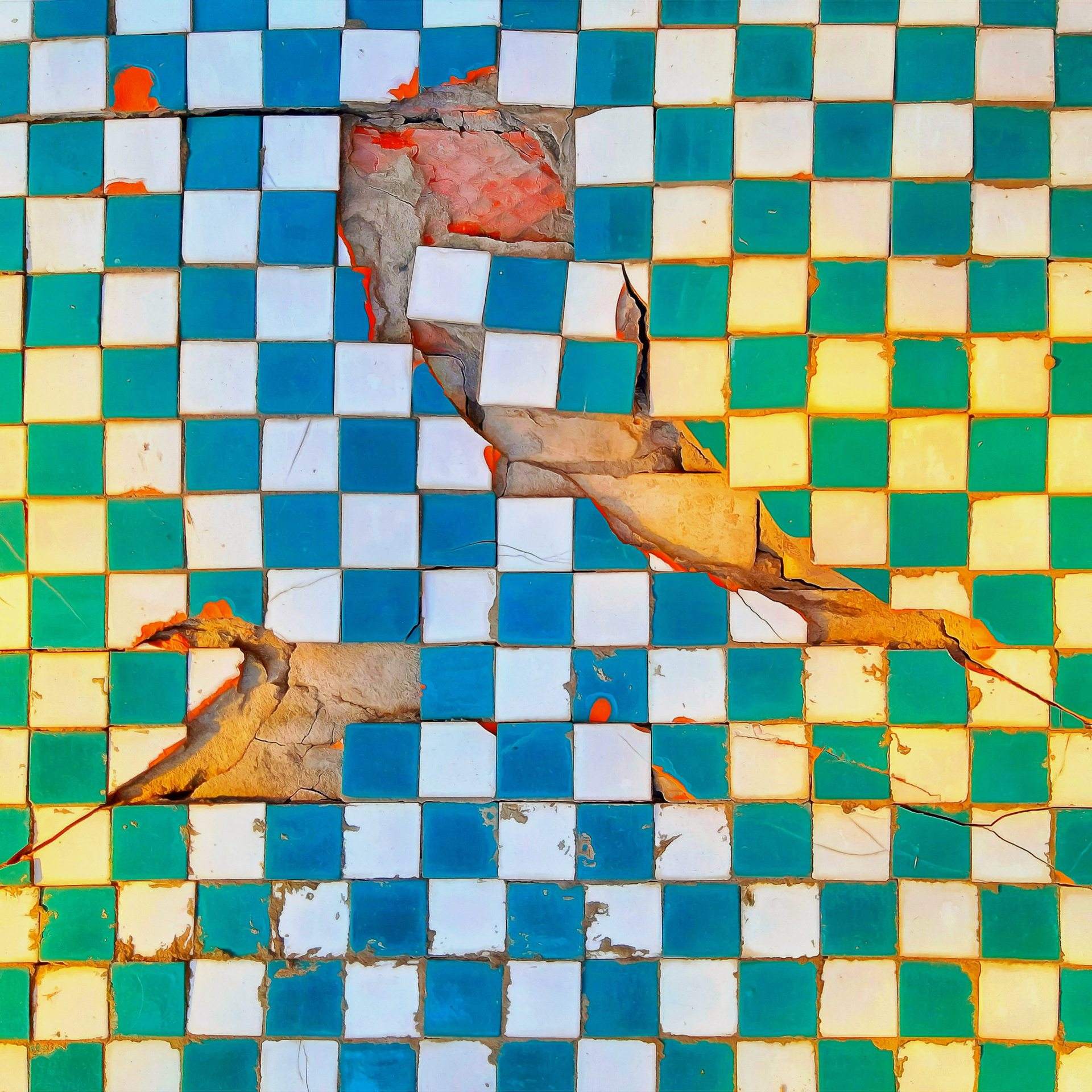
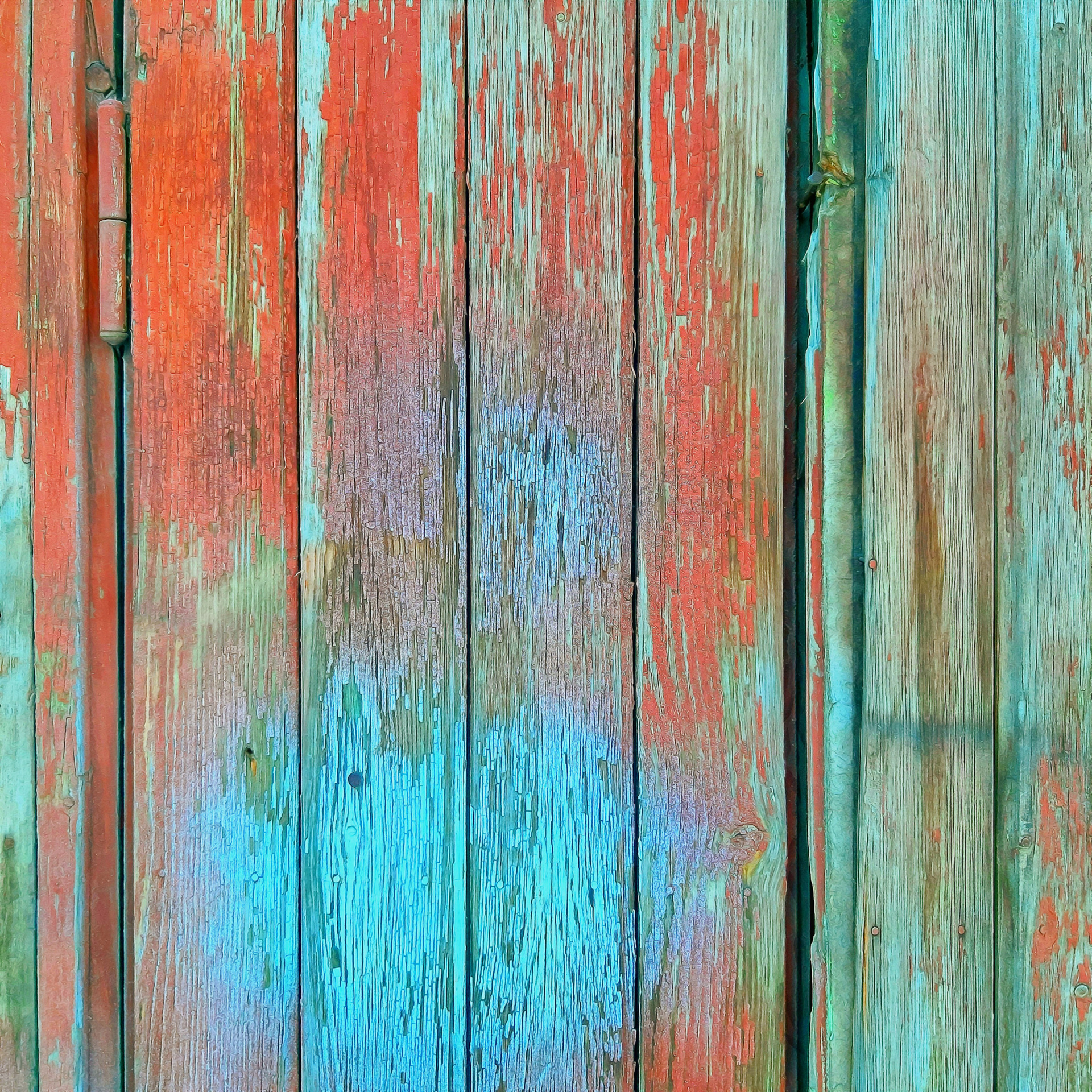
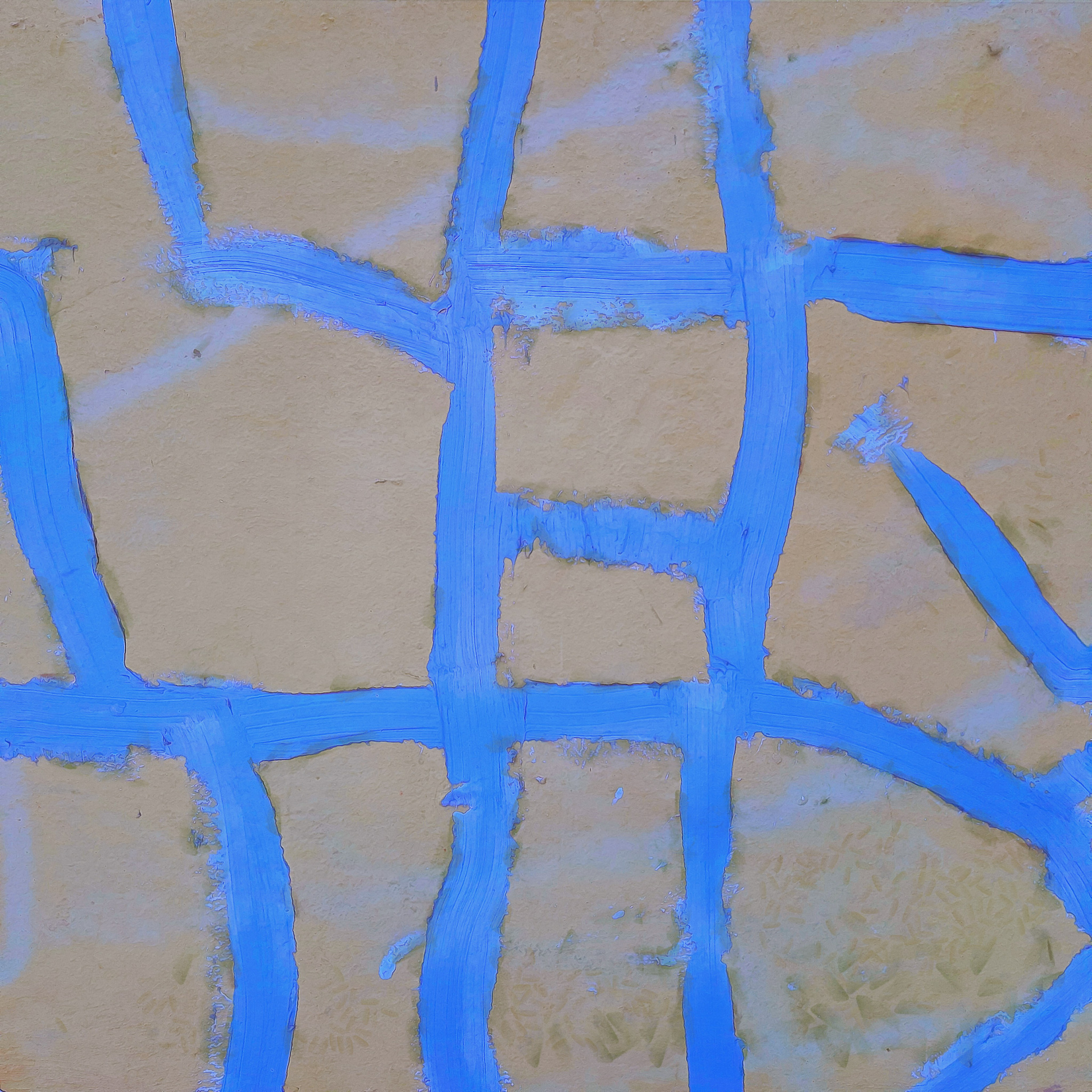
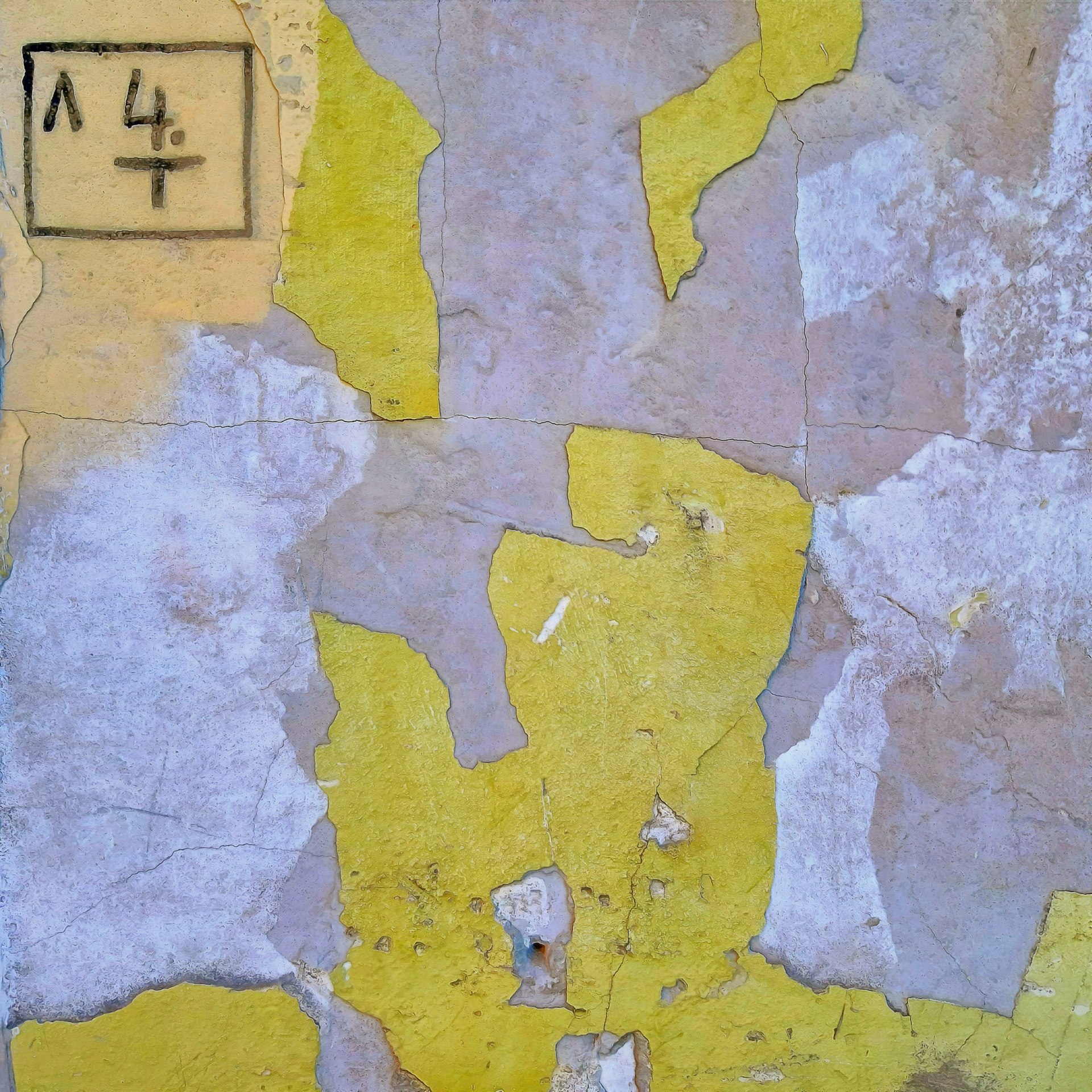
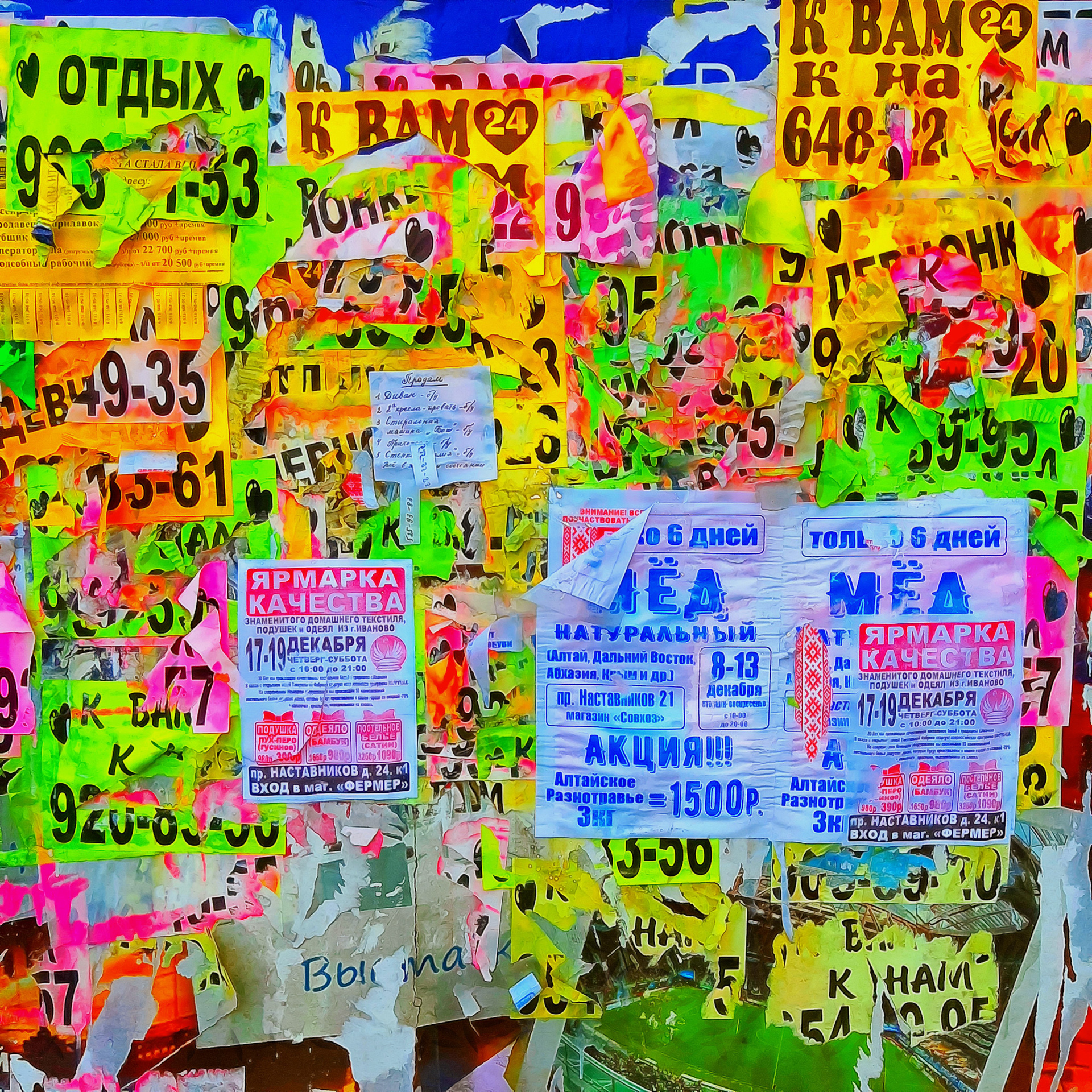
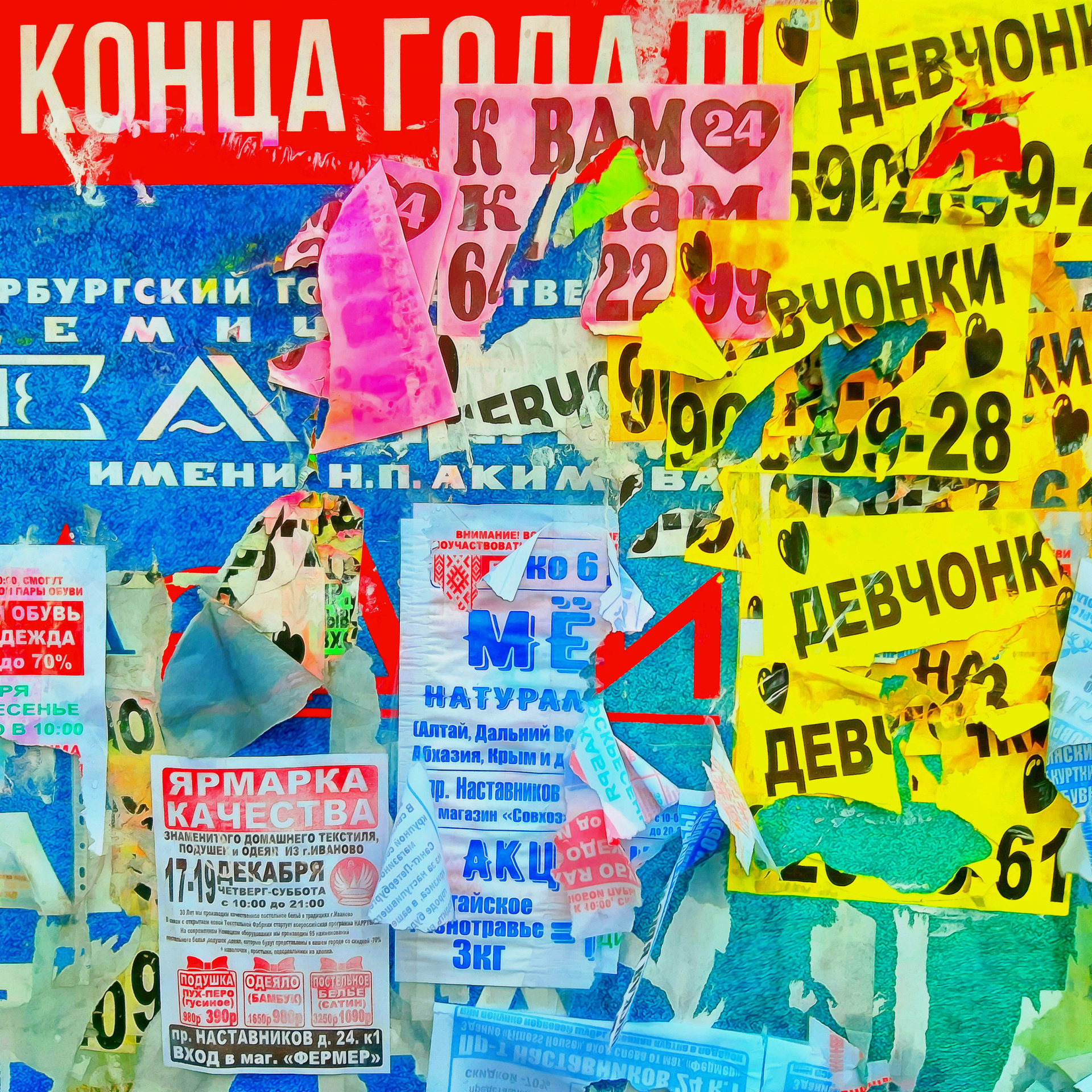
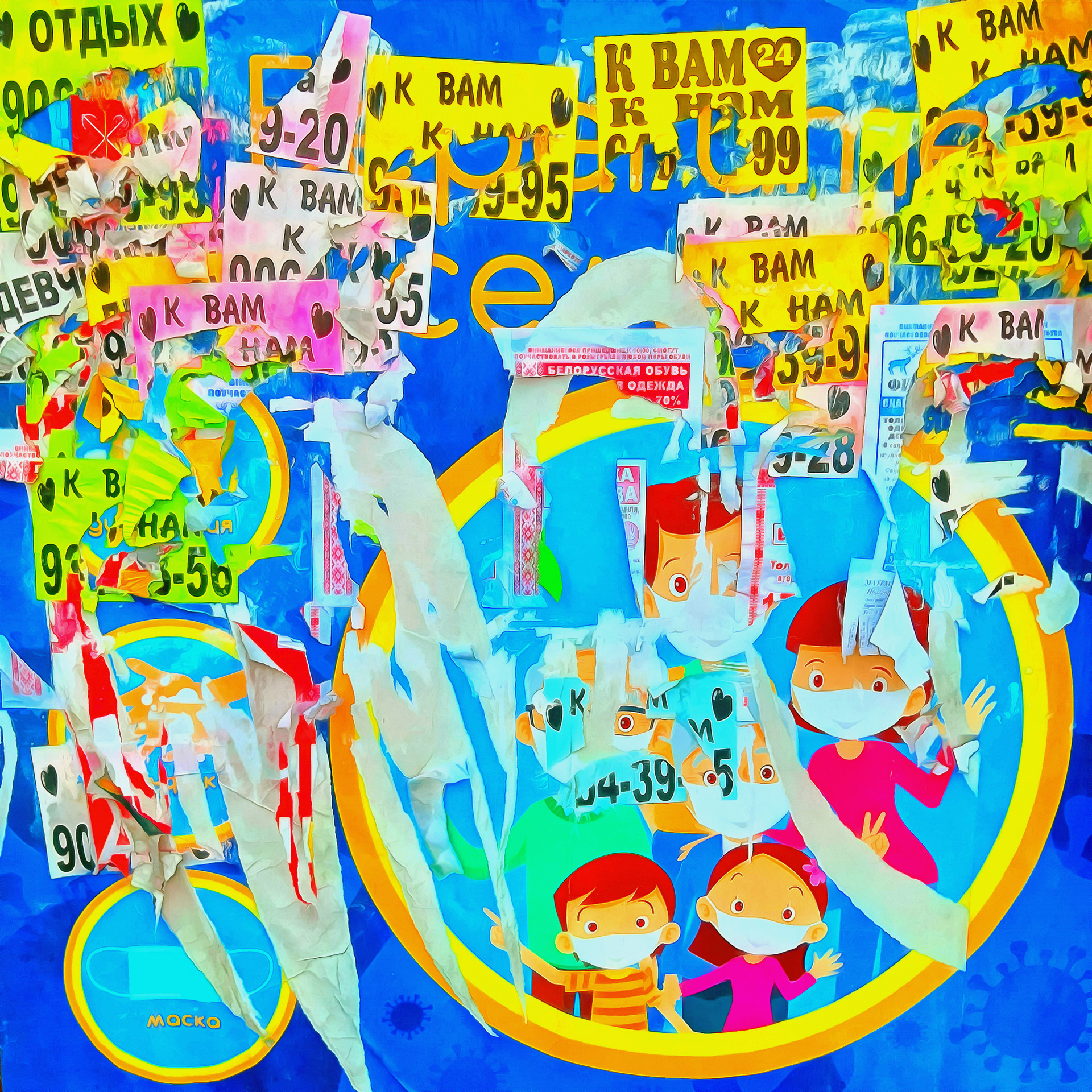
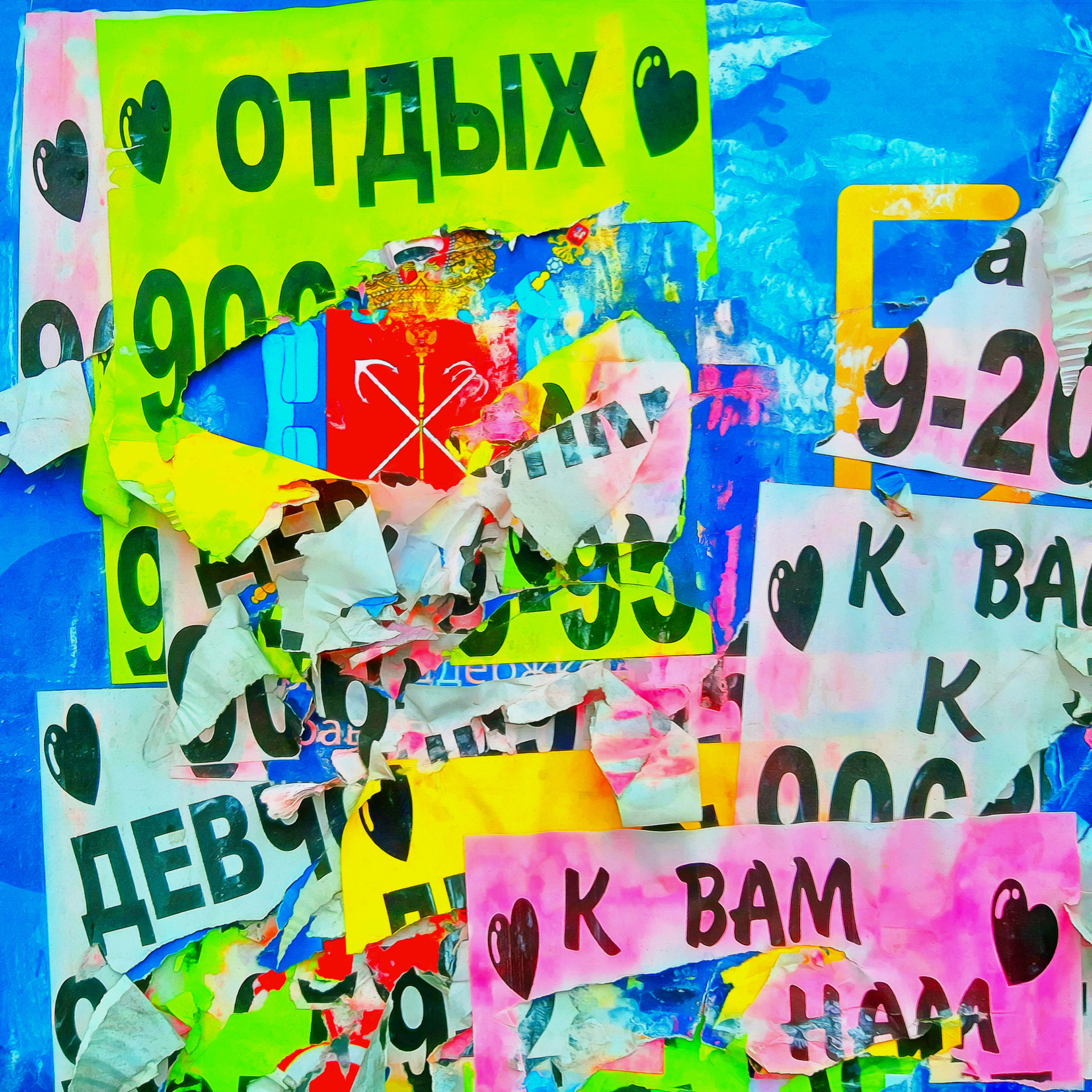
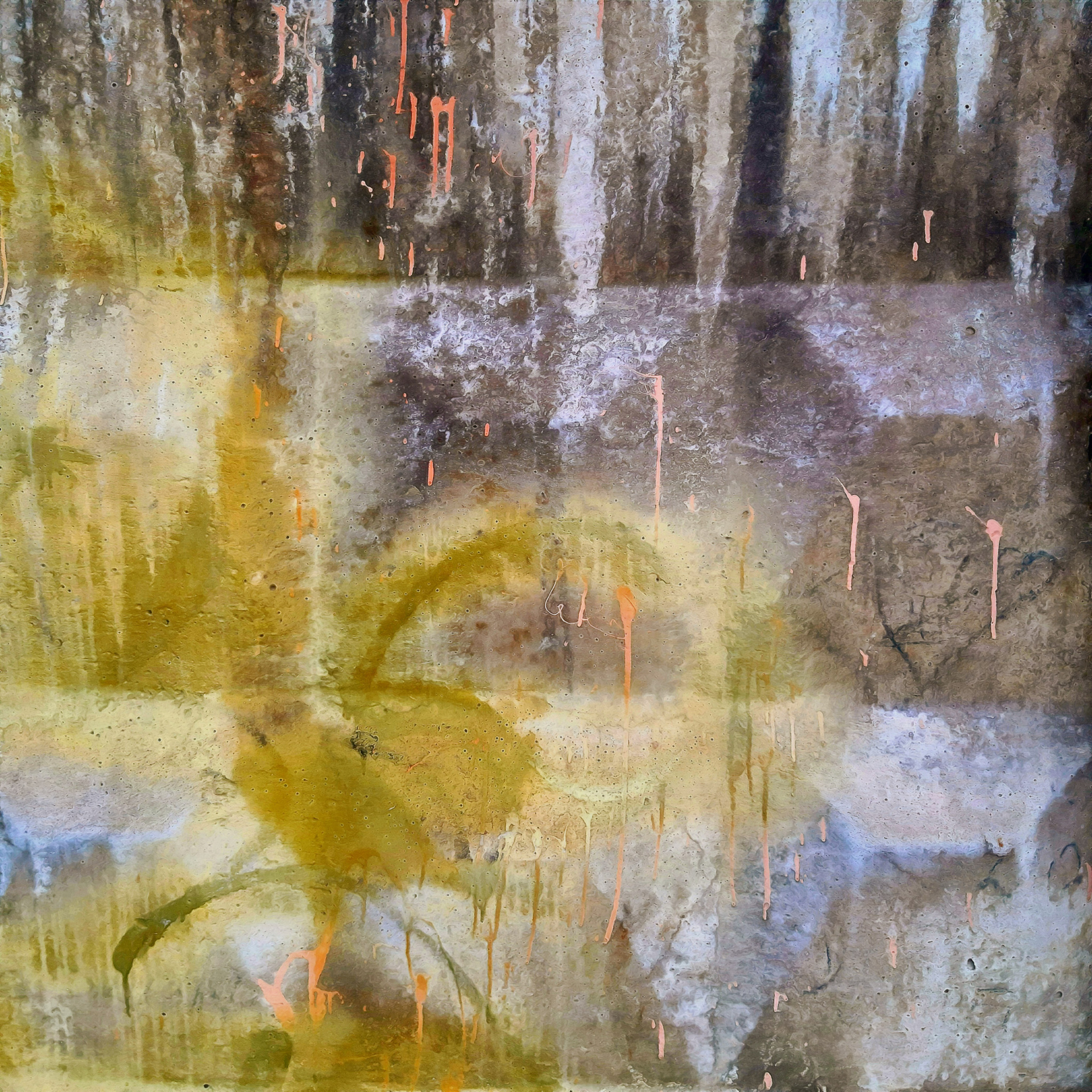
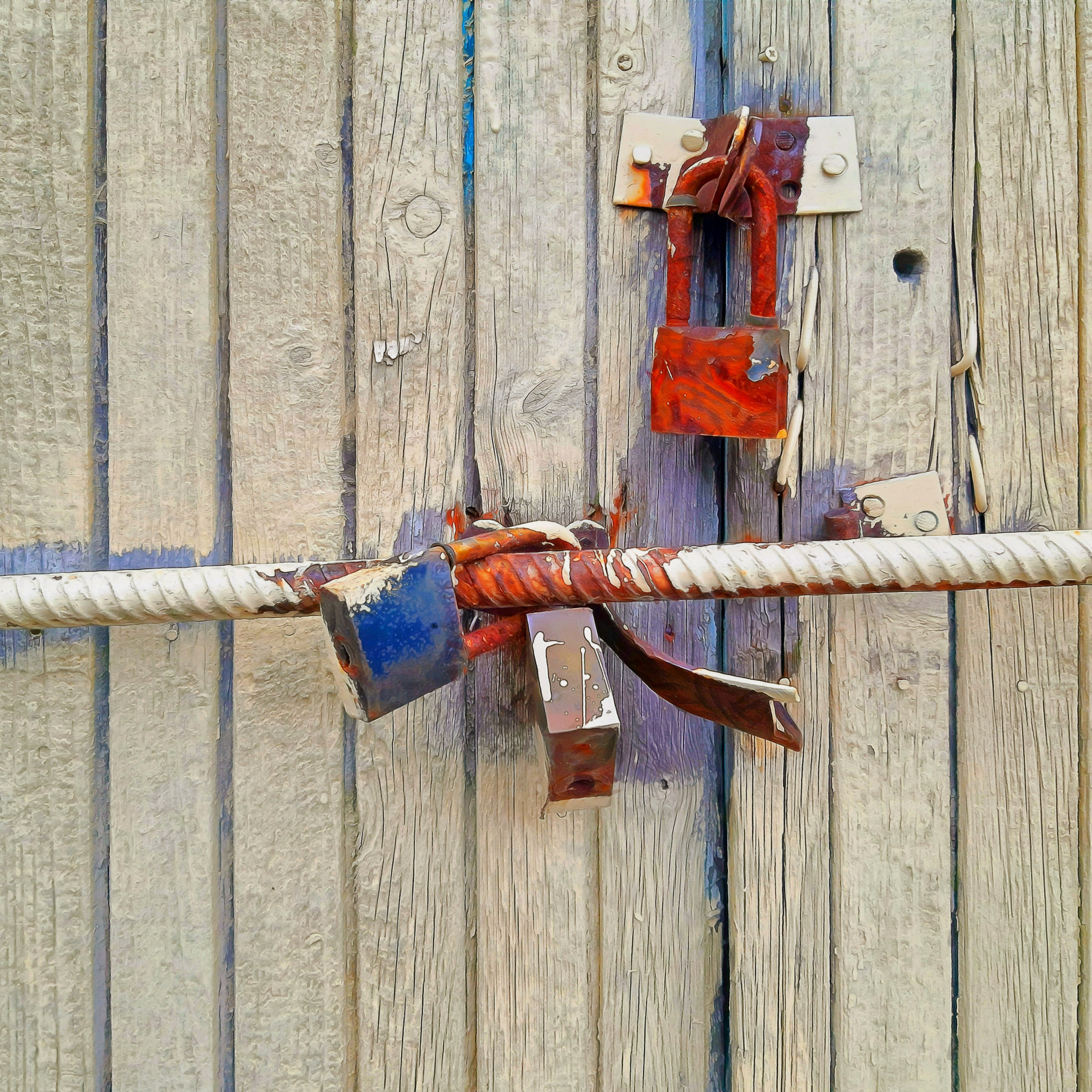
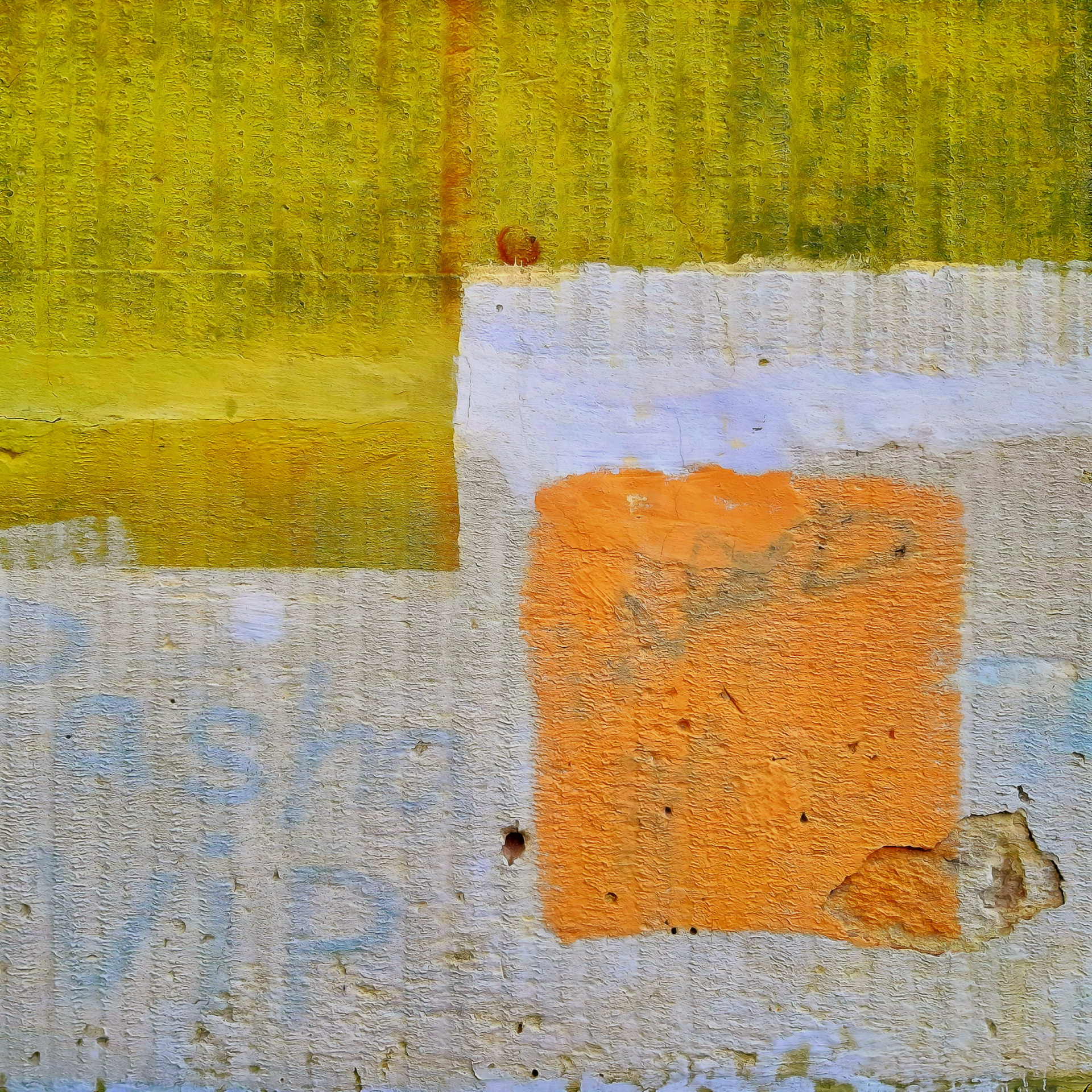
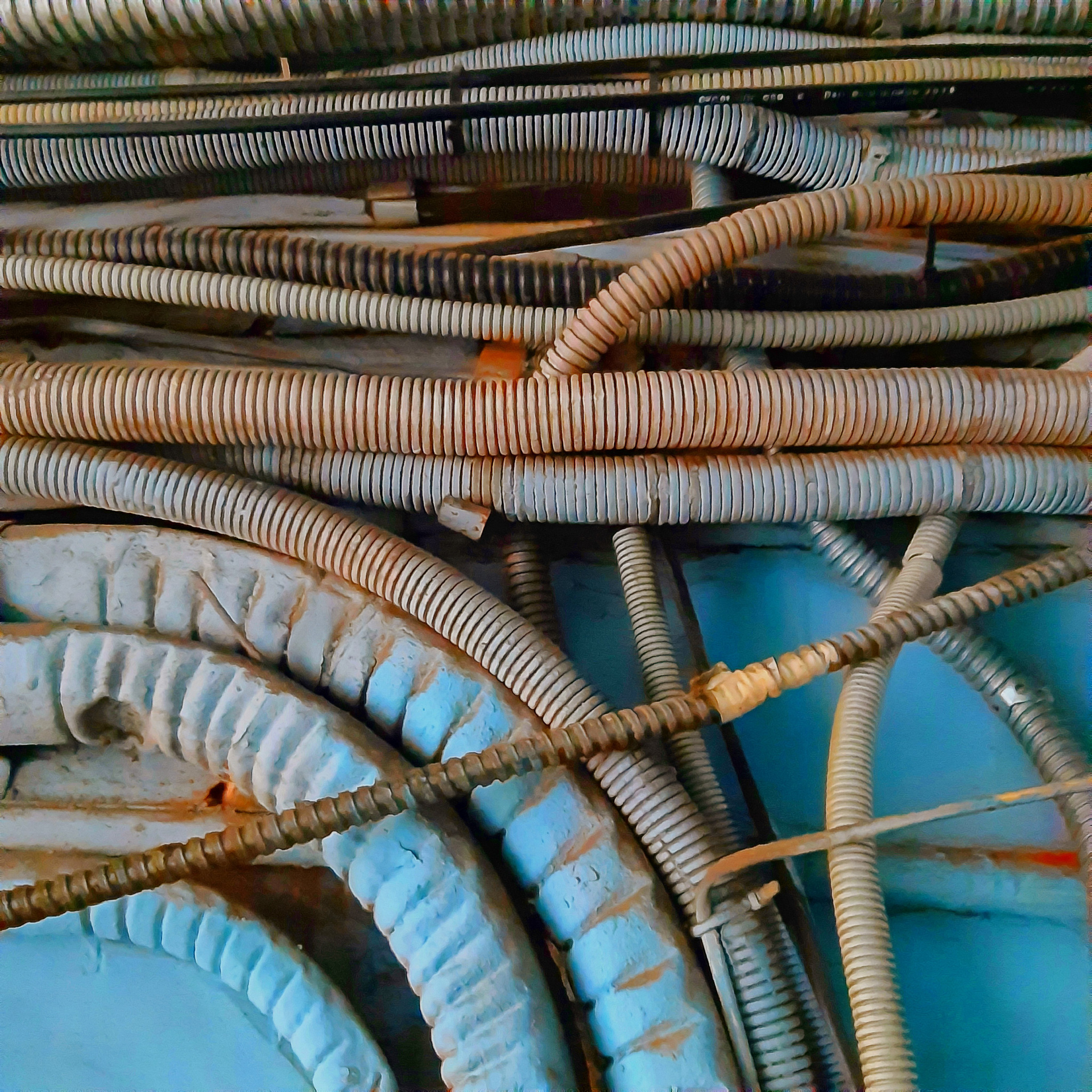
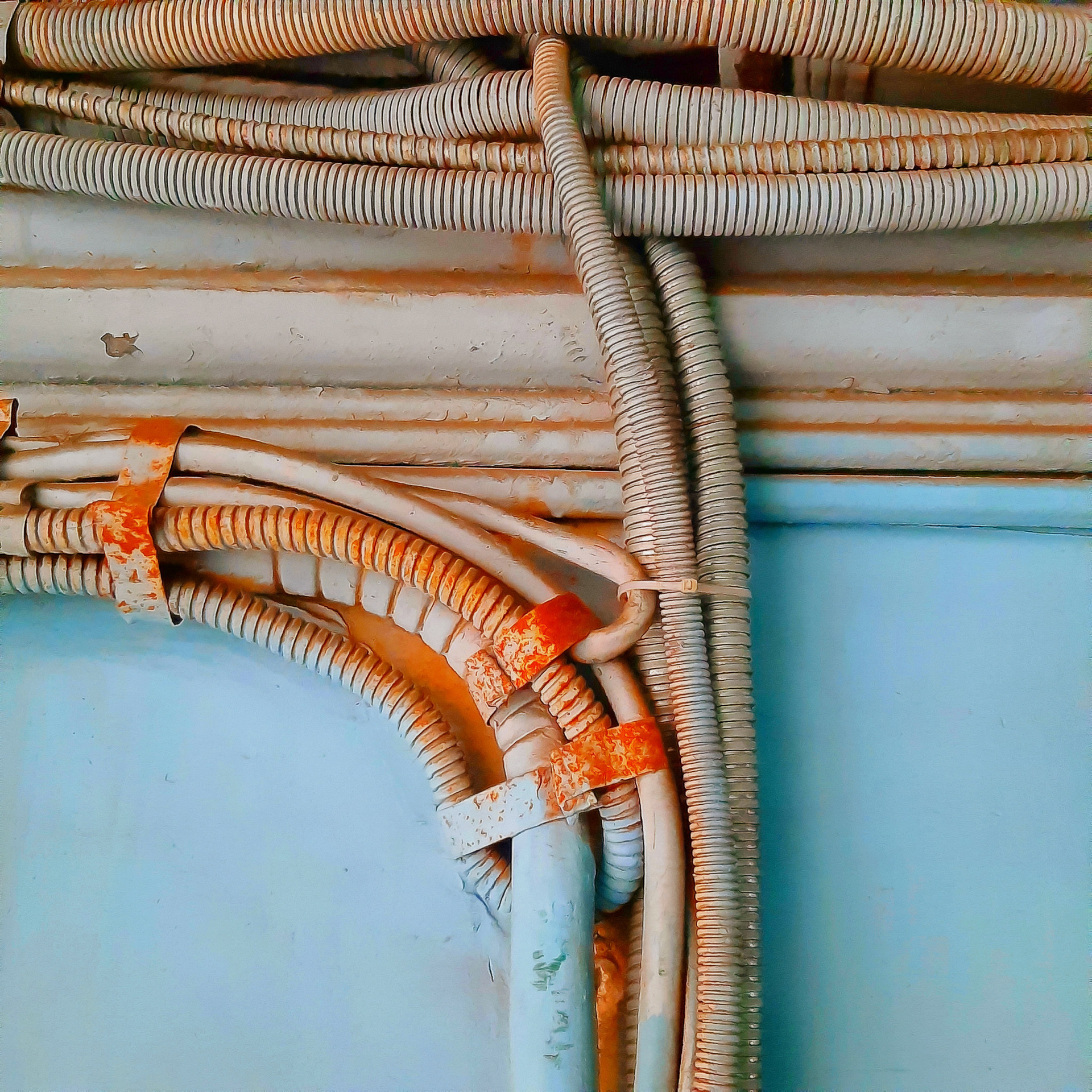
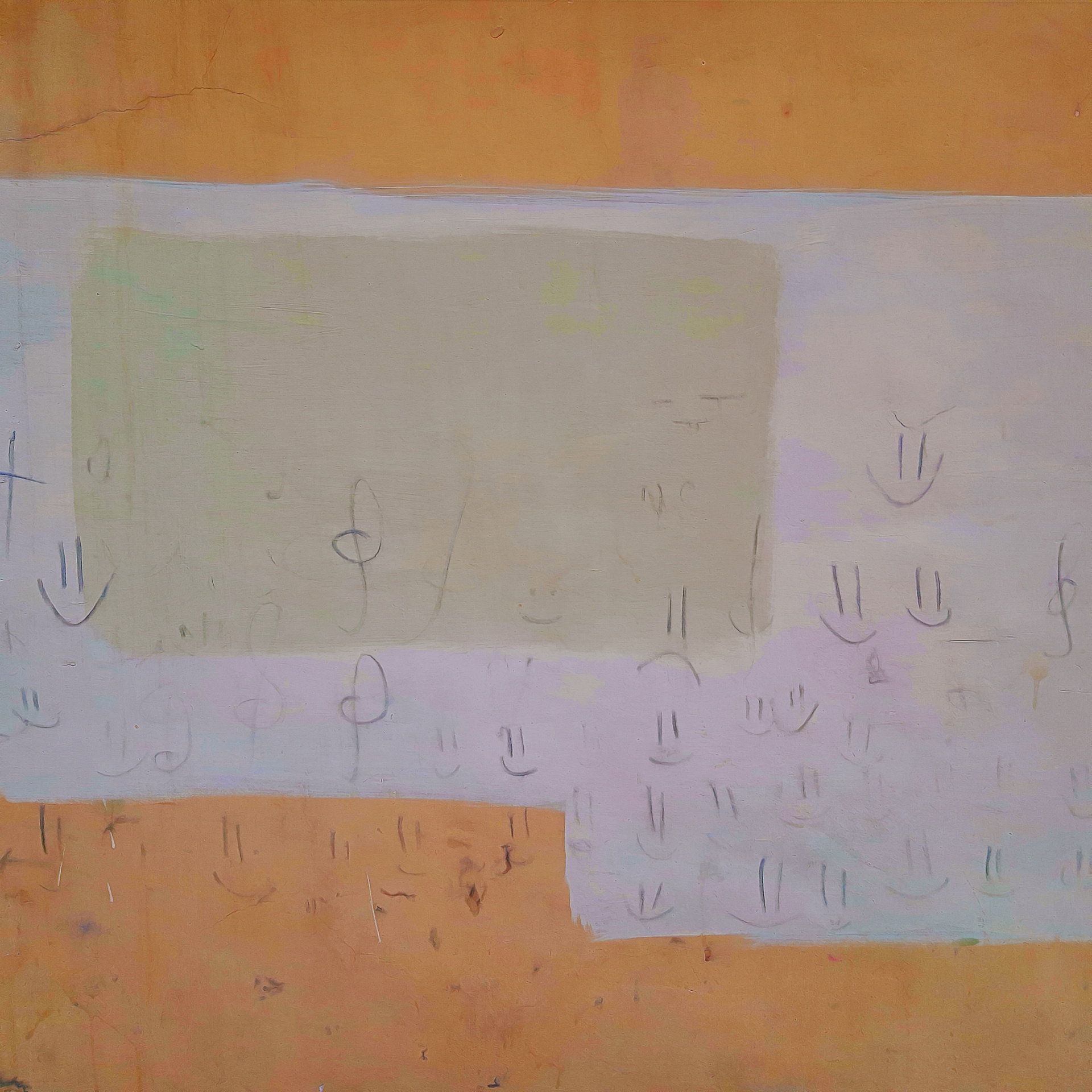
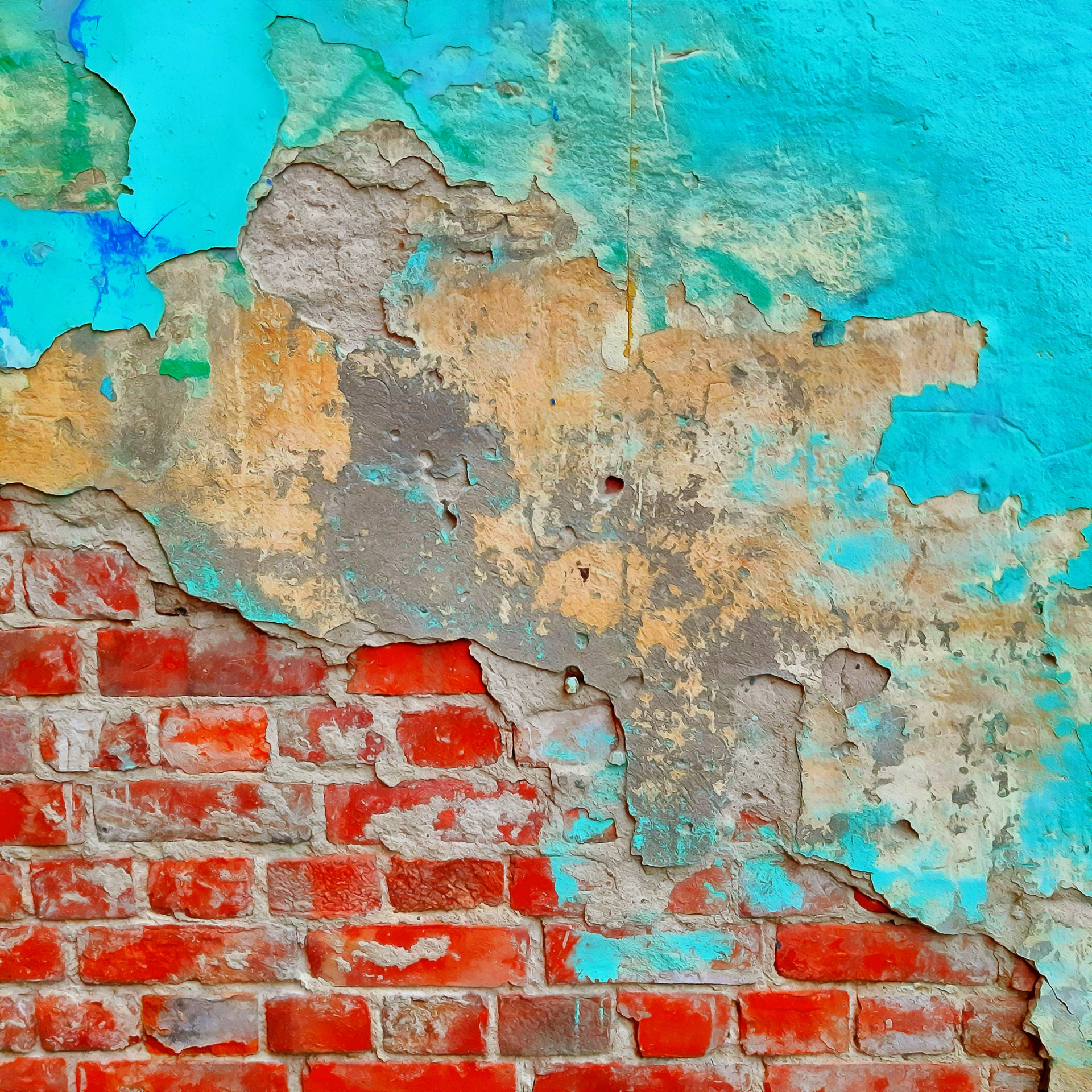
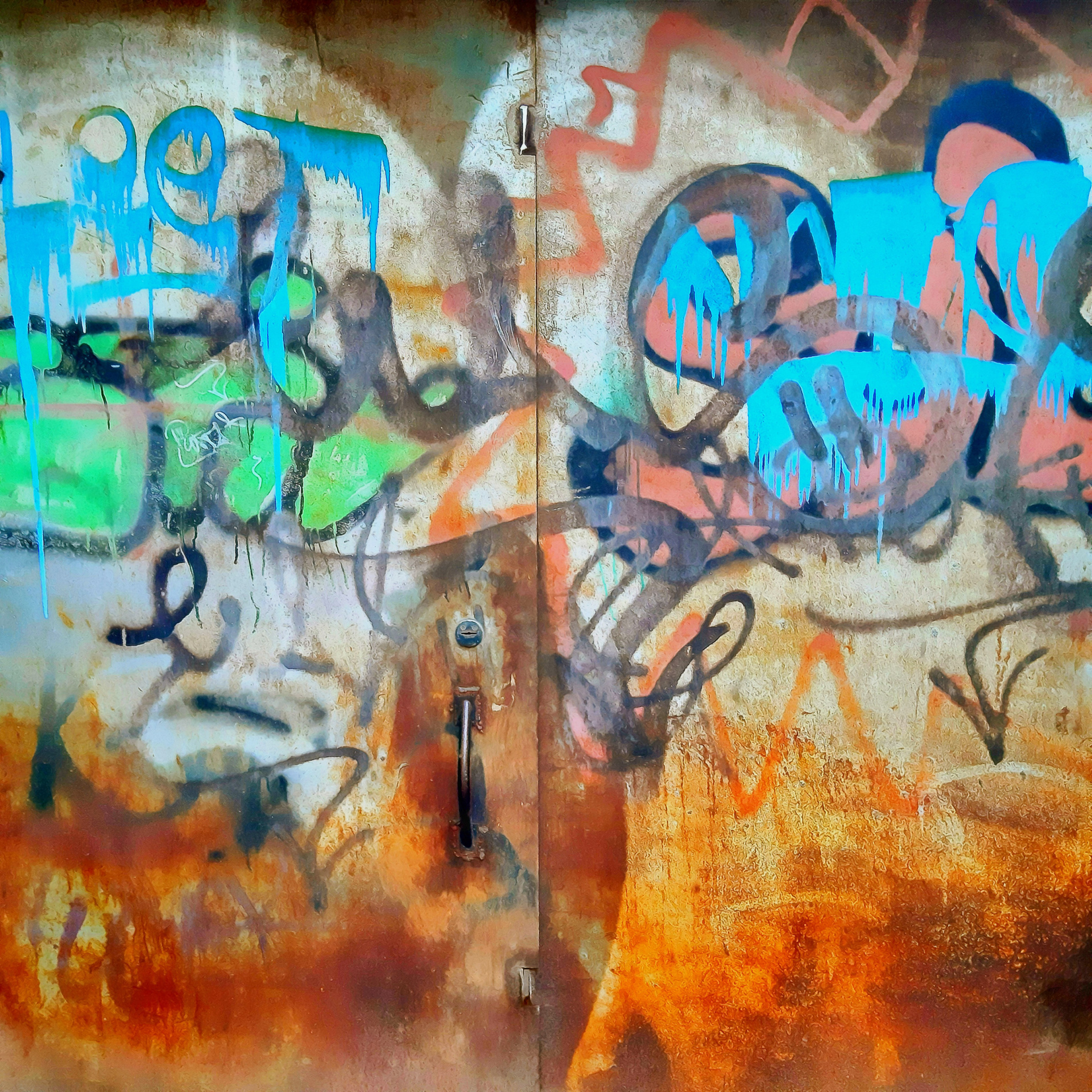
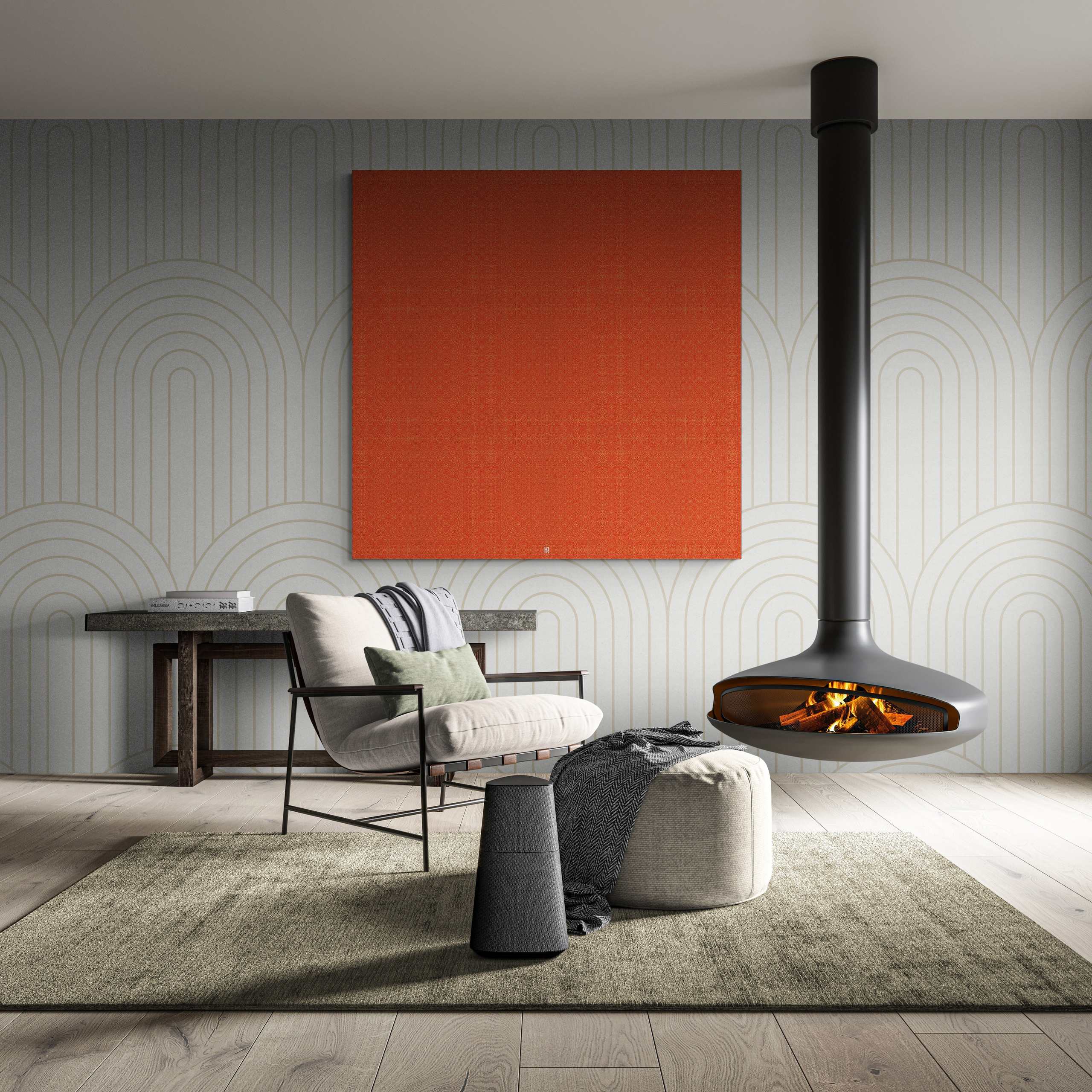
This series of décollages reveals the aesthetic essence of the urban environment through an eye acutely attuned to the smallest details of everyday life. Photographed during the pandemic, the works reveal spontaneous art on street walls, which replaced traditional galleries for the artist. Chance inscriptions, old posters, peeling paint and damaged surfaces come together to form abstract compositions. Like an archaeologist, the artist strips away layers of time and incidental elements, uncovering hidden images and turning them into documentary yet surreal portraits of the contemporary urban landscape.
The mixture of colours, textures and inscriptions symbolises chaos and destruction while drawing attention to beauty in fleeting moments and urban textures. These décollages remind us of life’s transience and the human traces left on walls and absorbed into architecture. Through this series, viewers find beauty in everyday vulnerability, shaped by the passage of time and human actions.
Despite its apparent randomness, the composition of each image is carefully considered and evokes the meditative act of contemplation. The artist establishes a dialogue with the surrounding space, turning it into a mirror of his inner world.
The series invites viewers into an artistic process based on the deformation and destruction of surfaces. Using décollage, the artist seems to peel away the layers of the urban environment, exposing its inner structure. Here, walls marked by time, covered with graffiti, remnants of posters, cracks and peeling paint, appear not merely as urban backdrops but as independent subjects: bearers of memory and traces left by different generations.
Each image conveys spontaneity and a certain documentary quality, as if the artist were recording elements of the city exposed to time and the forces of nature, capturing their fragility and vulnerability. These are more than pictures of walls: they are an archaeology of urban life in which every fragment has its own history, recorded in scratches, stains and textures. They show how seemingly random fragments—inscriptions, icons and lines—acquire the status of symbols, transporting viewers to memories of a particular time and place.
The wall structures shown here evoke ancient frescoes that have lost their brightness but retained the spirit of their time. The series simultaneously draws on the destructive effects of time and a philosophy of preservation, in which destruction and renewal continually coexist. Every feature, from rust stains to faded graffiti, becomes a vivid and expressive element of the composition. This engagement with the environment creates a new aesthetic language in which ordinary traces of life acquire artistic value.
Applying principles of deconstruction and contemplating incidental traces enriches our perception of these works and offers a new way of engaging with urban space. The artist seems to invite us into a creative process in which the familiar becomes unrecognisable and demands reconsideration. This is a philosophical as well as an aesthetic process: an attempt to find meaning in a changing, fragmented reality where each layer, like each human experience, is placed upon the last, creating a richly layered texture of existence.
The series has a meditative quality. Looking at each image, viewers immerse themselves in the depths of its textures, seeking hidden harmony within the chaotic distribution of colours and forms. This is a dialogue between artist and environment, in which city walls become scores of memories, stories and meanings inscribed in accidental patterns. In this way, the artist transforms walls that others might see as mere elements of the urban landscape into museum exhibits preserving the spirit of a bygone time.