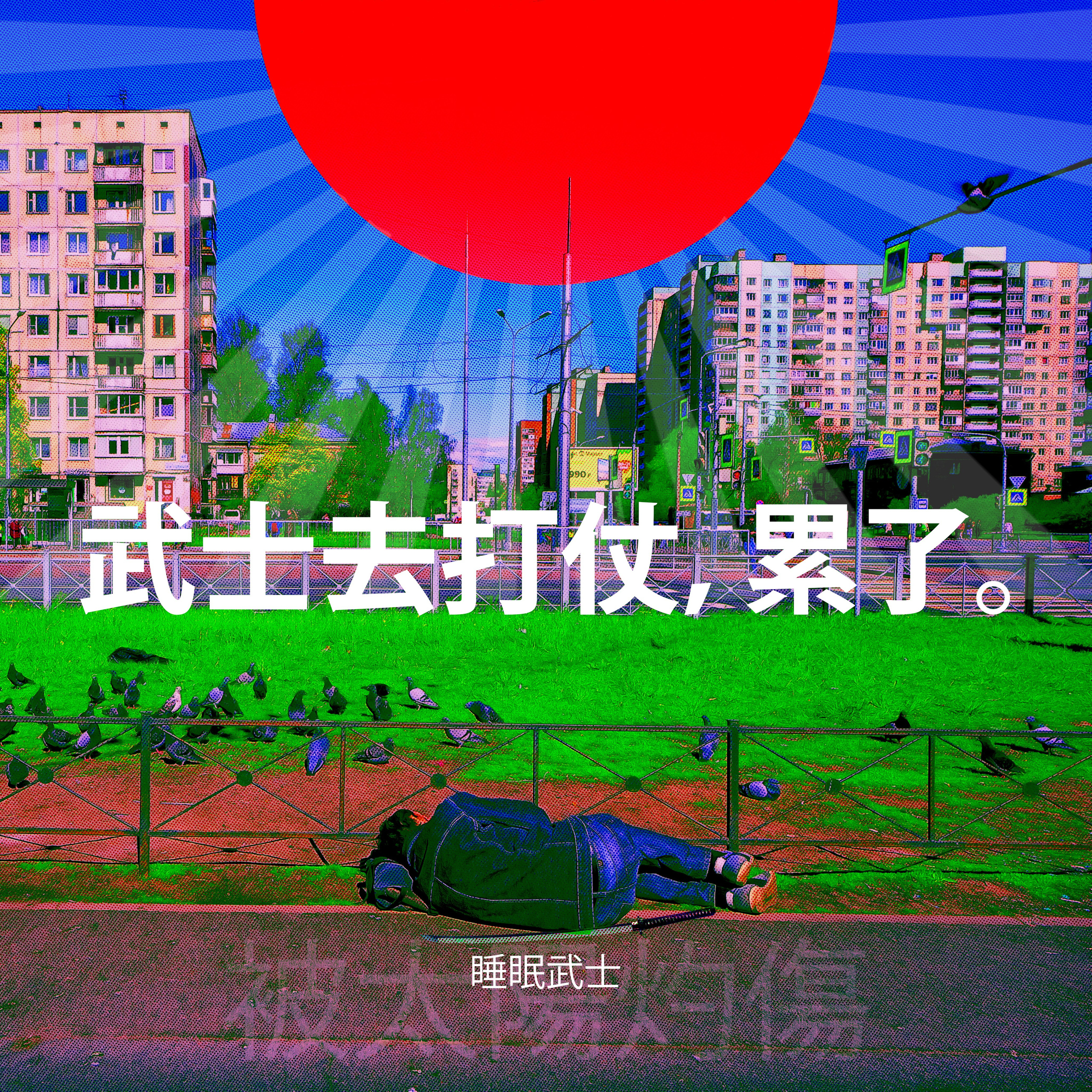
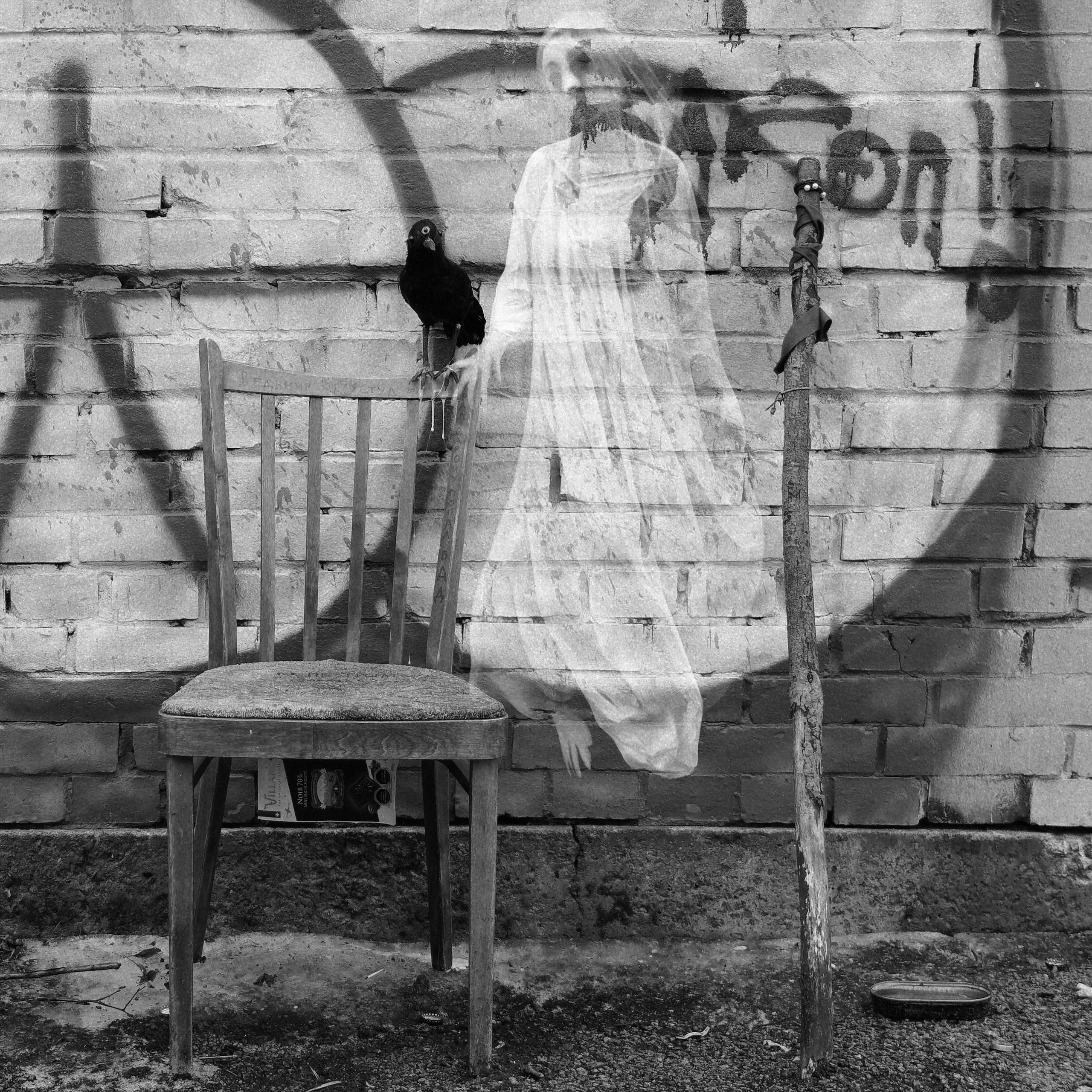
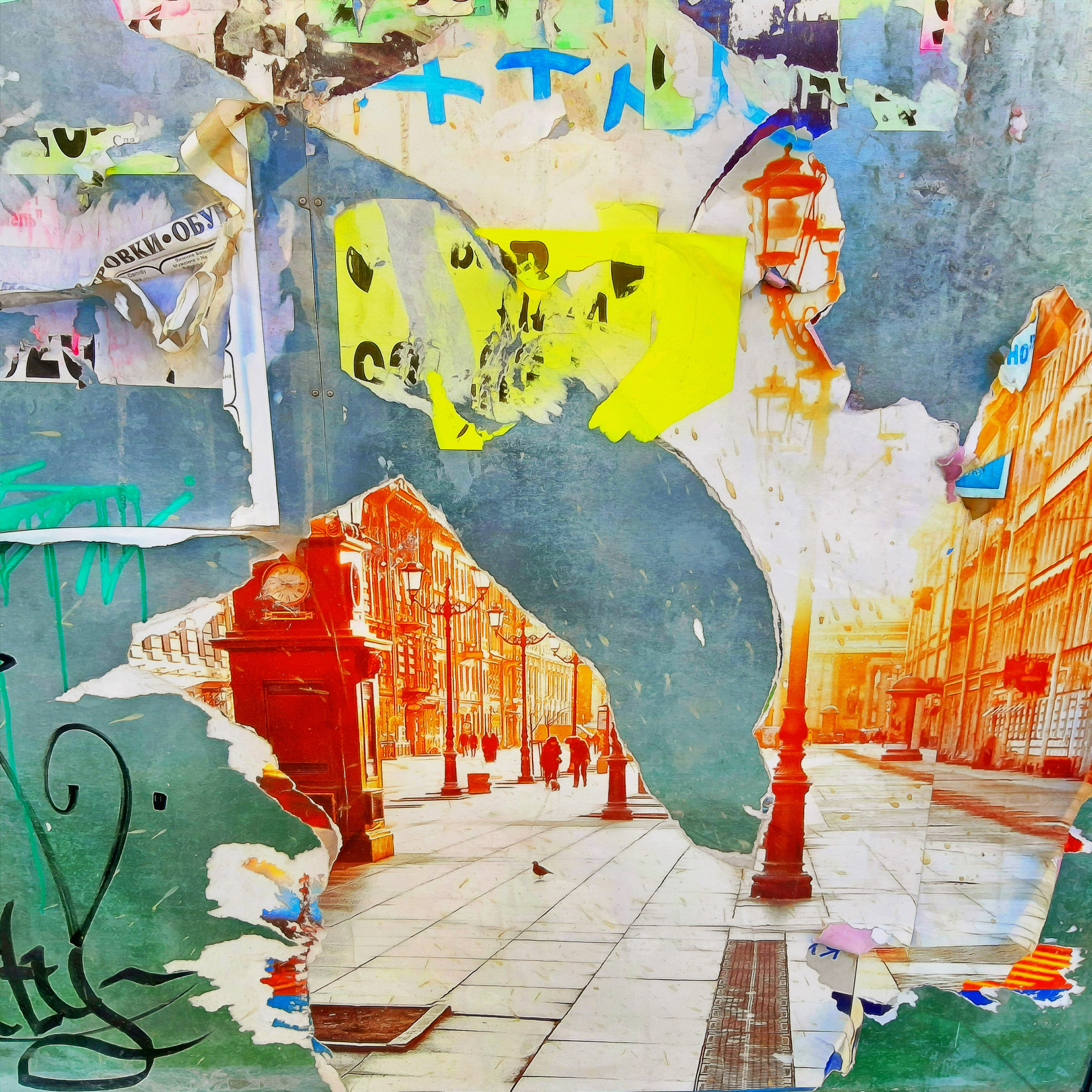
Bardo is an intermediate state between two phenomena, encompassing different aspects of existence, from life to rebirth. Tibetan Buddhism distinguishes six bardos: waking, dreaming, meditation, dying, the nature of phenomena (dharmadhatu), and the process of becoming before rebirth. Each stage is a transitional space in which the mind encounters different levels of awareness. Bardo is a metaphor for life as a process of continuous transitions that open possibilities for spiritual growth and liberation.
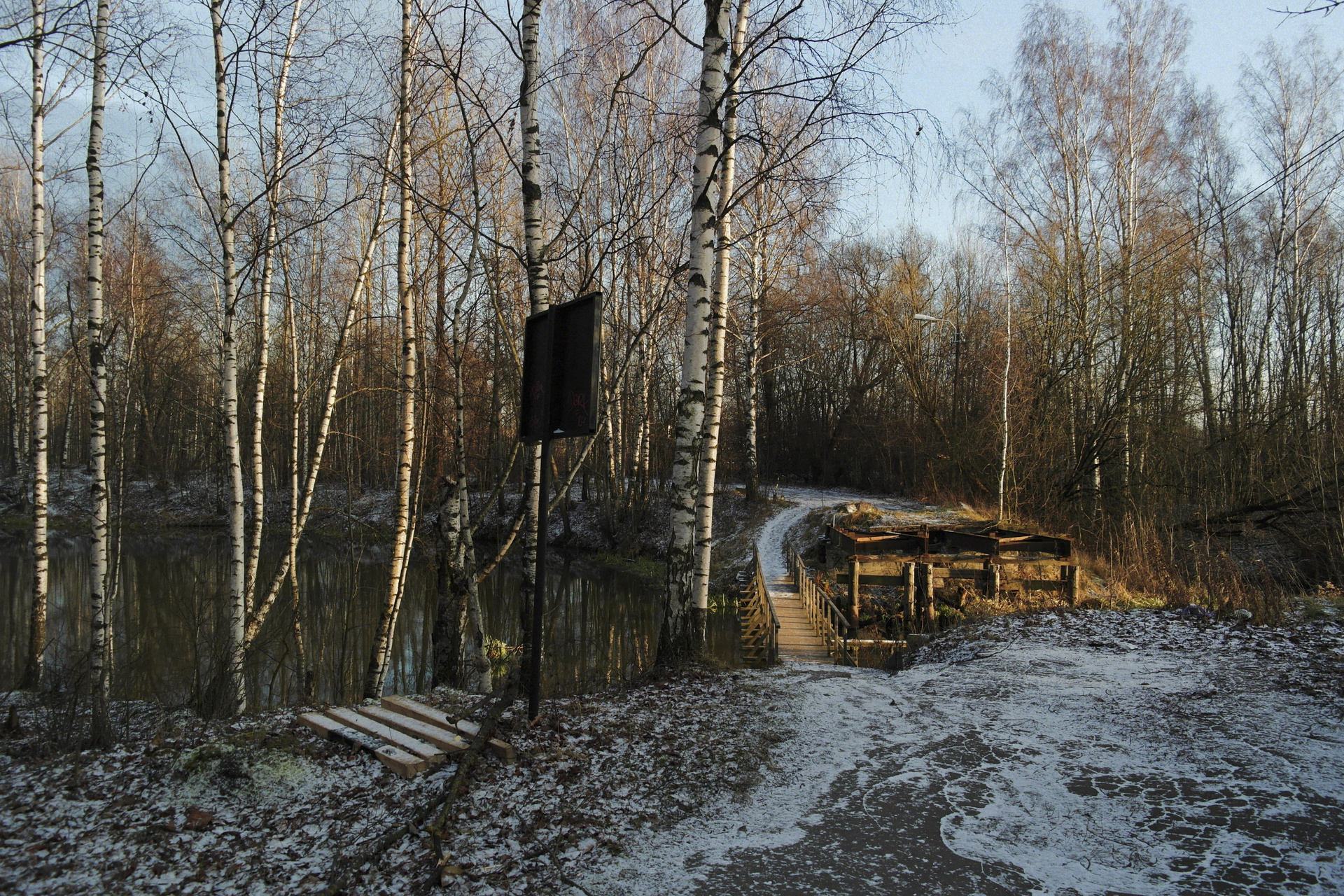
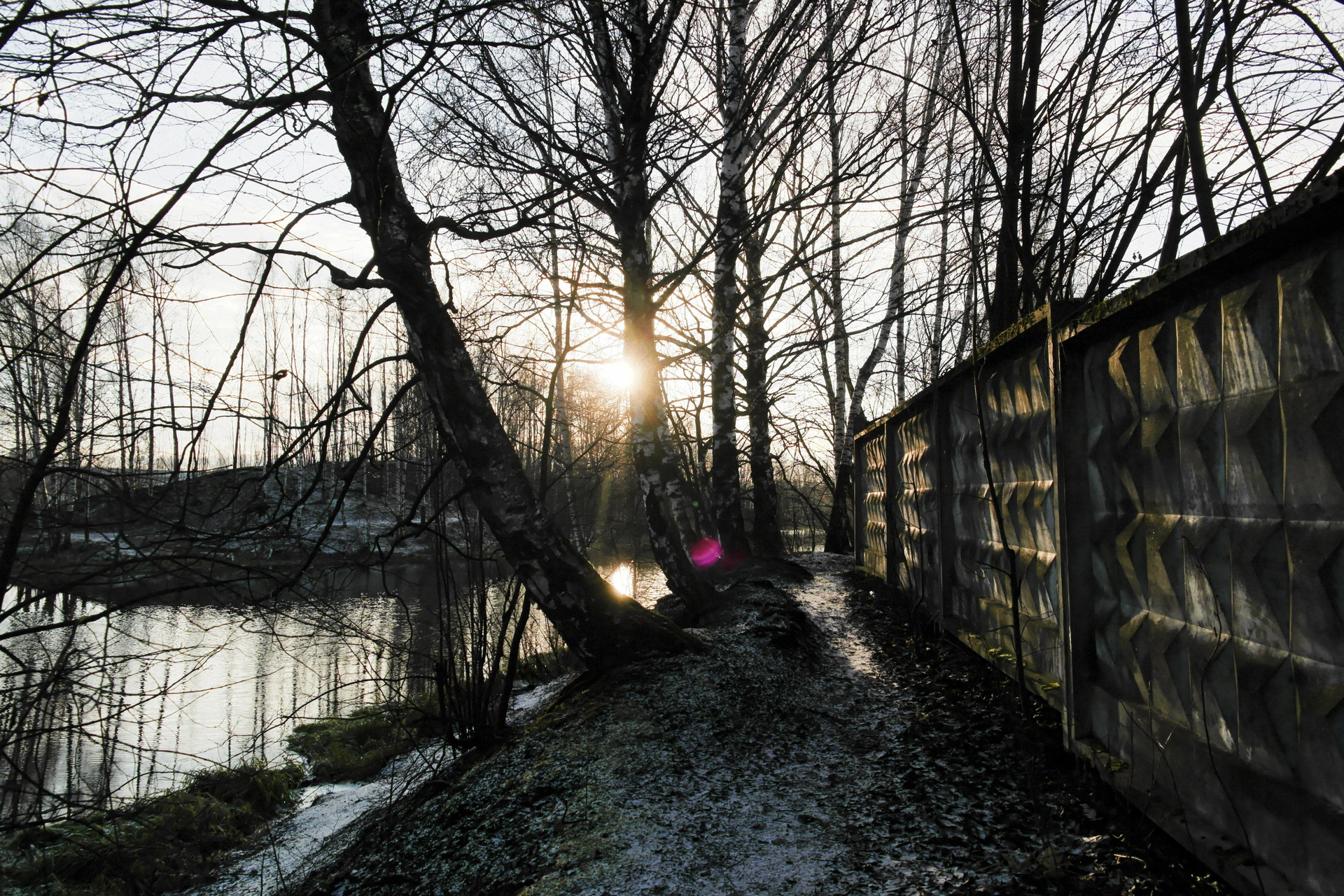
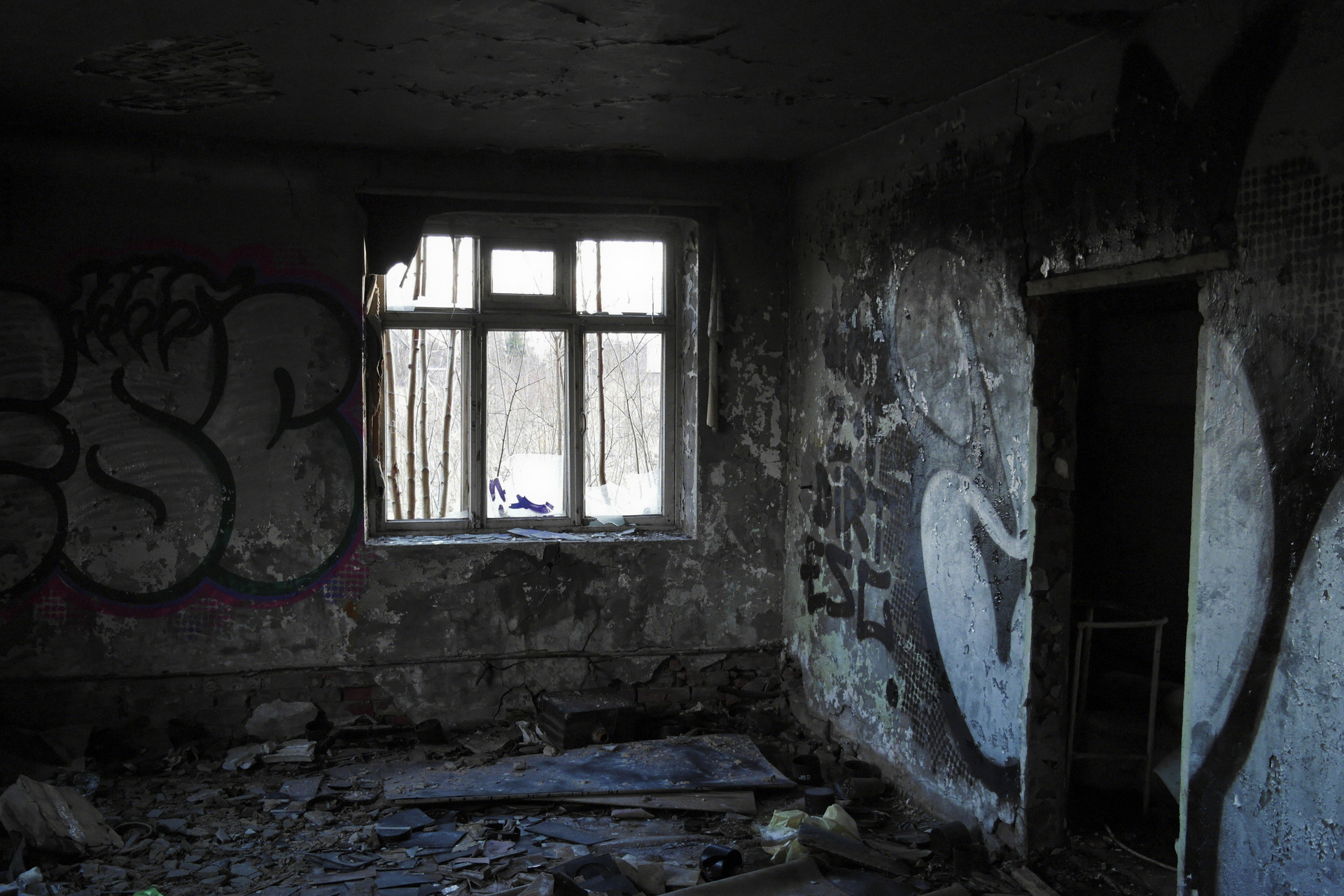
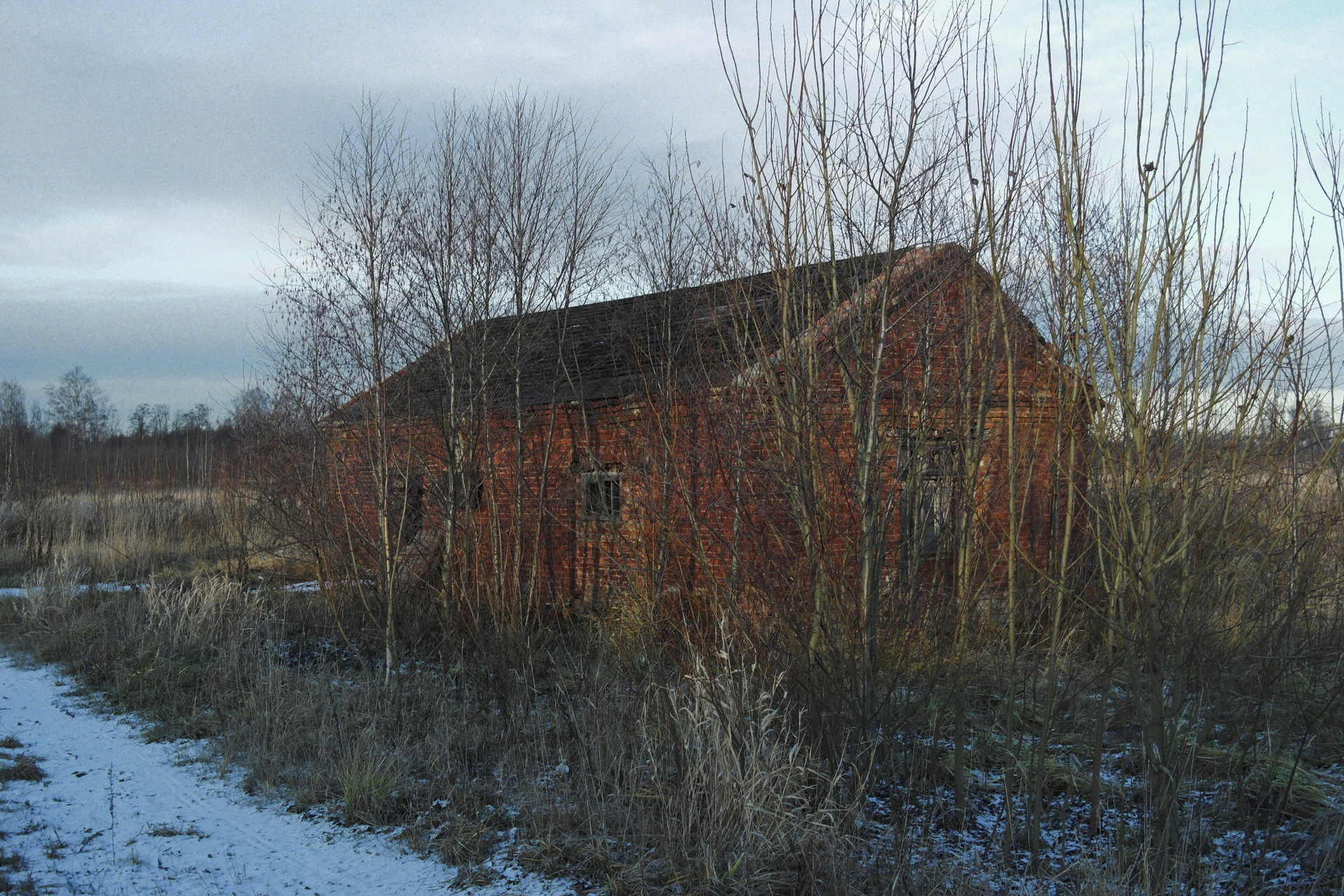
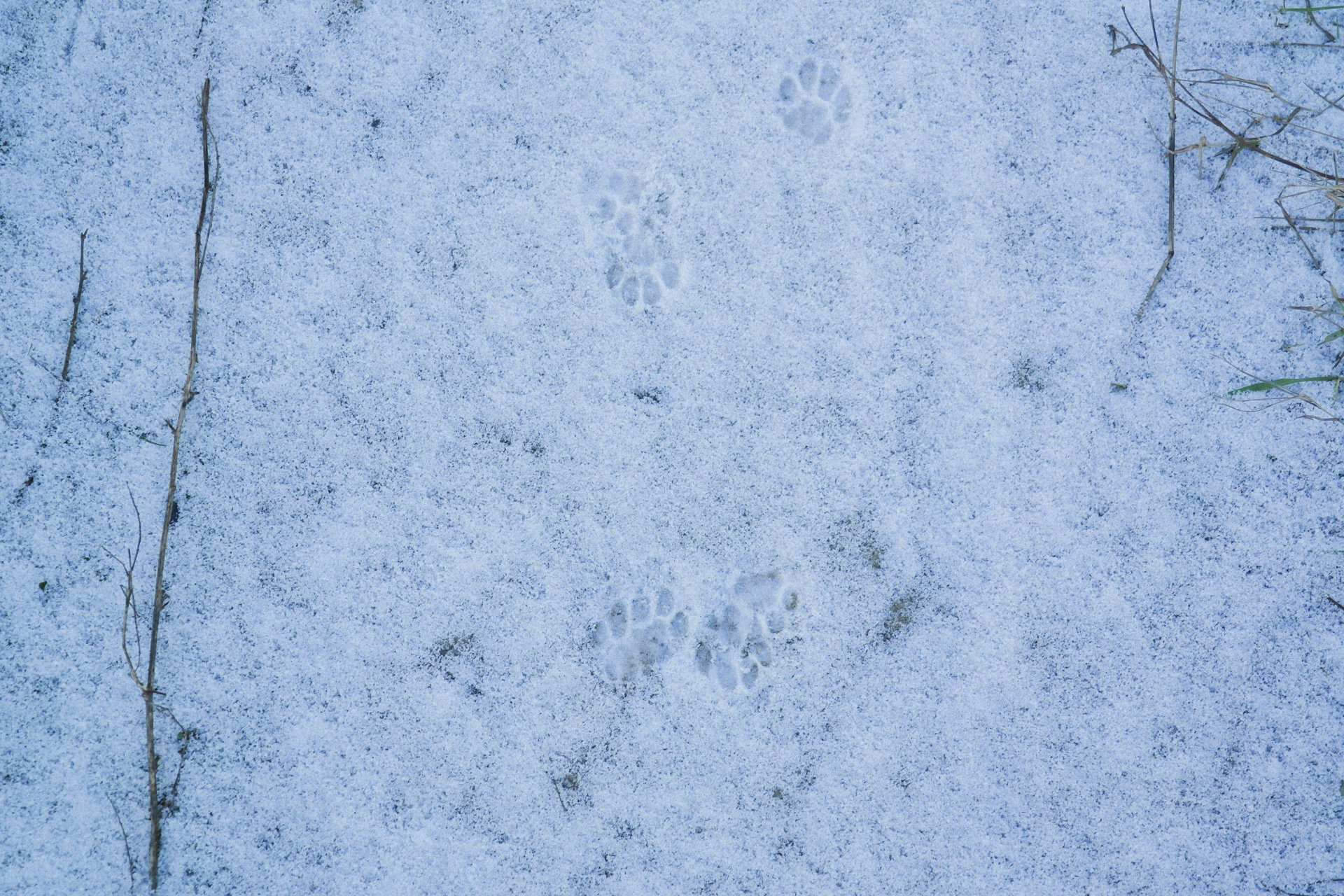
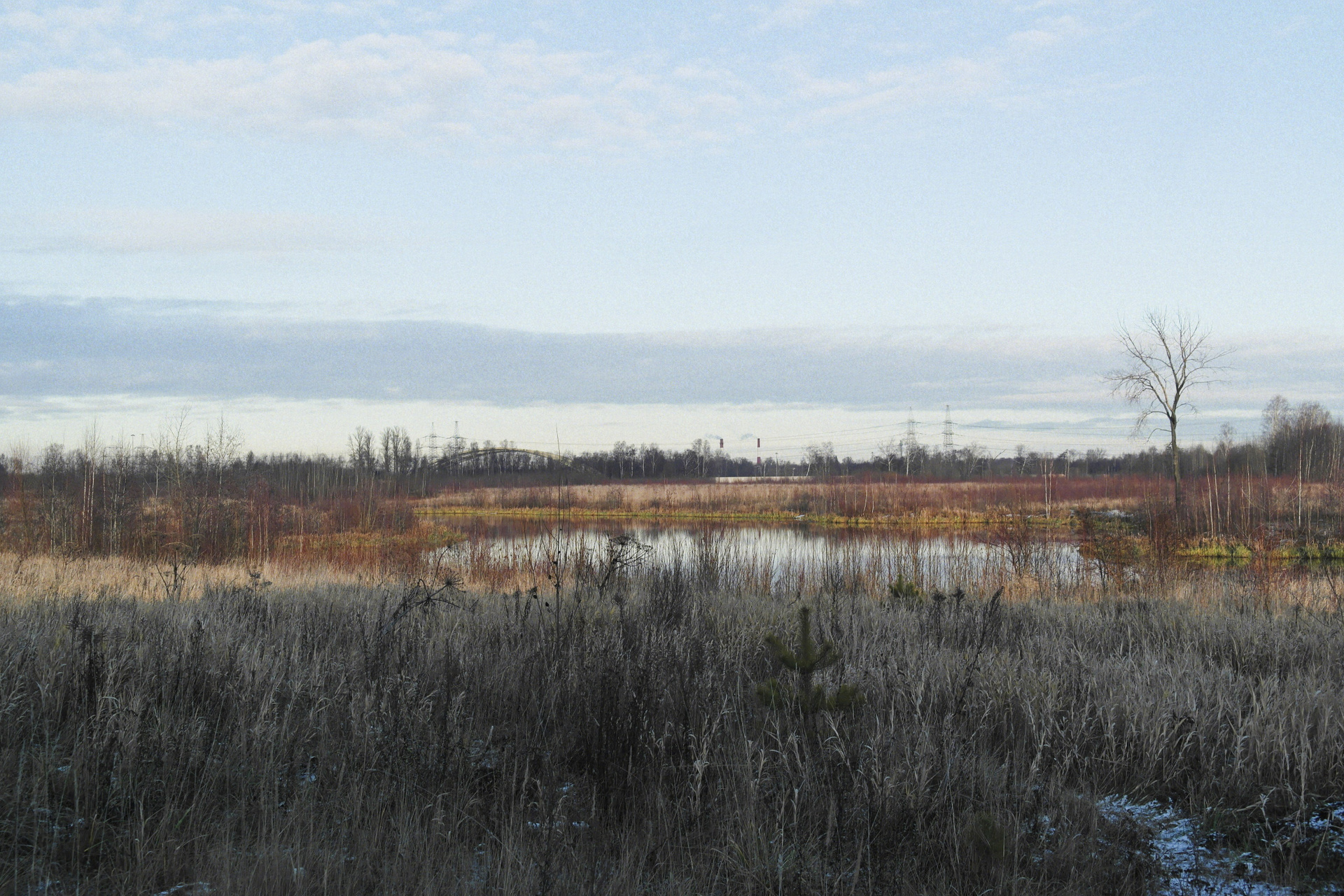
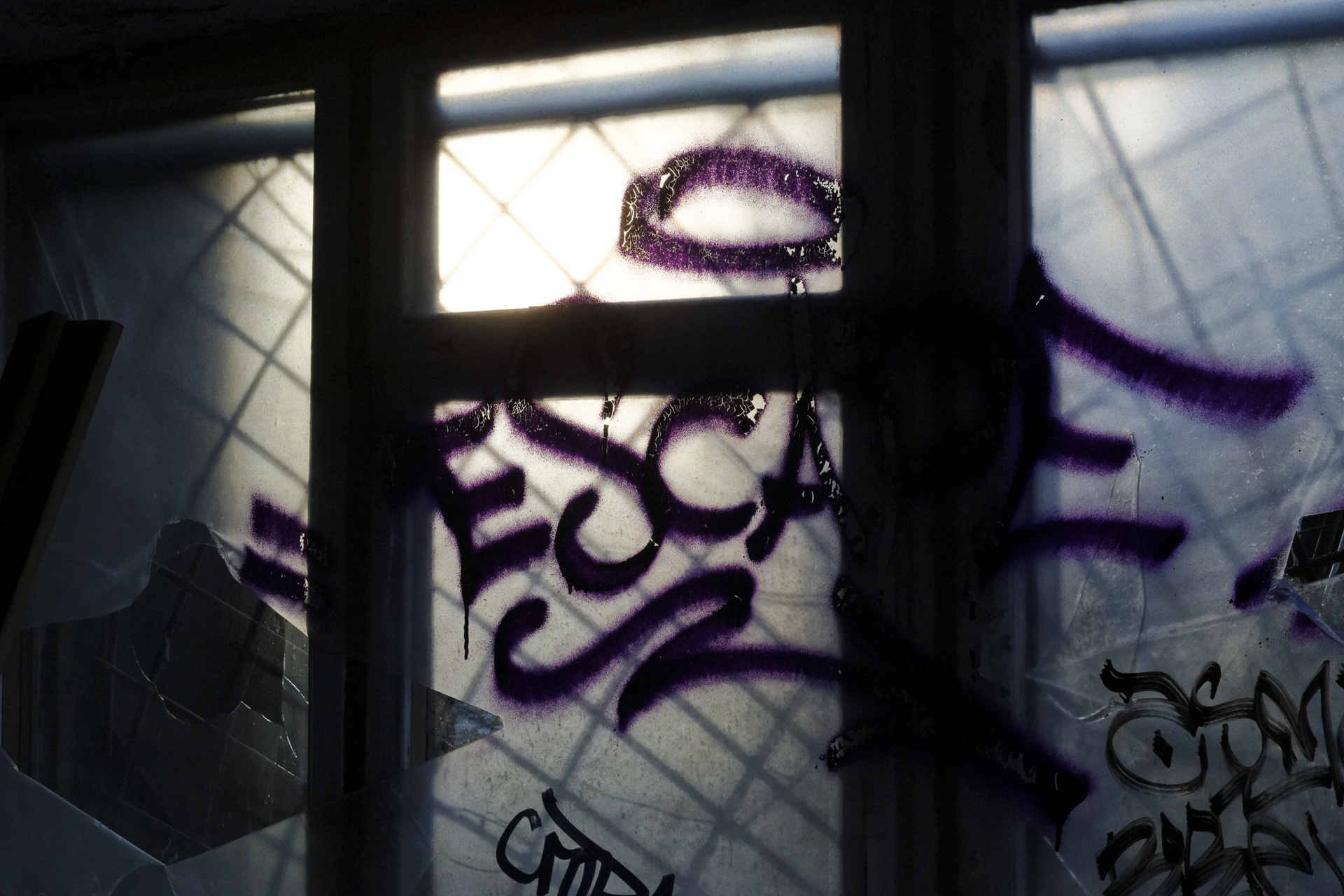
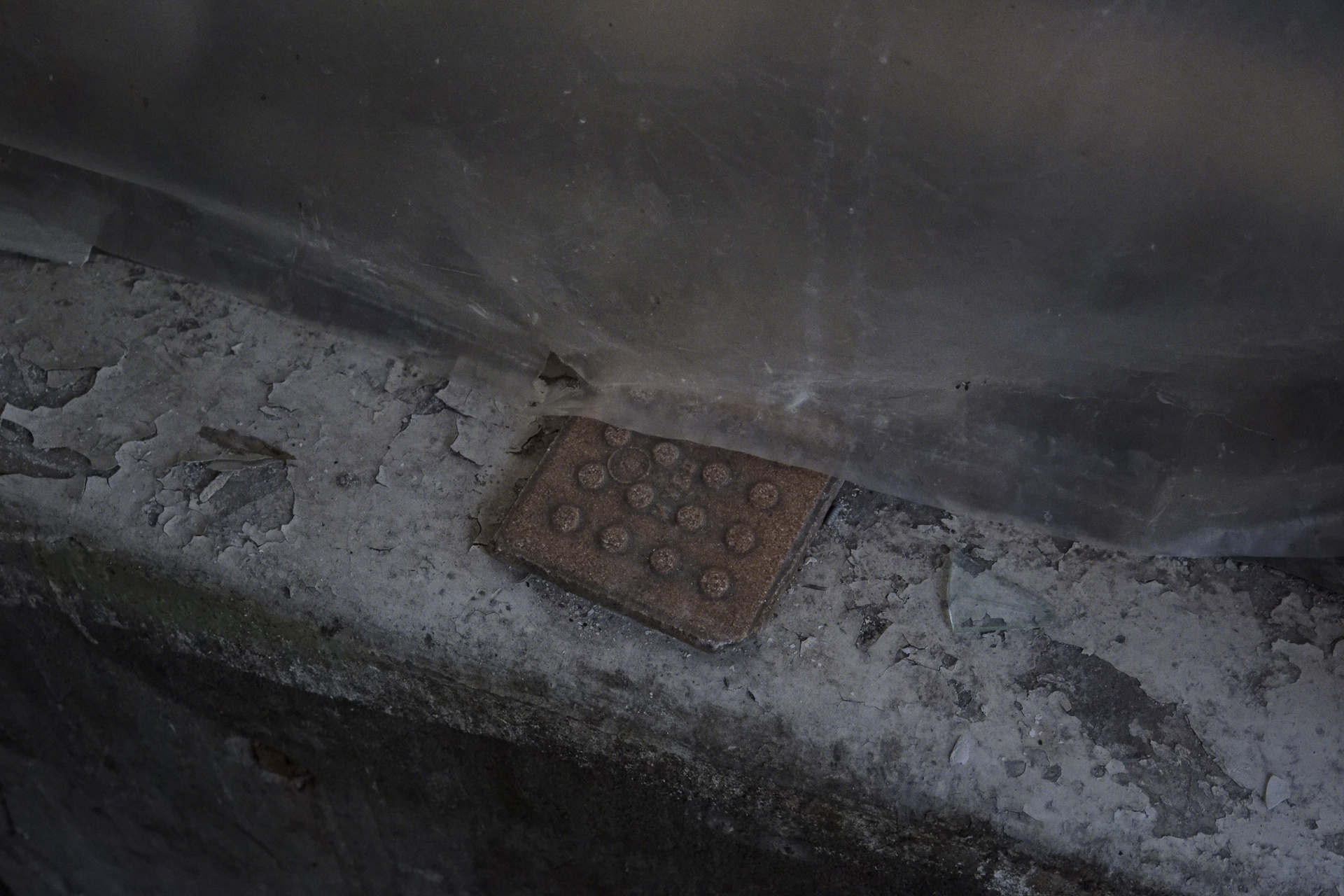
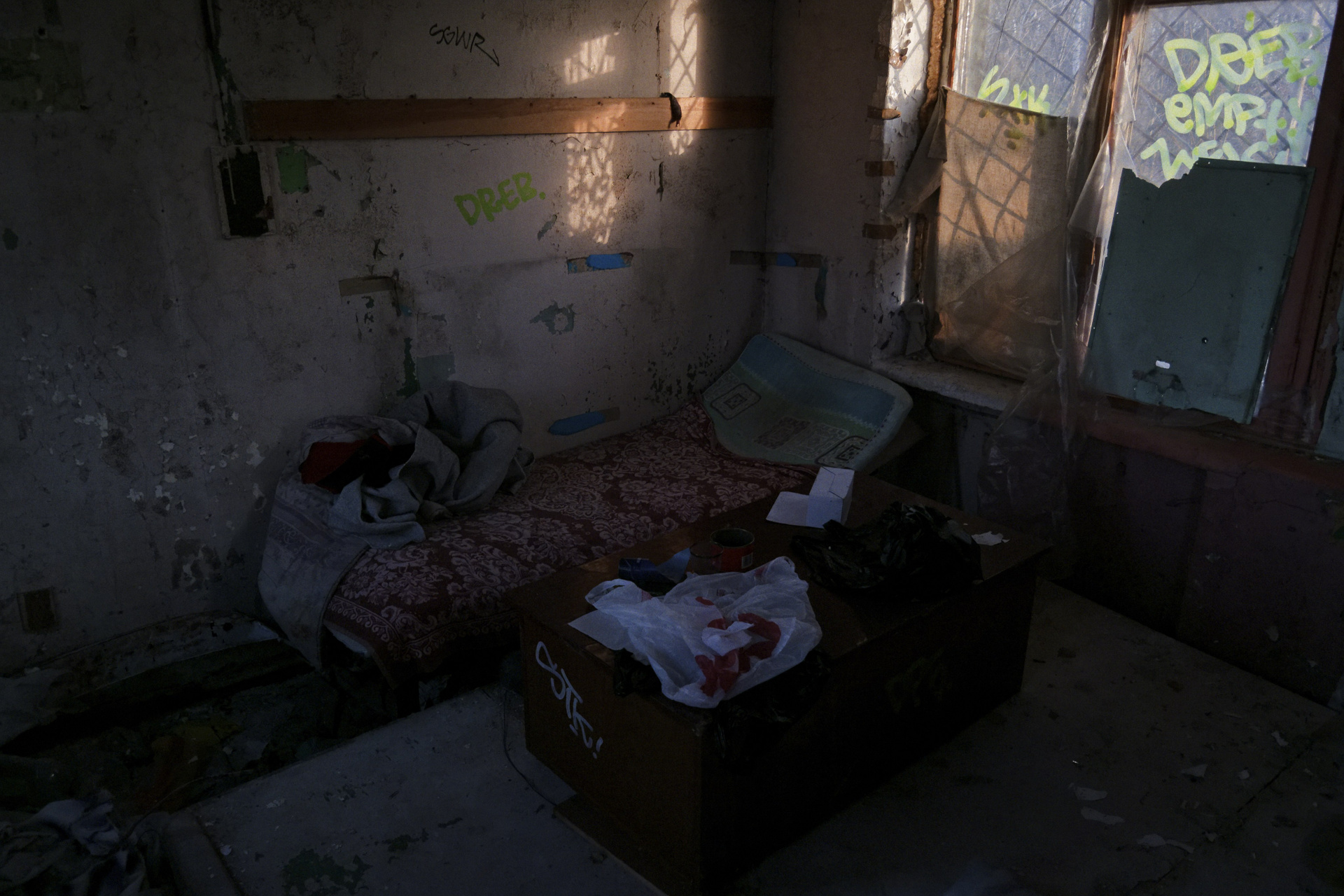
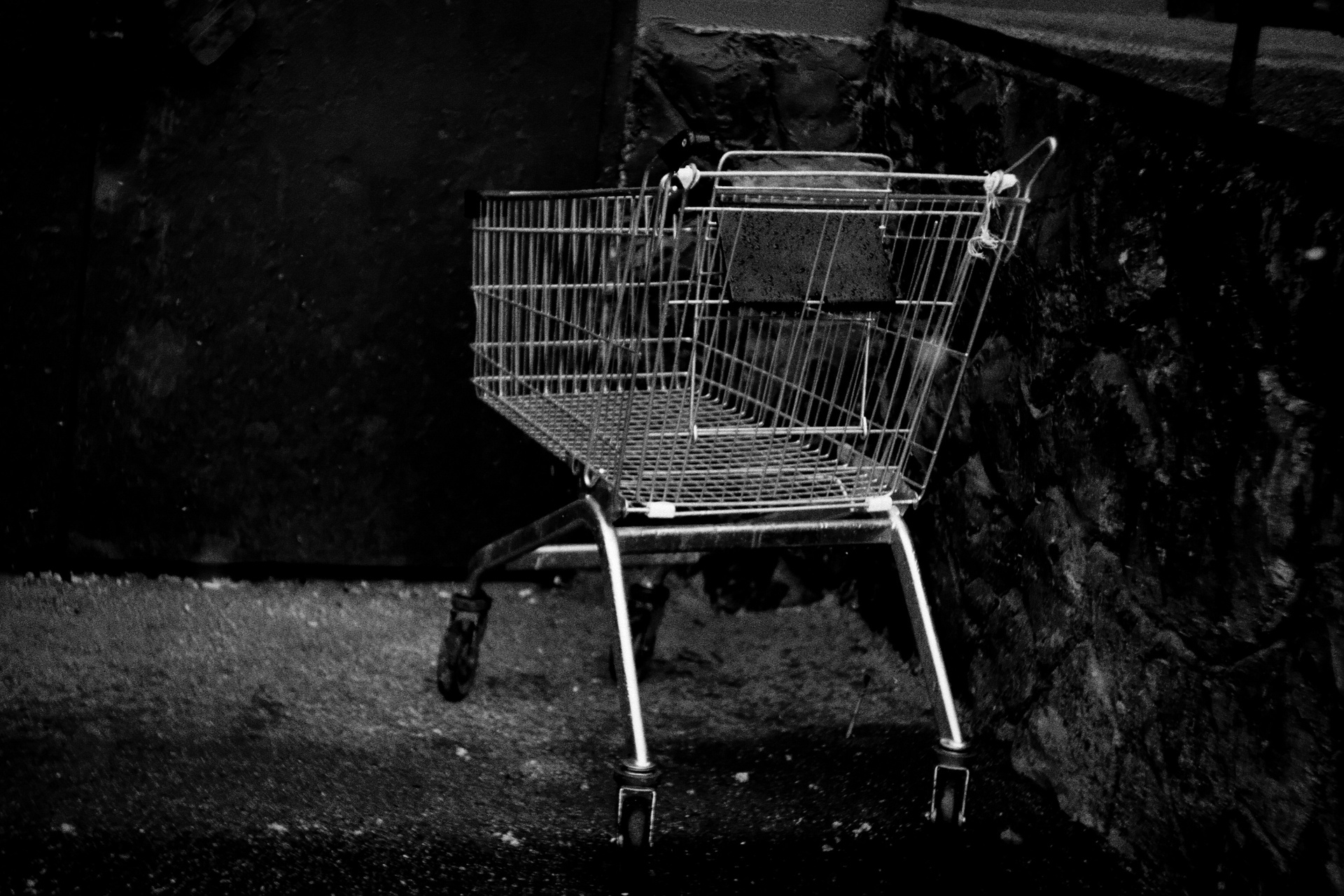
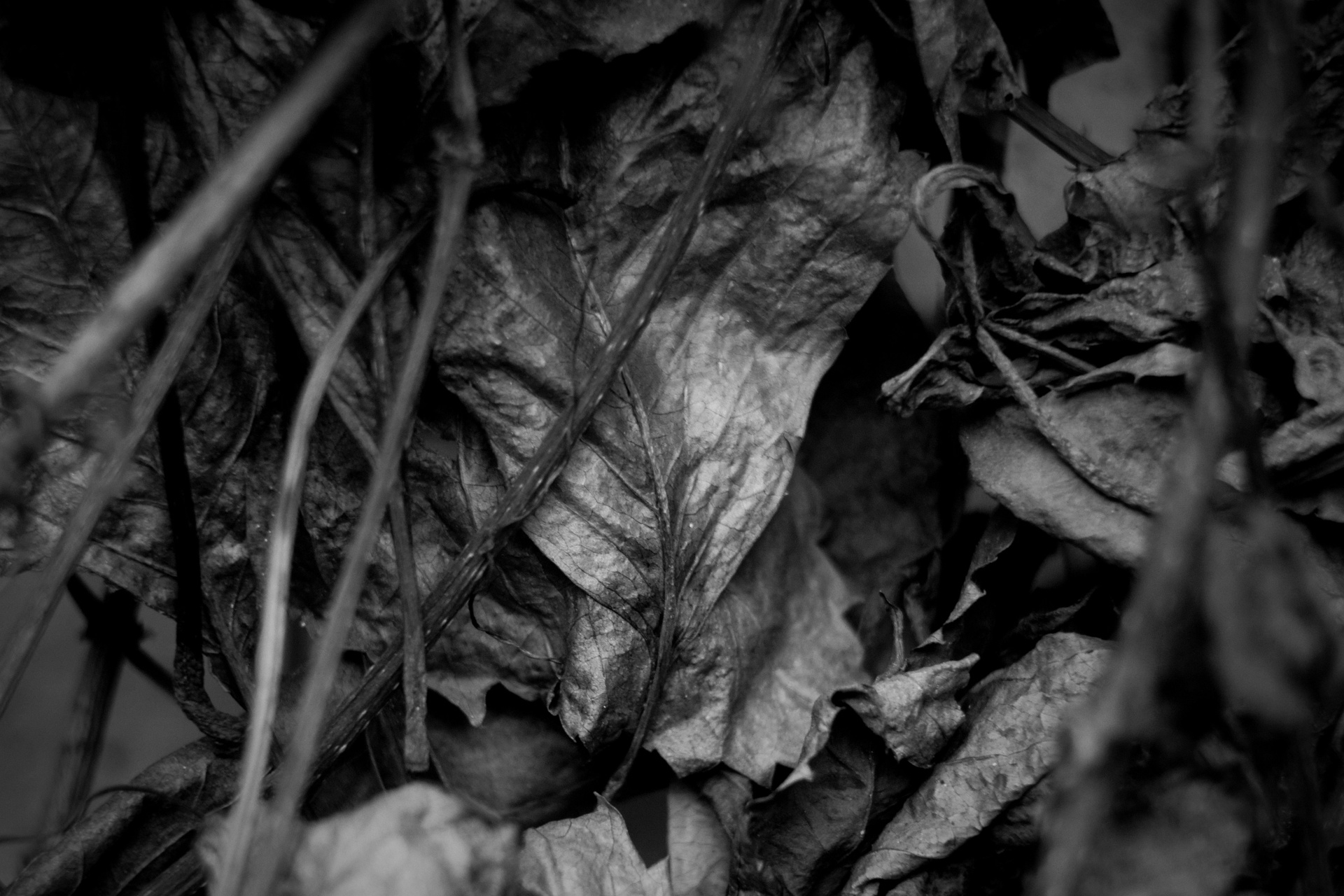
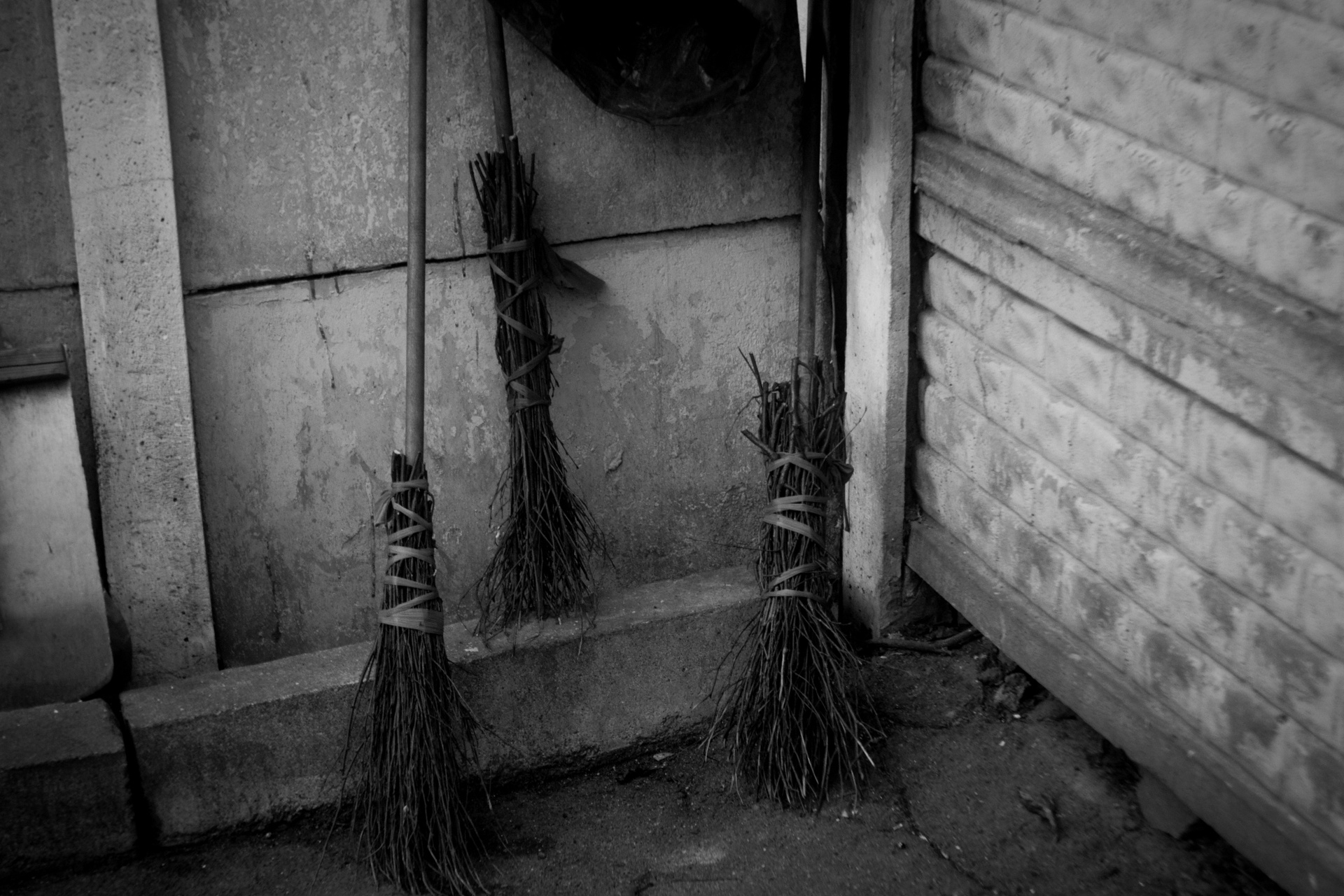
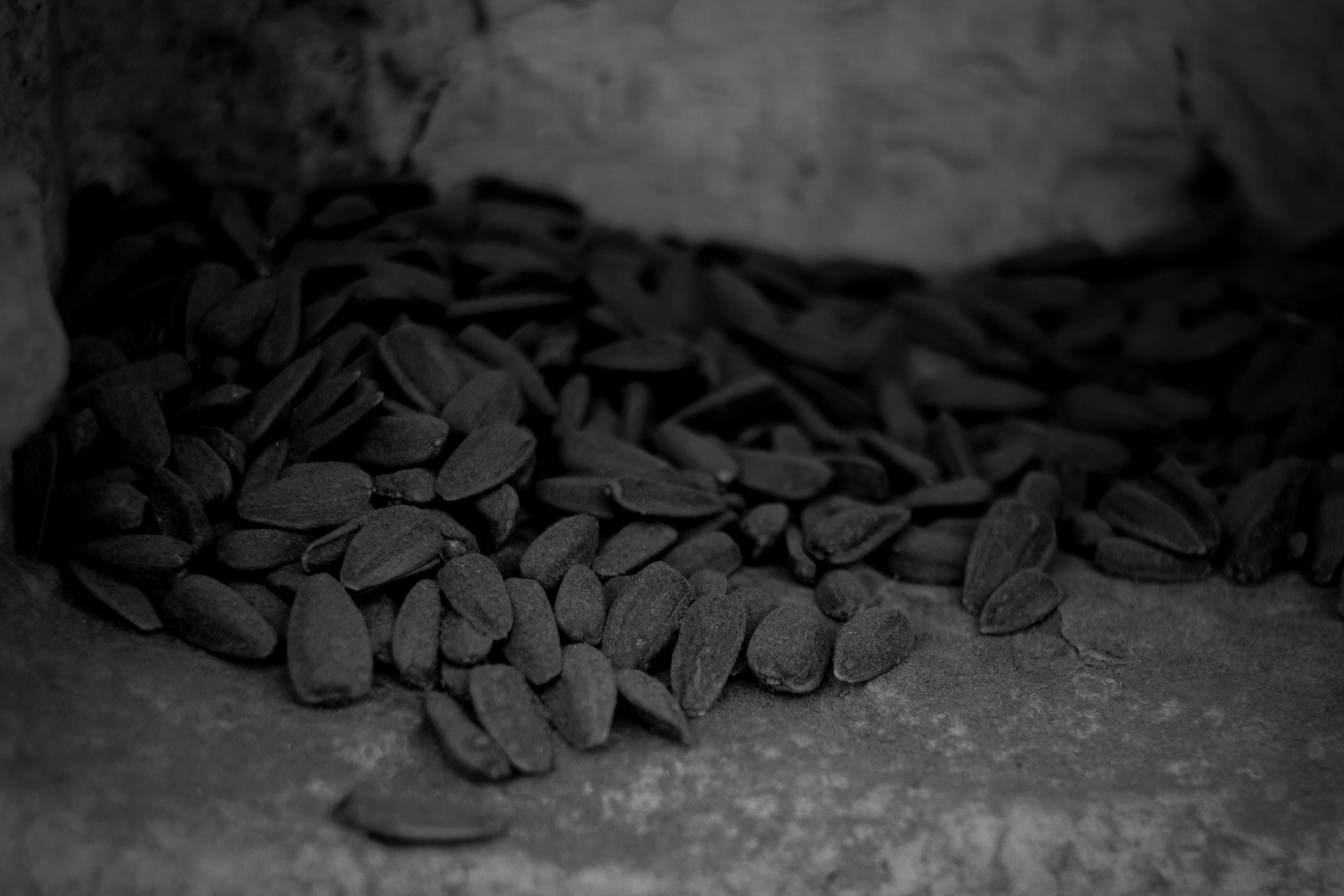
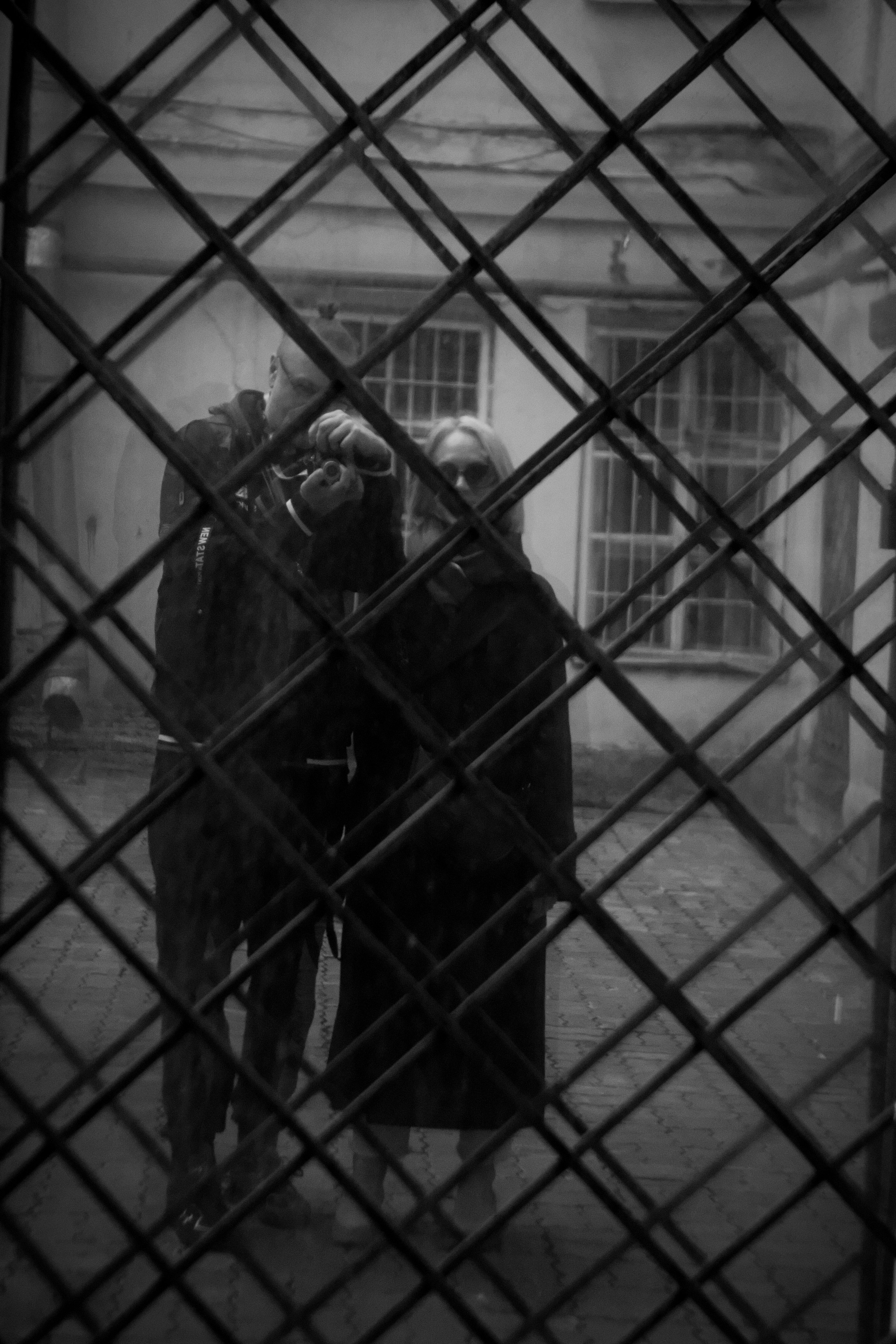
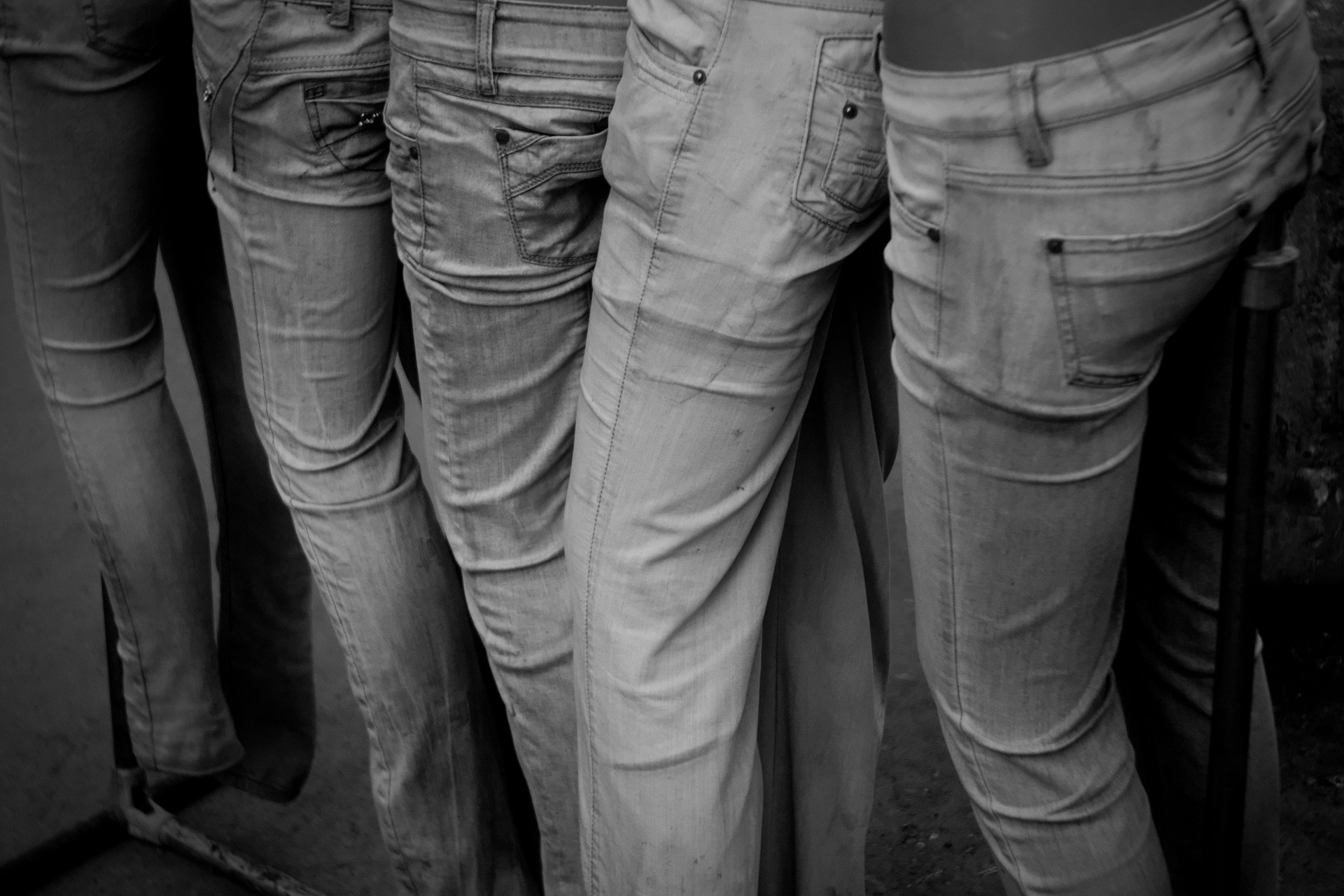
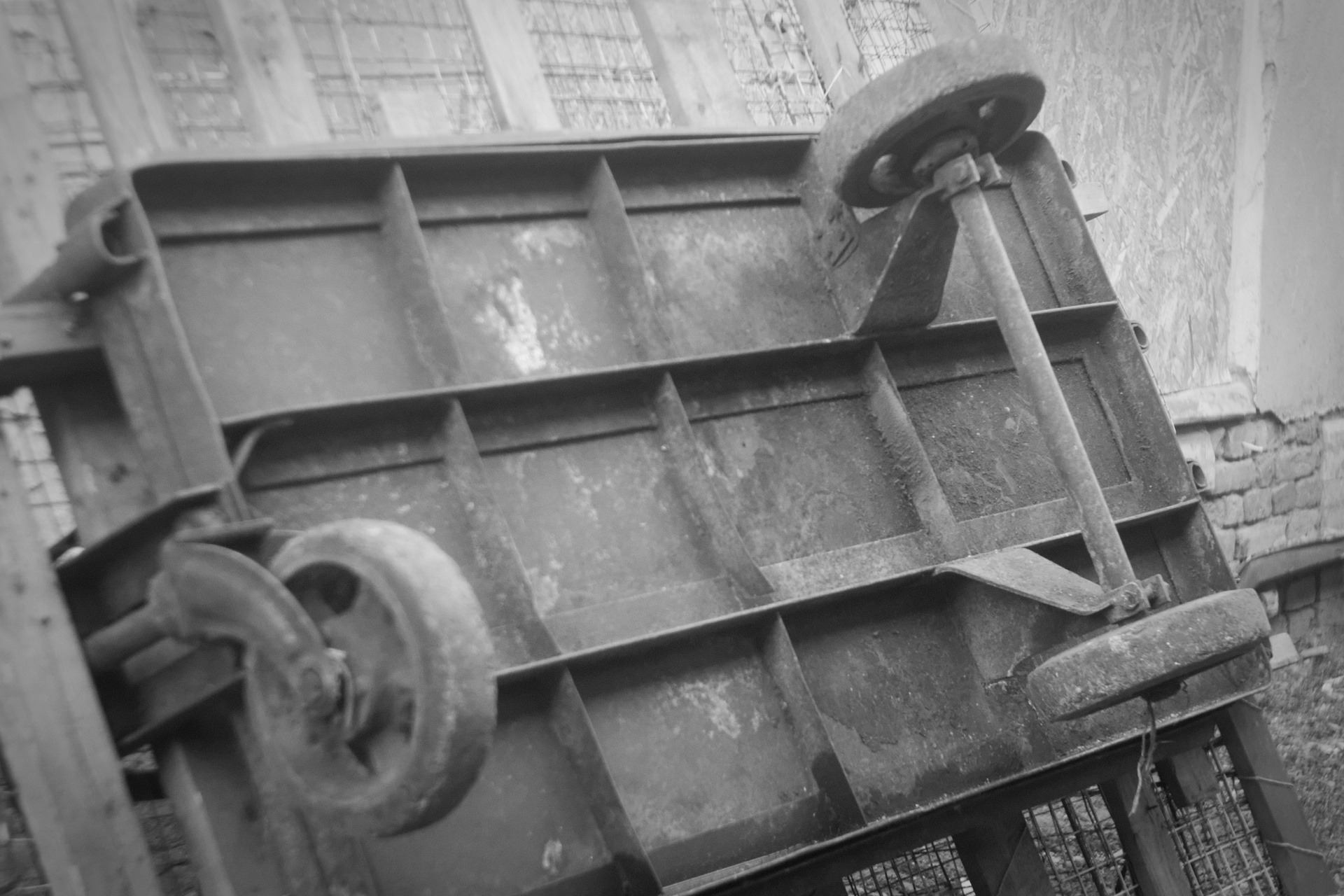
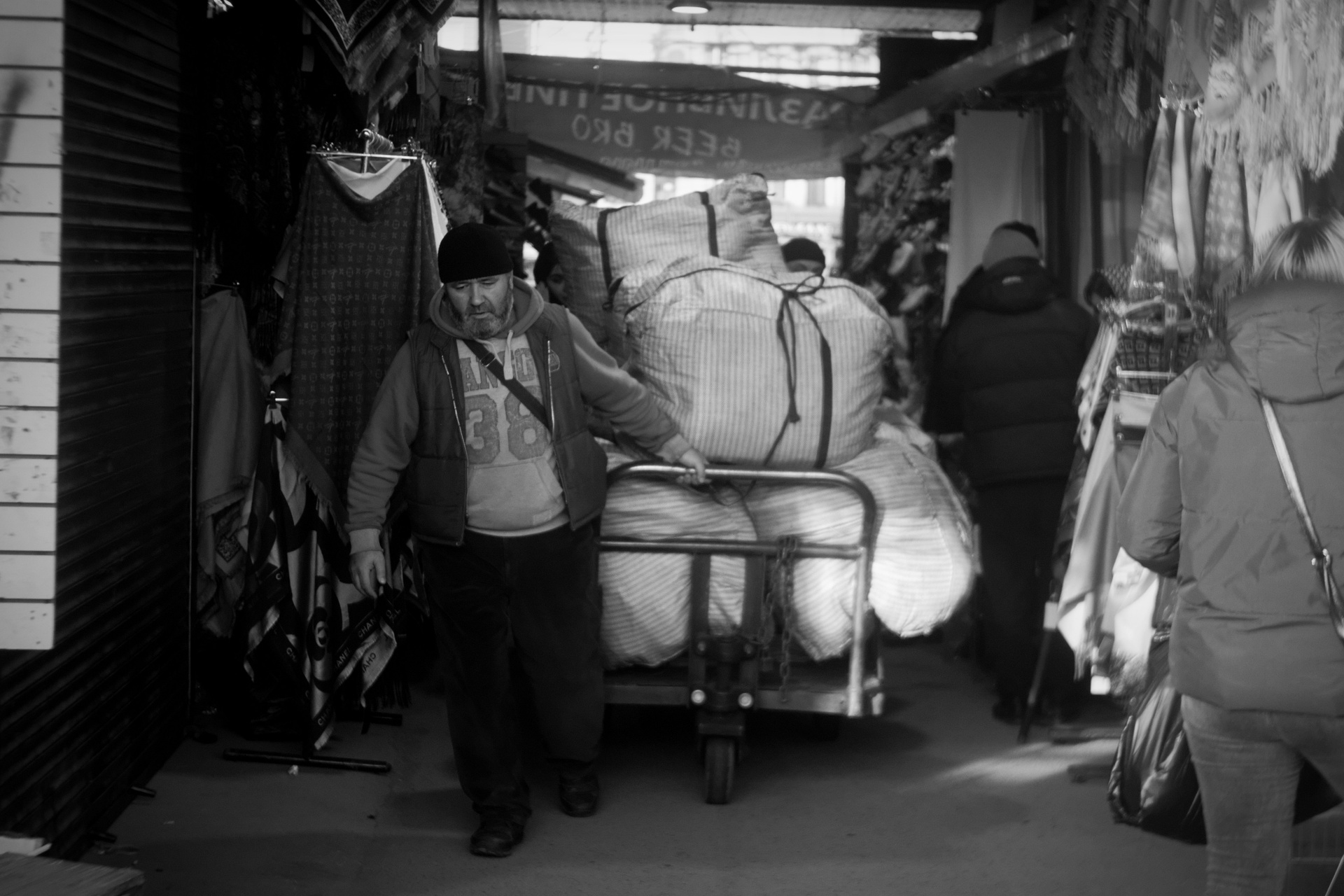
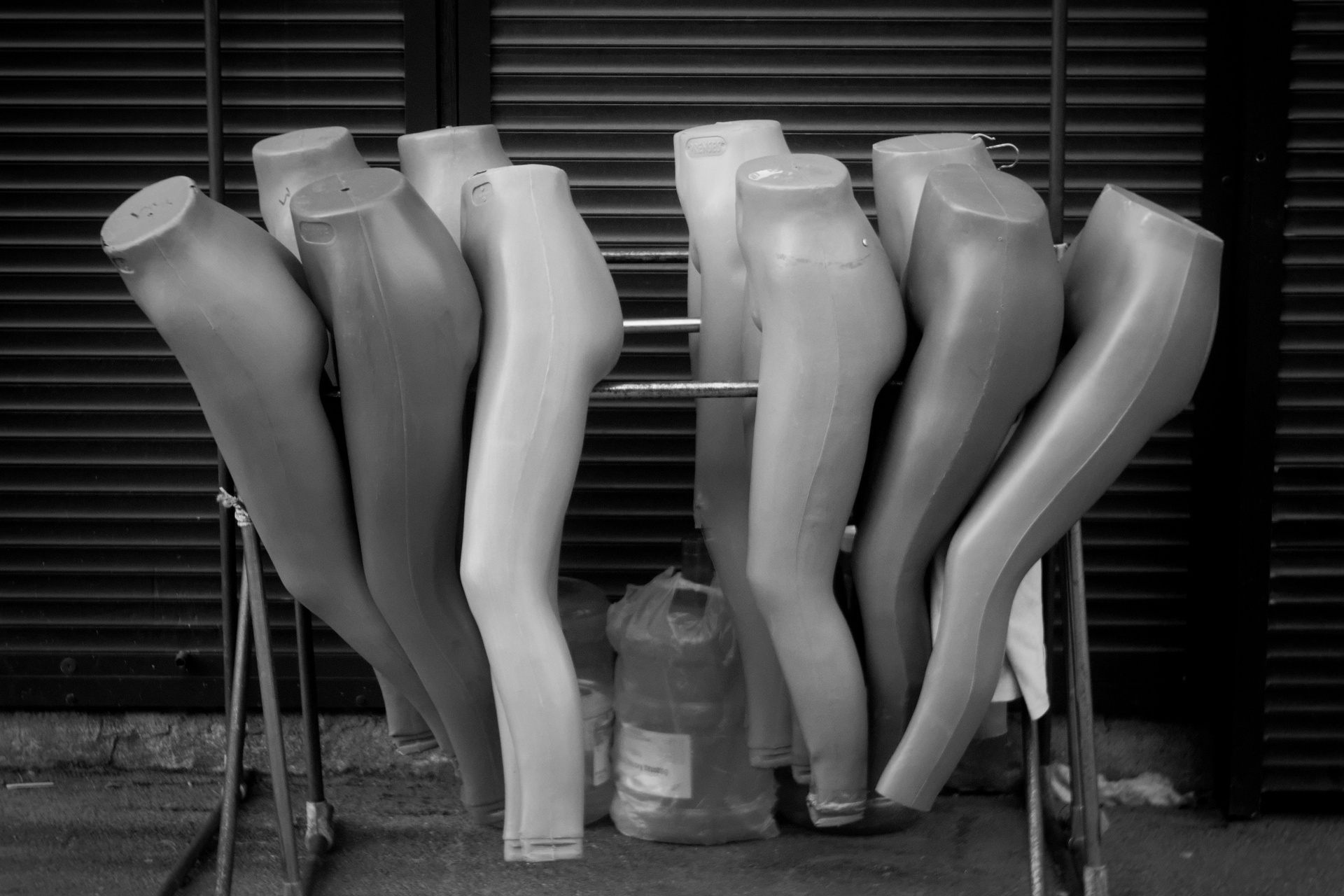
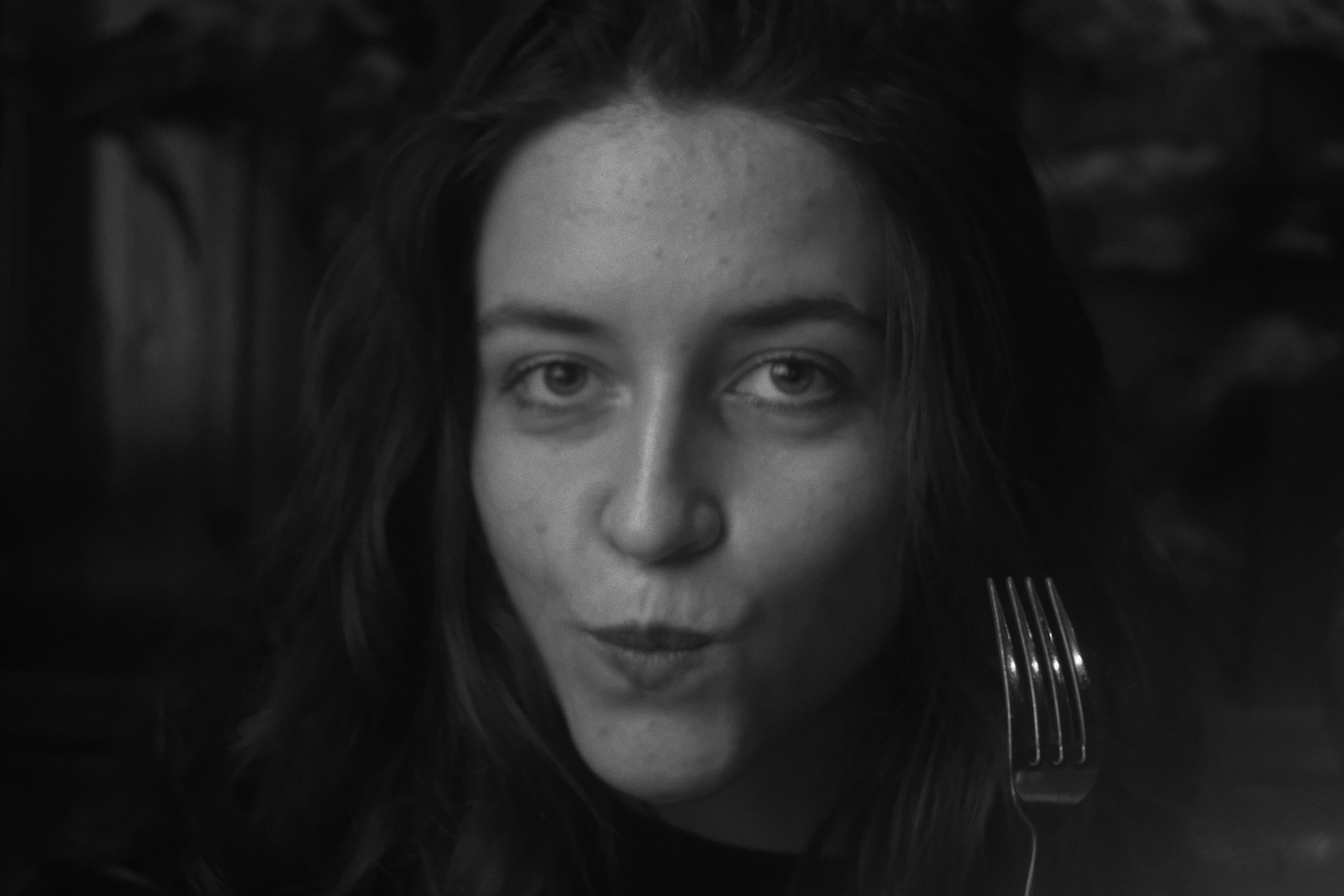
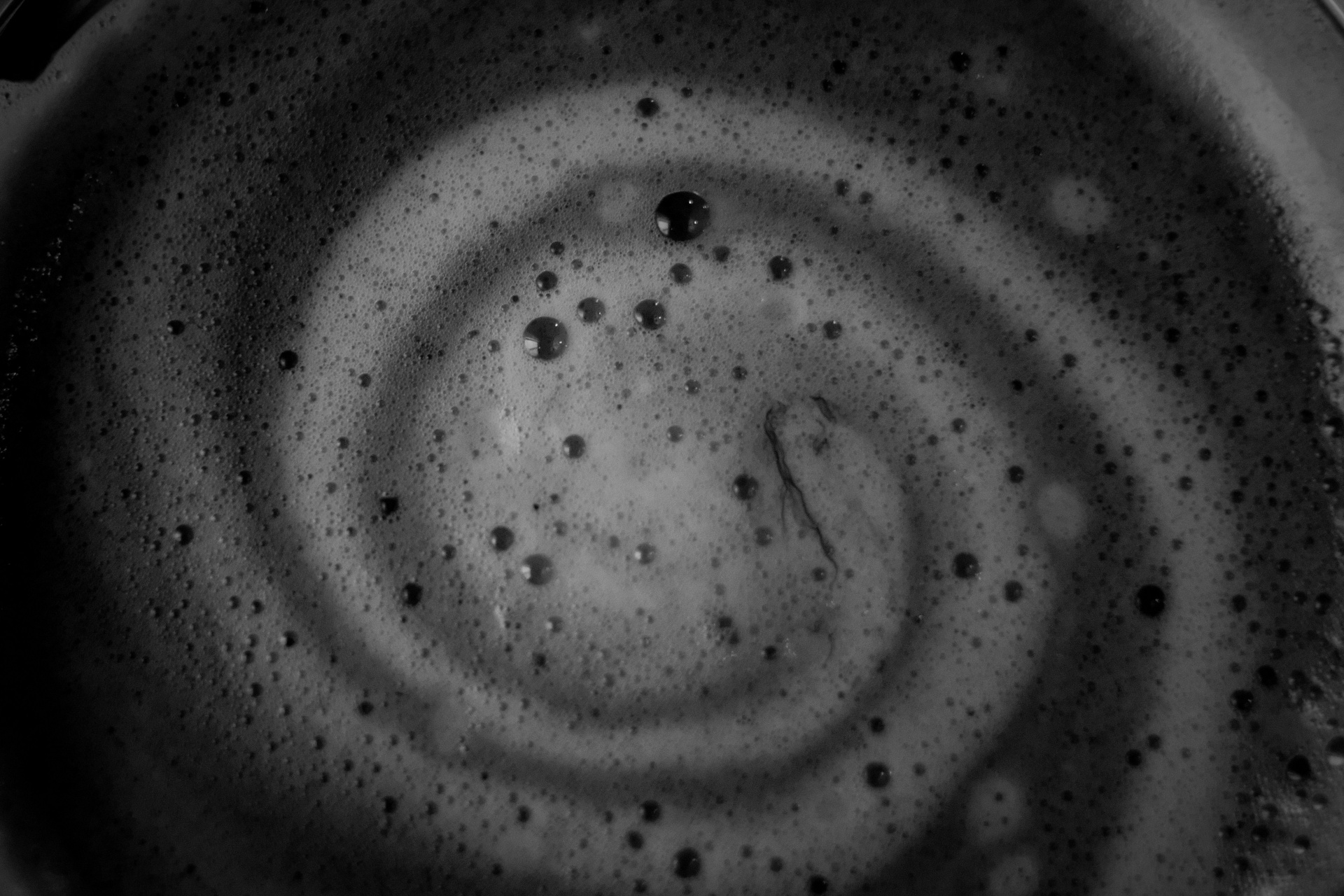
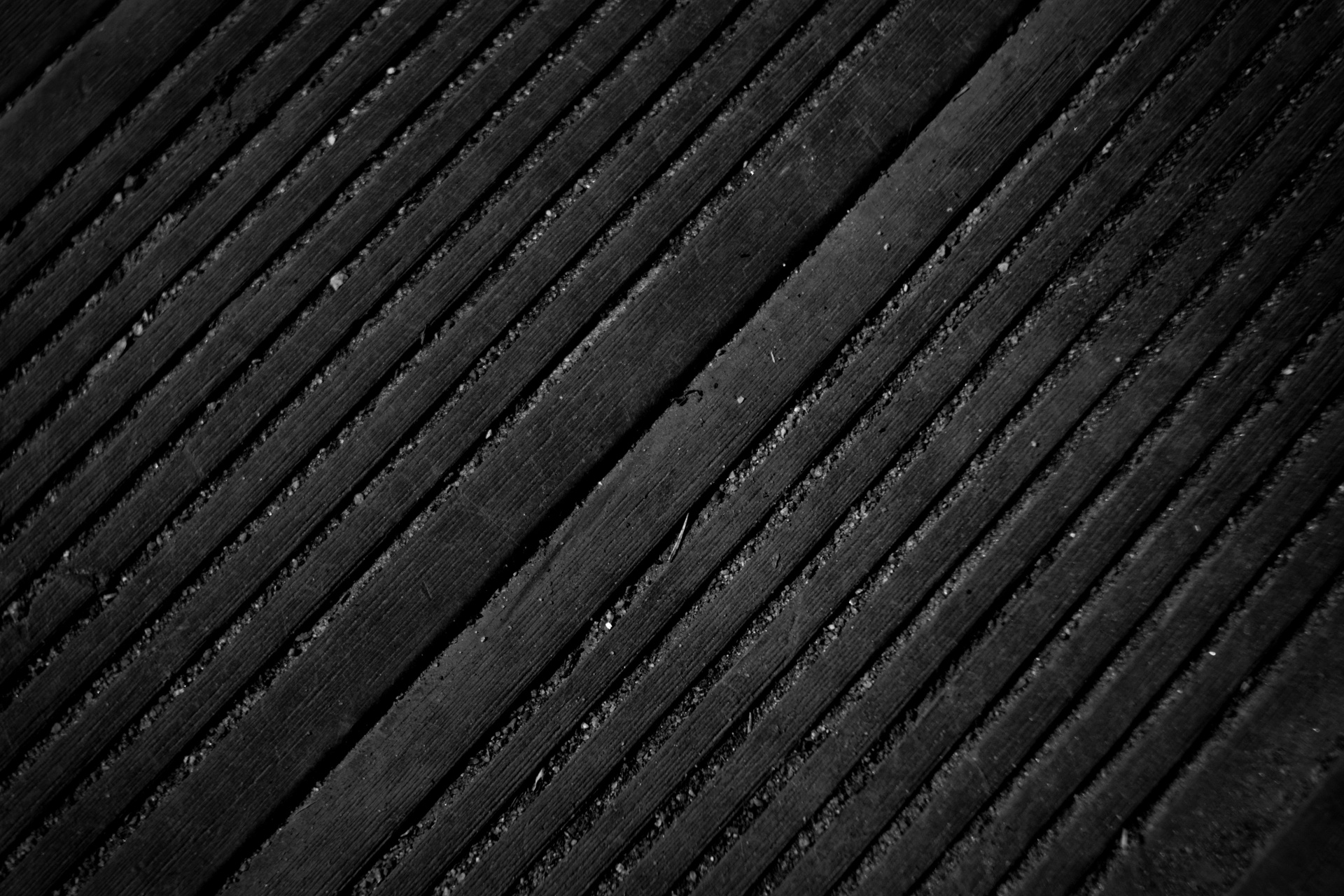
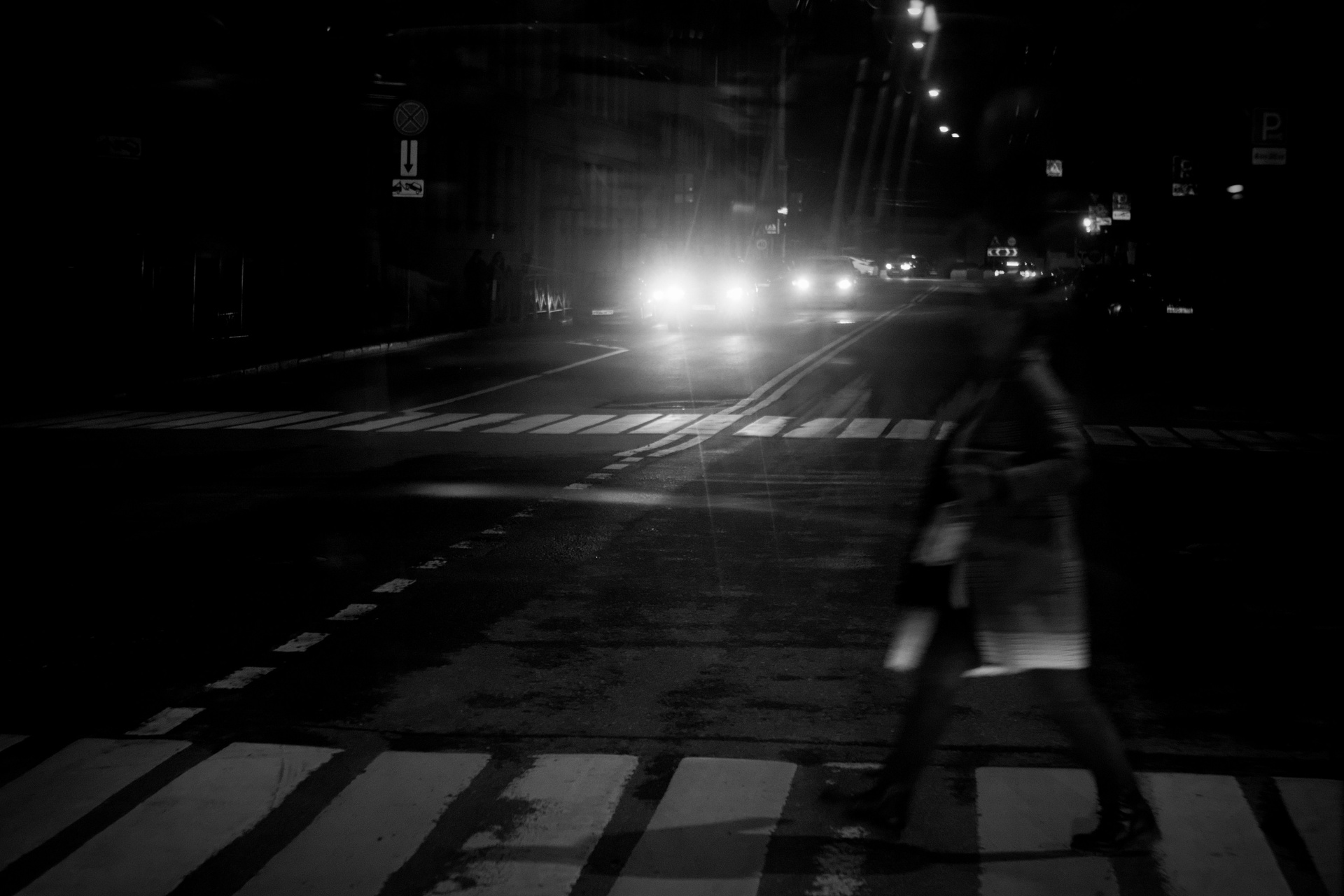
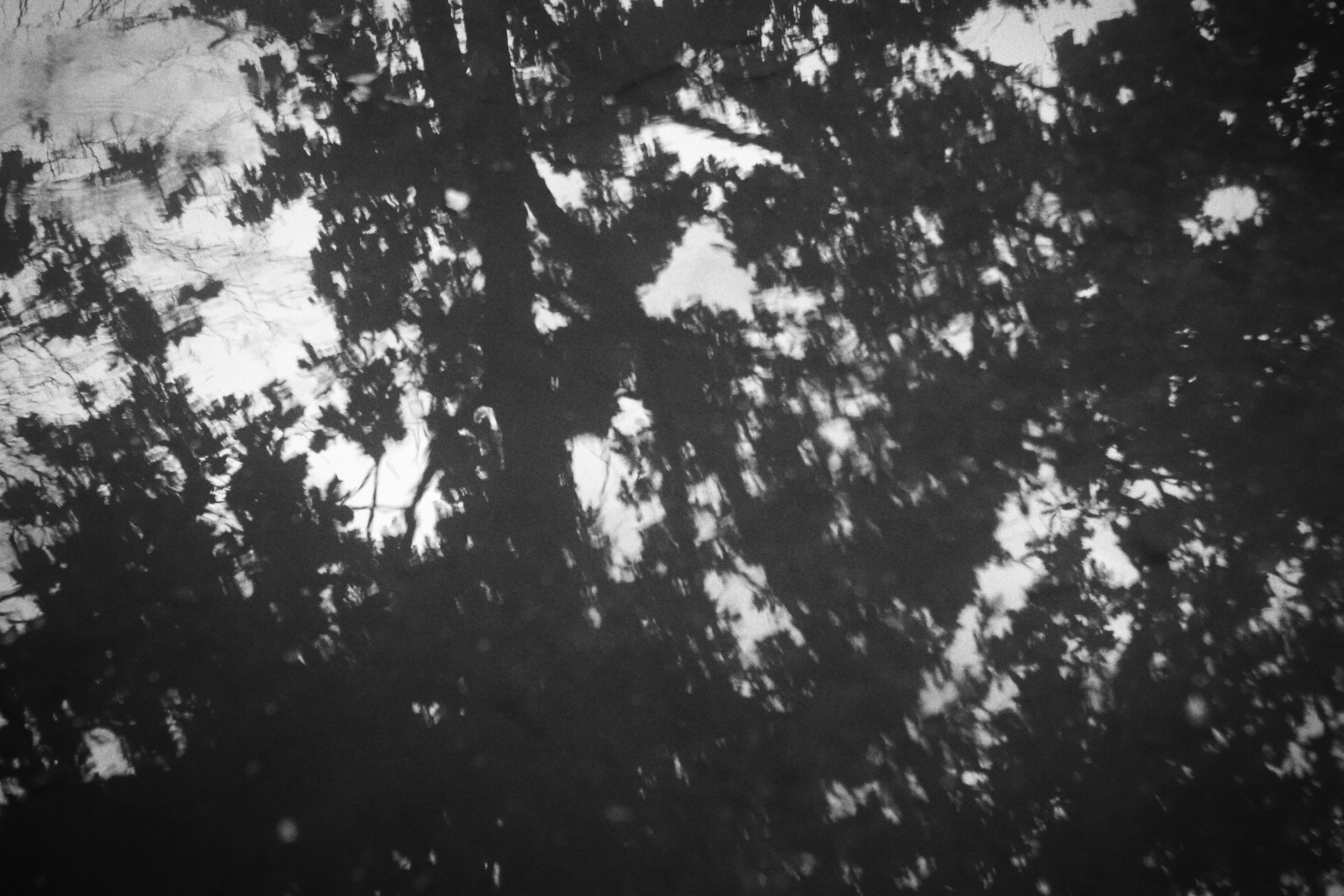
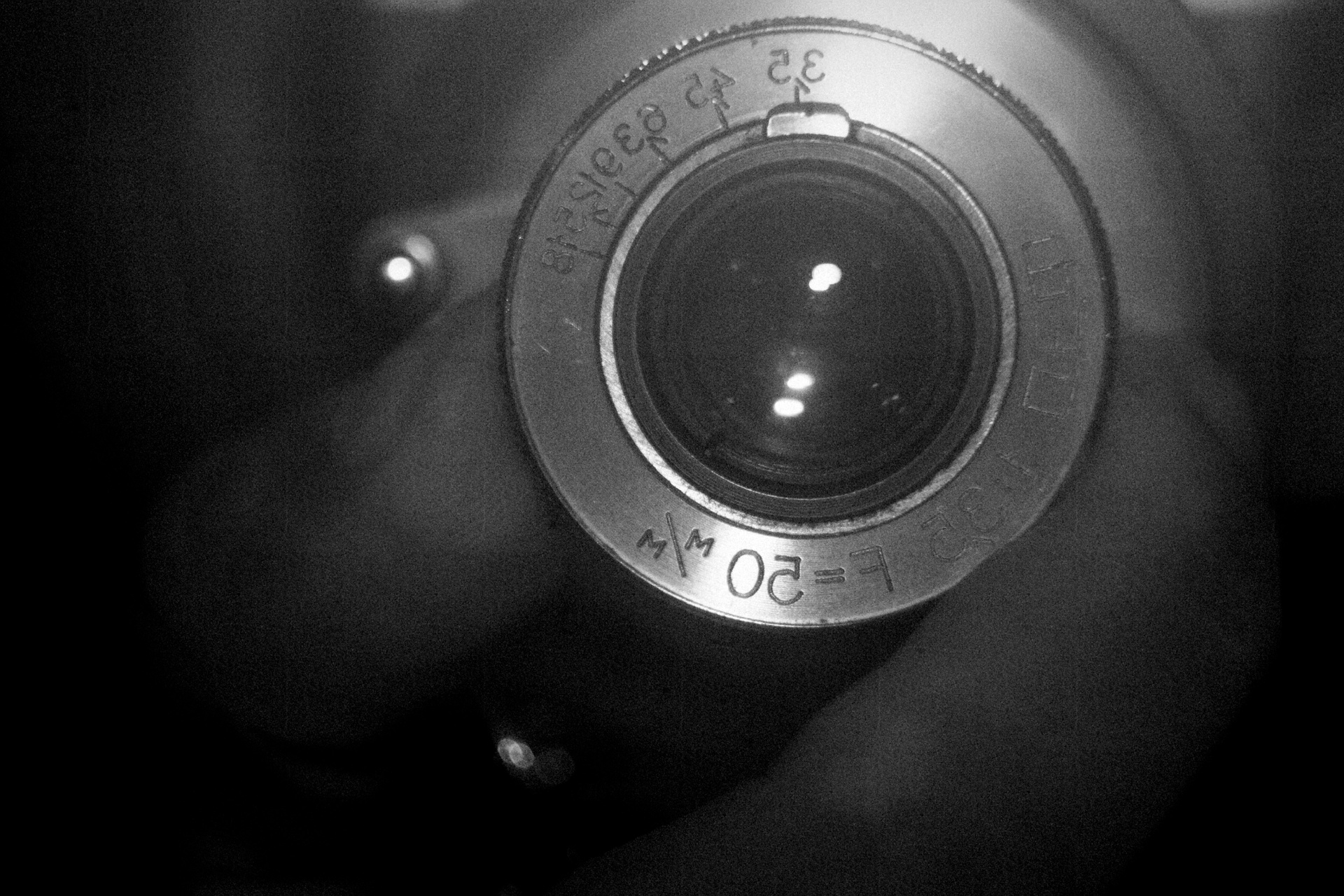
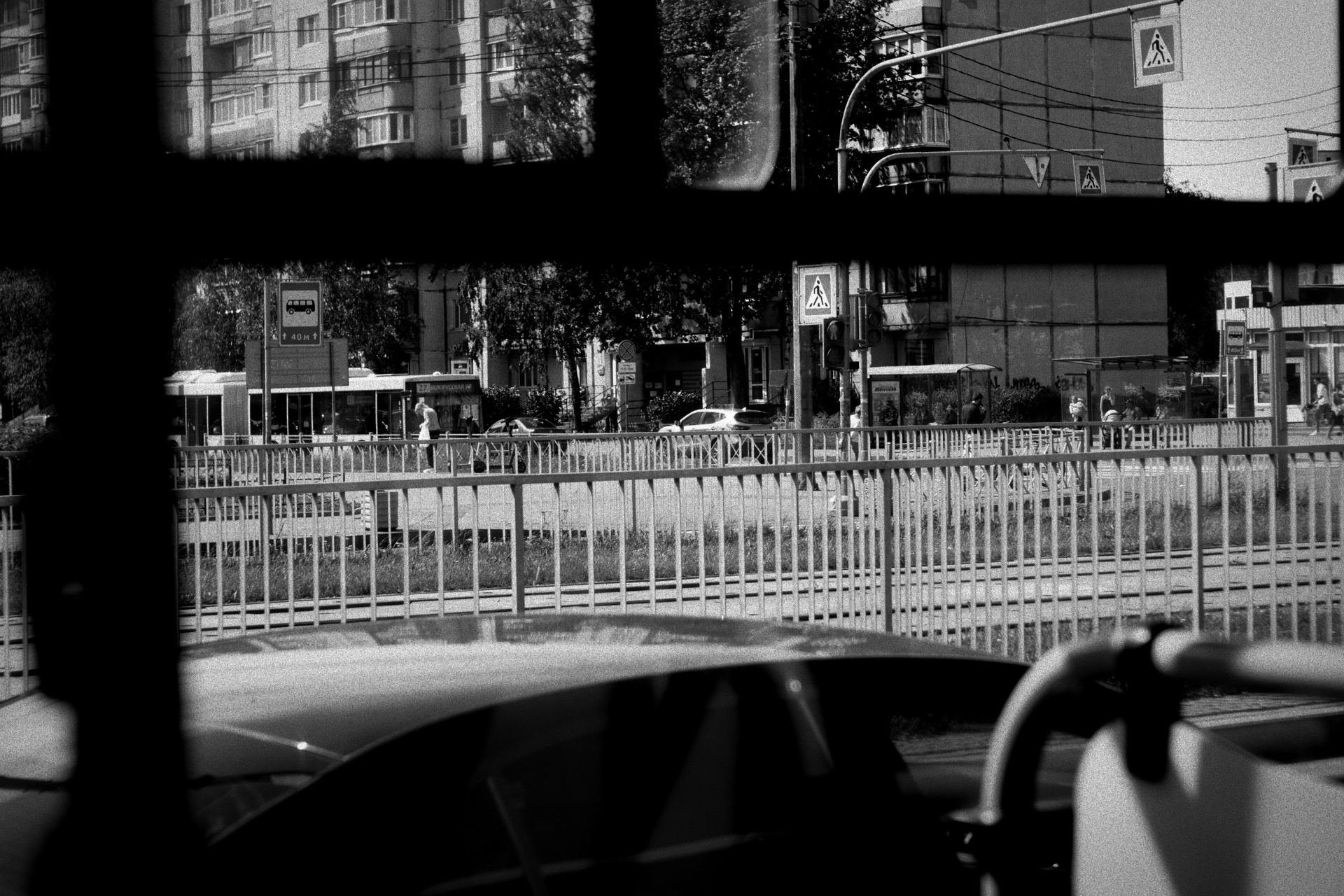
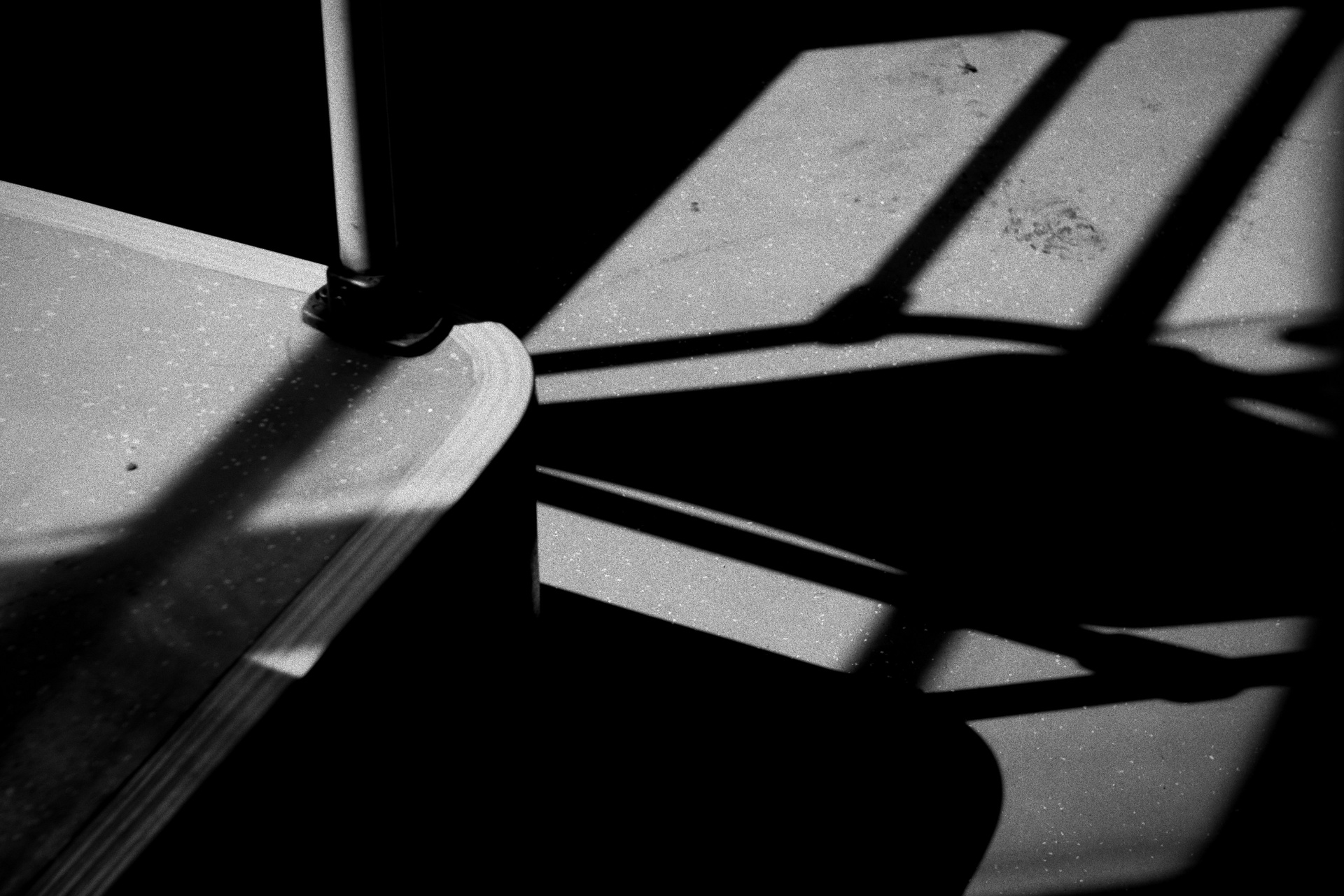
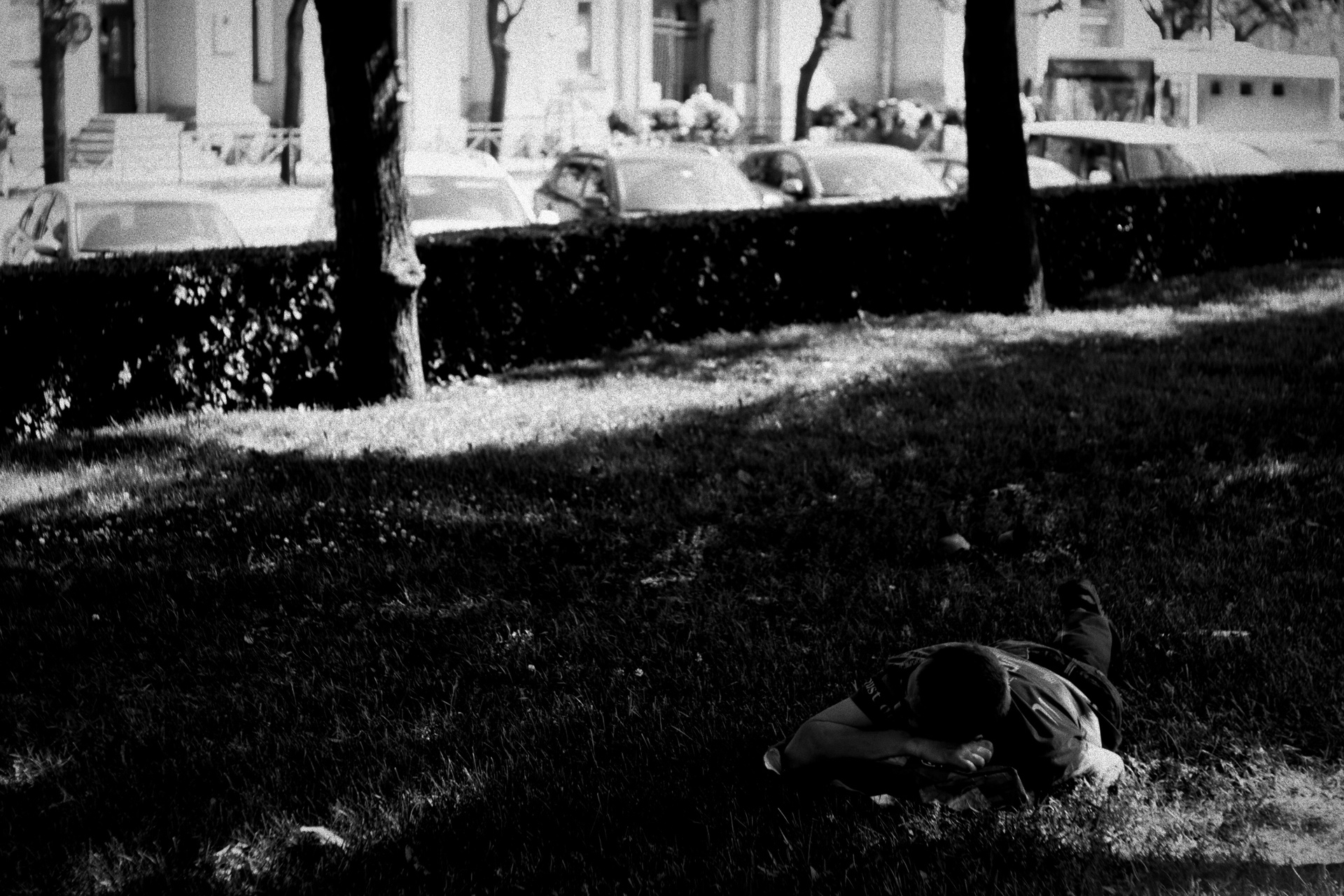
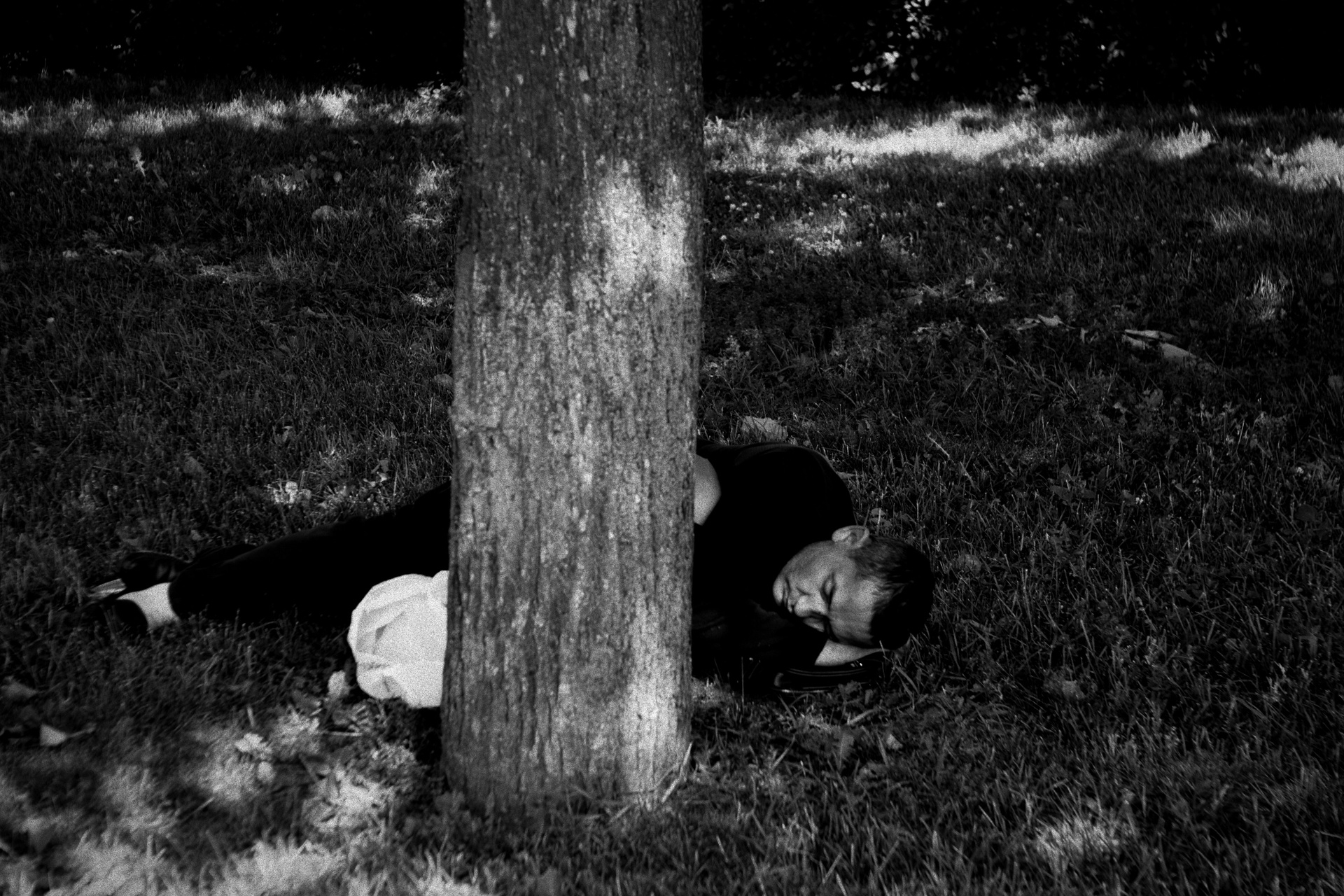
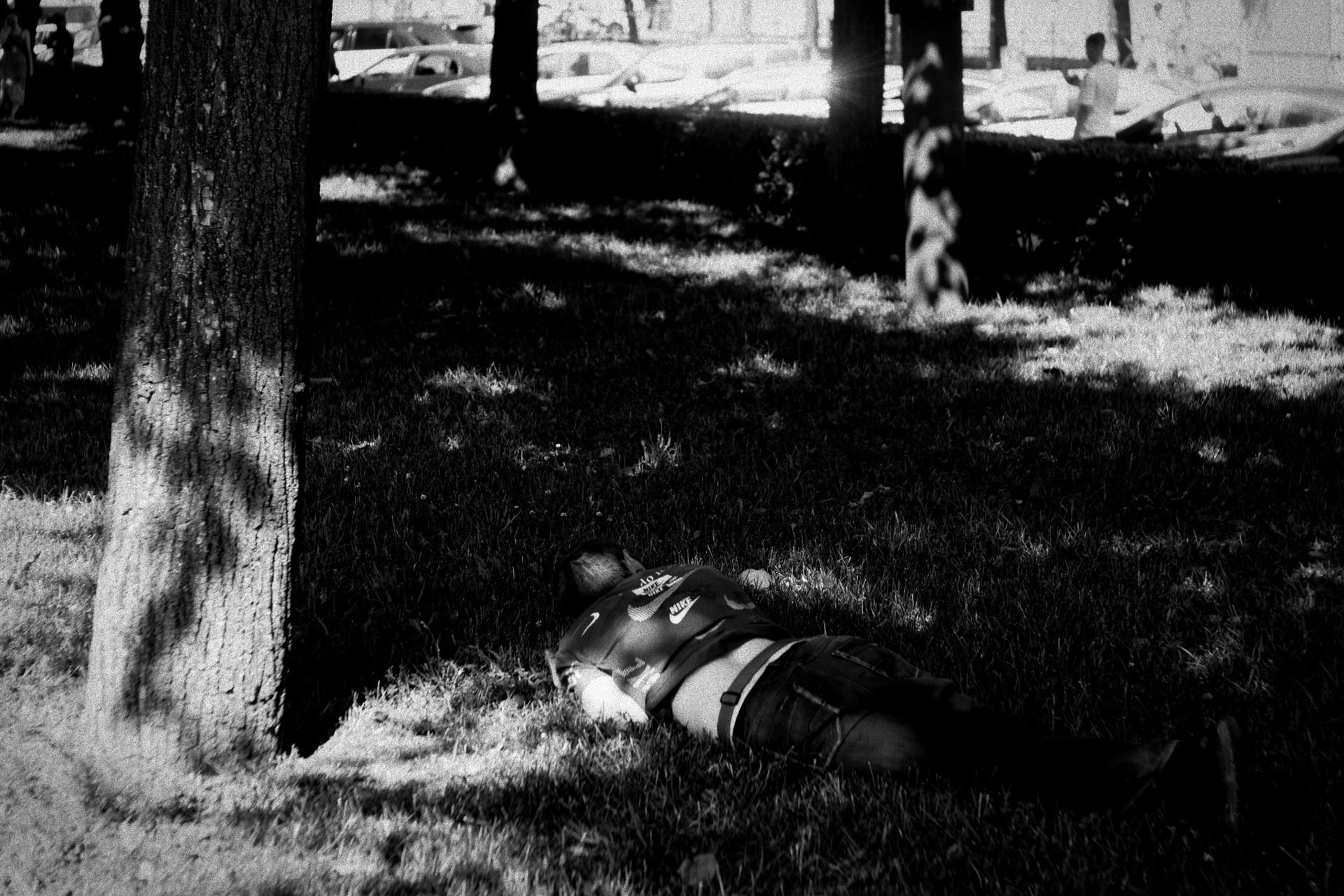
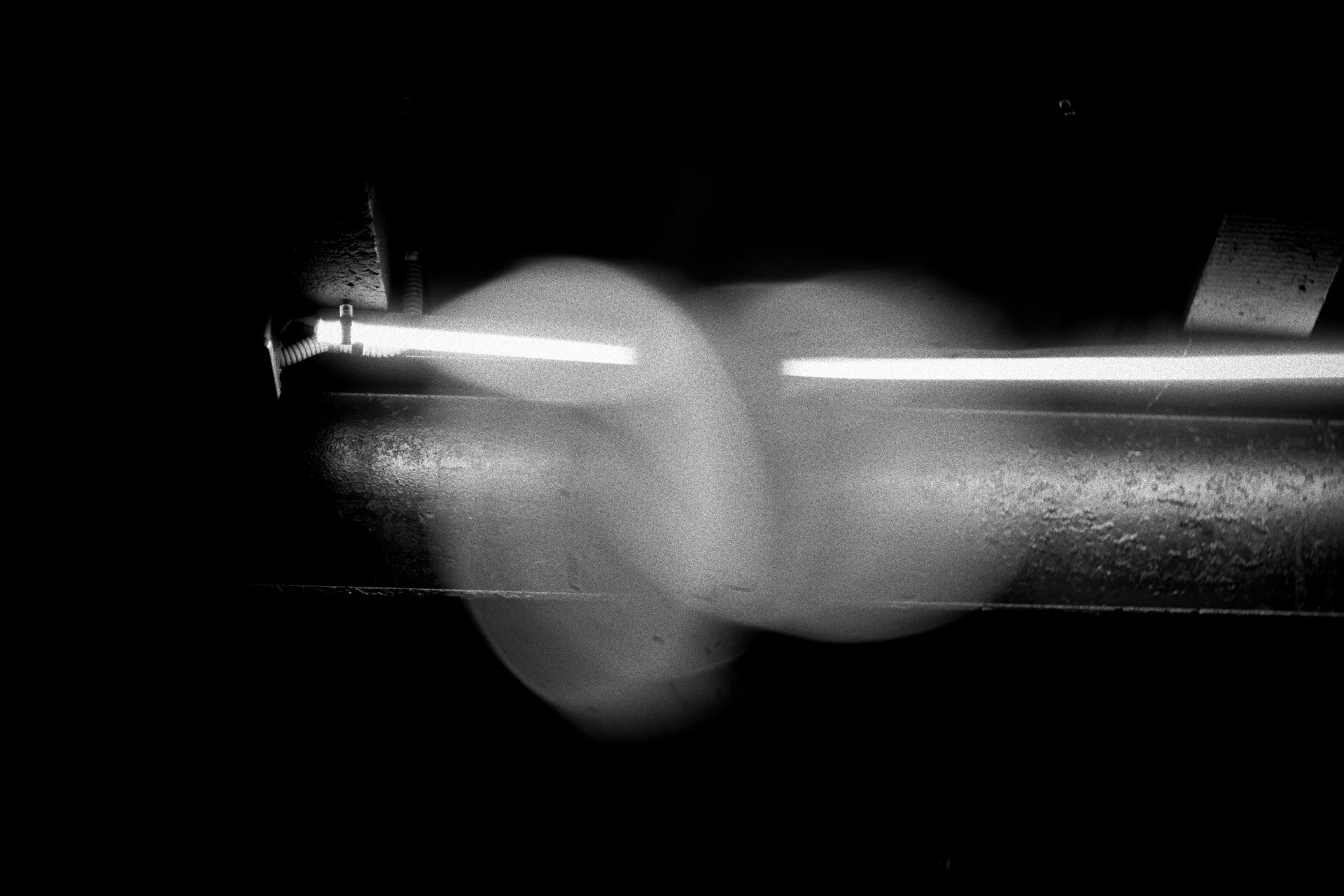
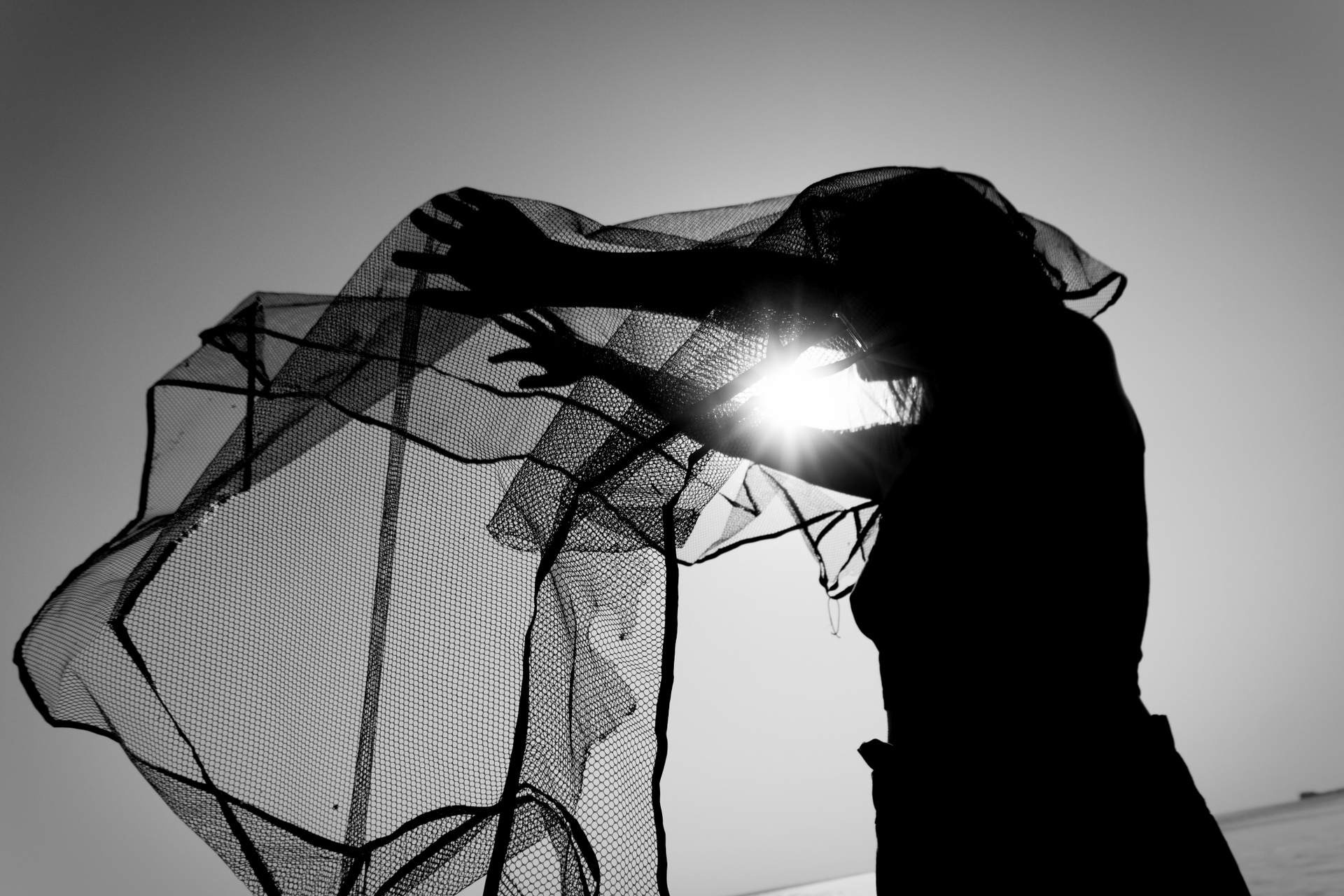
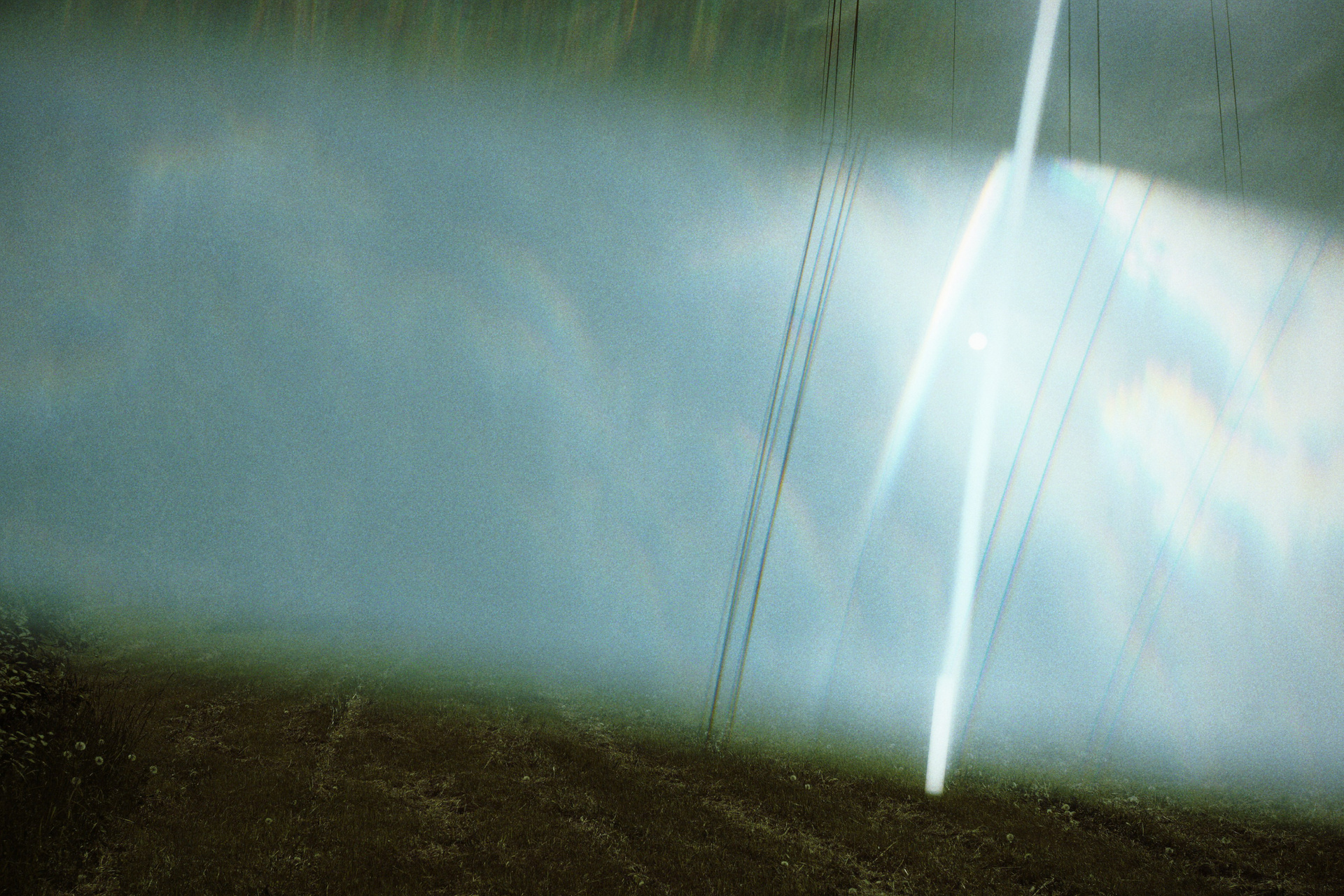
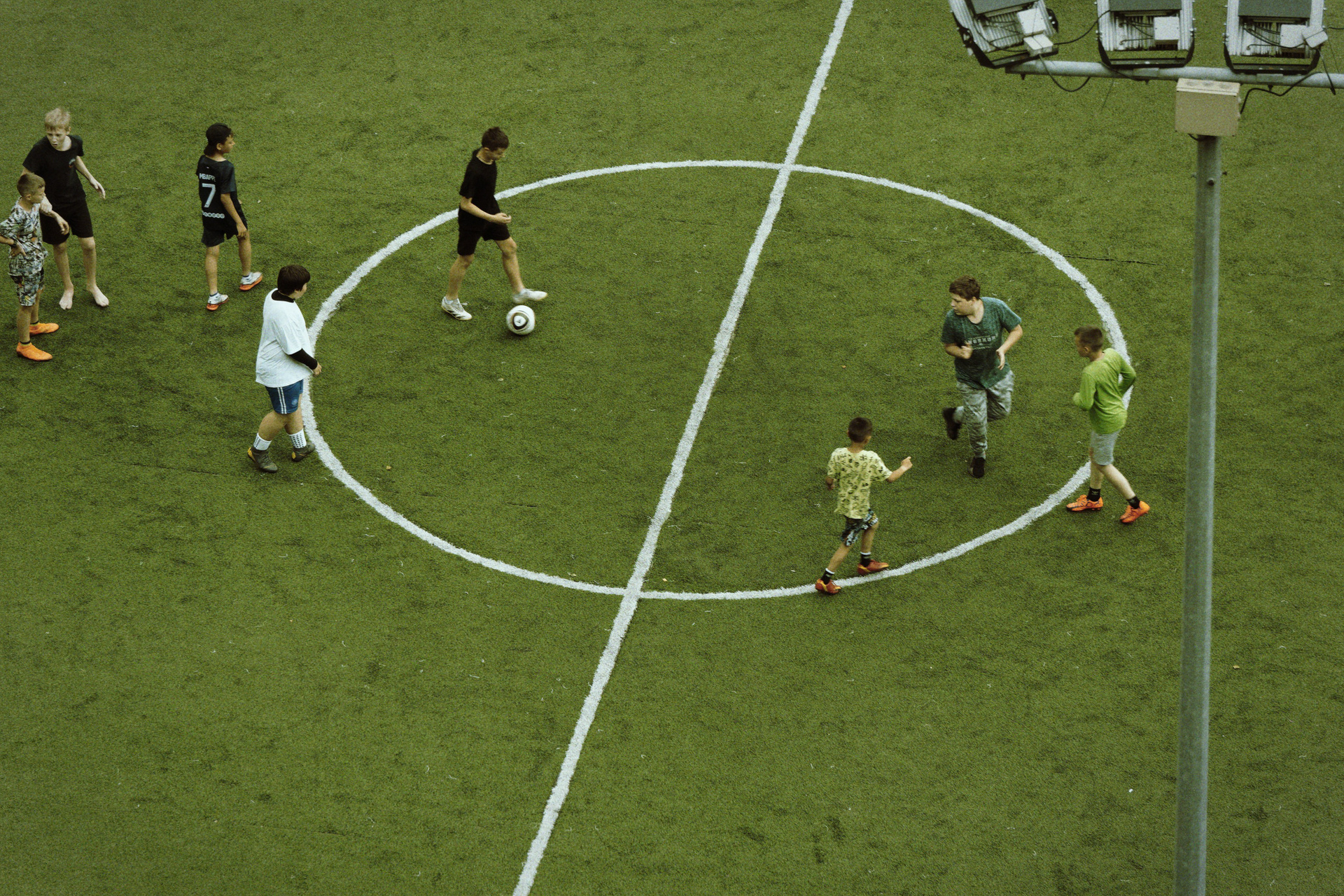
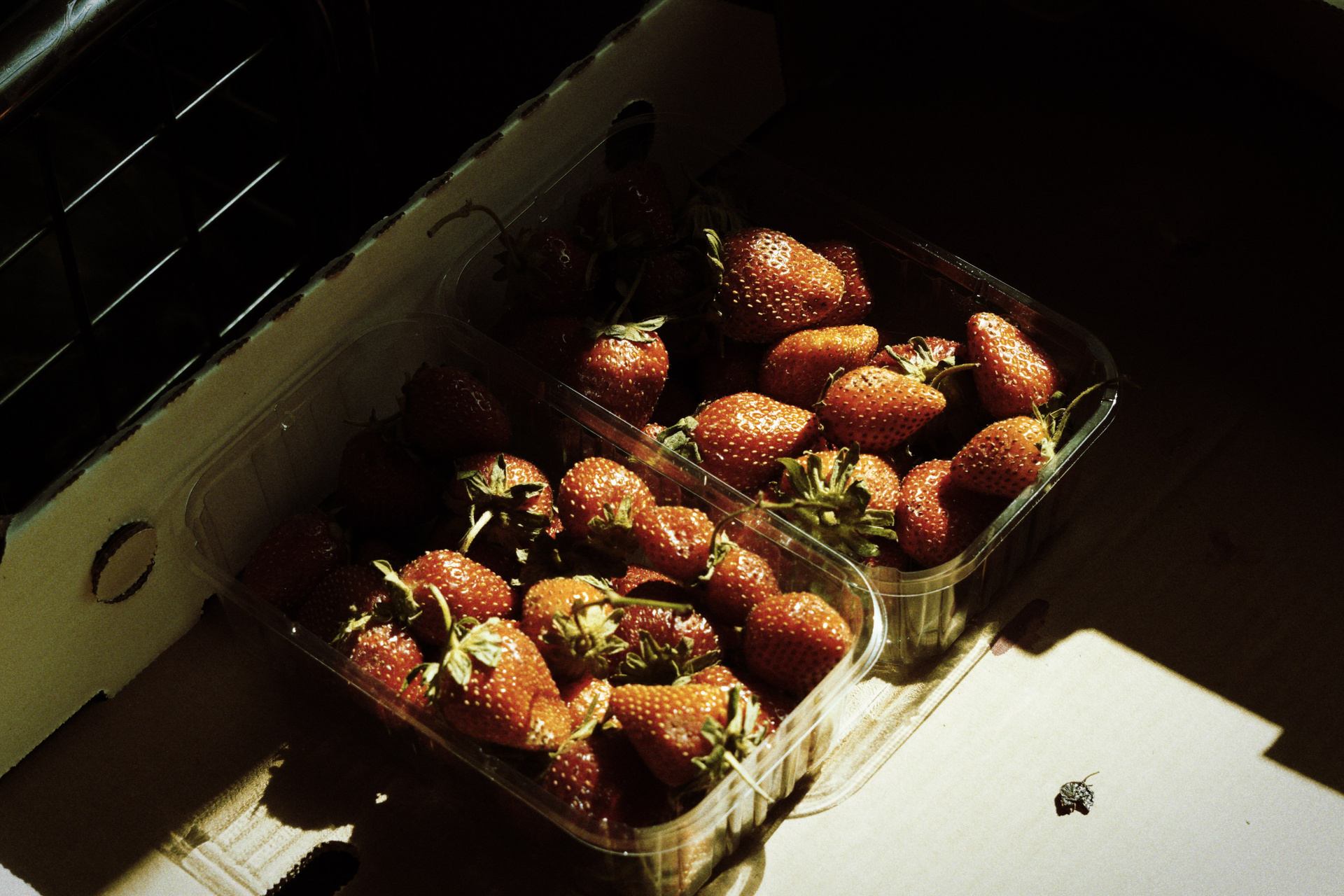
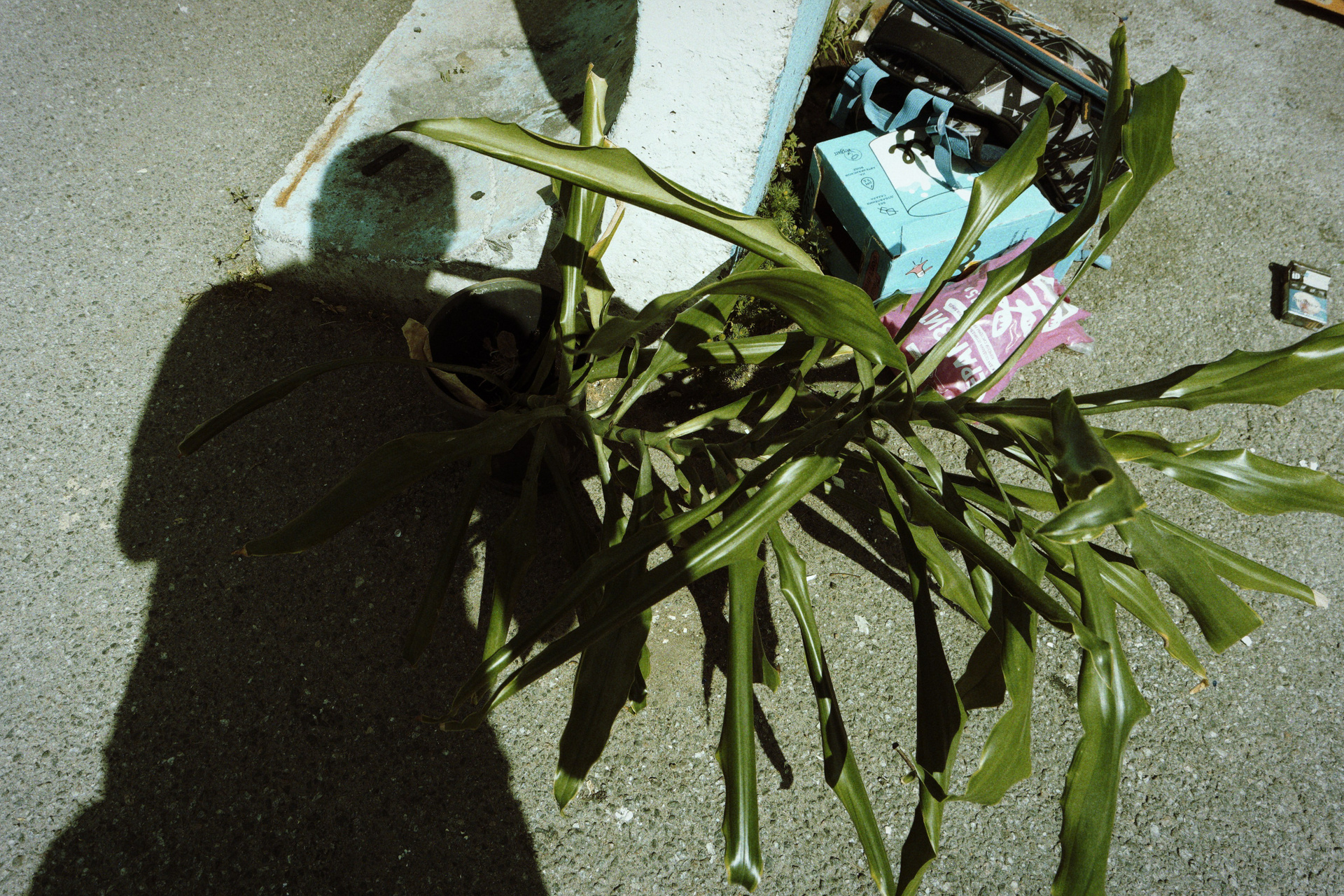
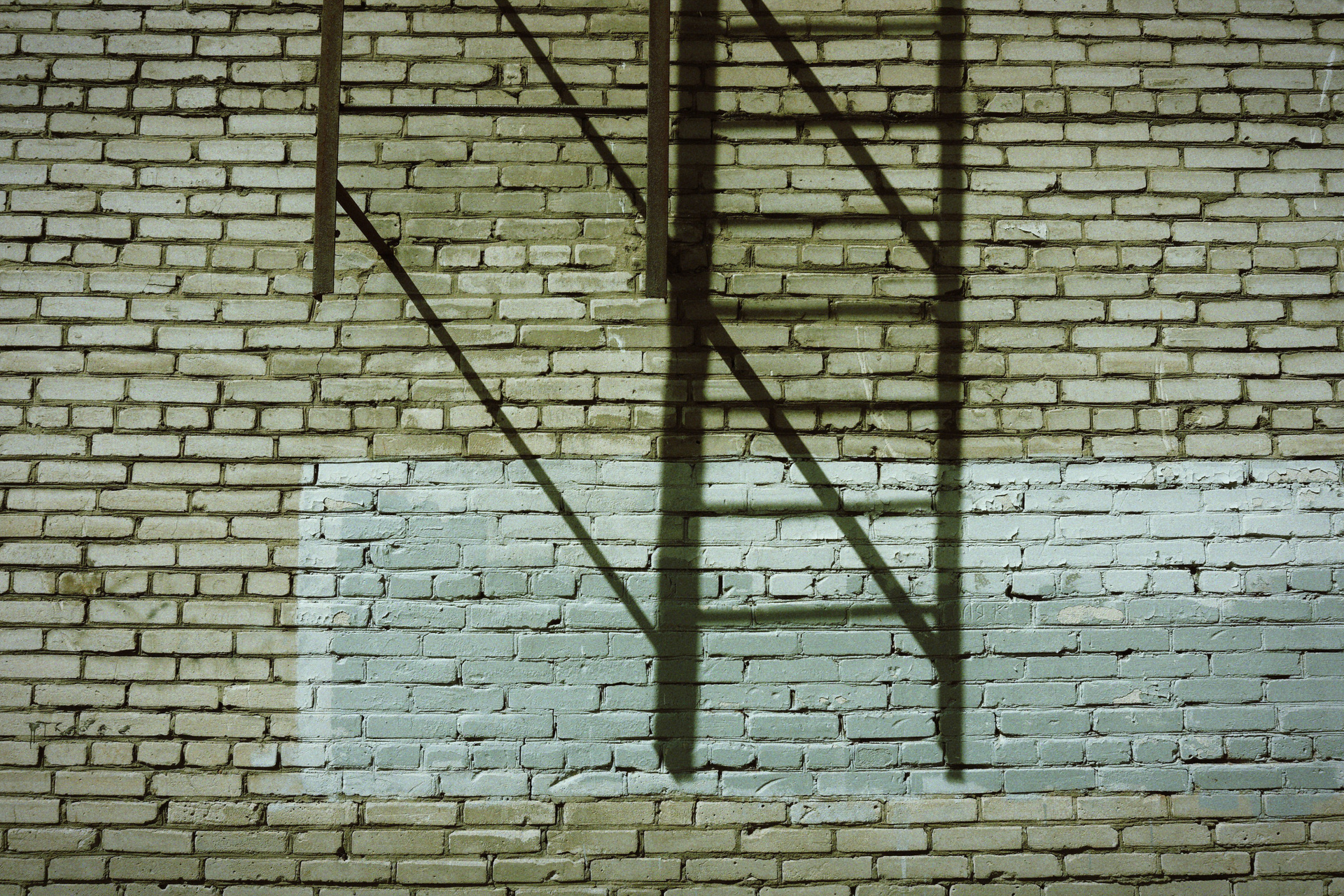
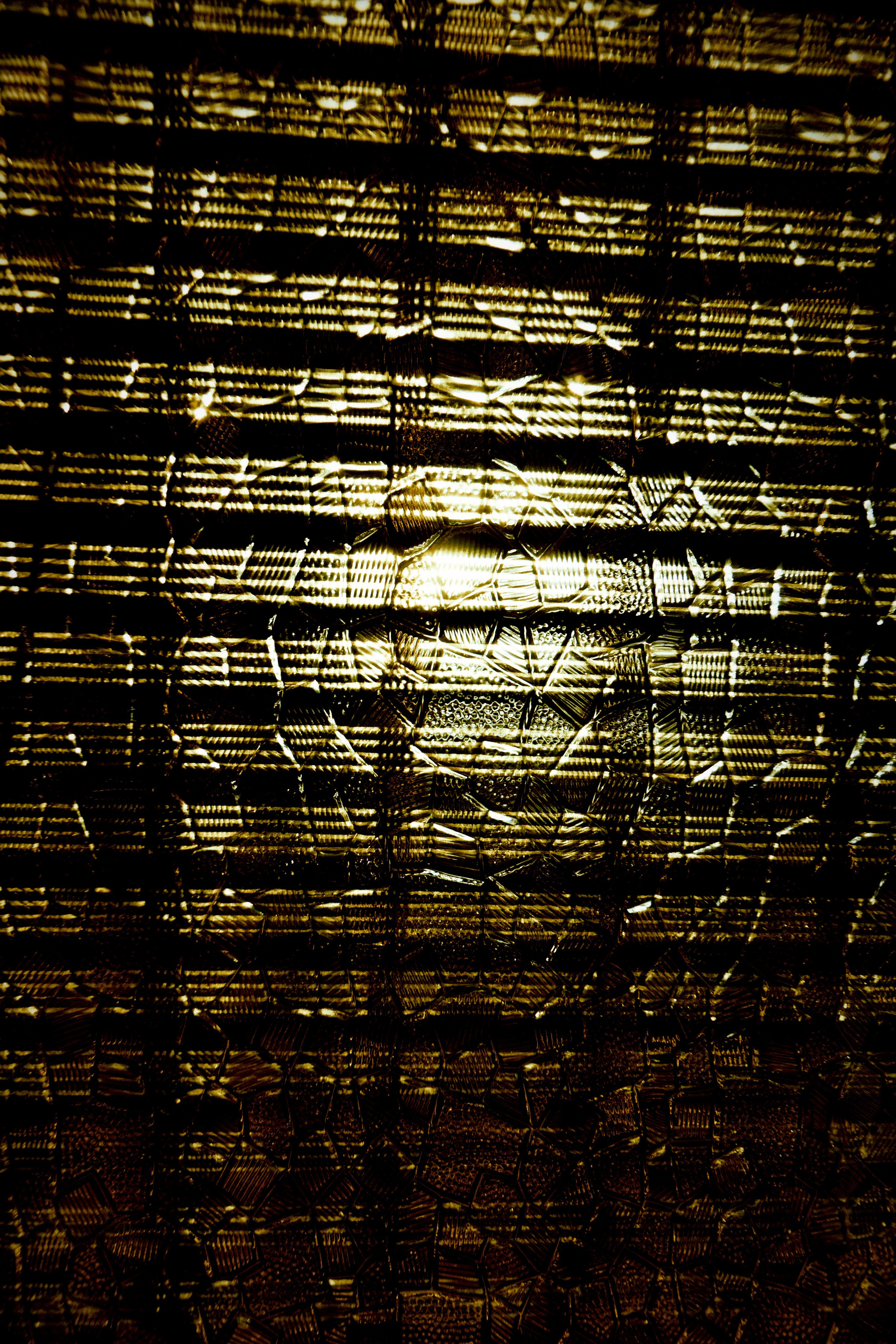
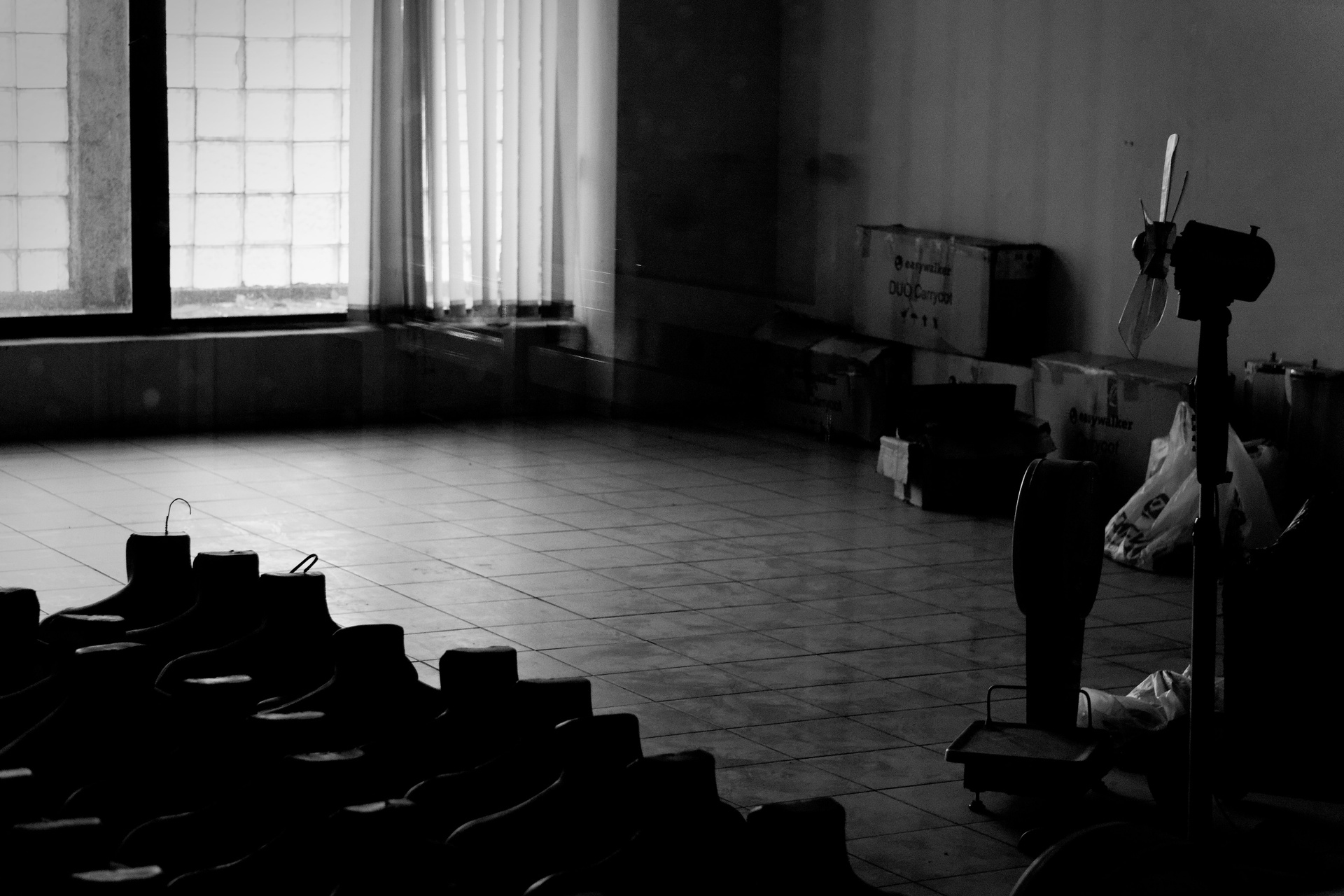
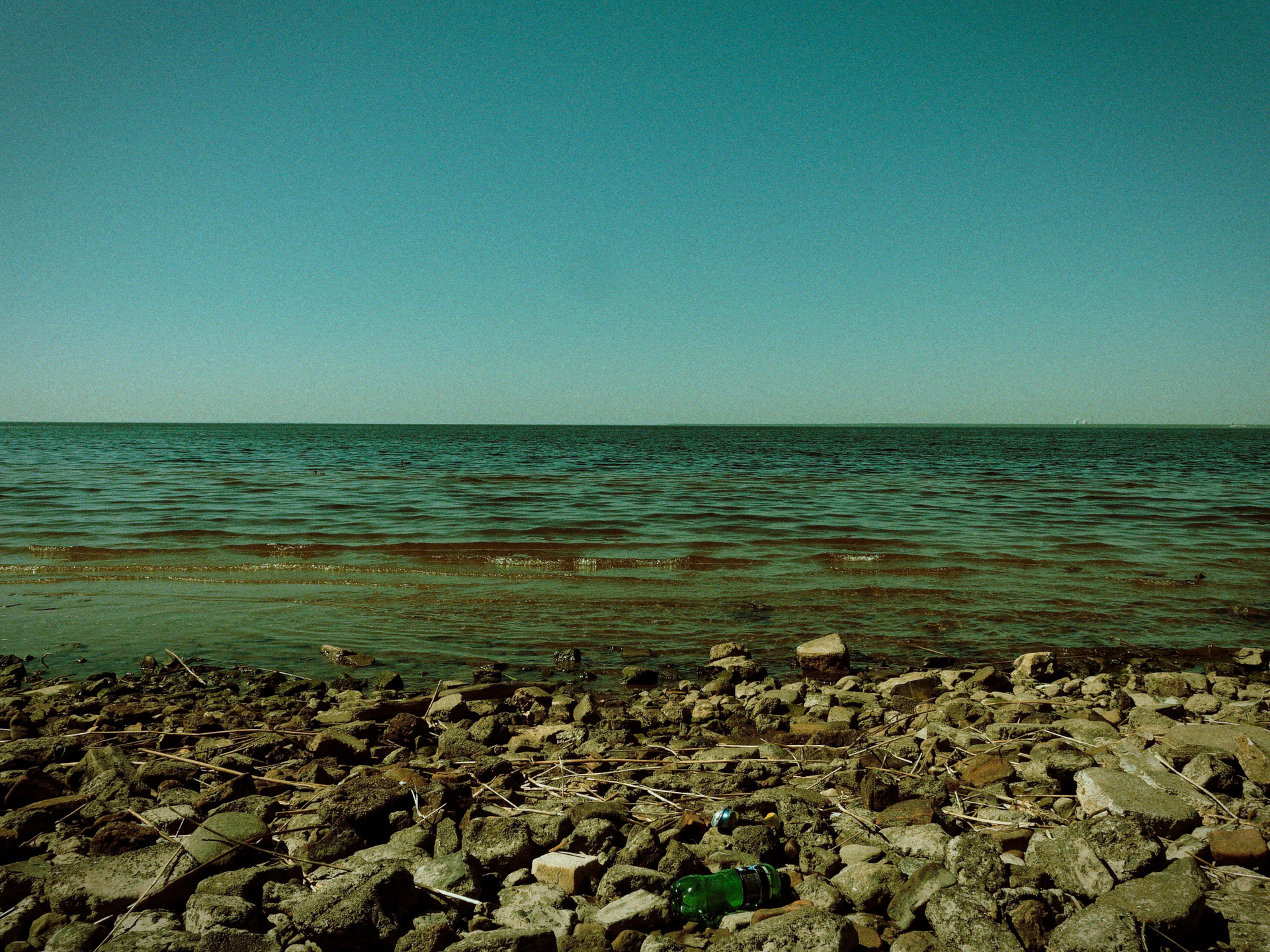
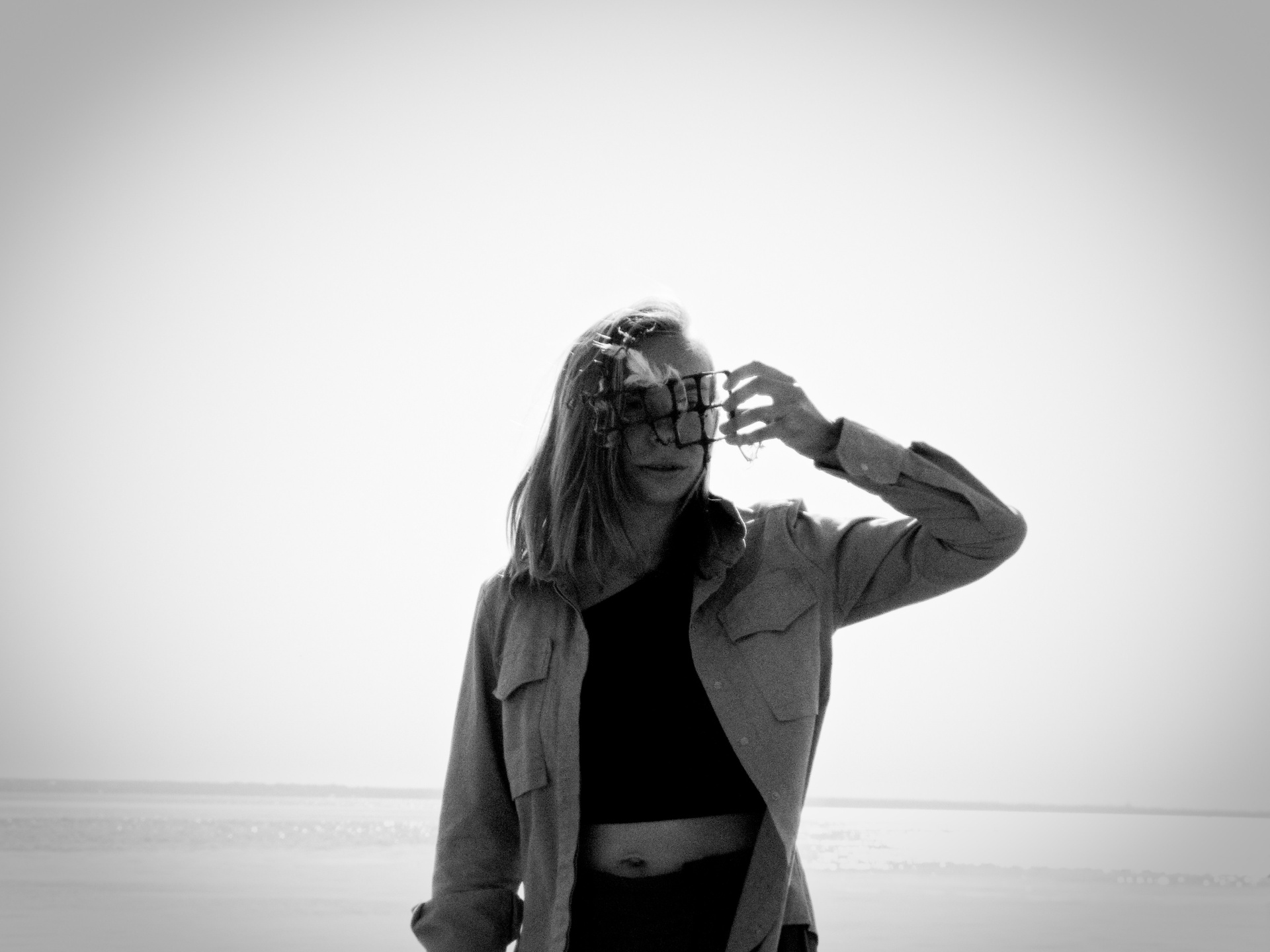
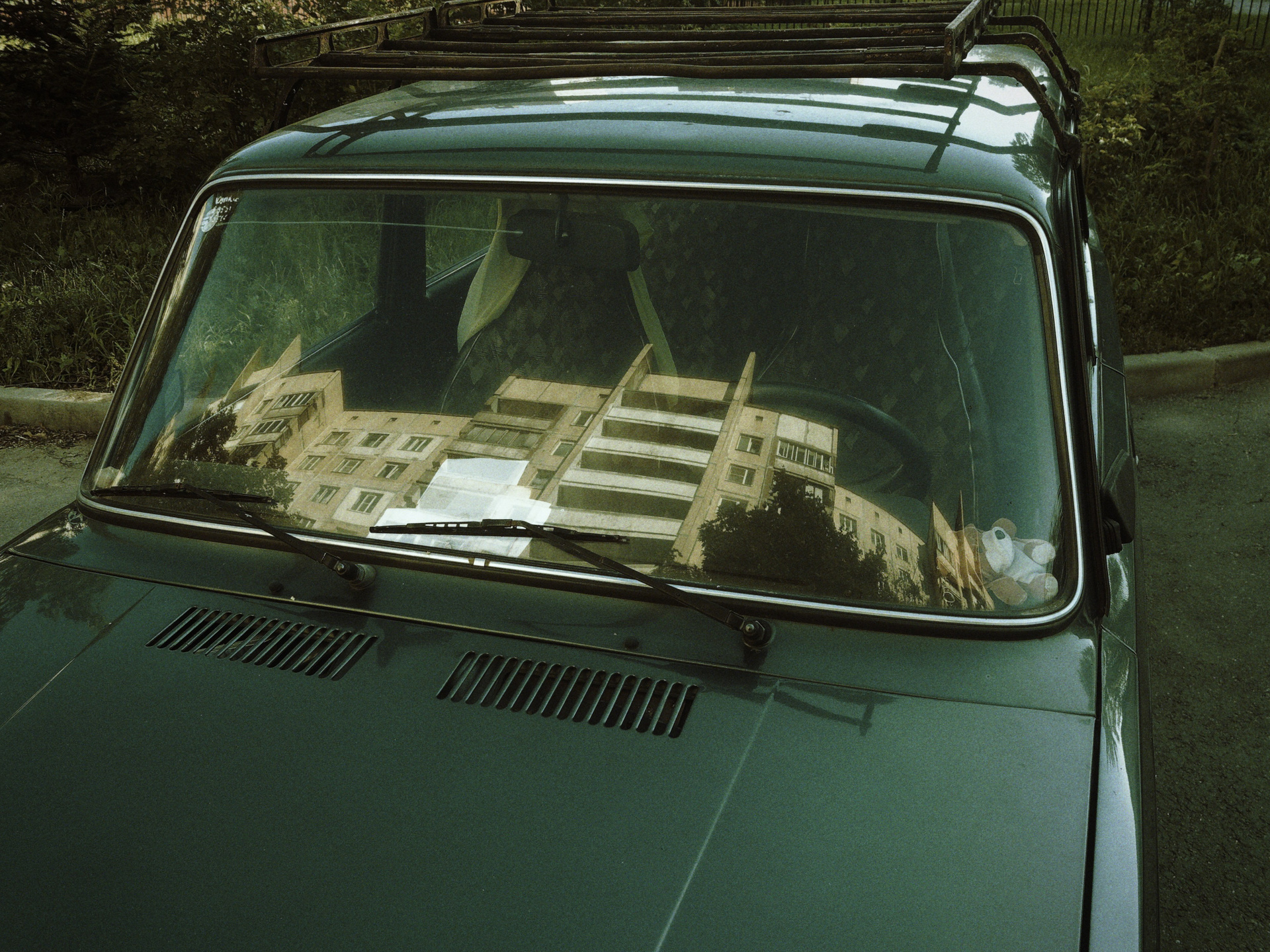
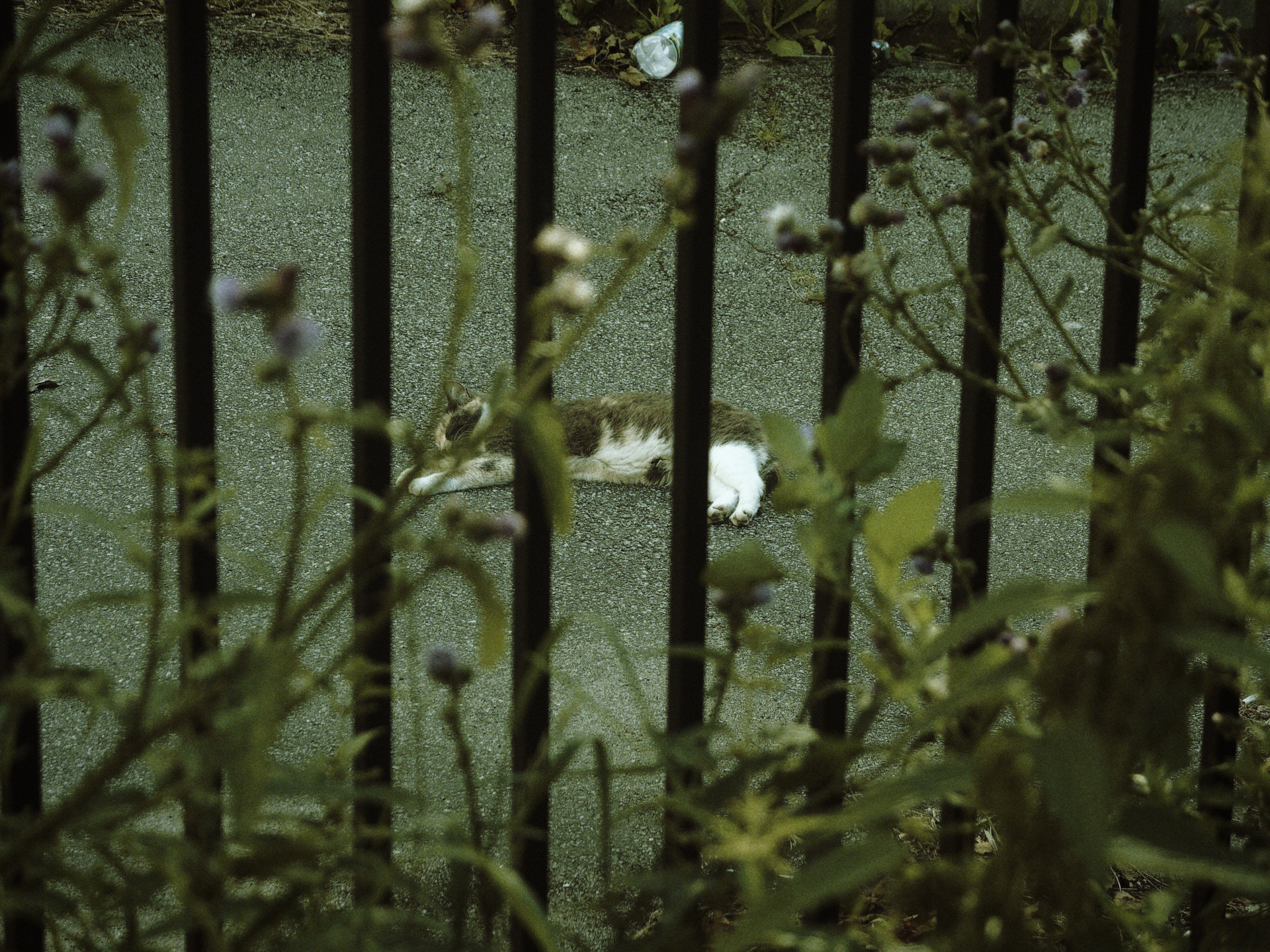
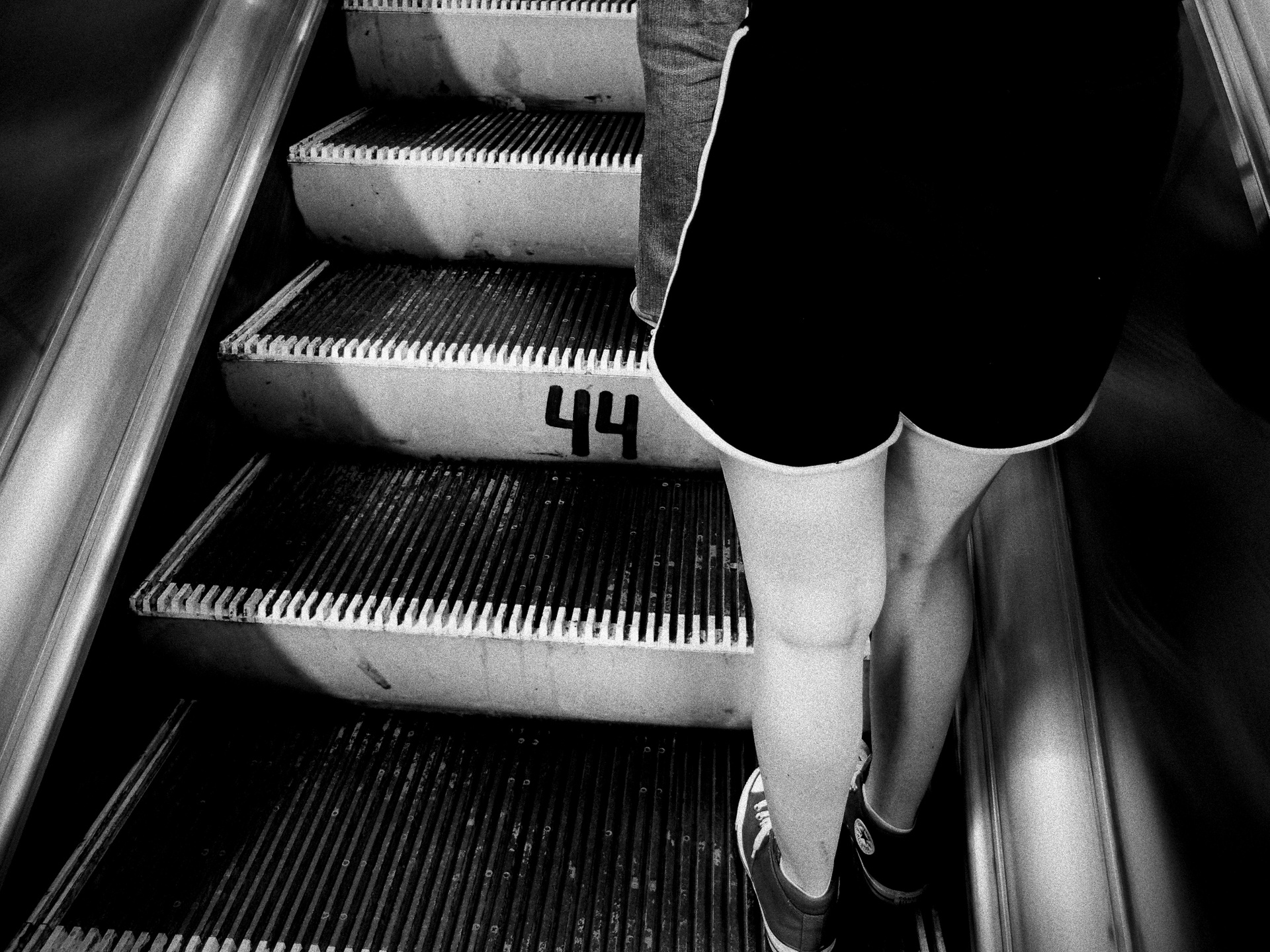
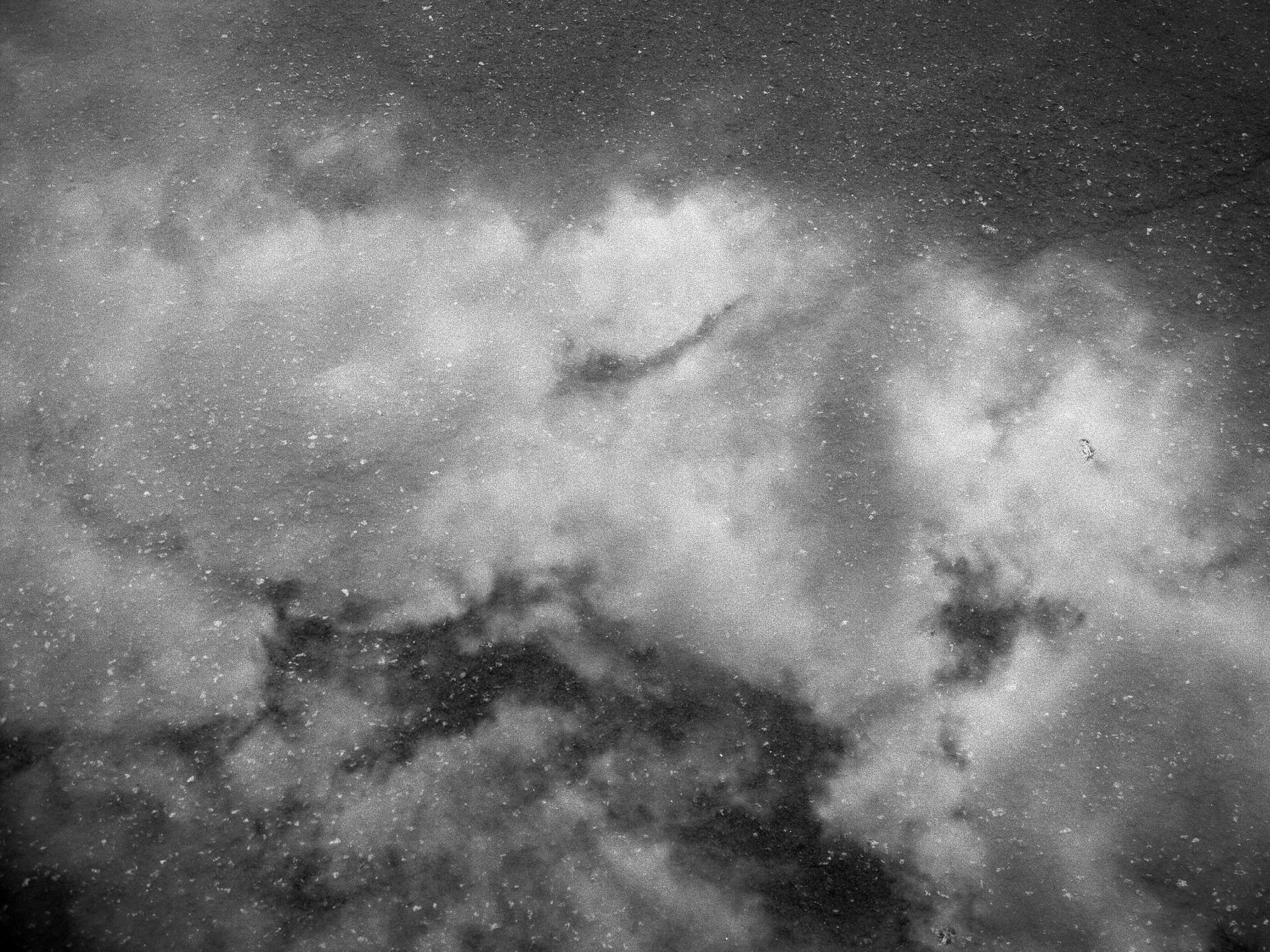
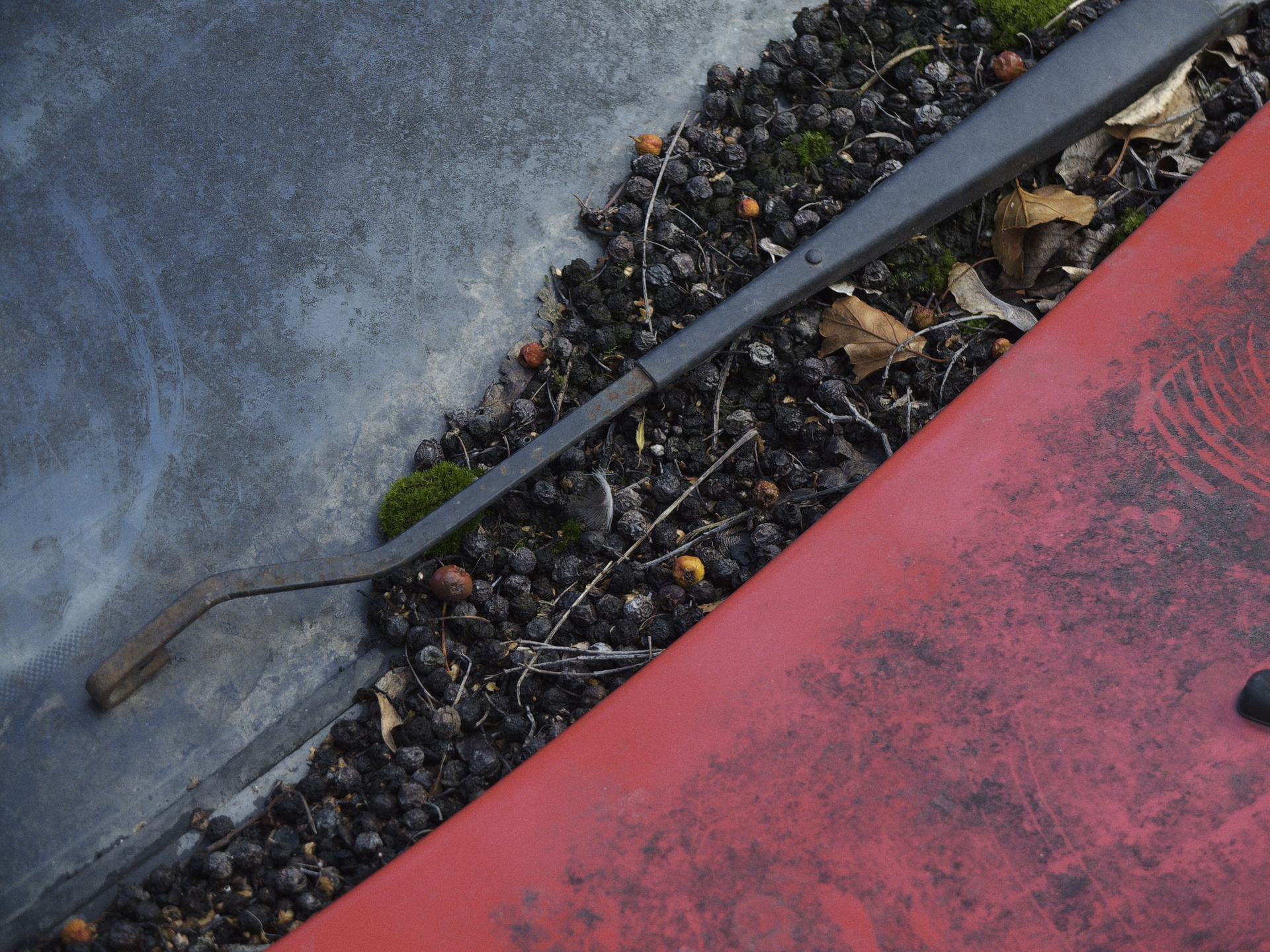
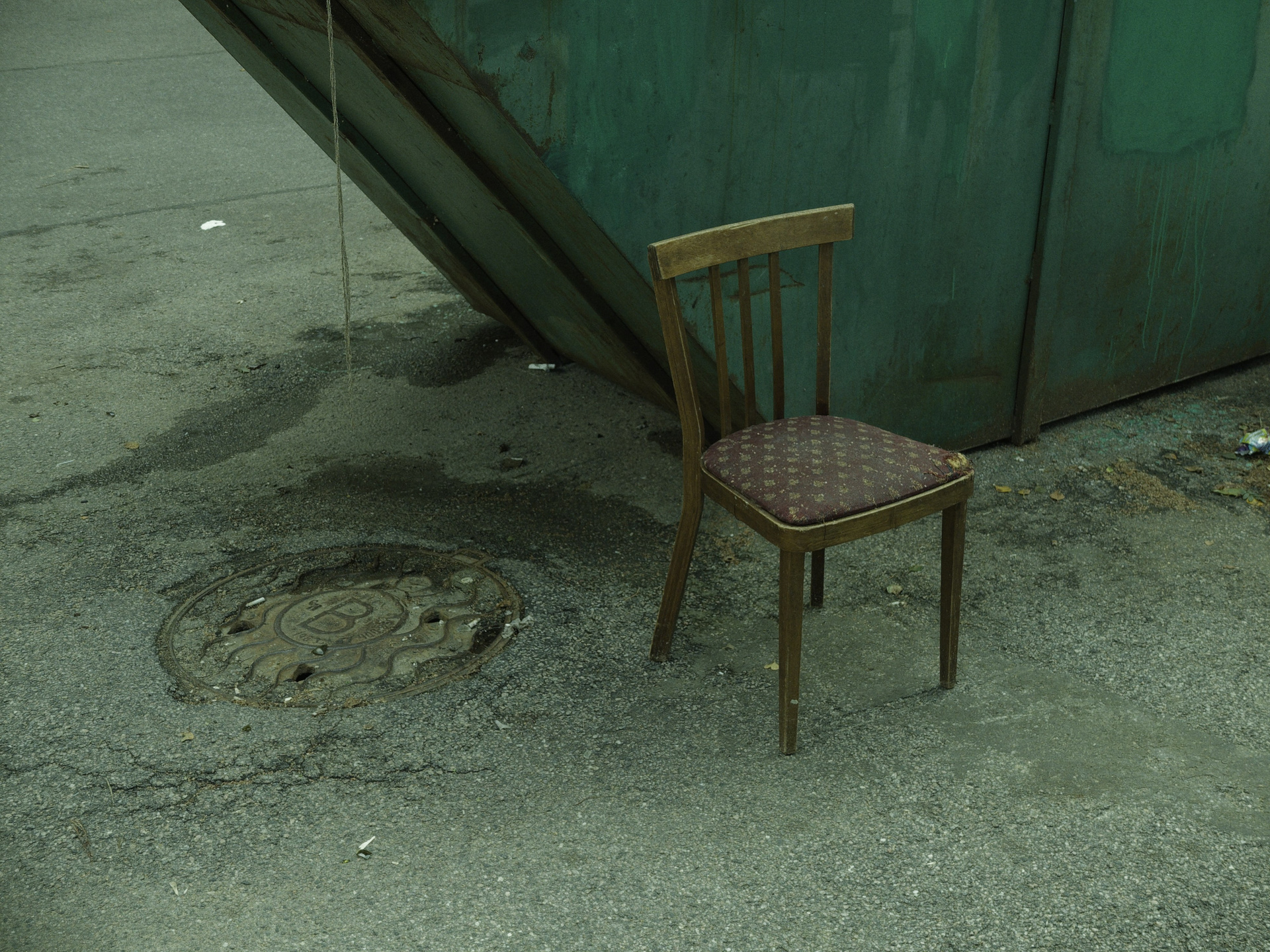
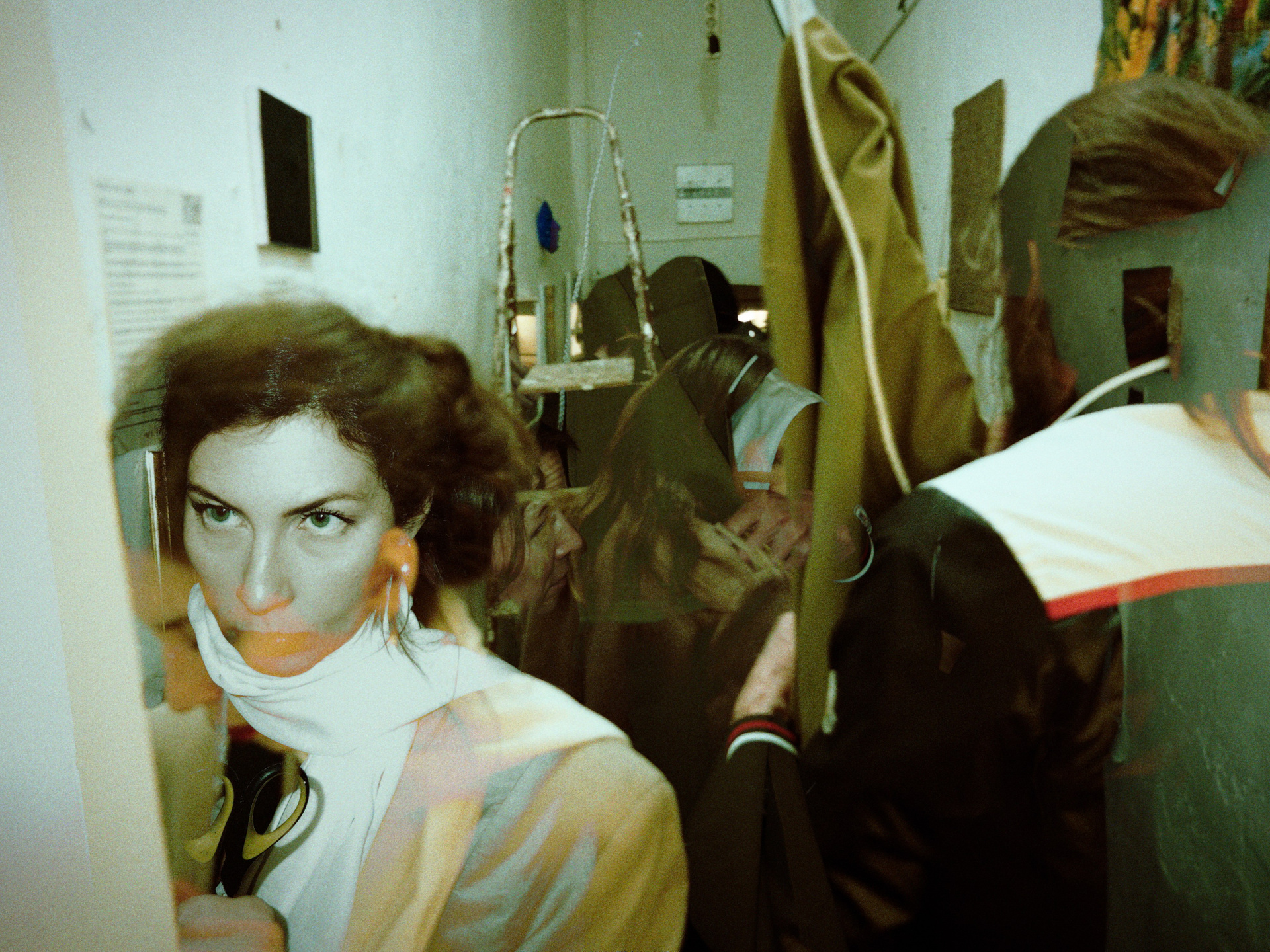
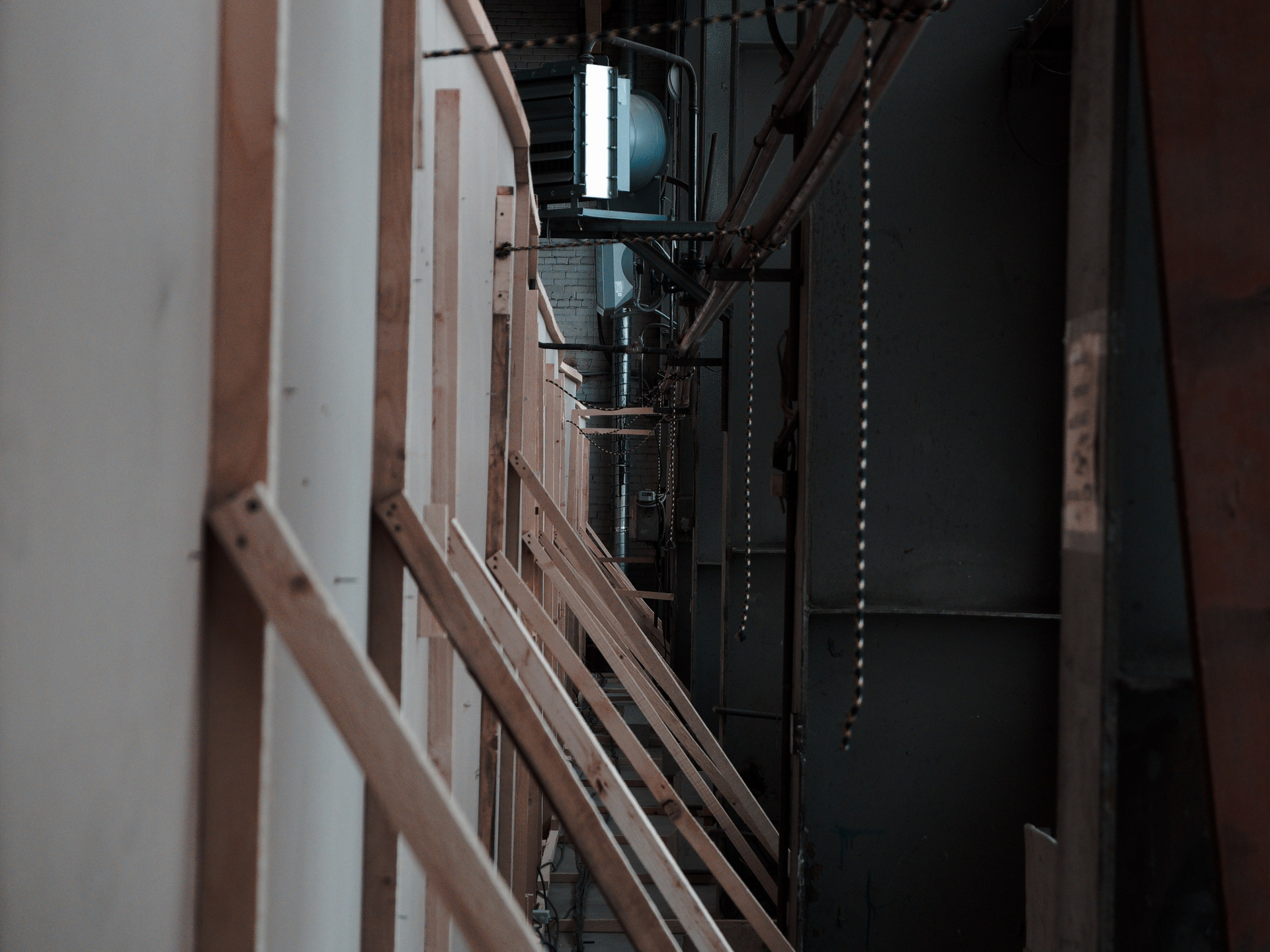
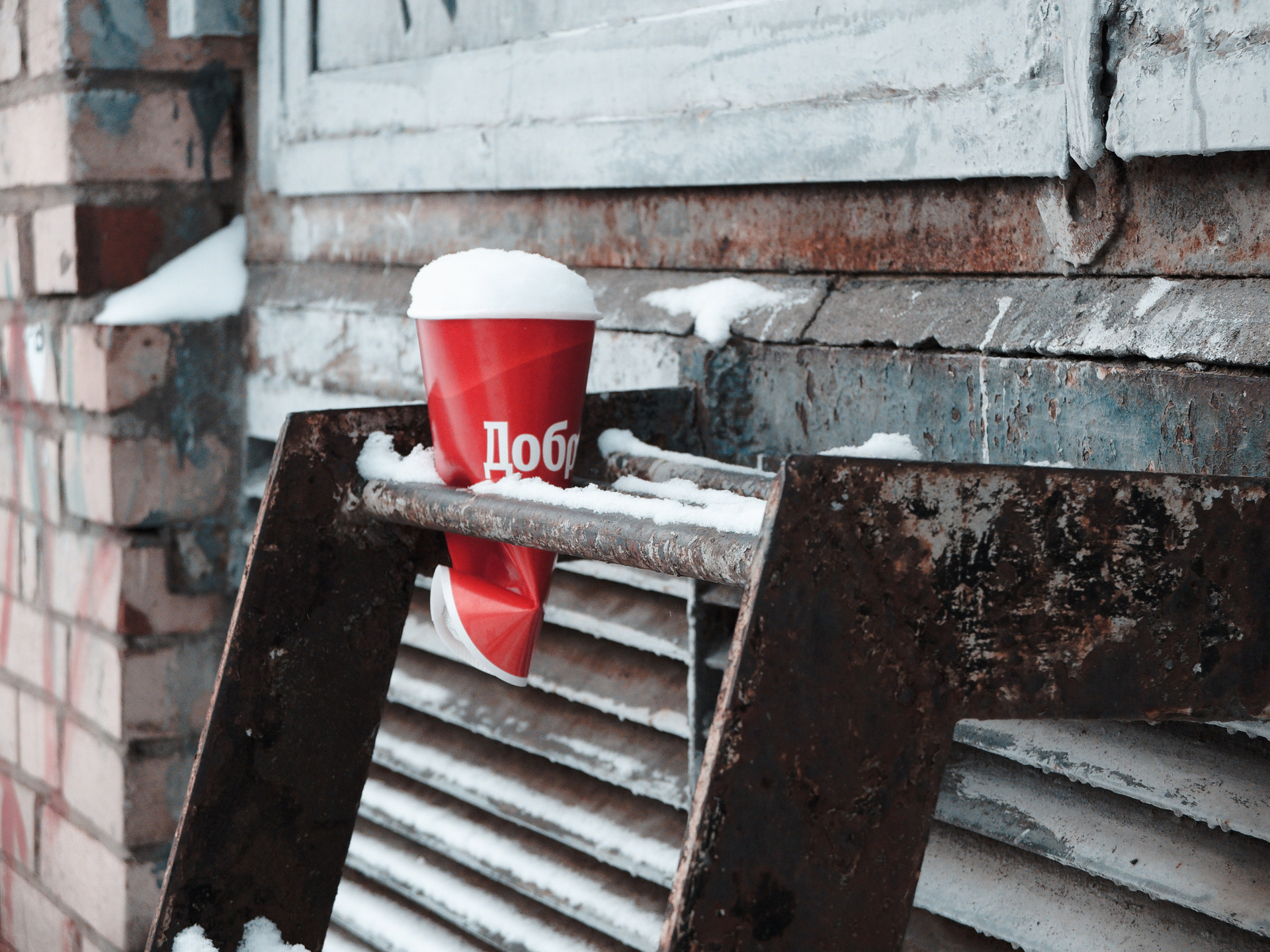

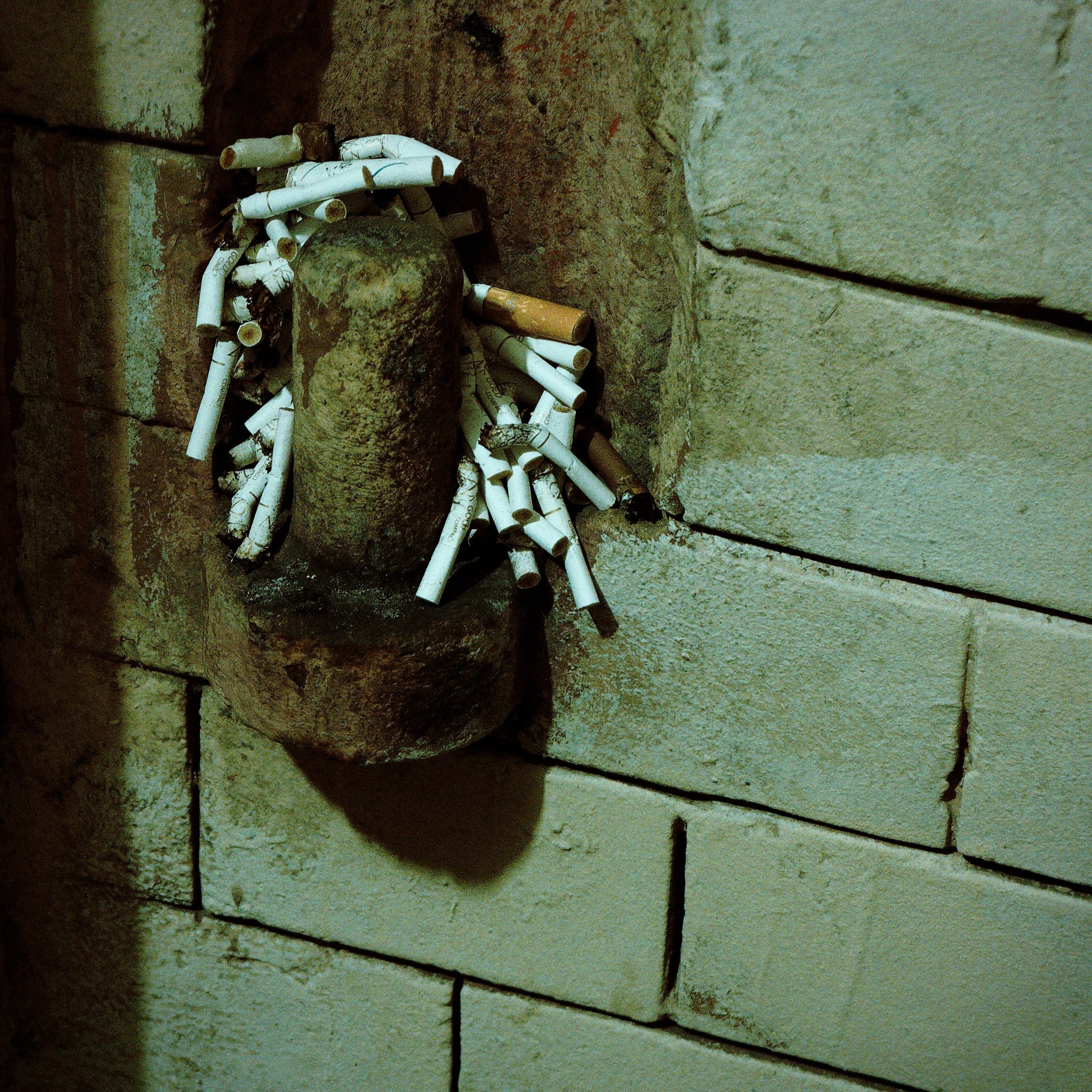
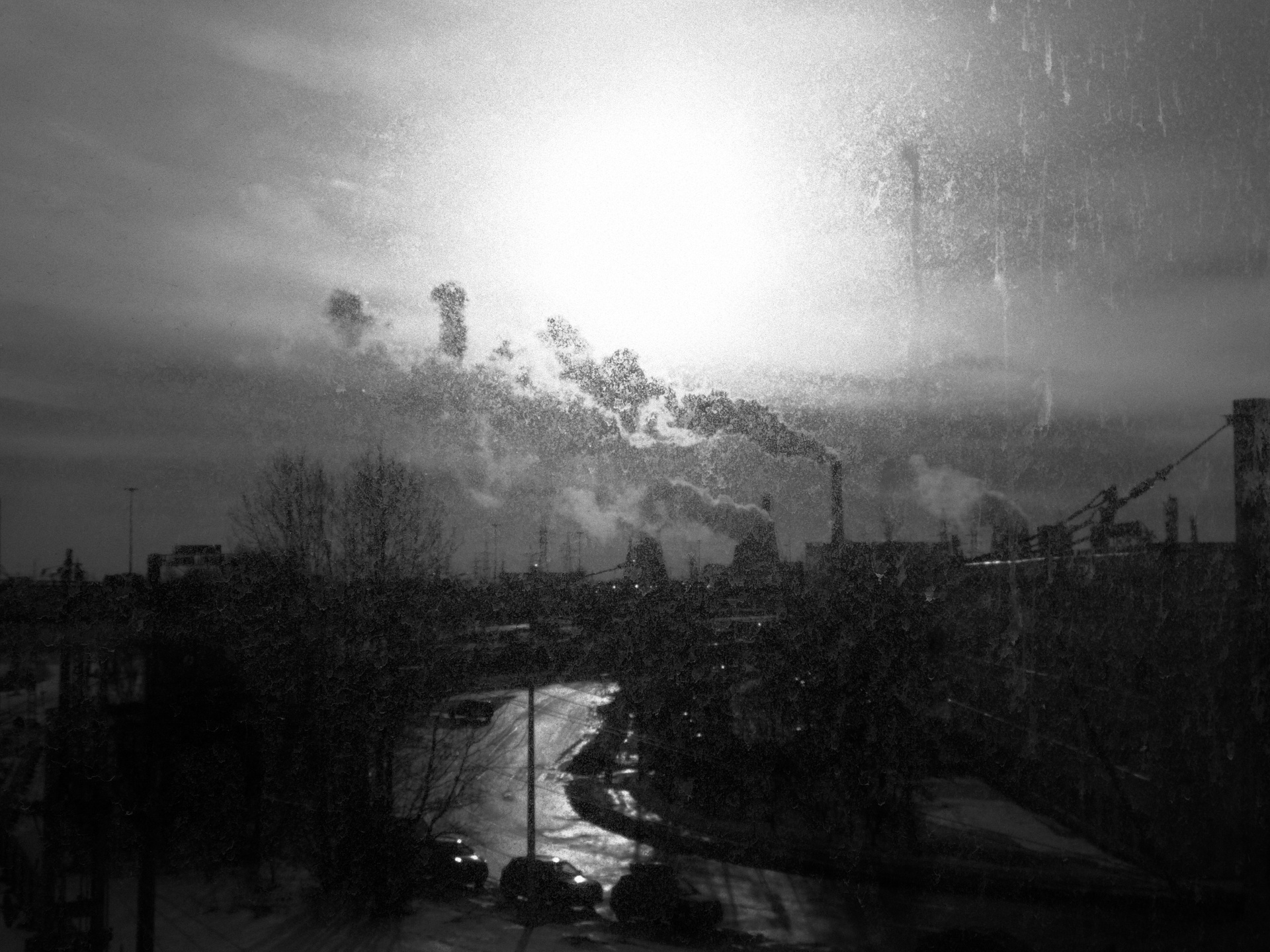
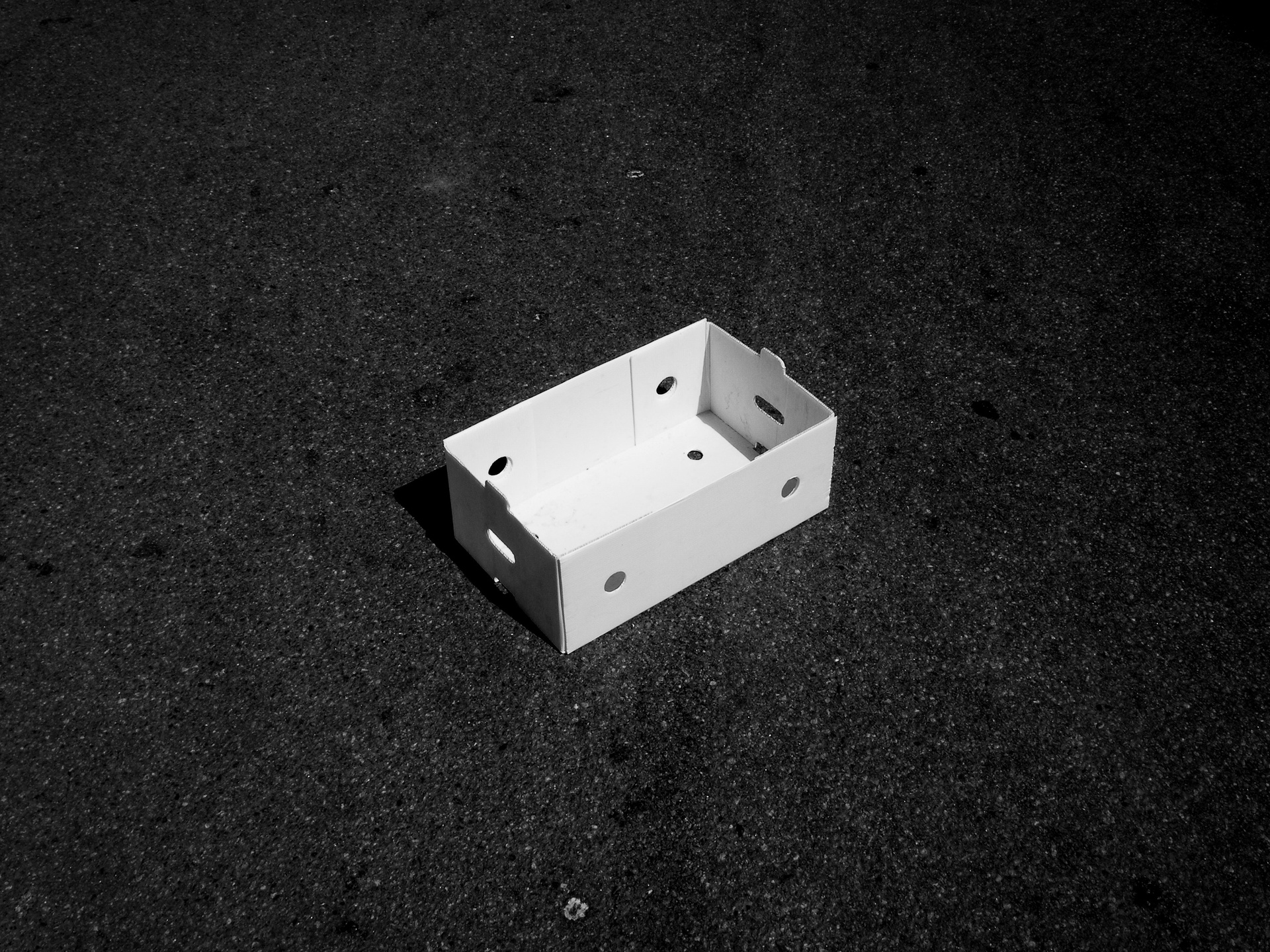
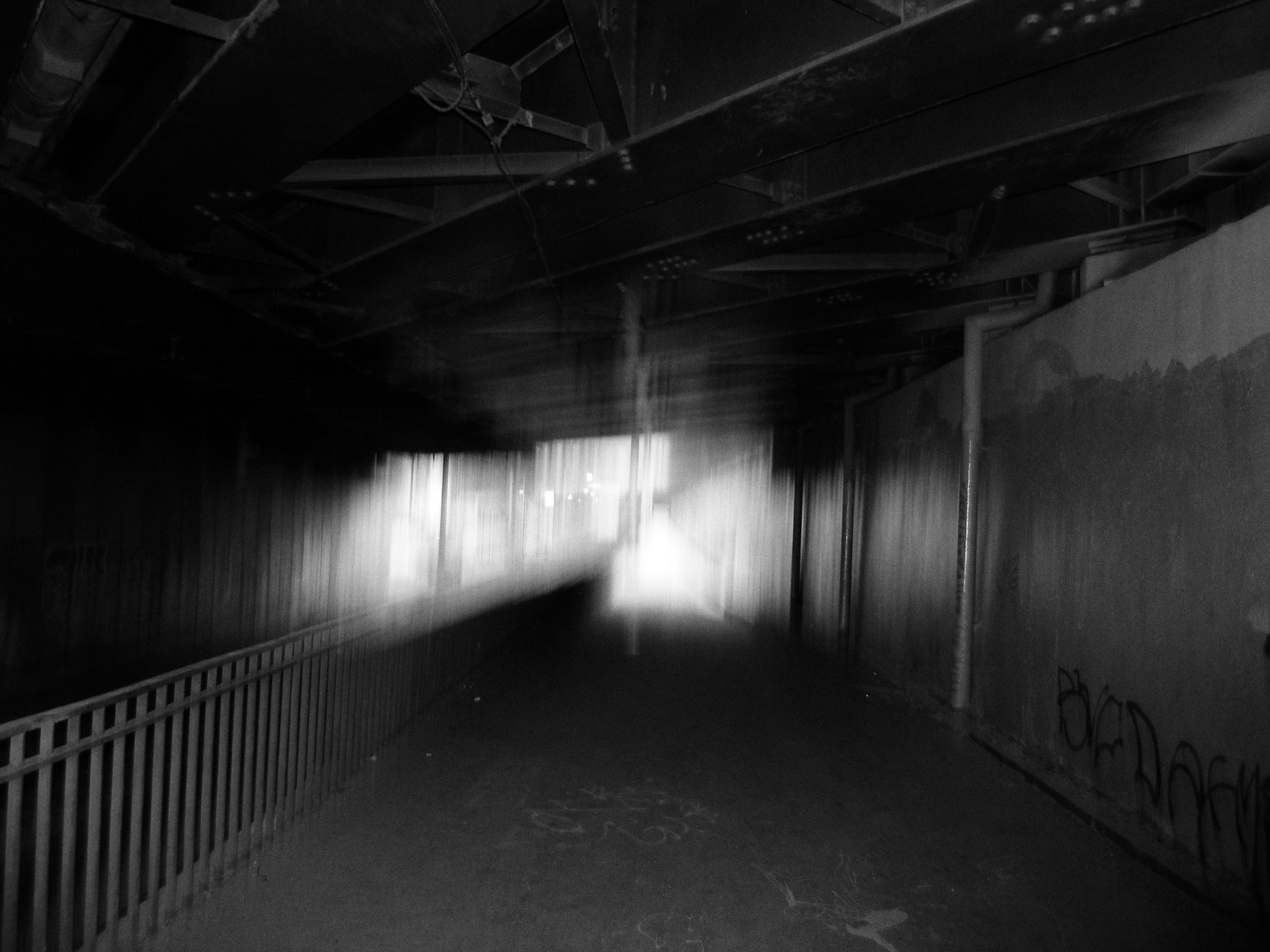
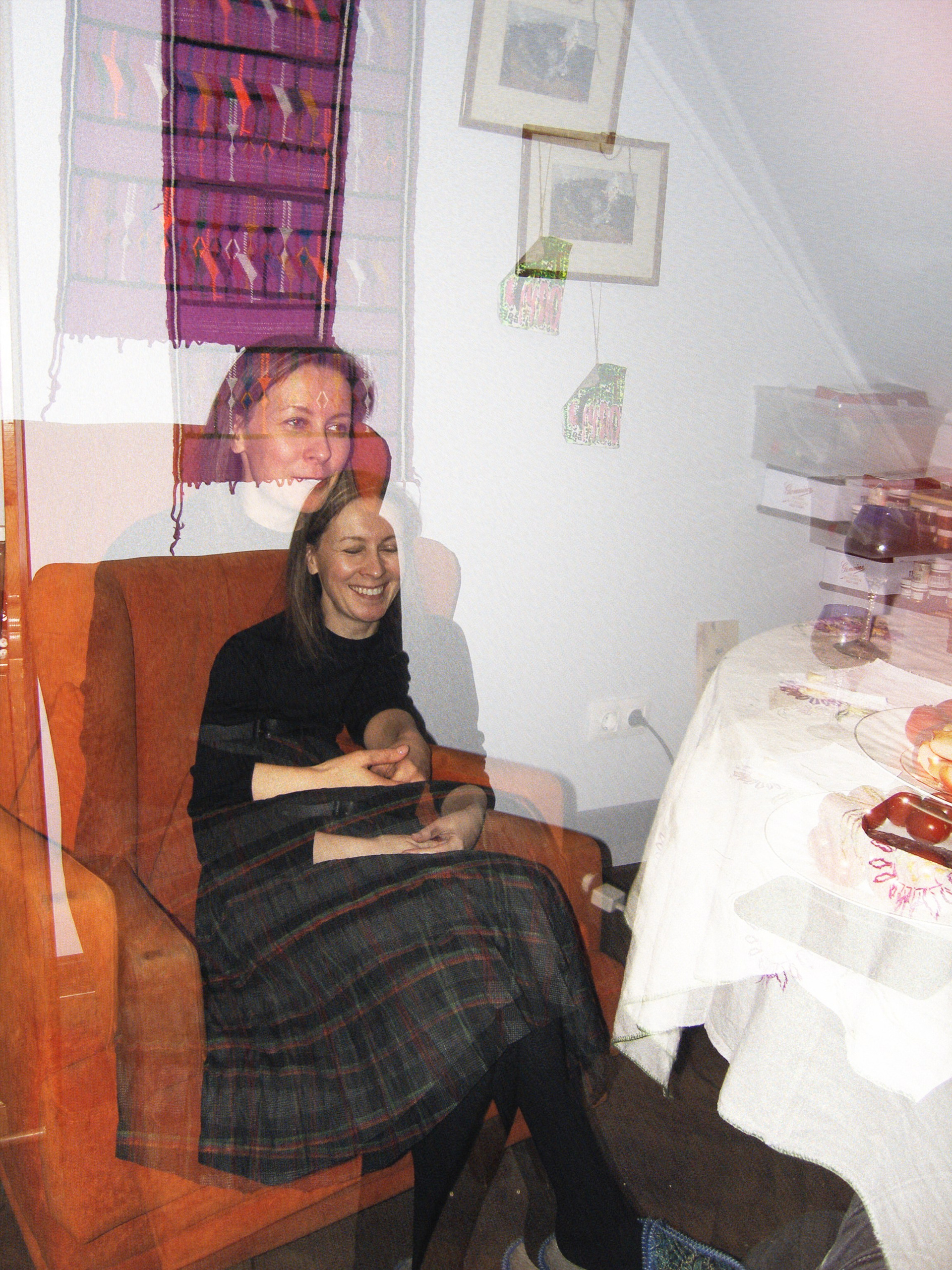
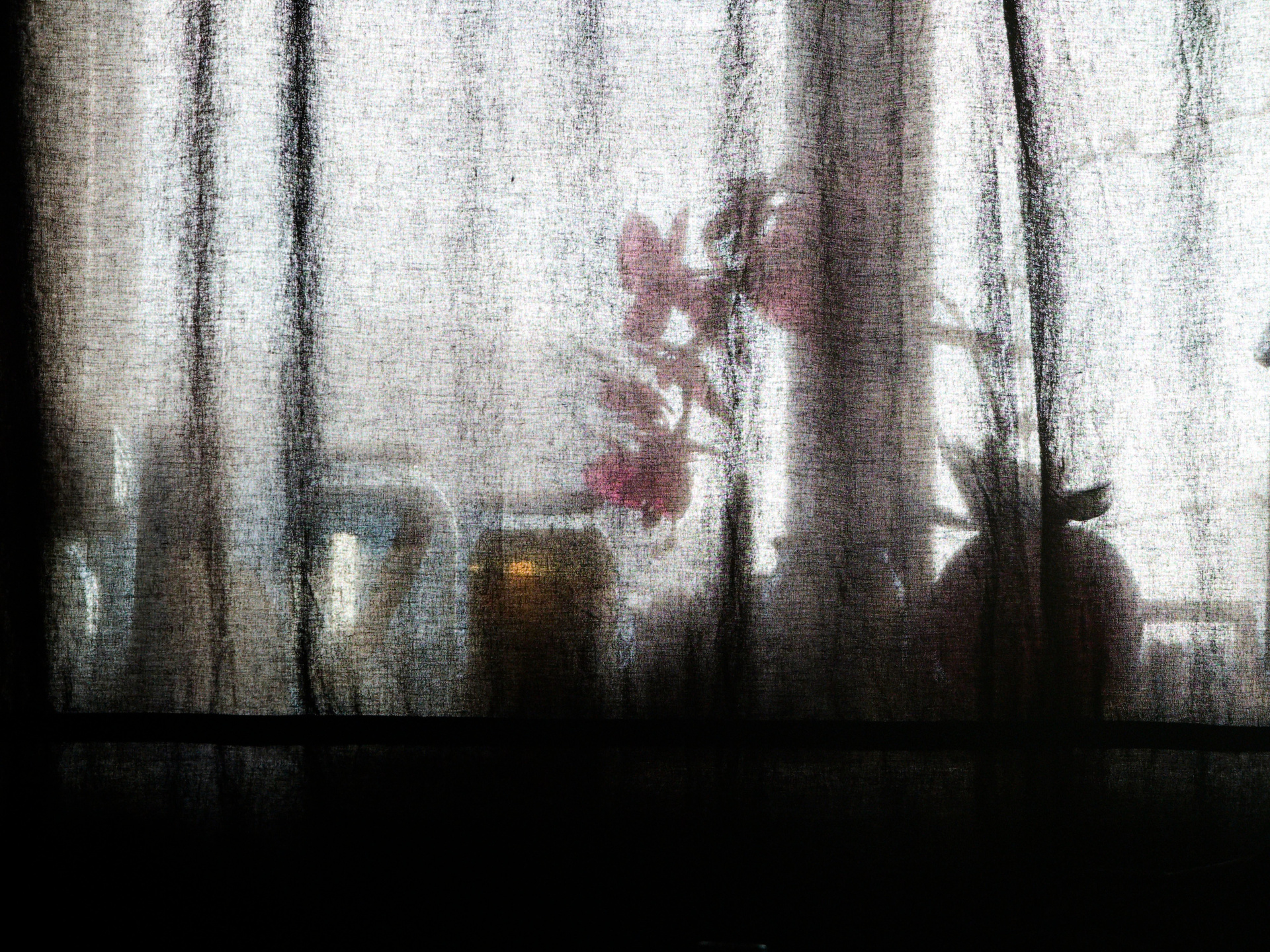
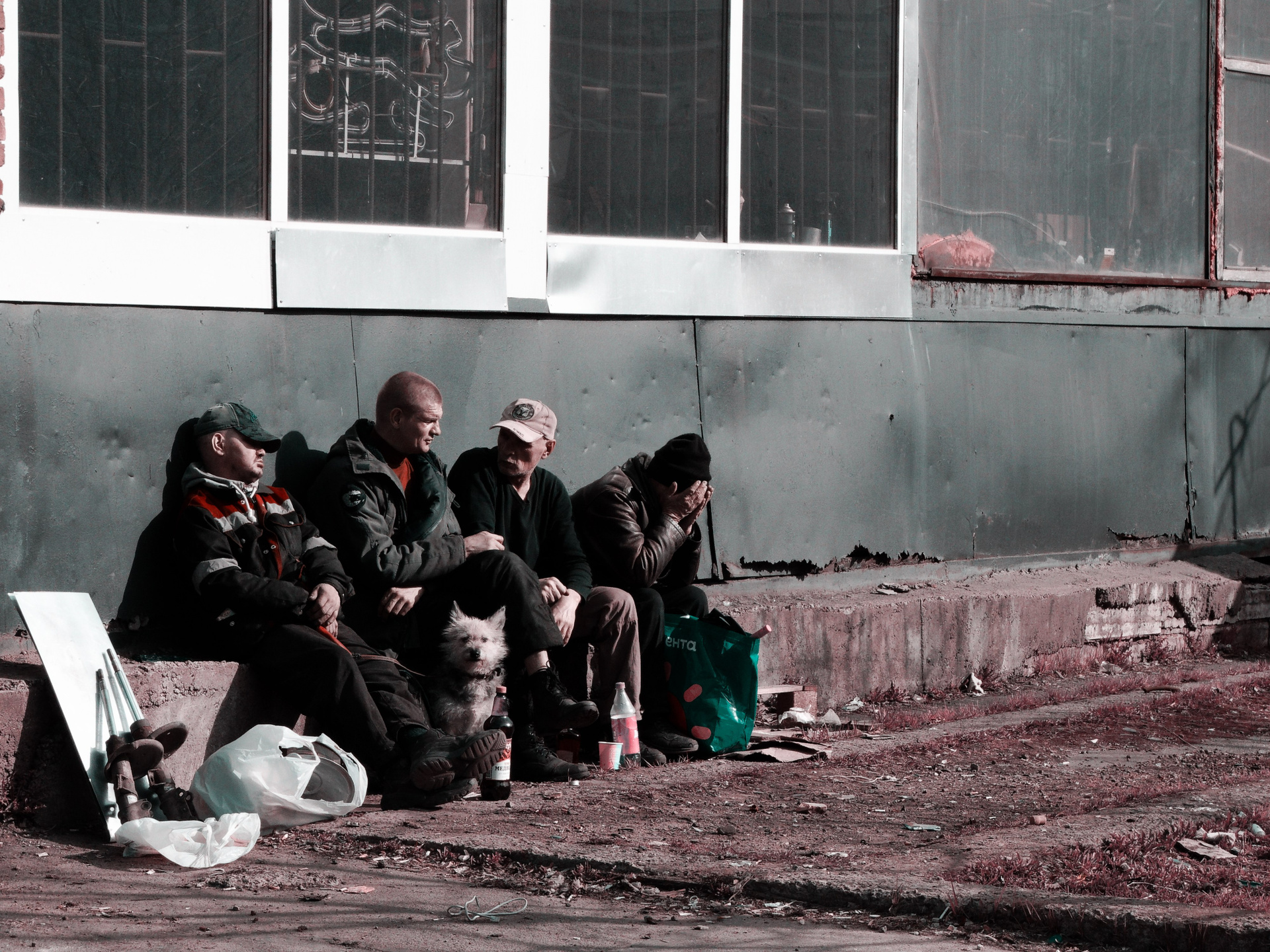
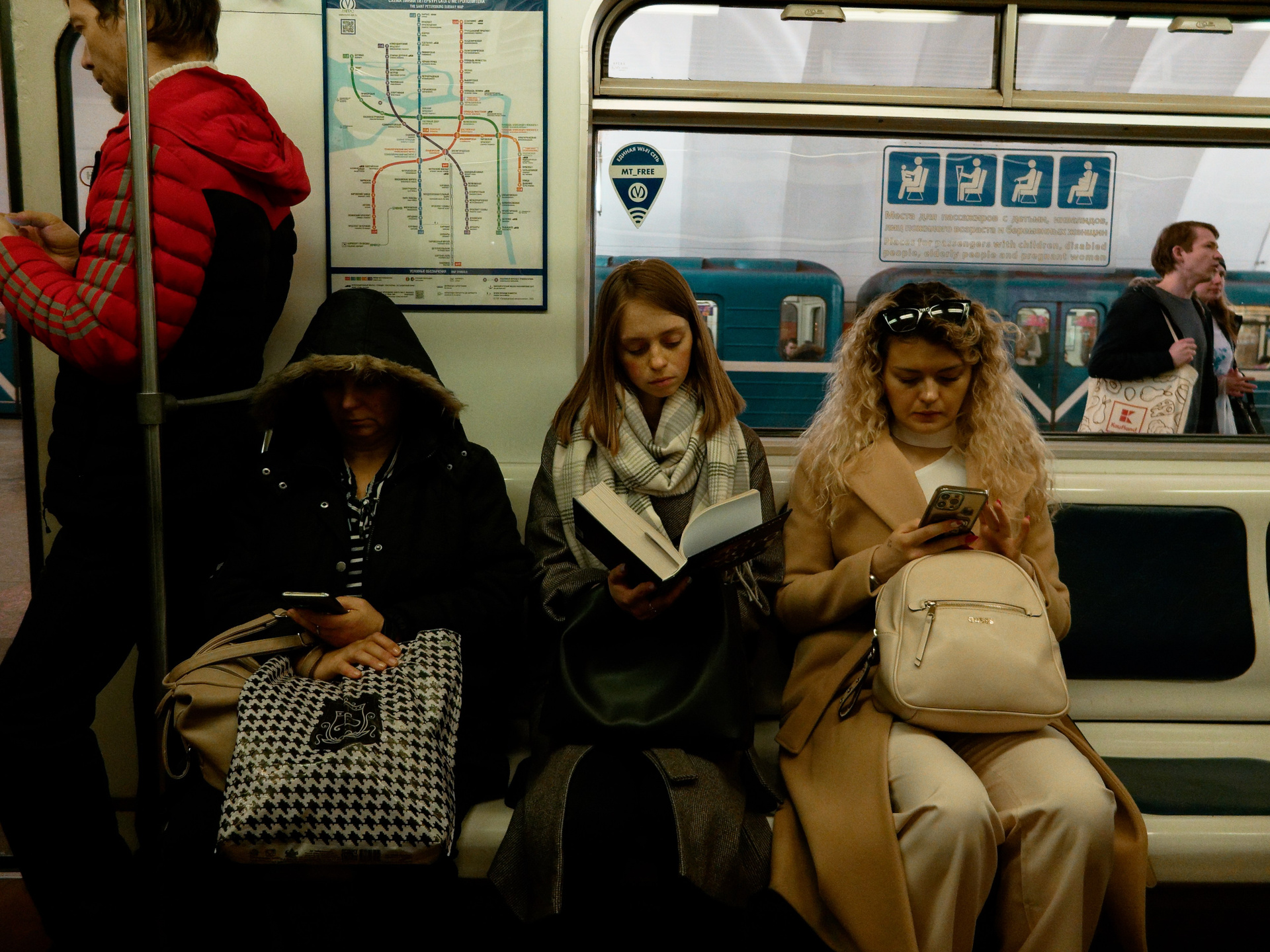
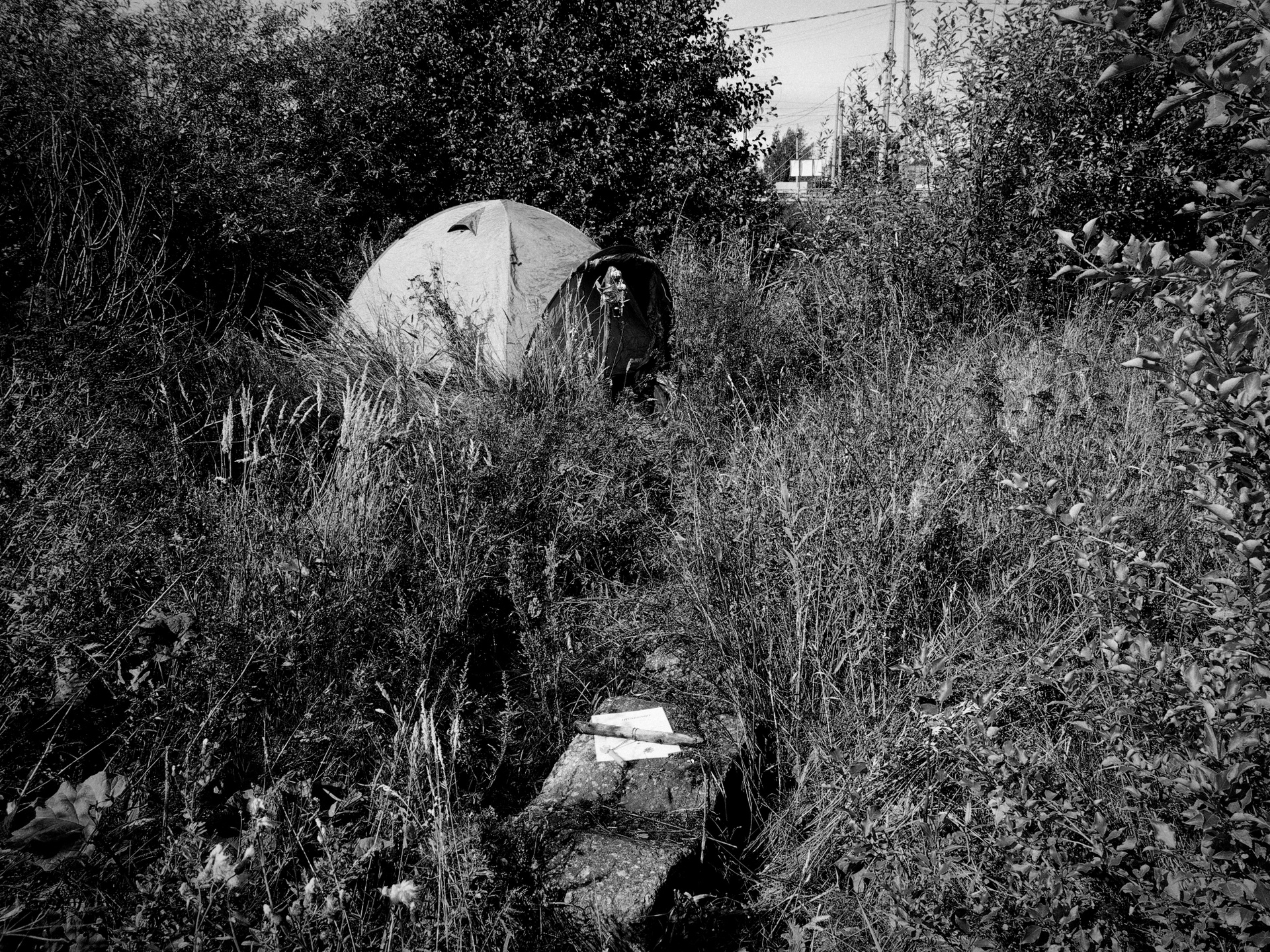
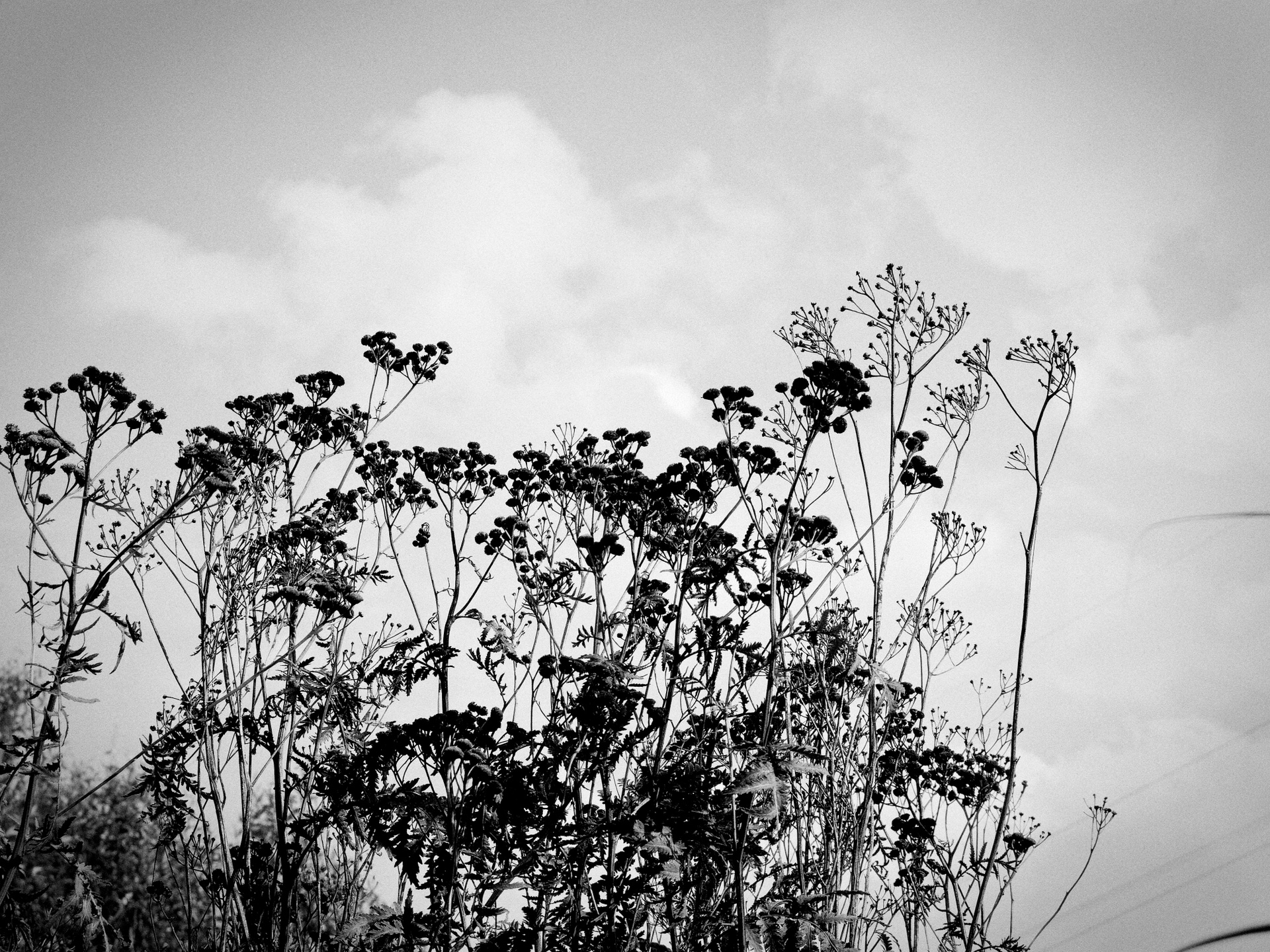
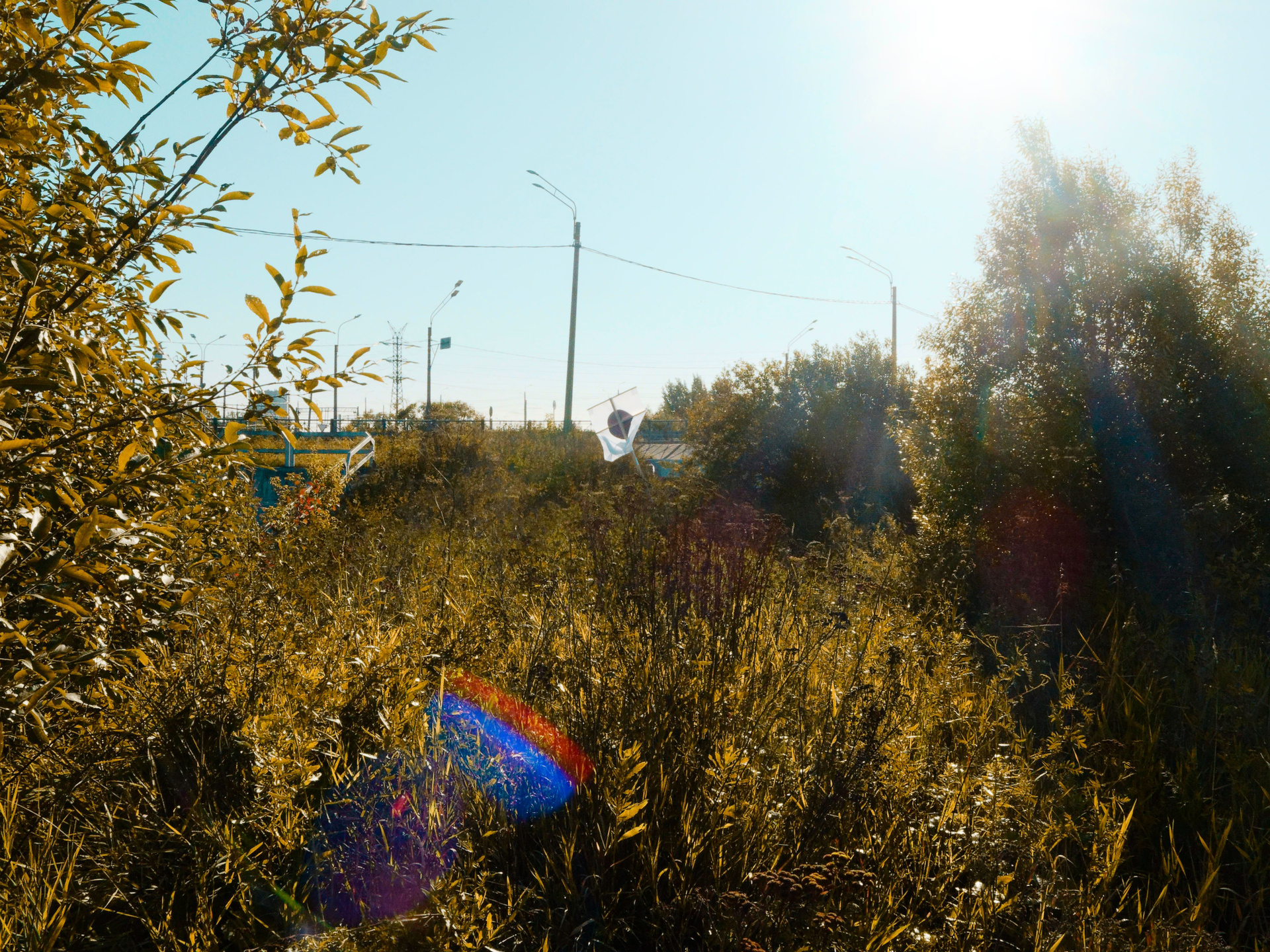
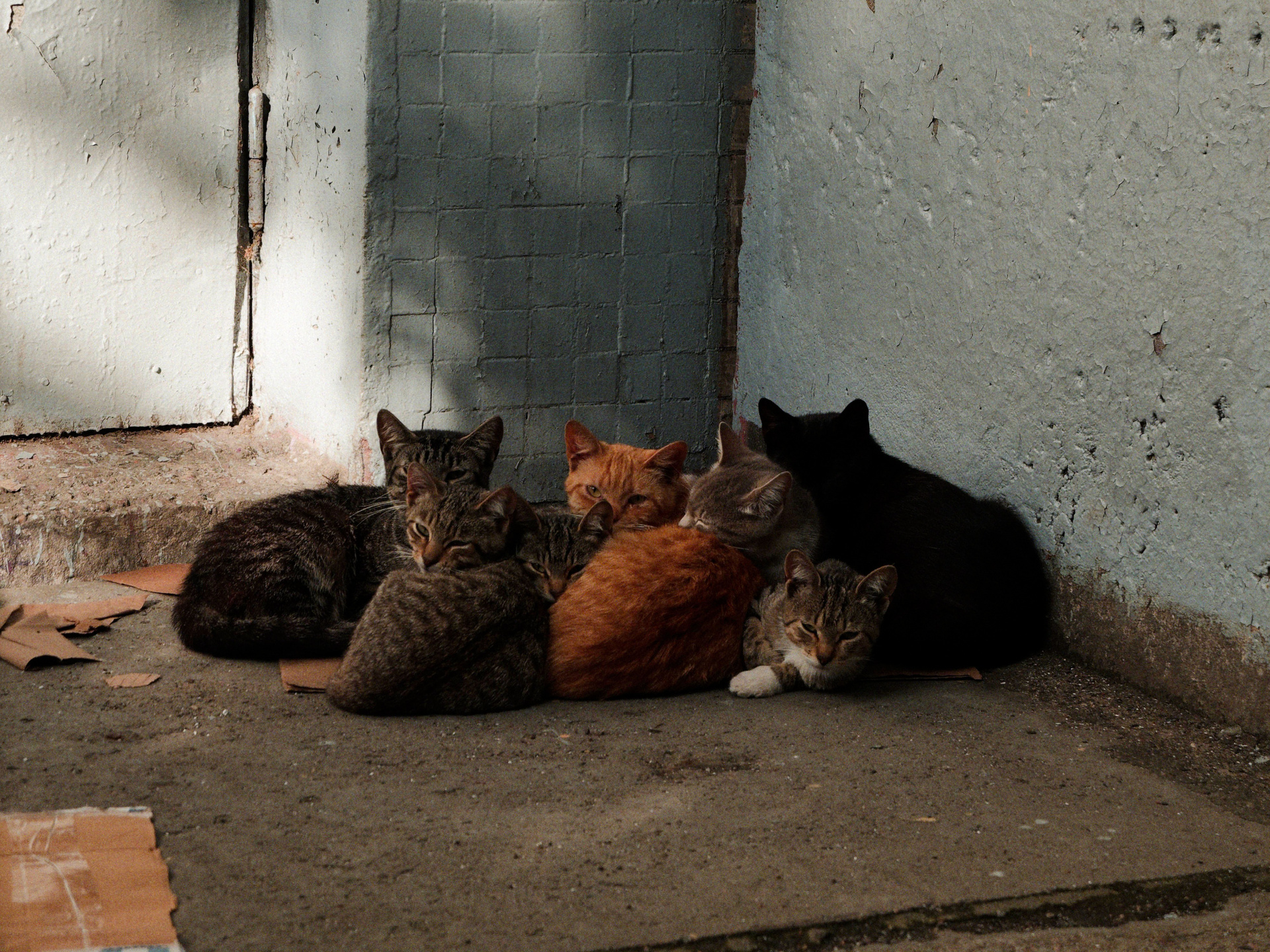
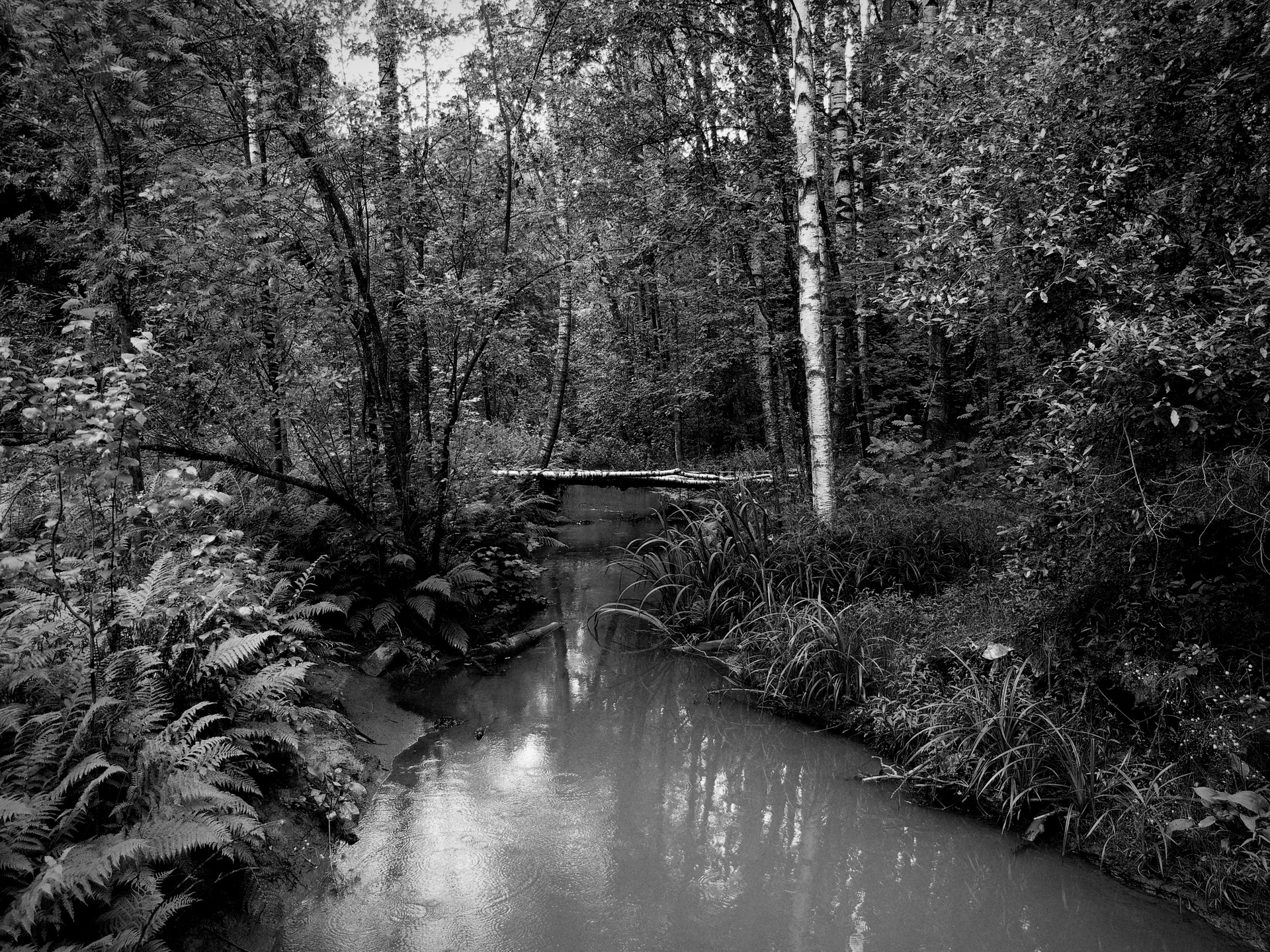
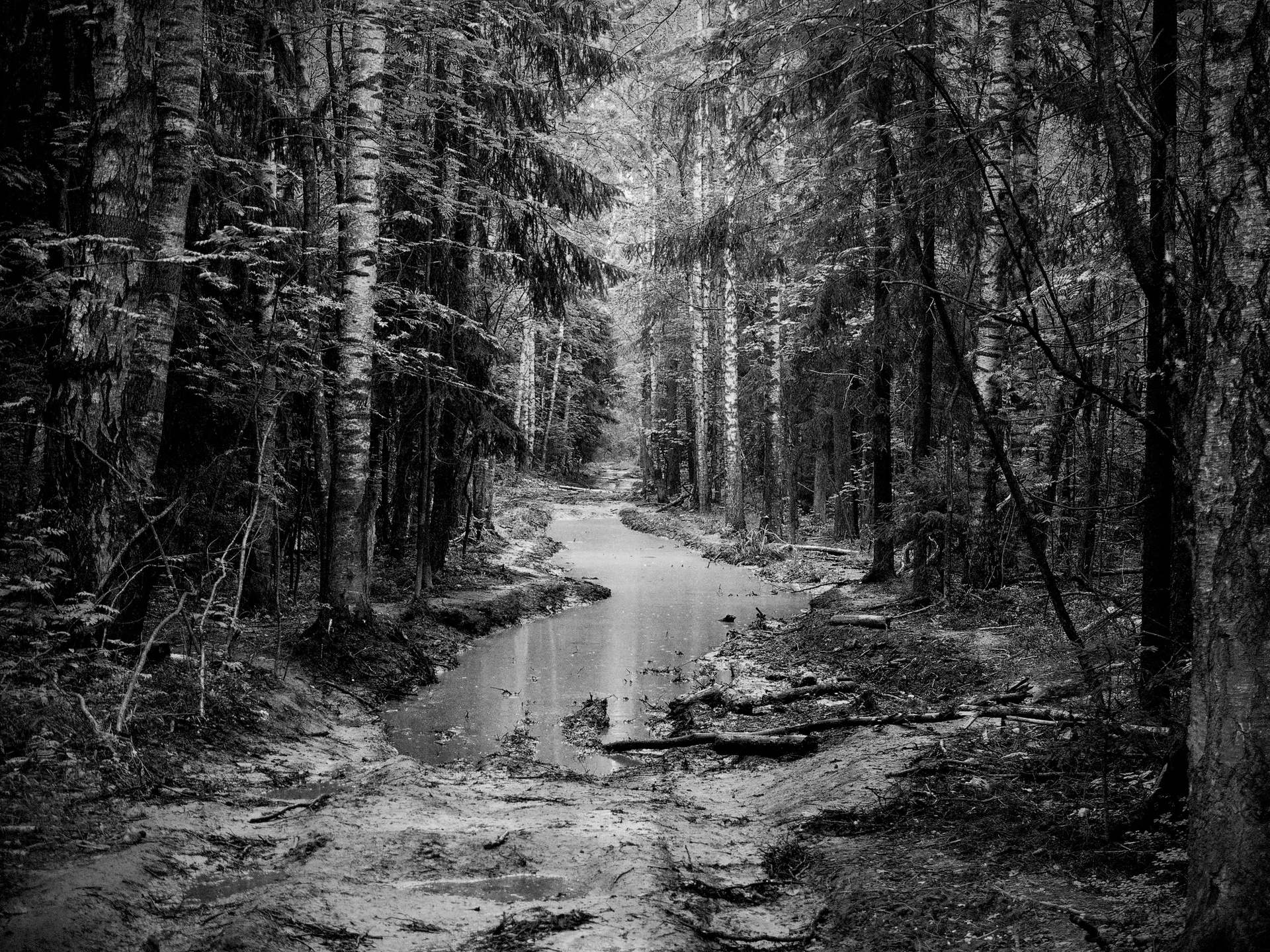
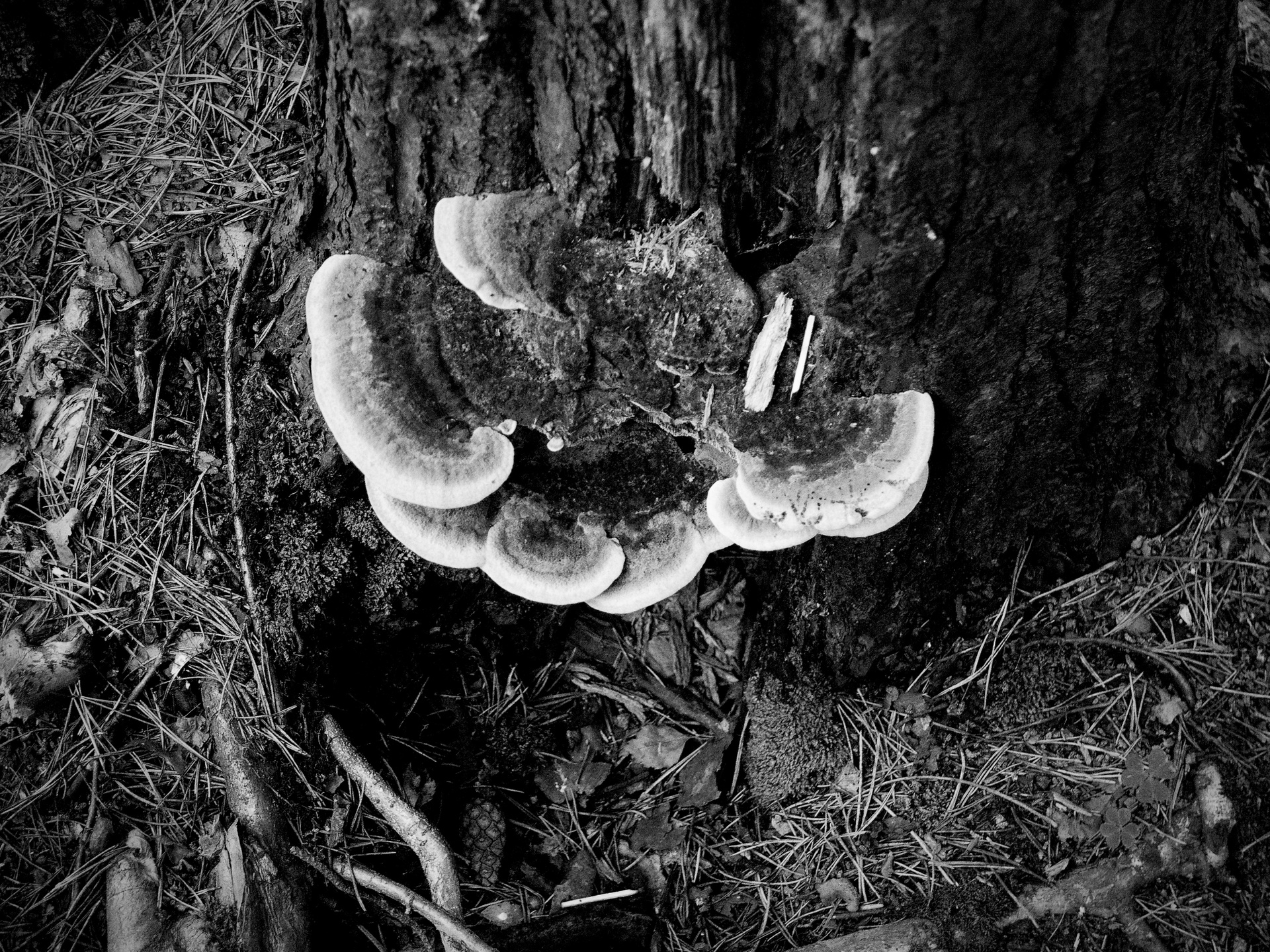
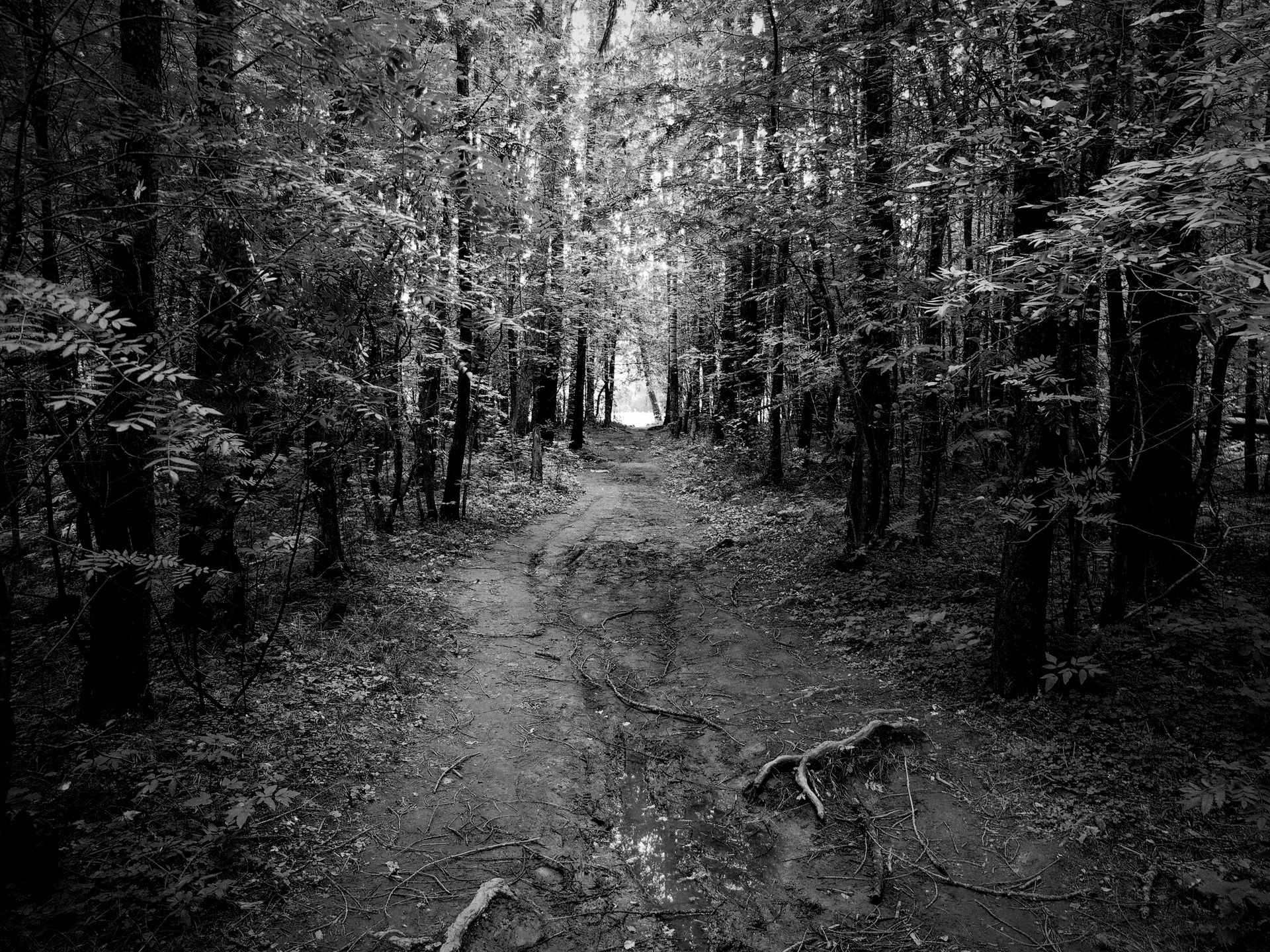
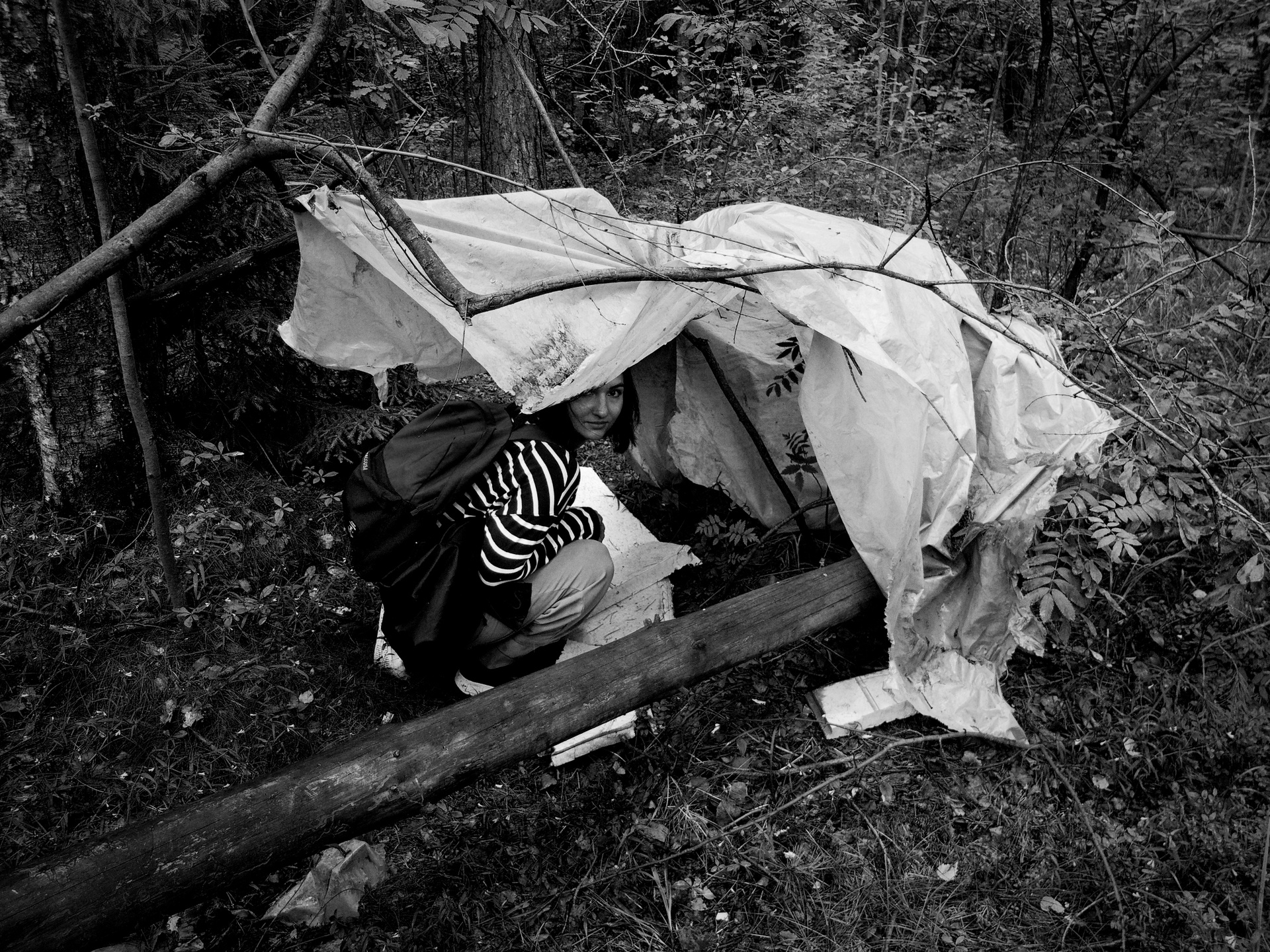
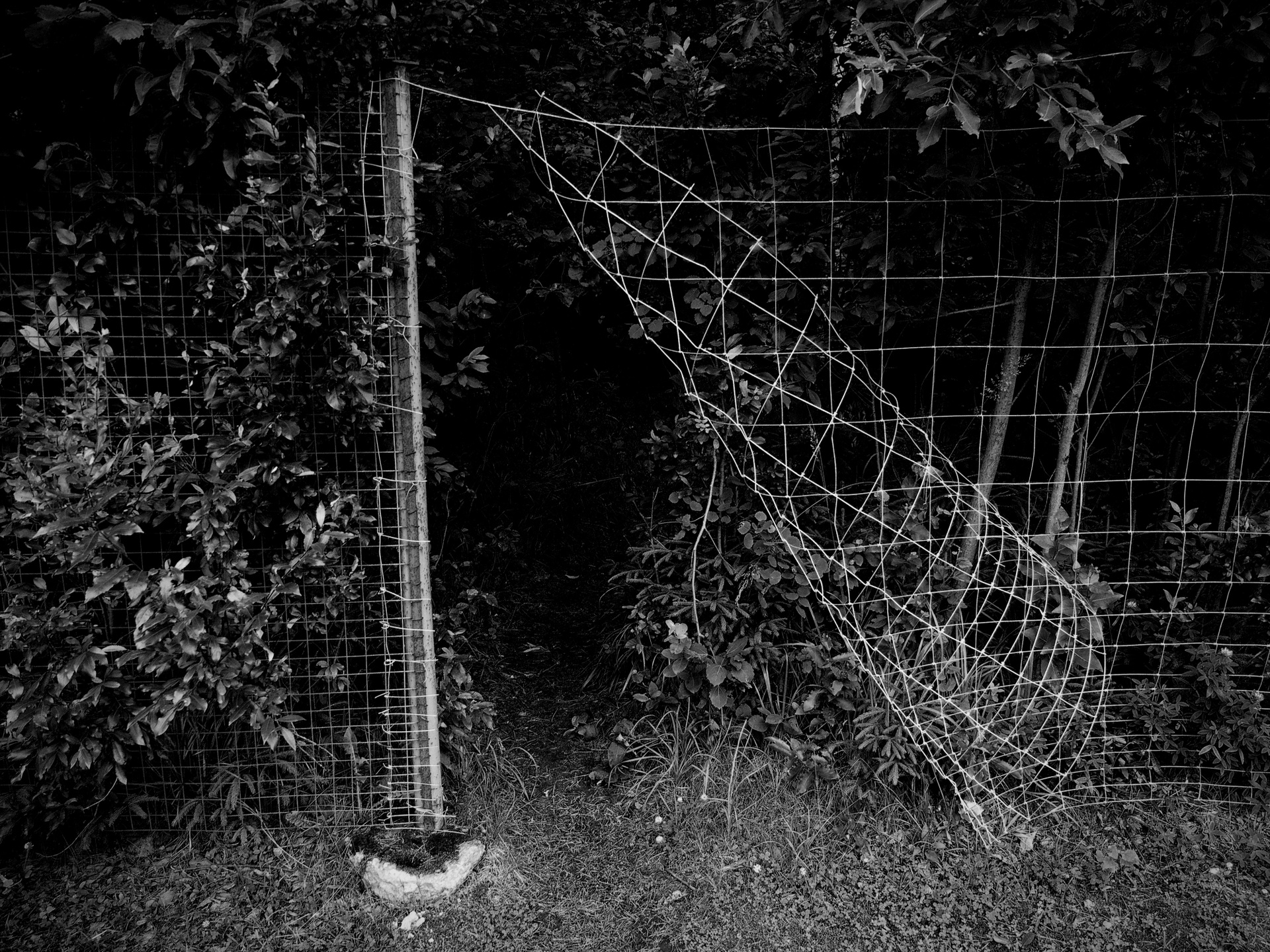
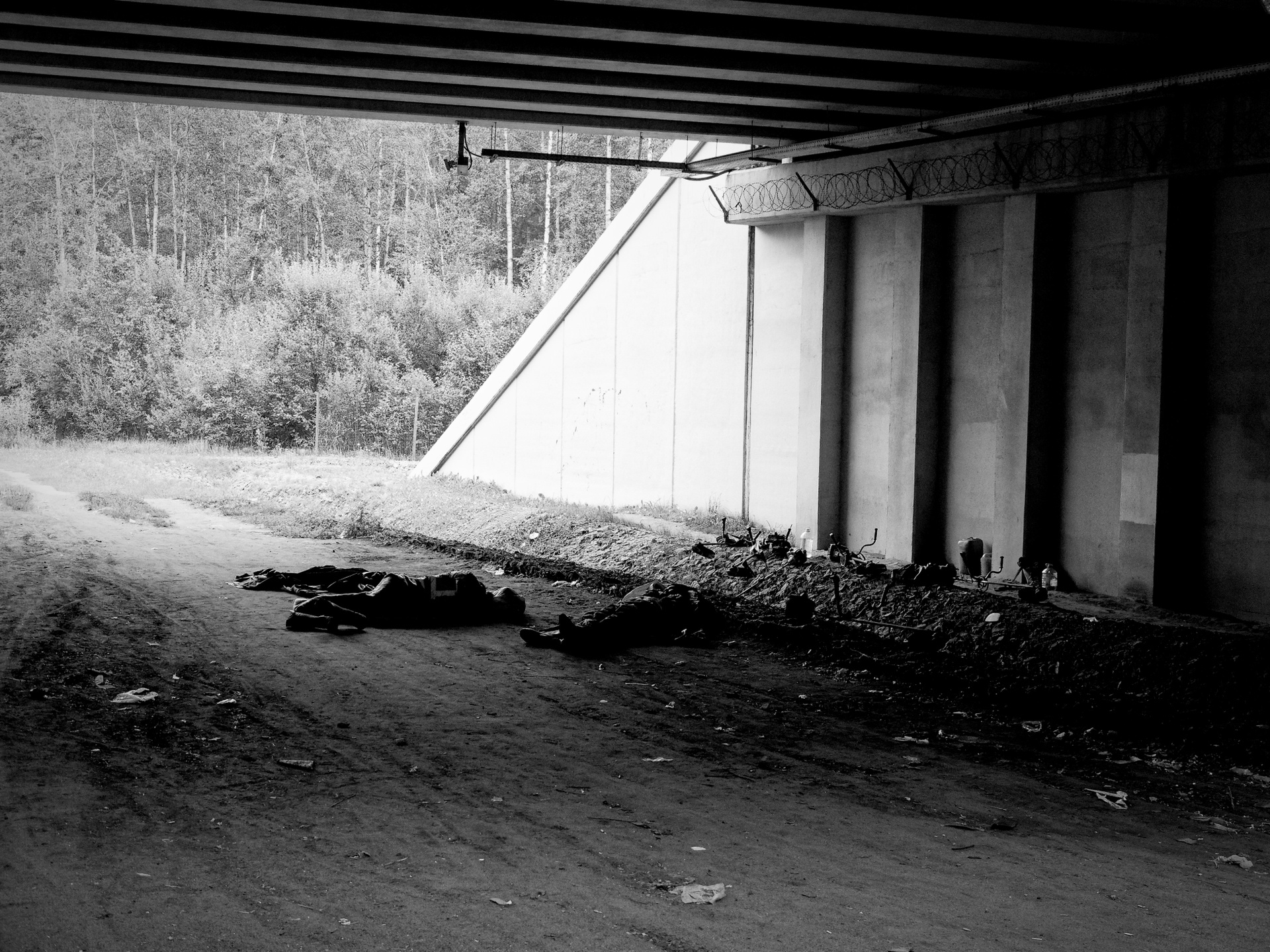
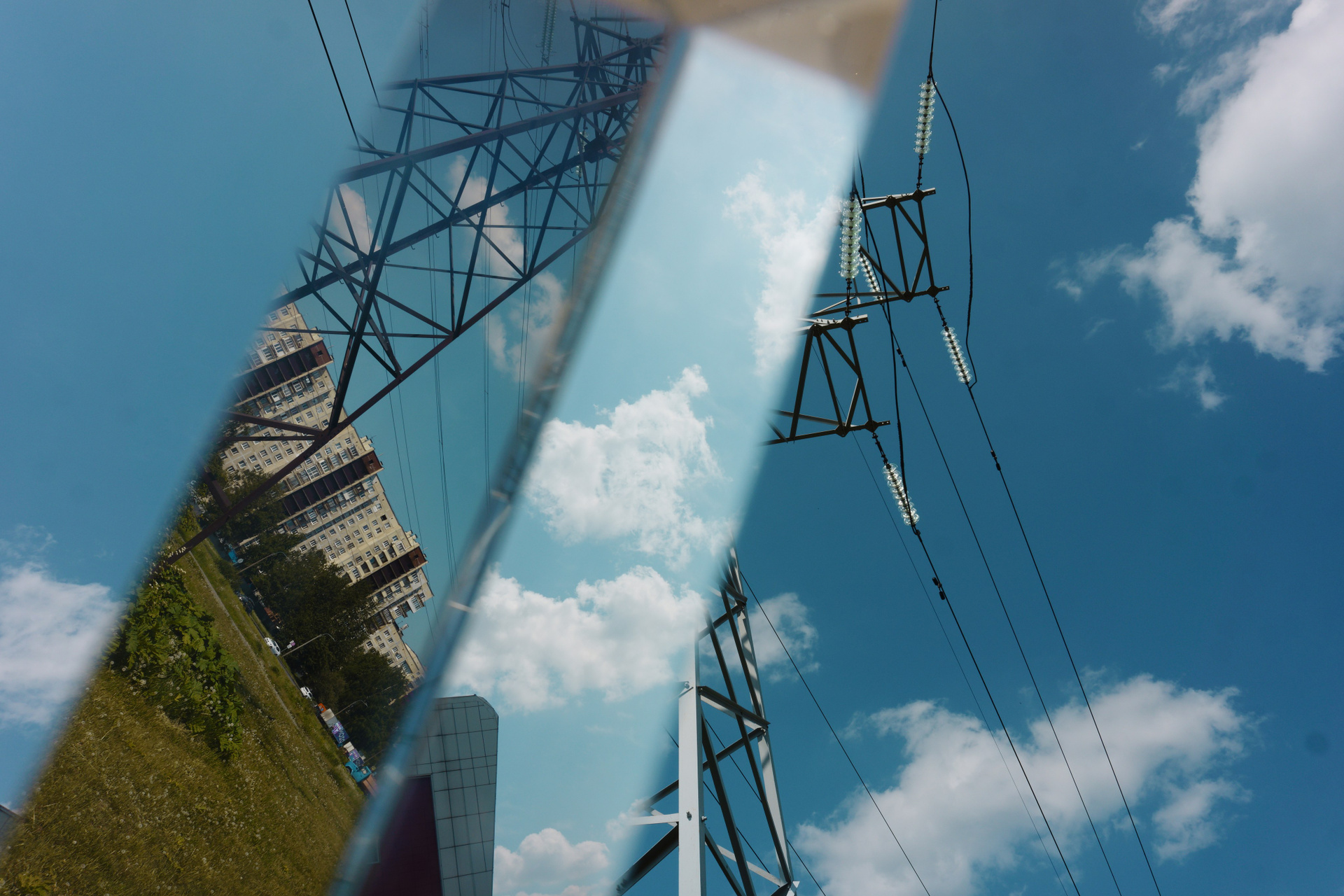
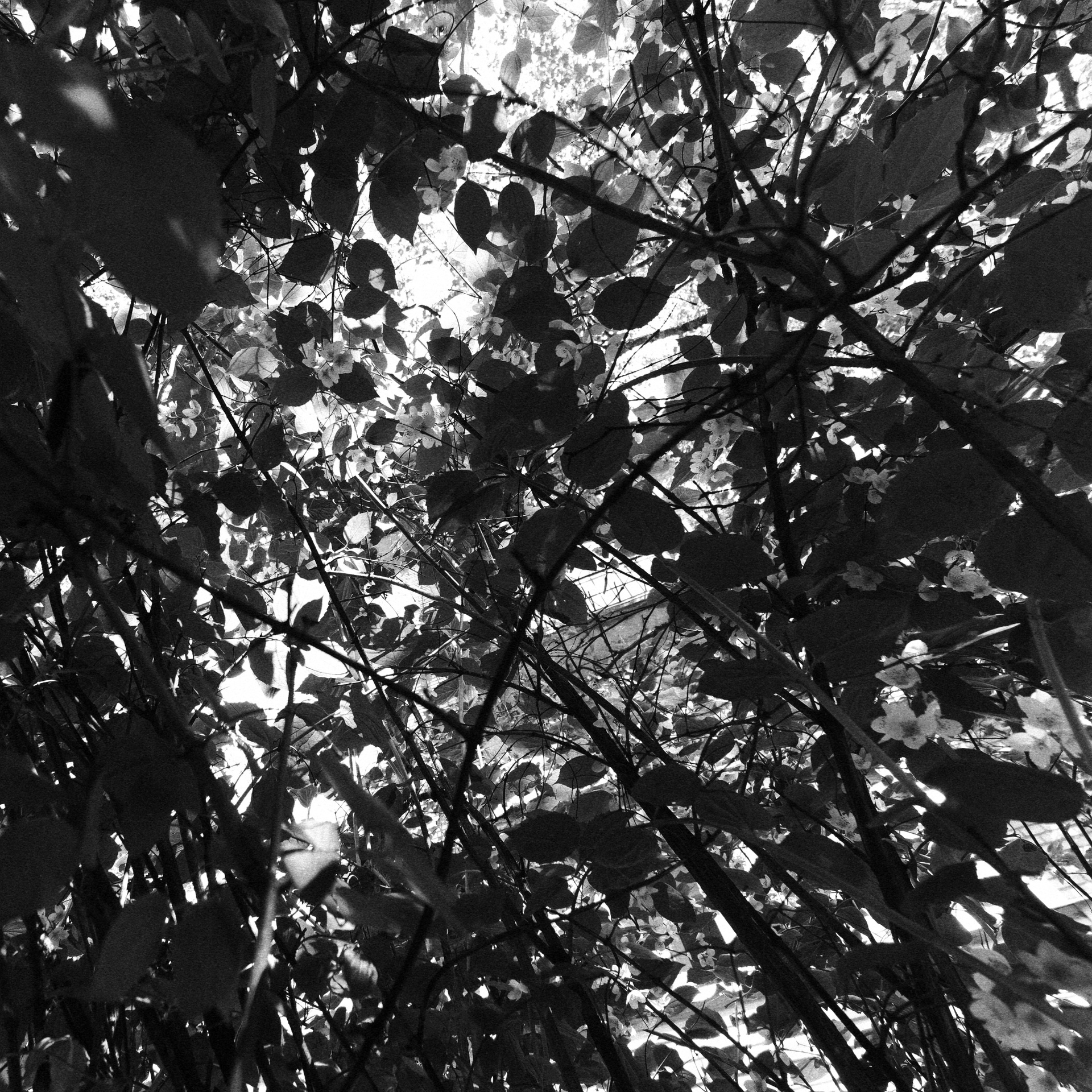
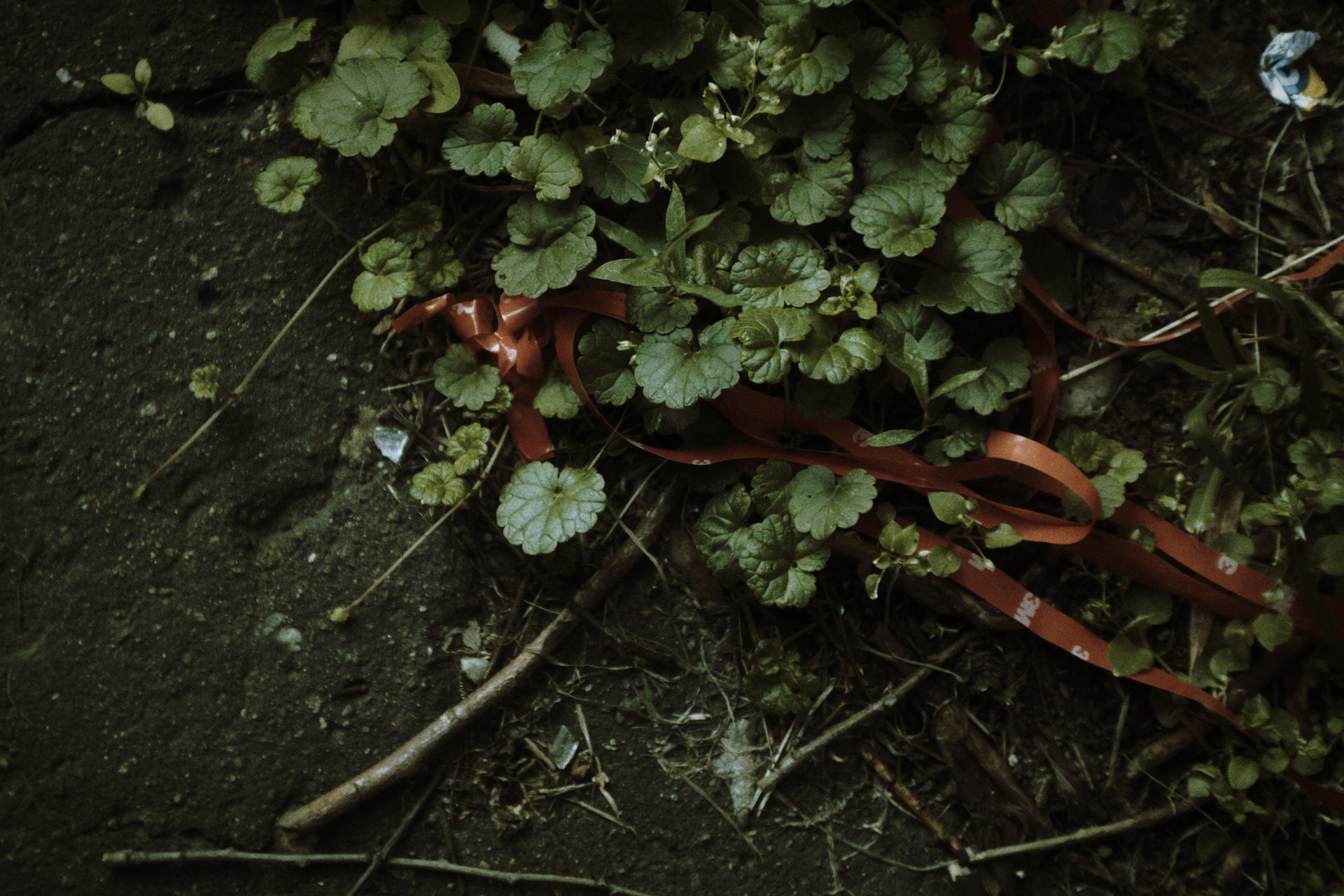
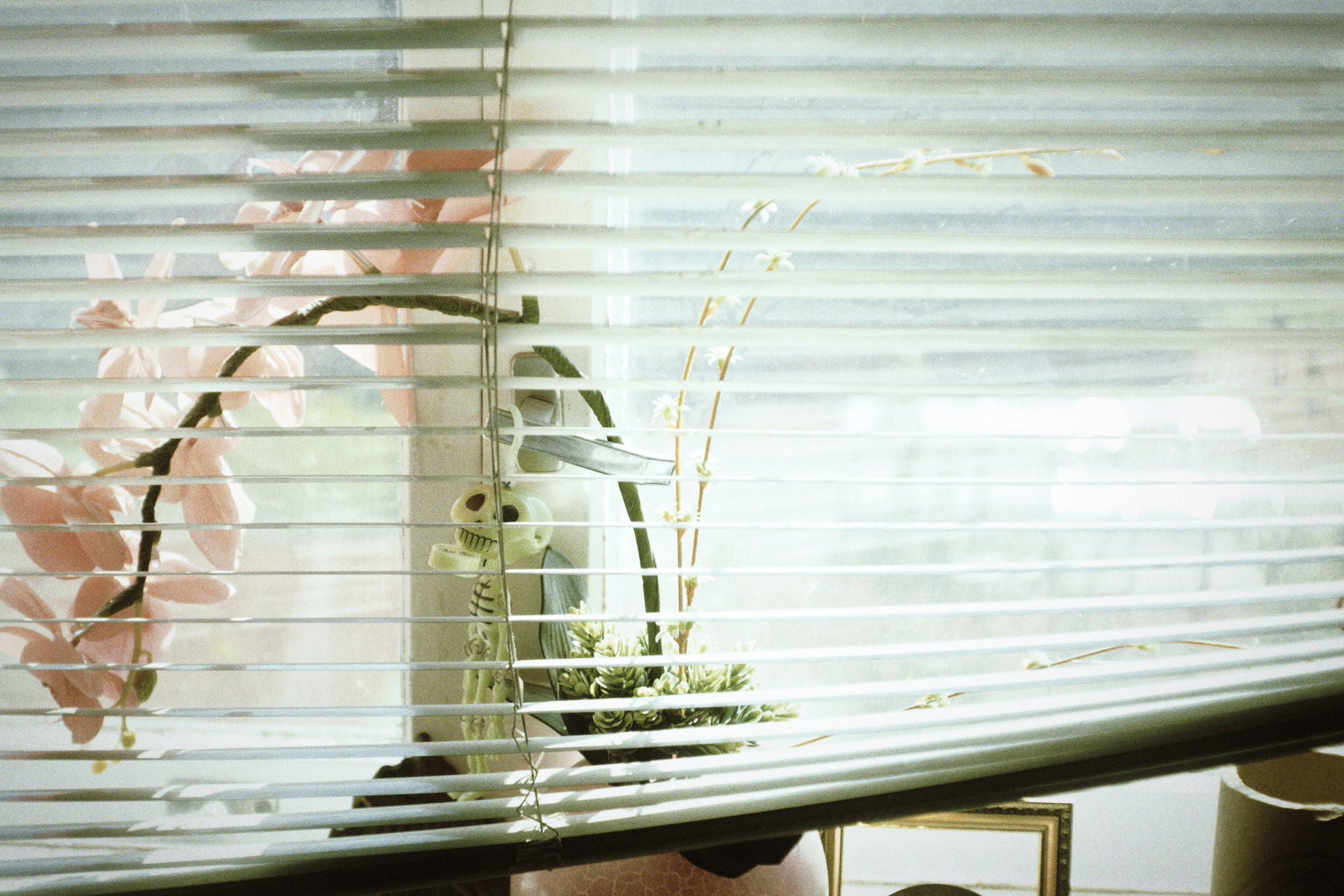
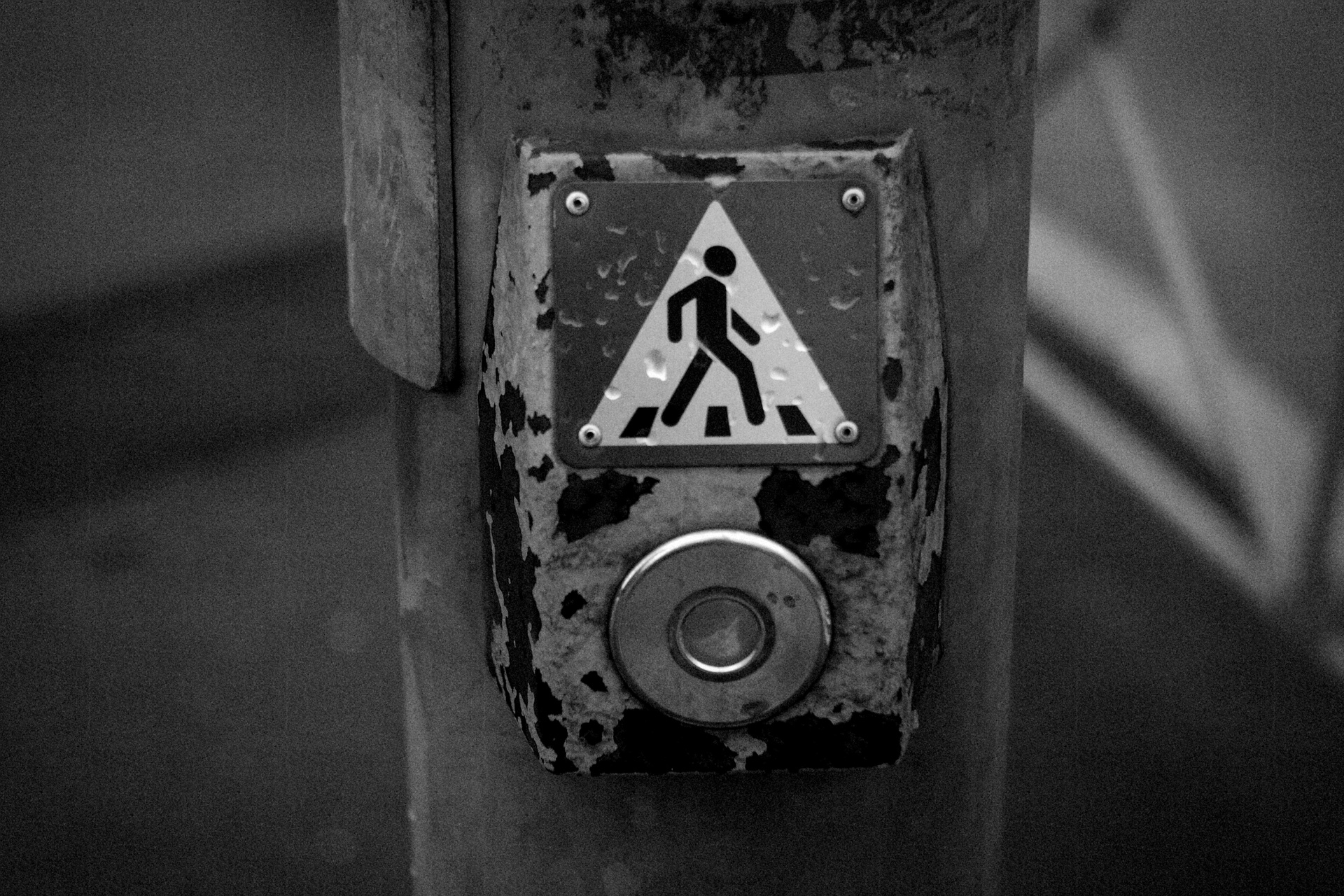
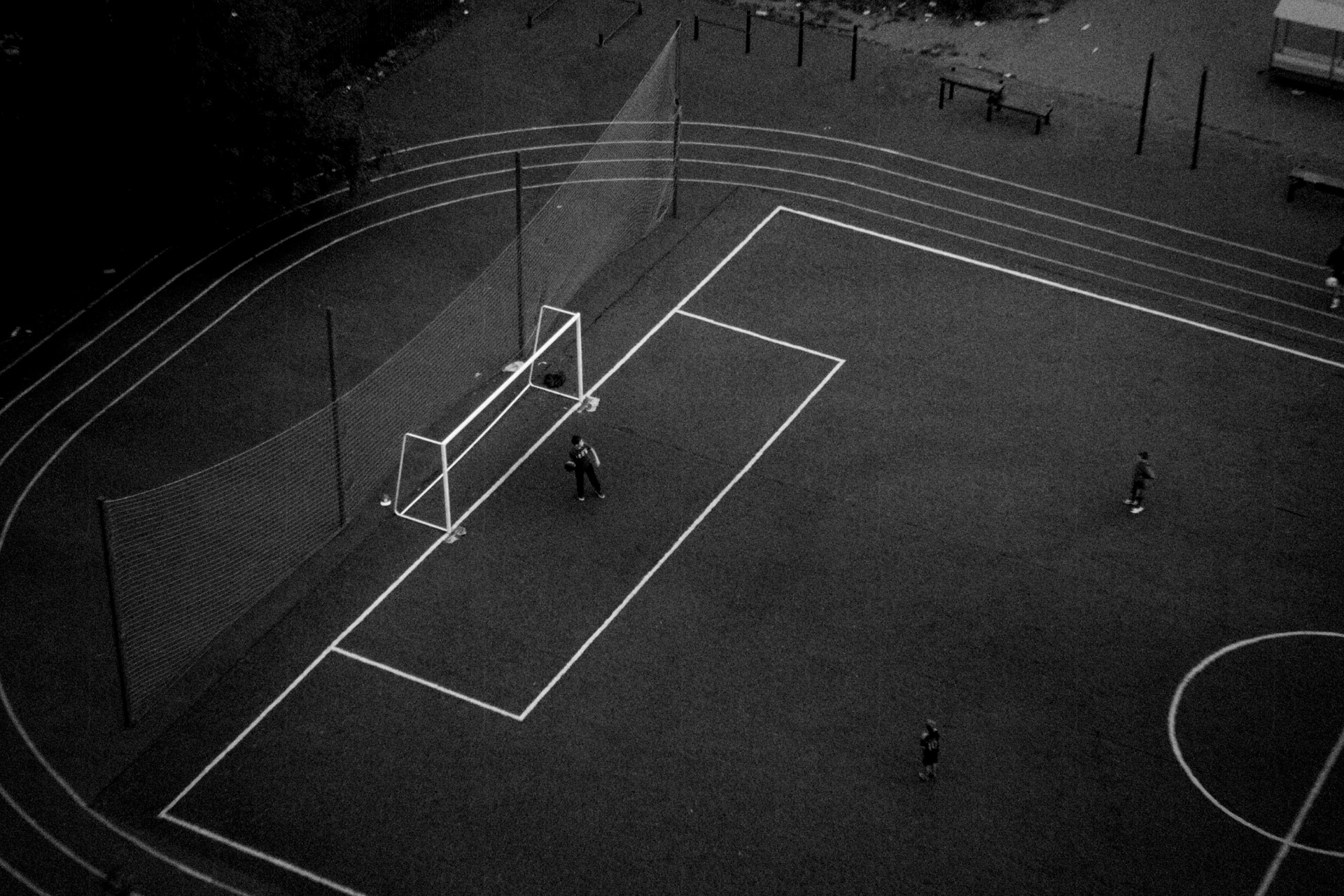
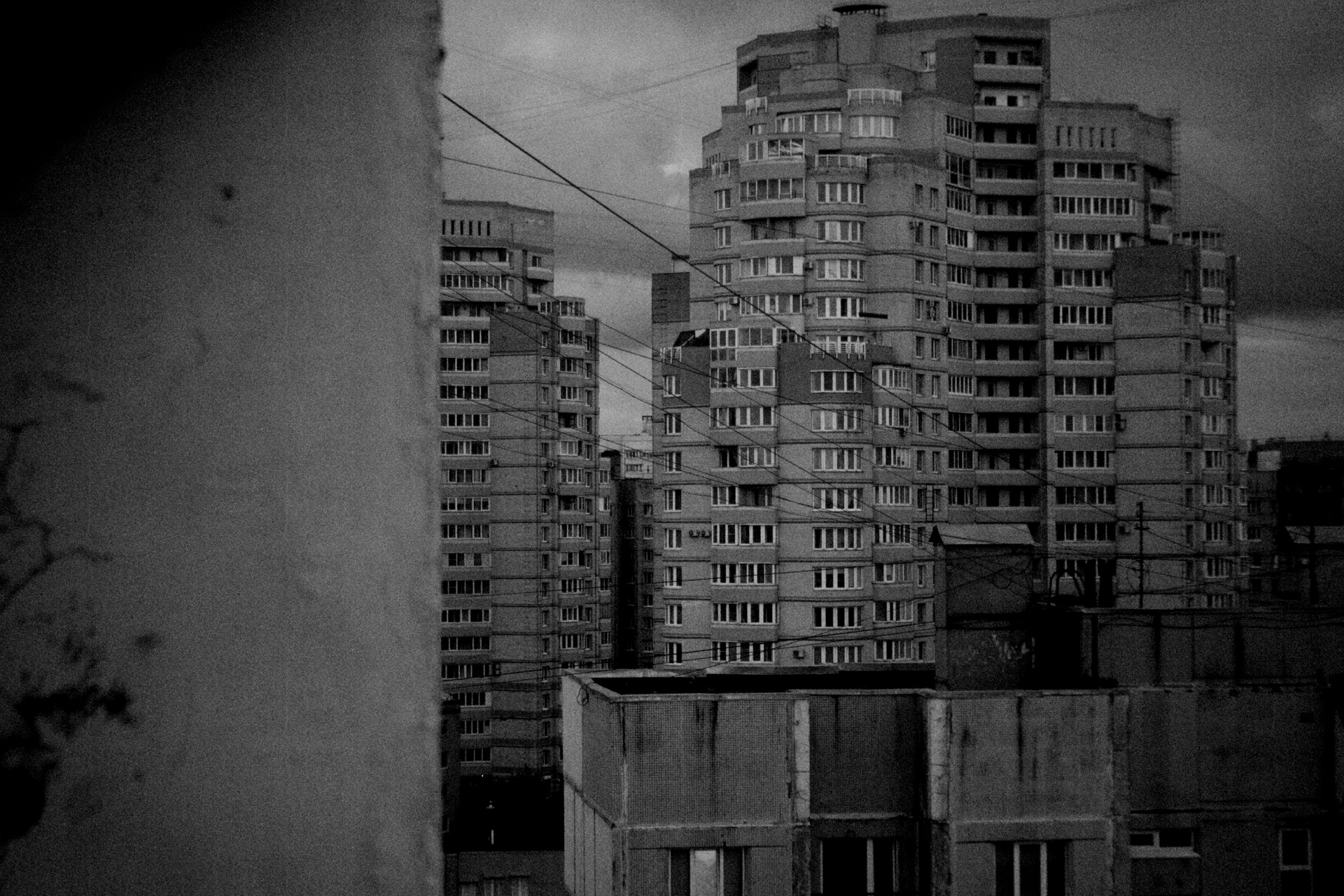
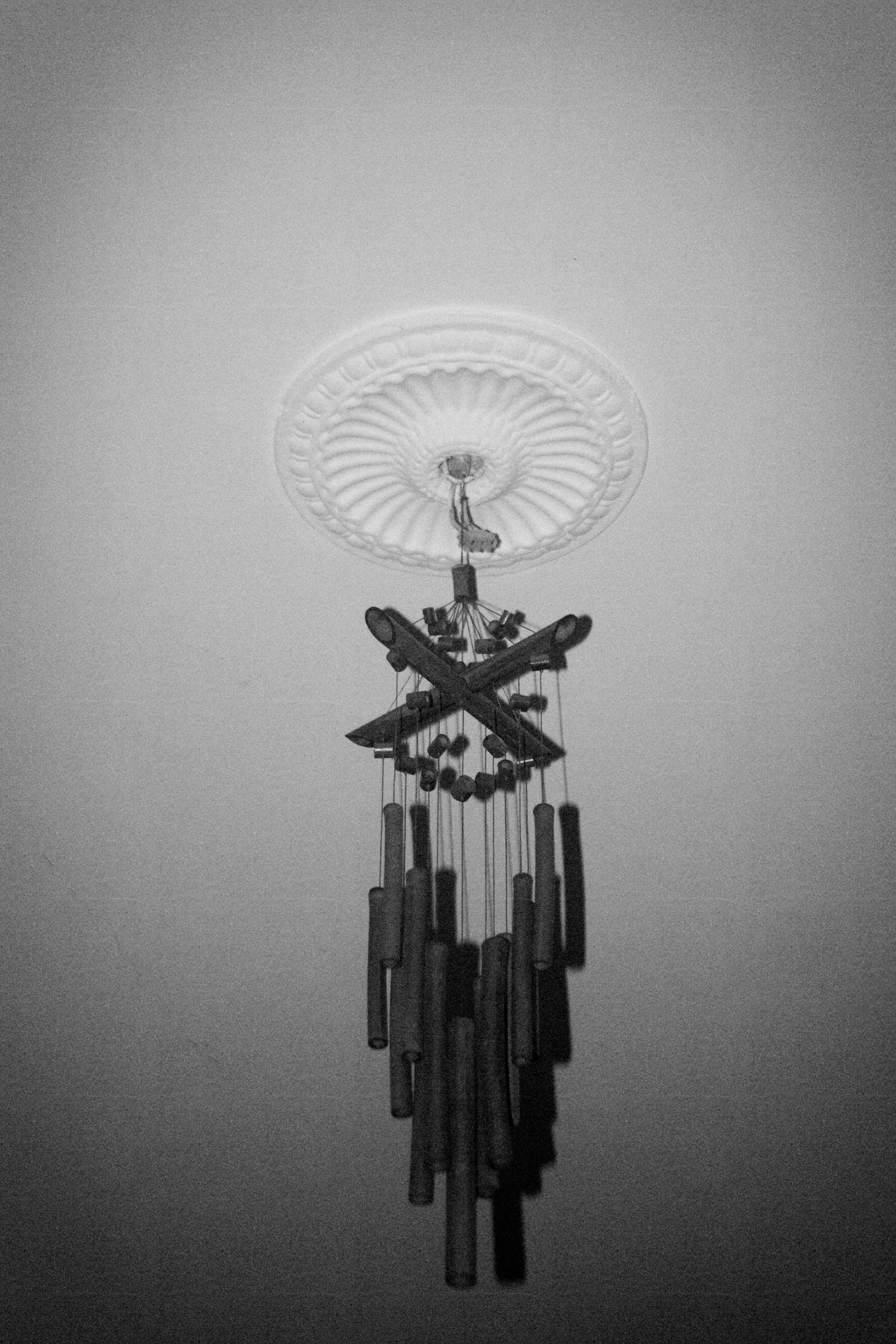
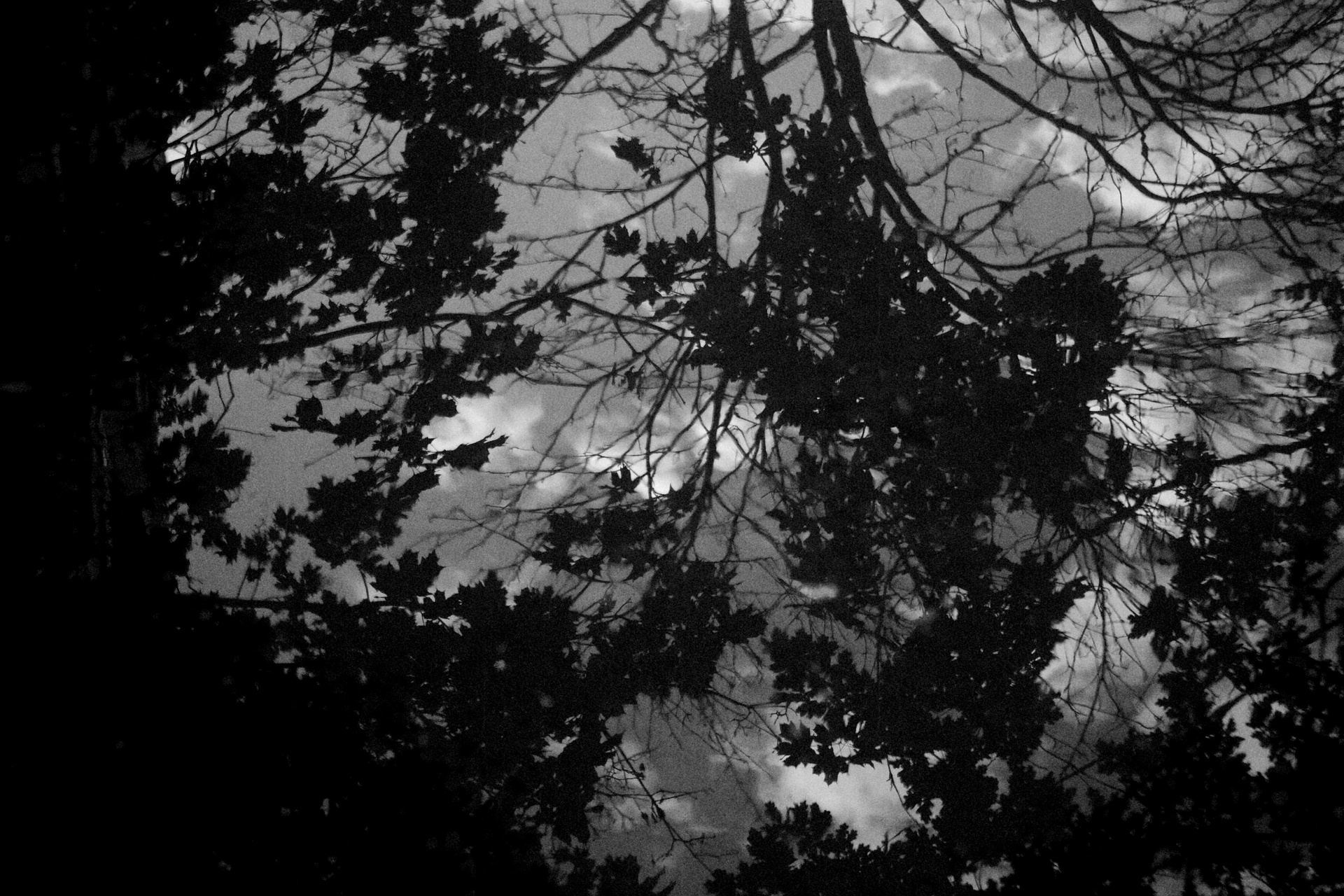
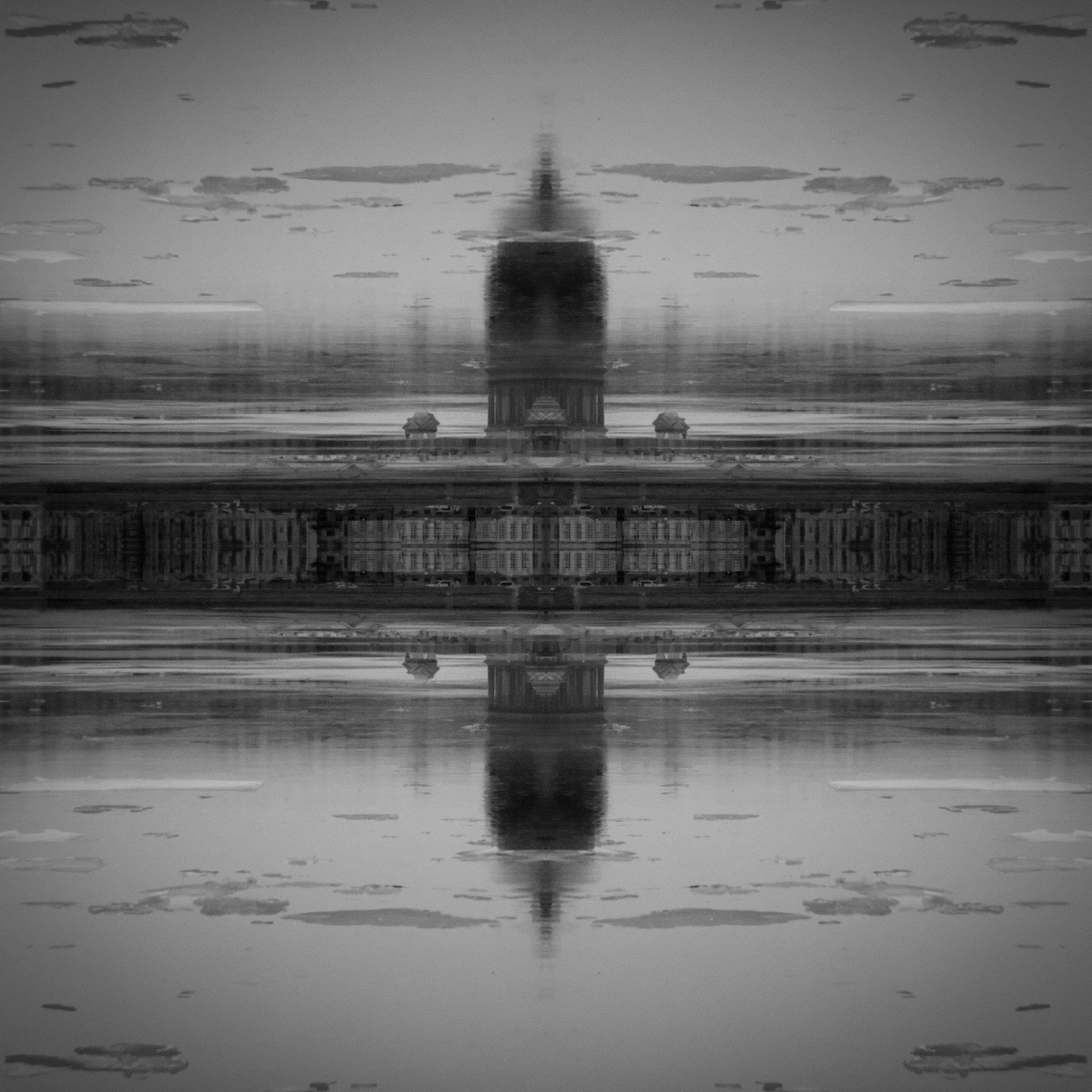
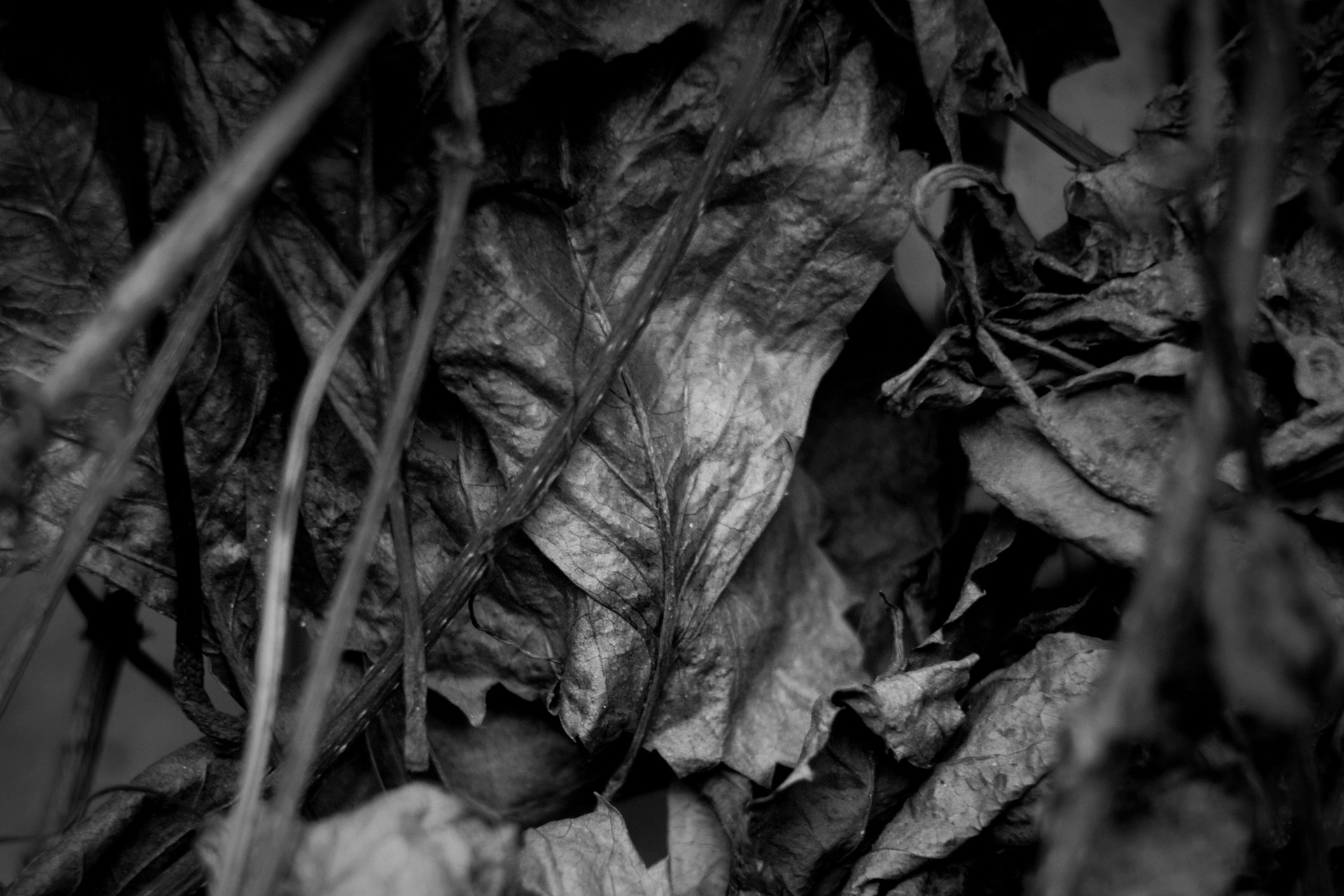
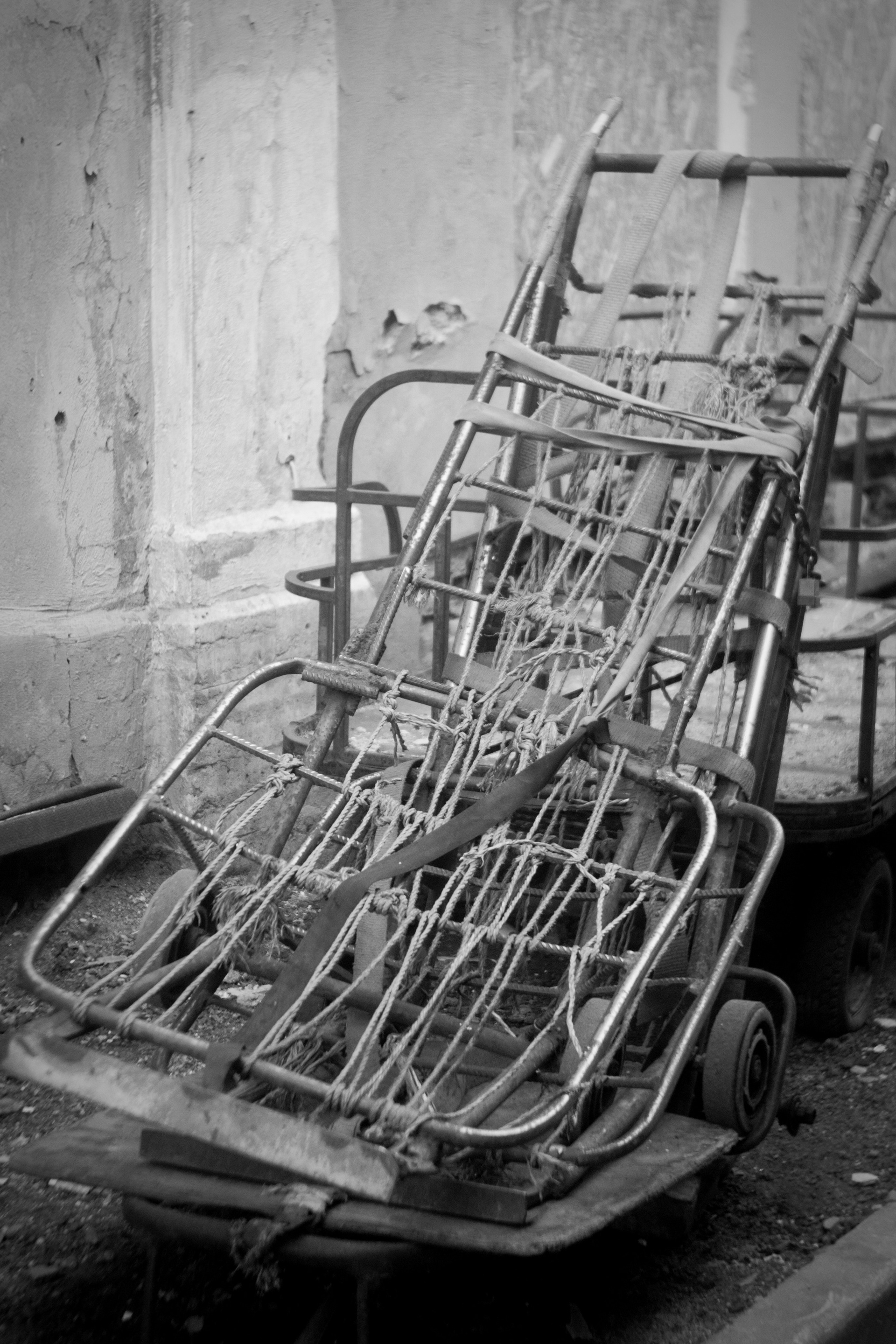
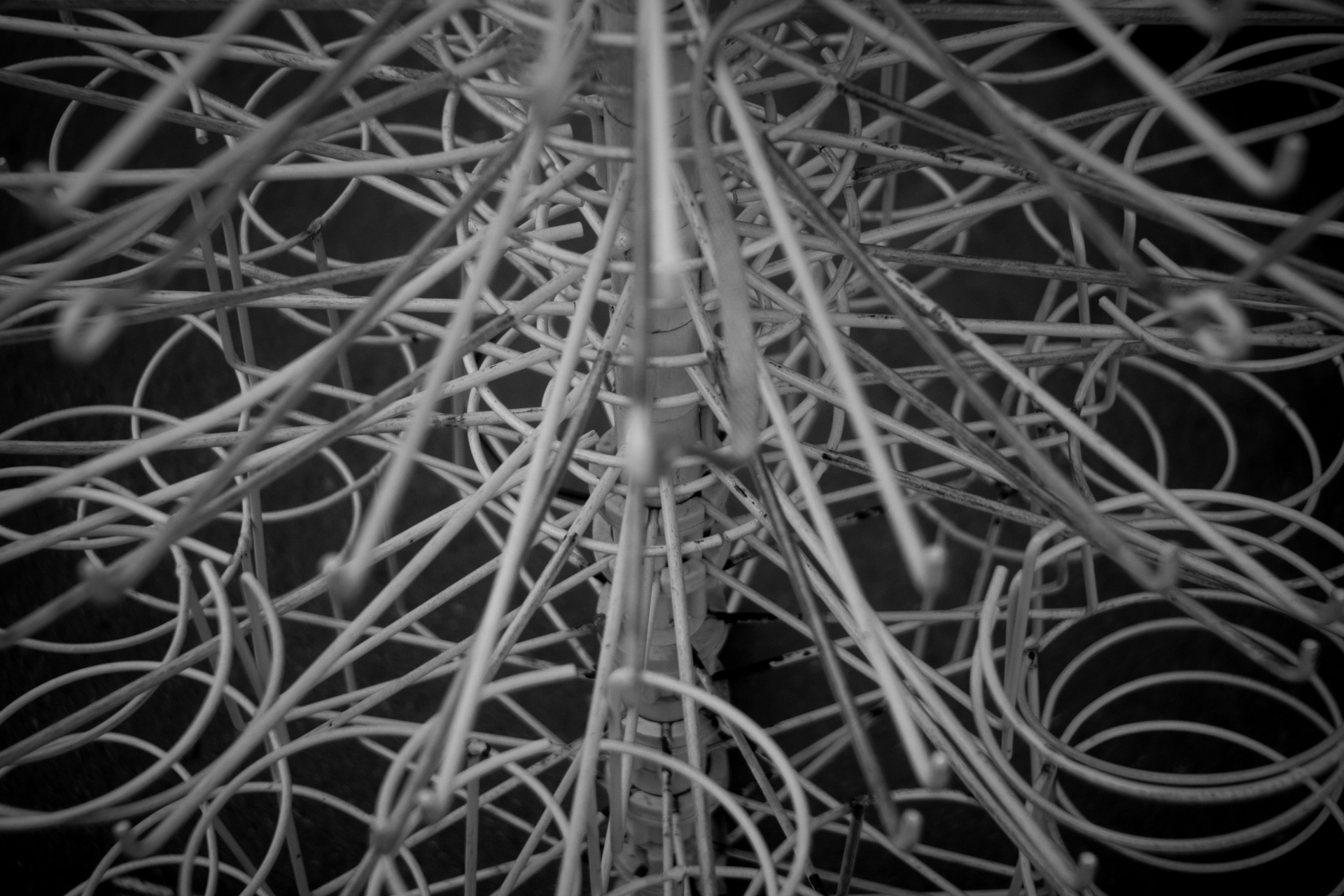
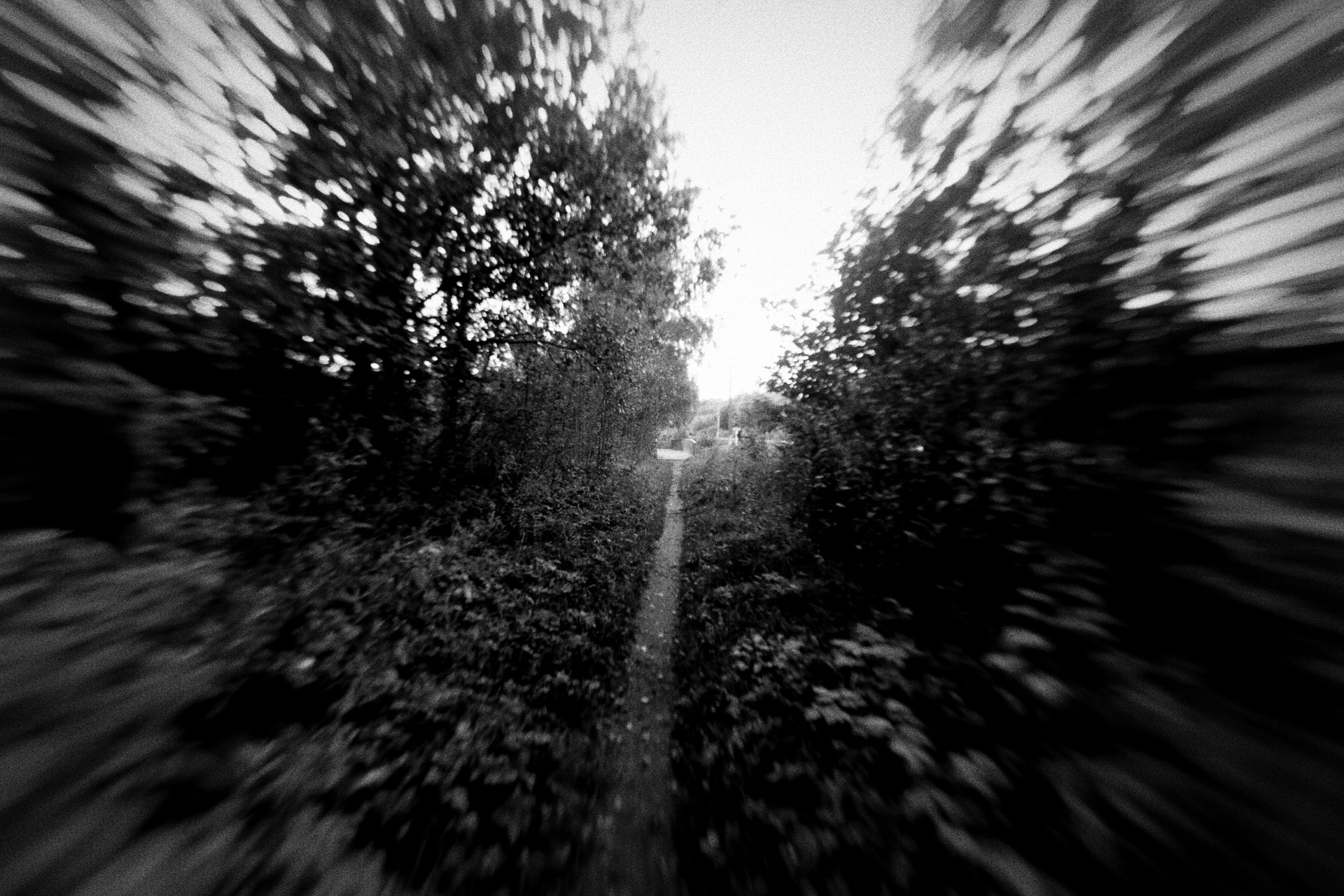
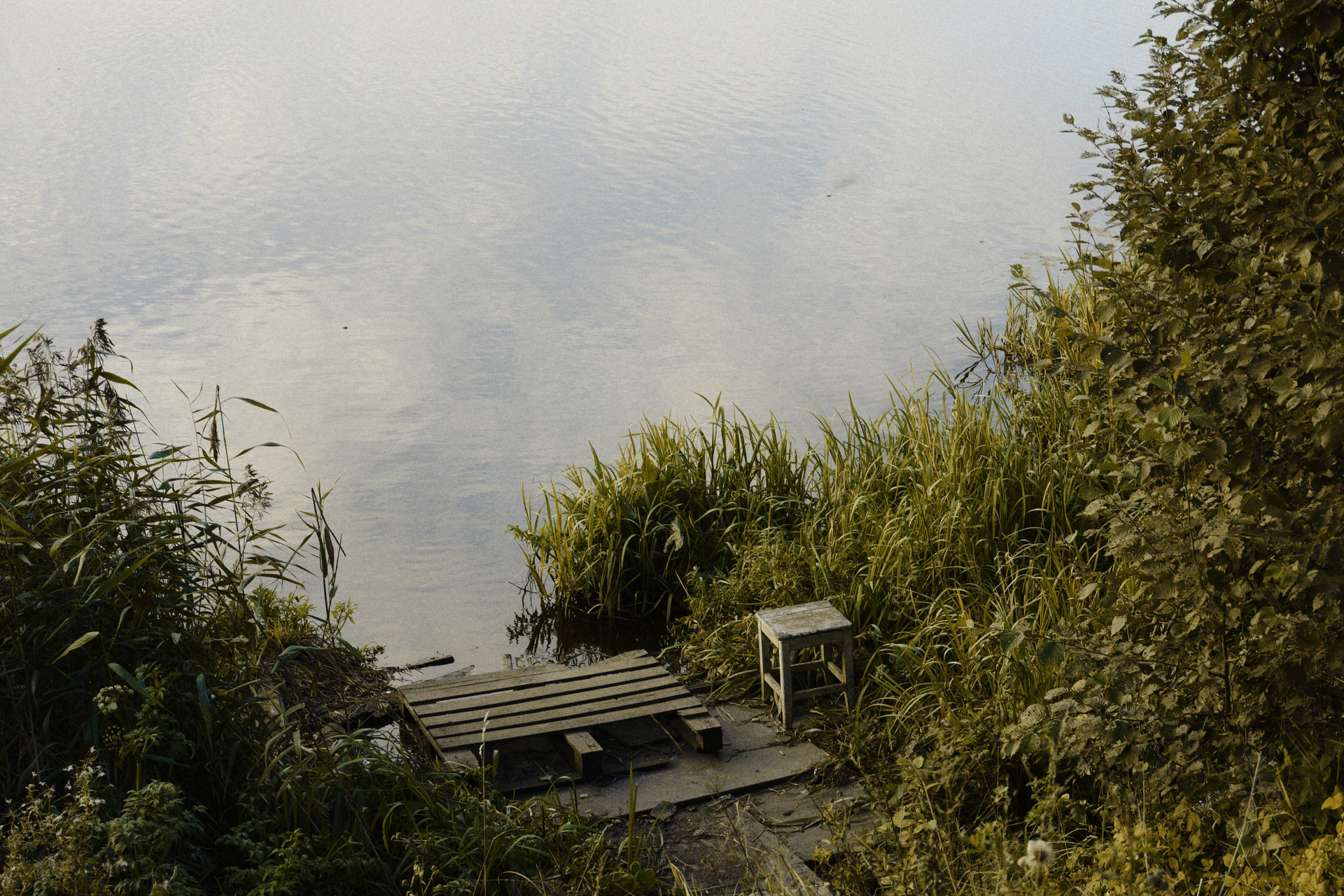
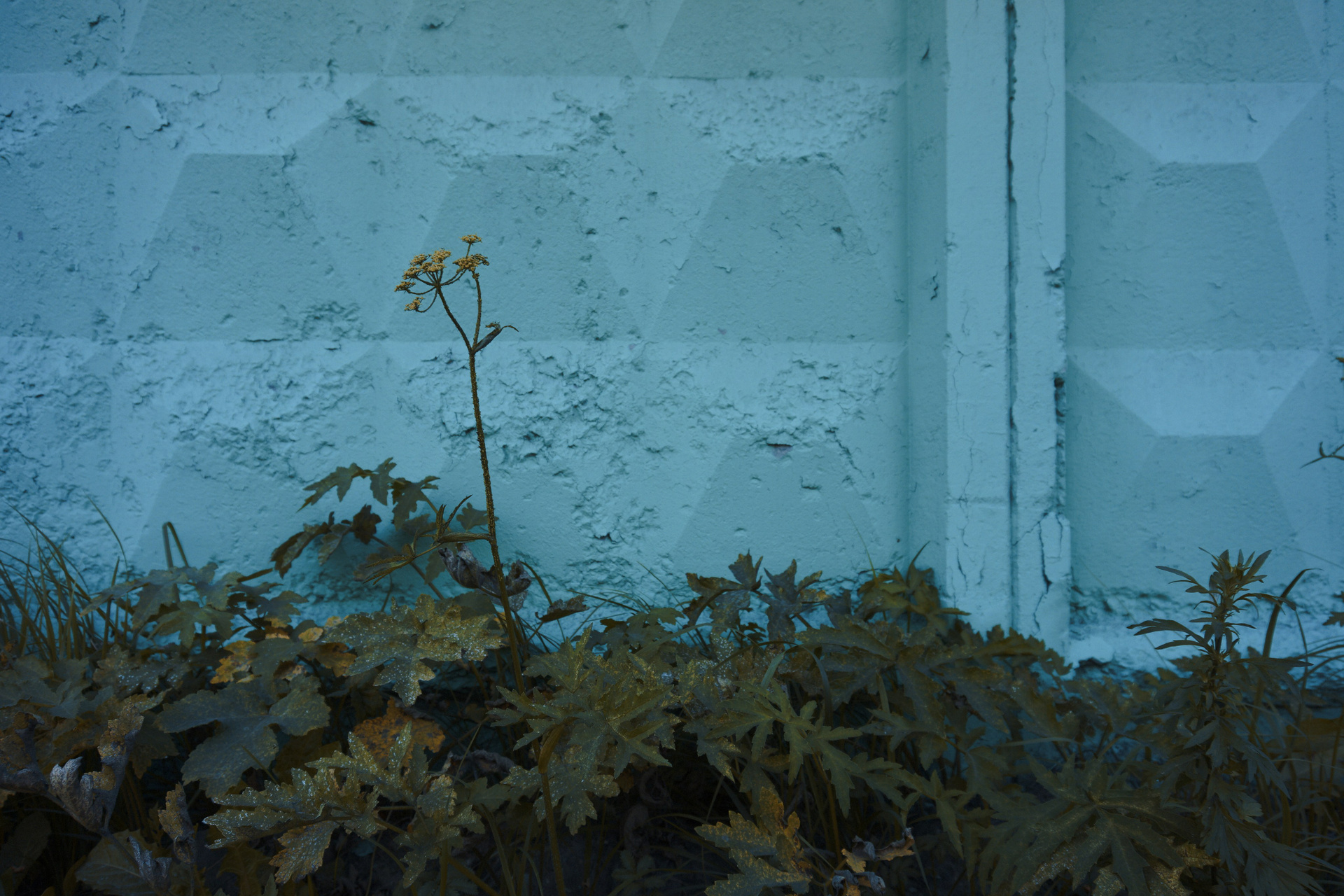
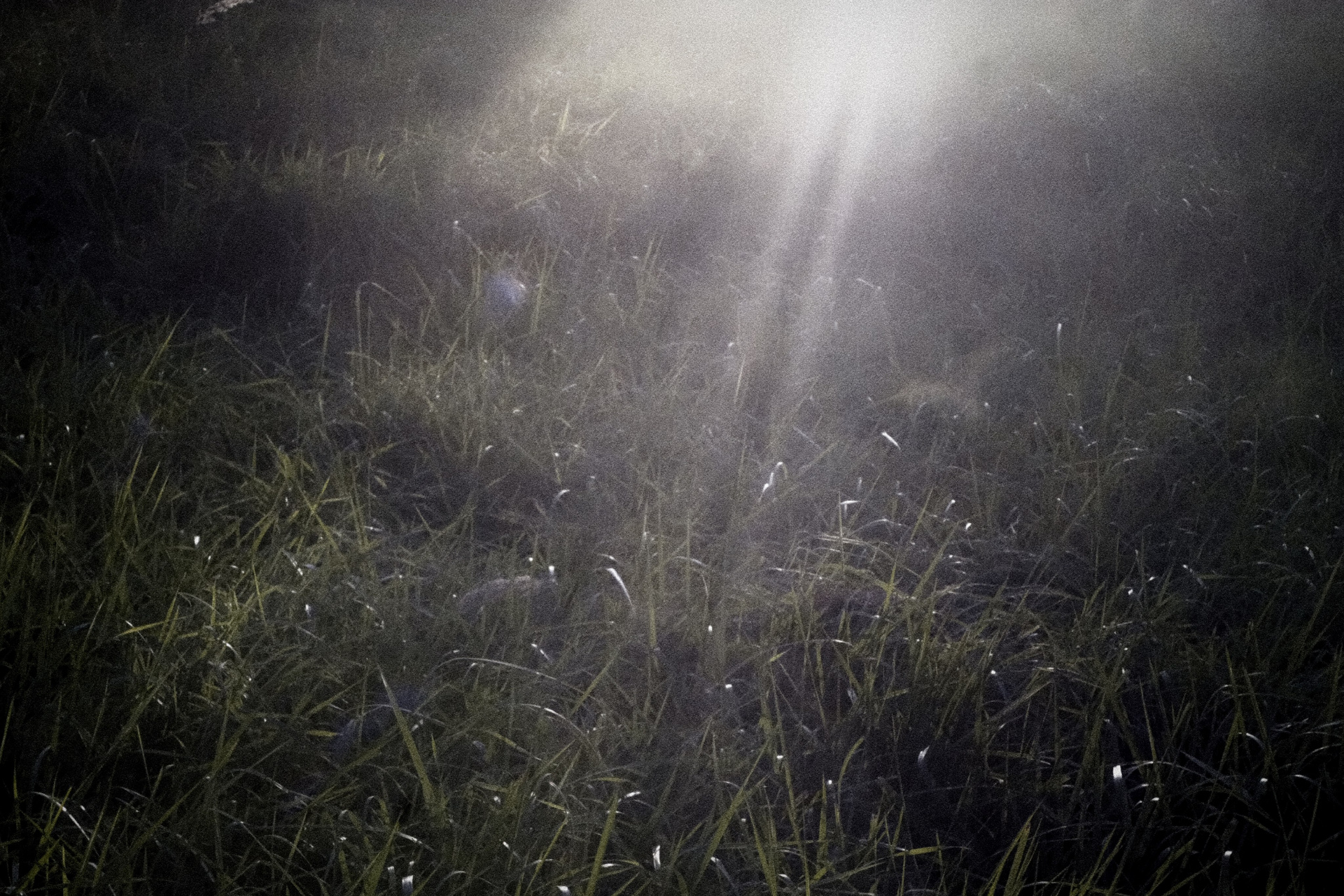
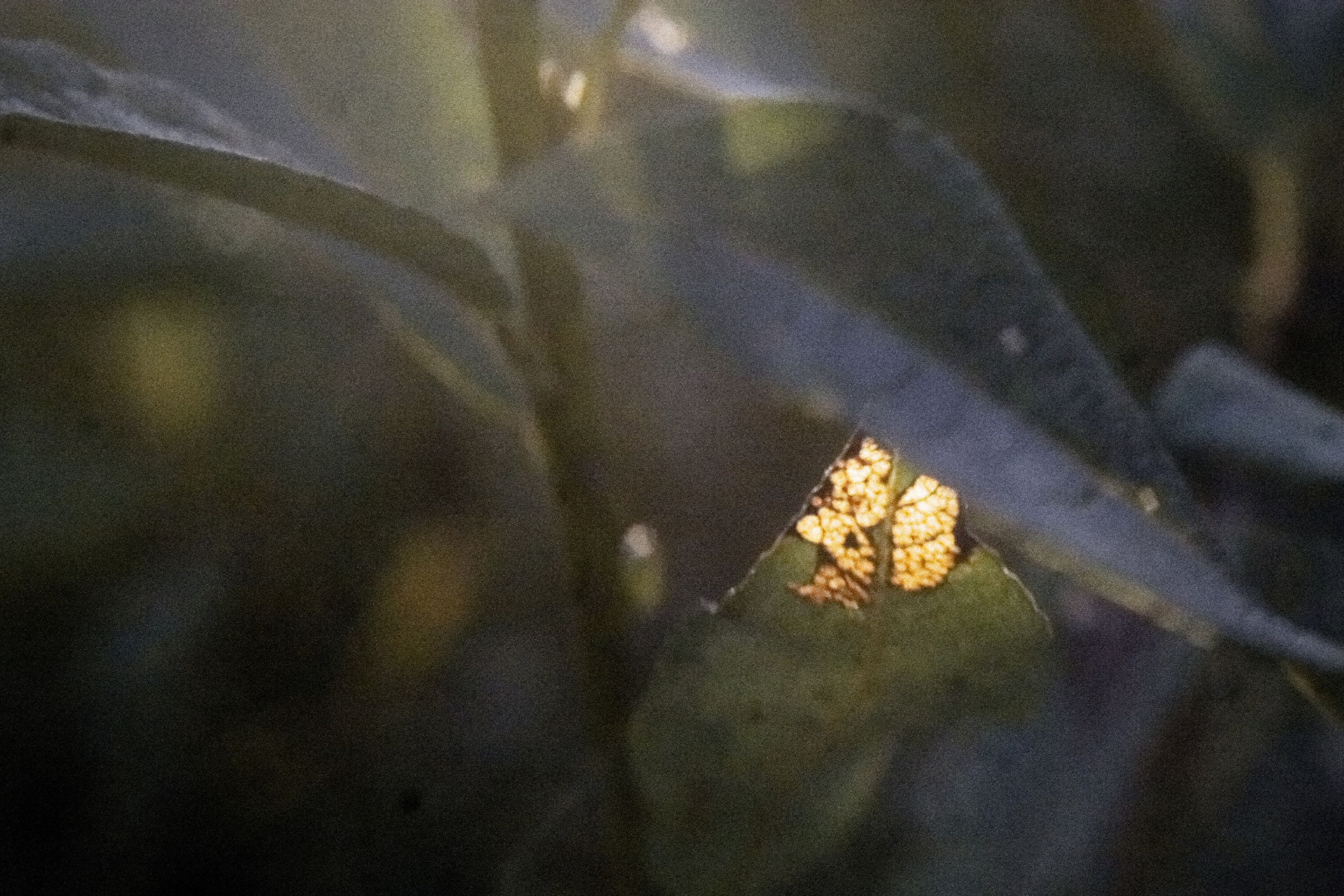
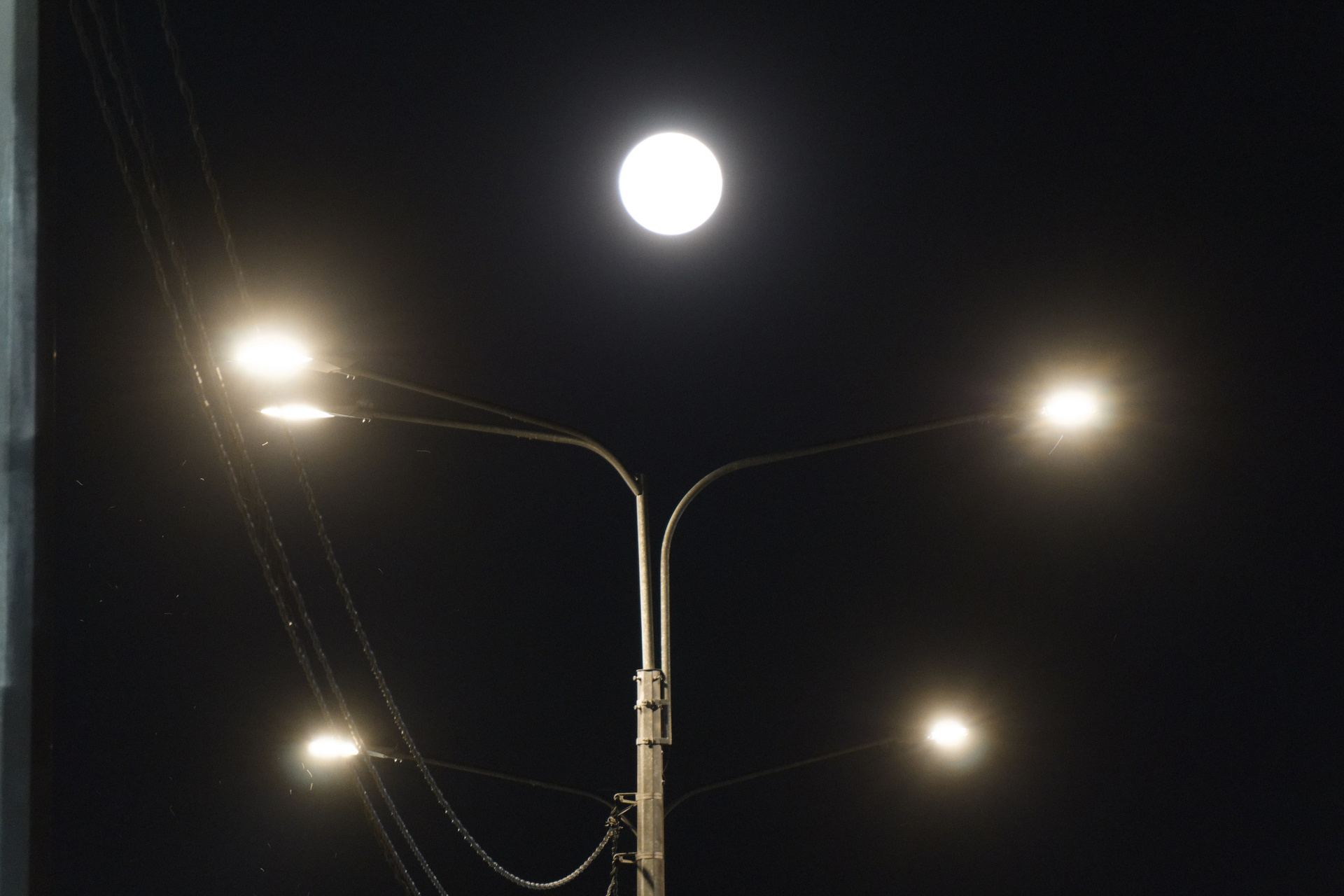
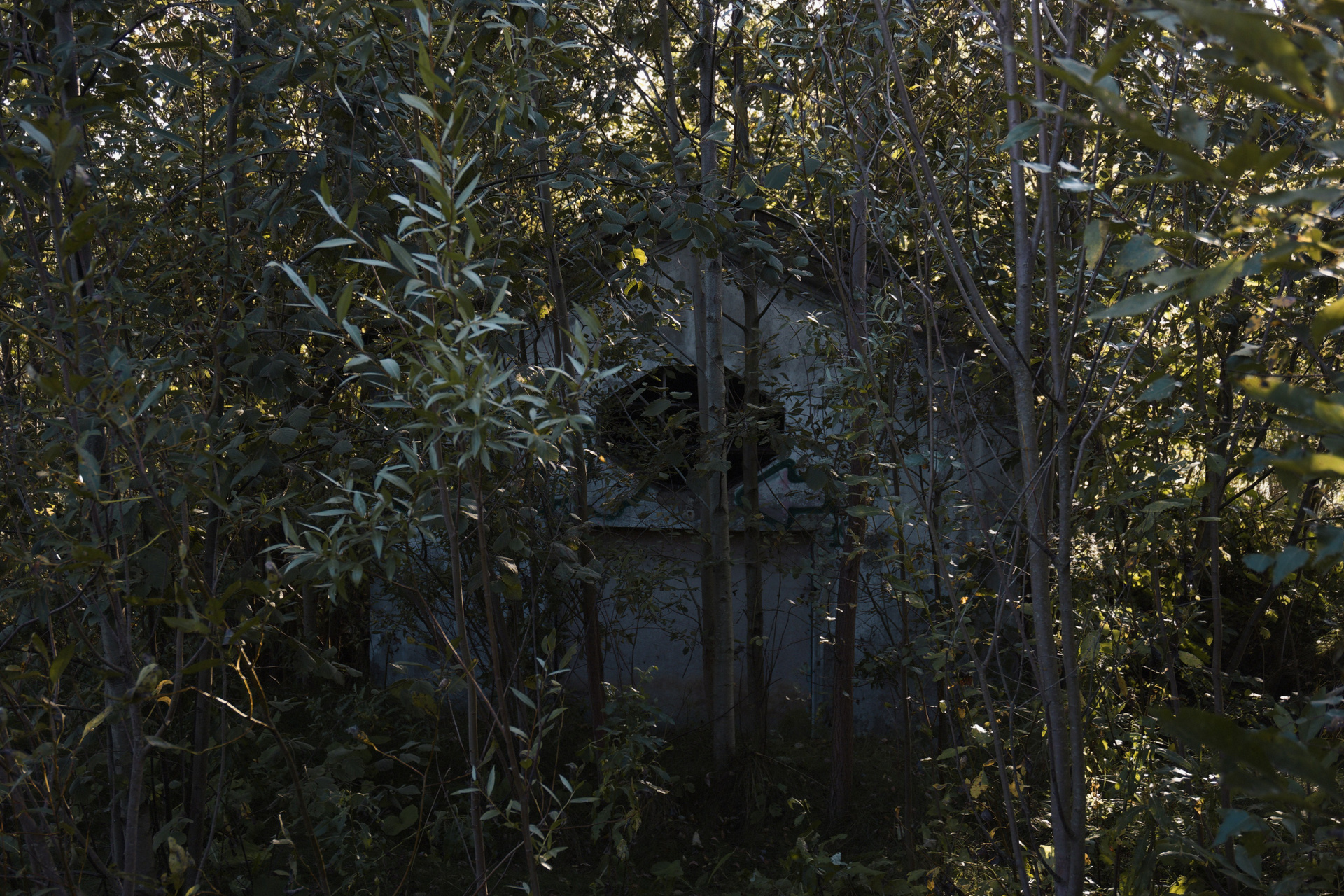
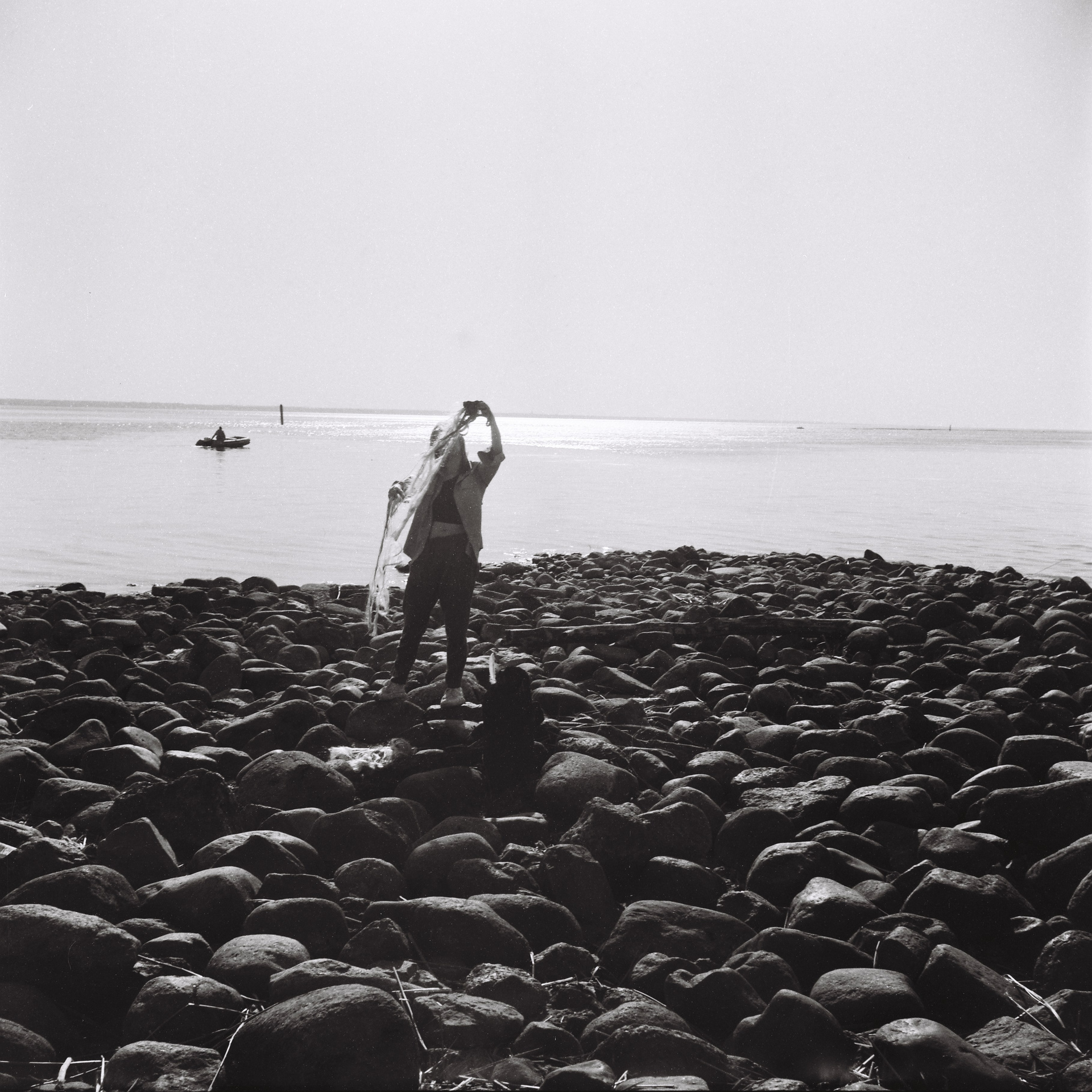
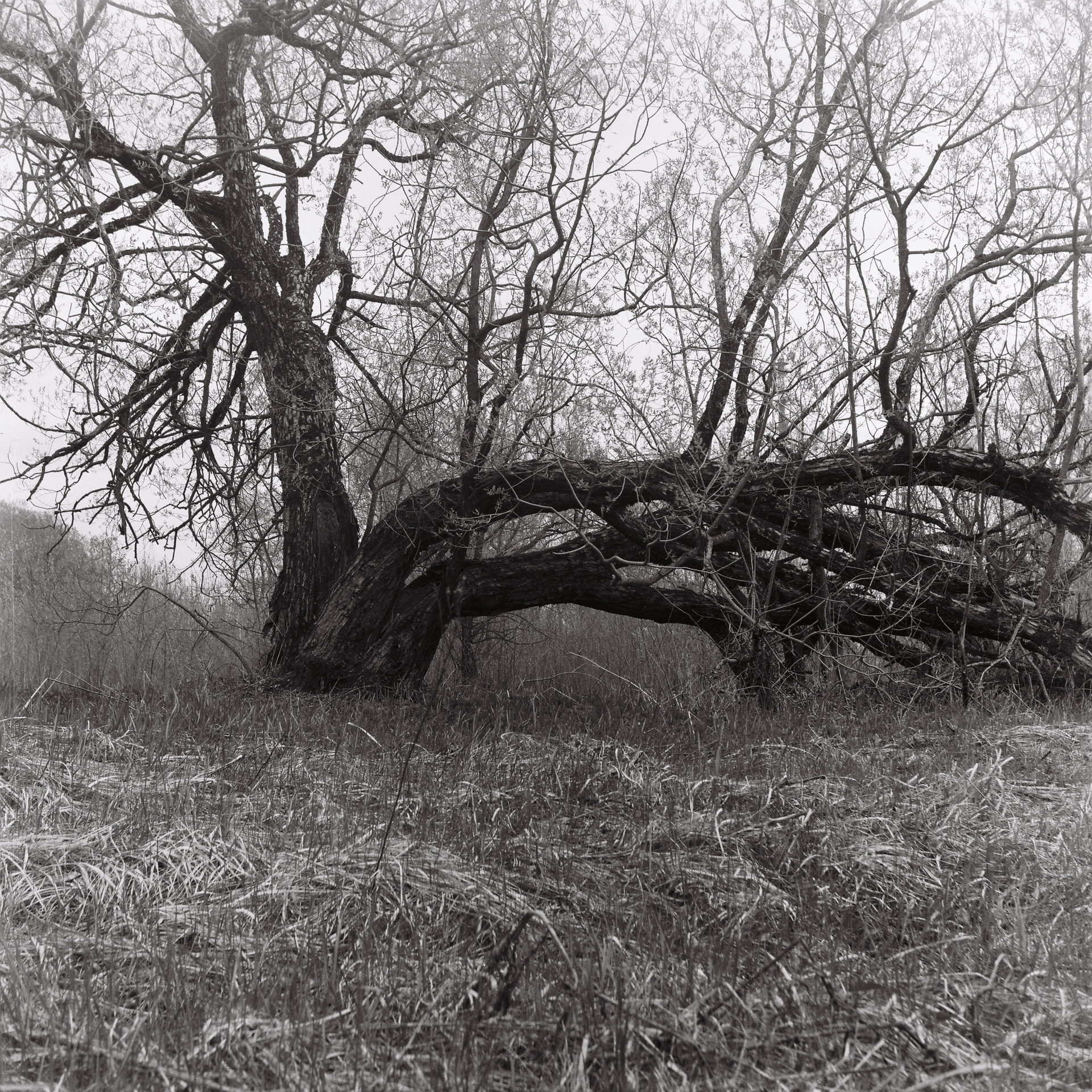
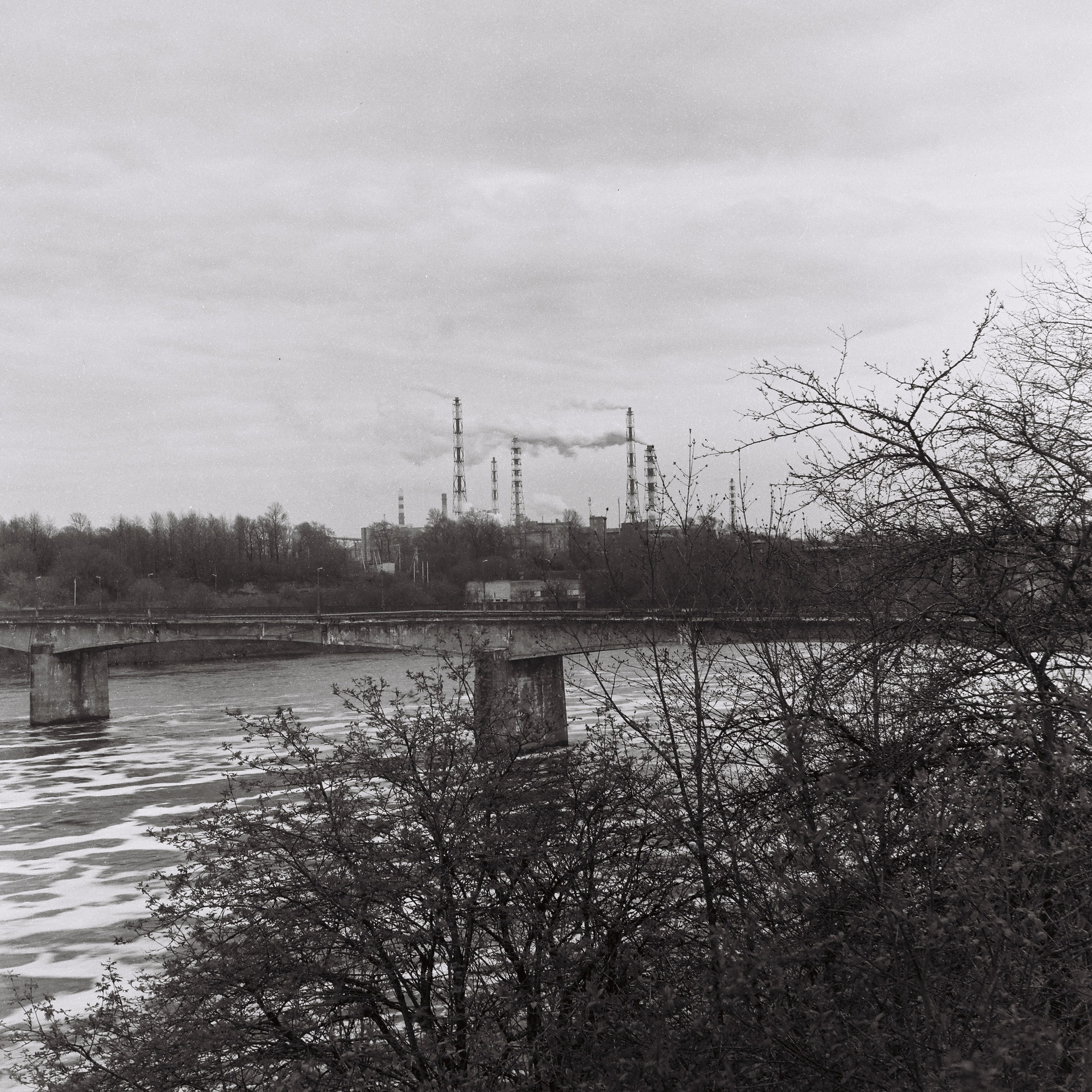
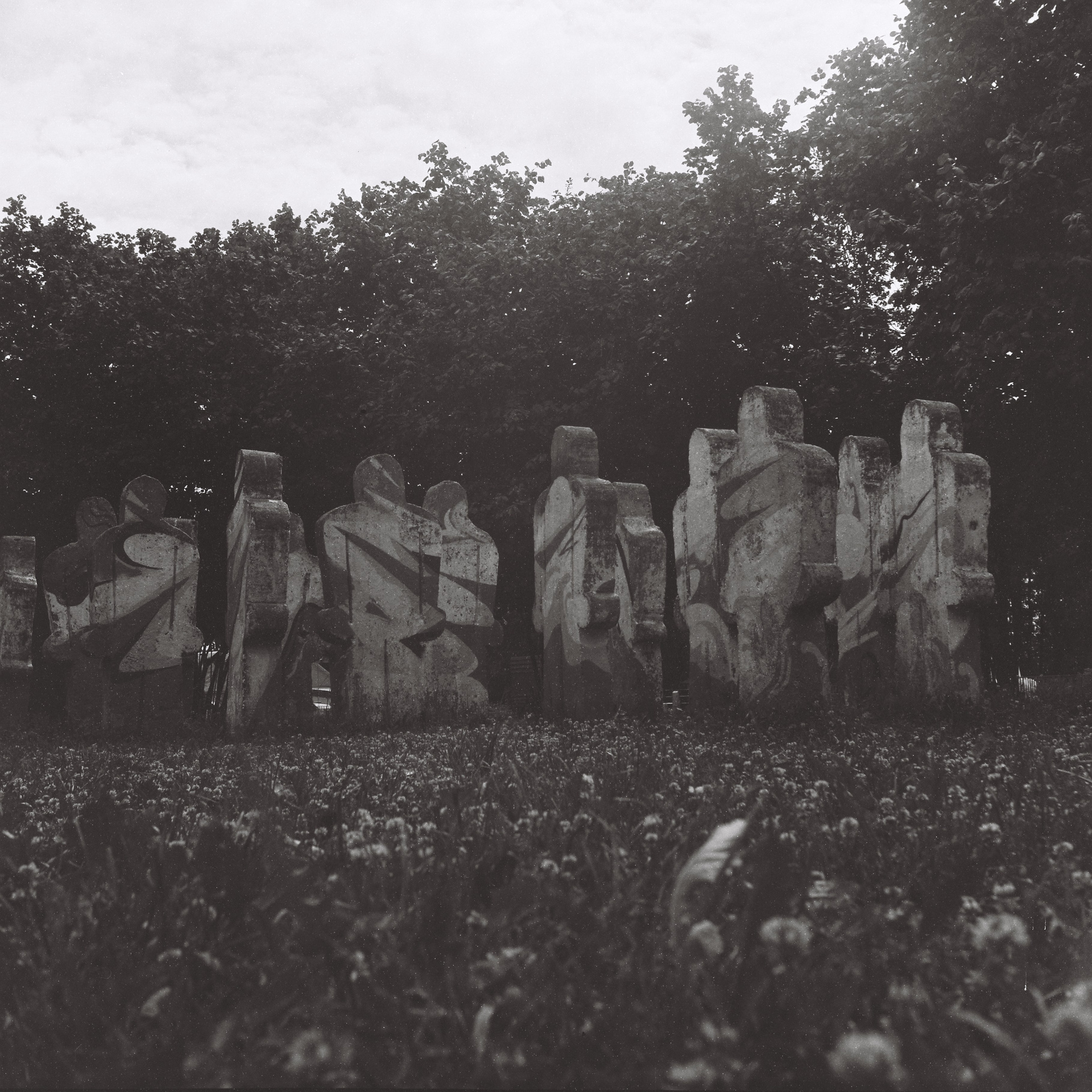
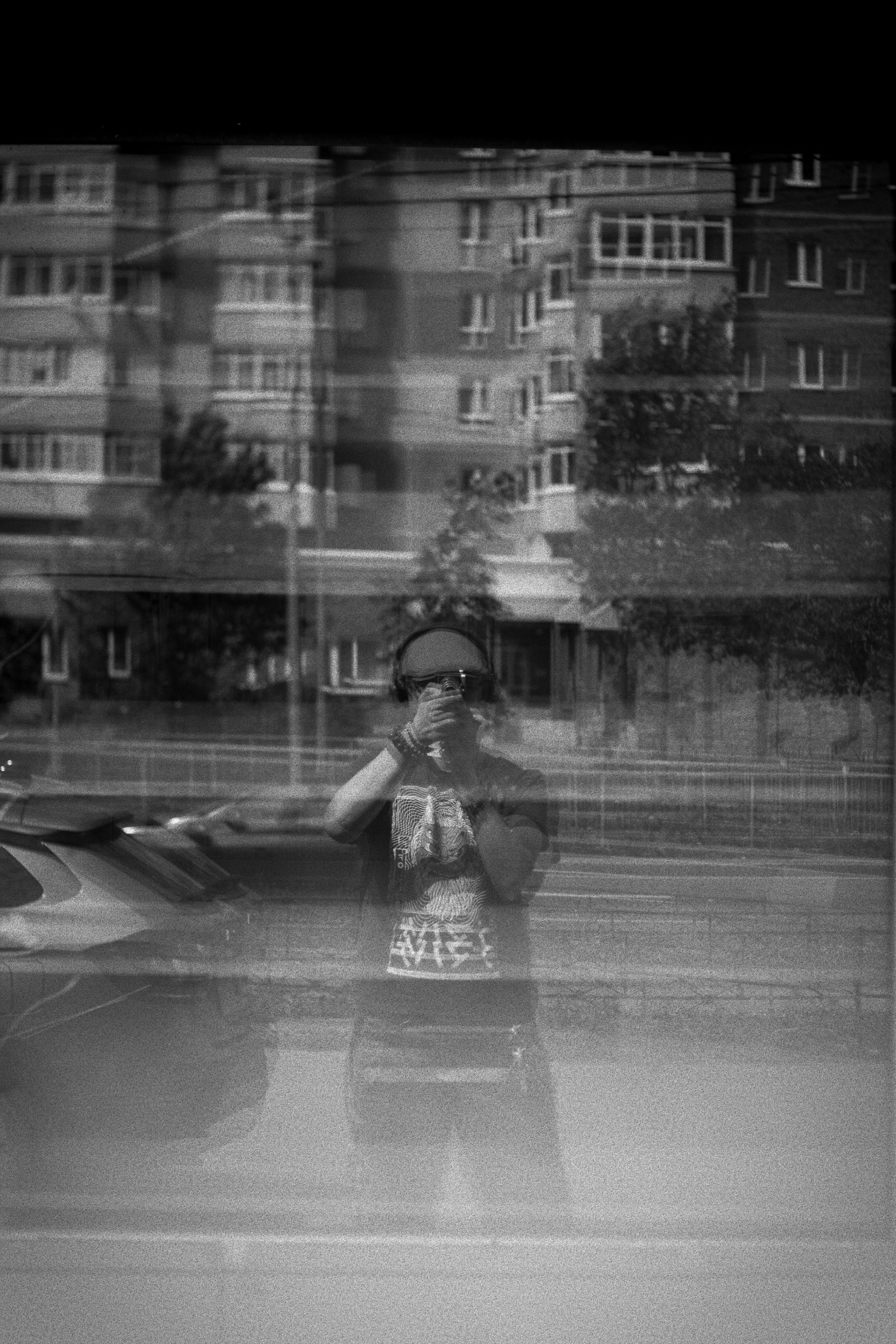
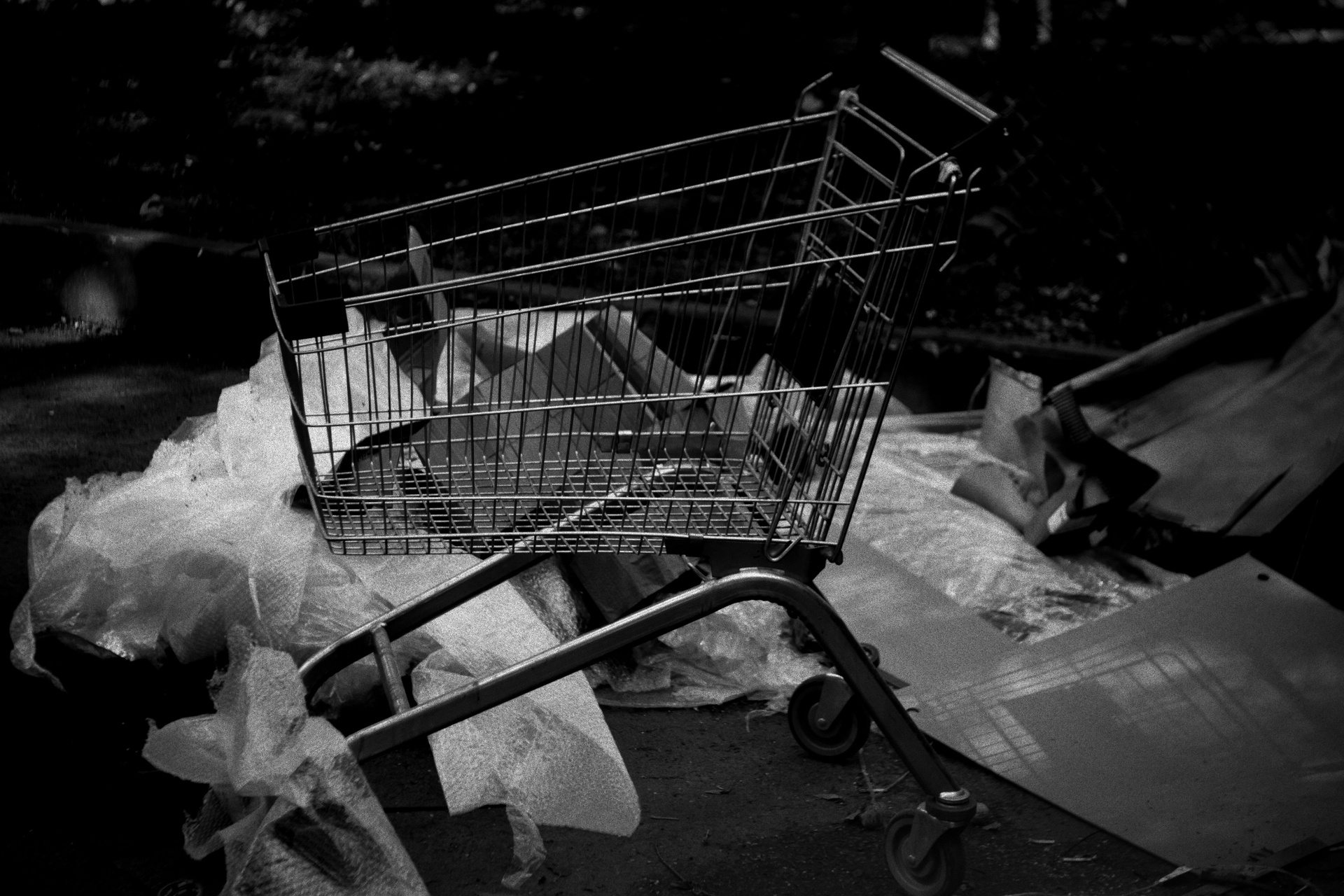
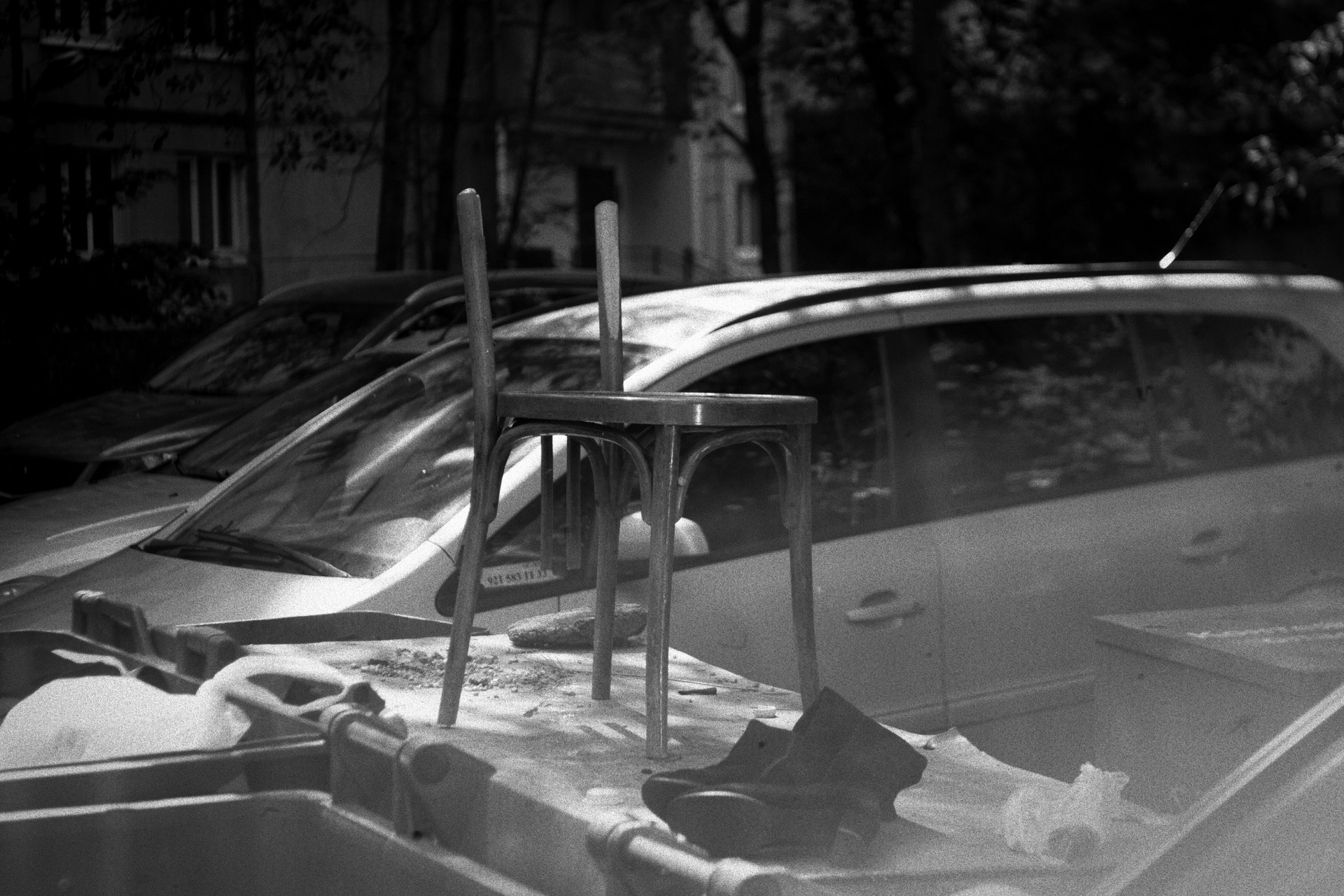
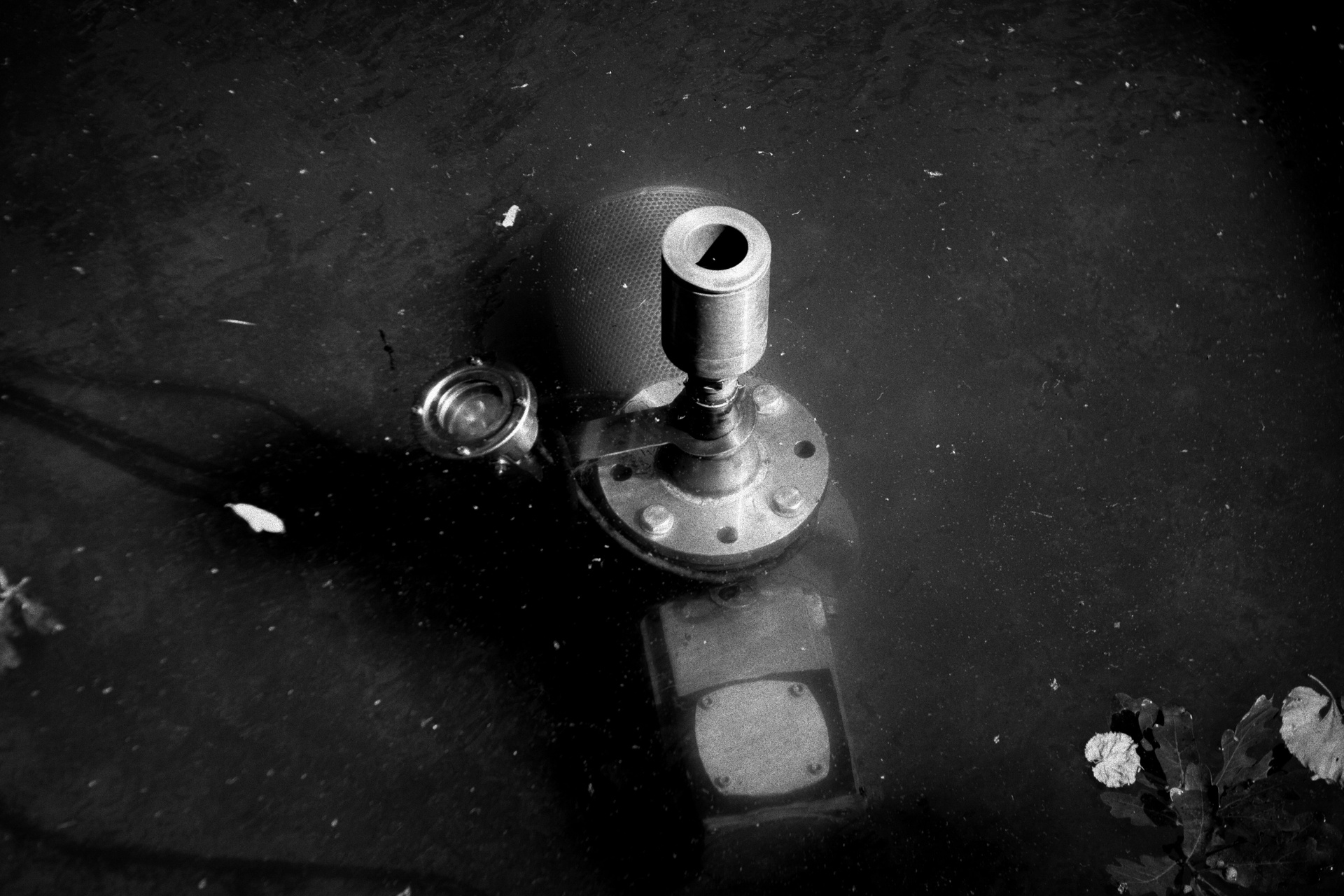
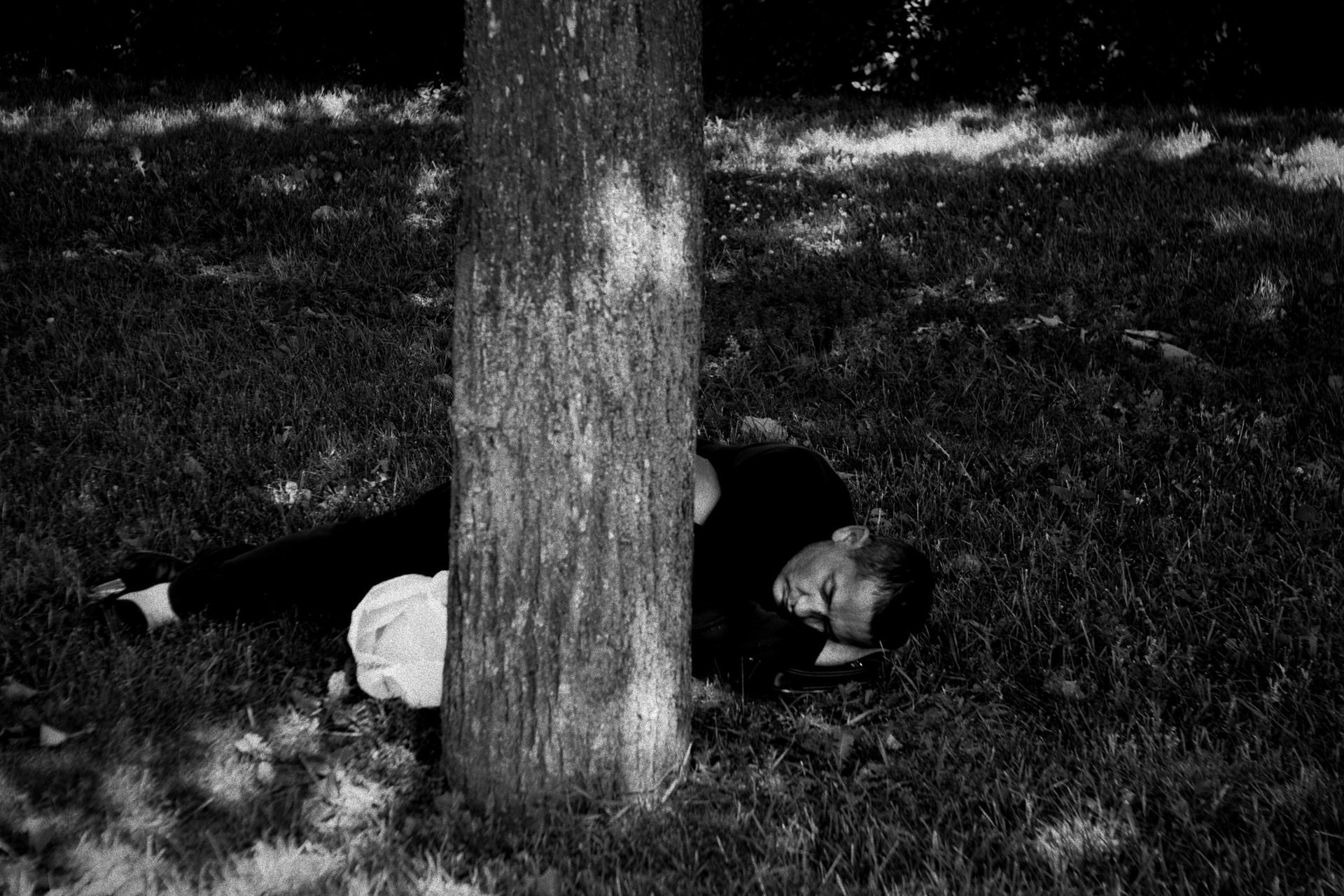
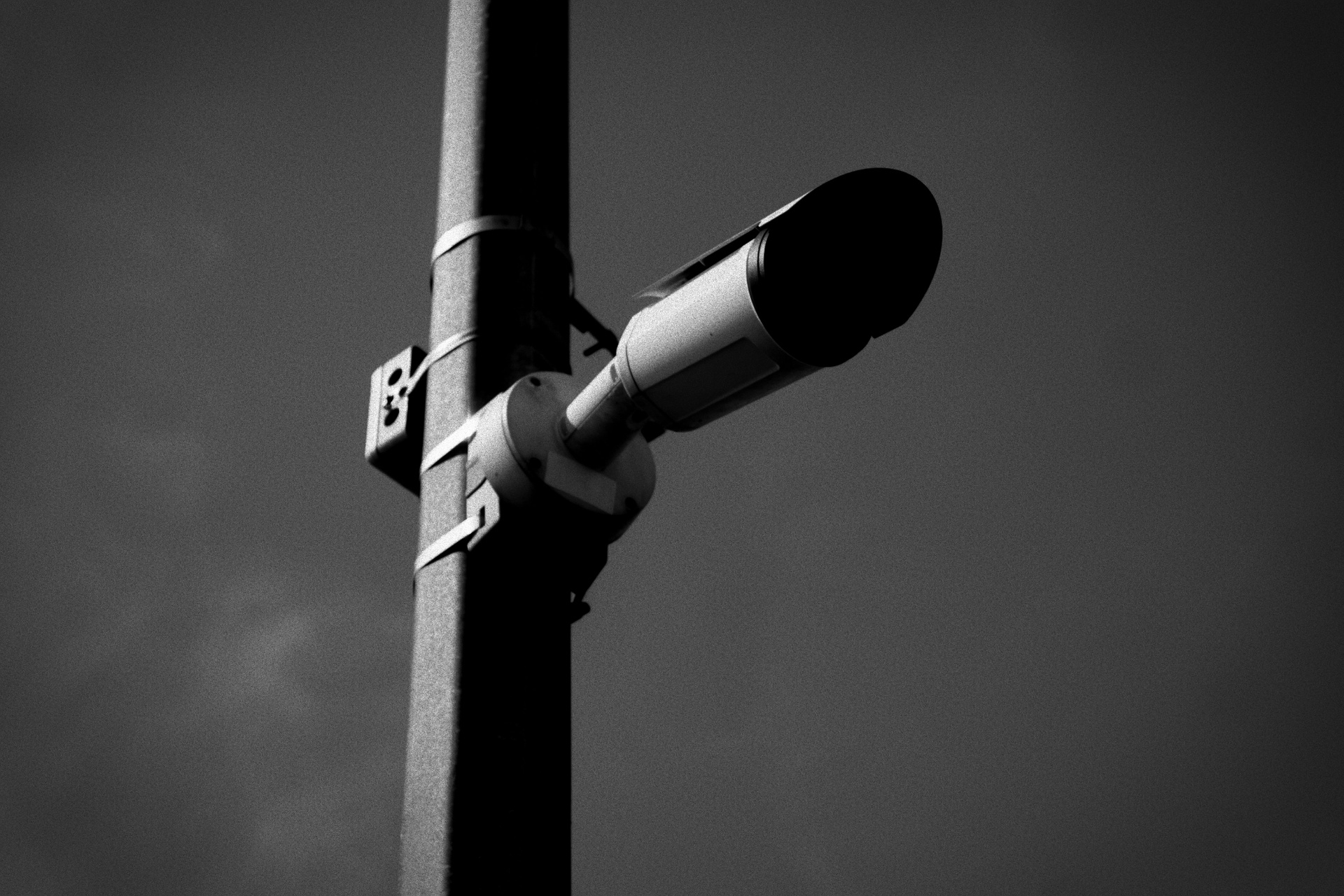
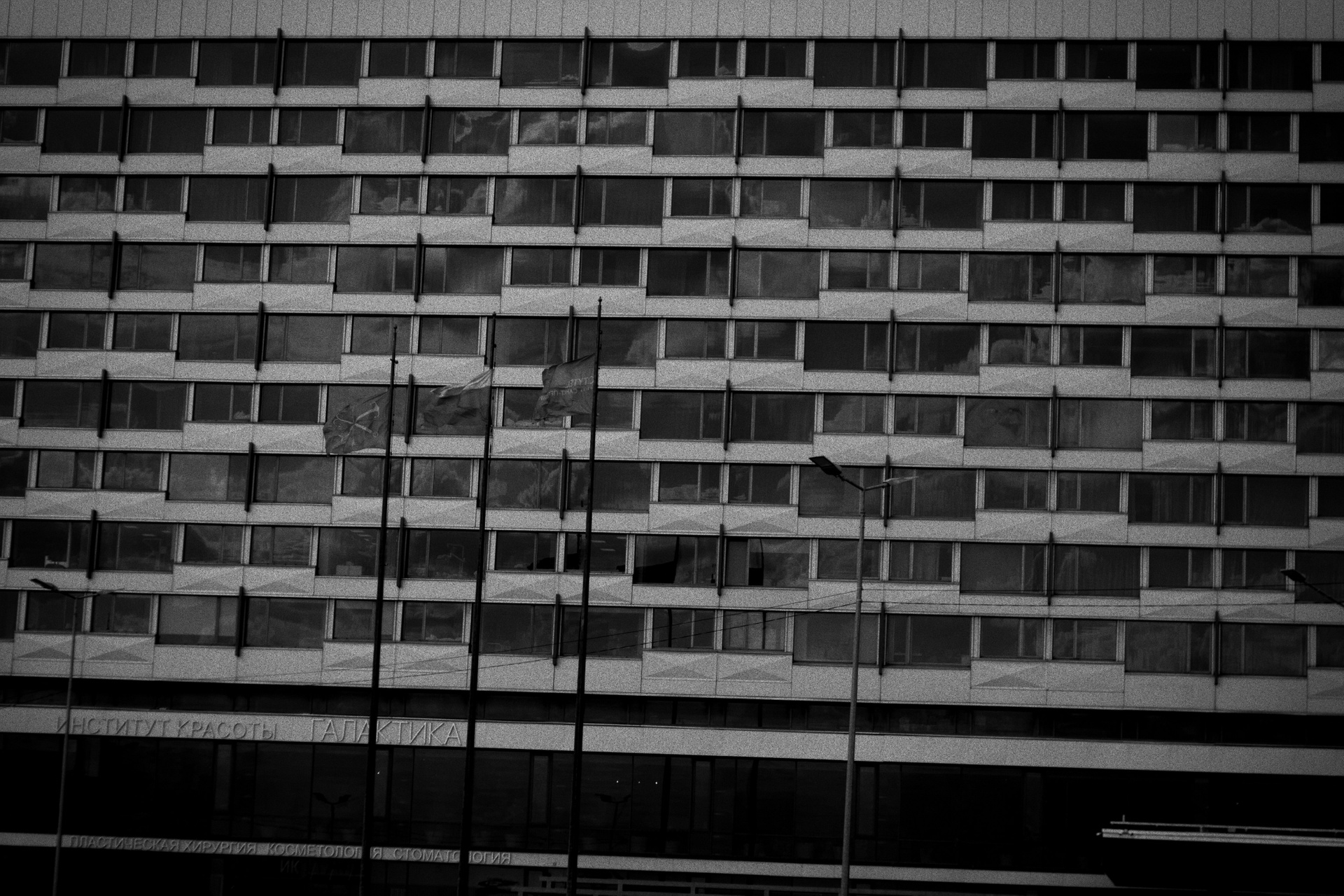
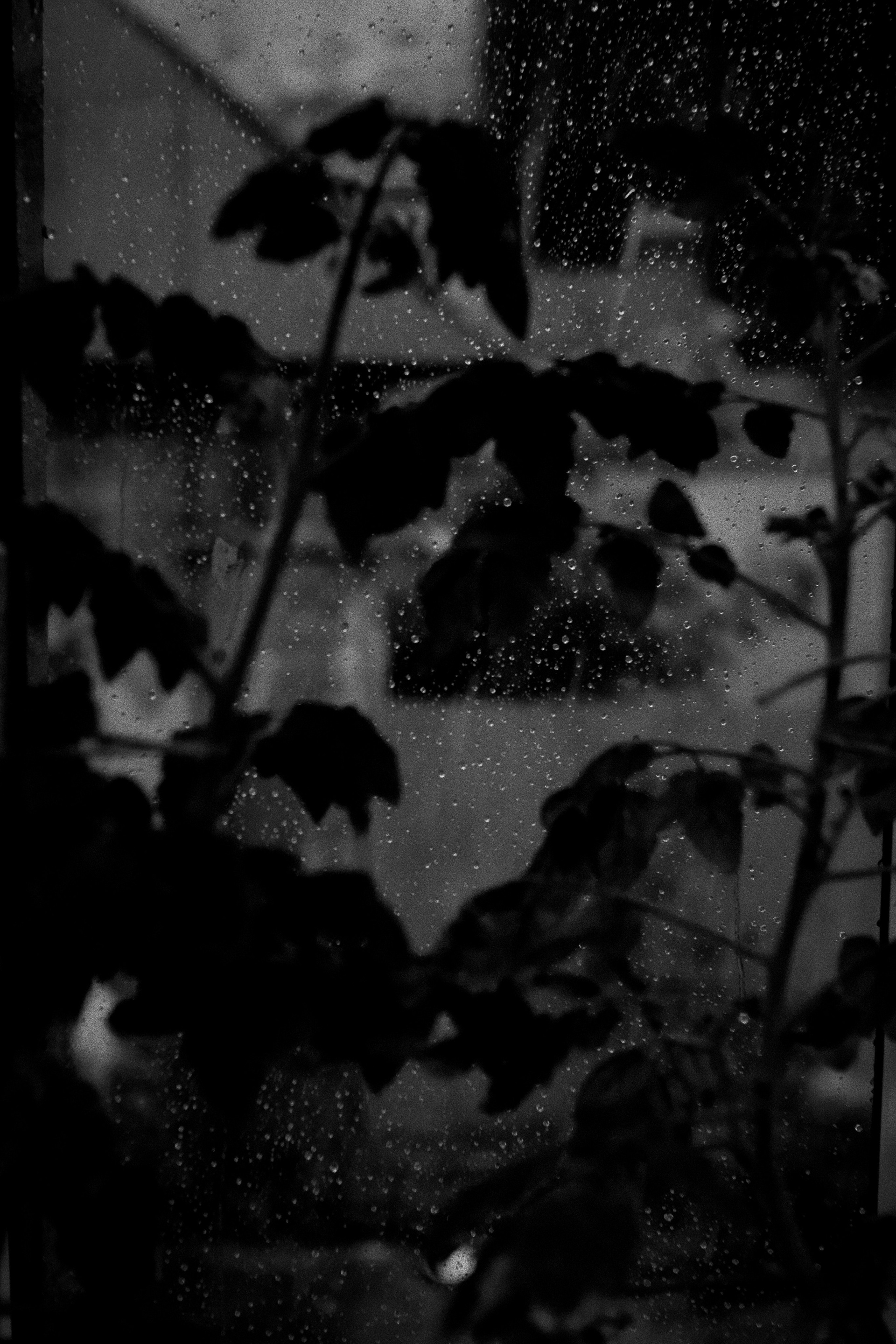
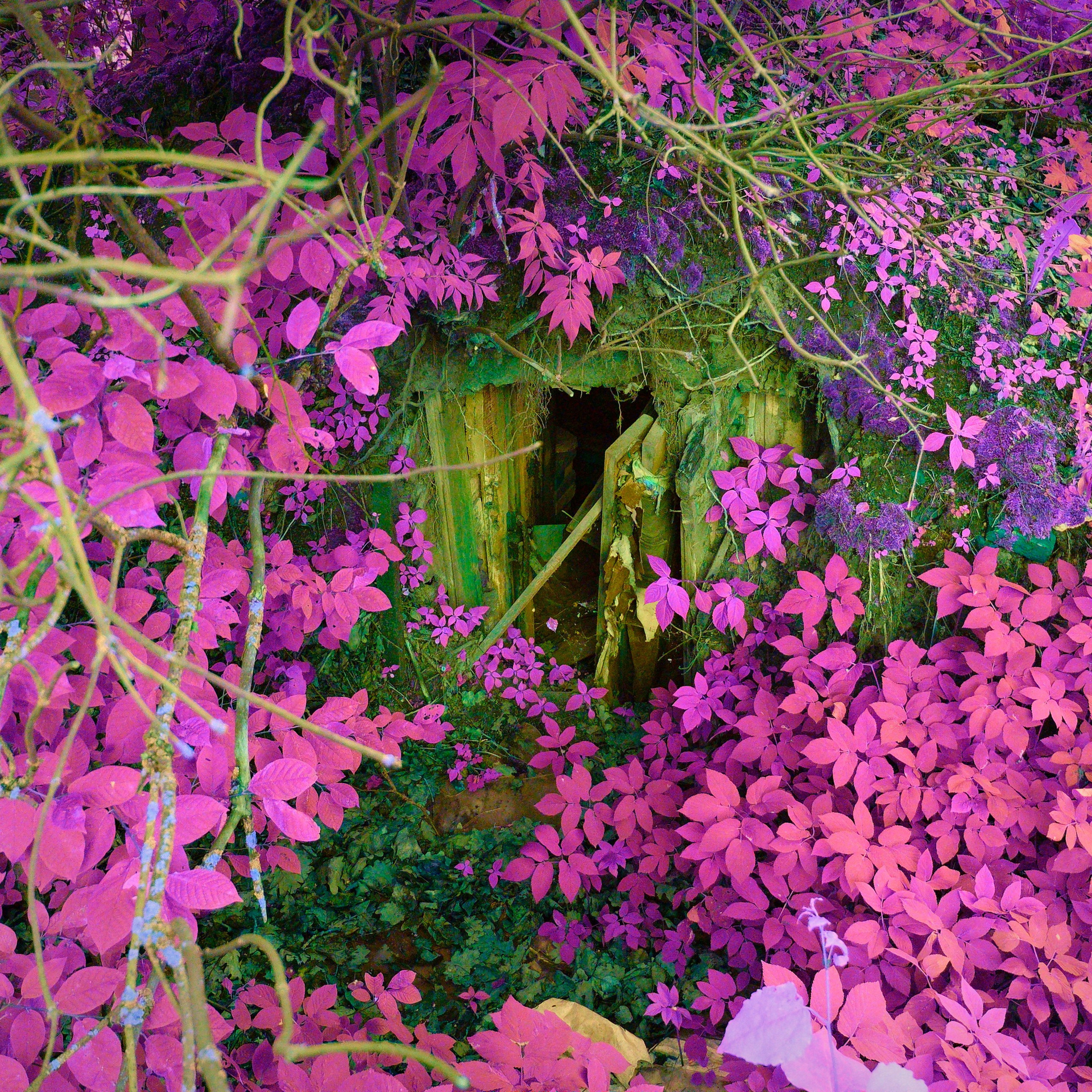
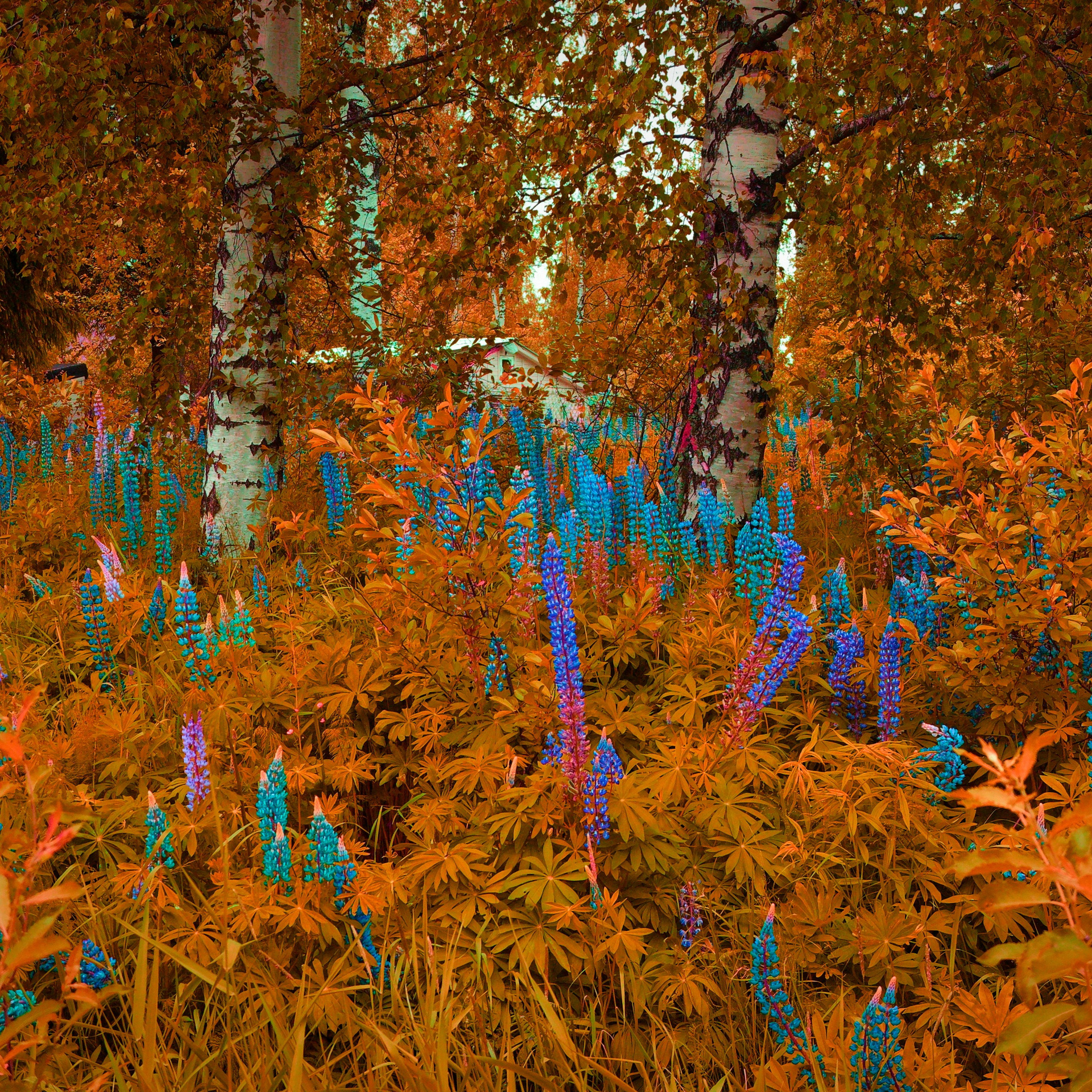
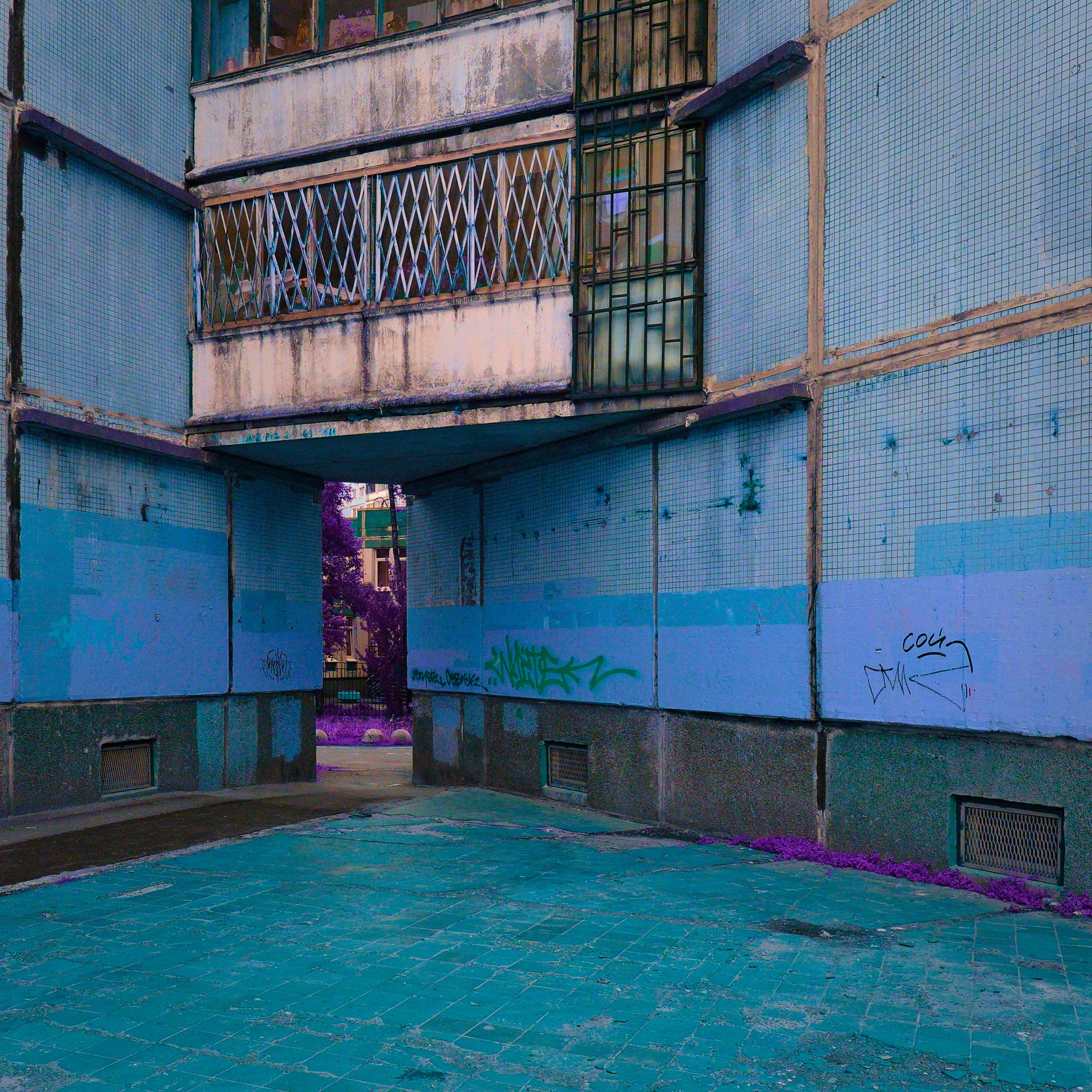
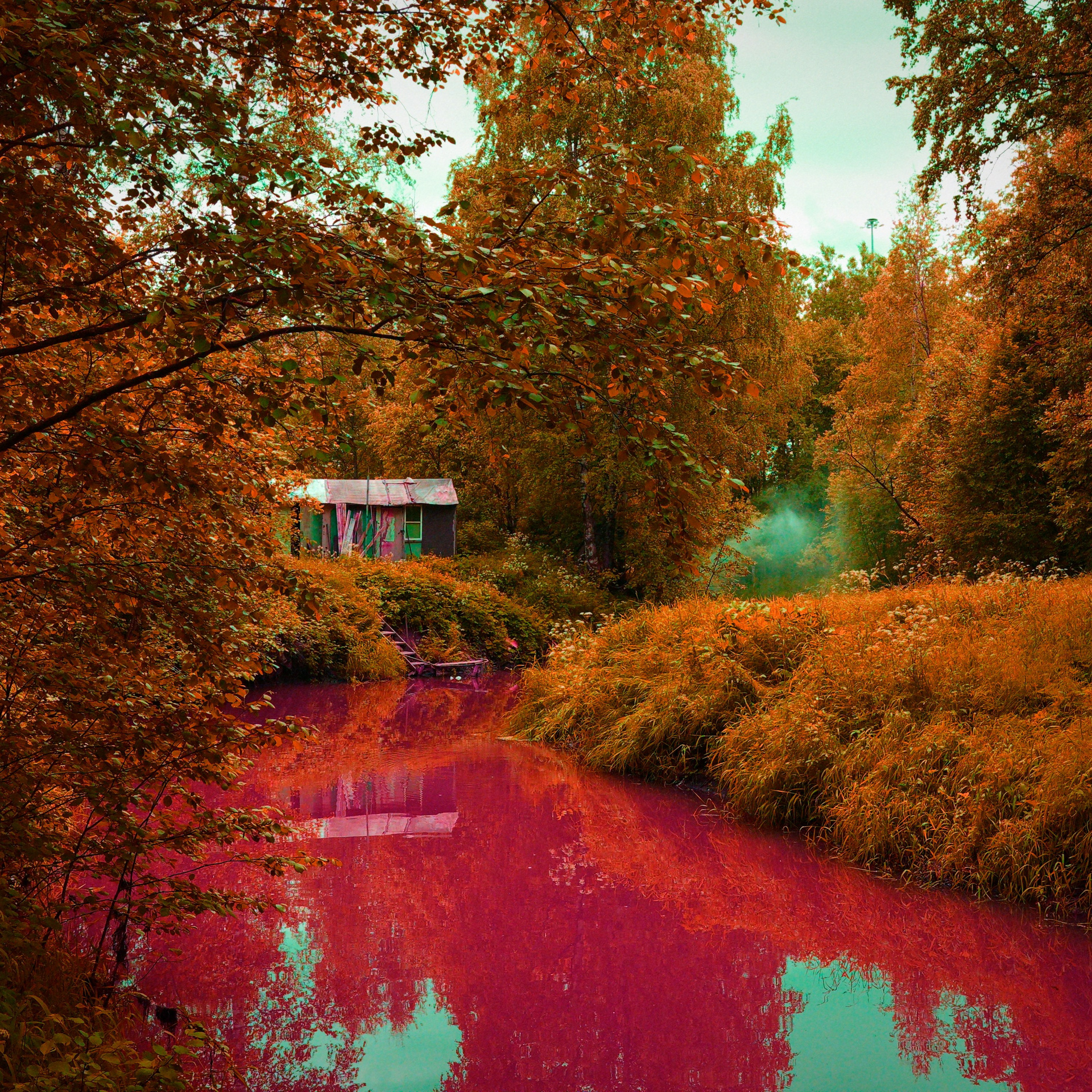
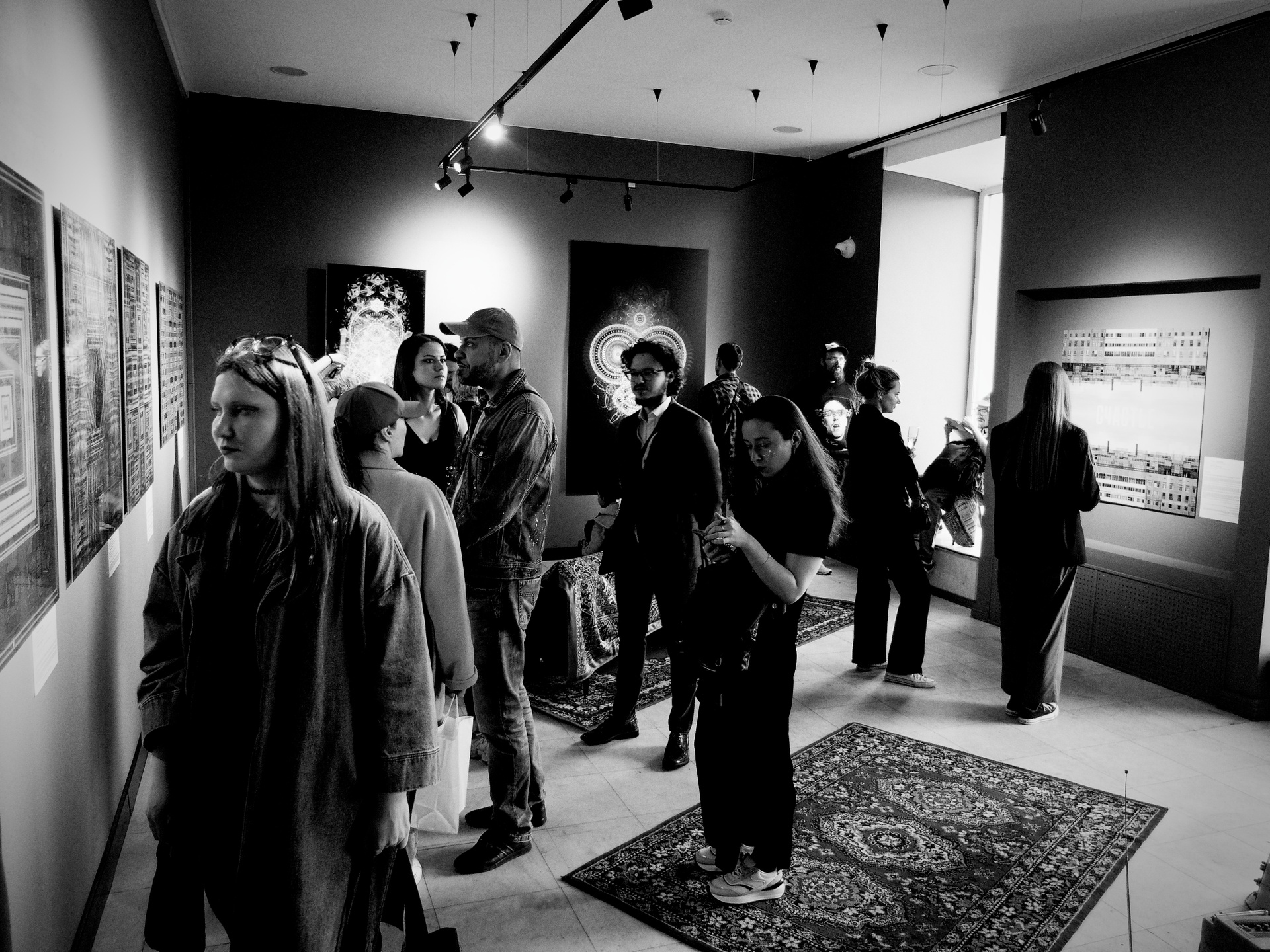
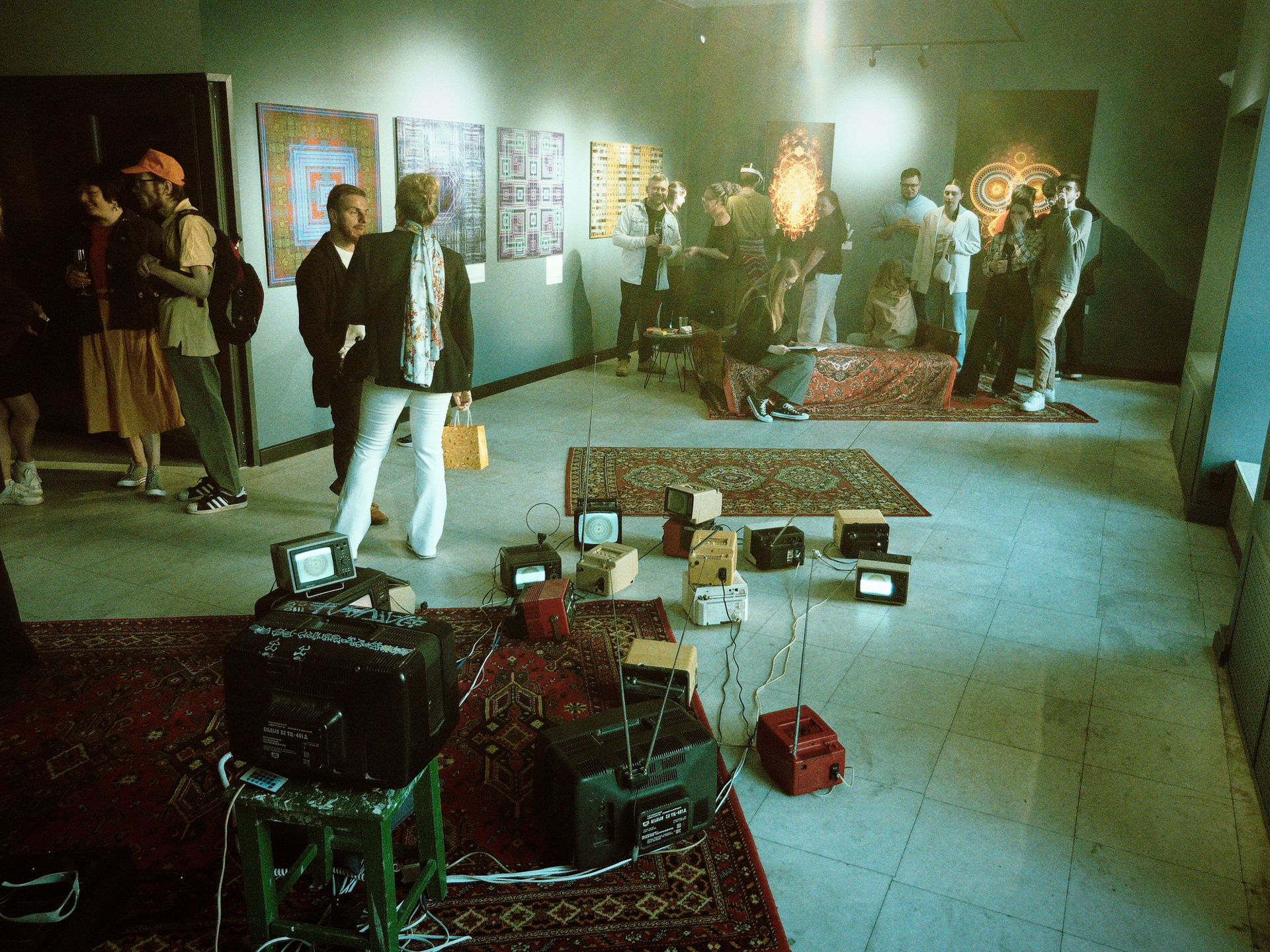
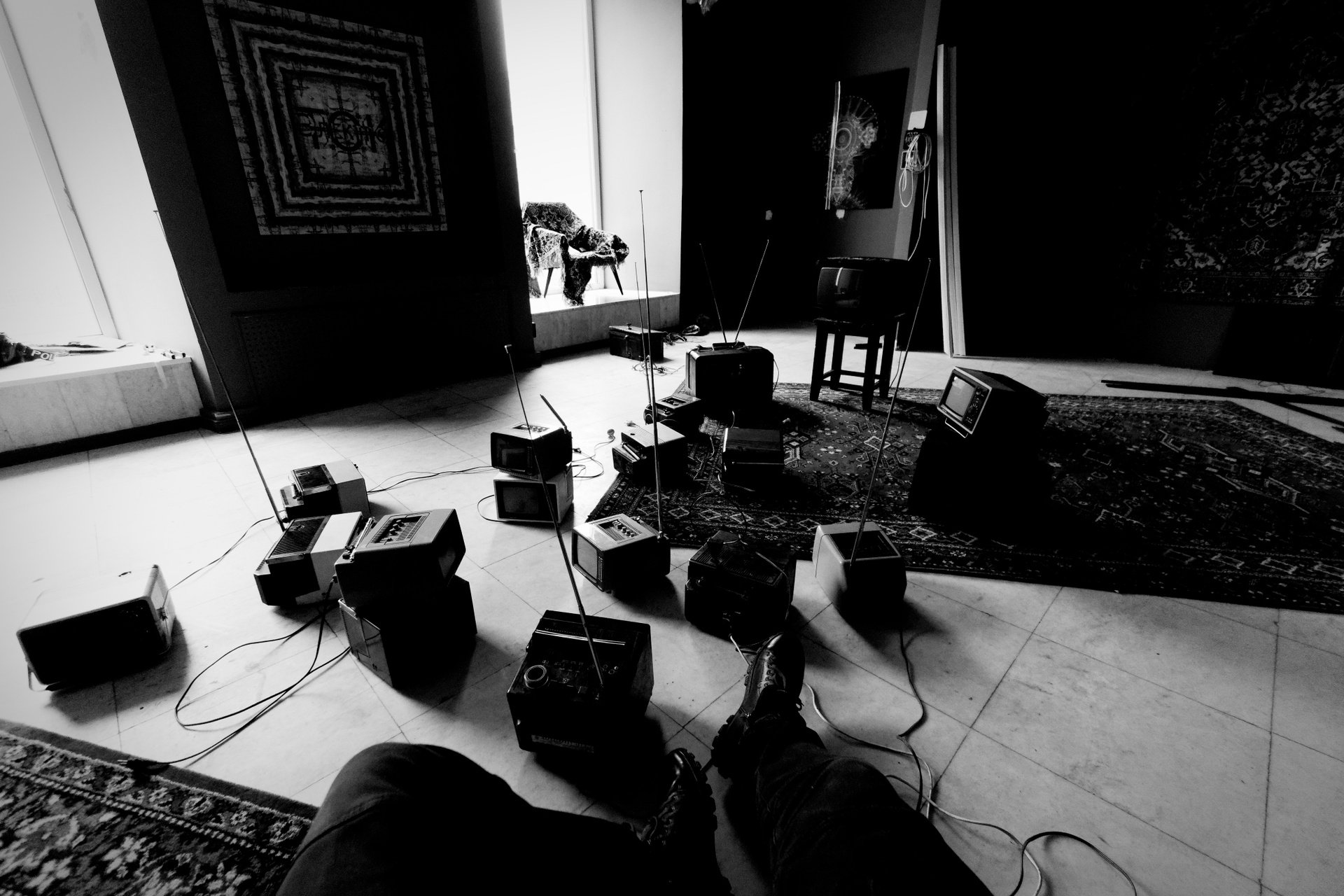
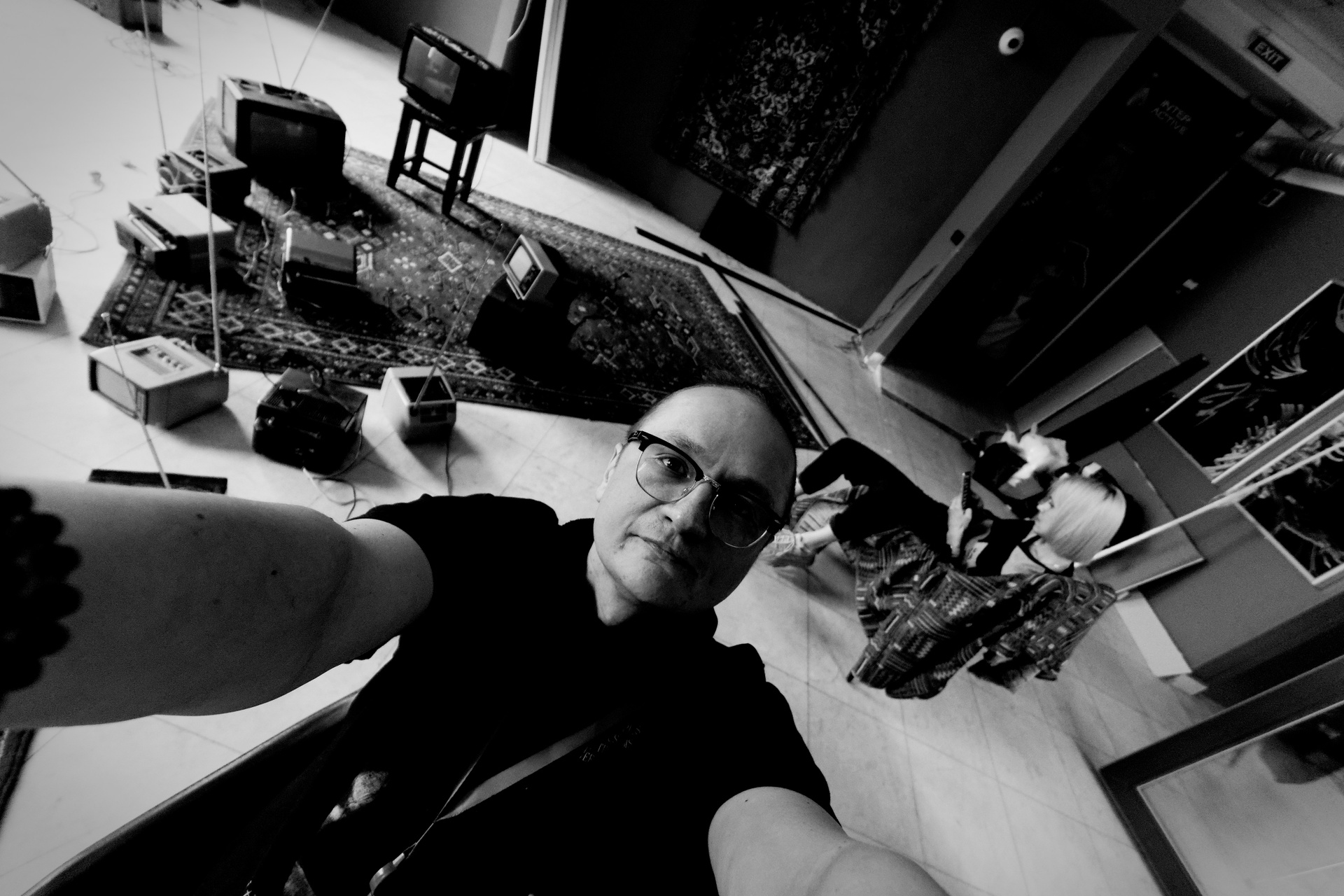
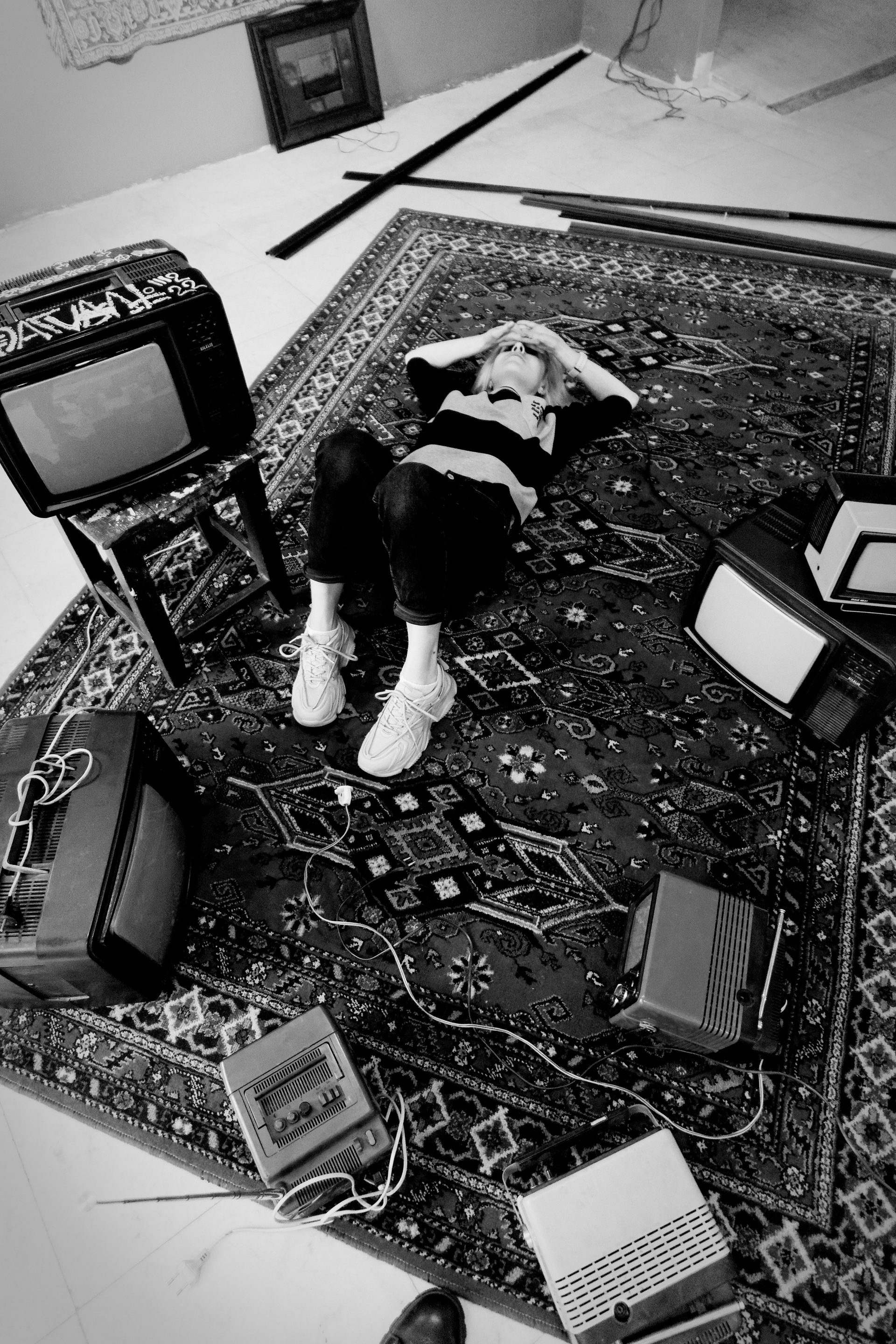
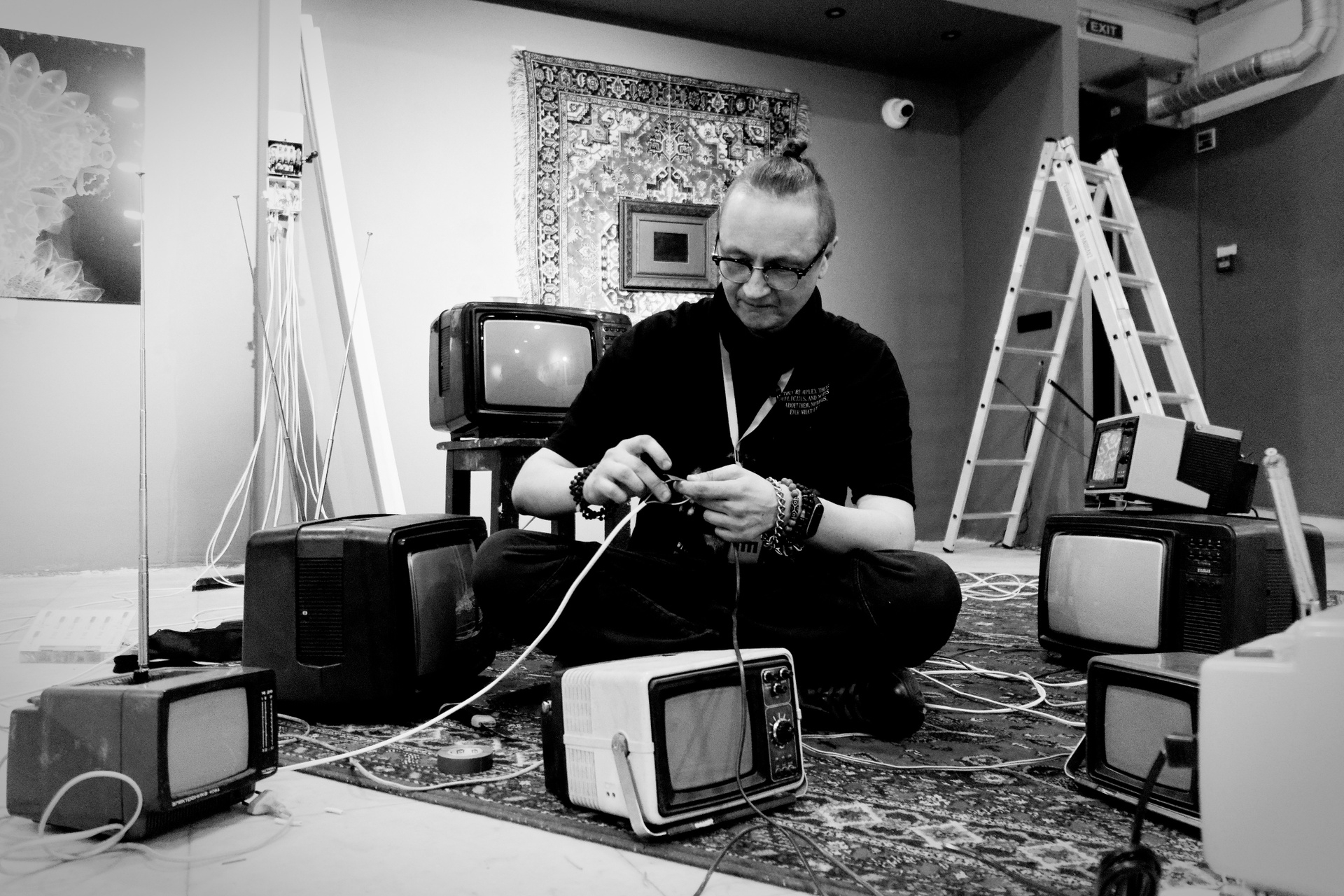
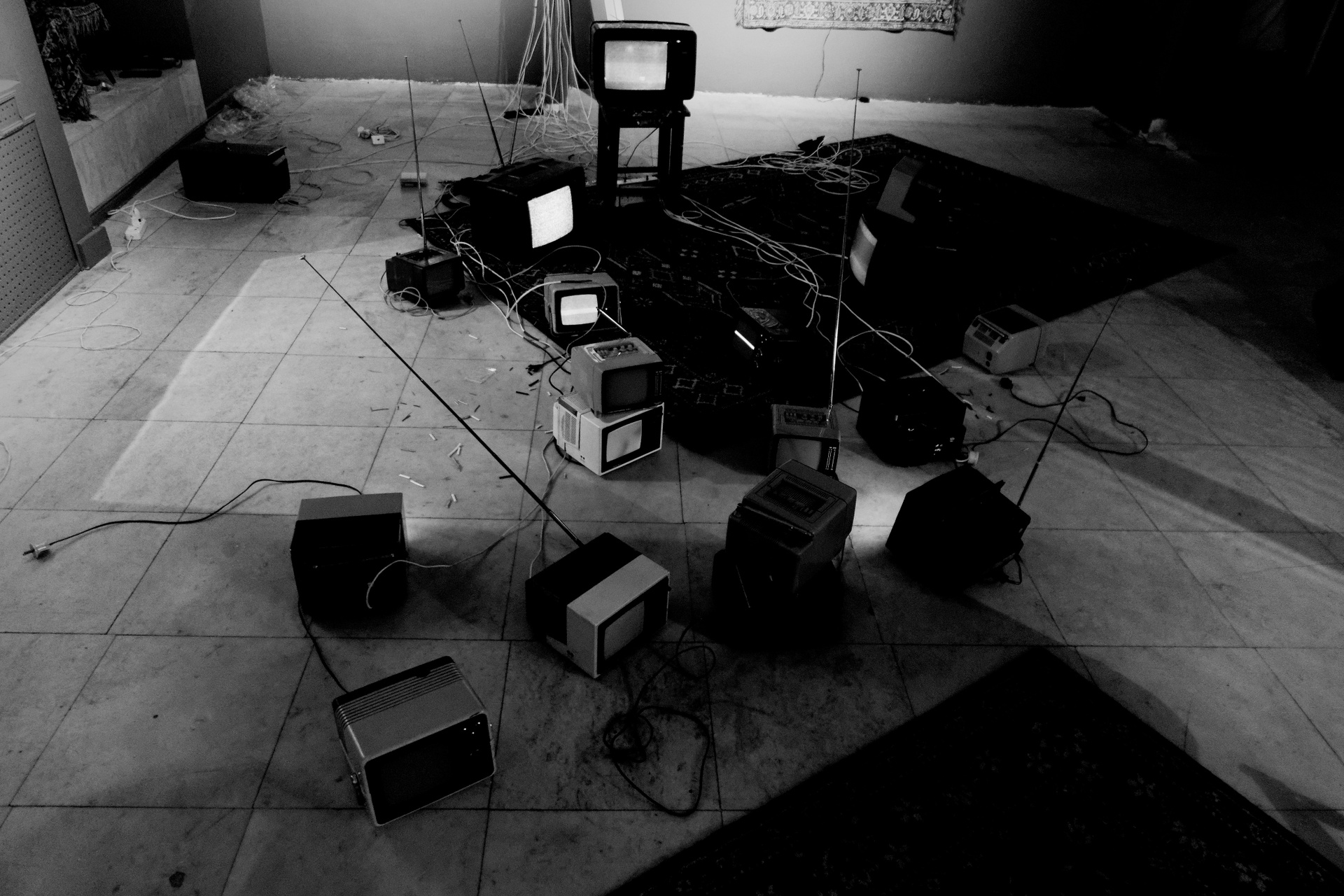
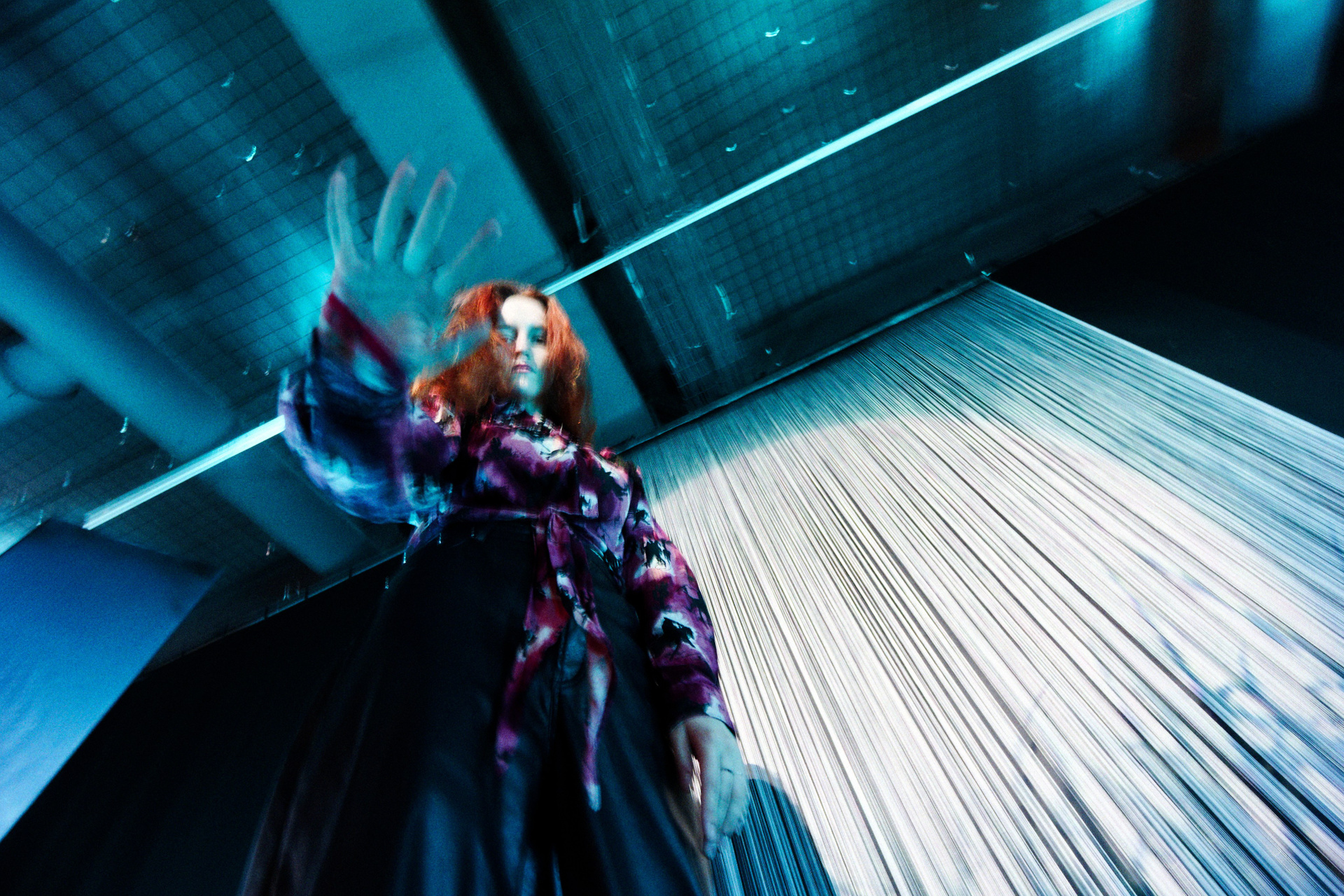
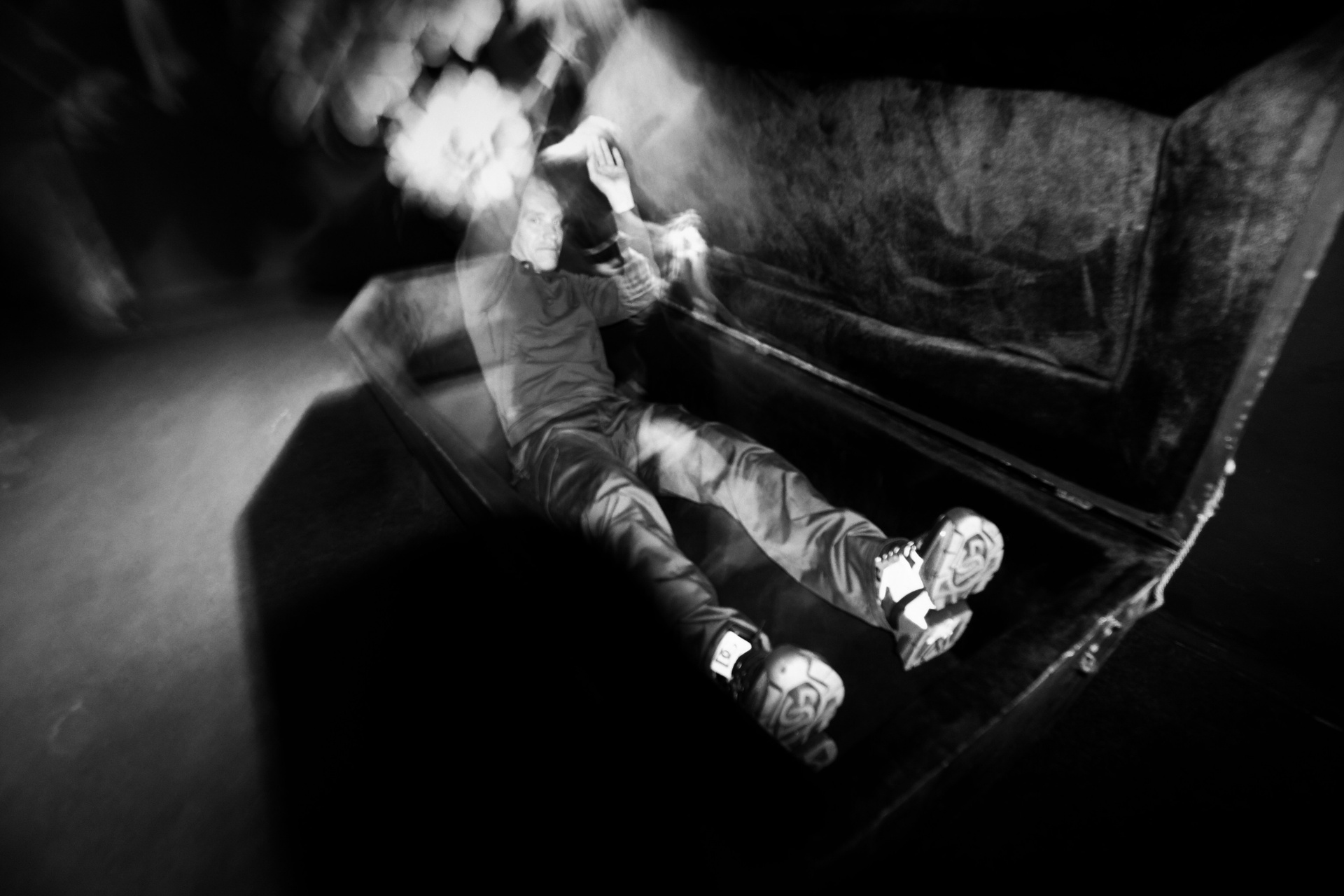
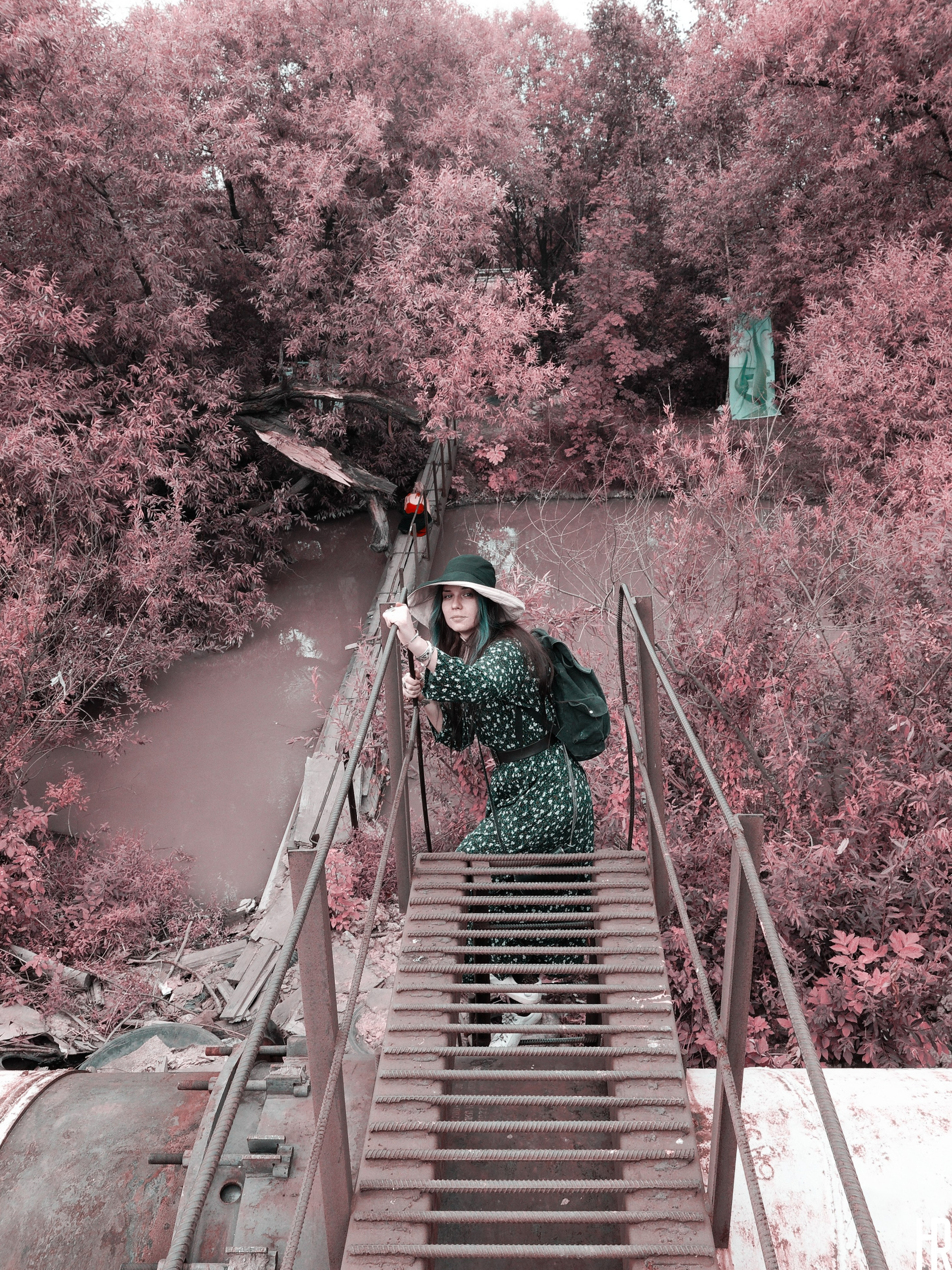
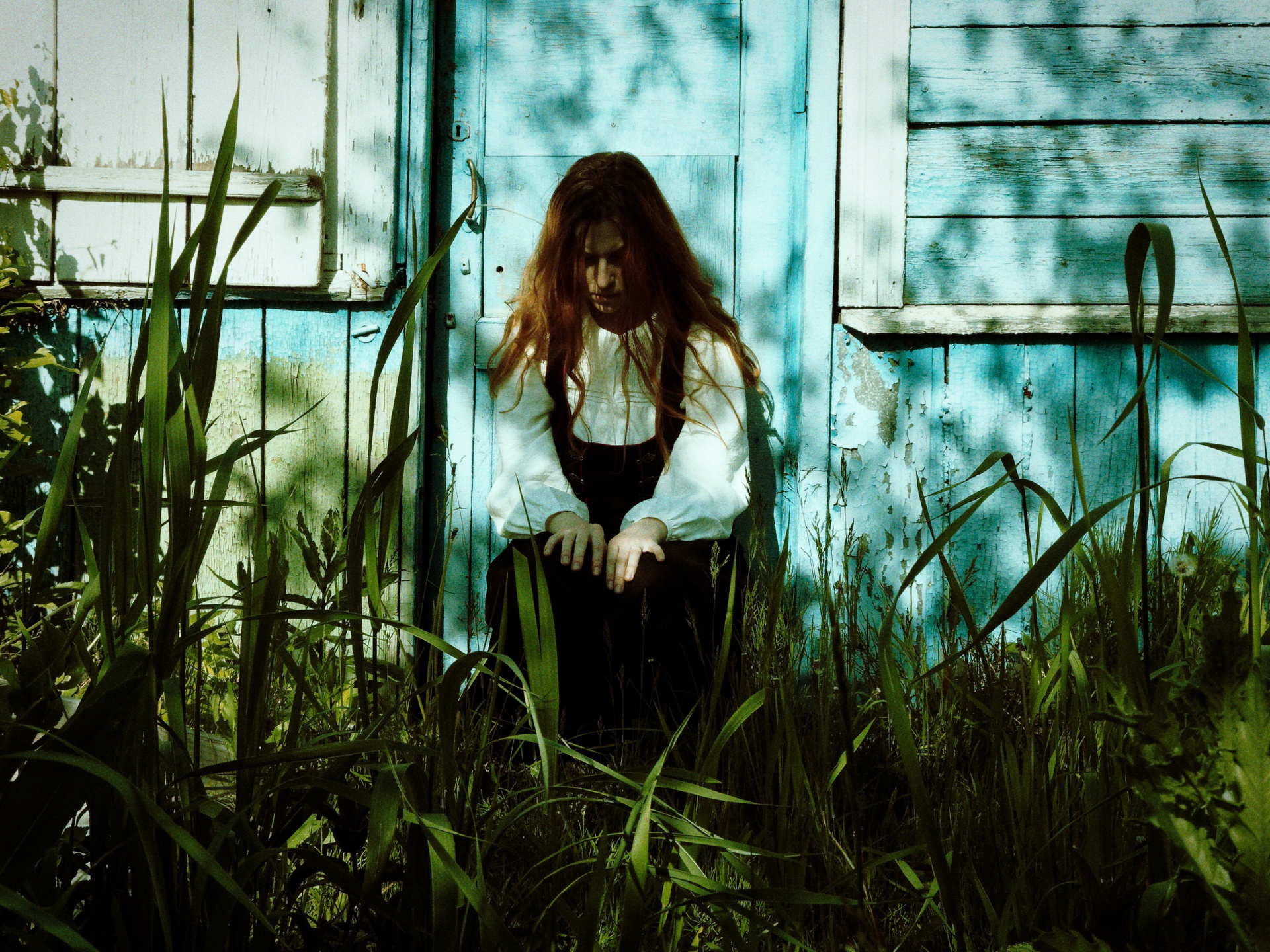
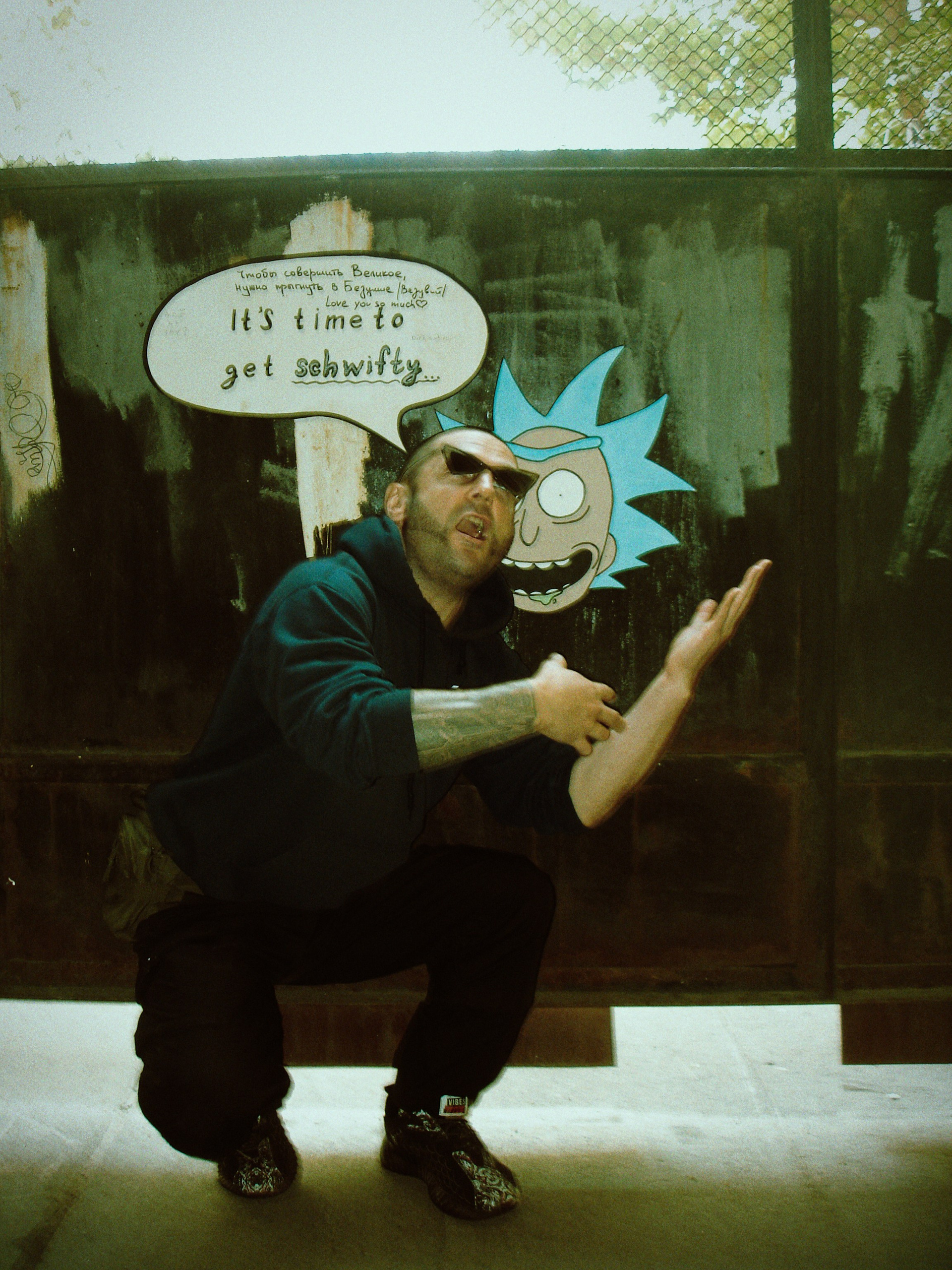
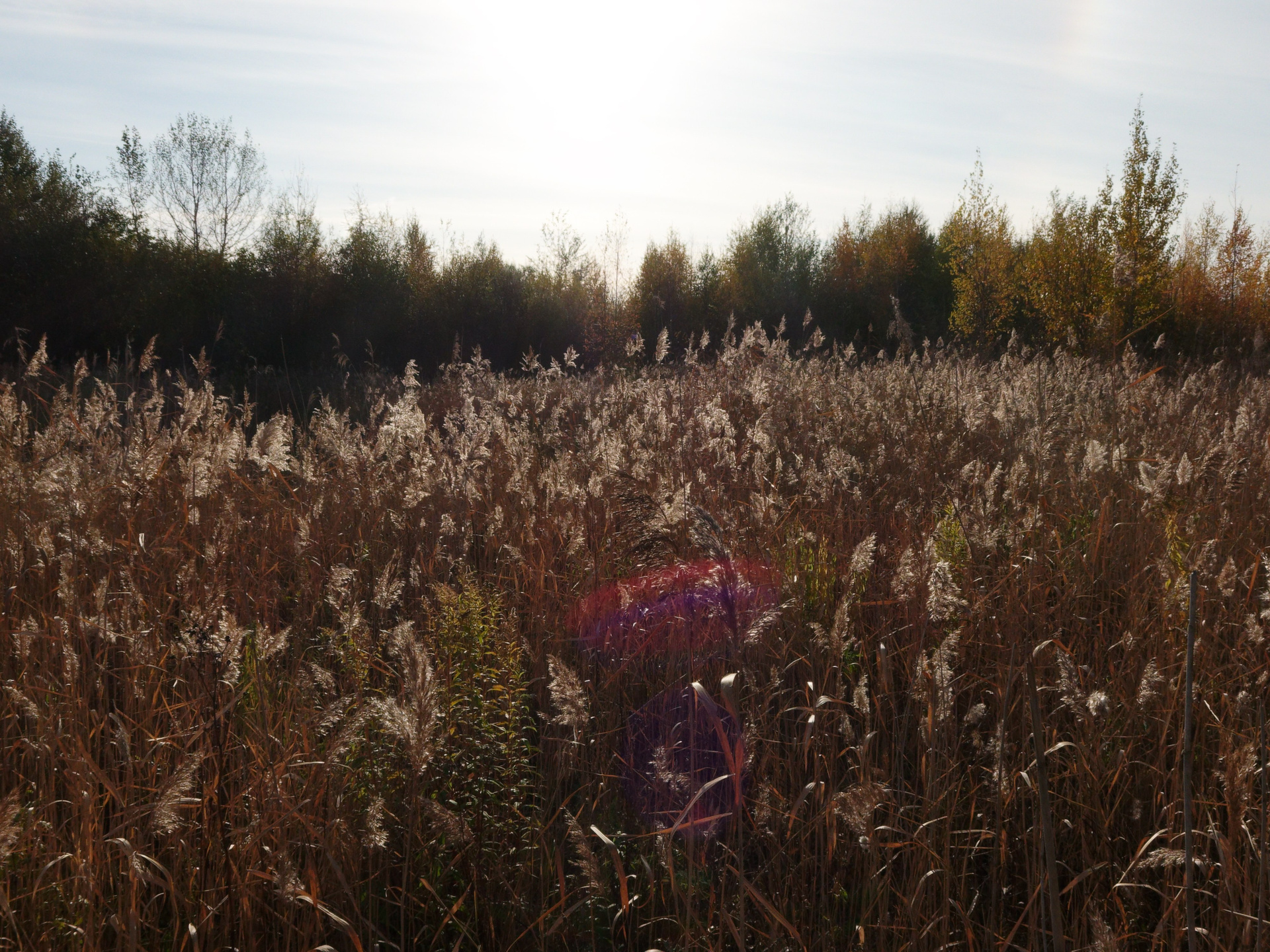
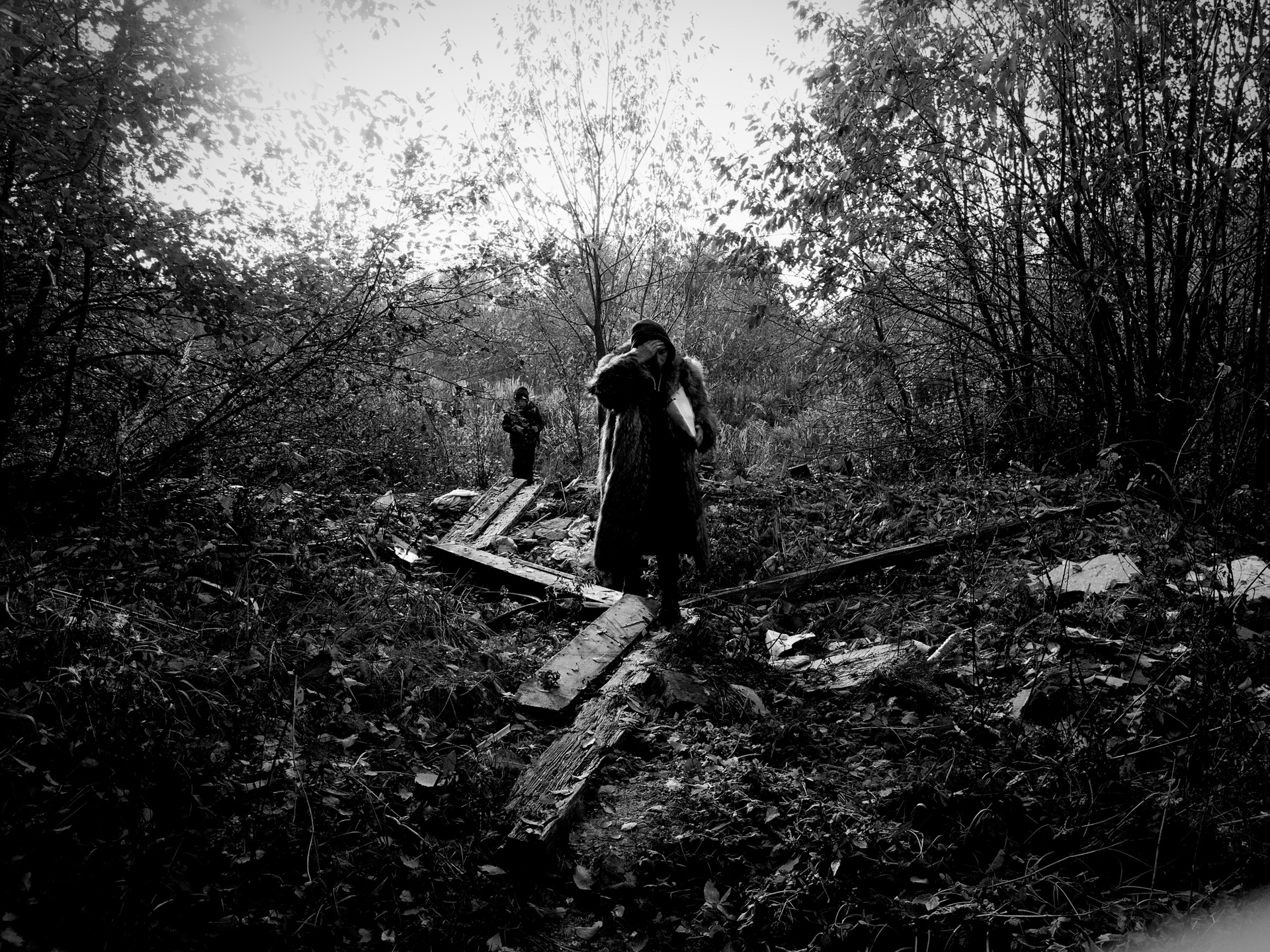
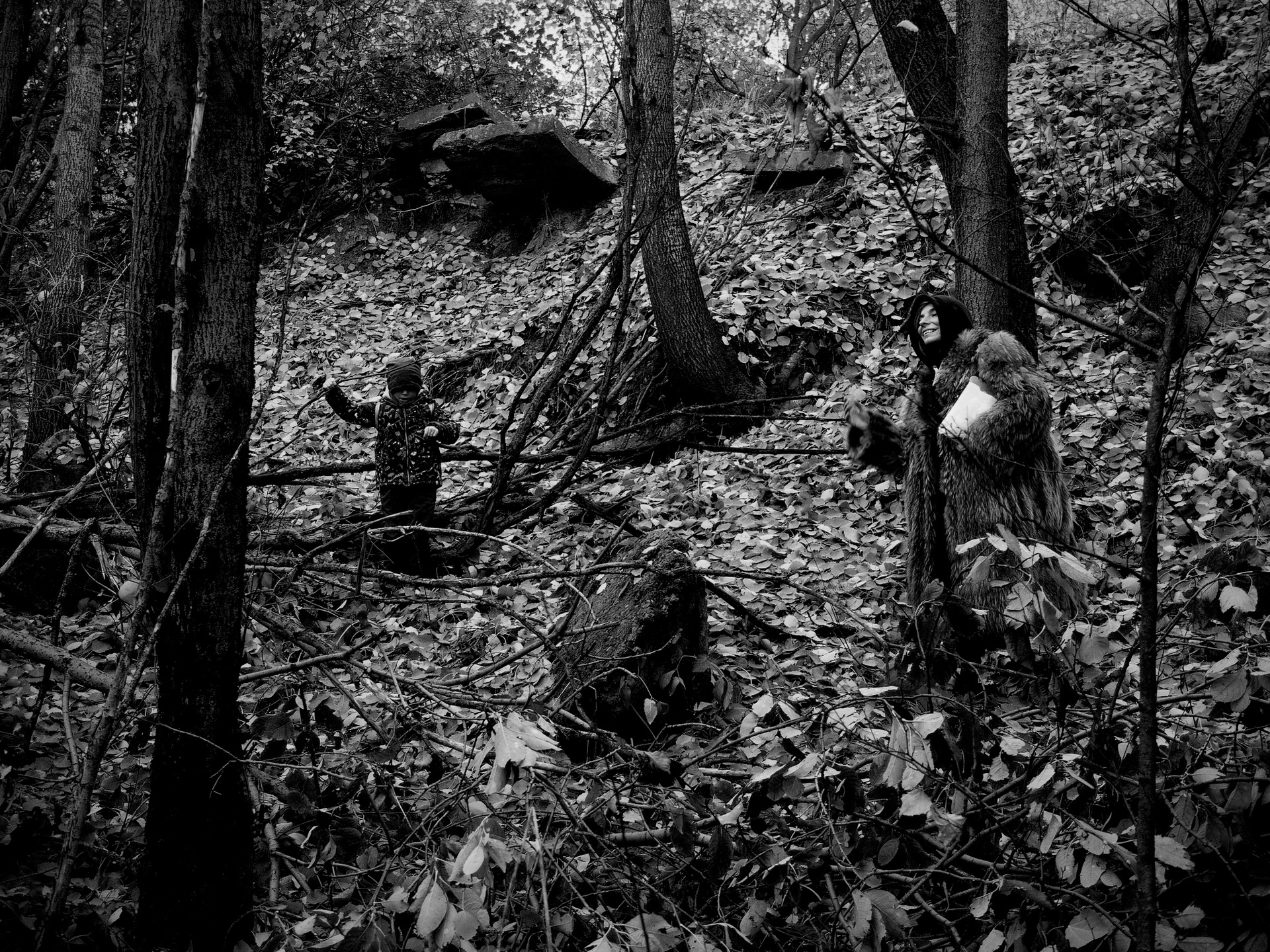
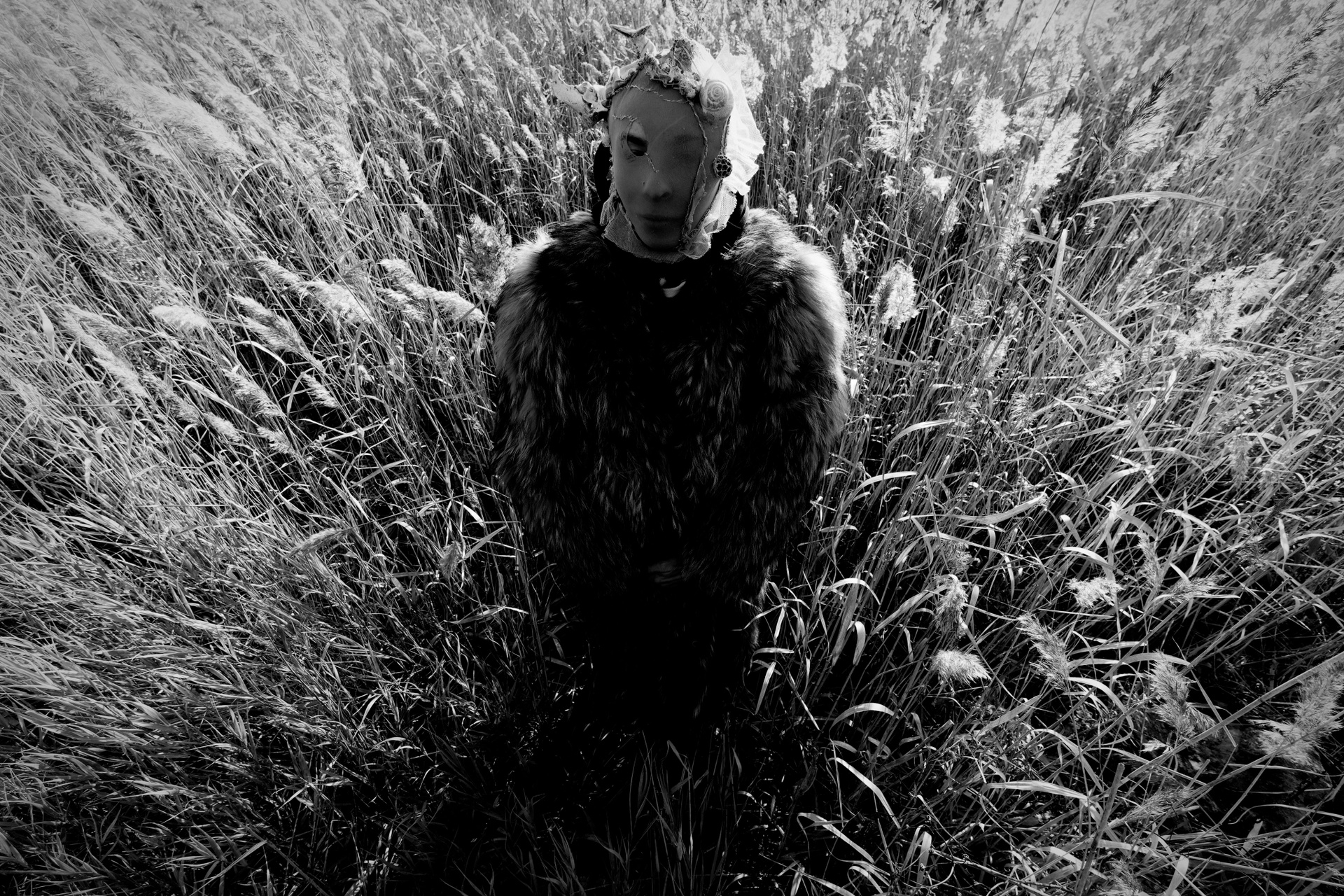
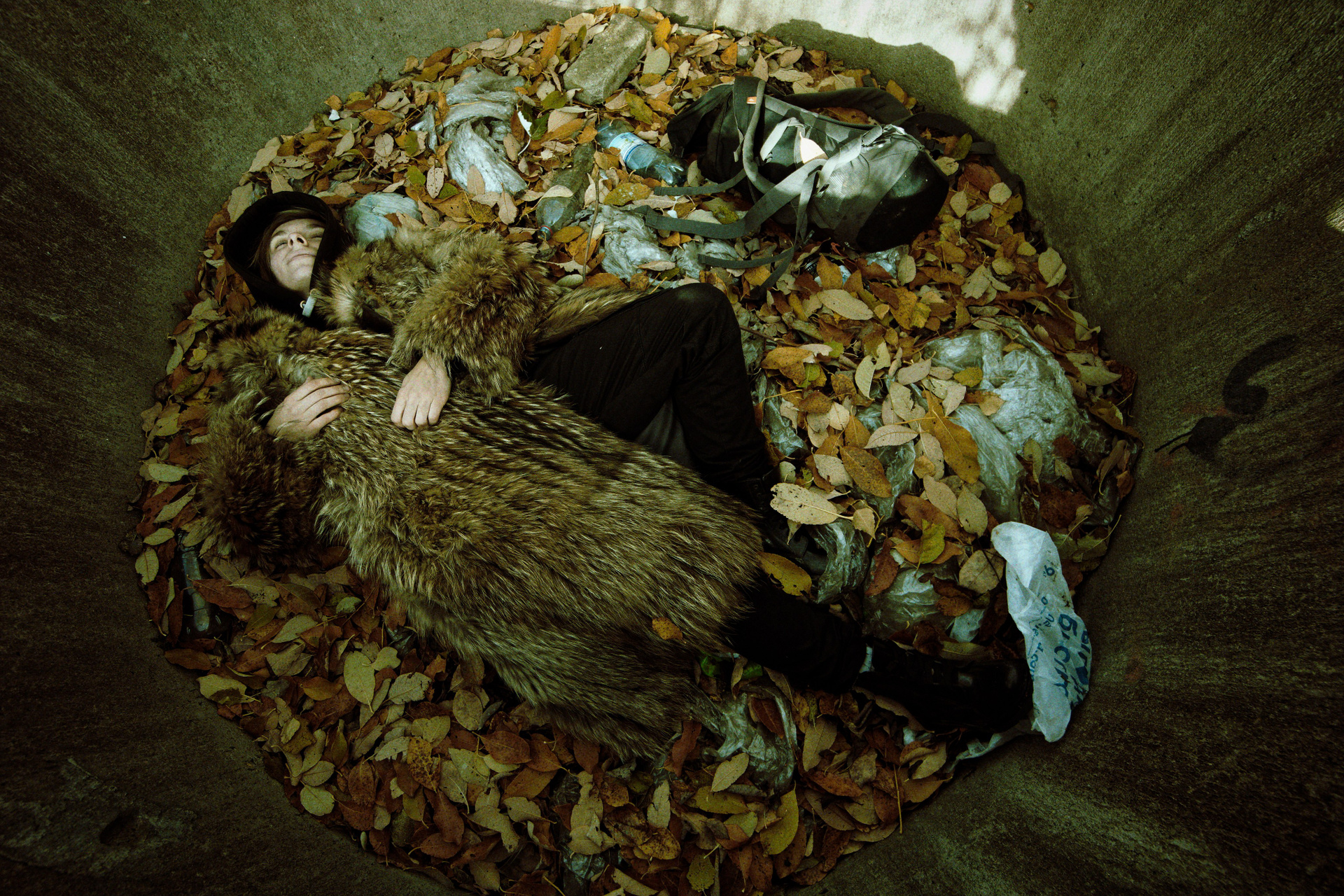
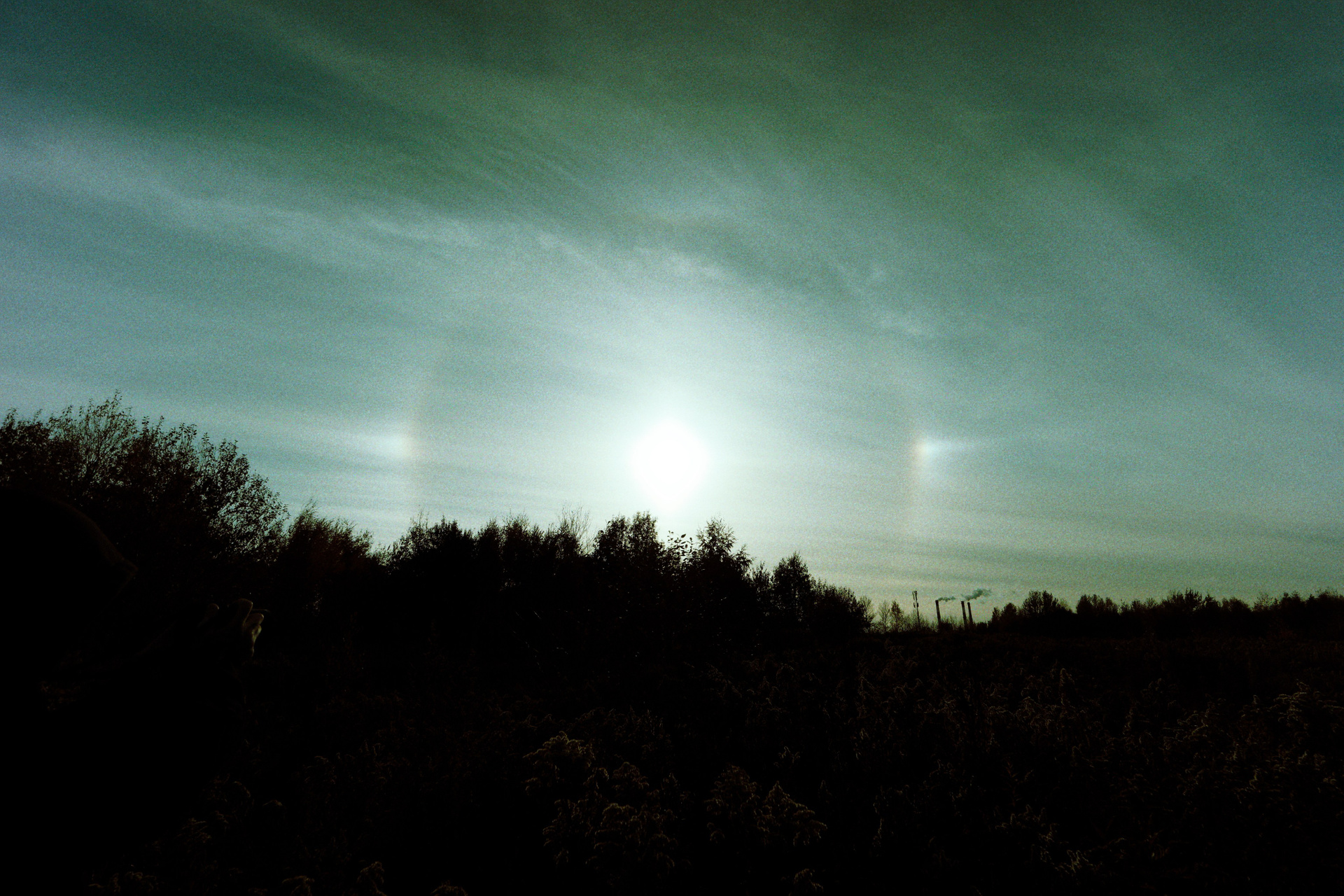
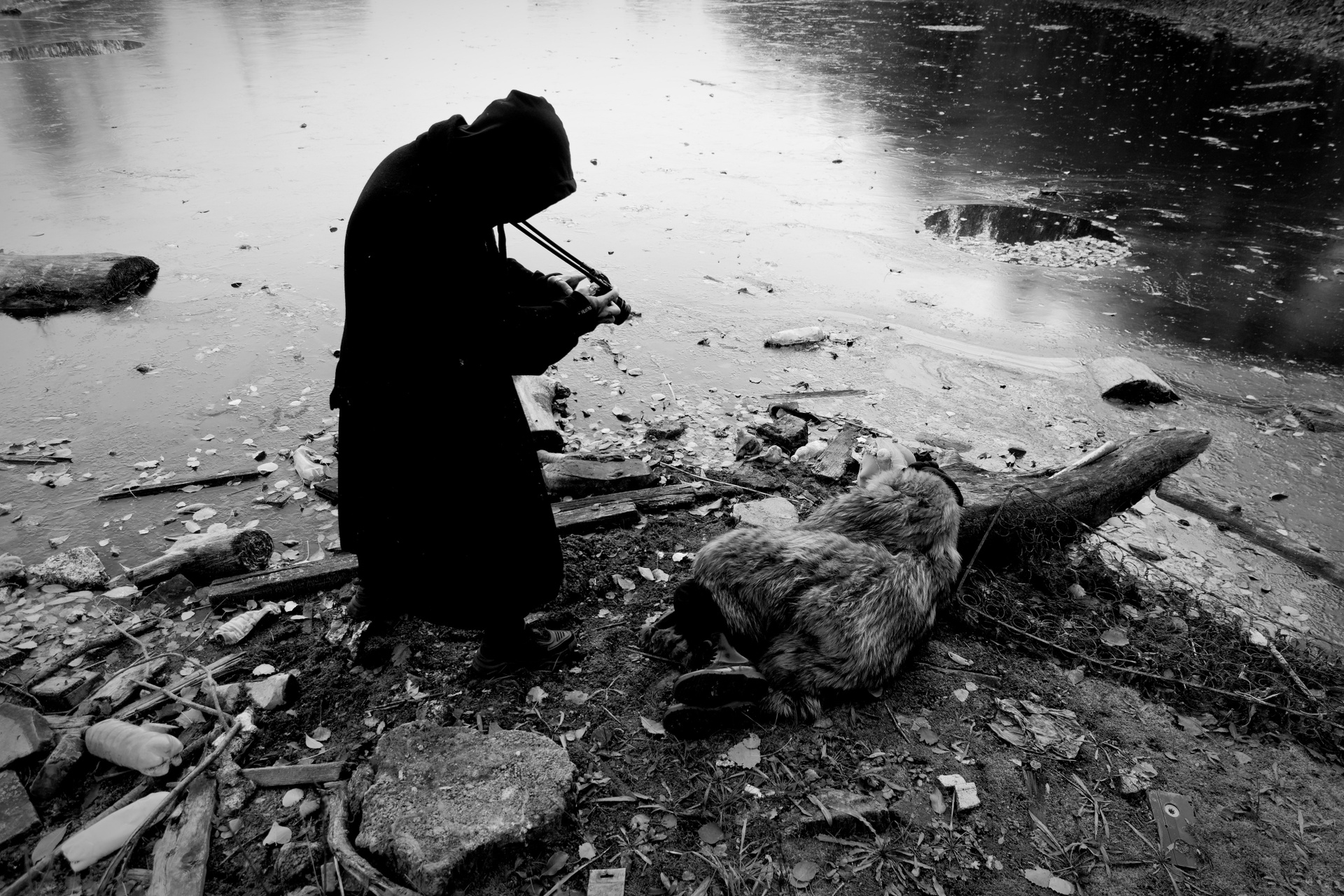
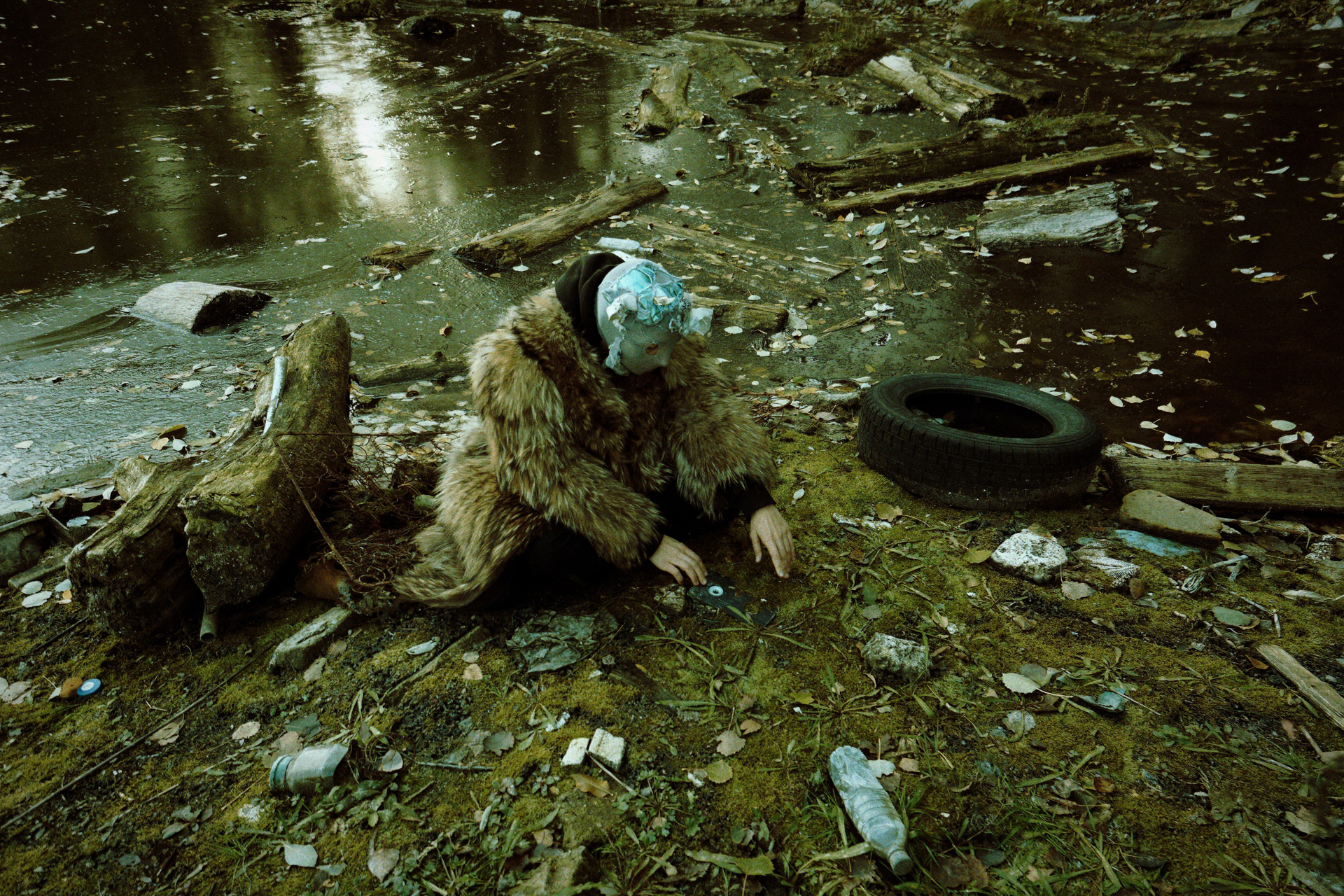
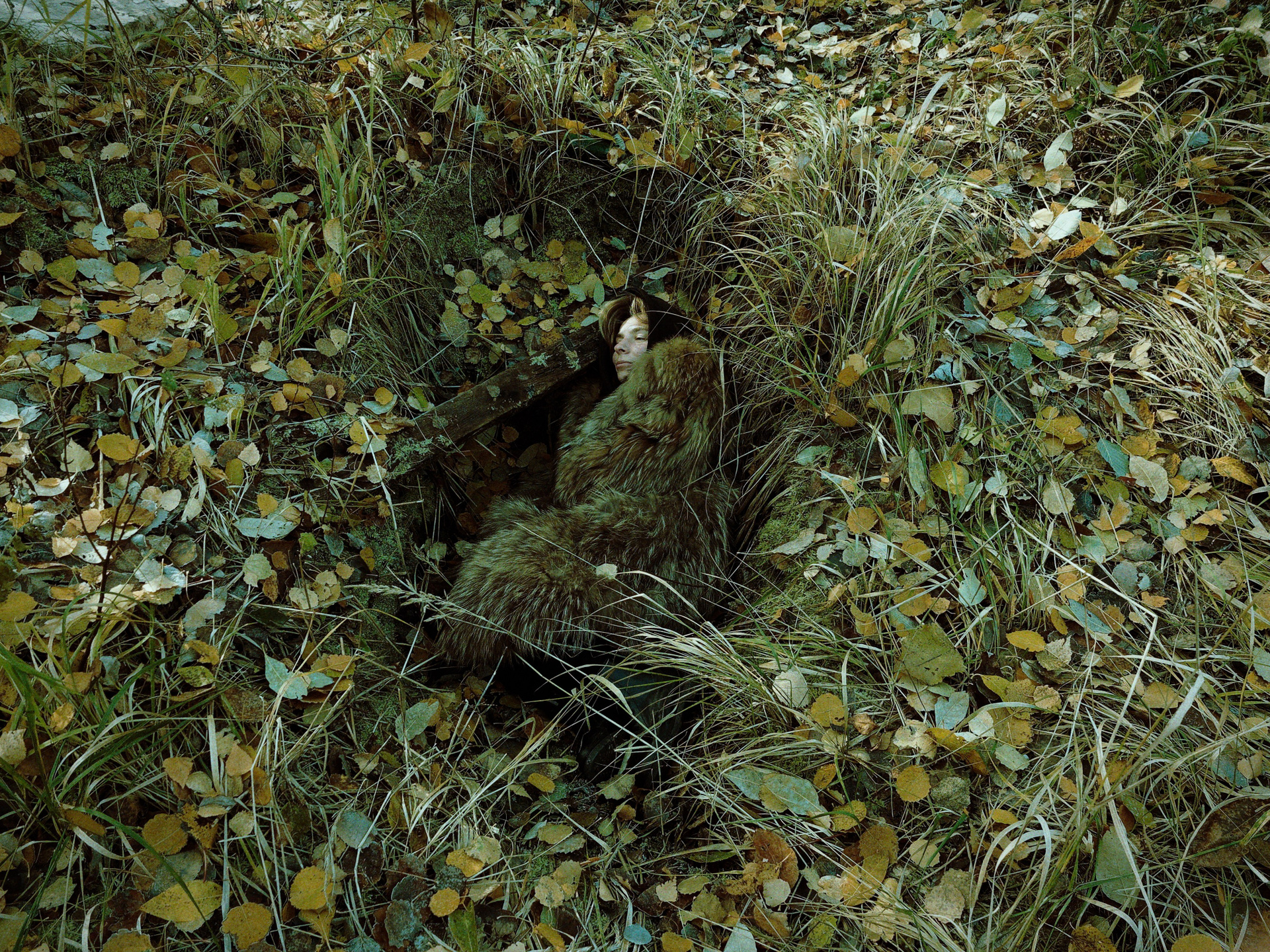
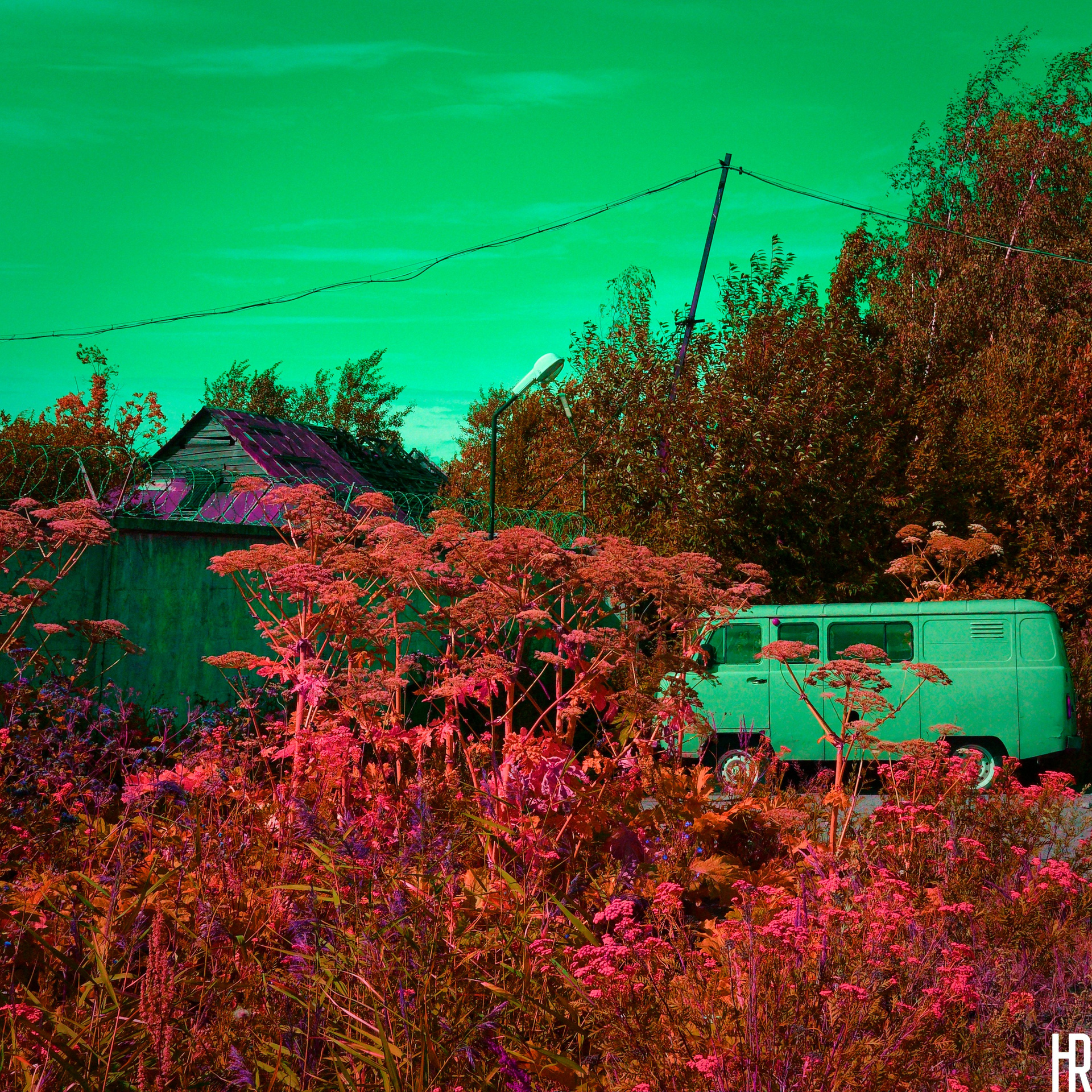
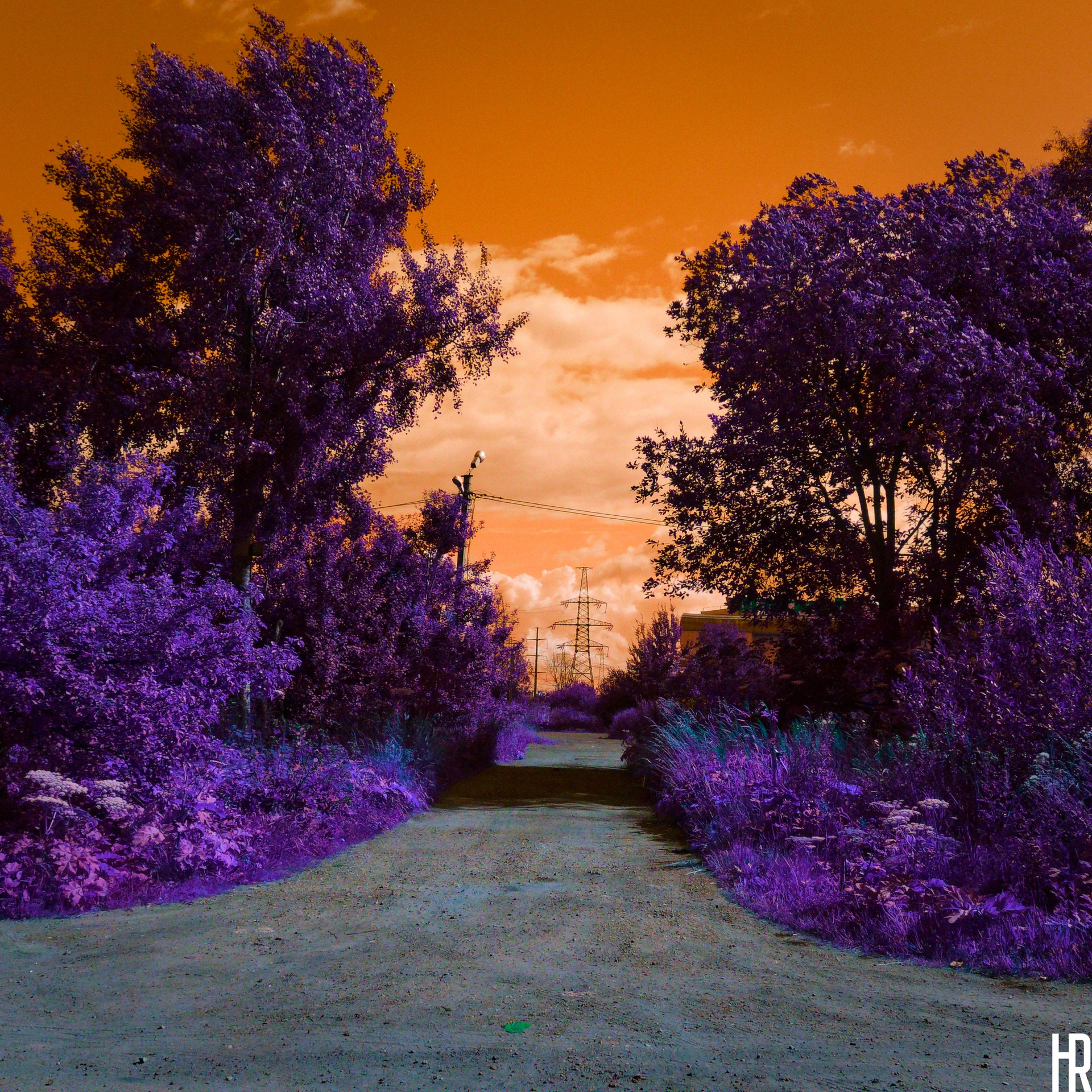
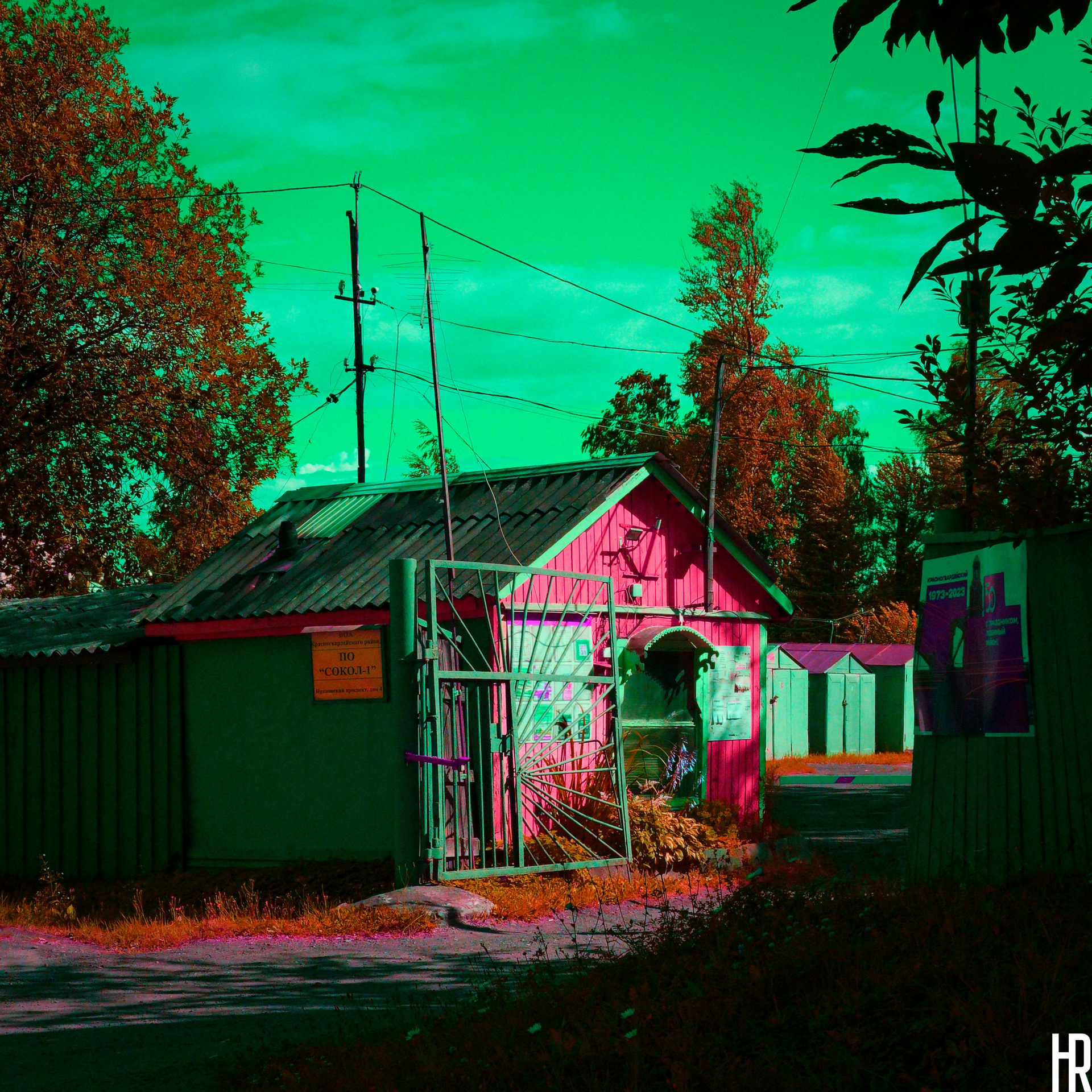
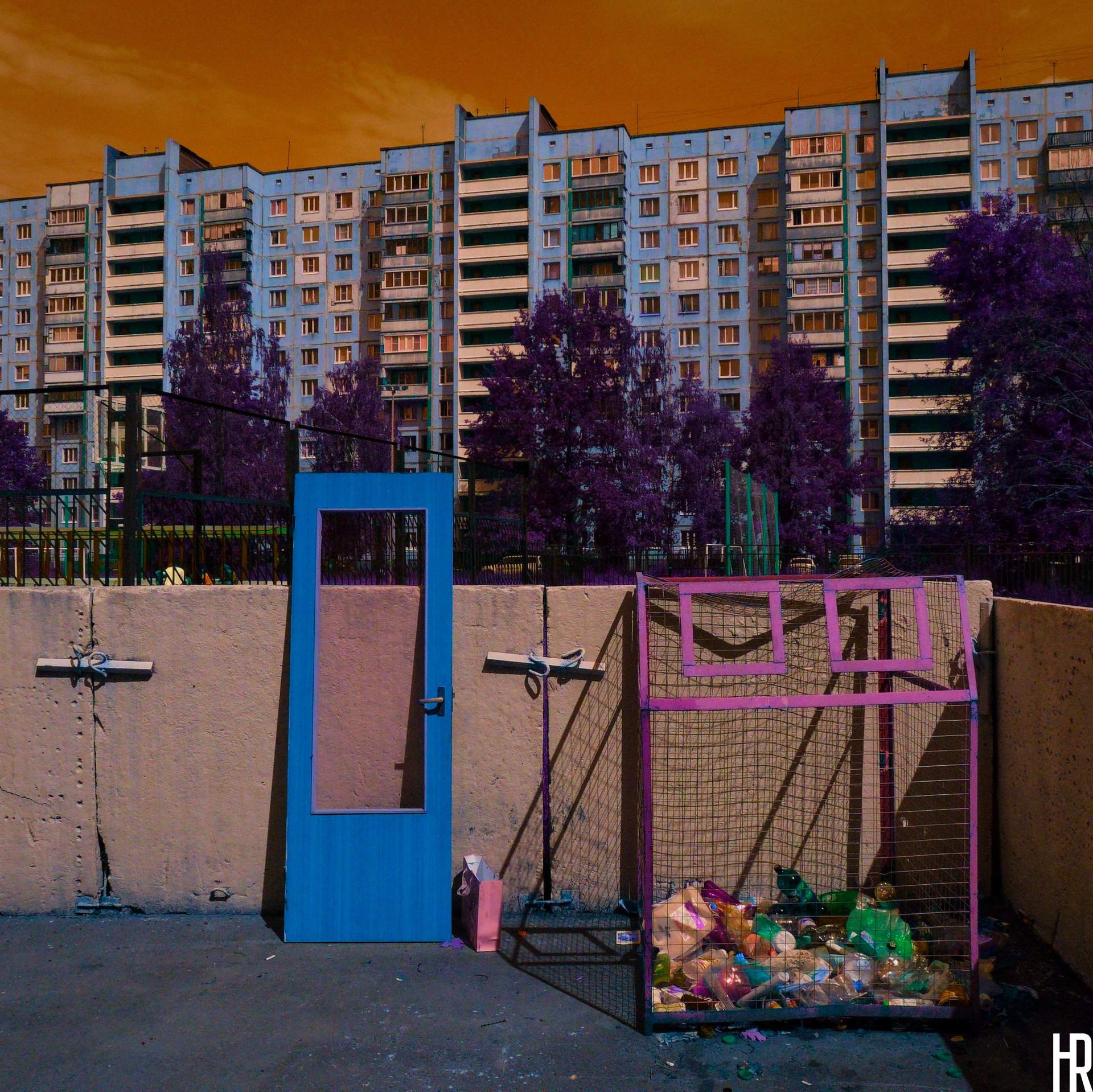
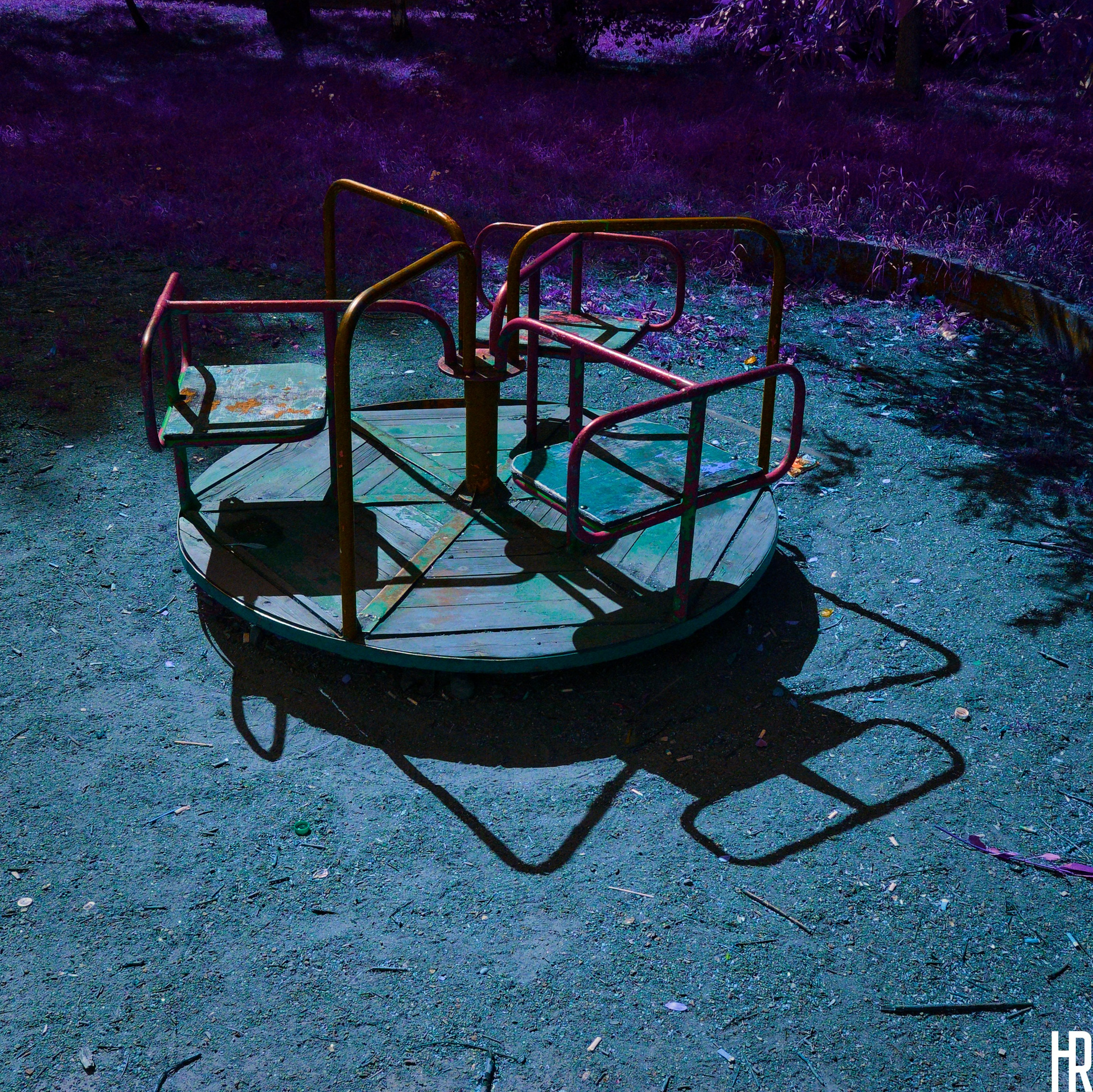
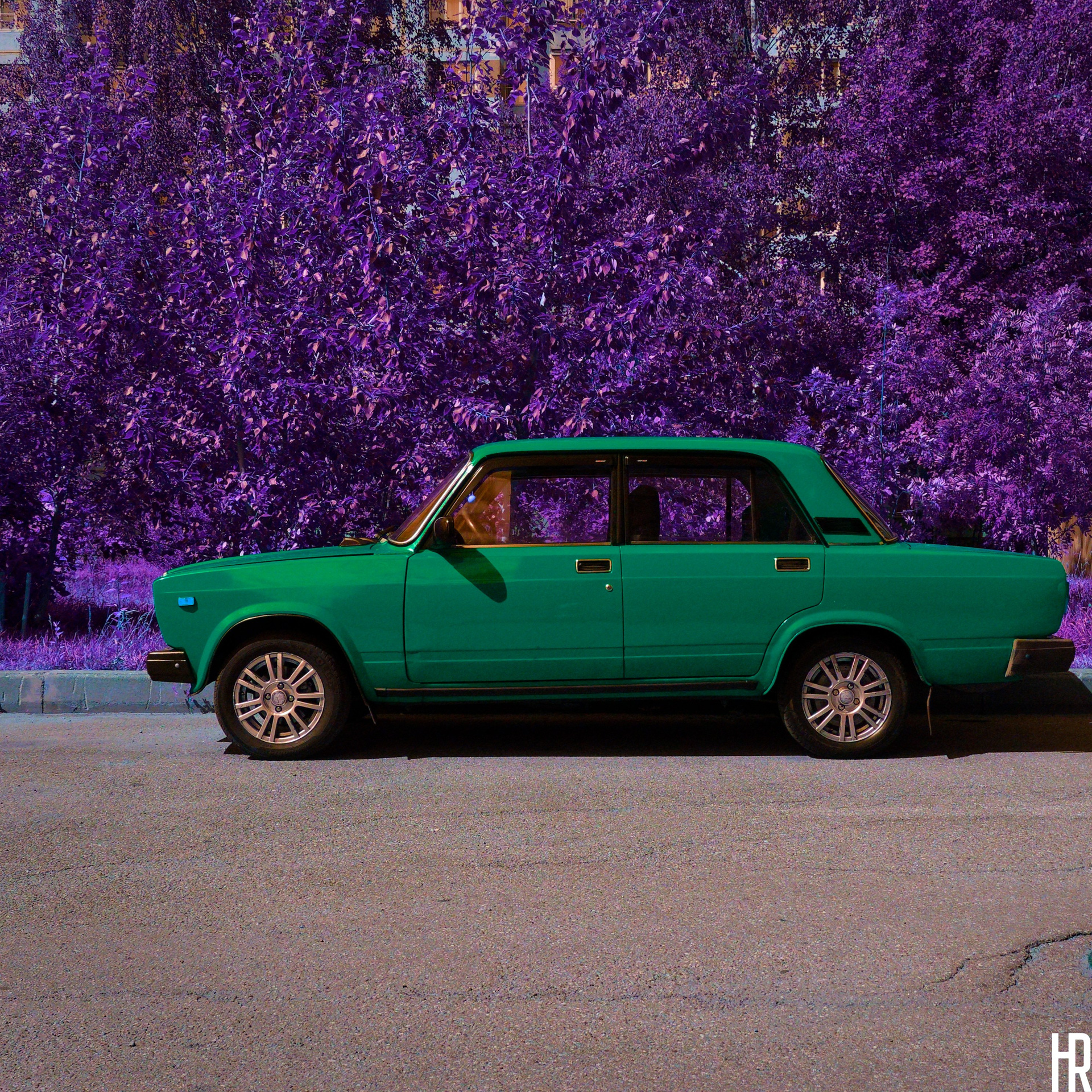
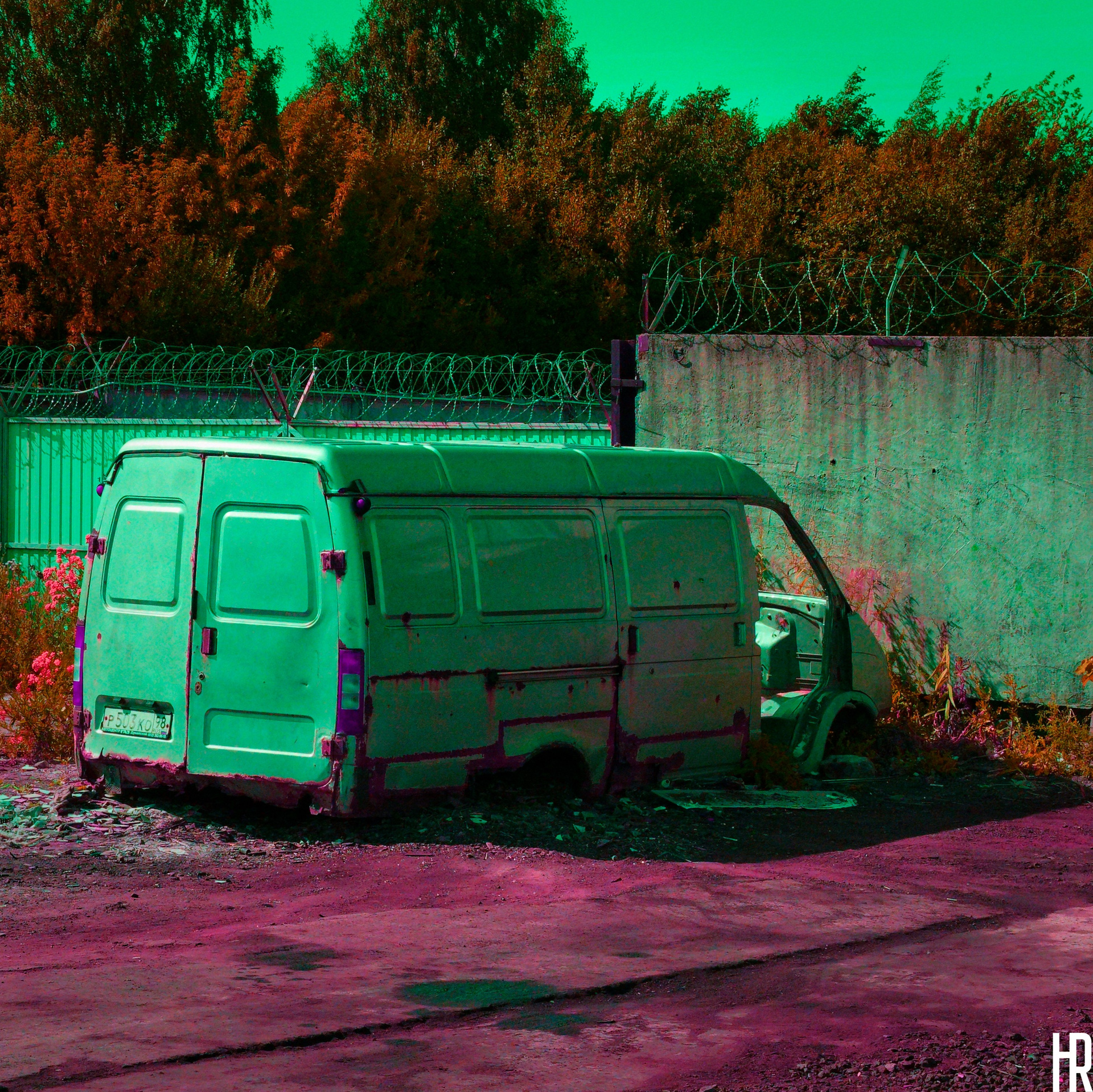
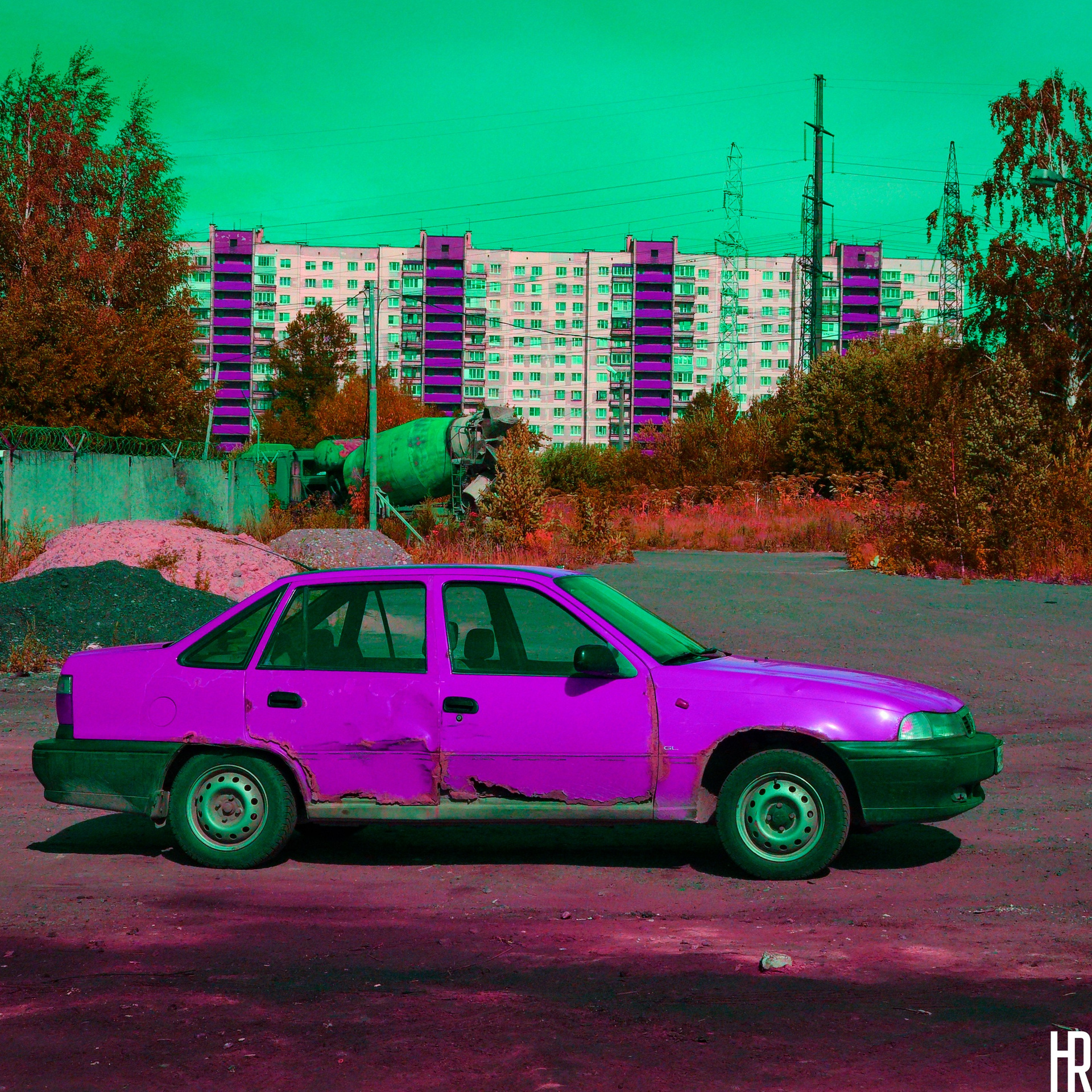
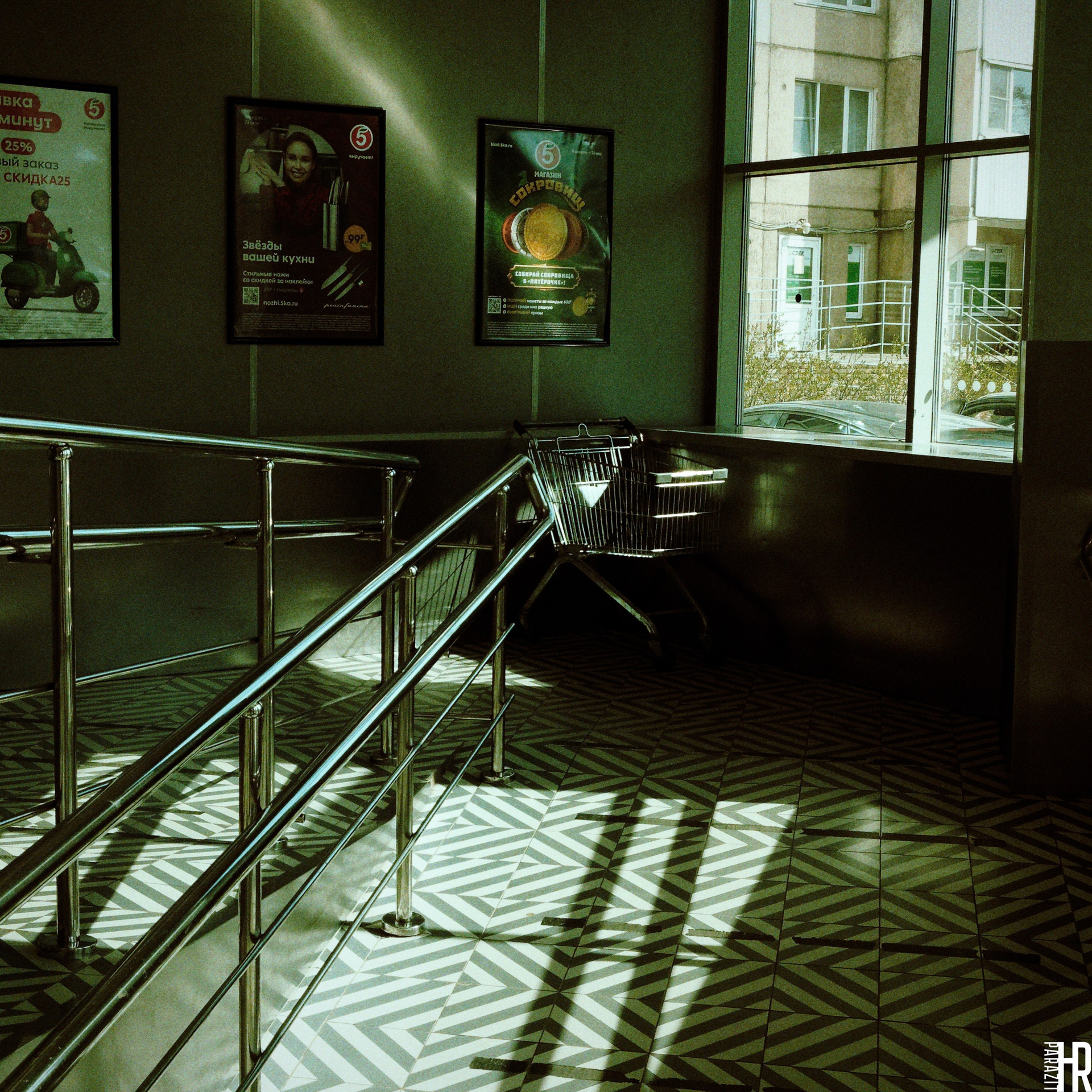
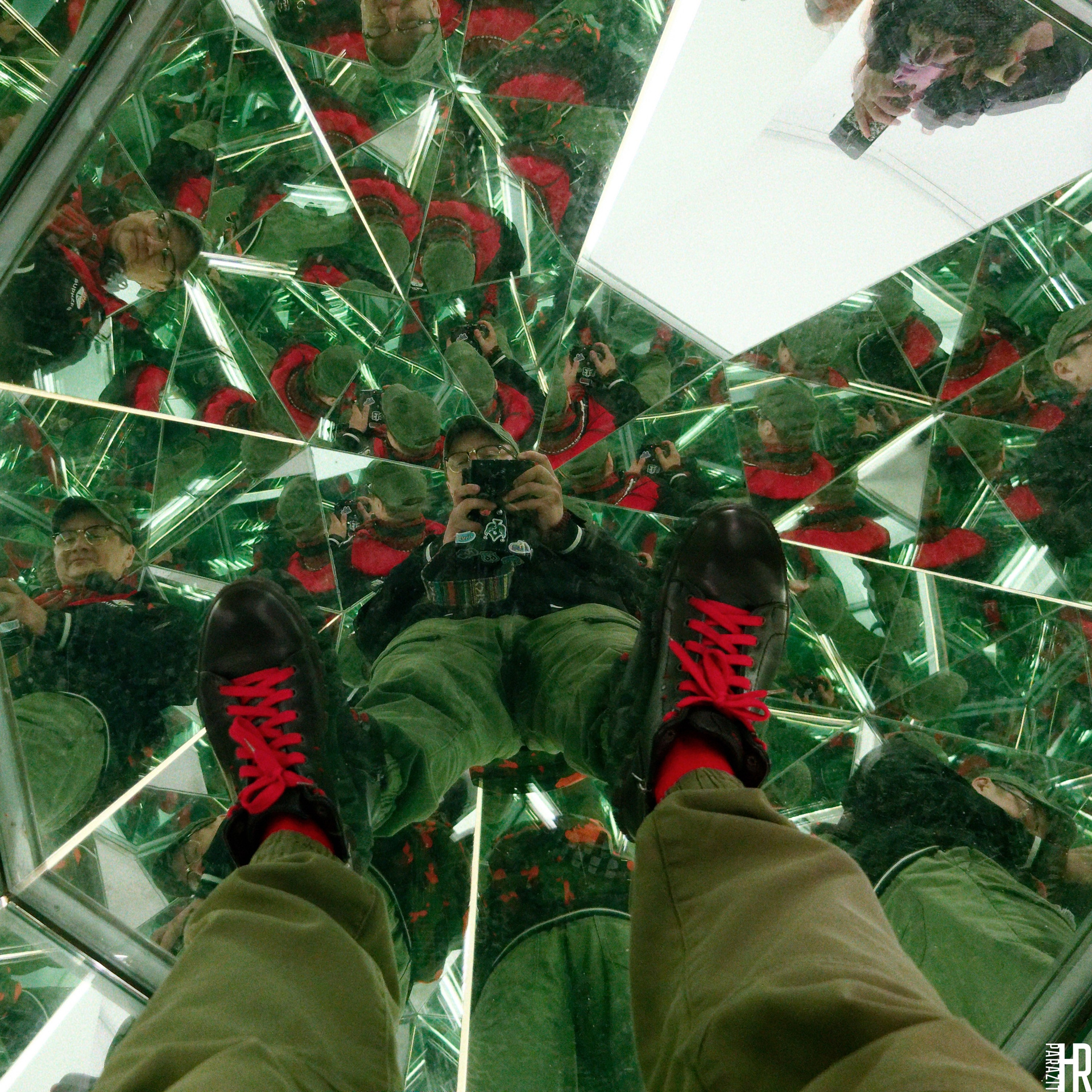
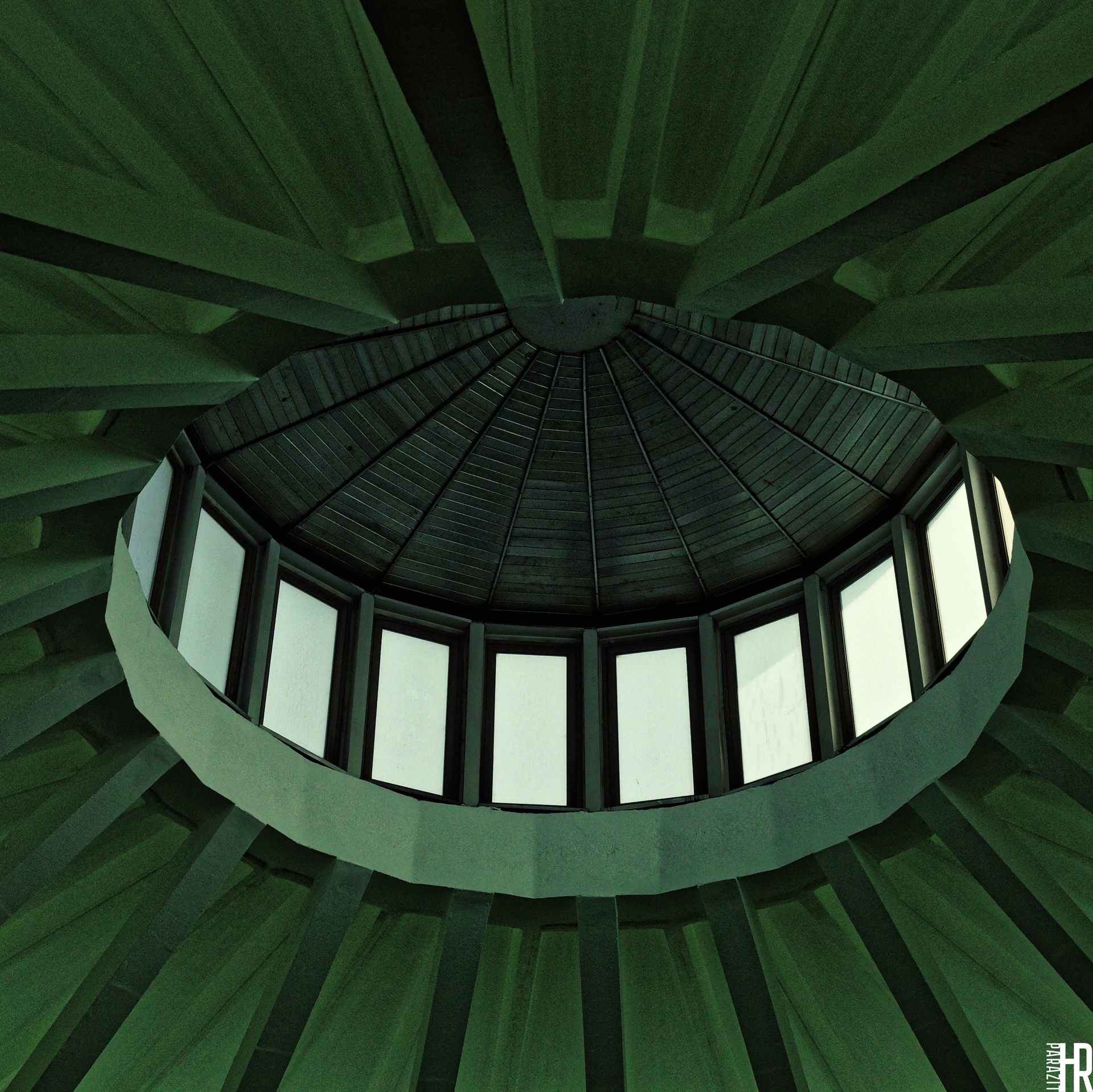
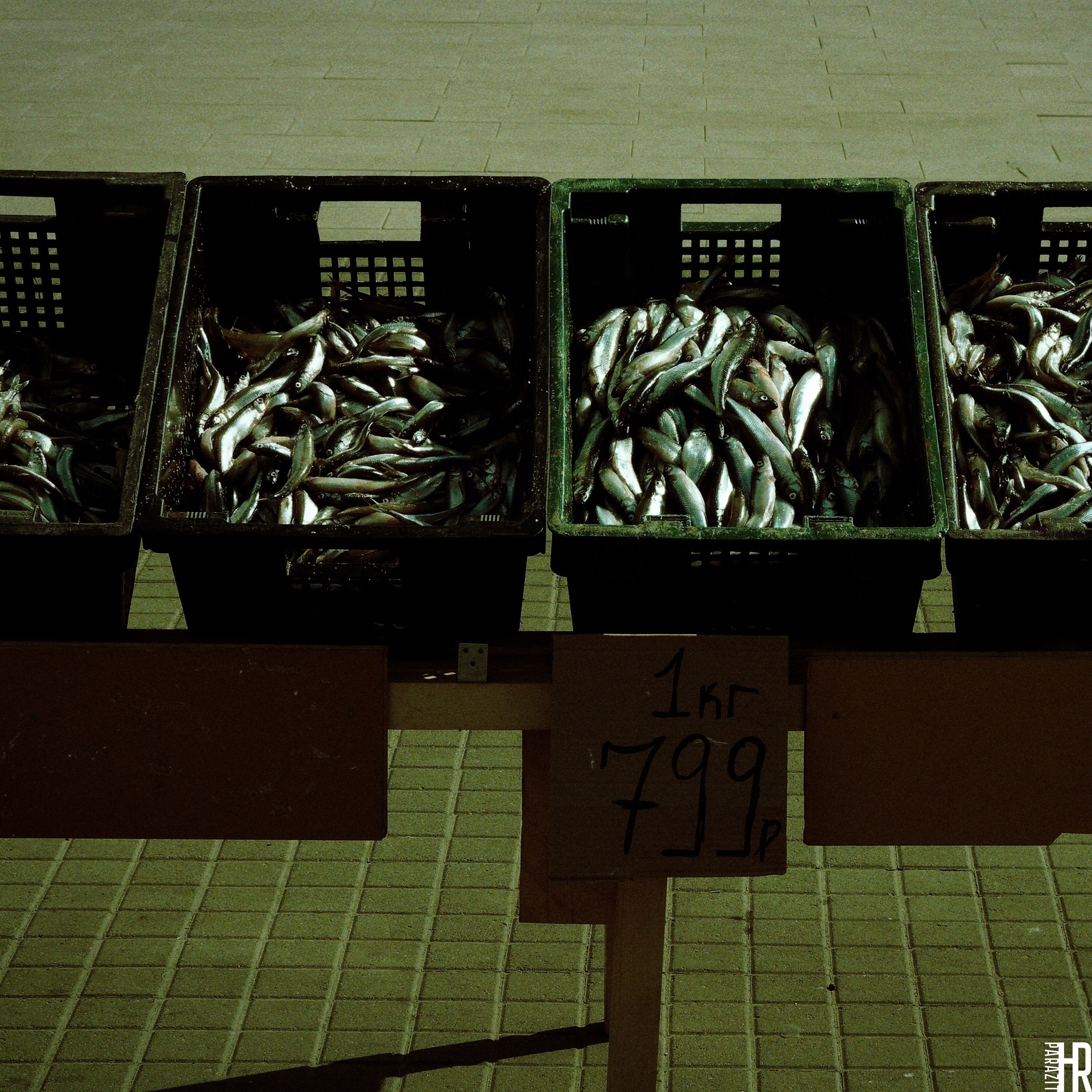
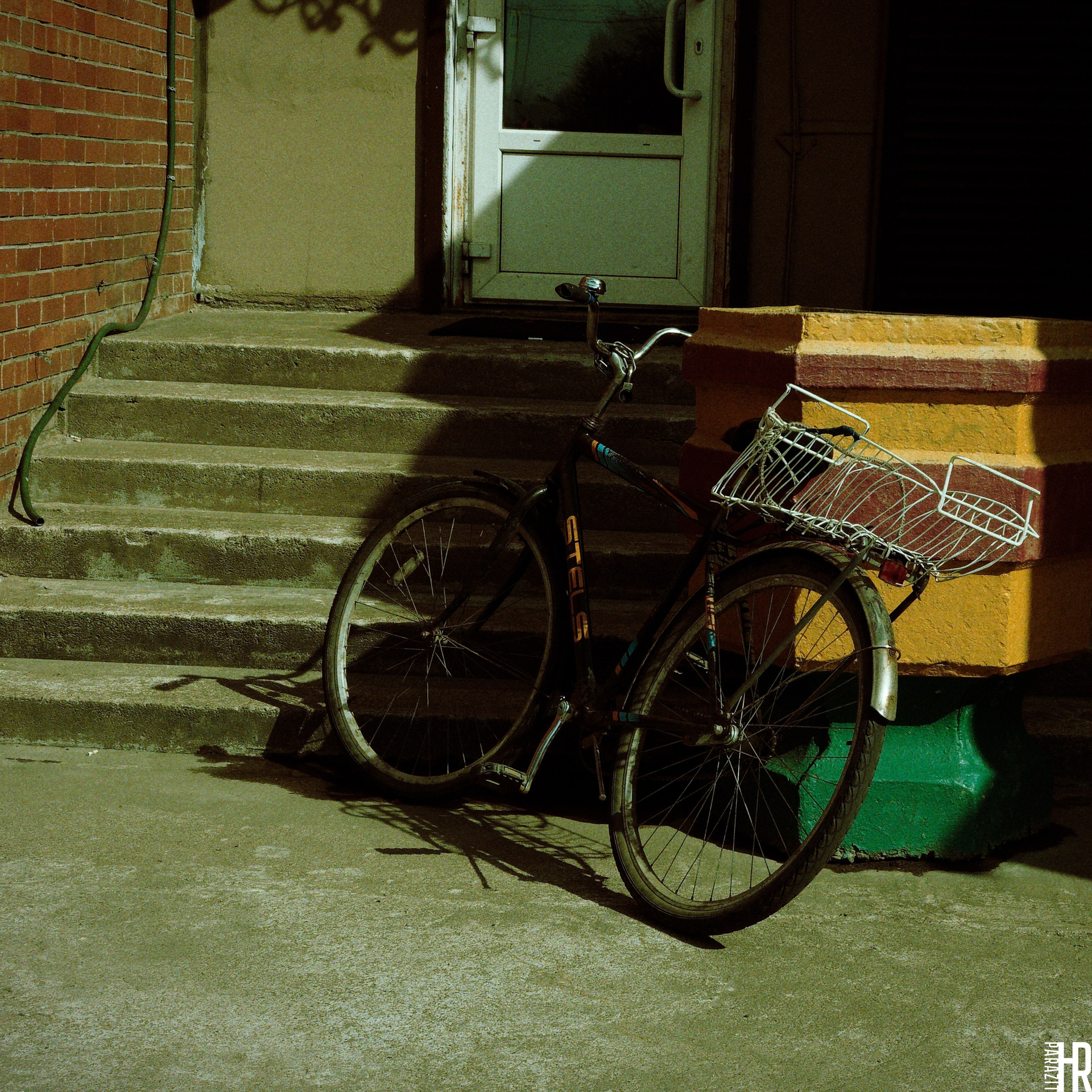
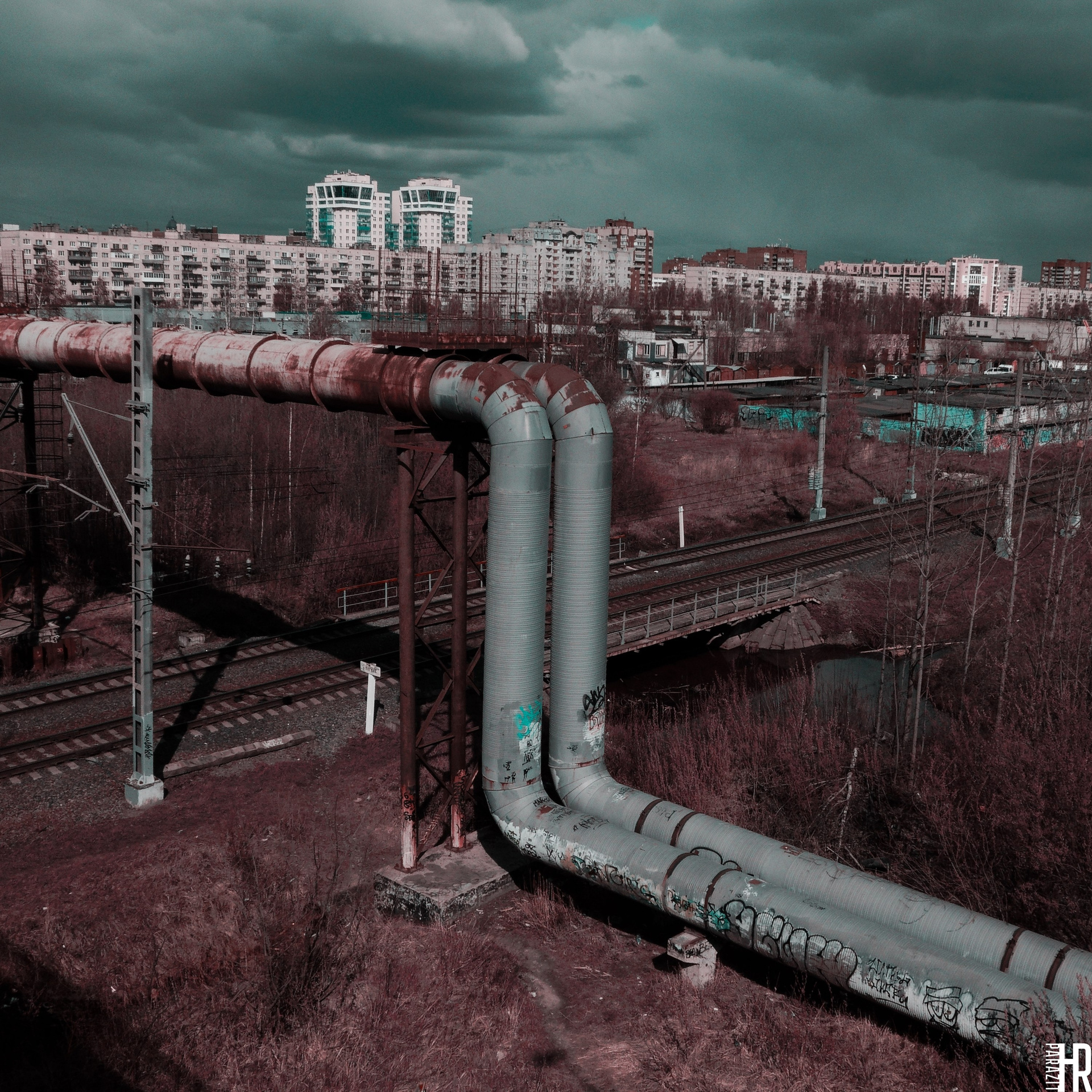
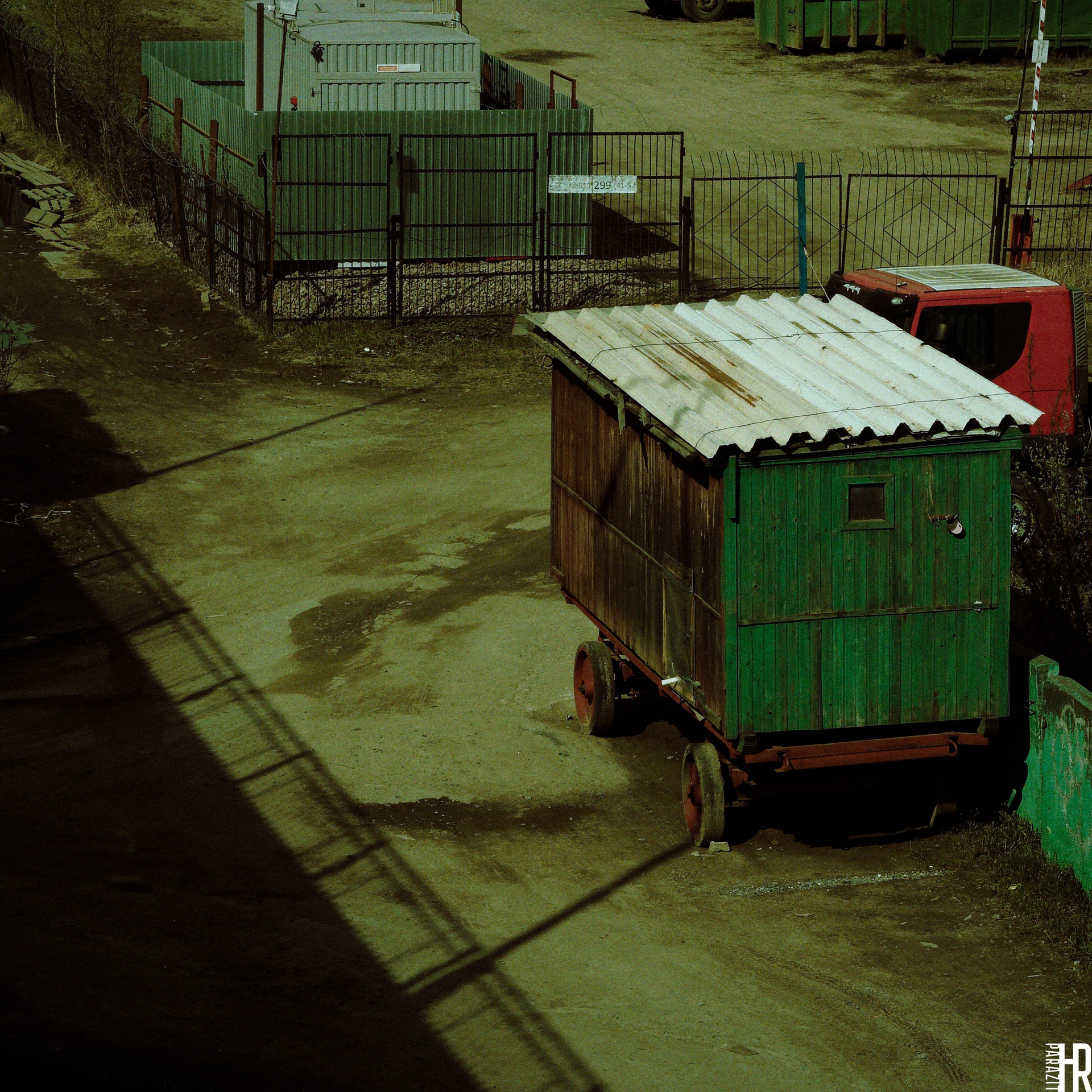
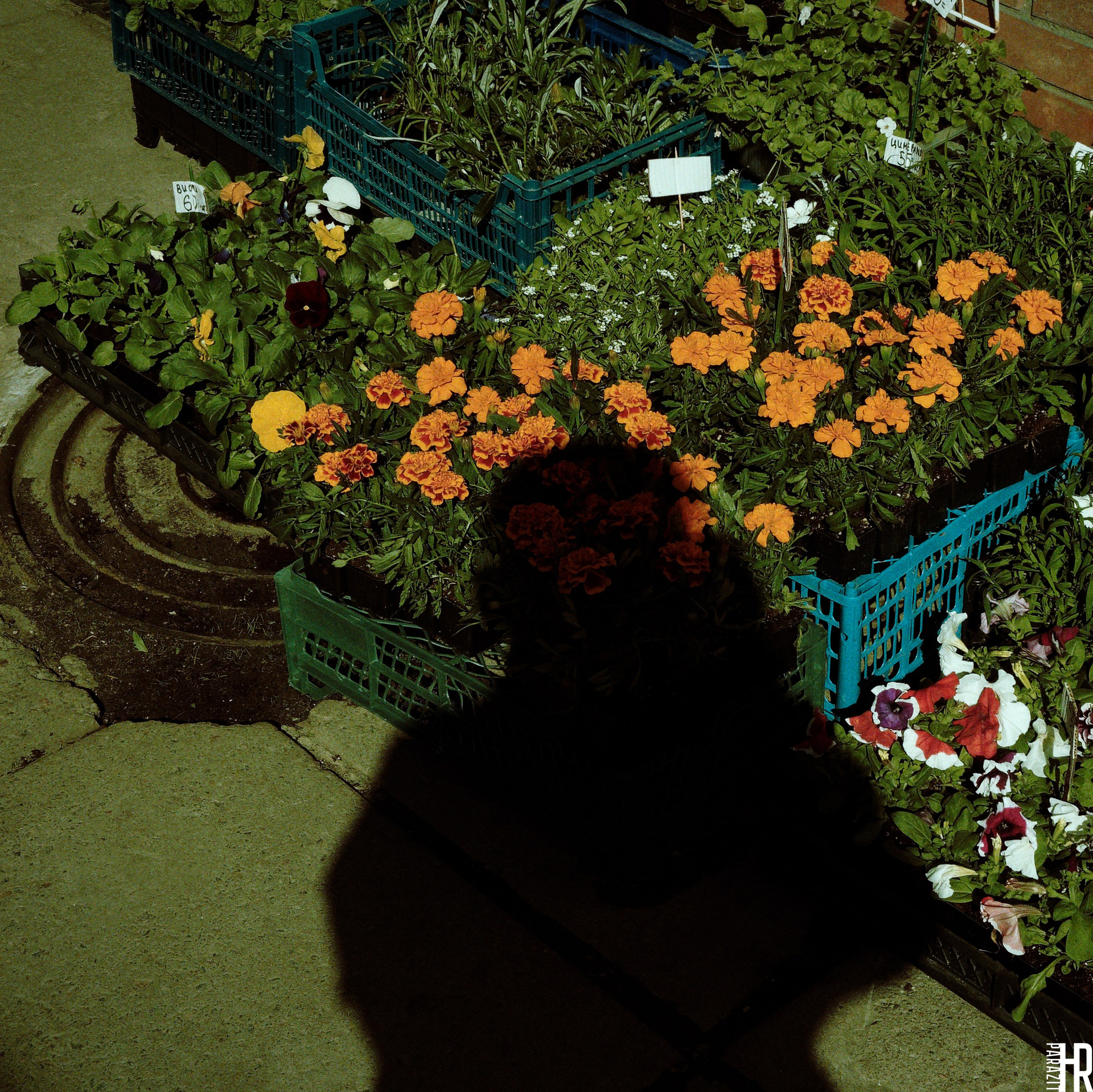
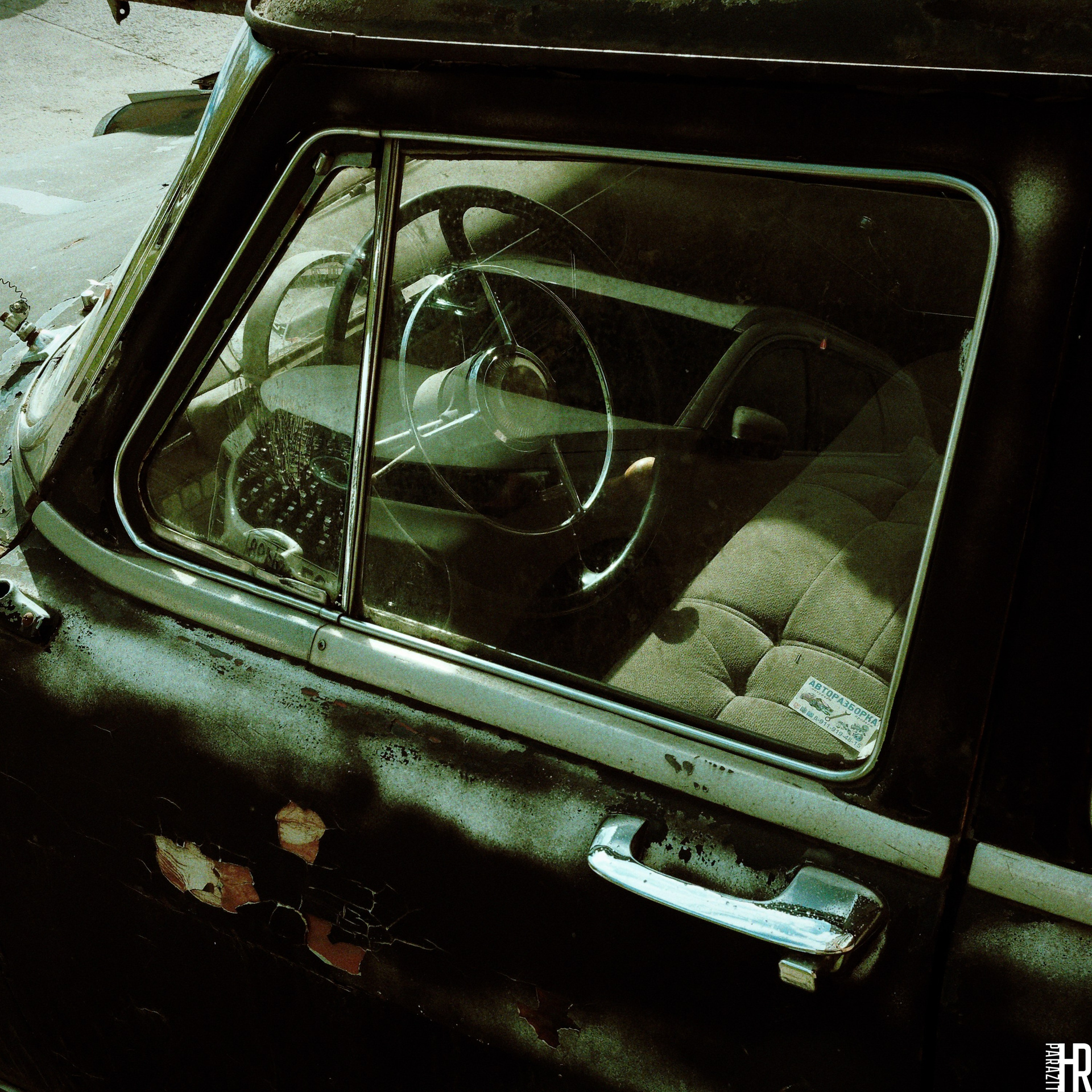
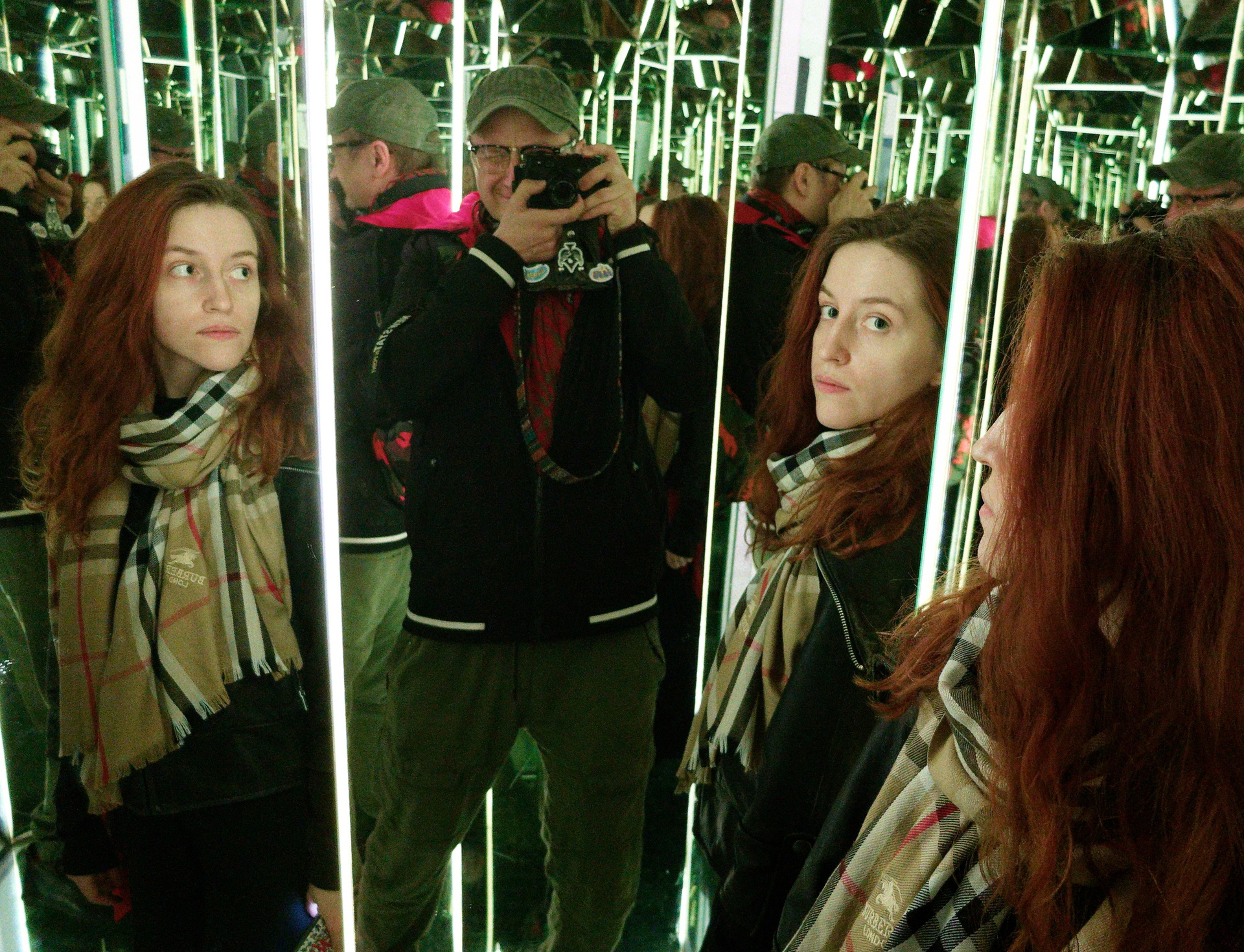
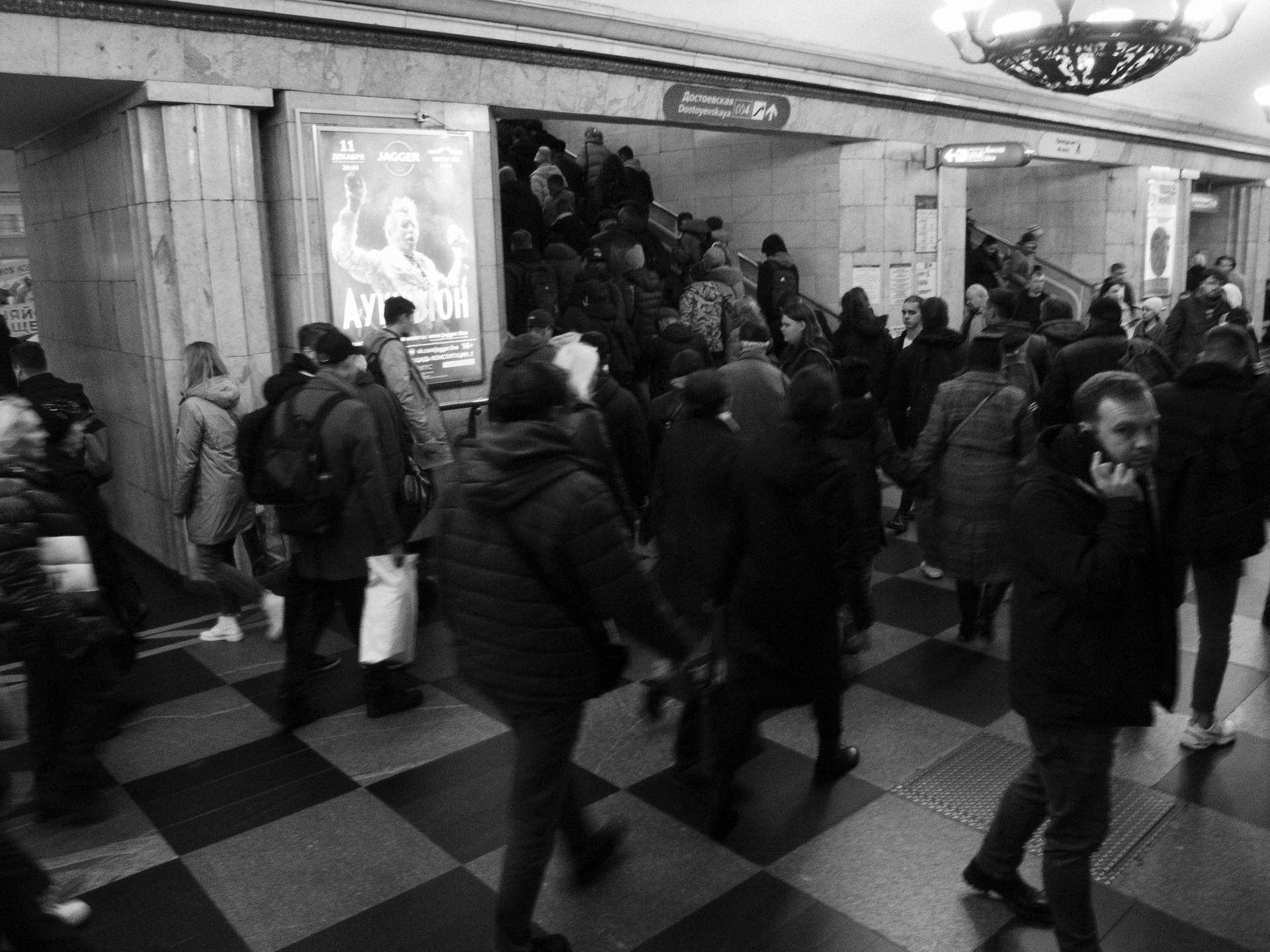
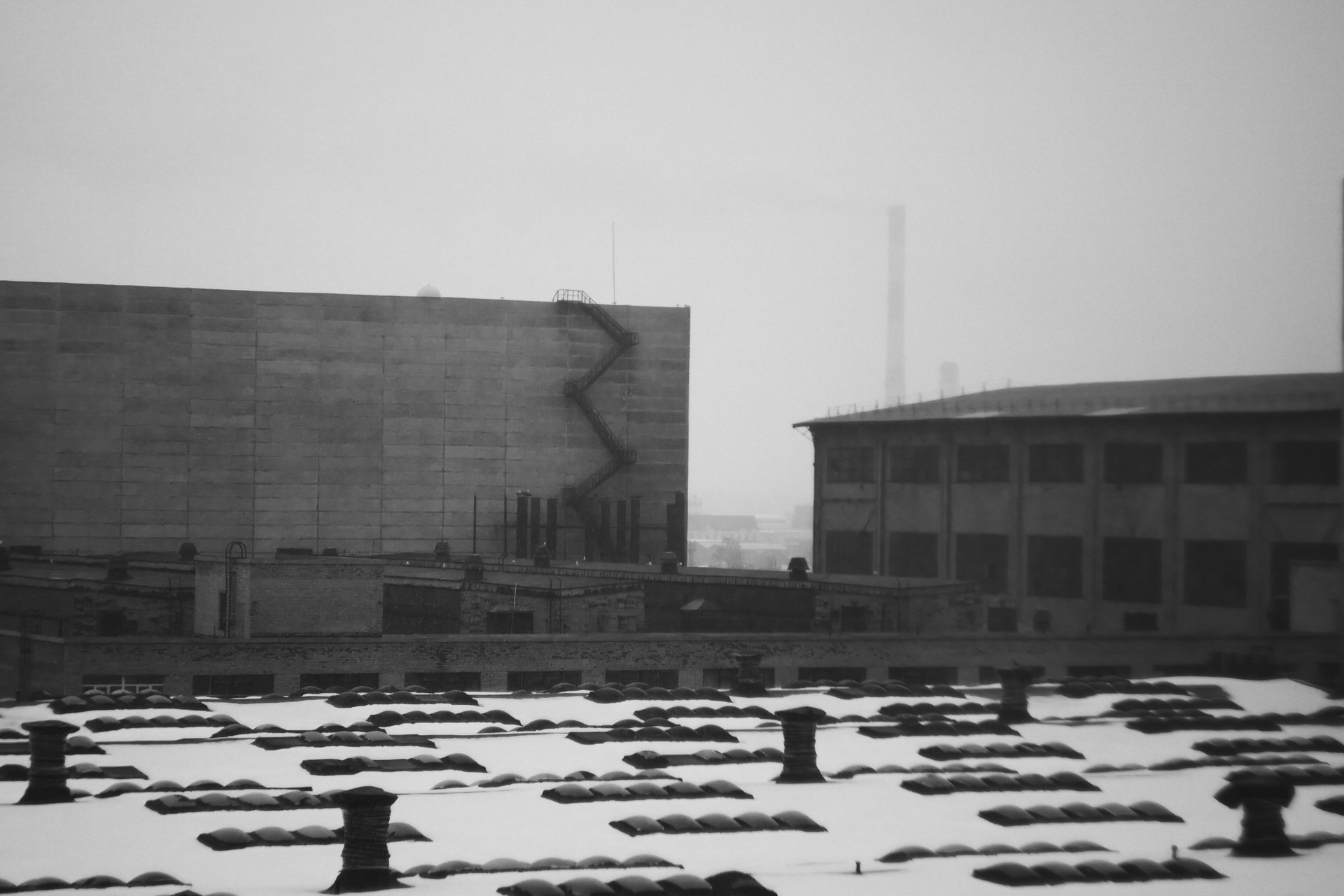
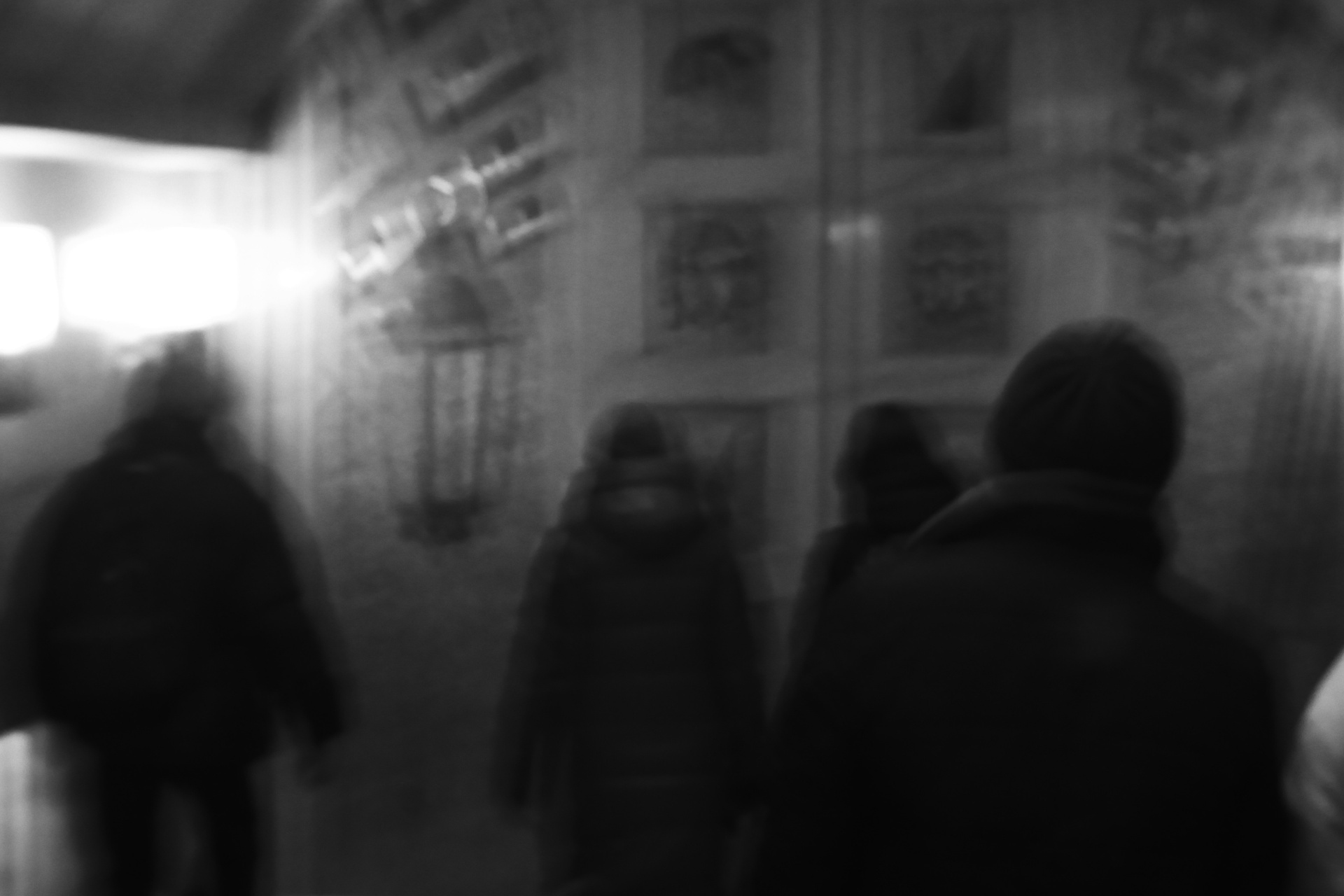
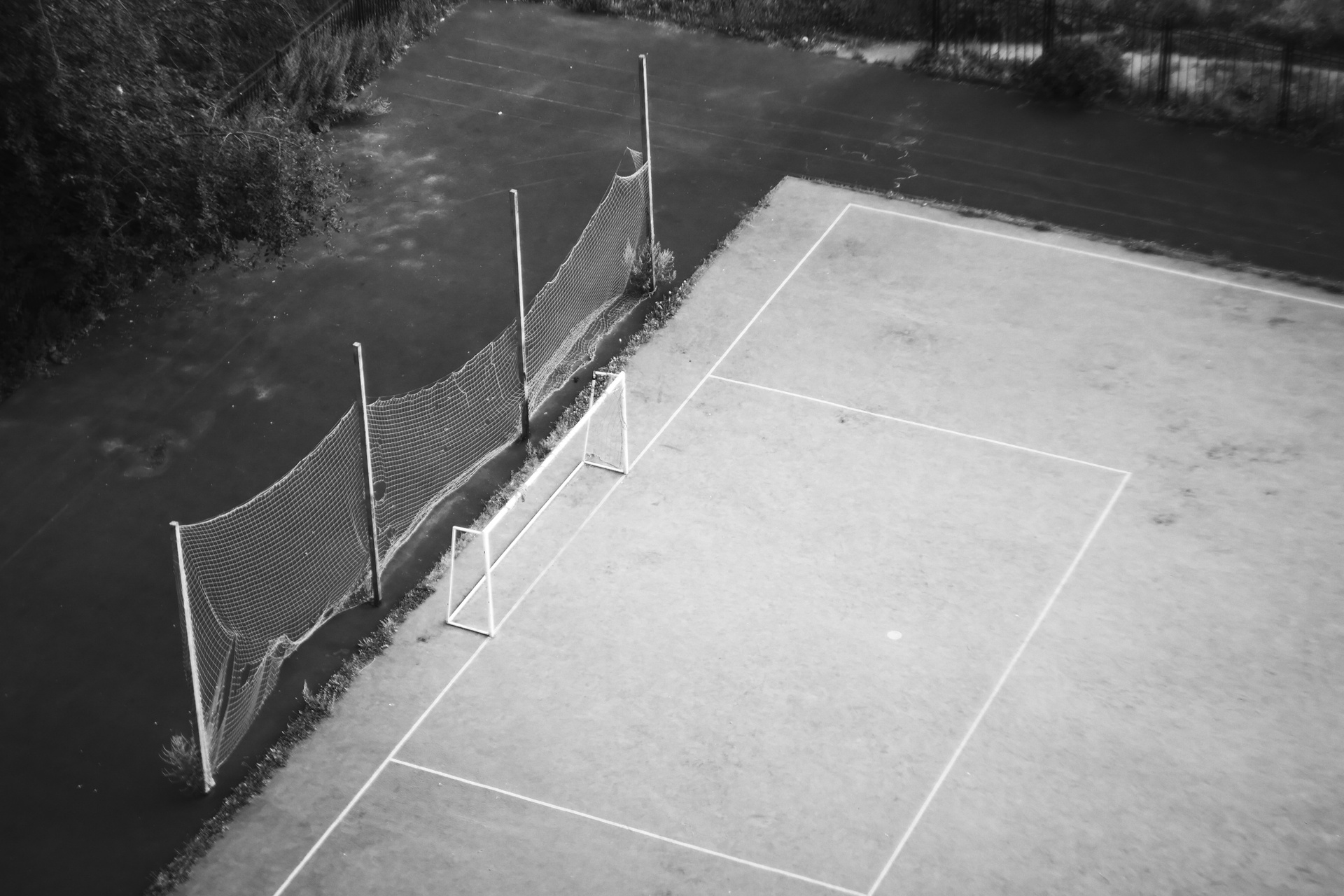
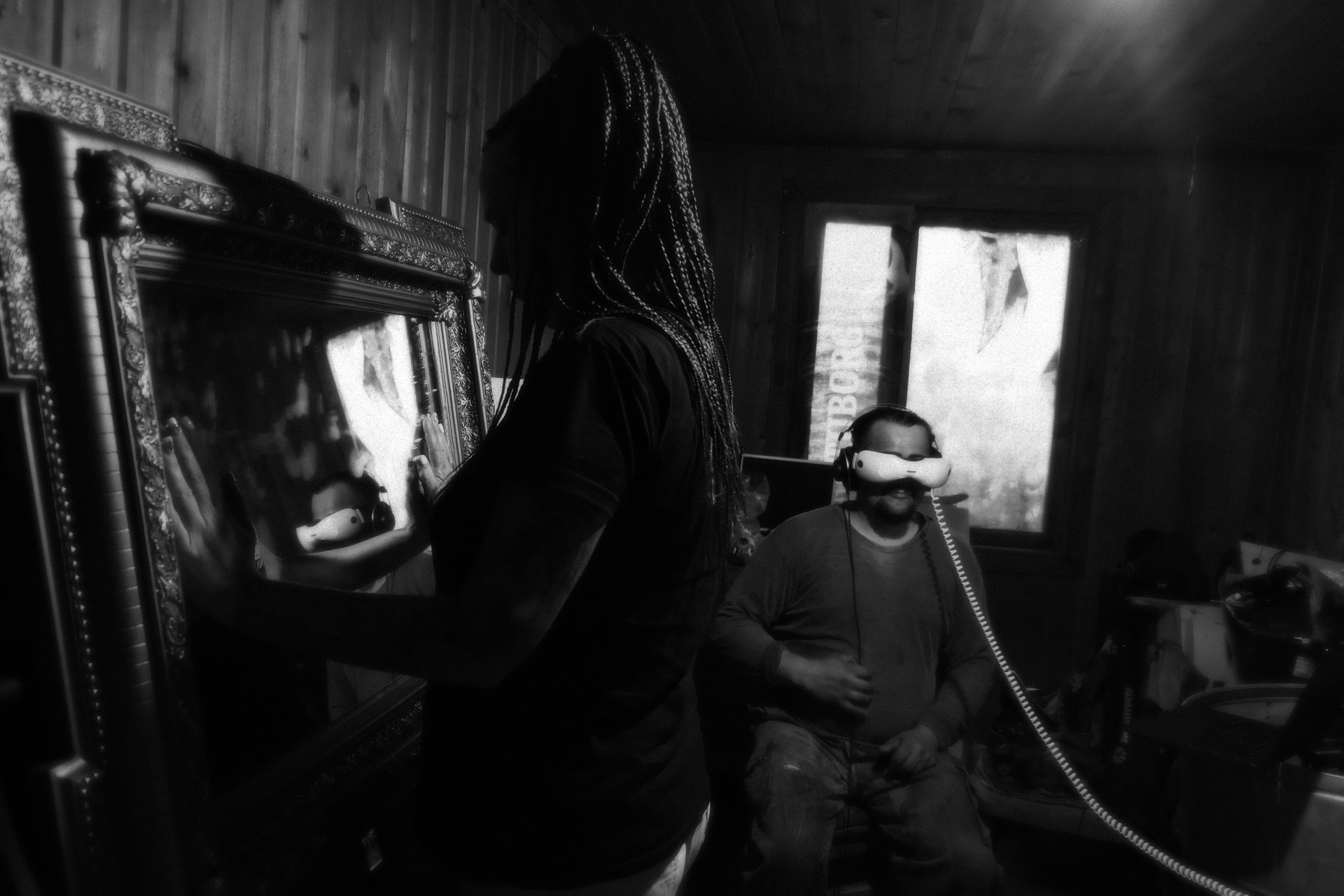
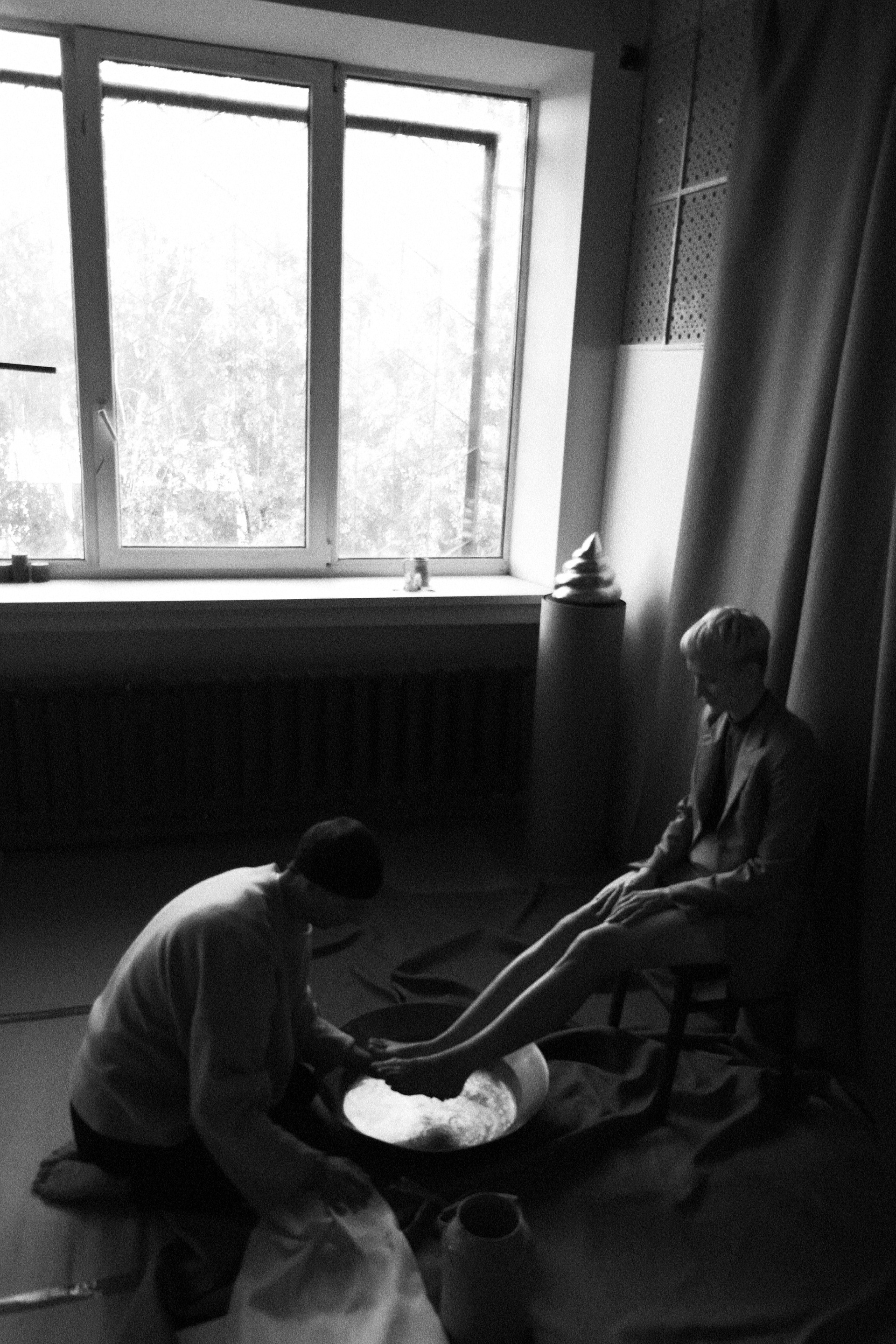
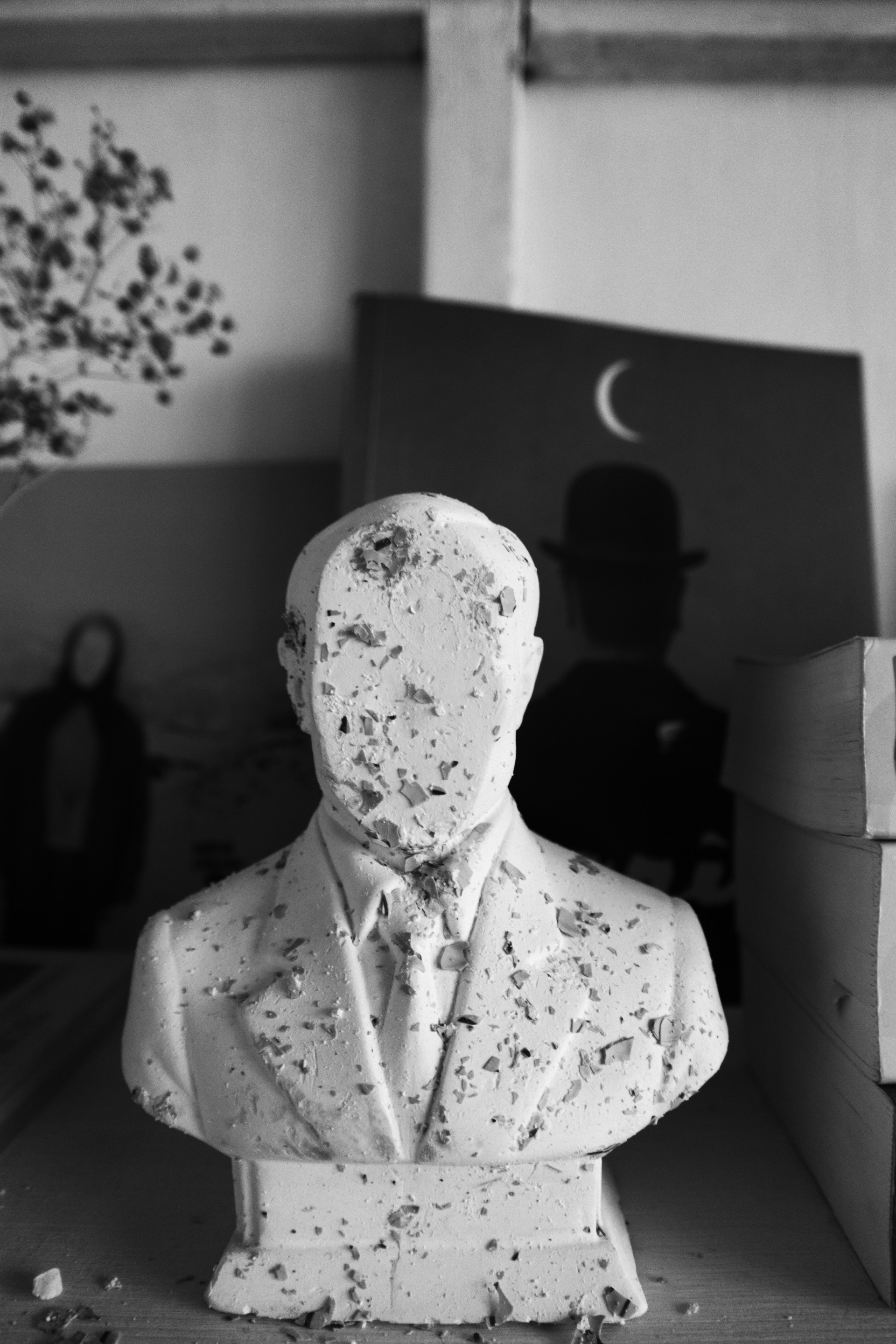
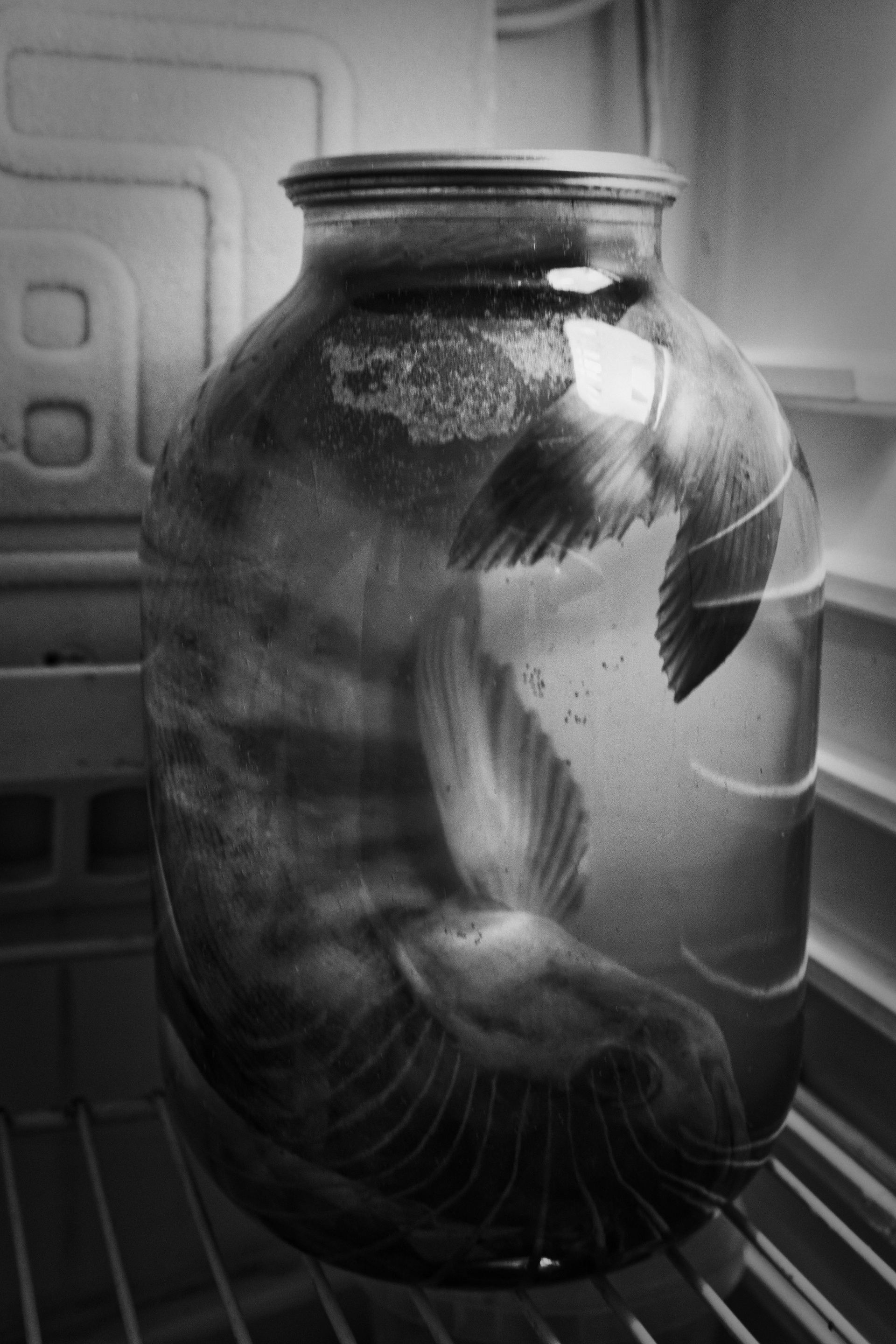
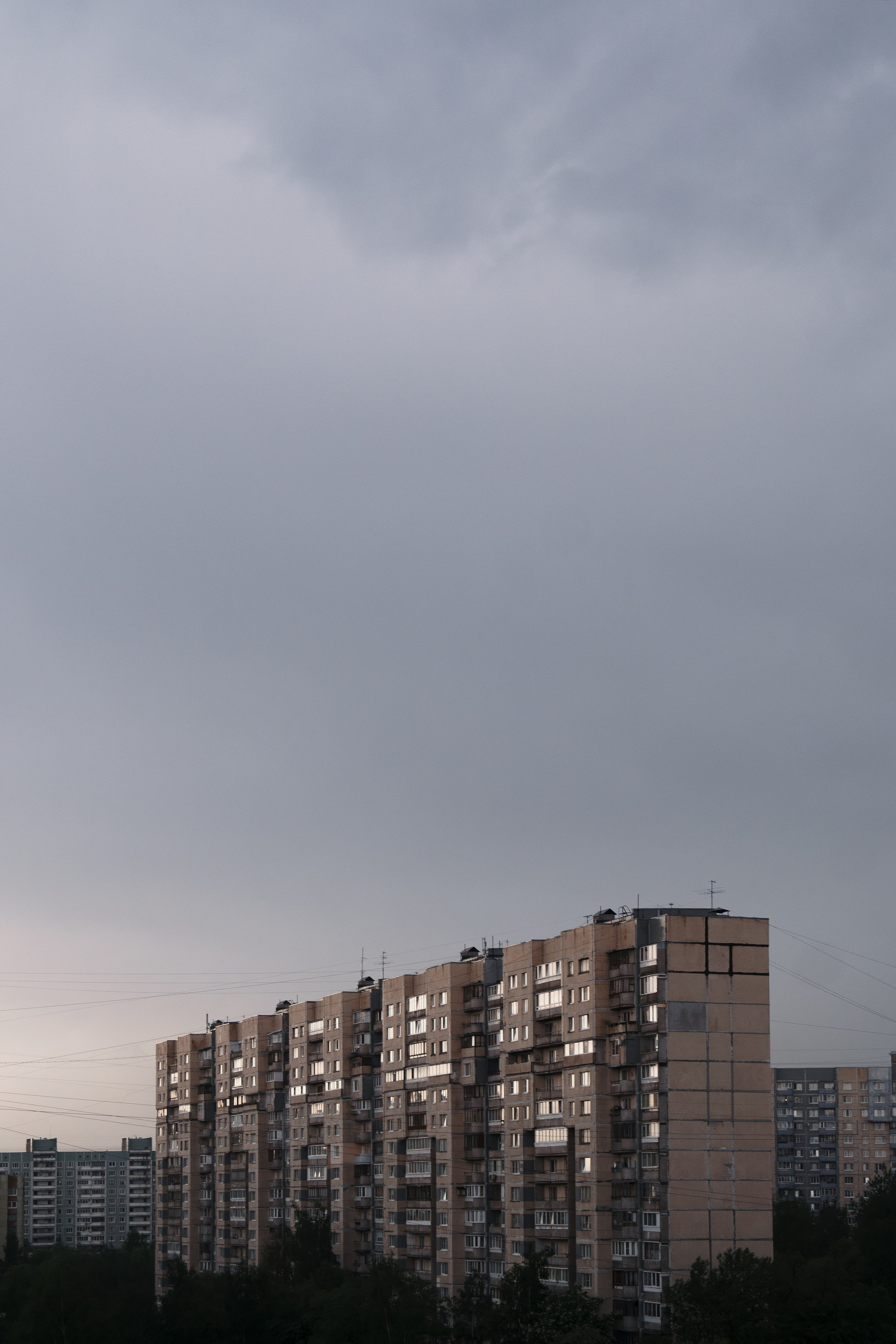
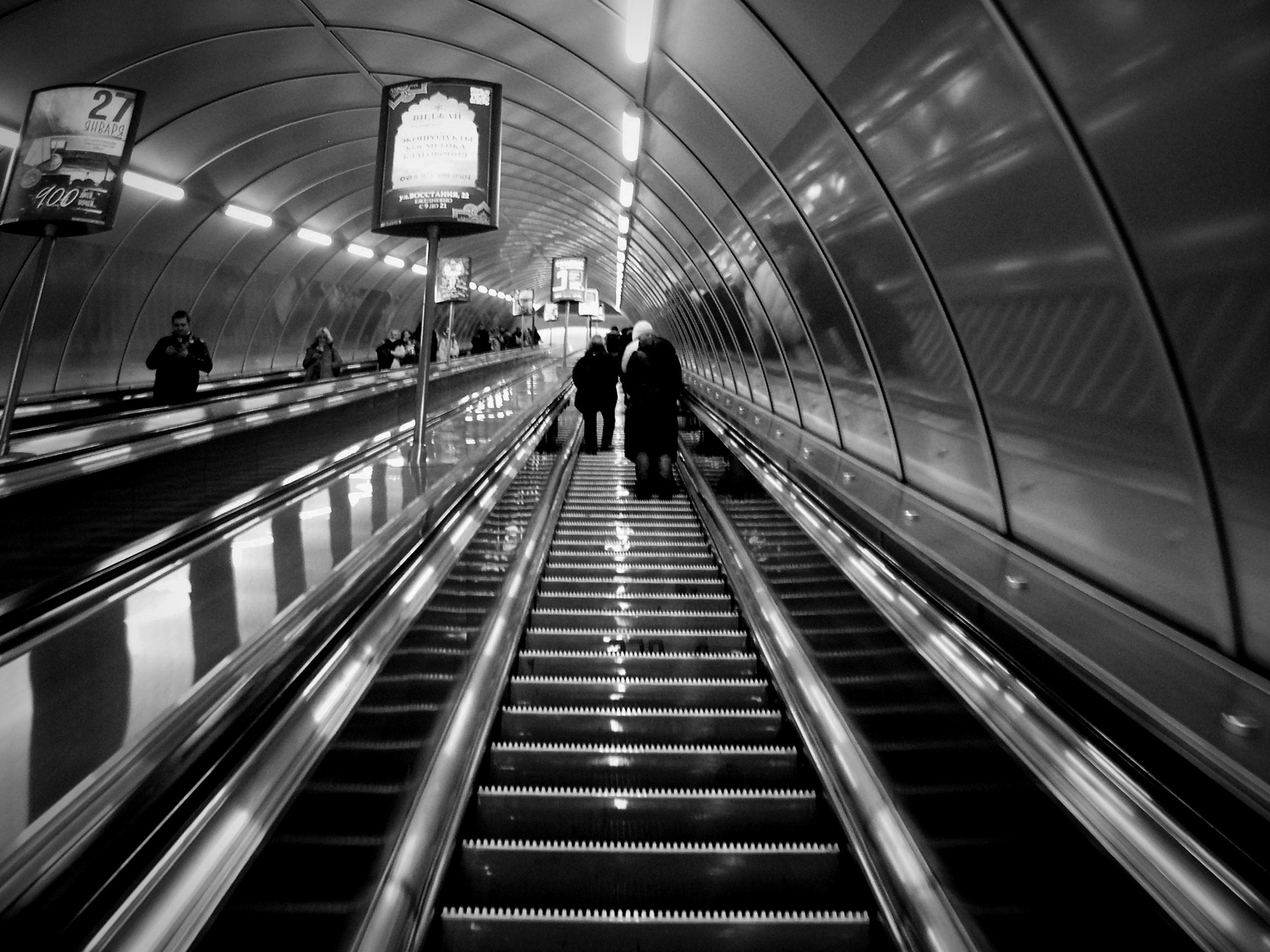
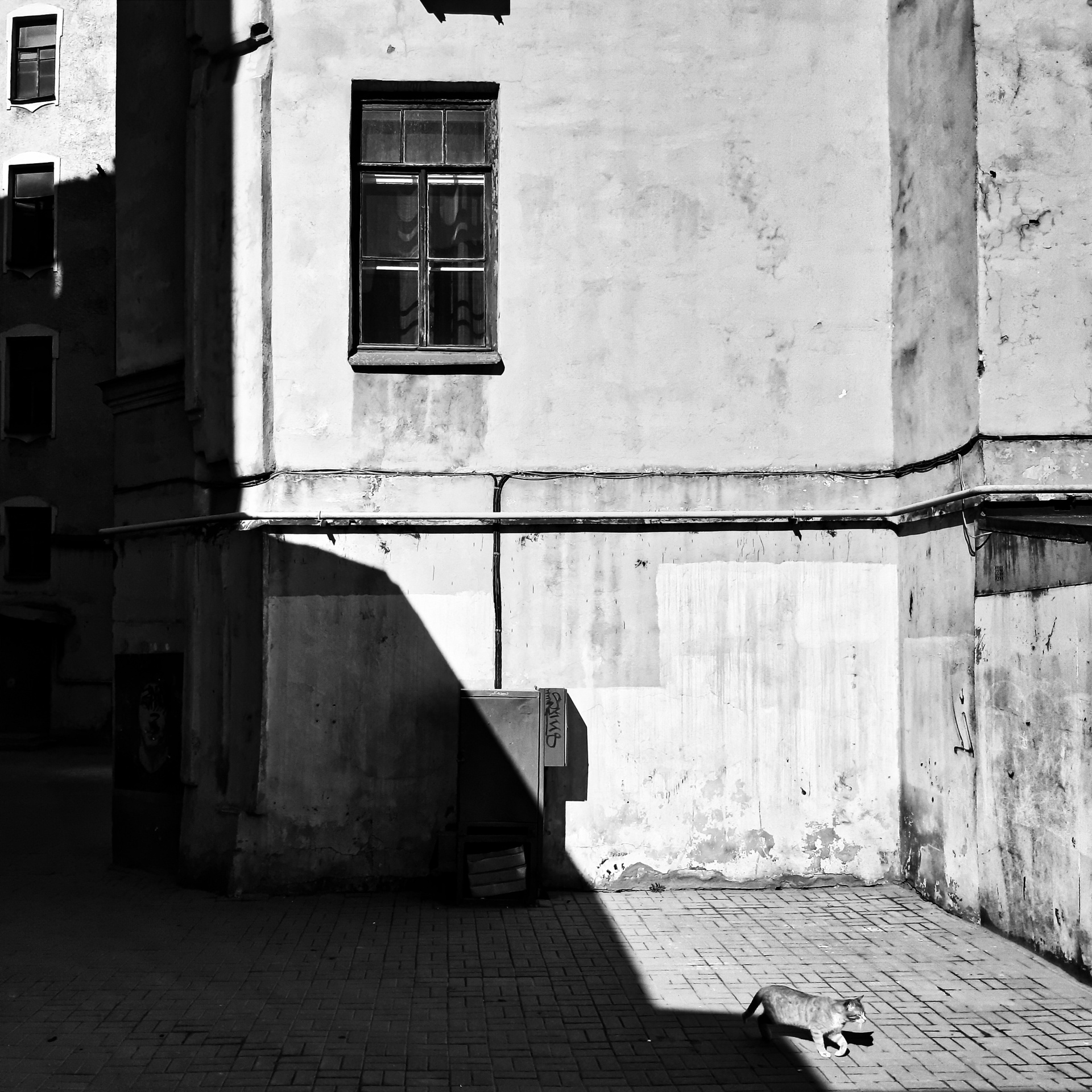
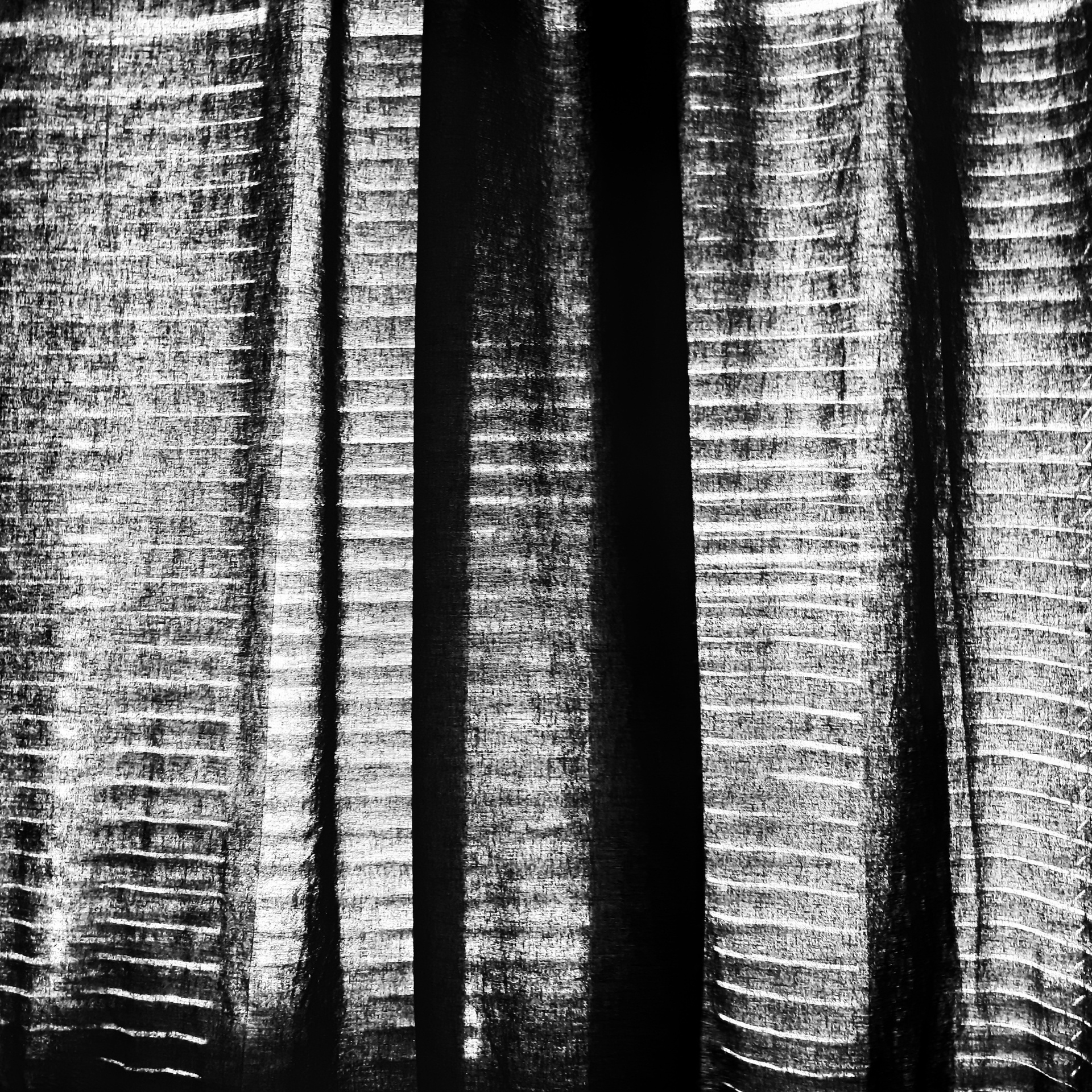
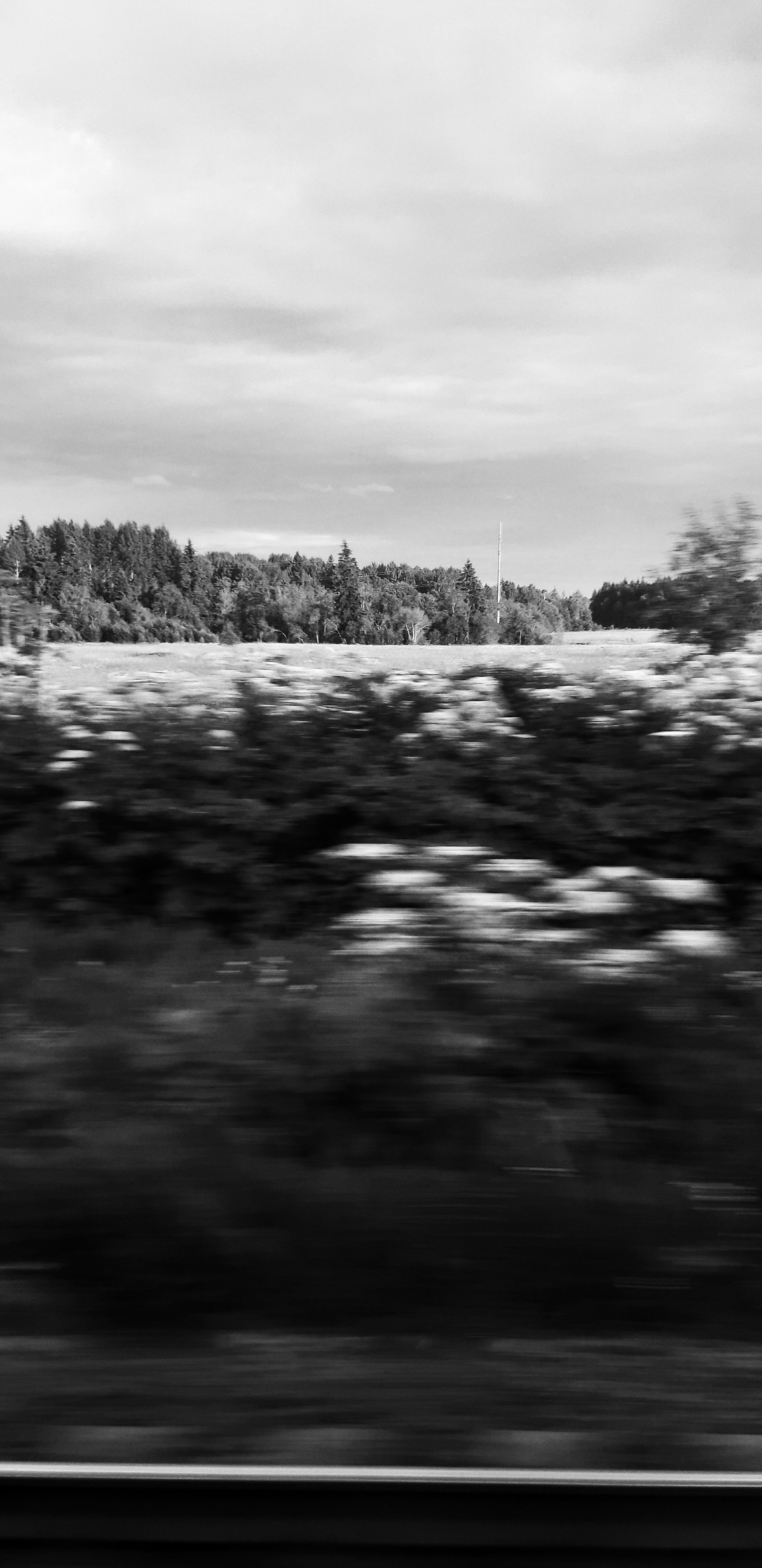
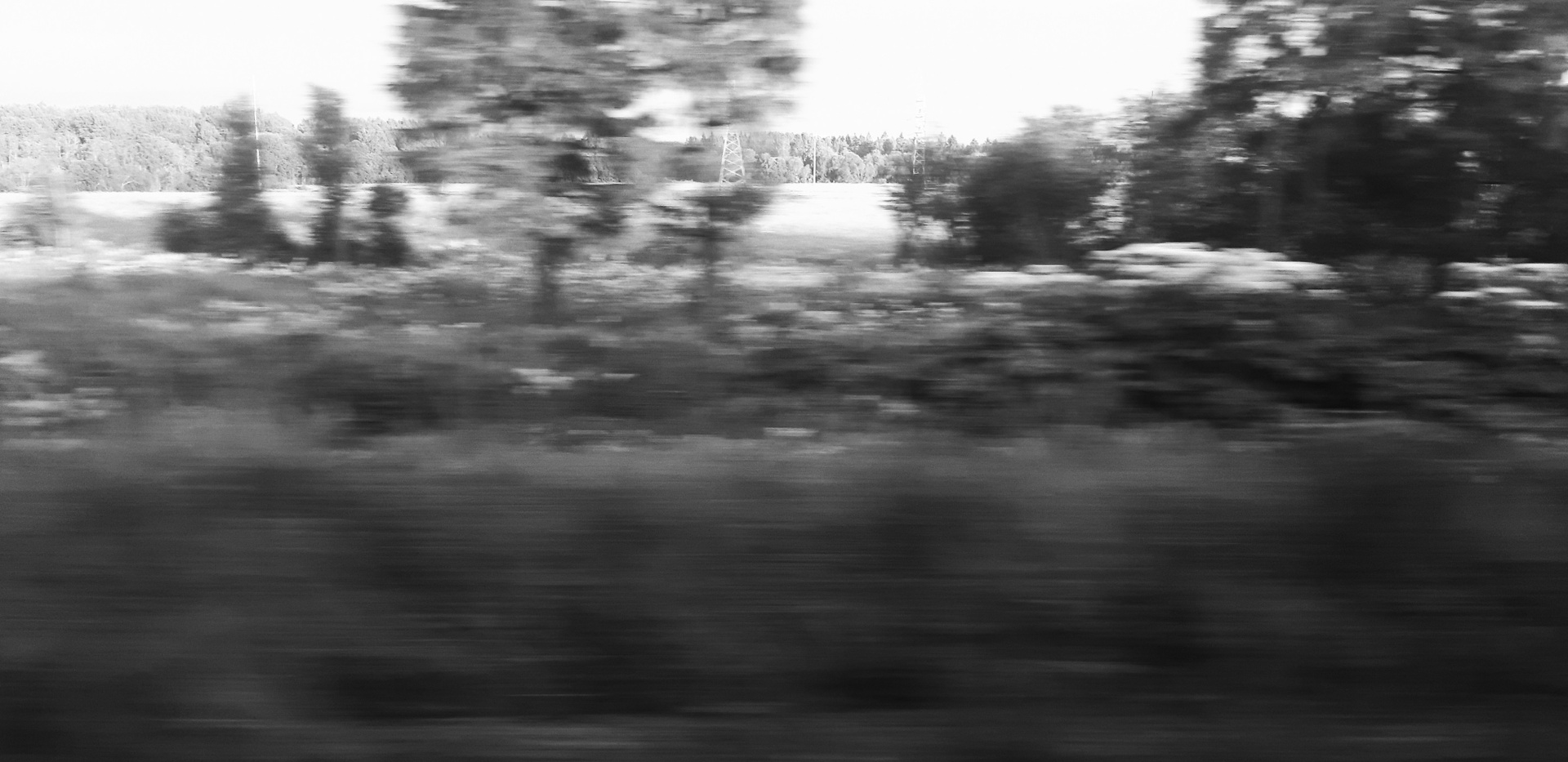
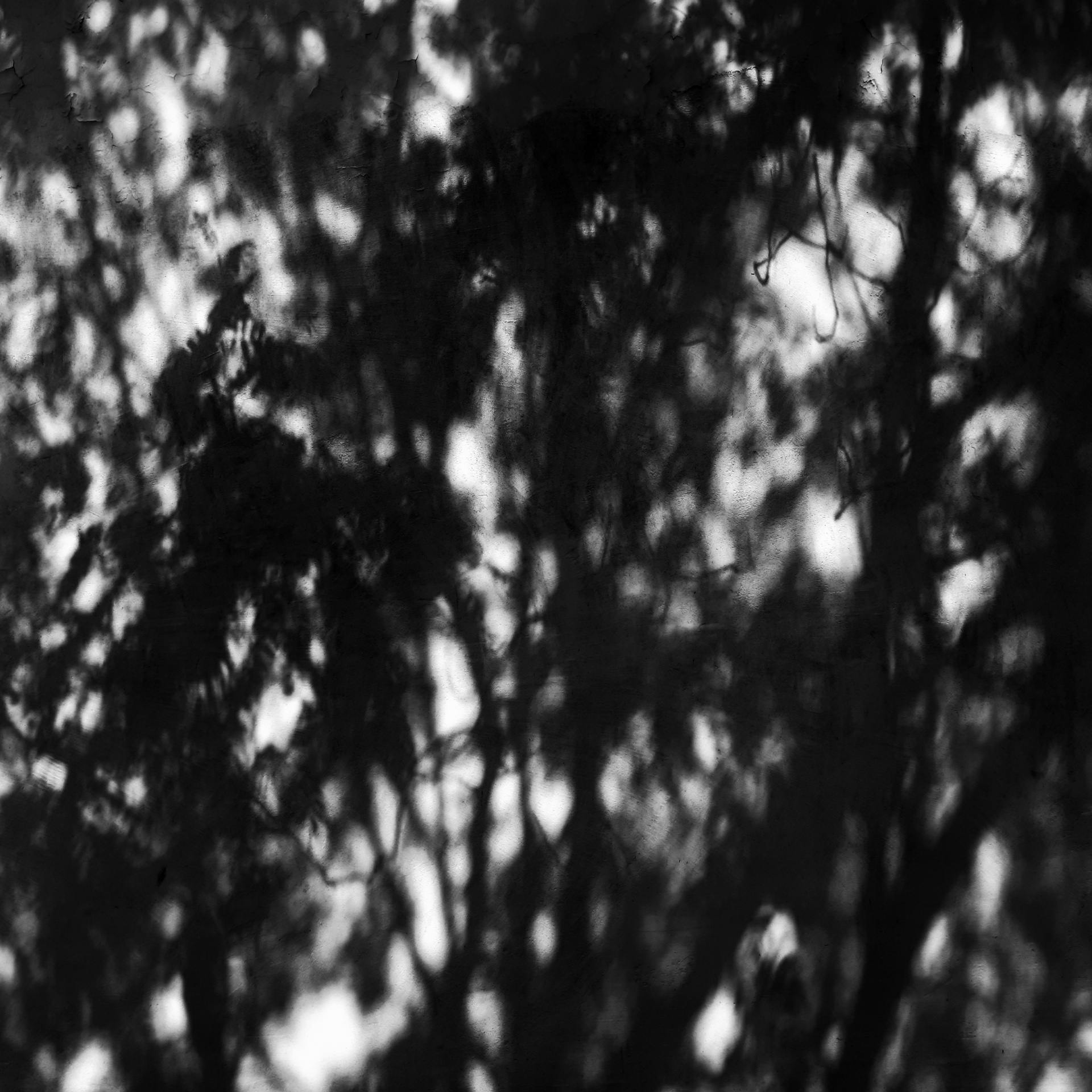
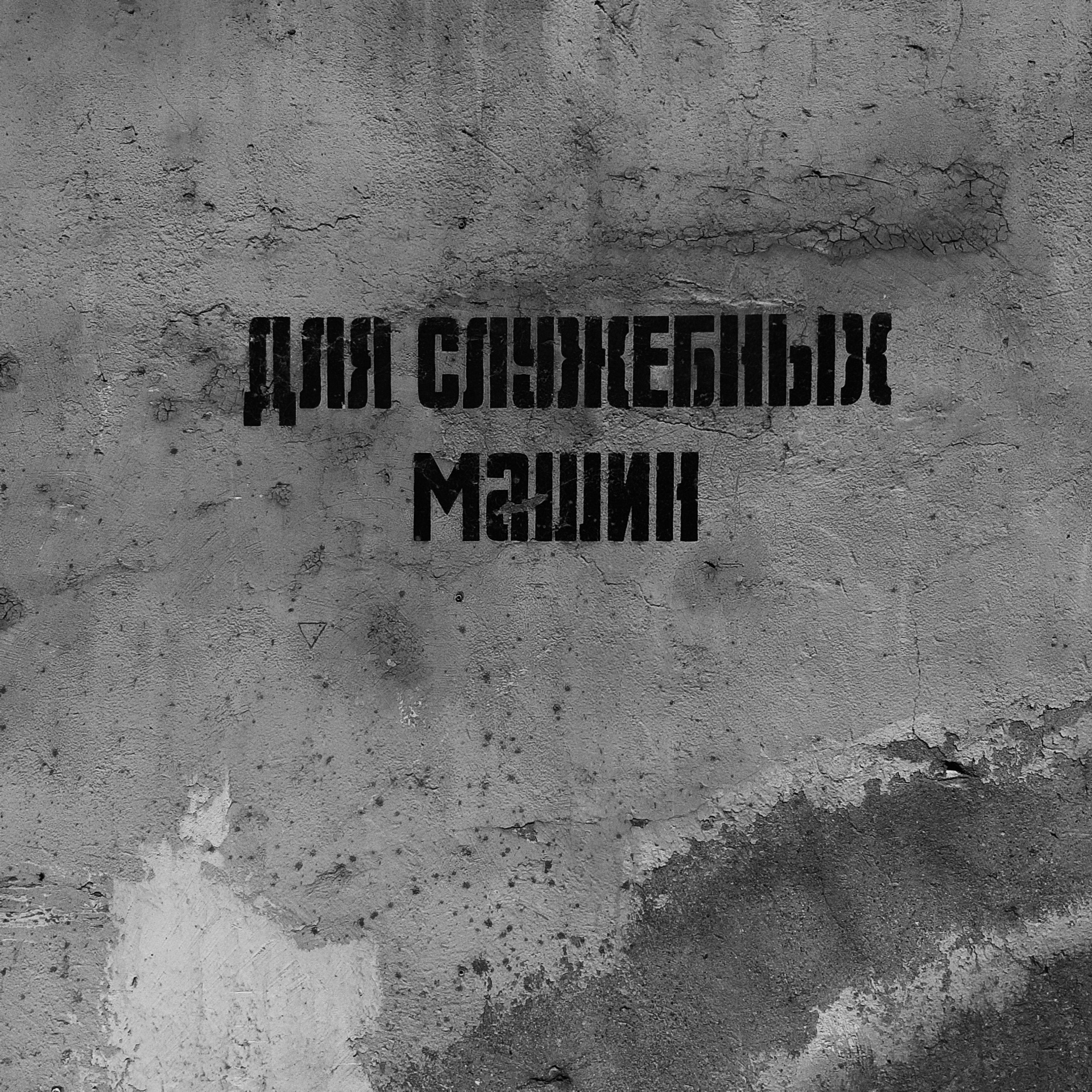
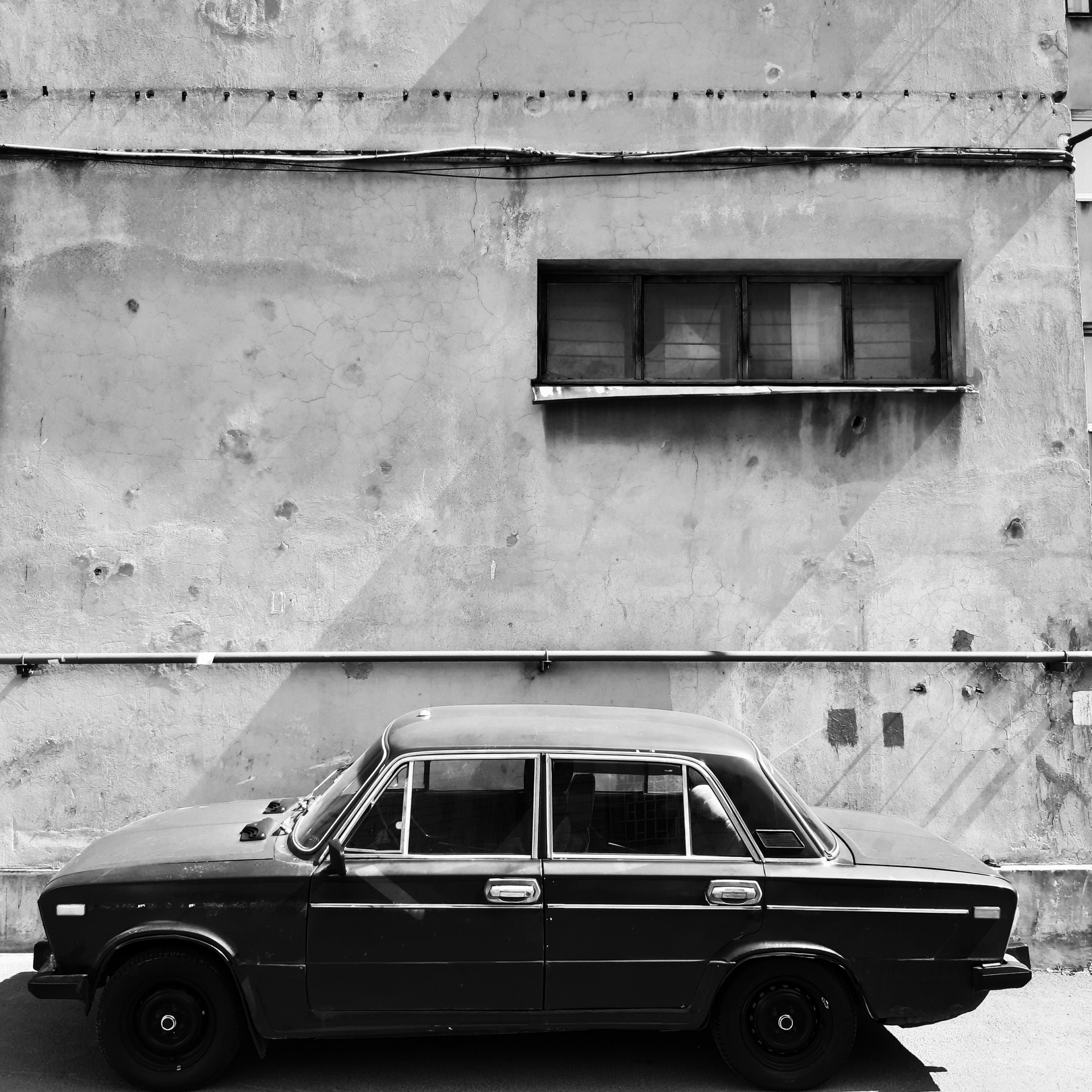
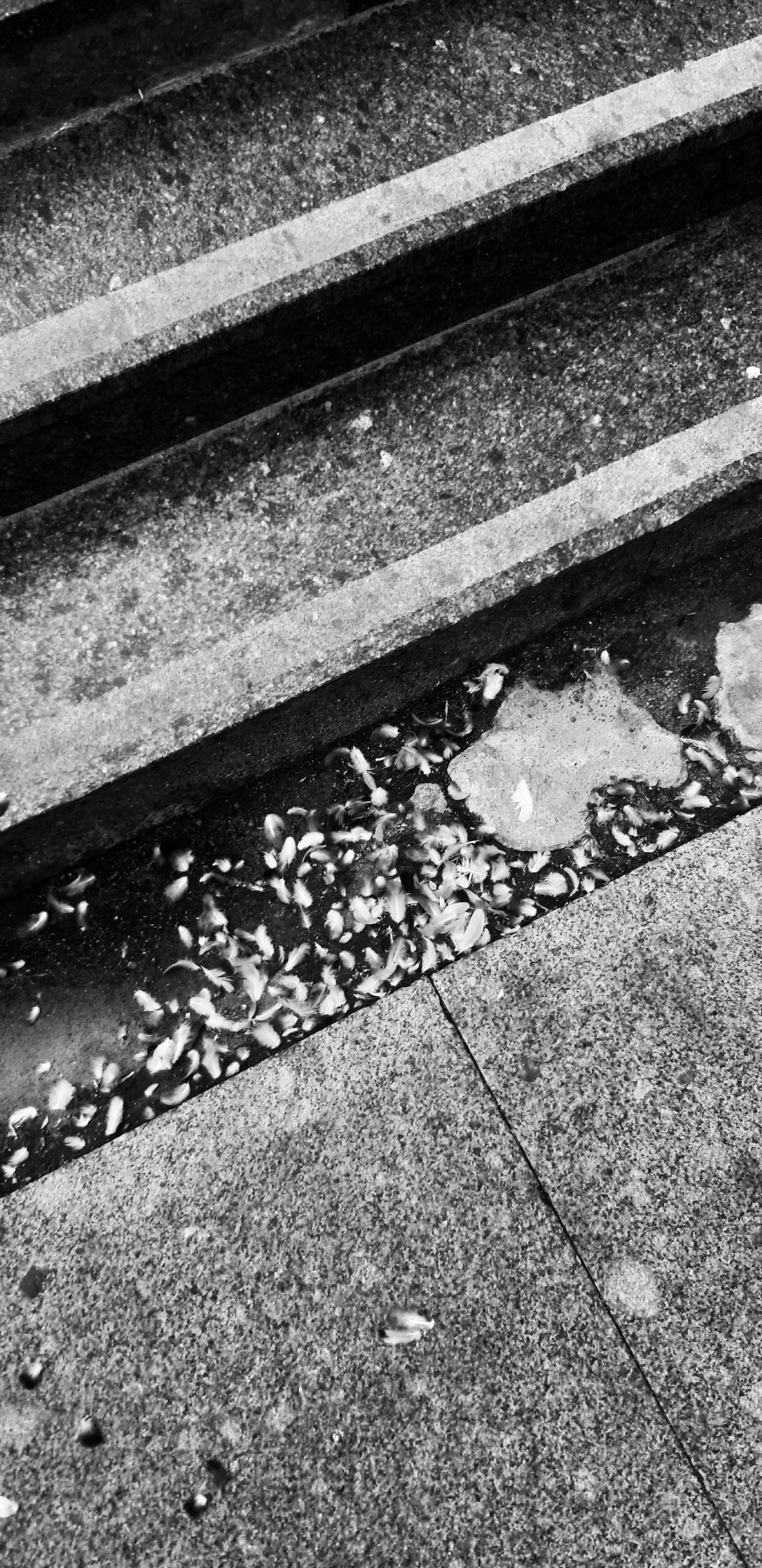
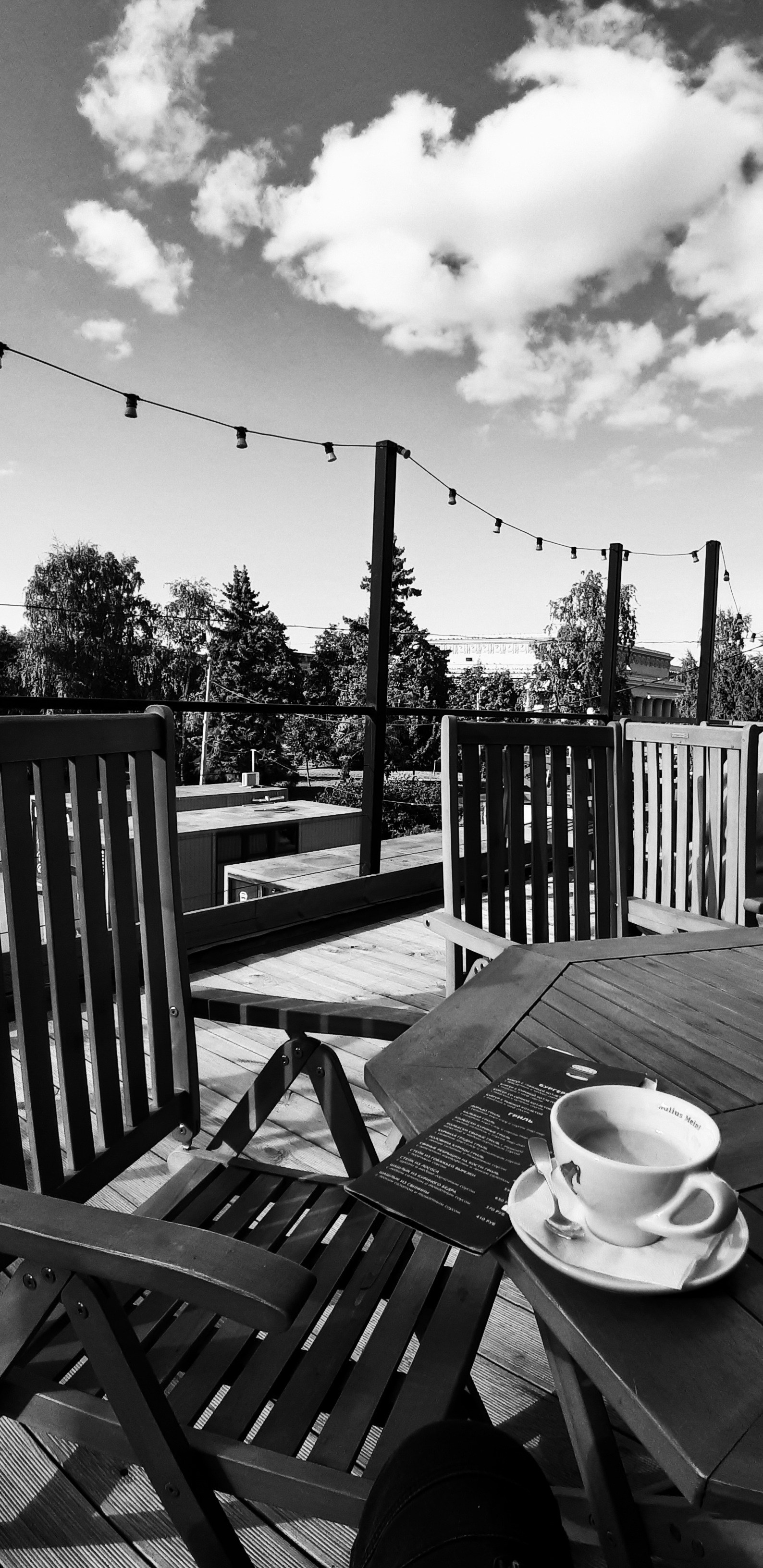
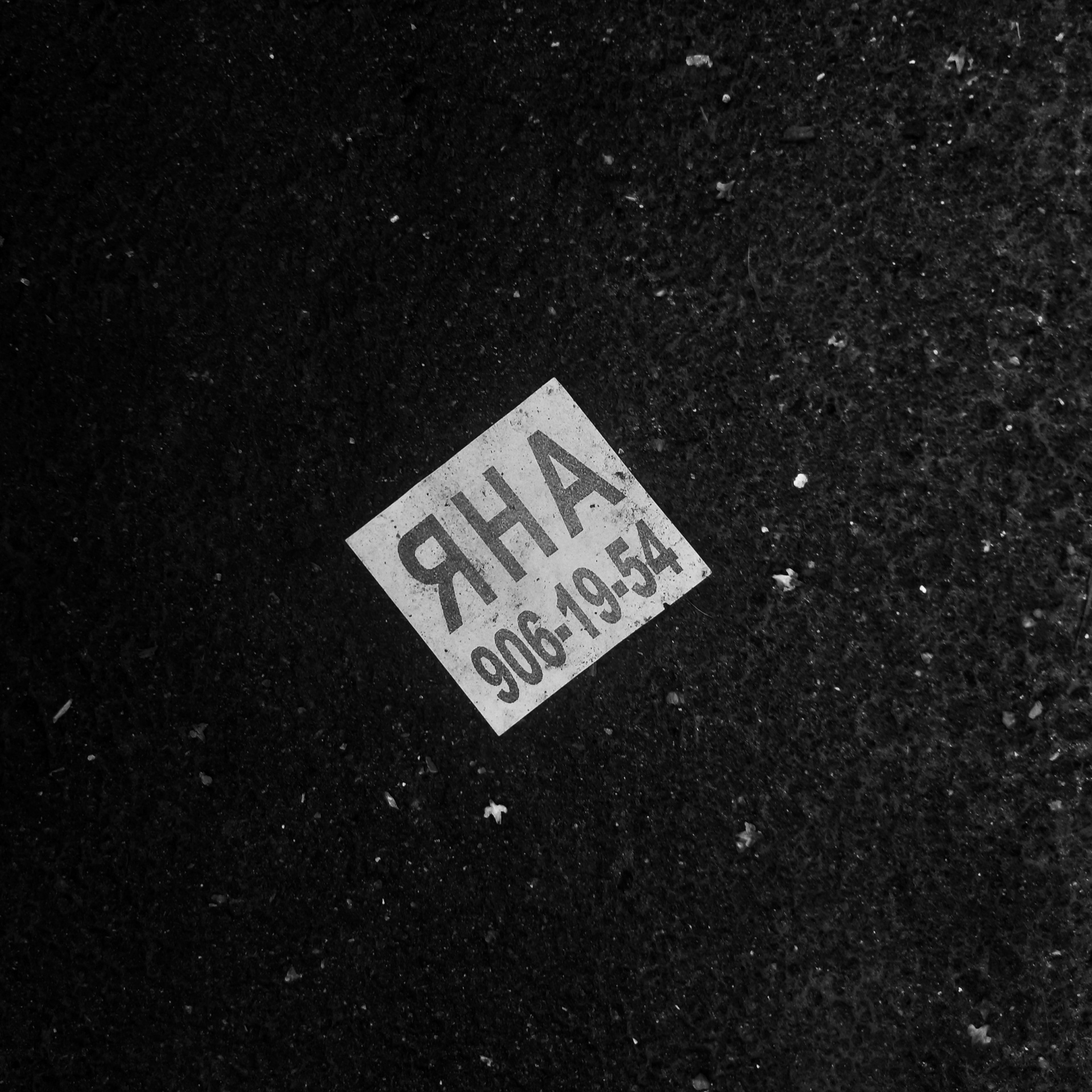
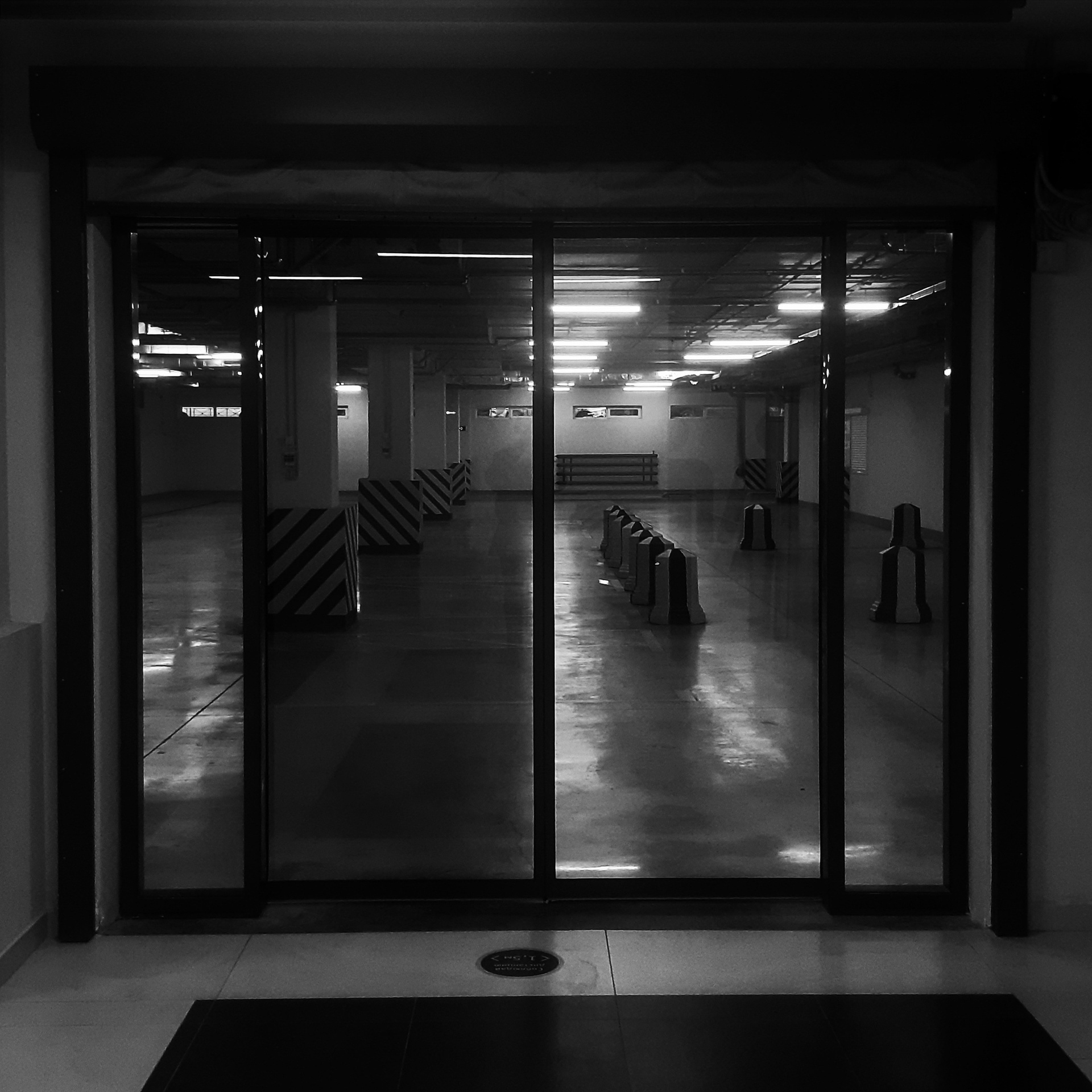
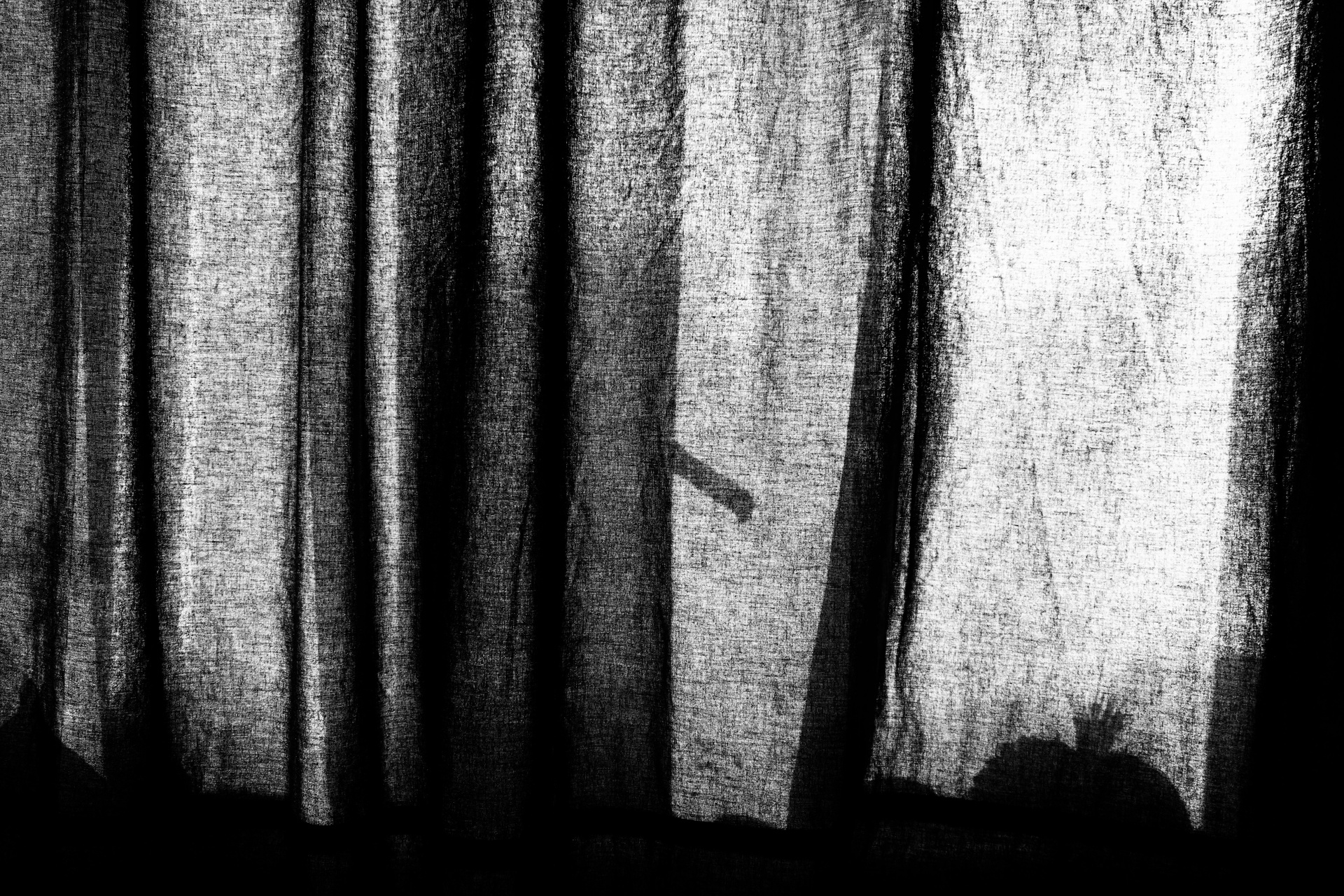
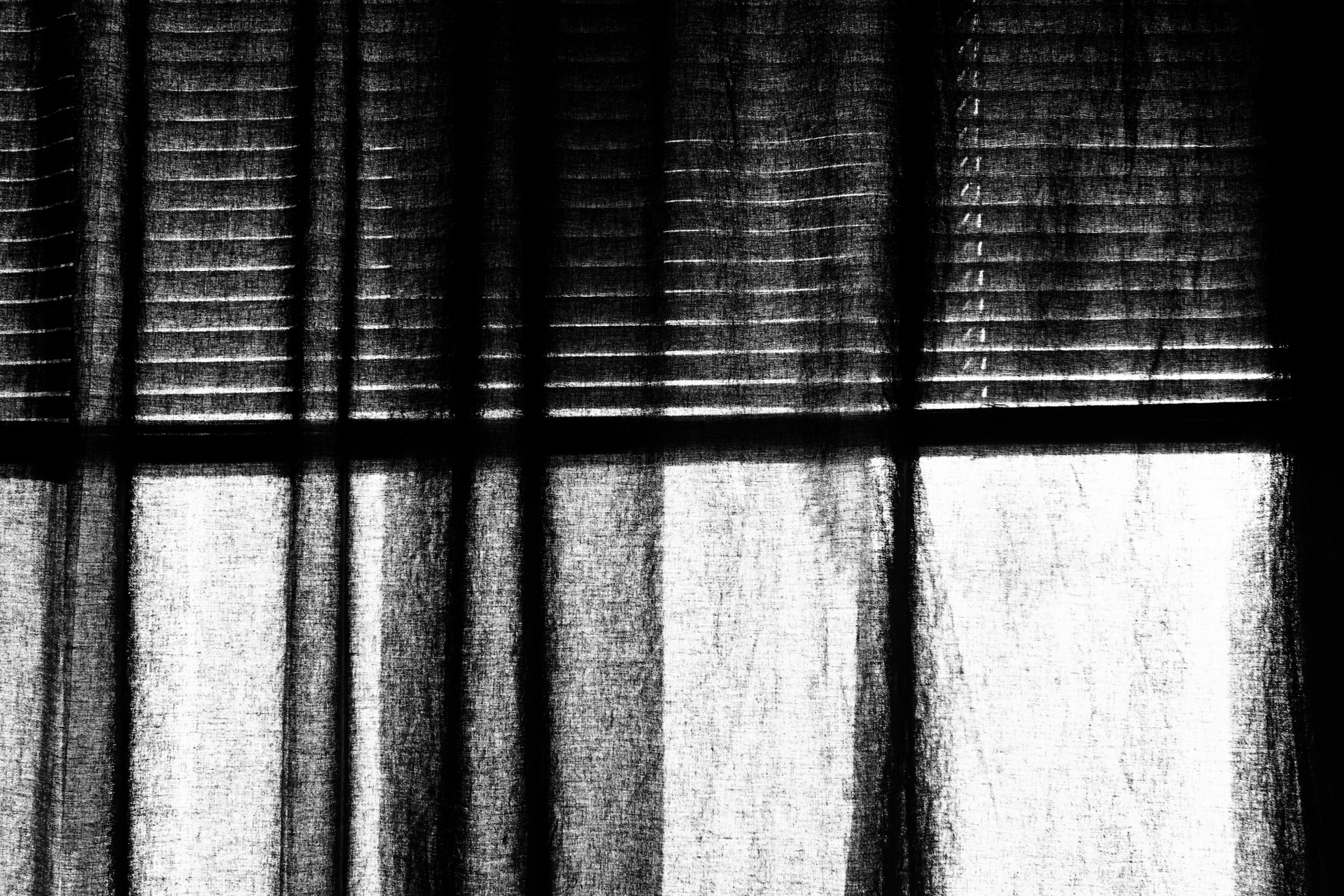
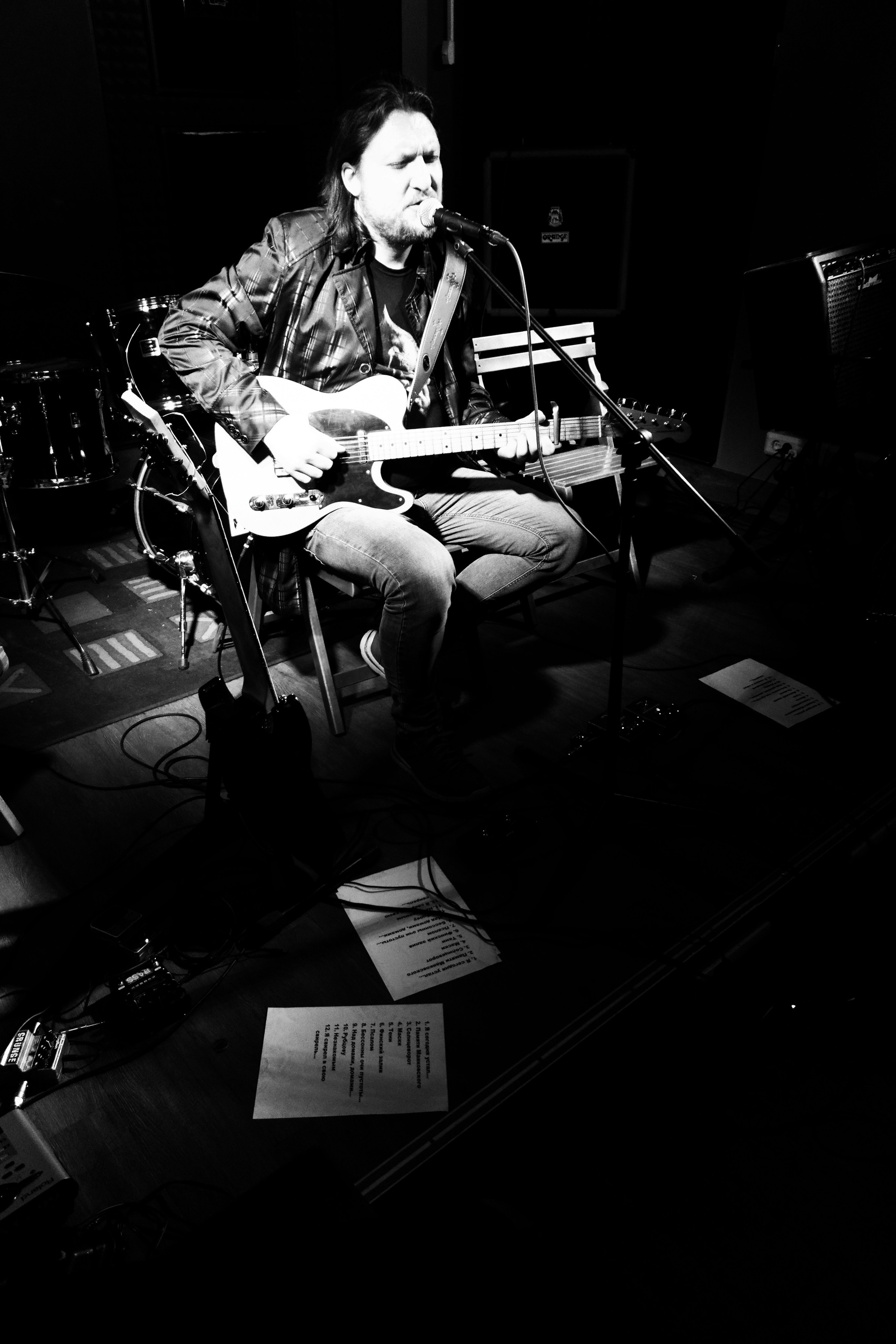
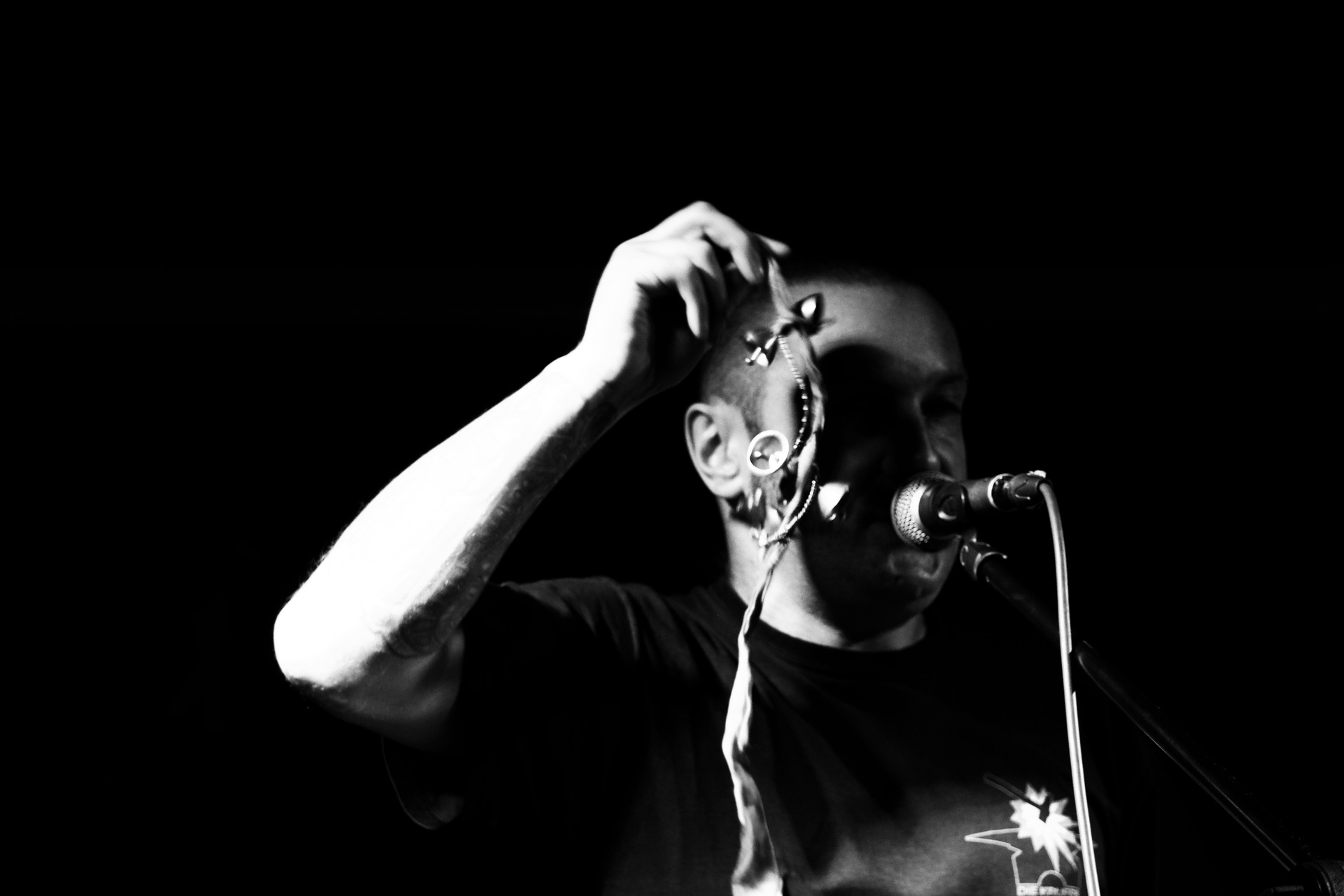
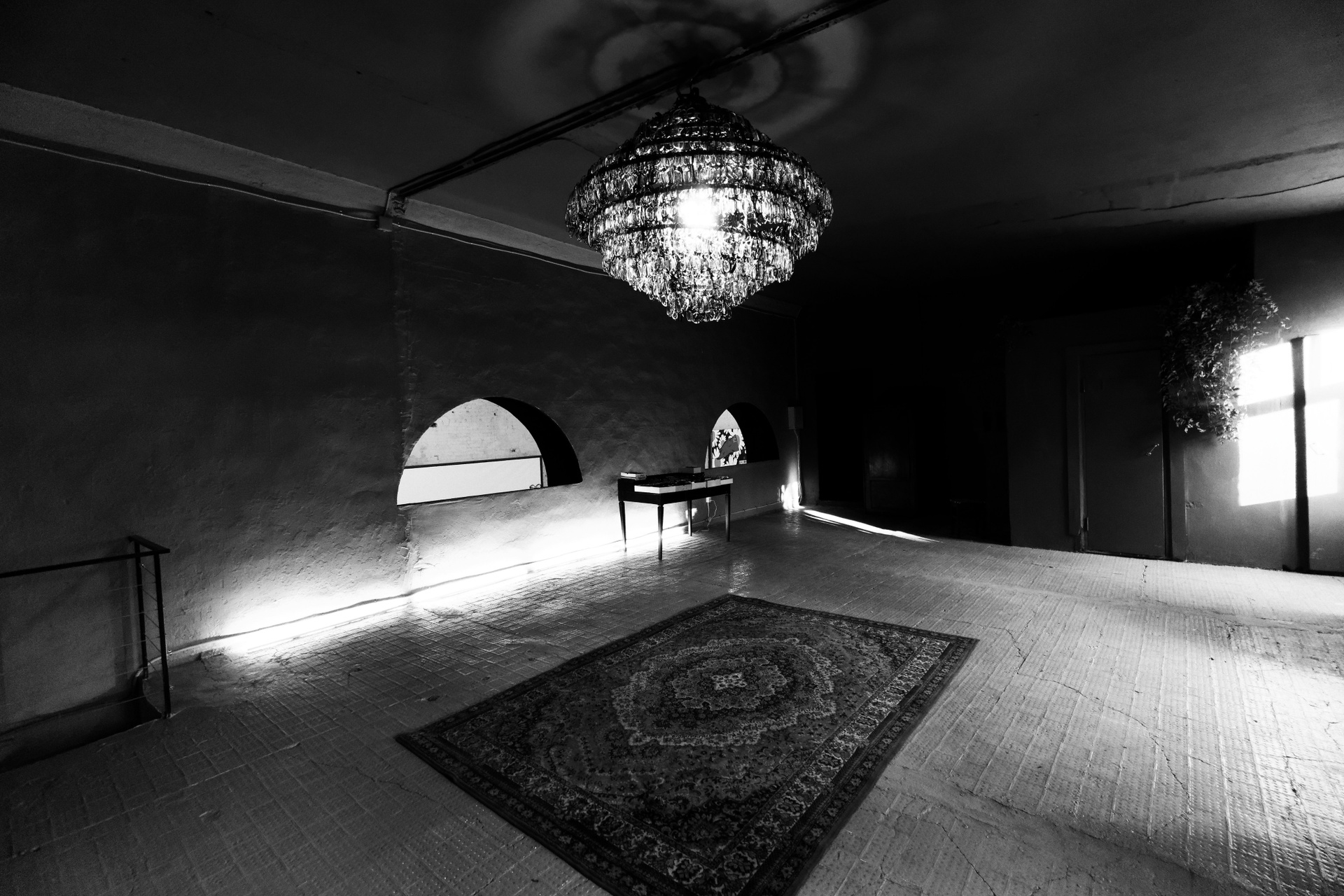
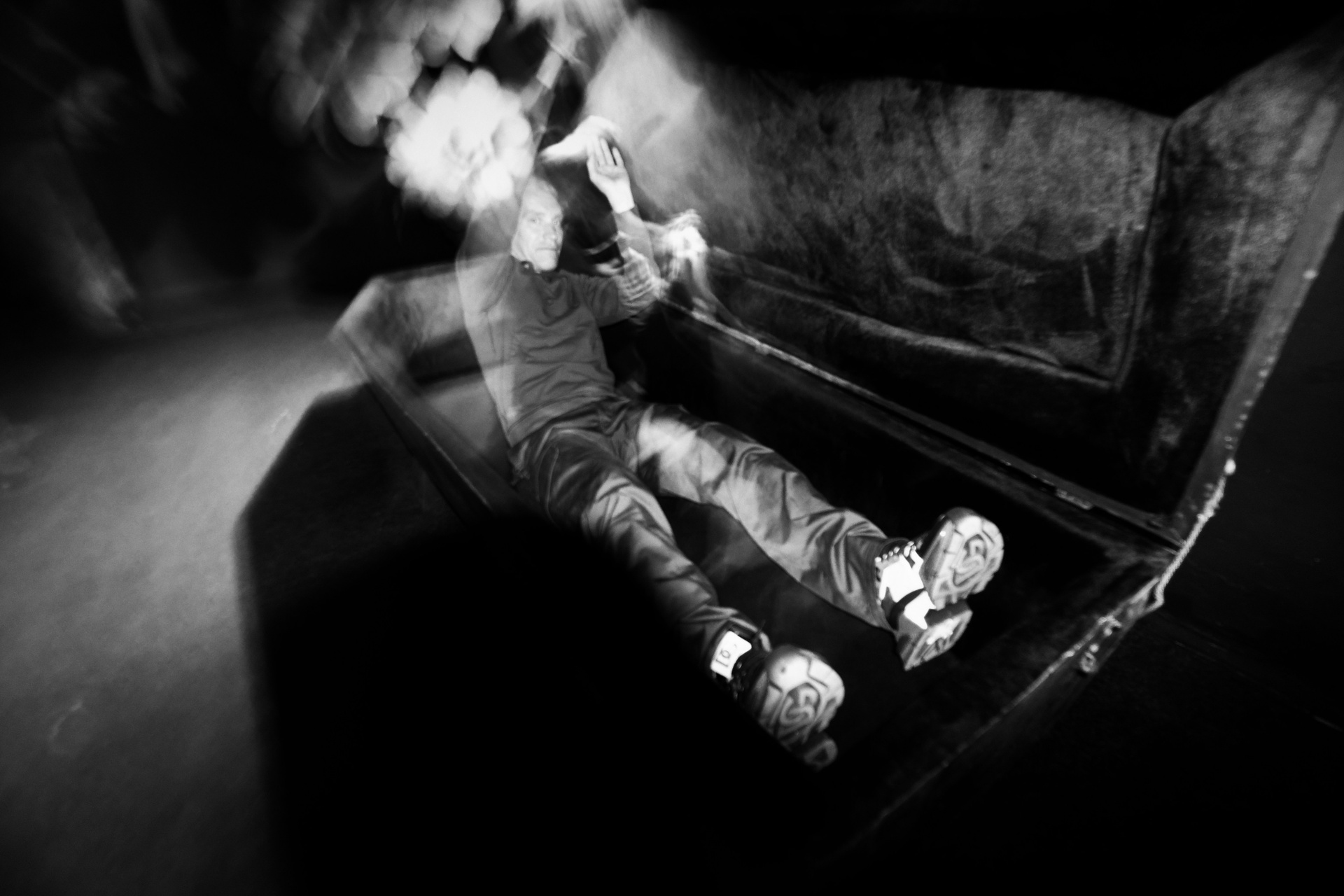
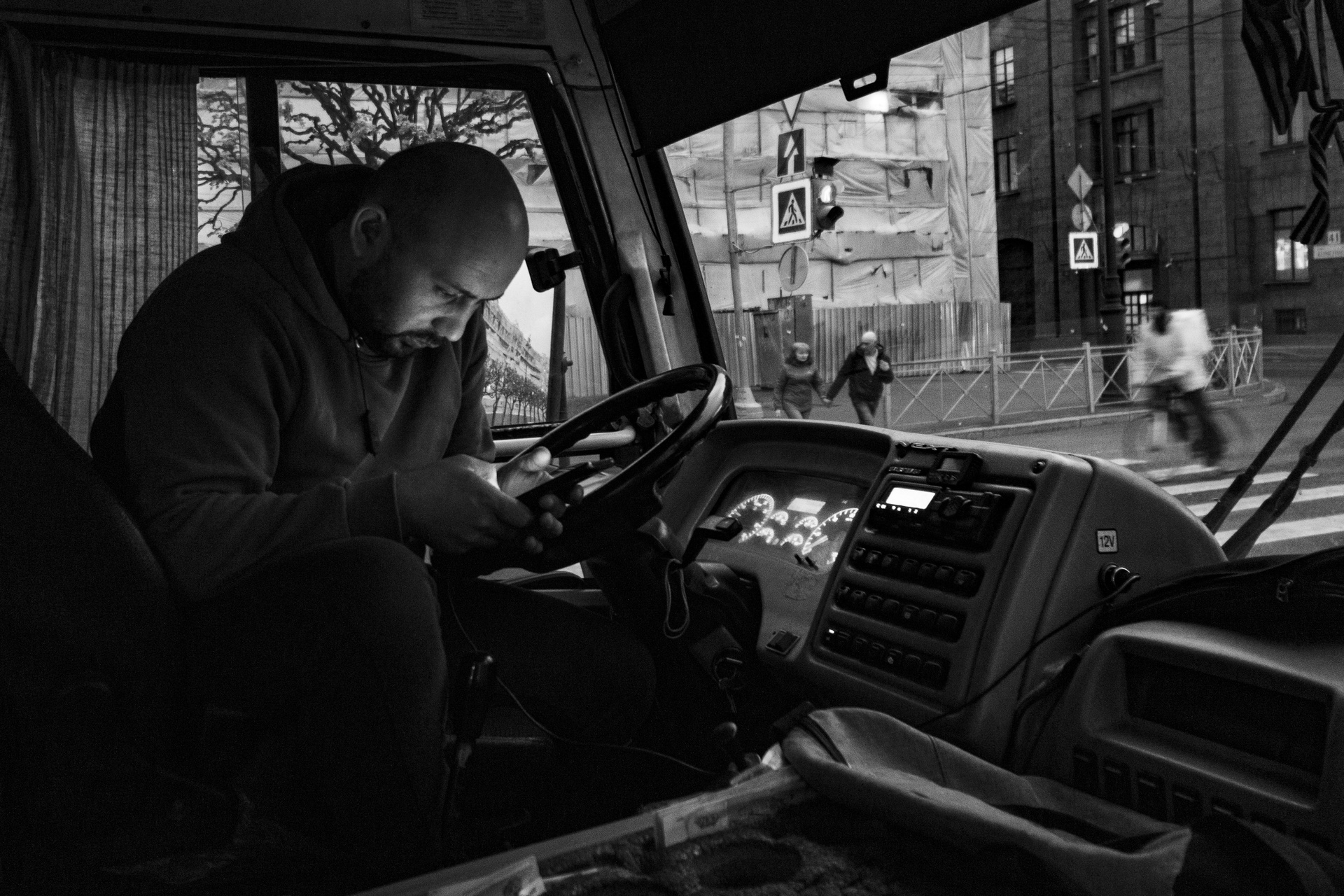
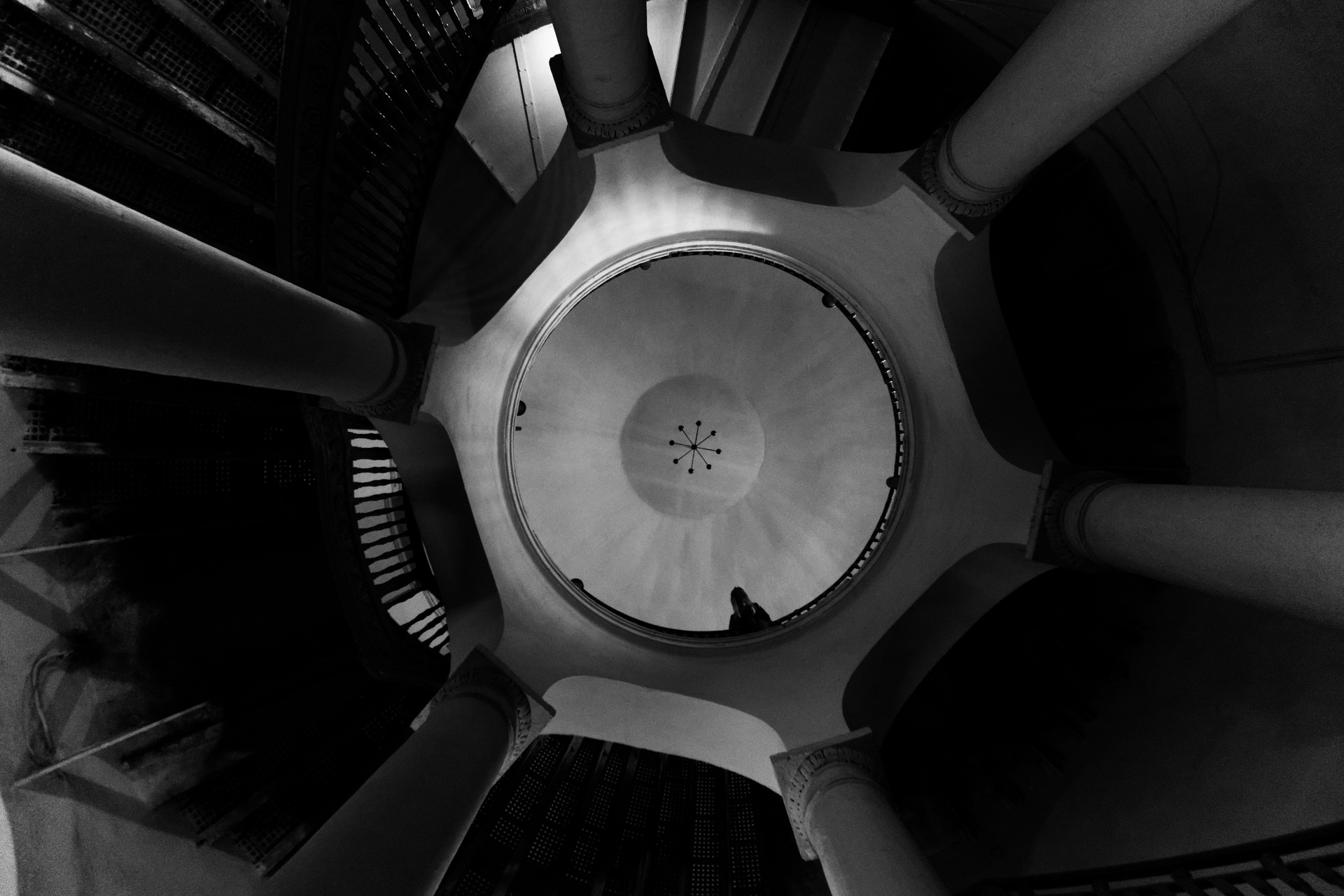
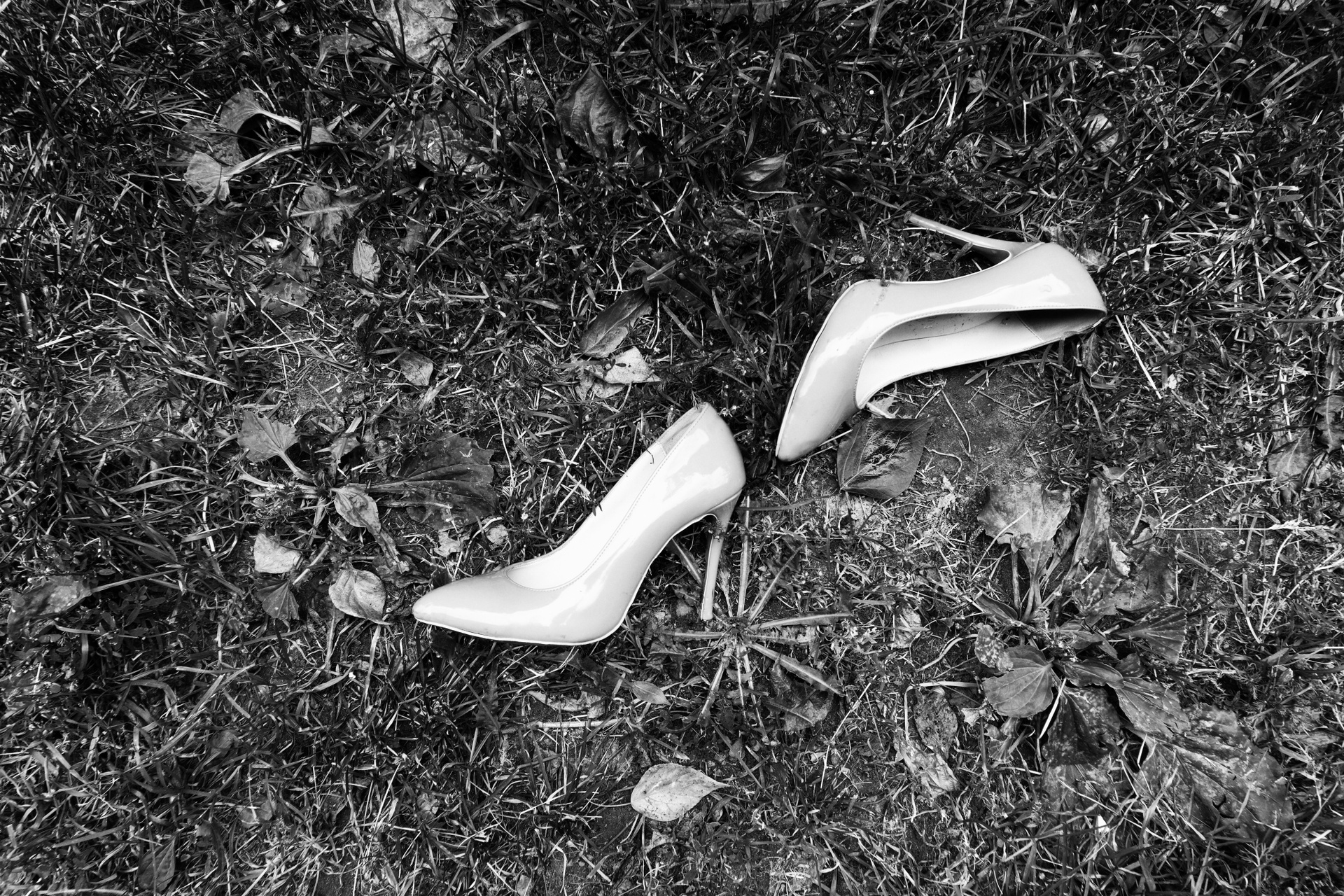
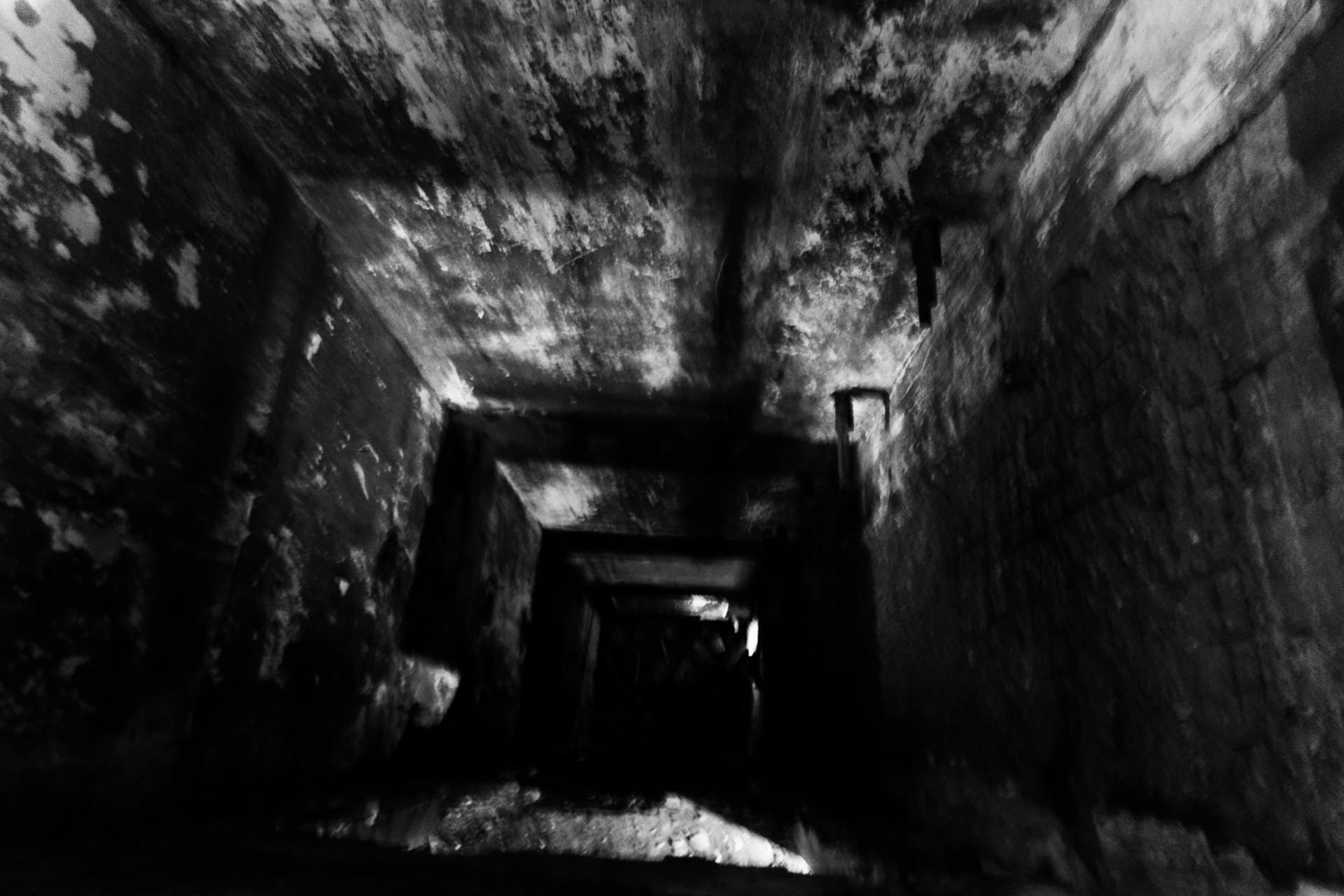
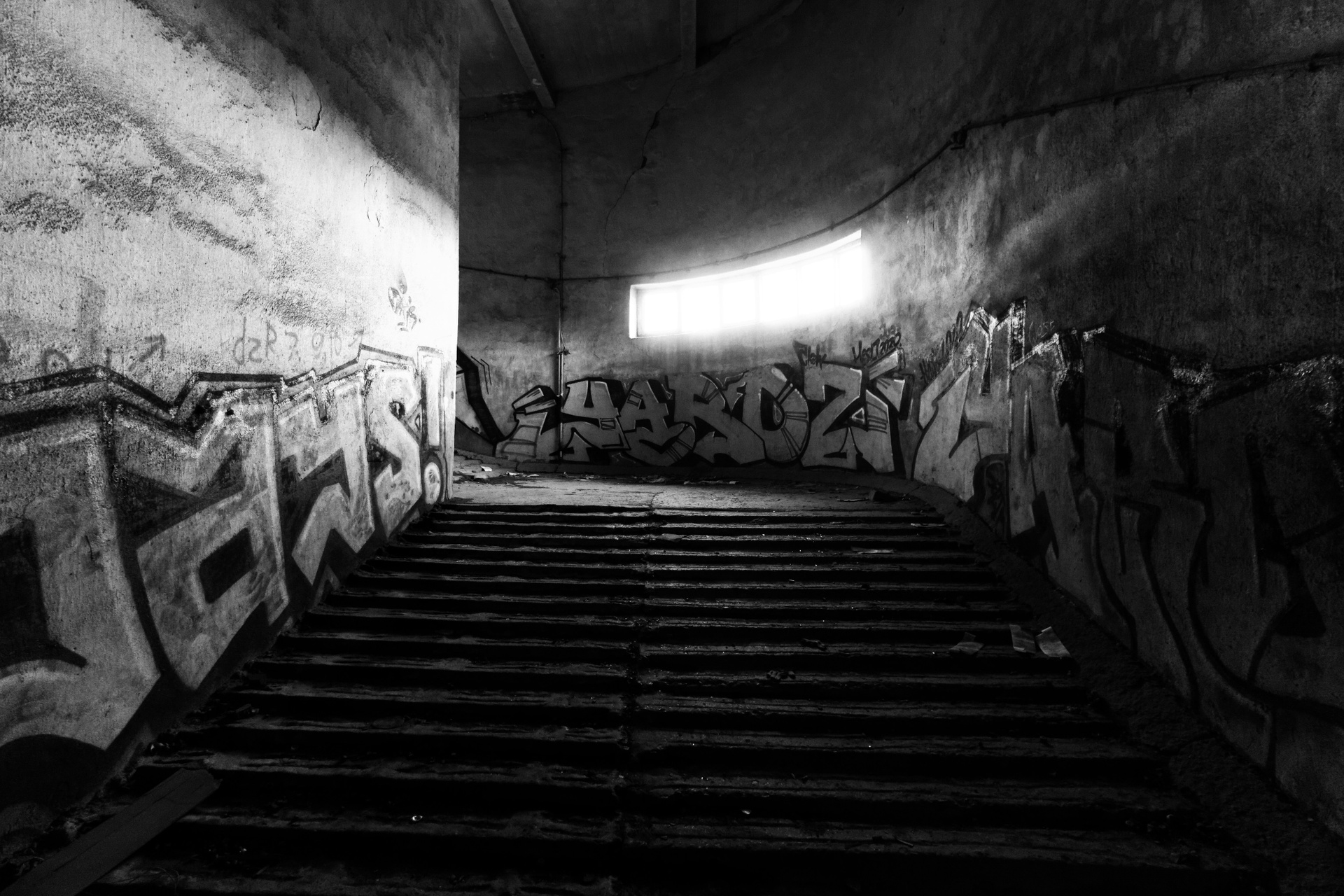
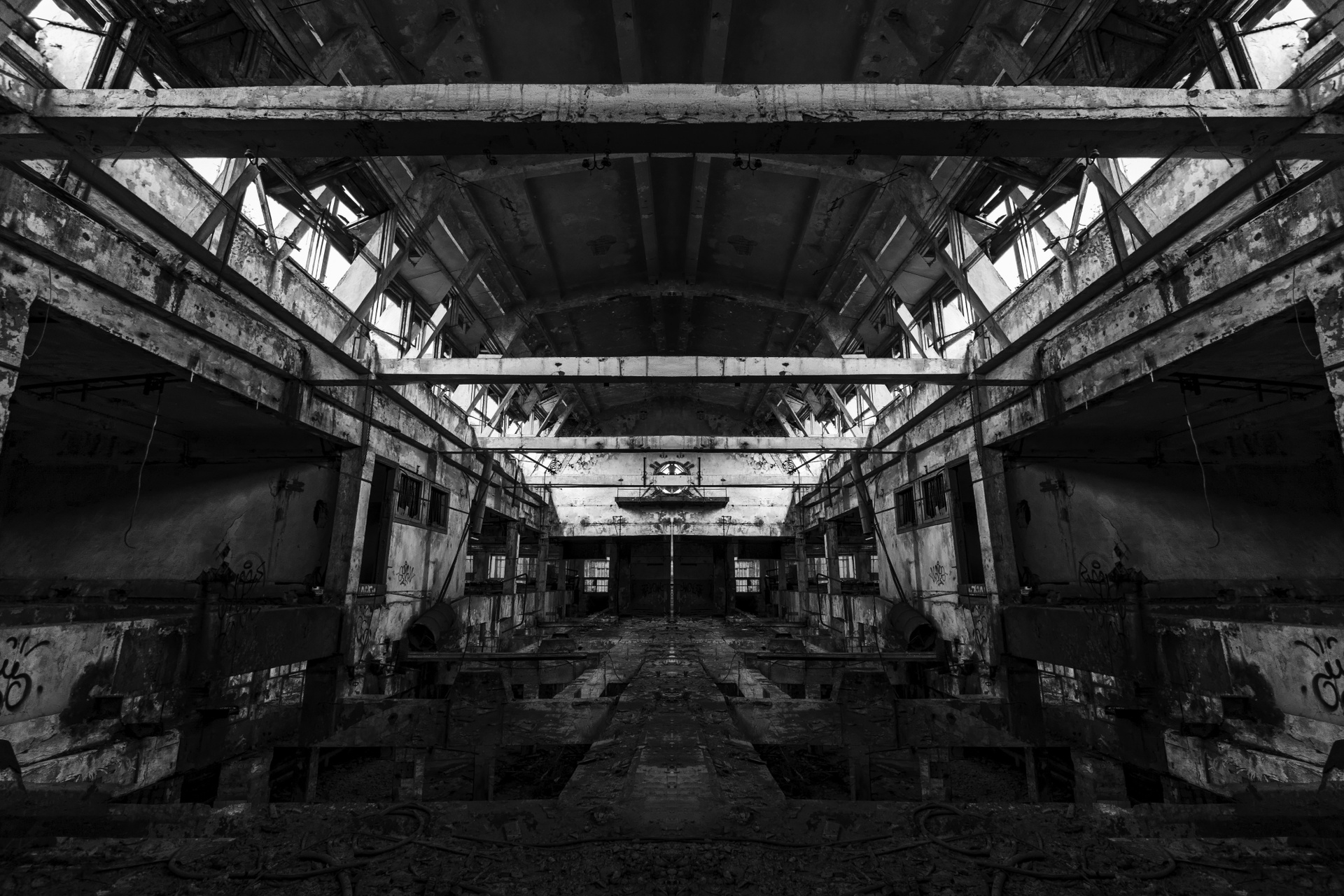
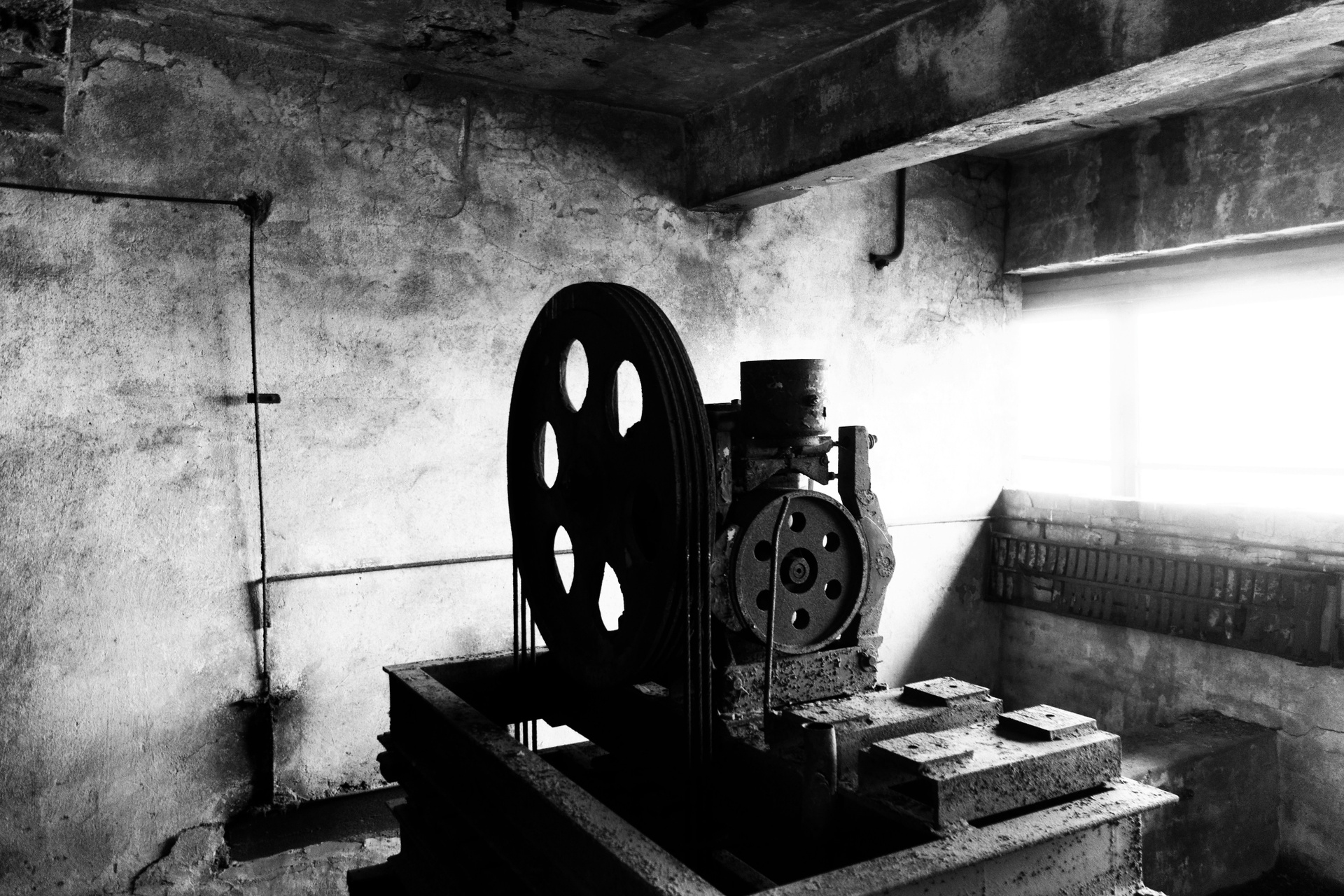
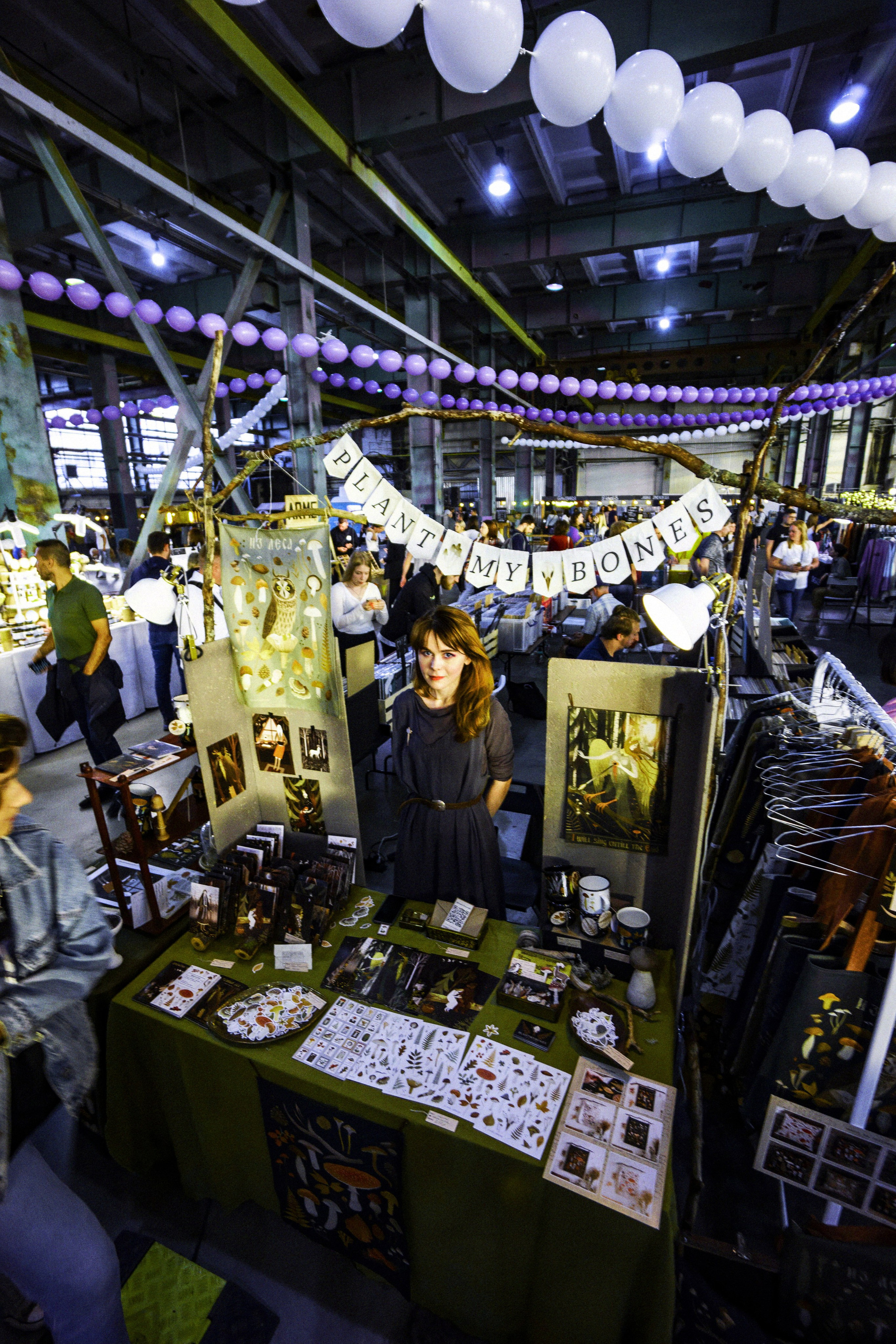
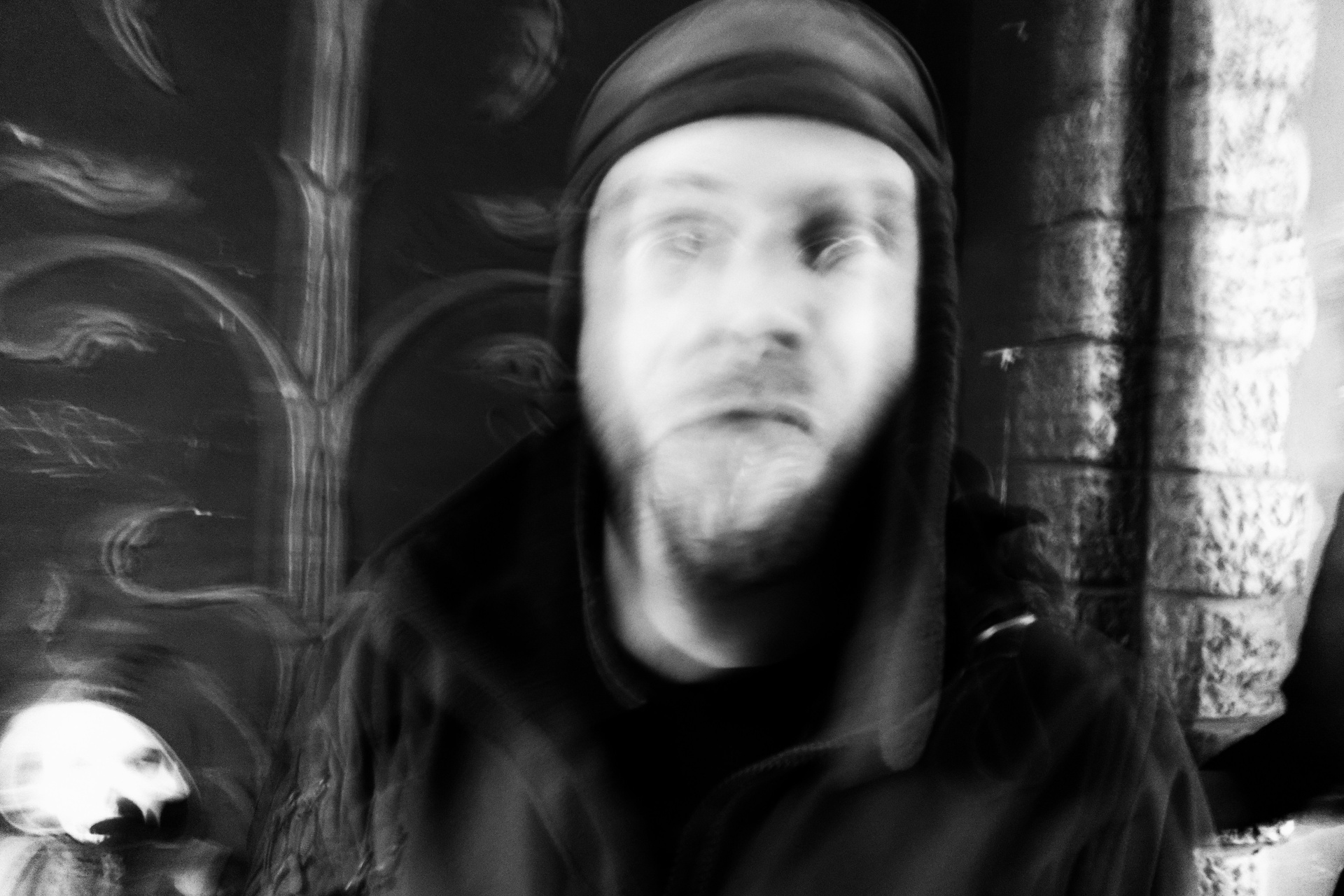
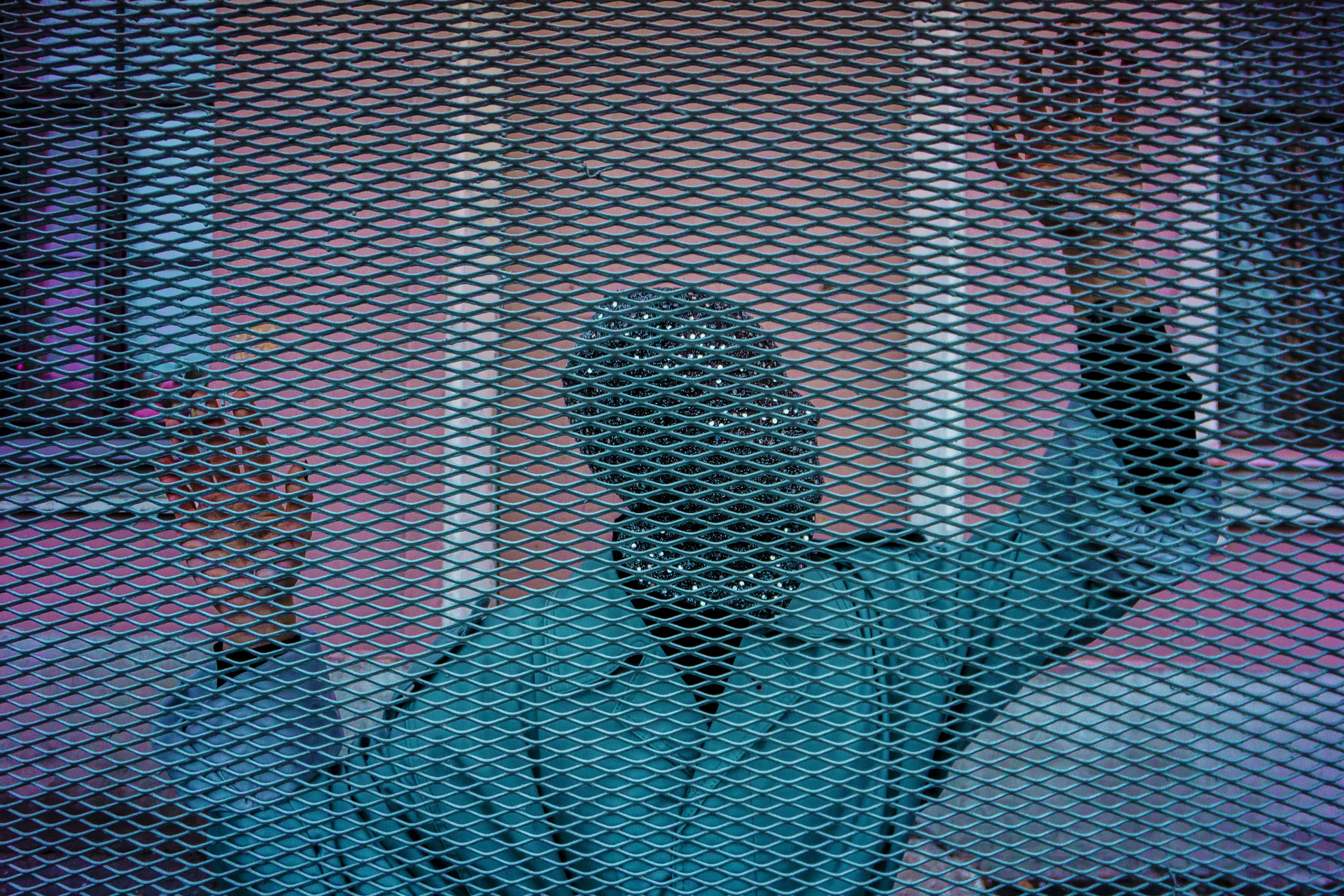
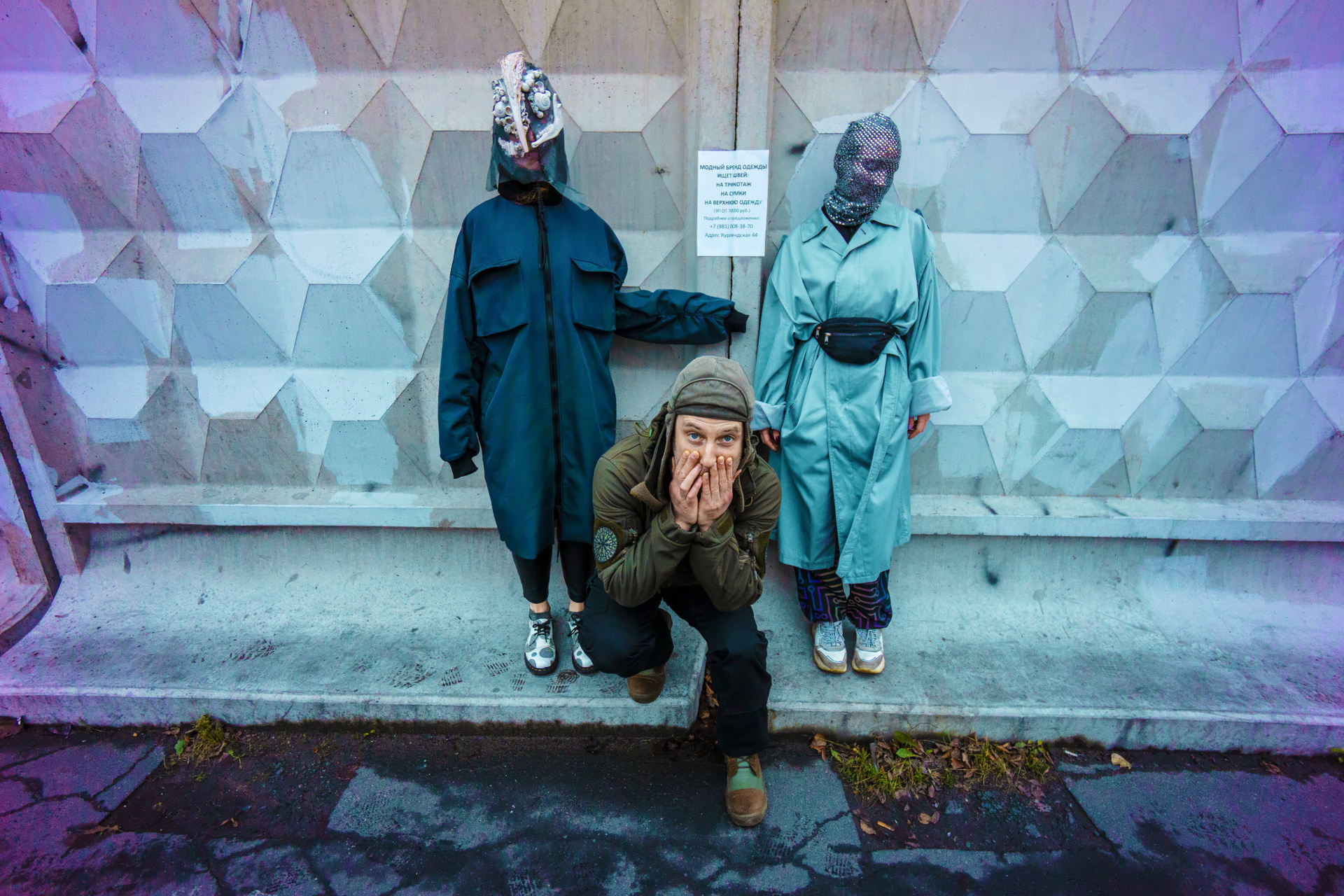
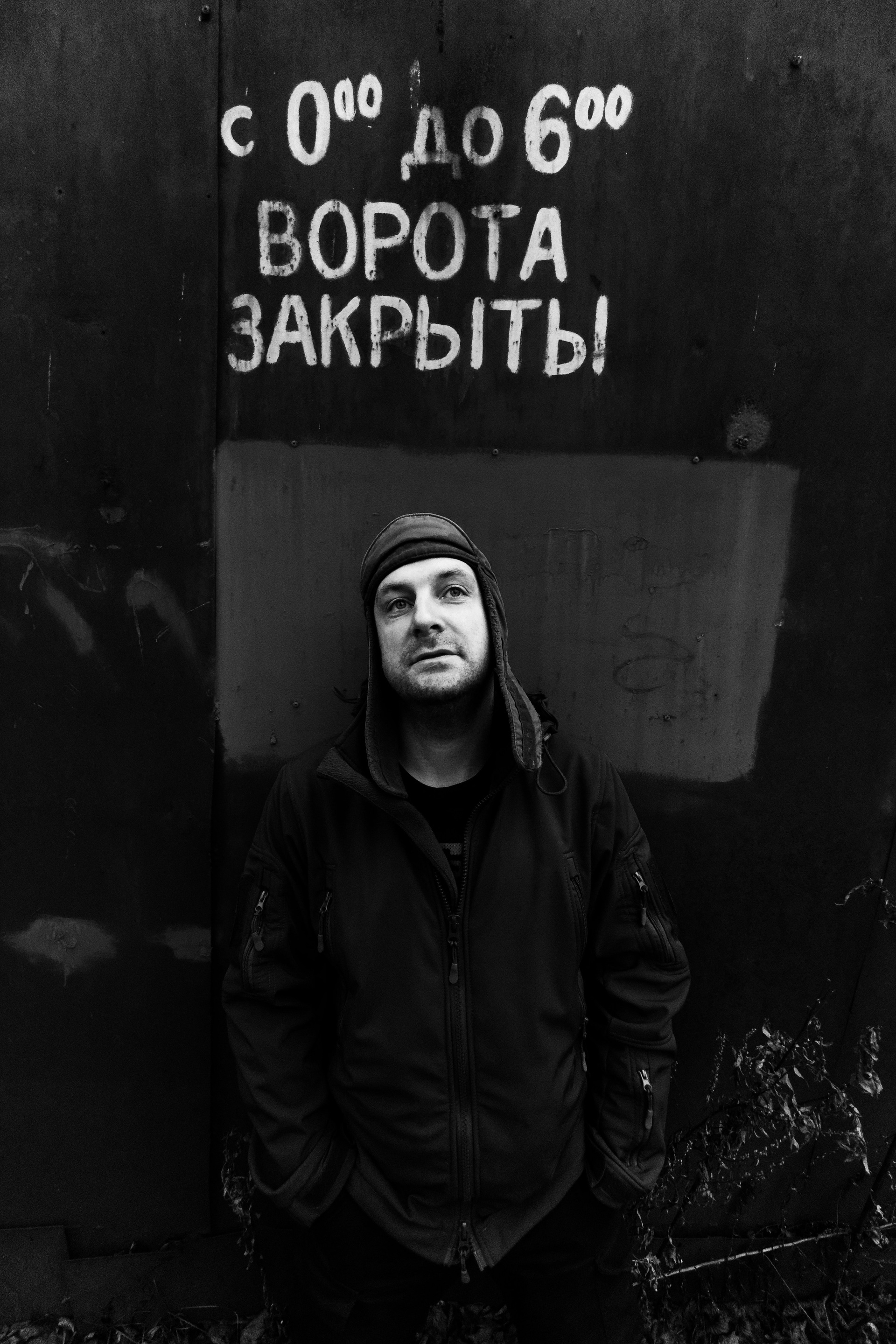
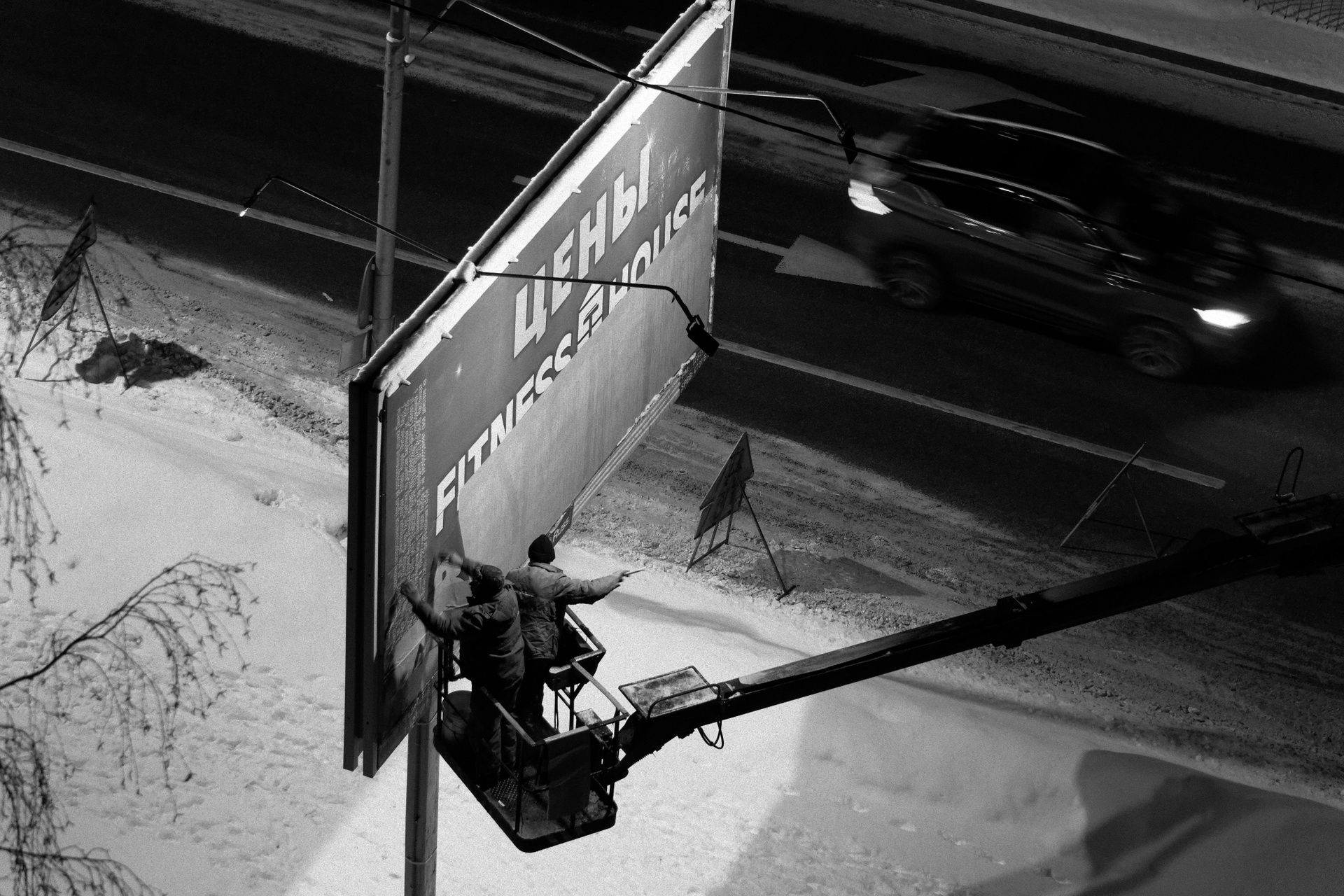
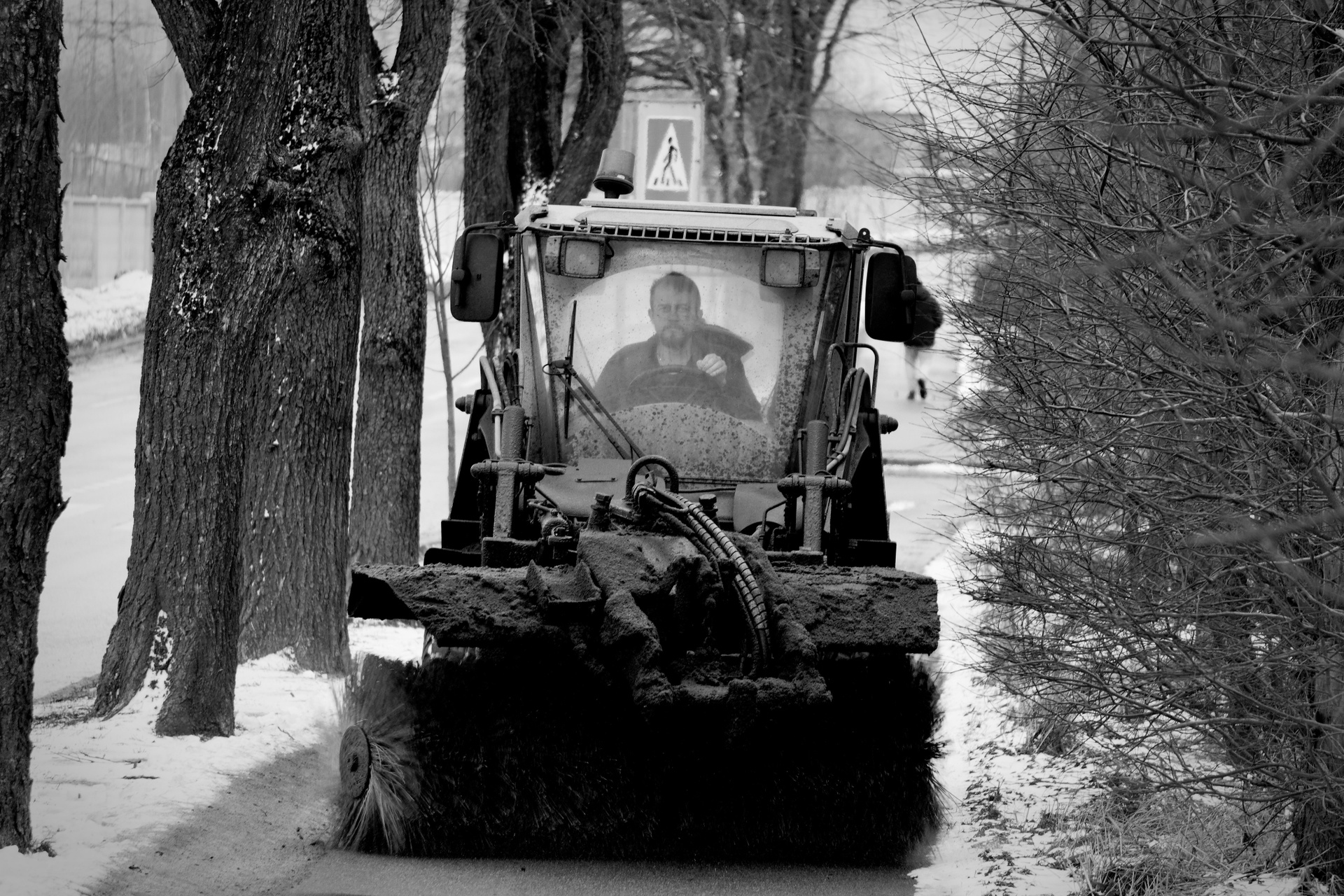
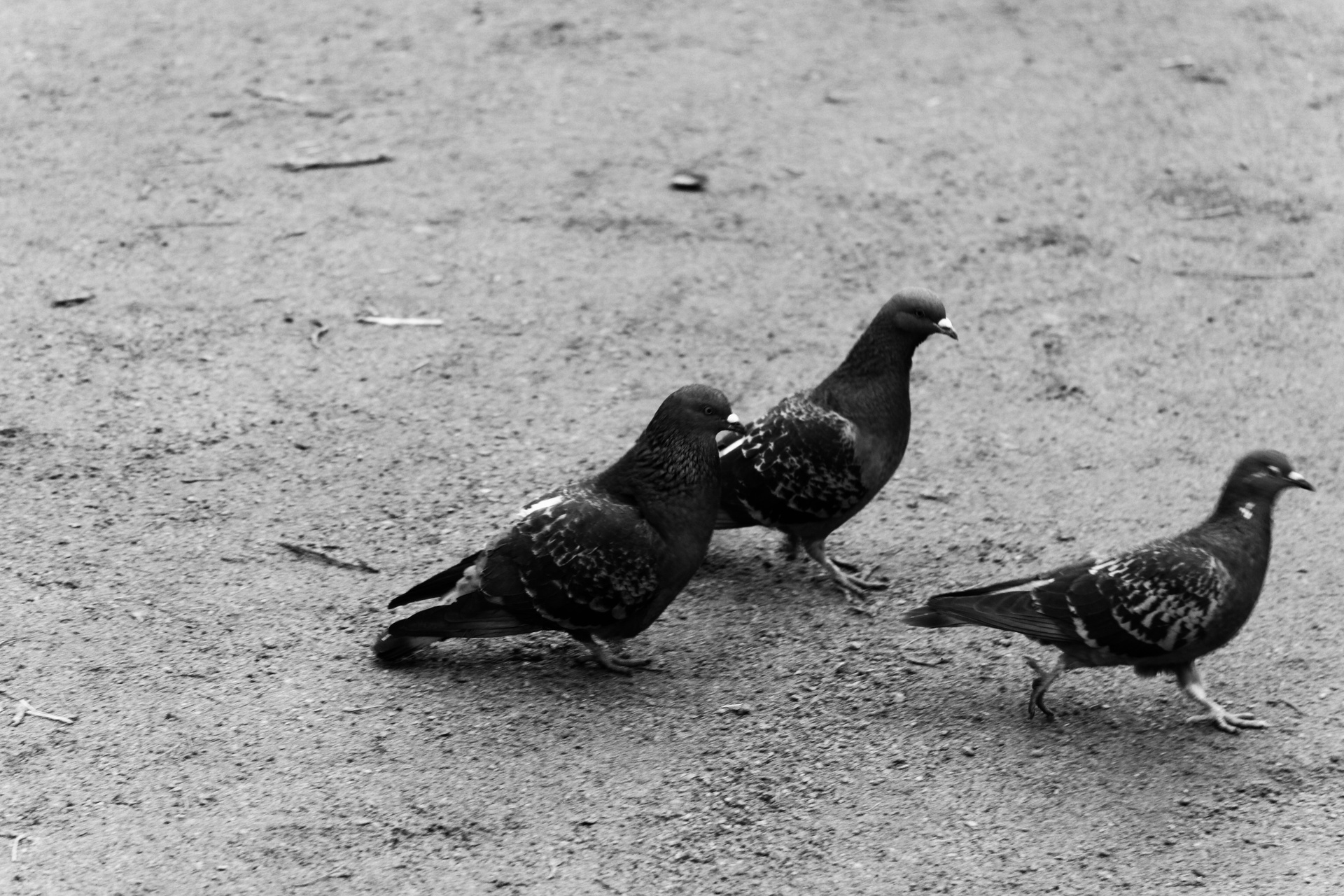
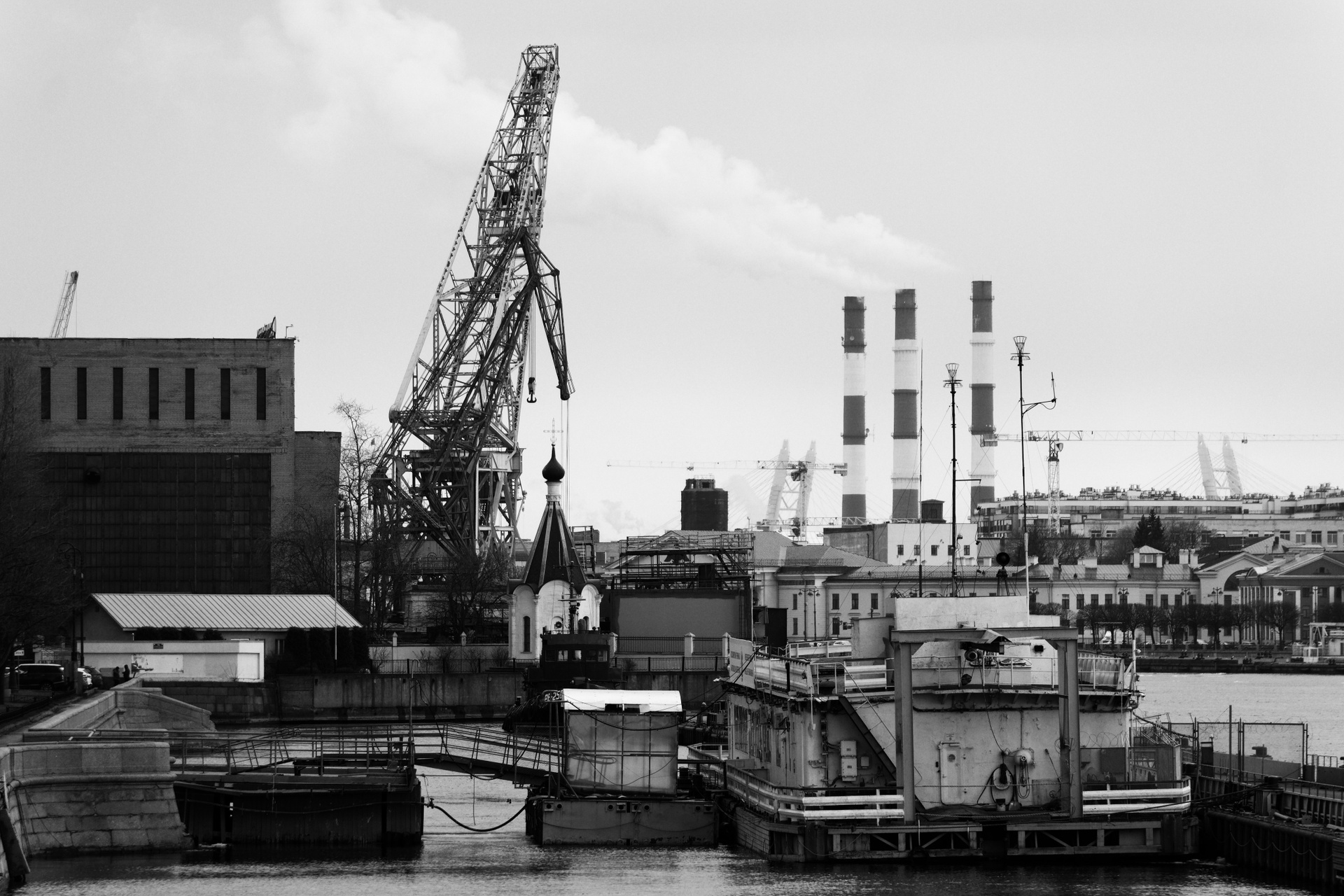
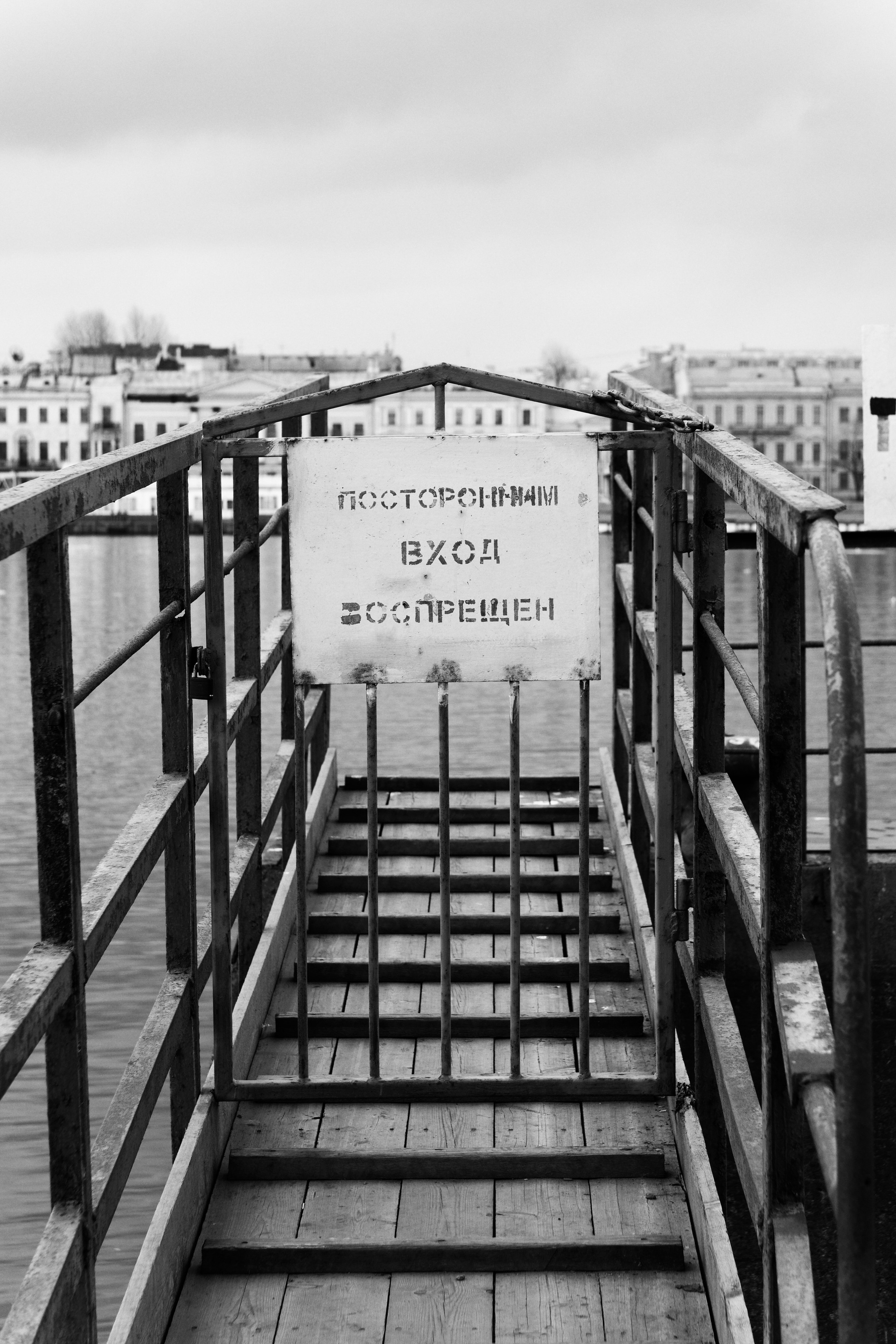
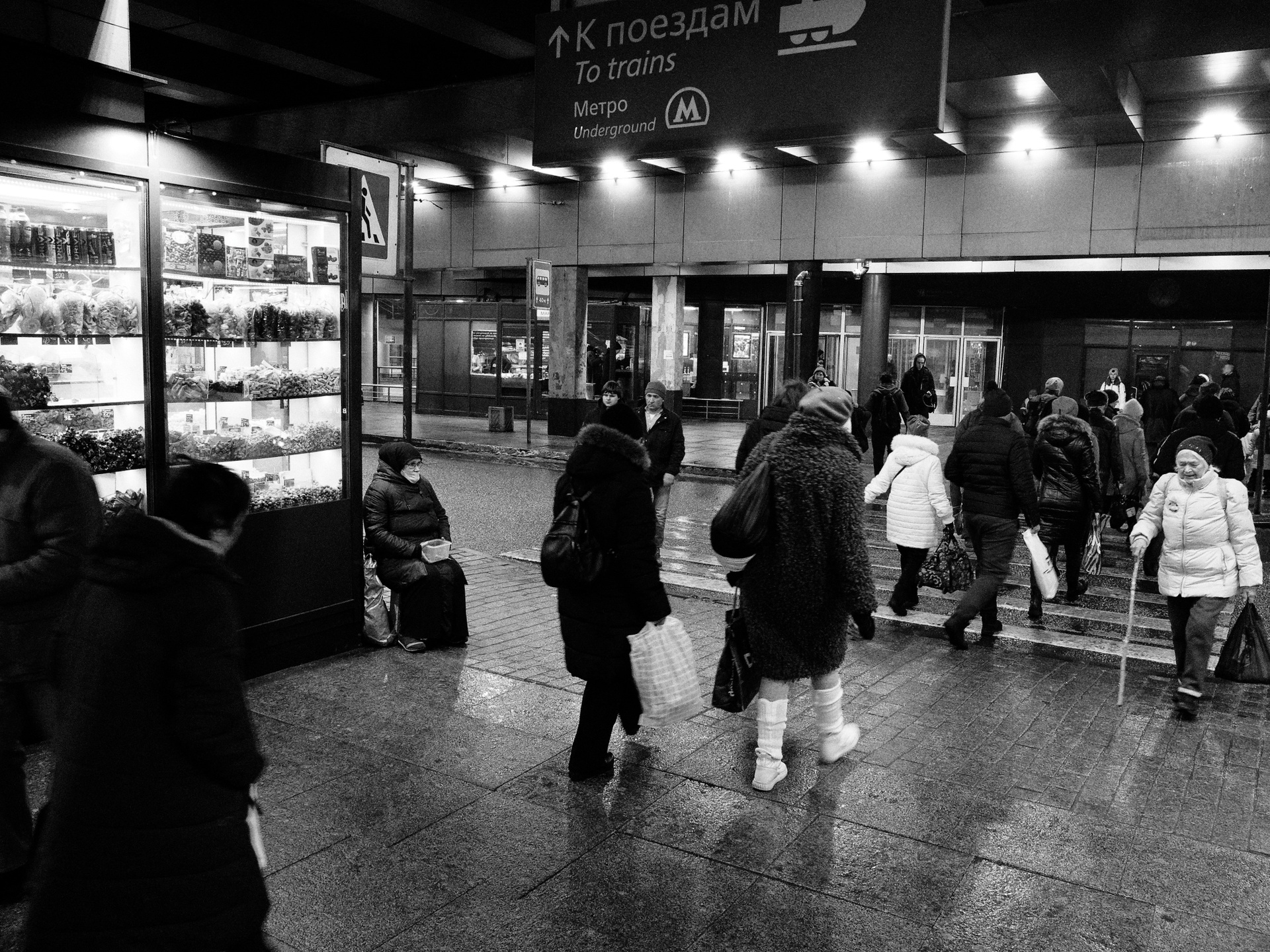
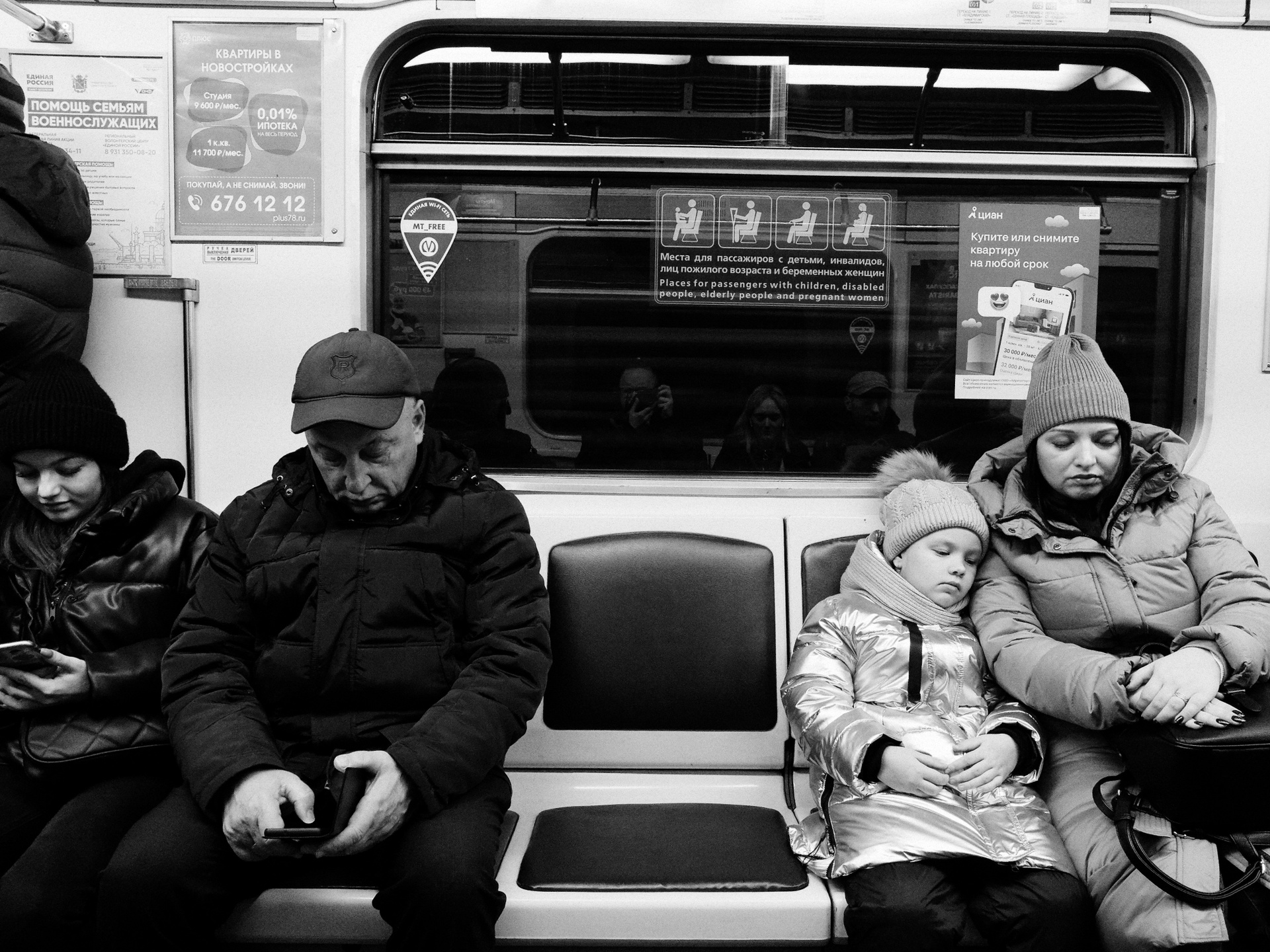
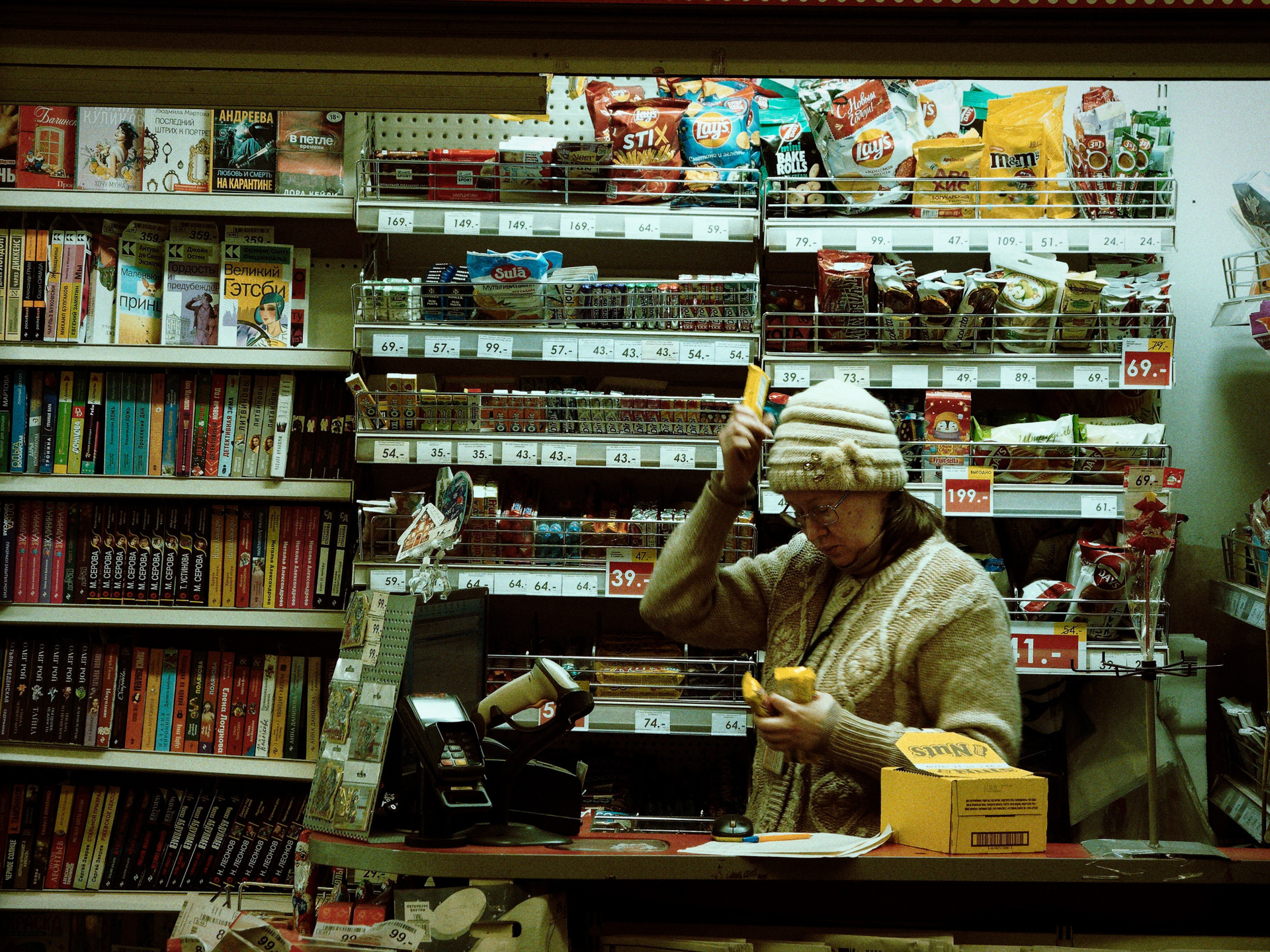
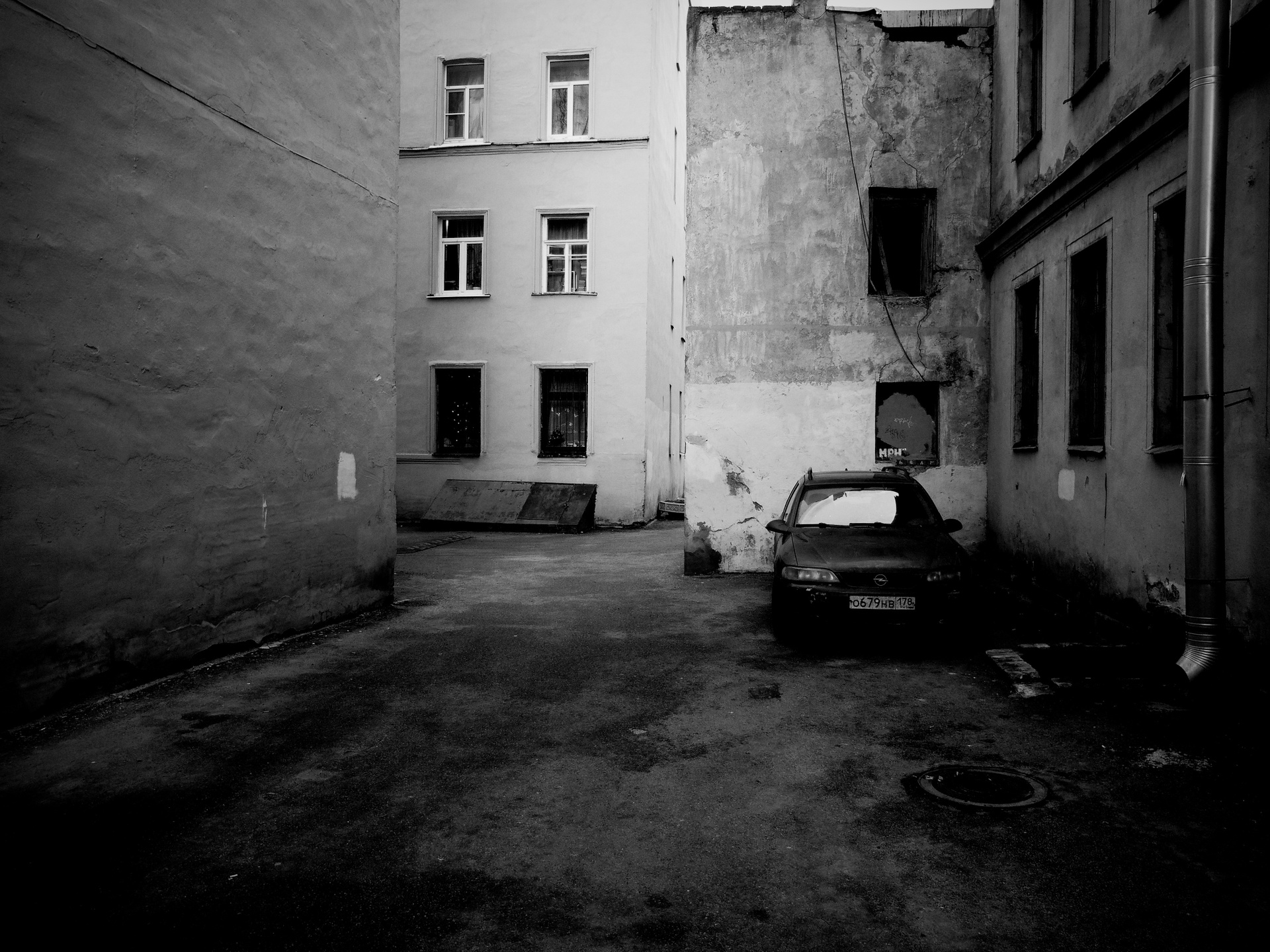
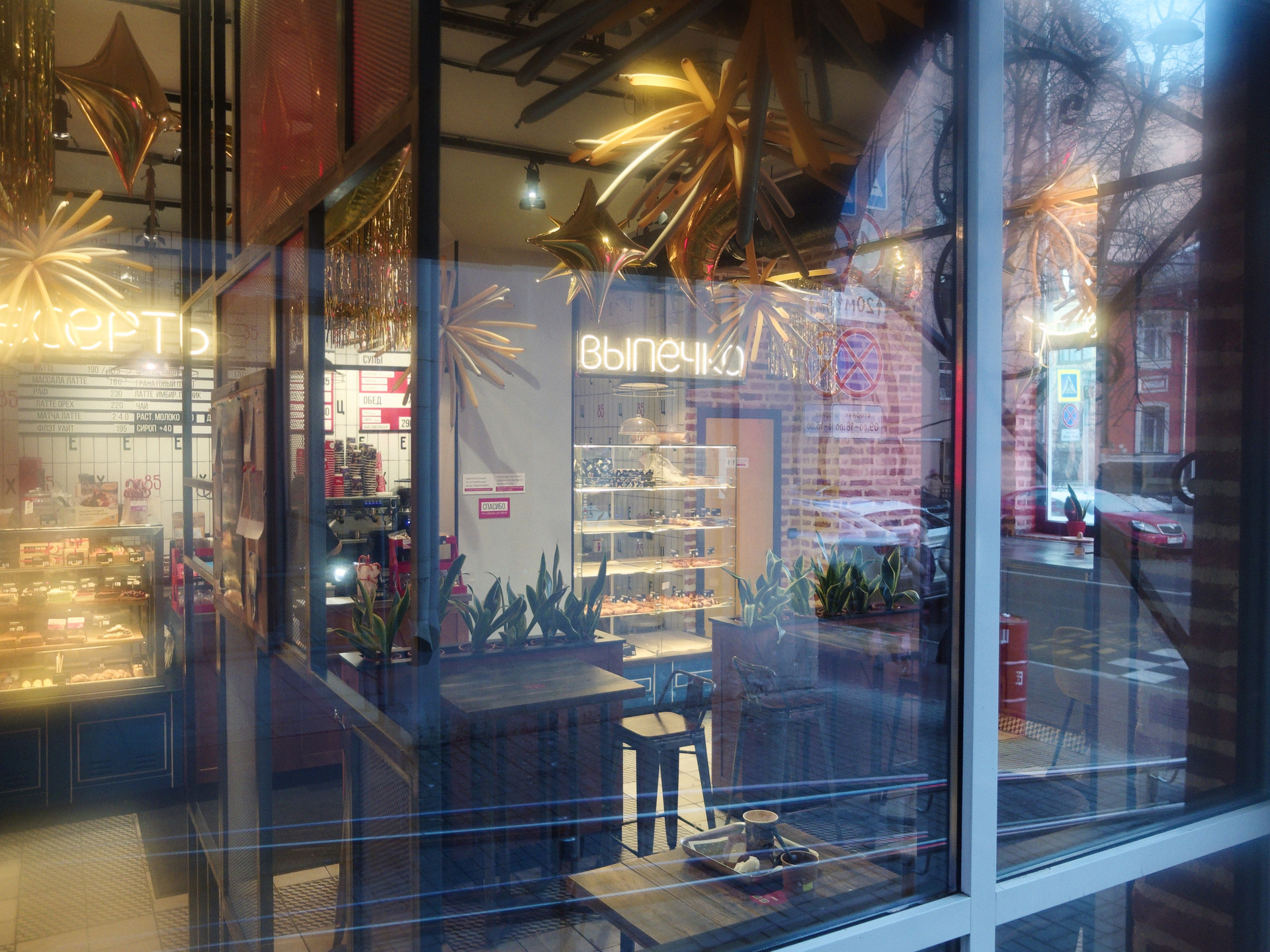
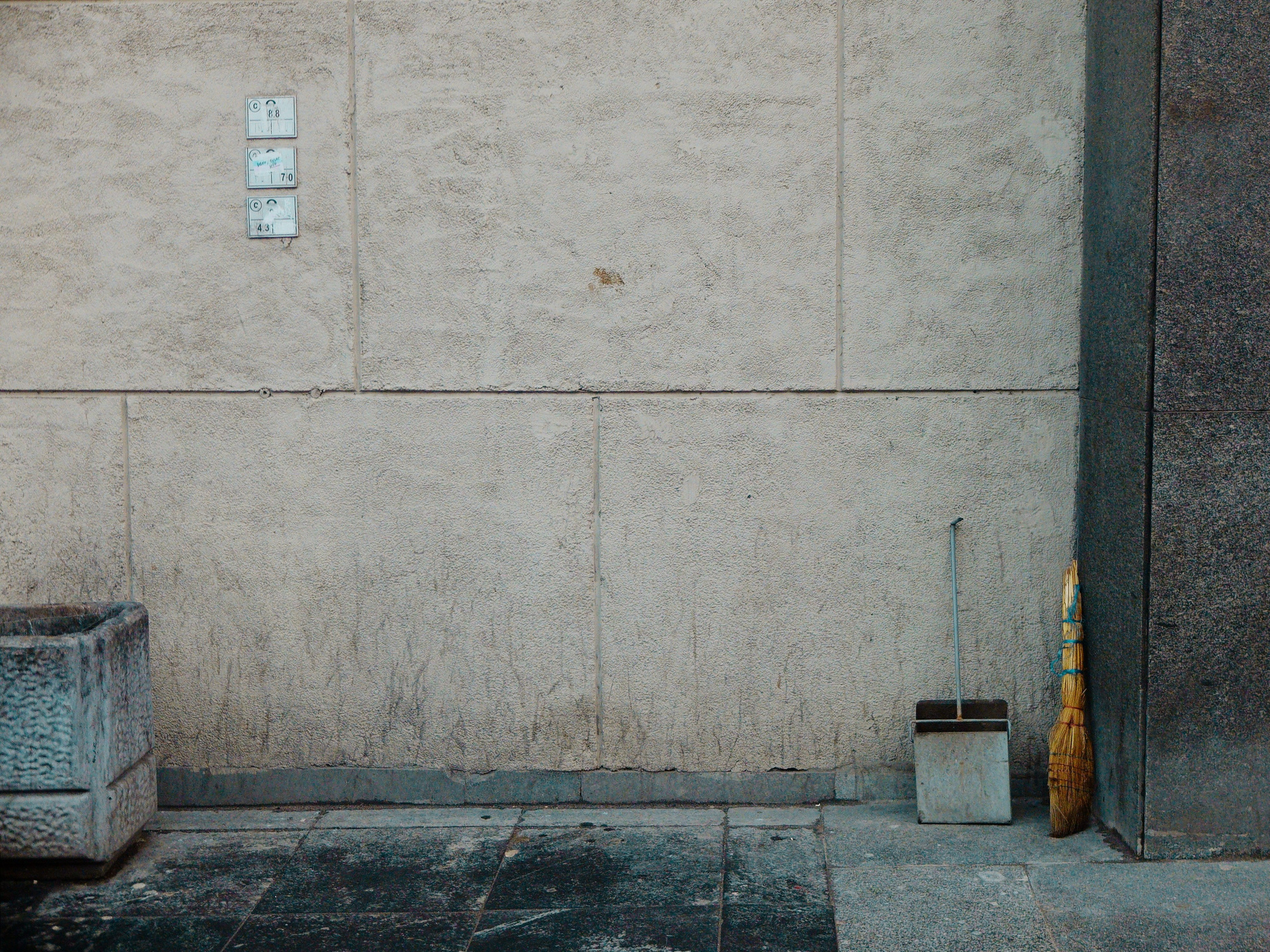
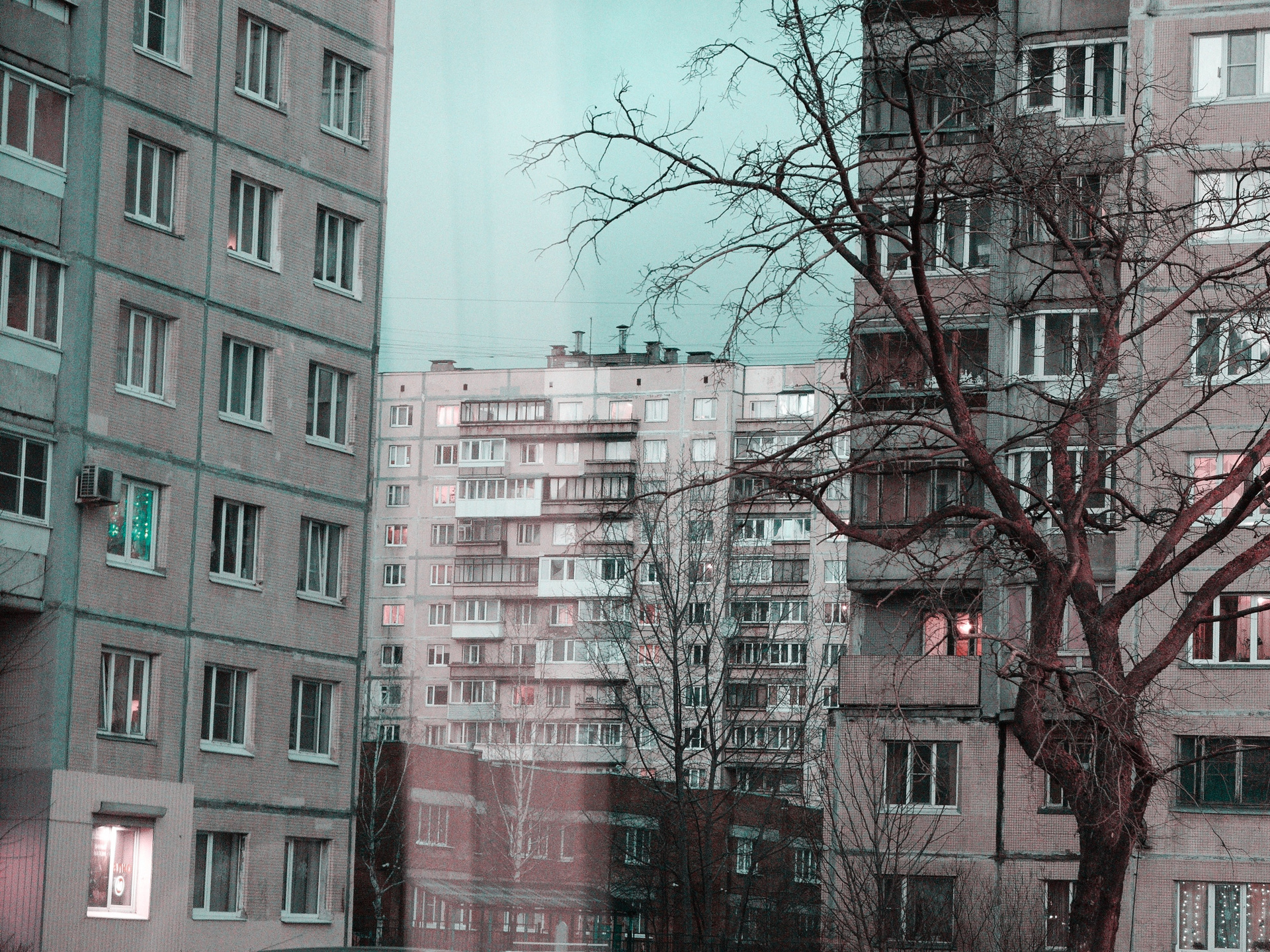
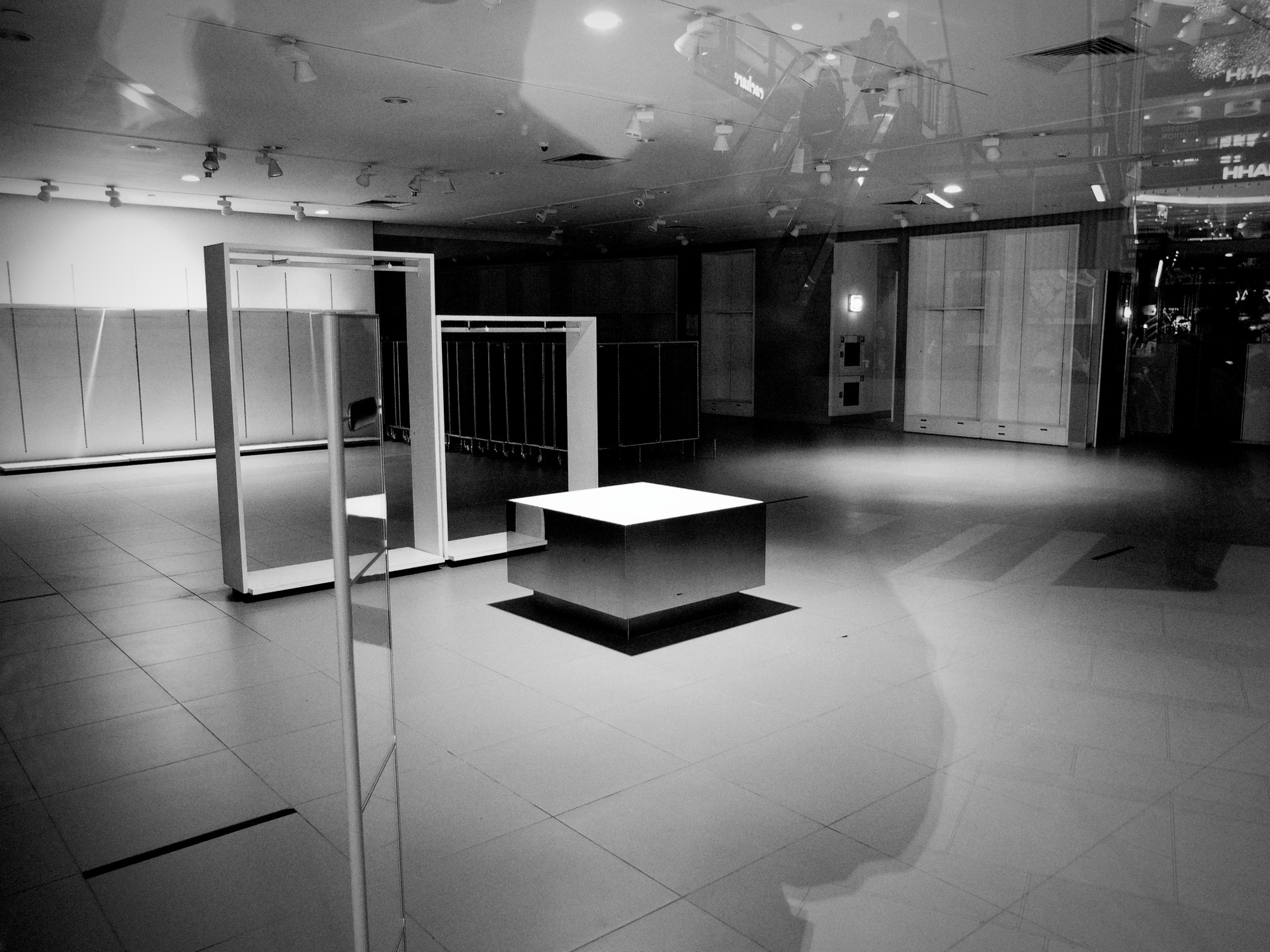
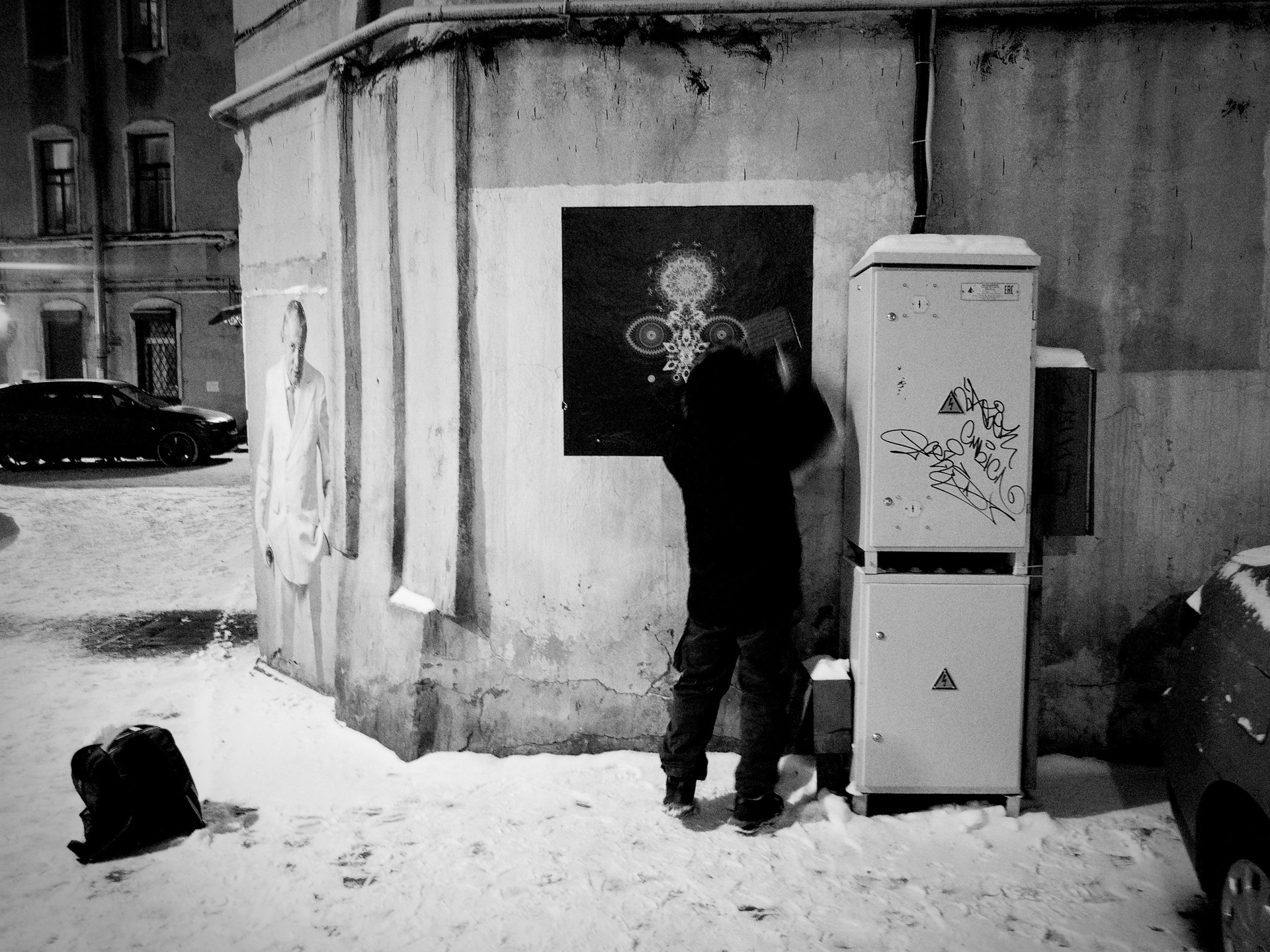
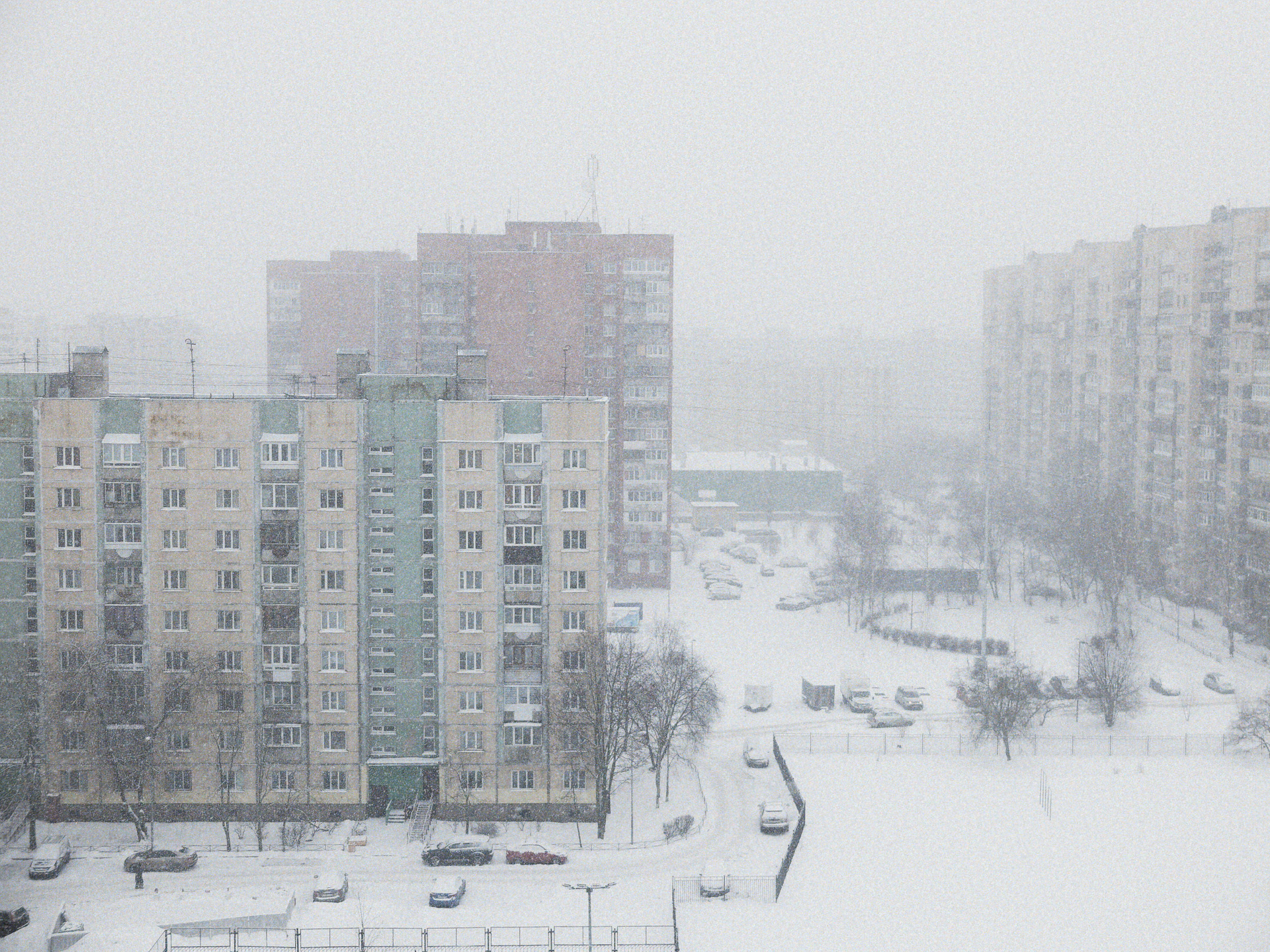
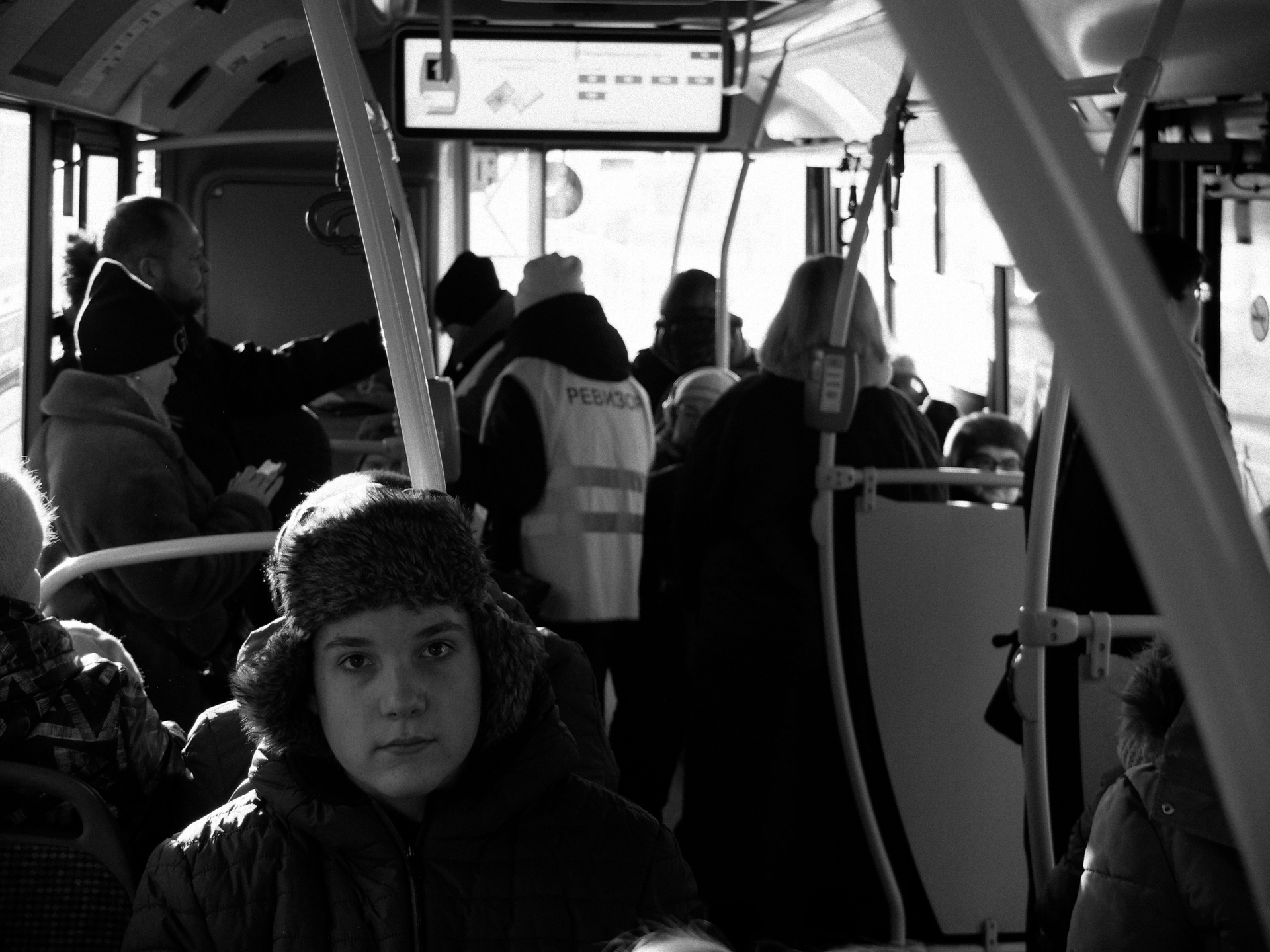
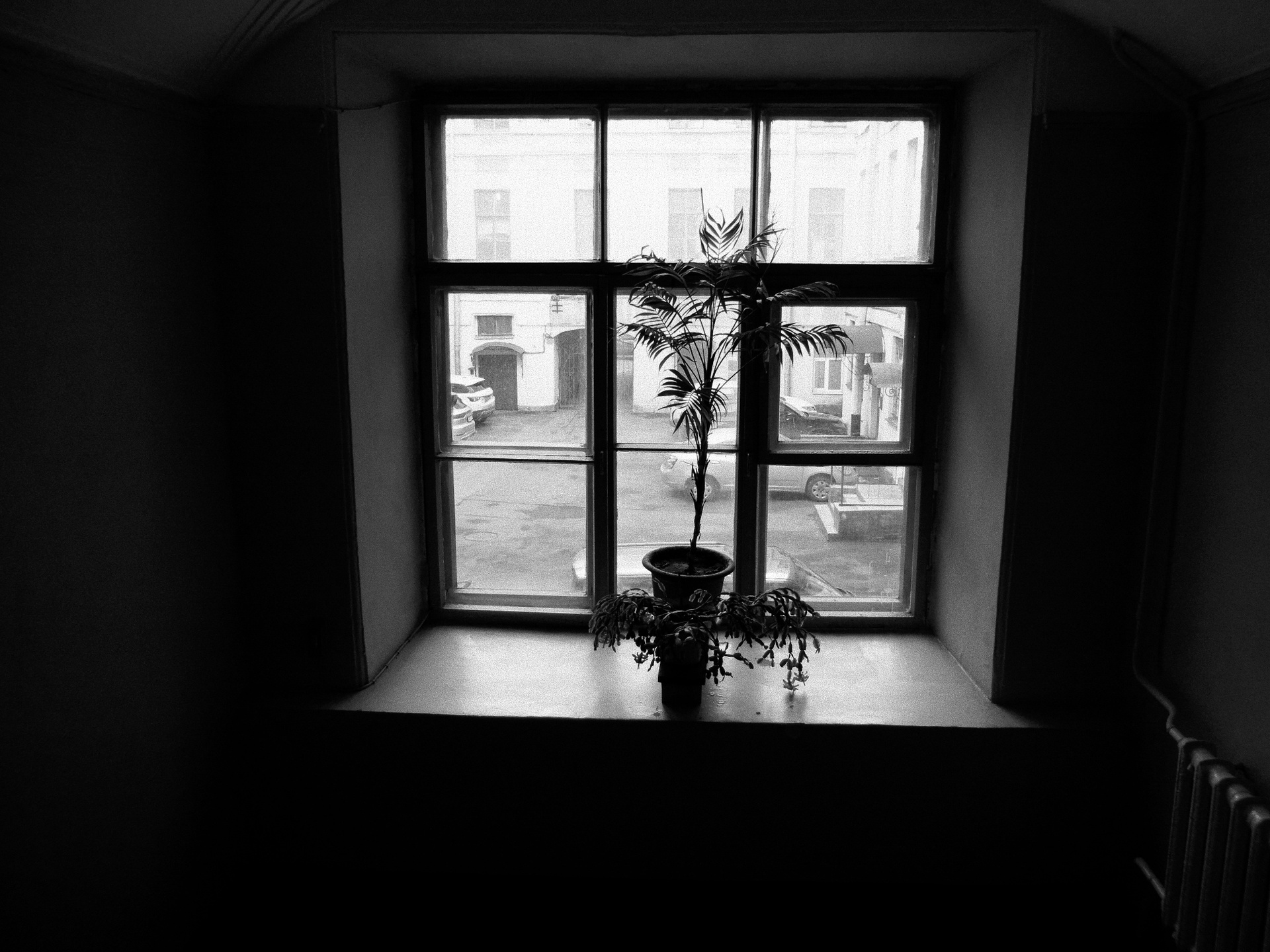
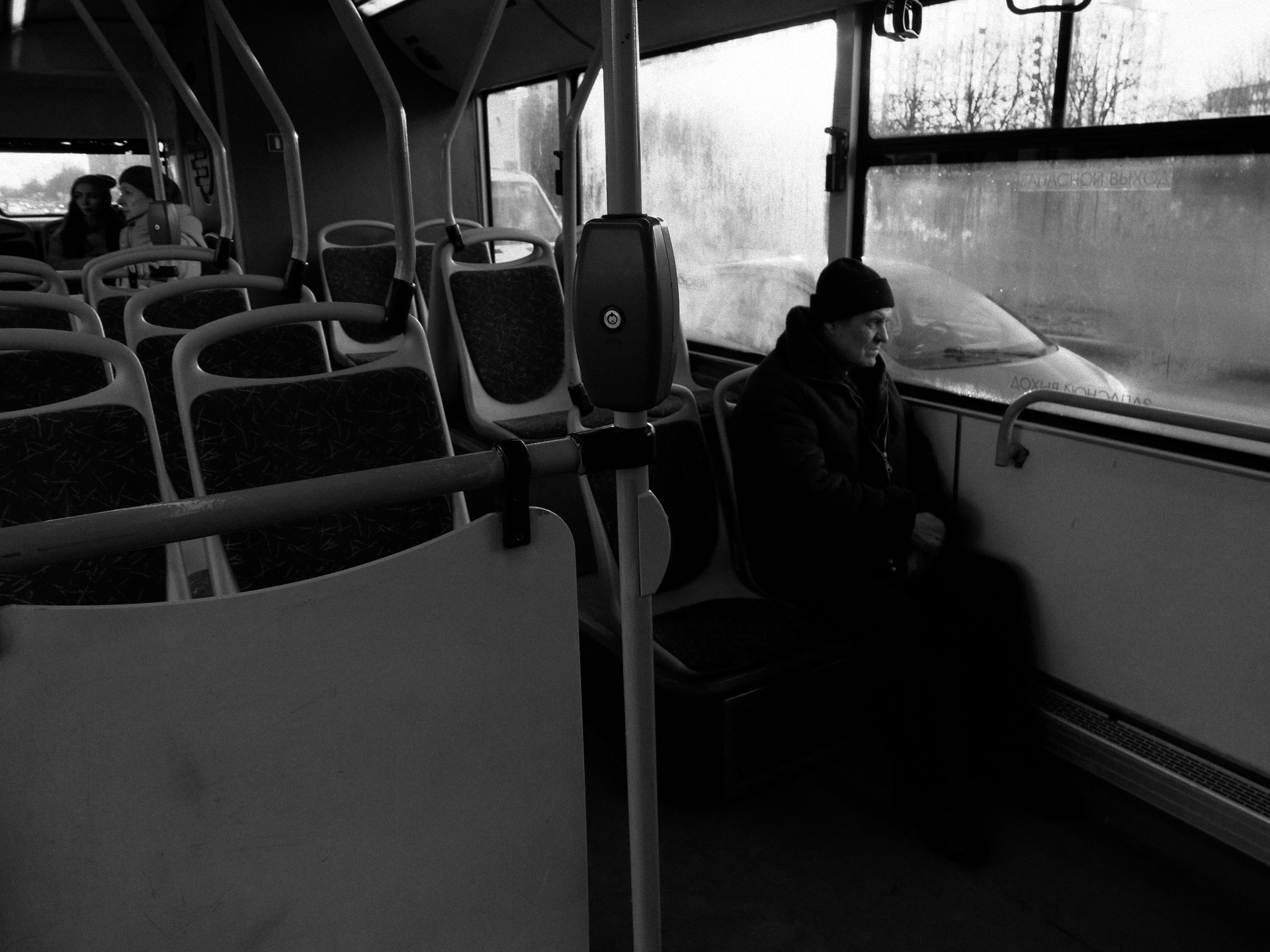
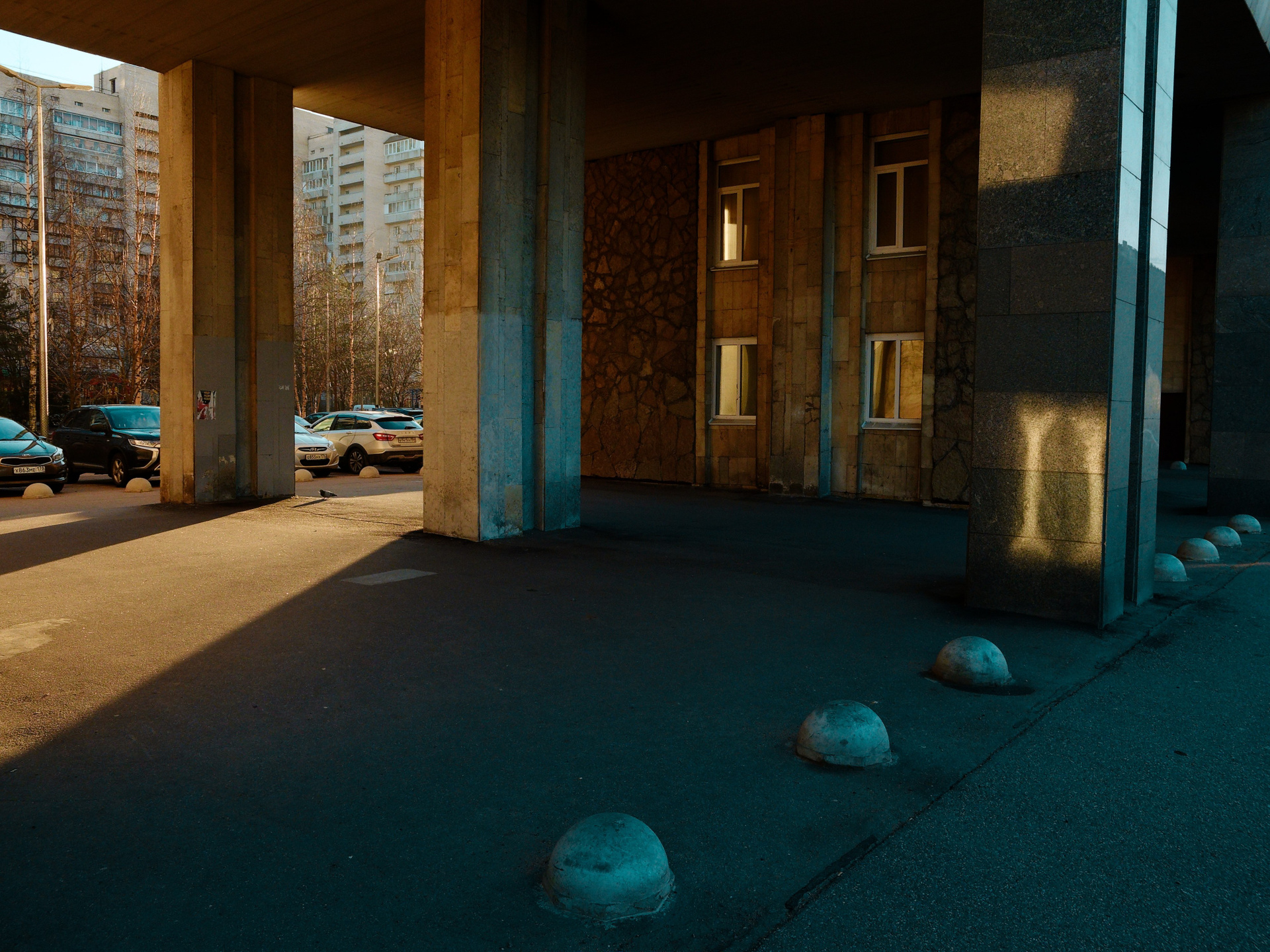
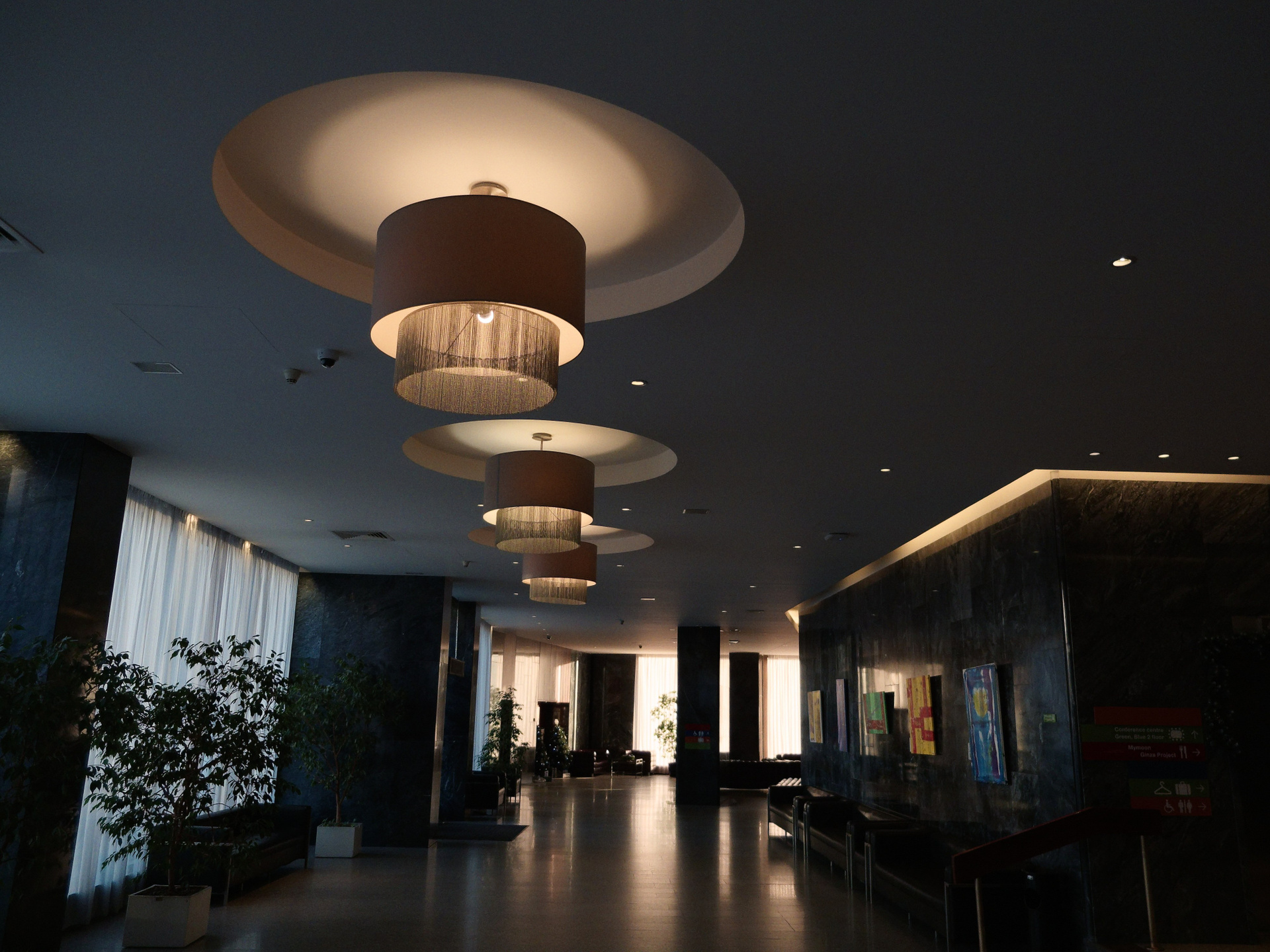
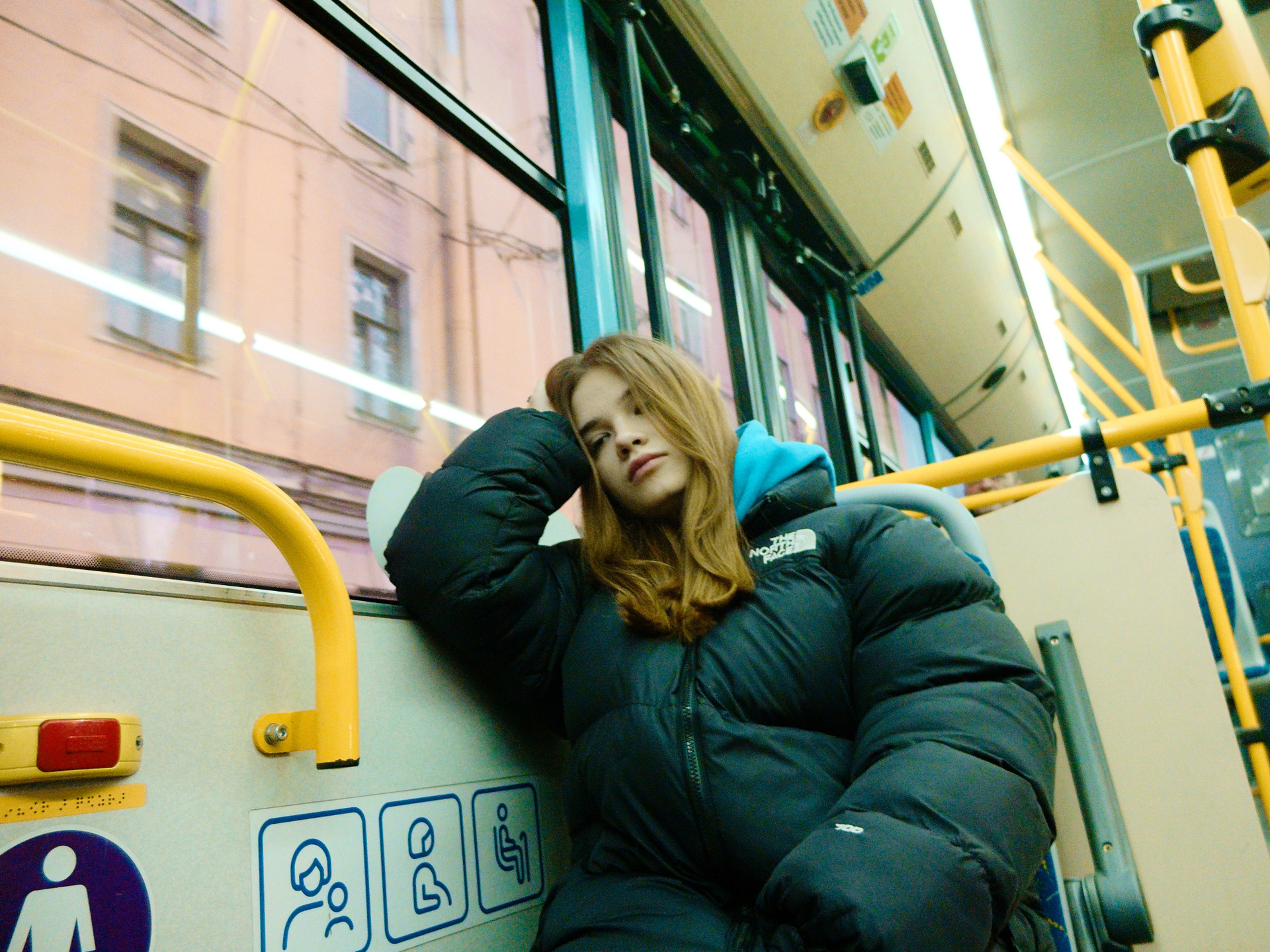
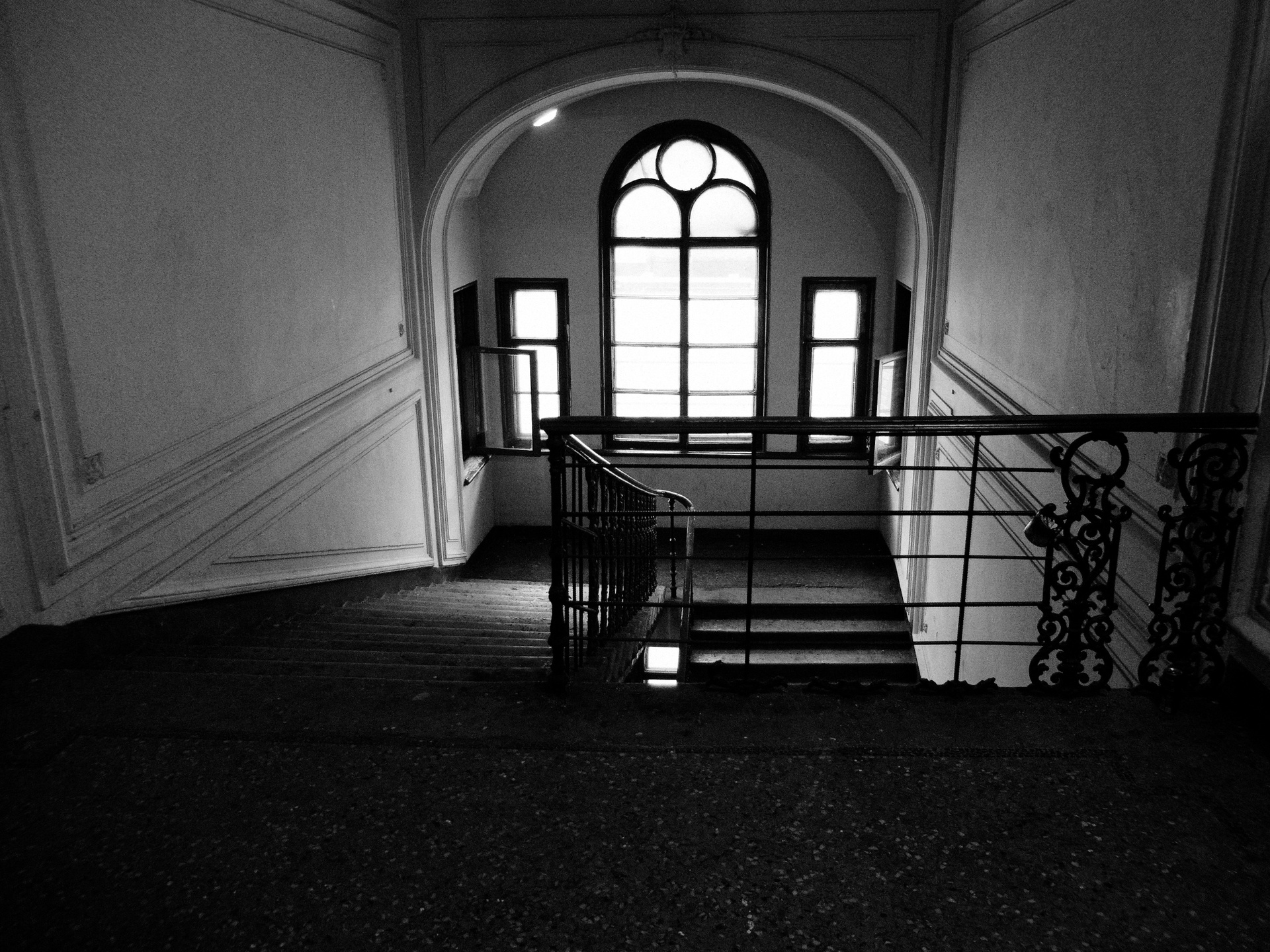
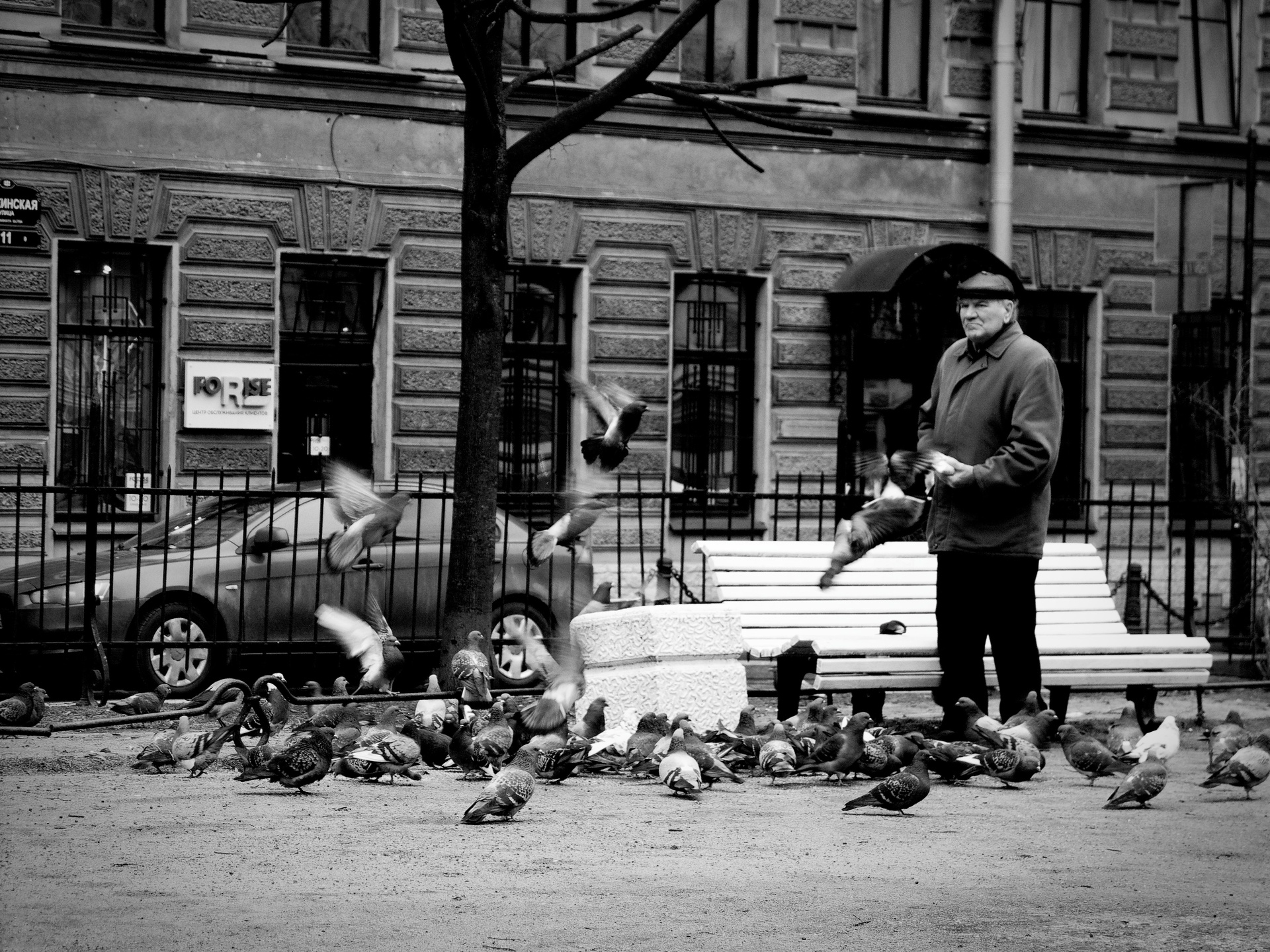
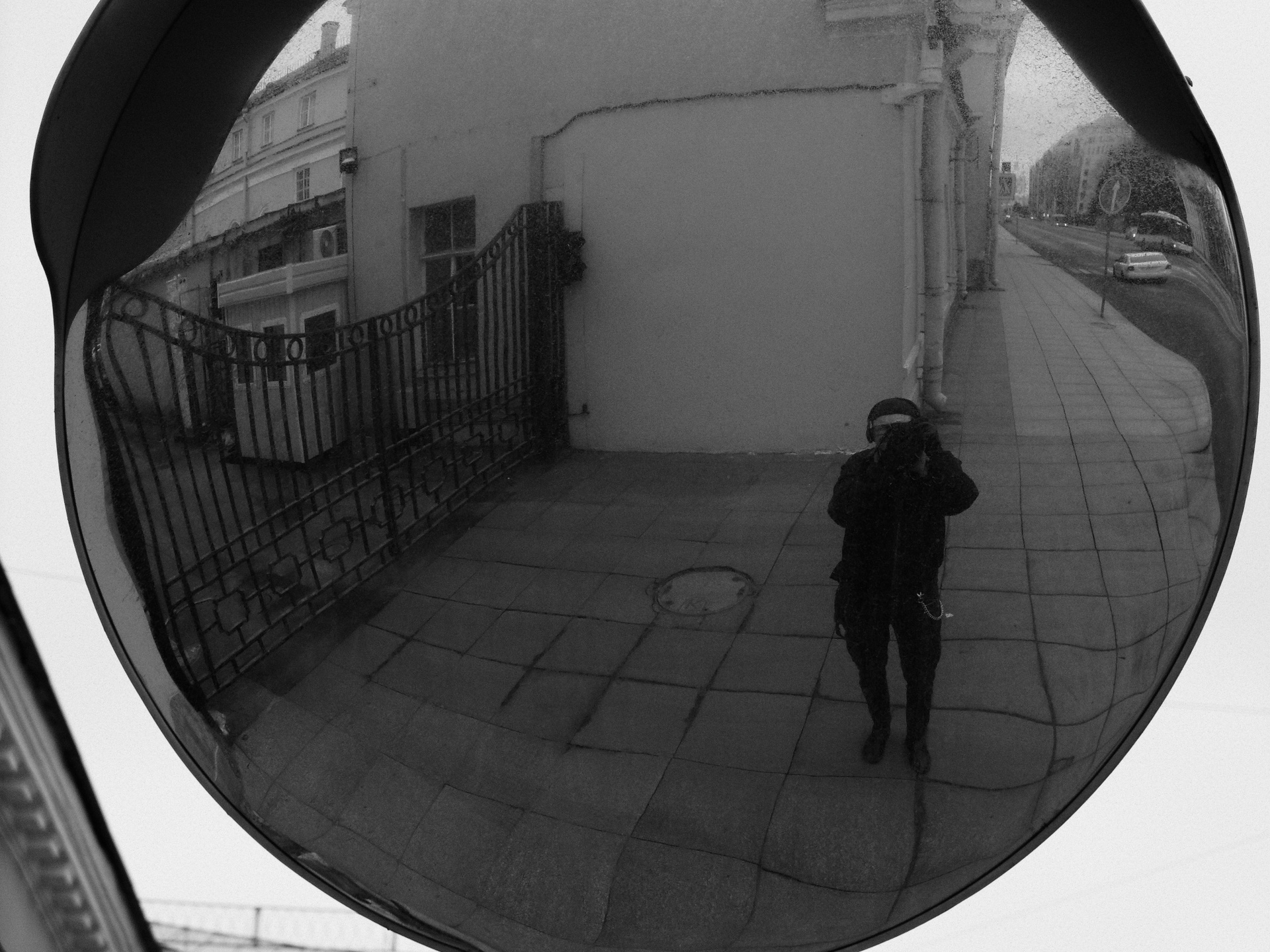
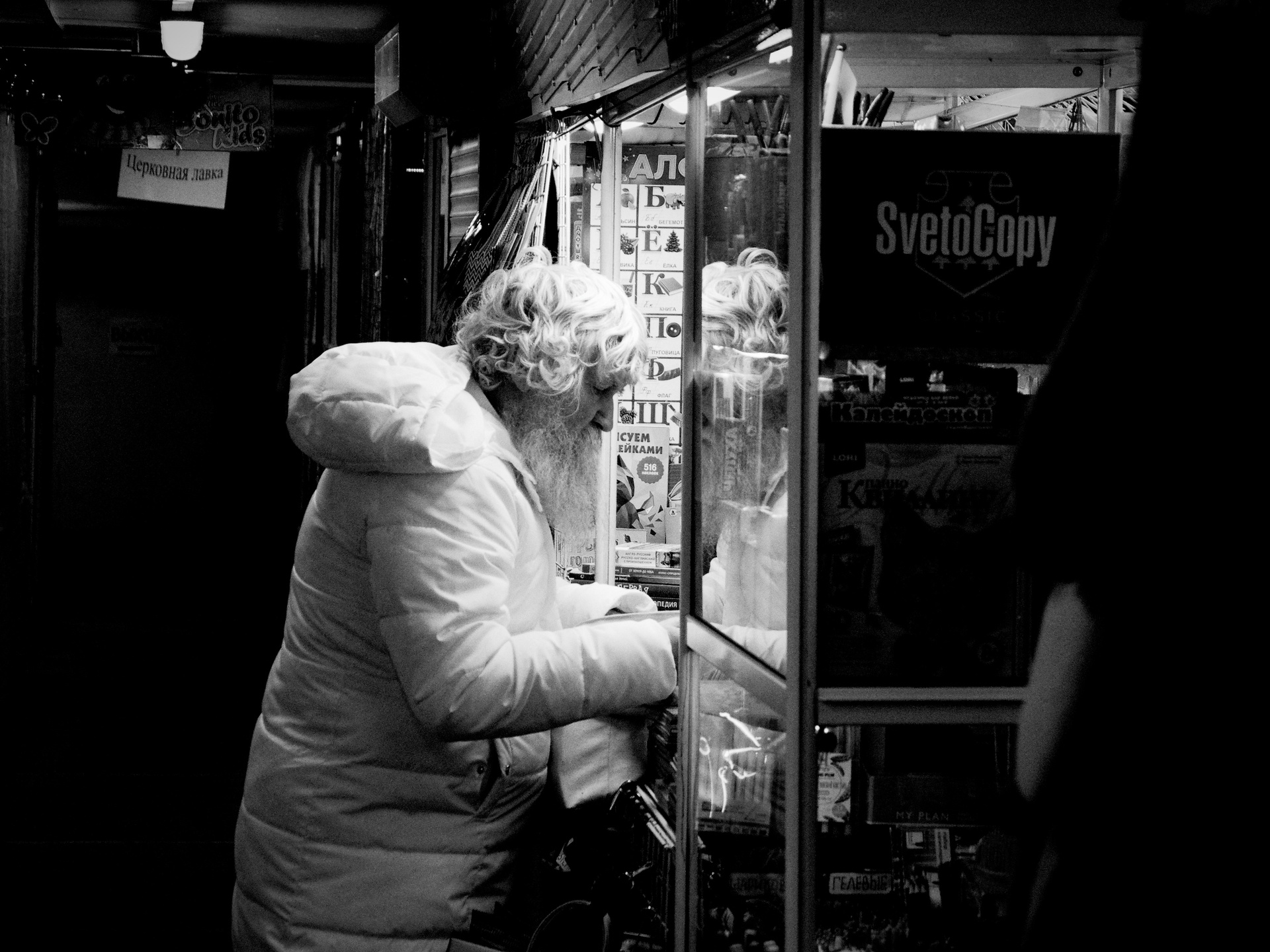
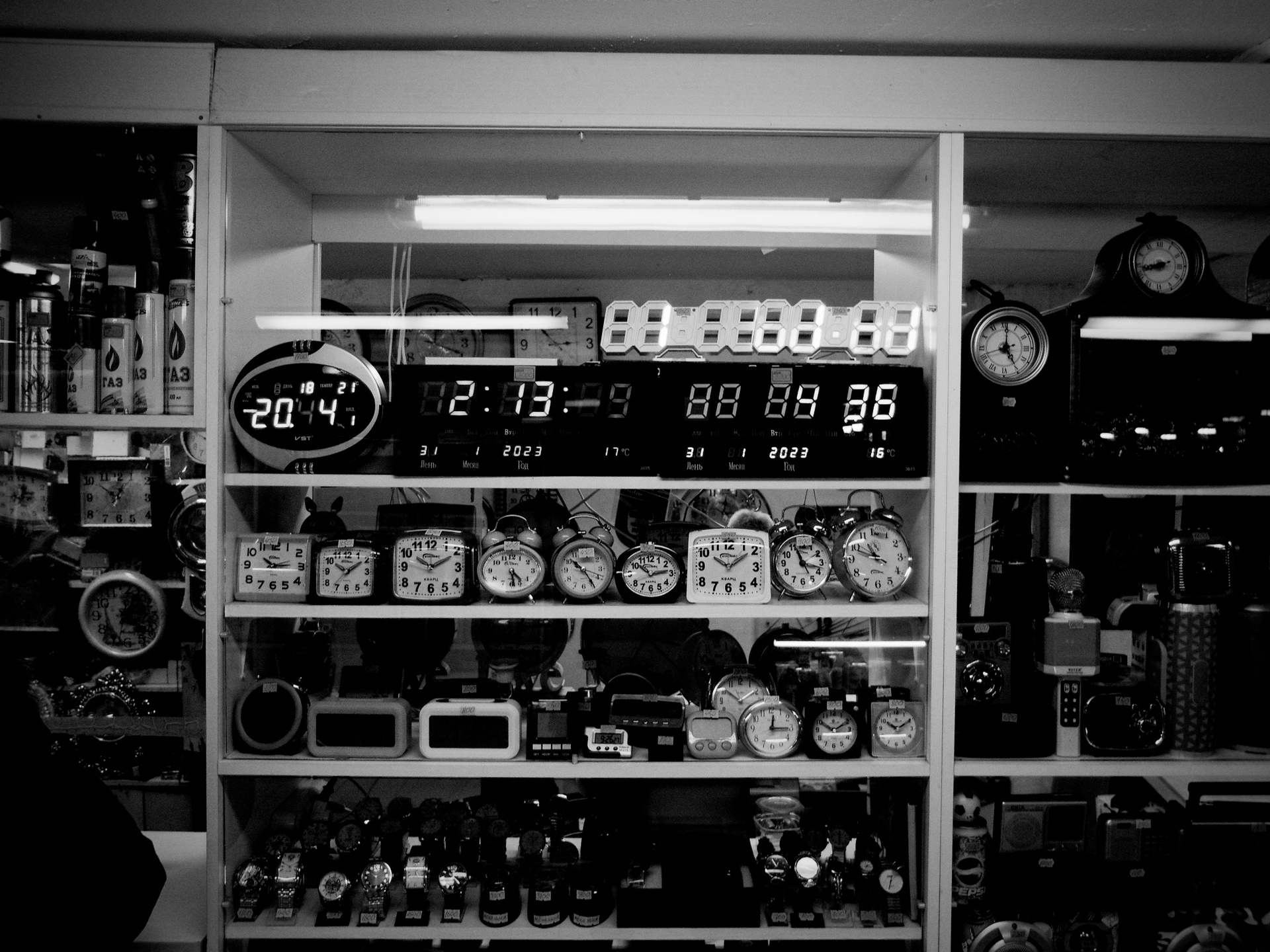
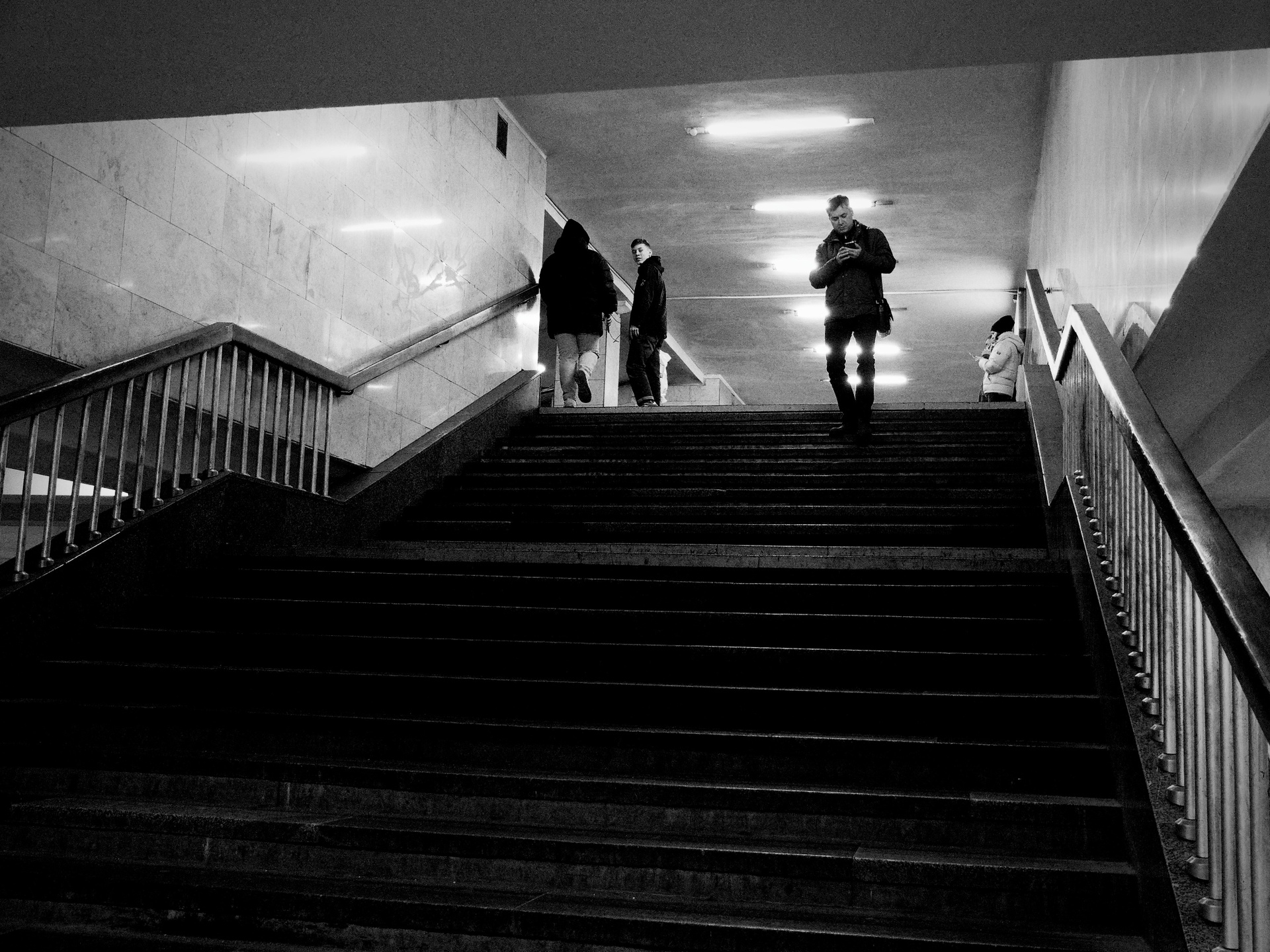
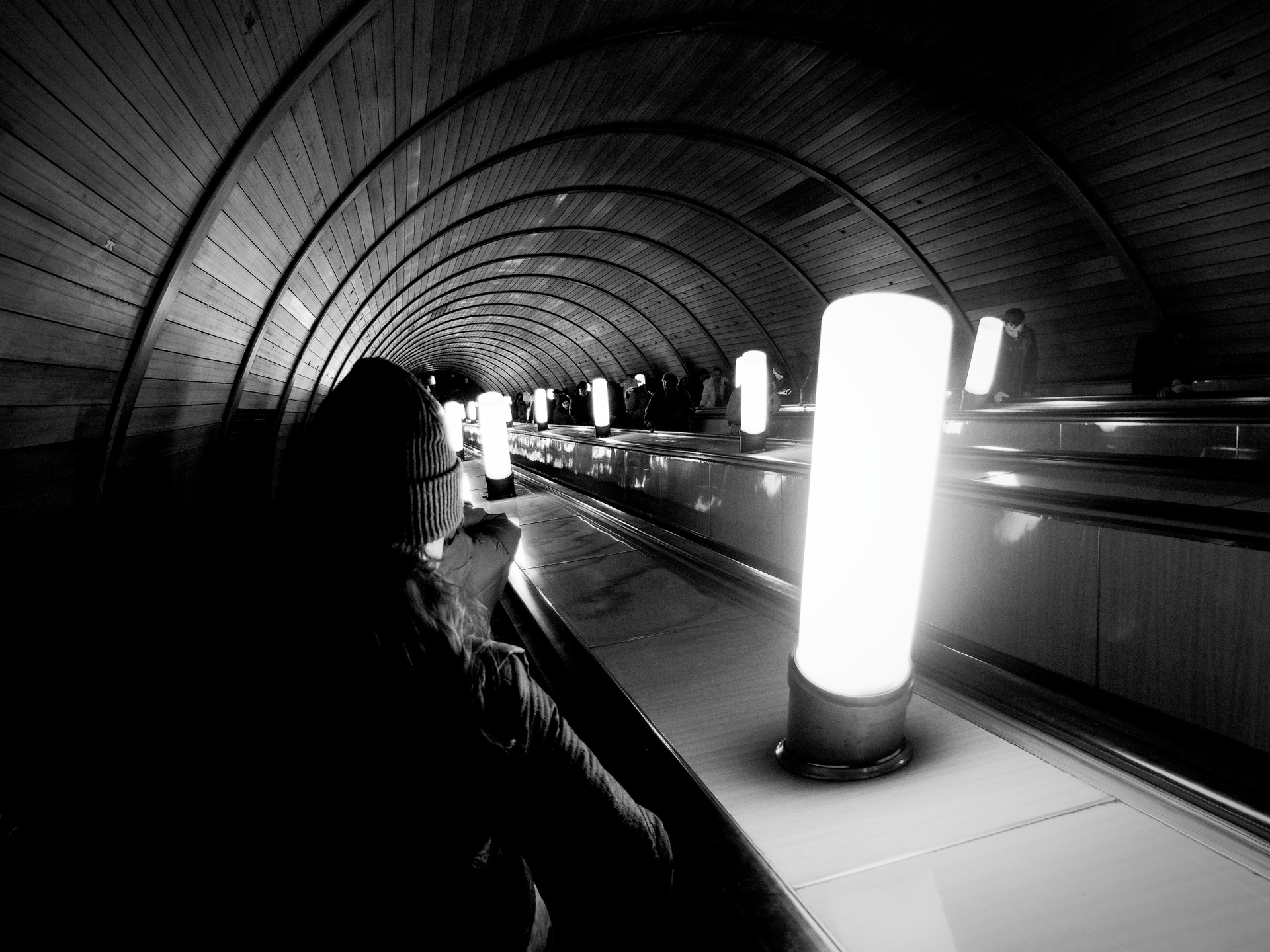
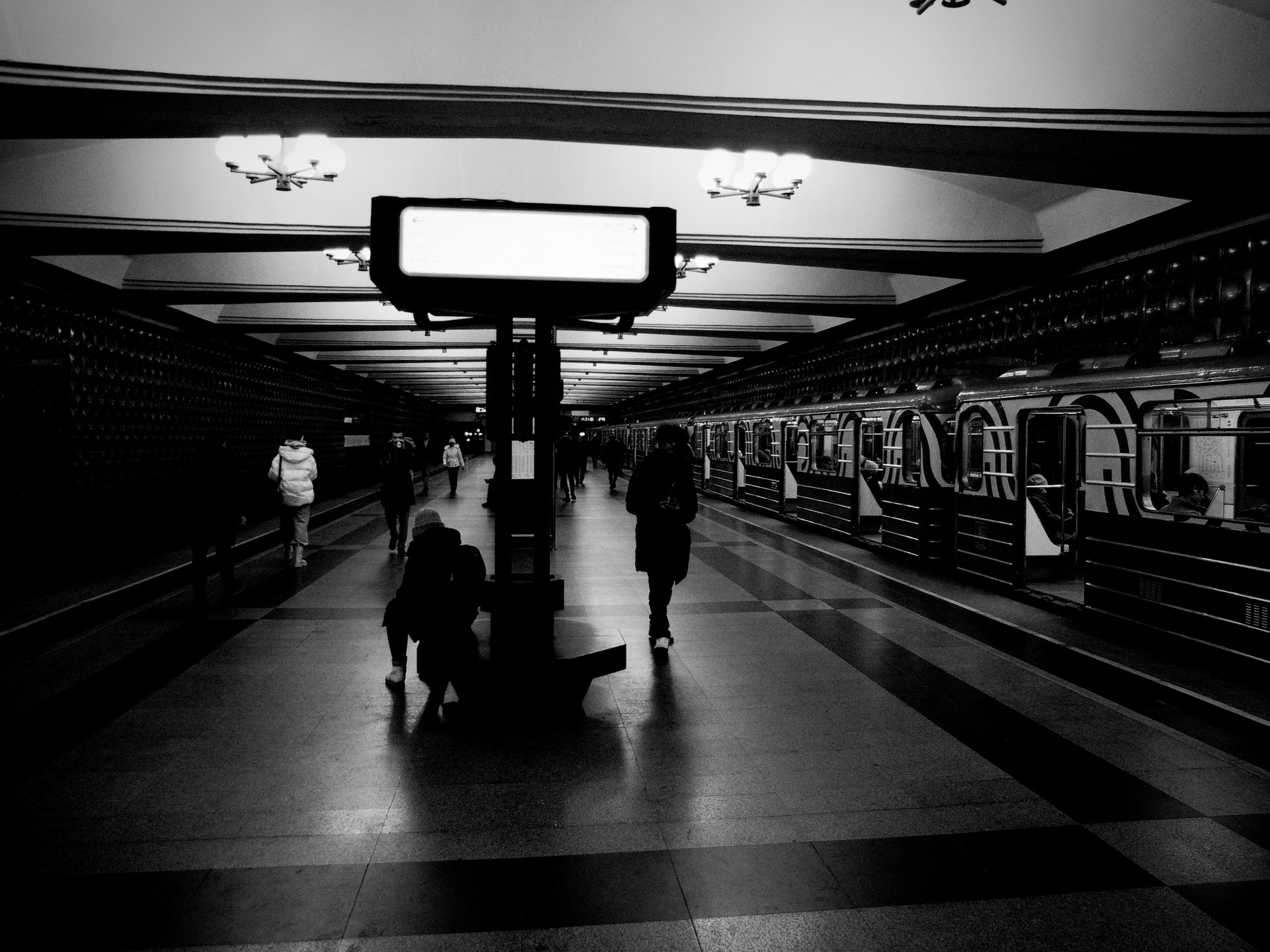
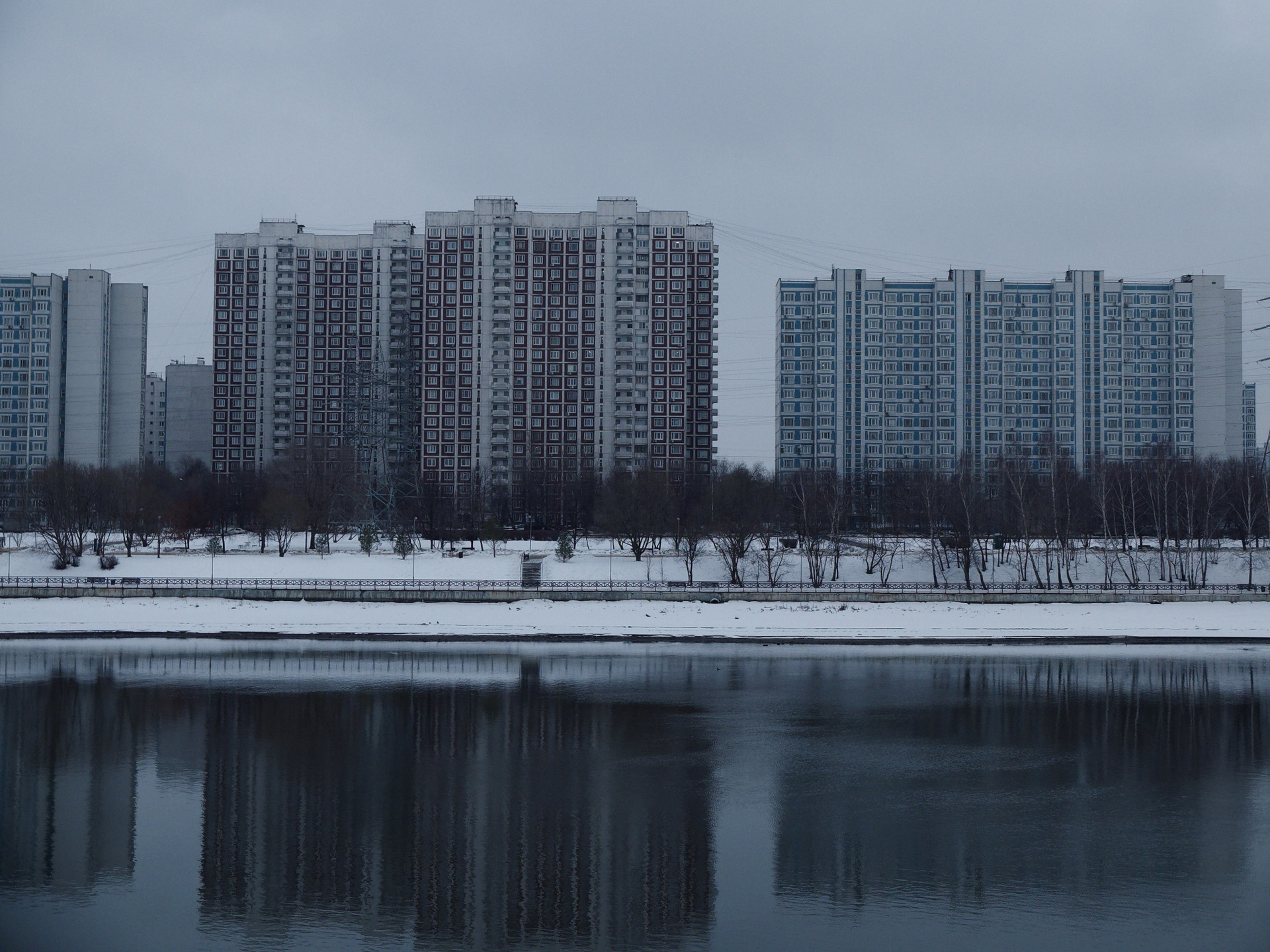
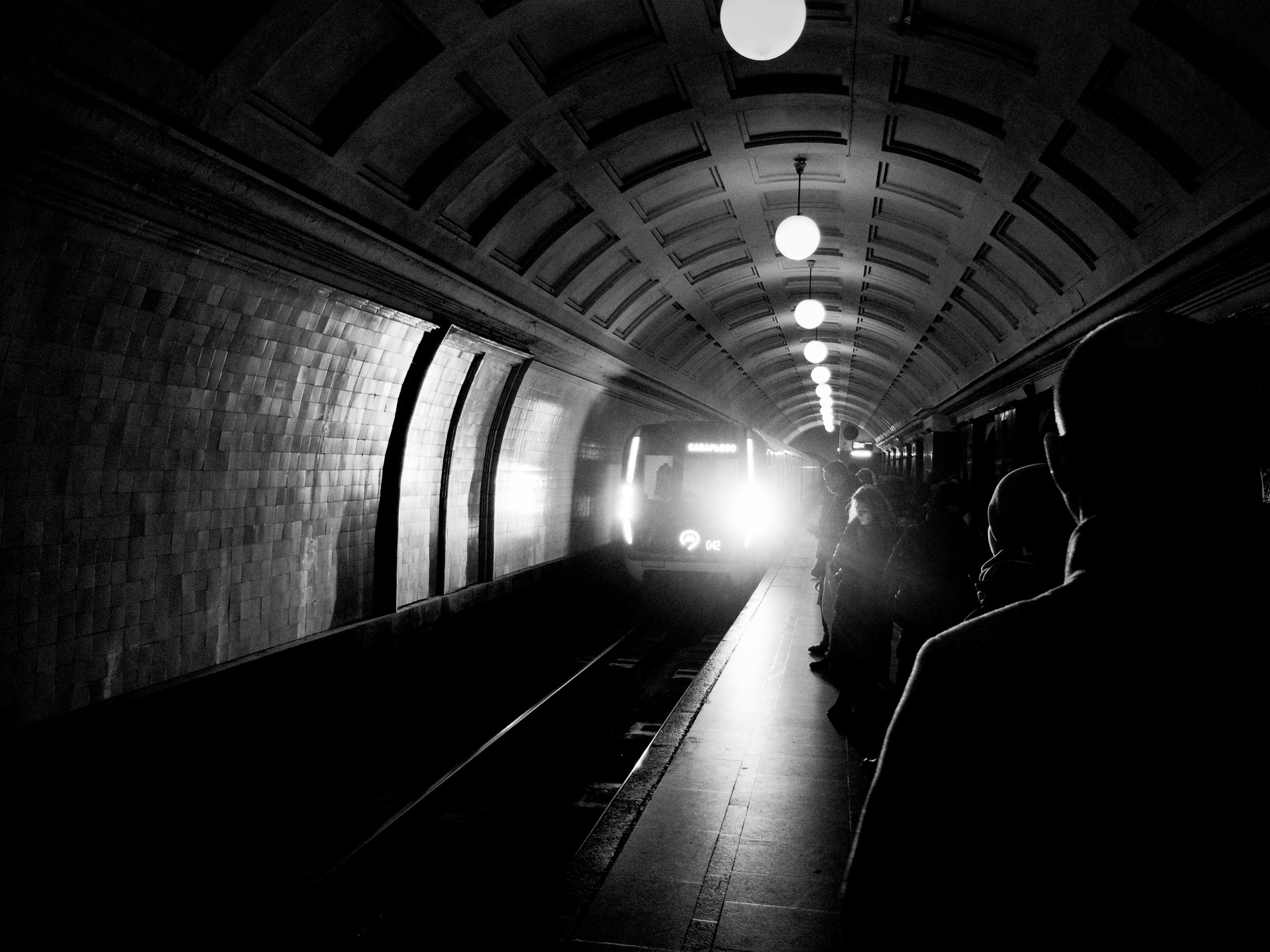
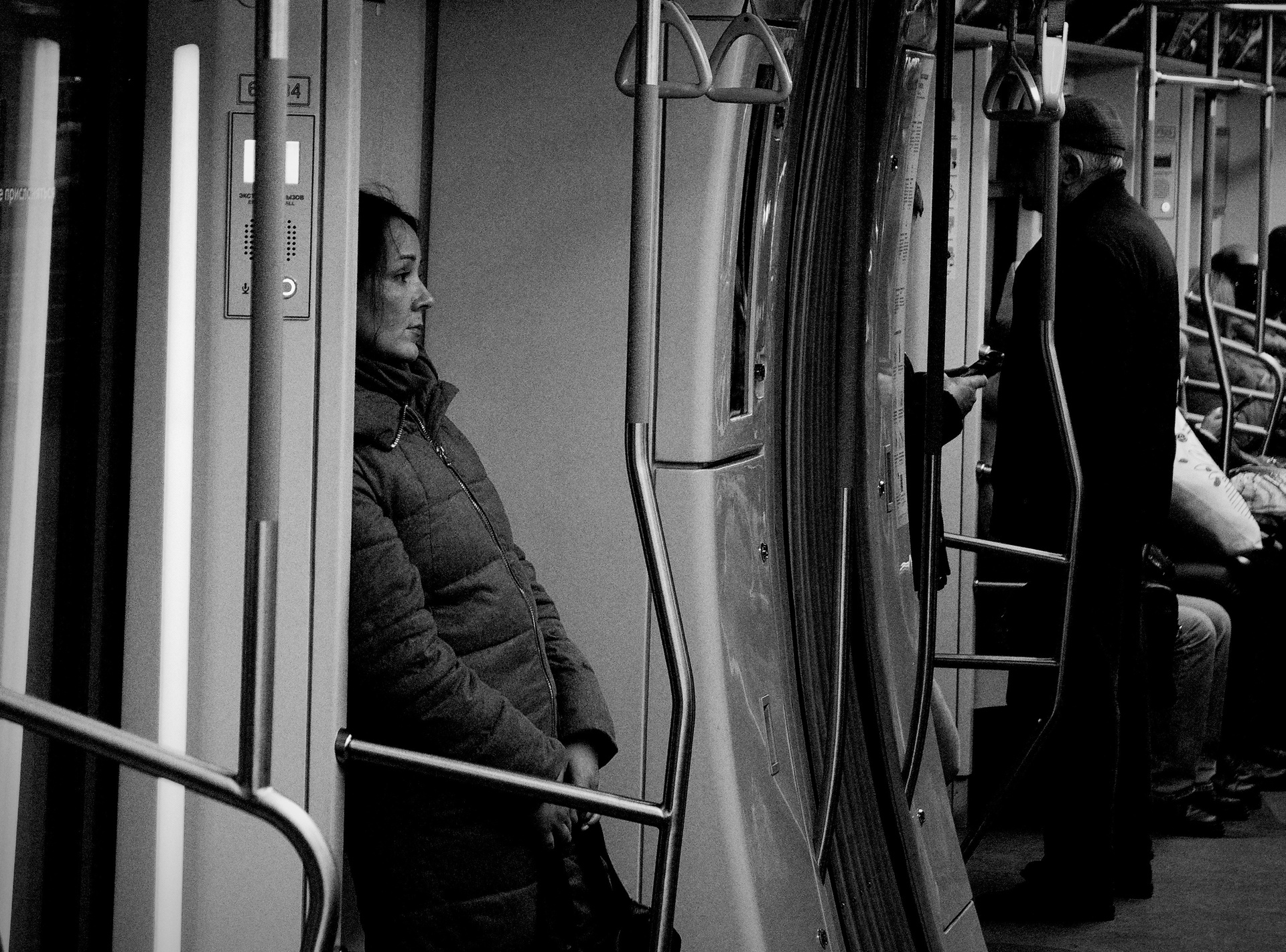
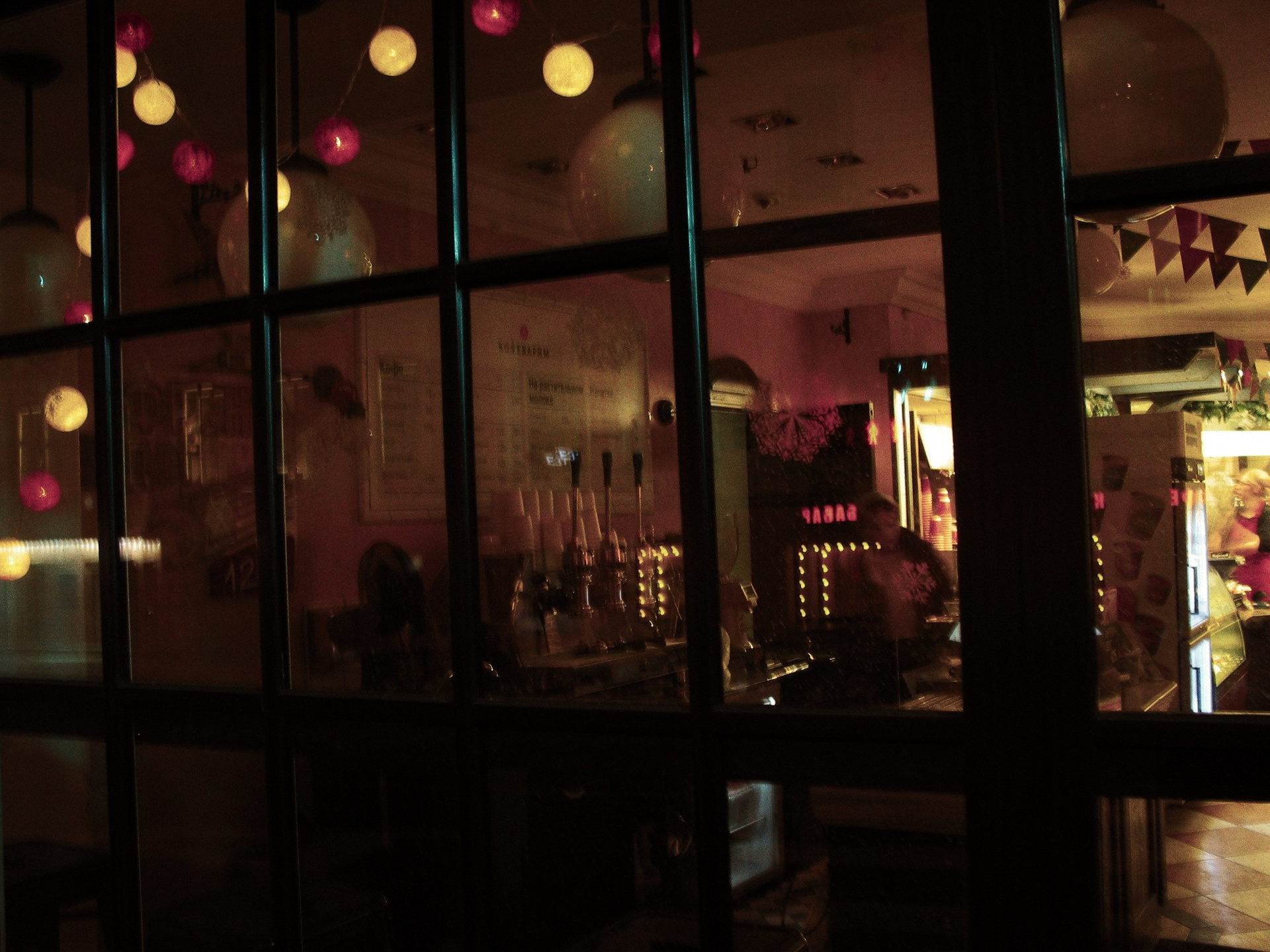
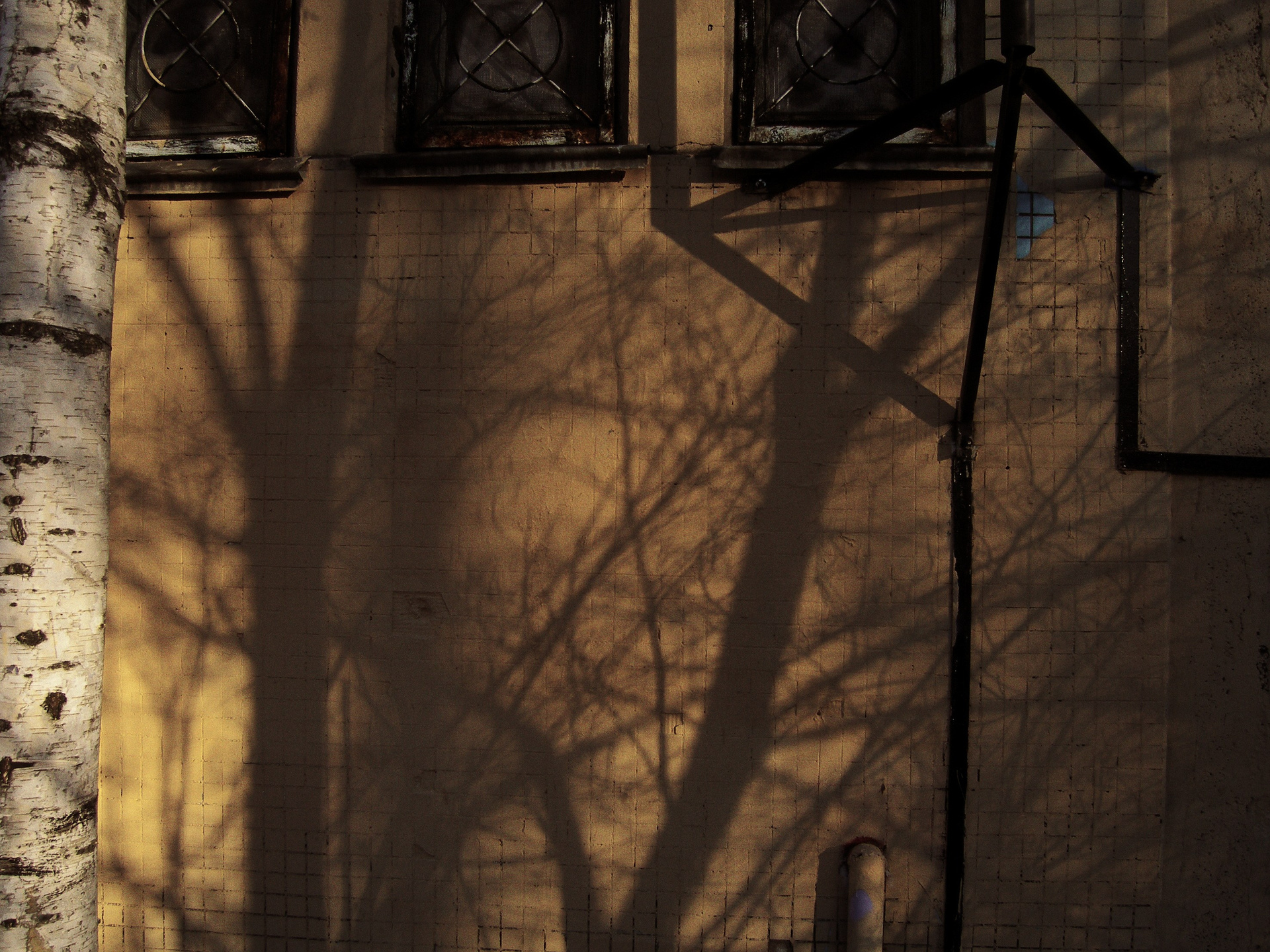
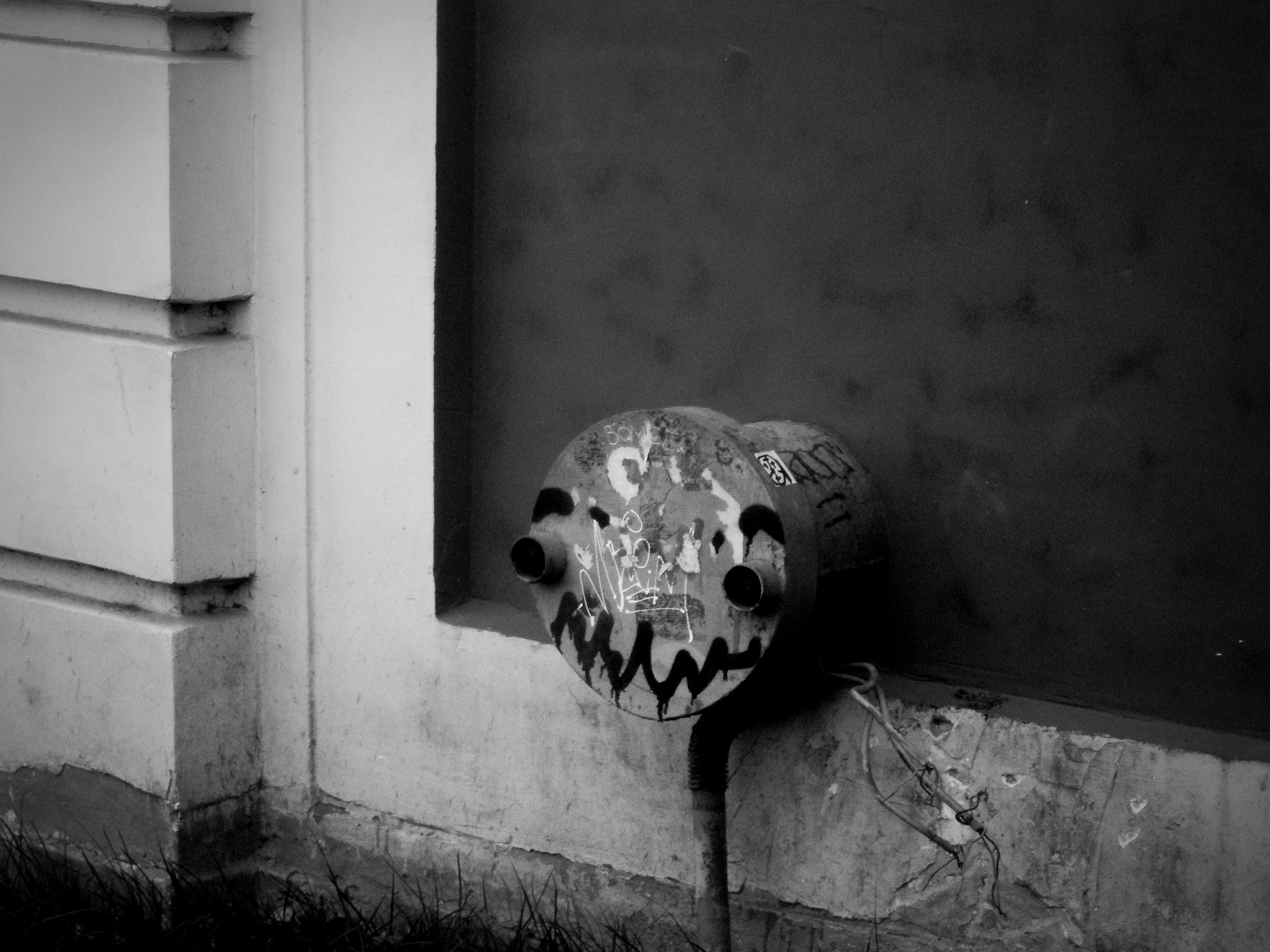
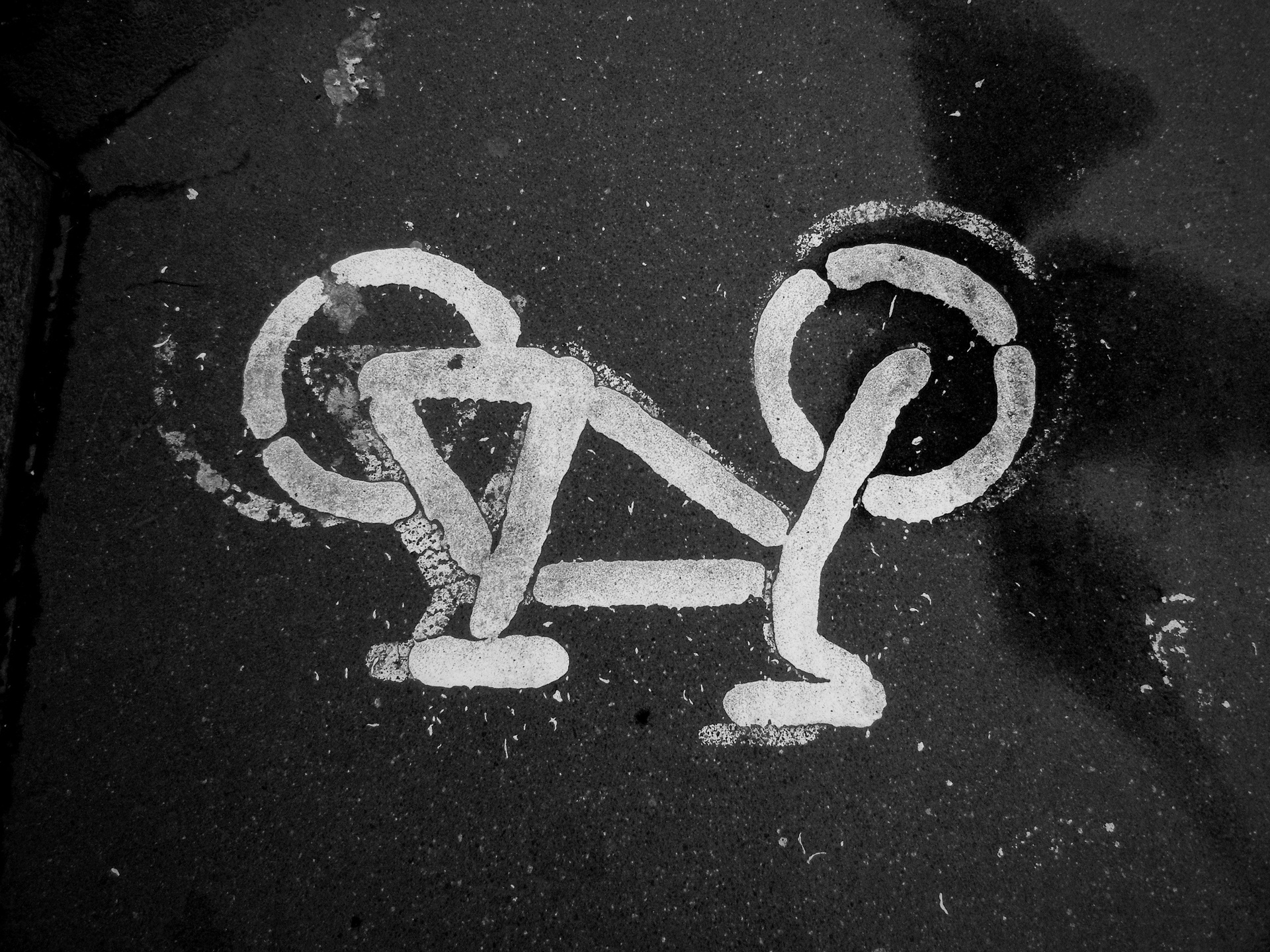
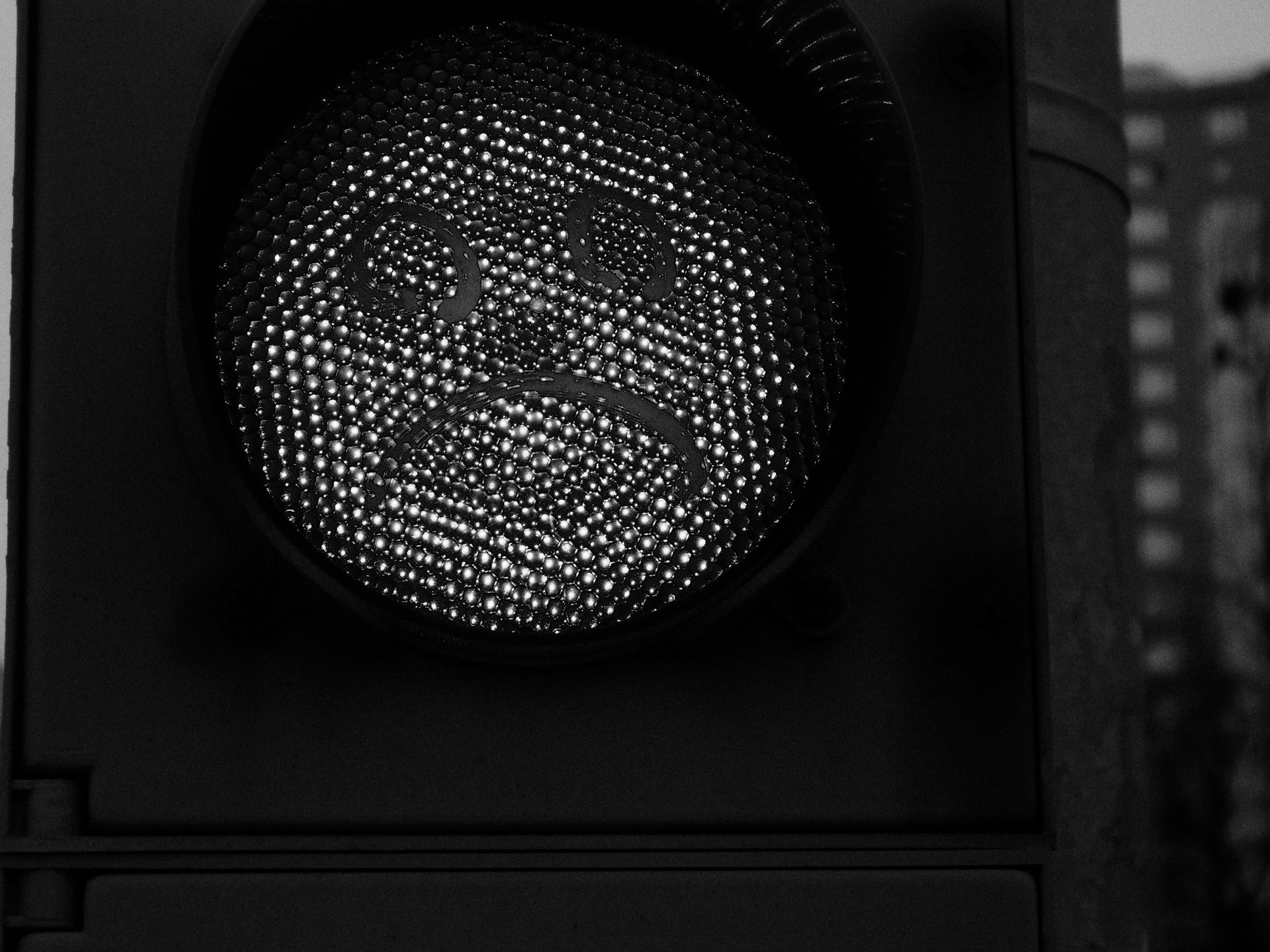
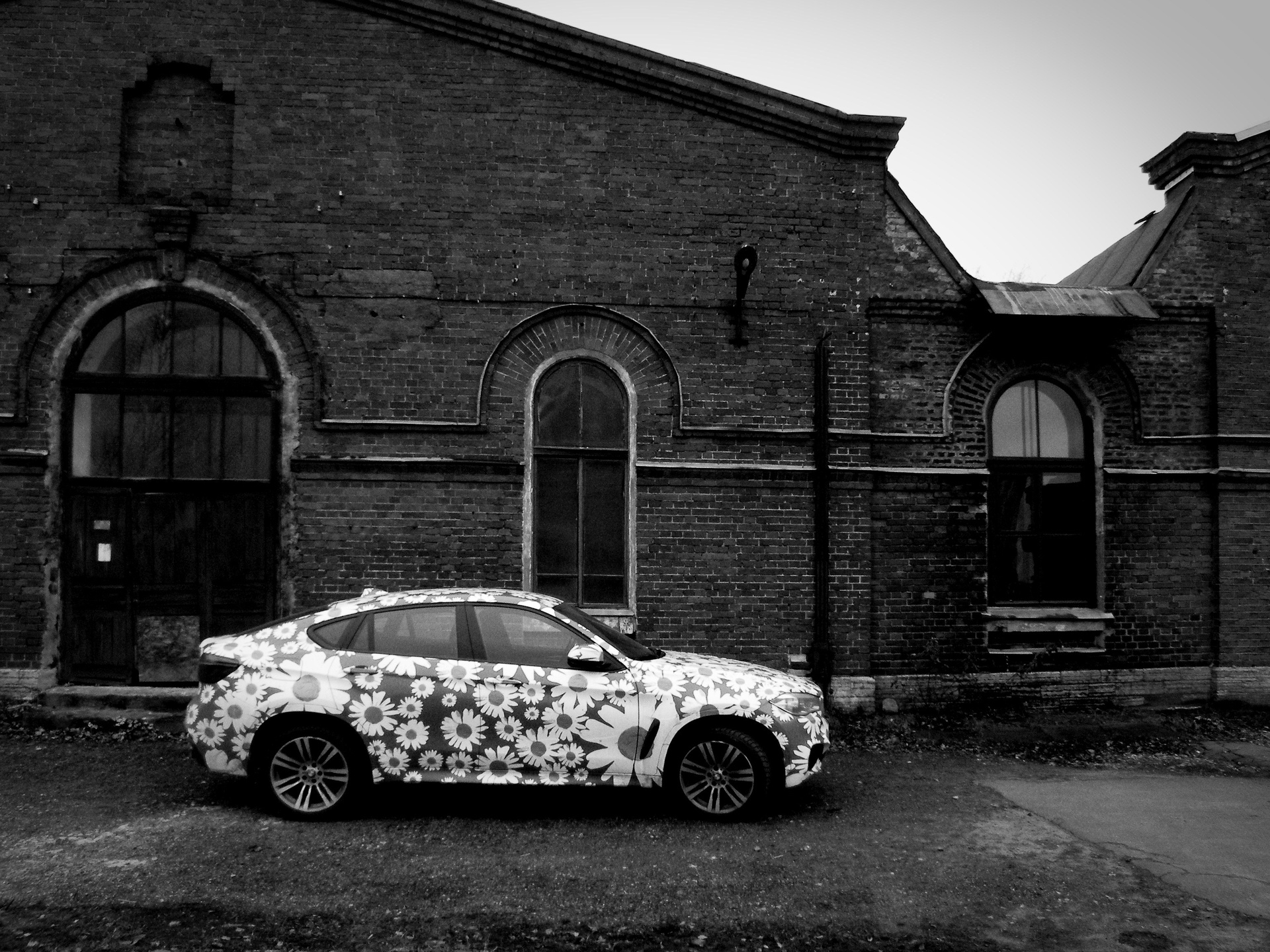
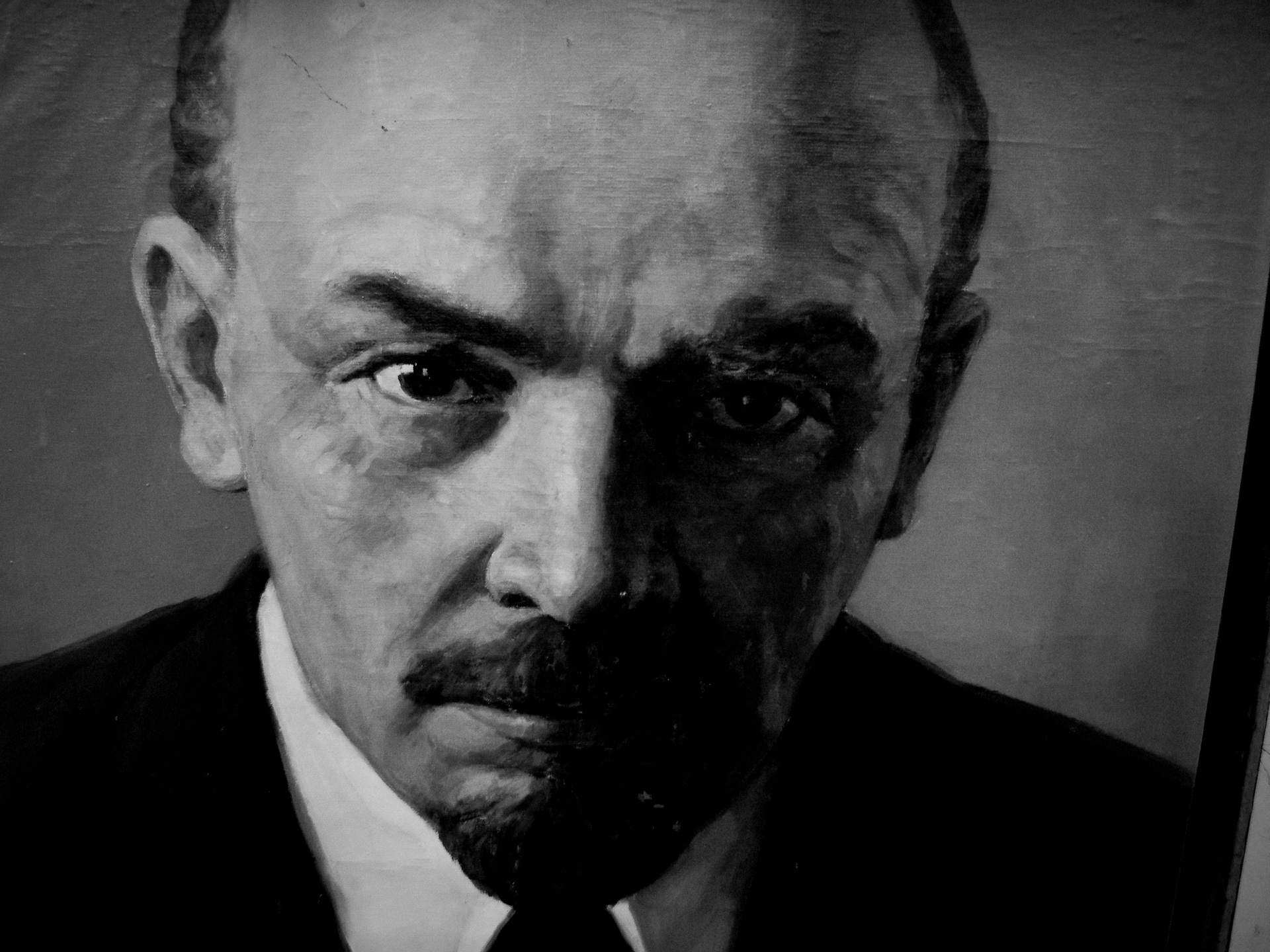
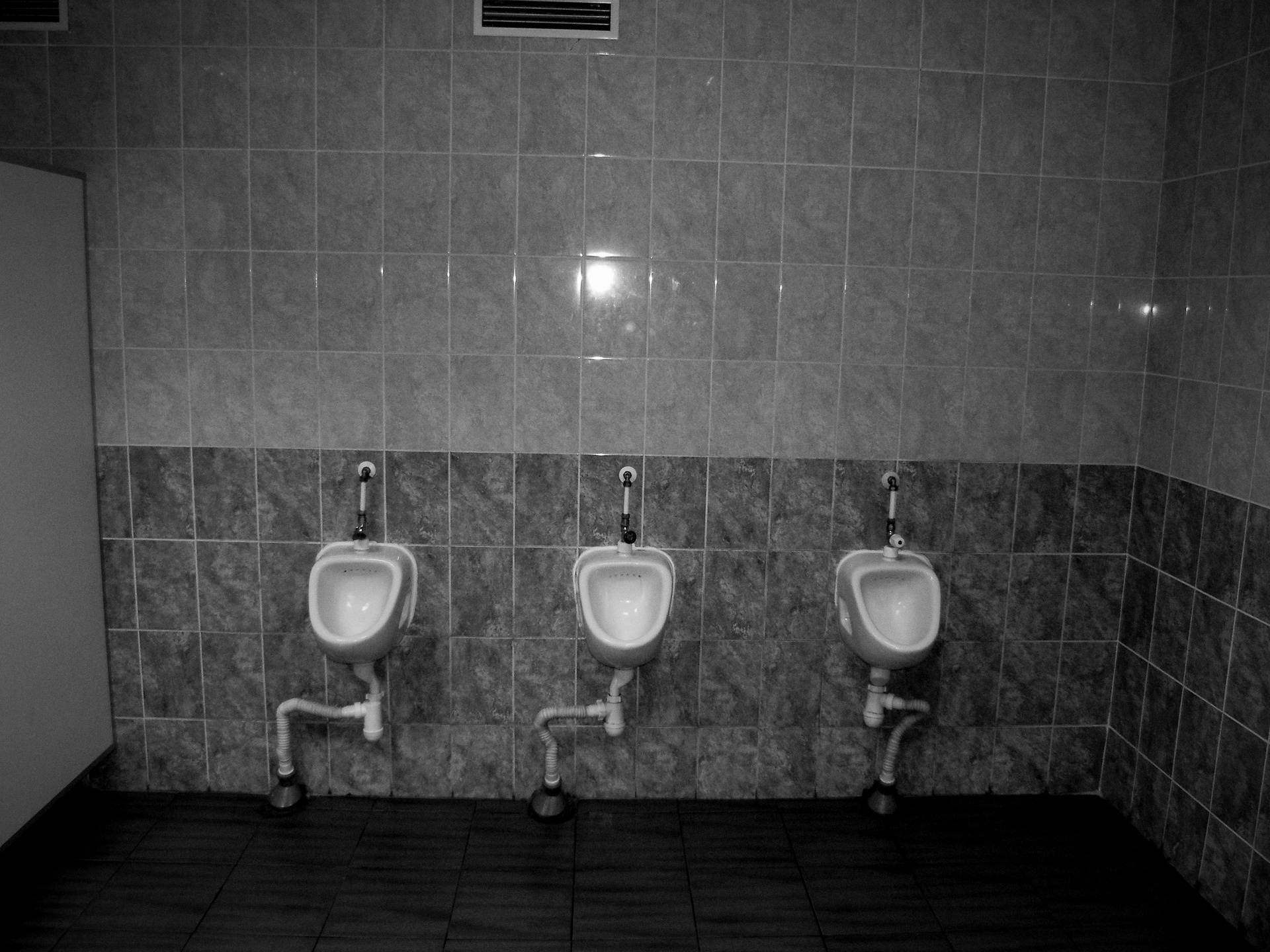
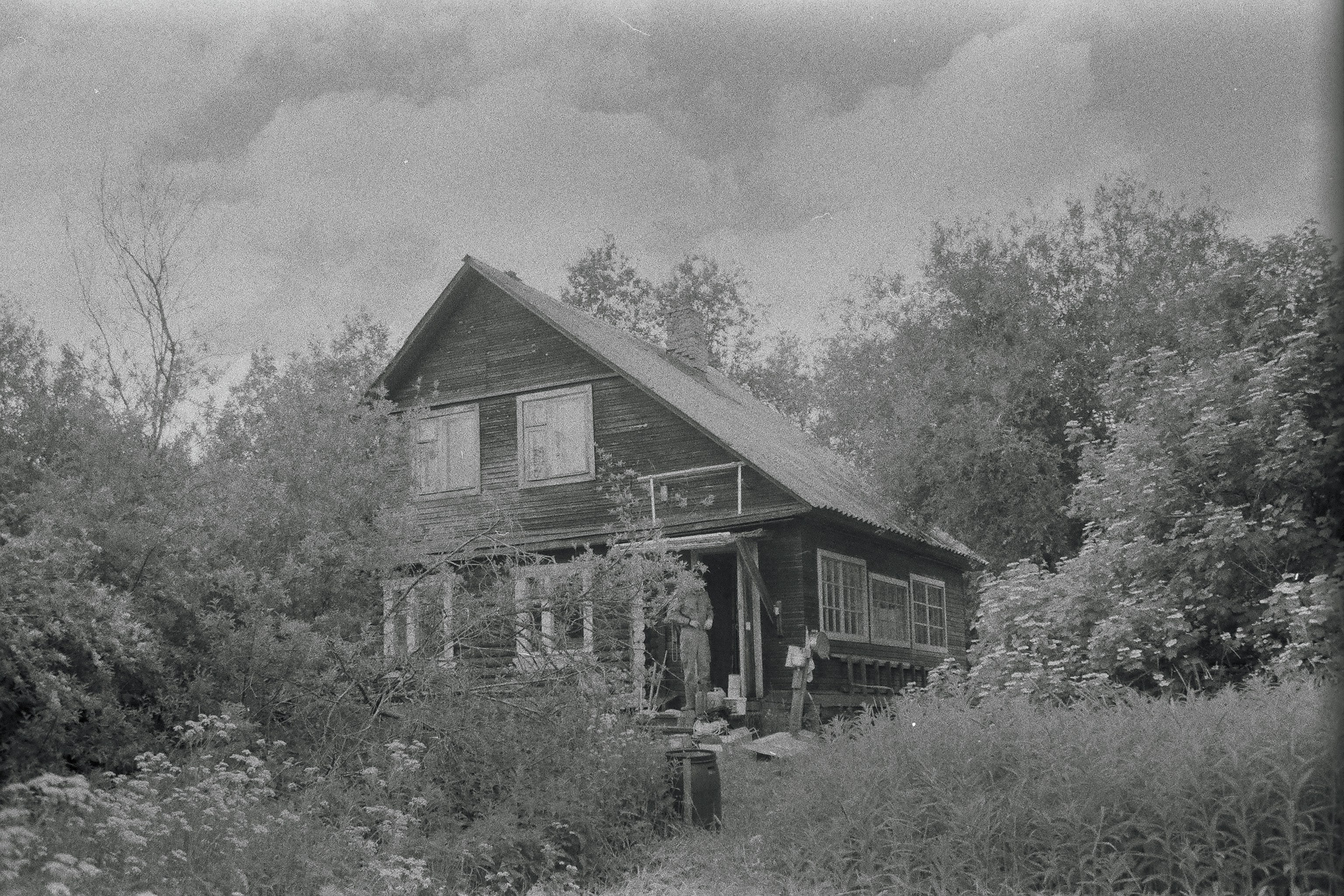
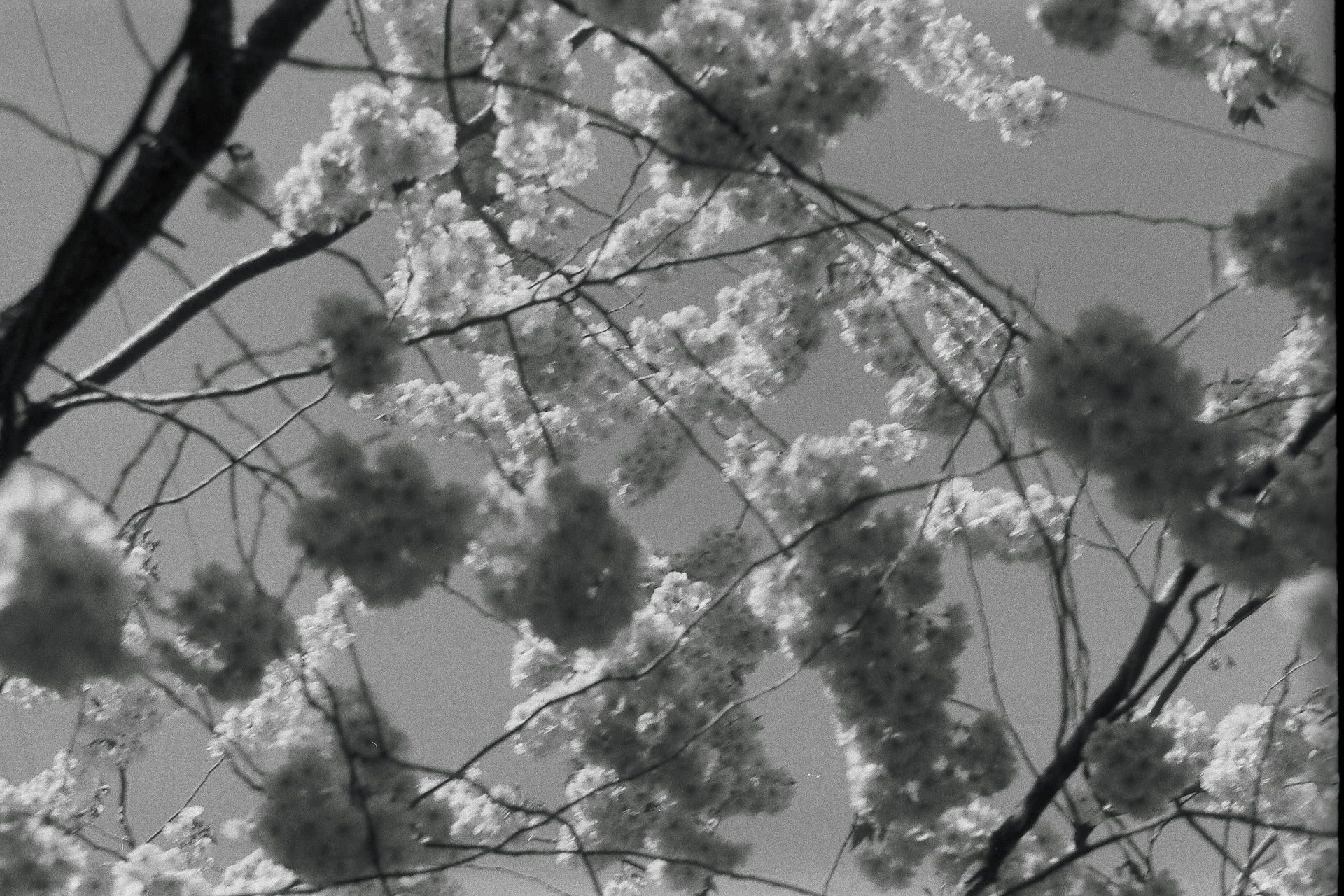
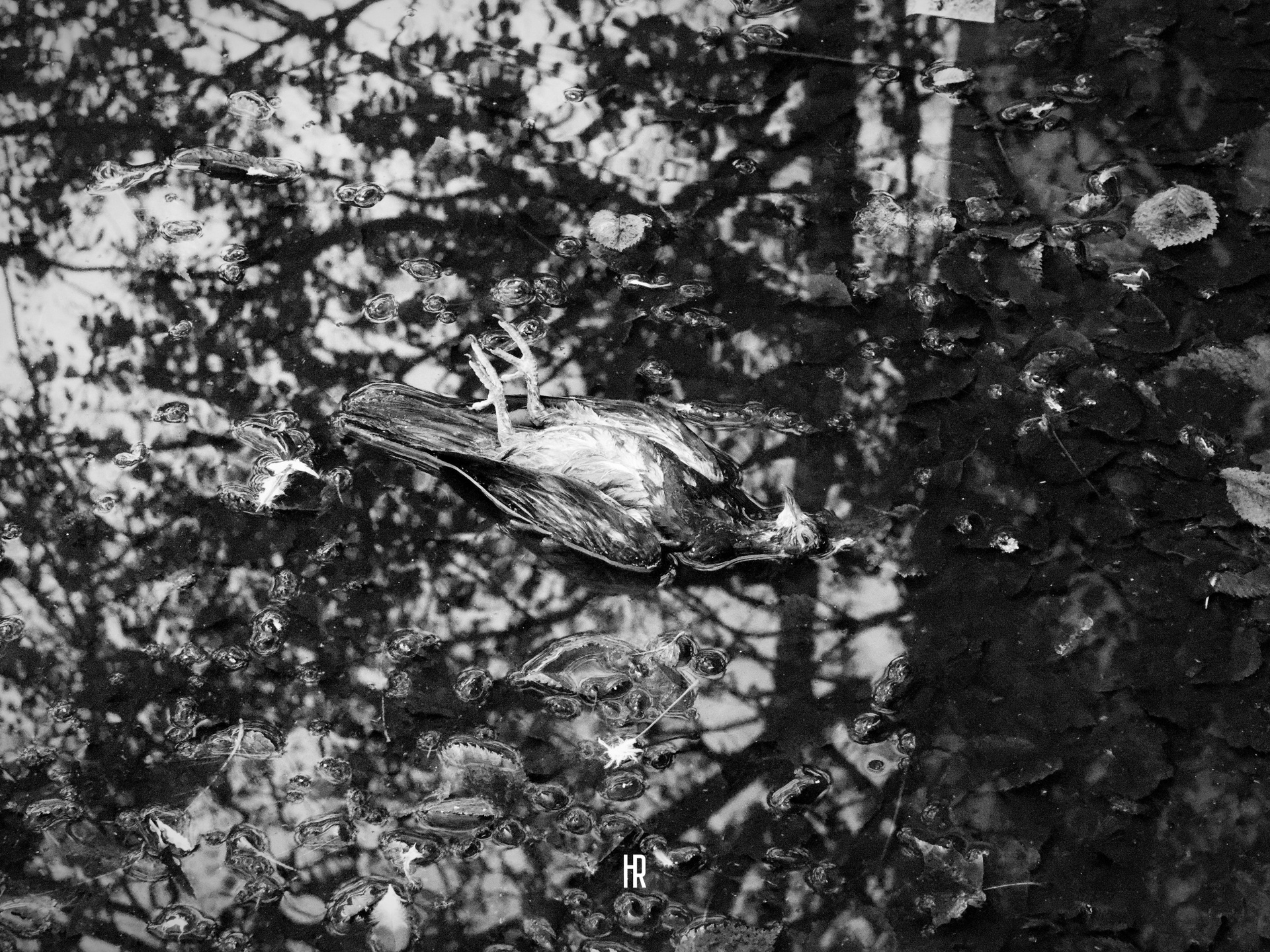
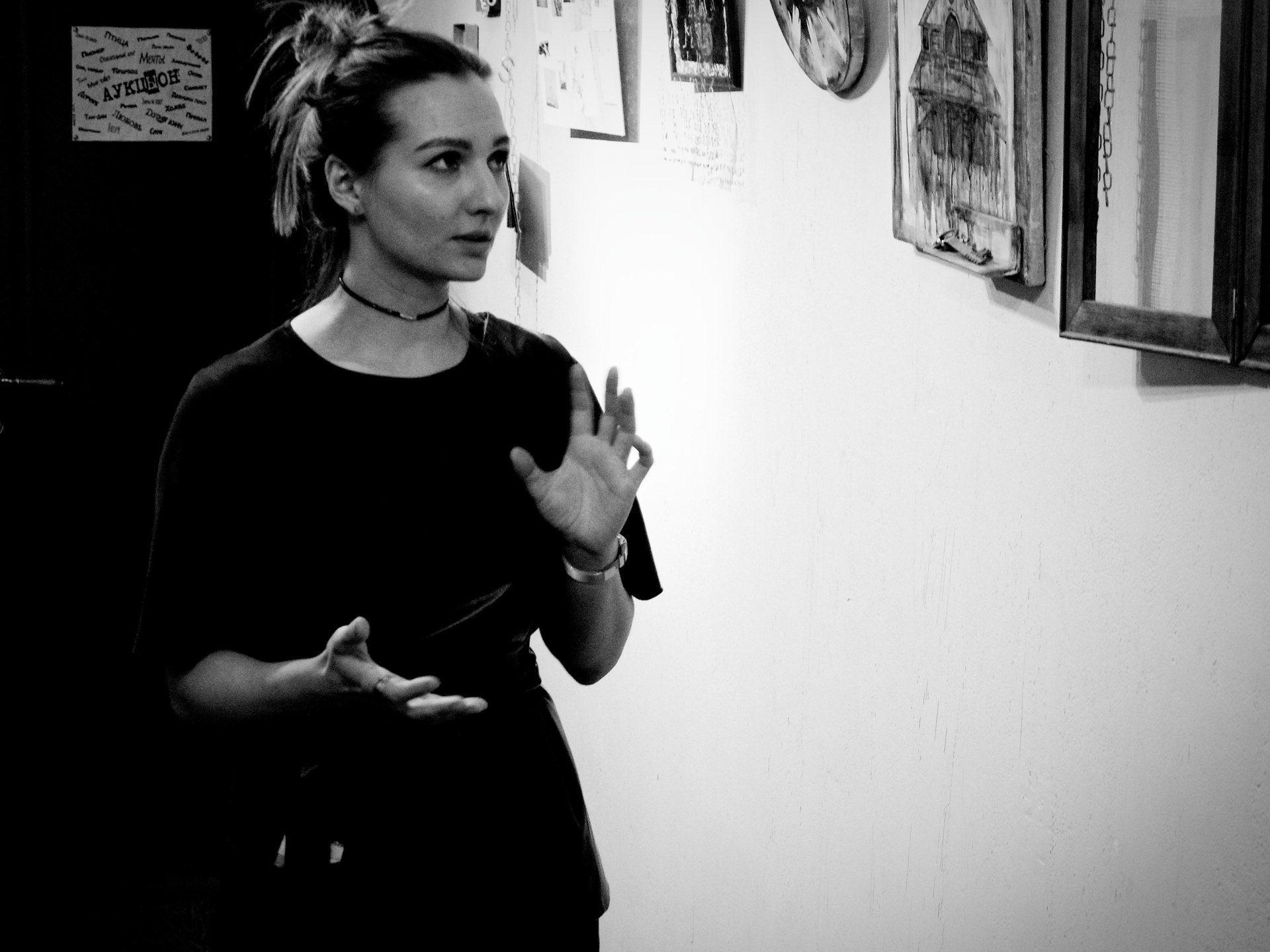
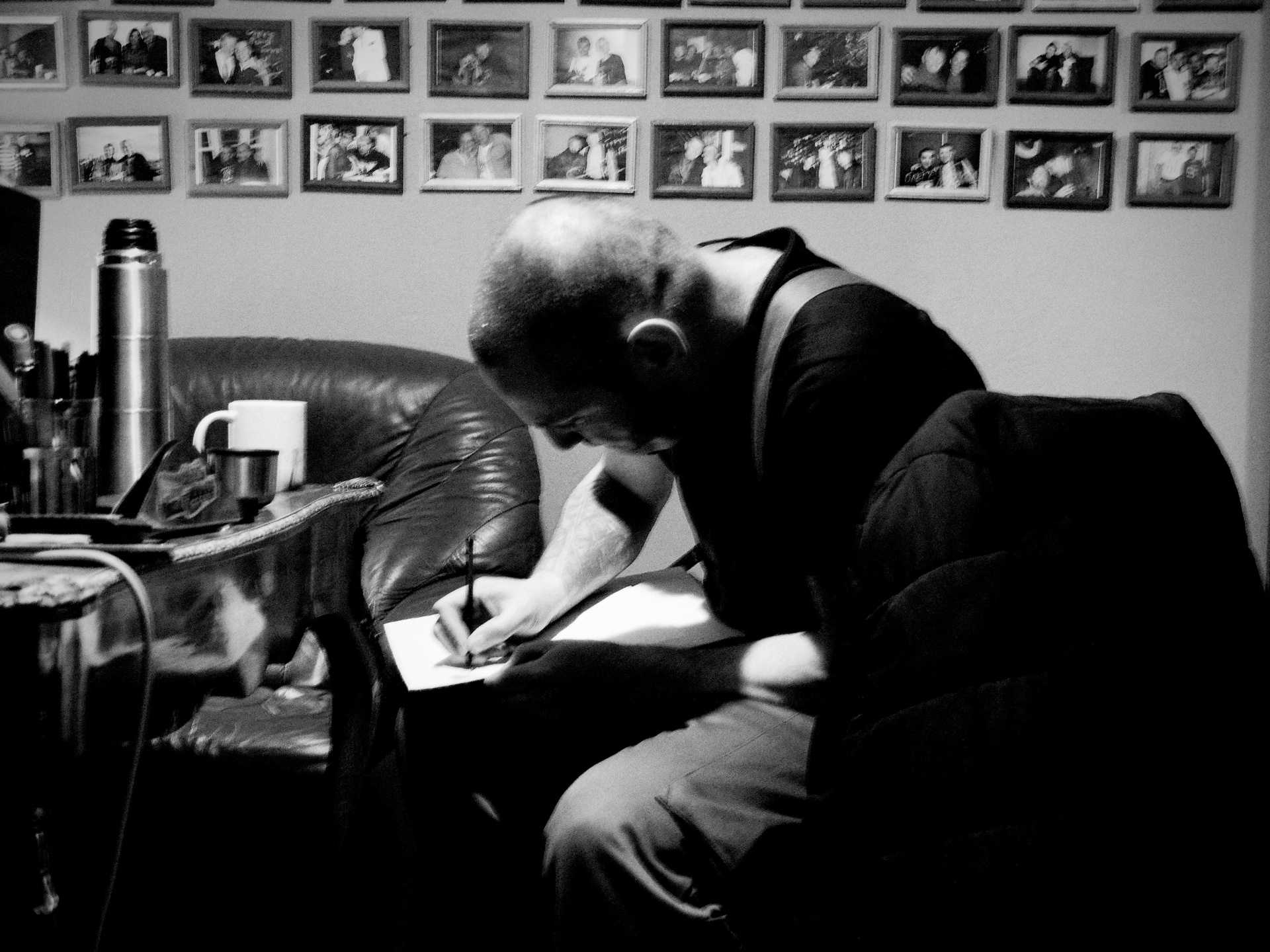
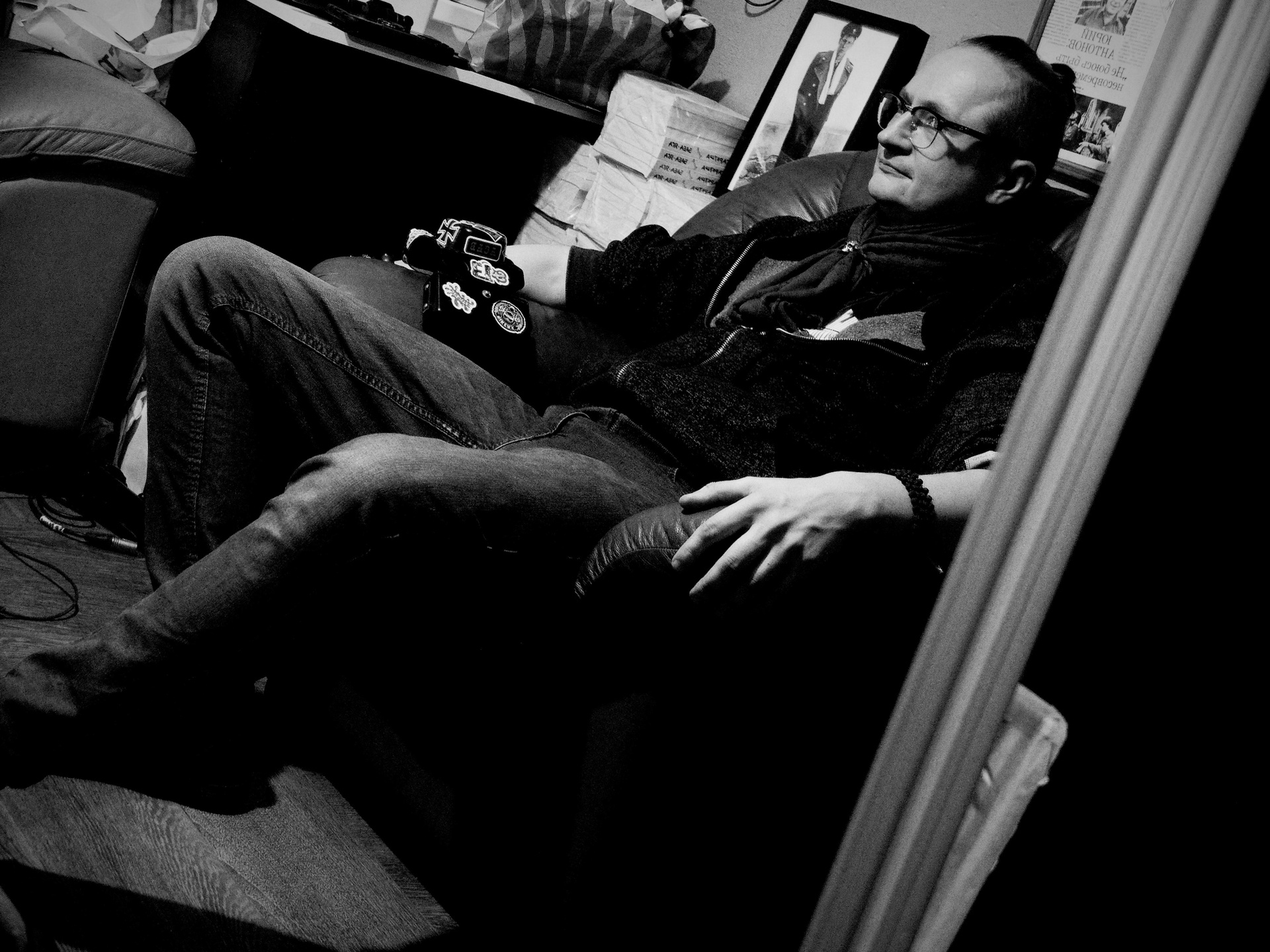
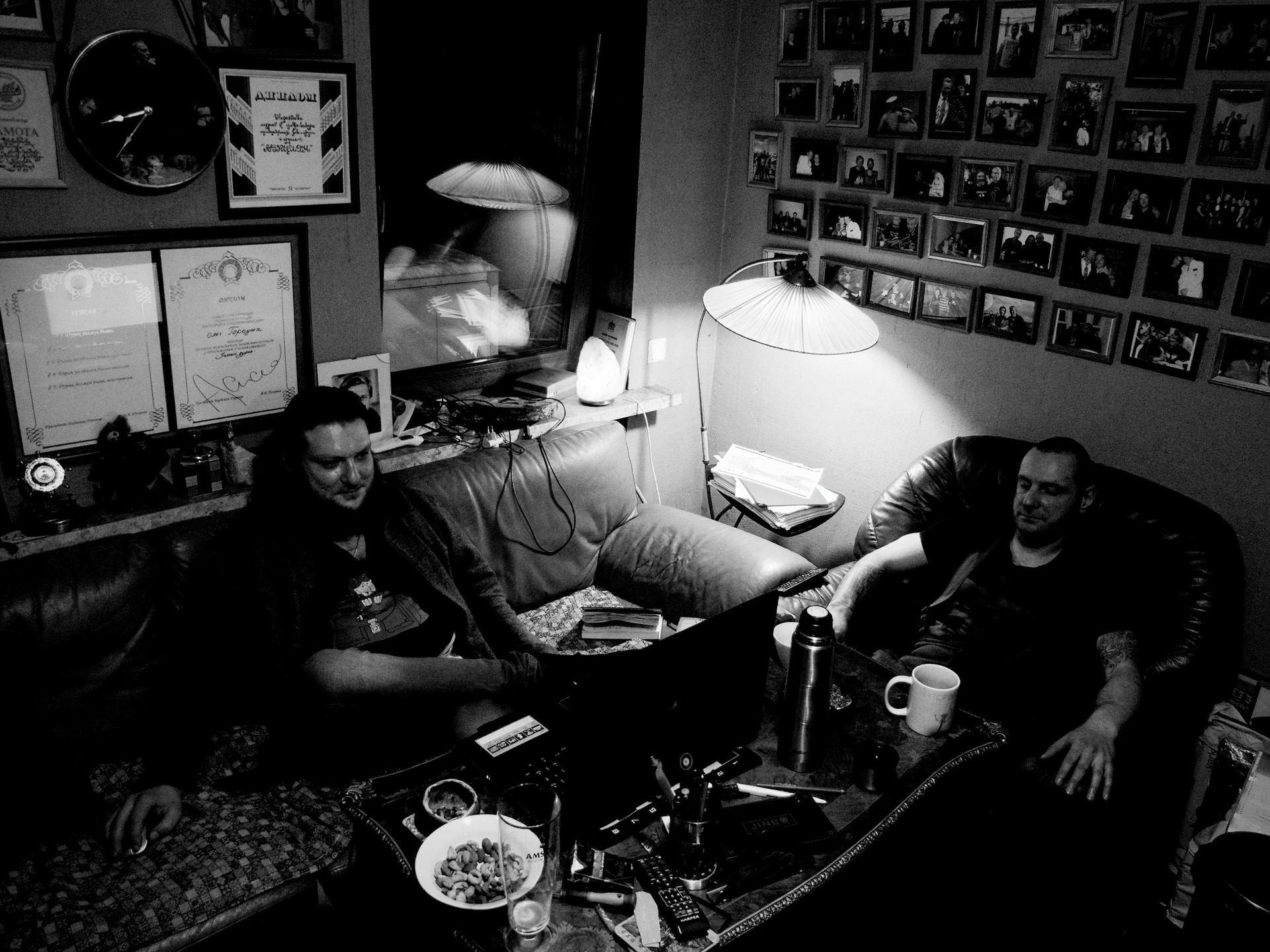
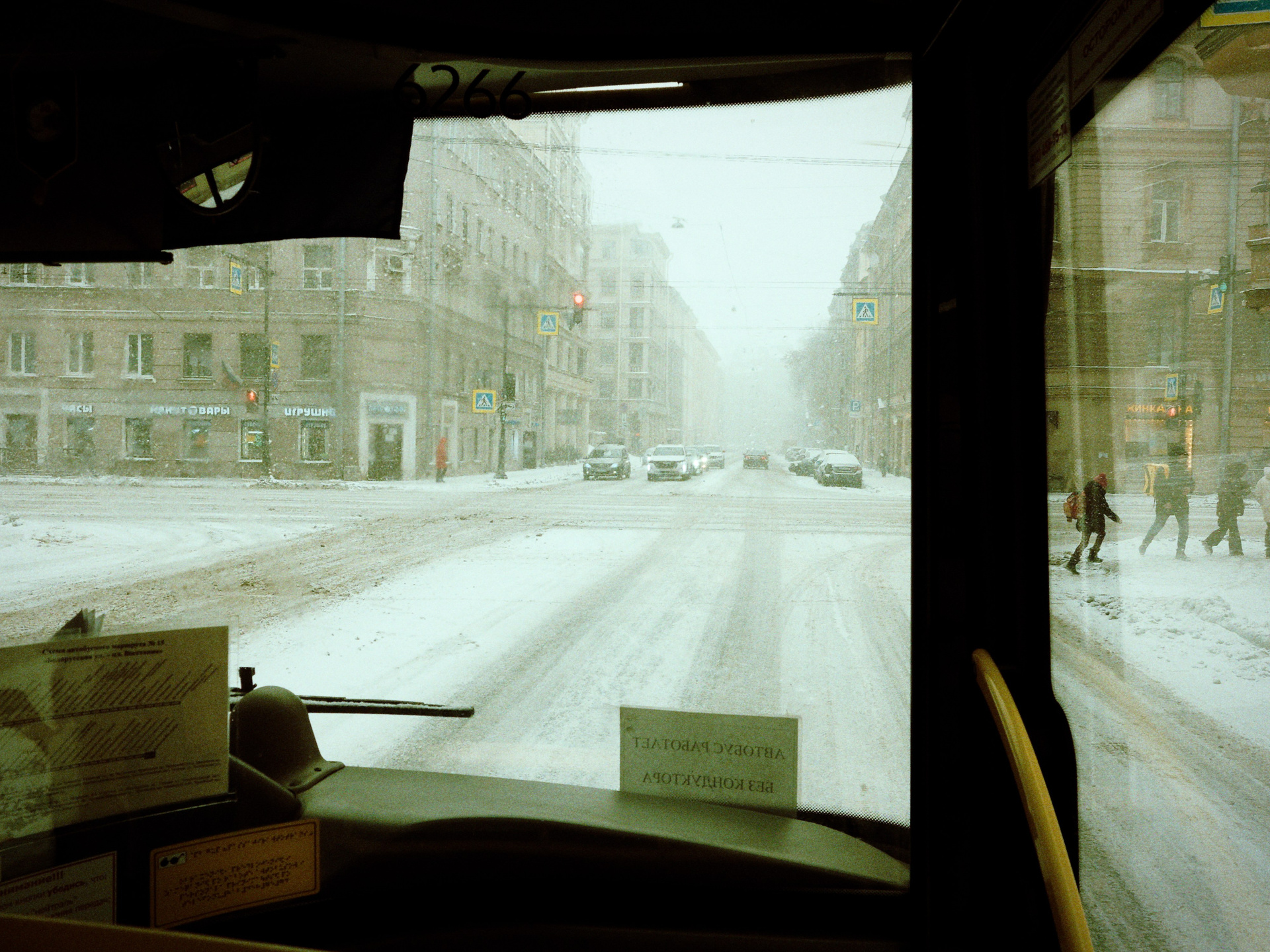
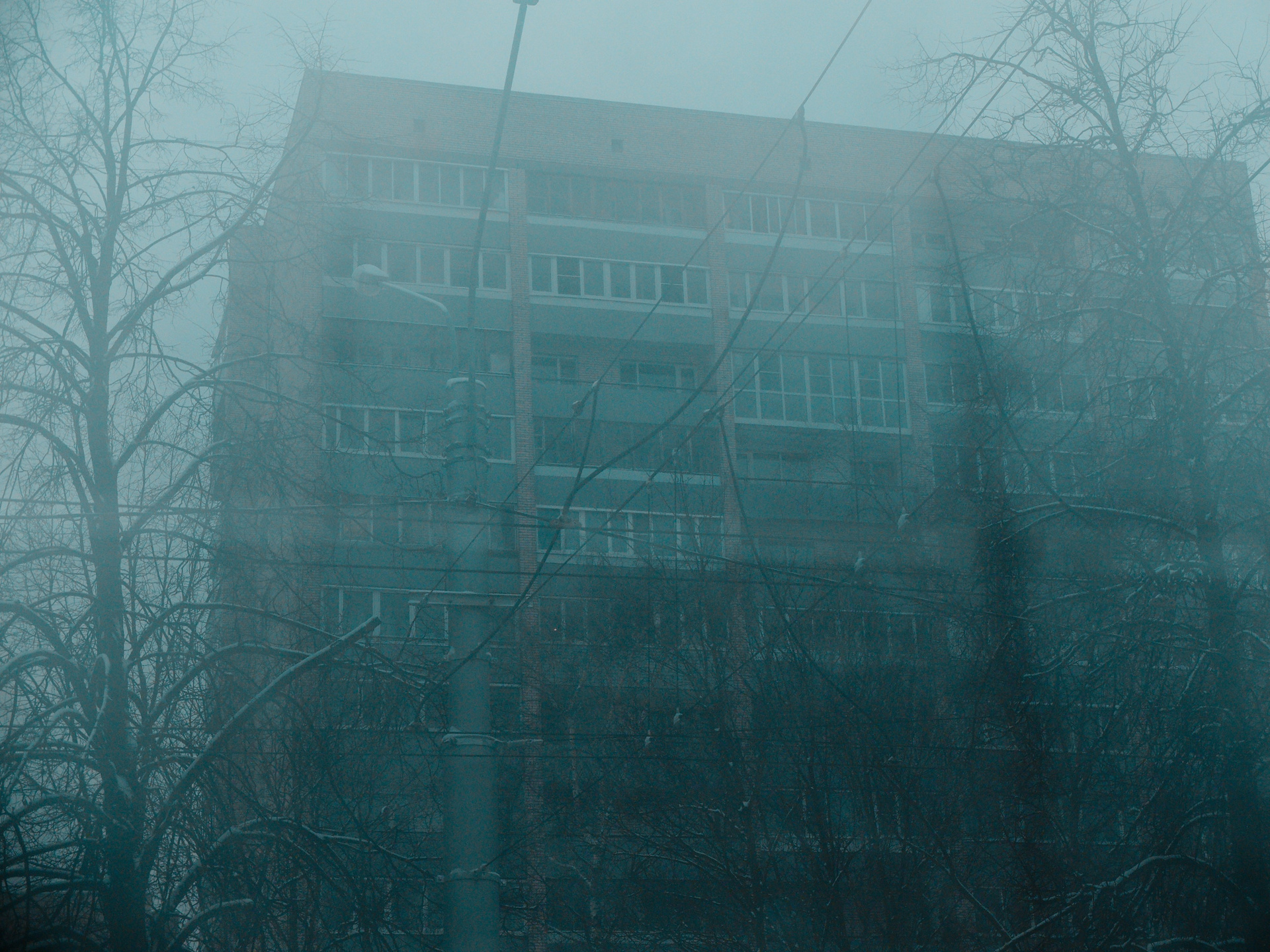
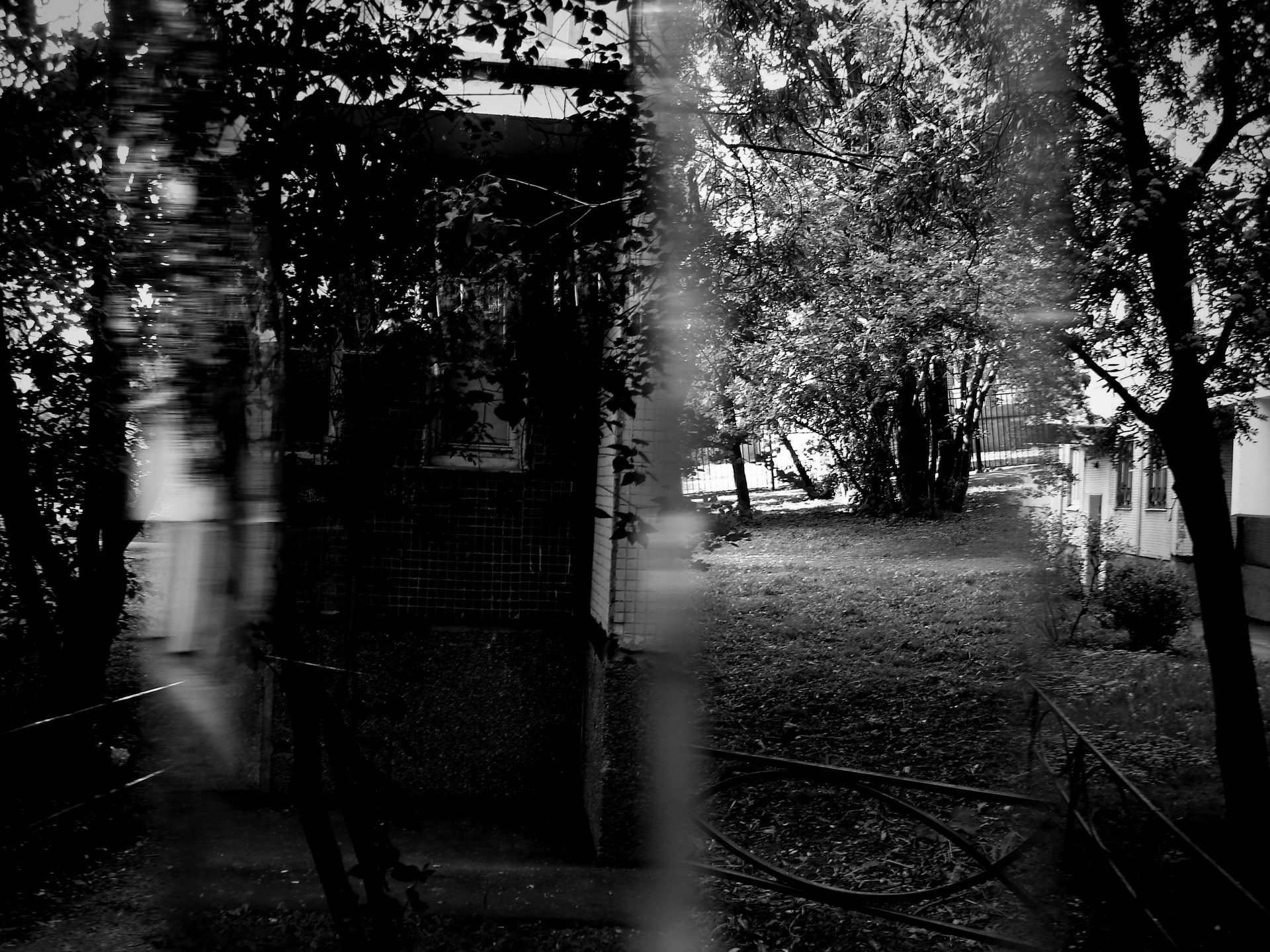
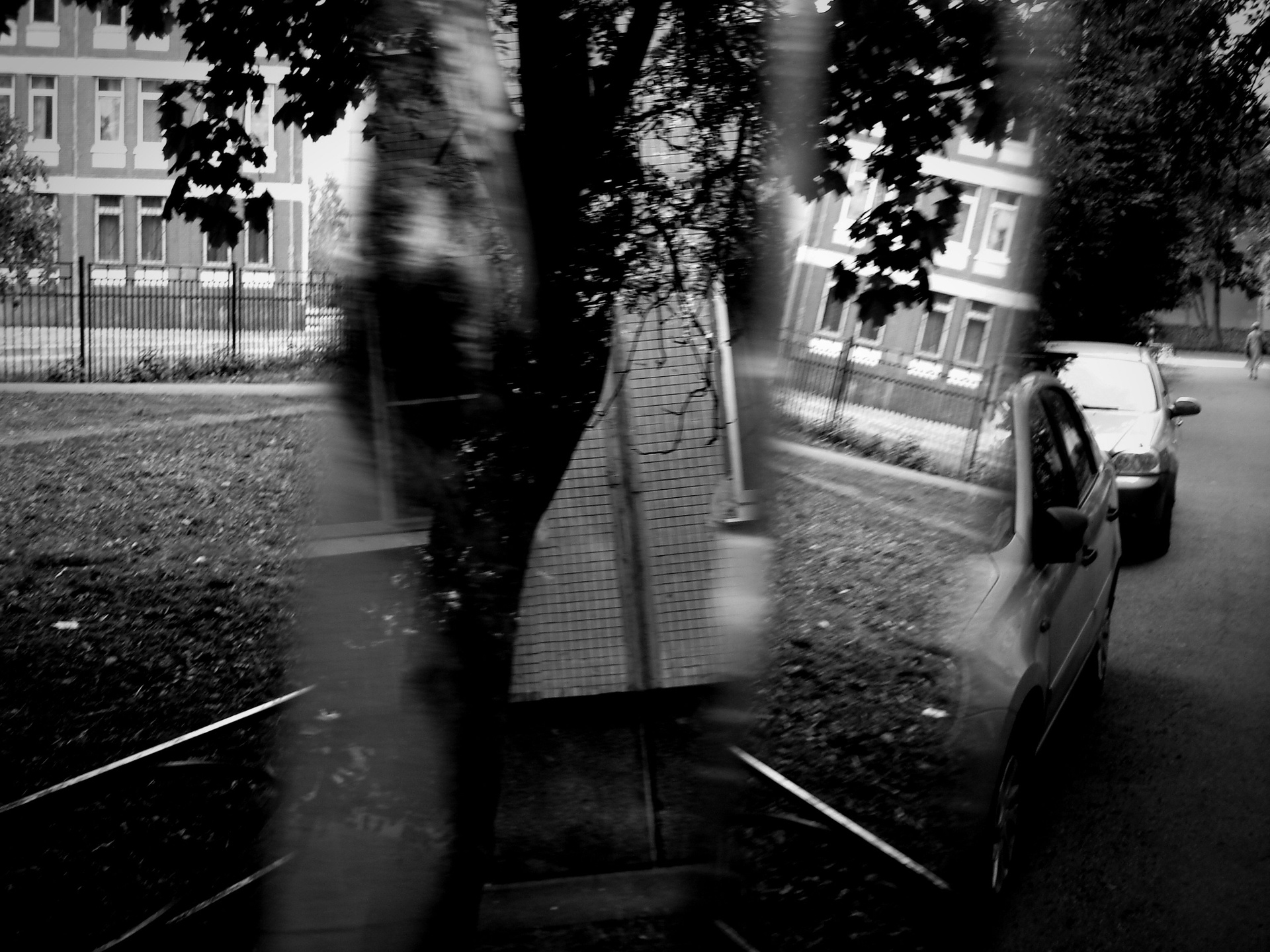
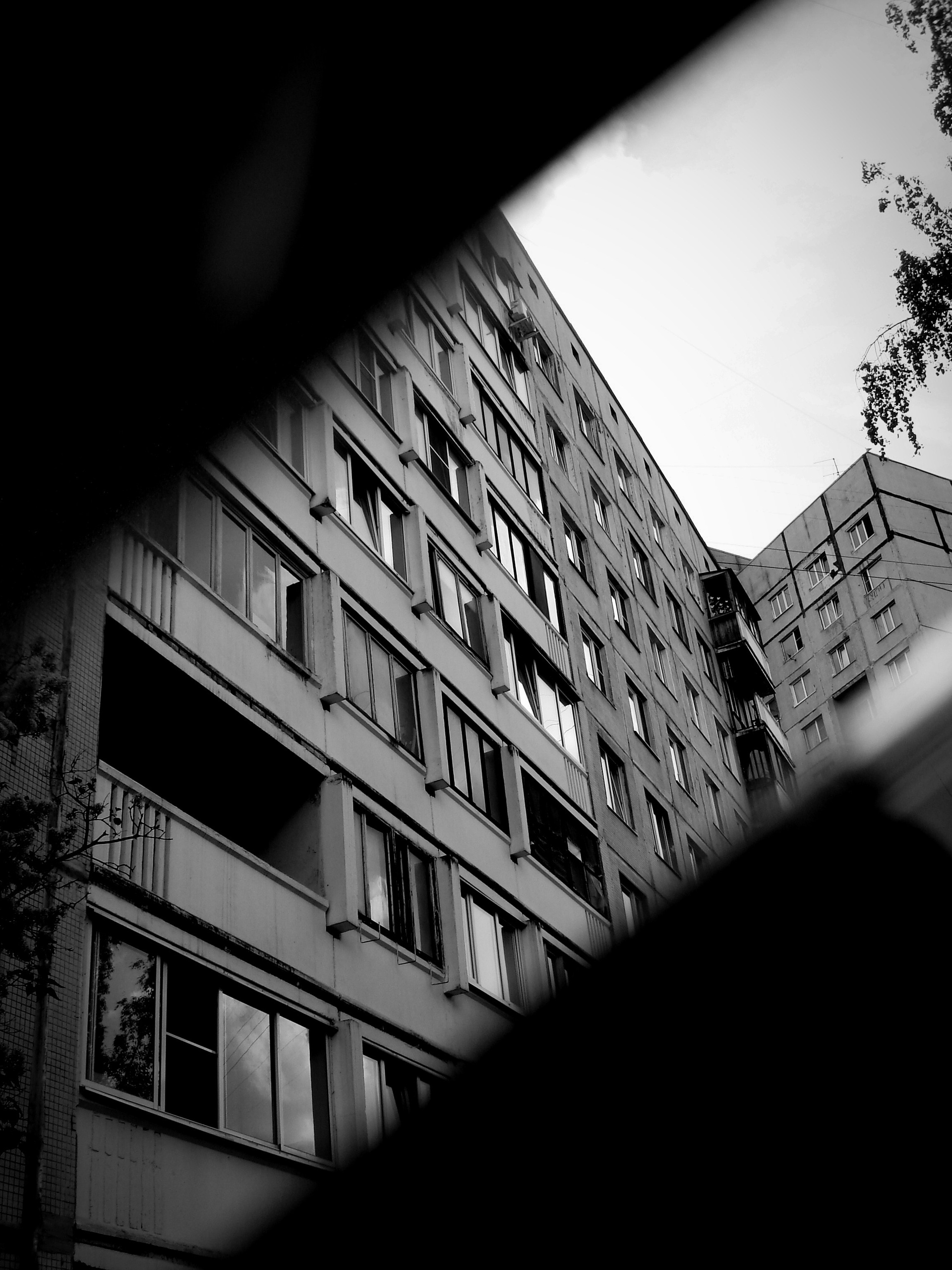
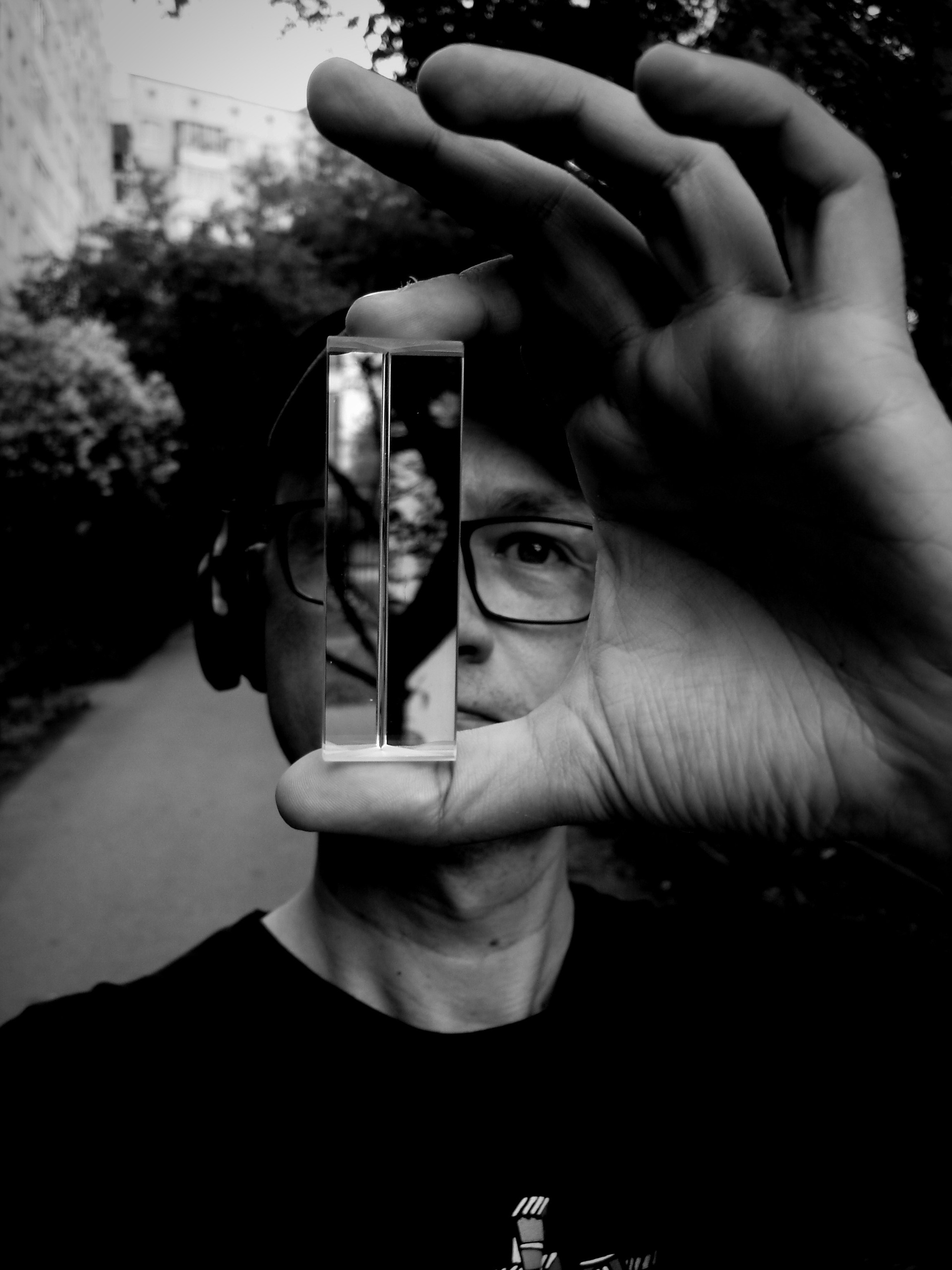
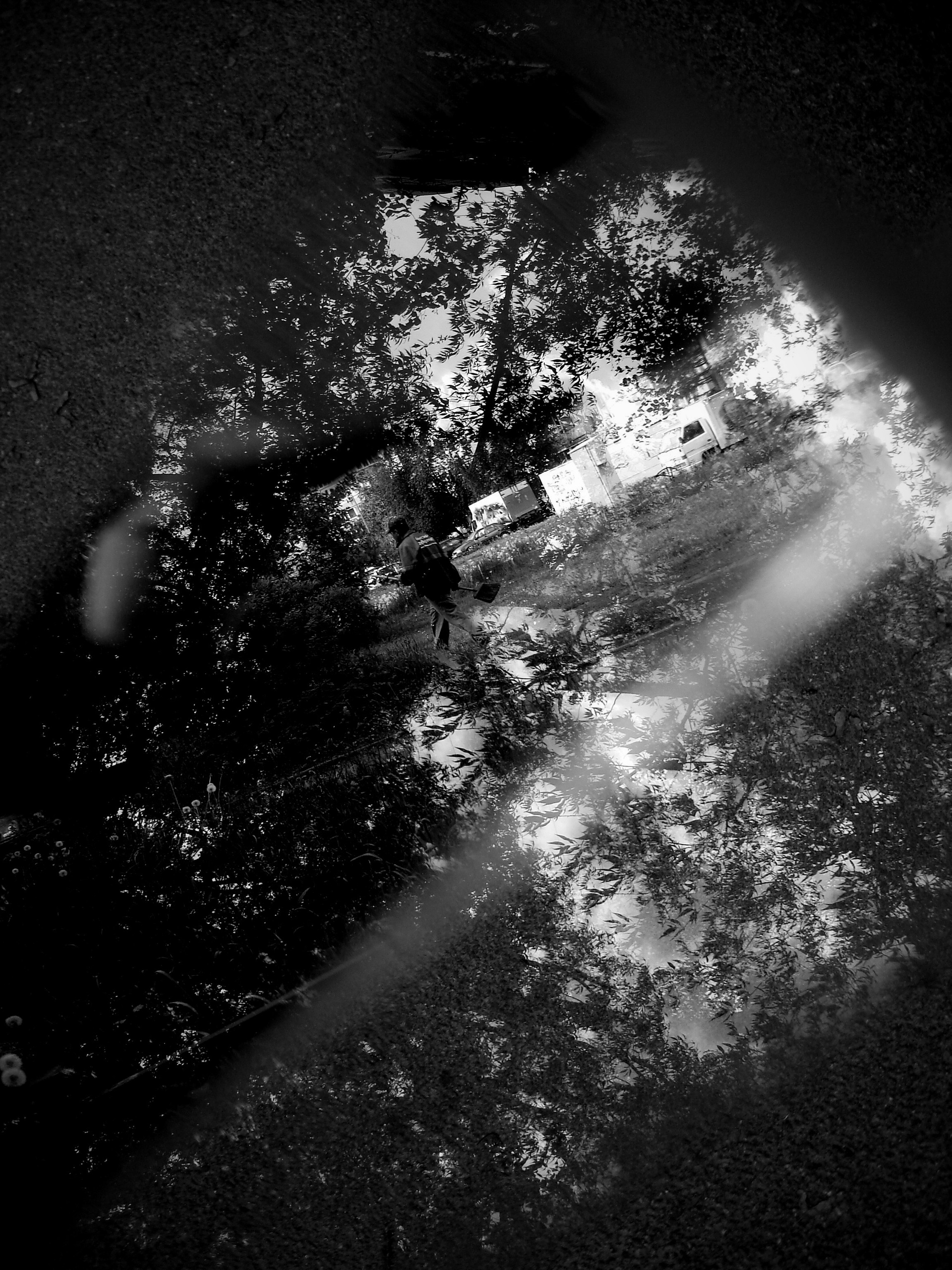
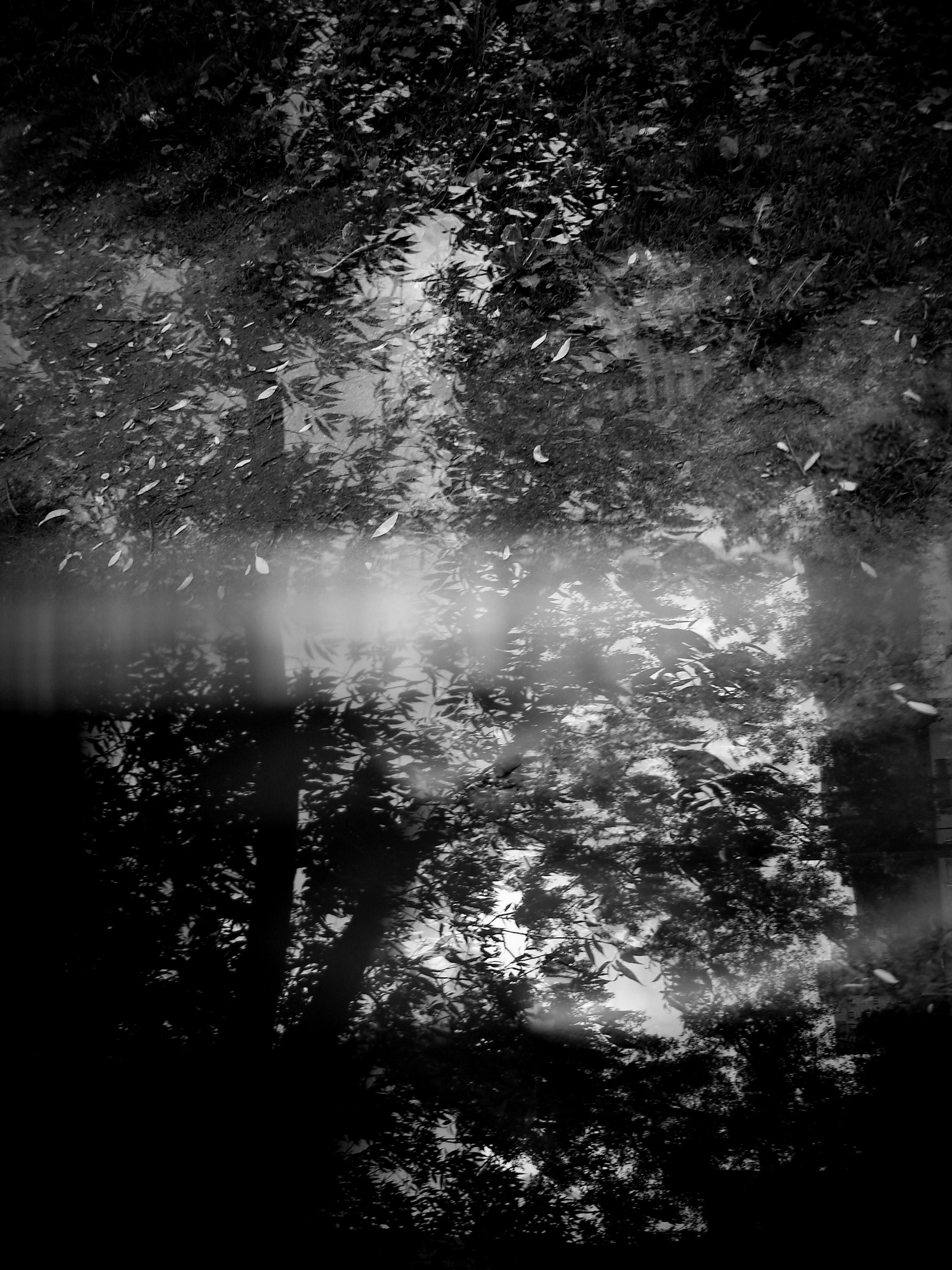
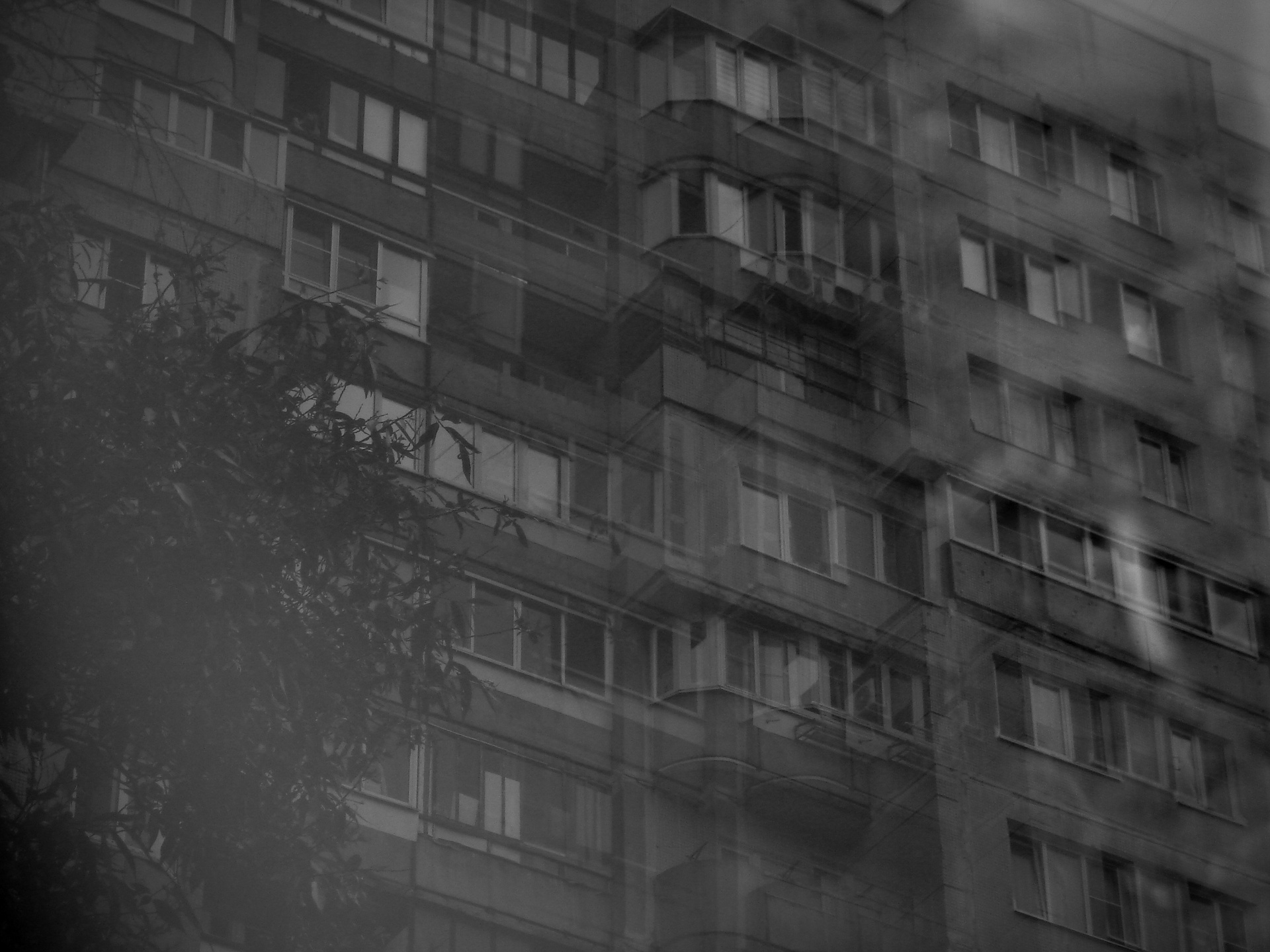
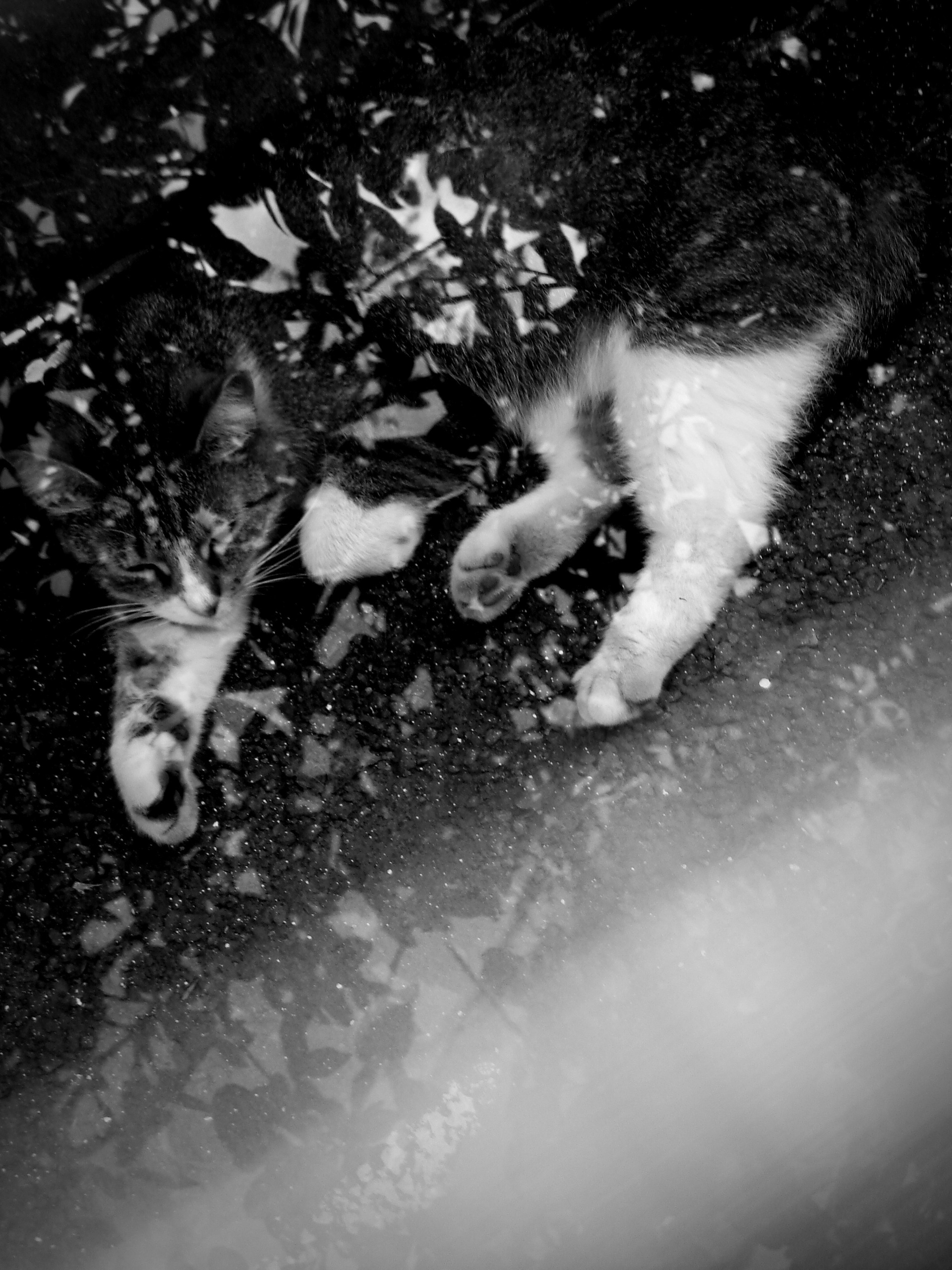
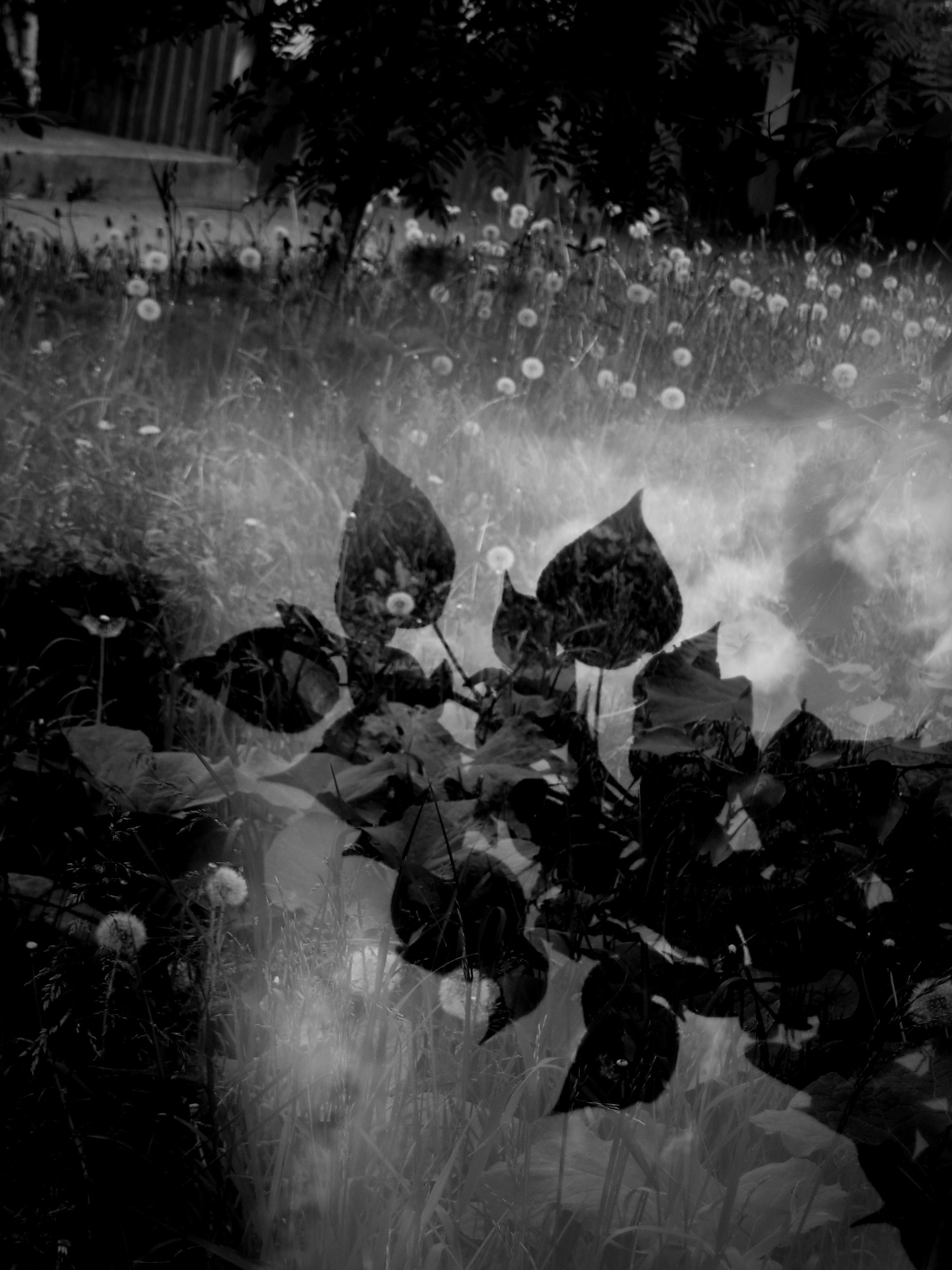
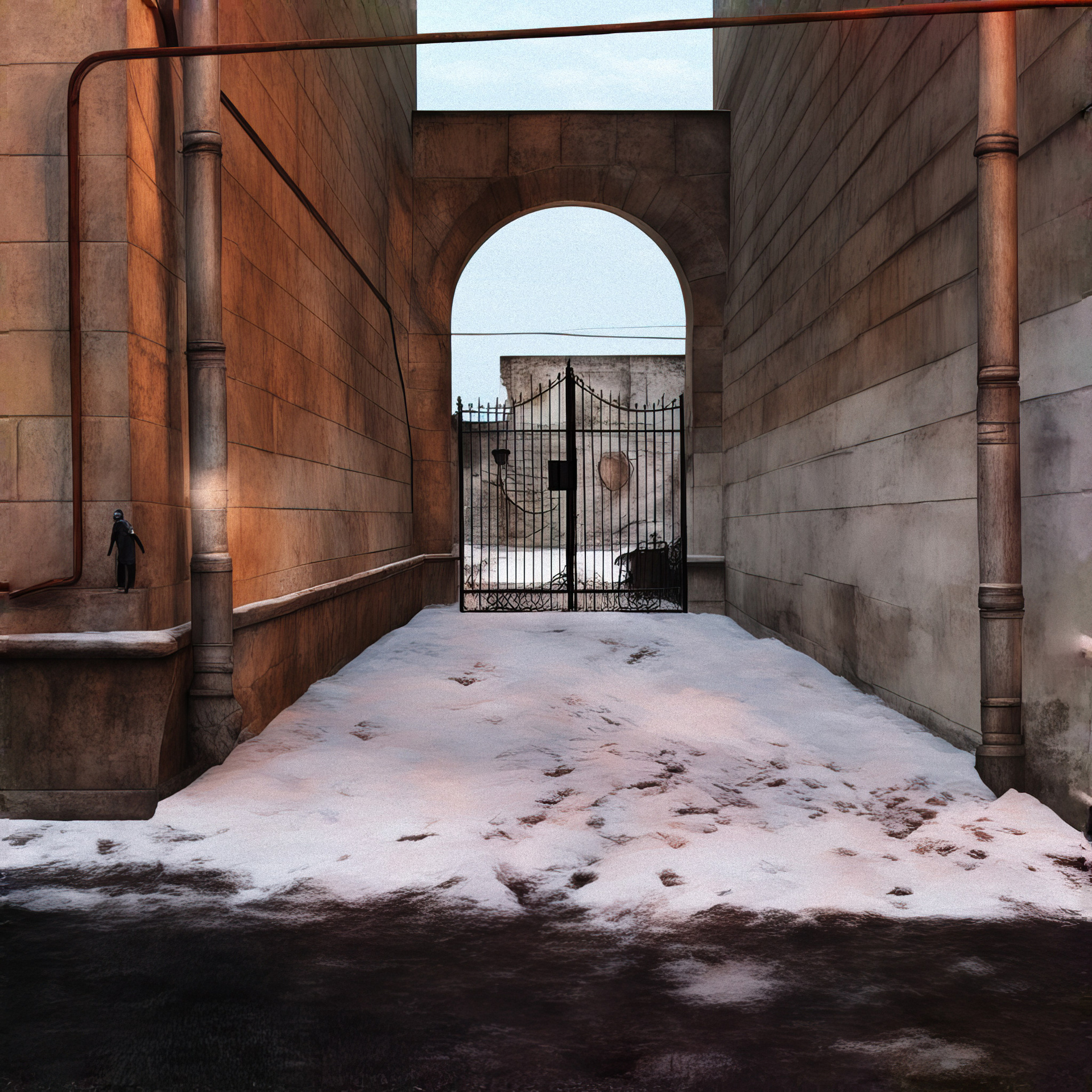
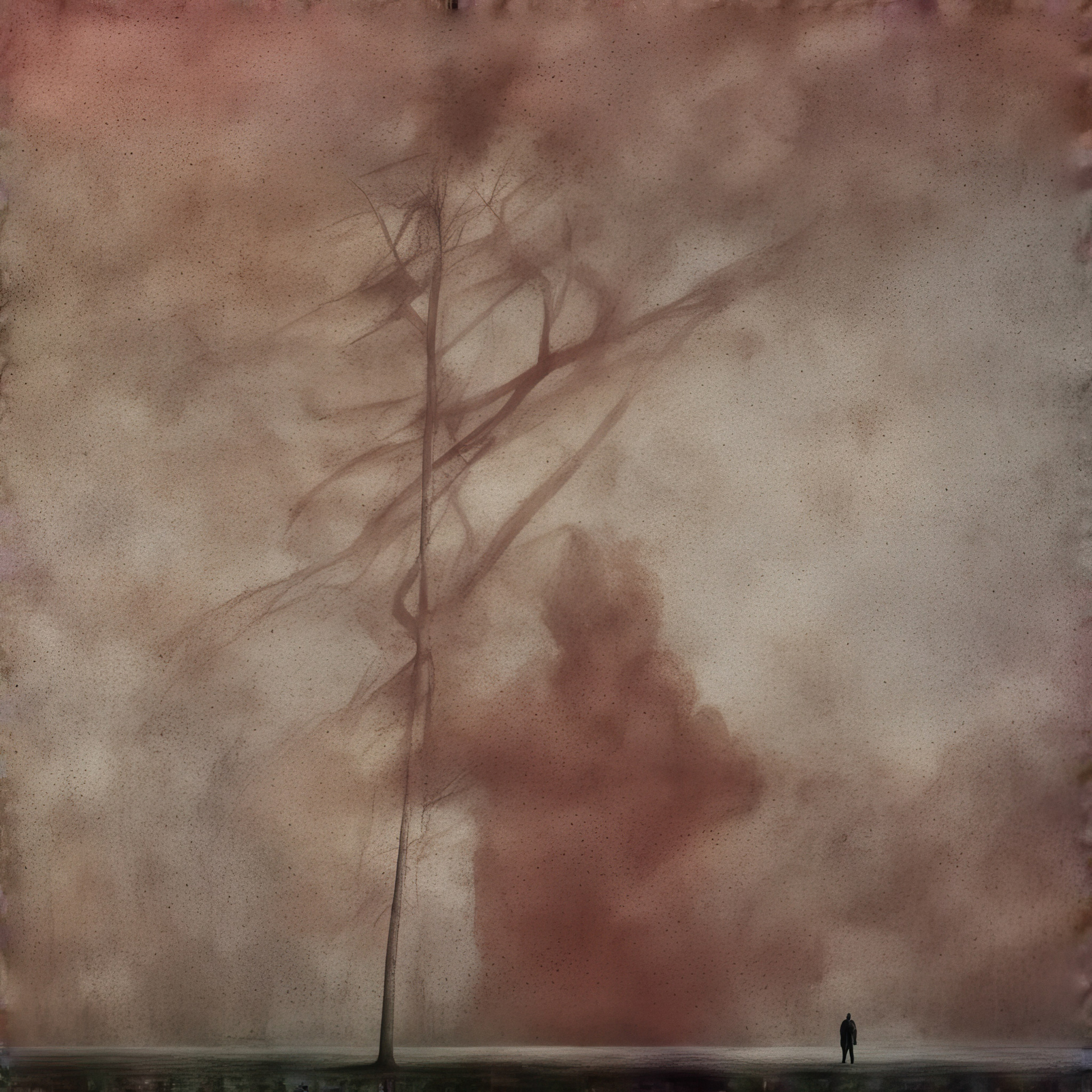
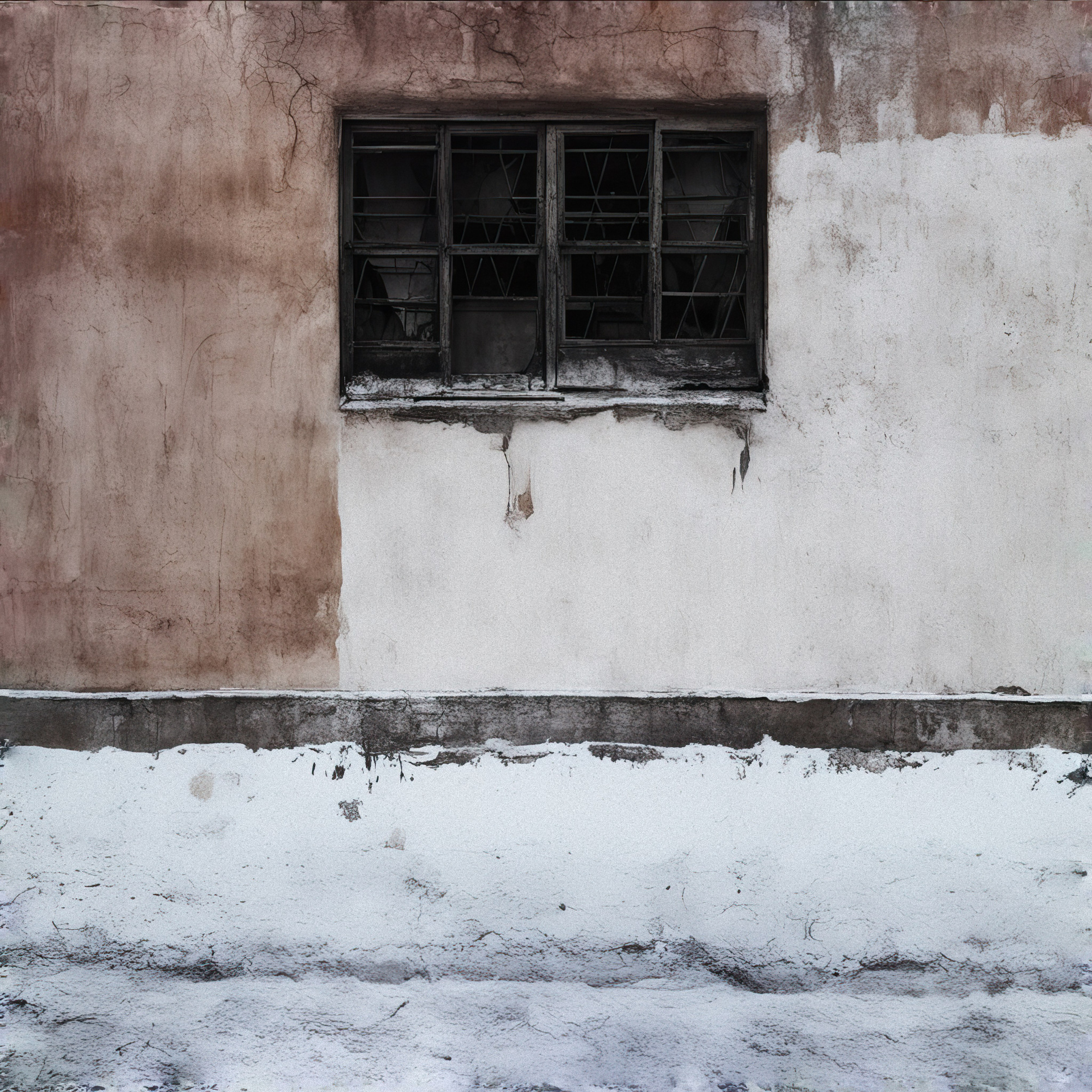
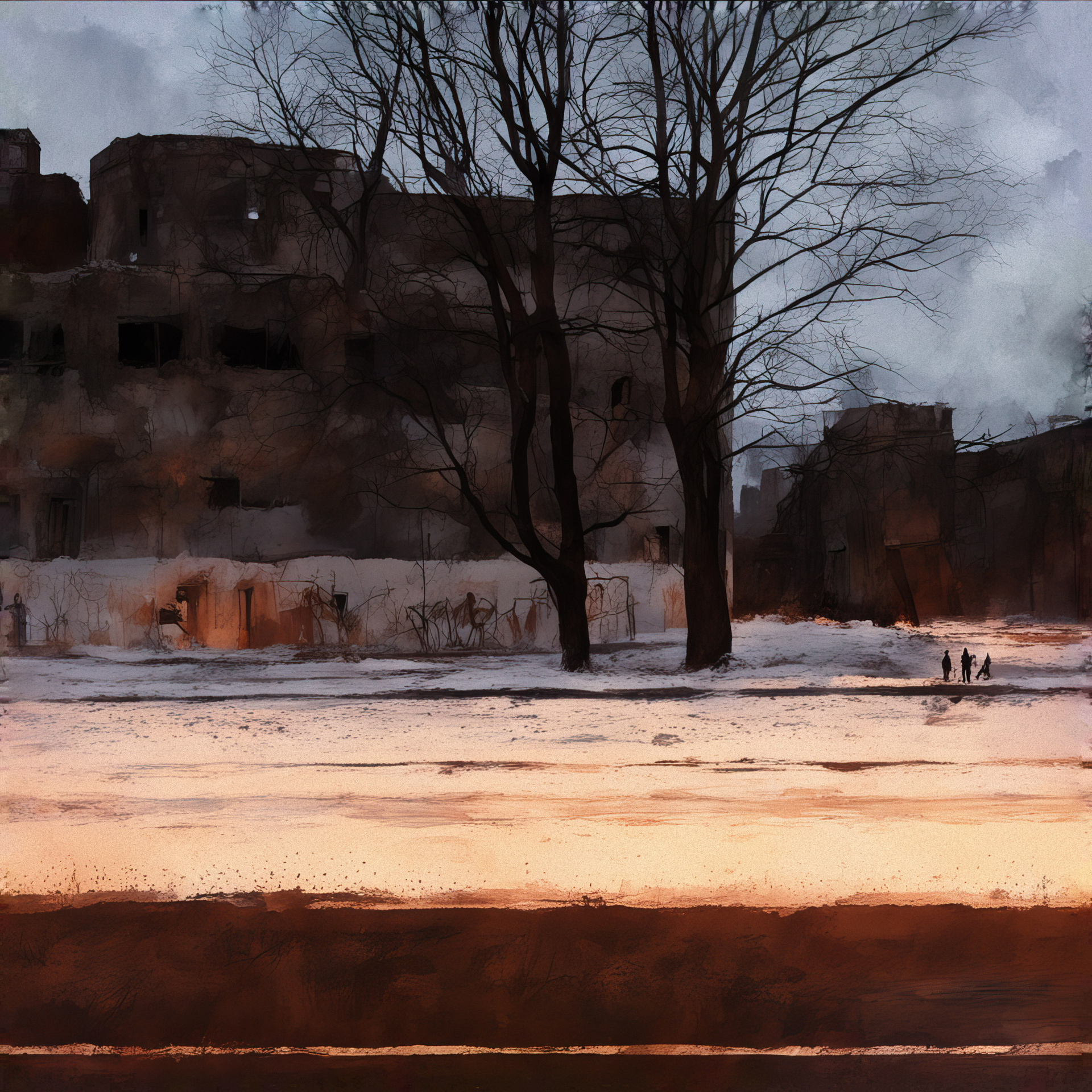
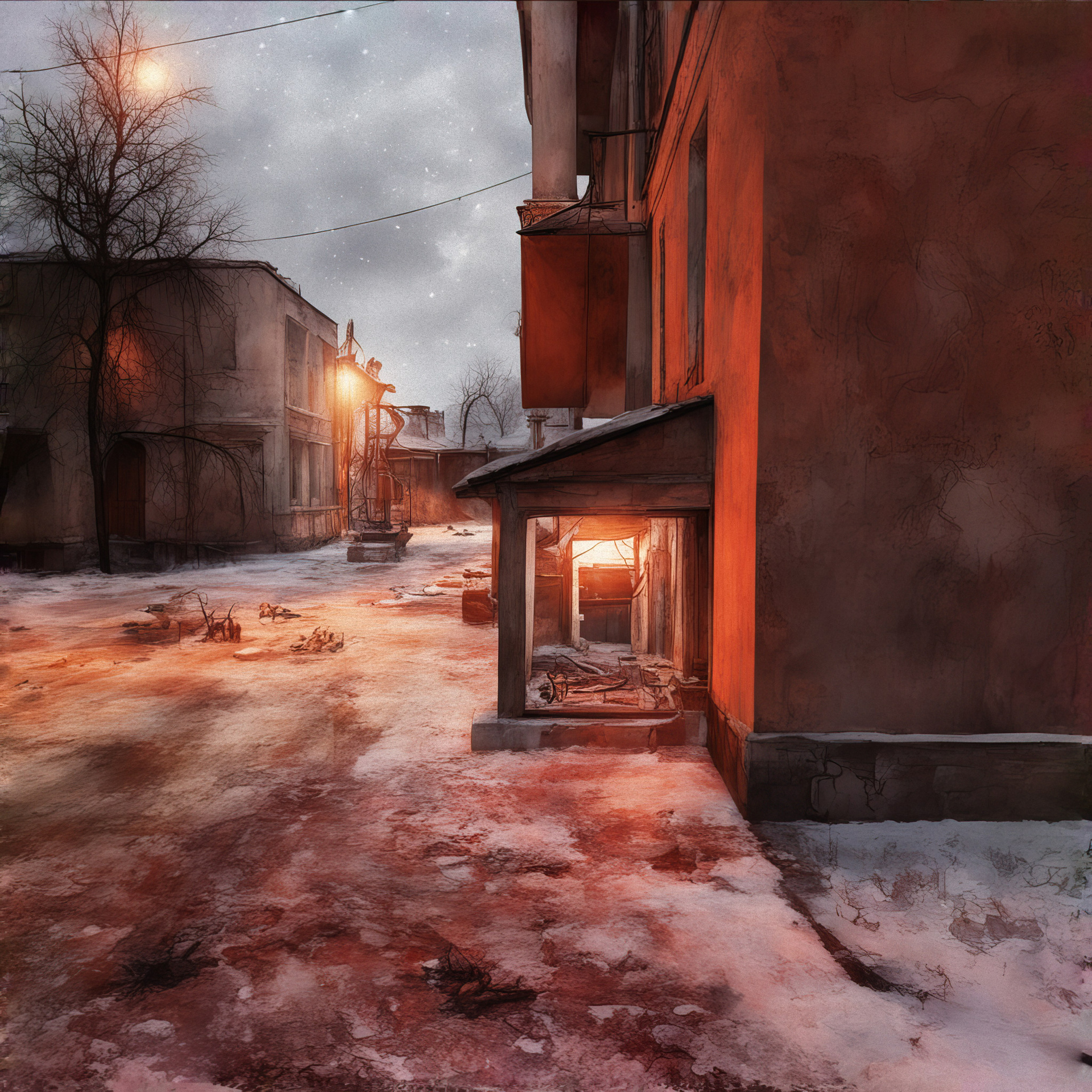
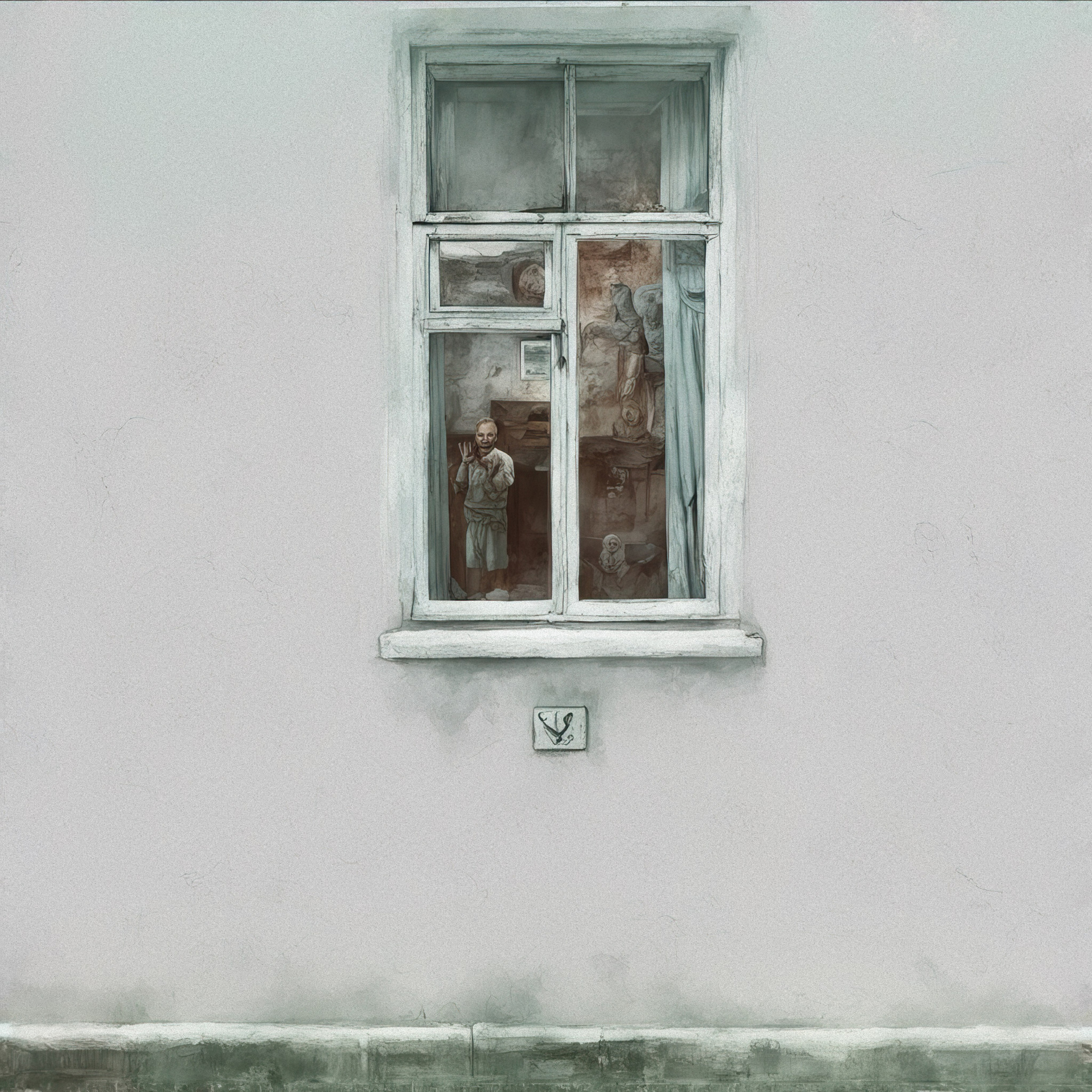
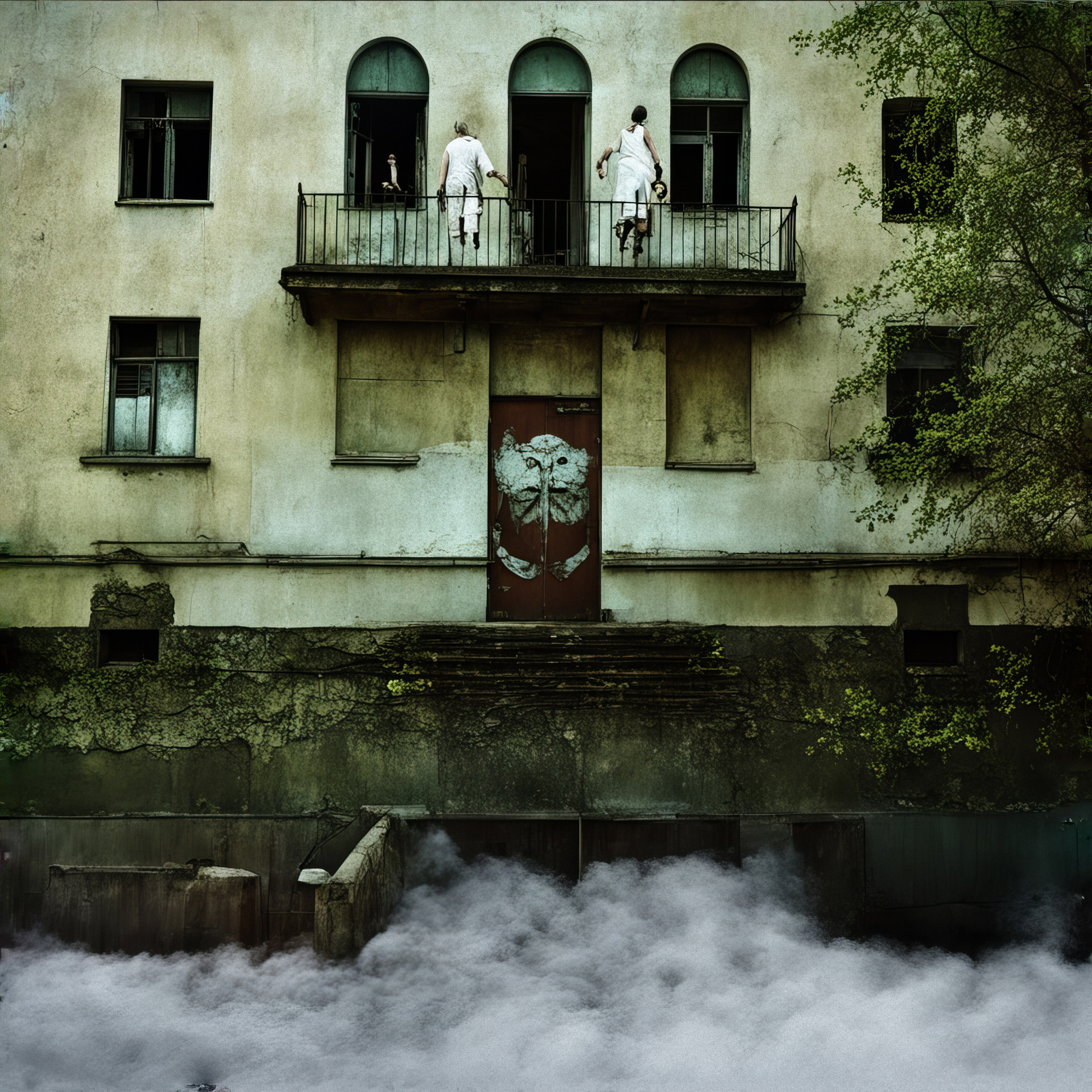
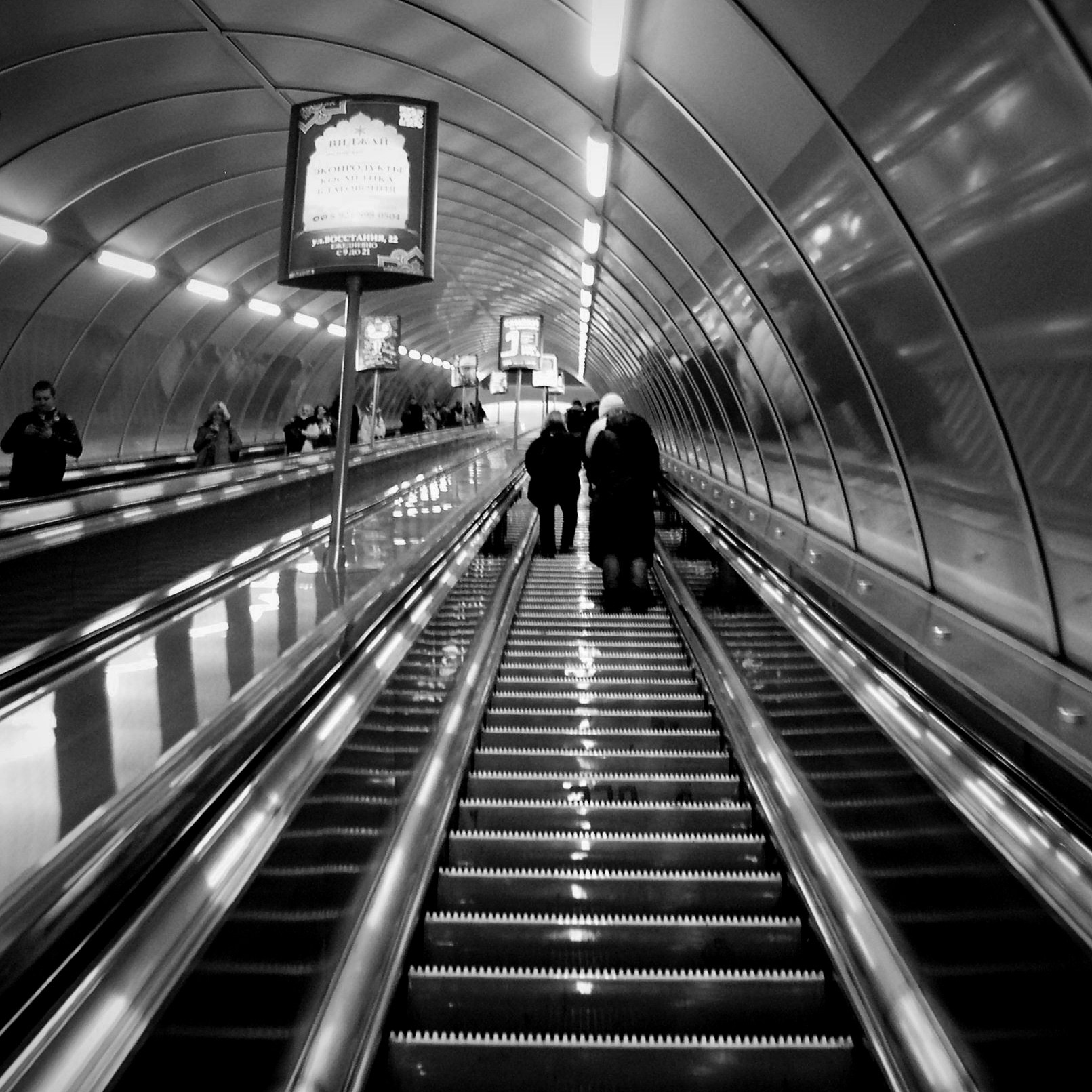
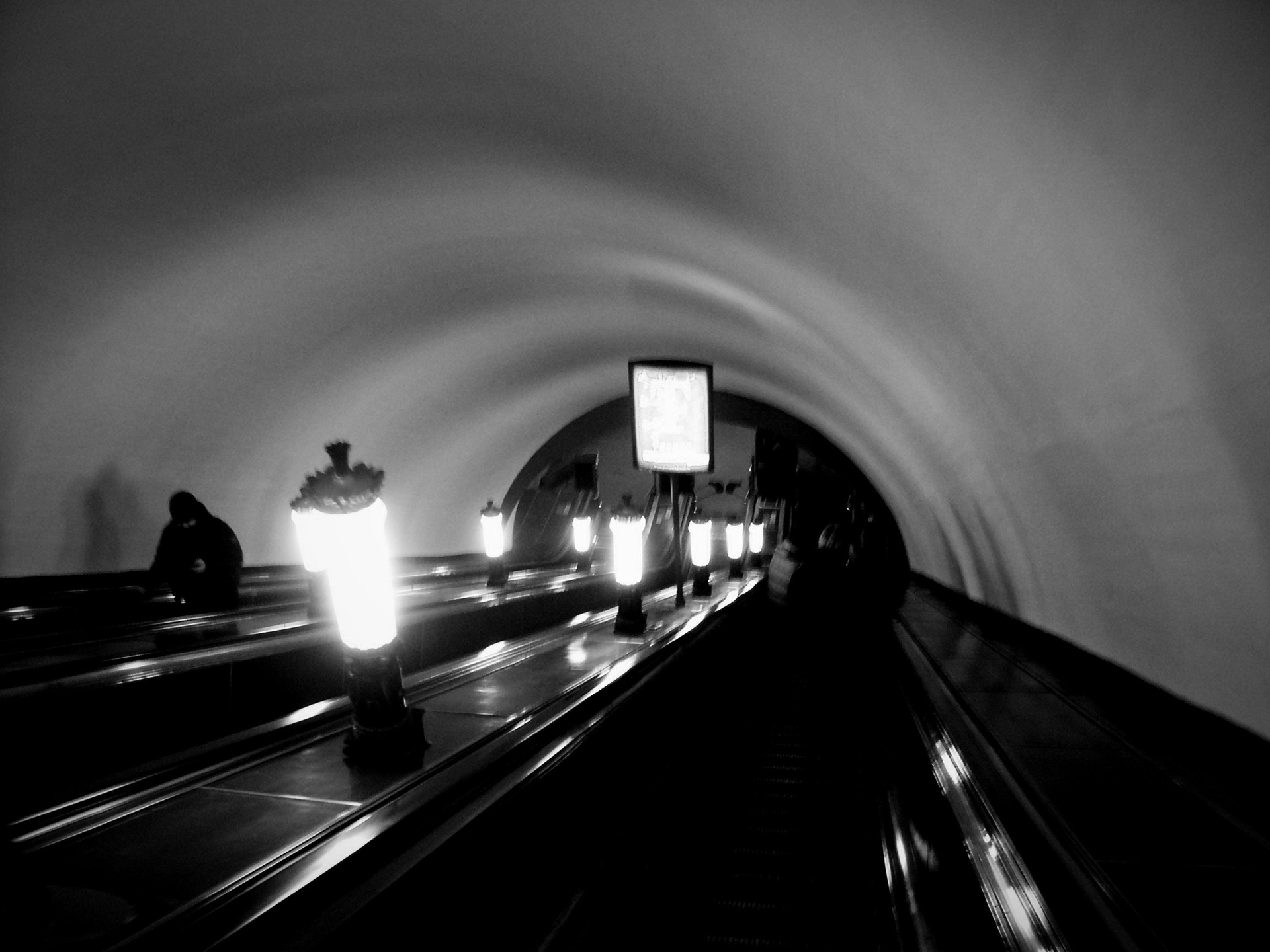
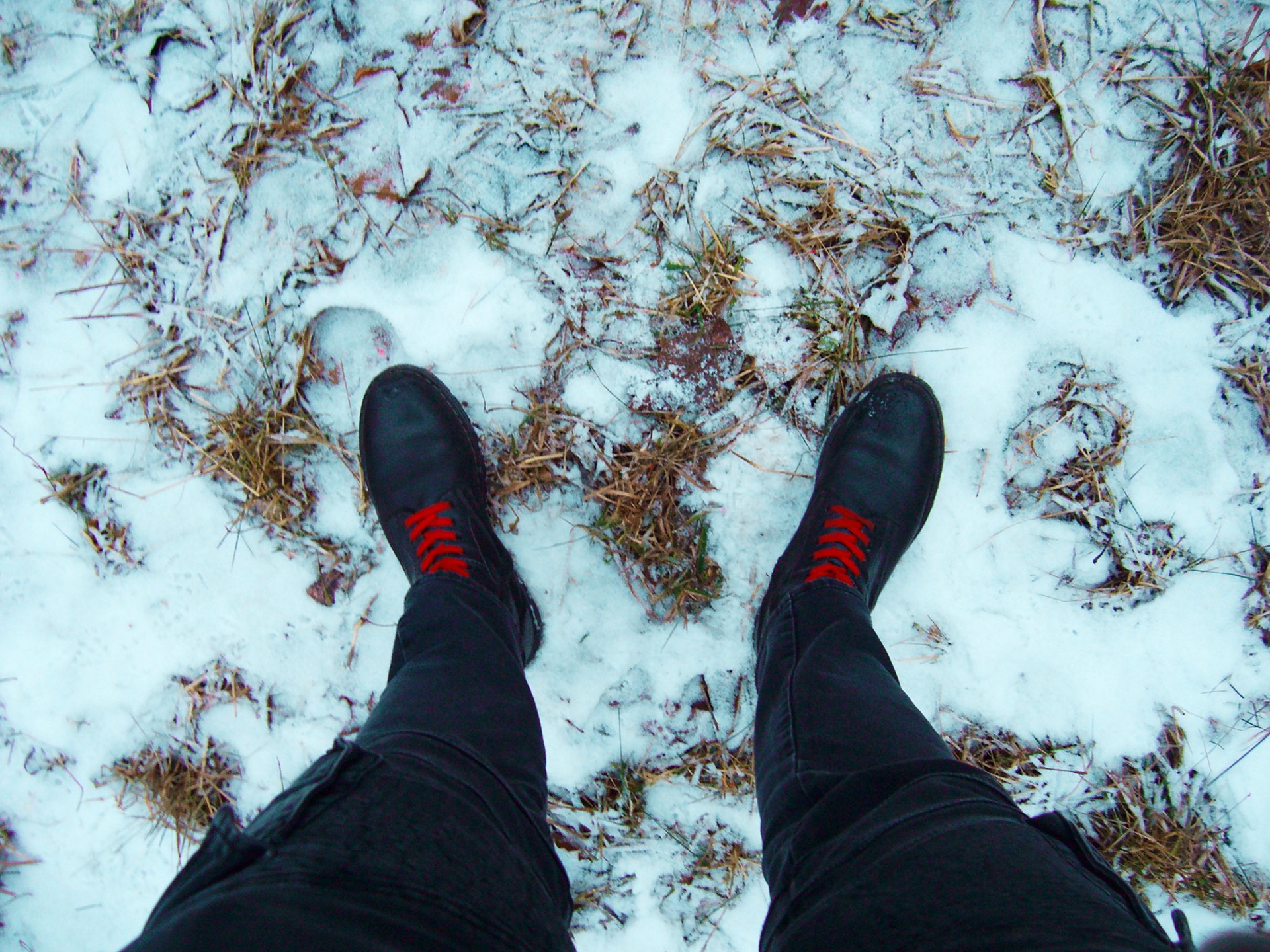
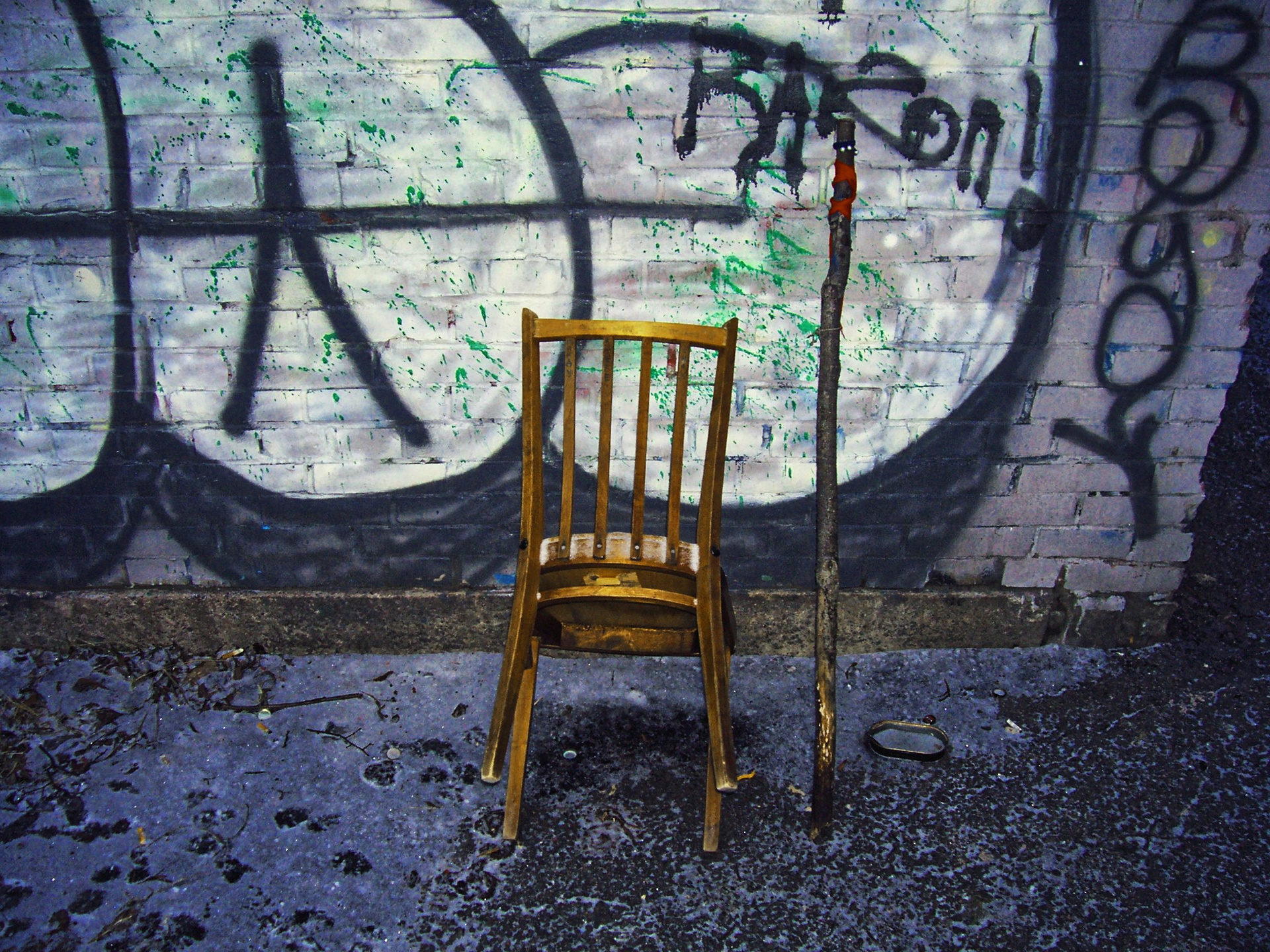
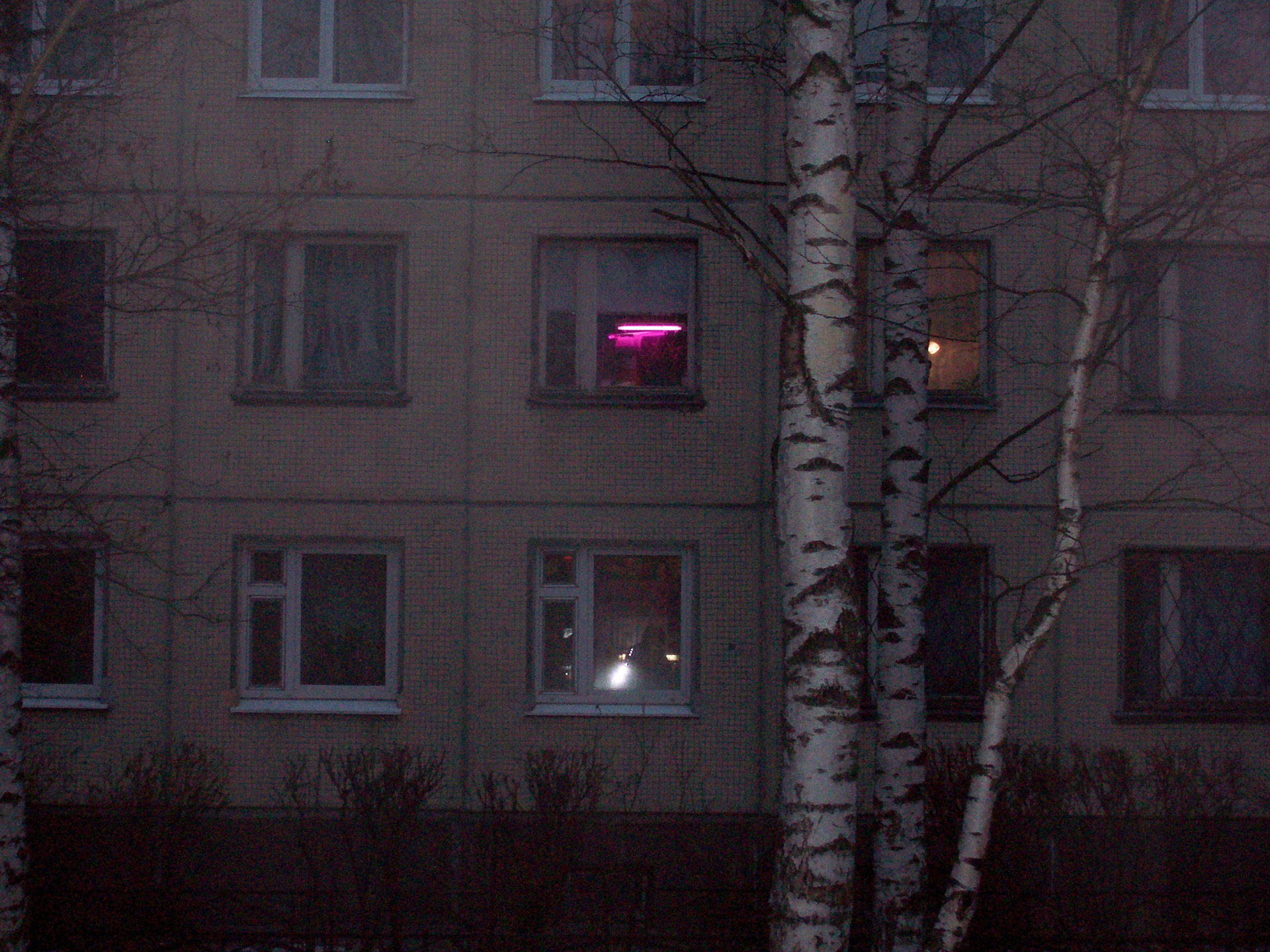
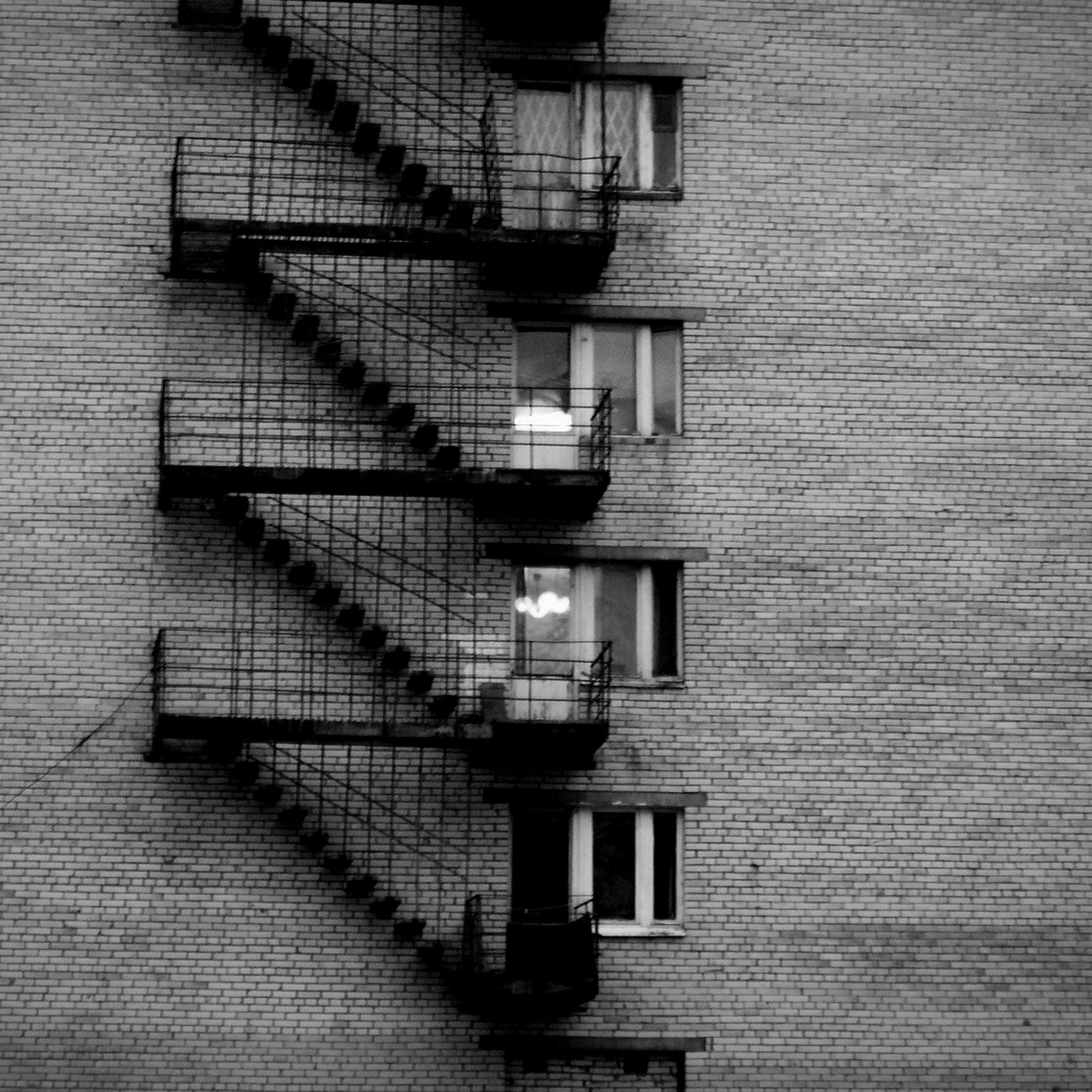
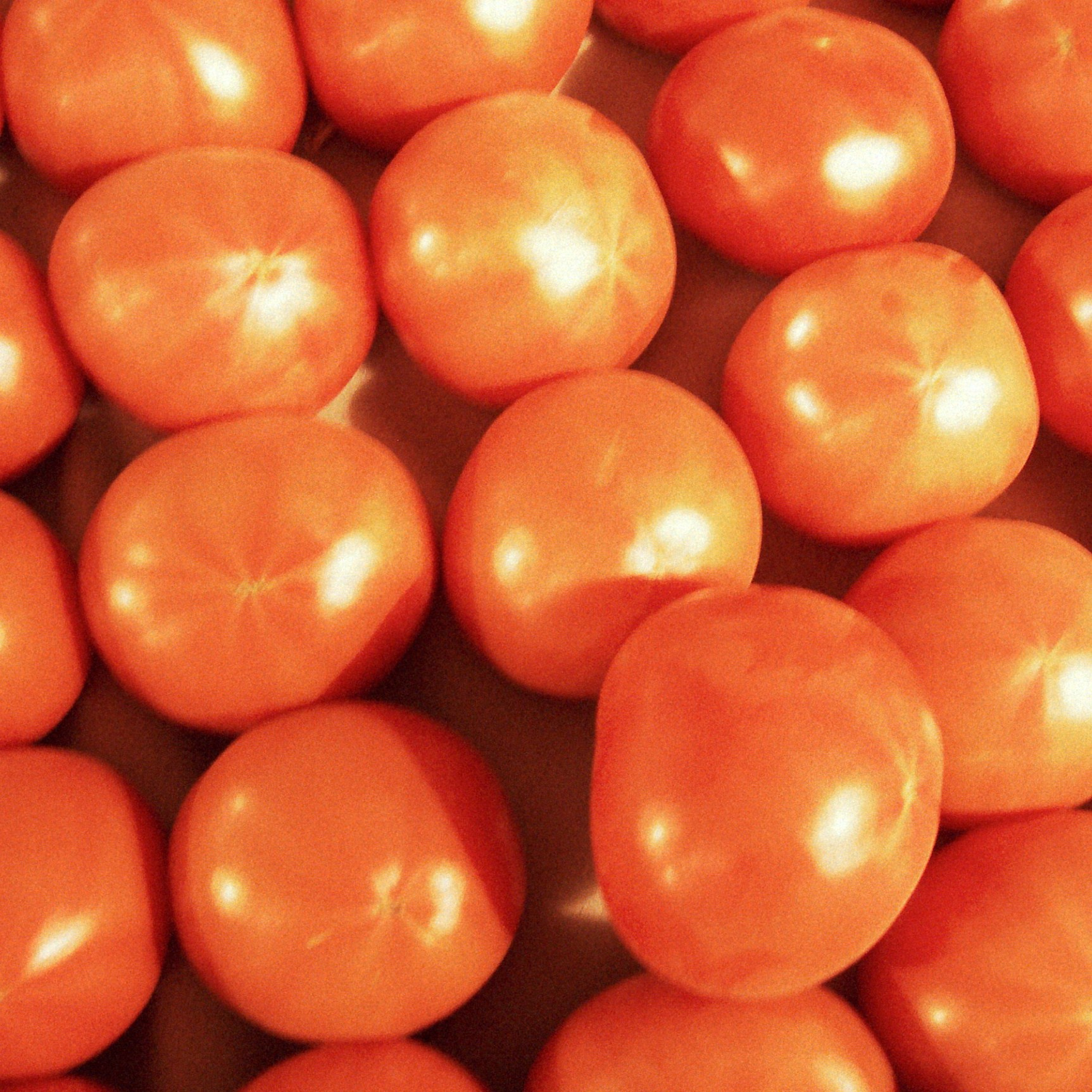
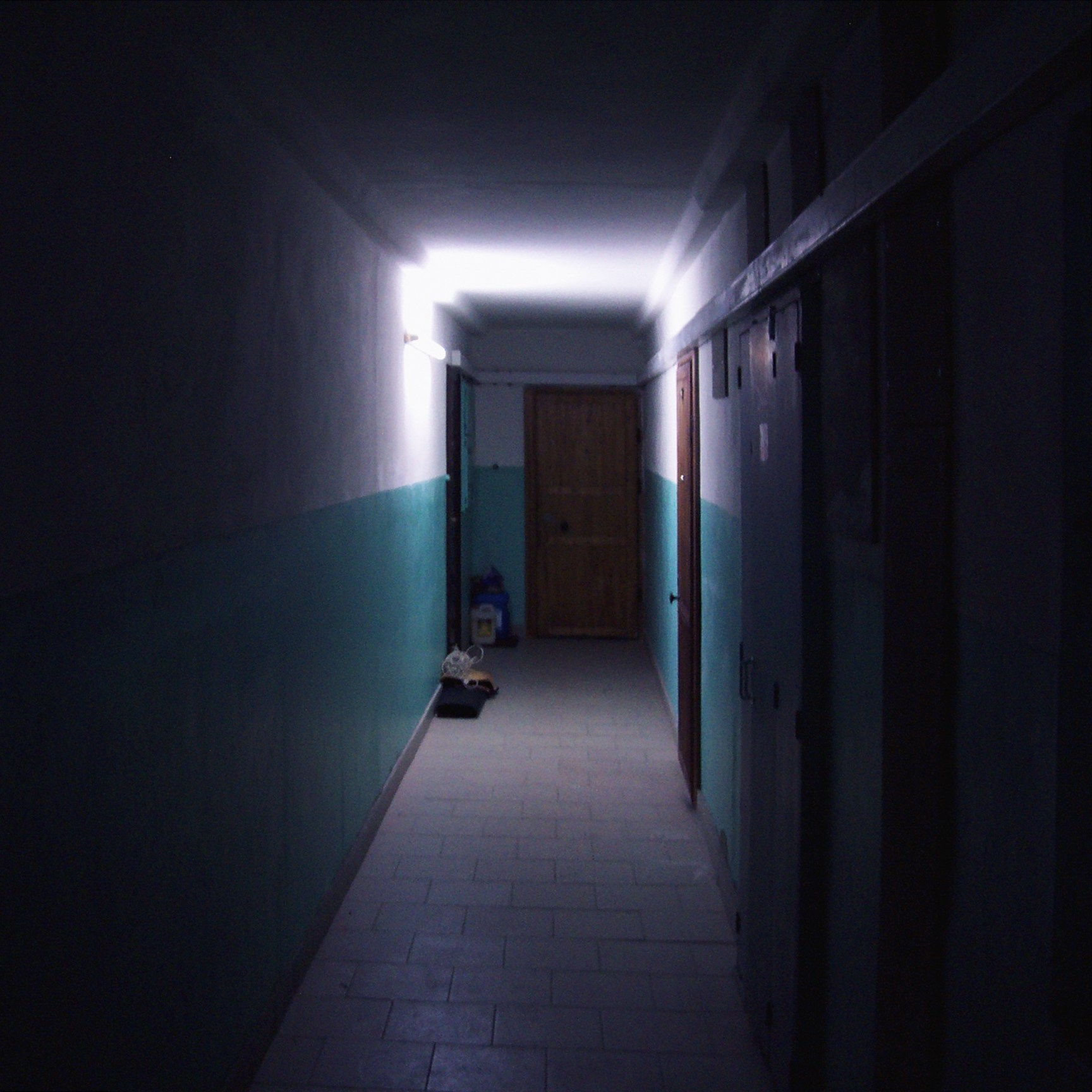
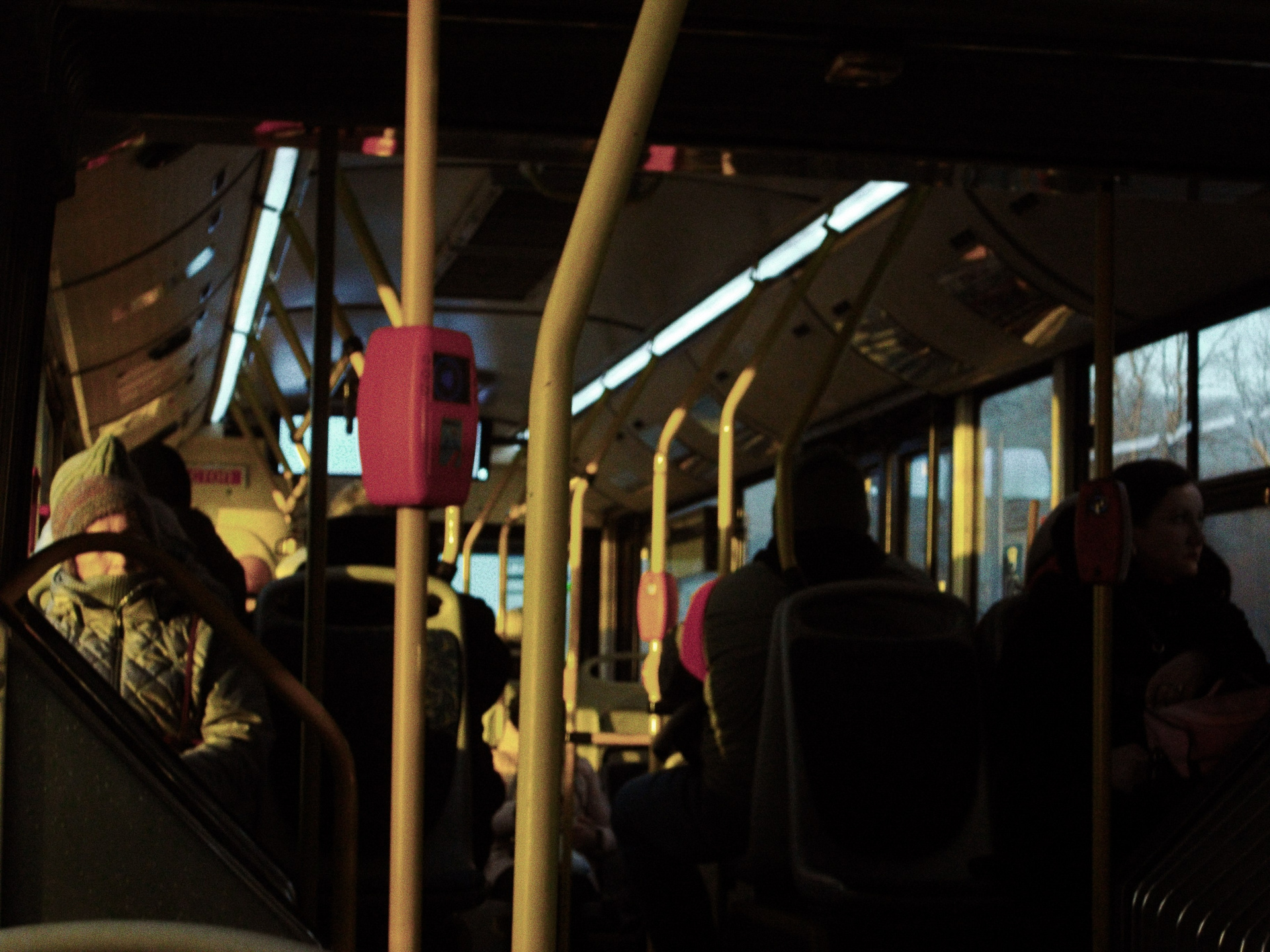
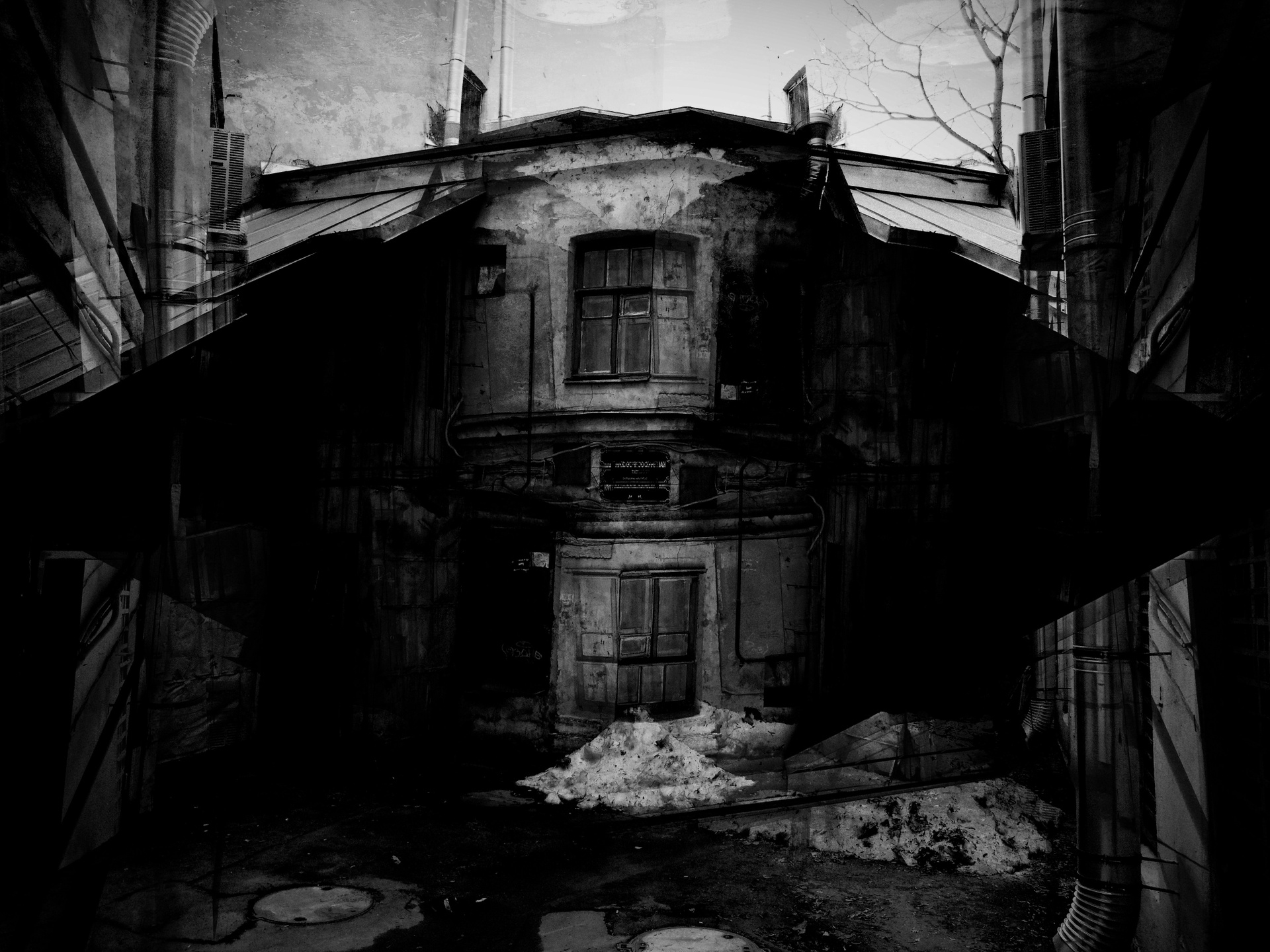
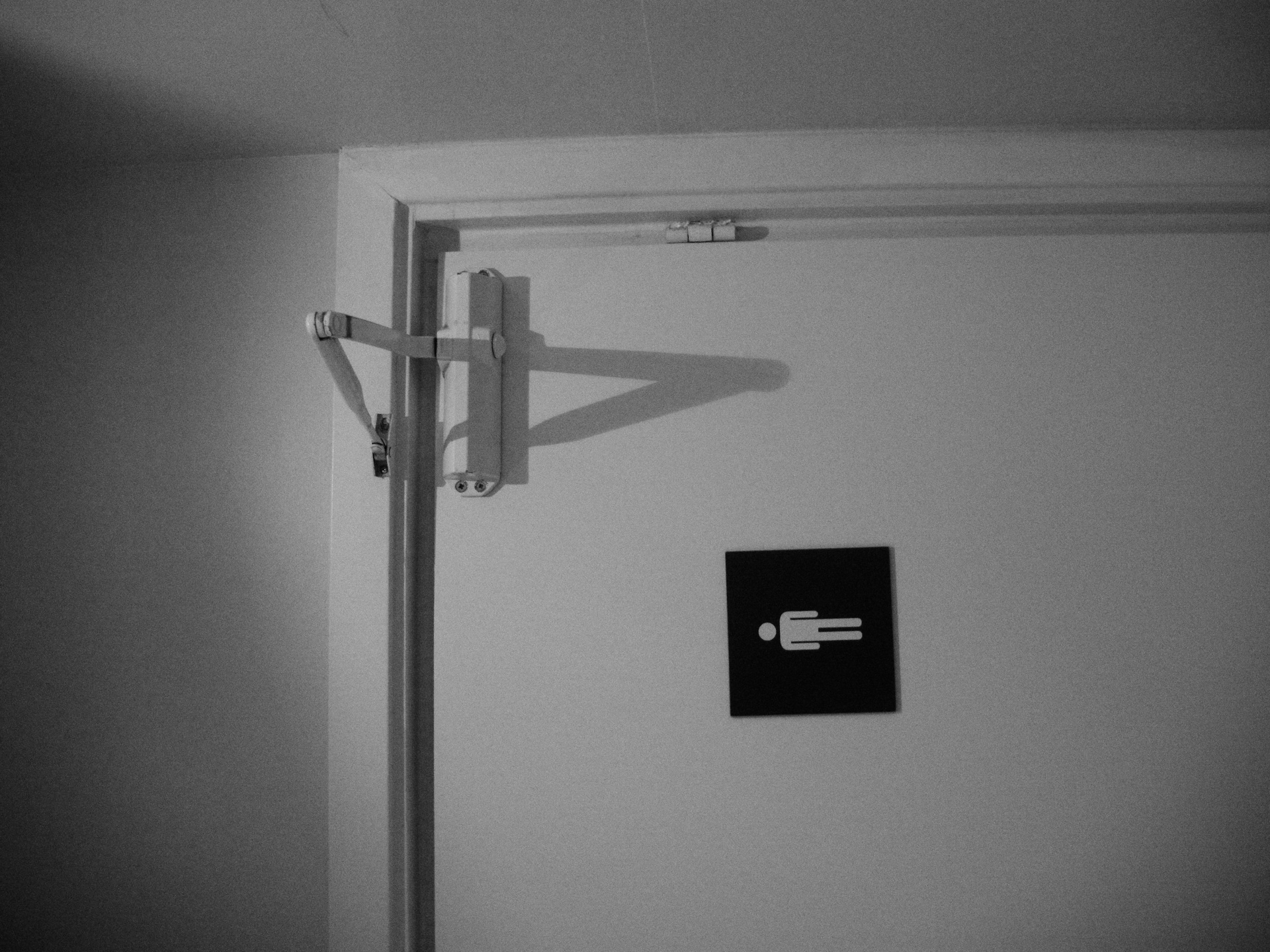
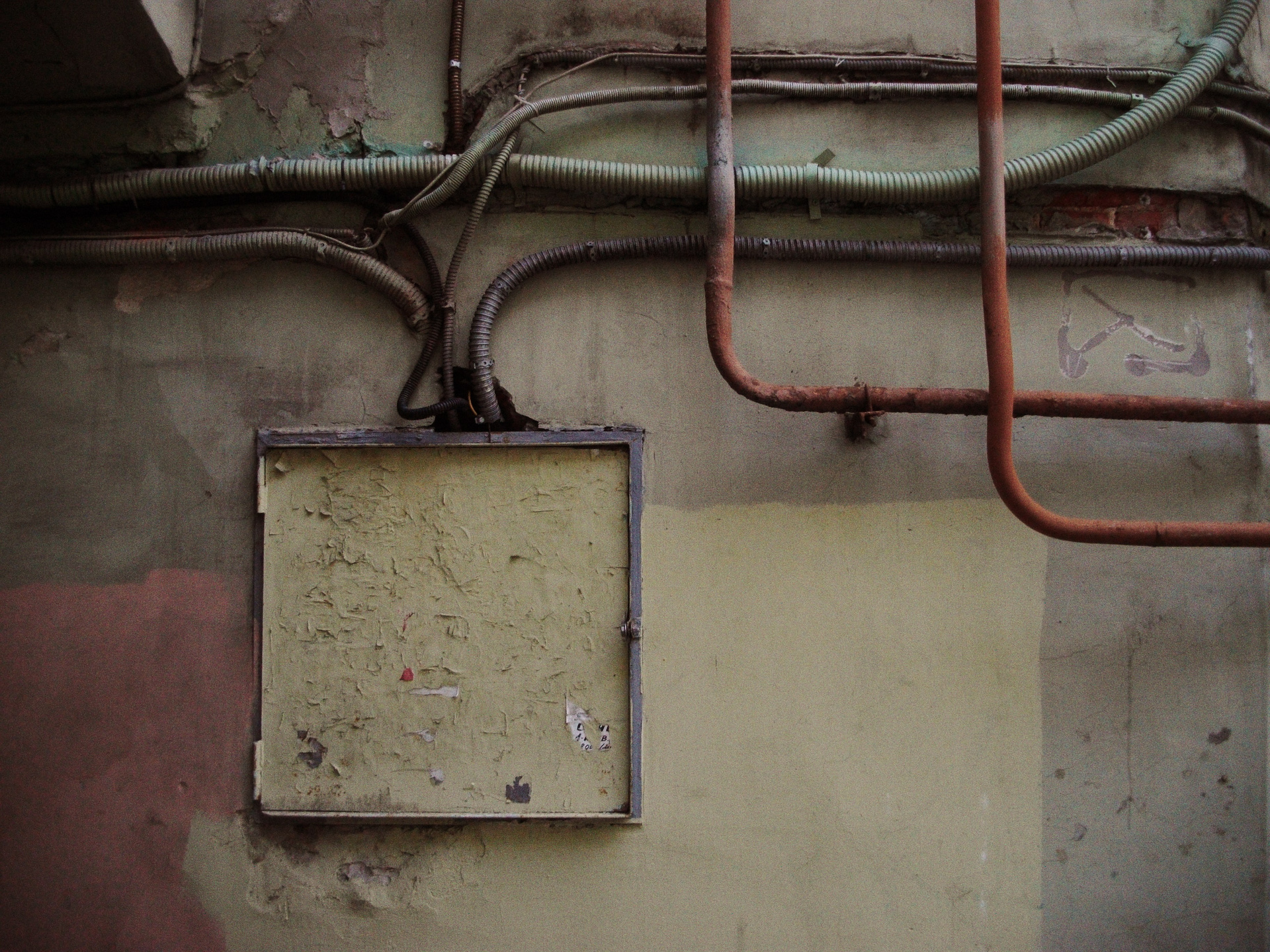
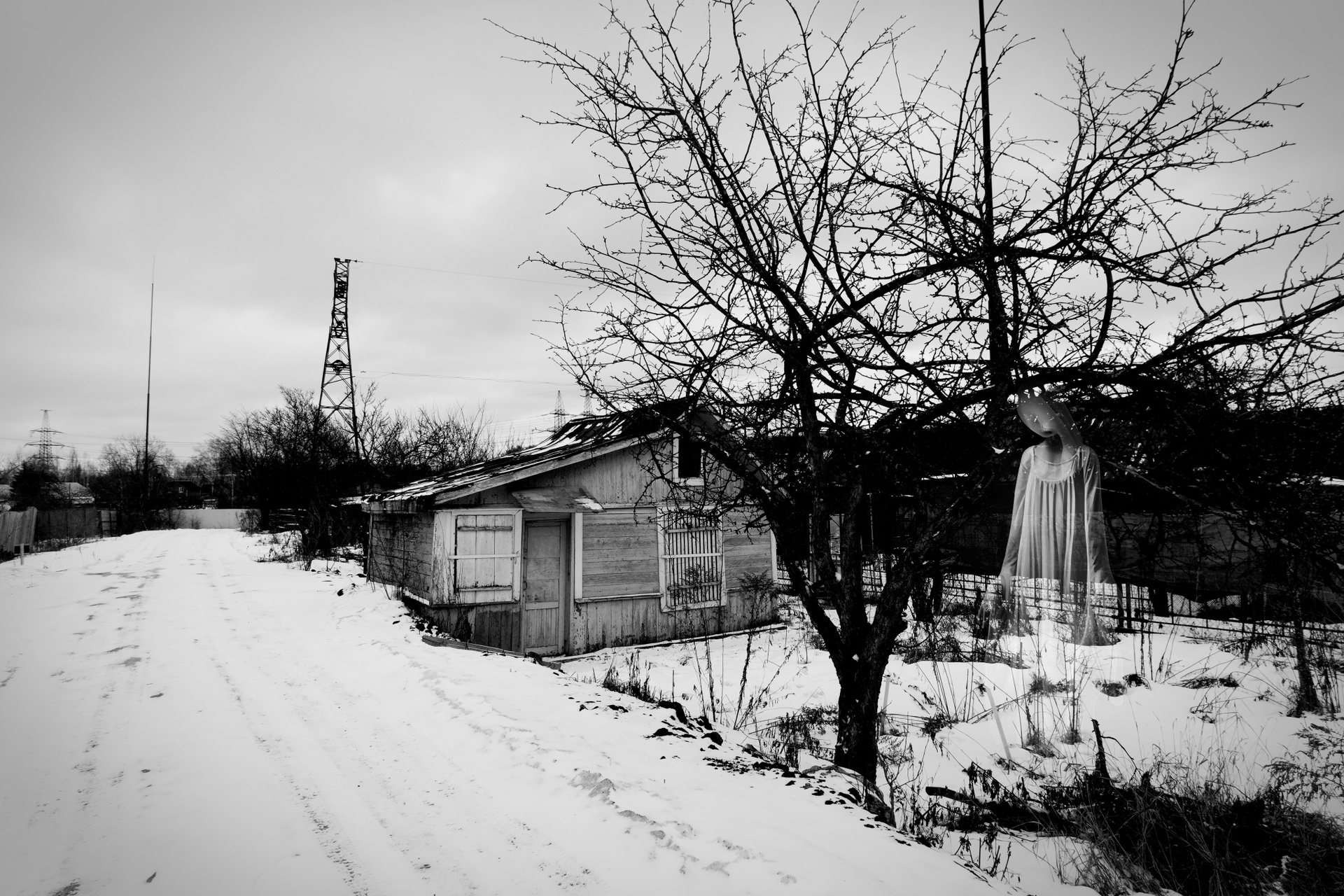
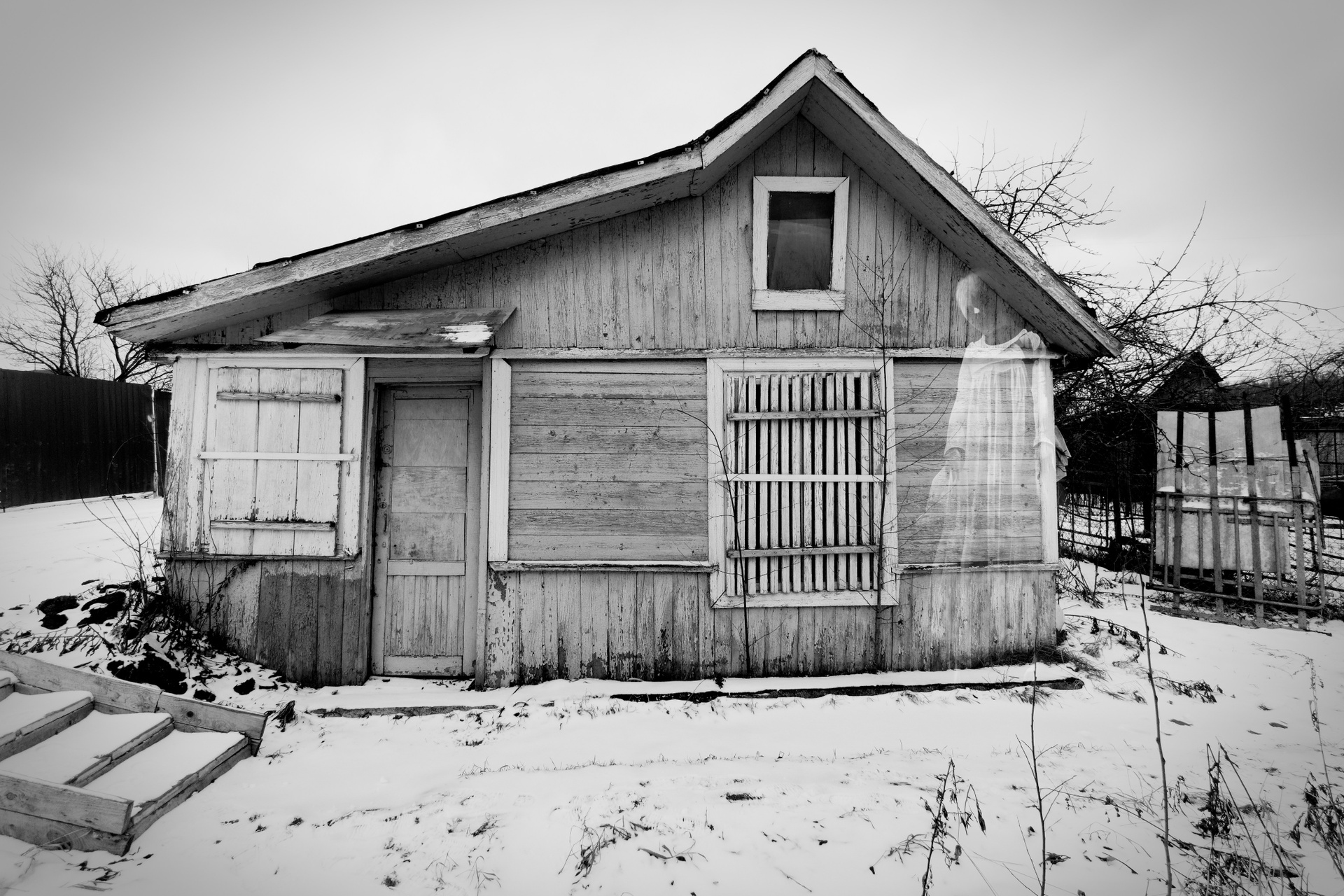
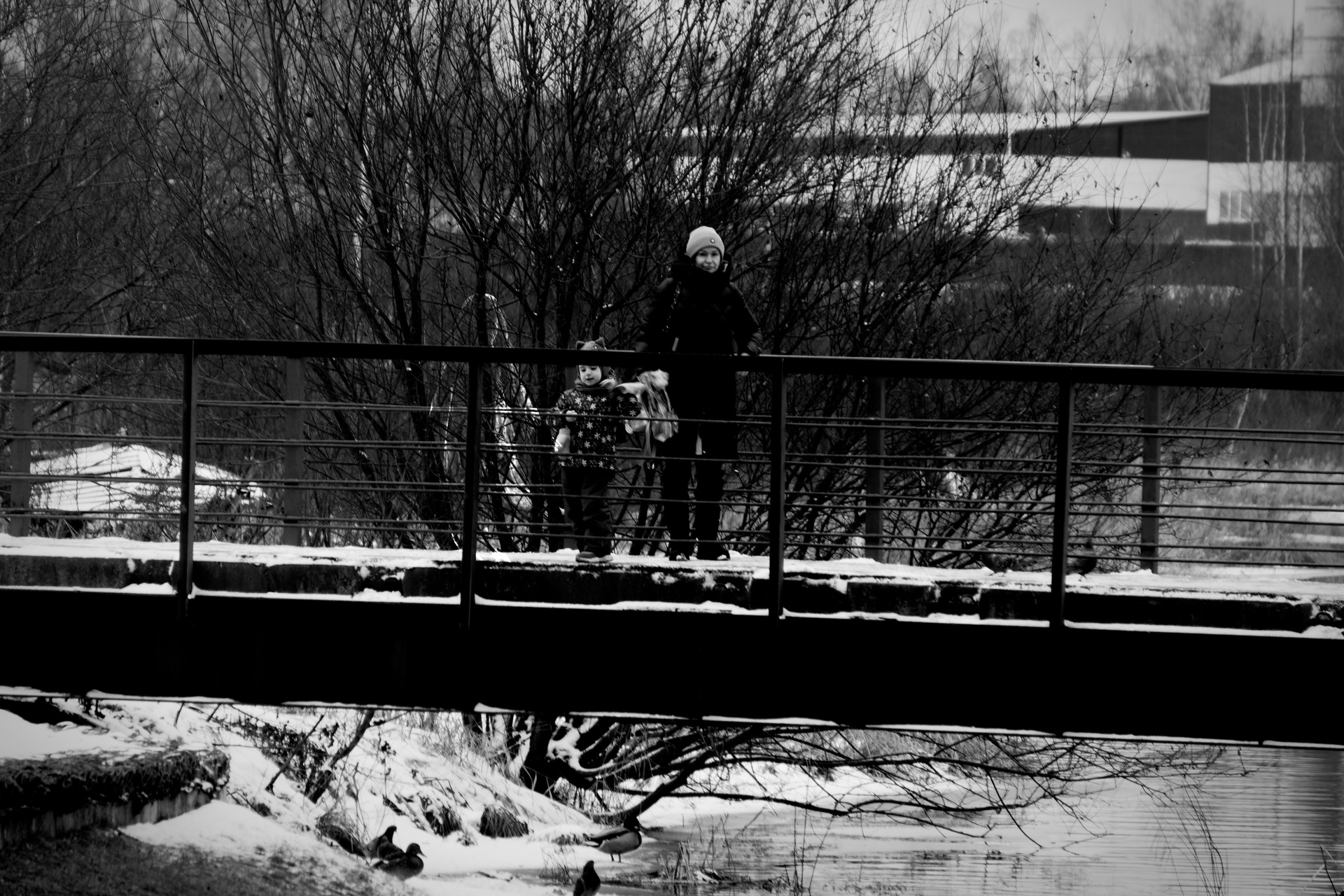
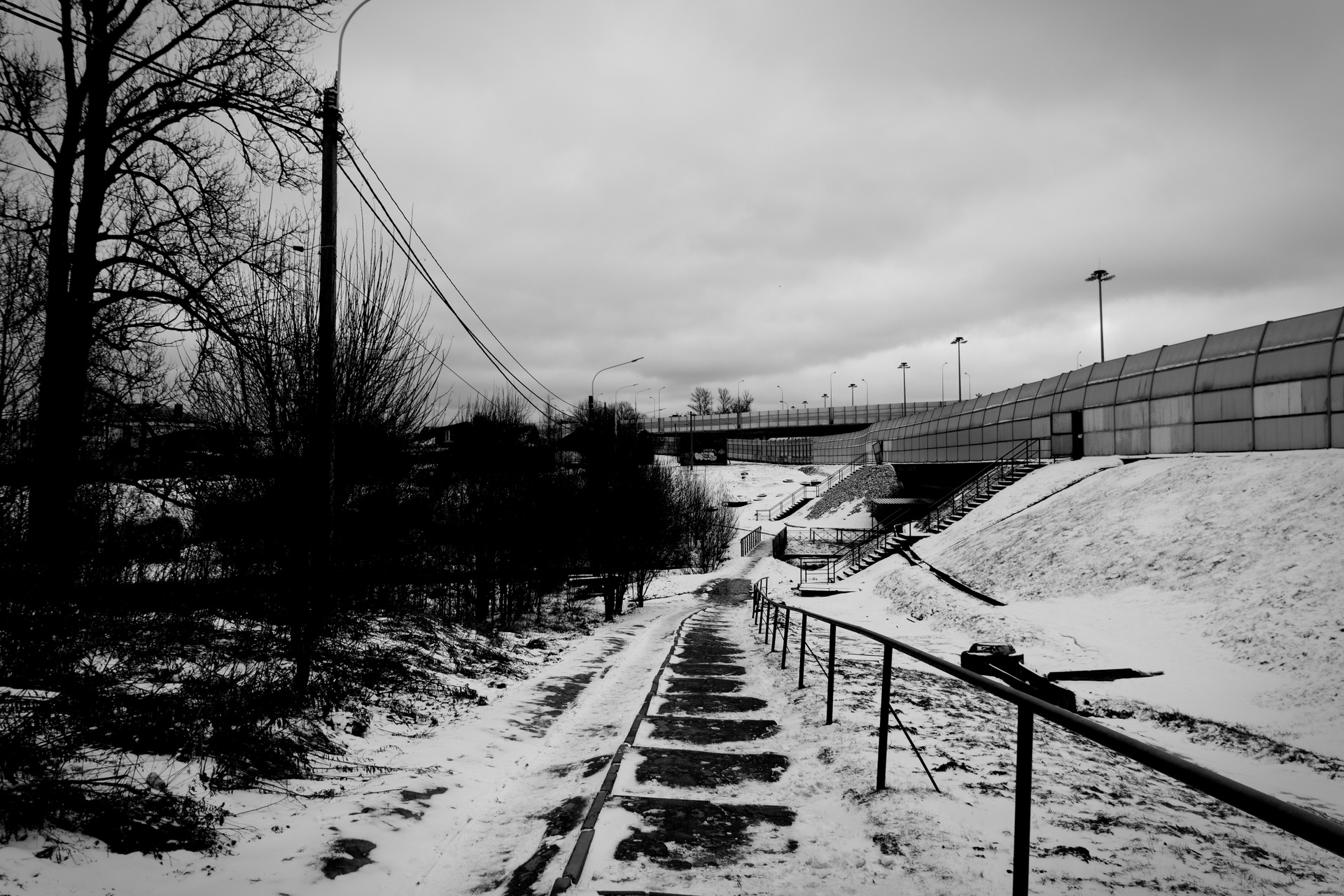
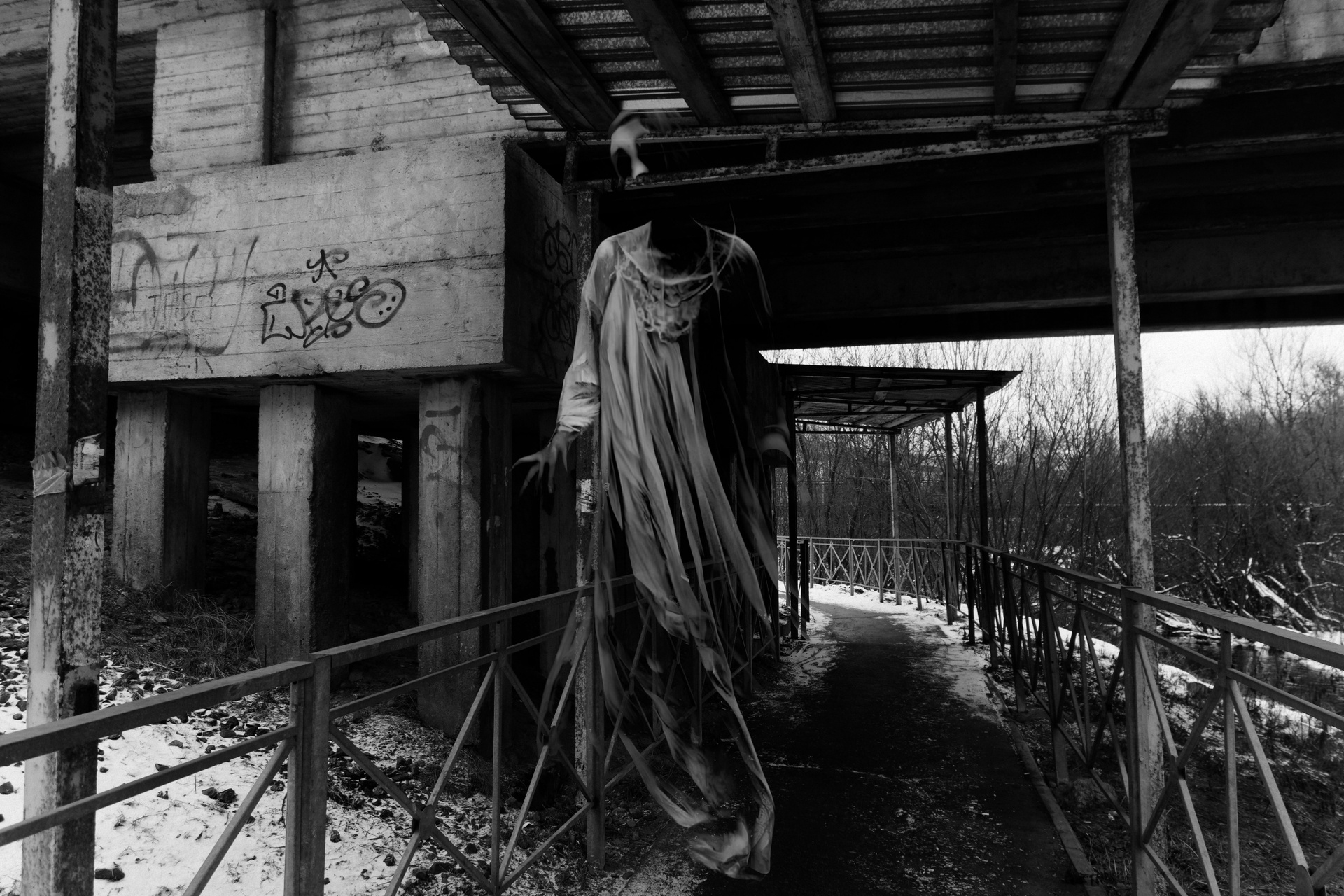
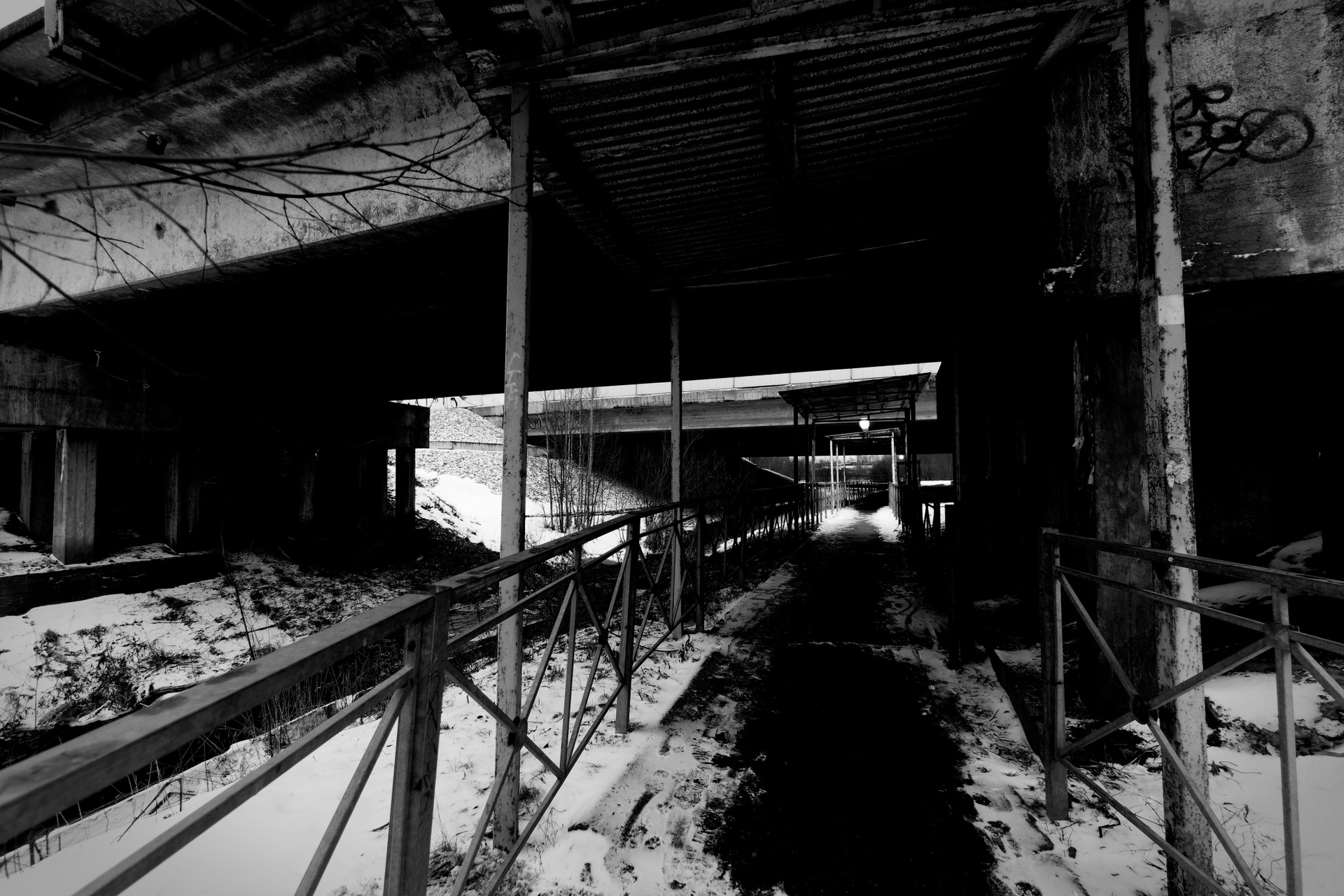
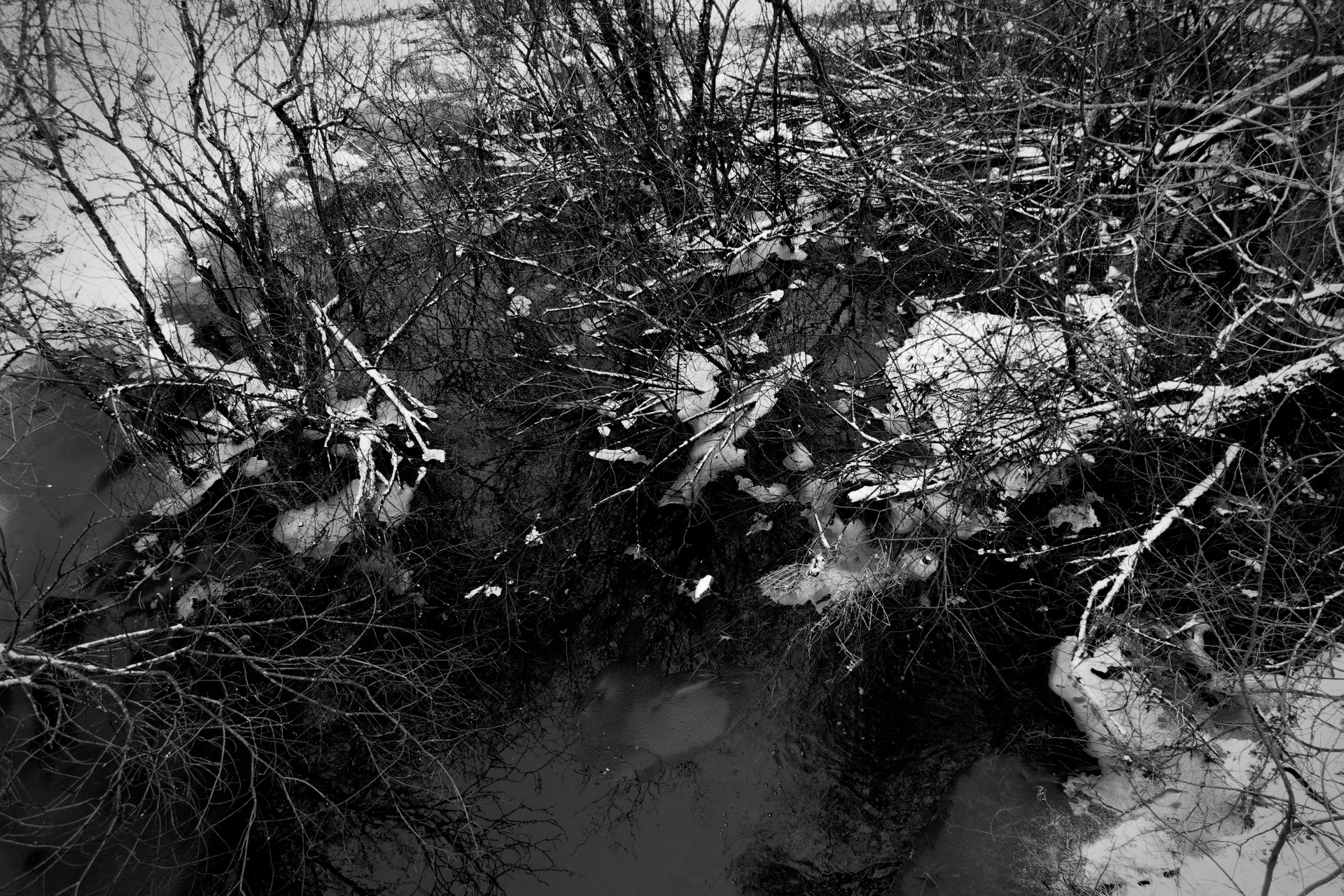
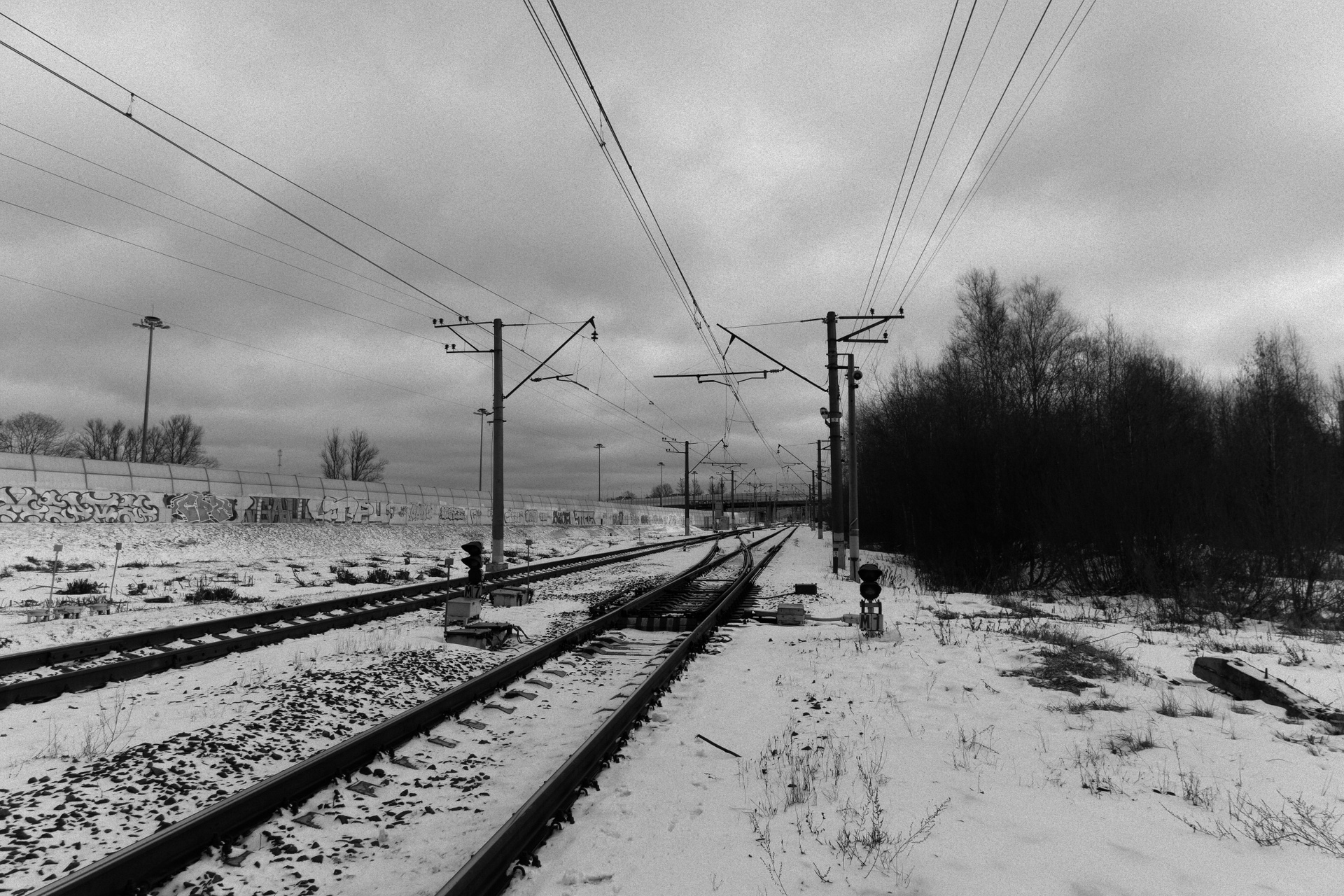
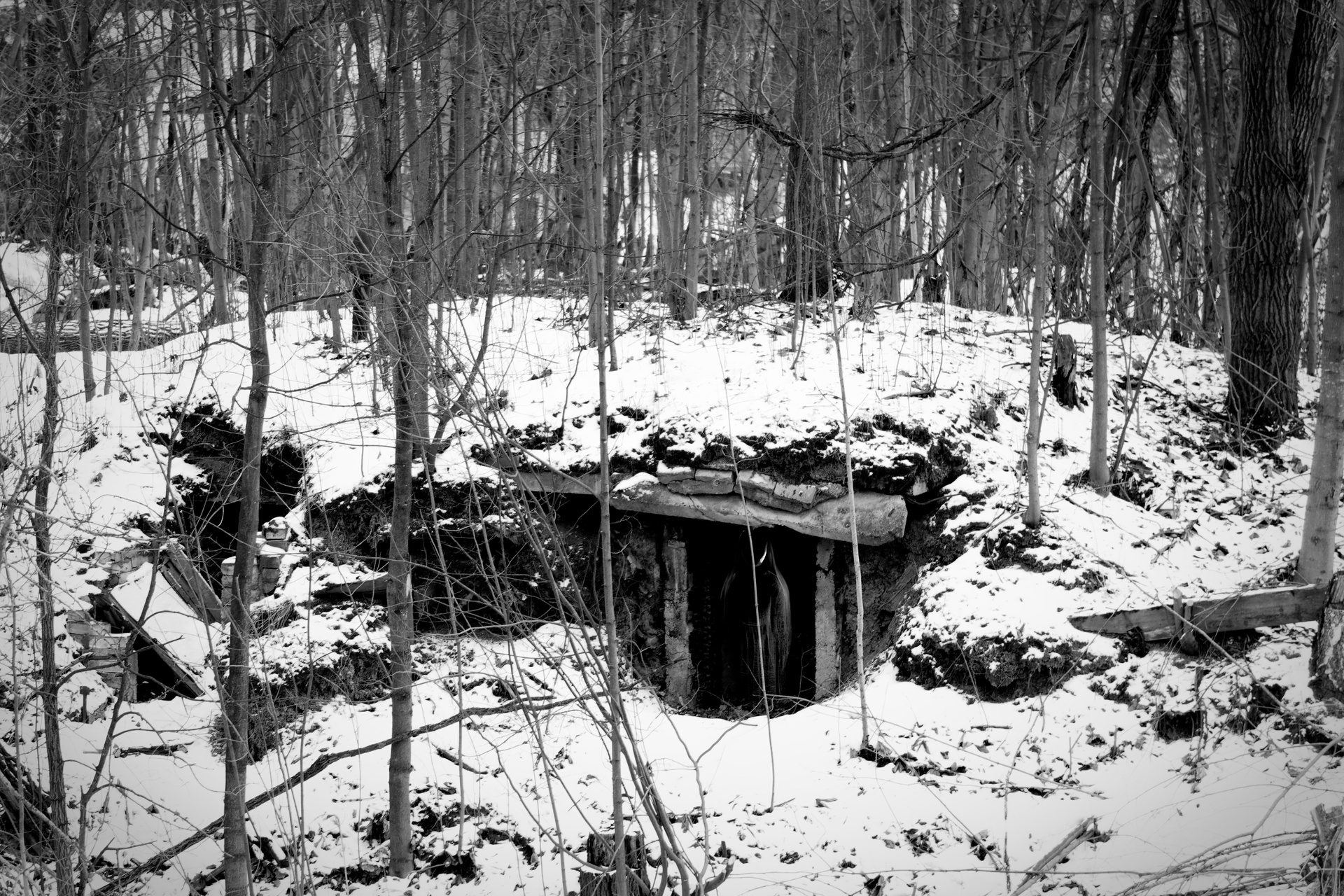
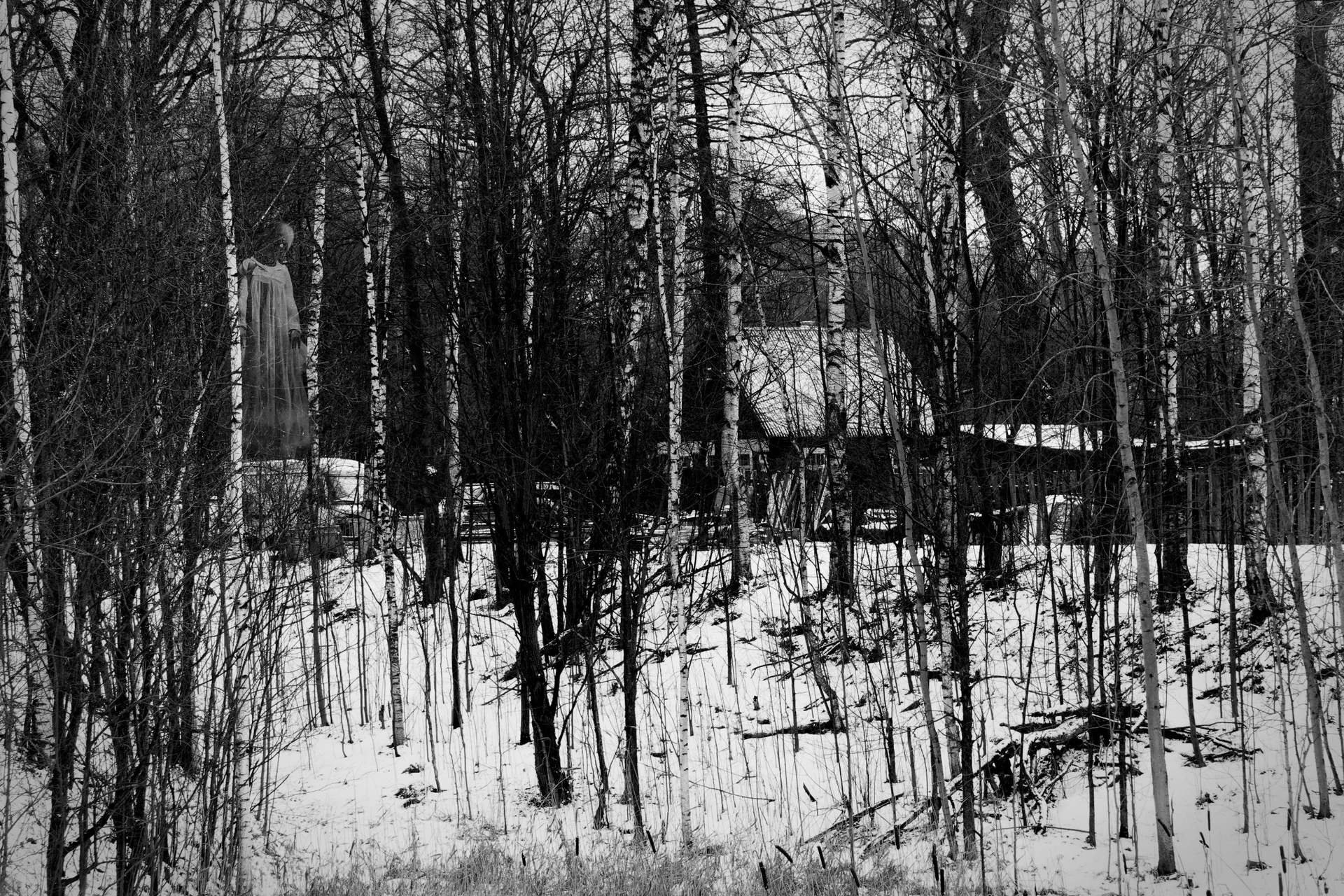
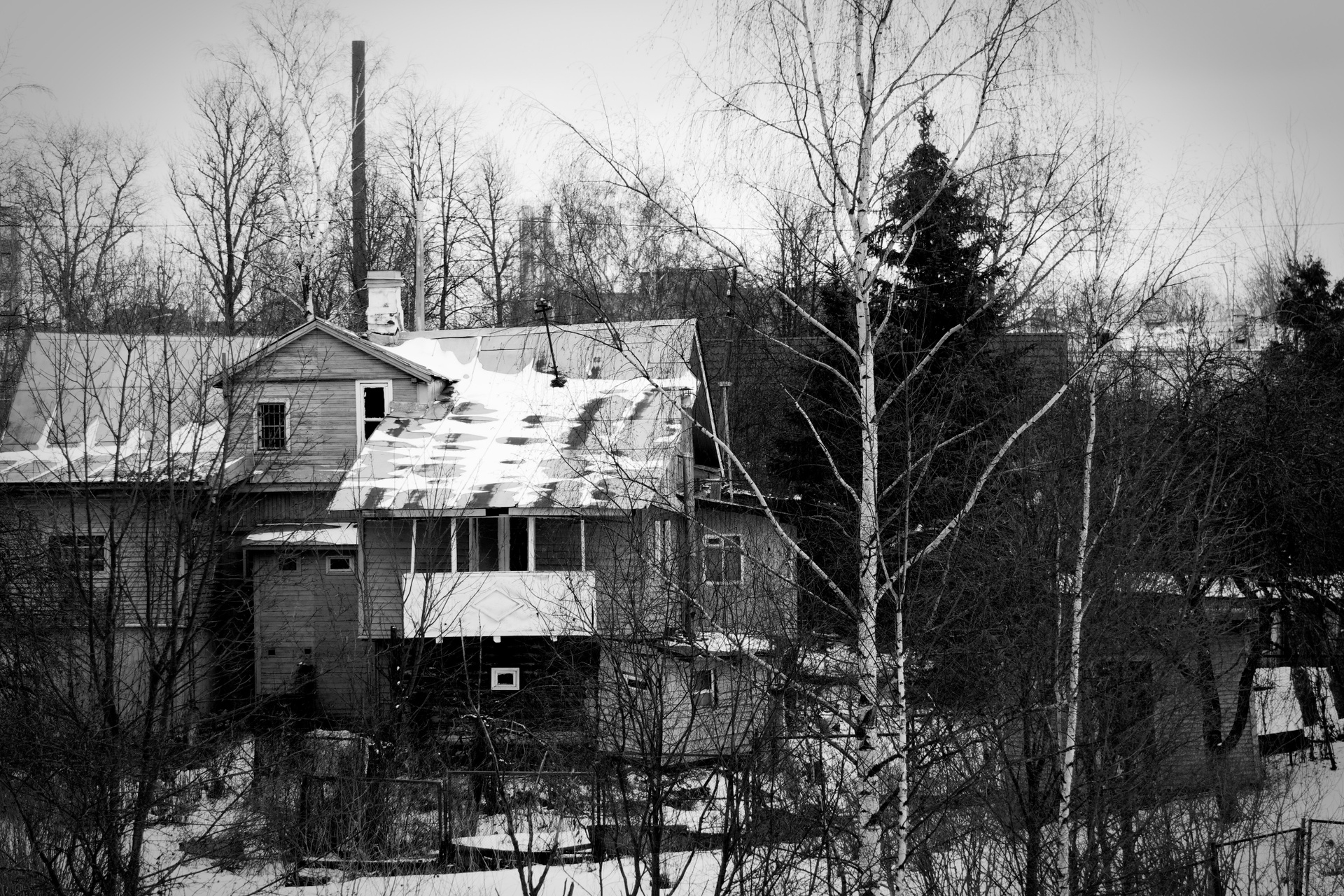
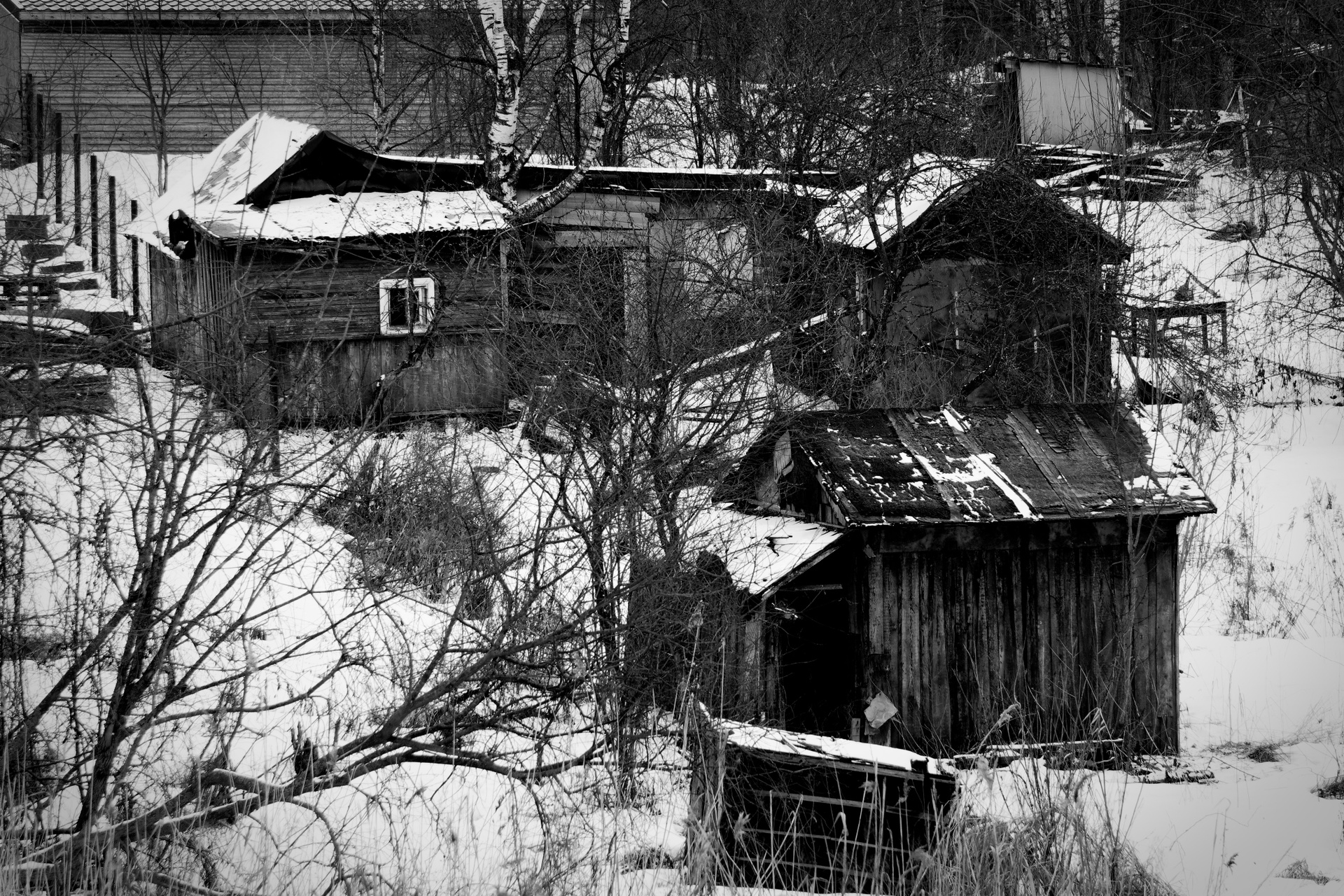
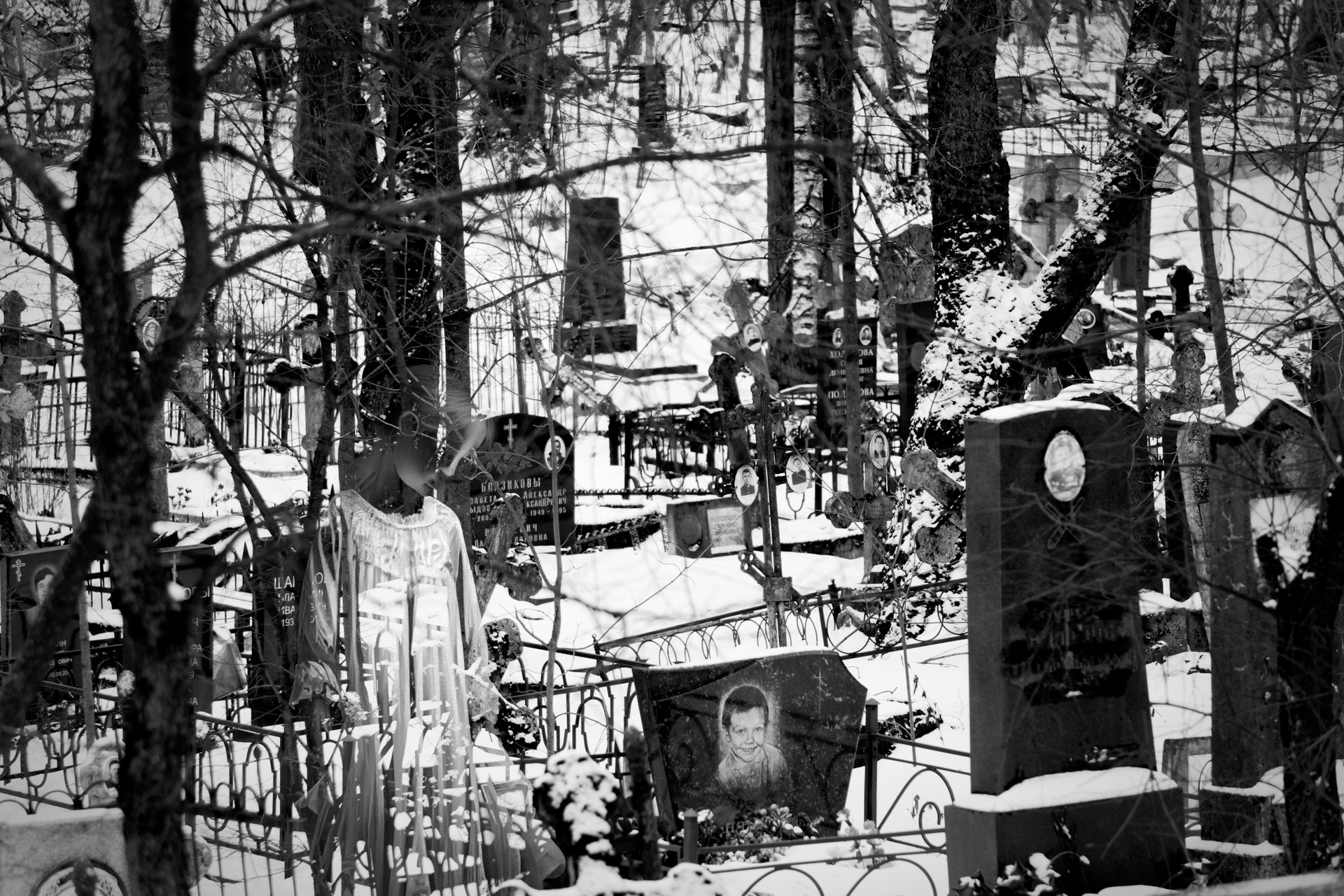
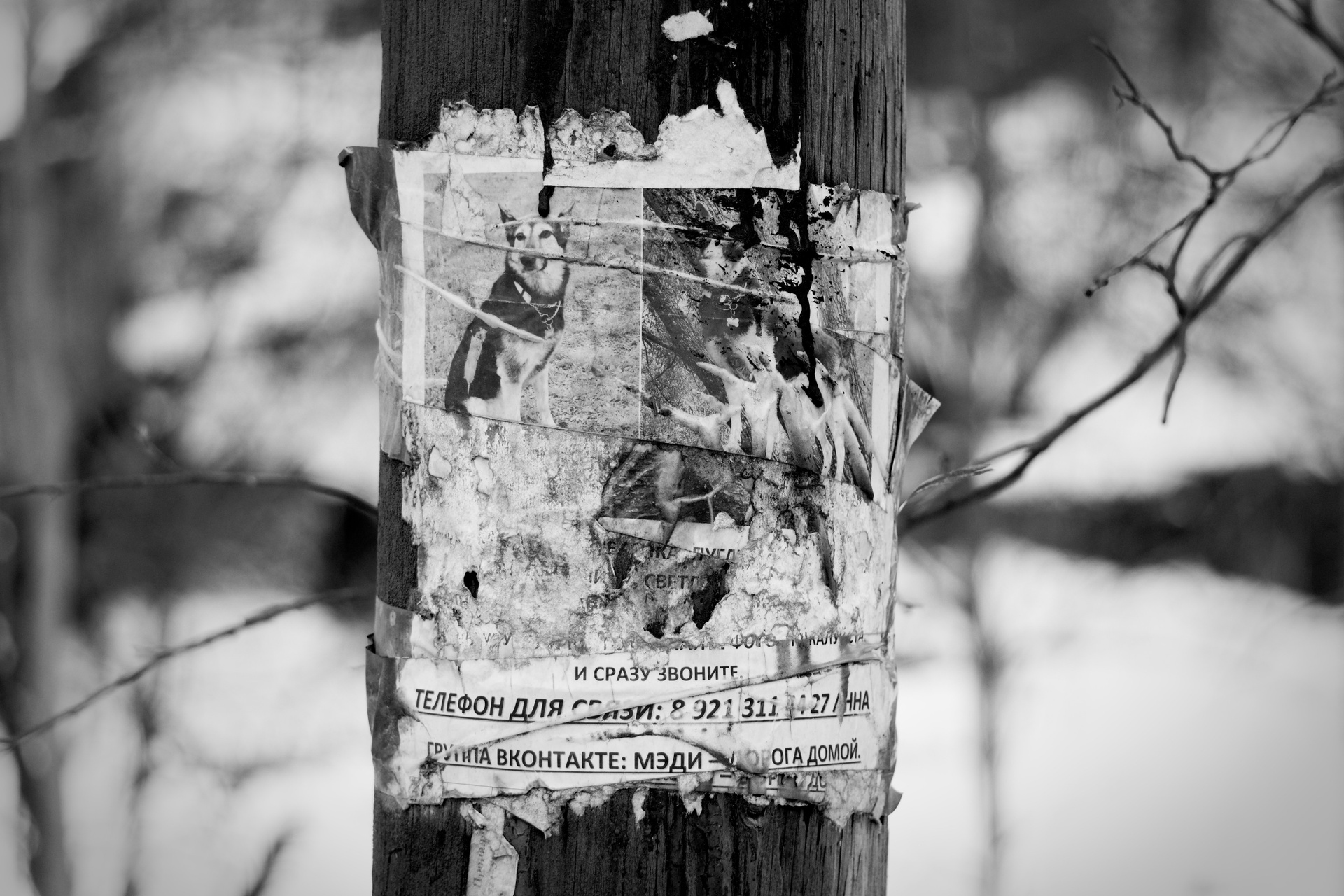
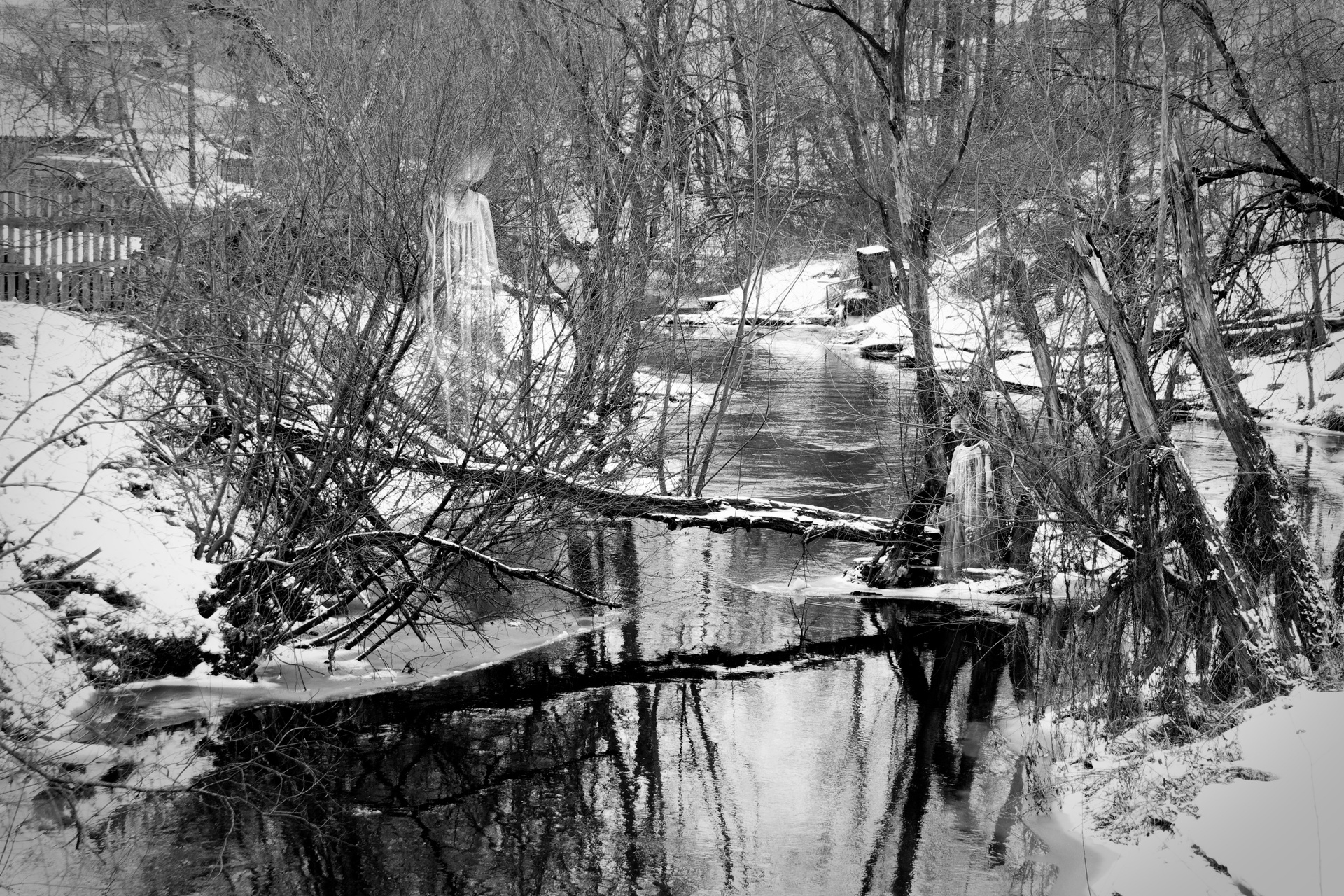
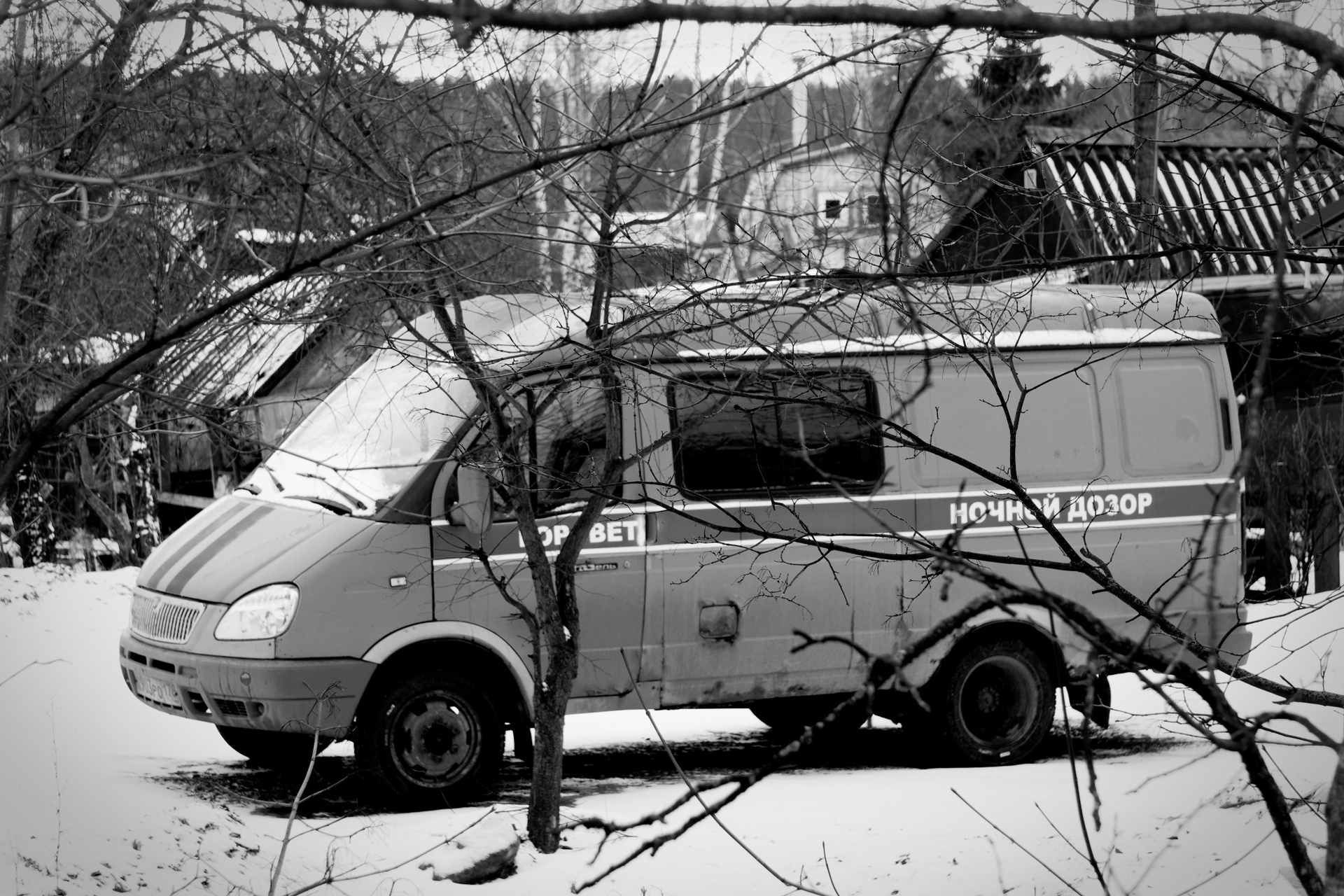
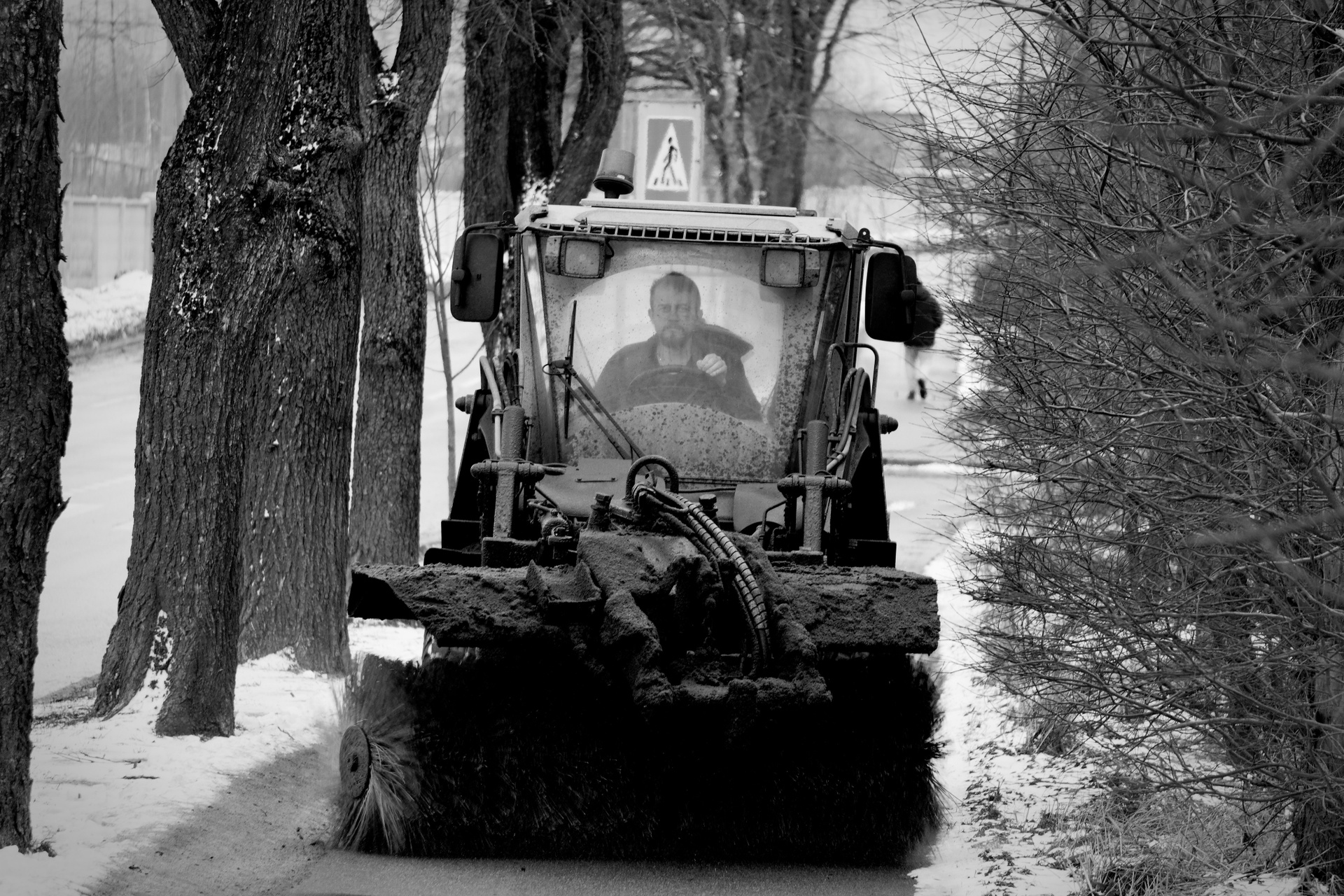
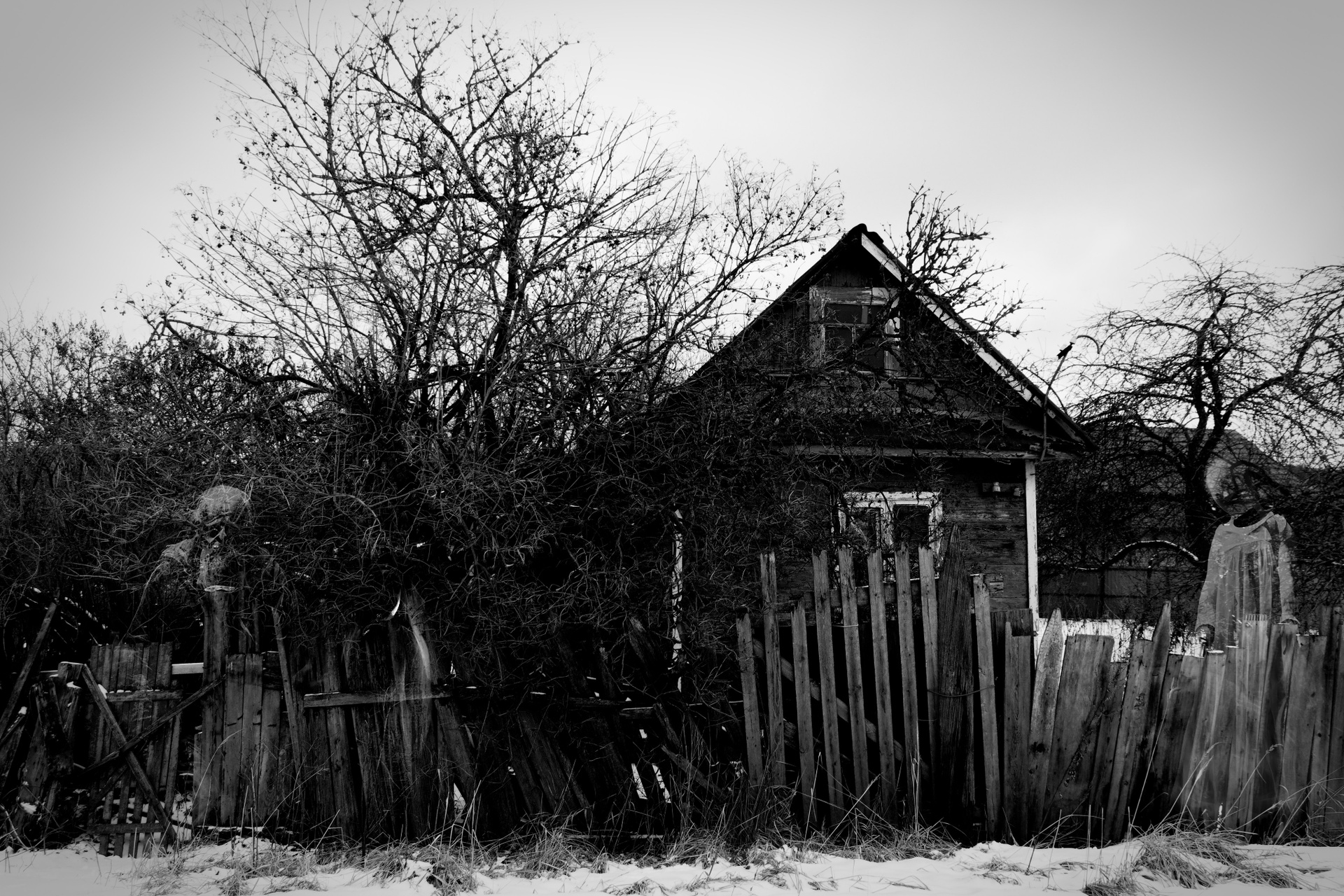
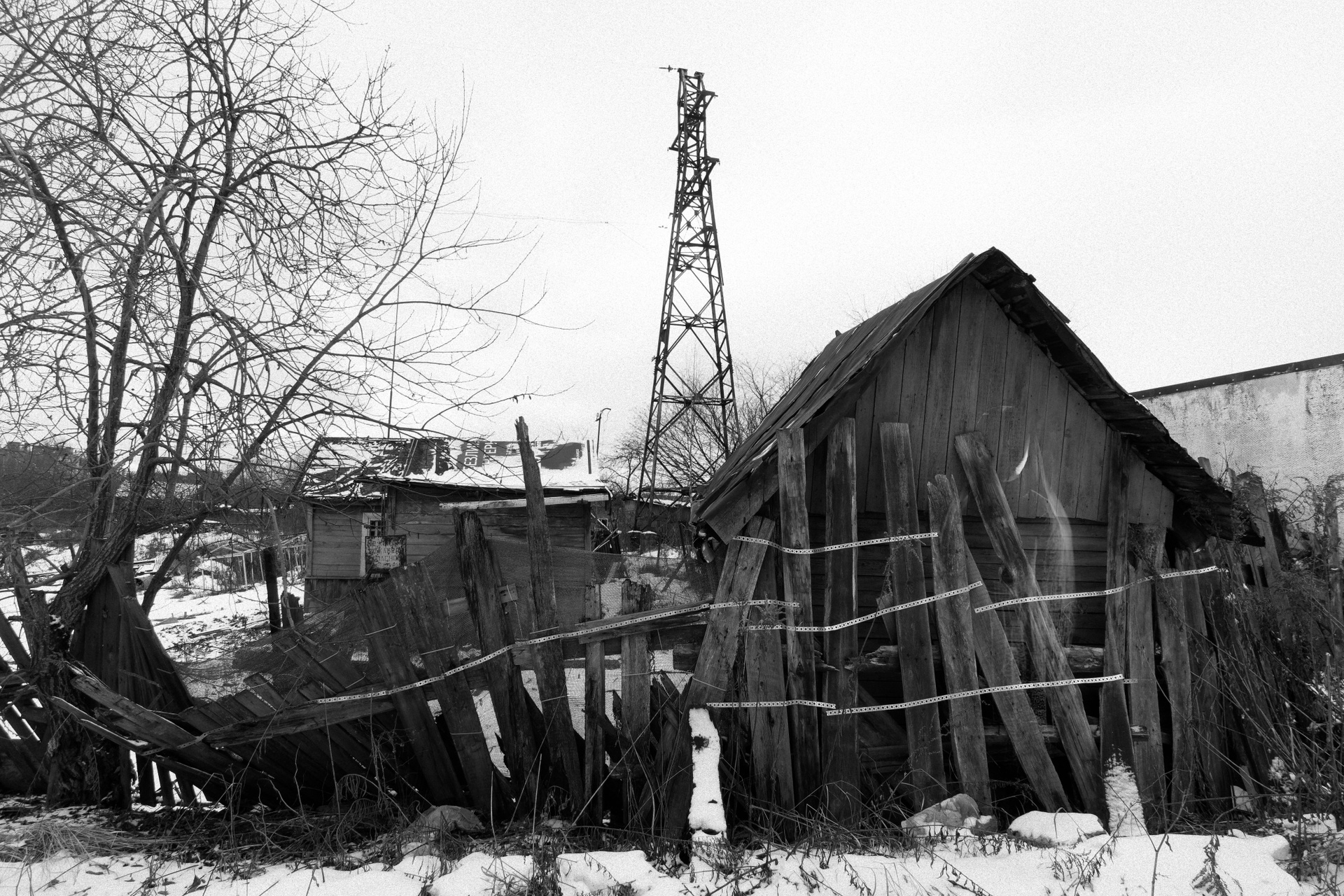
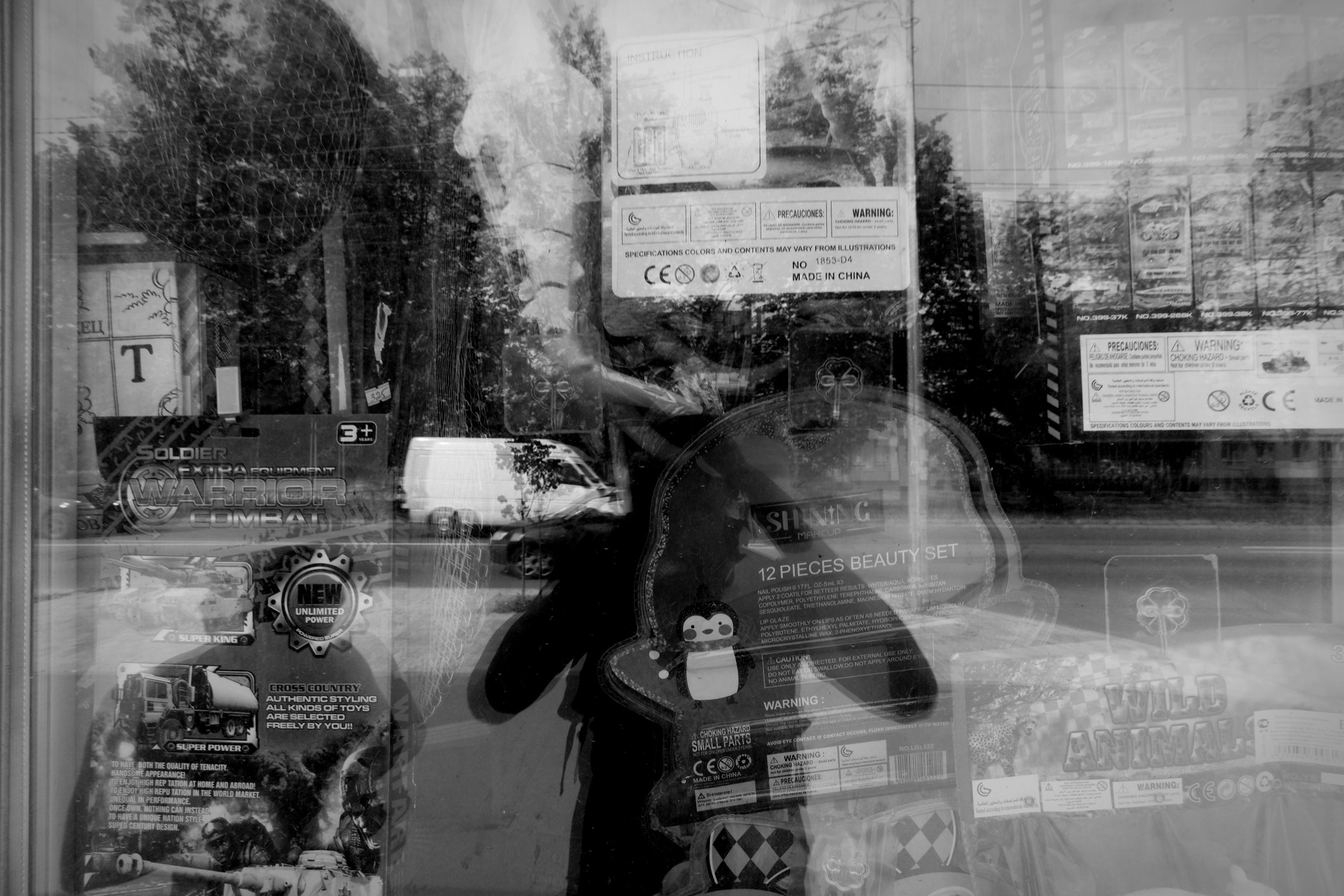
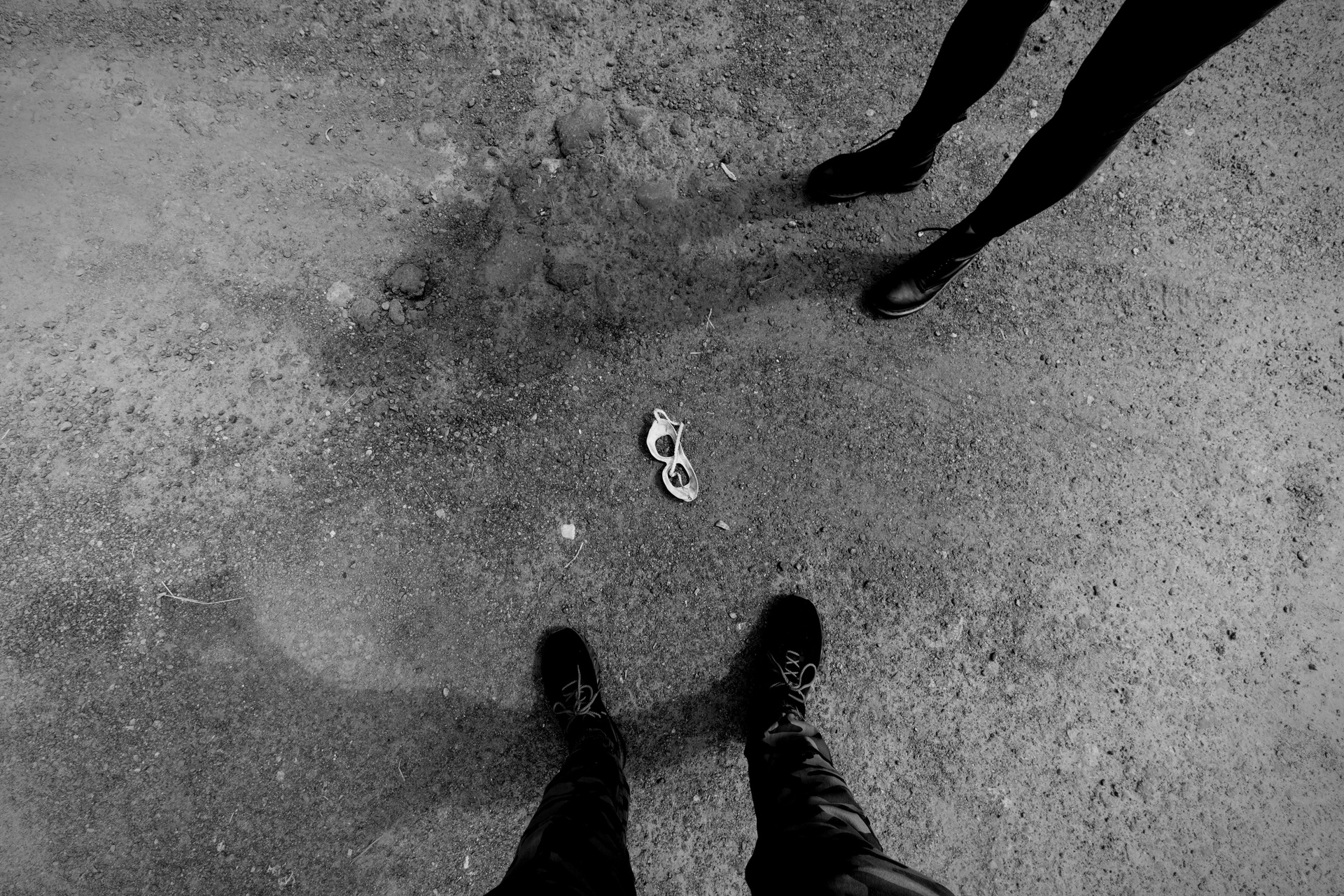
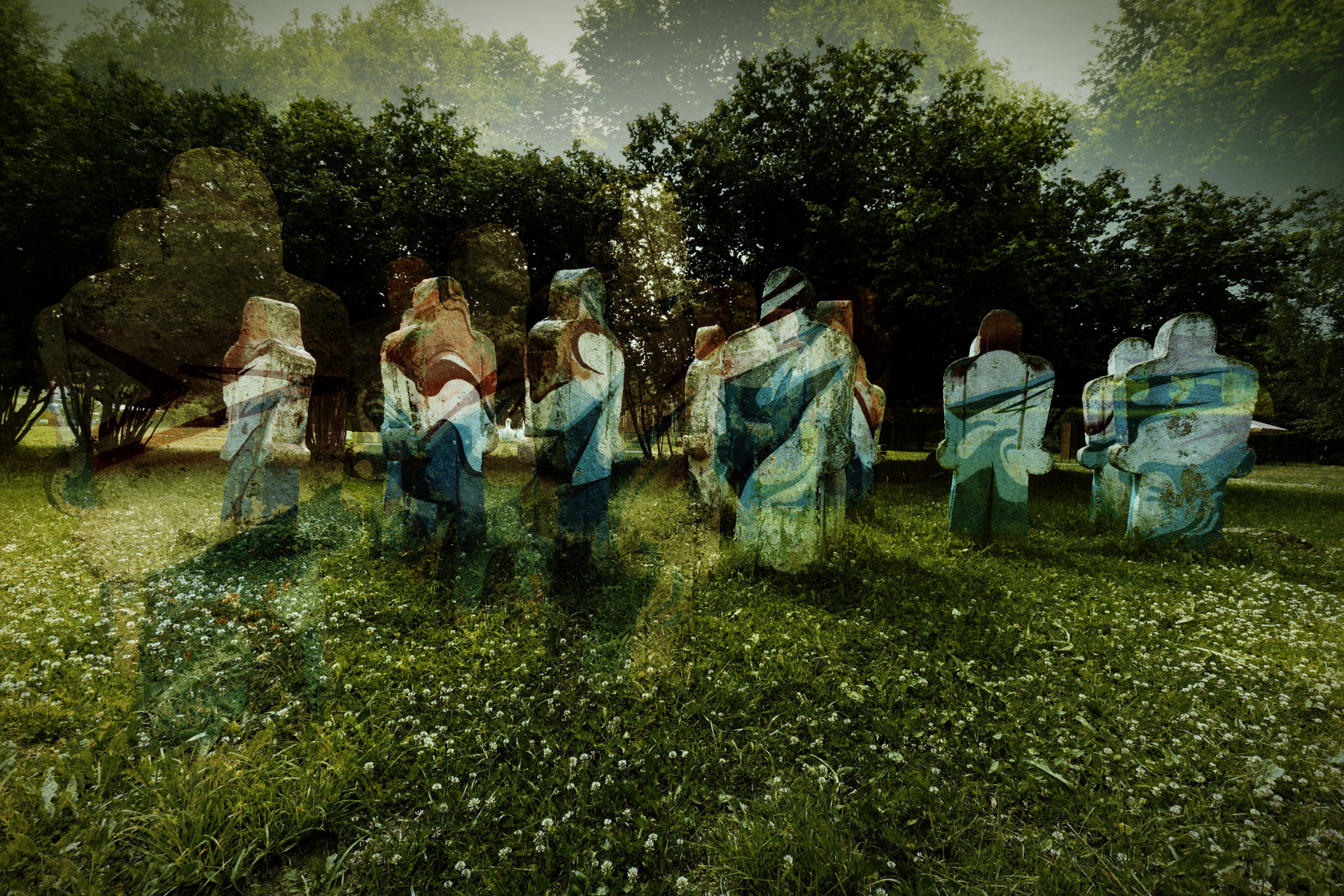
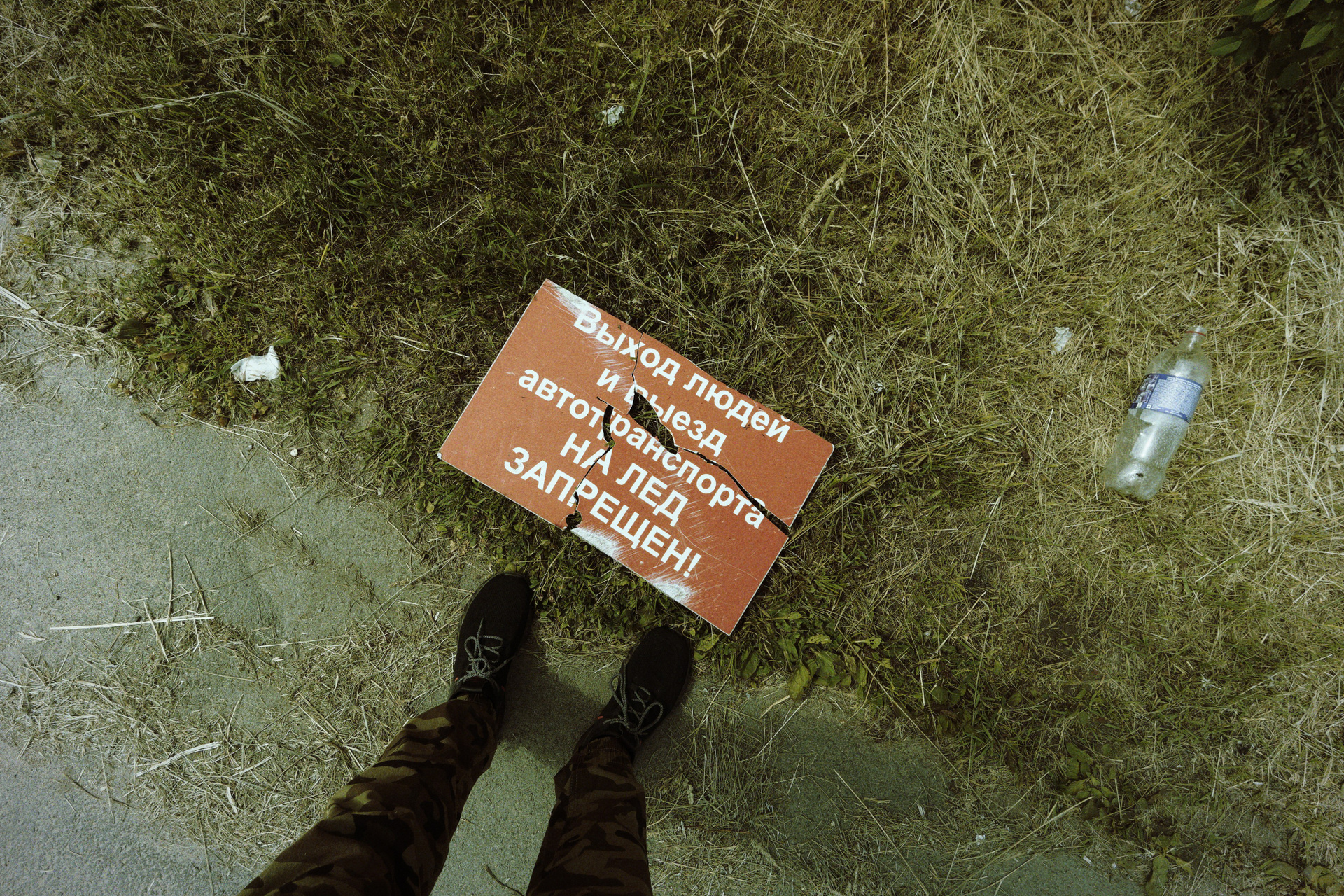
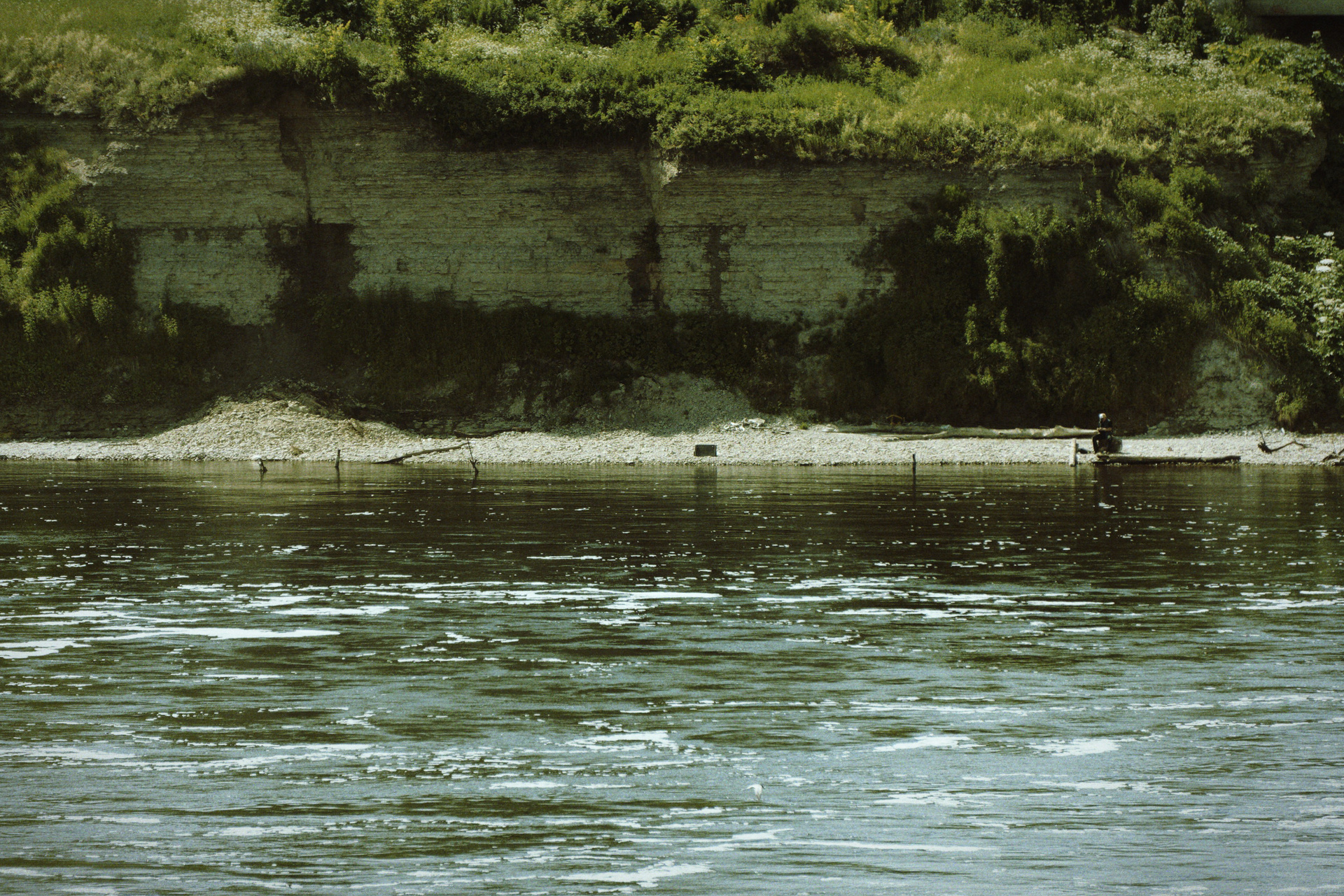
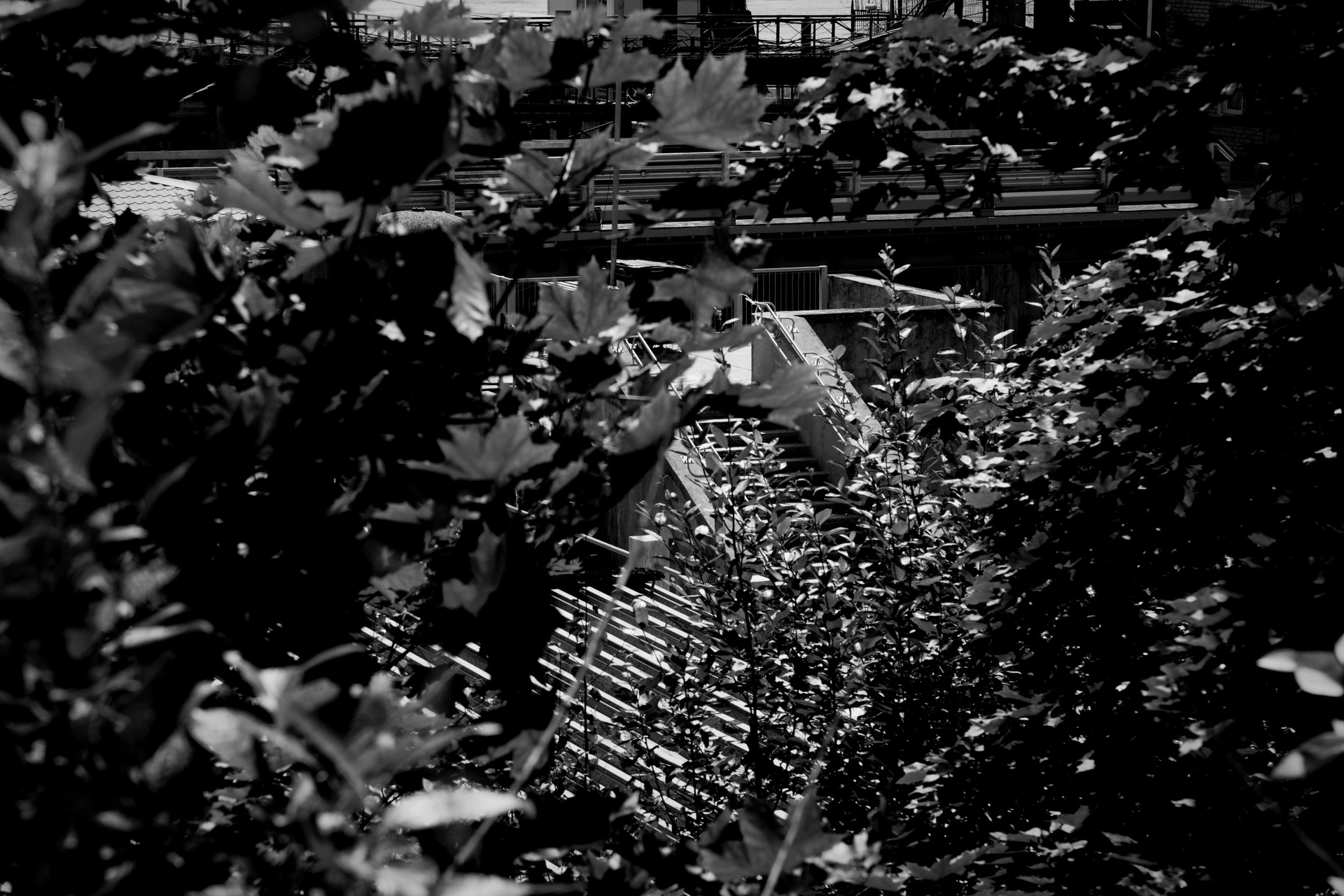


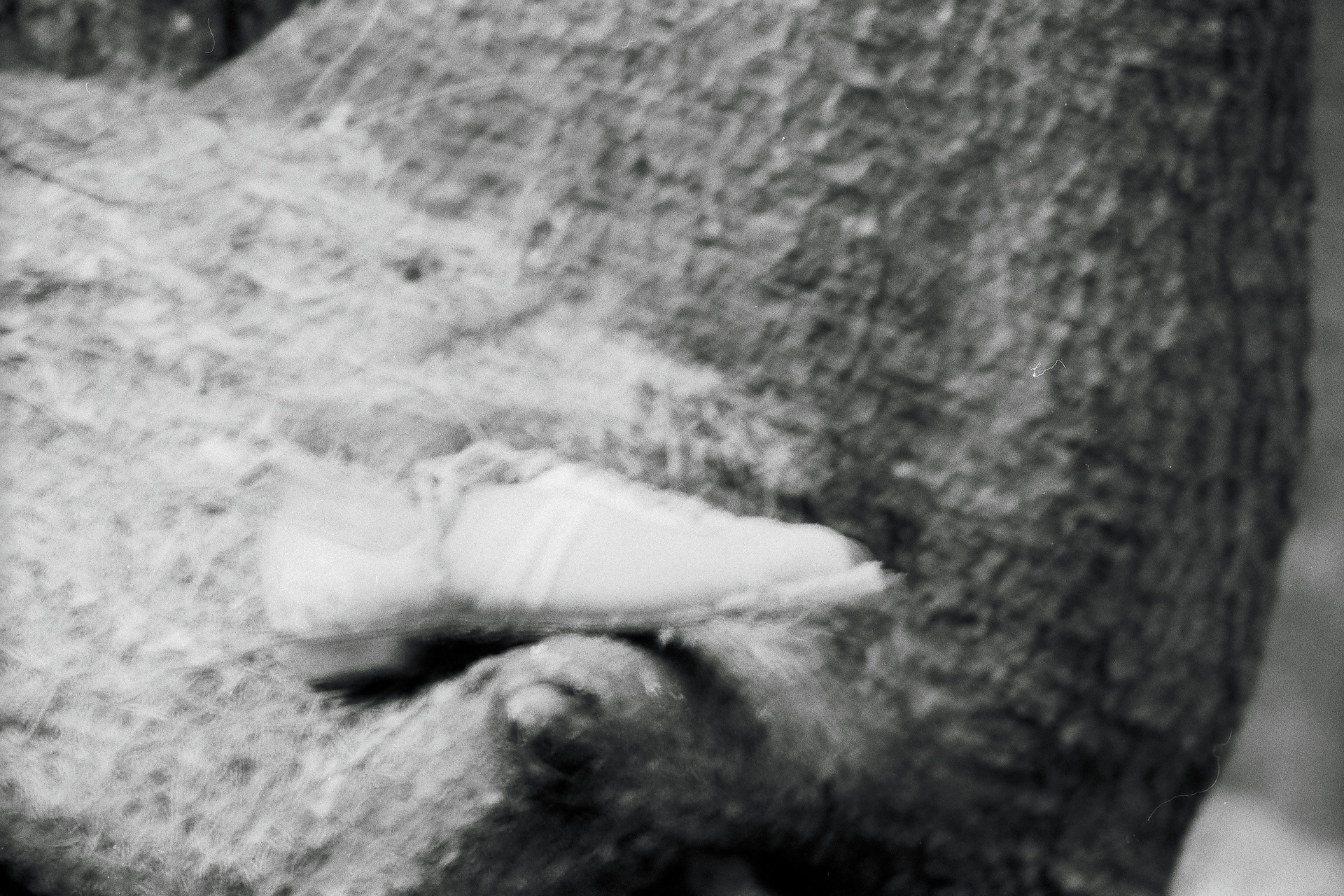
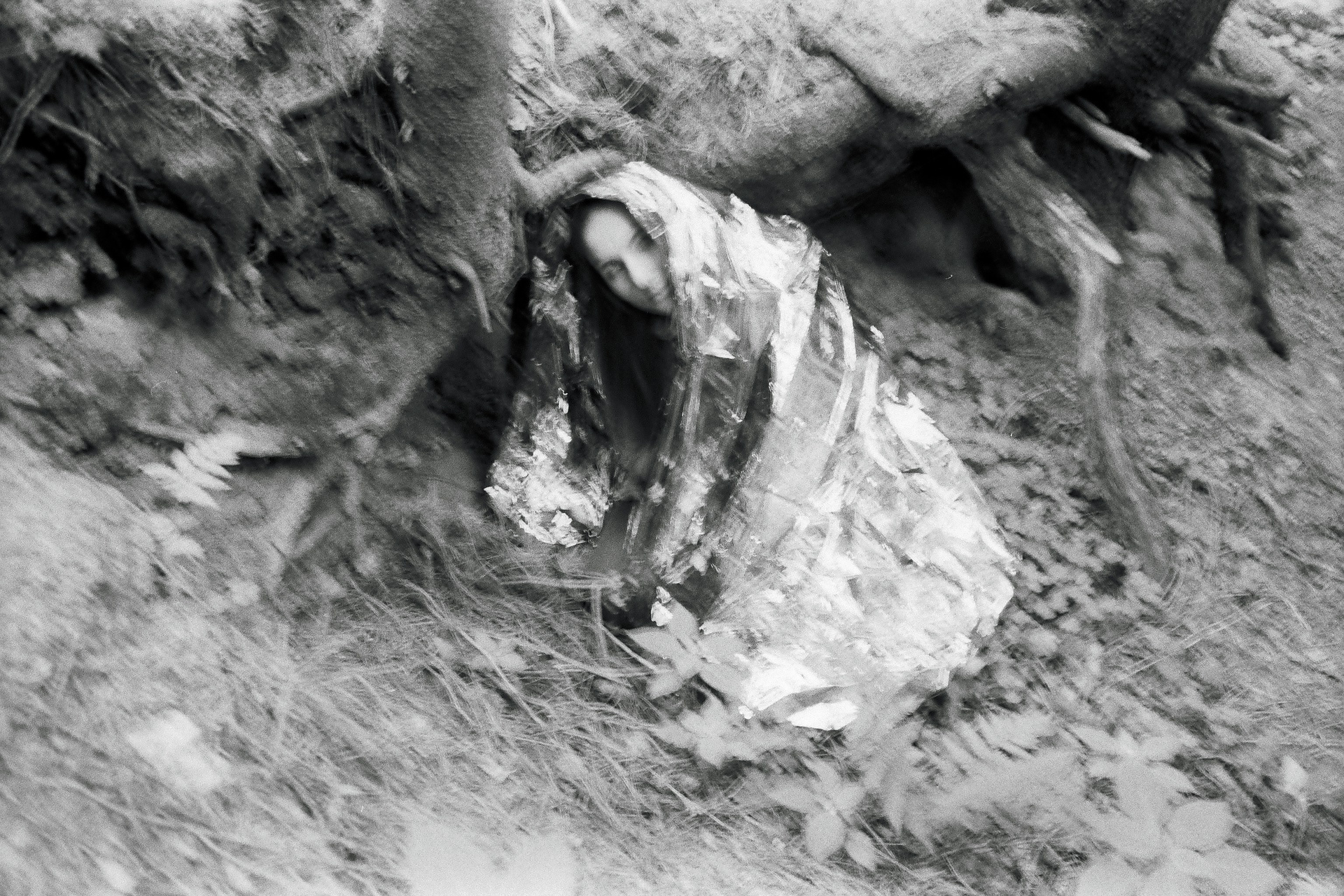
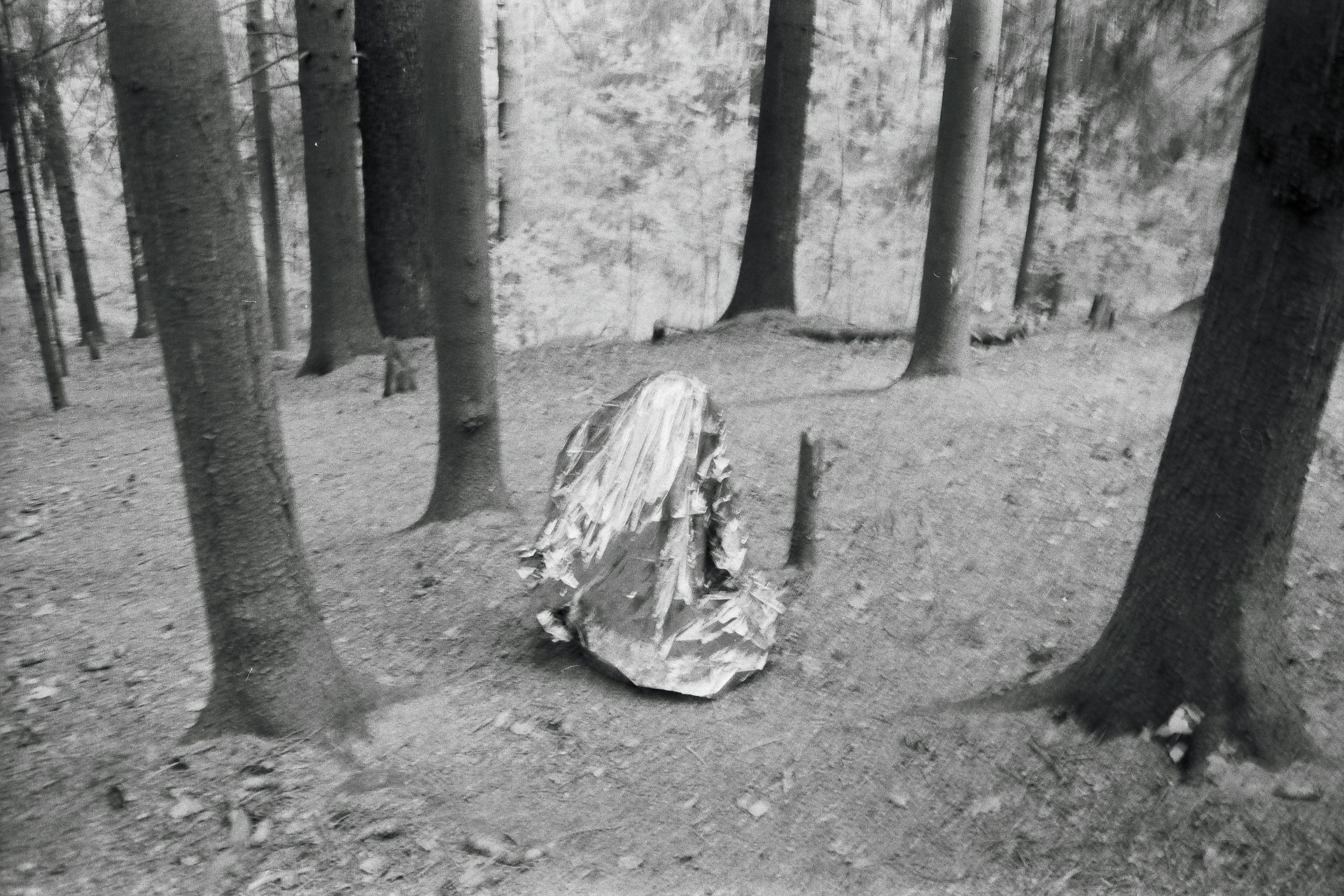
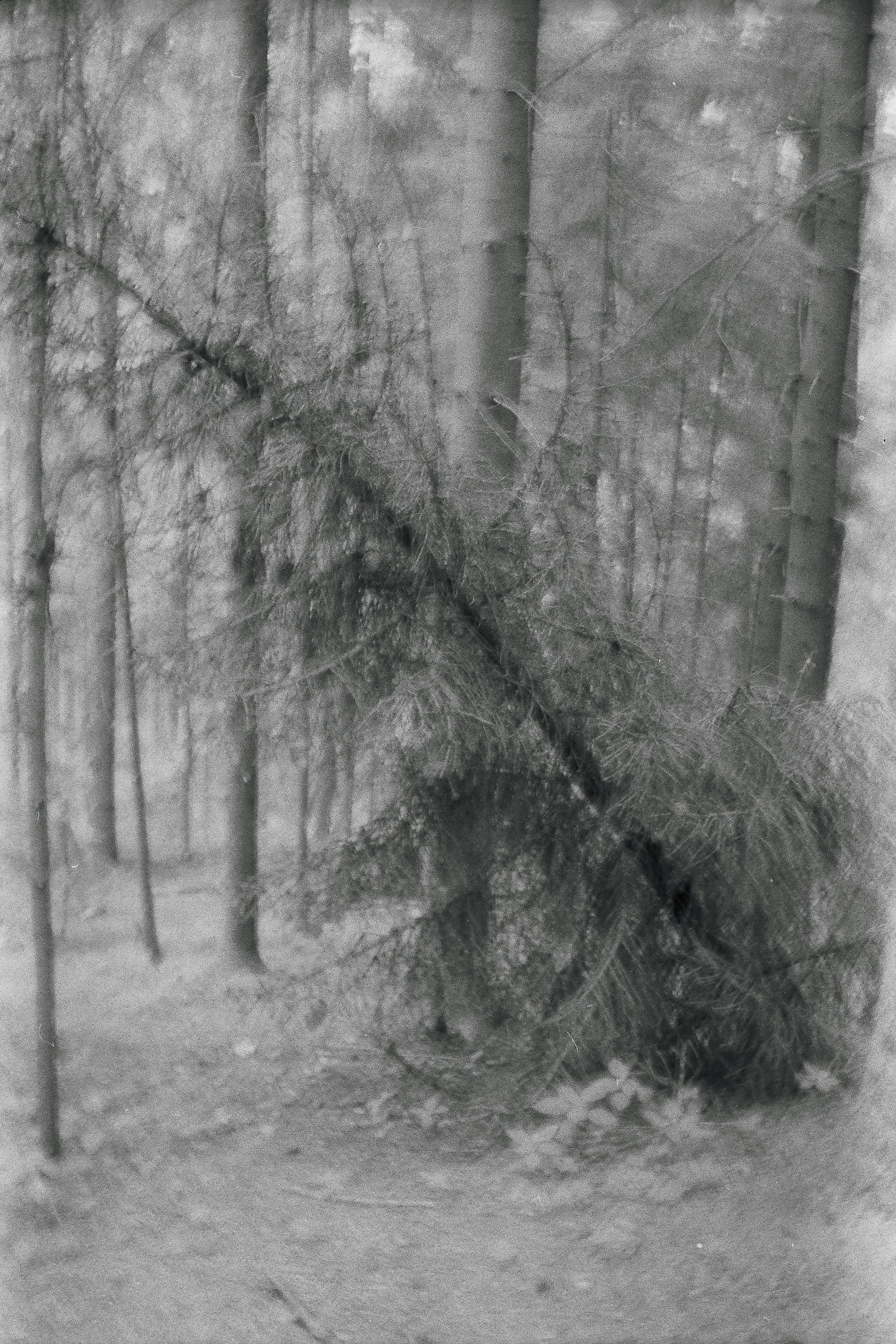
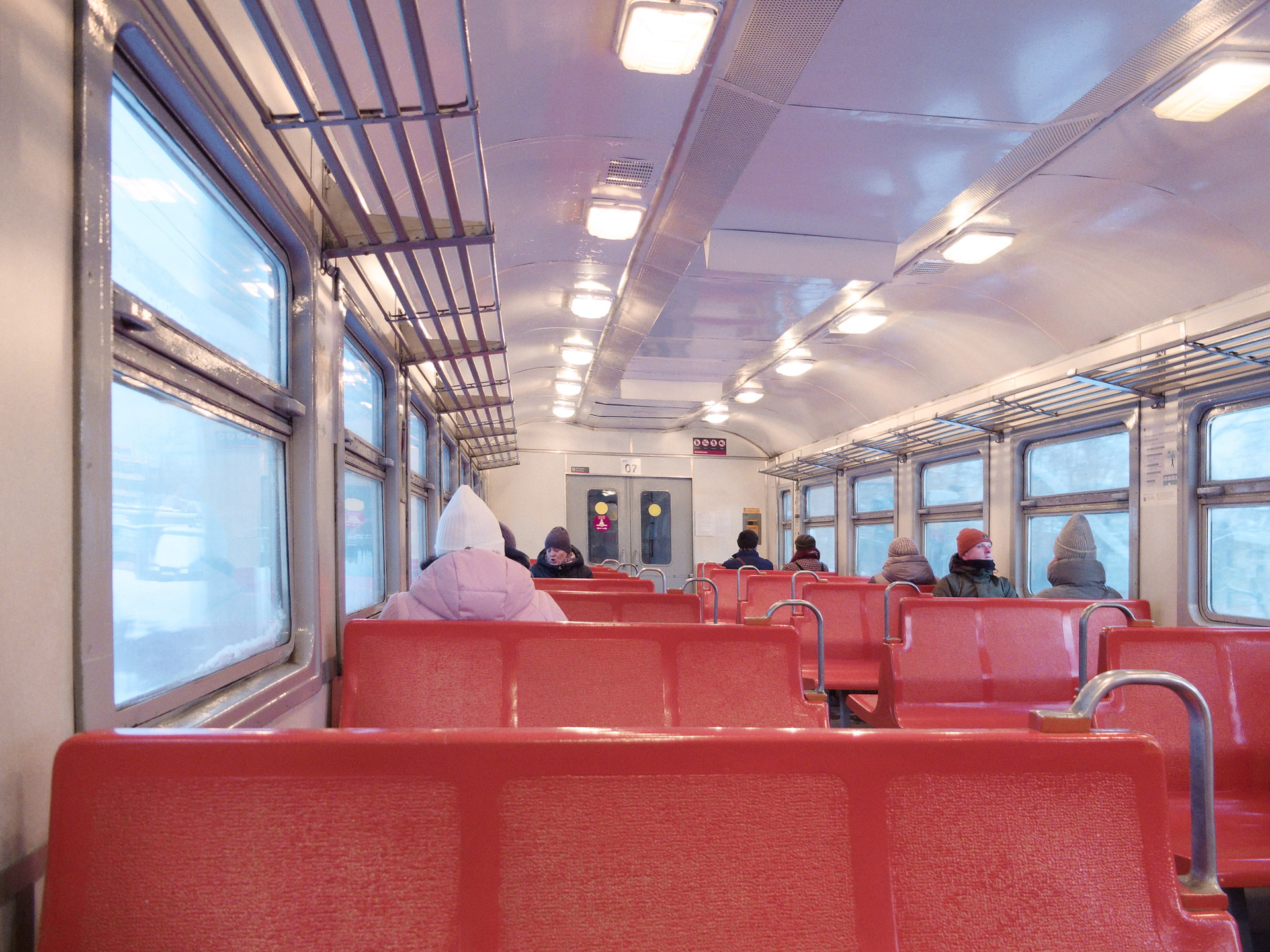
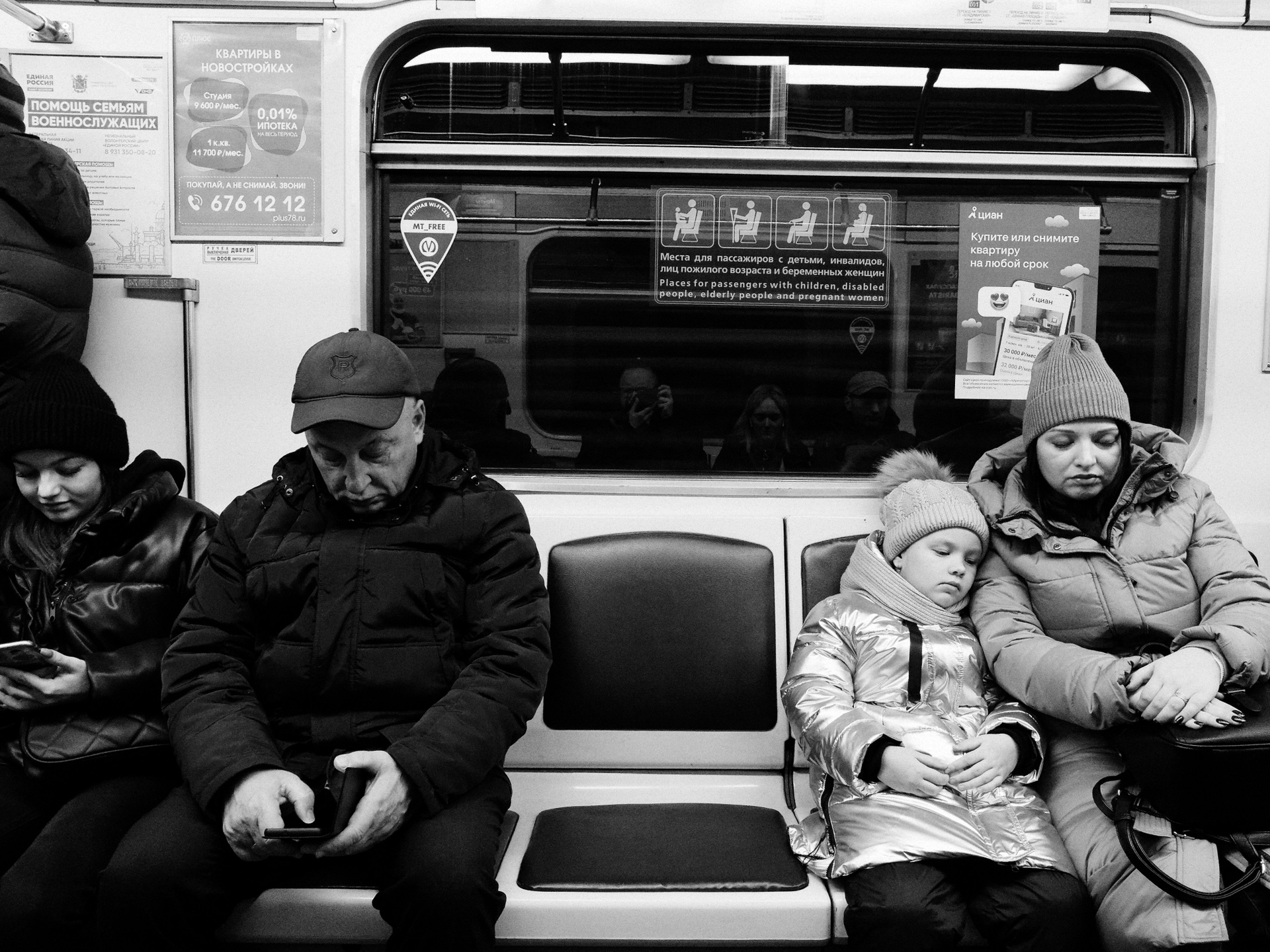
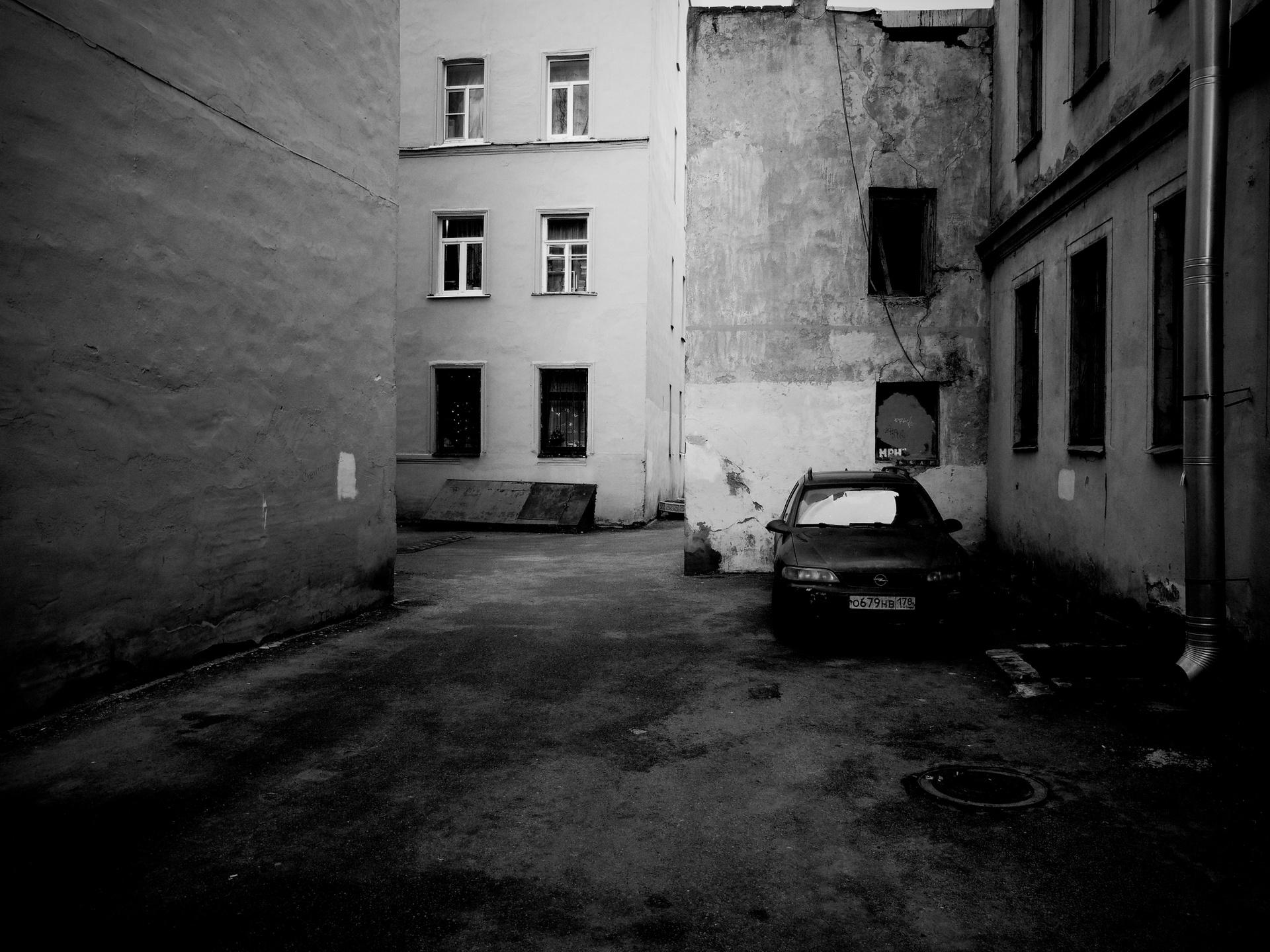
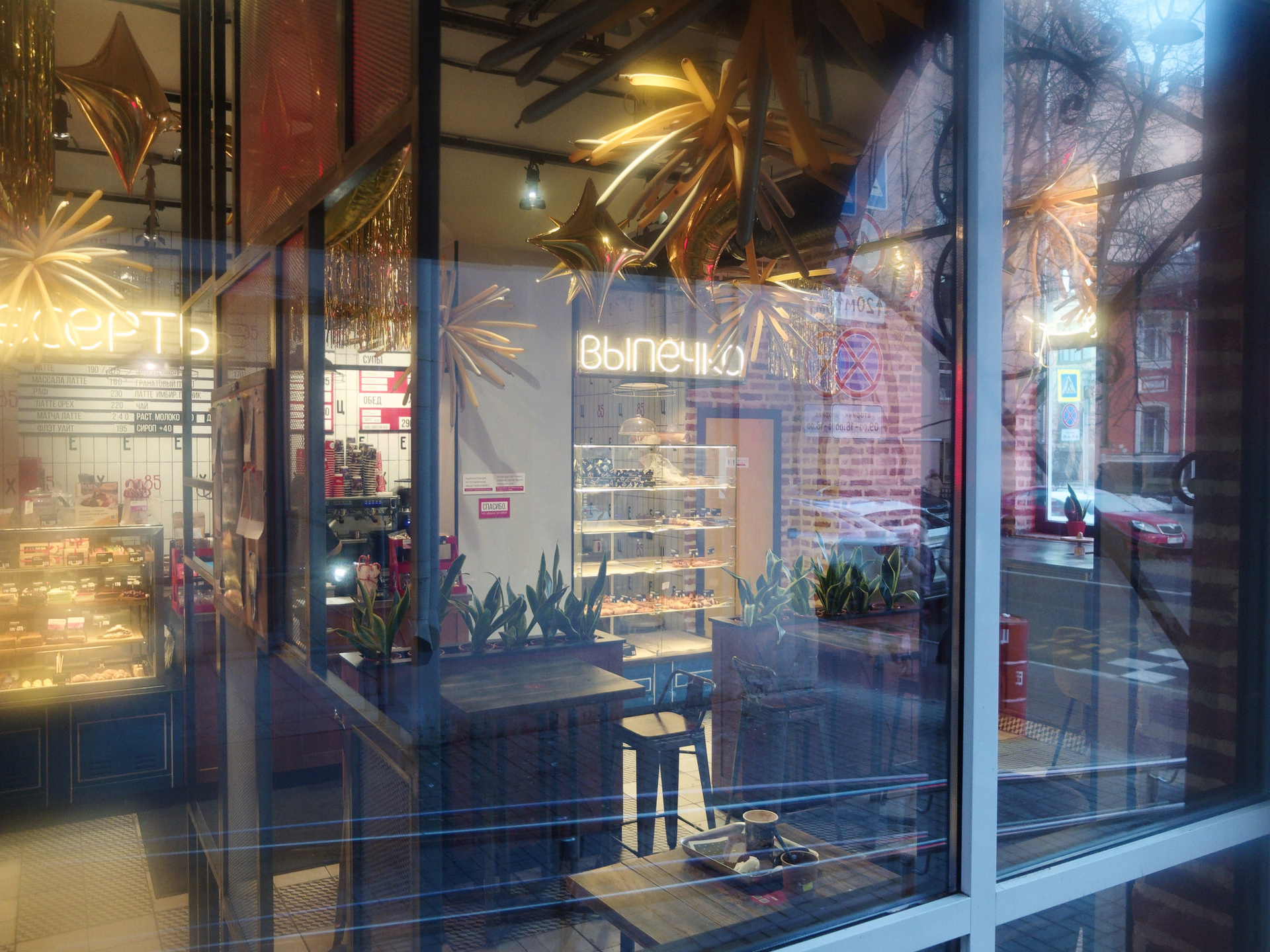
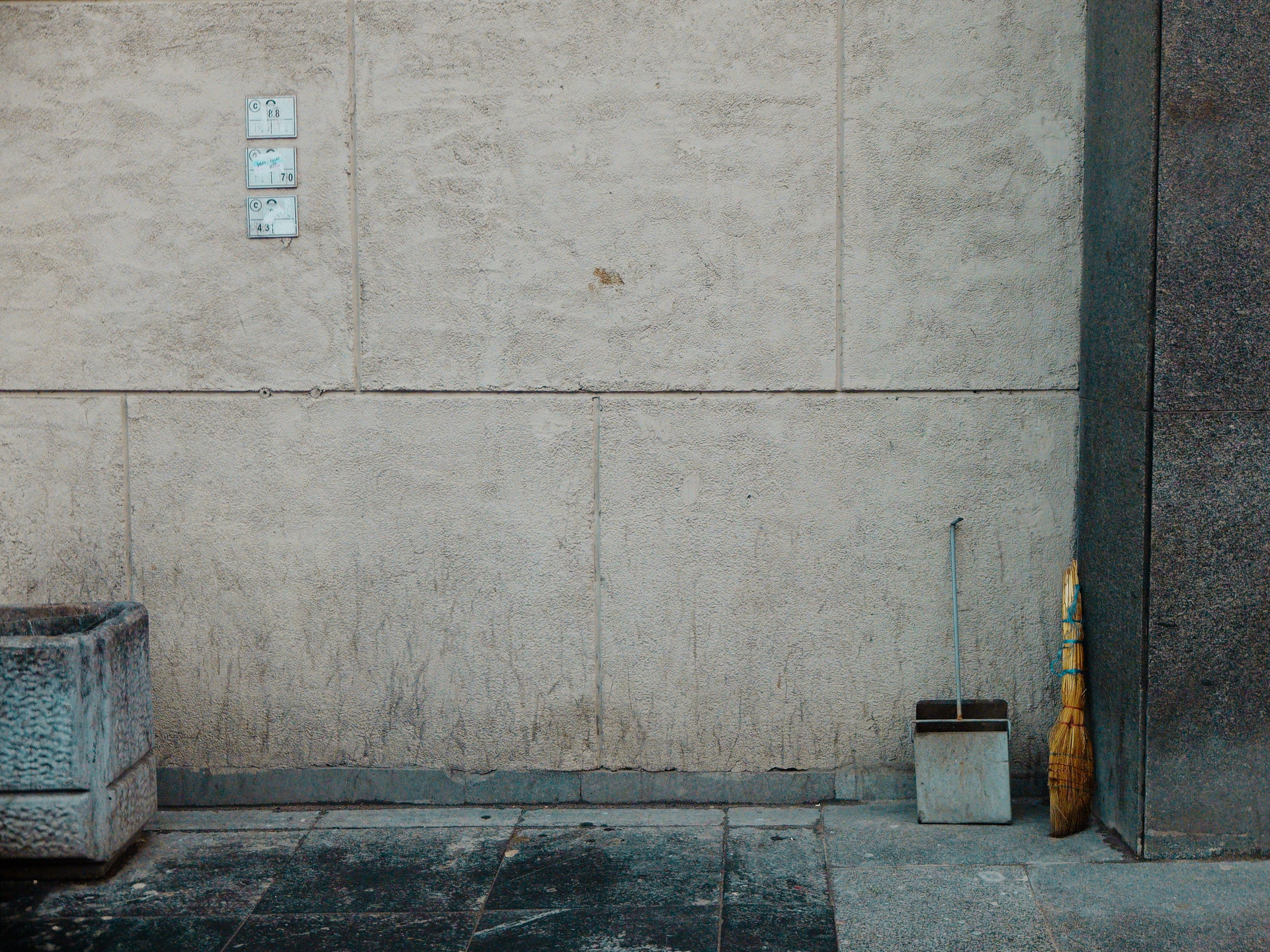
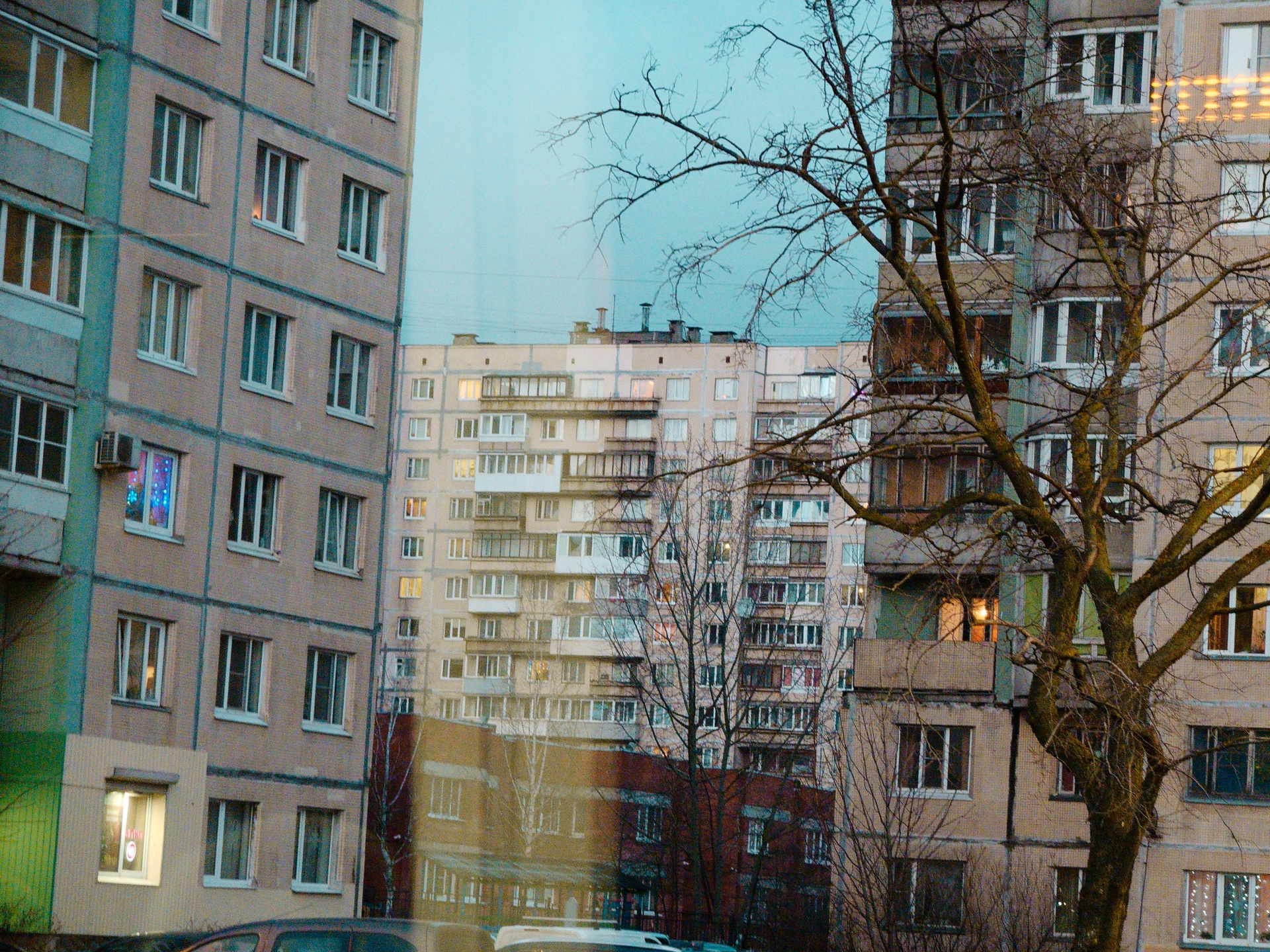
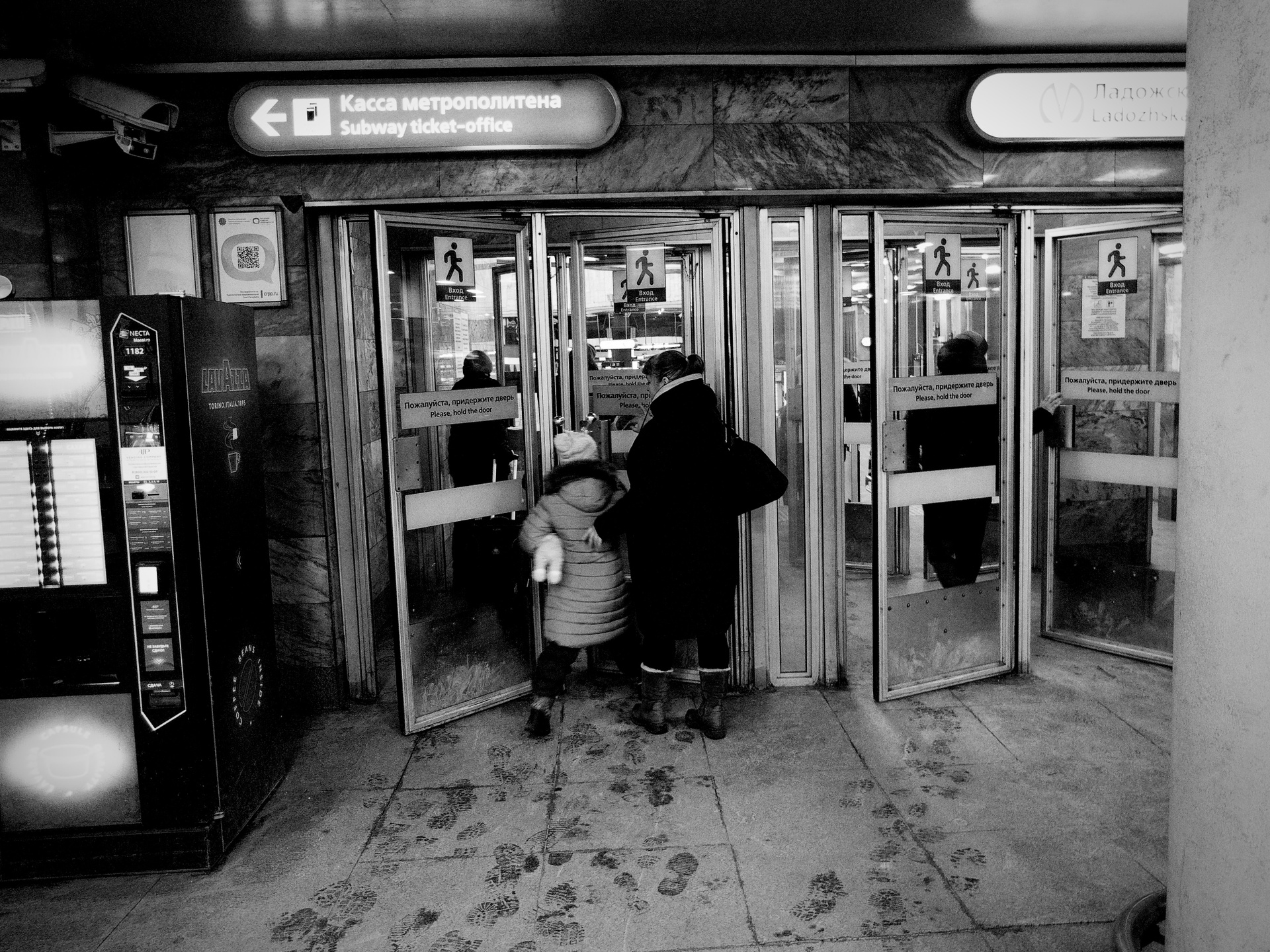
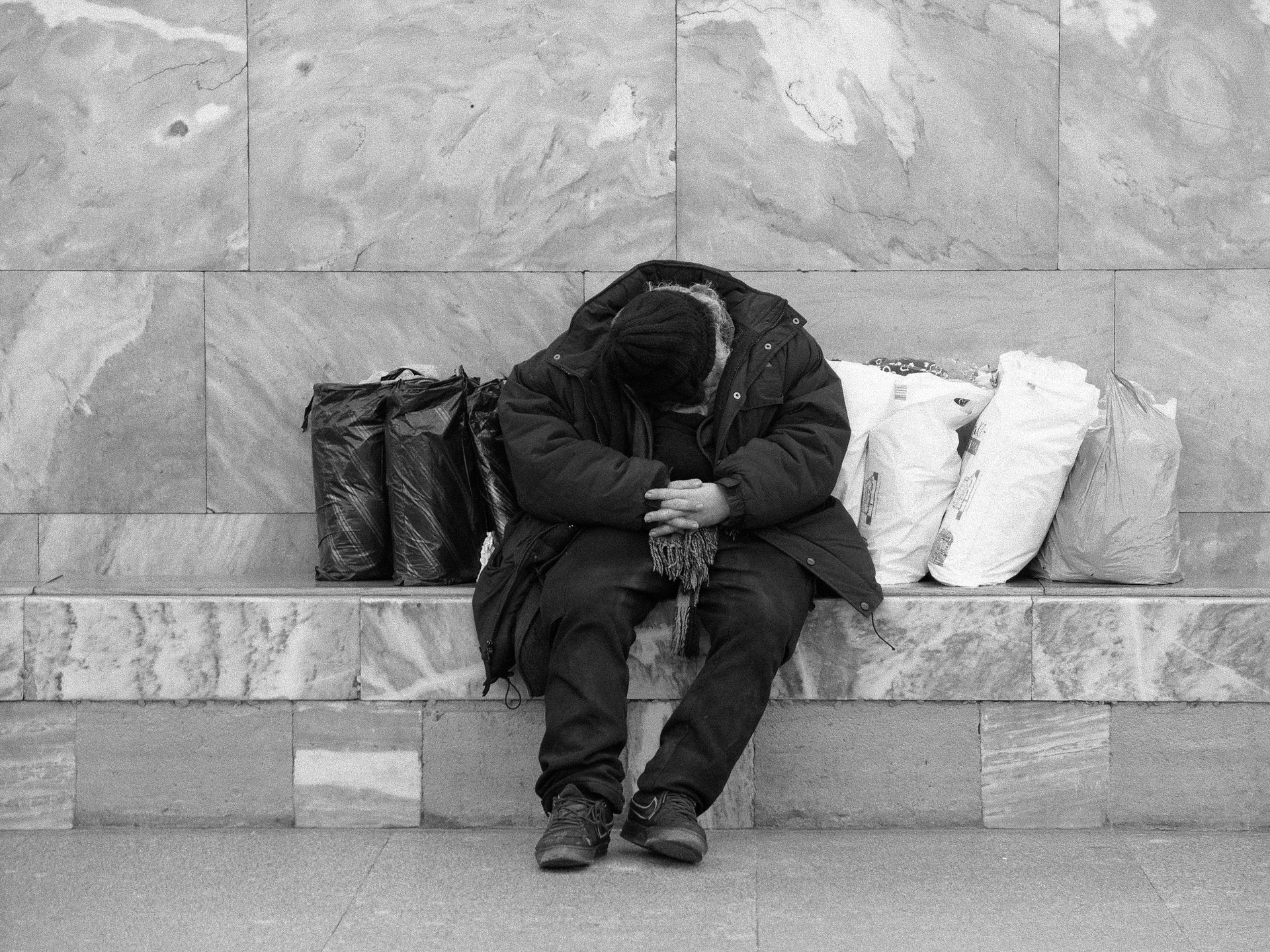
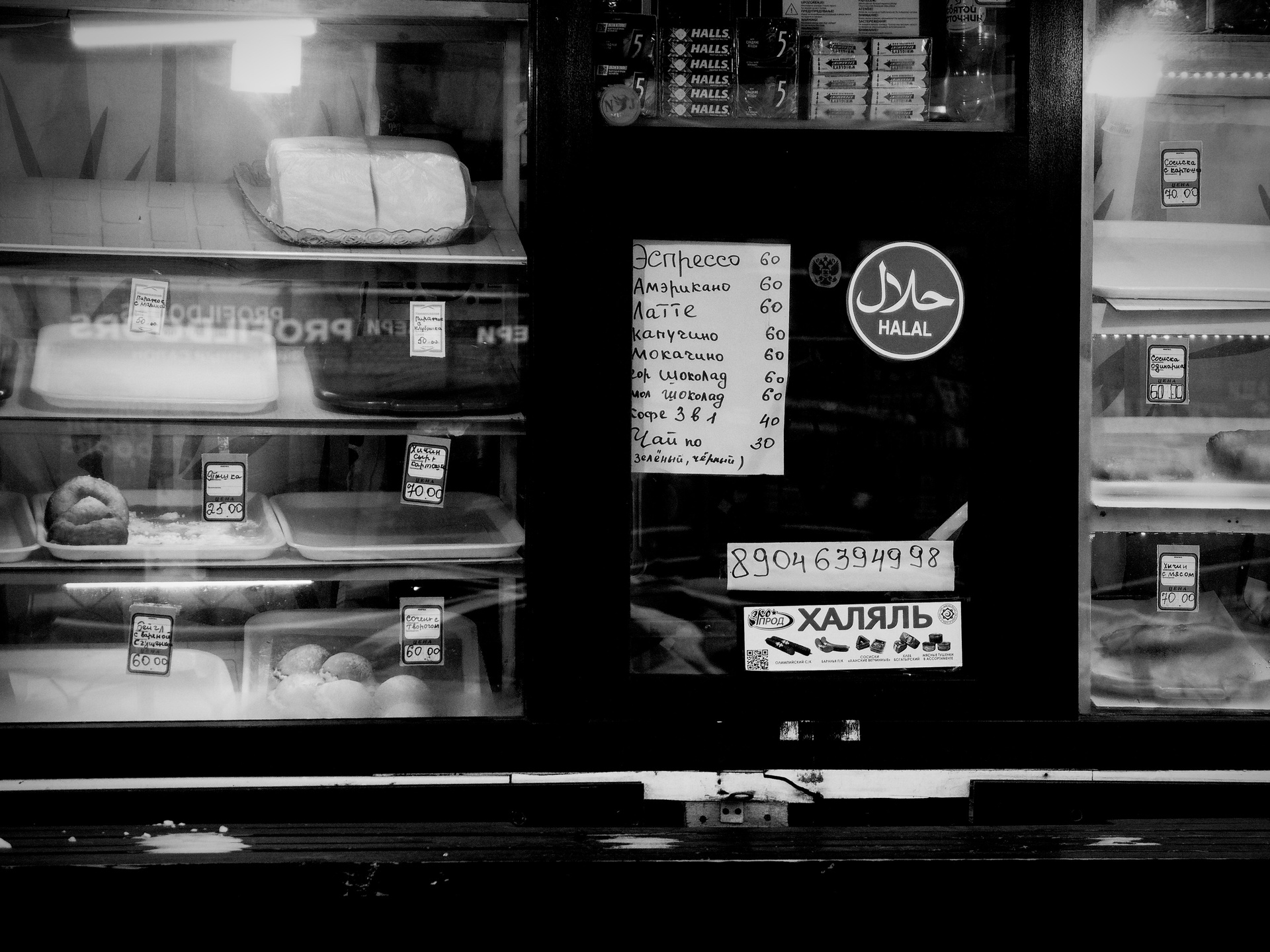
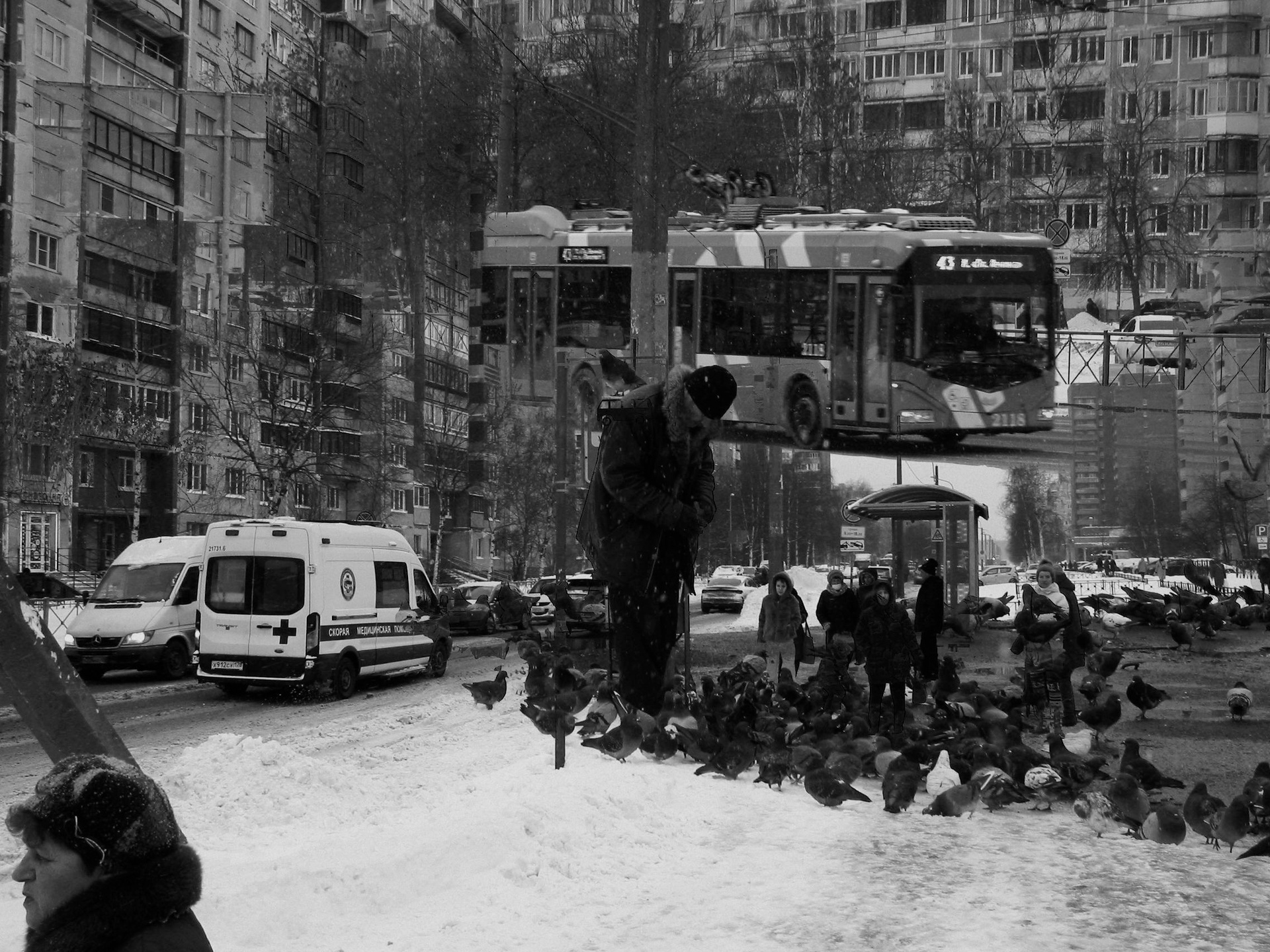
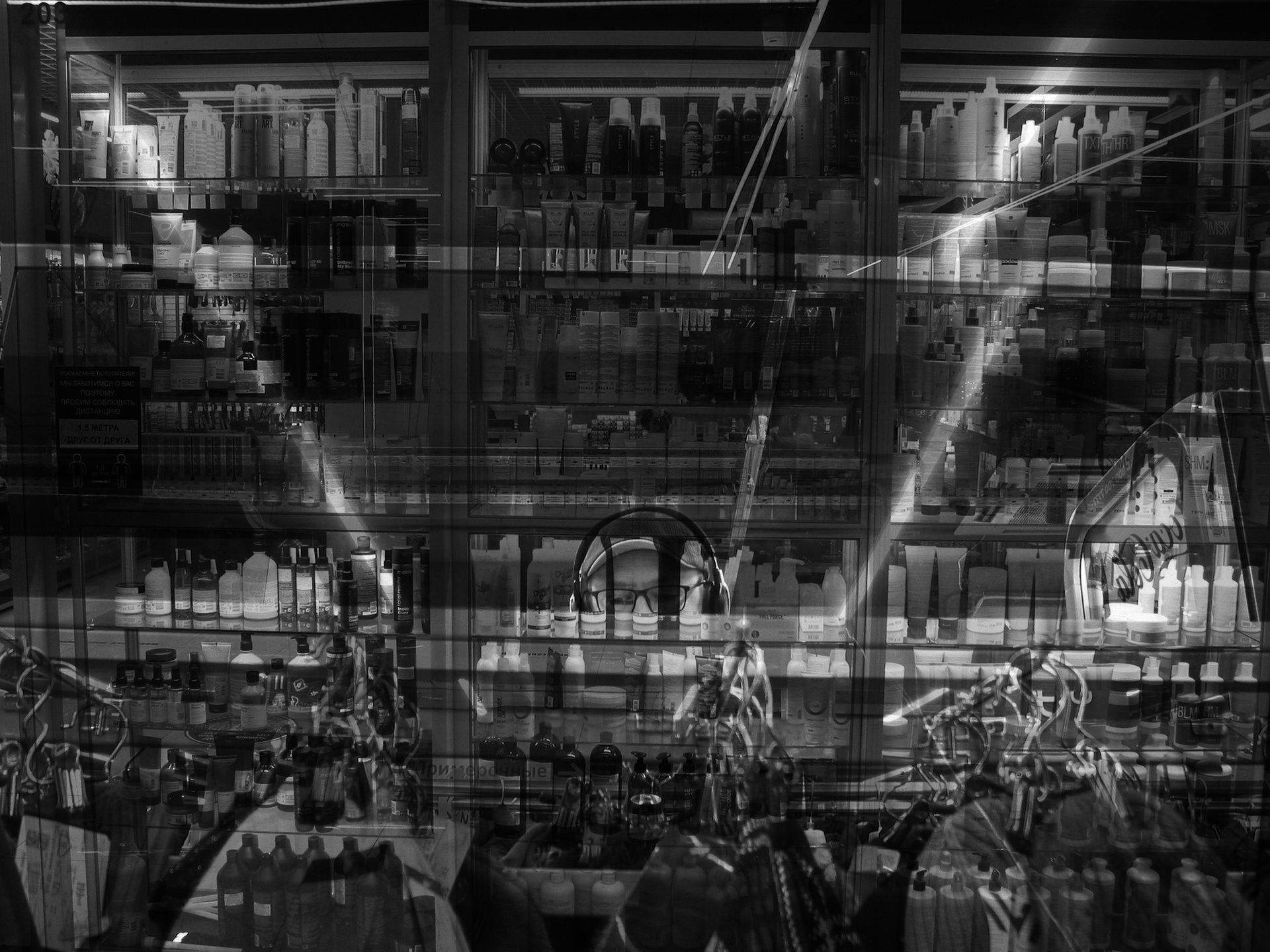
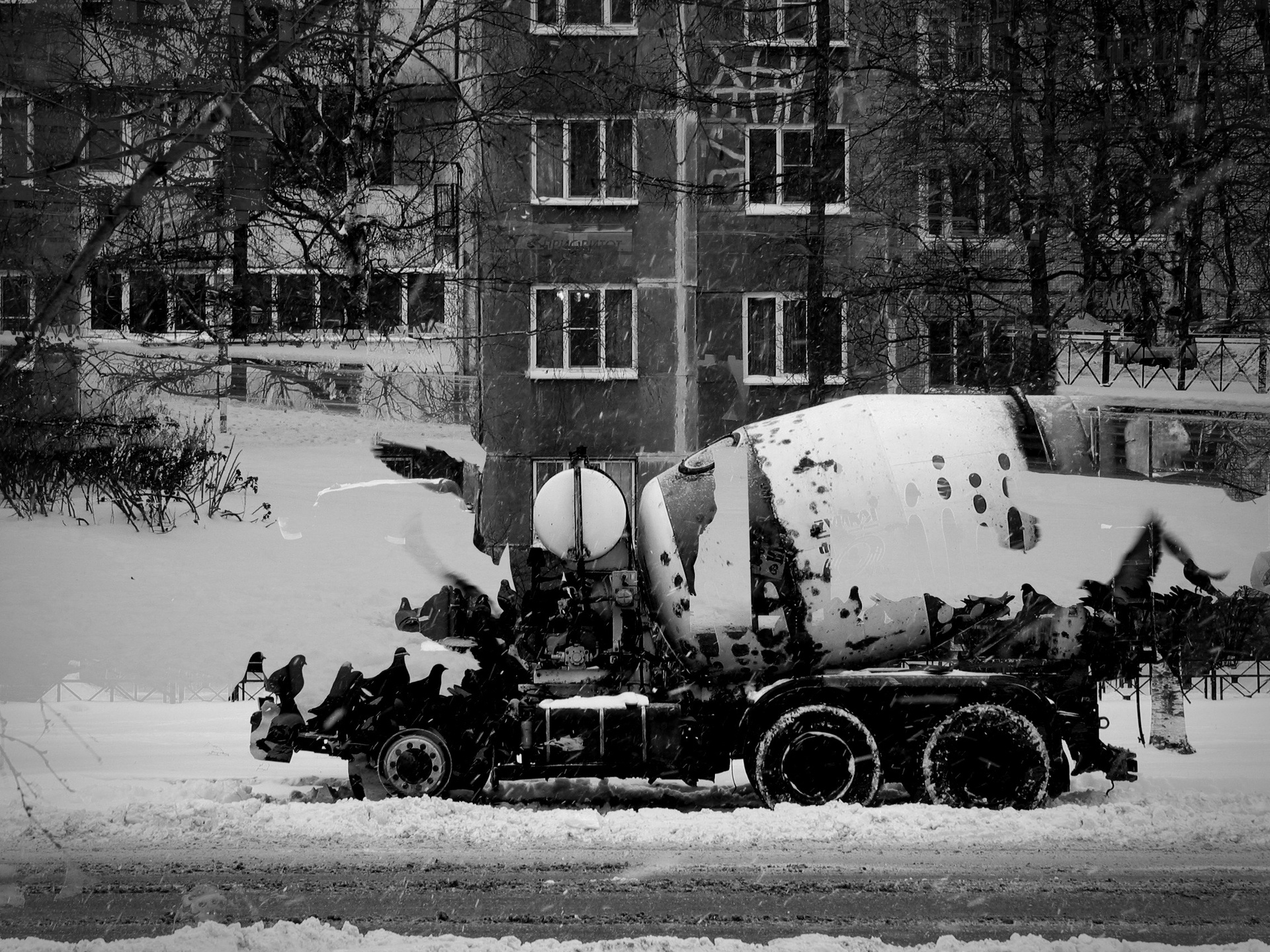
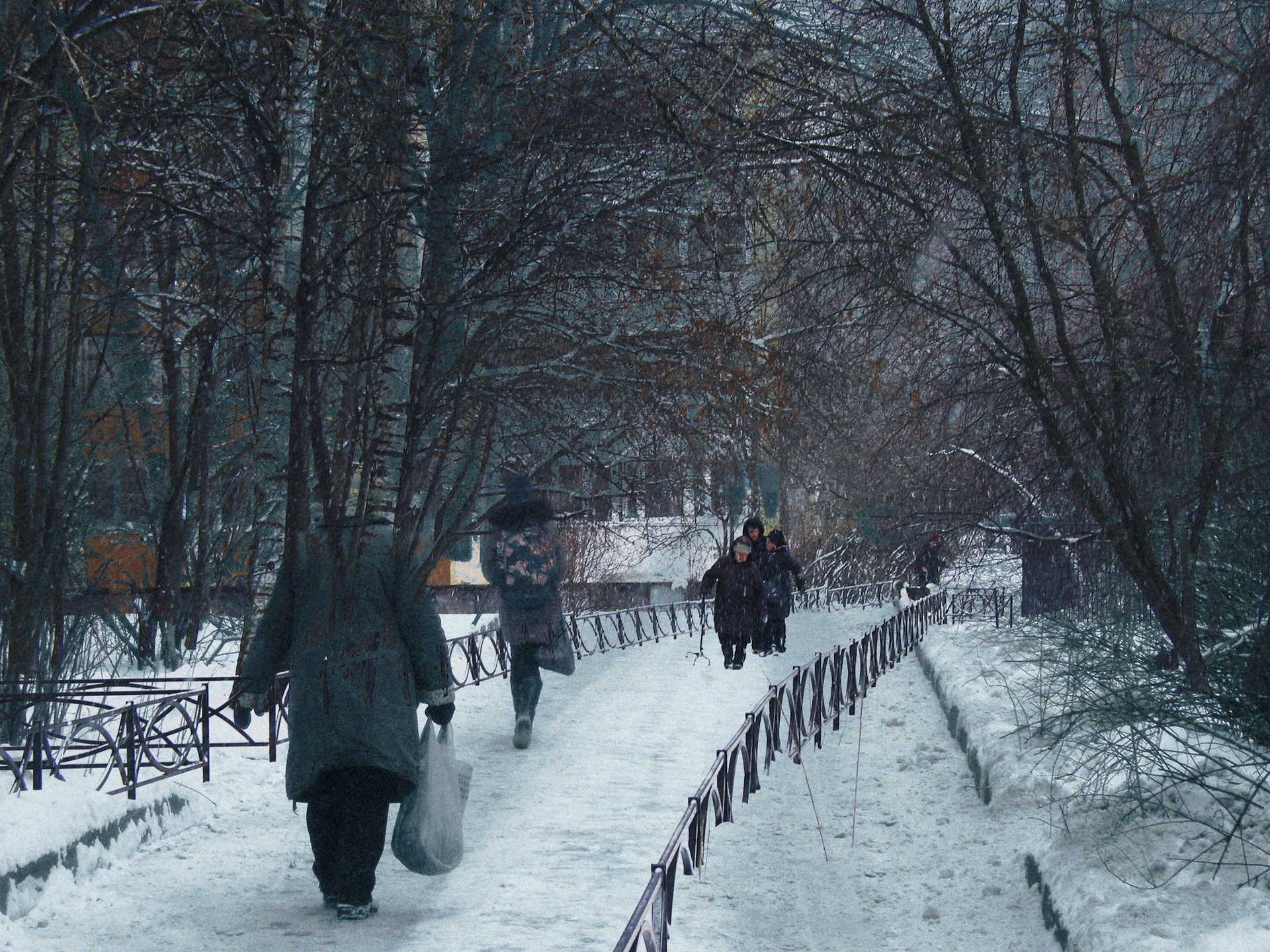
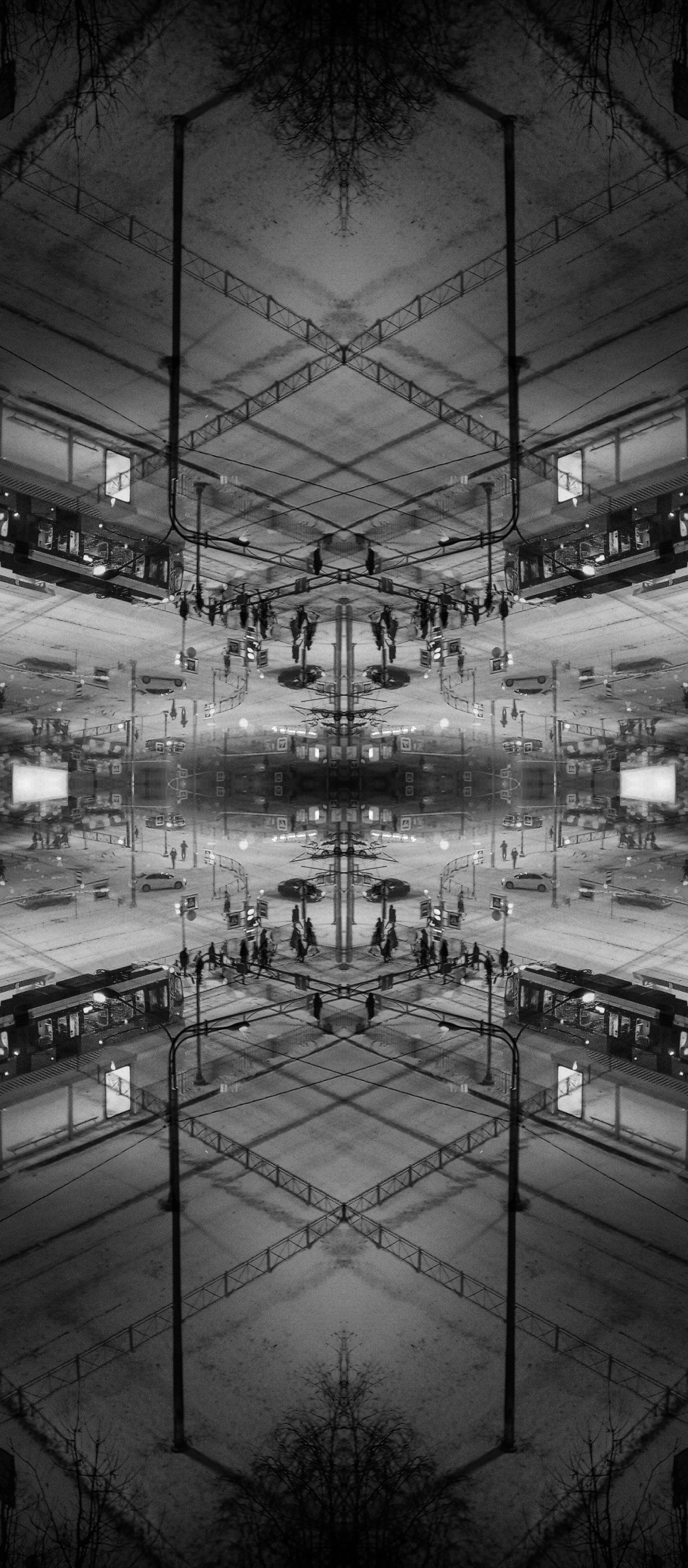
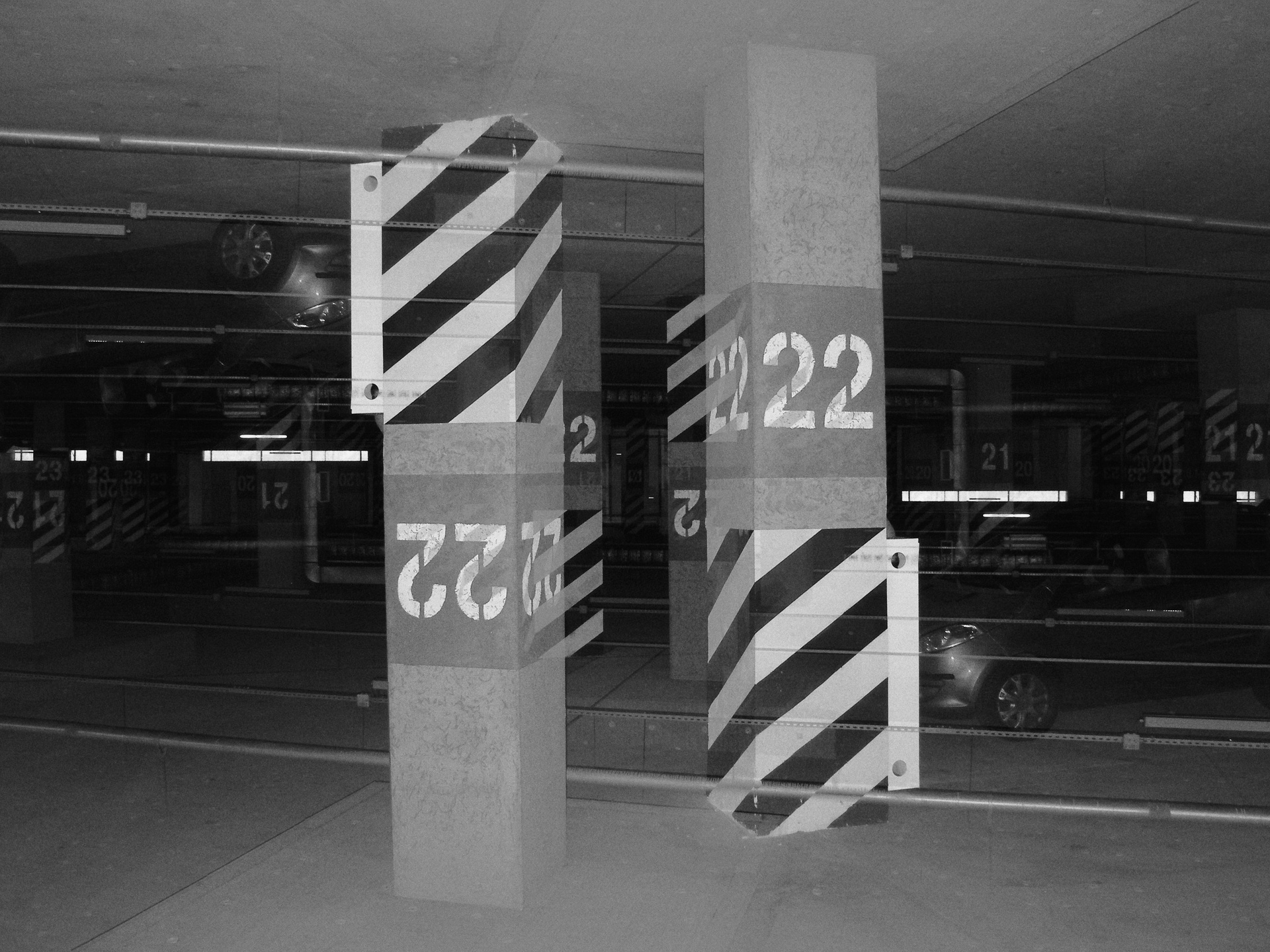
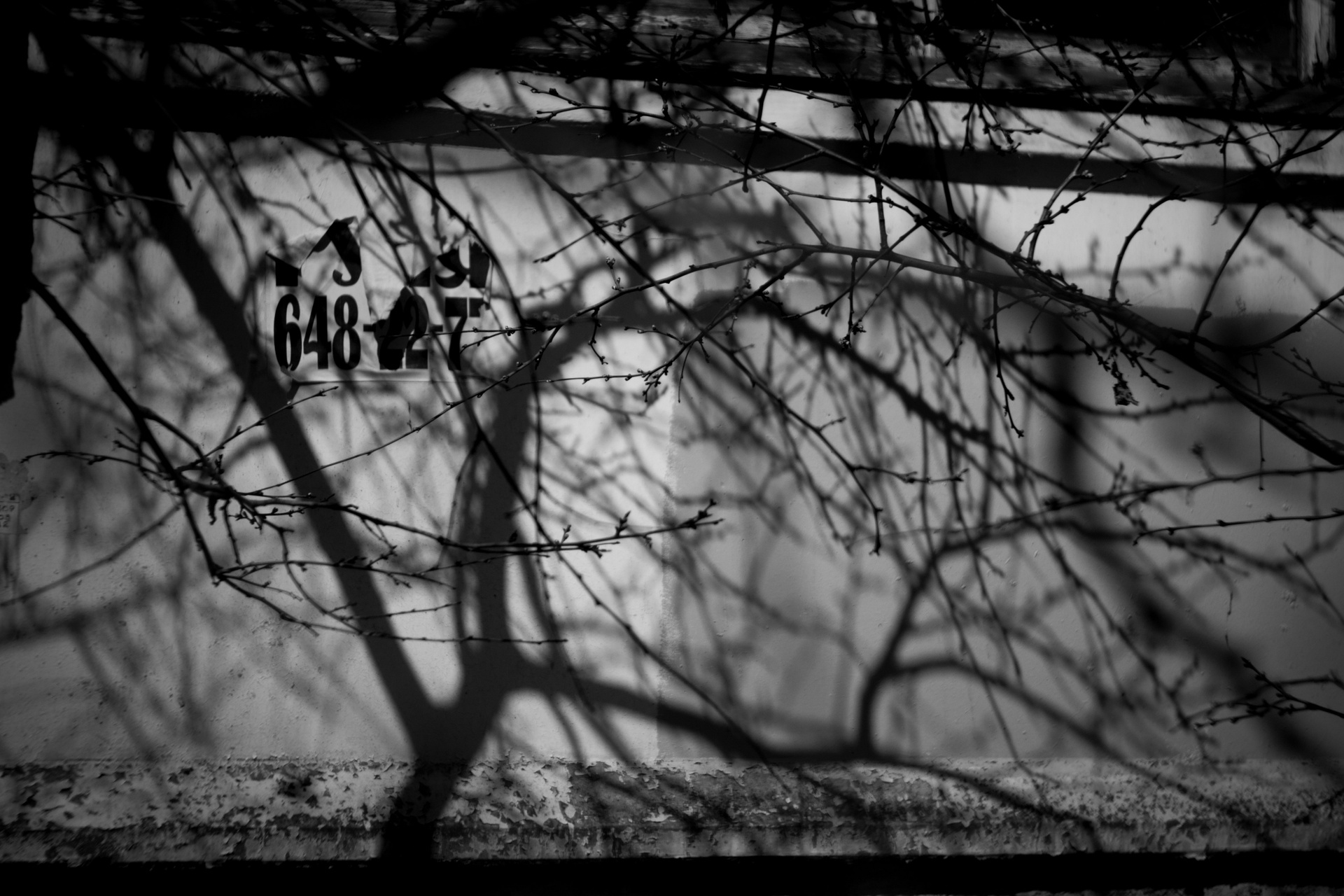
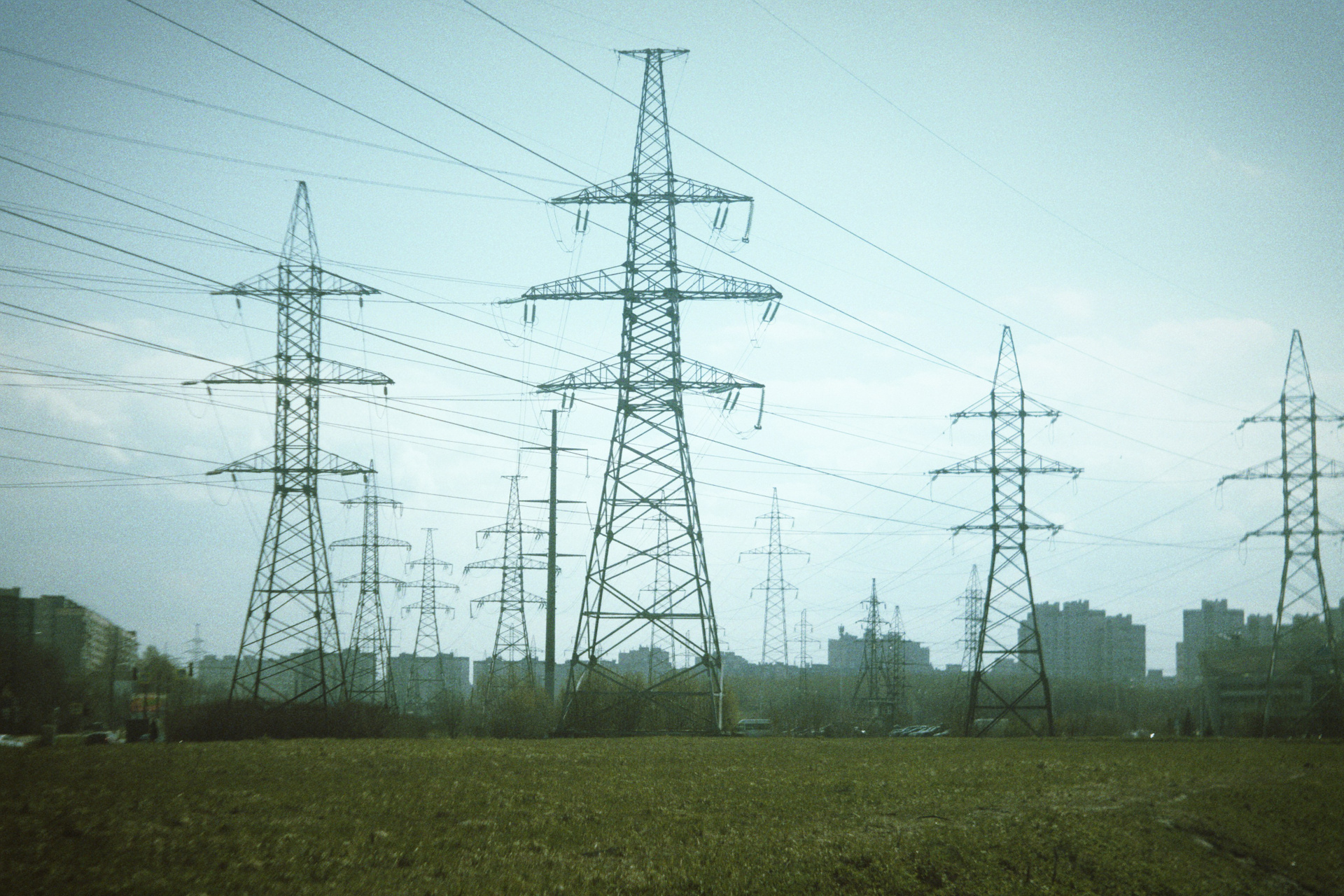
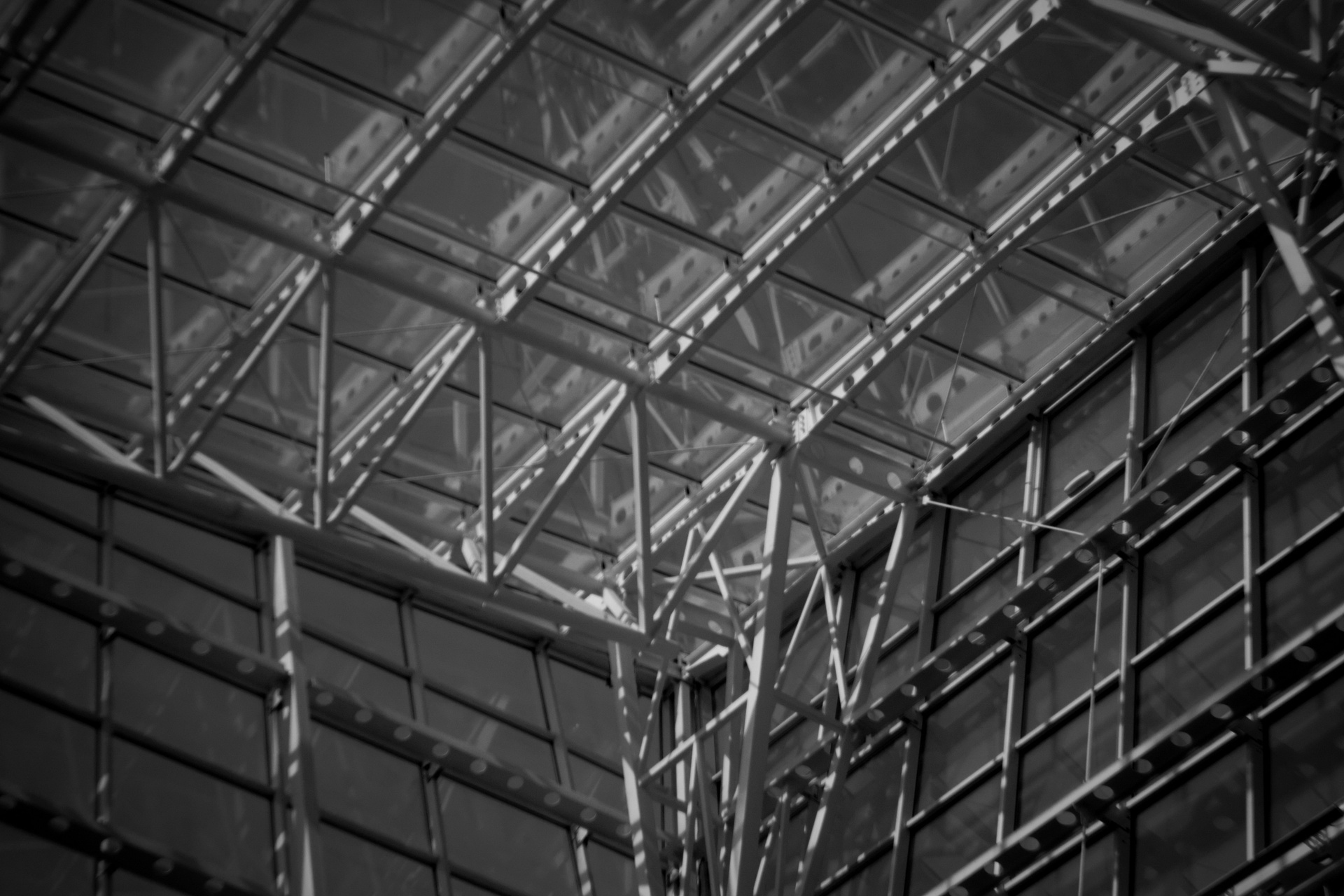
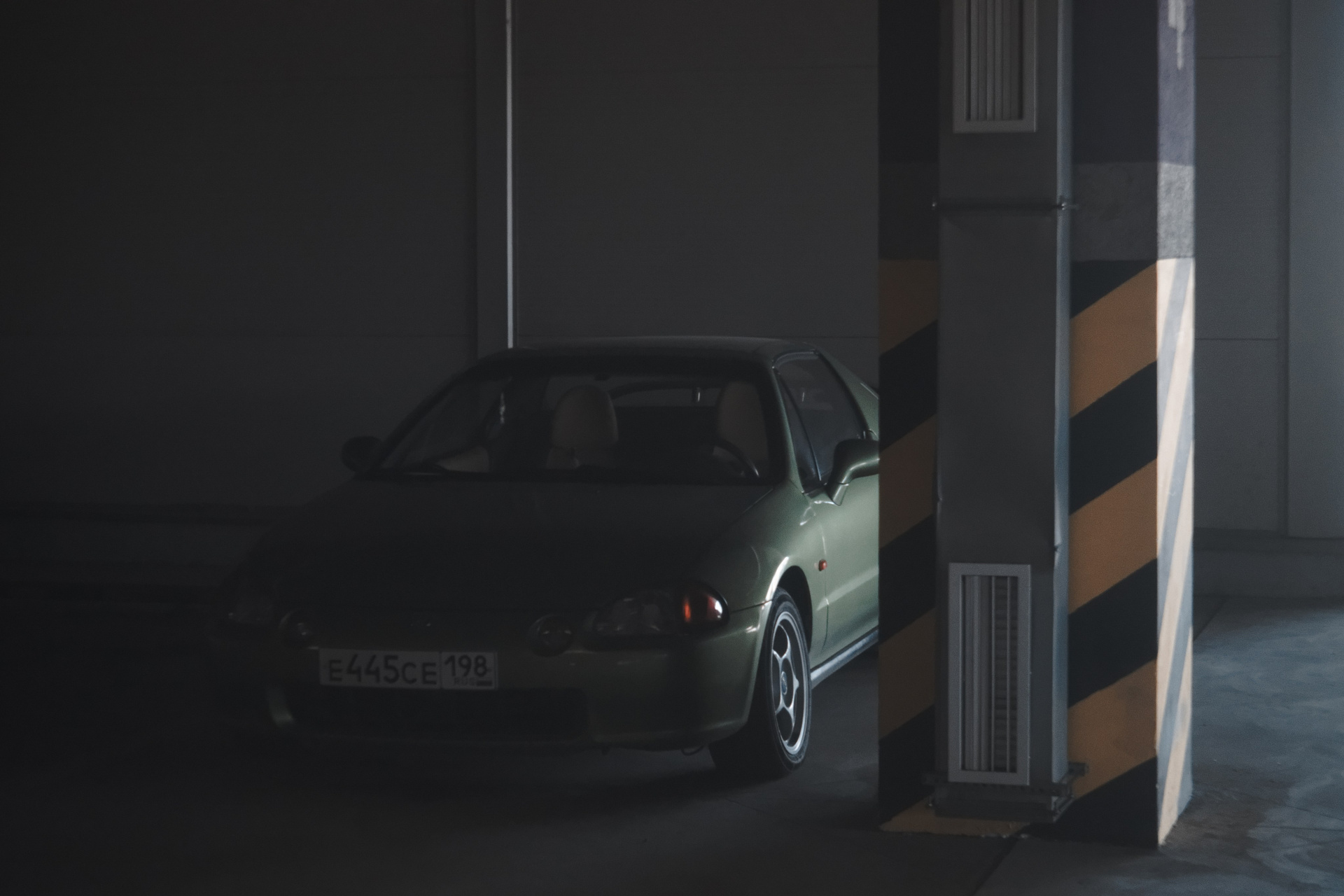
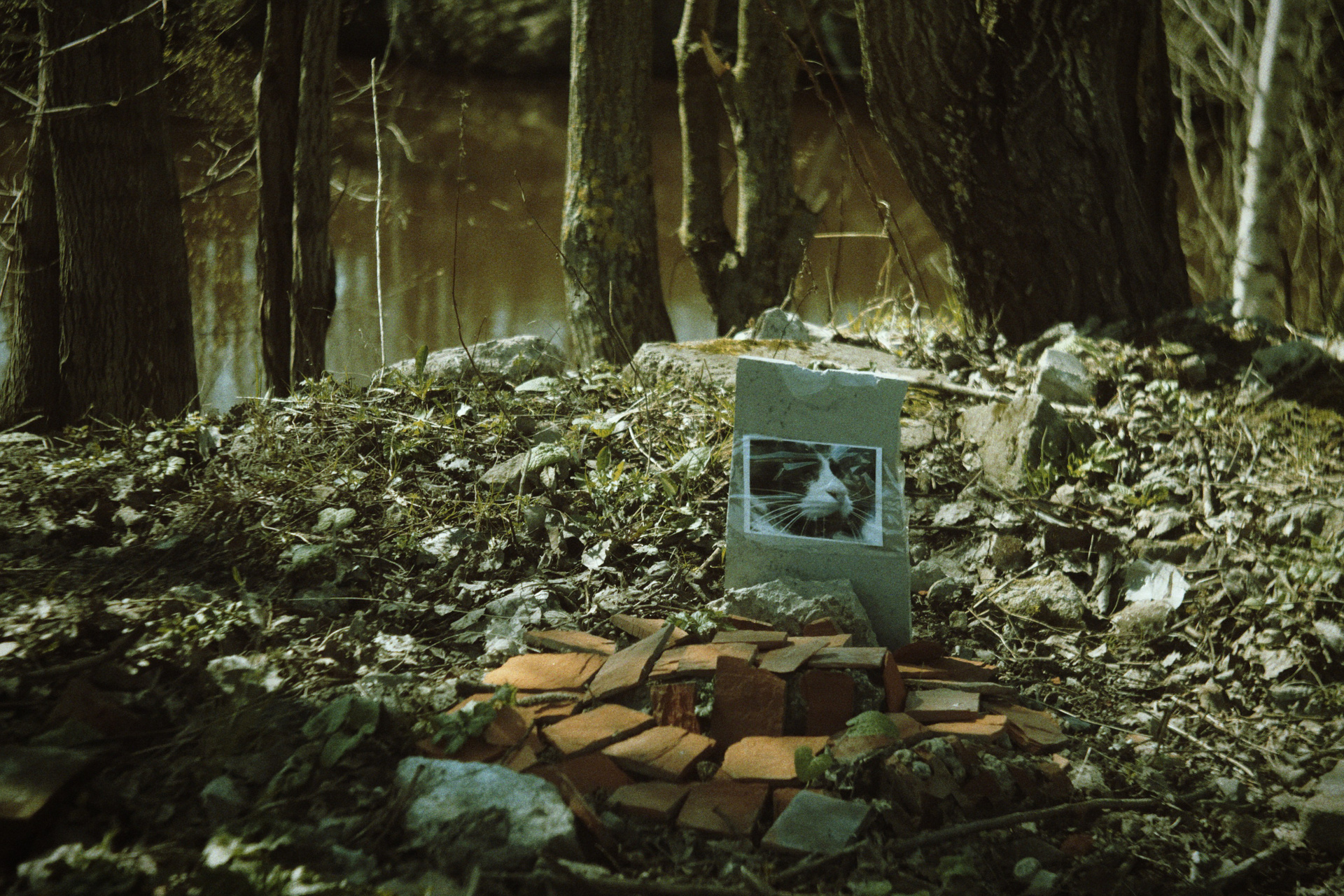
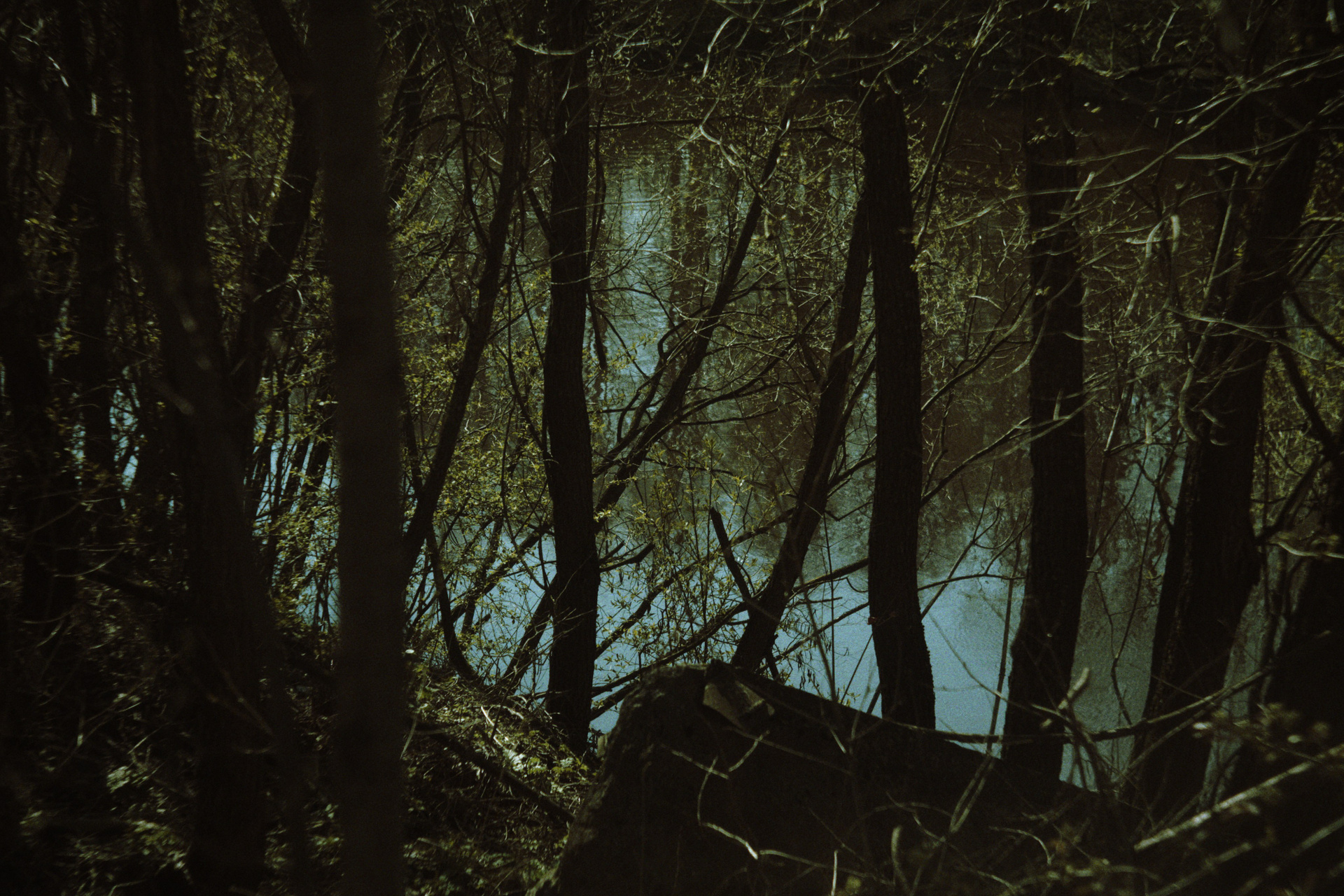
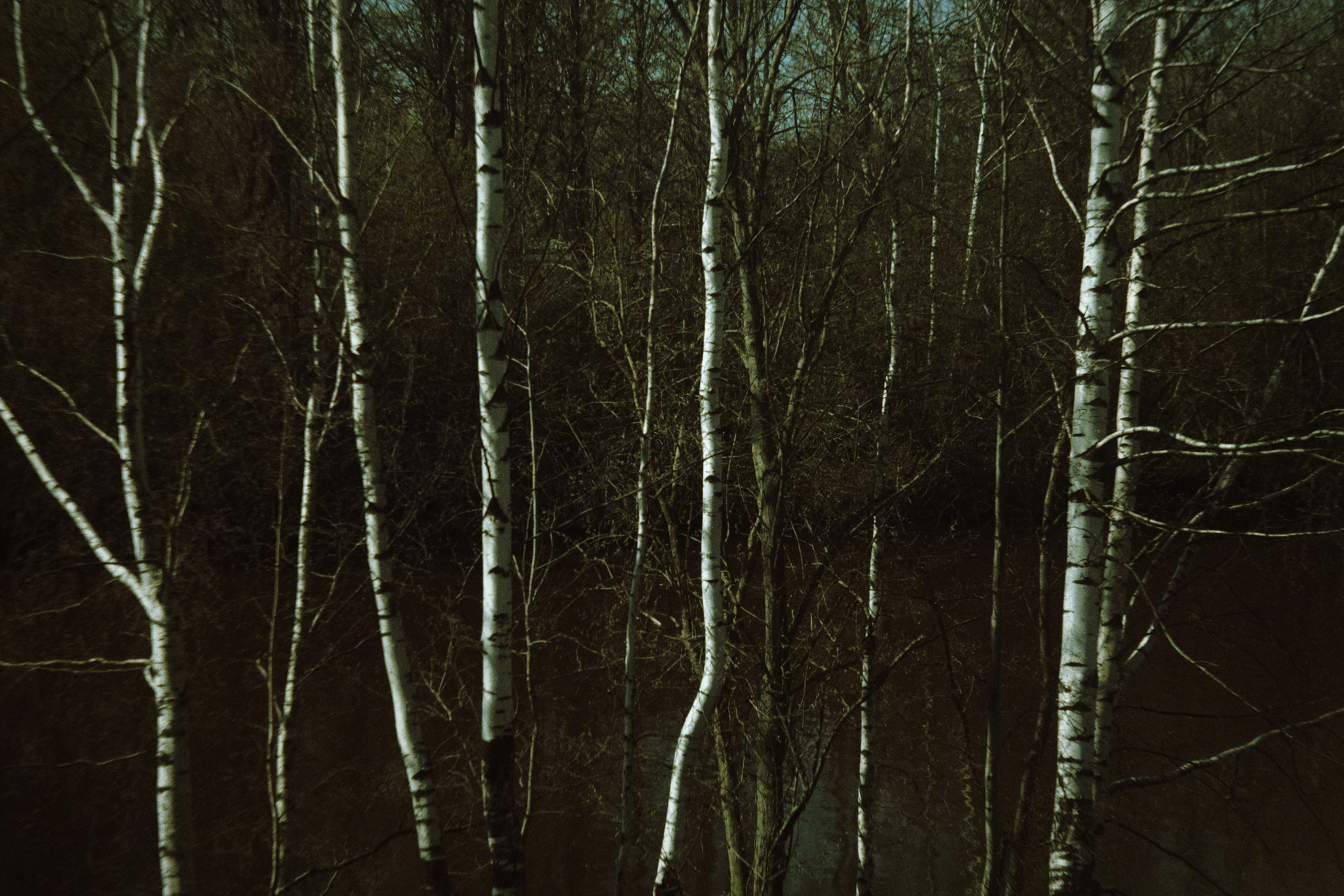
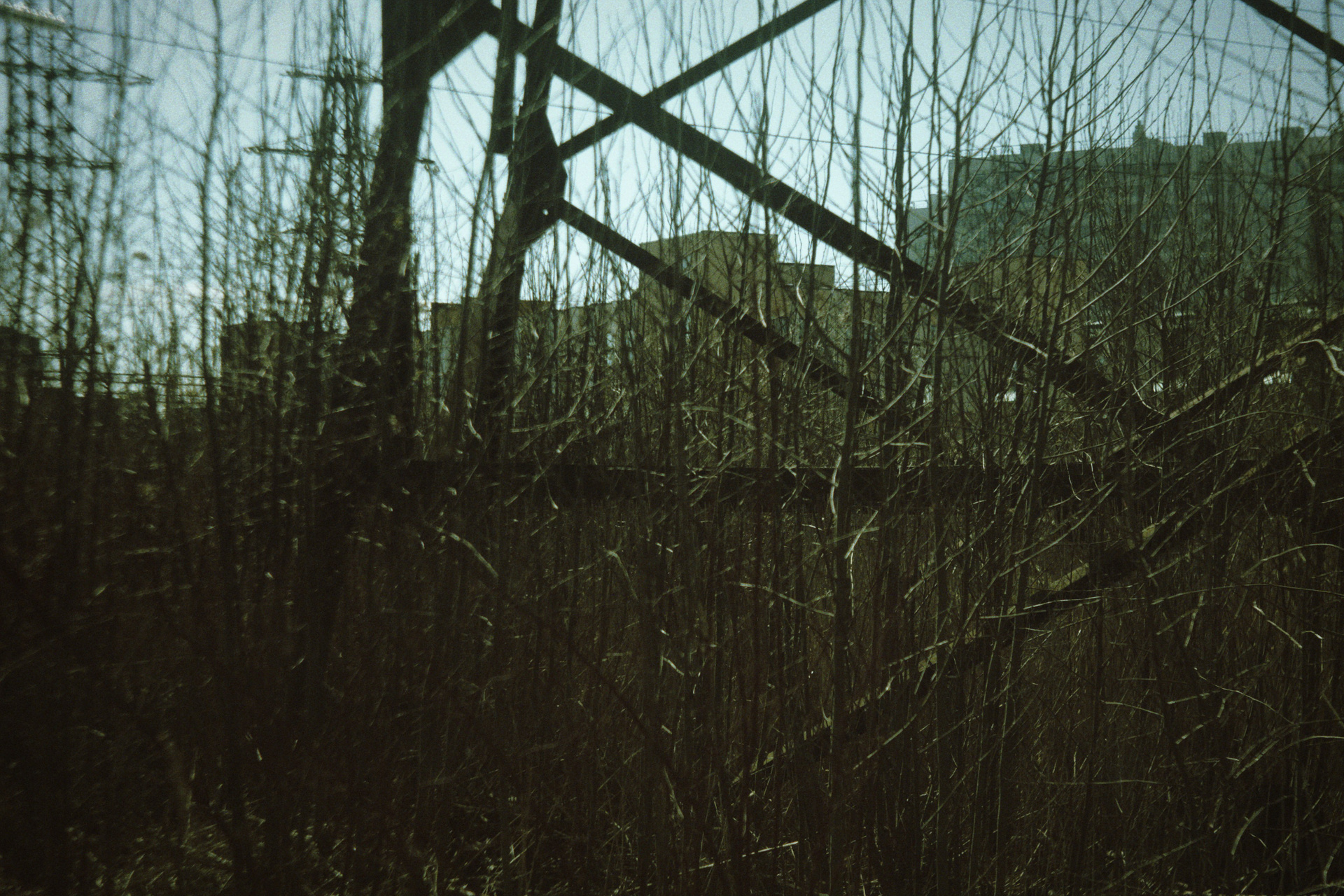
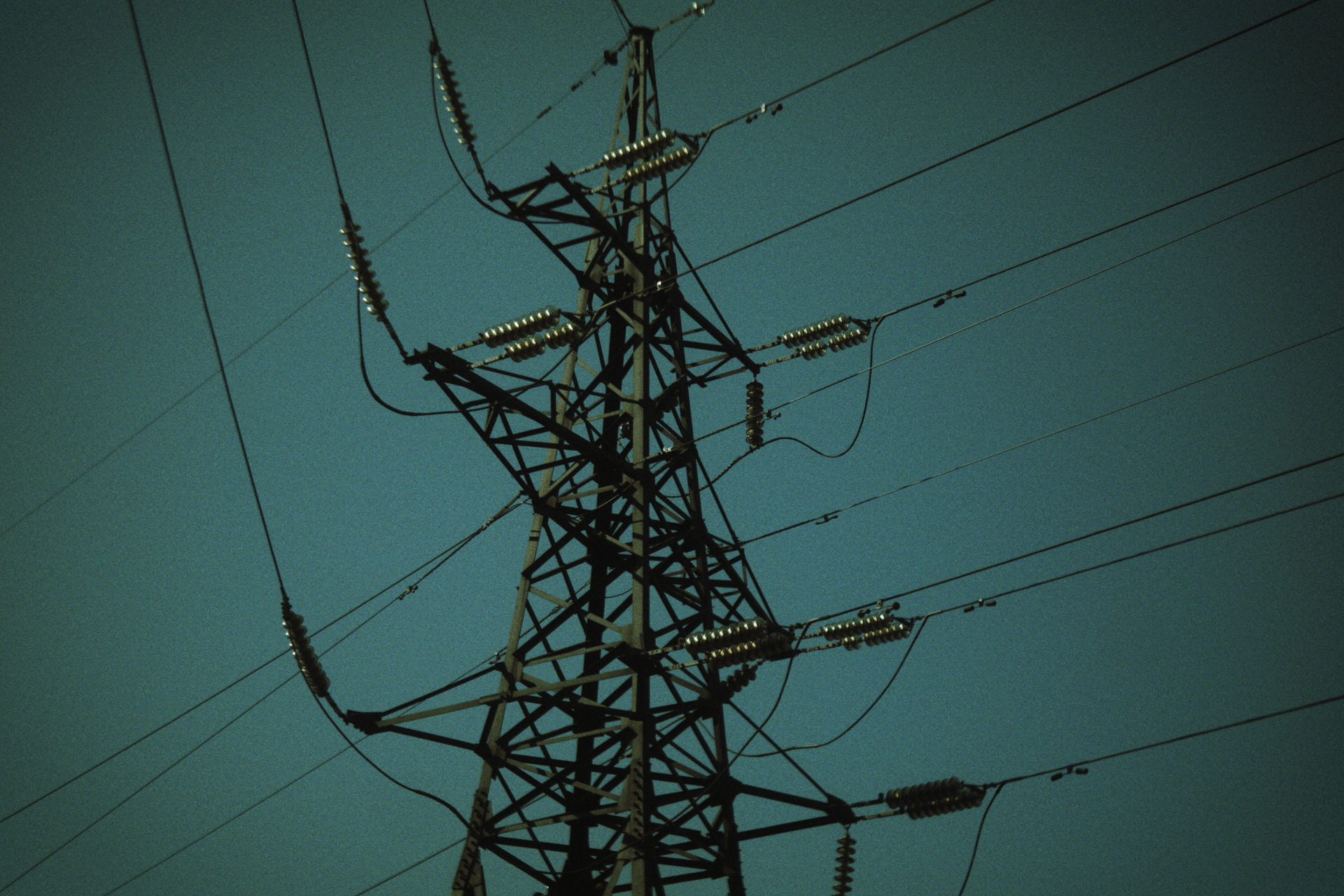
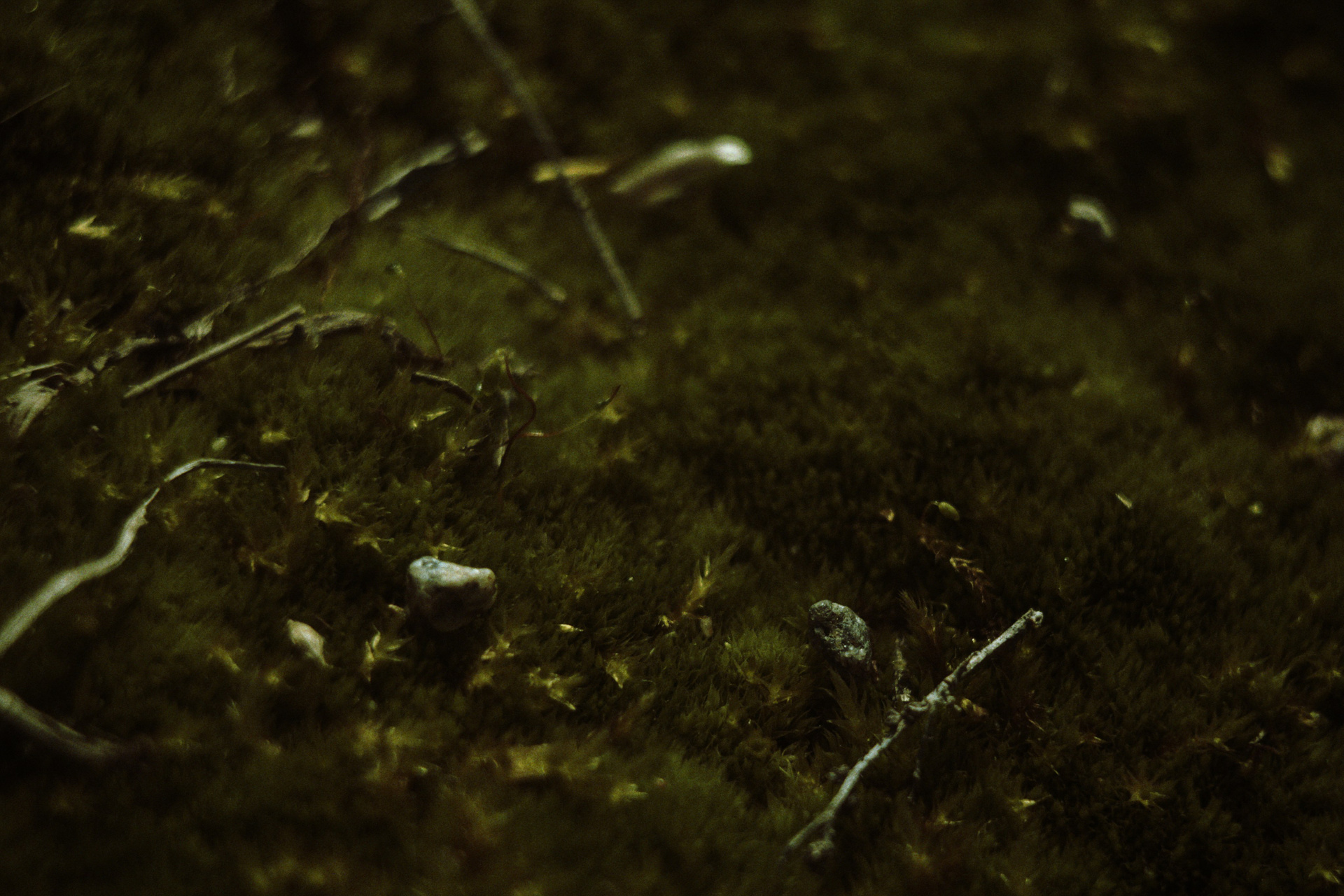
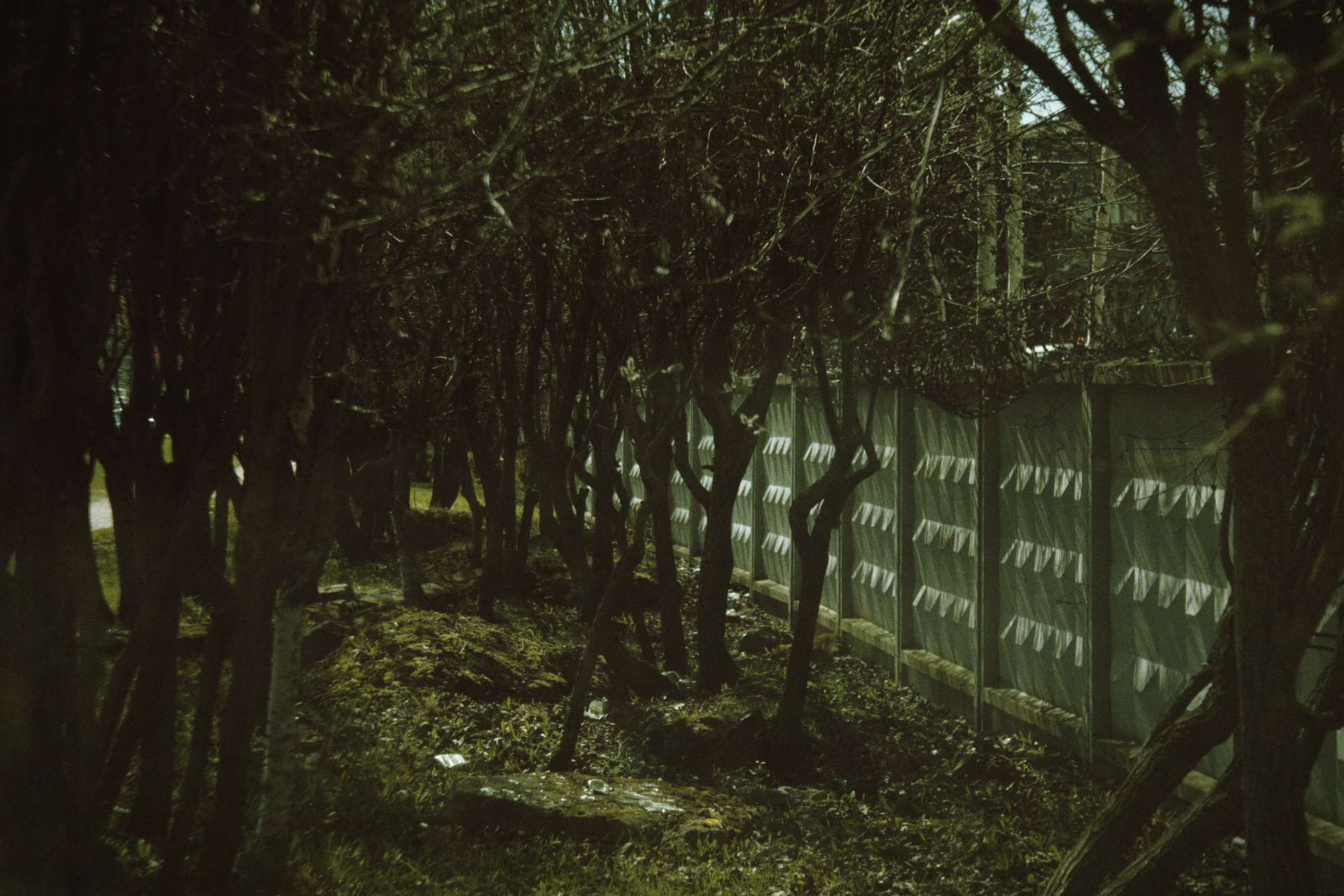
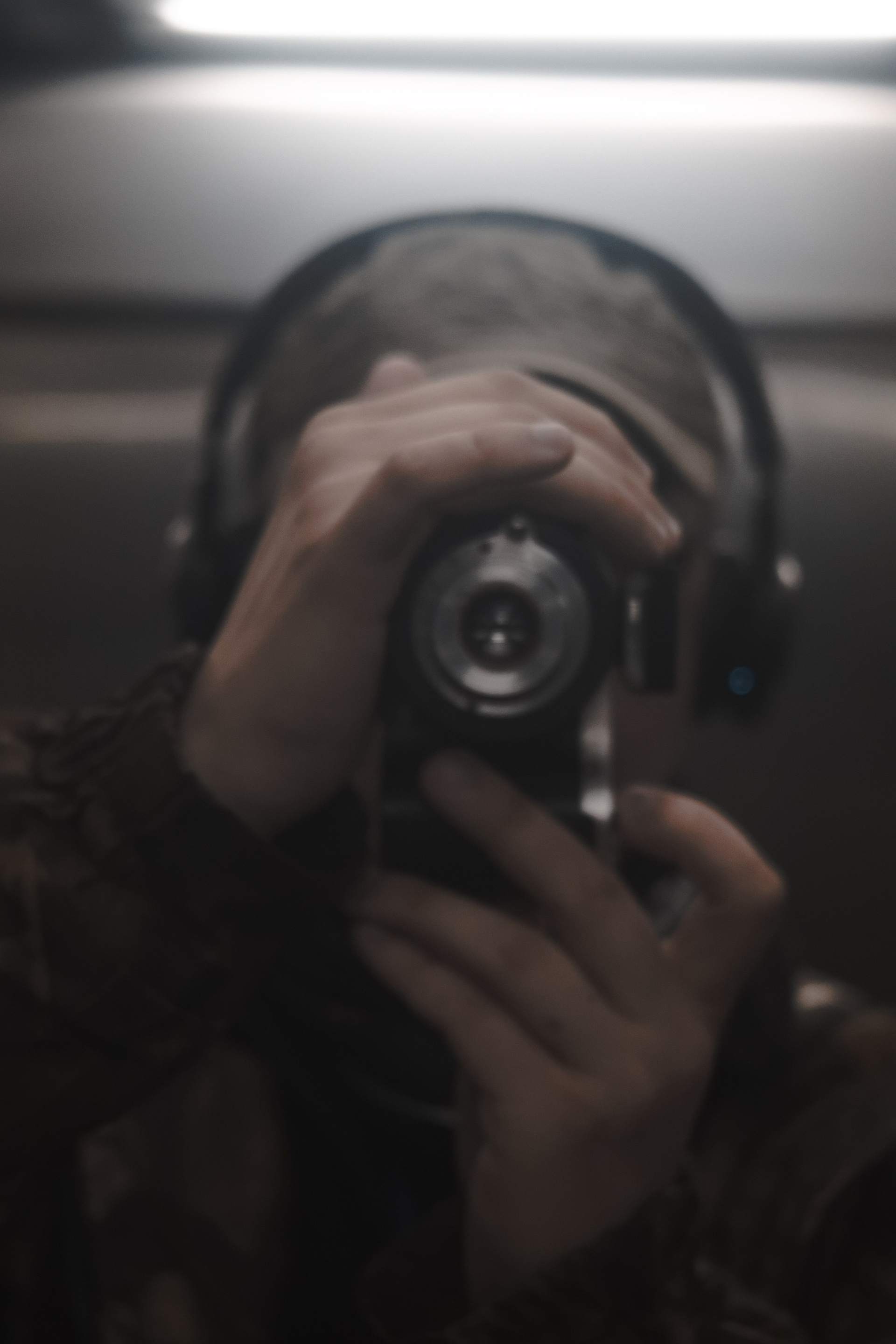
Bardo immerses participants in a journey through inconspicuous, sacred locations hidden between streets and buildings. The space between courtyards, woods and parks is perceived as a stable, inward-looking entity reflecting the stories of its inhabitants. The performance begins with divination using the Book of Changes, which indicates a direction and a “Source of Visual Pleasure”—an object or place found by chance. Participants leave through the back door and enter the world “in between”, where everything becomes a source of inspiration: walls, trees, people, objects and their combinations.
The expedition’s main aim is to discover unexpected moments of visual pleasure: objects that draw the eye and reveal familiar spaces from a new angle. Every found object becomes a readymade, an artefact that acquires new meaning. Returning from the journey is an equally important part of the process. Gathering together, participants share their discoveries and hold an improvised ritual of “preserving” found objects and memories.
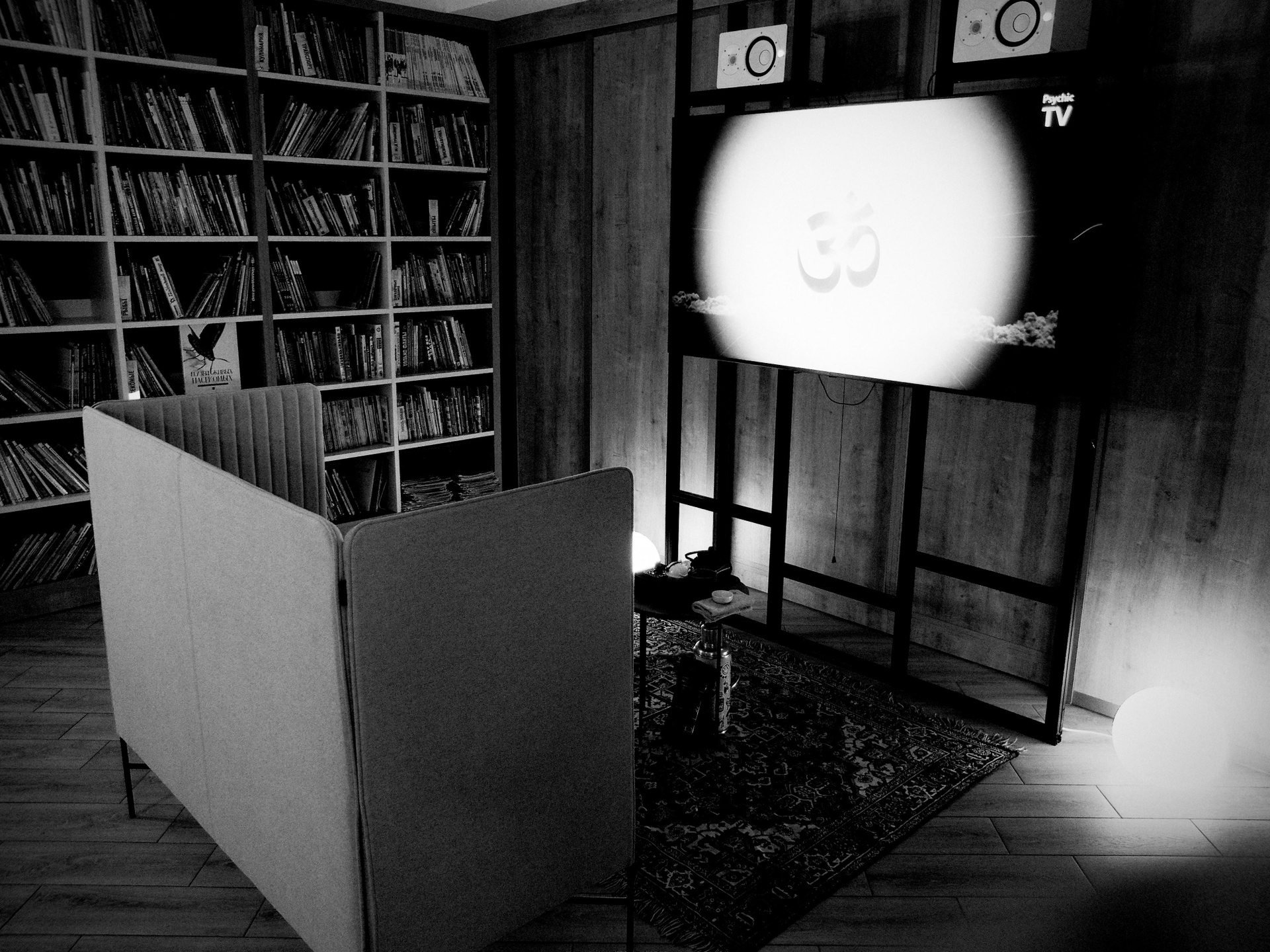
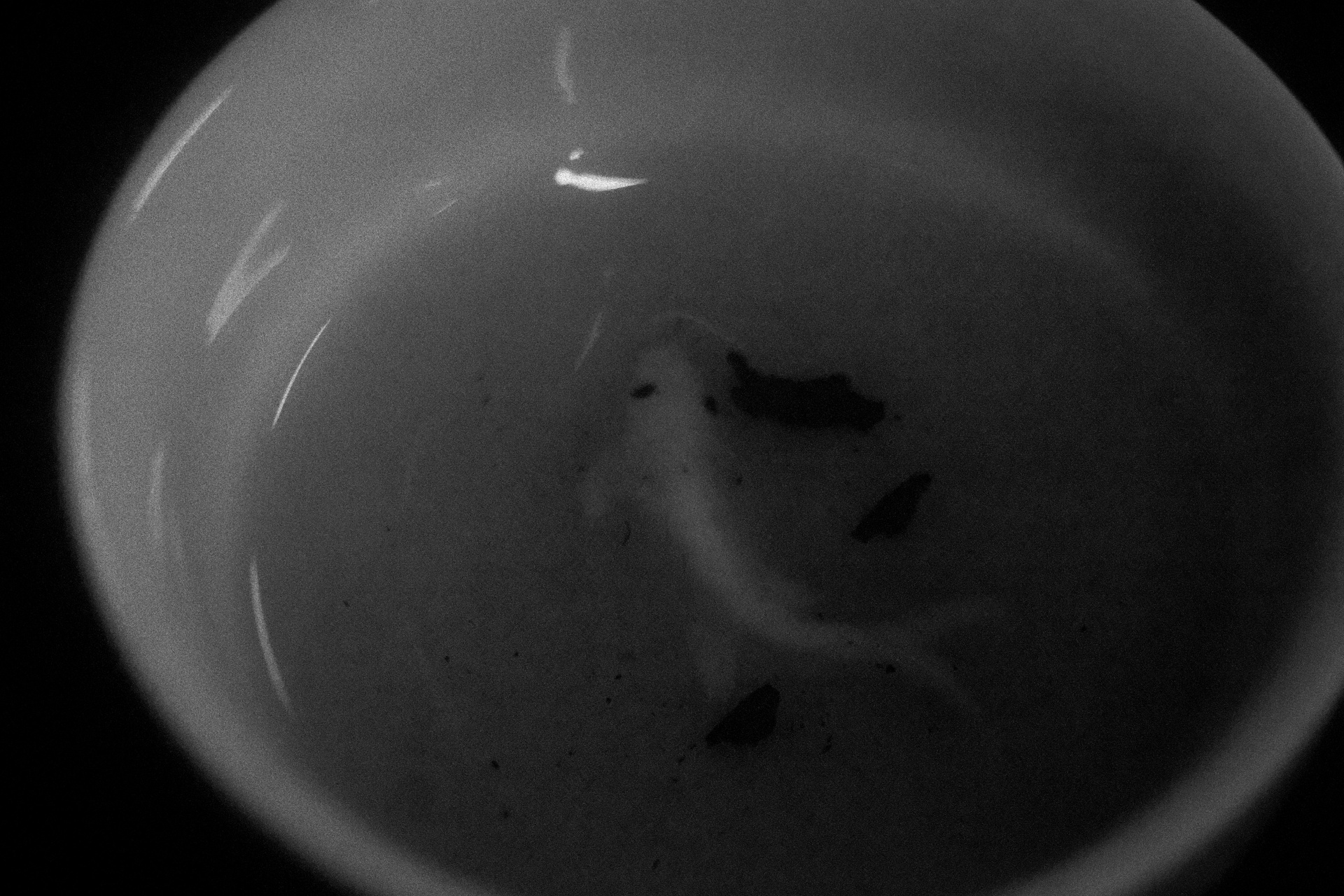
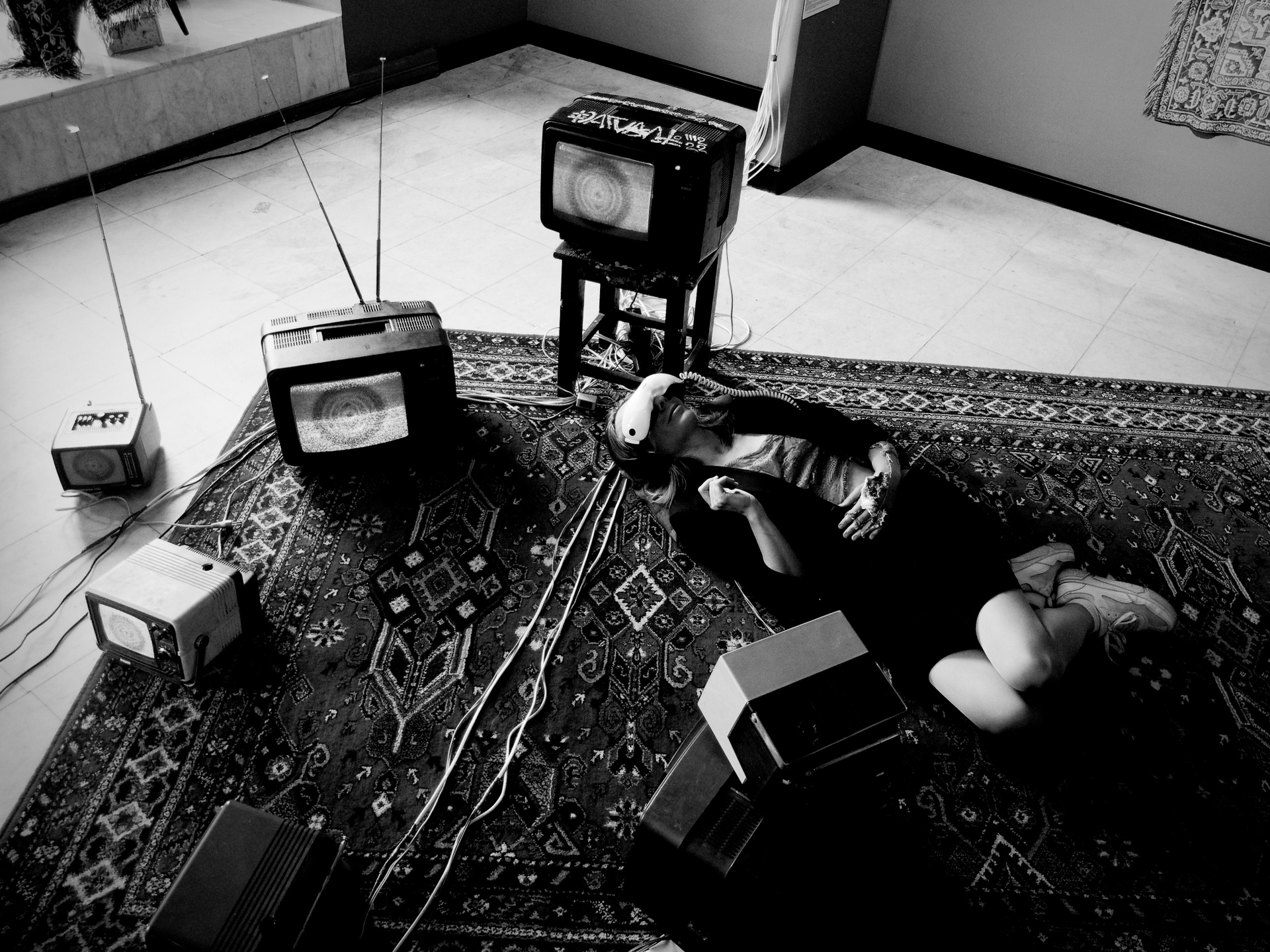
The central closing activity is drinking tea on a carpet in front of a television, where each participant tells a story connected with their discovered “source”. This stage transforms personal experience into a collective one, creating a space for exchanging thoughts and preserving ephemeral impressions.
Bardo thus becomes not only a physical journey but also a symbolic act of rethinking the everyday, transforming chance objects into works of art and ordinary walks into a search for inner inspiration.
A Source of Visual Pleasure in the space of Bardo may appear in the most unexpected forms, reminding us of the unity of the everyday and the mystical. The following 22 signs for finding these objects are offered solely to stimulate the seeker’s imagination:
- Sudden harmony between form and space.
- Traces of time on a surface: cracks and wear.
- Natural textures: tree bark or damp soil.
- Chance reflections in puddles or windows.
- The softness of light falling at an angle.
- Unexpected colour combinations: graffiti on walls or leaves on asphalt.
- Ordinary things given meaning by context: discarded shoes or forgotten objects.
- Symmetry and asymmetry in architectural details.
- Sounds of the surrounding world merging into a rhythm.
- Silhouettes against the sky or buildings.
- A sense of space: emptiness or a density of objects.
- Wind moving things: flags or litter.
- Traces of living beings: footprints, leaves or cut branches.
- Objects found by chance, forgotten or left by people.
- Light and shadow creating an illusion of movement.
- Contrasts between the natural and the human-made: concrete and moss.
- Destruction and its remains: fragments of buildings or objects.
- Interaction with space: passers-by as part of the picture.
- Transformation through time: changing shapes of clouds or snow.
- Wonder in simple things: a hand on a wall or the outline of a tree.
- Insignificant objects acquiring new meaning in context.
- The act of observation itself as an act of creation.
These signs direct attention towards what usually escapes notice, inviting participants to explore small details and turning every encounter with space into a meditative search for Sources of Visual Pleasure.
Many methods and media can be used to record Sources of Visual Pleasure, drawing on creative engagement with the surrounding world:
- Photography: a classic way to preserve a visual image by capturing a moment.
- Drawing: a quick or detailed sketch can emphasise distinctive forms and lines.
- Pressing: preserving the shape of thin objects such as leaves or paper.
- Laminating: securing small artefacts while preserving their structure and outlines.
- Sound recording: capturing atmospheric sounds, such as footsteps, rustling leaves or urban noise.
- Preserving: using glass jars as time capsules for objects or elements.
- Video: recording movement, light, shadows and the rhythm of a space.
- Memorising: meditation that preserves an image in memory so it can be described later.
- Audio diary: describing a discovery aloud and expressing the impressions of seeing it.
- 3D scanning: preserving spatial objects in detail.
- Graphic representation: using plans and diagrams to record space.
- Collage: combining found objects and images within a single composition.
- Light projection: illuminating an object and playing with shadows to explore its form.
- Tactile perception: remembering through touch and recording an object’s texture.
- Making imprints: capturing traces through stamping or impressions.
- Written sketches: creating visual images through descriptive words.
- Collecting: gathering found objects and arranging them as an installation.
- Stamping: transferring objects or fragments onto other materials.
- Digitisation: creating digital artefacts to preserve information about discoveries.
- Infographics: presenting discovered sources as diagrams and visual data.
- Soundscapes: audio installations based on found sounds.
- Immersive technologies: using VR/AR to record objects in a virtual environment.
Each method offers the opportunity not only to preserve an object but also to interpret it, creating new forms of perception.
Professor Ya. R. Balaboba
Senior Research Fellow in Scientific Art History and Creative Crisis at the Russian Academy of Arts; member of the Union of Artists of the USSR (1984).
Born on 29 December 1904 in Leningrad.
In 1956, he successfully defended his Candidate of Sciences dissertation, “The Surrealist Painting of Eugène Denis”, at the Advanced Art History Courses of the Institute of Art History. In 1967, he defended his doctoral dissertation, “The History of Russian Art in the Second Half of the Twenty-Second Century”.
Author and co-author of more than 100 published scholarly works and four inventions.
Psychonaut
AI