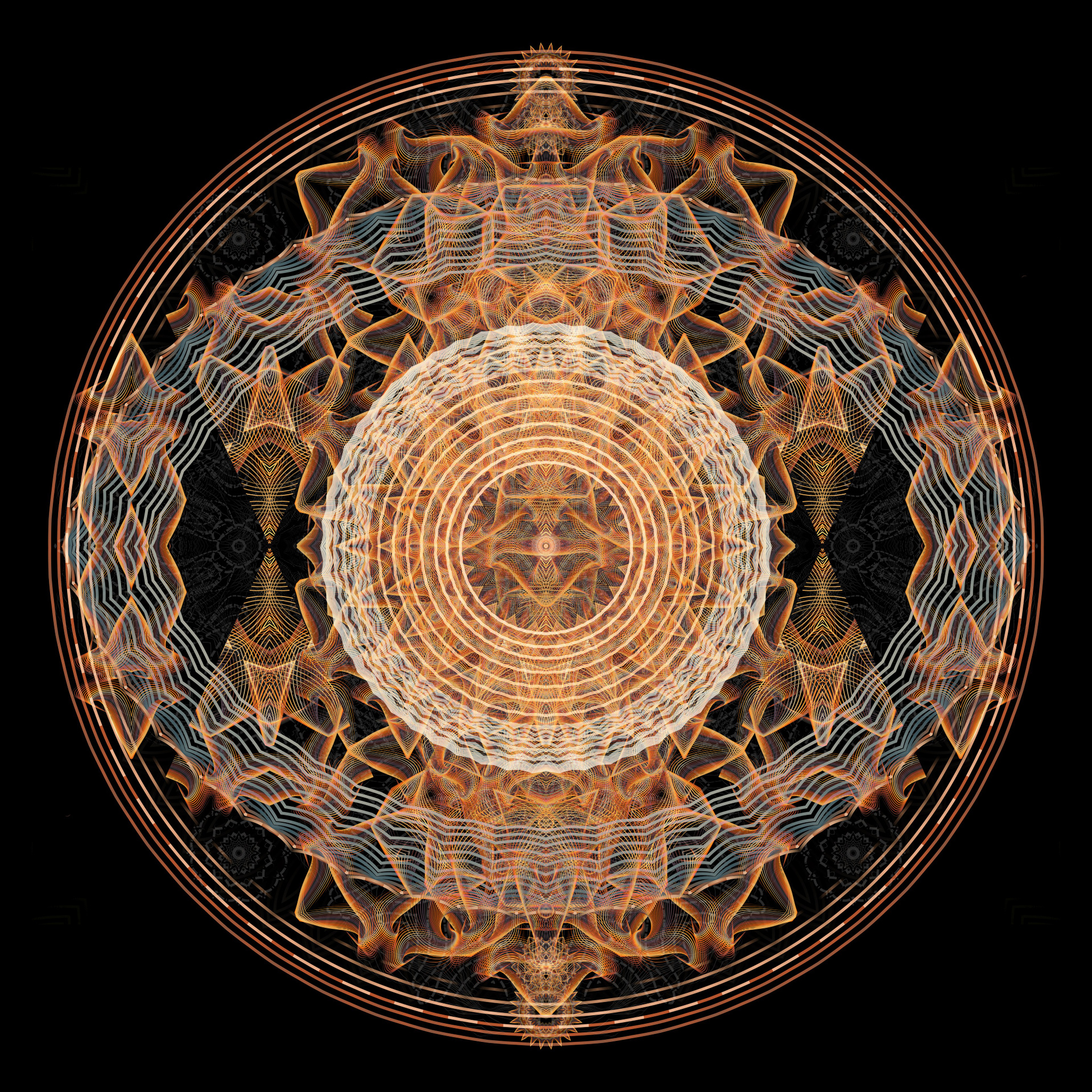
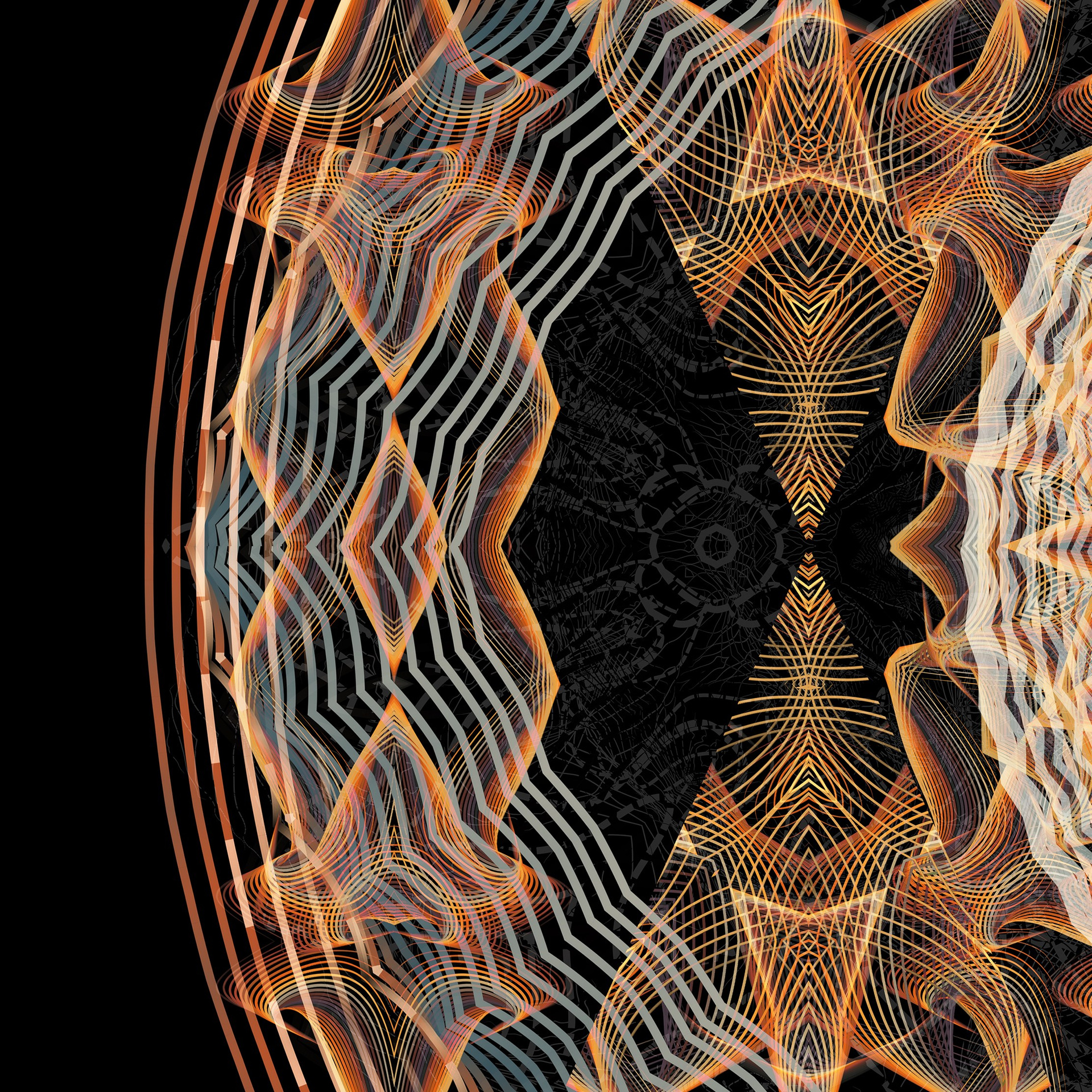
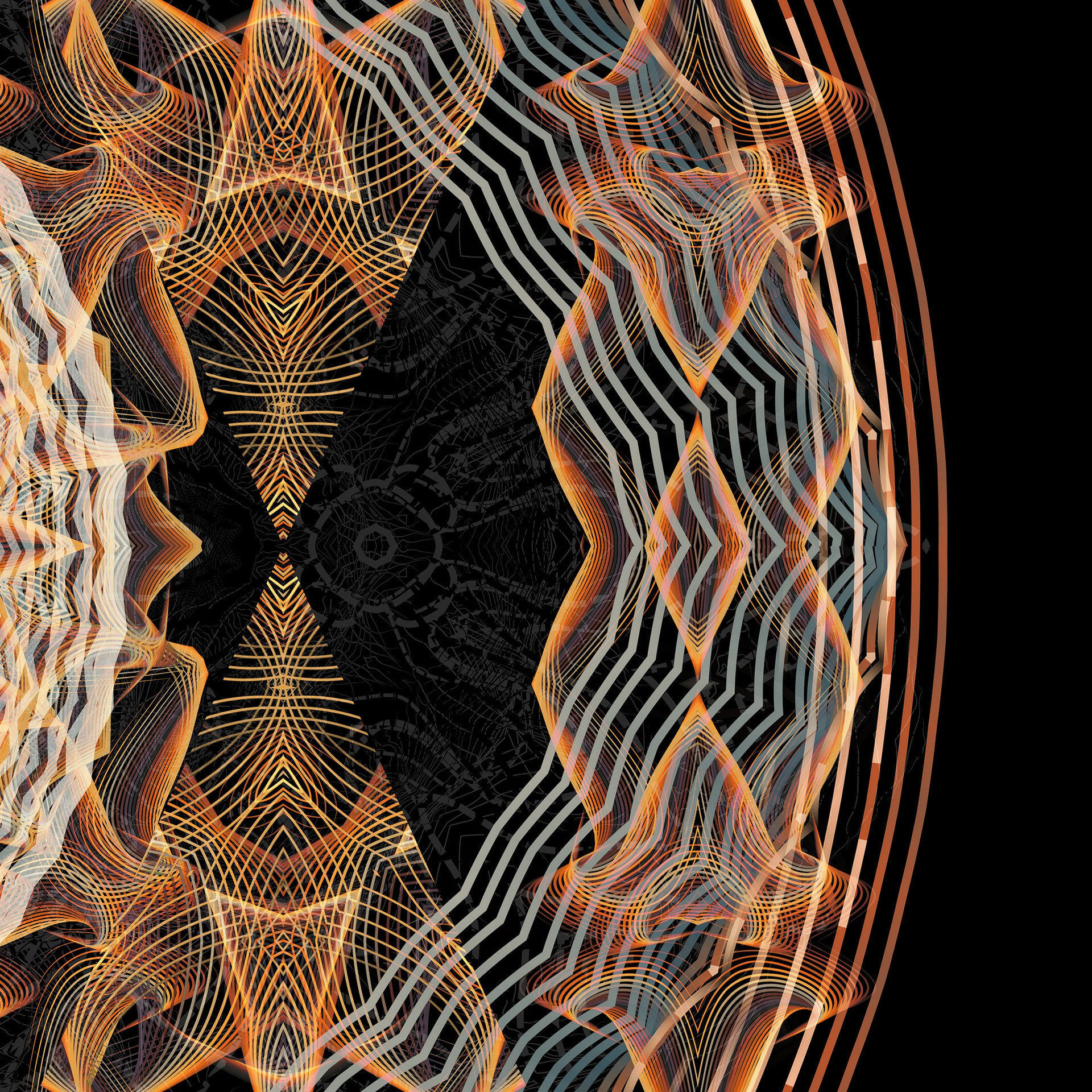
Rays emanating from the central motif resemble lines connecting eras, forming a geometric mandala that embodies the unity of the finite and the eternal. The delicate, undulating shapes of the surrounding pattern evoke pulsation and movement, as though the image were alive with its own rhythm.
Interpretation:
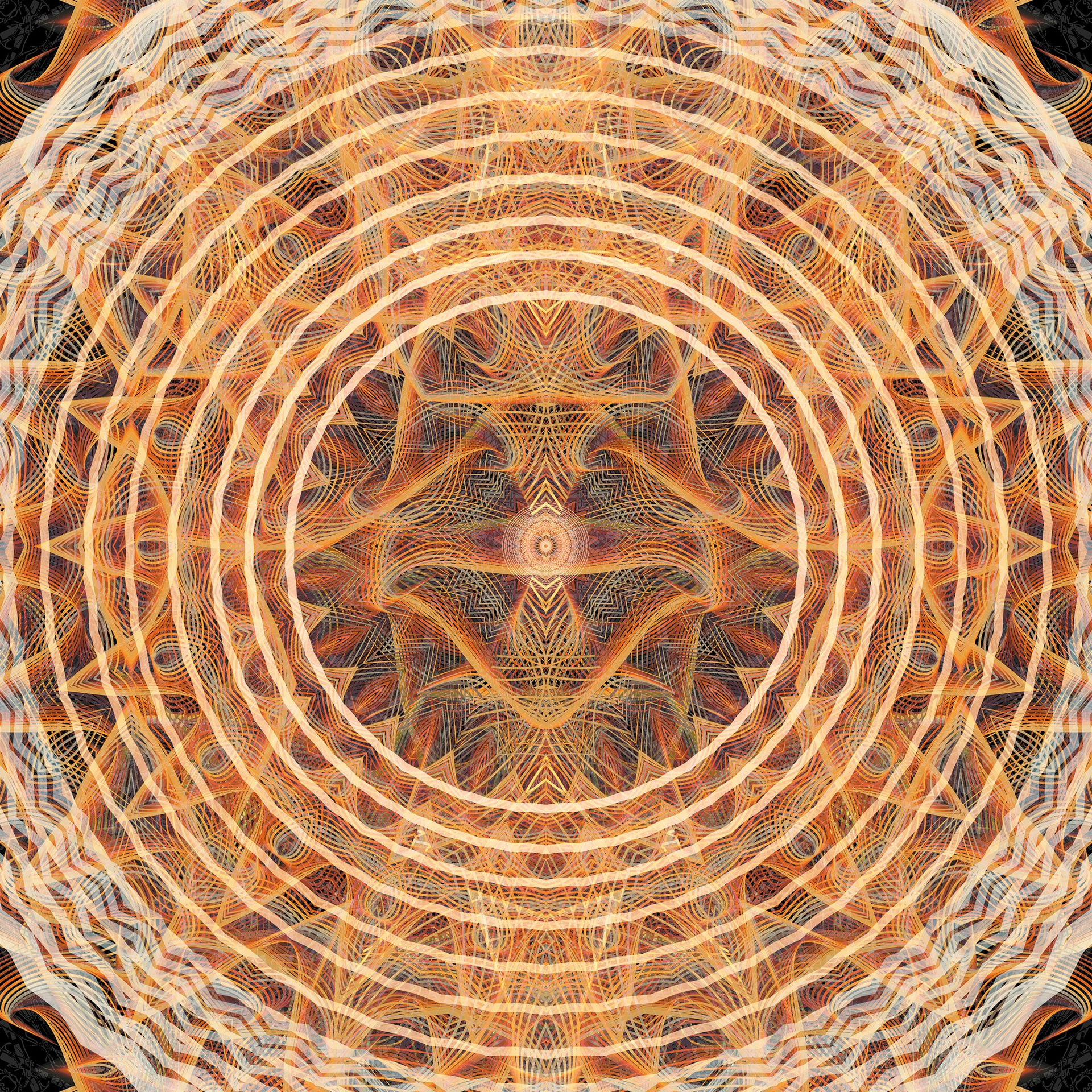
The composition invokes the passing of great civilisations, particularly ancient Egypt, and the inevitability of time, which transforms everything. The eye speaks to us in the language of visual meditation, inviting viewers to contemplate the fragility of the modern world and its historical finitude. The mandala form heightens the sense of the sacred and universal. The eye becomes not only a symbol of observation but also a reminder: every civilisation has a beginning and an end, leaving a trace that humanity interprets through art.
Aesthetics:
The digital execution creates a contrast between ancient symbolism and contemporary means of expression, emphasising the connection between past and future. Transparent lines and shimmering textures evoke ephemerality, as though the image might vanish at any moment, dissolving into the white noise of time. The installation becomes not merely an object of contemplation but also a space for reflection, where viewers feel part of a dialogue between past and present.
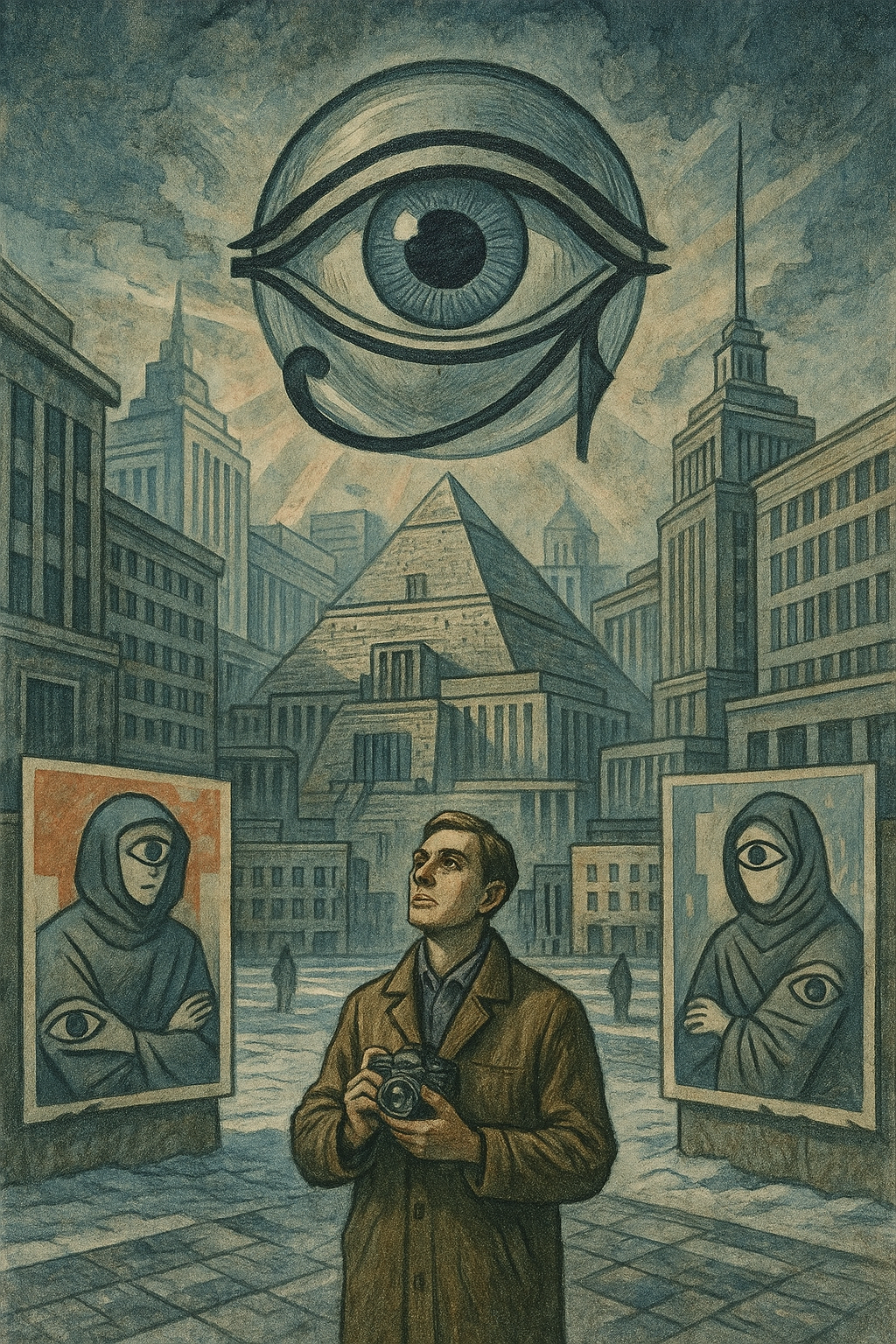
It has something to do with an eye, but nothing to do with Egypt…
One May evening, Ivan Ivanov mixed up the channels and switched on “The Film Travellers’ Club” instead of “Battle of the Psychics.” At first he thought he was dreaming. An antelope in a ritual mask was running across the screen while a voice-over recited mantras in a mixture of Latin and the Sormovo dialect. Then the camera entered a pyramid, which contained a Sberbank branch. An Egyptologist with the eyes of a swift sat there and said:
“Truth lies in drifting. The Giza Plateau is not a place but a state.”
Ivan fell asleep in the eighth minute.
In his dream, he walked along a marble corridor made of VHS tapes. The walls were breathing. He approached a mirror, but instead of himself he saw the Eye of Egypt—huge and glassy, like a door peephole in an apartment building on Lesnoy Prospekt. The Eye blinked and said:
“You have seen too little. Now you will see too much.”
Ivan fell into a city resembling a combination of Uryupinsk, Memphis and Dostoyevskaya metro station. People walked backwards, spoke the language of ants and bought meaning by weight.
He walked seven thousand steps through the city before meeting an old man in a cloak made of old posters. The man gave him a map on which directions had been replaced by the words: “Knee, ” “Sand, ” “Optics, ” “Archive, ” “Whisper.”
Ivan drifted. Took photographs. Made notes. Forgot who he was. Became someone else.
And there, in the most secluded archway, where droplets hung in the air like suspended nails, he met Them. The Clan of the Displaced Gaze.
They had no faces, but they had eyes where people usually have elbows. They looked at him and spoke in unison:
“You have come. Now you know:
The Eye of Egypt is not a symbol.
It is a mode of observation.
It is you when you do not blink.
It is the city when you do not see it.
It is a frame with no centre.
It is knowledge that cannot be written down, but can be printed on photographic paper.
And hung on your grandmother’s wall.”
Ivan woke with a sensation. He had no keys, but he had a card bearing an eye. Every time he pressed it, the Eye of Egypt blinked inside the lens.
Since then, Ivan no longer takes photographs: he shows.

深い秋の夢 (Dream of Deep Autumn)
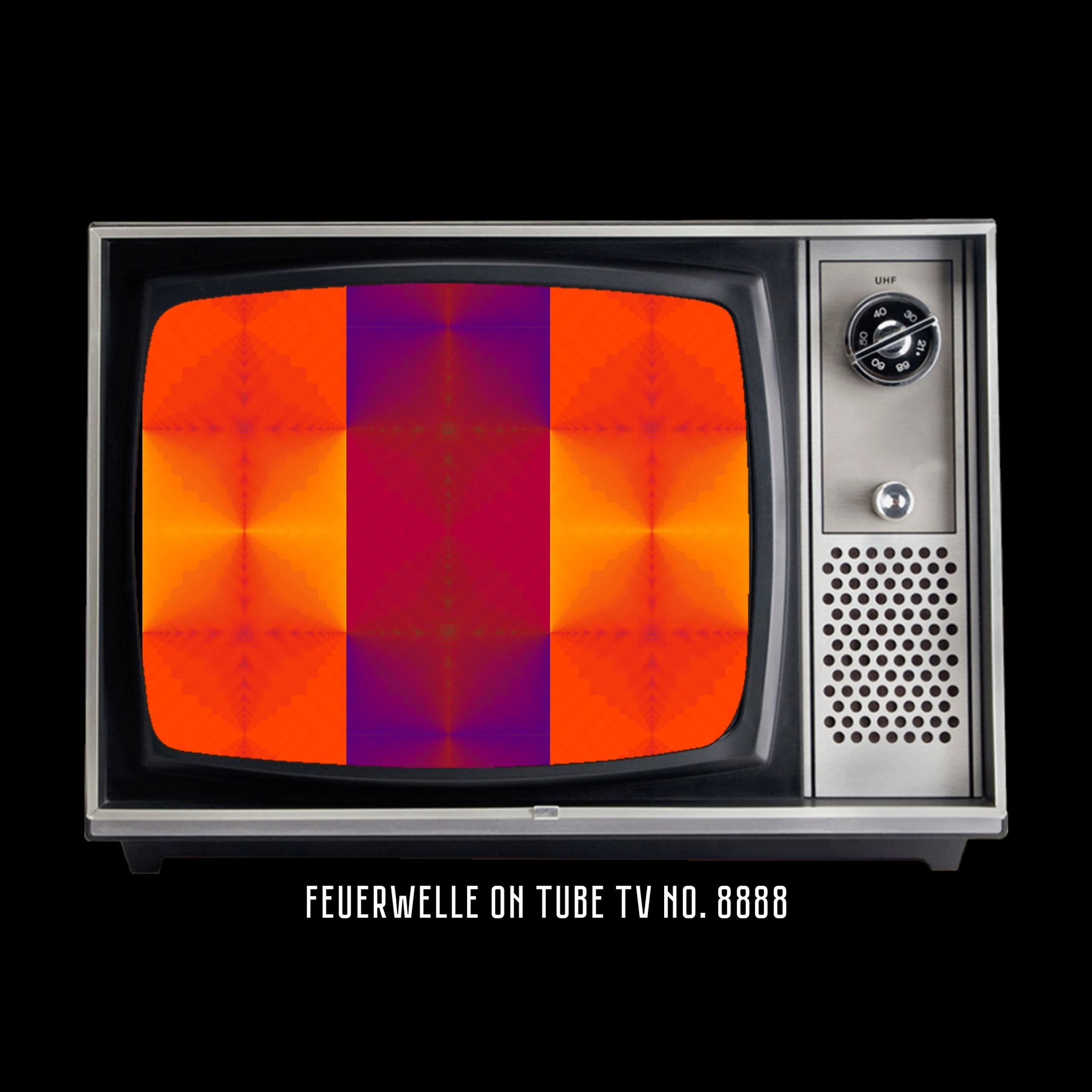
Fiery Wave

“12 Ideas of Fluxus” as Deconstruction for the End of 2024
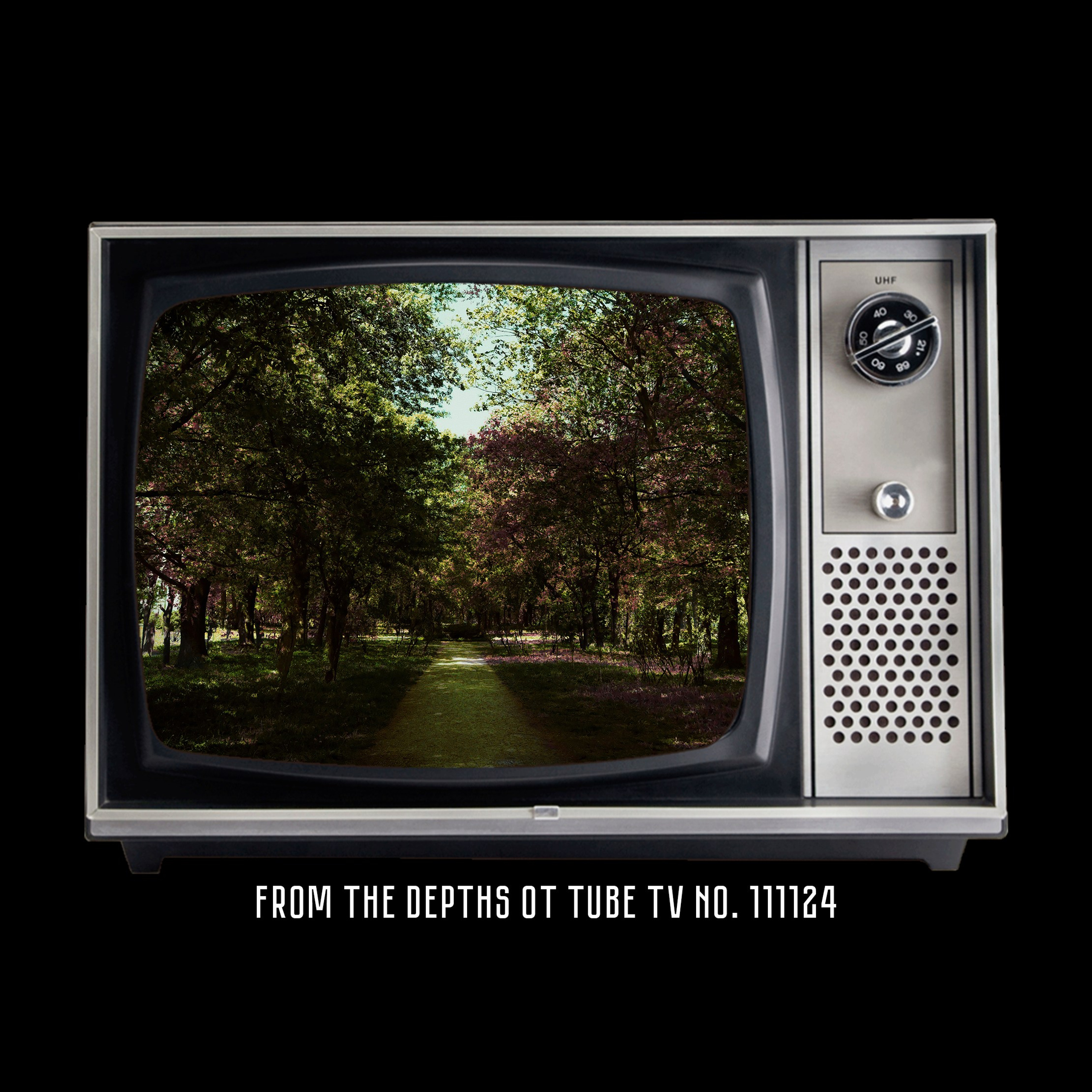
Depth
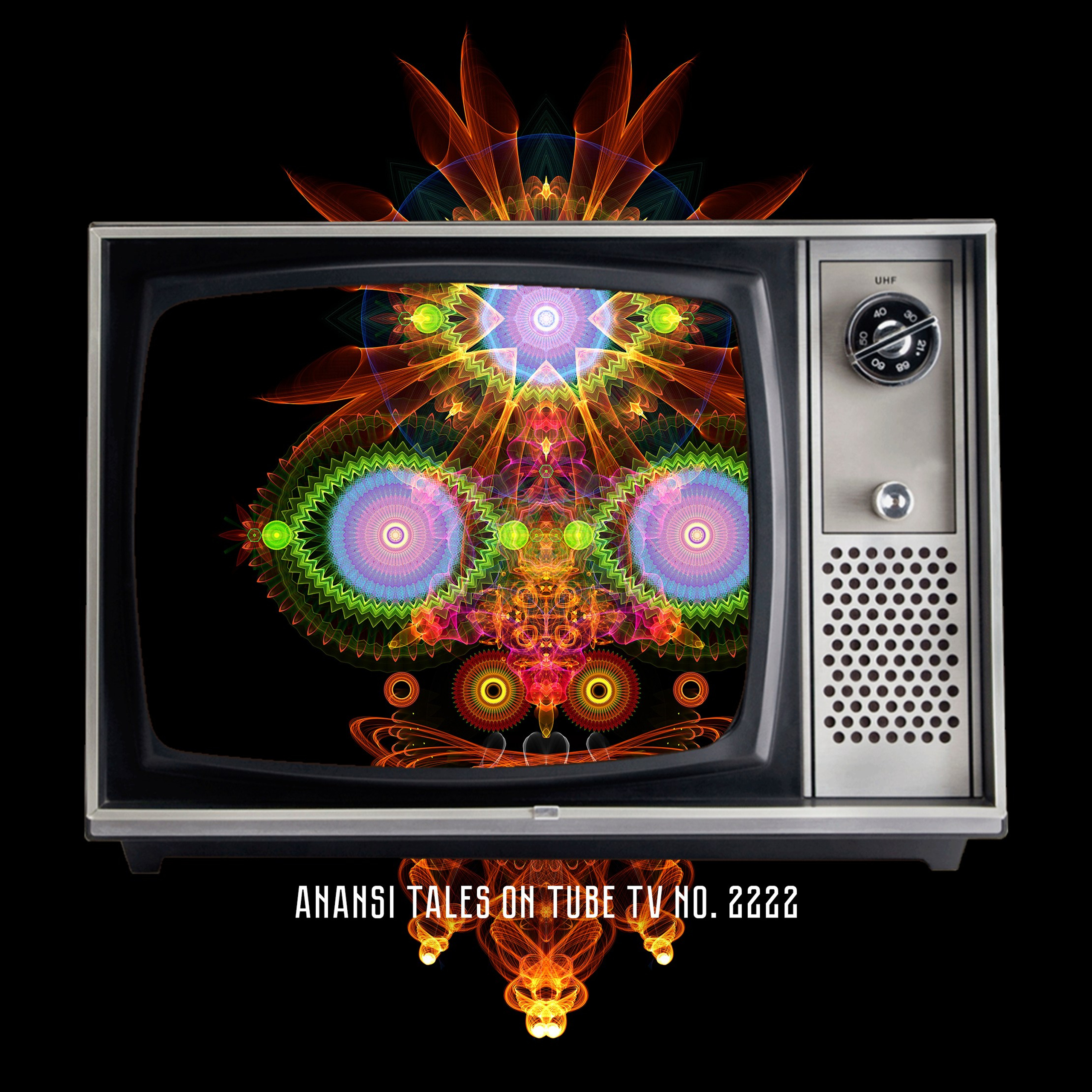
Anansi
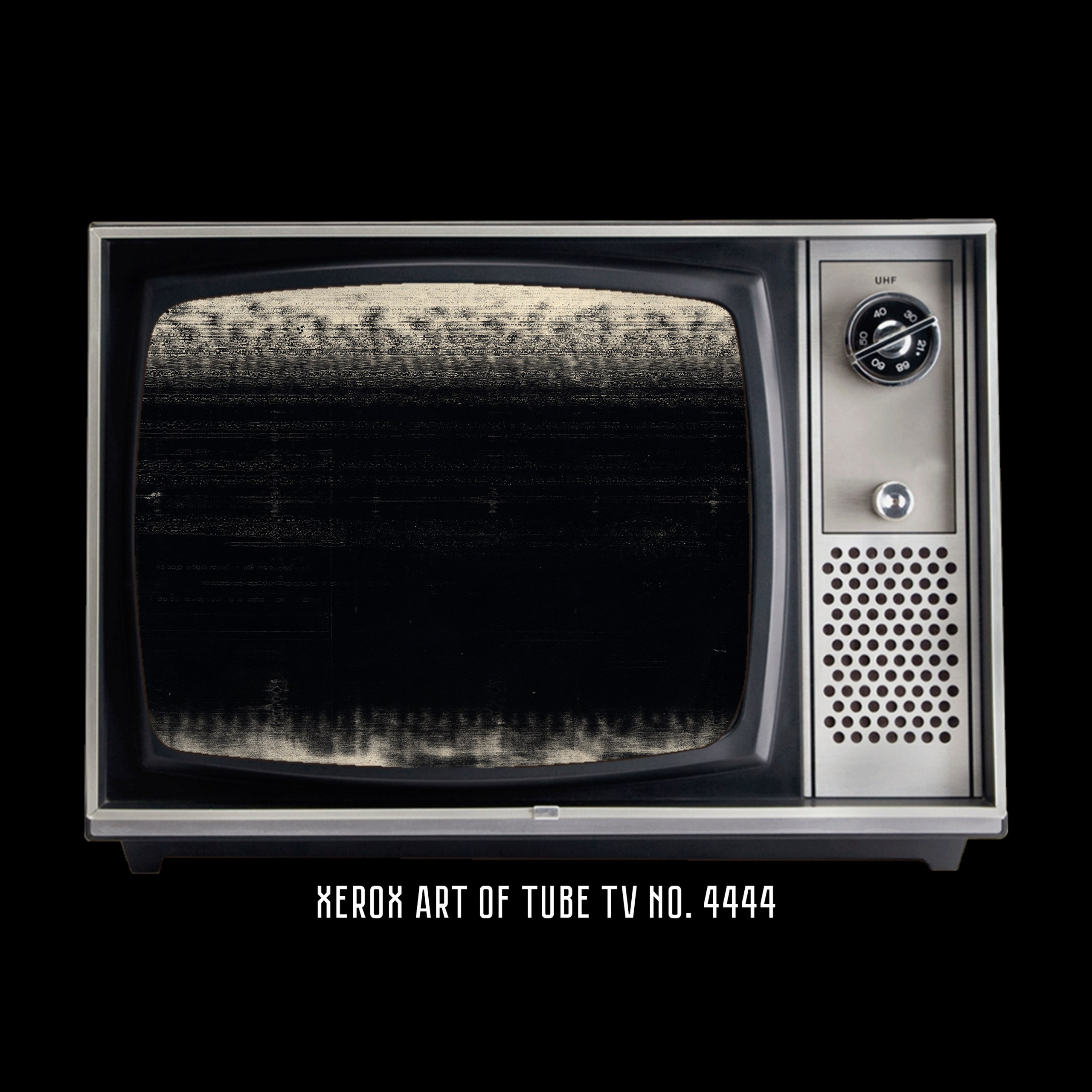
Xerox Art № 444
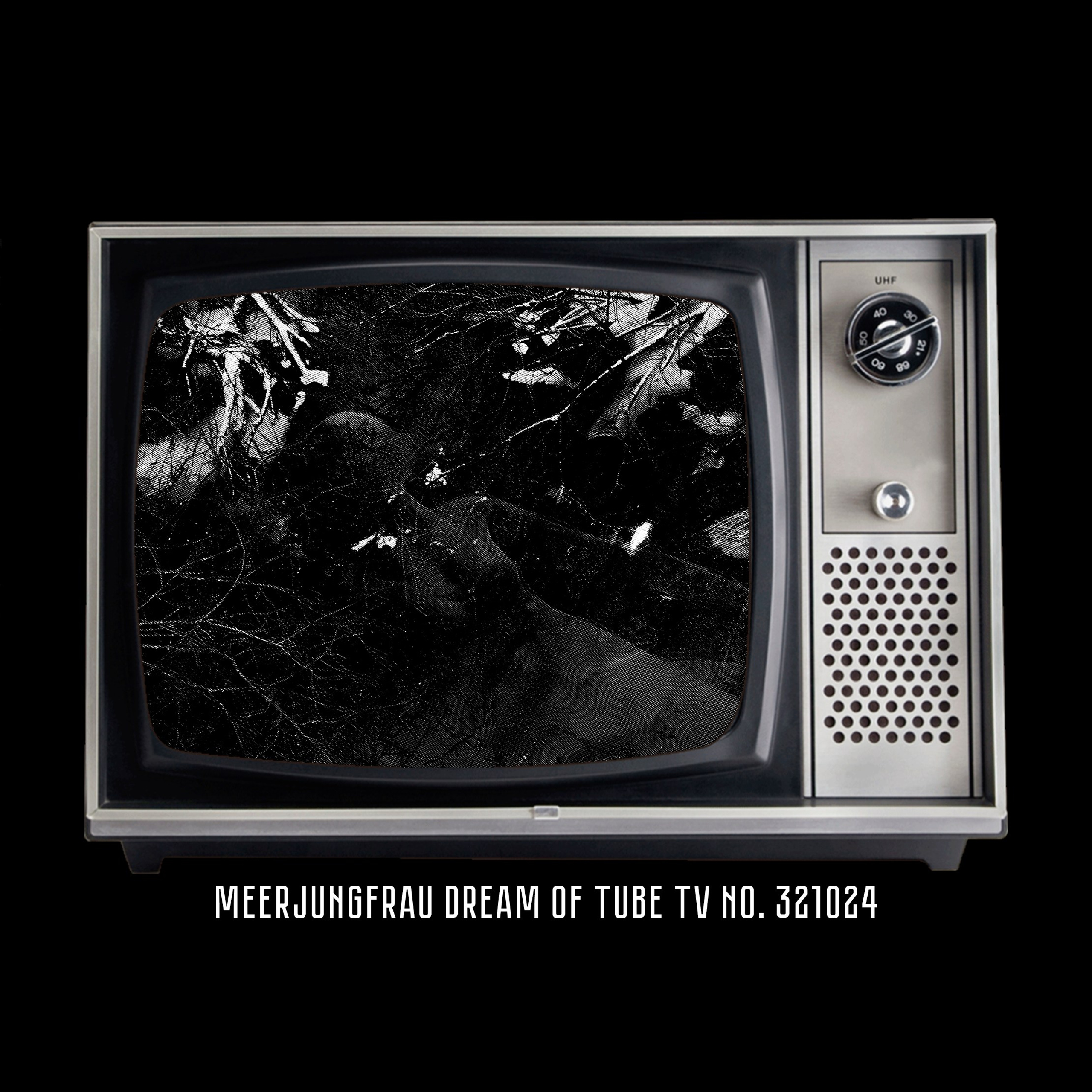
Mermaid—Dream of a Tube Television No. 321024

Electric Current
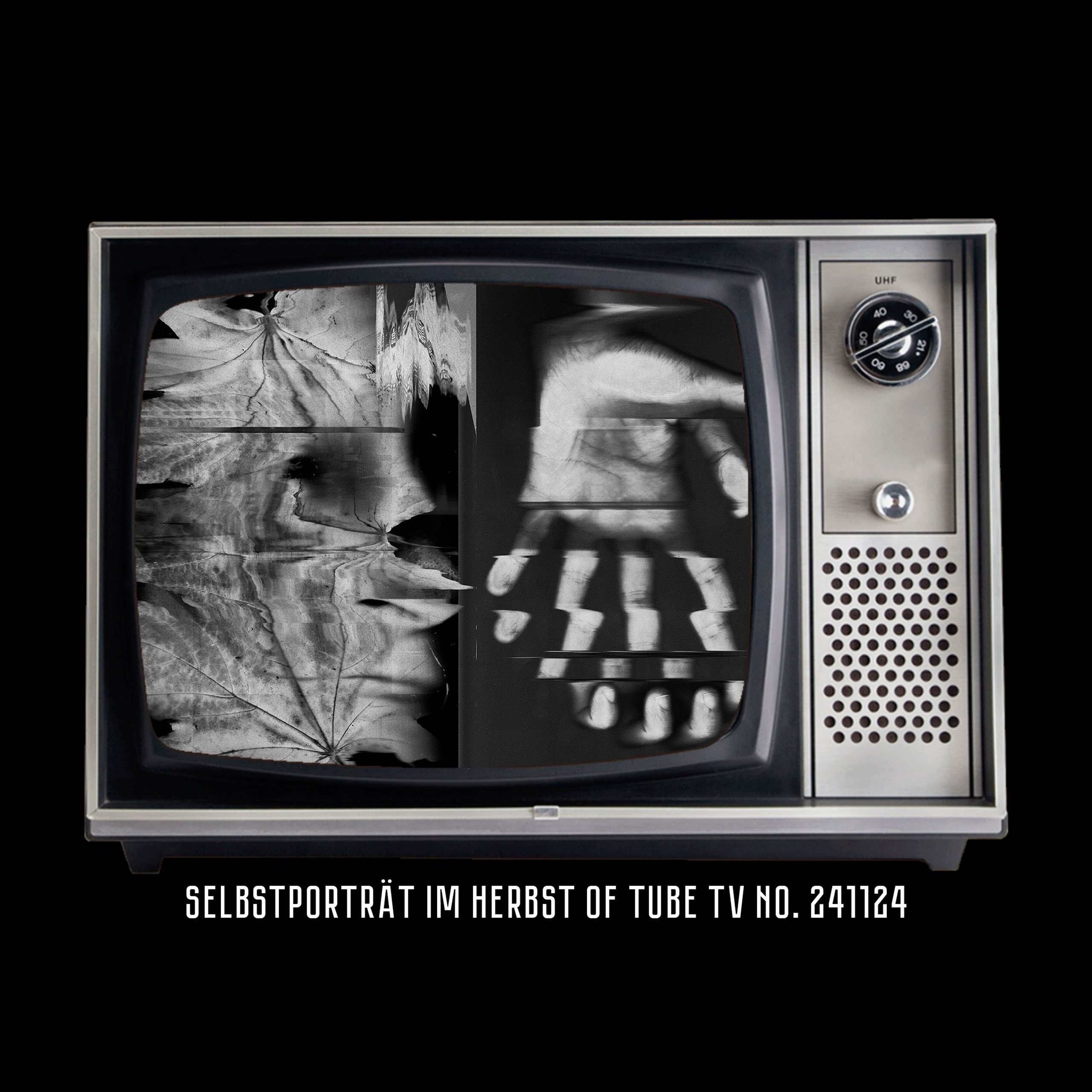
Autumn Self-Portrait of a Tube Television No. 241124

Drift in the Space “BETWEEN”

Eye

Fluxus Selfie Machine

The Flow of Night-Time