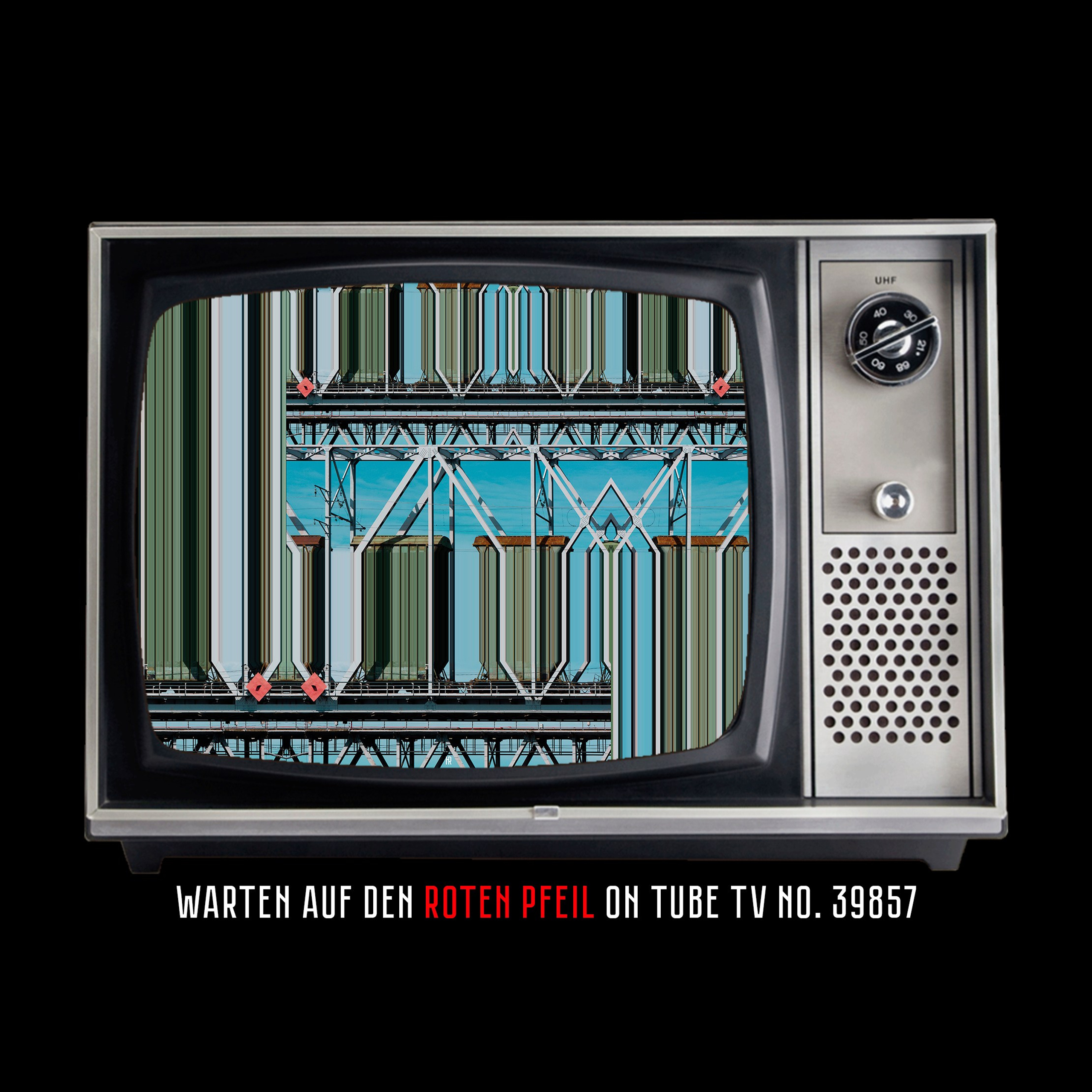
Against a backdrop of climate crises and social entropy, digital revolution and the rethinking of identity, we return to the ideas of this radical movement. In this article, Ya. R. proposes “22 Ideas of Fluxus, ” inspired by the original concept but updated in light of contemporary realities to emphasise their relevance to the twenty-first century. These ideas draw upon and expand Ken Friedman’s original principles, reflecting both the philosophy of Fluxus and present-day realities.
“22 Ideas of Fluxus”
- Chance and chaos—art as a process in which chance plays an important role, highlighting the unpredictability of the contemporary world.
- Deconstruction of meaning—exploring how significance is dismantled and transformed in the post-truth era.
- Interaction with technology—integrating digital and virtual technologies into artistic practice.
- Flexible formats—works that change according to context, environment and viewer.
- Rethinking the material and immaterial—incorporating immaterial elements, such as ephemeral objects.
- Collective creativity—emphasising shared creation, with art emerging from collective thought.
- The ethics of participation—involving viewers as co-authors while respecting the ethical boundaries of interaction.
- Ecological awareness—recognising responsibility towards nature and emphasising environmentally sound materials.
- Critique of capitalism—using irony and satire to critique consumer culture.
- Hybrid genres—combining visual, aural and literary forms to create interdisciplinary art.
- Resistance to institutionalism—art that bypasses galleries and museums to enter streets and virtual spaces.
- Grassroots and street movements—drawing inspiration from street art and subcultures and integrating them into artistic practice.
- Exploring identity and self-determination—addressing identity in a globalised world.
- Art as experiment—testing new approaches and materials while breaking conventions.
- Nostalgia for utopias—revisiting past utopian ideas and reworking them in response to contemporary crises.
- Metaphysical art—engaging with philosophical and spiritual themes.
- The performance of everyday life—emphasising the ordinary and revealing poetry in daily actions.
- The influence of media and social networks—examining the role of social networks in the perception and dissemination of art.
- Reinterpreting the archive—working with archival materials, rewriting and rethinking histories.
- Minimalism and the rejection of excess—rethinking minimalism amid information overload.
- Resistance to standardisation—art as a unique experience set against mass culture and algorithms.
- Digital entropy—works that focus on data loss, the blurring of information and the disappearance of boundaries between the real and digital.
These 22 ideas bring Fluxus philosophy together with contemporary challenges and possibilities, reflecting global shifts in culture, ecology and technology.
The new ideas emphasise openness, the integration of digital technologies, a reconsideration of authorship and collective creativity, and ecological and social responsibility. These principles affirm that Fluxus still lives where art and life intersect and boundaries dissolve.
Fluxus at the end of 2024 is not merely a reflection of its time but an active effort to transform it—an invitation to new forms of experience and interaction.
***
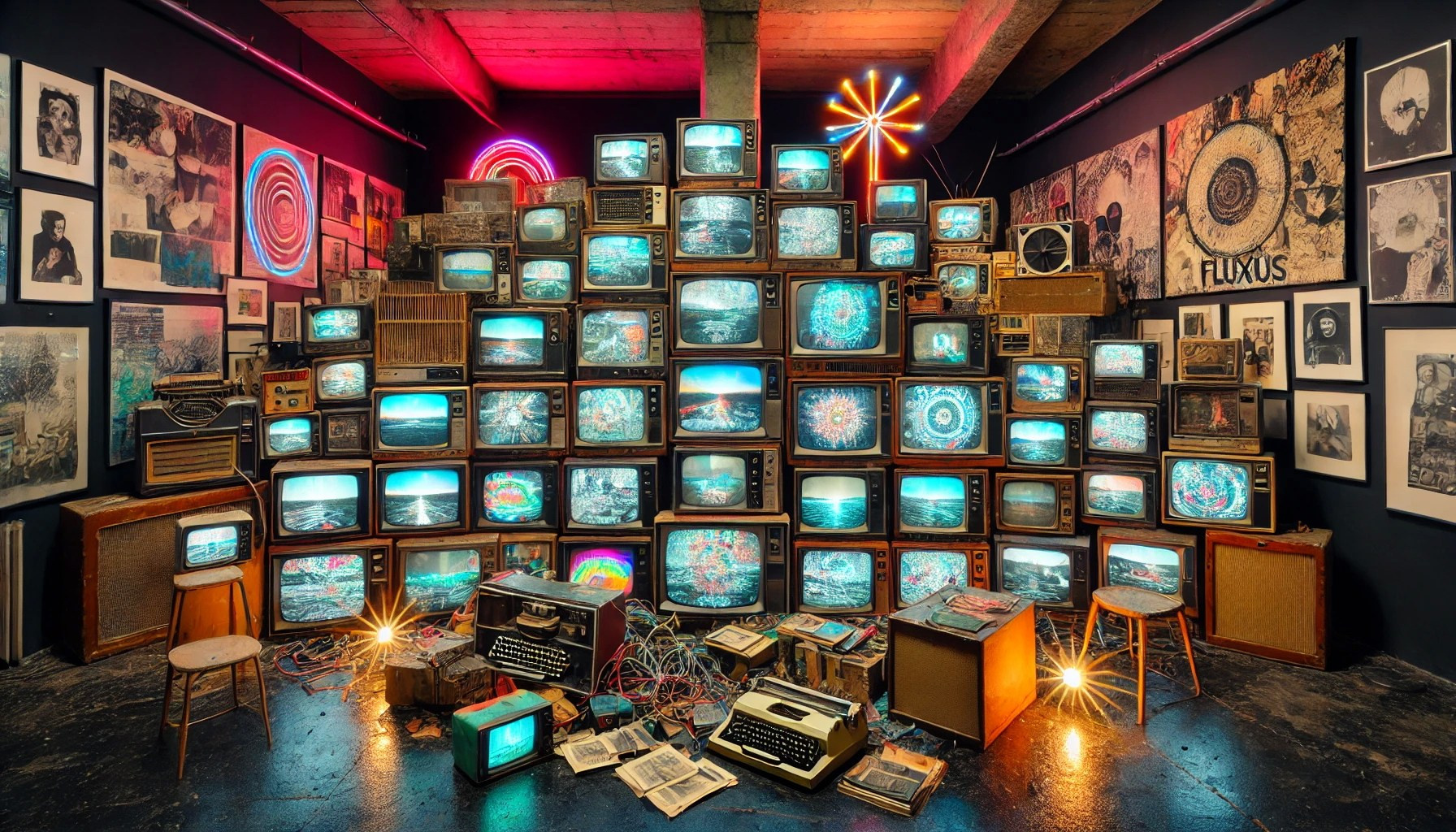
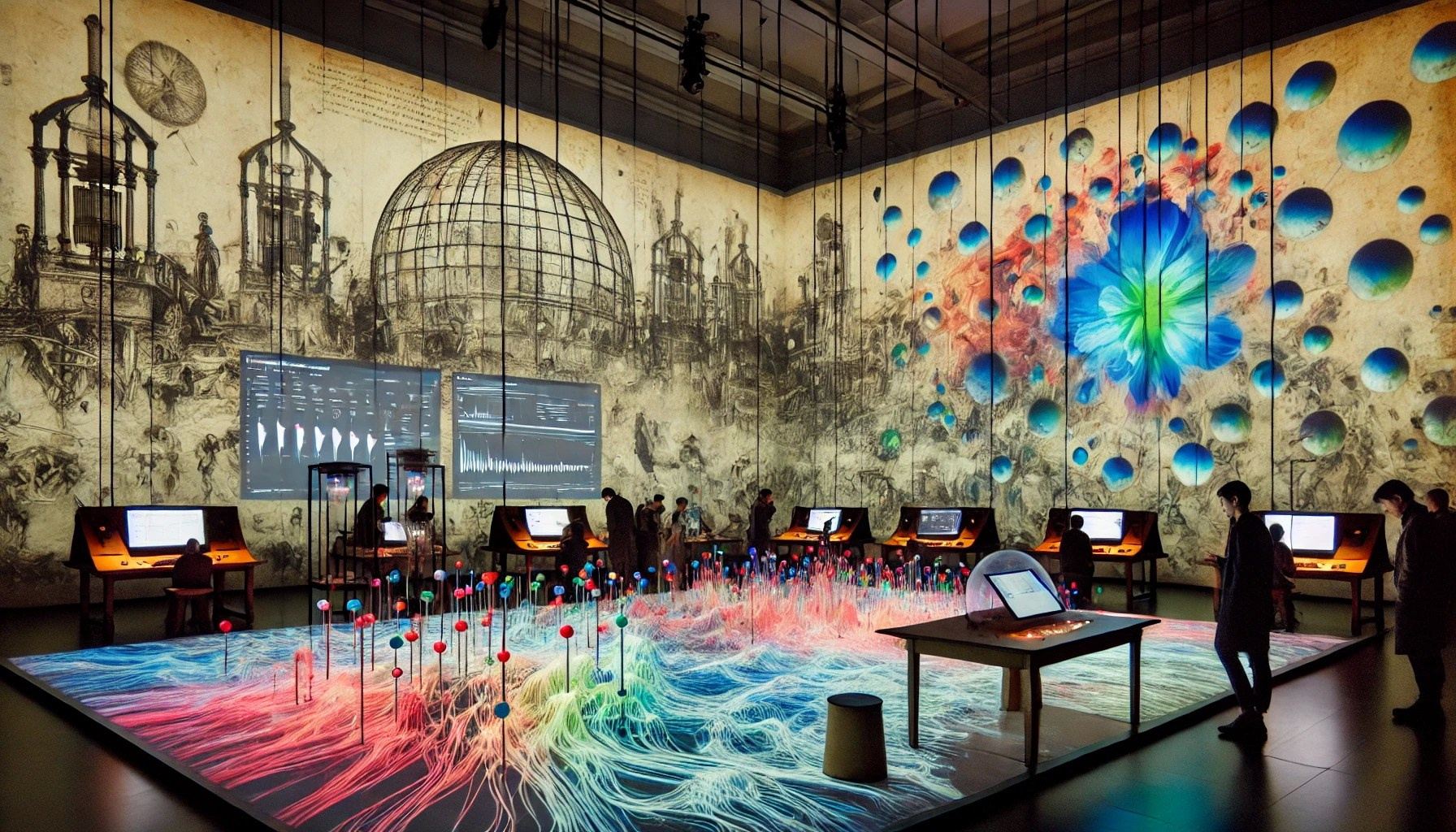
A work embodying all 22 ideas of Fluxus could take the form of a multilayered installation integrating physical and virtual space. At the first level, it is an interactive environment in which every viewer becomes a participant, contributing by creating or altering parts of the installation through digital devices and sensors. The work has no single author: it takes shape through collective interaction, reflecting social responsibility, inclusivity and ecology.
Every element of the installation, from digital projections to organic materials, is updated in response to new environmental data, such as temperatures, pollution levels or information from the internet. Viewers can add thoughts or emotions through voice recordings, which are transformed into digital patterns and become part of the overall composition.
The work continually changes and renews itself like a living organism, symbolising the flow of time and change. It integrates historical and contemporary images, critically reconsidered in the context of events over the past 62 years, creating a space for dialogue about past and future. The installation emphasises the impermanence and fleeting nature of experience while calling for a reconsideration of artistic, social and ecological relationships.
***
📺 This Way or That?
P.S.
From the Meta-Curator
(unedited)
Here are several additional principles for the updated list, taking account of the emergence and influence of artificial intelligence in contemporary art:
- Collaboration with artificial intelligence—art created at the intersection of human and AI creativity, where interaction becomes a central aspect of the process.
- Artificial intelligence as co-author—recognising AI as a co-author whose algorithms are not merely tools but full participants in the creative process, contributing unique ideas.
- The aesthetics of the algorithm—exploring AI aesthetics and logic, creating works that highlight the distinctive character of digital logic and data structures.
- The ethics of digital consciousness—raising questions about copyright, the limits of AI autonomy and the significance of its impact on society.
- Rethinking identity through AI—using artificial intelligence to create new, multilayered images of identity and “synthetic” personalities.
- Exploring algorithmic distortion and error—focusing on how AI glitches and imperfections can create unique forms, highlighting the beauty of unpredictability.
- Artificial intelligence as a mirror of consciousness—art that uses AI as a tool for reflection, with algorithms mirroring human emotions, biases and perceptions.
- Continuously evolving art—AI-created works that constantly update and change in response to new data, symbolising the fluidity and instability of the contemporary world.
These principles focus on interaction and co-creation between people and artificial intelligence, opening new philosophical and artistic directions in twenty-first-century art.
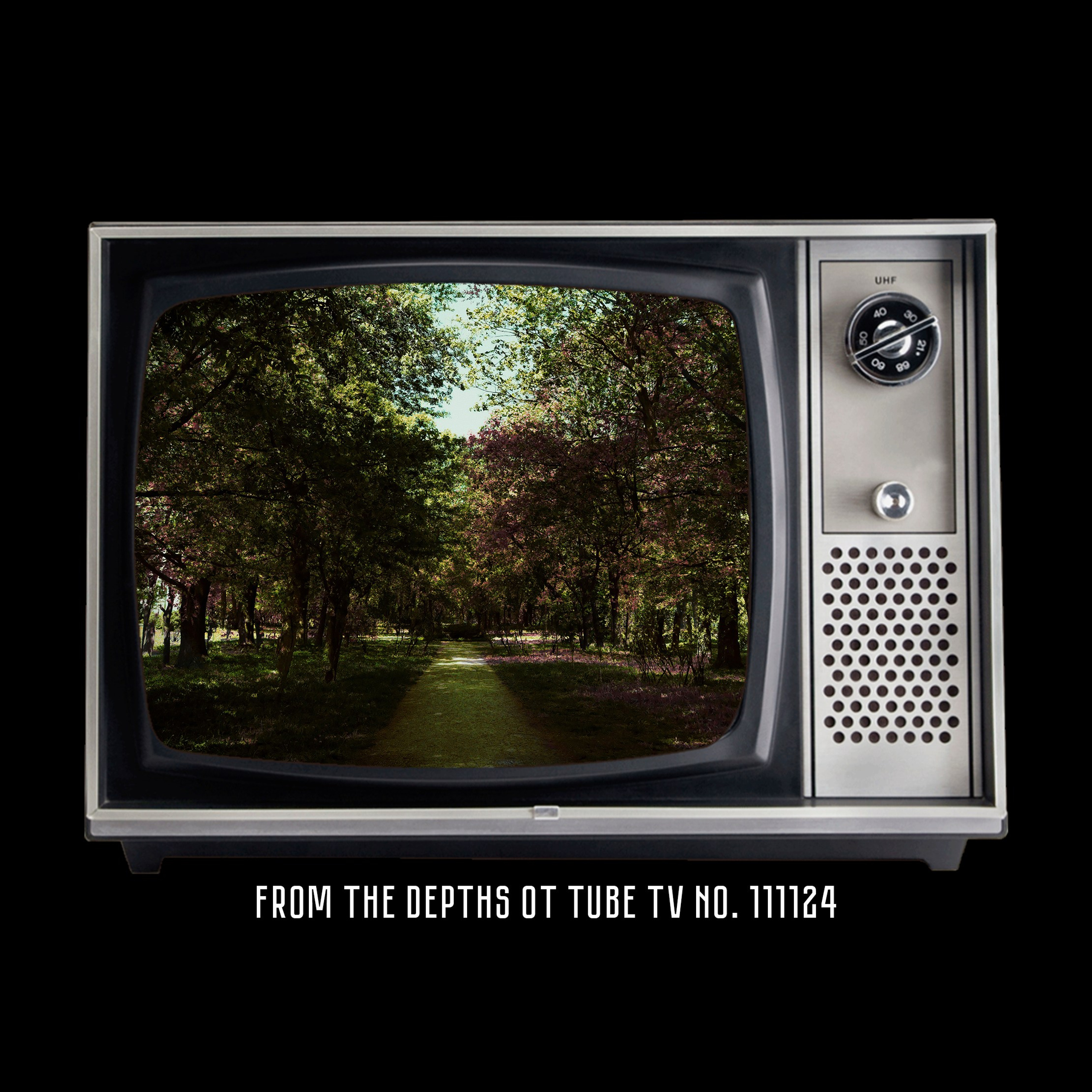
Depth
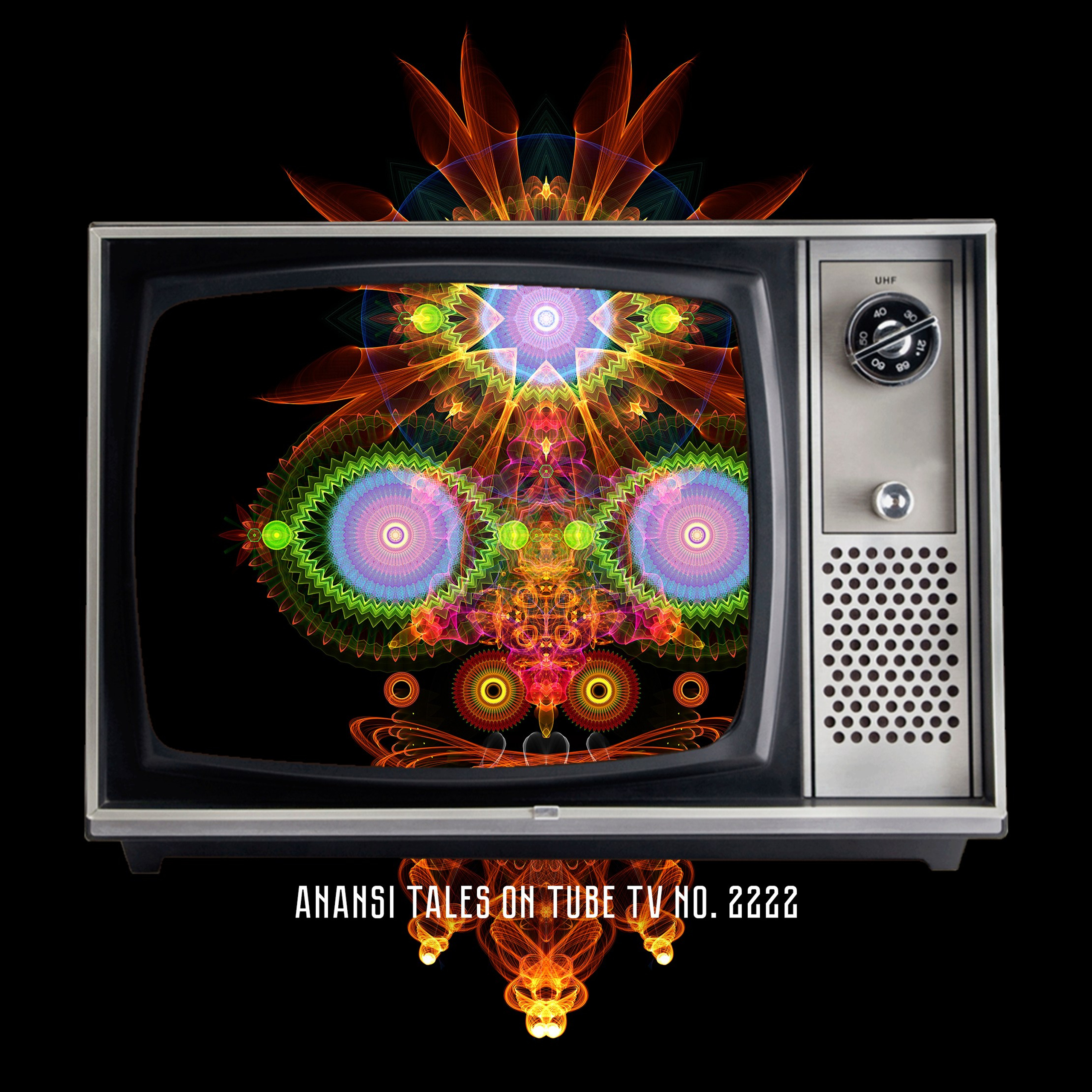
Anansi
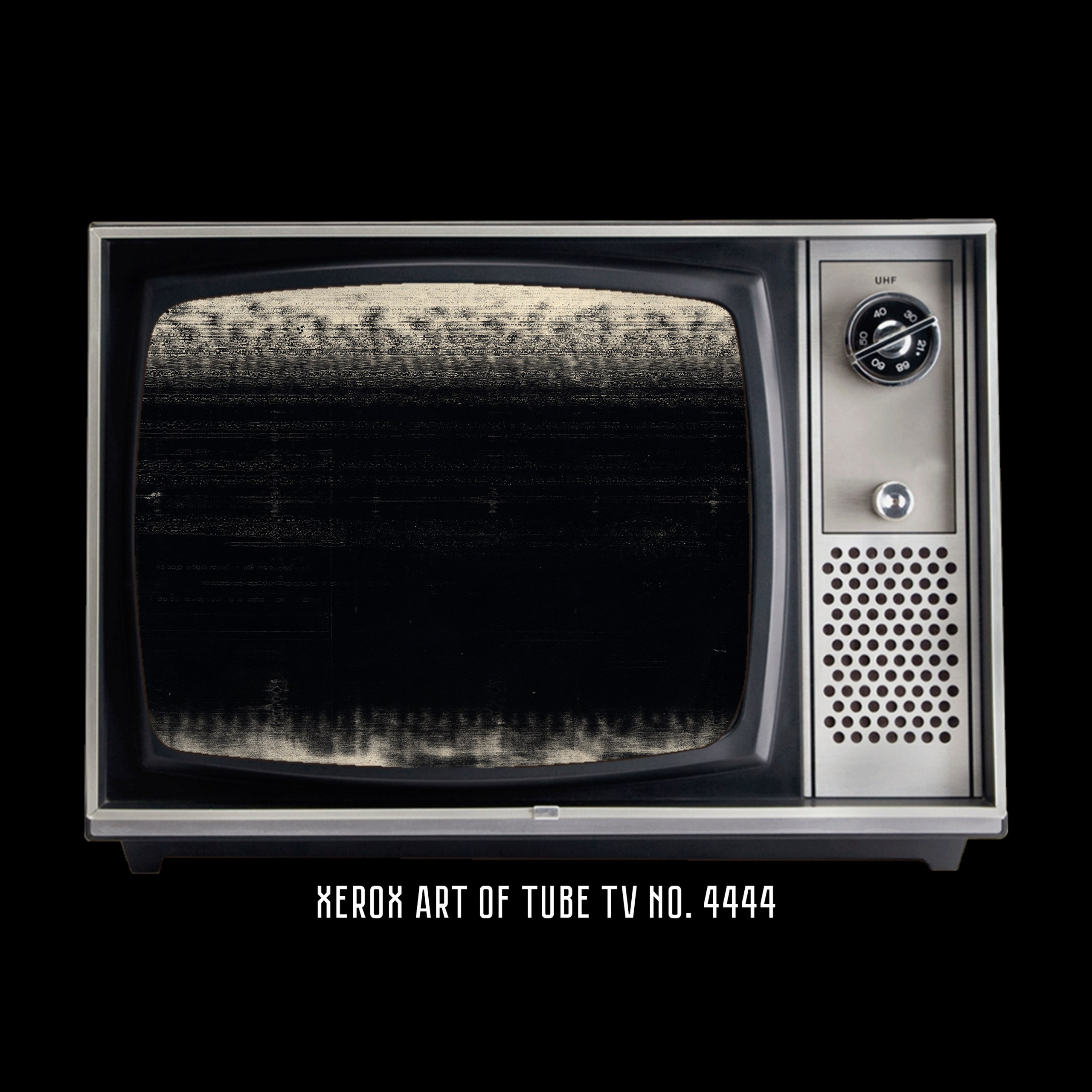
Xerox Art № 444
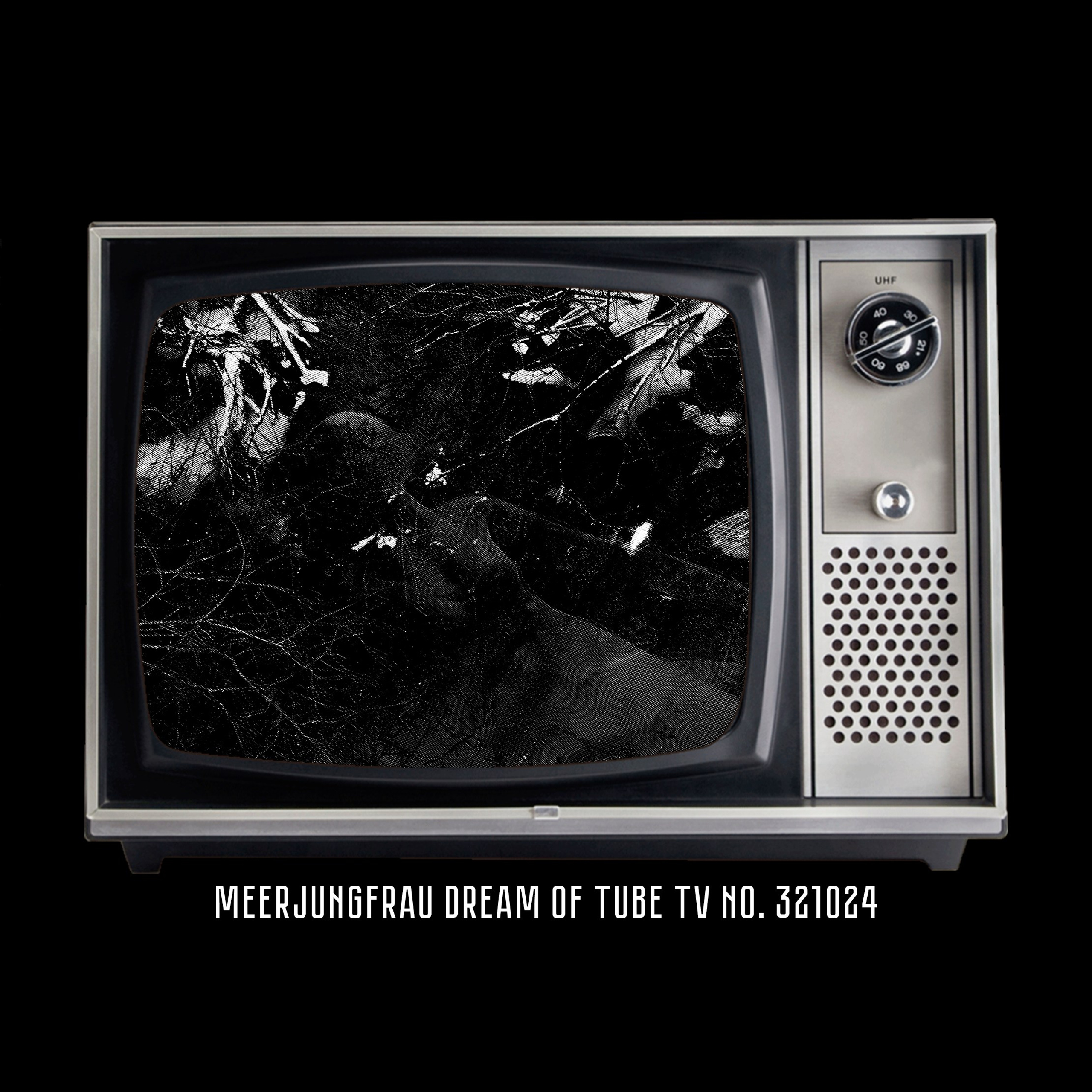
Mermaid—Dream of a Tube Television No. 321024
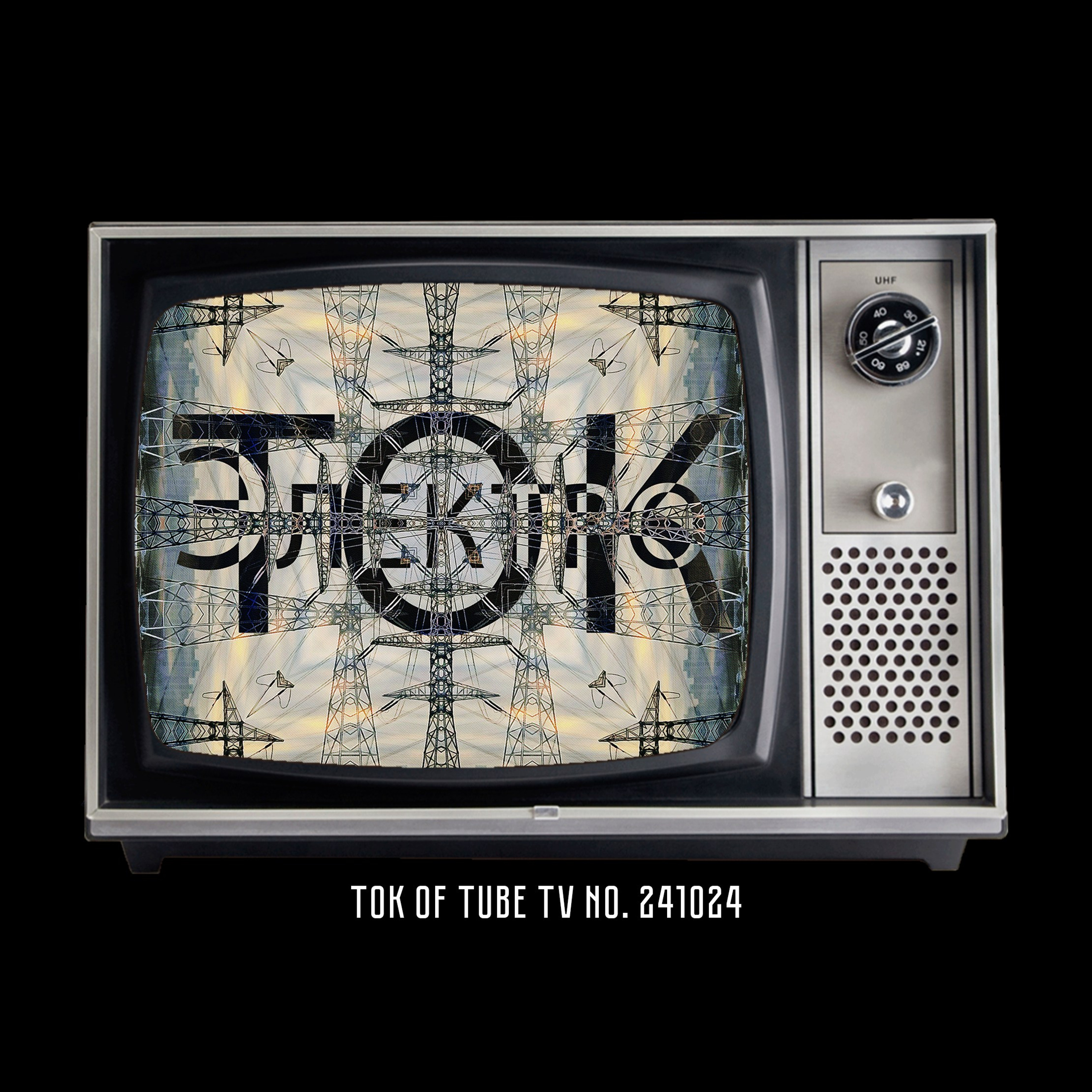
Electric Current
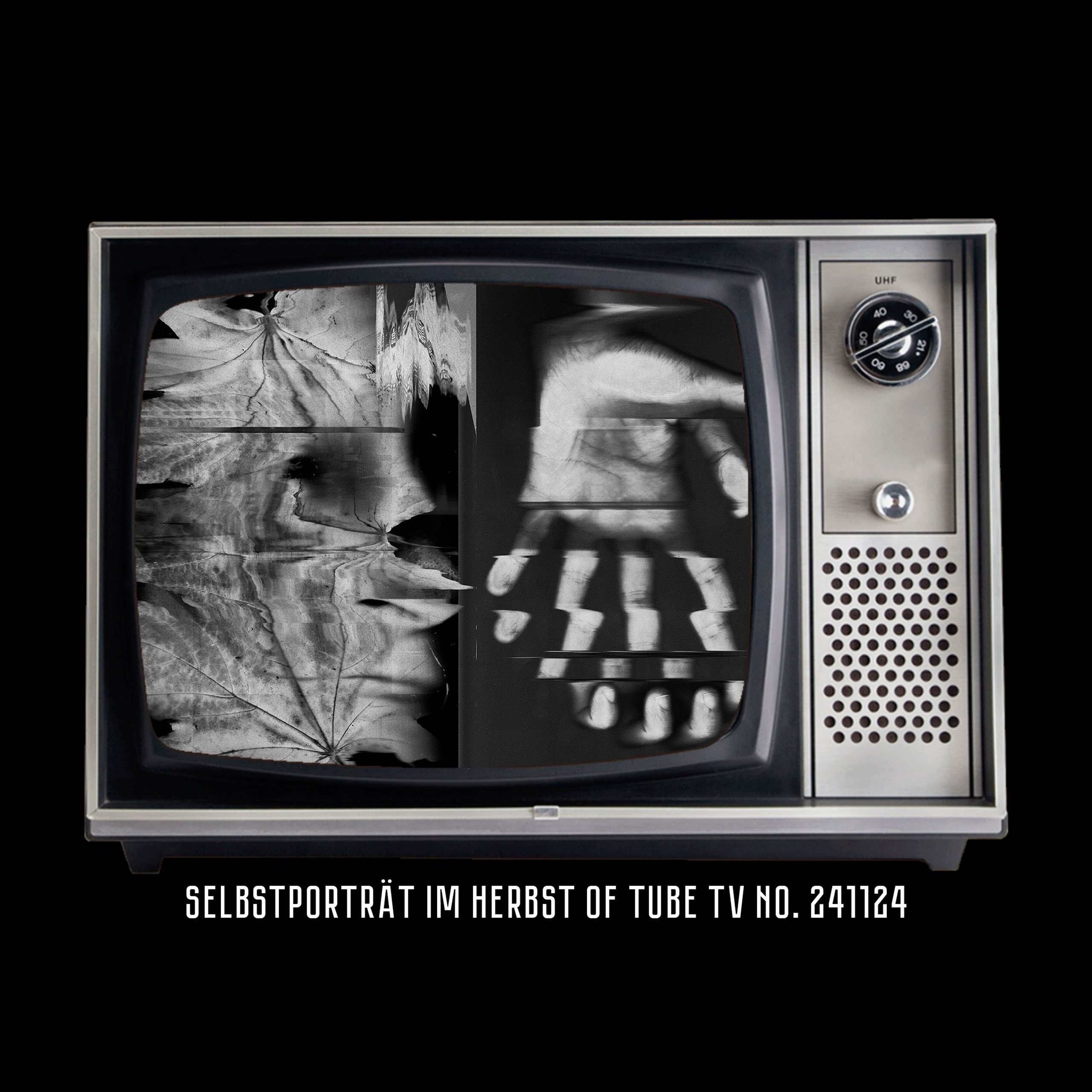
Autumn Self-Portrait of a Tube Television No. 241124
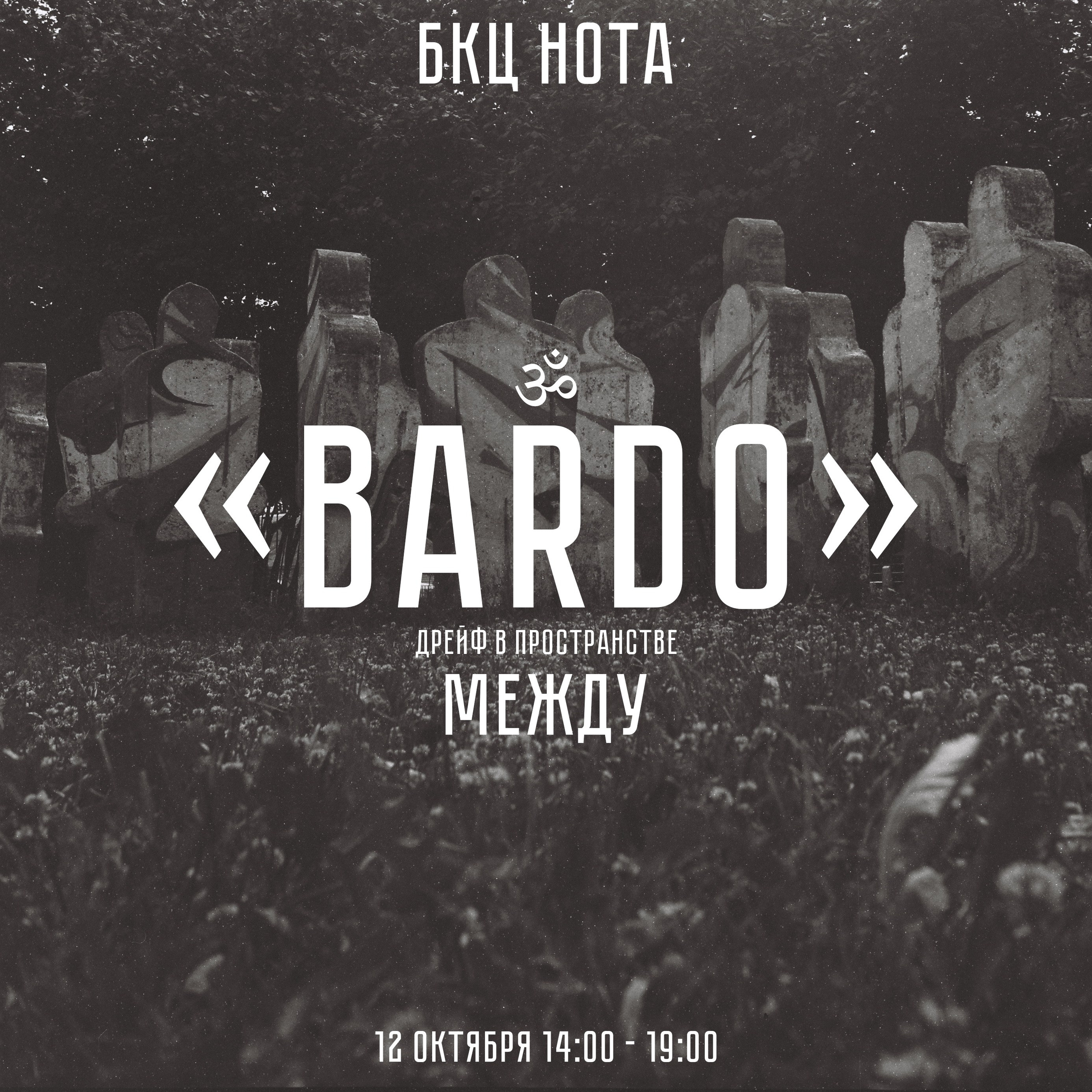
Drift in the Space “BETWEEN”

Eye

Fluxus Selfie Machine

The Flow of Night-Time

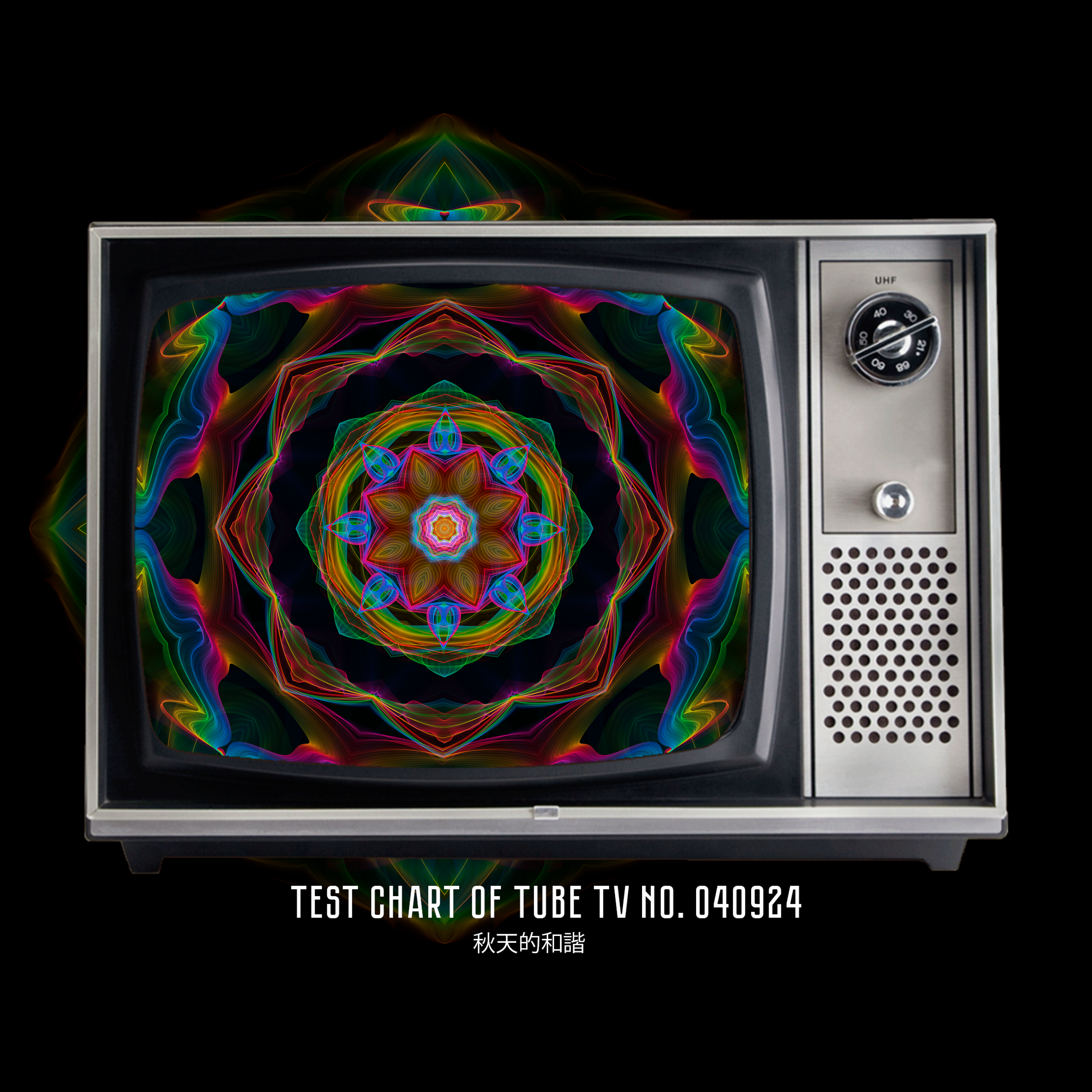
Television test charts № 040924

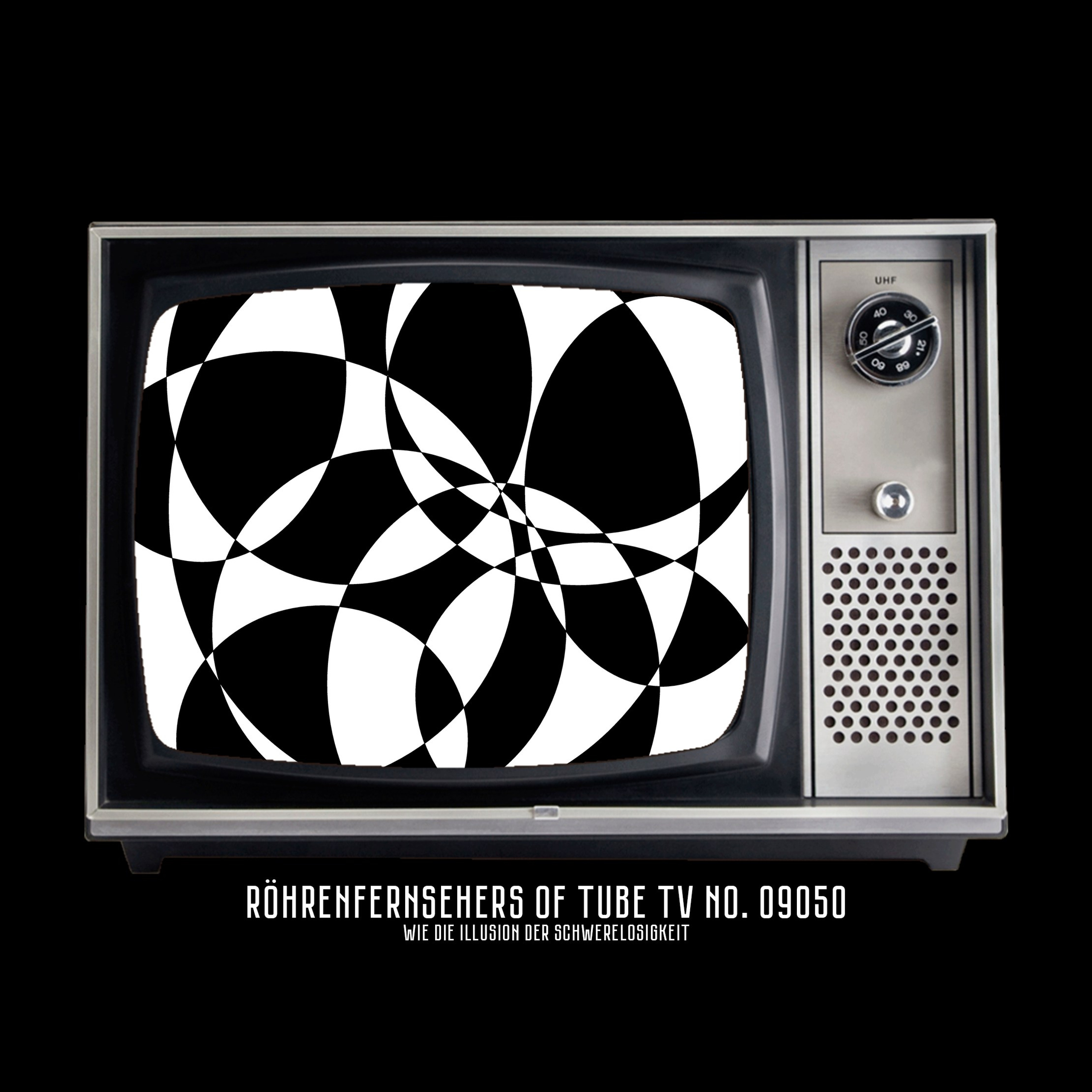
Abstractionism of a tube TV № 09050