Drift
Guy Debord’s theory of the dérive is a way of exploring the urban environment in which a person’s movements follow inner impulses and aesthetic inclinations rather than logical routes or goals. It rests on the idea that urban spaces are full of hidden meanings and emotions that can only be revealed through unstructured, intuitive exploration free from familiar constraints.
***
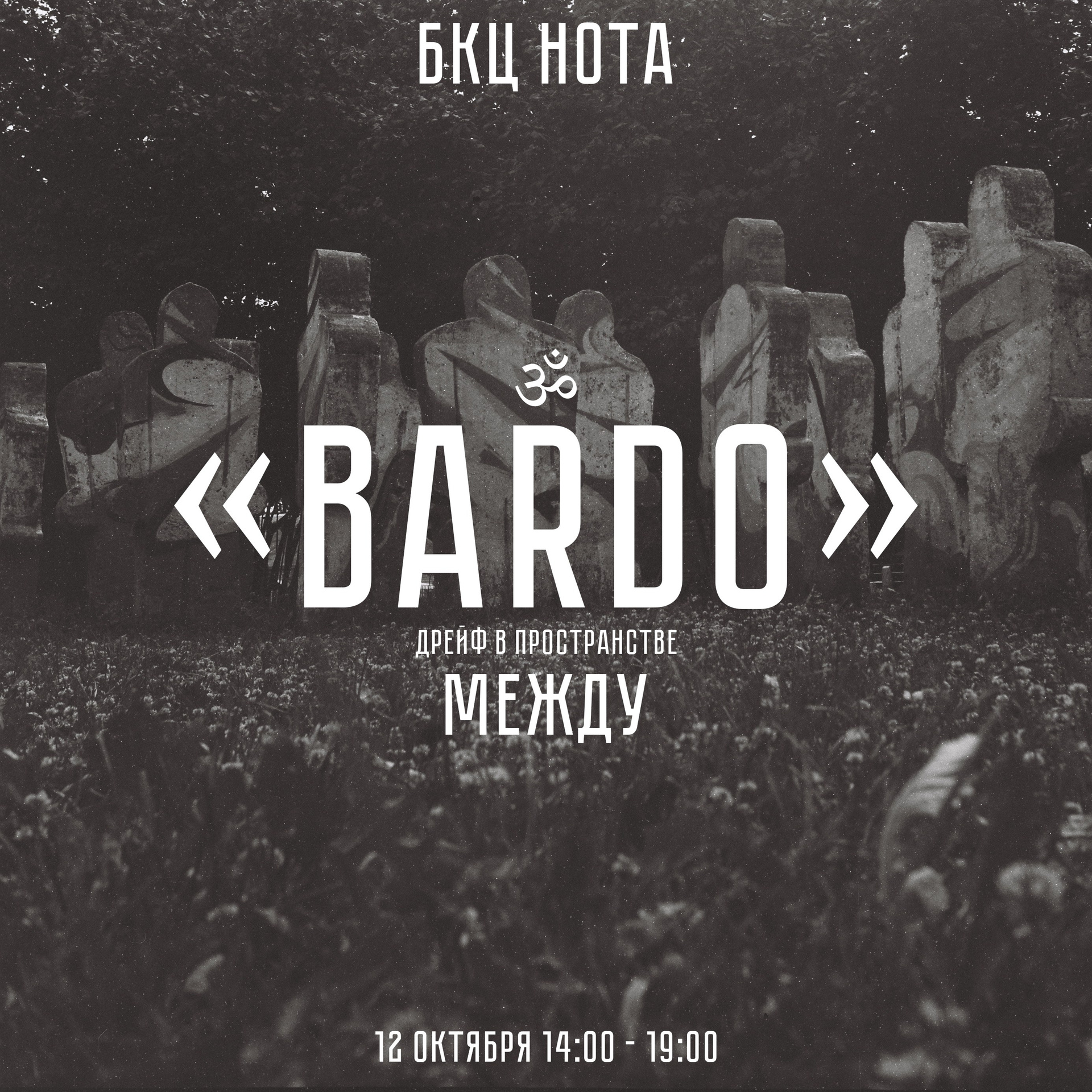
The event begins with a lecture by media artist Roman Hodirev, opening the way into the world “between.” By consulting the I Ching, the Book of Changes, participants will determine their route on this journey.
The performance “Drift in the Space ‘BETWEEN’” explores hidden, unobvious worlds enclosed between streets, courtyards and parks. This situational practice takes participants on a journey through overlooked, sacred locations concealed between streets and buildings.
The space between courtyards, forests and parks is perceived as a stable, introverted entity reflecting the stories of its inhabitants. To reach a new level of perception of the geographical and territorial environment—and above all of themselves—participants will discover directions towards “sources of visual pleasure” through divination with the Book of Changes. Leaving through NOTA’s back door, they enter the world “between, ” where everything becomes a source of inspiration: walls, trees, people, objects and their combinations.
The expedition’s main aim is to find unexpected moments of visual pleasure: objects that draw the eye and make familiar spaces appear in a new light. Each discovered object becomes a ready-made, an artefact acquiring new meaning. Returning from the journey is equally important: gathering for tea, participants will share their discoveries and perform an improvised ritual of “preserving” found objects and memories.
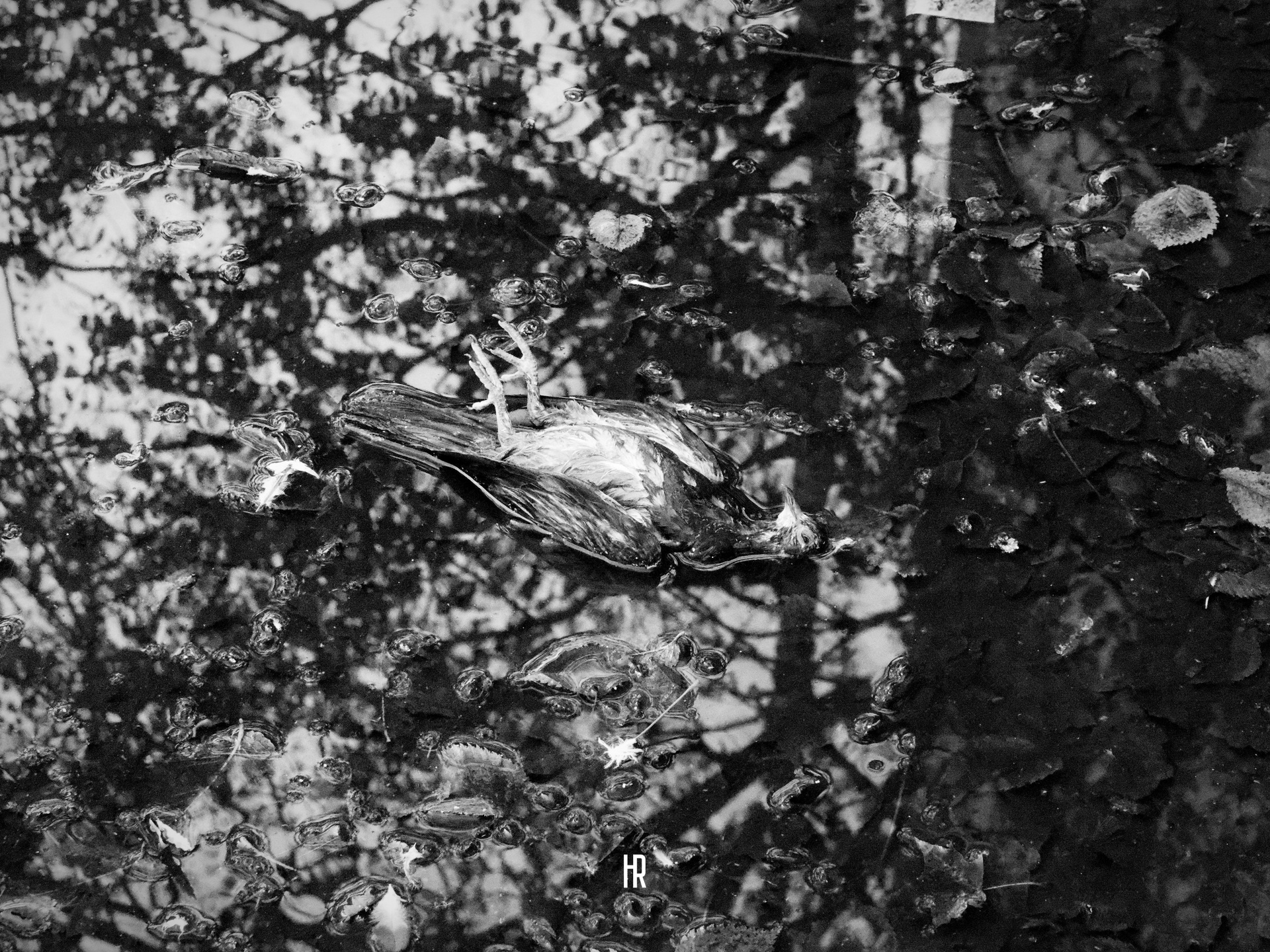
Bardo
Bardo is an intermediate state between two phenomena, encompassing different aspects of existence, from life to rebirth. Tibetan Buddhism distinguishes six bardos: waking life, dreaming, meditation, dying, the nature of phenomena (dharmadhatu), and the process of becoming before rebirth. Each is a transitional space in which the mind encounters different levels of awareness. Bardo is a metaphor for life as a continual process of transitions that open possibilities for spiritual growth and liberation.
22 Tips
For photographers and aspiring passionate explorers seeking “Sources of Visual Pleasure” through the lens.
Or: what does it take to brew good tea—or perhaps take a photograph?
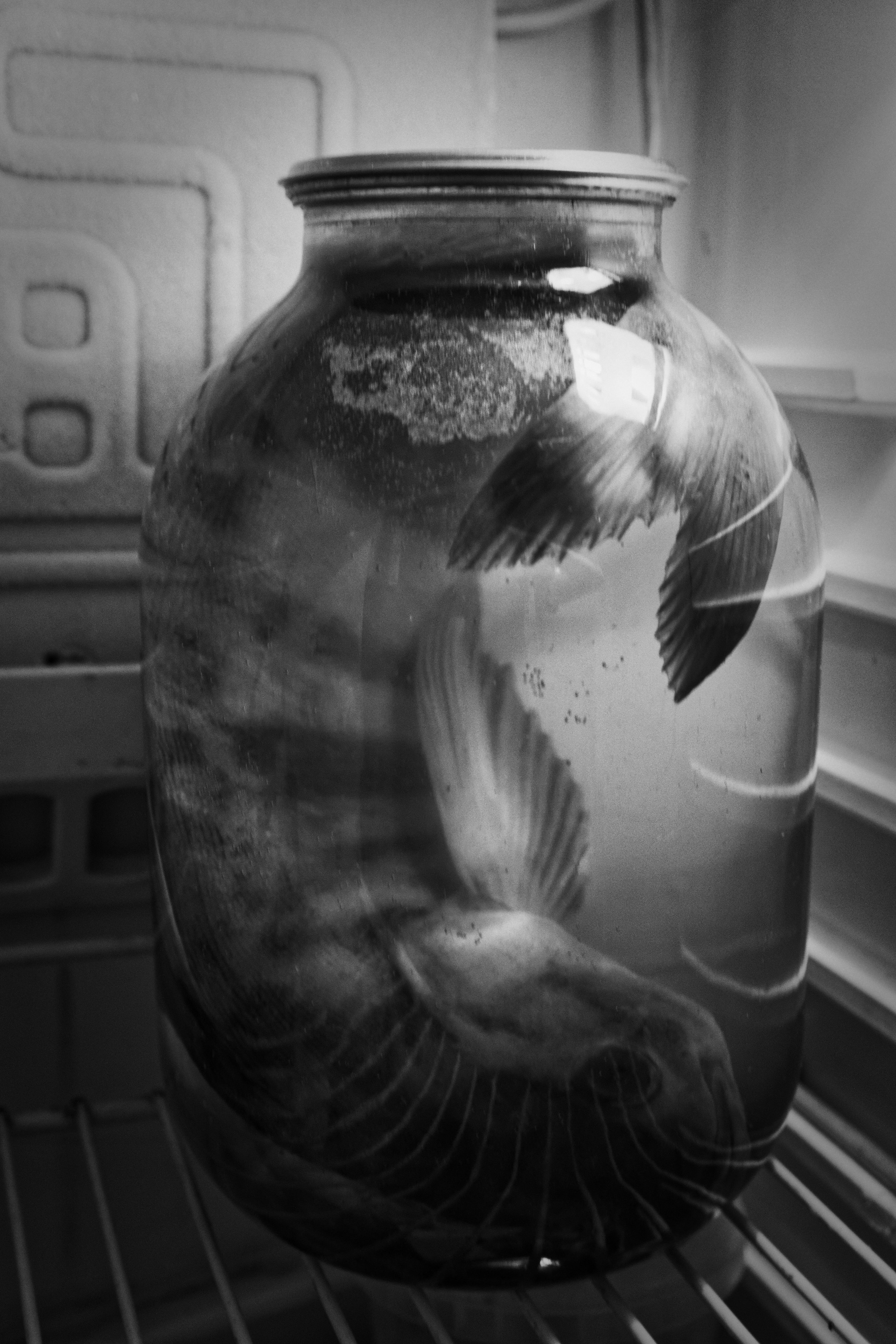
These tips are for photographers who see their camera as a means of understanding the world rather than a tool for technical execution. Following them, you will not simply master photography but enter a meditative contemplation of the visual world, creating images that in the future…
***
Combining this approach with the concept of Bardo—the Buddhist idea of an intermediate state—we can see the city as a transcendent space where every place and every crossing of paths becomes a kind of threshold. In the courtyards of concrete “human anthills, ” as we might call high-rise apartment blocks, space takes on a distinctive character: a liminal territory filled with shadows and half-tones, bordering on estrangement and oblivion. It is not merely somewhere to live but a transitional realm in which reality is unfixed and constantly fluctuating.
Following Lettrist philosophy, Debord invited seekers of visual pleasure not merely to wander through the city but to let architecture, materials and even rubbish guide their thoughts and movement.
Exploring urban space through Bardo and Fluxus, we thus see a labyrinth of transitional states, where every house, staircase or playground becomes not a static object but a dynamic intersection of meanings and possibilities.
***

Eye

Fluxus Selfie Machine

The Flow of Night-Time

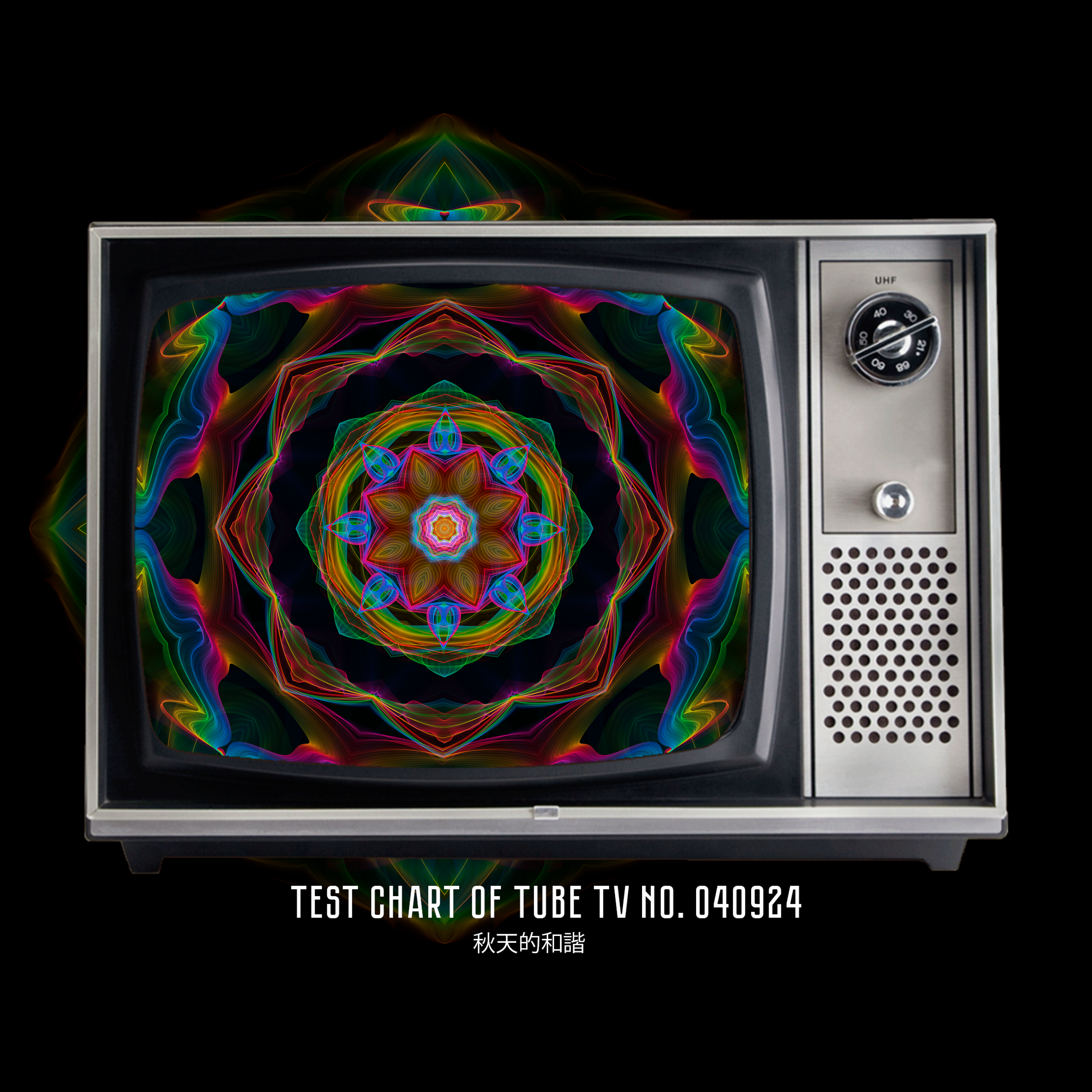
Television test charts № 040924

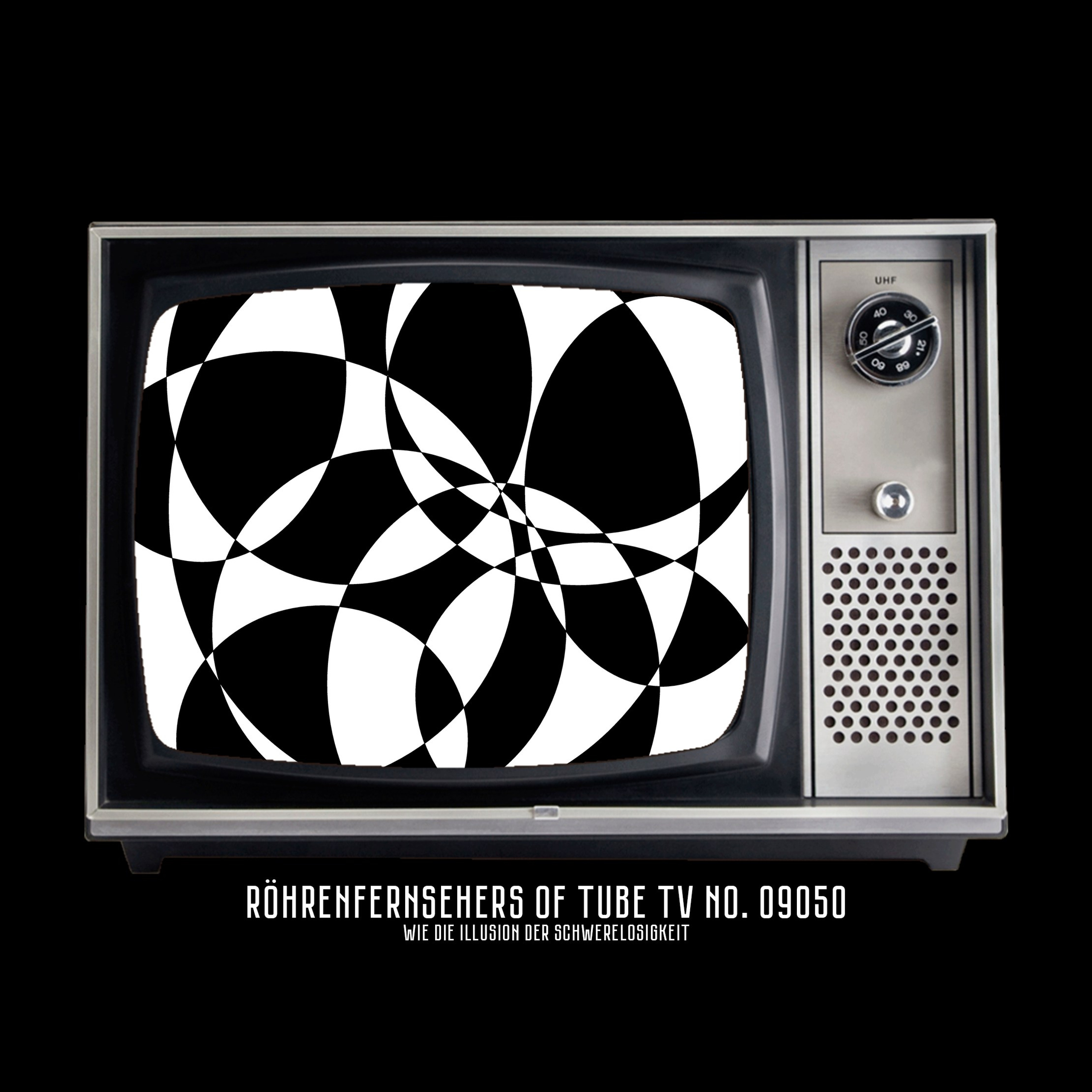
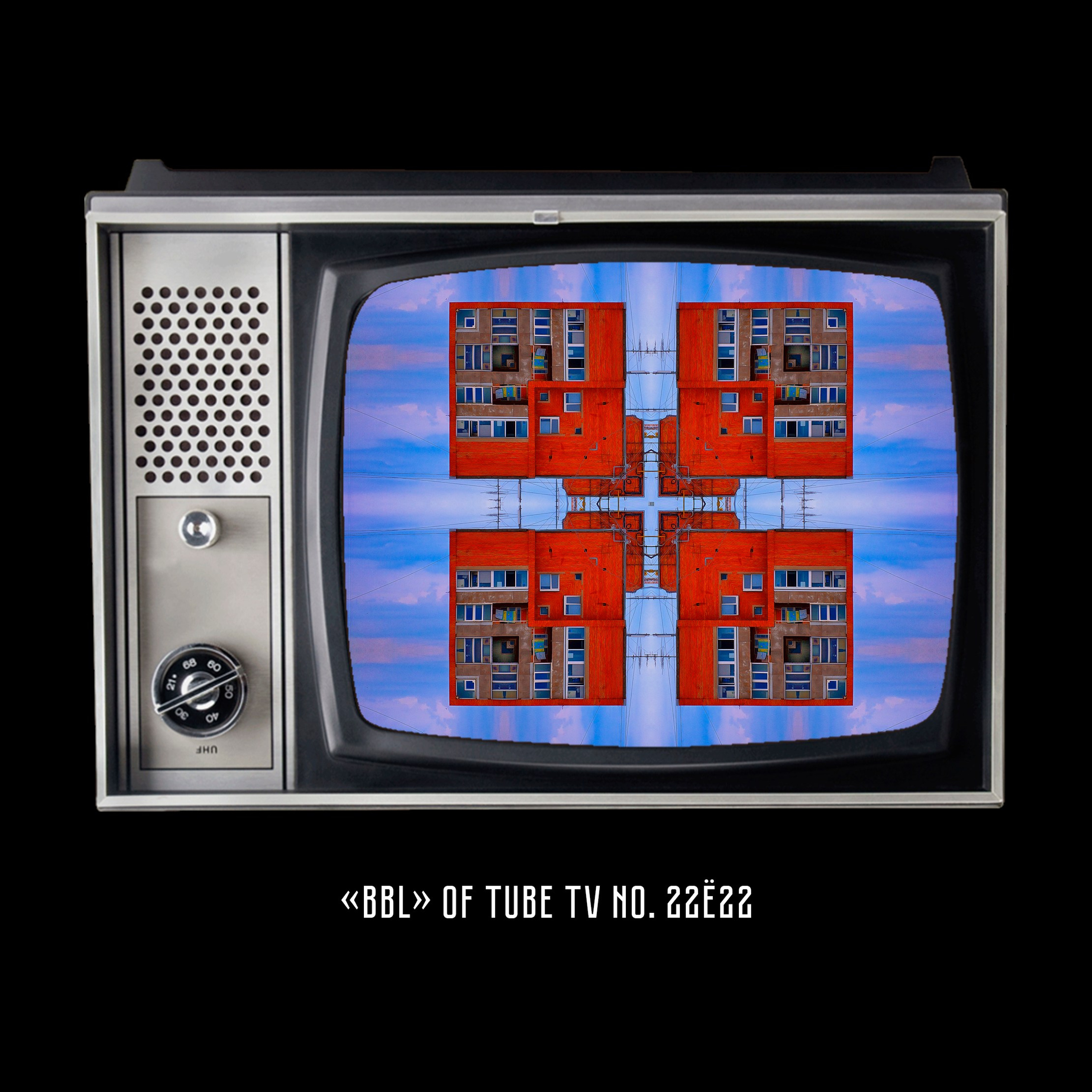
Abstractionism of a tube TV № 09050
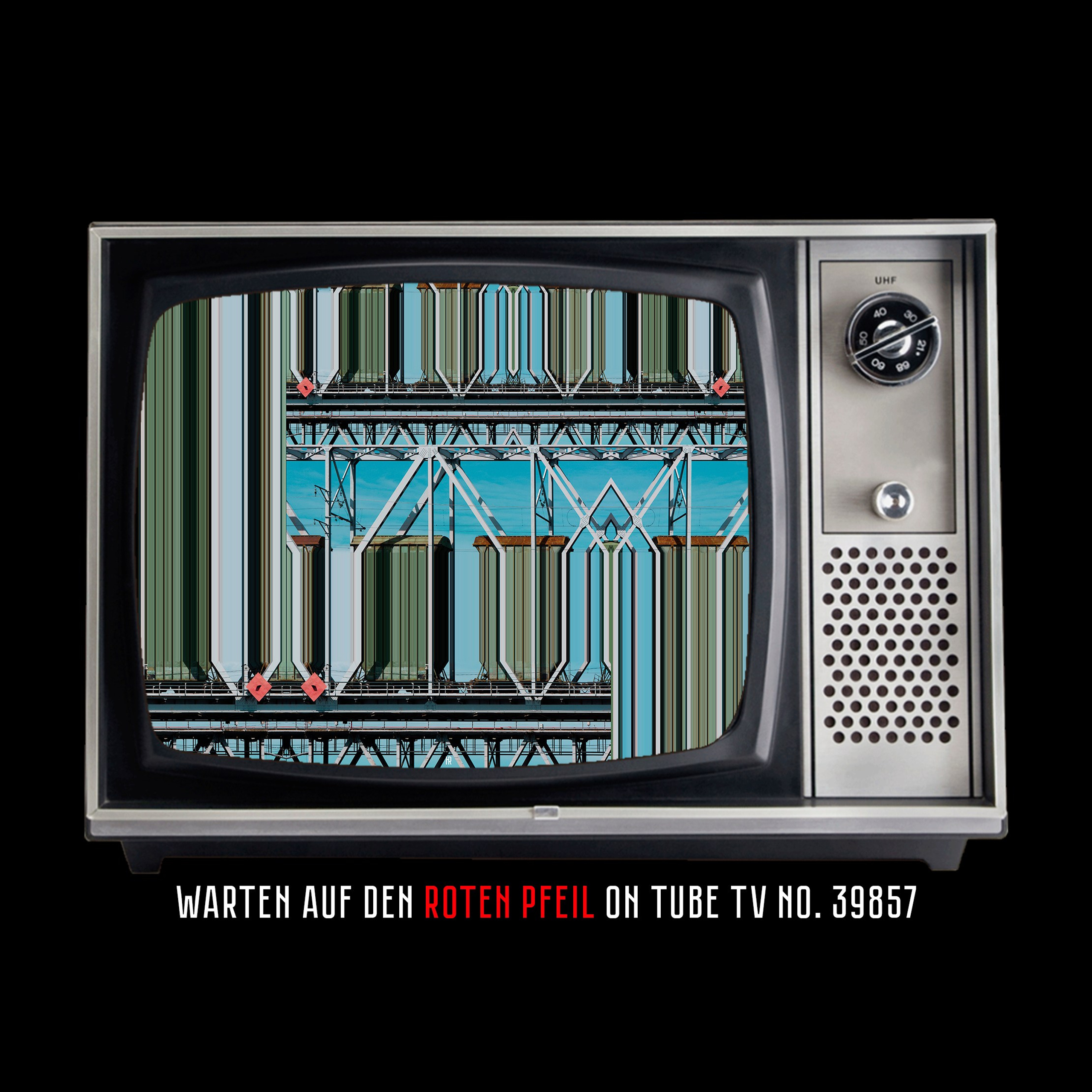
Red Arrow
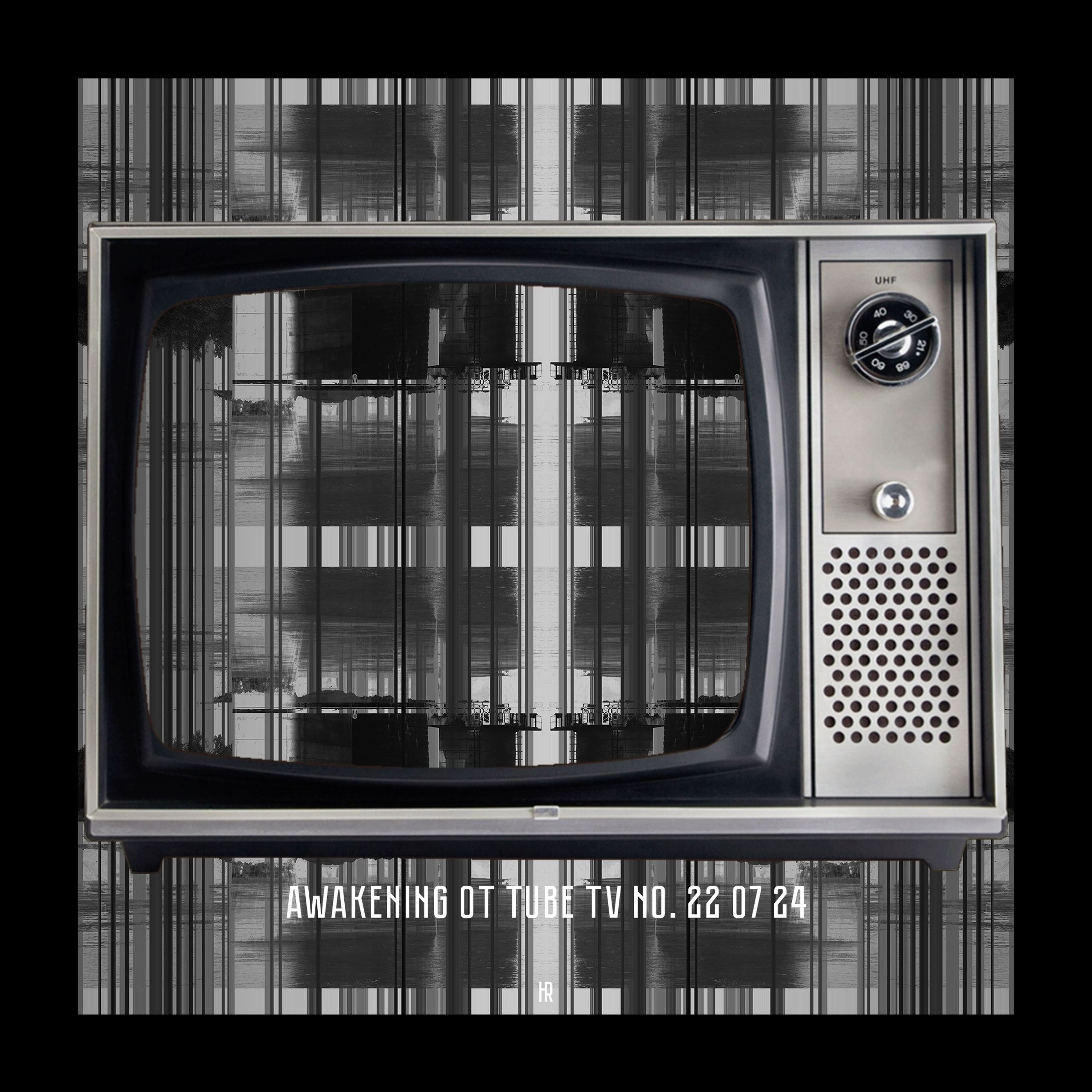
Transfiguration

What Does It Take to Brew Good Tea—or Perhaps Take a Photograph?