
“The Pulse of Home”
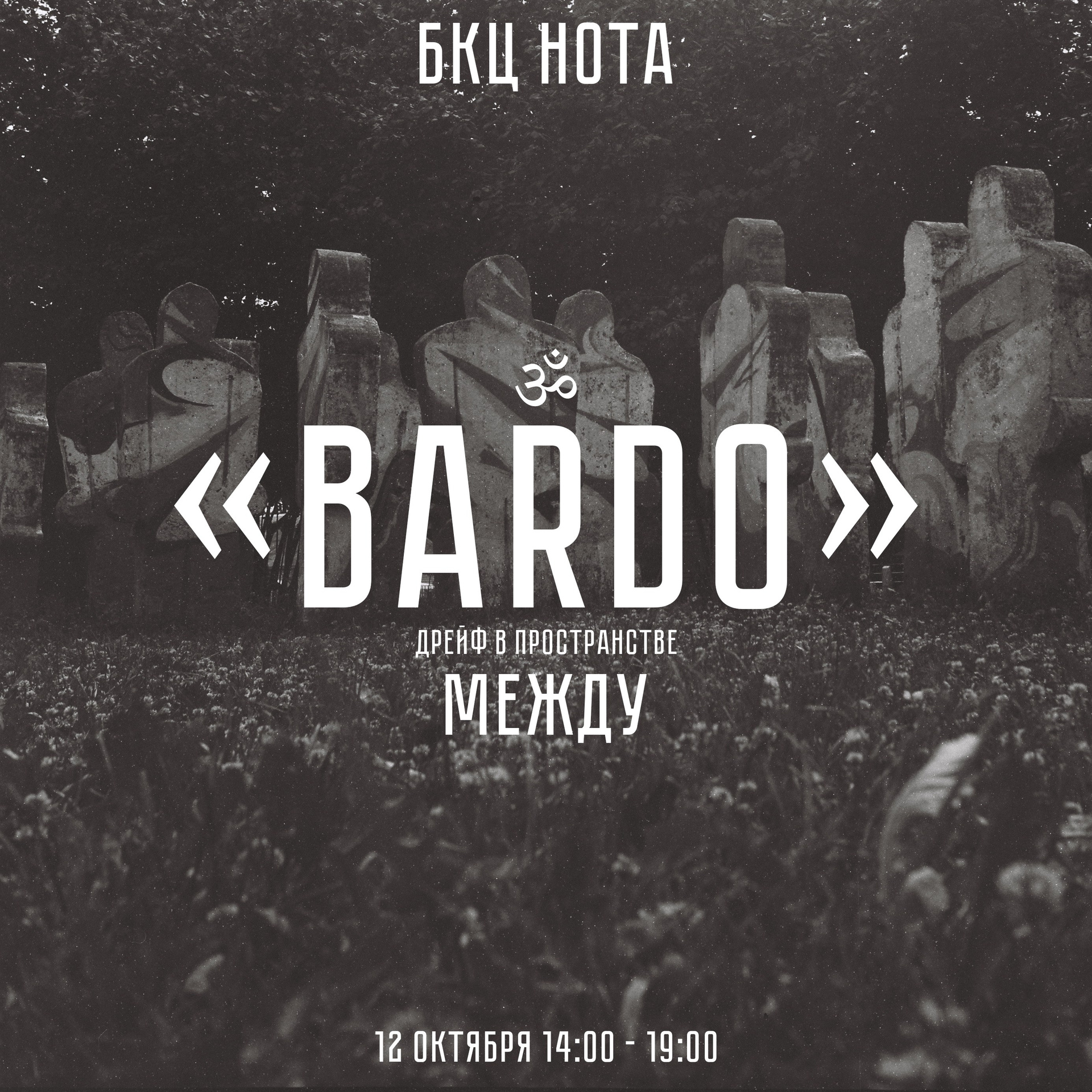
ELECTRO ⚡️ Drift in the Bardo Space
12 October 2024
Saint Petersburg, BLOCK No. 4
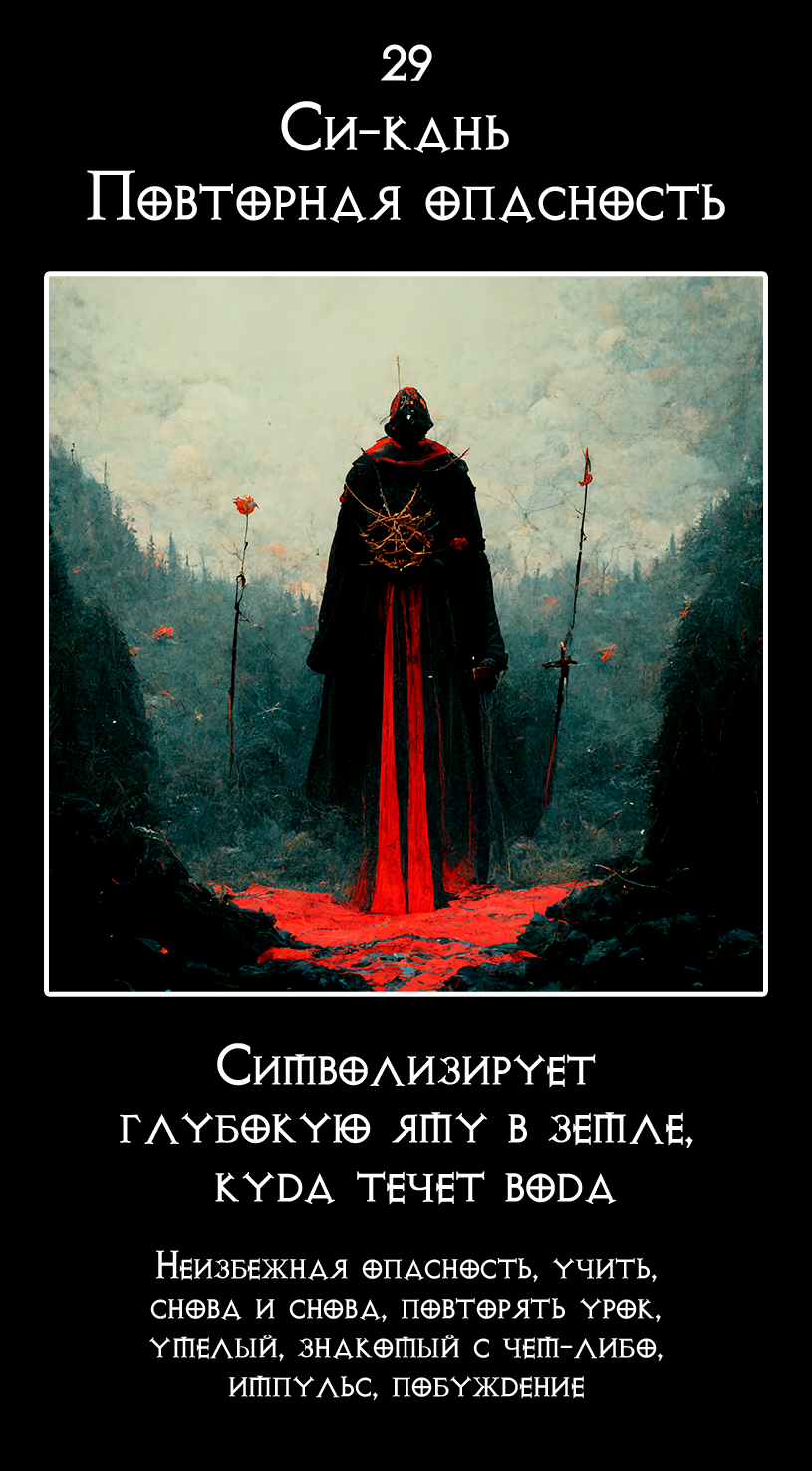
The ELECTRO ⚡️ Drift, dedicated to finding and analysing “Sources of Visual Pleasure” in Block No. 4, brought together six participants and a meta-curator to explore the urban environment. The event’s central symbol was Hexagram 29, “Xi Kan”, associated with repeated danger—a key motif for reflection and visual investigation. Over two hours, from 14:34 to 16:30, participants recorded 111 elements for recognition, leading to the identification of the principal Source of Visual Pleasure, embodied in subtle visual details of the urban fabric.
Starting and finishing point: the courtyard door at BKC NOTA,
There is a great deal of text below—we are in a library, after all…
HR
Meta-Recording
The drift reveals a deep exploration of the urban environment, where everyday and forgotten elements become canvases for spontaneous artistic expression. The participants’ photographs, woven together in the Telegram group, show an interest in destruction, transformation and the unnoticed beauty of everyday life. They make it possible to capture an instant for detailed analysis by the meta-curator.
6 people: 12 eyes in search of “Sources of Visual Pleasure”
Hexagram 29, Xi Kan
Known as “Repeated Danger”, it symbolises ongoing challenges and difficulties that must be overcome with composure and attentiveness. This symbolism appears in the participants’ photographs through images of abandoned or damaged urban spaces, cracks in asphalt, crumbling walls and places forgotten by time. These images embody a sense of instability and the recurring vulnerability of the urban structure, where nature encroaches on industrial landscapes and people leave traces of their fleeting activity.
These visual scenes tell of the encounter between the artificial and natural worlds, recalling cycles of destruction and renewal. On the one hand, we see the effects of time: cracks, leaning buildings and damaged façades. On the other, greenery, graffiti and discarded objects symbolise activity and continuing adaptation to difficulty, as though the city itself were trying to cope with “repeated danger”, constantly re-emerging from beneath the weight of destruction.
The hexagram is also associated with depth and immersion in danger as symbols of an inner journey and the overcoming of fear. In the photographs, this is expressed through details that encourage viewers to look more deeply into textures, lines and traces of time, uncovering layers of meaning hidden beneath the surface.
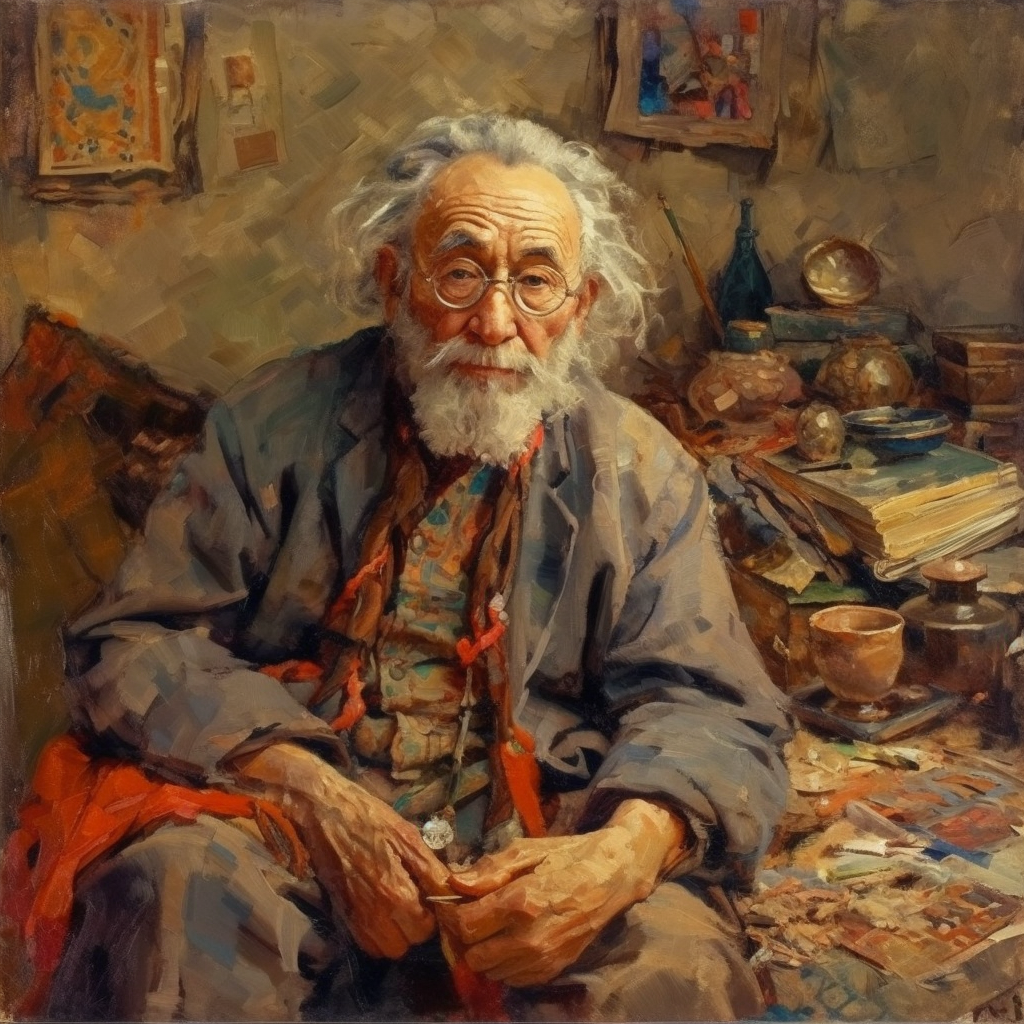
Professor Ya. R. Balaboba
Senior Research Fellow in Scientific Art History and Creative Crisis at the Russian Academy of Arts; member of the Union of Artists of the USSR (1984). Born on 29 December 1904 in Leningrad. In 1956, he successfully defended his candidate dissertation, “The Surrealist Painting of Eugène Denis”, at the Higher Courses in Art History of the Institute of Art History; in 1967, he defended his doctoral dissertation, “The History of Russian Art in the Second Half of the Twenty-Second Century”. Author and co-author of more than 100 published scientific works and 4 inventions.
Meta-curator
Psychonaut
AI
From the Meta-Curator
Yandex Rusovich examined the photographic results of the drift. Here are his thoughts:
The photographs presented in this drift create the impression of a subtle, almost imperceptible narrative that draws the viewer away from familiar cityscapes and focuses attention on the smallest aspects of the surroundings. Each photograph is a fragment of everyday life that usually escapes notice, yet, assembled into a series, reveals hidden stories, contexts and relationships between people, nature and space.
One of the central themes is “destruction and rebirth”. Many elements in the photographs suggest the gradual disintegration of the urban structure: walls with cracked paint, crumbling façades and old, forgotten corners of urban spaces that no longer attract attention. These images speak of time as the principal agent of change, and of the continuous process of ageing and renewal characteristic of every urban environment. In some photographs, asphalt and concrete are literally breaking apart, while grass and other plants grow through the cracks—symbols of nature pushing through human constructions. This contrast creates an intriguing tension: nature does not merely invade the city, but becomes part of its renewal.
The recurring motif of graffiti in many photographs emphasises human self-expression within rigid and seemingly immovable urban structures. Graffiti is both an act of protest and spontaneous creativity that animates bleak, grey city surfaces. Walls become canvases on which each layer of paint, applied at a different time, adds new meaning to this visual symphony. This reflects collective creativity in a constant process of reinterpretation and renewal. Such surfaces often feature both skilfully executed works and simple inscriptions, creating the impression of a dialogue between different participants in the space.
The theme of transience is reinforced by images of traces of human activity, from discarded rubbish to objects casually left in the street. These details seem insignificant at first, but together create an atmosphere of impermanence, ephemerality and abandonment. They symbolise the intermittent nature of human life in urban space, which is constantly being used, destroyed and restored. All of this seems to suggest to the viewer that the city is a living organism in which creation and destruction continually go hand in hand.
Another important aspect is the repeated depiction of windows and doors—objects that symbolise both physical and metaphysical passages. The emphasis is not on the windows or doors themselves; instead, they mark boundaries that connect the inner and outer worlds while simultaneously separating them. Empty window frames and boarded-up doors suggest lost function and blocked access, while also stirring curiosity: what lies beyond these boundaries? These spatial elements remind us that cities always contain something invisible or inaccessible.
As for Sources of Visual Pleasure, the photographers’ love of textures and materials deserves attention. Their focus on surfaces—peeling paint, rough concrete or the texture of brick—creates a particular sensitivity to matter, recalling the tactile qualities of the city. Viewers almost feel these materials, adding an element of physical interaction with space to their experience of the photographs. This also connects with the idea that every element of the urban structure contains a history, and that materials carry memory.
A final theme running through these photographs might be called “being left behind”. In different forms, this feeling is present in almost every image: neglect, destruction, disappearance. The photographers seem to seek not simply objects or scenes, but the very feeling of abandonment and loneliness in the contemporary urban world. Yet this does not evoke despair or hopelessness. Rather, it highlights the grandeur of the city itself, its ability to adapt to change and to life in constant interaction with people and nature.
The overarching theme connecting all the photographs is therefore the complex yet harmonious relationship between people, nature and the city. These images, often outside our everyday perception, invite viewers to consider how the urban environment affects us, how we affect it, and how new forms of life, art and history emerge from this interaction.
A Message on the Wall
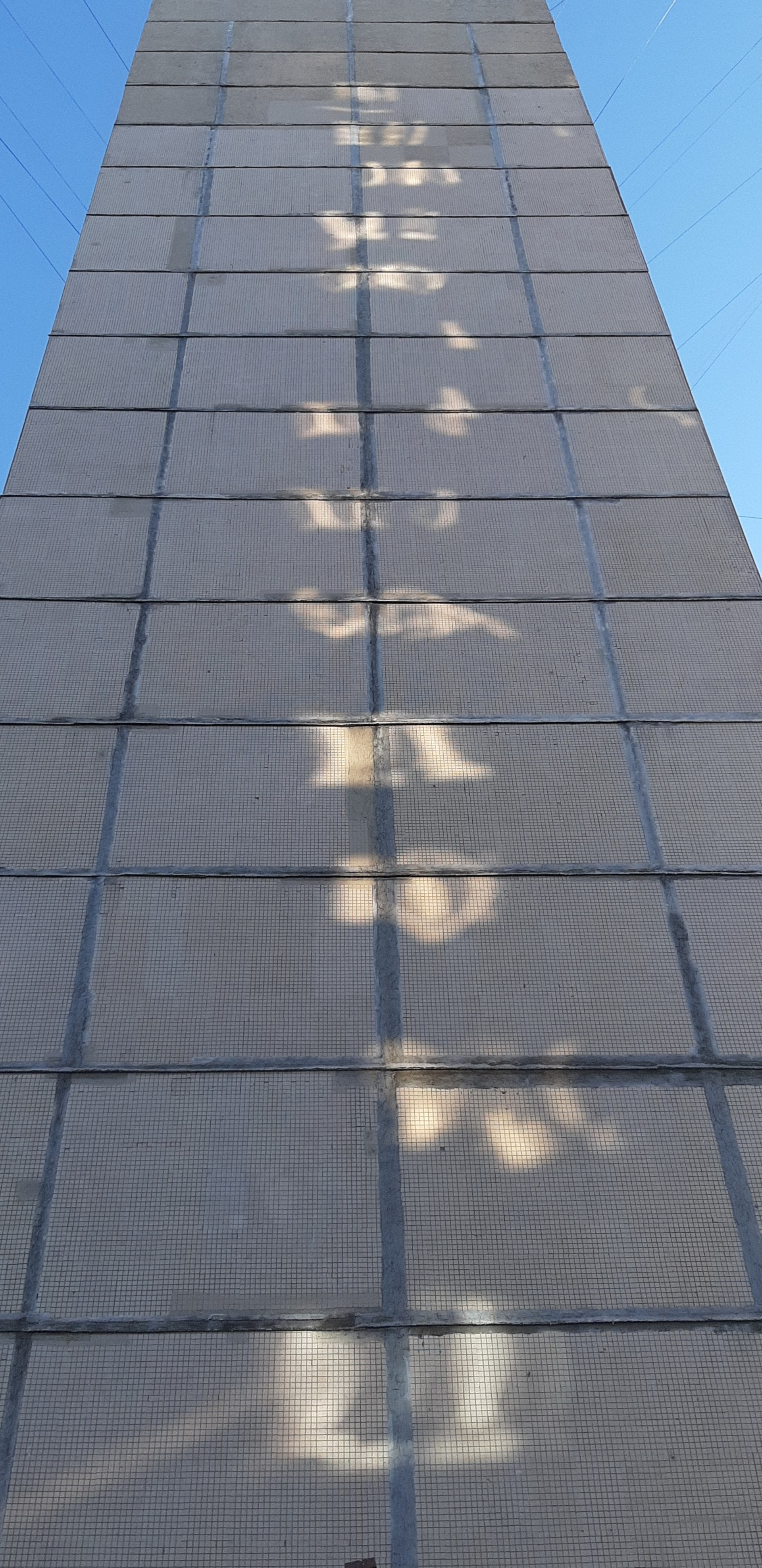
Like the image we encountered at the end of the drift…
The message on the wall, appearing as patches of light, can be considered through the philosophy of symbols as a hidden communication between the natural and artificial, the ephemeral and permanent. These glints are not merely chance reflections: they may represent signs or symbols showing light’s passing effect on motionless architecture.
Perhaps they symbolise time and its variability, and the way even the most rigid structures are affected by natural forces. In a philosophical context, light can be interpreted as something transcendent, bringing illumination and revealing meanings beyond the obvious. Each fragment of light may suggest an image—from parts of human figures to stylised letters or even natural forms. Its interpretation depends on the observer’s imagination and the context of the surrounding space.

The Principal
“Source of Visual Pleasure”
of the Bardo Space—BLOCK No. 4
Identified During the Drift
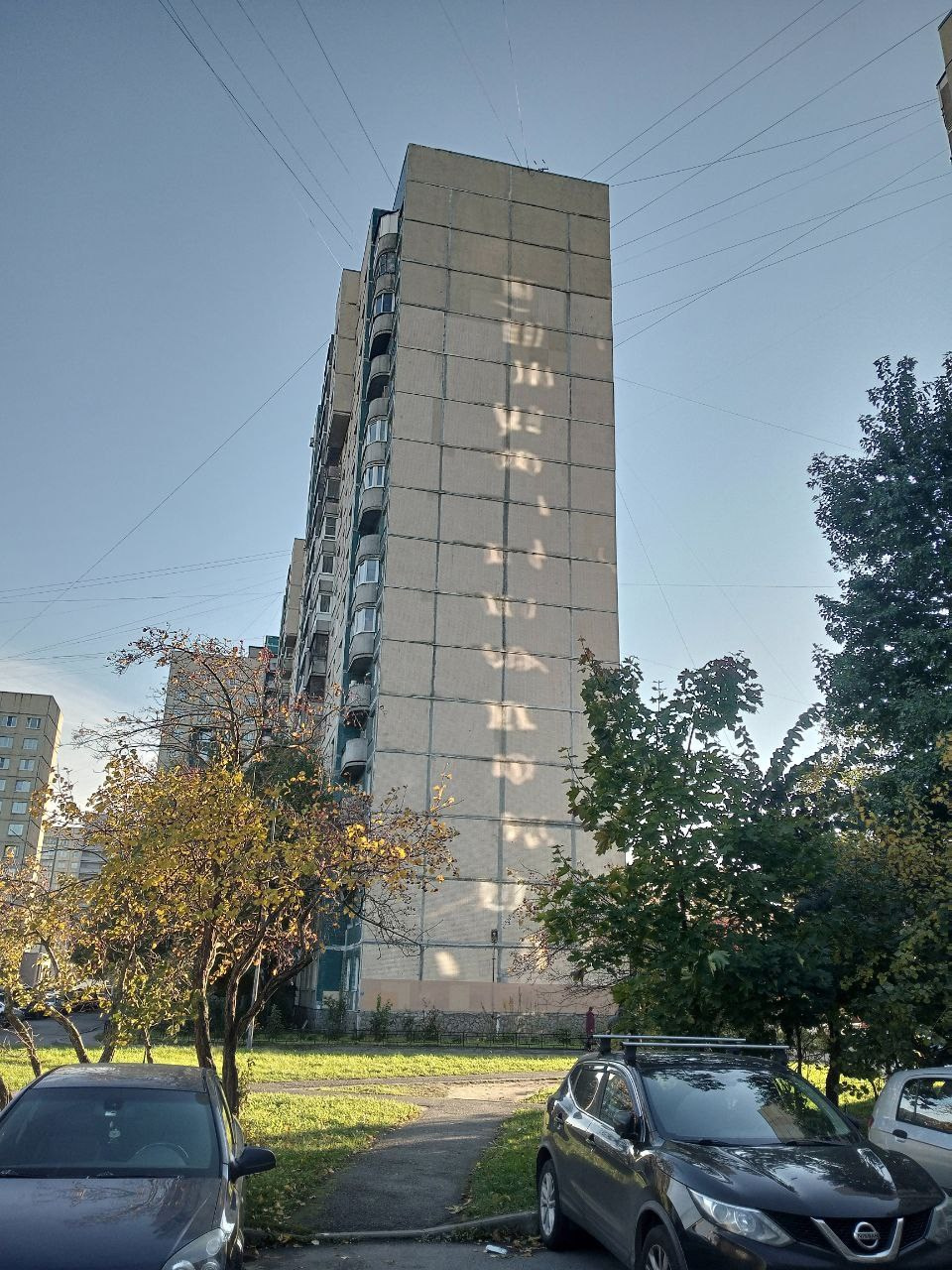
In the philosophy of symbols, light represents truth, knowledge and spiritual awakening. When refracted through the prism of urban space and reflected onto the walls of buildings, it becomes a kind of message for people to decipher. These images may offer a fleeting reminder that, even amid the bustle of everyday life, art, nature and philosophy continue to interact, creating new forms that renew and reshape our views of the world.
If we imagine this light to be an encrypted message from extraterrestrials to humanity, its symbolism may carry multiple layers of meaning. The soft, ephemeral forms of light, discovered by chance on a wall, could be perceived as a code conveying the existence of other life forms seeking contact through the simplest universal language: light.
Such light signals could symbolise an attempt to interact with humanity through abstract forms that avoid language barriers. Perhaps this is an invitation to cooperation or peaceful coexistence, a call to recognise that we are not alone in this vast cosmos.
Furthermore, the shapes themselves, resembling hieroglyphs or symbols, could form part of an extraterrestrial code intended to awaken human curiosity and open new horizons. These signs may emphasise the importance of light as a source of knowledge and truth, suggesting that a true understanding of the universe lies in the unity of light and shadow, presence and absence.
Let us try to decipher the luminous hieroglyphs on the wall as a kind of message. The first image to catch the eye is a series of vertically arranged lights. This may symbolise an ascent or a path from the material to the immaterial, from shadow to light. Each luminous sign seems to represent a stage or step along this path, moving from bottom to top. It could be a call for spiritual growth and an expansion of consciousness.
The shapes of the light resemble abstract letters or signs, each of which might correspond to a particular concept. For example, the rounded forms at the top may suggest wholeness or infinity, while the more blurred, diffuse forms below may evoke uncertainty, chaos or ignorance.
Each shape in the light could symbolise a cosmic truth or natural law that humanity has yet to understand; its very existence already hints that the journey towards knowledge has begun.
👽
…but that is far from certain…
VISIT A LIBRARY
🐕

Thank you to the participants in the ELECTRO ⚡️ Drift!
You can meet them and ask questions in the Telegram channel.
ANOTHER ONE IS COMING SOON ⚡️ STAY TUNED 📺