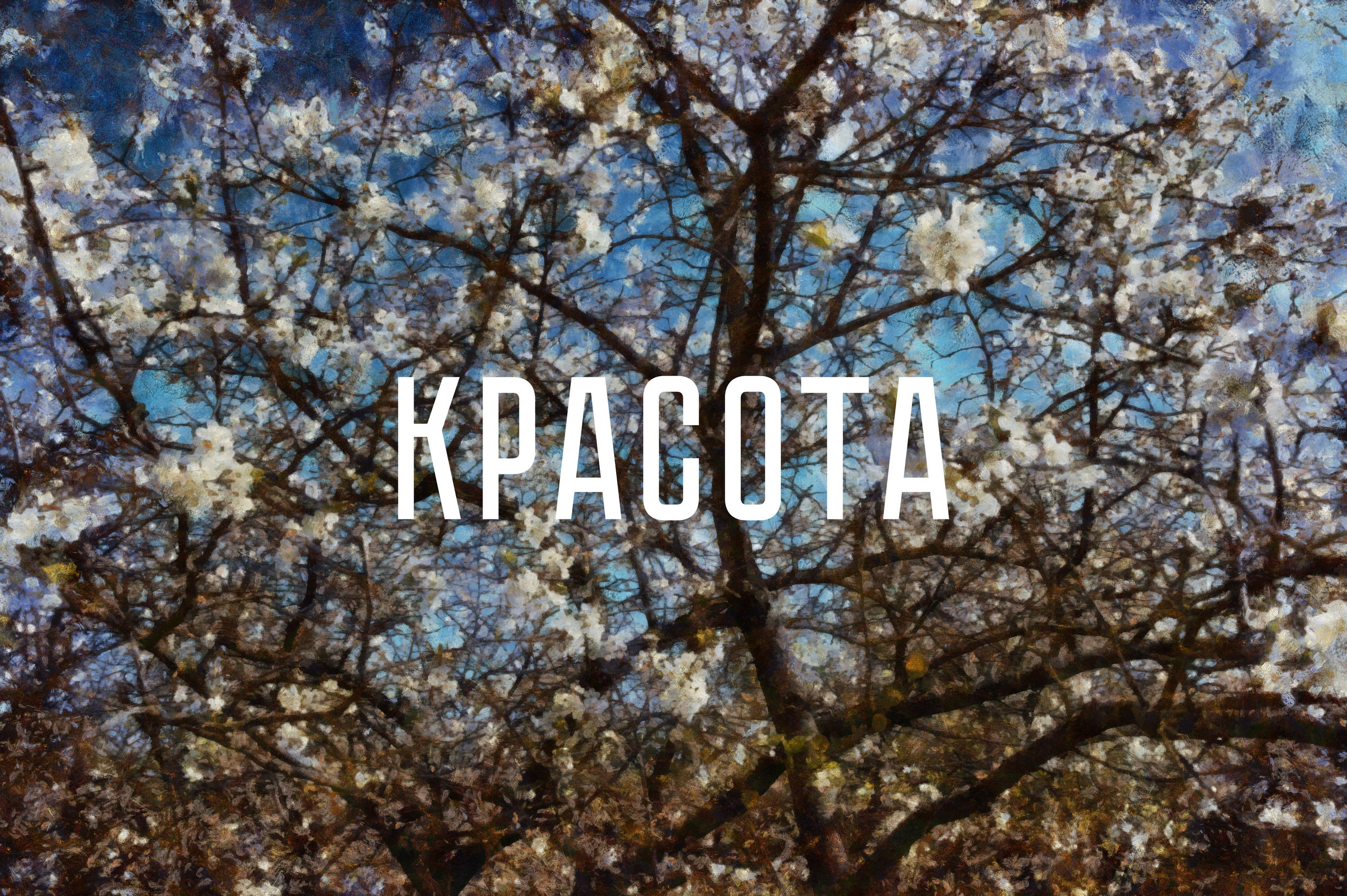
Roman Hodirev. BEAUTY (series). 2025.
An advertising campaign for liminal spaces—before they devour you
Photographs, digital painting simulating an oil-paint texture, printing on canvas/paper, advertising typography. A series of four works; the key work is a horizontal panorama establishing the series’ compositional and conceptual centre. Variable dimensions.
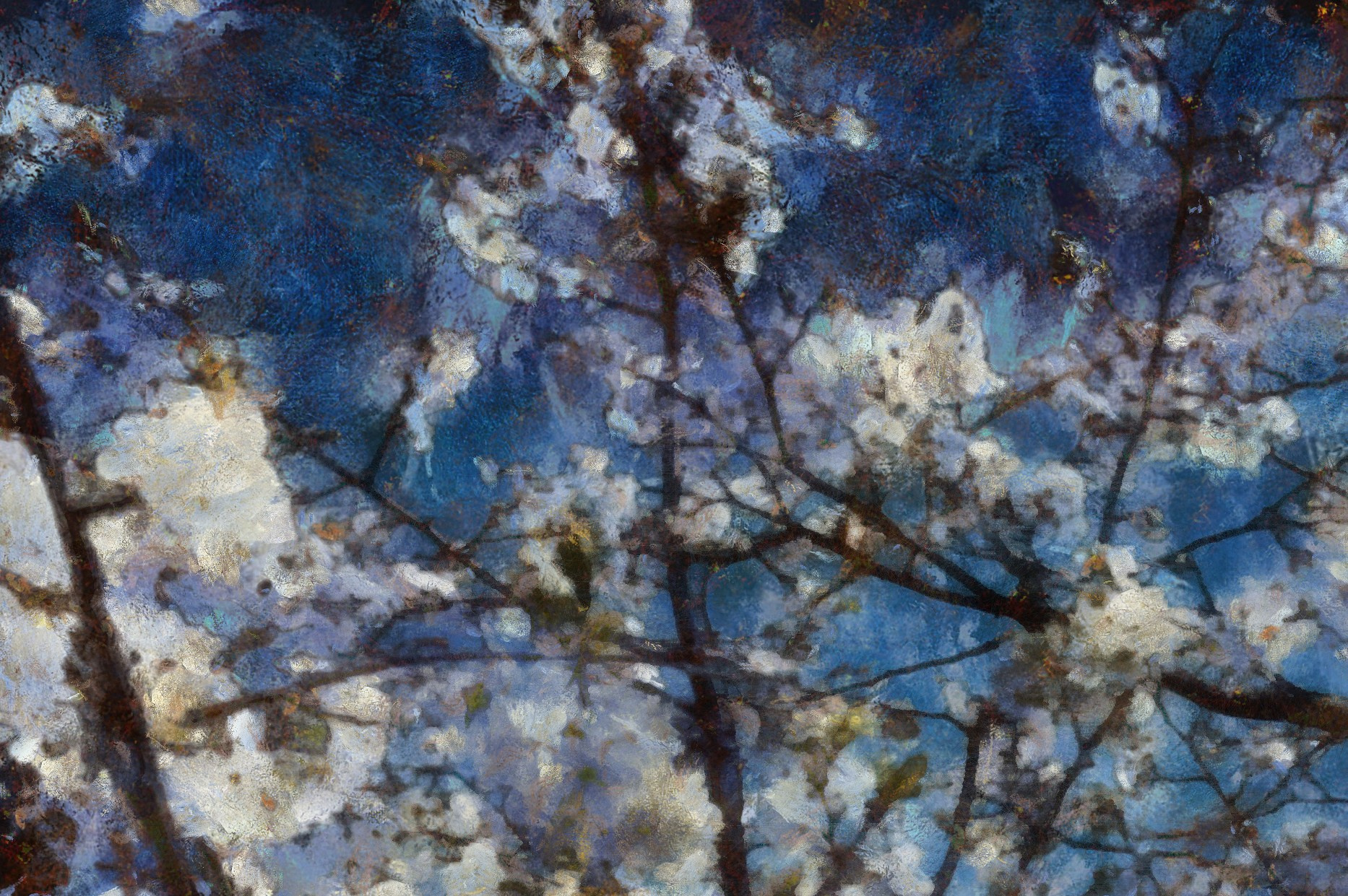
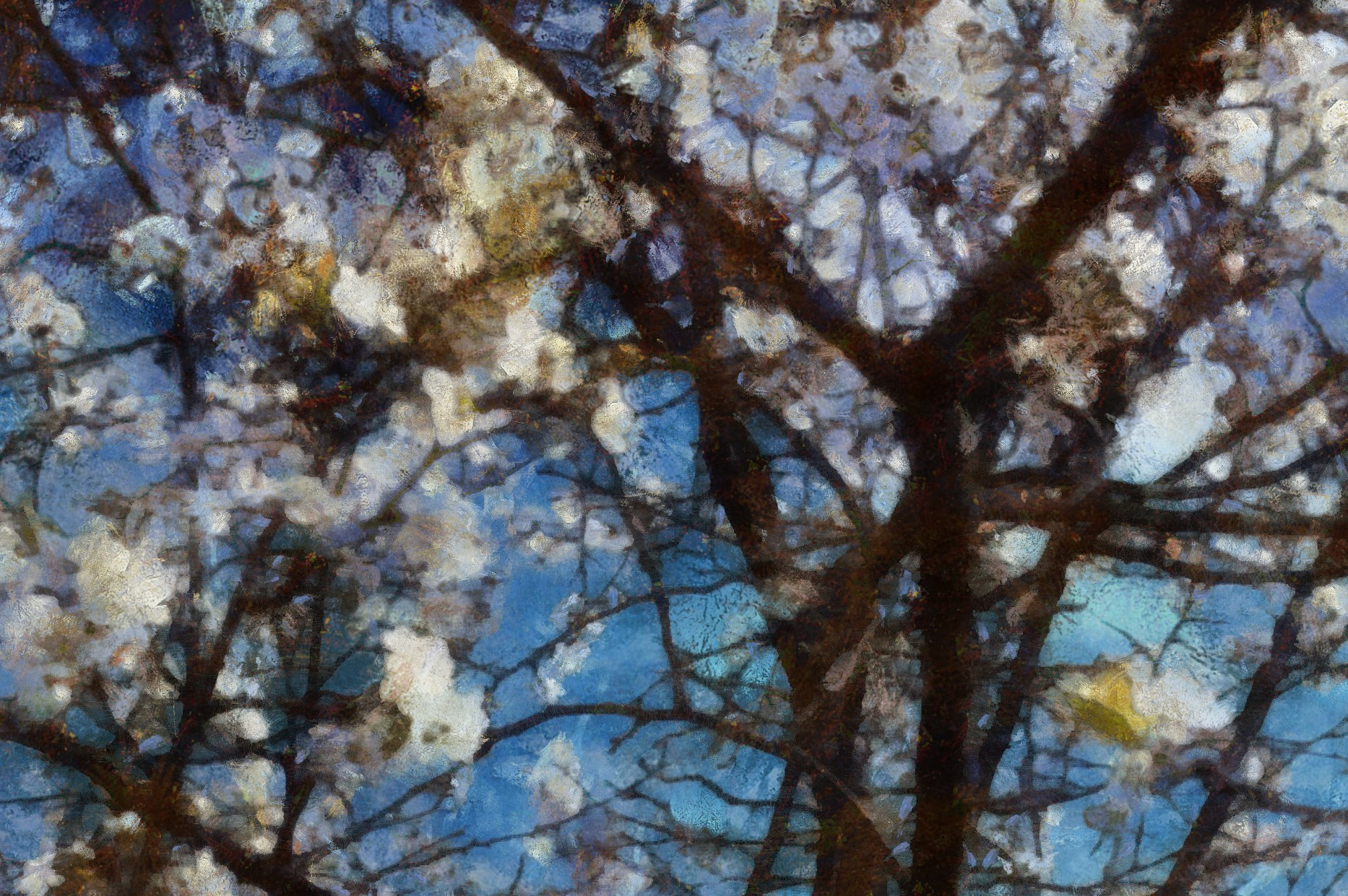
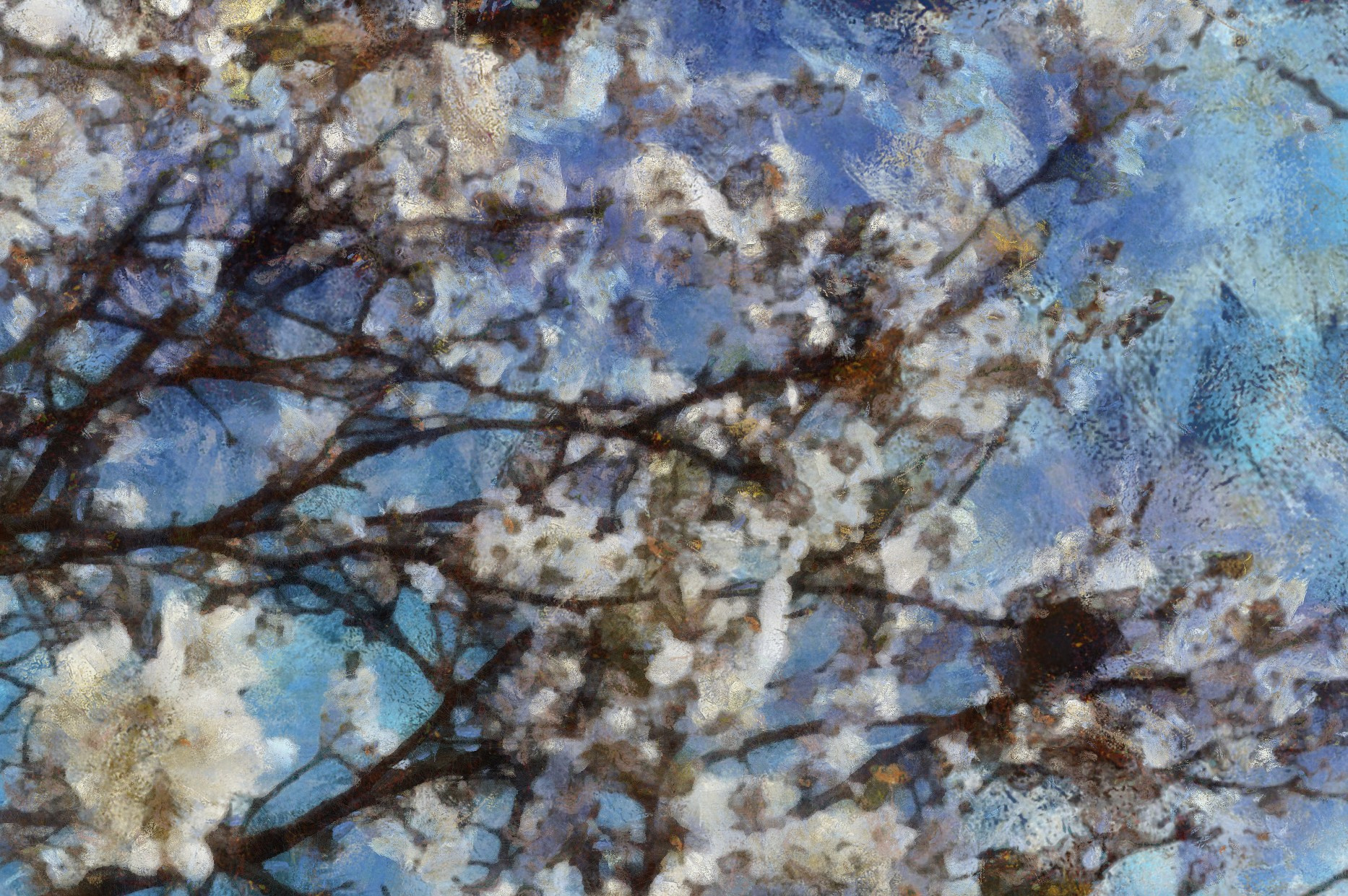
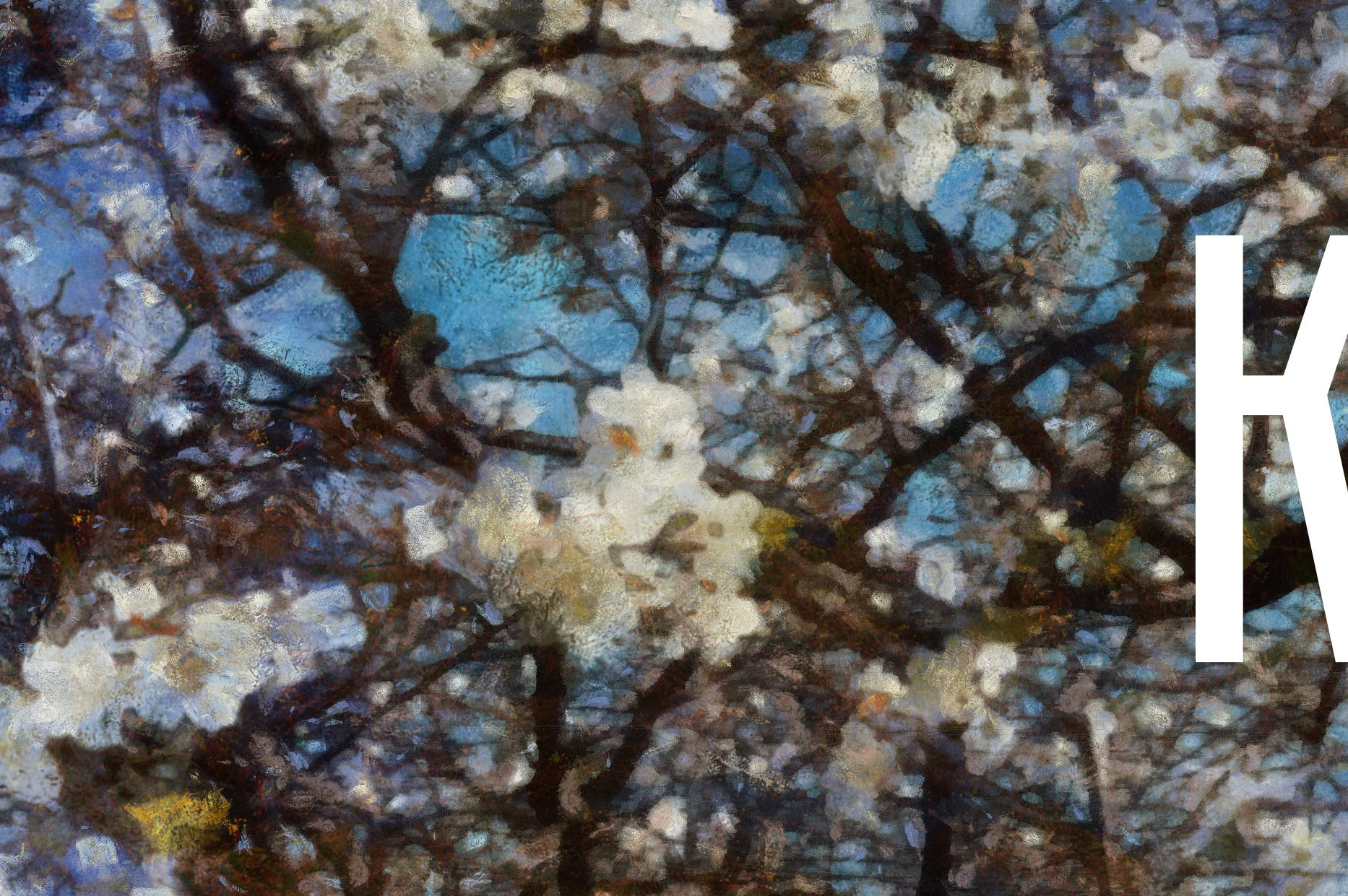
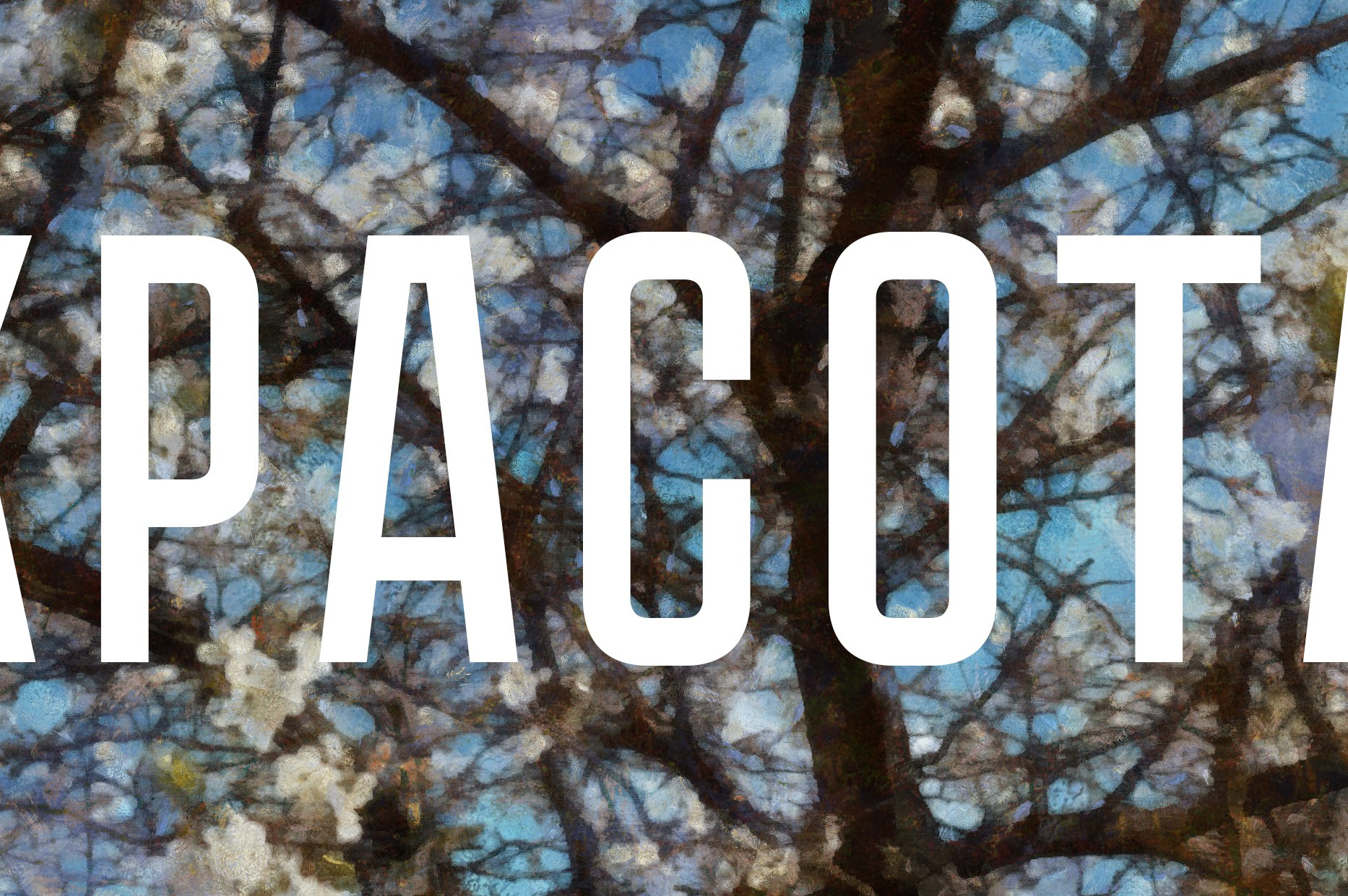
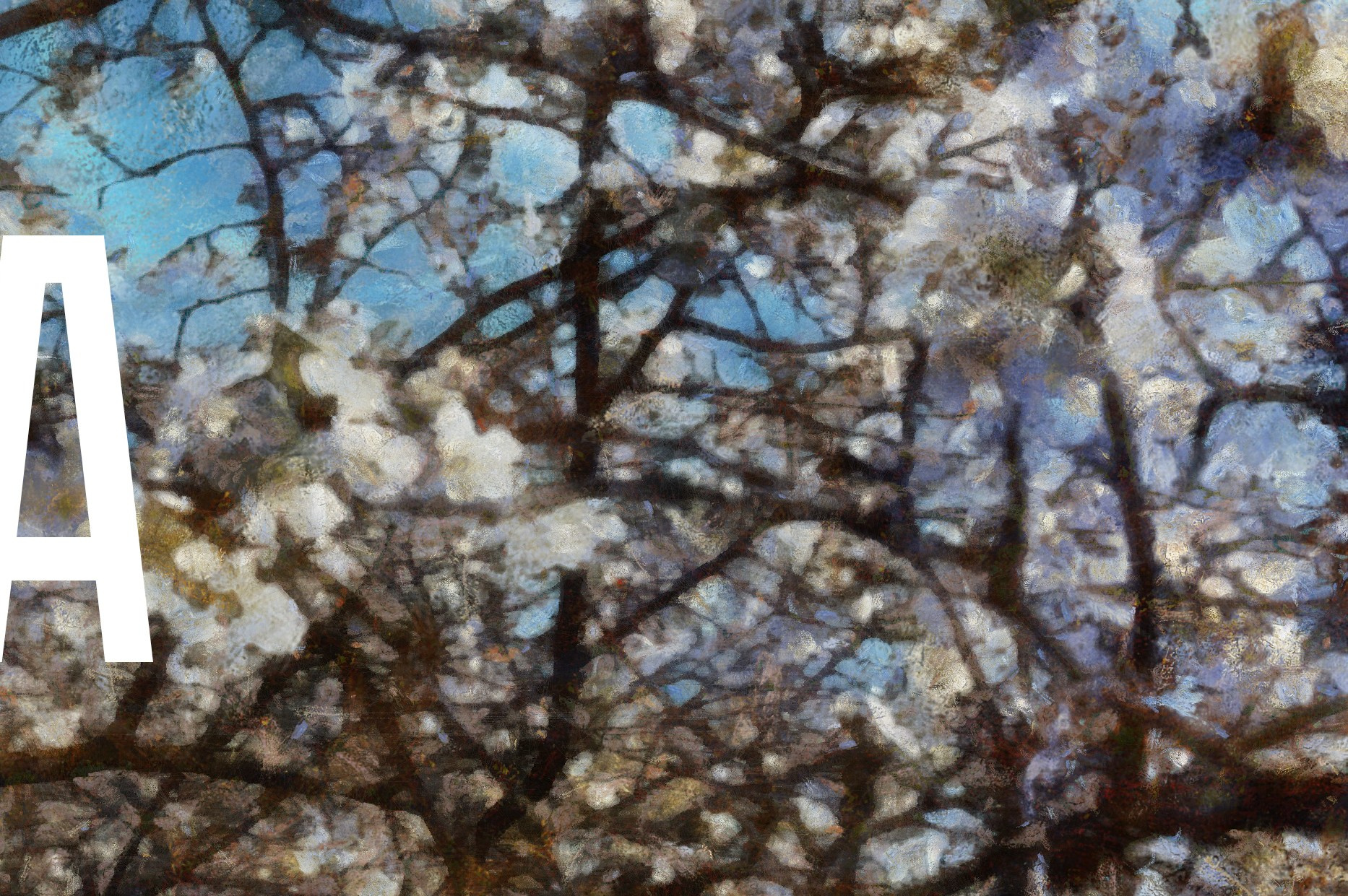
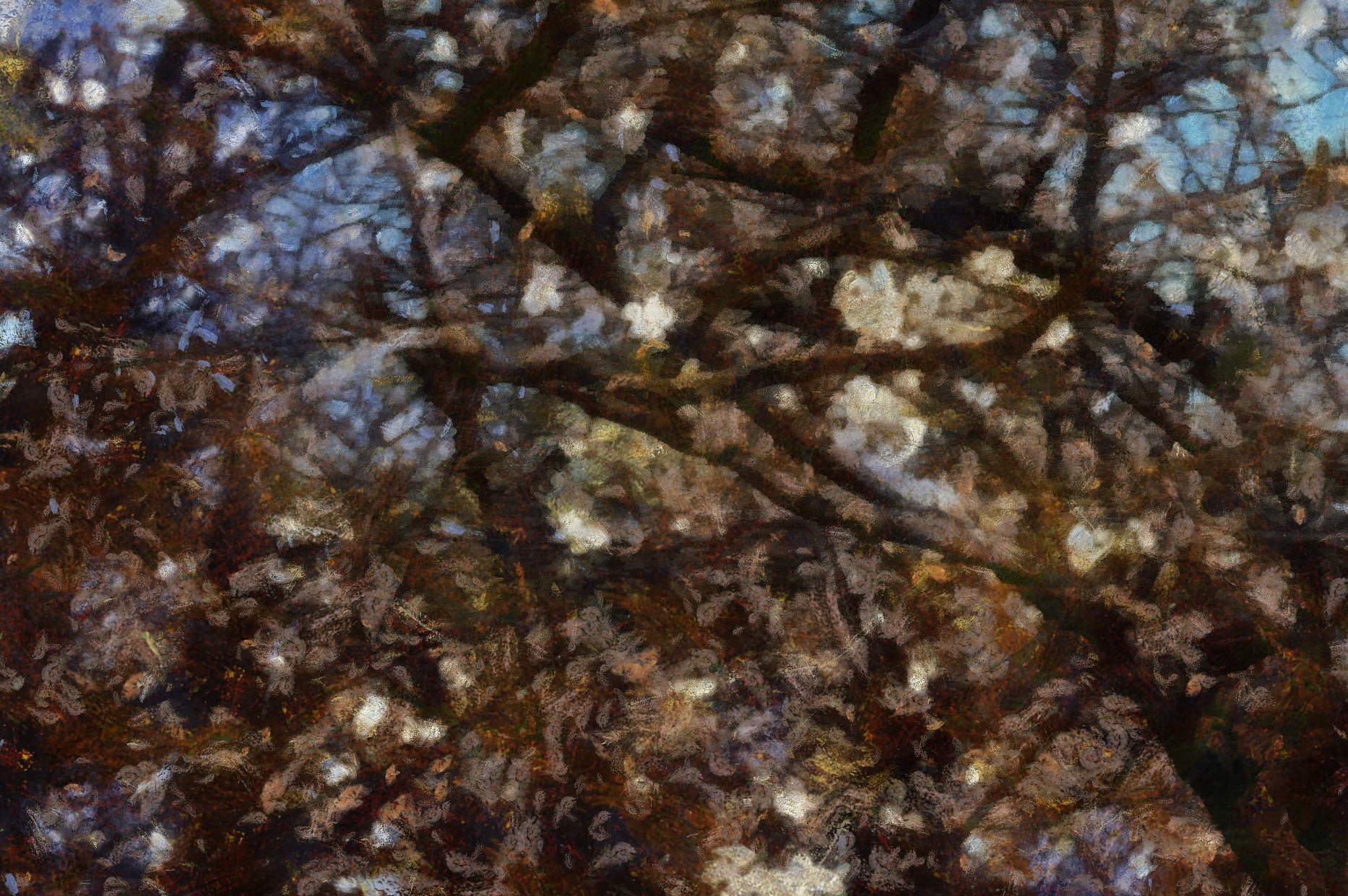
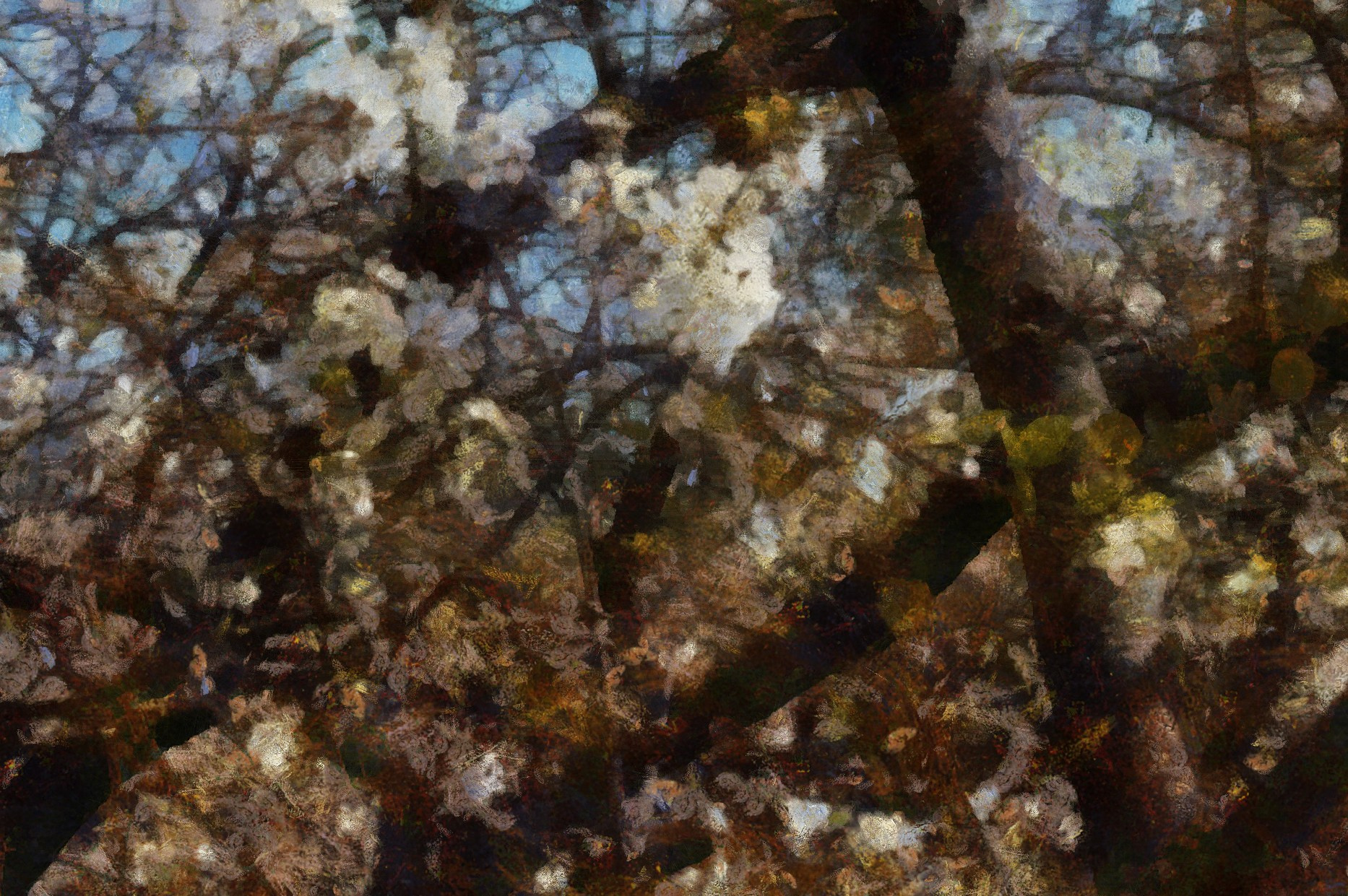
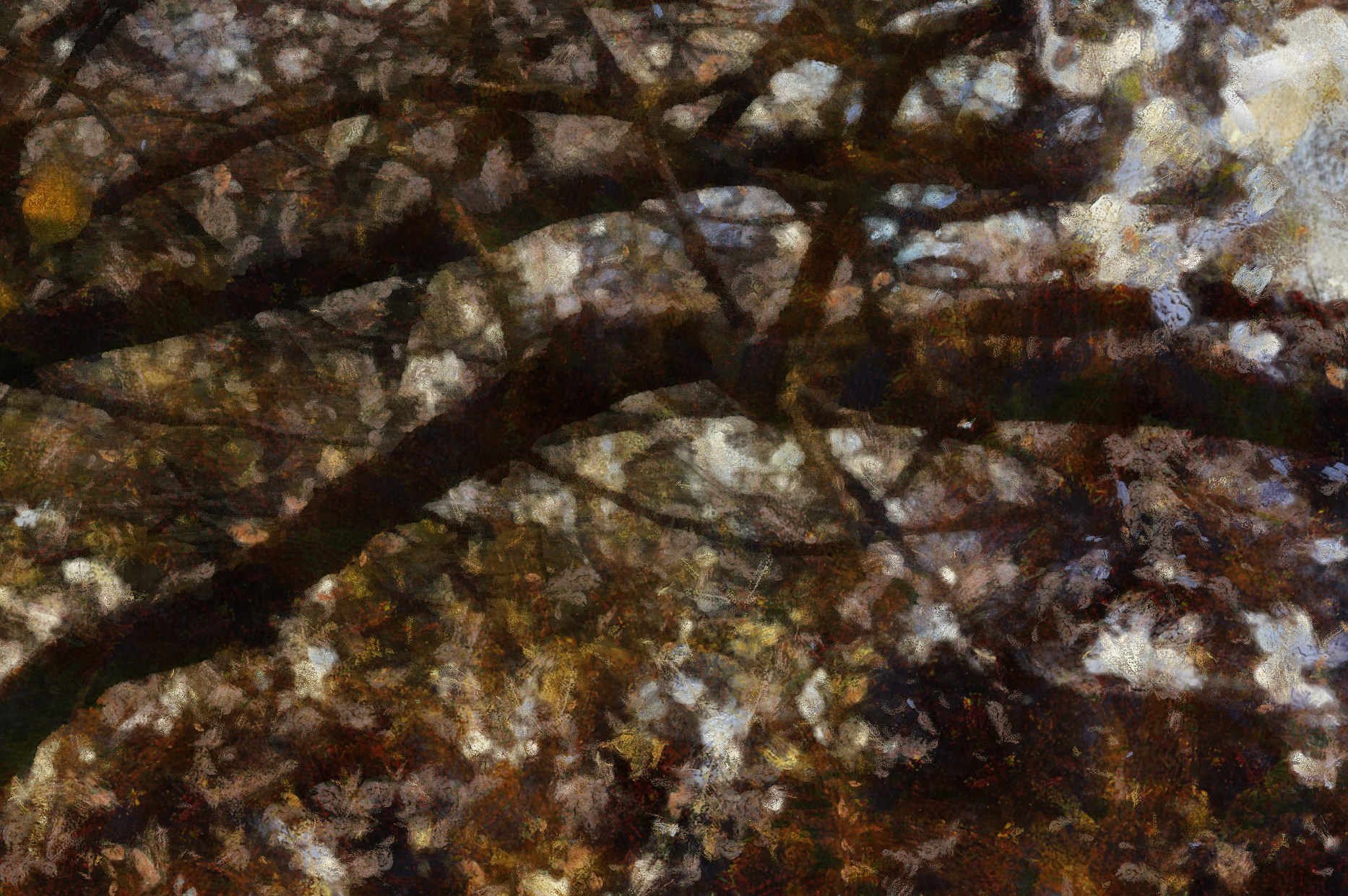
The series presents itself as an advertising campaign for spaces “on the threshold”: clearings along routes, forgotten parks and overgrown shores. These places both beckon and consume; the phrase “they want to look beautiful too” shifts a danger zone into a realm of aesthetic aspiration. The advertising aesthetic—clean uppercase typography and a centred word—combined with the texture of oil painting creates ambiguity: advertising promises control and order, while painting restores chaos, physicality and the matter of nature.

Technically, the series captures a photographic imprint and then “seals” it with painterly texture: patches of colour become brushstrokes, light and shadow become a grainy layer of paint. This is more than a filter; it is work on the image’s “body”. Preserving the documentary structure—branches, a path, a reflection—the artist introduces the materiality of oil paint, changing the optics of perception. The image seems to age, acquire a patina and become an art object. The overlaid type—strict, sans serif, like an advertising slogan—interrupts the painterly flow and makes the word articulate meaning: it is not only a title but an assertion, a command, an invitation and, at the same time, a revelation of vulnerability.
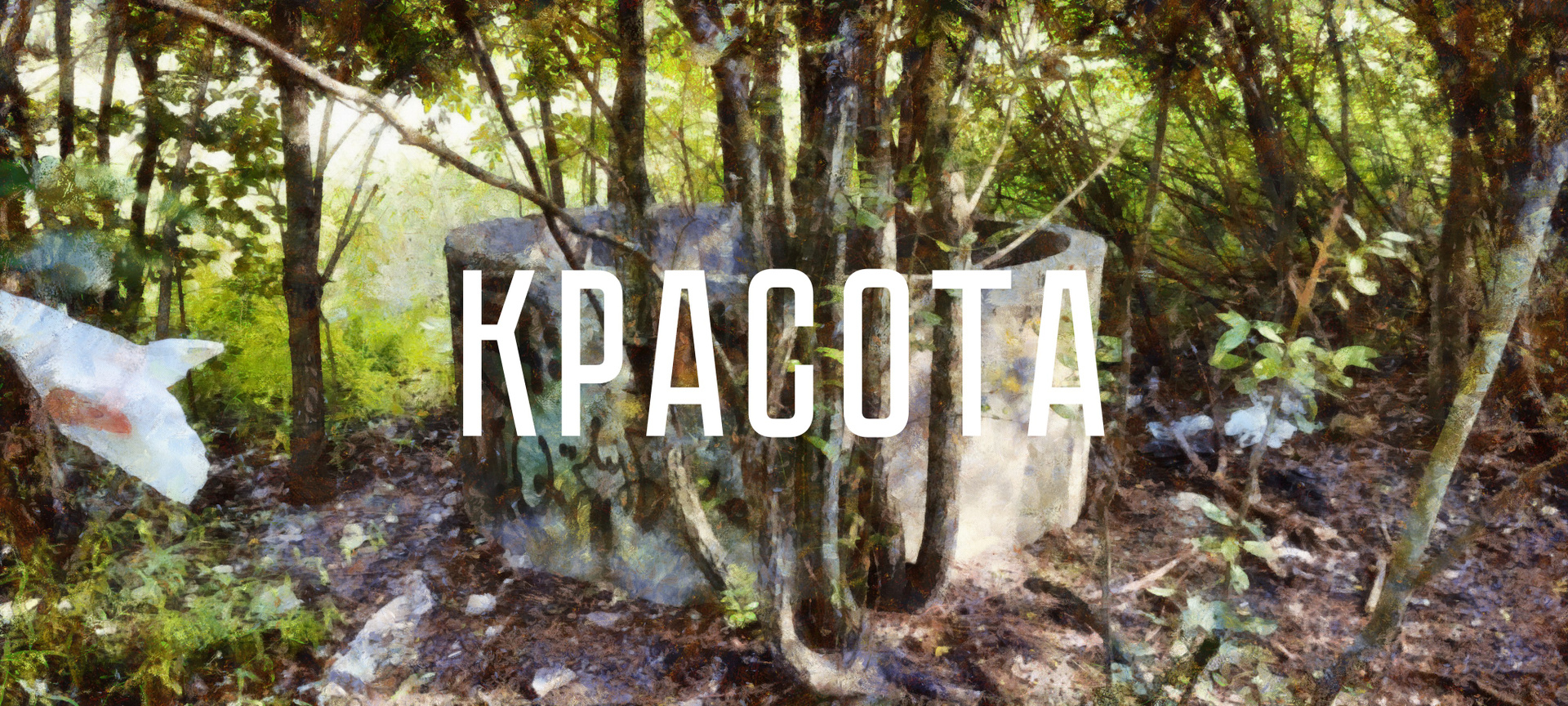
The series is governed by the tension between the one who looks and what is looked at. Advertising calls for consumption: “Love it”, “come back”, “take a photograph”. But here consumption reverses its force: aesthetic attraction makes the viewer the prey of the liminal. This reversal of roles is the series’ central idea. Beauty is not innocent; it is active, capable of attracting and swallowing us.
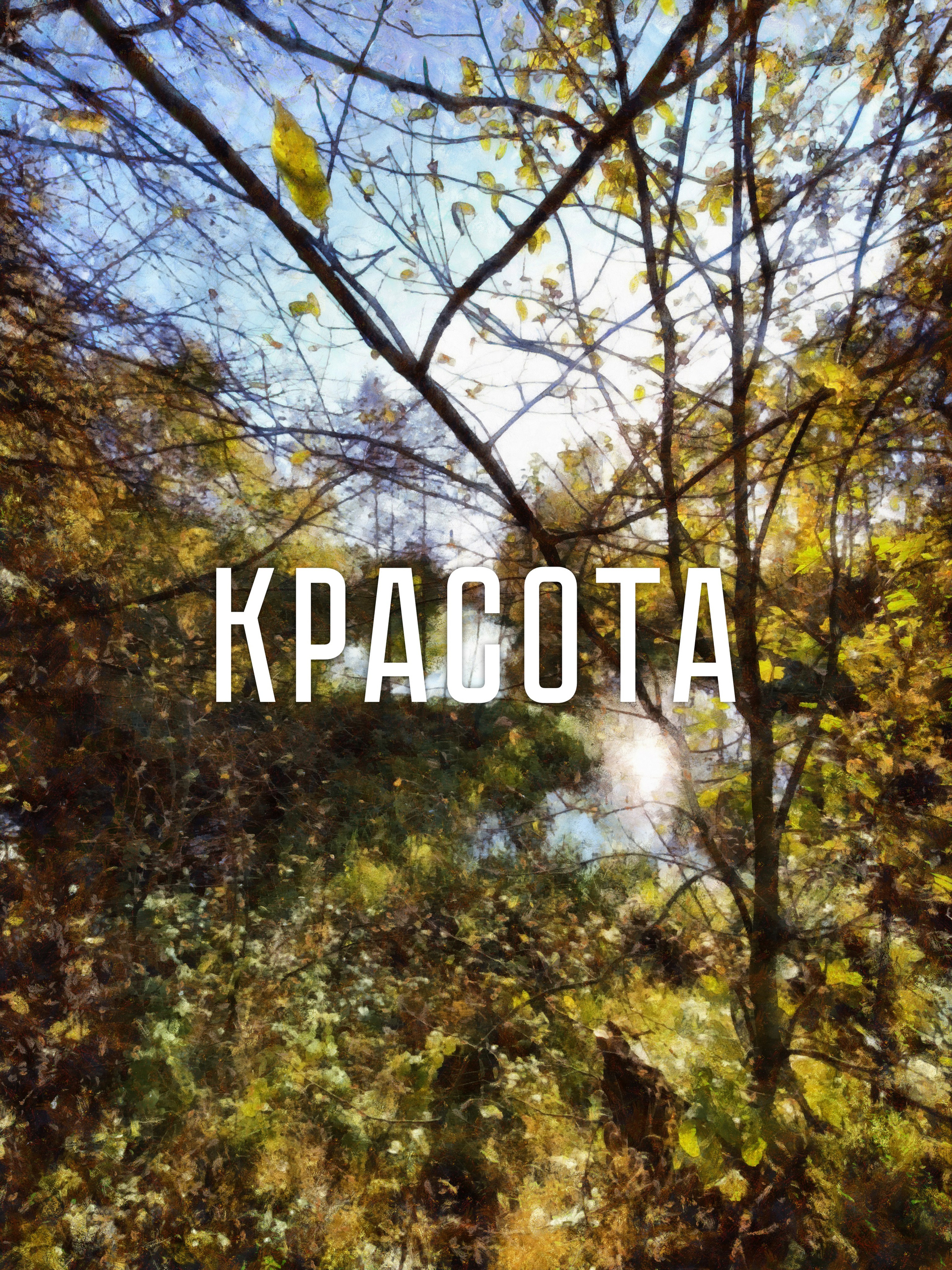
Within Soviet and post-Soviet aesthetics, advertising and graphic design act as a legacy of urban visual language: upright type, constructive composition and Soviet poster drama are all reinterpreted with subtle irony.
Colours ranging from acidic lime to deep brown create a simultaneous sense of freshness and decay. Oil texture, grain and the “misregistration” of form intensify the instability of perception. The white, shadowless type offers a point of support, yet its whiteness also cuts and dazzles.
***
Meta-Curatorial Reflections on the Liminal, the Predatory and the Observing
In BEAUTY, a shift occurs that might be called a Benjaminian “reversal of aura”. Photography usually records vanishing states, holding them before the viewer. Here, however, aura ceases to be a property of the image and becomes a property of the spatial threshold itself. The liminal, traditionally defined as a no-man’s-land, becomes in your works an autonomous subject with its own will to appear.
The beauty with which it adorns itself is strategic rather than decorative: an aesthetic field in which space can be seen as a force rather than a backdrop. Even when translated into oil painting and then back into a pseudo-graphic advertising form, the image retains its inner tension. This is not an object seeking to be sold, but a subject seeking to be noticed.
Here we encounter what Bataille called the “attraction of the impossible”: a movement towards the boundary where an object ceases to be an object. In BEAUTY, space acquires the qualities of what Bataille described as predatory sacredness. It draws us in not as a threat but as a place, a circumstance, a state beyond which familiar categories of perception disappear. Yet this disappearance does not destroy the viewer; it merely makes them more transparent.
Merleau-Ponty called this a state of “reciprocal gaze”: when we look at a tree, the tree—in a certain sense—looks at us. Not with eyes, but through the structure of the world. Not personally, but through presence. This reciprocal seeing is always unsettling because it breaches the boundary between observer and observed. In your series, that unease has a predatory quality, although the predation is ontological rather than biological.
Liminal space does not want to destroy us; it wants to transform us. It wants us, for a moment, to become part of the topology it builds out of itself. It wants us to cease being external to it.
That is precisely why it uses beauty. Beauty here is an act of power rather than a gentle gesture. Its transparency and organic character lure the gaze inside. Looking at a canopy of trees or a path disappearing into a green tunnel, we experience more than pleasure: we experience dissolution. We cease to distinguish our own boundary. At this moment, what Levinas wrote about occurs: the gaze of the Other, even when the Other is not human, always includes an element of insurmountable threat. The Other has access to us, yet remains inaccessible in return.
In BEAUTY, liminal space appears as just such an Other—inaccessible, yet attentive. It seems to say: “You may look, but you cannot see me completely.” The predatory quality we sense in these places is not a desire to harm, but that fundamental property of the Other which cannot be controlled.
There is another difference: the liminal spaces in your images are not empty. They are filled with what Benjamin called the “potential for an event”. Something may happen within them, and that “may” never disappears. It hangs in the air like a charged silence. This is why a sense of being observed arises: observation is not the function of a creature, but of space’s readiness to act.
BEAUTY places viewers in the position of looking at beauty while simultaneously sensing that it invites them into a zone where they lose control of their gaze. Here beauty is neither saving nor elevating, but an aesthetic interface of a predatory environment.
This is beauty that does not belong to us. Beauty that looks at us. Beauty that uses itself to draw us into a moment when space ceases to be scenery and becomes an equal participant in the encounter.
***
Not the boundary between worlds, but the boundary between you and whatever is looking.
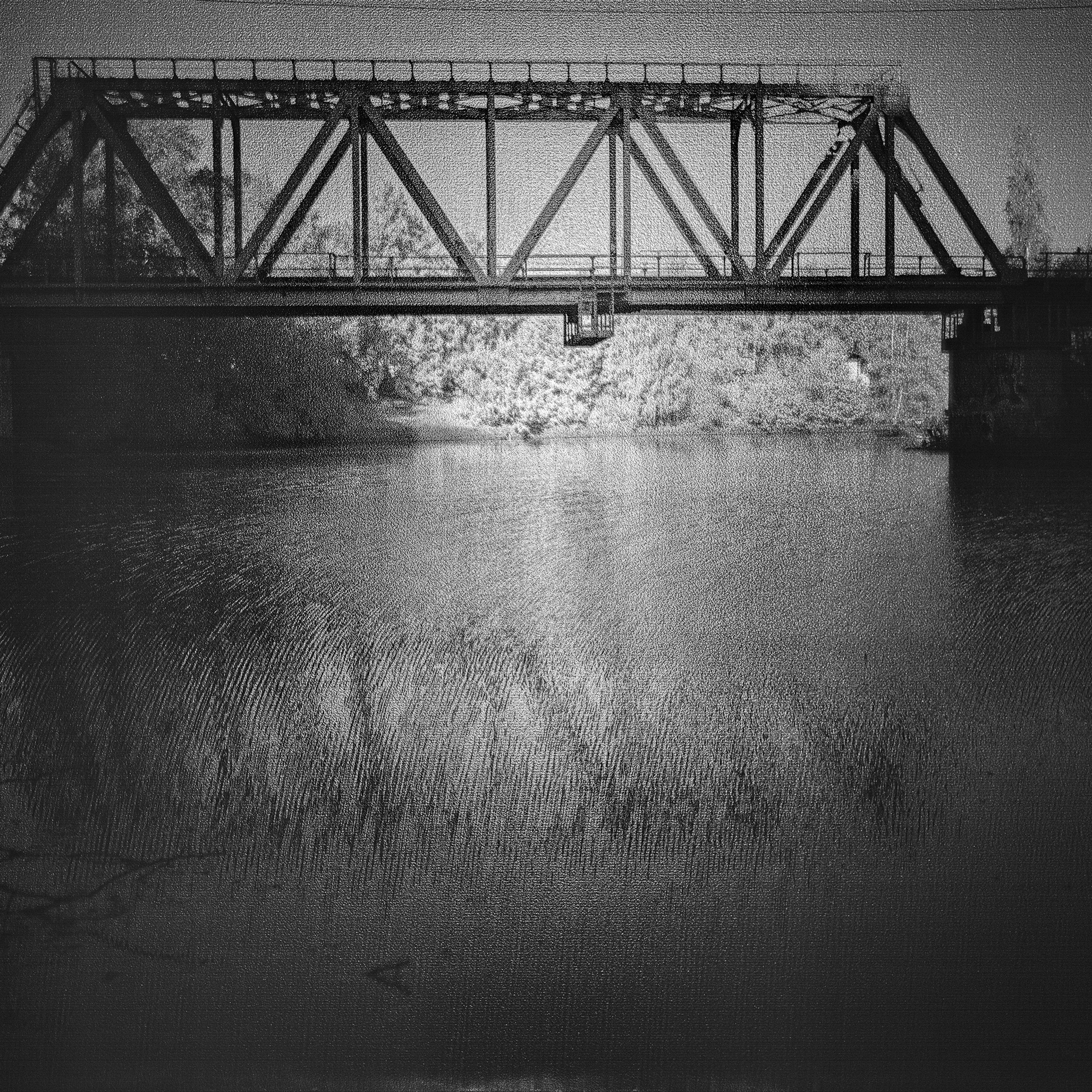
Chrono-Flow of the Okhta beneath an Abandoned Bridge
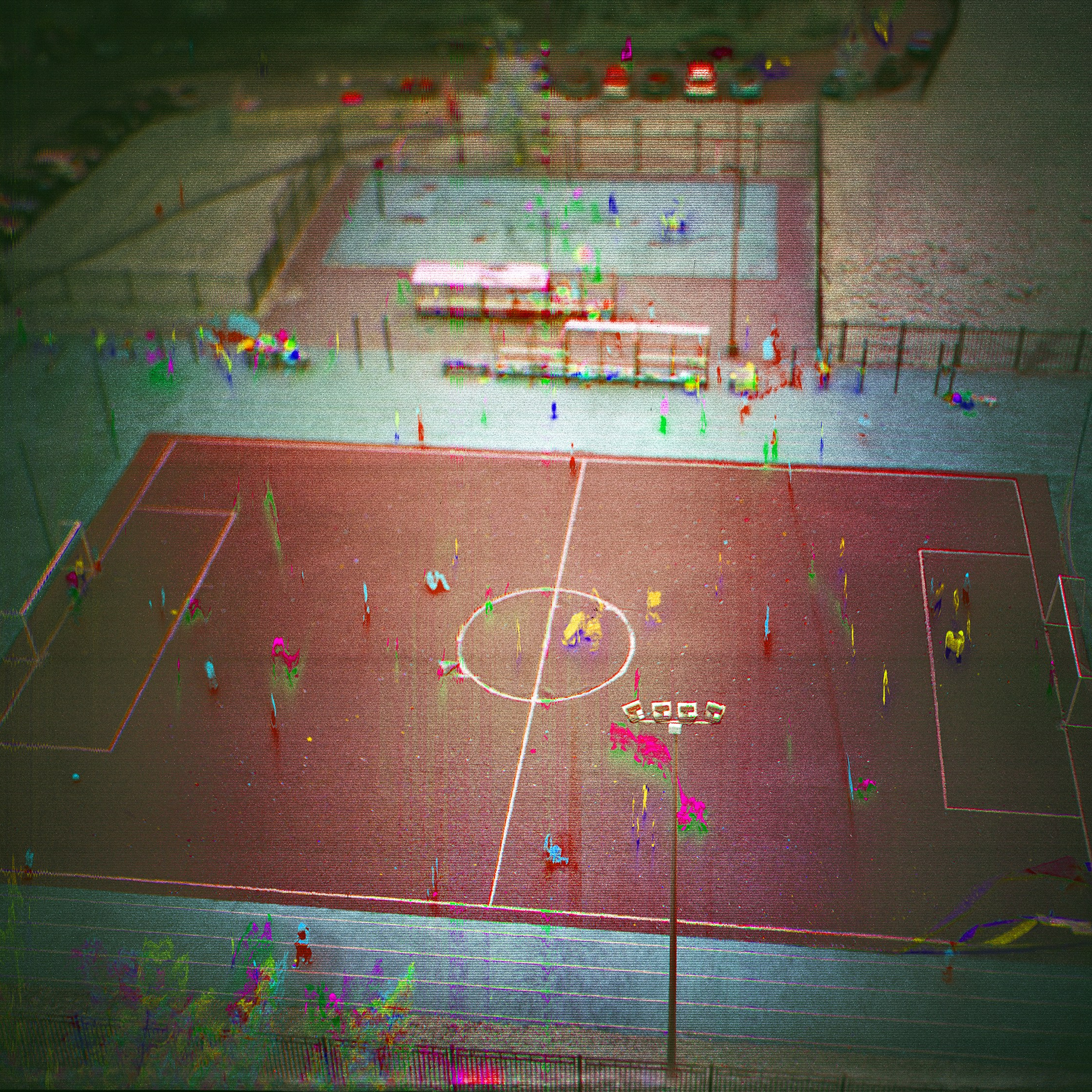
Chrono-Cosmogram of a Field
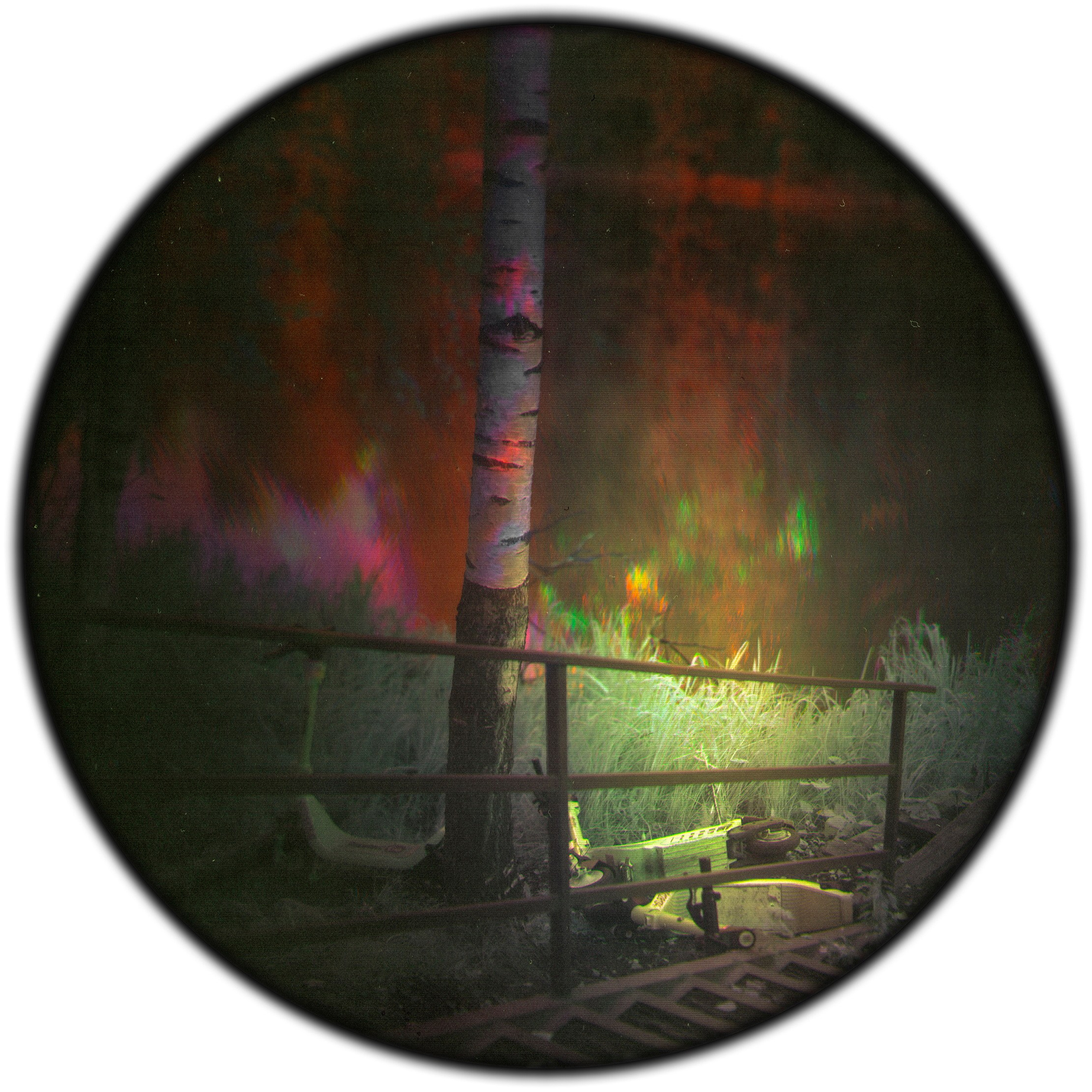
Meta-Horses by Kalinov Bridge
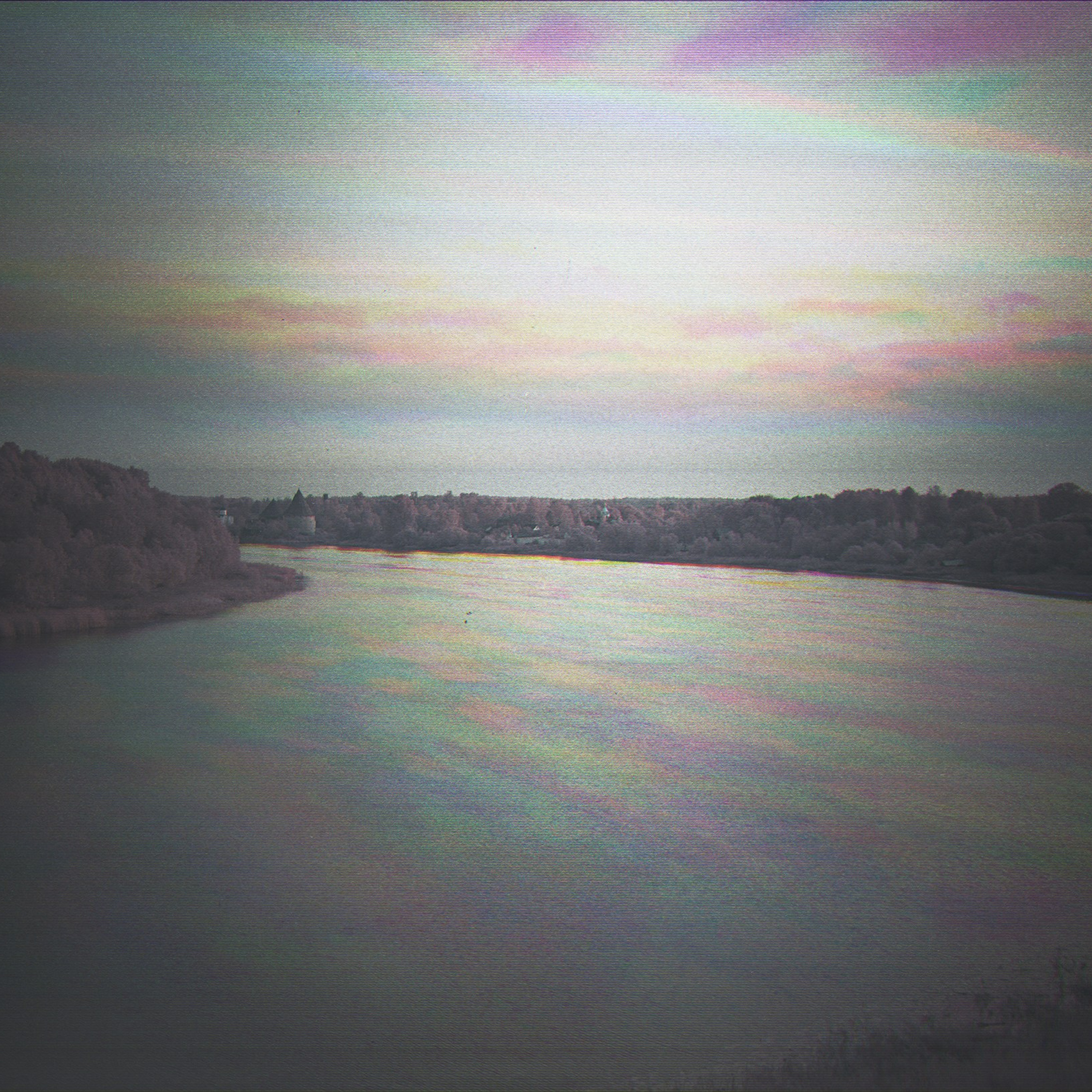
Chrono-Flow of the Volkhov, from Oleg the Prophet’s Burial Mound
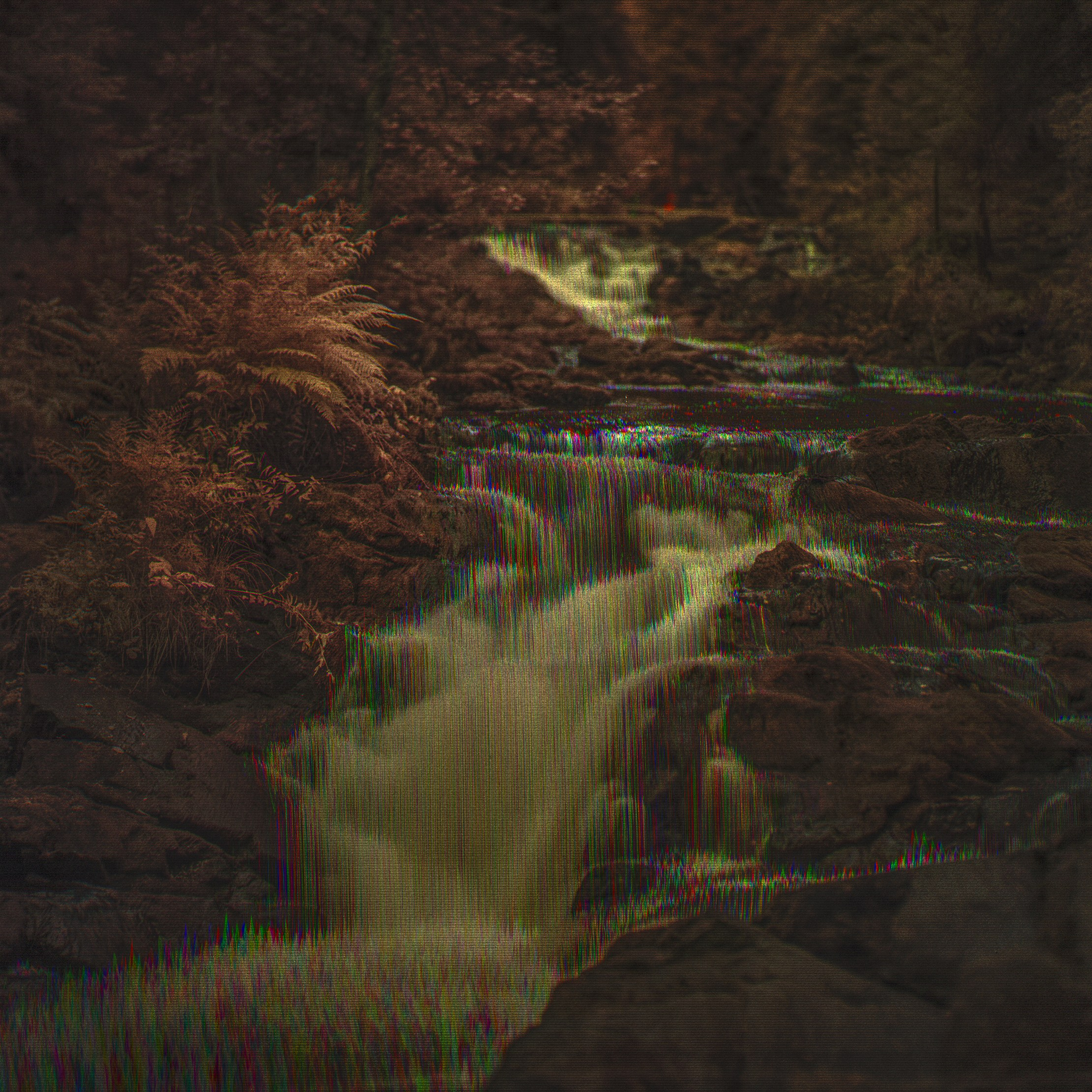
Chrono-Flow of a Waterfall
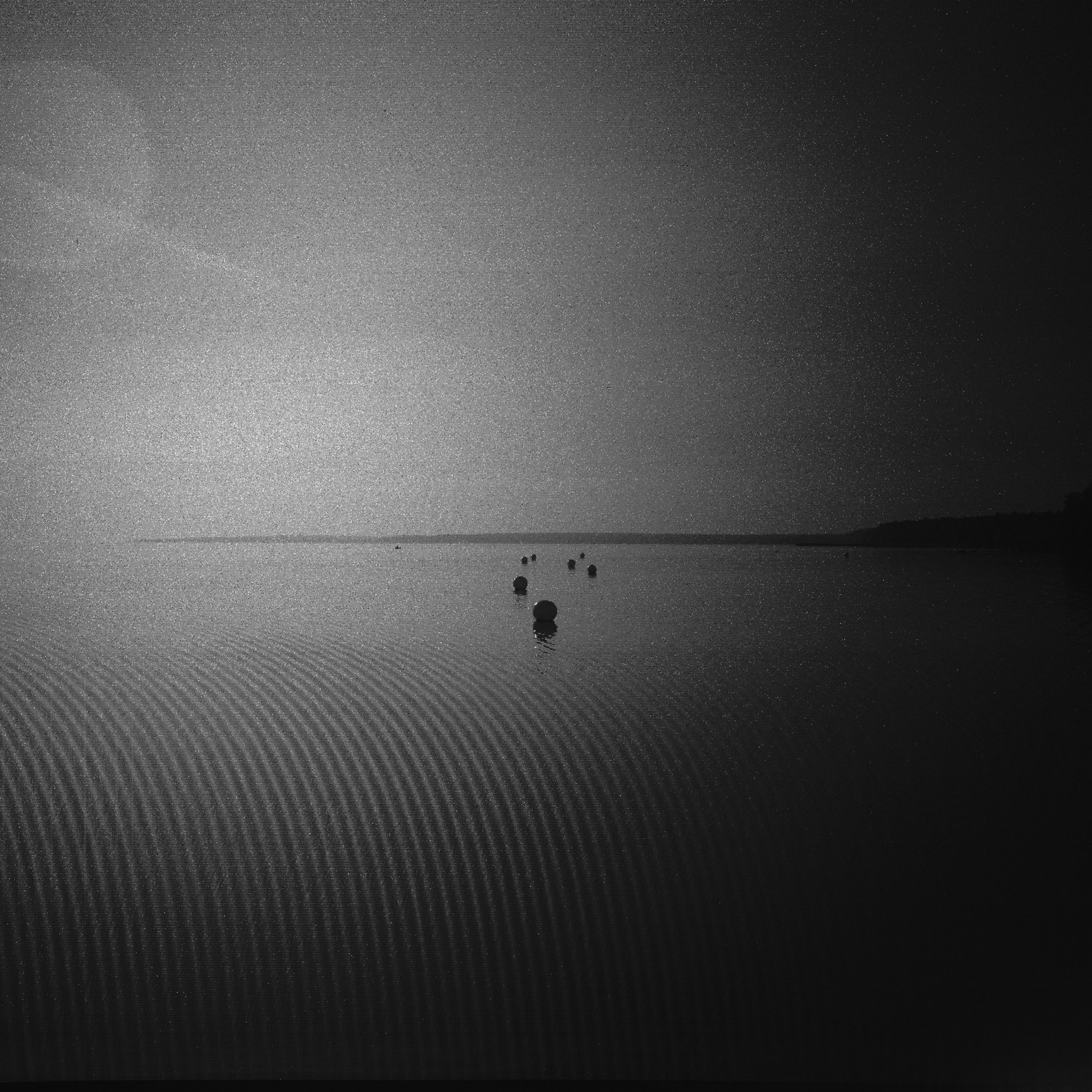
Saturn’s Roe, at the Edge of the World
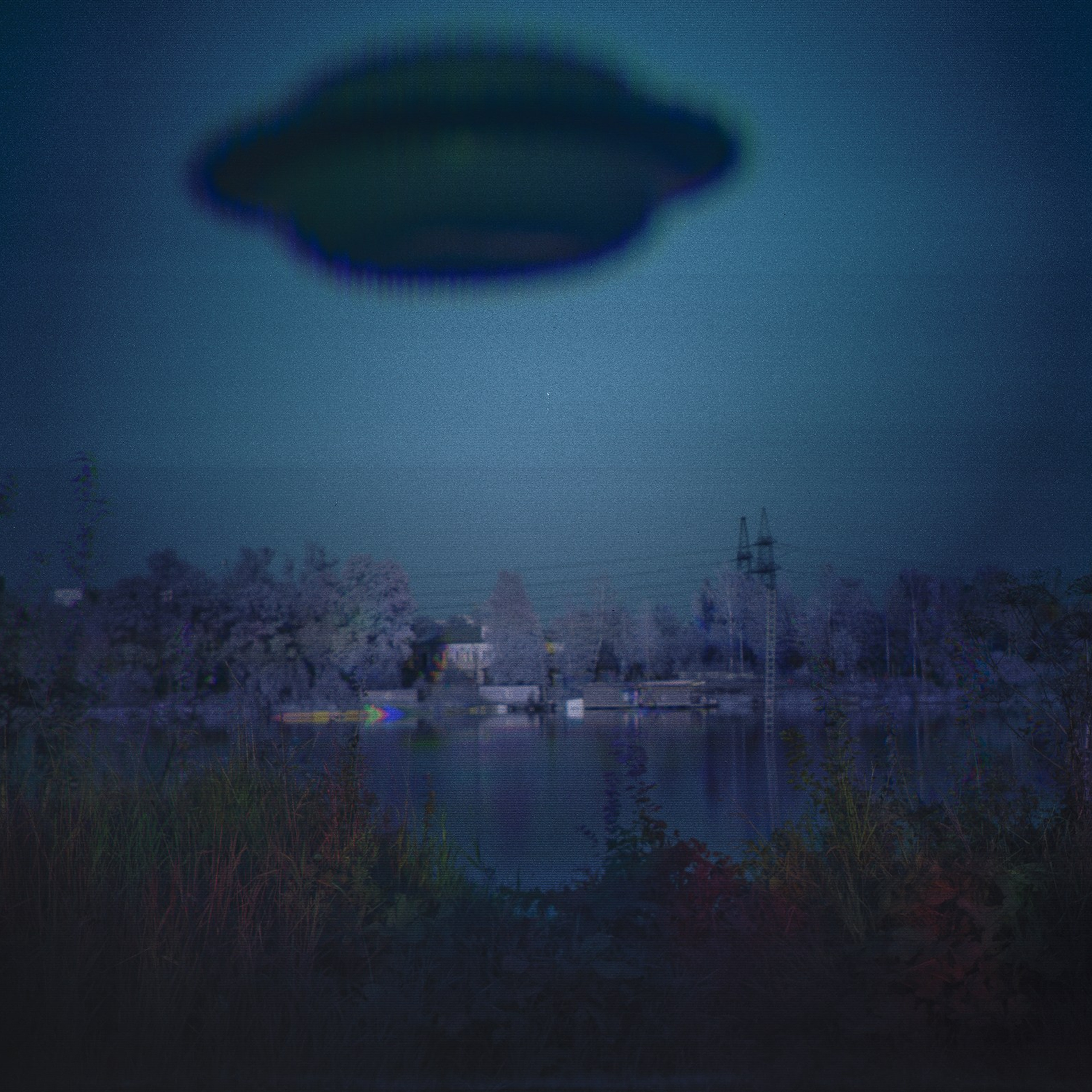
Contact
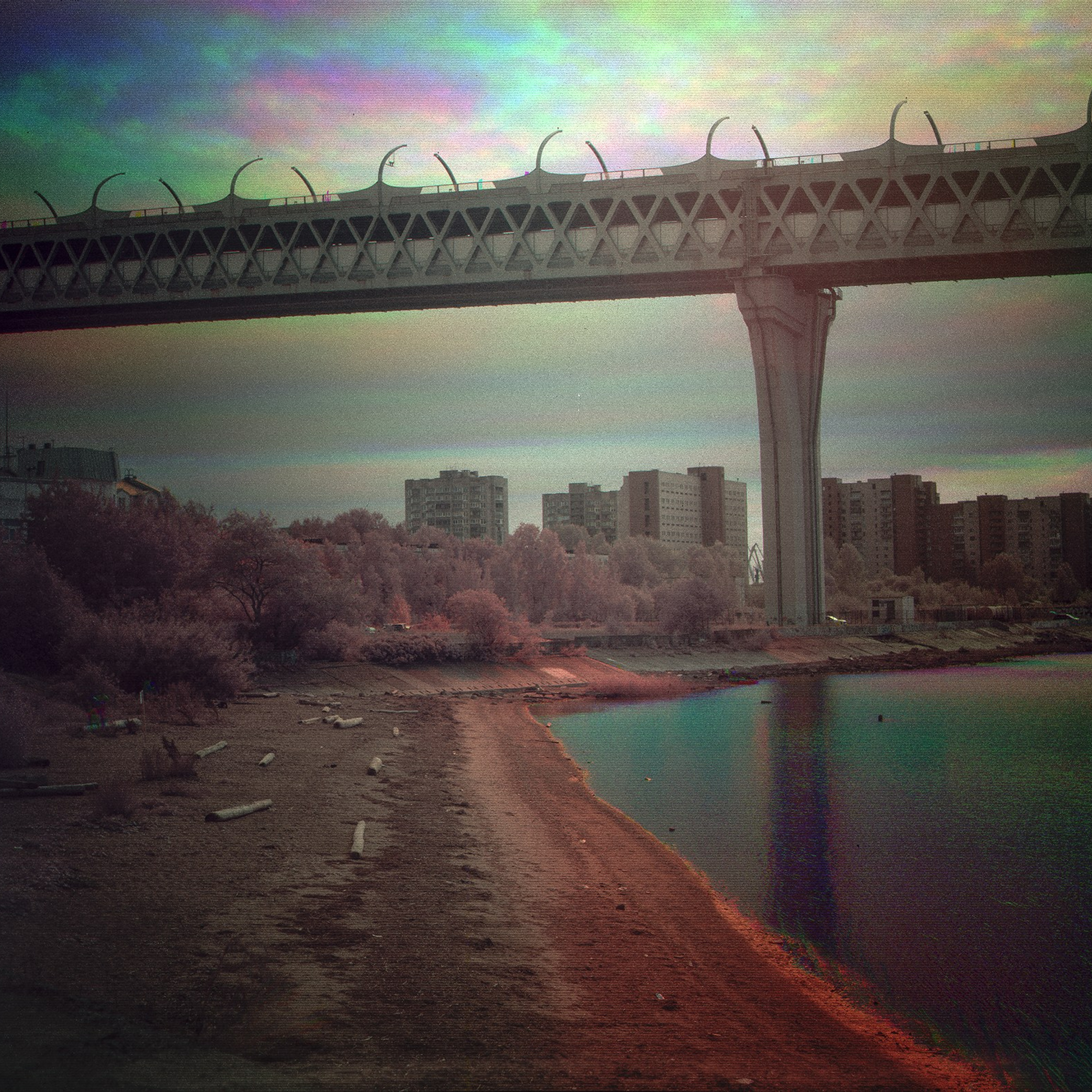
Kanonersky Observatory
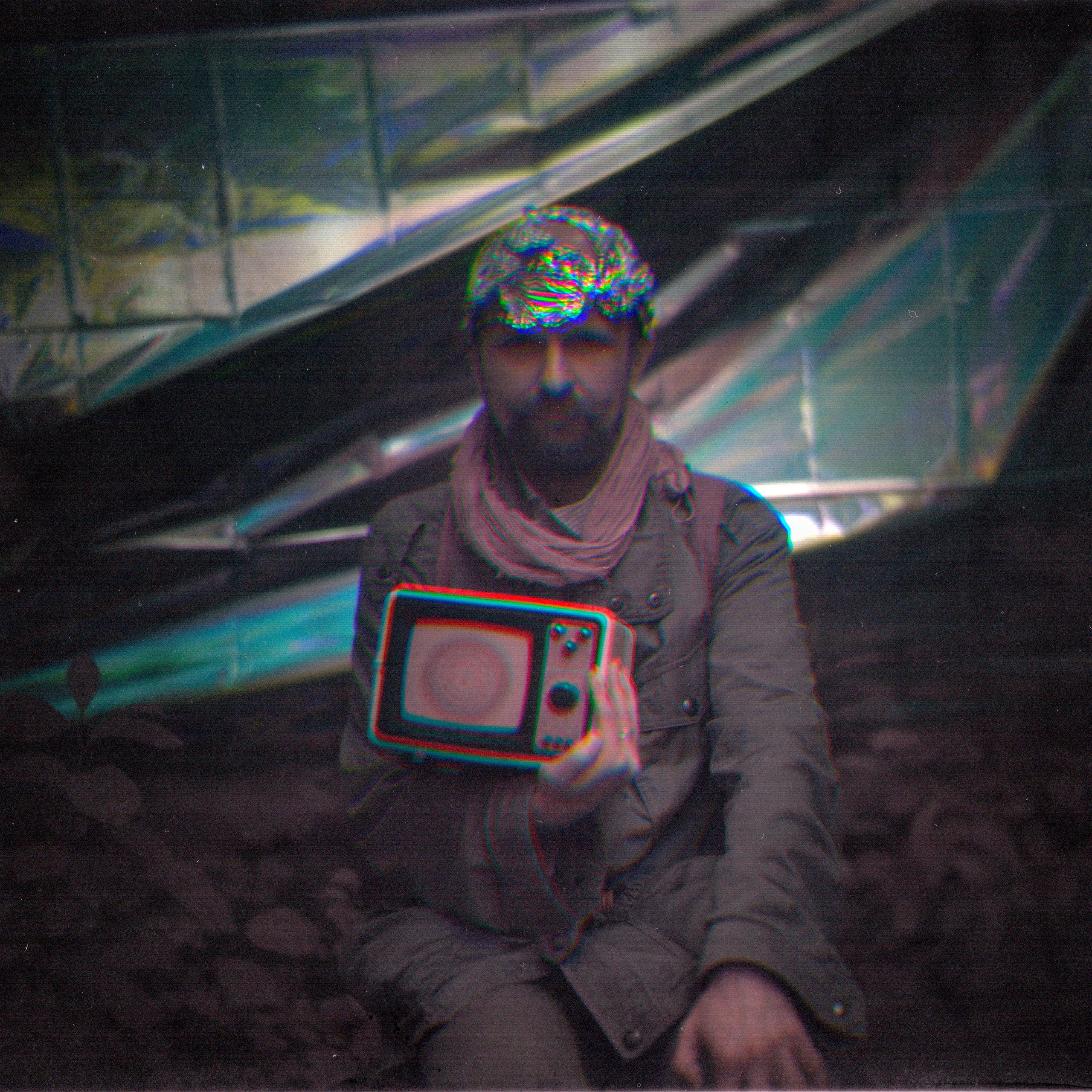
Head Repair with Foil and Buratino
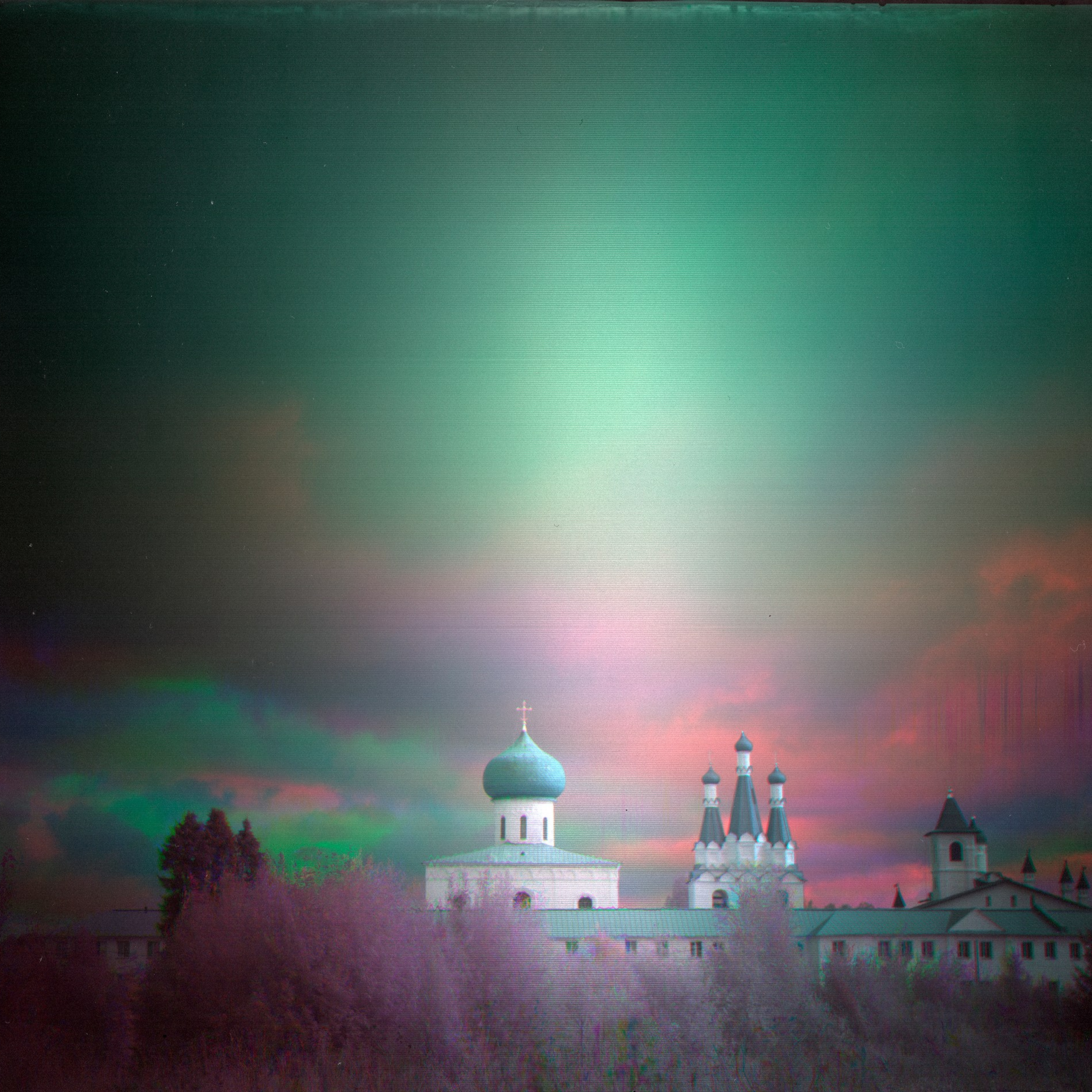
Around Lake Ladoga with the Buratino Chrono-Camera
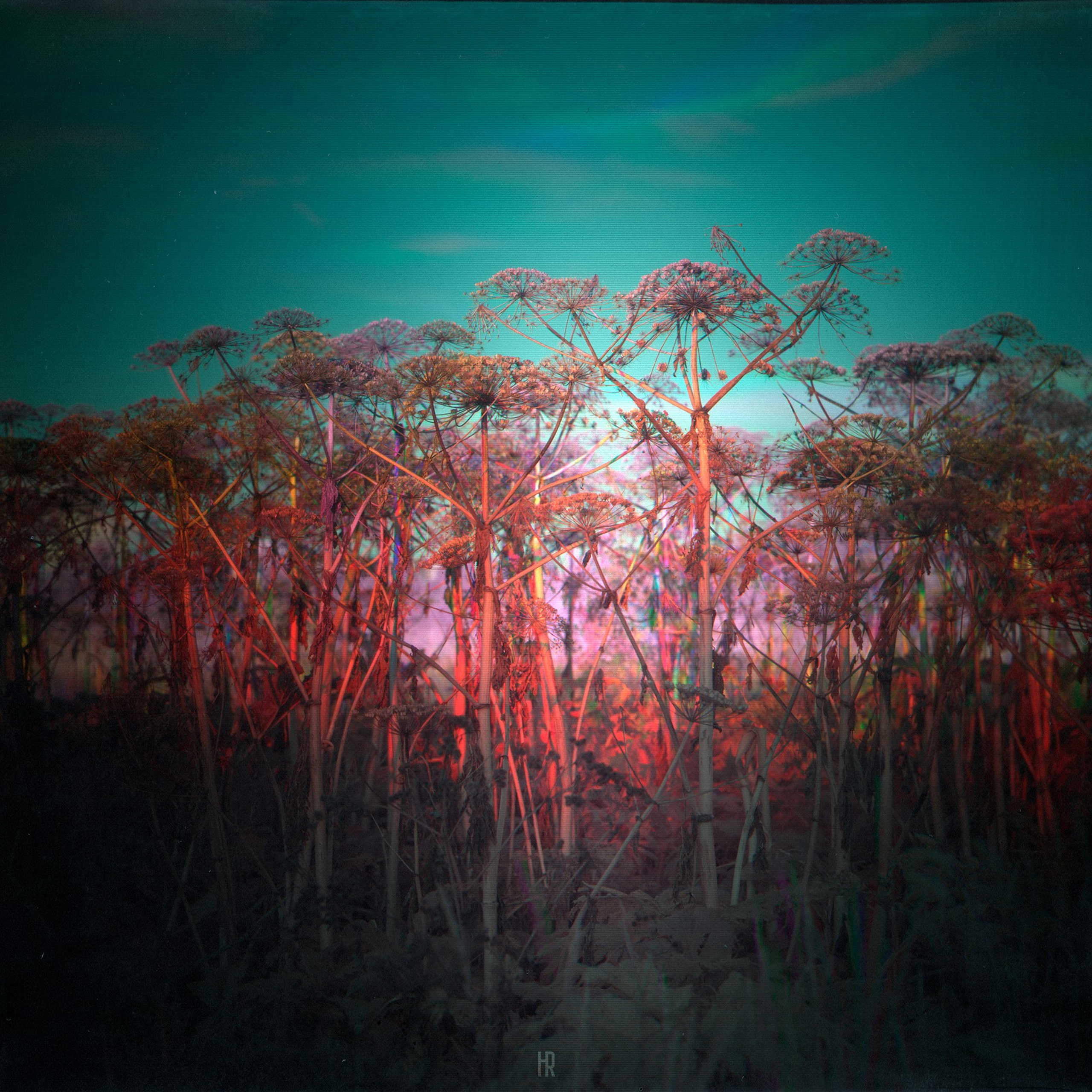
Phyto-Army (Hogweed)
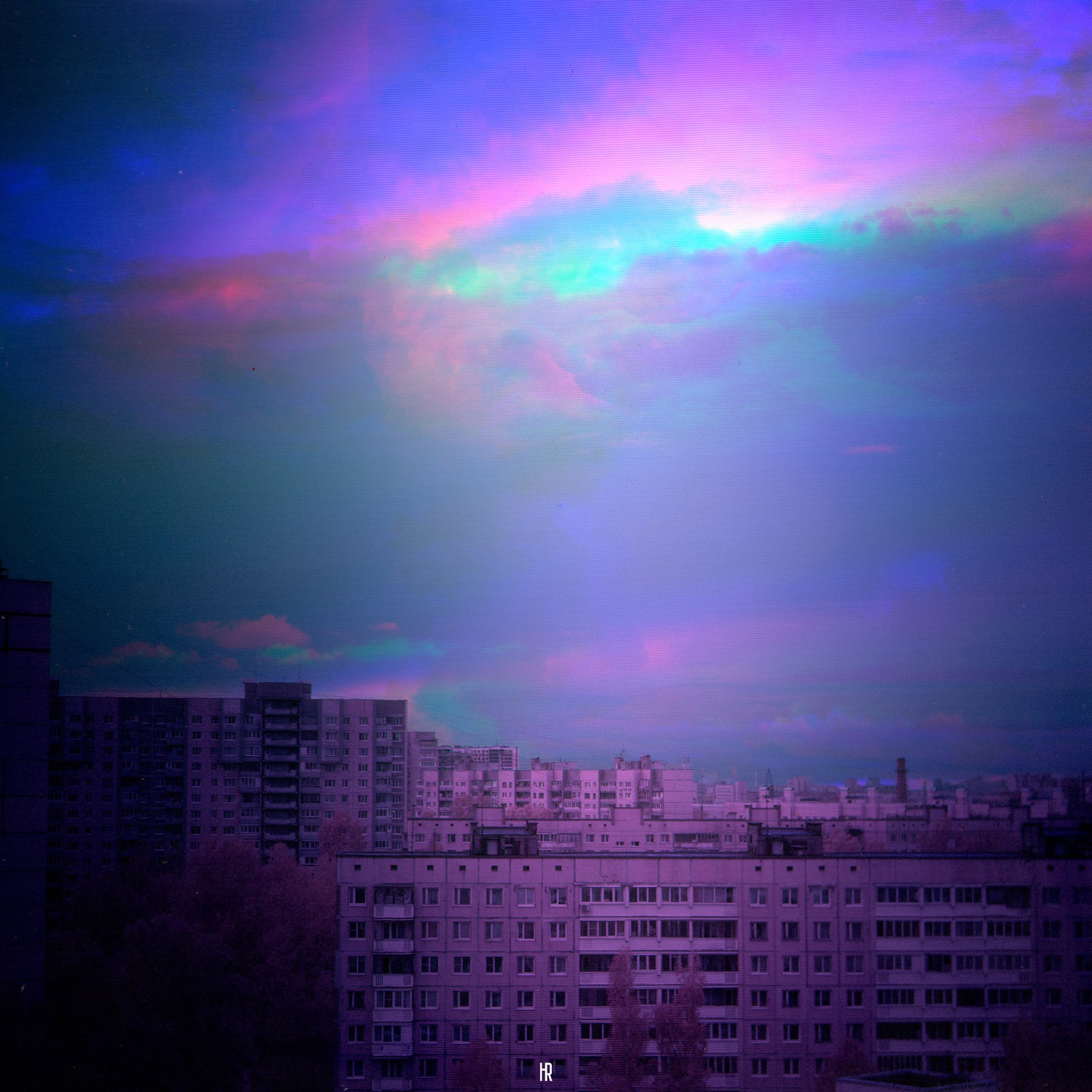
Contemplation of the Chrono-Drift of Clouds No. 0002
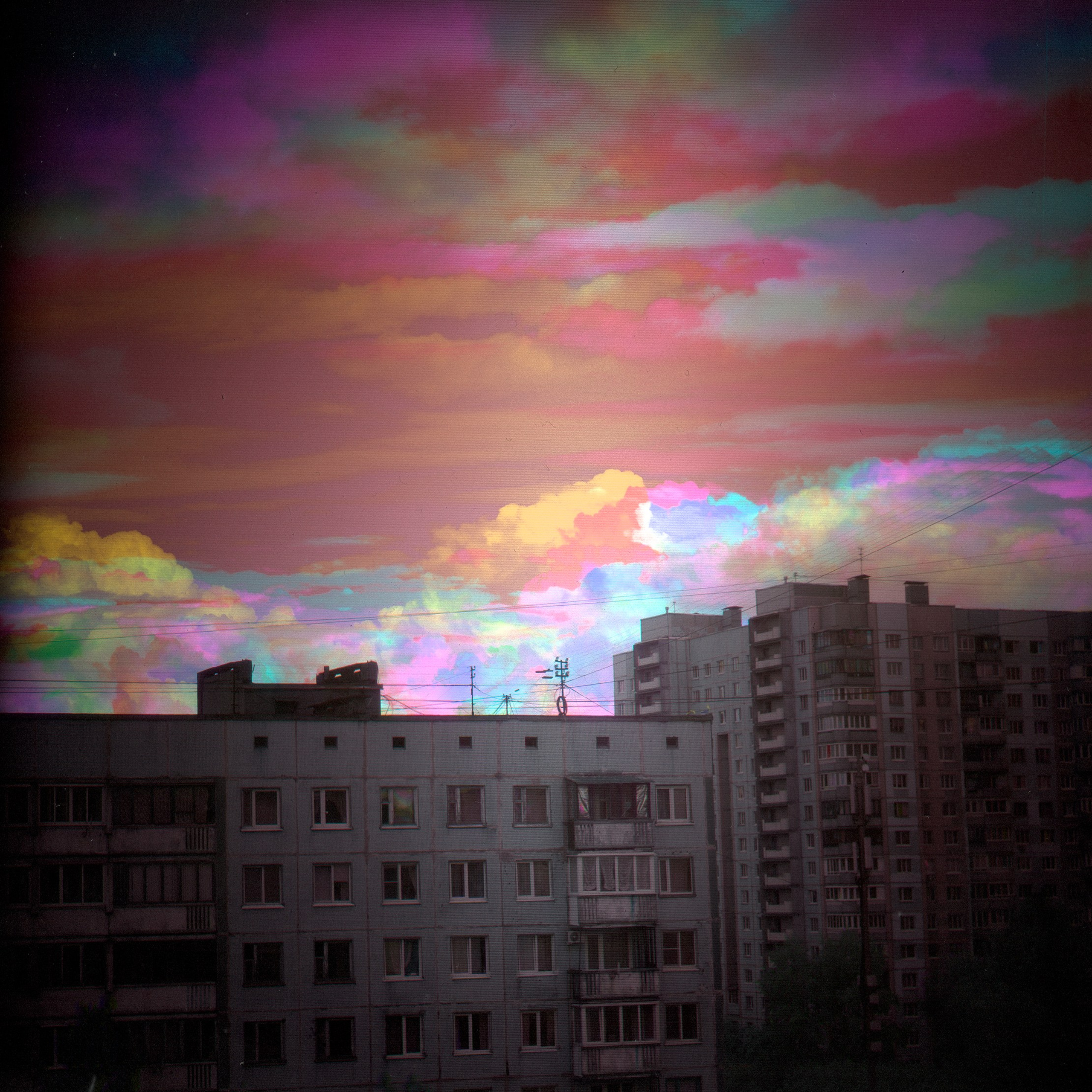
Contemplation of the Chrono-Drift of Clouds No. 0001
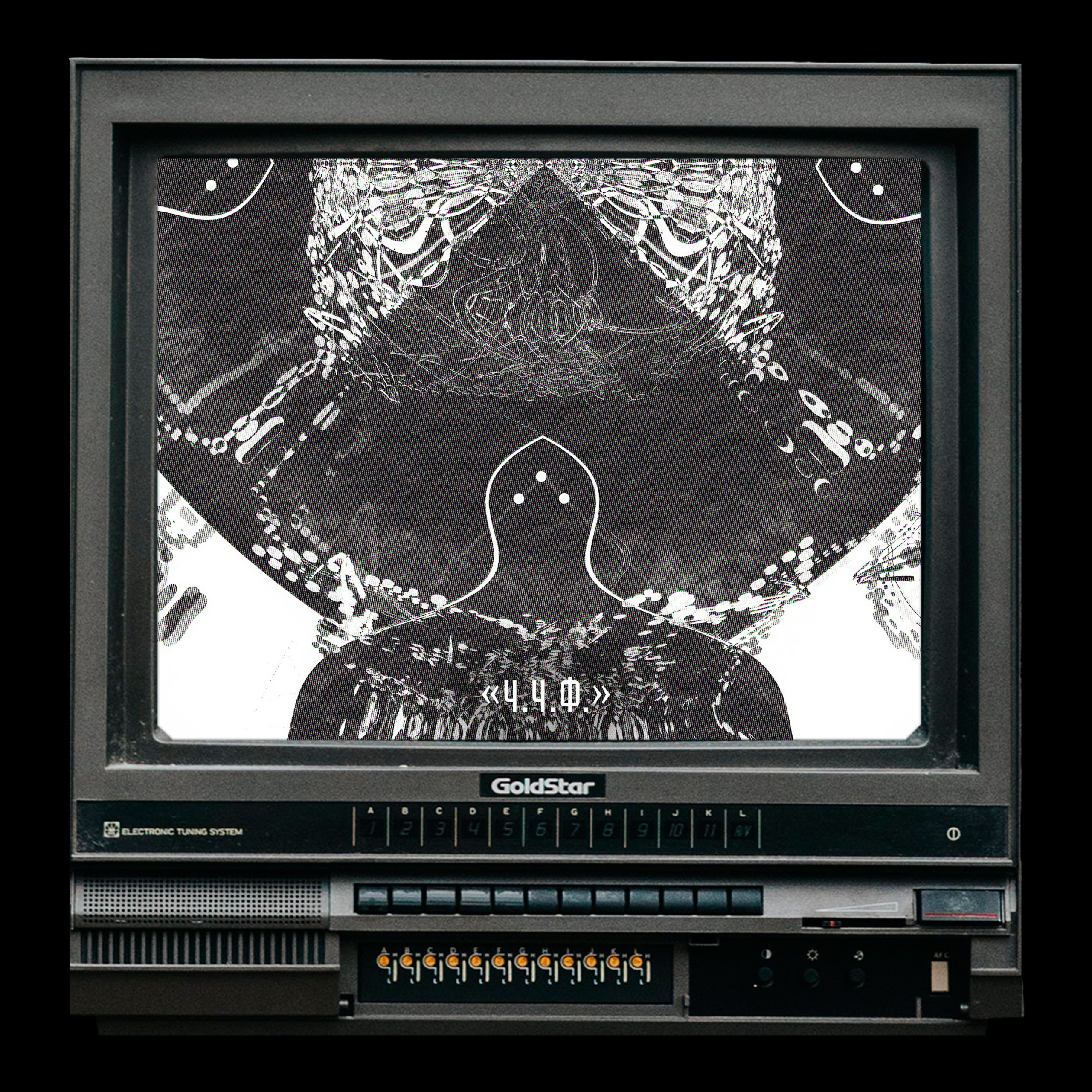
ChChF (Four Black Figures)