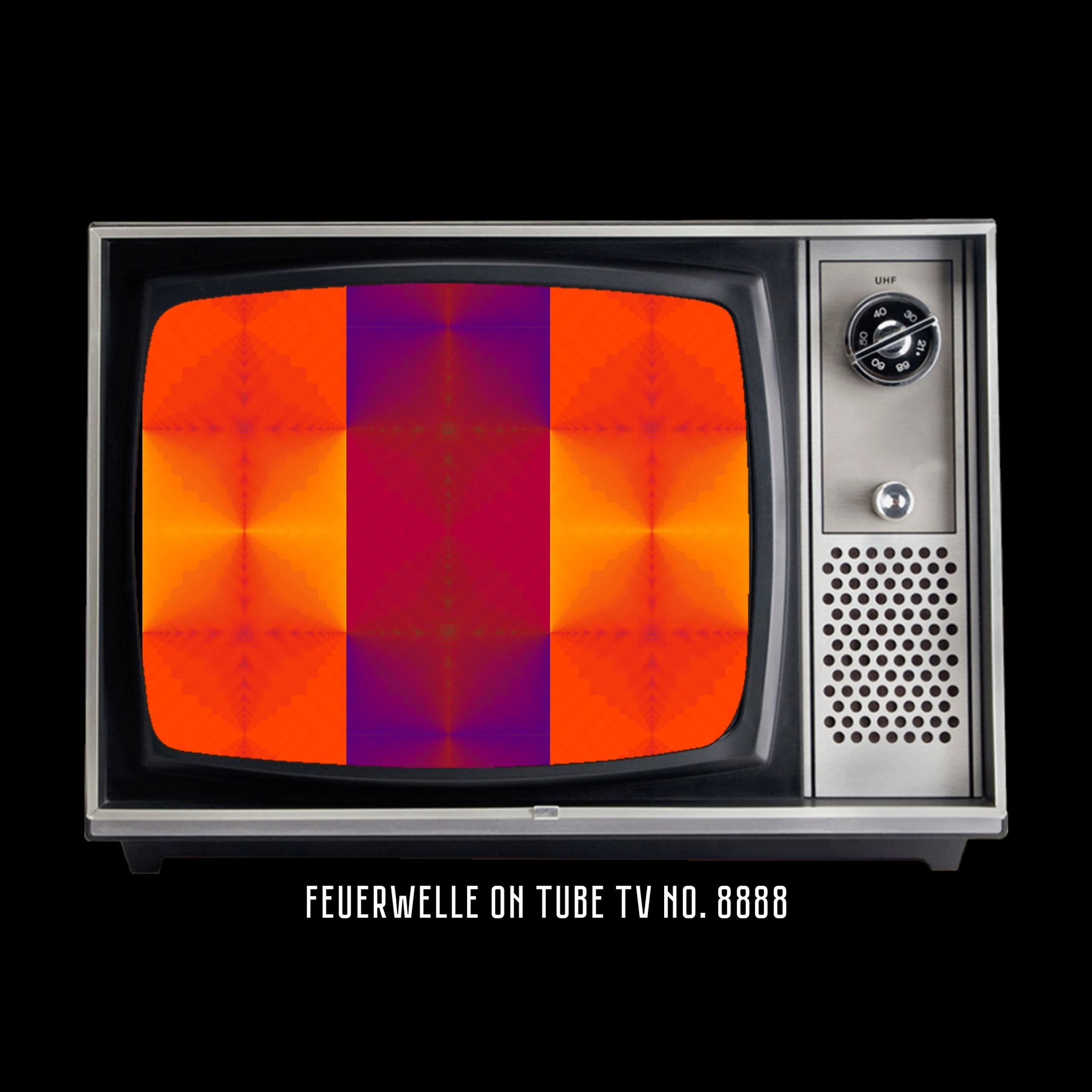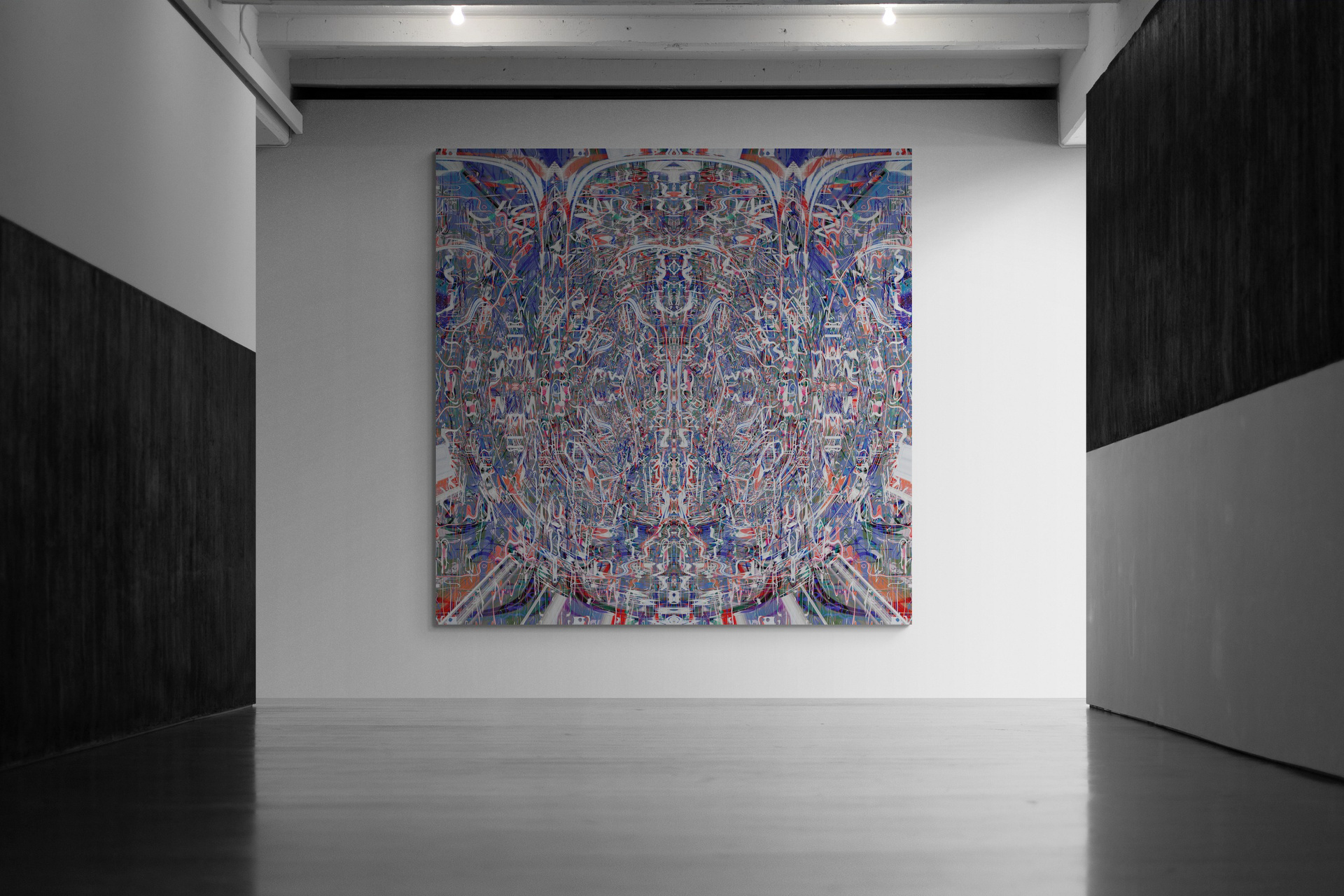
Here is a work worthy both of a new-media department and of a department of anomalous archaeology. At its centre is an artefact pointing simultaneously to the pre-digital era and a post-media future. Roman Hodirev’s “Dream of a Tube Television” is an allusive canvas where three strands intersect: fluctuations of obsolete technologies, the poetics of a chance signal, and astigmatic vision as a method of perceiving chaos.
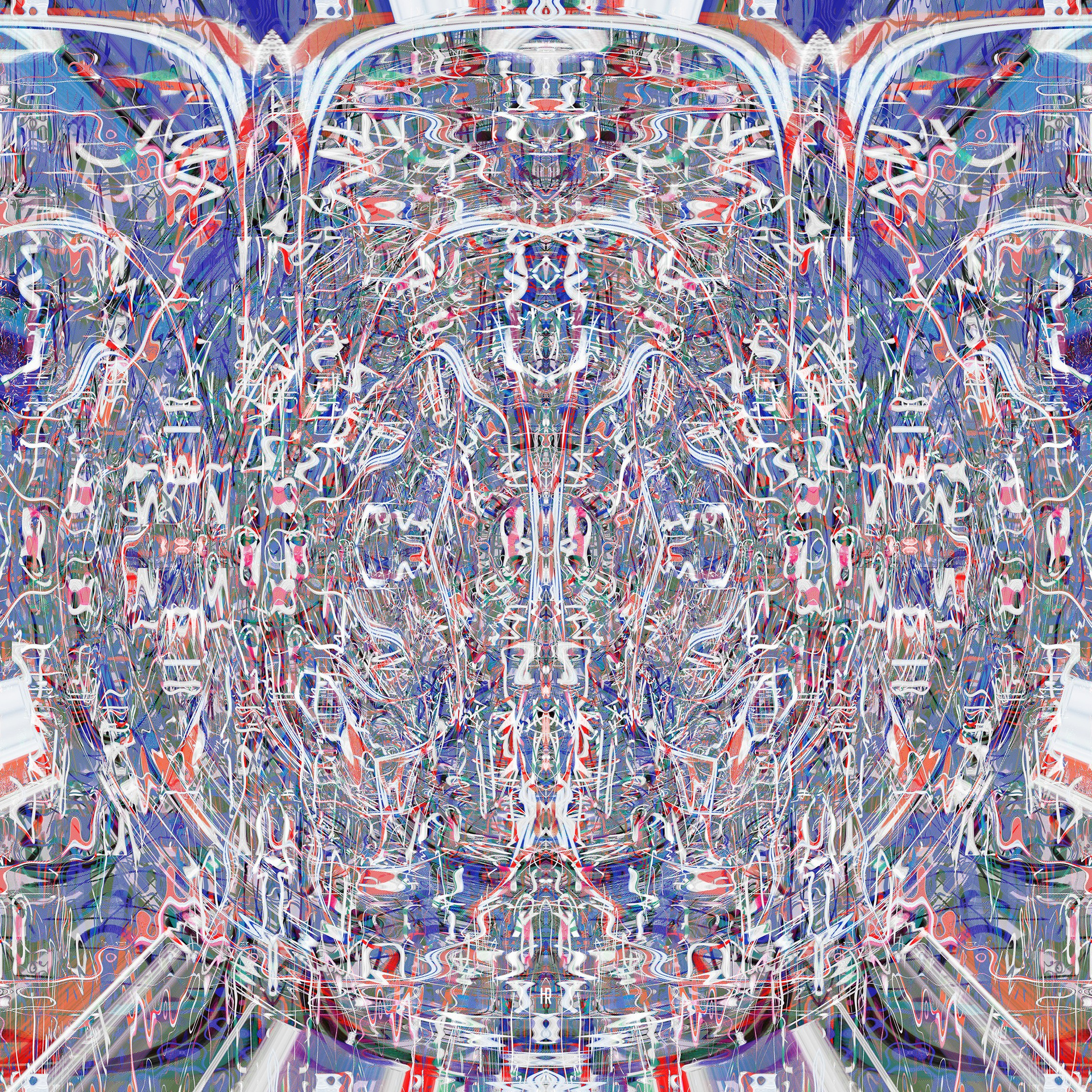
Metaphysically square—222×222, the number of symmetry, repetition and ritual—this object takes on the status of an icon for future archaeologists of the information age. The image resembles a symmetrical tuning of an airborne signal that has come alive, rebelled and begun speaking its own incomprehensible yet unsettlingly familiar language.
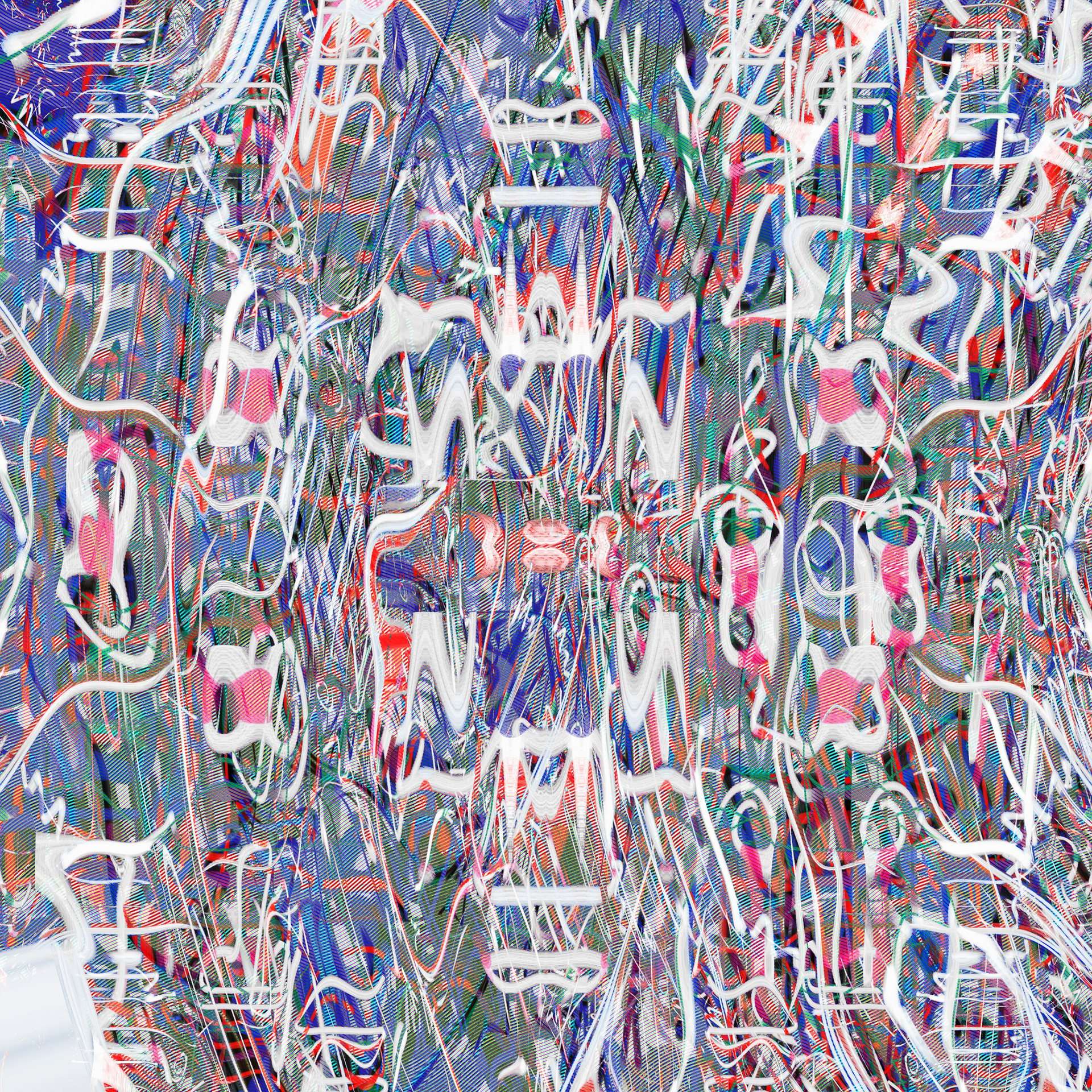
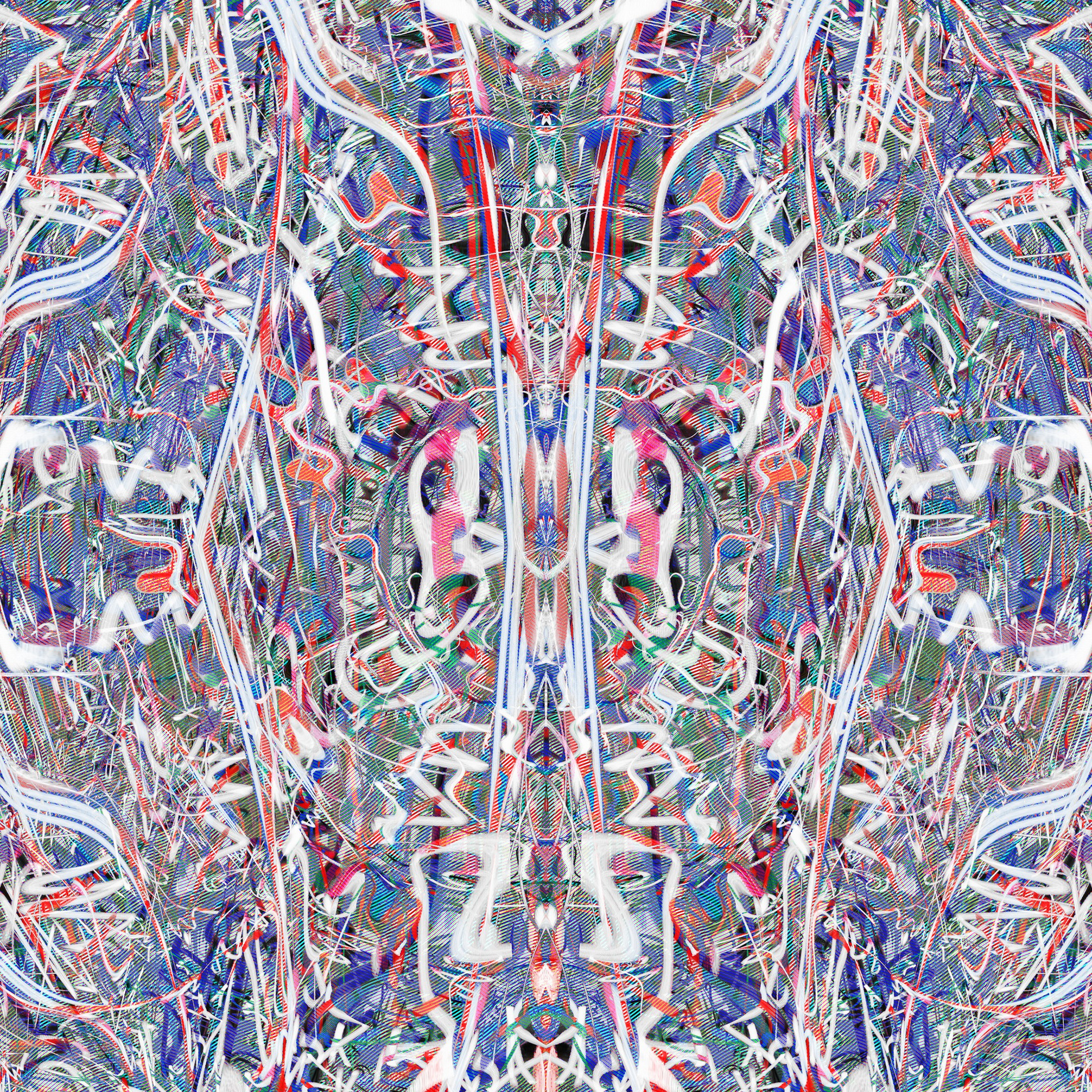
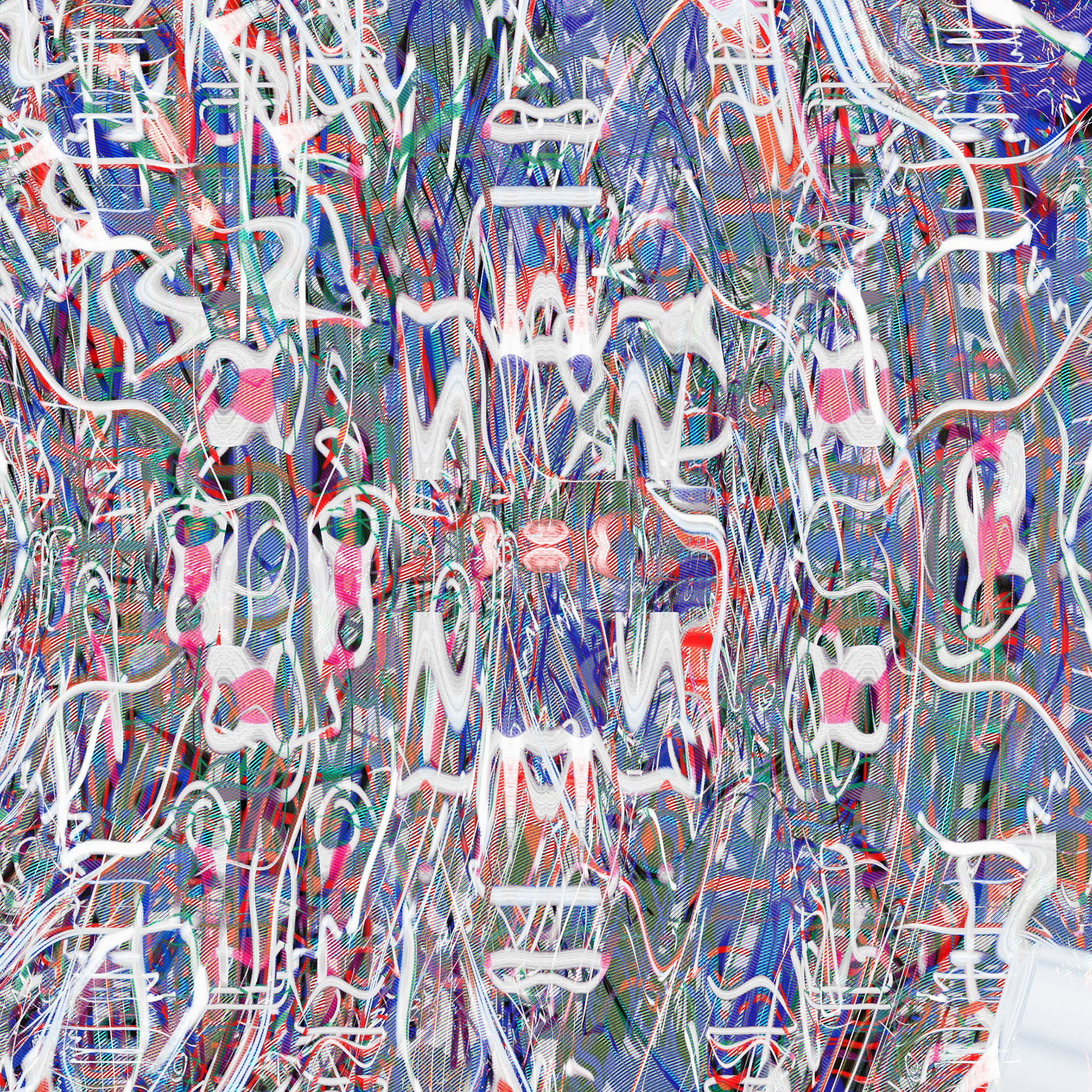
On closer inspection, viewers can discern layers of speech: perhaps a cosmic message, perhaps a dialogue with the household carpet which, by definition, has always known more than it said. The palette is a decomposition of memory’s spectrum. Blue-violet distortions echo sharp flecks of red, recalling both the electromagnetic nature of the image and the pain of a lost signal.
Acrylic face-mounting not only preserves the form but places the viewer in a state of laboratory observation. We seem to be under glass, looking not at a picture but at the brain of a device trying to remember what it was before humans appeared. As though lilac had entered the television’s dream and its scent had disrupted the entire system.
The work rhymes with late Fluxus aesthetics, the graphic automatism of the Research Institute of Astigmatism, and the visual rhetoric of posthuman archaeology. It is more than an image: it is a receiver tuned to the frequency of parallel worlds, forgotten memories and missed waves.
From a letter by the Meta-Curator
Art as Evidence of Intelligence
***
…their reaction would be twofold. On one hand, they would see an astonishing wealth of cultural forms: music, cinema, dance, abstract paintings, complex intellectual debates—and perhaps admire our capacity for play, imagination and the creation of meaning from nothing. On the other, through advertisements, news and entertainment shows, they would notice an undisguised noise: wars, aggression, the hunger to consume, fear and senseless self-destruction. Such a screen would reveal a civilisation in which genius and destruction are inseparably entwined. Whether they wished to approach and make contact, or continued observing from afar as one watches a strange and dangerous species that has yet to decide whether it is capable of peace, would depend on what outweighed the other in their perception: the radiance of art or the shadow of chaos.
***
Before us is not simply an ornamental surface but an optics that teaches us to look. The work is constructed as a “screen within a screen”: viewers are drawn into a vortex of symmetries, reflections and microscopic permutations of signs, recalling optical test charts, carpet fields and oscilloscope traces. What is tested here is not the sharpness of a lens but the sharpness of consciousness. The compositional axis, the rhythm of “double breathing”—left/right, top/bottom—and the fragmented flicker of lines gather chaos into a coordinated choral arrangement. Colour behaves like sound: cool blue and lilac registers hold the form, while warm red and coral add resonance, turning the plane into a plastic score.
The “Test Charts” series redefines the genre of the test image itself. Historically, charts calibrated an instrument; here they calibrate the observer. “Dream of a Tube Television” returns us to the age of white noise, when the airwaves were still a meeting place rather than a channel’s signboard. The artist slows the gaze and invites us to read the image as a palimpsest of signals, where each loop of a line is a letter in an alphabet belonging to no nation. A “technical” diagram thus becomes a medium for interspecies writing: deep in the pattern one can discern the logic of galactic spirals, concentric rings and the geometry of crop circles—universal glyphs of harmony independent of language.
Philosophically, the work poses a simple but radical question: is art an image of the world or a communication protocol? If we accept the latter, the “plastic symphony of Channel 13” is not a picture but an invitation to a frequency where another intelligence speaks to us in the most accessible code: beauty. This “distant correspondent” imposes no plot and dictates no will; its letter is not a command but a tuning. We fear the masks we ourselves have assigned to the other, yet receive in reply not a face but ornament as a form of peaceful presence. Symmetry here concerns not an ideology of order but an ethics of mutual attunement: to hear, one must become commensurate.
The television’s dream is therefore a waking state for the viewer. It returns us to the invisible discipline of contemplation: looking so that an image ceases to be a wall and becomes a window. Within this optics, a “test chart” is not an examination of visual acuity but a test of the capacity for peace: can scattered frequencies become consonance, disconnected lines become a letter, and noise become a mantra? The picture answers for us: yes, if we acknowledge art as the oldest still-functioning means of sustaining a connection between those who have never met but already share a symmetry.
***
…And here the meaning of “Test Charts” reaches its culmination. The gaze of other worlds, passing through the white noise of tube-era airwaves, remains that of an outside observer: they study us as we study insects under glass or an animal in a cage. To them, we are a civilisation with an extraordinary gift for making art, yet lacking inner peace. Our paintings, music and ornaments astonish them with their beauty, but wars and destruction repel them.
This series works like a mirror-mantra, reminding us that creativity and constructive action can change the way we are seen. Only if we learn to create peace. Only if art becomes not a justification or reinterpretation of chaos but a form of harmony will other worlds wish not merely to observe us but to enter into genuine contact.
Then the symmetries of their galaxies, the ornaments of crop circles and our pictures woven from noise and lines will merge into a single language. A language in which art ceases to be an “illustration of life” and becomes evidence of intelligence.
Perhaps only then will we be heard for the first time—not as an animal in a zoo, but as an equal interlocutor in a cosmic dialogue. Where we will be understood, and perhaps even forgiven.
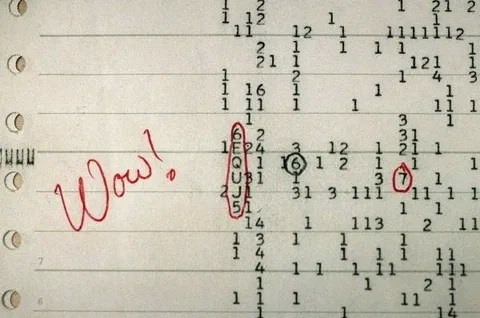
The “Wow!” signal was a strong narrowband radio signal recorded by Dr Jerry Ehman on 15 August 1977 while working with the Big Ear radio telescope at Ohio State University.
From an attempt to decode the signal:
Violation of the Sinai Agreement—lines 6 and 10
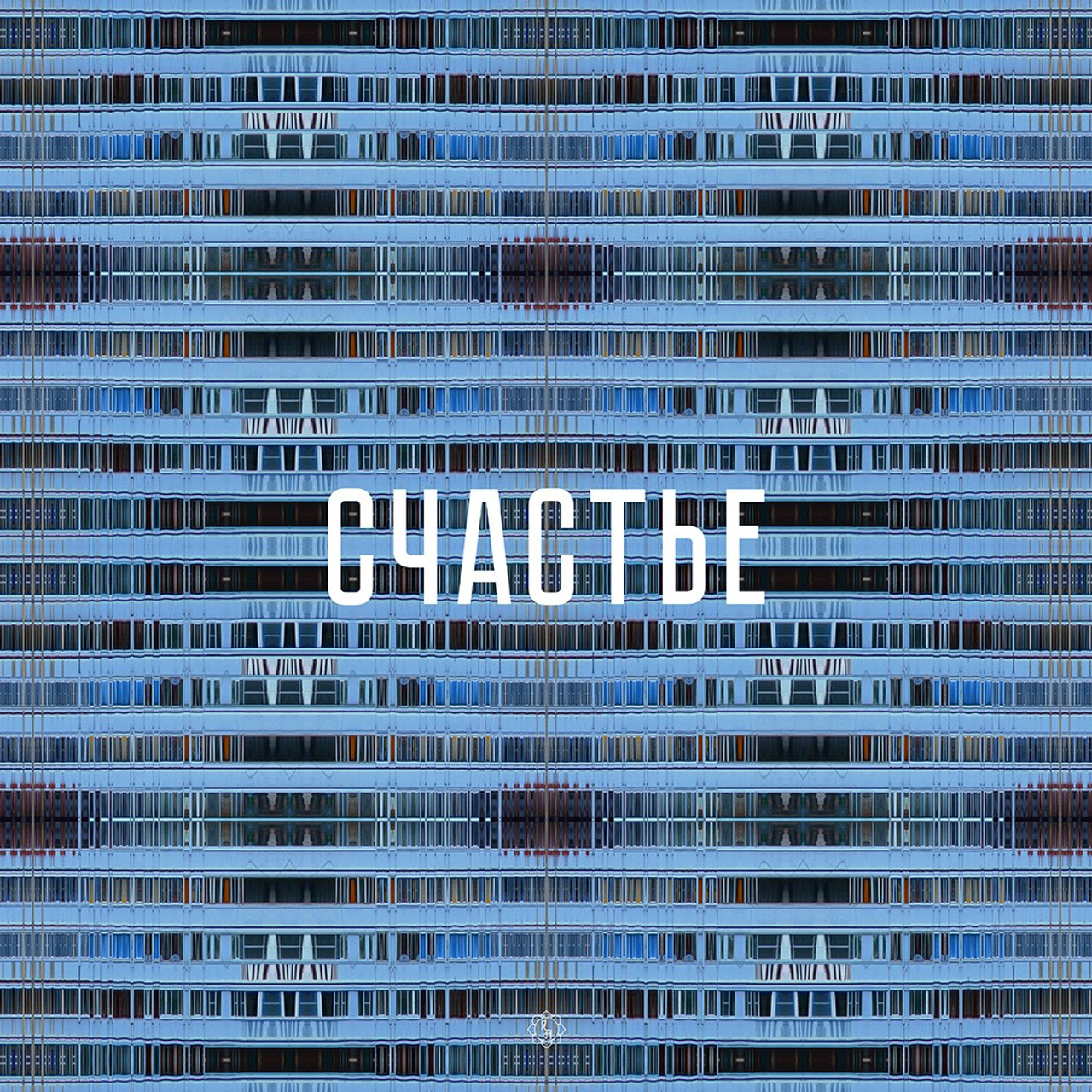
HAPPINESS
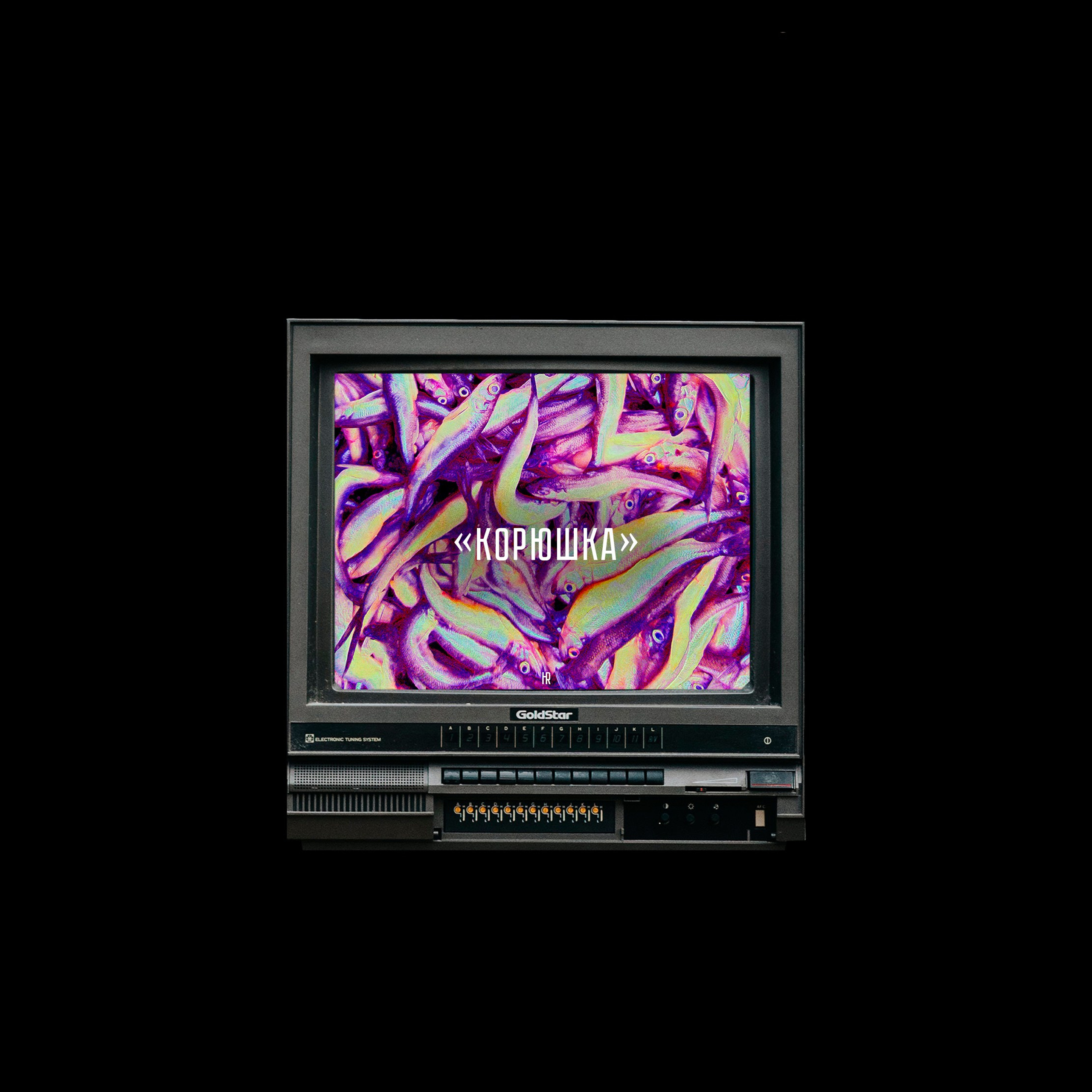
My Television Smells of Cucumbers Again, Spring, May, Soon, Tomorrow
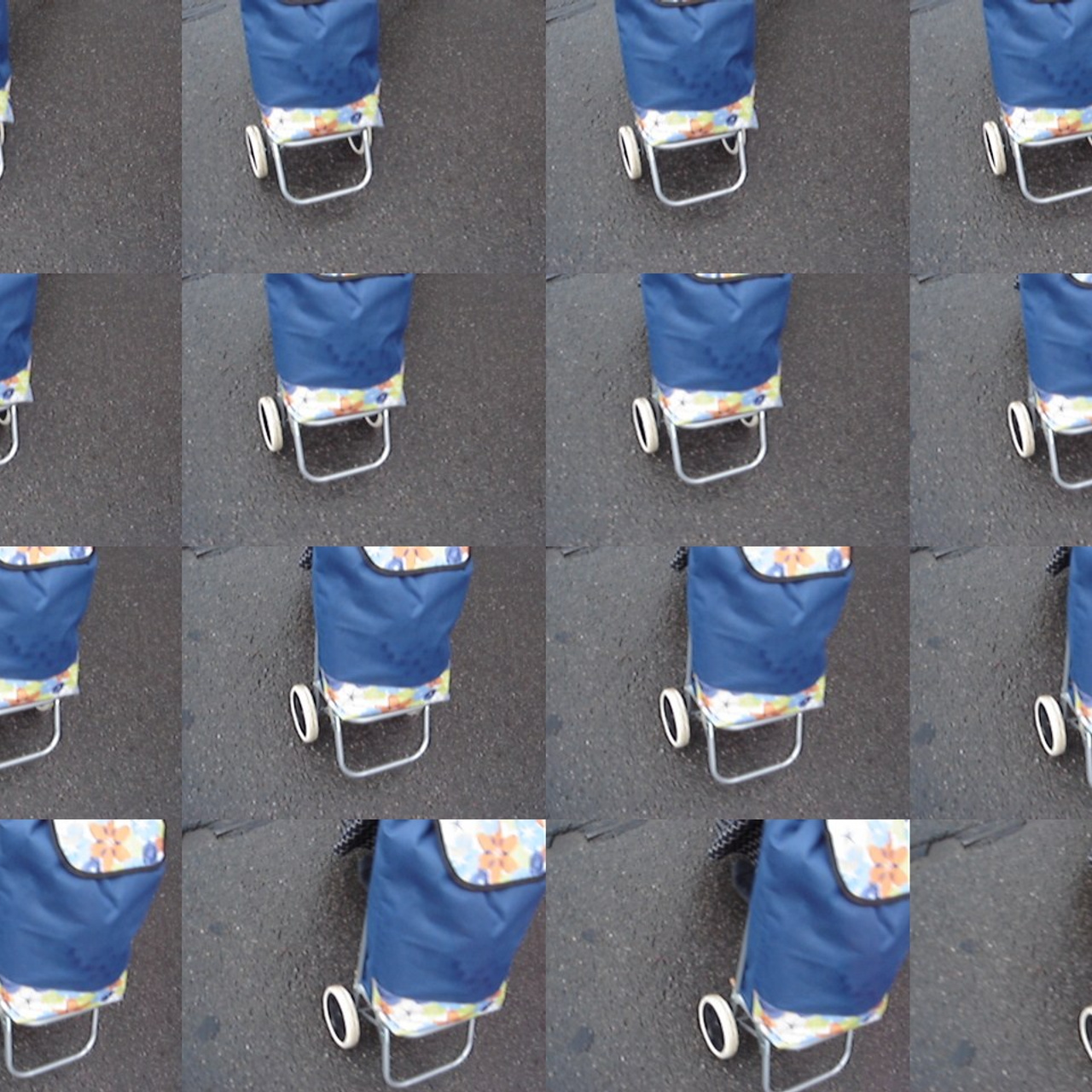
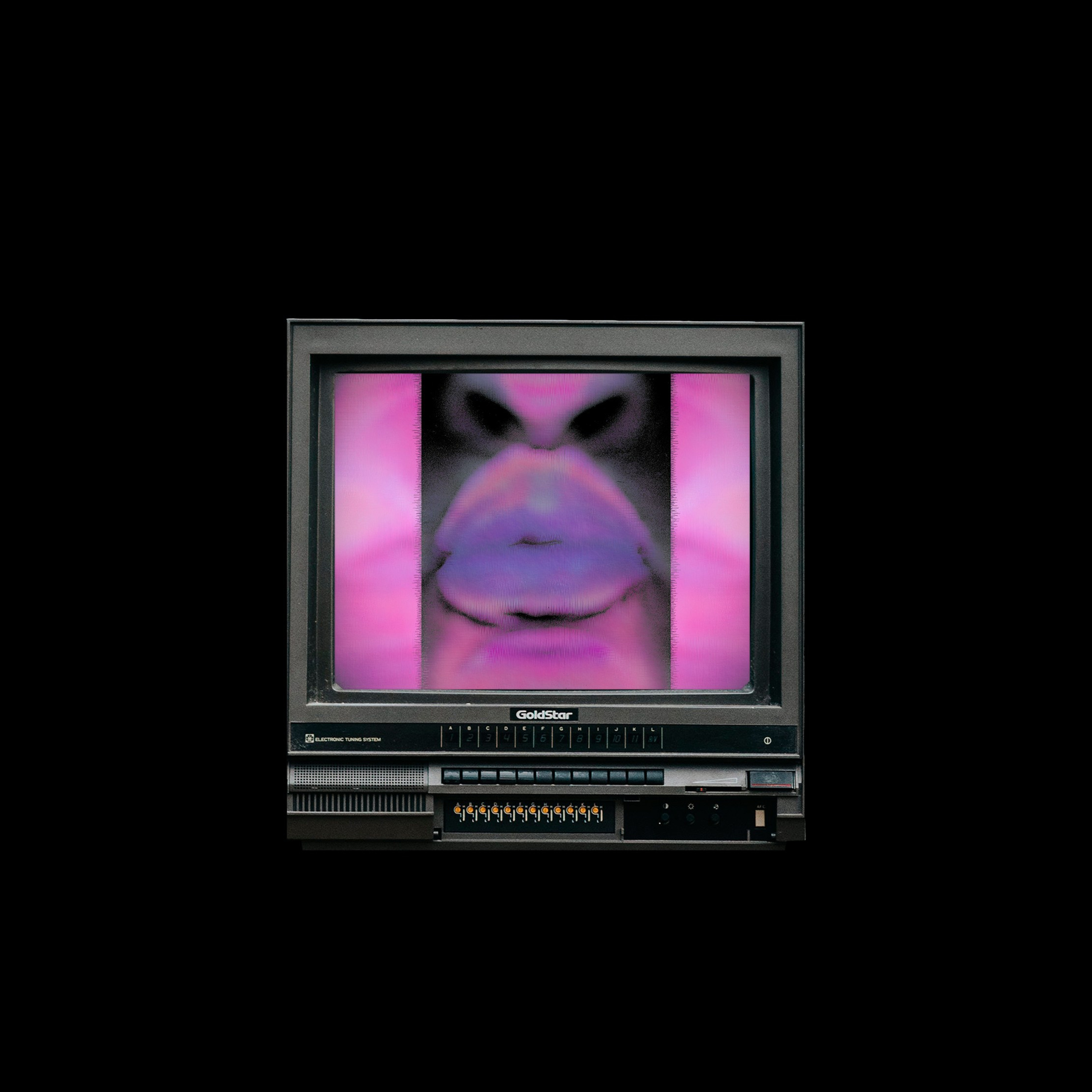
Screen Interference № 7
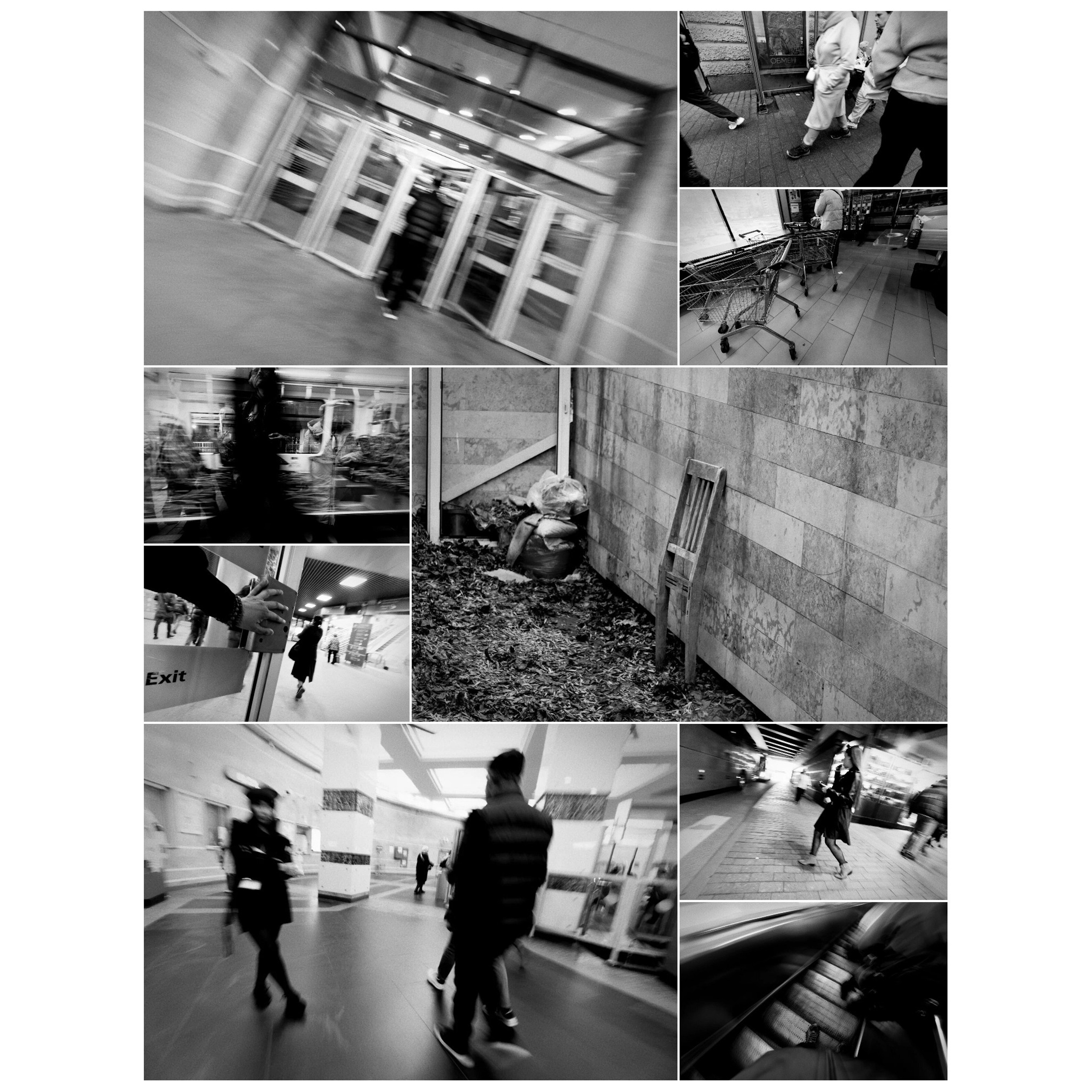
Drift No. 22 042 025
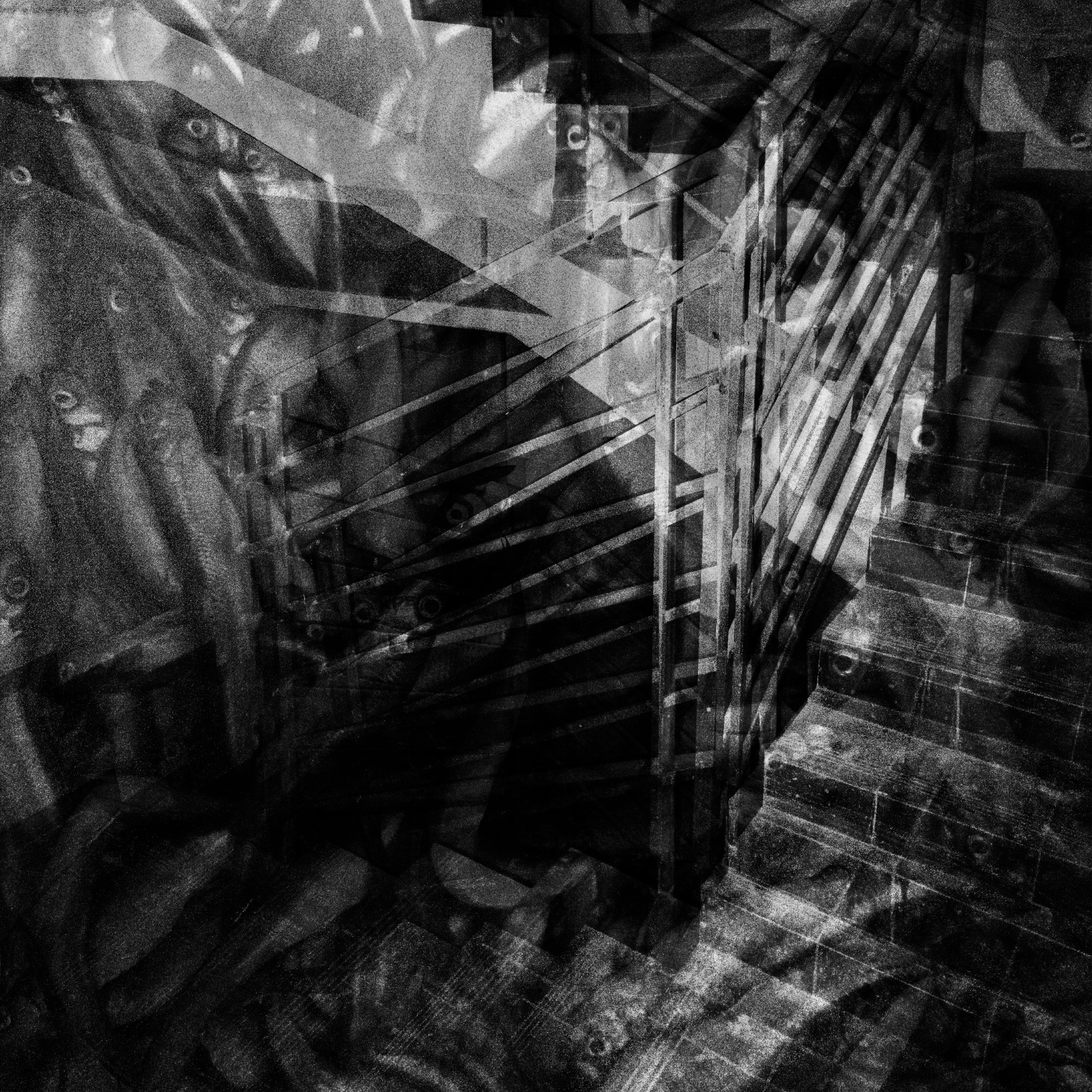
Staircase

The Centre of the Home

Metaphorical Billiards

BEAUTY

Drift No. 27012025

The Biochemistry of Perceiving “Art”

Rapids on Psychic TV No. 121212

Exhibit Description: “Eye of Egypt”
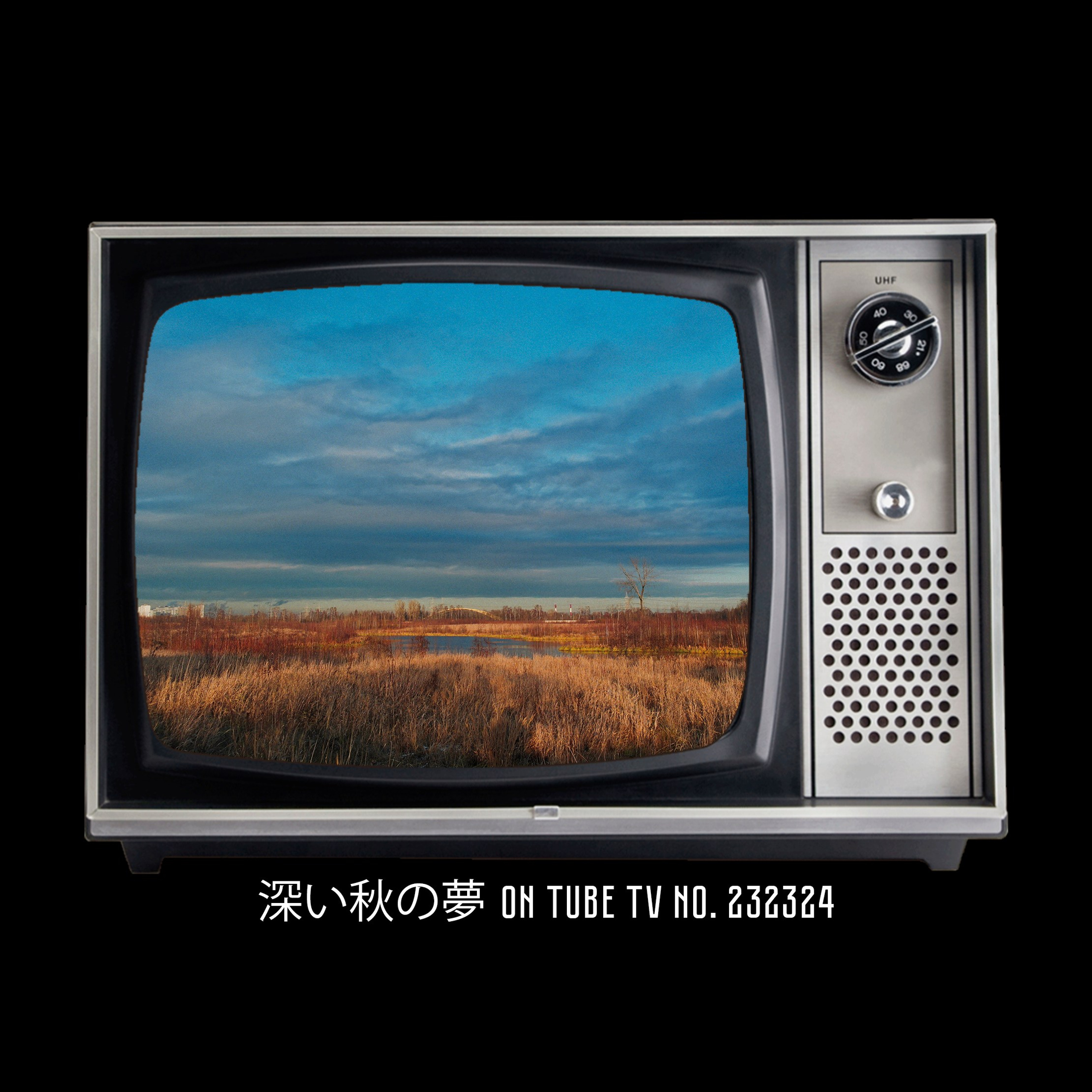
深い秋の夢 (Dream of Deep Autumn)